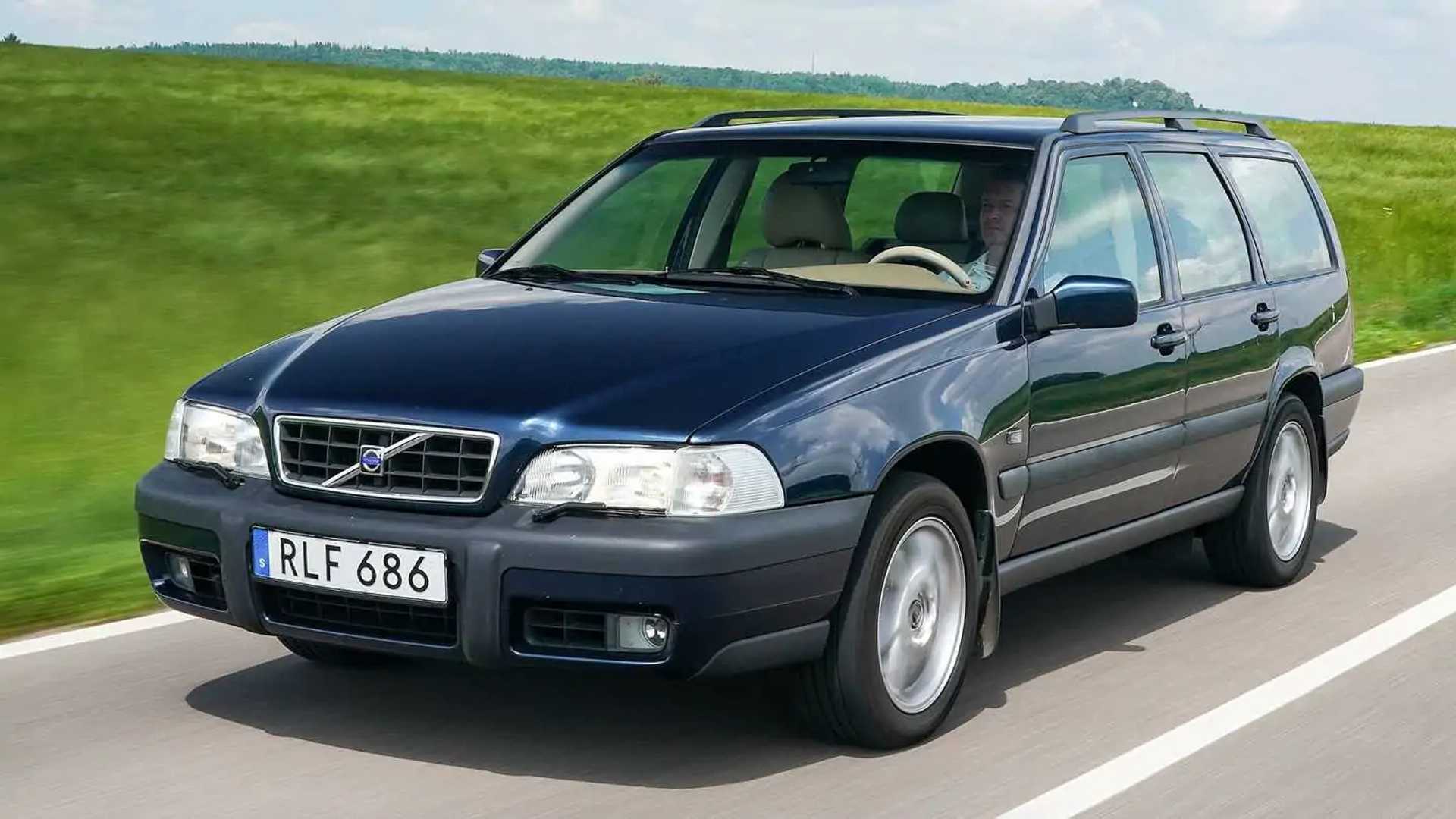
Volvo has long been associated with safety, Scandinavian design, and solid engineering. For decades, American families have trusted Volvos for their ability to withstand time, weather, and highway punishment.
Some Volvo models are known to surpass 200,000 miles with little more than regular maintenance, earning them a cult-like following among durability enthusiasts.
However, not every Volvo shares this reputation some have developed a history of mechanical issues, expensive repairs, and poor long-term reliability.
Volvos That Rack Up Huge Mileage
Here’s a deep go into five Volvos that rack up massive mileage versus five that often leave their owners with frequent repairs and higher ownership costs.
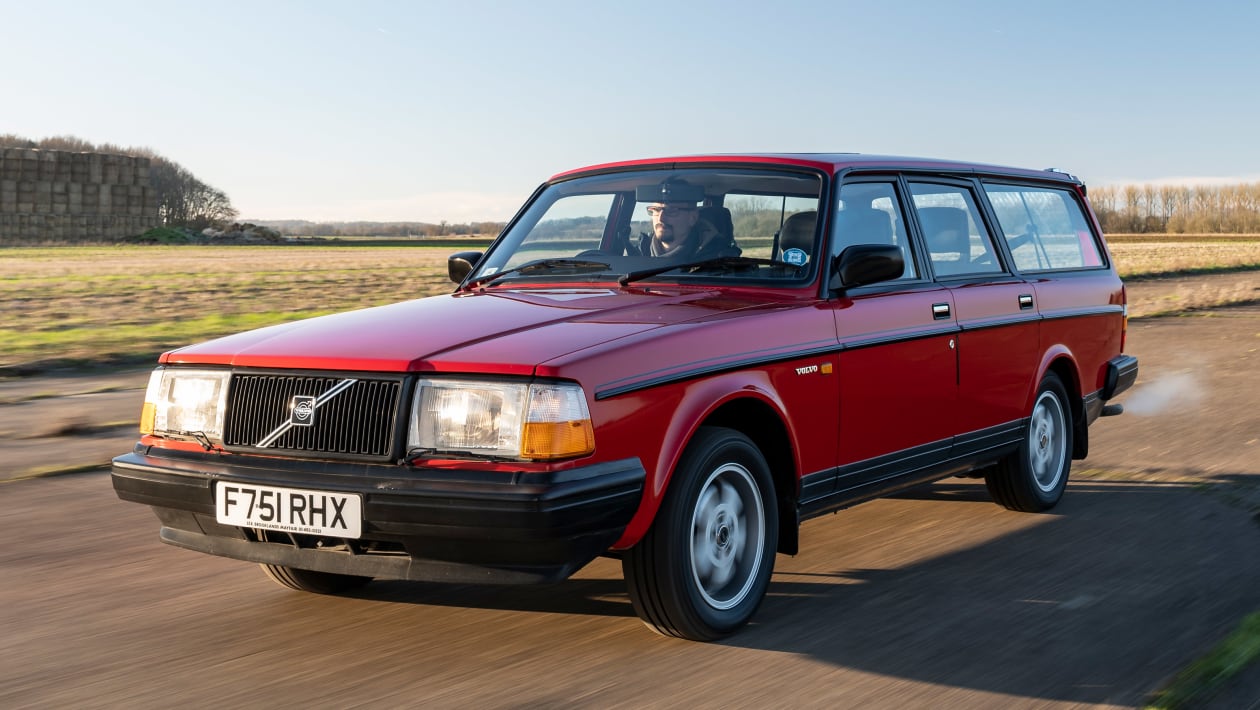
1. Volvo 240 (1974–1993)
Arguably one of the most iconic long-lasting cars ever built, the Volvo 240 is legendary for its durability.
The simple, boxy design houses a nearly indestructible inline-4 engine and manual or automatic transmissions that routinely last well beyond 250,000 miles.
Its rear-wheel-drive layout and minimal electronics make it easy to maintain and favored by DIY mechanics. Enthusiasts across the US still drive them as daily commuters, even decades after production ceased.
The 1990 Volvo 244 Turbo (manual 5-speed) was produced for the European market and built by Volvo in Sweden. This model features a 4-door sedan body style with rear-wheel drive and is paired with a 5-speed manual transmission.
Under the hood, it’s powered by a 2.1-liter gasoline engine (2127 cm³ / 129.7 cubic inches) that produces 114 kW (153 hp / 155 PS DIN) and delivers 245 Nm (181 lb-ft) of torque. (For full horsepower and torque curve details, refer to the 1990 Volvo 244 Turbo (man. 5) Horsepower/Torque Curve.)
In terms of size, the car measures 4785 mm (188.4 inches) in overall length and 1707 mm (67.2 inches) in width, with a wheelbase of 2640 mm (103.9 inches). The curb weight comes in at 1340 kg (2954 lbs), and the gross vehicle weight rating (GVWR) is 1780 kg (3924 lbs).
As for performance, Volvo declared a top speed of 190 km/h (118 mph). Factory-rated acceleration times include 0–60 mph in 8.5 seconds and 0–100 km/h in 9 seconds. Quarter-mile (402 meters) performance figures are estimated through simulation.
Fuel efficiency is rated at 10.4 liters per 100 kilometers, which translates to 27.3 mpg (Imperial), 22.8 mpg (U.S.), or 9.6 kilometers per liter under the ECE driving cycle.
Also Read: 5 Vehicles with the Best Resale Value in 2025 vs 5 with the Worst Depreciation
2. Volvo XC90 (2003–2014, First Generation, Post-2006 Models Preferred)
While early versions of the XC90 had issues, models from 2006 onward especially with the 3.2L inline-6 engine proved capable of high mileage when properly maintained.
Many owners report 200,000 to even 300,000 miles with only routine servicing. Its comfortable ride, large interior, and sturdy build make it a favorite among suburban families and highway commuters alike.
The 2010 Volvo XC90 has roots that stretch back to 2003, a time when the crossover SUV trend was just beginning to take hold.
At the time, drivers of traditional body-on-frame SUVs were beginning to realize they no longer had to tolerate the stiff ride and clunky handling of truck-based vehicles, the car-like crossover had arrived to change the game.
Fast forward to today, and the luxury crossover segment is packed with strong contenders. Yet, the XC90 remains largely the same vehicle it was in 2003. Fortunately for Volvo, the XC90 started out as a solid choice, and while it’s still a capable crossover, it no longer leads the class.
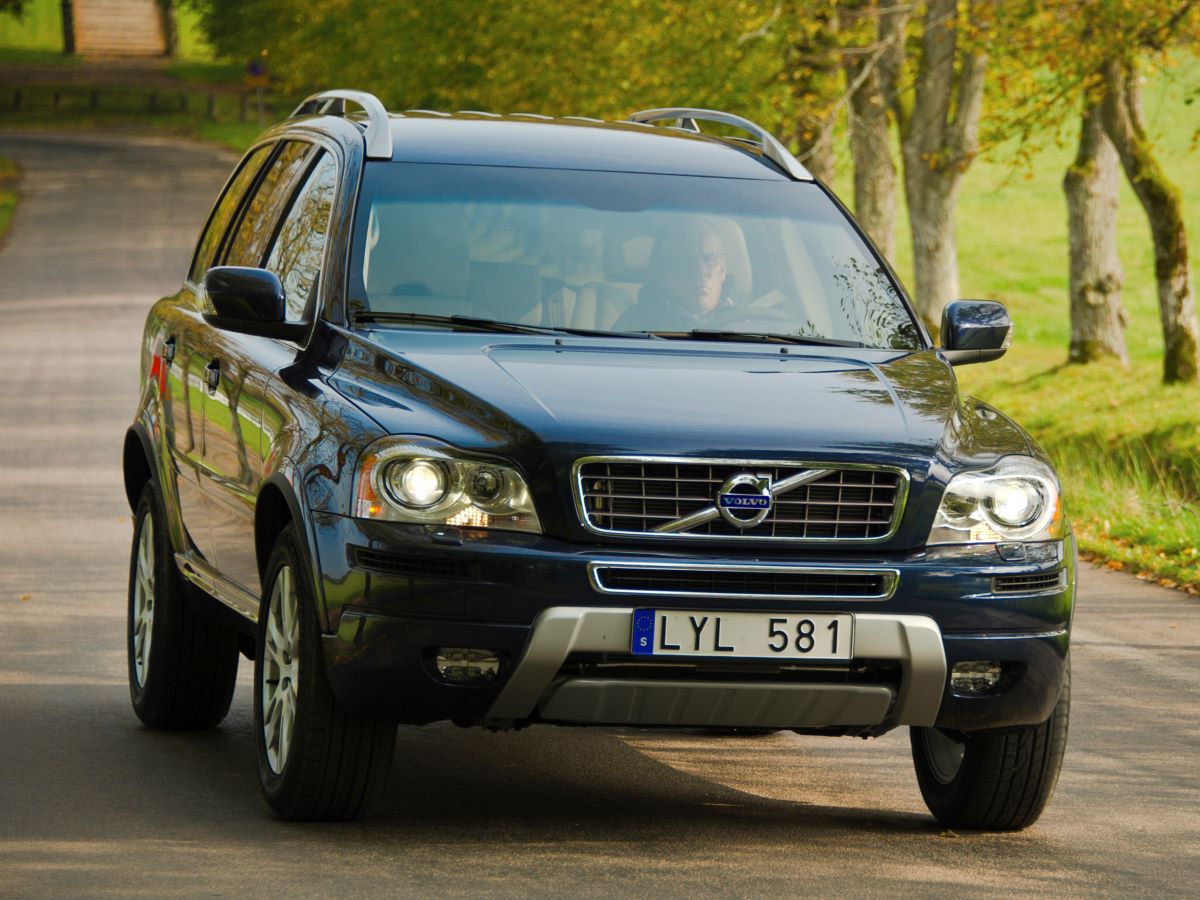
To keep the aging XC90 in the conversation, especially with the debut of the excellent XC60 compact crossover in 2010, Volvo has chosen to spotlight one of the XC90’s few unique features: its third-row seat. Unlike the XC60, which seats five, the XC90 can carry up to seven passengers.
That’s a fair selling point, but it comes with a compromise: the third row cuts into second-row legroom, making it a bit of a trade-off rather than a pure advantage. The XC90 also offers an optional V8 engine, but here’s the twist, the smaller XC60 is actually quicker thanks to its standard twin-turbocharged inline-6.
One of them is the base 3.2-liter inline-6, which doesn’t have a turbocharger and simply doesn’t feel strong enough to power a vehicle of this size. We weren’t impressed by this engine in Volvo’s V70 station wagon, and the heavier XC90 only amplifies its shortcomings.
That added weight doesn’t help in the fuel economy department either. Depending on the configuration, the XC90 returns 18 mpg combined in front-wheel-drive inline-6 form and drops to 15 mpg combined for the all-wheel-drive V8.
3. Volvo V70 (1998–2010)
The V70 wagon combined Volvo’s renowned practicality with excellent drivetrain longevity. Models equipped with the non-turbo 2.4L 5-cylinder engine are particularly robust.
Known for their comfort, storage space, and ability to handle long road trips without complaint, V70s often cross 250,000 miles with minimal drivetrain issues.
They’re especially popular in northern states thanks to standard traction control and solid winter performance.
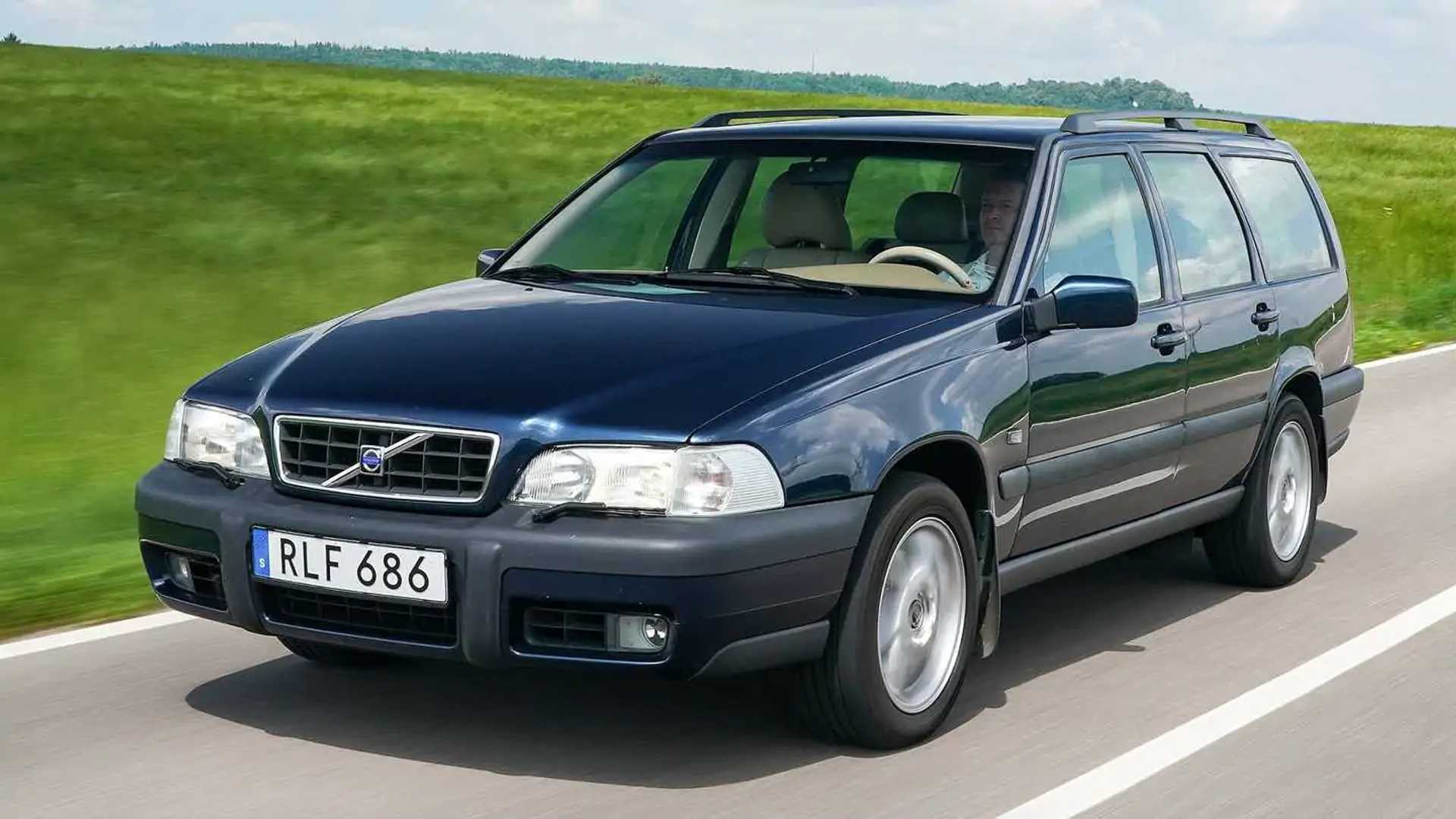
Midsize in its overall dimensions, the Volvo V70 delivers more shoulder room and cargo space compared to its compact sibling, the V50.
Despite its curvy and modern exterior design, the 2007 V70 sticks closely to the traditional Volvo formula: it’s exceptionally family-friendly, packed with safety features, and remains a strong performer in crash tests.
Since the current generation was introduced in 2001, Volvo’s midsize wagon hasn’t seen many major changes. But overall, it’s aged gracefully.
While the V70’s cabin materials may not scream luxury, especially for a wagon that originally cost between $30,000 and $40,000, the layout is user-friendly and the front seats offer excellent comfort, which is a longstanding Volvo hallmark.
The base 2.4-liter model is a bit underwhelming when it comes to acceleration, but the 2.5T variant delivers a more satisfying mix of usable power, a smooth ride, and composed handling.
For those craving performance, the V70 R, added to the lineup in 2004, changes the personality entirely. Thanks to its 300-horsepower turbocharged engine and sport-tuned adaptive suspension, it brings a far more spirited driving experience to the table.
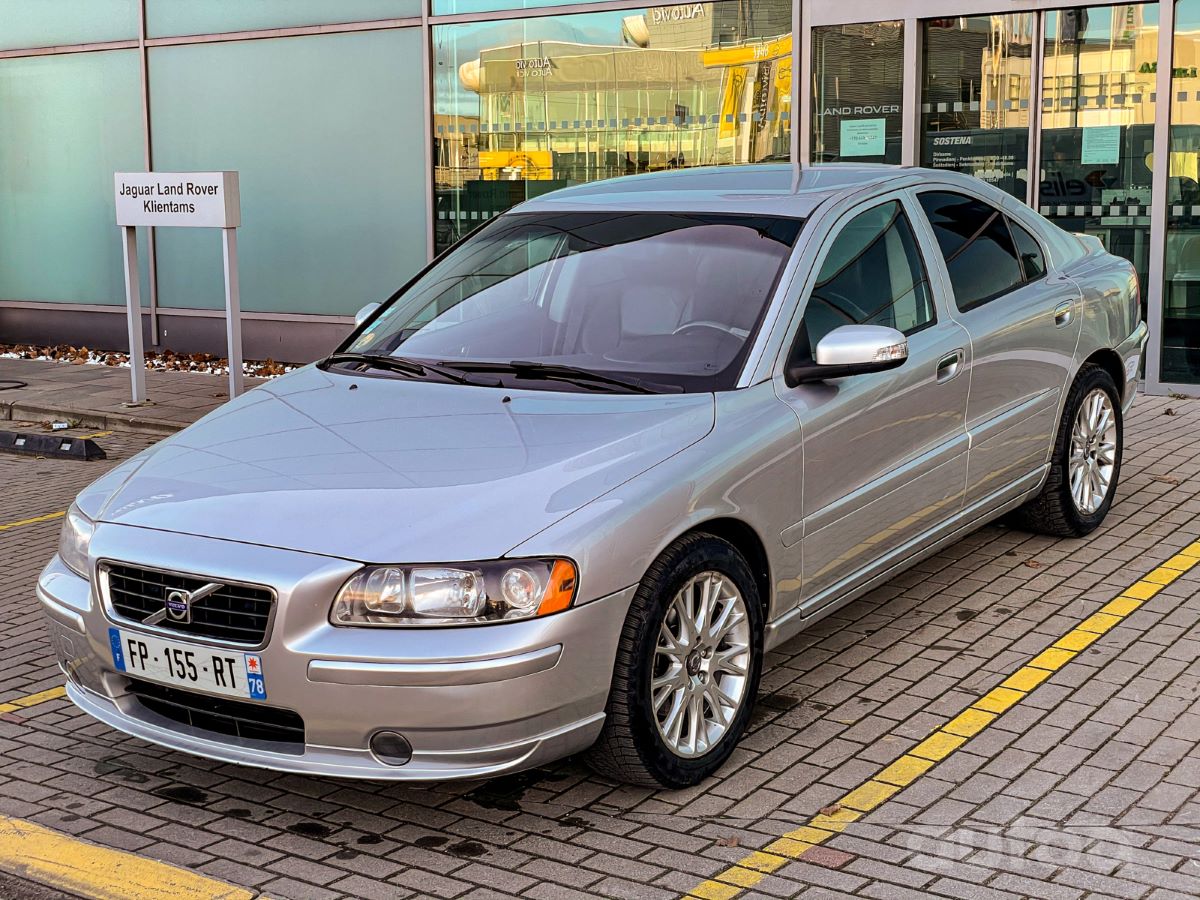
4. Volvo S60 (2001–2009, First Generation)
The first-generation S60 delivered a mix of sportiness and endurance.
While some turbo variants required careful maintenance, the naturally aspirated 2.4L and 2.5L versions with regular oil changes and transmission servicing have been known to go beyond 200,000 miles with ease. With many still seen on US roads today, it’s a testament to Volvo’s build quality during this era.
After spending four years on the market, the groundbreaking Volvo S60 received a refresh that brought along cleaner engines and upgraded safety features.
Starting in January 2005, all new vehicles registered in Europe were required to comply with Euro 4 emissions standards, and that prompted Volvo to update its lineup.
At the time, Volvo was still under Ford ownership, which meant it had to incorporate some of Ford’s technologies. Still, the influence went both ways—Ford also borrowed platforms and engines from the Swedish automaker.
The original S60’s design was heavily influenced by the biodesign trend, which emphasized organic, flowing shapes over sharp angles. The facelifted version stayed true to that theme but brought a number of meaningful improvements.
The S60, a sleeker and more modern successor to the boxy S70, now came with clear-lens headlights featuring a darker housing, giving the front end a sharper, more upscale look. Around back, Volvo fitted the S60 with new taillights that had transparent covers, making the light bulbs more visible and adding a touch of modern design.
Inside the cabin, the facelift brought a noticeable push toward the premium segment. Volvo upped the ante with higher-grade materials and added a new sound system capable of holding up to six CDs, a luxury for that time.
Prioritizing safety and convenience, Volvo also introduced the ability to connect a mobile phone to the car’s audio system, an early nod to hands-free communication.
Under the hood, most of the engines offered were turbocharged, available in both gasoline and diesel versions. These powerplants were developed exclusively by Volvo and weren’t shared with Ford’s lineup.
Depending on the model, the engines could be mated to either a manual or automatic transmission, giving buyers flexibility in how they wanted to drive their S60.
Also Read: 5 Cars With the Most Ergonomic Pedals and 5 Clumsy Layouts
5. Volvo 850 (1993–1997)
A pioneer of Volvo’s move to front-wheel drive and a symbol of ‘90s Swedish engineering, the 850 is revered for its sturdy engine and bulletproof chassis.
High-mileage examples are still common, particularly with the 2.4L 5-cylinder engines. The timing belt and PCV system require attention, but overall, it’s a dependable workhorse that handles snow and long distances with grace.
The Volvo 850 comes loaded with an impressive lineup of standard safety features aimed at keeping occupants secure.
Among the highlights are daytime running lights, anti-lock brakes, optional traction control (TRACS), dual front airbags, side-impact airbags, fog lights, fixed head restraints, an integrated child seat in the wagon variant, and a wet weather automatic transmission system.
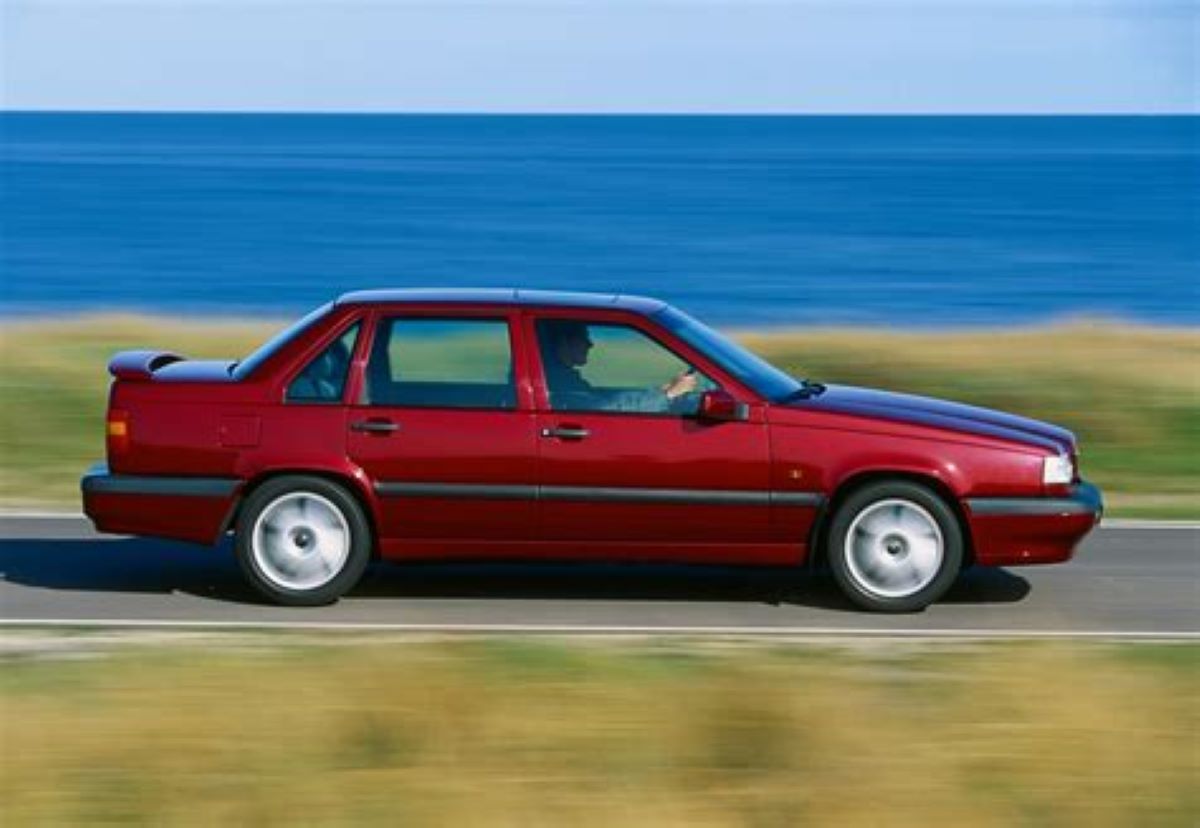
These thoughtful inclusions were Volvo’s way of making sure drivers and passengers alike had the best possible chance of avoiding a trip to the emergency room. With all these safety systems working together, passengers might feel like they’re gliding around in a finely equipped fortress.
But make no mistake, the 850 doesn’t behave like a tank from the driver’s seat. The steering is sharp and responsive, and the brakes are so strong that drivers might need a little time to adjust.
The layout of the gauges is clean and highly legible, making the overall driving experience intuitive. Unlike some of its American and Japanese rivals, there’s nothing excessive or cluttered about the 850’s design—it’s refreshingly focused.
Volvos Known for Frequent Repairs
In this article, we’ll take a close look at the Volvo models most often associated with frequent repairs. Whether you’re a current owner trying to make sense of recurring service bills or a potential buyer weighing long-term costs, this guide will help you separate the dependable from the disappointing.
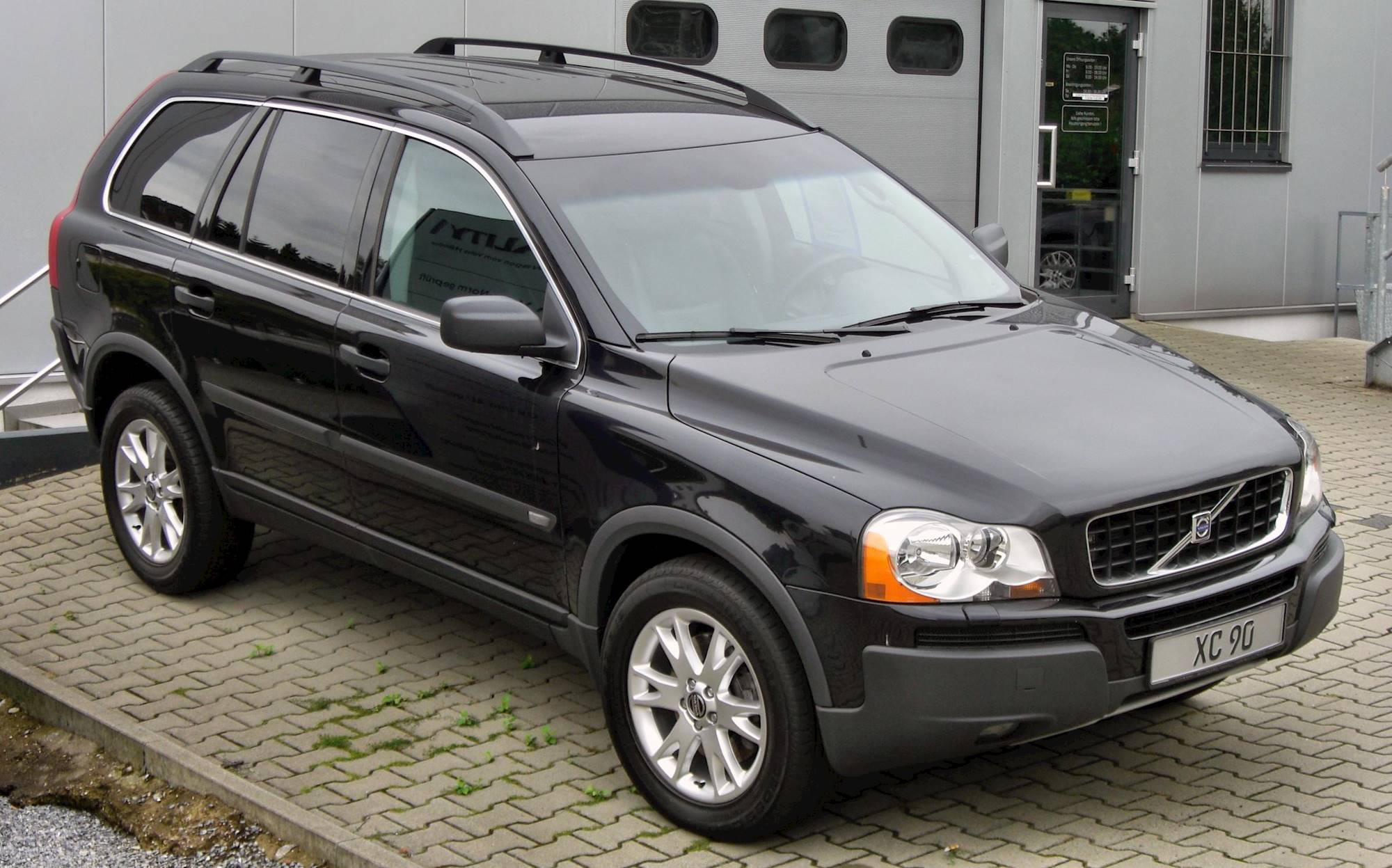
1. Volvo XC90 T6 (2003–2005)
One of the biggest blemishes on Volvo’s reliability history is the early XC90 with the T6 twin-turbocharged engine and 4-speed GM-sourced automatic transmission.
These vehicles were notorious for transmission failures, often before 100,000 miles. Combined with electrical gremlins and AWD system faults, many owners faced sky-high repair bills or opted to junk their vehicles altogether.
The 2022 XC90 lineup sees a few notable updates, with some features added and others removed or revised. The entry-level Momentum trim now includes built-in navigation as a standard feature.
However, across all XC90 models, a few items have been dropped, such as the compass once found in the rearview mirror and the high-pressure headlight cleaner. In their place, Volvo has introduced a redesigned rear bumper that hides the exhaust outlets for a cleaner look.
The Advance package has been refreshed to now offer a 360-degree camera system, a head-up display, and an improved air purification system. Meanwhile, the Climate package is enhanced with a heated steering wheel, heated rear seats, and the return of the previously mentioned headlight cleaner.
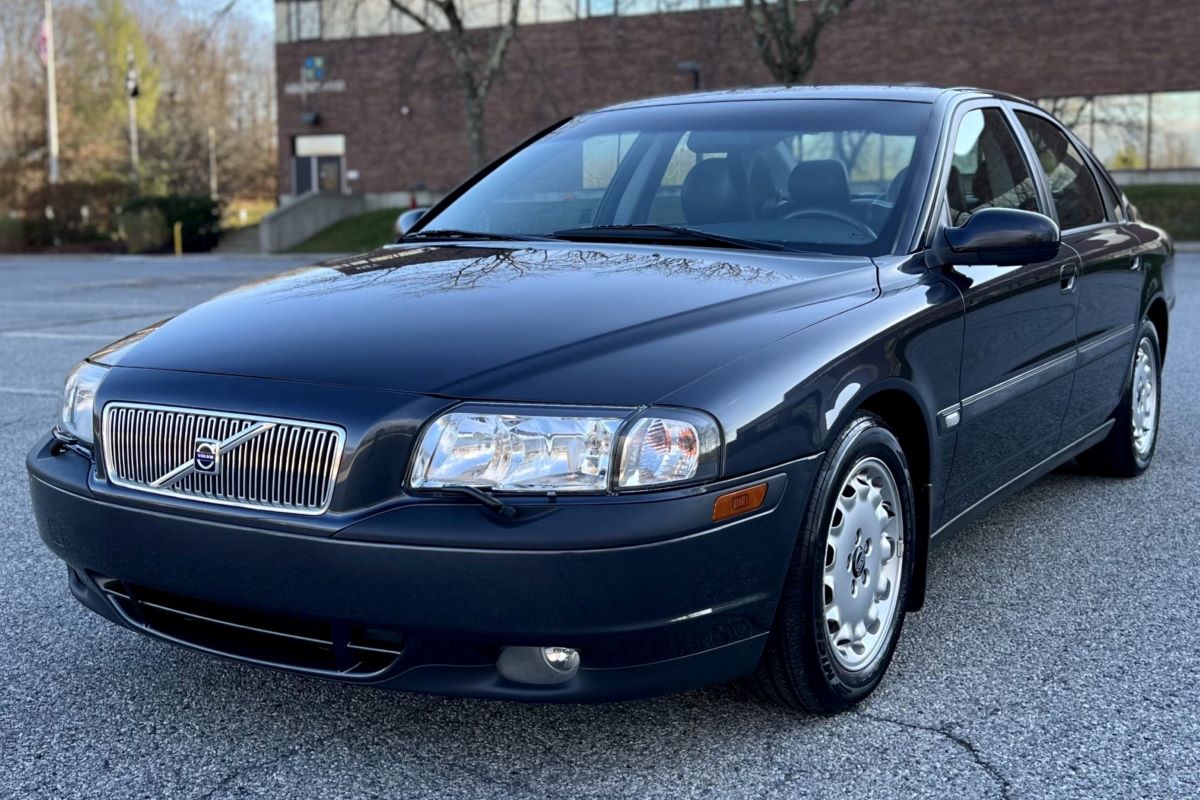
2. Volvo S80 (1999–2006)
While luxurious, the first-generation S80 suffered from chronic reliability issues. Its complex electronics, failing throttle modules (ETM), and cooling system weaknesses made it a money pit for many owners.
Even basic repairs often required dealer-only tools and diagnostics, adding to the frustration. High repair frequency and parts cost led to this model’s reputation as a maintenance nightmare.
The 2016 Volvo S80 T5 Drive-E 4-door sedan is classified by the EPA as a midsize car and comes with front-wheel drive. Priced from $44,390, this luxury sedan is powered by an intercooled turbocharged inline-4 engine that runs on regular unleaded fuel.
The 2.0-liter (120 cubic inch) engine delivers 240 horsepower at 5600 rpm and 258 lb-ft of torque at just 1500 rpm. It uses a gasoline direct injection fuel system to balance performance and efficiency.
Though the EPA Greenhouse Gas Score isn’t listed, the estimated CO₂ emissions come in at 6.1 tons per year, based on driving 15,000 miles annually. Fuel efficiency is a strong point for this luxury sedan, with EPA estimates of 29 mpg combined, 25 mpg in the city, and an impressive 37 mpg on the highway.
The S80 offers a solid driving range as well, up to 462.5 miles in the city and 684.5 miles on the highway, making it a practical choice for long-distance travel and daily commuting alike.
3. Volvo C70 (2006–2013, Second Generation)
The second-gen C70 convertible was a looker, but its retractable hardtop mechanism often failed, especially in older models.
Electrical issues, turbocharger problems (on T5 variants), and poor rear visibility compounded the ownership experience. These cars are expensive to maintain and have relatively low resale value due to frequent mechanical issues.
At the time, Volvo was under Ford’s ownership and aimed to set itself apart in the premium automotive segment with the new C70.
In contrast to competitors like the Mercedes-Benz CLK and BMW 3-Series, the C70 featured a retractable hard-top roof. This was its standout feature. However, a notable drawback was its underpinnings—the C70 shared its platform with the Ford Focus.
Whether the roof was open or closed, the C70 maintained a refined, well-proportioned appearance, unlike many convertibles that lose aesthetic appeal with the top up. Its front end featured a black radiator grille that sat slightly ahead of the headlights.

At the rear, Volvo’s signature “shoulder” lines over the wheel arches remained a defining design element. The taillights took inspiration from the S80 sedan’s styling.
Inside, the C70 was configured to seat four adults, though taller passengers—over 6 feet (180 cm)—would find legroom and headroom somewhat limited. The dashboard followed Volvo’s minimalist Scandinavian design language, offering a sleek and uncluttered appearance.
The super-slim “floating” center stack and console contributed to an airy, open feel in the cabin. With the roof closed, the trunk provided a generous 17 cubic feet (480 liters) of space, which dropped to just 7 cubic feet (200 liters) when the top was retracted.
The C70 came with a broad selection of engines, offering three gasoline-powered options and four diesels. Transmission choices included either a 5- or 6-speed manual gearbox, or a 5- or 6-speed automatic, depending on the specific engine configuration.
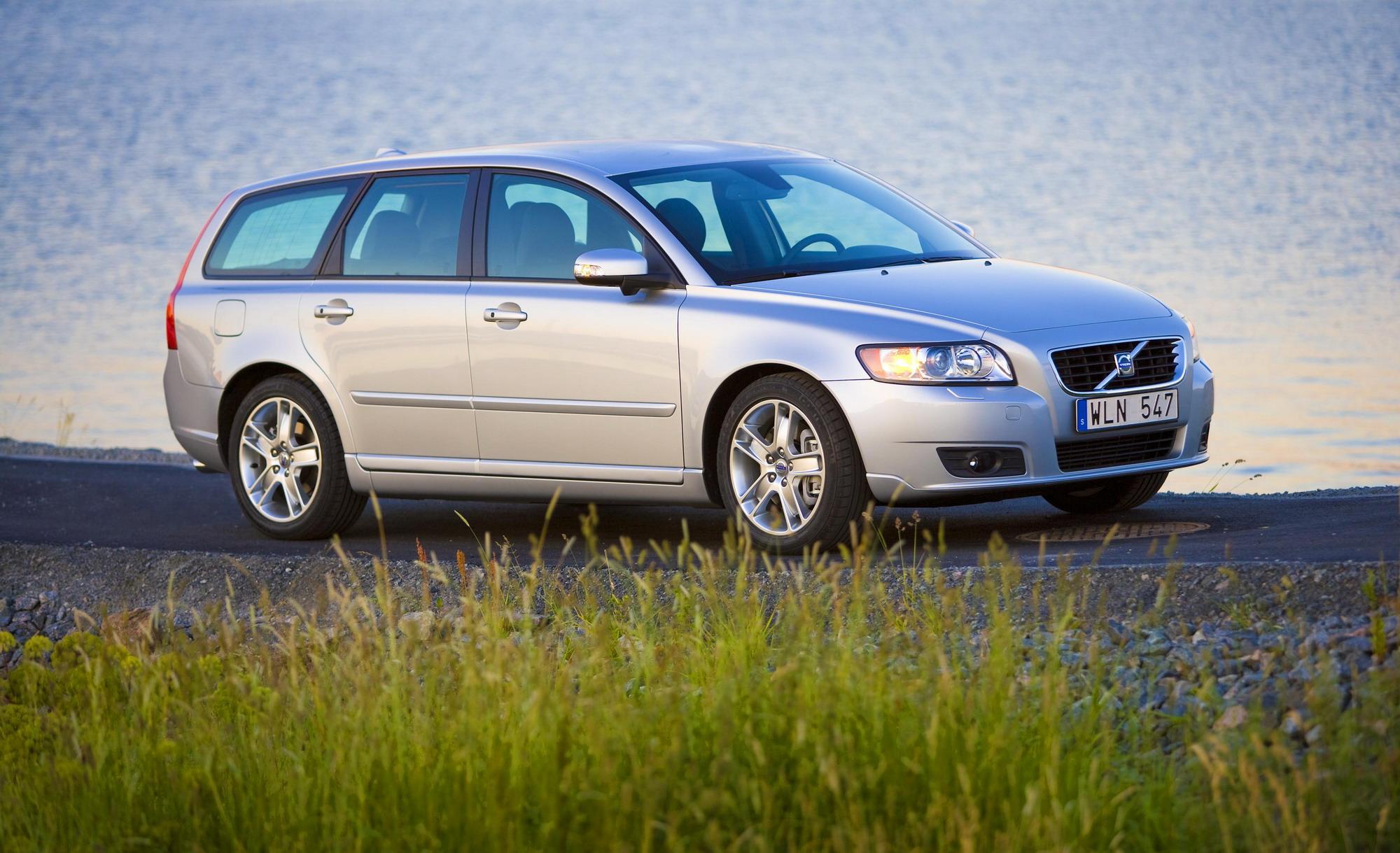
4. Volvo V50 (2004–2011)
Based on the Ford C1 platform (shared with the Mazda3 and Focus), the V50 often suffered from electrical gremlins, failing air conditioning systems, and problematic timing systems in some turbocharged models.
Owners frequently report dashboard error messages and intermittent power issues. Despite its attractive size and design, the V50’s dependability lags behind other Volvo wagons.
One of the most significant updates coming in 2026 is the rollout of Volvo’s next-generation user interface, known as Volvo Car UX, which will now be available across the entire model lineup.
Built using real-world data and customer feedback, this redesigned system delivers a more intuitive and seamless interaction with your vehicle. Its sleek and refined layout ensures that the most important information is always easily accessible, making everyday driving more convenient and enjoyable.
Drivers in New Haven, IN will welcome the faster and more responsive infotainment system, now powered by the Snapdragon Cockpit Platform from Qualcomm Technologies.
This hardware upgrade delivers graphics performance up to ten times faster than before, resulting in a highly personalized, premium in-car experience. Plus, the system is designed to be continuously upgradable, ensuring it stays current and cutting-edge over time.
5. Volvo S60 (2011–2018, Second Generation)
This generation of S60 introduced modern features and sleeker design, but also brought complexity and reliability issues, especially with the T6 and T5 AWD trims.
Engine oil consumption, electrical faults, and premature suspension wear are common complaints. While it offered a luxurious ride, long-term ownership costs have proven high for many due to recurring repairs.
Along with delivering everything you’d expect from a luxury sedan, sharp styling, solid performance, a plush cabin, and a generous list of premium features, the 2014 Volvo S60 adds that distinct Volvo character that sets it apart.
That includes an emphasis on safety, supremely comfortable front seats, and lively turbocharged five- and six-cylinder engines that give it a bit of edge.
Safety remains one of Volvo’s calling cards, and the 2014 S60 continues that tradition with standard “City Safe,” a system that can automatically bring the car to a stop if it senses an imminent low-speed collision with another vehicle or object.
For those who want even more peace of mind, there’s an available upgraded system that detects pedestrians and cyclists, too. This advanced safety package also includes driver-attention monitoring and lane-departure warning systems to help keep you alert and centered on the road.
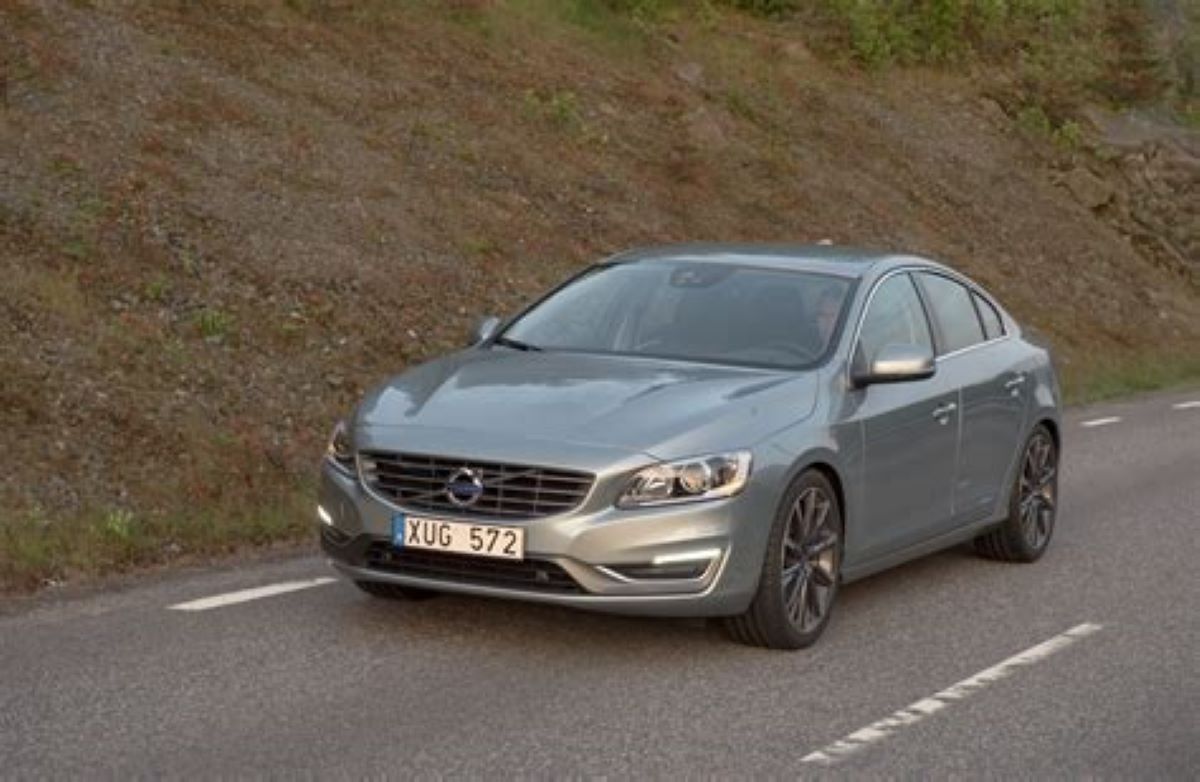
Visually, the 2014 S60 receives a tasteful update, with revised front and rear styling. A slimmer grille and sleeker headlights contribute to a lower, leaner appearance.
Inside, Volvo added subtle refinements like metallic accents, new instrumentation, and cloth-wrapped B-pillars to elevate the cabin’s feel. For T6 and R-Design trims, new sport seats, paddle shifters, and a configurable digital gauge cluster make the experience even more engaging behind the wheel.
What’s more, it often comes in at a more attractive price point, offering thousands in potential savings without sacrificing refinement. If you’re browsing this segment, the S60 is absolutely worth a test drive.
Under the hood, the 2014 S60 T5 is powered by a 2.5-liter turbocharged inline-five engine, producing 250 horsepower and 266 pound-feet of torque.
A six-speed automatic transmission is standard, paired with front-wheel drive, though all-wheel drive is available as an option. According to Volvo, the T5 sprints from 0 to 60 mph in just 6.4 seconds—or 6.6 seconds with AWD.
Fuel efficiency is solid for a performance-oriented setup, with front-wheel-drive models rated at 24 mpg combined (21 mpg city/30 mpg highway) and AWD models achieving 23 mpg combined (20 city/29 highway).
Volvo continues to be a brand that inspires loyalty but as with any automaker, not all models are created equal.
For American buyers looking for a vehicle that will last for decades, classic Volvos like the 240, 850, and V70 have proven they can endure high mileage with basic care.
Meanwhile, newer or more complex models like the early XC90 T6 and first-gen S80 have left owners disillusioned due to repair costs and reliability headaches.
If you’re buying used or considering a Volvo as a long-term daily driver, it’s critical to choose the right model and avoid those with known design flaws or poor component durability.
A well-maintained Volvo can be a comfortable, dependable companion well into the 200,000-mile range just make sure you’re picking the right one.