
In today’s auto market, reliability is often the silent dealbreaker. While flashy features, horsepower, and infotainment systems grab attention, the true long-term test of a vehicle’s worth often boils down to its recall history.
In the U.S., vehicle recalls are issued when safety-related defects are identified, sometimes involving something as minor as software updates, and other times as critical as faulty airbags or brake systems. Most vehicles face at least one recall in their lifecycle, but a select few defy the odds.
A car with zero factory recalls is a rare breed, one that speaks volumes about its engineering, build quality, and consistency on the assembly line.
If you’re a U.S. driver looking for vehicles with a proven record of safety and stability, this list is for you. Based on NHTSA data, here are ten cars that have achieved the impressive feat of staying completely recall-free over the years.
1. 2010 Lexus HS 250h
While it didn’t stick around long in the Lexus lineup, the 2010 HS 250h left behind an impressive legacy. This hybrid luxury sedan may not have made major sales waves, but its performance in quality assurance was rock solid.
The car never received a single recall, which is especially noteworthy considering how often hybrid systems are subject to technical service bulletins or recalls. It’s a reflection of Lexus’ focus on integrating its hybrid technology seamlessly into a luxury platform, long before it was a trend.
The HS 250h utilizes the same powertrain found in the Camry Hybrid, which is notably larger and more powerful than the system used in the Prius. Thanks to this setup, the HS 250h can accelerate from 0 to 60 mph in 8.7 seconds, impressively brisk for a hybrid sedan.
When it comes to fuel economy, the HS 250h earns an EPA-estimated 35 mpg in combined driving. Although this falls short of the Prius’ impressive 50 mpg combined rating, it still stands as the most fuel-efficient option among luxury-branded hybrids.

On the road, the 2010 Lexus HS 250h delivers a refined driving experience, fully embracing its luxury sedan identity with a smooth, compliant ride, a hushed cabin, and capable, confident handling.
The vehicle comes generously equipped, boasting nearly every premium feature one might desire, either included as standard or available through optional packages.
Add to that the allure of receiving the elevated service experience Lexus dealerships are known for. That said, like many vehicles in the luxury segment, the price of the HS 250h can climb quickly once you begin adding those tempting option packages.
Both of these options deliver a well-rounded blend of fuel efficiency, comfort, and sporty driving characteristics. Still, at this moment, the HS 250h essentially occupies a unique space in the market, offering premium brand appeal and luxury amenities while achieving fuel economy that surpasses many subcompact economy cars.
2. 2001 Honda Insight
Honda’s very first production hybrid, the 2001 Insight, was a pioneer in more ways than one. This futuristic-looking, two-seater hatchback was designed with extreme fuel efficiency in mind, but it also showed just how capable Honda was when it came to long-term engineering.
Despite its experimental status and compact build, the Insight proved incredibly dependable, managing to go through its entire lifecycle without any safety recalls.
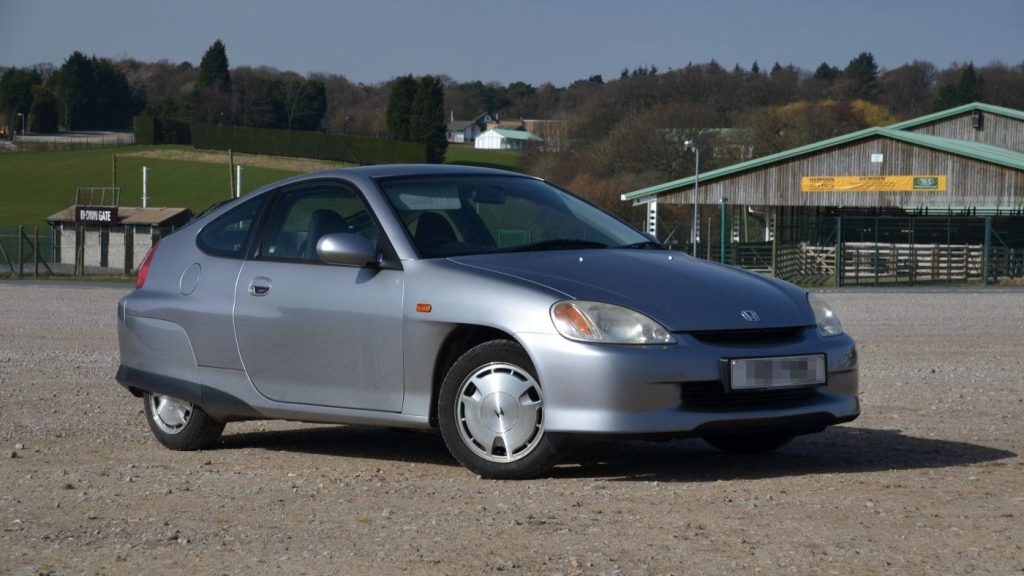
At the core of the Insight’s hybrid system lies a compact 1.0-liter three-cylinder gasoline engine, paired with an electric motor that provides additional thrust during acceleration.
Its five-speed manual gearbox features short ratios for the first three gears, making the Insight well-suited for city driving. Meanwhile, taller gearing in fourth and fifth helps boost highway fuel economy by keeping engine revs low.
Also Read: 5 Brands With Top Security Ratings and 5 With Zero Theft Prevention Focus
3. 2002 Toyota RAV4 EV
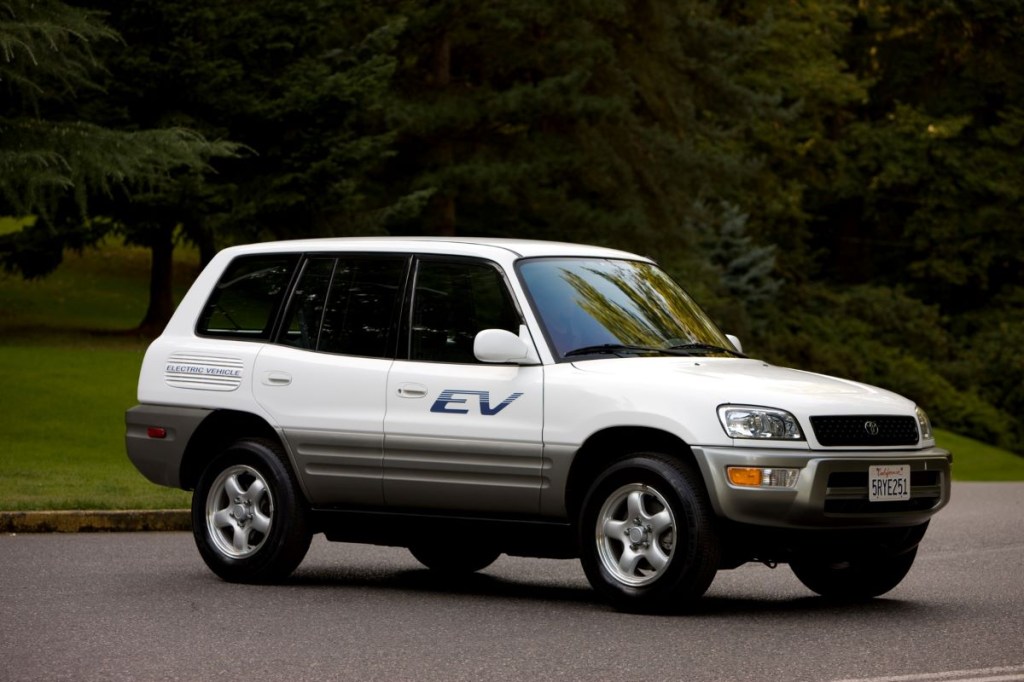
Long before mainstream EVs hit American roads, Toyota was quietly testing the waters with the 2002 RAV4 EV. This all-electric version of the popular compact SUV was sold in limited numbers and mainly within California, but even in that niche role, it made a huge impression in terms of reliability.
Despite being an early-generation EV, a segment often plagued by teething issues, this model maintained a flawless recall record, proving Toyota’s electric chops well before the EV boom.
The RAV4 received a complete redesign just last year. Now offered exclusively as a five-door wagon, it features a sleeker and more refined appearance, highlighted by sharply upswept headlights and clean, well-defined lines that run the length of the vehicle.
If you squint, Toyota’s updated compact SUV could almost pass as a budget-conscious BMW X5 minus the jaw-dropping V8 power, naturally.
Under the hood, the RAV4 is powered by a 2.0-liter four-cylinder engine that produces 148 horsepower at 6,000 rpm and 142 pound-feet of torque at 4,000 rpm.
This marks a noticeable step up from the previous version, though it still lags behind rivals like the Ford Escape and Mazda Tribute, both of which offer 200 horsepower. Buyers can select either a five-speed manual or a four-speed automatic transmission, with the option of front-wheel or all-wheel drive.
In terms of standard equipment, the base model is fairly barebones. Features such as antilock brakes, aluminum wheels, air conditioning, remote keyless entry, and a power sunroof are all optional.
One available package groups power windows, door locks, and mirrors with air conditioning, cruise control, and a six-speaker audio system that includes both a cassette and CD player.
Stepping up to the “L” package adds more premium features, including heated exterior mirrors, floor mats, dark-tinted glass, foglights, and distinctive exterior trim. This package also unlocks the option for leather upholstery. A limited-slip differential can be added separately, but only on the 4WD models.
Despite having available all-wheel drive, the RAV4 isn’t built for rugged off-roading. Its real strength lies in on-road performance, where its firm suspension, responsive steering, and tight turning radius combine to deliver some of the most engaging handling in its class.
Body roll is minimal, and with grippy street tires and the added traction of 4WD, the RAV4 inspires confidence in nearly every driving scenario.
4. 2012 Audi A4 (Sedan & Avant)
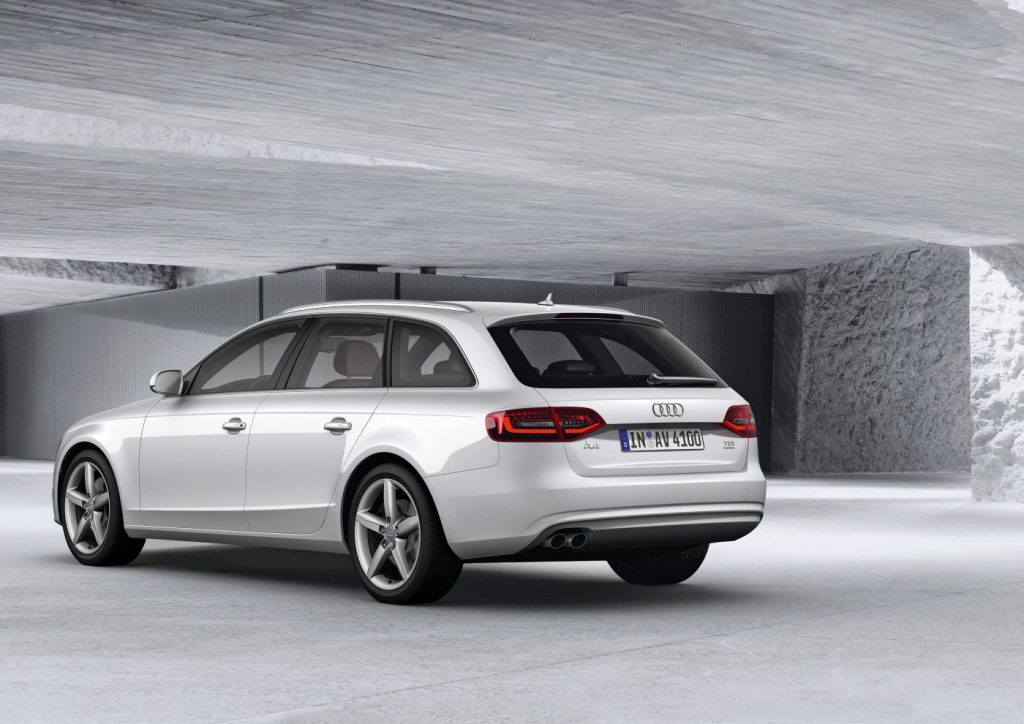
Audi may not be the first brand that comes to mind when you think of no-recall records, but the 2012 A4 pulls off an unexpected win here. Both the sedan and wagon (Avant) versions of the A4 from this model year have zero NHTSA recalls.
This is especially impressive given Audi’s reputation for complex electronics and performance parts. The 2012 A4 balanced luxury, performance, and reliability in a way that few European cars in its class managed at the time.
Although we’ll almost never say no to a healthy dose of horsepower and torque, there’s something equally satisfying about a car that finds that rare balance between performance and efficiency. In the world of entry-level luxury sedans, the 2012 Audi A4 is a standout example of just that.
Where the A4 truly shines, however, is inside the cabin. Audi has established a reputation for top-tier interior craftsmanship, and the A4 continues that tradition with best-in-class materials and a sleek, minimalist design.
It’s worth noting, though, that “MMI without navigation can be unintuitive to use.” Trunk space is on par with others in this class, but if you’re looking for added practicality, the stylish A4 Avant wagon offers additional utility without sacrificing refinement.
Also Read: 10 Things Mazda Owners Often Overlook During Servicing
5. 2003 Mazda MX-5 Miata
Mazda’s beloved roadster has long had a reputation for mechanical simplicity and sheer driving joy, and the 2003 model lived up to that legacy.
The Miata’s lightweight, back-to-basics formula didn’t just result in smiles per gallon, it also produced a mechanically dependable vehicle that avoided any factory recalls altogether. It’s a testament to Mazda’s attention to detail in keeping things simple, tight, and reliable.
By 2003, the Mazda MX-5 Miata had already cemented itself as an icon. First launched in 1989, it revived the lightweight, two-seat convertible formula that had all but died out.
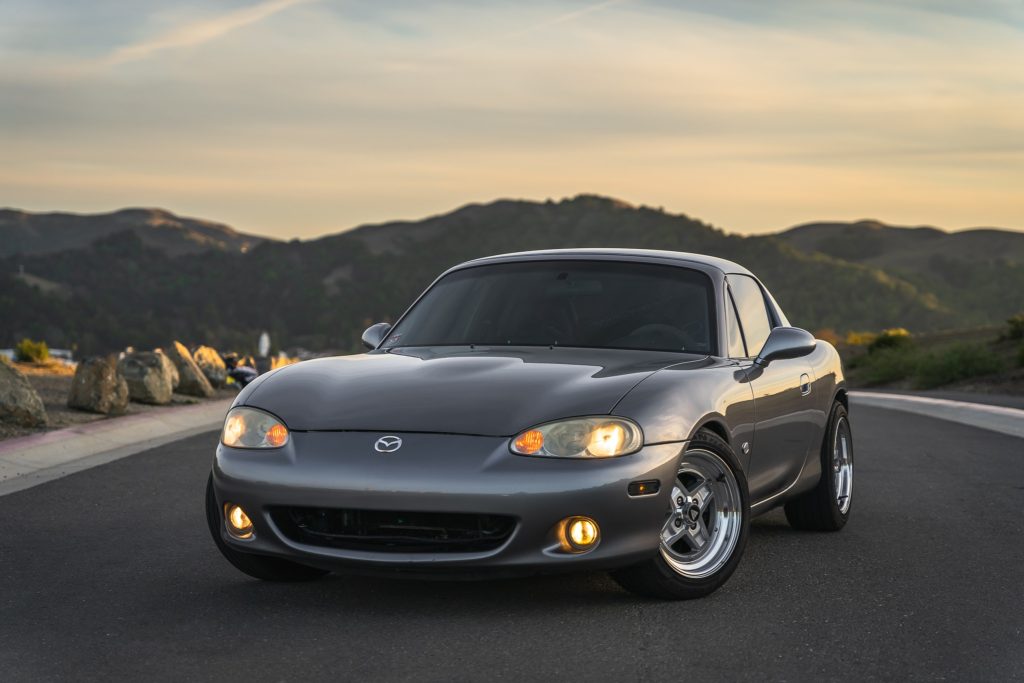
Under the hood, the 2003 Miata came with a 1.8-liter inline-4 engine producing 142 horsepower and 125 lb-ft of torque.
Doesn’t sound like much on paper but with a curb weight just under 2,500 pounds, that modest power made the car feel quick and nimble. It came standard with a 5-speed manual transmission, while a 6-speed manual and 4-speed automatic were available in higher trims.
Acceleration from 0-60 mph took about 7.5 seconds with the manual, and while that’s not blistering by today’s standards, the real magic of the Miata wasn’t about straight-line speed. It was about cornering finesse, razor-sharp steering, and the kind of feedback most modern cars have long forgotten.
6. 1997 Chevrolet C/K 1500 (Pickup)
American trucks are often workhorses, and as such, they typically face a heavy load, not just from drivers, but from the demands of durability and safety testing.
That makes the 1997 Chevrolet C/K 1500’s perfect recall record all the more remarkable. This full-size pickup handled daily duties for contractors and families alike and did it without raising any red flags for safety-related defects. For a domestic truck from the late ’90s, that’s no small feat.
For many, the pickup that “feels right” is more than just specs, it’s brand loyalty in action. A die-hard Chevy driver may claim a Ford rides rough or lacks punch, while a Ford loyalist might say the same about a Chevy. Objectively, though, the differences between the two are minimal, despite the strong opinions on both sides.
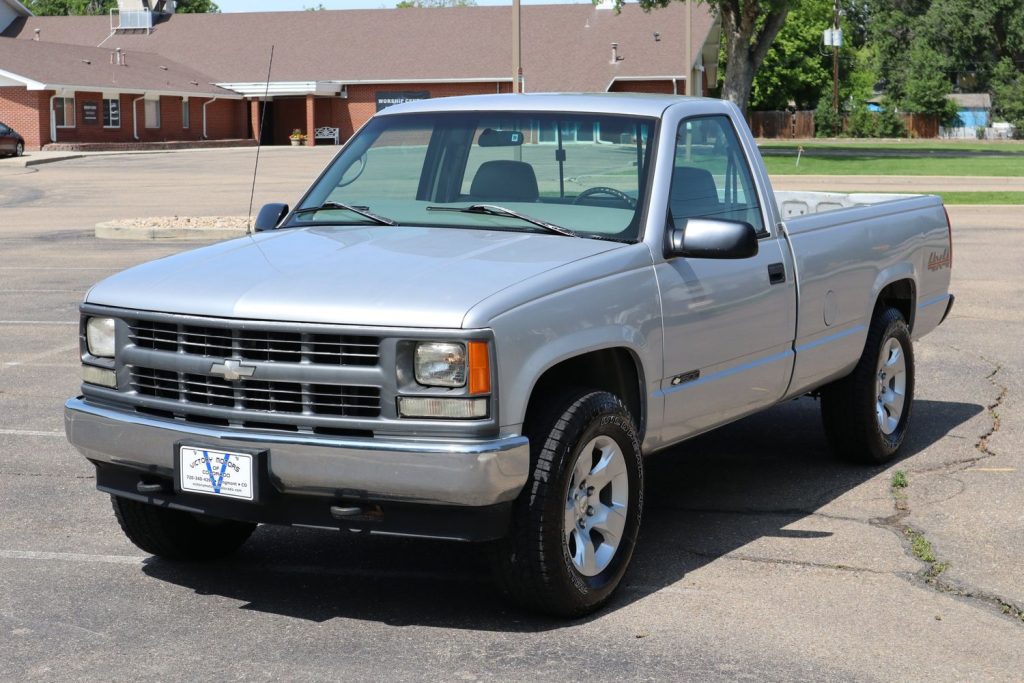
The most notable update for 1997 is the addition of a passenger airbag on all models under 8,600 lbs. GVWR. Families with young kids in rear-facing car seats can breathe a little easier, thanks to a new airbag deactivation switch, allowing safe accommodation of little ones.
Also new is Electronic Variable Orifice (EVO) steering, designed to lessen steering effort at low speeds, a welcome enhancement for city driving or tight maneuvers.
The automatic transmission lineup gets updates too, delivering smoother shifting and better efficiency, while the heavy-duty manual transmission sees improvements in shift quality, noise reduction, and response time.
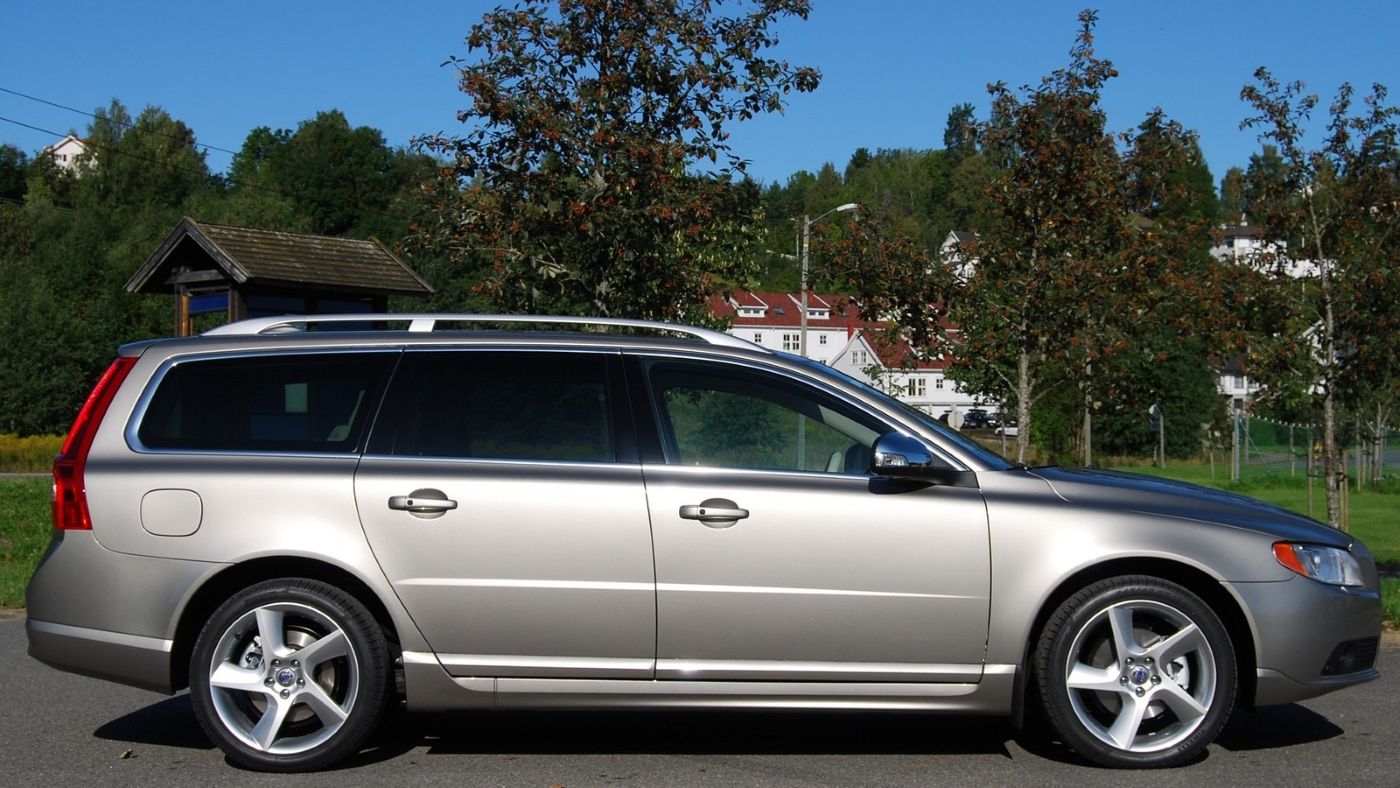
7. 2010 Volvo V70
Known for safety and Swedish design, Volvo has also seen its fair share of recalls in more recent years. That’s why the 2010 V70 station wagon deserves some serious credit.
Not only did it provide the kind of practical luxury that Volvo drivers love, but it also remained off NHTSA’s recall list. The V70 delivered peace of mind in more ways than one whether in crash protection or reliability.
Built on the same platform as Volvo’s flagship S80 sedan, the V70 trades in the old-school boxy wagon look for something much sleeker and more stylish. With up to 71 cubic feet of cargo space, there’s still plenty of room to haul whatever you need. And as you’d expect from Volvo, safety is a top priority.
While it hadn’t been crash-tested at the time this was written, the V70 packs in all kinds of safety features, some smart, some quirky.
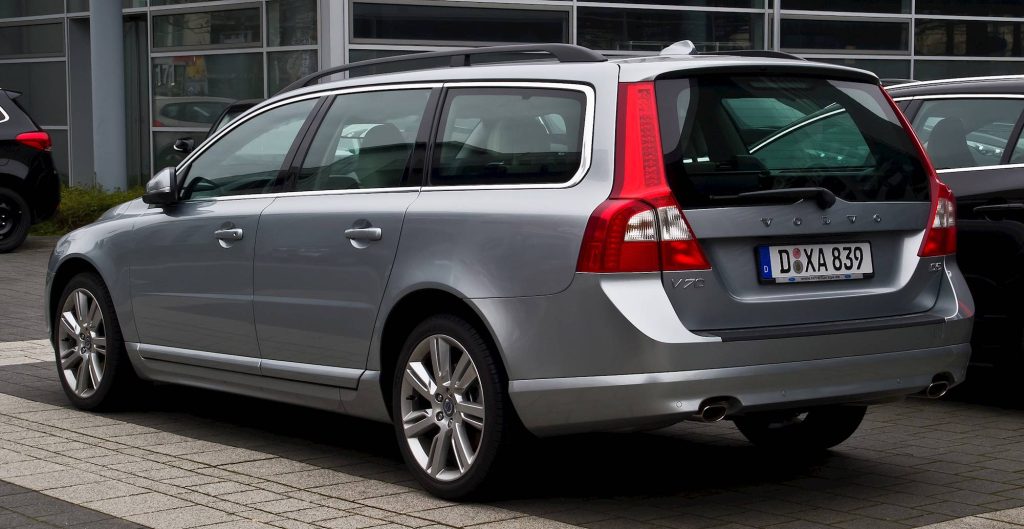
There are integrated rear booster seats for the kids, a keyless entry system that can supposedly detect “the heartbeats of potential attackers lurking in your backseat”, and even a driver alert system that keeps tabs on whether you’re getting too distracted behind the wheel.
Now for the not-so-great part. The V70 kind of blends into the crowd when stacked up against newer crossovers, including Volvo’s own XC60. It only comes with a naturally aspirated 3.2-liter inline-six, which puts out 235 horsepower, not terrible, but not thrilling either.
It doesn’t sound particularly exciting, and it won’t wow you with speed or fuel efficiency. It’s a little easier to handle in tight spots, but overall, it’s not a particularly fun car to drive. In the end, while it nails the luxury and practicality parts, it struggles to stand out where it really counts.
8. 2005 Scion xB (First Generation)
The 2005 Scion xB was one of those cars that made people either smile or scratch their heads. Its boxy, unconventional design wasn’t for everyone, but its quality and reliability weren’t up for debate.
Underneath the quirky styling was Toyota engineering, and it showed. This compact city car never faced a single recall, a rare accomplishment in the small, affordable car segment where corners can often be cut.
Scion’s distinctively boxy xB wagon doesn’t look like much else out there, except maybe for a subtle resemblance to Honda’s Element. But when it comes to making the most of its small footprint, the xB really shines.
It offers a surprising amount of room for both passengers and cargo, making it a budget-friendly choice for anyone with an active lifestyle and a lot of stuff—or people—to haul around.
So what exactly do you get for that price? Quite a lot, actually. There’s antilock brakes, stability and traction control, air conditioning, power everything (windows, locks, mirrors, steering), a tachometer, keyless entry, a six-speaker Pioneer stereo with a CD player, and a 60/40-split-folding, removable rear seat.
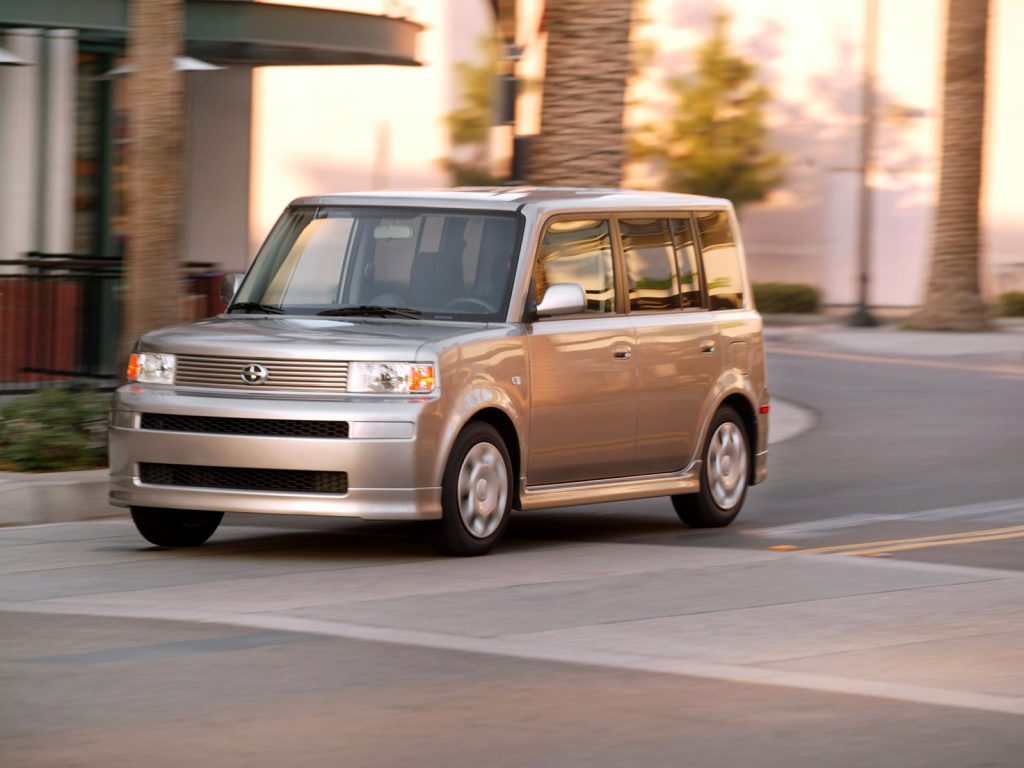
That’s an impressive list for any economy car. Add in a smooth, pleasant driving experience, and it’s no mystery why the 2006 Scion xB is such a hit with the 20-something crowd—and even why plenty of 40-somethings are jumpin
Under the hood, the xB is powered by a 1.5-liter inline four-cylinder engine with variable valve timing, the same one used in the Scion xA. It produces 103 horsepower, which isn’t going to win any races, but it gets the job done around town.
Acceleration is modest, especially with the four-speed automatic, but it’s perfectly fine for city driving and holds its own cruising on the highway. If you want a bit more engagement, the five-speed manual is also available. Best of all, the fuel economy sits comfortably in the 30-mpg range, making it as practical as it is unique-looking.
9. 2016 Subaru Impreza
Subaru has earned a loyal following thanks to its standard all-wheel drive and rugged road handling, but the 2016 Impreza stands out for a different reason: its clean recall history.
In a lineup that has seen a number of safety-related recalls in recent years, the 2016 model year avoided every single one. Given the complexity of AWD systems and Subaru’s involvement in safety innovation, that’s an impressive balancing act of reliability and tech.
Under the hood, the 2016 Impreza is powered by a 2.0-liter horizontally opposed “boxer” four-cylinder engine, which puts out 148 horsepower and 145 lb-ft of torque.
When it comes to fuel economy, Subaru has squeezed out impressive efficiency, especially considering this is an all-wheel-drive car.
The 2.0i and 2.0i Sport Premium trims come with a five-speed manual transmission, paired with an AWD system that delivers a 50/50 front-to-rear power split by default.
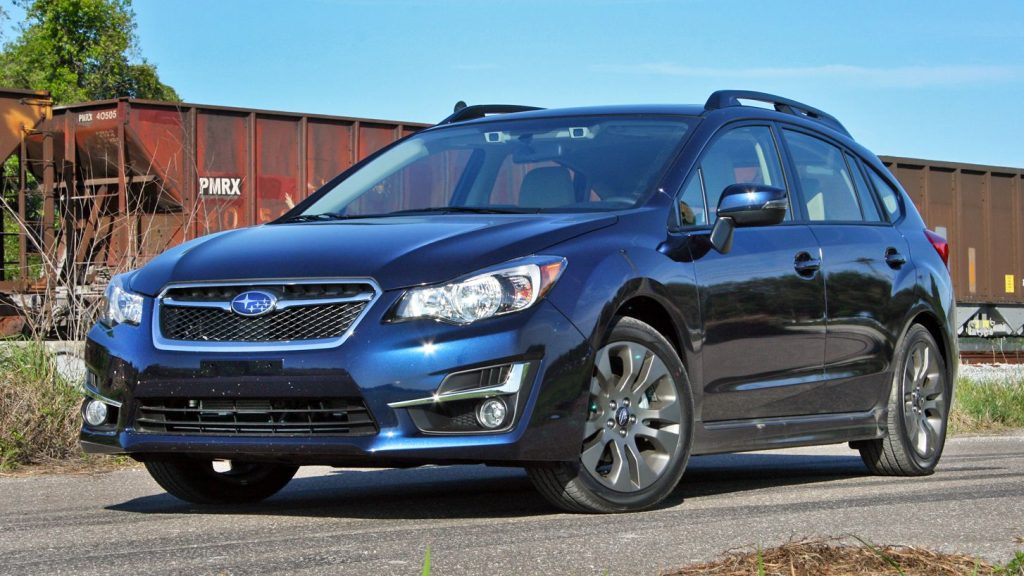
Other trims (or the optional setup on those base models) get a continuously variable transmission (CVT) and a different AWD system that defaults to front-wheel power, but shifts torque to the rear when needed for better grip.
According to EPA estimates, models with the manual transmission (both sedan and non-Sport hatchback) get 28 mpg combined (25 city/34 highway). The Sport hatchback dips slightly to 24 city/33 highway, but still maintains the 28 mpg combined figure.
With the CVT, fuel economy improves further—31 mpg combined (28 city/37 highway) for sedans and non-Sport hatchbacks, while the Sport version still delivers 31 mpg combined but slips to 27 city/36 highway.
These are strong numbers for the class and surprisingly good for an AWD vehicle but in real-world driving, we’ve found that hitting those EPA targets can be a bit of a challenge.
10. 2014 Kia Forte Koup
Kia’s reputation has done a full 180 over the last two decades, and vehicles like the 2014 Forte Koup helped pave the way. Though it didn’t make a huge dent in sales, this sporty compact coupe quietly built a reputation for doing everything right under the hood.
Its clean NHTSA record speaks volumes about how far Kia had come in terms of quality control and manufacturing discipline by the mid-2010s.
he 2014 Kia Forte is offered in three different body styles: a traditional sedan, a four-door hatchback (called the Forte 5), and a two-door coupe (Forte Koup).
Regardless of which version you go with, one of the biggest selling points is simply how the car looks. We don’t usually harp on styling. It’s subjective, after all, but in this case, it’s hard to deny: the Forte is easily one of the most striking designs in its class.
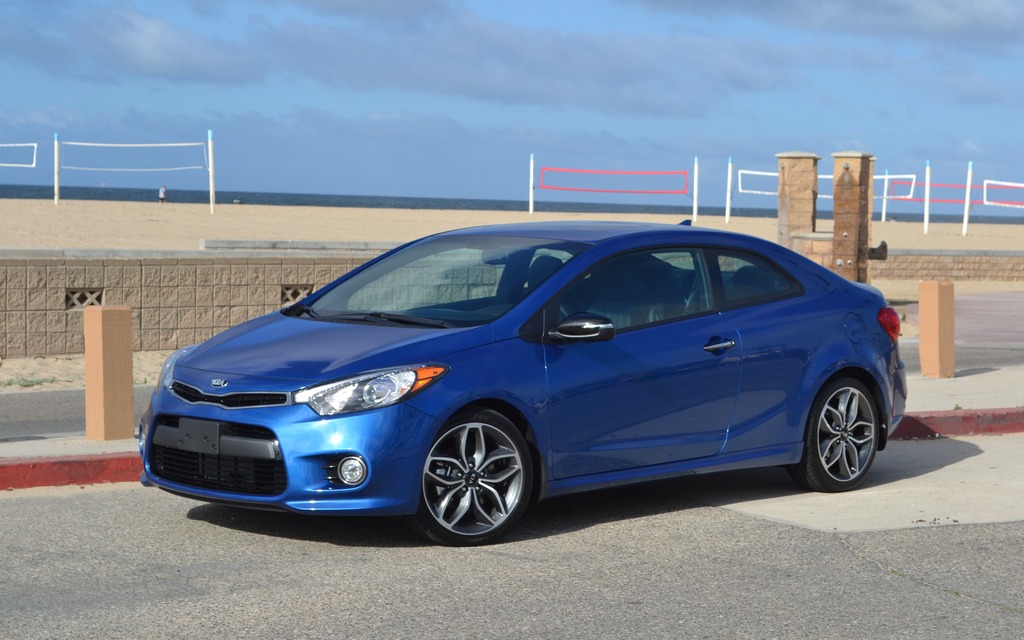
What’s even better is that the Forte’s sleek appearance doesn’t come at the expense of practicality. The redesign has made it both longer and wider than the previous model, and that extra size translates directly to a roomier cabin. Rear seat legroom is particularly generous for a compact car.
On top of that, Kia has packed in a lot of features. Even the base LX trim comes standard with Bluetooth and an iPod interface, while higher trims can be loaded up with premium amenities like xenon headlights, keyless ignition and entry, a voice command system (which controls both your audio and smartphone), and even heated rear seats. Overall, interior quality is noticeably improved across the board.
Under the hood, Kia offers three engine options for the 2014 Forte, and all of them deliver power that’s more than competitive for this segment. The 2.0-liter four-cylinder found in EX models gives the Forte a leg up in performance, making it one of the quicker cars in its class.
If you want even more punch, there’s a turbocharged 1.6-liter available in the SX versions of both the Forte Koup and the Forte5 hatchback. The trade-off, though, is fuel economy, none of these engines are particularly standout when it comes to efficiency.
While recalls aren’t always the result of poor design, they can even come from proactive over-caution. Scheduling dealer visits, worrying about safety implications, and dealing with potential resale issues are just part of the ripple effect.
Vehicles that avoid recalls altogether are rare gems, proving that precision engineering and quality control still matter. If you’re in the market for a used car or even just curious about automotive excellence, these ten vehicles show that zero recalls isn’t just a fluke, it’s a reflection of thoughtful design and bulletproof manufacturing.
Whether you’re chasing long-term peace of mind or a smart buy that holds up without headaches, models with a spotless recall history are a smart place to start.
