
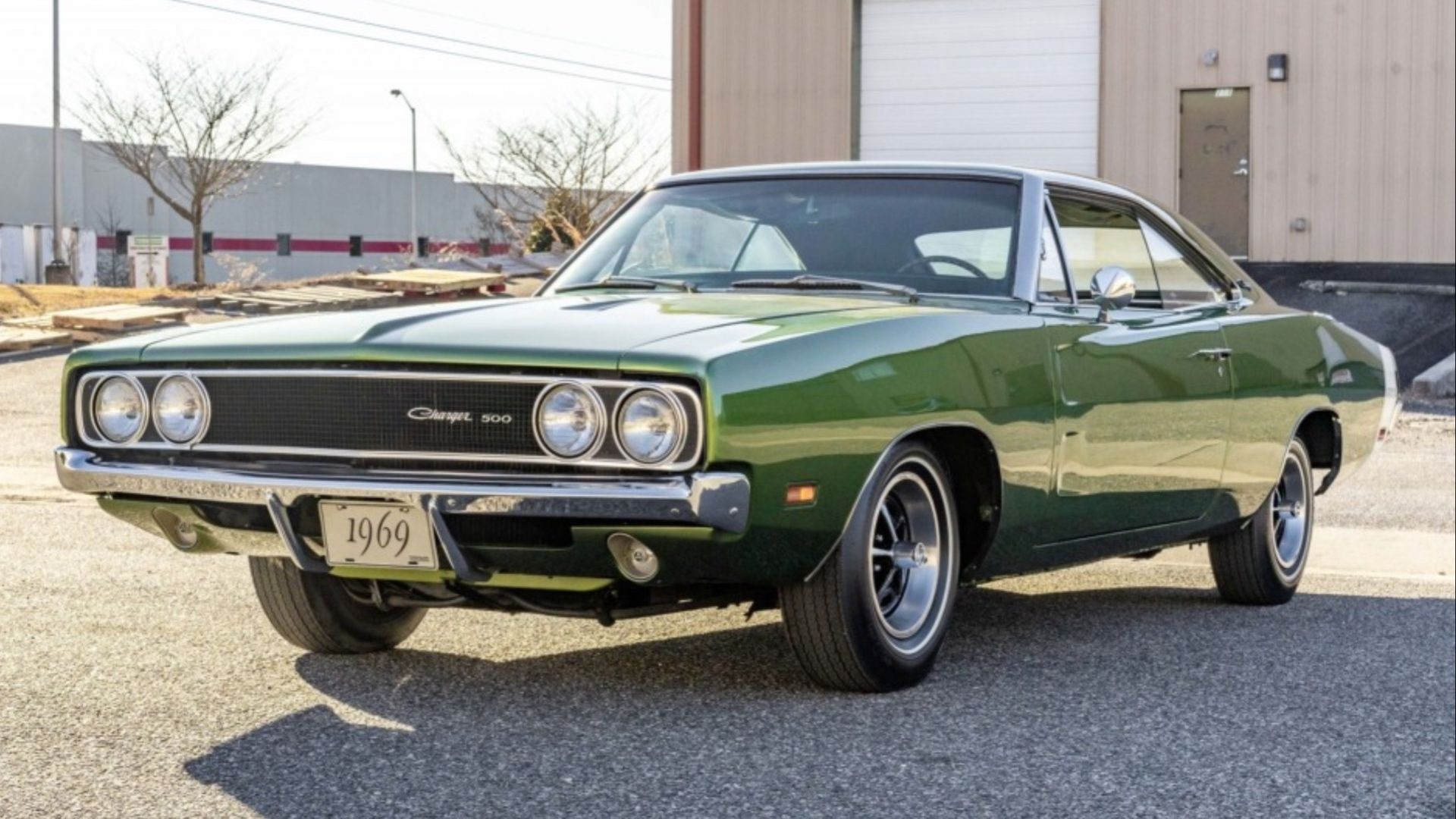
Muscle cars have always occupied a special place in American automotive culture, symbolising raw performance, aggressive styling, and street dominance. While their designs have evolved over the decades, the divide between classic and modern models has become more pronounced, especially when it comes to long-term value.
Some older muscle cars have transformed into highly sought-after collector items, with their worth appreciating greatly as time goes on. These vehicles are no longer just machines.
They are considered investments, often bringing in six or seven-figure sums at high-profile auctions. Their value is driven by rarity, performance pedigree, and the nostalgic connection they maintain with an era when horsepower was king.
At the other end of the spectrum, not every muscle car built in recent years has followed that same path. Many modern versions enter the market with impressive technology and refined designs, but struggle to retain their value after a few years on the road.
Some models begin to lose a substantial portion of their purchase price not long after leaving the dealership. Factors such as high production volumes, less powerful engines, and a lack of collector interest have made certain recent muscle cars more prone to depreciation than their classic predecessors.
This comparison between classic muscle cars that have grown in value and modern models that quickly depreciate highlights how performance alone is not enough to determine long-term worth. Historical context, engine configurations, design uniqueness, and production numbers all play roles in shaping a car’s future value.
While some cars from the past continue to rise in demand with every passing year, several newer models have become cautionary tales for those hoping to own a muscle car that also serves as a financial asset.
Here is a breakdown of five classic muscle cars now worth considerable money and five modern ones that have depreciated more than expected.
Classic Muscle Cars Worth Your Money
1. 1970 Chevrolet Chevelle SS 454
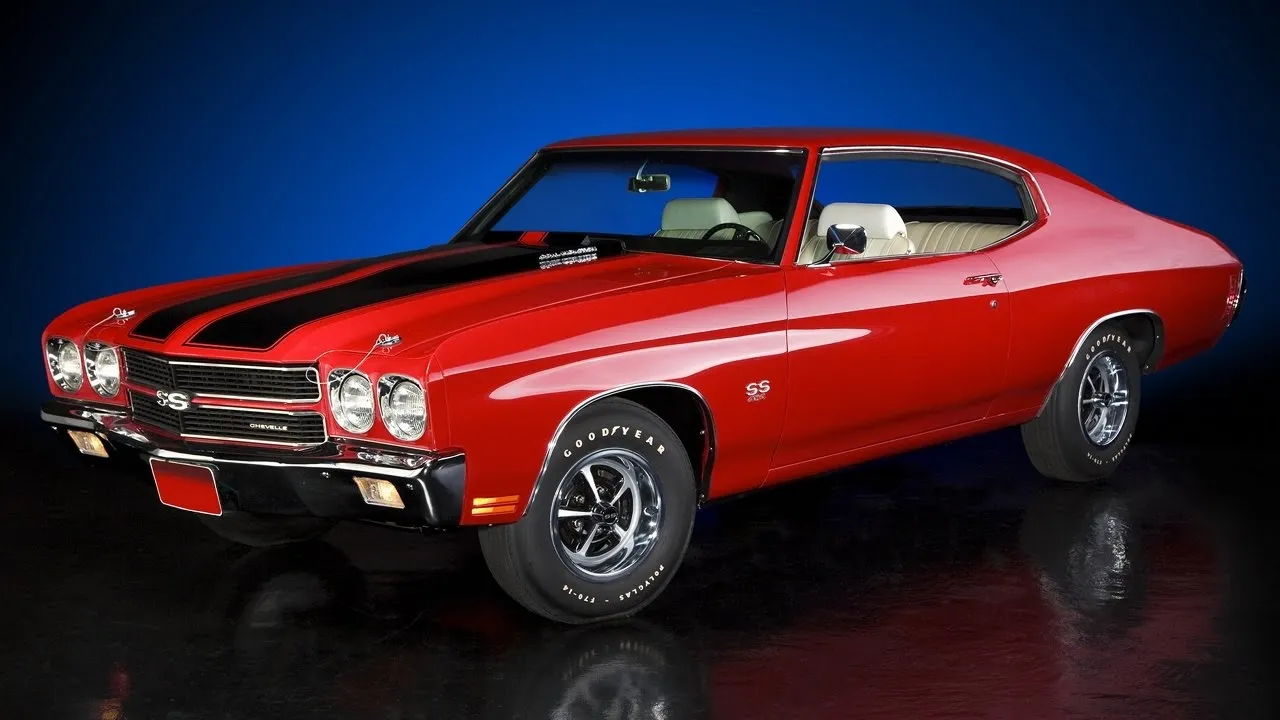
Among classic American muscle cars, the 1970 Chevrolet Chevelle SS 454 has managed to retain its allure and value with consistent strength. During its era, the Chevelle SS 454 stood out due to its powerful engine and aggressive look.
This car came with the LS6 V8 engine, offering up to 450 horsepower, which was groundbreaking at the time. Beyond its performance capabilities, the design struck a balance between brute strength and elegance, with a long hood and a distinctive grille that many collectors today still admire.
Over the years, this particular model has become a treasure for classic car investors. What makes it stand out is not just the limited availability of units in good condition but also the historical weight it carries as part of the golden era of muscle cars.
When found in original or properly restored condition, it is no surprise to see auction prices climbing well above six figures. The Chevelle SS 454 represents more than just nostalgia. It also serves as a reminder of an automotive period that combined raw power with unmistakable style.
Buyers now look at this vehicle not only as a symbol of automotive heritage but also as an appreciating asset. Unlike many modern vehicles that lose a great part of their value within a few years, this car has done the opposite. Its value has increased with time, driven by demand from collectors and enthusiasts who appreciate its history and performance.
With restoration shops and aftermarket parts specialists still offering services for this vehicle, owners are able to preserve them effectively. The 1970 Chevrolet Chevelle SS 454 continues to prove that when it comes to American automotive culture, true muscle never fades from value or memory.
2. 1969 Dodge Charger R/T
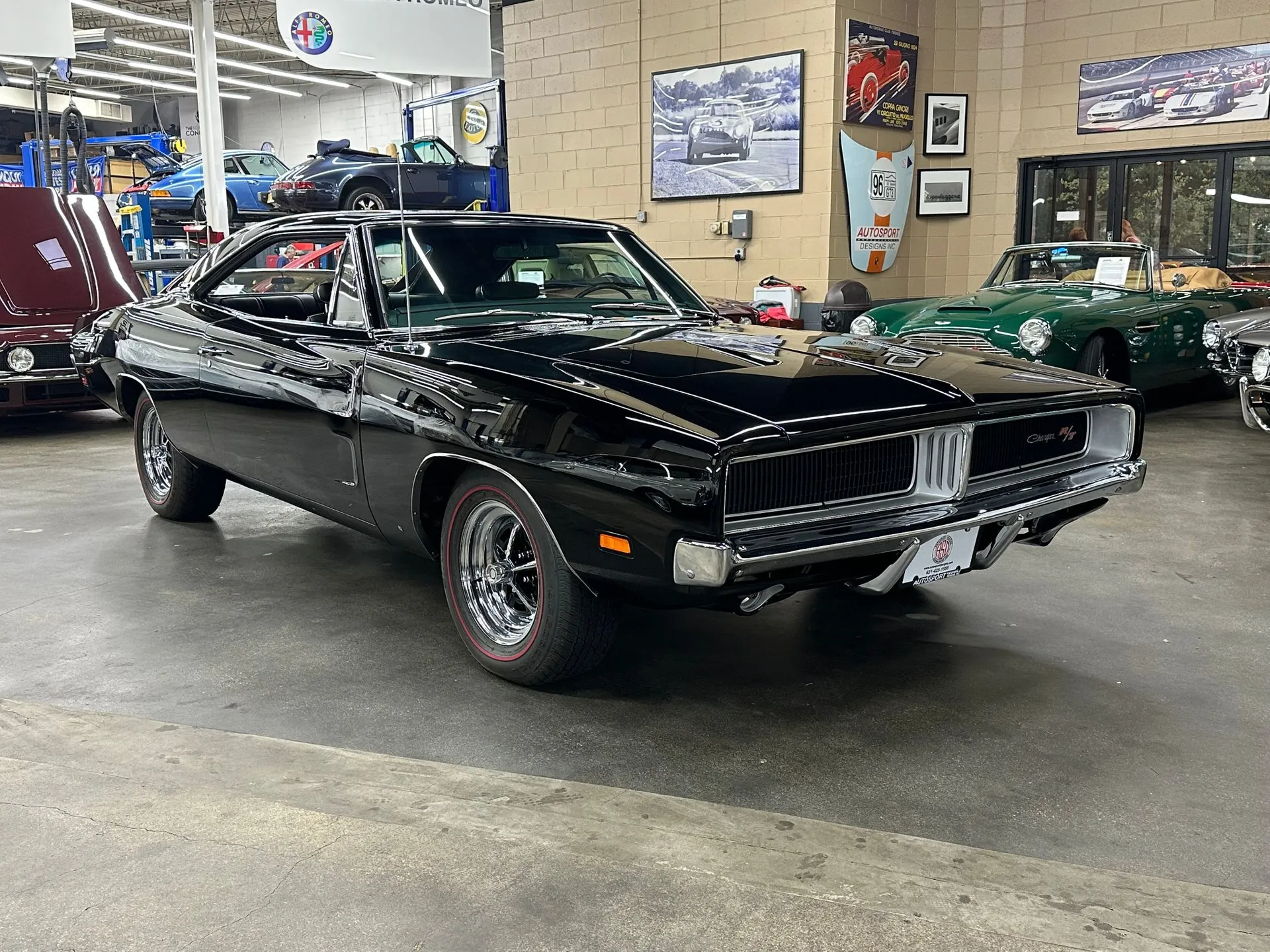
The 1969 Dodge Charger R/T remains one of the most iconic representations of American muscle performance and design from the late 1960s. Its enduring popularity comes from both its aggressive styling and the strong engine choices that were available at the time.
The R/T version, which stands for Road/Track, included upgraded suspension and performance parts, making it a proper performer both on straight roads and around curves. The vehicle’s massive 440 Magnum V8 engine provided thrilling acceleration, while the optional 426 HEMI was known for its legendary output.
Apart from the performance, part of the appeal that has helped boost the value of this car lies in its cultural presence. The 1969 Charger was immortalised in several films and TV shows, most famously through the bright orange “General Lee” from the series “The Dukes of Hazzard.”
Its exposure on screens helped solidify the Charger R/T as a household name and later as a collector’s gem. Today, well-maintained examples are highly sought after, with auction prices frequently reaching six figures depending on originality and condition.
As time has gone by, the design elements of this vehicle have only become more cherished. The hidden headlights, the muscular rear quarter panels, and the wide stance continue to appeal to enthusiasts who want something that stands out from modern designs.
Unlike newer cars, which are often constrained by emissions regulations and safety features, the 1969 Charger reflects a raw and unfiltered version of power. It lacks driver aids and modern convenience but delivers an unmatched level of mechanical connection.
This model has held its value through a combination of rarity, nostalgia, and powerful visual and driving characteristics. With restoration and aftermarket support still active, owners can keep these machines running strong for generations. The 1969 Dodge Charger R/T stands as a perfect case of a classic that has not only aged gracefully but has also grown more valuable with each passing year.
Also Read: 10 Muscle Cars That Survive Daily Driving
3. 1971 Plymouth HEMI ’Cuda
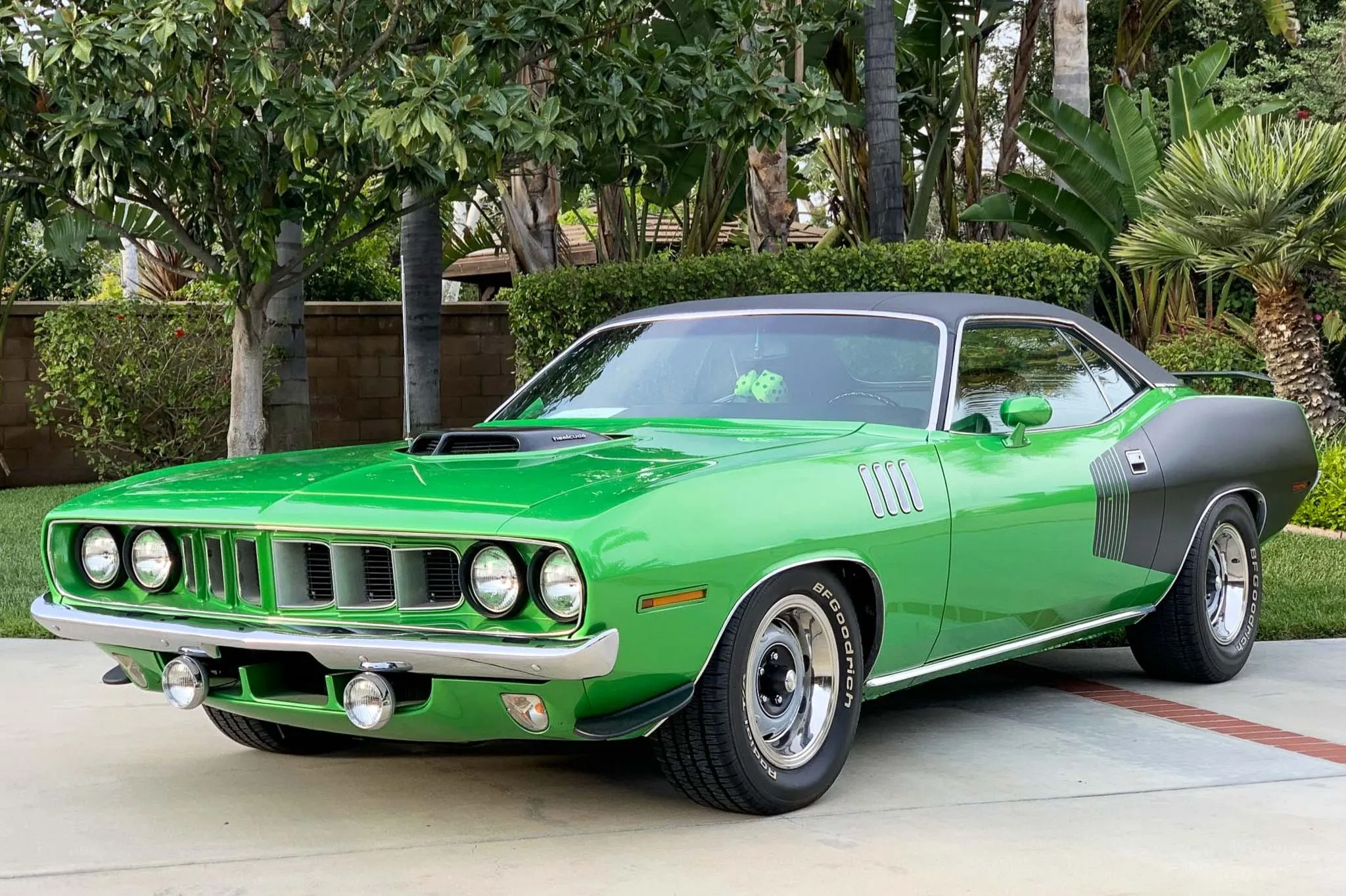
The 1971 Plymouth HEMI ’Cuda is among those rare American vehicles that command respect at collector auctions around the world. Known for its aggressive styling and monstrous performance, the HEMI ’Cuda emerged at a time when automakers were pushing the limits of muscle car design.
The 426 cubic inch HEMI V8 under its hood produced a staggering 425 horsepower, making it one of the most powerful machines of its time. Buyers were attracted to its bold presence, and today collectors value its exclusivity.
What separates the 1971 model year from other Barracuda variants is its sharp styling, especially the quad headlights and redesigned grille. It introduced a more aggressive front end, shaker hood, and high-impact paint colours that became a visual symbol of the muscle car era.
Very few units of the HEMI ’Cuda were produced in 1971, particularly those with four-speed manual transmissions, which explains why auction prices have climbed into the millions for pristine, matching-numbers examples.
The rise in value for the HEMI ’Cuda can also be attributed to its limited production, which makes it highly desirable for serious collectors.
With fewer than 120 hardtops built that year equipped with the HEMI engine, and even fewer convertibles, ownership represents entry into a very exclusive club. The car’s appeal lies not only in its horsepower but also in its historical position at the end of the high-performance era before fuel economy regulations reshaped car production.
Even though parts and service expertise are harder to come by, those who own one often treat it like a family heirloom. While other vehicles see depreciation and loss in desirability, the 1971 Plymouth HEMI ’Cuda continues to gain appreciation. Its strong auction performance and increasing demand mean this muscle car remains a rewarding investment and an unforgettable piece of automotive heritage.
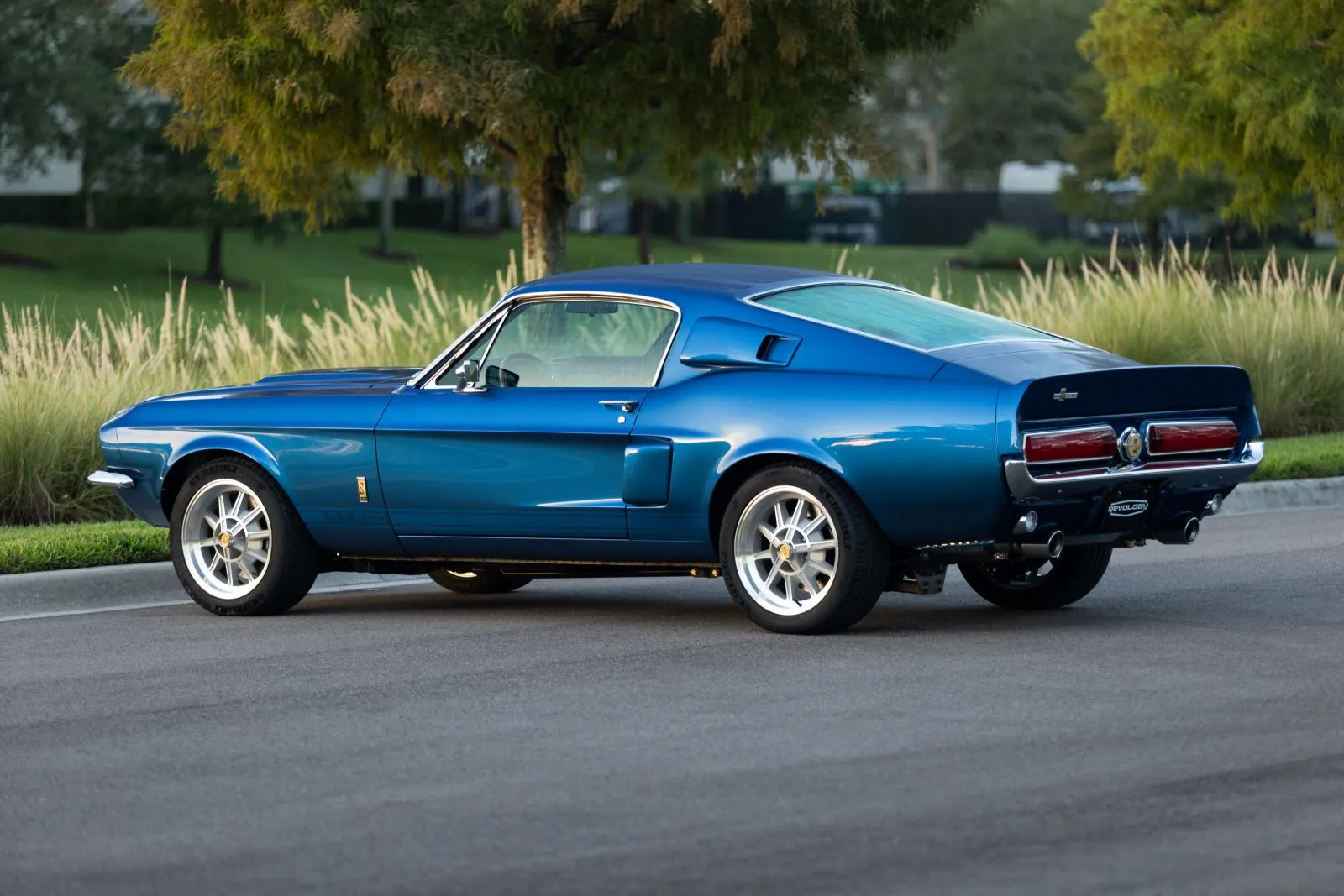
4. 1967 Shelby GT500
The 1967 Shelby GT500 stands as one of the most revered models to come from the Shelby-American partnership with Ford. Based on the Mustang fastback, this car was transformed into a high-performance muscle icon by Carroll Shelby, incorporating both track-ready performance and refined styling.
The GT500 came equipped with a 428 cubic inch V8 engine that offered more than 355 horsepower, backed by a heavy-duty suspension and upgraded brakes, which set it apart from standard Mustangs of that era.
Part of what makes this model so sought-after today is its place in the evolution of Ford’s performance cars. This was the first GT500, and Shelby’s touch was evident in nearly every aspect of the vehicle. From the fibreglass hood and scoops to the driving lights mounted in the grille, the car projected a race-inspired character.
Inside, it maintained a relatively upscale look with unique instrumentation and sport seats. These elements combined to deliver a car that was both comfortable and performance-ready.
As time has passed, the GT500’s value has steadily increased. Enthusiasts see it as a turning point in muscle car history, where horsepower met limited production.
Original examples in excellent condition command high prices at collector auctions, often fetching hundreds of thousands of dollars. Even non-original but well-restored examples see strong demand.
The car also received renewed interest after being featured in the film “Gone in 60 Seconds” as “Eleanor,” although purists make a clear distinction between movie replicas and authentic Shelby-built vehicles.
Maintenance and preservation of the GT500 are still supported by a dedicated community of restorers and collectors. The strong aftermarket network has ensured the availability of quality replacement parts, making it possible to keep these cars on the road or on display.
The 1967 Shelby GT500 has become more than just a collector’s item. It is now considered a cornerstone of American muscle car history that continues to draw admiration and maintain high market value.

5. 1970 Pontiac GTO Judge
The 1970 Pontiac GTO Judge is a remarkable example of how styling, branding, and performance came together during the peak of the muscle car era. The GTO Judge was not just a performance model, but also a symbol of the youthful attitude that Pontiac marketed aggressively at the time.
This particular model year stood out due to its bold exterior colours, unique stripes, and the distinctive rear spoiler that gave it a sporty flair. Under the hood, it came with the Ram Air III 400 cubic inch V8 engine, producing 366 horsepower, and an optional Ram Air IV for those who wanted even more performance.
One of the reasons the Judge commands high values today is that it was produced in relatively limited numbers, especially with the higher-performance engine options.
Collectors favour rare variations, and the 1970 edition marked the final year before insurance costs and emission controls began to change the muscle car market. This timing helped the car preserve its identity as one of the last truly high-powered GTOs before restrictions softened future designs.
Another factor that has contributed to the Judge’s appreciation is its strong presence in car shows and auctions. Buyers have shown consistent willingness to pay premium amounts for well-maintained or restored examples.
The high-impact colours, such as Orbit Orange or Cardinal Red, enhance the car’s collectability, especially when paired with original equipment and documentation. Although not every GTO Judge reaches astronomical prices, rare models with matching numbers and limited production features often sell for upwards of $100,000.
The 1970 Pontiac GTO Judge remains one of the most respected muscle cars for collectors and investors alike. Its combination of iconic styling, historical importance, and limited production helps it maintain strong resale values. For many, it represents a closing chapter of muscle car history, making it an appreciated asset in today’s market.
Depreciating Modern Muscle Cars
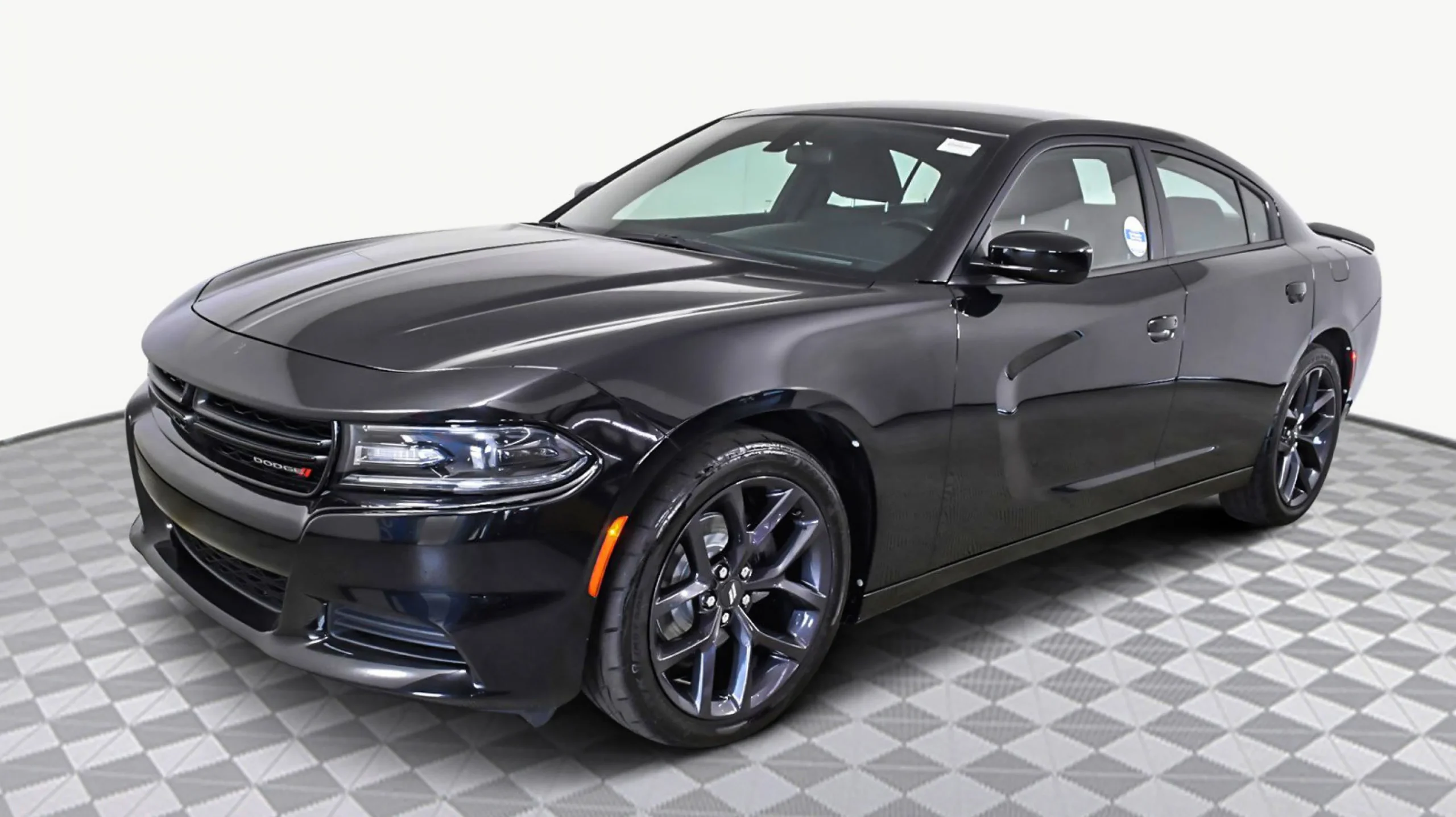
1. 2020 Dodge Charger SXT
Among modern muscle sedans, the 2020 Dodge Charger SXT entered the market as a budget-friendly option within the Charger lineup. While its design carries forward the aggressive stance associated with its performance heritage, the SXT is powered by a 3.6-litre V6 engine rather than a V8.
This engine delivers about 292 horsepower, which, while adequate for daily use, does not match the expectations of traditional muscle car enthusiasts looking for stronger acceleration and a more engaging experience.
The V6 platform in the SXT may appeal to drivers who want the look of a Charger without the fuel costs of the bigger engines, but this version does not hold its value as well as its V8 siblings. Within just a few years of ownership, the resale prices for the Charger SXT tend to drop sharply.
A combination of mass production and low demand from collectors means the depreciation curve is steeper. Many buyers treat the SXT as a regular sedan rather than a performance vehicle, which affects how the car is perceived in the used market.
Although it shares the same platform and body styling as the higher-performing Charger Scat Pack and Hellcat variants, the SXT lacks the performance features that would allow it to maintain value long-term.
It is often sold as a fleet or rental vehicle, which also negatively impacts resale value. Cars that are widely available through rental agencies or government contracts typically lose more value than exclusive trims.
While its exterior design still attracts attention, the lack of strong power output and limited collector interest means the 2020 Charger SXT continues to lose market appeal.
Although it can serve as a reliable daily driver, it does not carry the same potential for appreciation that classic muscle cars or higher-spec modern trims do. For buyers seeking investment returns or collector appeal, the SXT trim is unlikely to deliver such rewards.
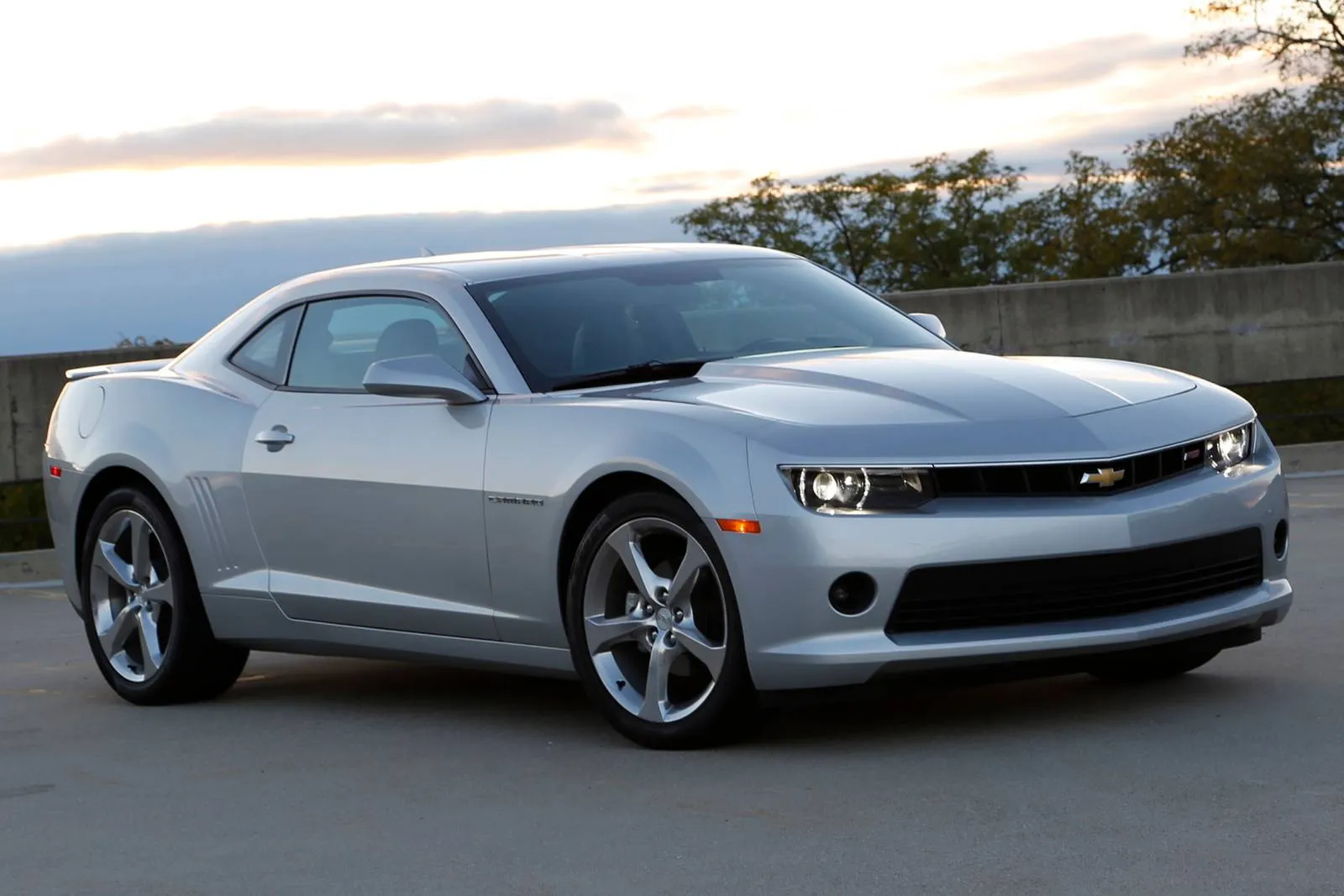
2. 2015 Chevrolet Camaro RS V6
The 2015 Chevrolet Camaro RS V6 was introduced as a stylish and more fuel-efficient alternative to the V8-powered trims. Equipped with a 3.6-litre V6 engine that produces around 323 horsepower, the RS offers enough power for daily commuting but falls short of the aggressive performance reputation typically associated with the Camaro badge.
Its exterior design borrows heavily from the more powerful SS and ZL1 variants, but what lies under the hood affects how this vehicle holds value after some time.
At launch, the Camaro RS appealed to buyers who wanted the muscle car look without the fuel consumption or insurance costs that come with higher-performance engines. However, the appeal tends to fade once the vehicle enters the used car market.
Since it lacks the limited production and performance upgrades that create collector interest, the RS trim depreciates more rapidly than its high-performance counterparts. Resale values tend to drop faster, especially as newer Camaro models continue to arrive with updated technology and bolder design features.
Another issue is the V6’s performance limitations compared to what buyers expect from a Camaro. Even though the car handles well and has decent acceleration for daily use, it does not offer the kind of excitement that muscle car enthusiasts are usually looking for.
Without features like magnetic ride control, performance exhaust or upgraded brakes, it is considered a base-level option in a car category known for raw strength.
Many V6 Camaros are used as daily drivers, and they are frequently modified by owners trying to imitate the look of SS models, which often makes resale pricing unpredictable. The high number of these cars in circulation also affects supply and demand, keeping prices low on the used market.
While it might be a practical option for buyers interested in sporty styling on a budget, the 2015 Camaro RS V6 does not offer long-term appreciation or collector interest, and as a result, continues to depreciate with each passing year.
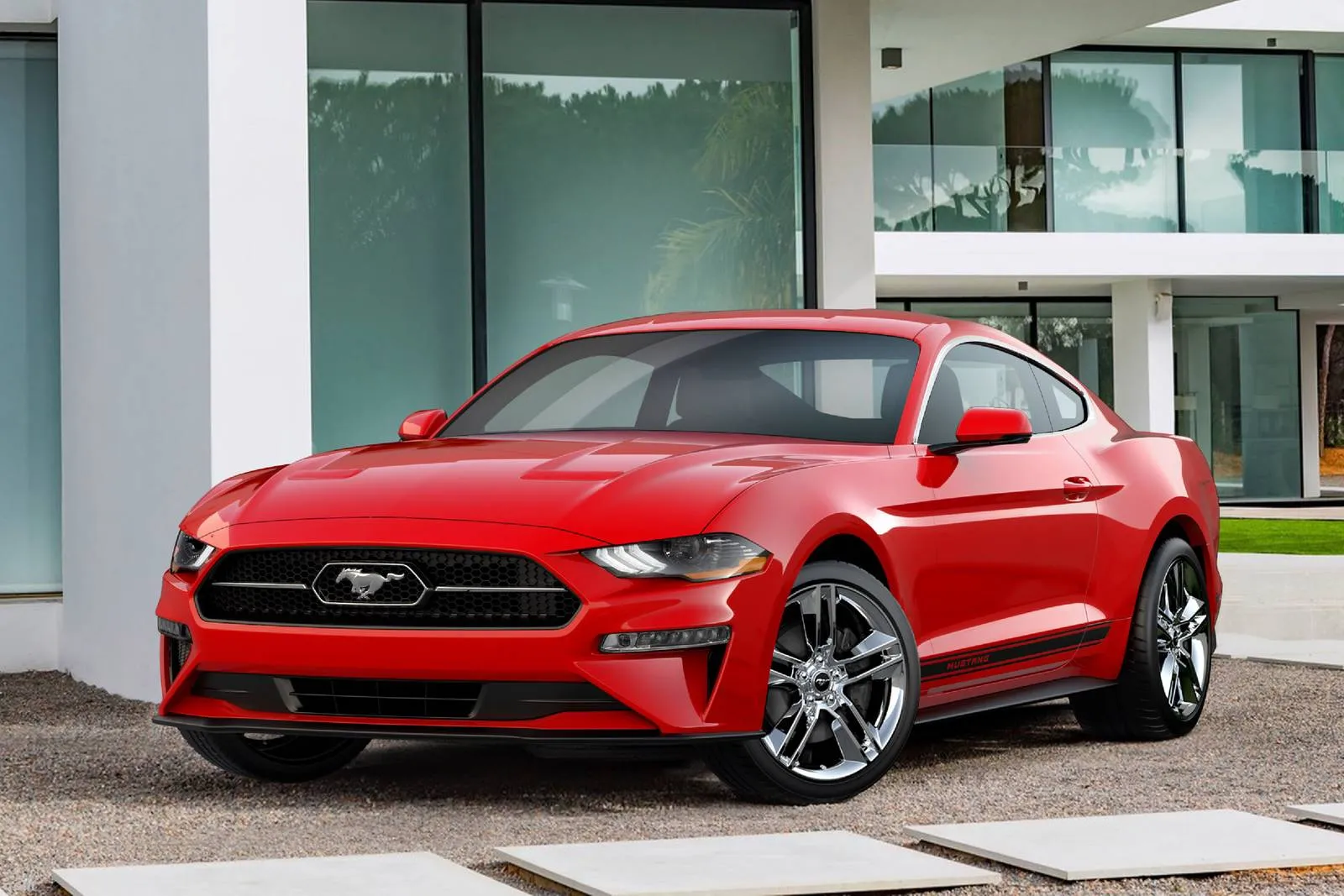
3. 2019 Ford Mustang EcoBoost
The 2019 Ford Mustang EcoBoost is a modern muscle-inspired coupe that delivers a blend of sporty looks and efficient performance. Instead of the traditional V8 engine that the Mustang is known for, this version comes equipped with a 2.3-litre turbocharged four-cylinder engine.
It produces about 310 horsepower, which is decent for regular driving. However, this output does not meet the high-performance expectations set by the GT or Shelby versions of the Mustang.
At the time of purchase, the EcoBoost model offered buyers a more affordable way to enjoy the Mustang name. It featured the same fastback styling, digital dashboard, and drive mode selector as its more expensive siblings. However, its long-term value has been underwhelming.
As newer models enter the market with upgraded tech and refreshed styling, the EcoBoost versions from 2015 to 2019 have started to lose resale value at a faster rate. Buyers on the used market tend to overlook these four-cylinder variants in favour of GT or special-edition models that offer better performance and have a stronger identity.
The issue of depreciation is tied closely to how buyers view muscle cars. Many still associate the Mustang brand with V8 power and raw exhaust sound, elements that are missing in the EcoBoost variant.
Although it offers turbocharged efficiency and decent speed for its class, the lack of emotional driving appeal affects its desirability. As a result, the used car market treats it more like a sporty daily driver than a muscle car investment.
Ford produced a large number of these EcoBoost Mustangs, which also reduces their potential for appreciation. Without rarity, historical importance, or standout performance, the car struggles to attract serious collectors or enthusiasts.
Many units are also part of rental fleets or entry-level leases, further pushing down their resale value. While it remains a good choice for affordable sporty transportation, the 2019 Mustang EcoBoost continues to depreciate and has shown little potential for future appreciation in value.
4. 2016 Dodge Challenger SXT
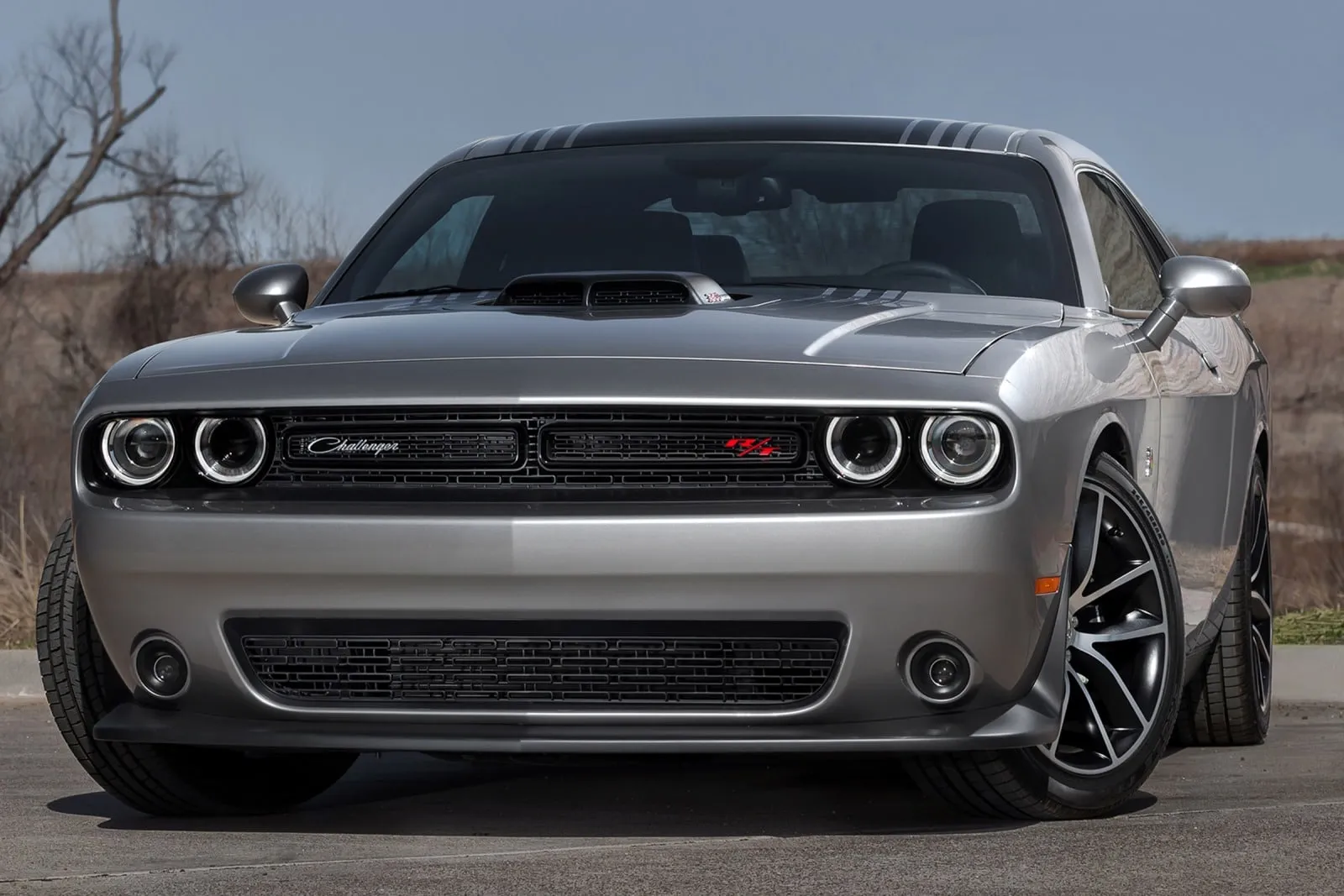
The 2016 Dodge Challenger SXT is another case where strong styling does not always translate to retained value. On the surface, it mirrors the aggressive and retro-inspired design that defines the Challenger series.
However, the SXT trim comes with a 3.6-litre V6 engine delivering 305 horsepower, which falls short of the performance expected from a car carrying such a muscular appearance. Unlike the R/T, Scat Pack or Hellcat trims, the SXT was built for comfort and efficiency rather than high-speed thrills.
Many buyers chose the SXT for its lower entry cost and everyday usability. It provides a smooth ride, modern interior features, and the classic two-door layout. While these qualities make it a practical vehicle, they do not offer strong resale benefits.
In the used market, the SXT is often treated like a commuter coupe rather than a performance machine. This distinction has caused its value to drop more rapidly than higher-spec models that carry strong collector demand.
Depreciation is also driven by the number of units produced. Dodge built large quantities of the SXT variant to meet broad market demand, and this abundance has kept used prices low.
The car also lacks limited-edition badges or performance enhancements, making it less interesting to enthusiasts. Many who buy into the Challenger name are drawn to high-powered V8s, aggressive exhaust tones, and track-ready dynamics, areas where the SXT version does not deliver.
Another contributing factor is the minimal difference in price between a used SXT and a slightly older R/T model. Most buyers would rather spend a little extra for a used V8 variant that delivers stronger performance and has better potential for future value retention.
For these reasons, the 2016 Dodge Challenger SXT continues to depreciate faster than most of its high-powered siblings, making it an impractical choice for those hoping to benefit from long-term appreciation or collector interest.
Also Read: 5 Dodge Muscle Cars With Longevity And 5 That Eat Oil
5. 2018 Chevrolet Camaro Turbo 1LT
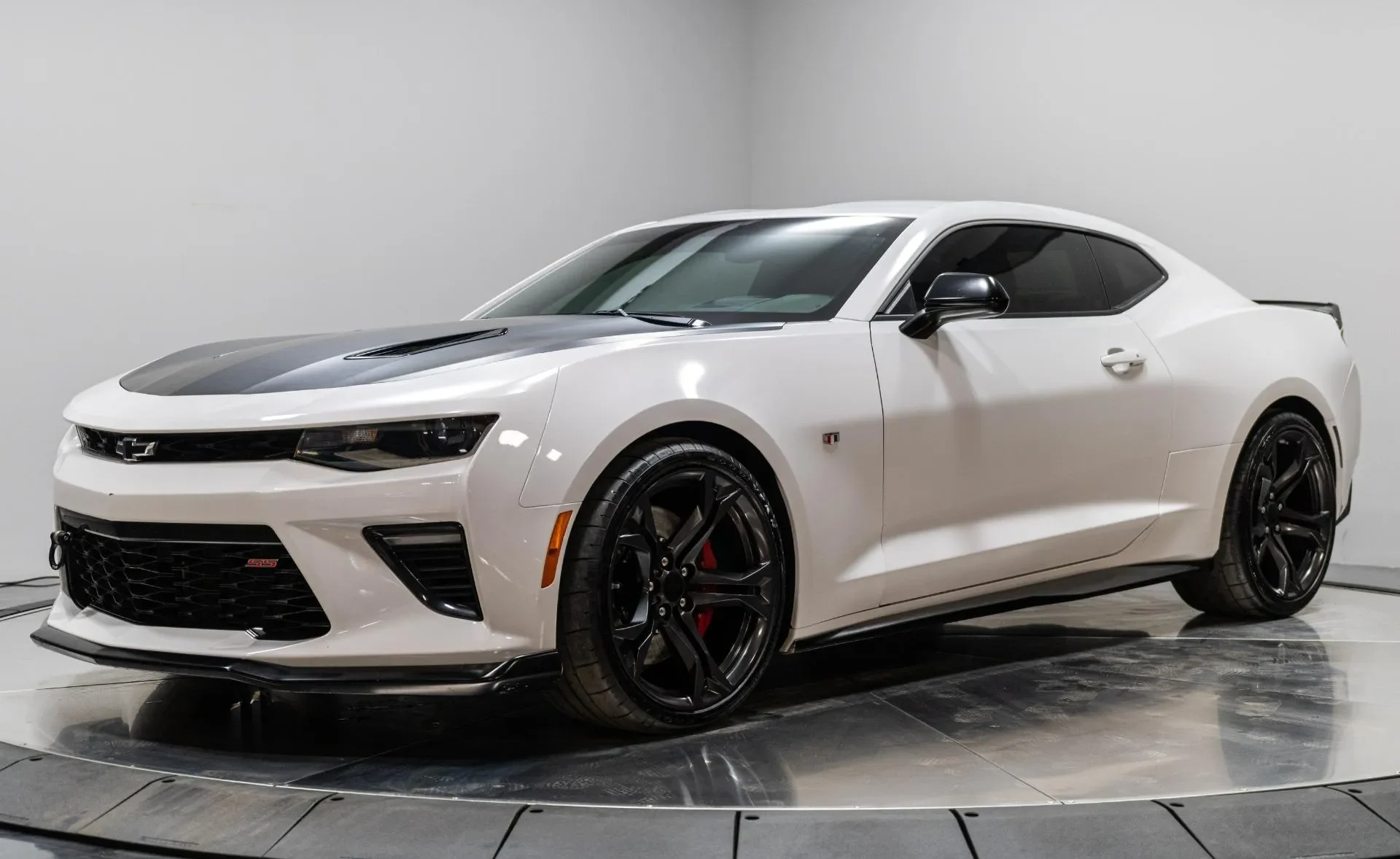
The 2018 Chevrolet Camaro Turbo 1LT entered the market as a performance coupe offering modern tech and improved fuel efficiency through its smaller engine. This variant runs on a 2.0-litre turbocharged four-cylinder engine, producing about 275 horsepower.
While it performs adequately for daily commutes and spirited driving, the experience it delivers is not aligned with the reputation that the Camaro brand built during its muscle car history. As a result, the Turbo 1LT is viewed more like a compact sports coupe than a muscle car.
One of the primary reasons it continues to lose value is the absence of strong enthusiast support. Collectors and buyers interested in the Camaro name often seek the SS or ZL1 trims, which feature powerful V8 engines, performance upgrades, and limited-production qualities.
The 1LT with the turbo engine, however, is not limited in any way and was produced in large quantities, making it easy to find and cheap to replace. This weakens its long-term value.
The styling of the Camaro Turbo 1LT does echo the aggressive looks of its more powerful counterparts. Still, when performance does not match visual expectations, the appeal weakens quickly in resale markets.
Many buyers who test drive the car soon realise that it lacks the sound, acceleration, and thrill that muscle car branding usually promises. Because of this mismatch between expectation and reality, the Turbo 1LT tends to appeal more to those seeking daily practicality rather than collector-level enthusiasm.
Depreciation is also influenced by how many of these models ended up in rental fleets. A large number of 1LT Camaros were used by rental agencies, which hurt the car’s image and future resale value. Buyers often associate rental use with high mileage and rough treatment, which further impacts pricing.
Despite having a decent mix of features like Apple CarPlay, a backup camera, and an optional sunroof, the 2018 Camaro Turbo 1LT continues to lose value faster than most of its V8 siblings. It serves well as an affordable entry into the muscle car design language, but it does not retain long-term appeal or value in collector circles.
