
When an automotive brand shuts down, its name might fade quickly, but the cars it left behind can follow very different paths. Some of these discontinued models maintain their reputation and keep commanding strong resale figures.
Others, however, quickly lose their value, becoming difficult to sell or maintain. These differences often depend on reliability, collector interest, supply of parts, and the circumstances surrounding the brand’s closure.
A few brands left behind cars that have remained desirable due to performance, design, or cult status. These models have continued to draw attention on used car markets, auctions, and enthusiast forums.
Their value sometimes even increases, particularly when production was limited or the vehicles have a unique appeal. The name on the badge may no longer exist, but the strength of the car’s character can keep it relevant for years.
On the other side are cars that became more of a burden than an asset once their parent companies ceased operations. Spare parts grew scarce, support became nearly nonexistent, and resale demand faded.
Some buyers even abandoned such vehicles out of frustration due to a lack of service options. These cars became associated with unreliability, bad timing, or poor quality. Once the badge disappeared, so did the little trust left in the product.
We will look at five discontinued brands that left behind vehicles with surprisingly long-term value and another five whose collapse dragged down everything with their name on it. Each entry reflects how the exit of a brand affected its cars on the market and how its reputation has evolved in the years that followed.
For some, it was the beginning of a legacy. For others, it marked a permanent stain. Each story stands as a consideration of how durability, design, and public awareness carry weight long after a company ceases operations.
5 Orphaned Brands with Strong Value
1. Saab
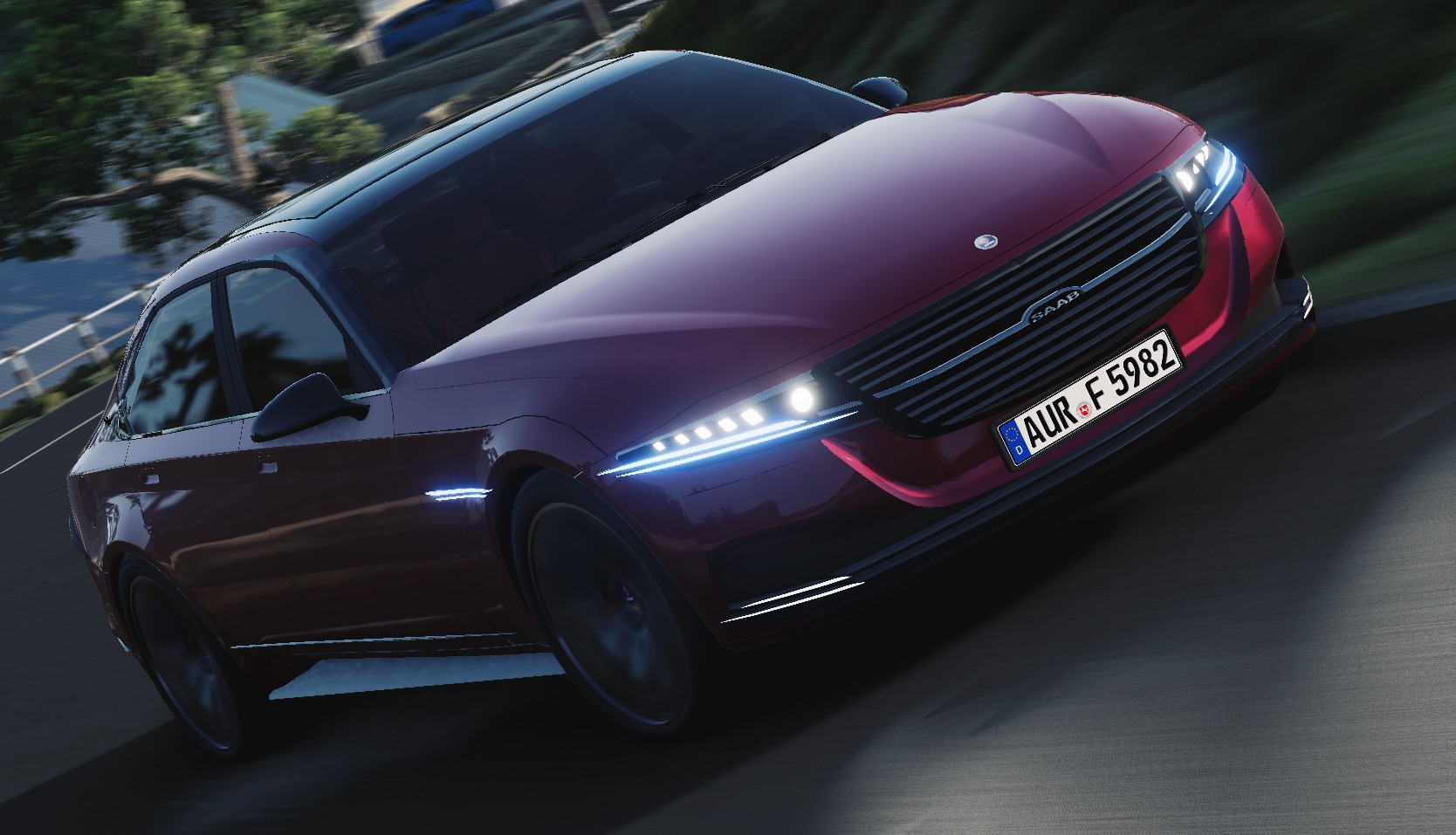
Saab might be gone, but its loyal following has helped its cars retain a decent amount of value. Though the Swedish automaker shut down operations in 2011 after General Motors failed to revive it, several Saab models have managed to remain attractive on the used market.
The 9-3, in particular, holds strong among compact luxury car enthusiasts. Its turbocharged engines, solid handling, and well-designed interiors give it an edge over many used cars in the same price range.
While maintenance and parts availability can be a concern, a dedicated network of independent Saab mechanics and enthusiast communities has kept these cars on the road. Some owners even stockpile parts or purchase backup cars for spares, underlining the emotional value attached to these vehicles.
Many buyers are drawn to the uniqueness of the Saab driving experience. The ignition switch between the seats, the aircraft-inspired dashboard layout, and turbocharged performance are seen as distinct from more generic options available today. The cars are practical too, with features like heated seats, strong crash test ratings, and hatchback versatility on several trims.
Though Saab never matched the scale or reach of its competitors, its cars still punch above their weight in terms of engineering and driver involvement. Pre-owned Saab convertibles and performance models like the 9-3 Viggen have even increased in value in recent years, especially low-mileage units in good condition.
For those who can live with the occasional difficulty in sourcing replacement parts, a used Saab offers something that many current cars lack: a sense of character combined with Scandinavian logic. The end of Saab did not bring down its cars, and in several cases, it added a layer of nostalgia that has only boosted interest in the brand’s best models.
2. Pontiac
Though Pontiac was discontinued in 2010 during GM’s restructuring, the brand did not vanish from the minds of car enthusiasts. While several Pontiac models faded quickly, a few managed to become more valuable after the brand’s closure.
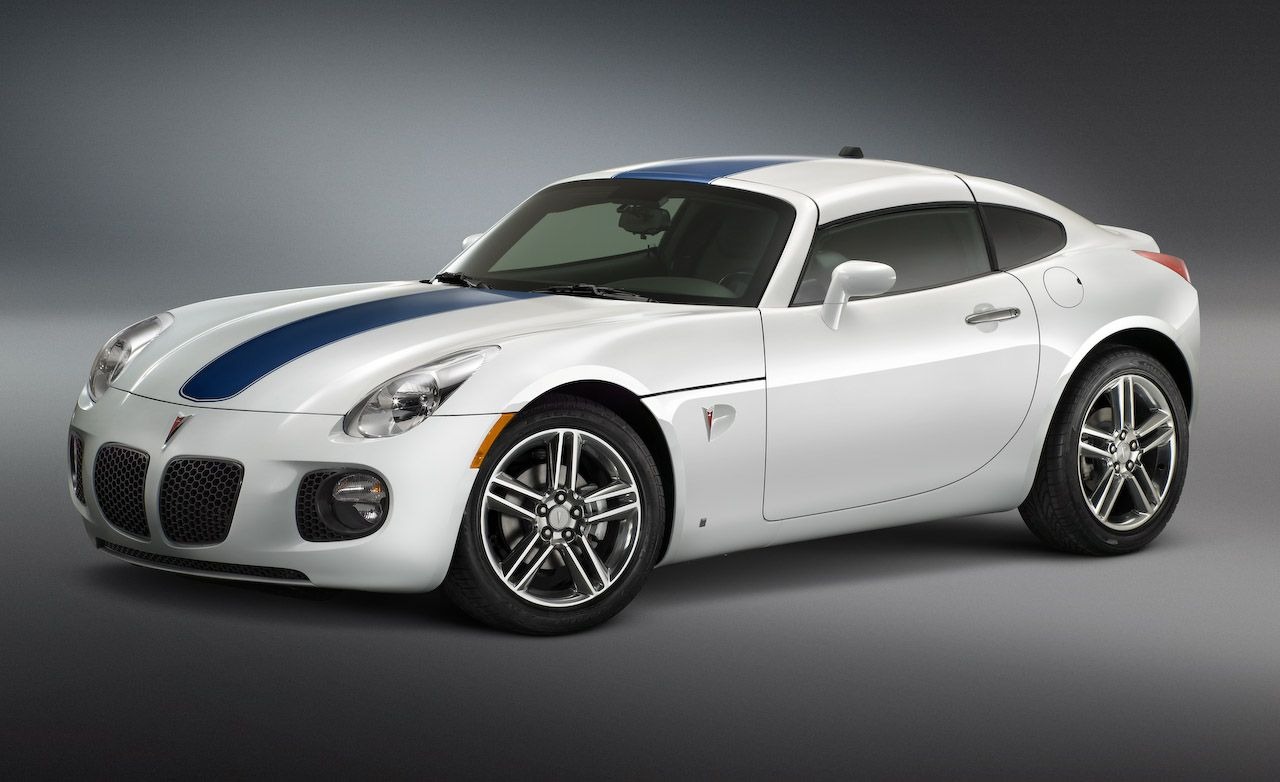
Leading this group is the Pontiac G8, a performance sedan that shared its platform with the Australian Holden Commodore. Also worth mentioning is the Pontiac Solstice, a compact roadster that remains popular among convertible lovers.
The G8 GT and GXP in particular have become collector targets due to their powerful V8 engines and rear-wheel-drive setup. The GXP variant, which came with a 6.2-litre LS3 engine from the Corvette, is especially rare and can command premium prices in the used market.
Many buyers compare the G8 favorably to modern muscle sedans, given its aggressive styling and performance capabilities. Despite its age, it still feels modern when compared to newer alternatives in the same category. Production numbers were relatively low, which has only helped keep demand strong for well-maintained units.
Pontiac’s sporty image played a role in how these cars have fared. While the brand had its share of forgettable models, these performance-driven options stood out. Since the discontinuation, no direct replacement has taken their place in GM’s lineup, leaving a void that has helped preserve its value.
Both the G8 and the Solstice serve as reminders that some of Pontiac’s final efforts were bold, well-built, and far ahead of their time. Even though the brand is gone, the cars it left behind continue to speak loudly on auction blocks and used car listings across the United States.
Also Read: 5 Engines That Stay Clean Inside and 5 That Sludge Up Quickly
3. Saturn
Saturn was GM’s experiment in creating a different kind of car company, one focused on a fresh approach to customer service and vehicle development.
Though it was dissolved in 2010, Saturn left behind a few vehicles that have aged better than expected. The most respected of these is the Saturn Sky, a sleek two-seater roadster that continues to draw interest from collectors and convertible lovers.
Built on the same Kappa platform as the Pontiac Solstice, the Sky featured unique styling, with sharp lines and a more upscale appearance.
The Sky Red Line, equipped with a turbocharged 2.0-litre engine, delivered quick acceleration and agile handling. Because production numbers were low and the car came toward the end of Saturn’s run, it became something of a rare gem almost immediately after the brand was phased out.
Even though Saturn never gained a foothold as a premium brand, the Sky’s build quality and road presence helped separate it from the rest of the lineup. Used models in good condition, especially low-mileage Red Line versions, continue to attract respectable prices on the secondhand market.
Part of the Sky’s lasting value also comes from its mechanical simplicity and accessible performance. It does not overwhelm with technology, which makes it easier and cheaper to maintain. Enthusiasts appreciate the manual transmission option and the fact that the car can still compete with newer convertibles in terms of driving feel.
Though most of Saturn’s lineup has faded from memory, the Sky remains a lasting reminder of what the brand was capable of producing when given a bold design brief.
It may have been short-lived, but the Sky has managed to escape the fate that affected many other discontinued models. Buyers today still consider it a desirable option for weekend drives, casual cruising, or collectible ownership.

4. Hummer
When Hummer ceased production in 2010, many believed the brand’s gas-guzzling image had finally run its course. However, interest in the original Hummer lineup, especially the H1 and H2, has stayed alive.
In fact, resale prices for older Hummers have remained firm and, in some cases, gone up since GM revived the name for its new electric trucks under the GMC umbrella.
The original Hummer H1, built on military hardware, has always attracted a loyal audience. While not built for urban comfort, it has an imposing presence and unmatched off-road capability.
H1 models, especially those with low mileage or special trim levels, often trade for six-figure sums on auction sites. Enthusiasts view them as a symbol of ruggedness and raw engineering.
The H2, though more refined and built on a different platform, has also seen increased demand. It offers bold styling, spacious interiors, and a sense of occasion that few SUVs can match. While it consumes fuel at a high rate, its appeal lies in its size, toughness, and strong visual identity. Many buyers still seek it out as a statement vehicle or for recreational use in rural areas.
The launch of the GMC Hummer EV breathed fresh attention into the old lineup. As collectors and electric truck buyers revisit the name, interest in the original gas-powered models has risen. The nostalgia attached to the badge, combined with the difference between past and future models, helps maintain value for earlier Hummers.
Even though fuel economy remains a weak point, Hummers continue to attract buyers who want something different. The brand may have gone silent for years, but its vehicles have kept their value among those who prize presence and durability above all else.
5. Scion
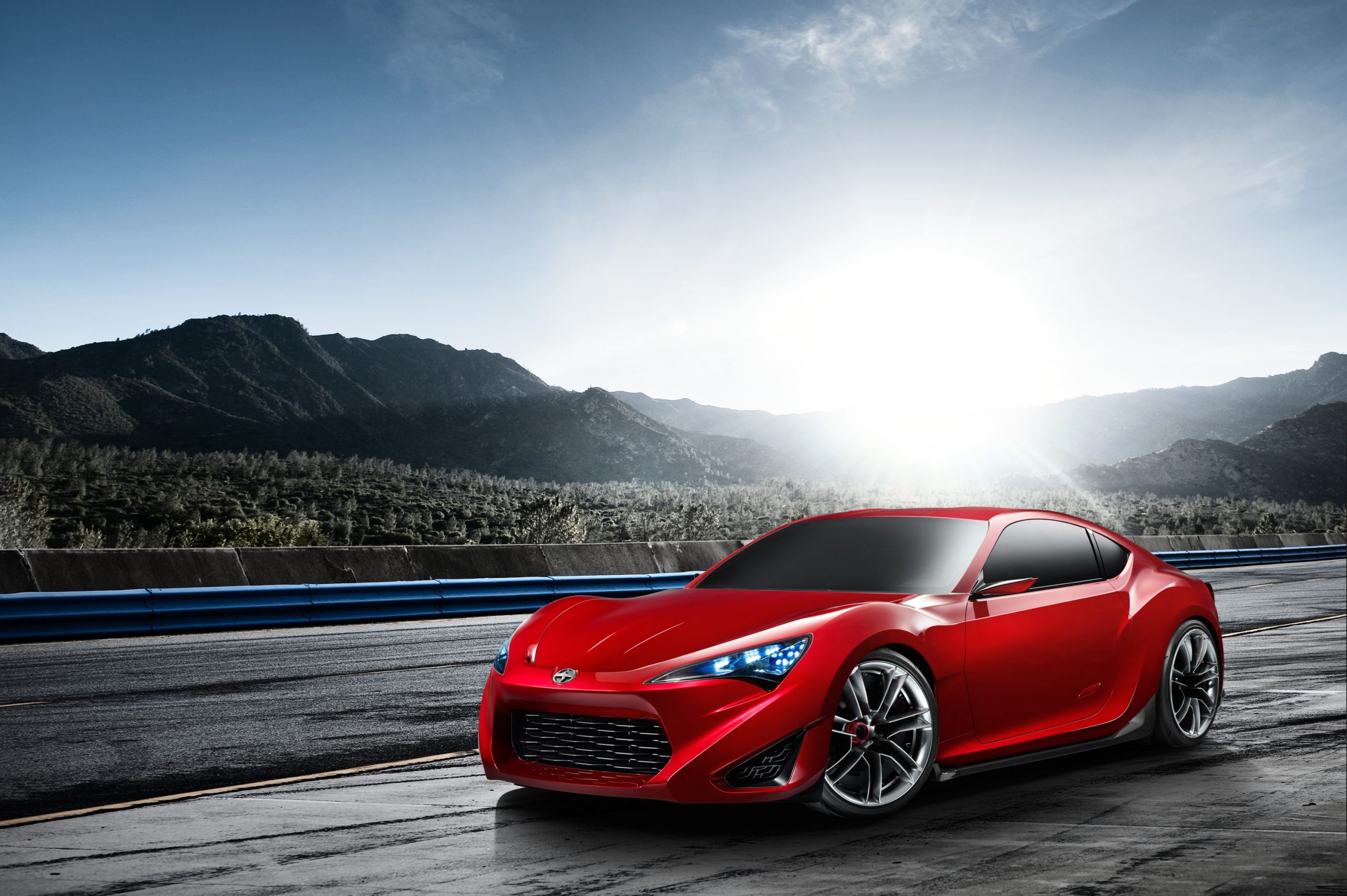
Scion was Toyota’s attempt to attract younger car buyers through a line of affordable, stylish, and customisable vehicles. Though the brand was discontinued in 2016, a few of its models have held strong appeal even after the badge disappeared. The Scion FR-S and the first-generation xB remain popular among car buyers who want reliability blended with character.
The Scion FR-S, developed in collaboration with Subaru, stood out as a nimble, rear-wheel-drive coupe with a low centre of gravity and sharp handling. Its lightweight build and driver-focused layout won it praise from both enthusiasts and critics.
After Scion was phased out, Toyota continued the model under the 86 badge, which helped maintain aftermarket support and keep values strong for the earlier FR-S units. Owners enjoy tuning options, straightforward mechanics, and a platform that rewards spirited driving.
The Scion xB also has its fan base, especially the boxy first-generation model. Its quirky shape, spacious interior, and fuel efficiency made it a favourite among urban drivers and creative communities.
The xB found a second life as a blank canvas for modifications. Whether used for audio builds, delivery work, or art car projects, it offers practicality with personality. While newer compact cars have entered the market, the xB has retained its appeal due to its unique form and proven Toyota reliability.
Scion’s approach to fixed pricing and youth marketing might not have endured, but its cars were well-built and offered real value. Even now, FR-S models in good shape are not easy to find cheaply, and the early xB models remain in circulation with respectable resale prices.
Though the brand no longer exists, some of its products continue to attract buyers who appreciate something beyond the ordinary.
Worthless Brands After Collapse
1. Daewoo
Daewoo’s departure from the automotive market did not just mark the end of a brand. It also left behind a string of models that quickly lost value and trust.
The South Korean company had tried to establish a foothold in the United States and other global markets, but its vehicles never caught on. Once production stopped in the early 2000s, Daewoo cars became unwanted burdens for most owners.
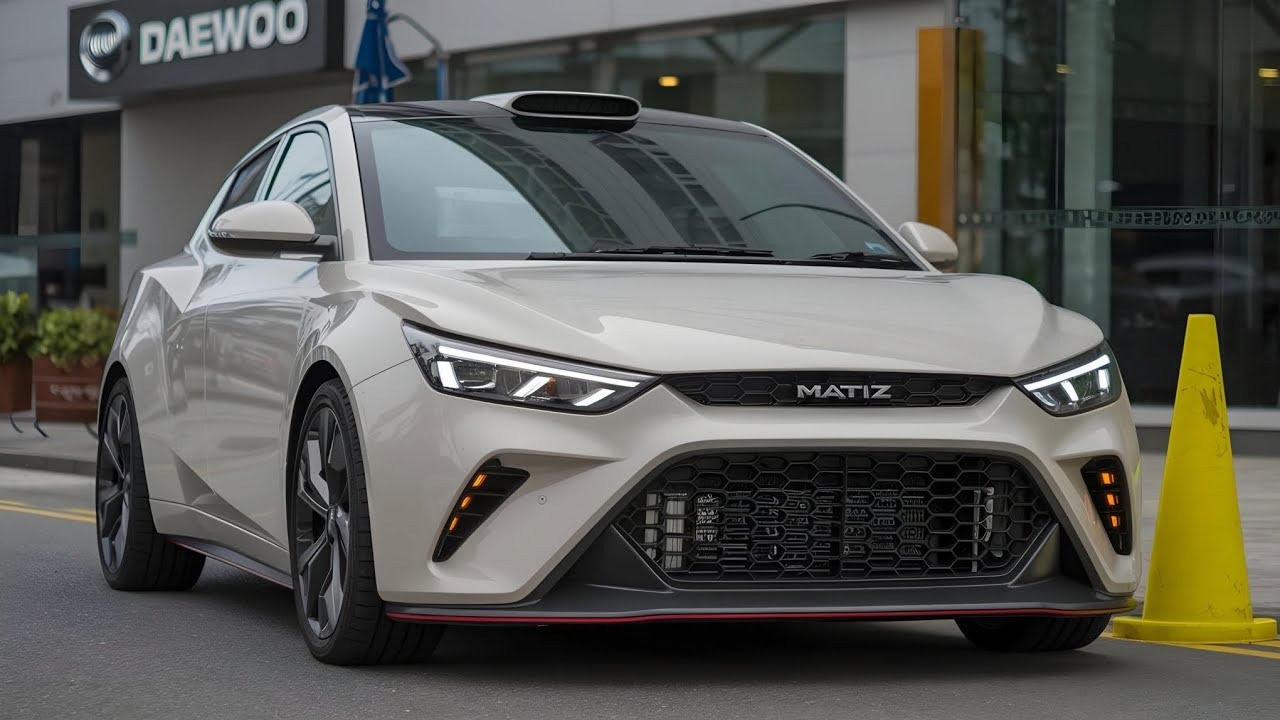
Models like the Daewoo Lanos, Nubira, and Leganza were low-priced sedans and hatchbacks that struggled with poor build quality and a lack of dealership support.
At the time of sale, their pricing made them appealing for budget-conscious buyers, but the ownership experience soon revealed weak engines, problematic transmissions, and minimal aftermarket support. The designs felt outdated, and the interiors were sparse and cheap.
Once Daewoo went bankrupt, spare parts became difficult to obtain, and service options disappeared. Mechanics were often unwilling or unable to work on Daewoo models because of limited technical information and inconsistent engineering. Even basic components took weeks to order, leading many owners to scrap their vehicles once major repairs became necessary.
The resale value of Daewoo cars dropped sharply. It became common to see these vehicles sold for extremely low prices or abandoned entirely. Their reputation as unreliable and poorly built meant few wanted to buy them, even as a temporary solution. After a while, they disappeared from most roads, leaving little behind to remind buyers they ever existed.
Unlike some defunct brands that leave behind desirable vehicles, Daewoo left no car with strong enough appeal to survive the brand’s collapse. It serves as an example of how important post-sale support and long-term quality are to a car’s future value.
2. Suzuki
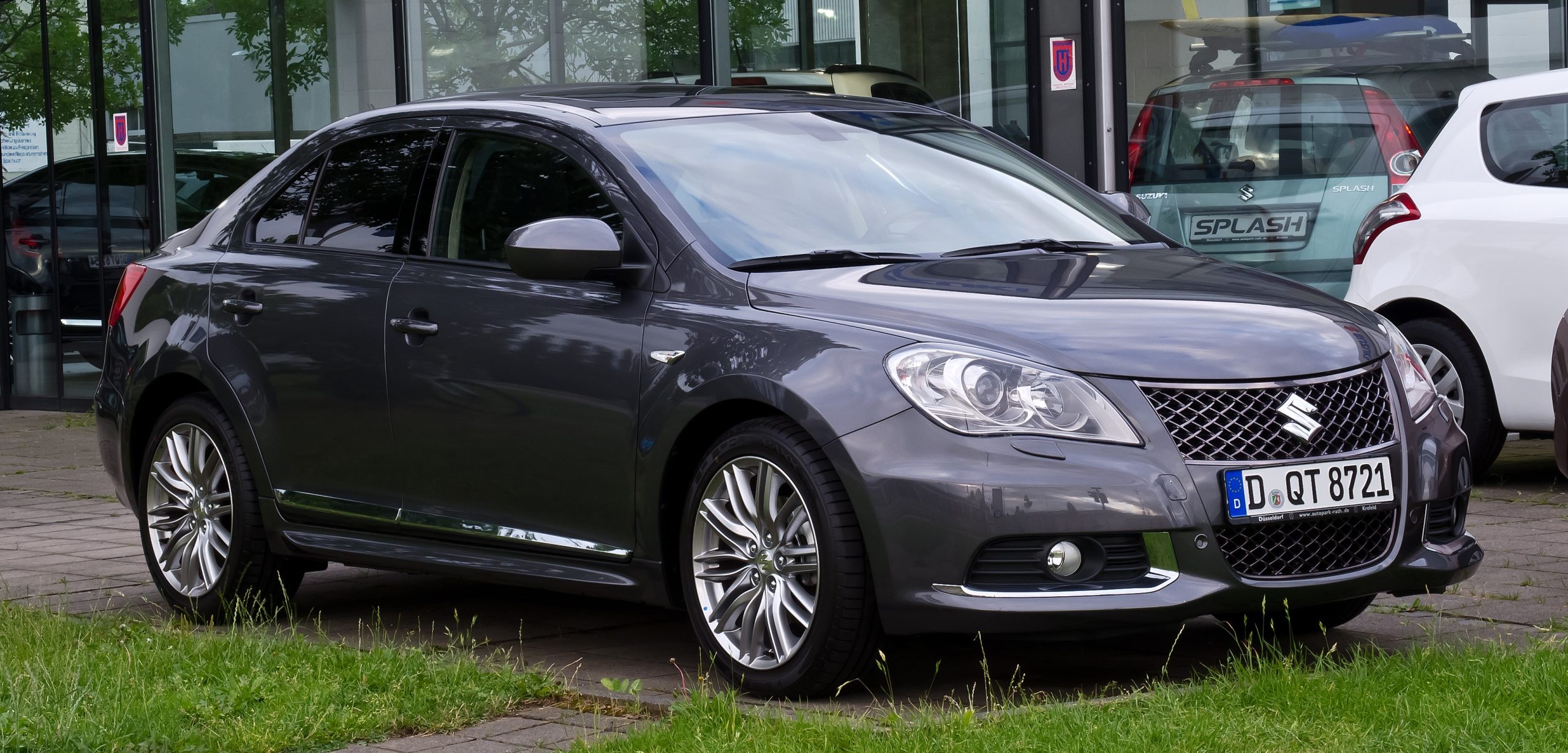
Suzuki had a long history of manufacturing motorcycles and compact vehicles. While the brand still sells cars in other parts of the world, it officially exited the United States car market in 2012. Despite the attempt to revive its image through newer models, such as the Kizashi sedan, Suzuki’s departure left its vehicles nearly worthless.
The Kizashi was intended to be Suzuki’s breakthrough into the midsize sedan category, offering refined styling, all-wheel-drive options, and good driving dynamics.
On paper, it stacked up well against popular models like the Honda Accord and Toyota Camry. However, lack of brand recognition, limited dealership presence, and weak advertising meant most car buyers never noticed it. Those who did often faced difficulty locating one to test drive.
Once Suzuki closed its automotive operations in the US, the remaining cars lost support from dealerships, and resale prices declined quickly.
Owners struggled with warranty claims and sourcing parts, especially for models that were only on sale for a few years. The lack of a broad customer base also hurt the aftermarket community. Unlike enthusiast cars that enjoy support from tuners and forums, the Kizashi had almost no such backing.
Though the Kizashi itself was not a bad car, it was not strong enough to withstand the effects of a failed brand. Today, it is rarely seen on the road and commands little attention in used car listings. Most examples sell at a fraction of their original cost, and their market presence is minimal.
Suzuki’s exit was not accompanied by a strong fan movement or collector interest. With few standout models and little nostalgia attached to its name, the brand’s collapse drained whatever value was left in its remaining cars.
3. Eagle
Eagle was Chrysler’s attempt to enter the sporty and import-influenced side of the car market during the 1990s. Formed after Chrysler acquired AMC, the Eagle brand tried to offer alternative styling and performance-focused options.
However, by the time it was discontinued in 1998, the brand had failed to establish a strong identity, and its vehicles quickly faded from public memory.
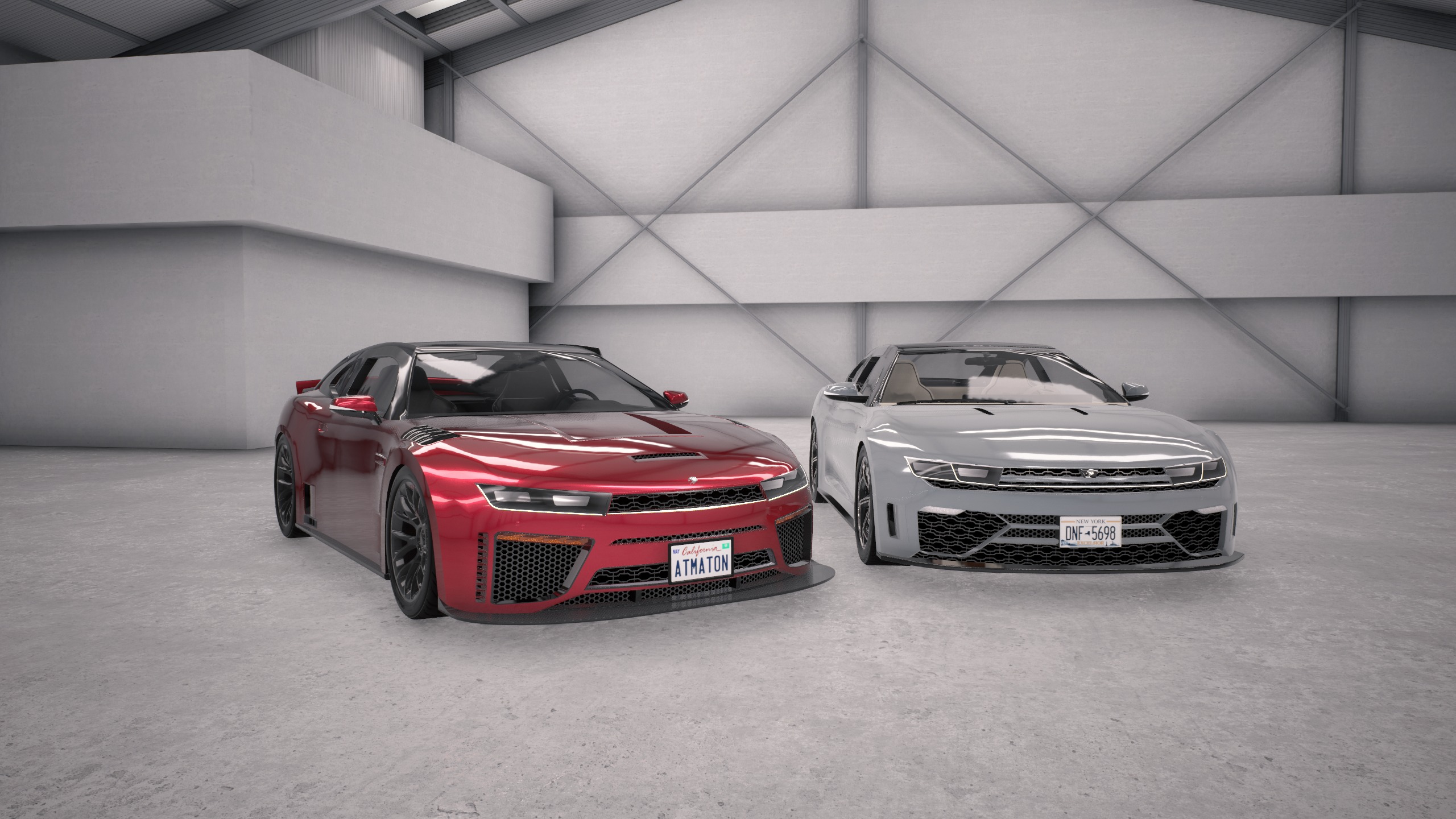
Among its offerings were the Eagle Talon, Vision, and Summit. The Talon was a rebadged version of the Mitsubishi Eclipse and had some fan following among sports coupe buyers. But the rest of the lineup lacked distinction.
The Vision sedan and the Summit hatchback struggled with forgettable styling and mediocre performance. Consumers had a hard time understanding what Eagle stood for, especially with overlap from Dodge and Plymouth models.
Once Eagle ceased operations, there was no widespread demand to keep the cars going. Talons did enjoy some popularity among tuners, but they were often seen as the lesser version compared to the Eclipse or the Plymouth Laser. Other Eagle vehicles were considered outdated soon after their release, and they had little resale value to begin with.
Parts support declined after a while, and few mechanics specialised in Eagle models. As a result, most owners chose to offload these cars once maintenance costs began to rise.
Today, it is rare to find an Eagle on the road, and even rarer to find one that is valued by collectors. The brand left no lasting impression that could protect its used models from depreciation.
Eagle’s quick disappearance from the automotive scene shows how a brand without clear purpose or strong customer loyalty can vanish without leaving a trace. While a few Talons may still surface at car meets or auctions, the brand itself remains a forgotten chapter.
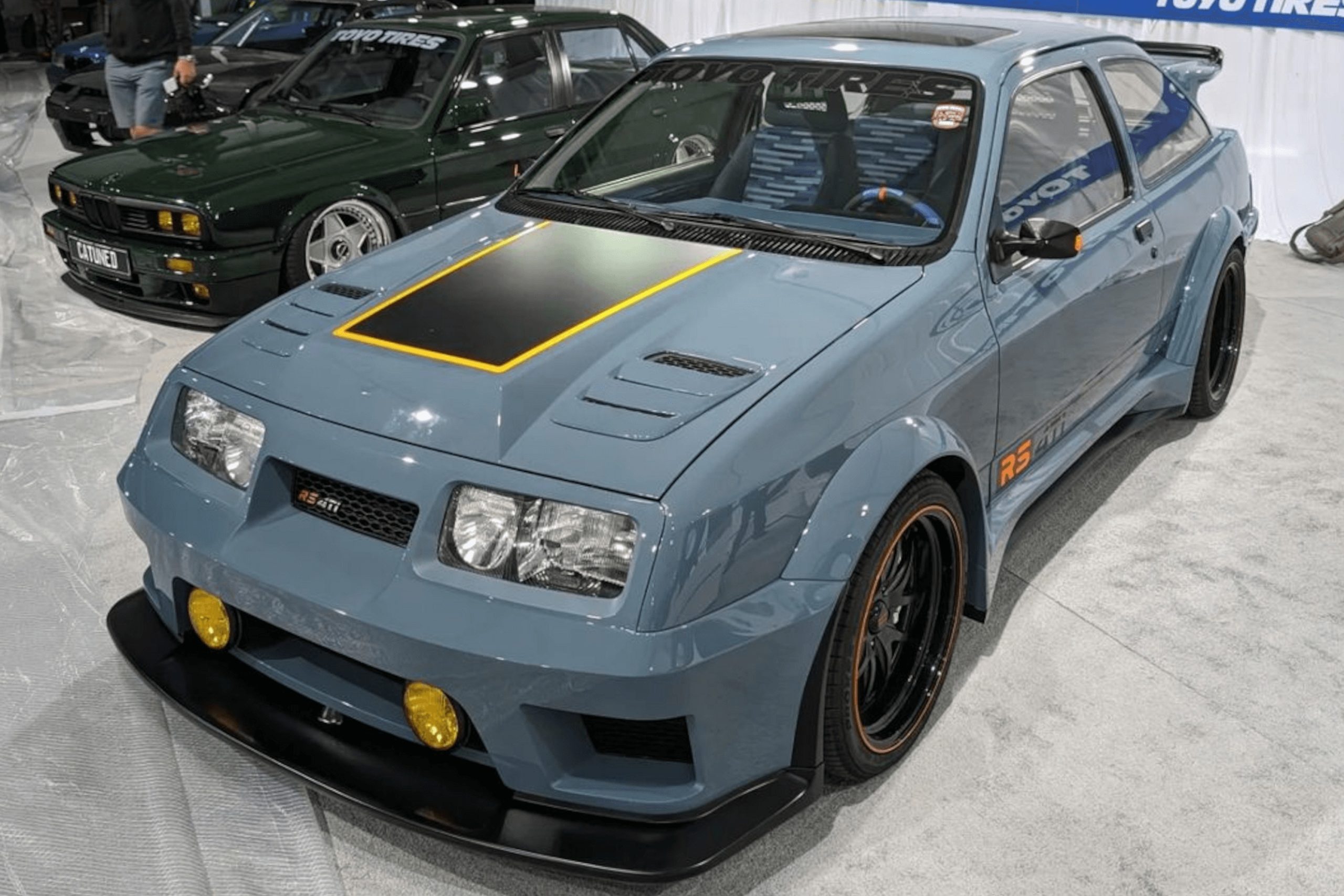
4. Merkur
Merkur was Ford’s short-lived attempt in the late 1980s to bring European-designed cars into American showrooms.
Targeted at luxury and performance buyers who wanted something different from domestic brands, Merkur launched with two main models: the XR4Ti and the Scorpio. Despite their strong roots in European engineering, the brand failed to gain traction and was pulled from the market by 1989.
The XR4Ti, a version of the Ford Sierra XR4i, came with rear-wheel drive and a turbocharged engine. It was aimed at buyers who were interested in performance without paying the full price of European imports like BMW or Audi.
While it had decent driving dynamics and an interesting design, it struggled to match the refinement and quality expected in its price range. The Scorpio, which arrived later, was even more expensive but failed to stand out in a crowded field of midsize luxury sedans.
Once Ford shut down the Merkur experiment, resale values dropped sharply. The biggest issue was parts availability. These were low-volume imports, and very few parts were shared with North American Fords. Repairing or maintaining a Merkur became a challenge, discouraging most buyers from keeping them for long.
The XR4Ti did develop a small fanbase among rally and track-day enthusiasts due to its rear-drive layout and turbocharged engine, but this group was too small to sustain long-term value.
Most of the remaining Merkurs either ended up in junkyards or were used for racing projects. Their complicated emissions systems and poor resale support pushed many owners to abandon them once they needed serious repairs.
While Ford’s idea had some merit, the execution fell short. Without a strong dealer network or long-term strategy, Merkur could not survive. Its cars became orphans in the truest sense, with little market interest and no reliable path for restoration or resale.
Also Read: 5 Cars with Consistently High Safety Honors vs 5 That Score Poorly
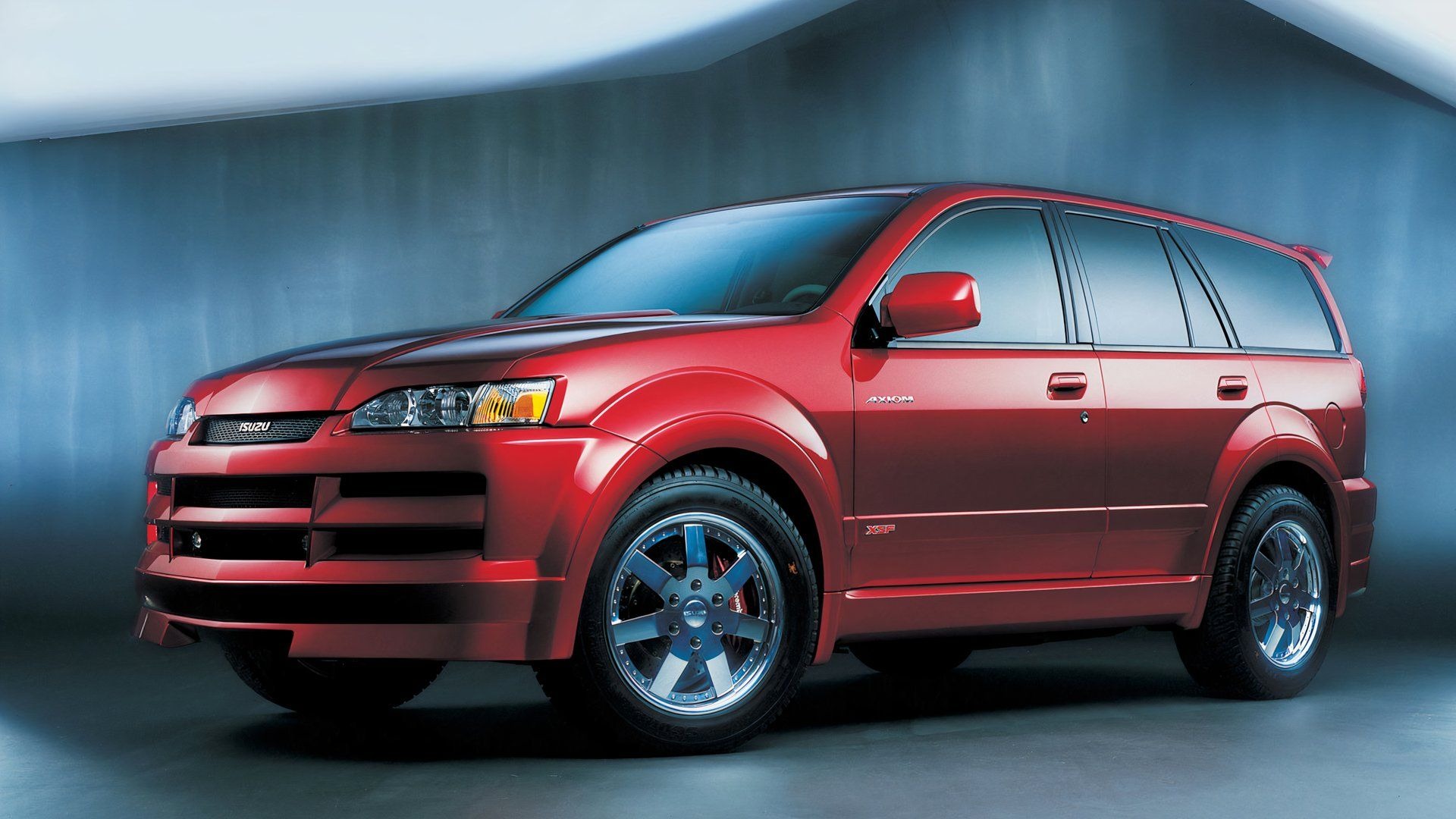
5. Isuzu
Isuzu once had a respected name in the truck and SUV space, but by the time it withdrew from the US passenger vehicle market in 2009, the brand had lost much of its strength. Though it continued producing commercial vehicles, its SUV lineup, including the Rodeo and Axiom, failed to retain value after the brand stopped selling to consumers.
The Isuzu Rodeo was popular in the 1990s as an affordable SUV option, offering a rugged design and optional four-wheel drive. It competed in the same space as the Toyota 4Runner and Honda Passport.
While it provided decent off-road ability, its long-term reliability was inconsistent. Owners frequently reported issues with suspension wear, transmissions, and frame rust.
The Isuzu Axiom, intended as a more upscale alternative, suffered from awkward styling and poor refinement. Though it came with a capable V6 engine and a more sophisticated look, buyers struggled to see why they should choose it over better-known alternatives. Sales remained weak, and public interest never grew.
Once Isuzu pulled its passenger vehicles from the American market, the remaining models lost resale value rapidly. Dealership support vanished, parts became harder to obtain, and many mechanics were hesitant to take on repairs due to the lack of familiarity with the brand’s engineering.
Used Rodeos and Axioms could be purchased at very low prices, but those low costs often came with hidden risks. Rust issues, outdated technology, and expensive repair needs made them poor long-term choices. Most buyers avoided them, and their numbers declined quickly.
Isuzu’s exit did not create a collector base or nostalgic fan movement. The cars simply became reminders of a brand that overstayed its welcome. Today, they are seldom seen, and their presence in the used market continues to fade.
The life of a car brand does not end when production stops. What happens to the vehicles afterward can vary greatly. Some manage to retain a strong place in the used market, earning respect for their quality, performance, or unique design. Others become forgotten quickly, with value disappearing along with factory support.
These ten brands show the difference clearly. Whether cherished or discarded, the impact of a brand’s exit can still be seen in how its cars are treated years later.
Buyers looking into discontinued models should weigh the benefits of rarity and character against the challenges of service and parts. A badge may vanish, but the vehicle it once stood for often has a longer story to tell.
