

The sunroof has evolved from a luxury novelty to a highly sought-after feature that can make or break a vehicle purchase decision. When functioning properly, a sunroof transforms the driving experience by flooding the cabin with natural light, providing fresh air circulation, and creating an open, airy atmosphere that connects occupants with the outdoors.
However, the engineering complexity required to create a weather-tight, smoothly operating glass panel in a vehicle’s roof presents significant challenges that not all manufacturers have mastered equally.
The difference between a well-engineered sunroof and a problematic one extends far beyond mere convenience. Premium sunroofs operate with whisper-quiet precision, sealing seamlessly against the elements while offering intuitive controls and reliable long-term performance.
These systems incorporate advanced drainage channels, high-quality seals, and robust mechanical components that withstand years of thermal cycling, vibration, and environmental exposure without compromising their integrity.
Conversely, poorly designed or executed sunroofs become sources of frustration and expensive repairs. Water intrusion represents the most common and damaging failure mode, leading to interior damage, electrical problems, mold growth, and decreased resale value.
Beyond leaks, problematic sunroofs suffer from binding mechanisms, cracked glass, failed motors, and degraded seals that compromise both functionality and safety.
The automotive industry’s approach to sunroof engineering varies dramatically between manufacturers and price segments. Some brands have invested heavily in advanced sealing technologies, precision manufacturing, and comprehensive testing protocols that ensure their sunroofs perform flawlessly throughout the vehicle’s lifespan.
Others have prioritized cost reduction or rushed development timelines, resulting in systems that may function adequately when new but quickly deteriorate under real-world conditions.
This comprehensive analysis examines ten vehicles representing both ends of the sunroof quality spectrum. By understanding what separates exceptional sunroof implementations from problematic ones, consumers can make informed decisions and avoid costly ownership headaches while enjoying one of automotive design’s most appealing features.
5 Vehicles With Smooth Sunroof Action
These problematic spare tire systems plague drivers with difficult access, corroded hardware, and cumbersome installation procedures that transform simple tire changes into lengthy, frustrating ordeals during stressful roadside emergencies.
Space-saver donuts are typically 15 pounds lighter but may save little to no space in some vehicles, while creating the additional difficulty of transporting the full-sized flat tire after installation. Temporary spare tires shouldn’t be driven for more than 50 miles at reduced speeds, creating anxiety about reaching repair facilities safely.
Spare tires mounted under vehicles require regular inspection to ensure no damage or excessive corrosion has occurred, with hardware, brackets, and chains that can become difficult to loosen over time, particularly during emergencies when quick action is essential.
1. Mercedes-Benz S-Class
The Mercedes-Benz S-Class represents the pinnacle of sunroof engineering excellence, showcasing technology and craftsmanship that sets industry benchmarks.
Mercedes has invested decades perfecting their panoramic sunroof systems, incorporating advanced materials science and precision manufacturing that deliver uncompromising performance throughout the vehicle’s operational life.
The S-Class sunroof mechanism operates with remarkable refinement, utilizing high-torque electric motors paired with sophisticated gear reduction systems that eliminate the jerky movements common in lesser implementations.
The glass panels glide along precision-machined tracks with near-silent operation, supported by stainless steel guides and polymer bearings that resist wear even after hundreds of thousands of cycles.
Mercedes engineers have achieved exceptional seal integrity through multi-layer weatherstripping systems featuring specialized compounds that maintain elasticity across extreme temperature ranges.
Advanced drainage architecture prevents water accumulation through strategically positioned channels that route moisture away from vulnerable areas.
These drainage tubes incorporate anti-clog designs and accessible maintenance points that facilitate long-term reliability. The electronic control system features intelligent obstacle detection, automatically reversing direction when encountering resistance to prevent damage to the mechanisms or injury to the user.

Mercedes further enhances the sunroof experience through integrated climate control synchronization that automatically adjusts cabin temperature when the sunroof opens, maintaining optimal comfort regardless of external conditions.
The glass itself utilizes advanced laminated construction with UV-filtering properties and optional electrochromic tinting that can transition from transparent to opaque on demand.
Quality control during manufacturing involves rigorous testing protocols including water immersion tests, thermal cycling, vibration testing, and endurance cycling that far exceed industry standards.
Each sunroof assembly undergoes individual inspection and calibration before installation, ensuring consistent performance across all production units.
The result is a sunroof system that operates flawlessly for decades, maintaining its precise fit, silent operation, and weather-tight seal through extreme conditions and extensive use.
This engineering excellence justifies the S-Class’s premium positioning while delivering genuine long-term value through minimal maintenance requirements and exceptional durability that preserves both functionality and resale value throughout ownership.
2. BMW 7 Series
BMW’s approach to sunroof engineering in the 7 Series demonstrates Germanic precision applied to one of automotive design’s most challenging components.
The company’s decades of experience in luxury vehicle development culminate in sunroof systems that seamlessly integrate advanced technology with intuitive operation, creating an ownership experience that consistently exceeds expectations.
The 7 Series employs a sophisticated dual-motor configuration that provides redundant operation and exceptional smoothness. Each motor operates through precision-calibrated controllers that monitor position, speed, and resistance continuously, adjusting operation in real-time to maintain consistent movement regardless of temperature variations or slight misalignments that naturally occur over time.
This system eliminates the binding and hesitation common in single-motor designs while providing backup operation if one motor experiences issues.
BMW’s sealing technology incorporates multiple barriers against water intrusion, beginning with precisely molded primary seals that create initial weather protection, supplemented by secondary drain channels that capture any moisture that bypasses the primary barrier.
These drainage systems feature enlarged tube diameters and gentle routing angles that prevent debris accumulation while maintaining efficient water evacuation even during heavy rainfall or car washing.
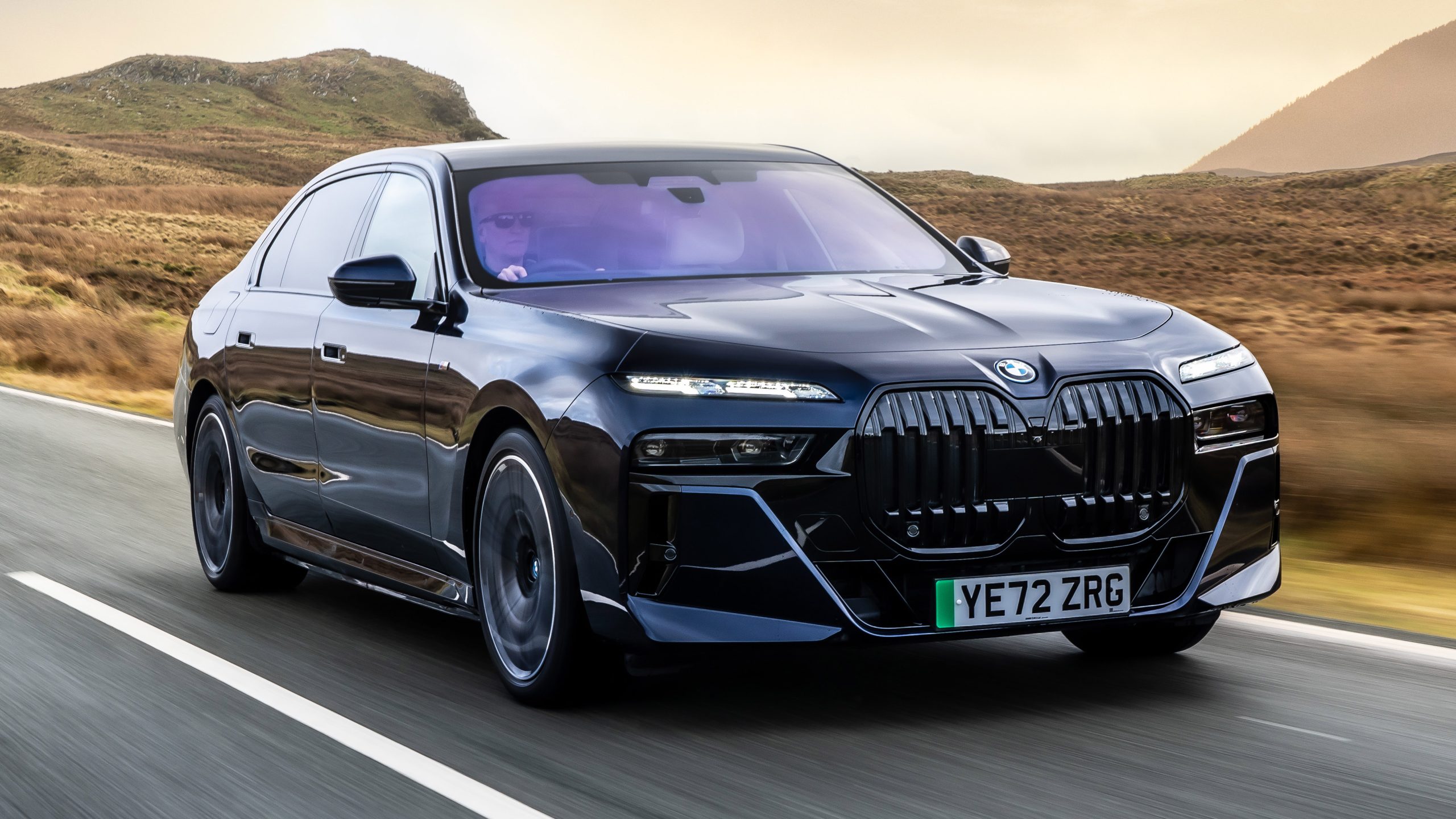
The glass construction utilizes BMW’s advanced laminated technology that provides superior optical clarity while maintaining structural integrity under thermal stress and impact loads.
Special attention to edge treatment ensures smooth interaction with sealing surfaces, preventing the premature wear that often leads to leak development in inferior systems.
Electronic integration extends beyond basic operation to include sophisticated programming options that allow owners to customize opening sequences, automatic closing during rain detection, and integration with the vehicle’s security system for enhanced protection.
The control algorithms incorporate machine learning capabilities that adapt to individual usage patterns while monitoring system health to provide predictive maintenance alerts before problems develop.
BMW’s commitment to long-term reliability manifests through extensive real-world testing programs that subject sunroof systems to extreme conditions far beyond normal use.
This includes accelerated aging protocols, corrosive environment exposure, and millions of operational cycles that validate design durability before production release, ensuring that 7 Series sunroofs maintain their exemplary performance throughout extended ownership periods.
3. Audi A8
Audi’s engineering philosophy emphasizes technological sophistication balanced with long-term reliability, principles that shine through in the A8’s exceptional sunroof implementation.
The system represents years of development focused on creating a mechanism that operates with precision while maintaining weather-tight integrity under the most demanding conditions.
The A8 sunroof incorporates Audi’s advanced Quattro-inspired engineering approach, utilizing multiple independent systems working in harmony to achieve superior performance.
The mechanical drive system employs dual-track operation with synchronized motors that ensure perfectly parallel movement, eliminating the binding and stress concentration that plague single-point drive designs.
This configuration distributes operational loads evenly across the mechanism while providing inherent redundancy that maintains functionality even if individual components experience wear.
Audi’s proprietary sealing compound formulation represents a significant advancement over conventional rubber weatherstripping. These seals incorporate advanced polymer chemistry that maintains flexibility across extreme temperature ranges while resisting degradation from ozone, UV exposure, and automotive chemicals.
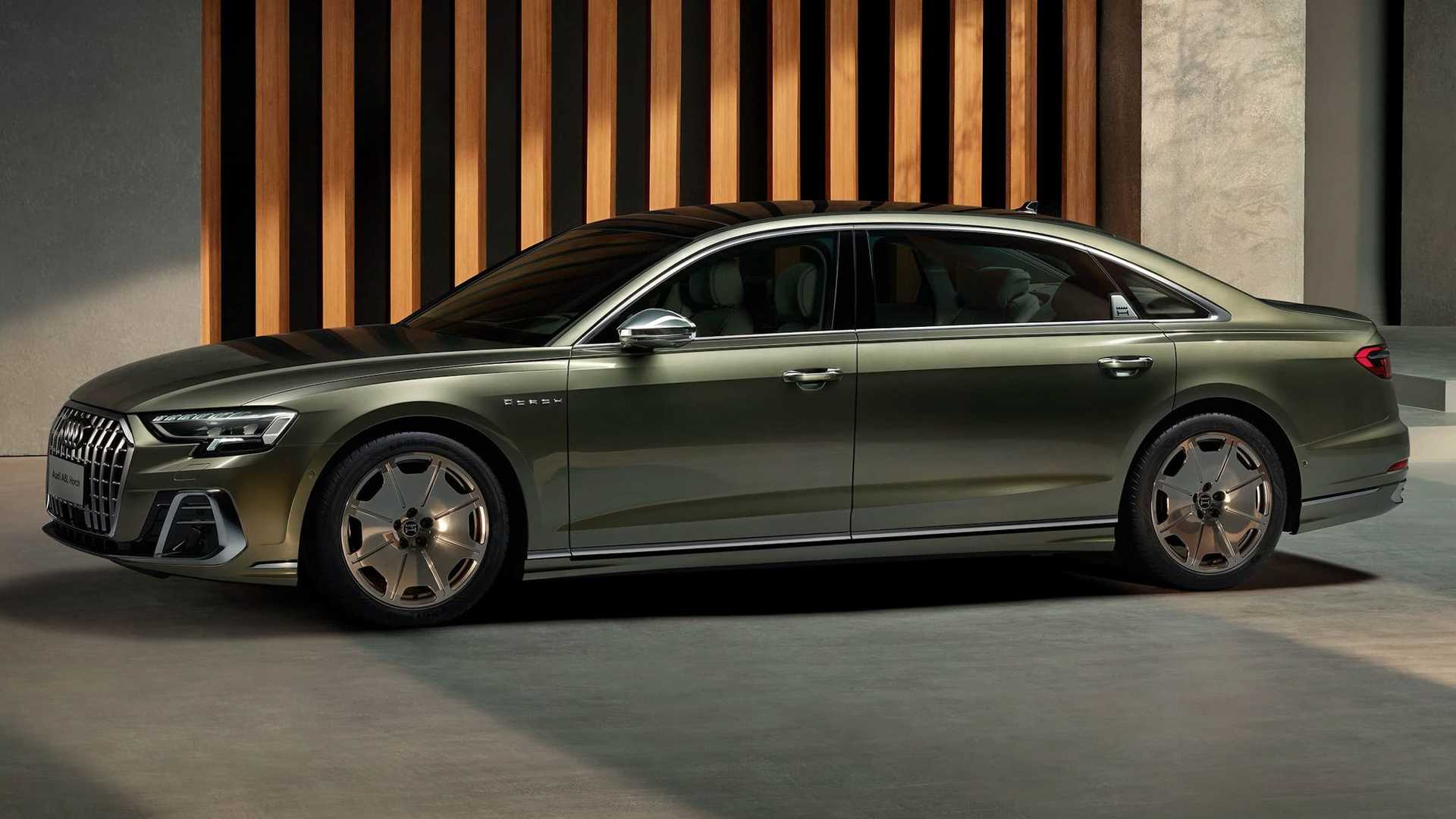
The multi-lip design creates progressively tighter sealing under increasing pressure differentials, providing superior weather protection during high-speed driving or severe storm conditions.
The drainage architecture showcases Audi’s attention to detail through features like removable inspection covers that facilitate maintenance access and enlarged drain tube routing that accommodates debris without compromising water evacuation.
Strategic placement of drain outlets prevents water accumulation in door frames while incorporating check valves that prevent reverse flow during pressure washing or submersion scenarios.
Advanced sensor technology monitors sunroof position continuously while detecting obstacles or resistance that might indicate developing problems.
The system automatically adjusts operating speed and force to accommodate changing conditions while maintaining smooth operation, extending component life through reduced stress cycling.
Audi’s comprehensive testing regimen subjects A8 sunroofs to conditions far exceeding normal operational environments, including salt spray exposure, thermal shock cycling, and millions of opening cycles that validate long-term durability.
This extensive validation ensures that owners experience consistent, trouble-free operation throughout the vehicle’s service life while maintaining the precise fit and finish that defines Audi’s luxury positioning.
4. Lexus LS
Toyota’s luxury division applies the company’s legendary reliability engineering to create sunroof systems that exemplify long-term dependability without sacrificing refinement.
The LS sunroof represents decades of continuous improvement in mechanical design, materials science, and manufacturing precision that deliver uncompromising performance throughout extended ownership periods.
Lexus engineers prioritize simplicity and robustness in sunroof mechanism design, utilizing proven mechanical principles enhanced through precision manufacturing rather than complex electronic solutions that introduce potential failure points.
The drive system incorporates oversized components operating well below their design limits, ensuring minimal wear and exceptional longevity even under extreme conditions.
The sealing system employs Toyota’s advanced materials research to create weatherstripping that maintains its sealing properties through hundreds of thousands of cycles.
Special attention to seal geometry ensures consistent compression across the entire perimeter while accommodating the slight dimensional variations inherent in automotive manufacturing.
The multi-stage sealing approach provides redundant weather protection that prevents water intrusion even as primary seals experience normal aging.
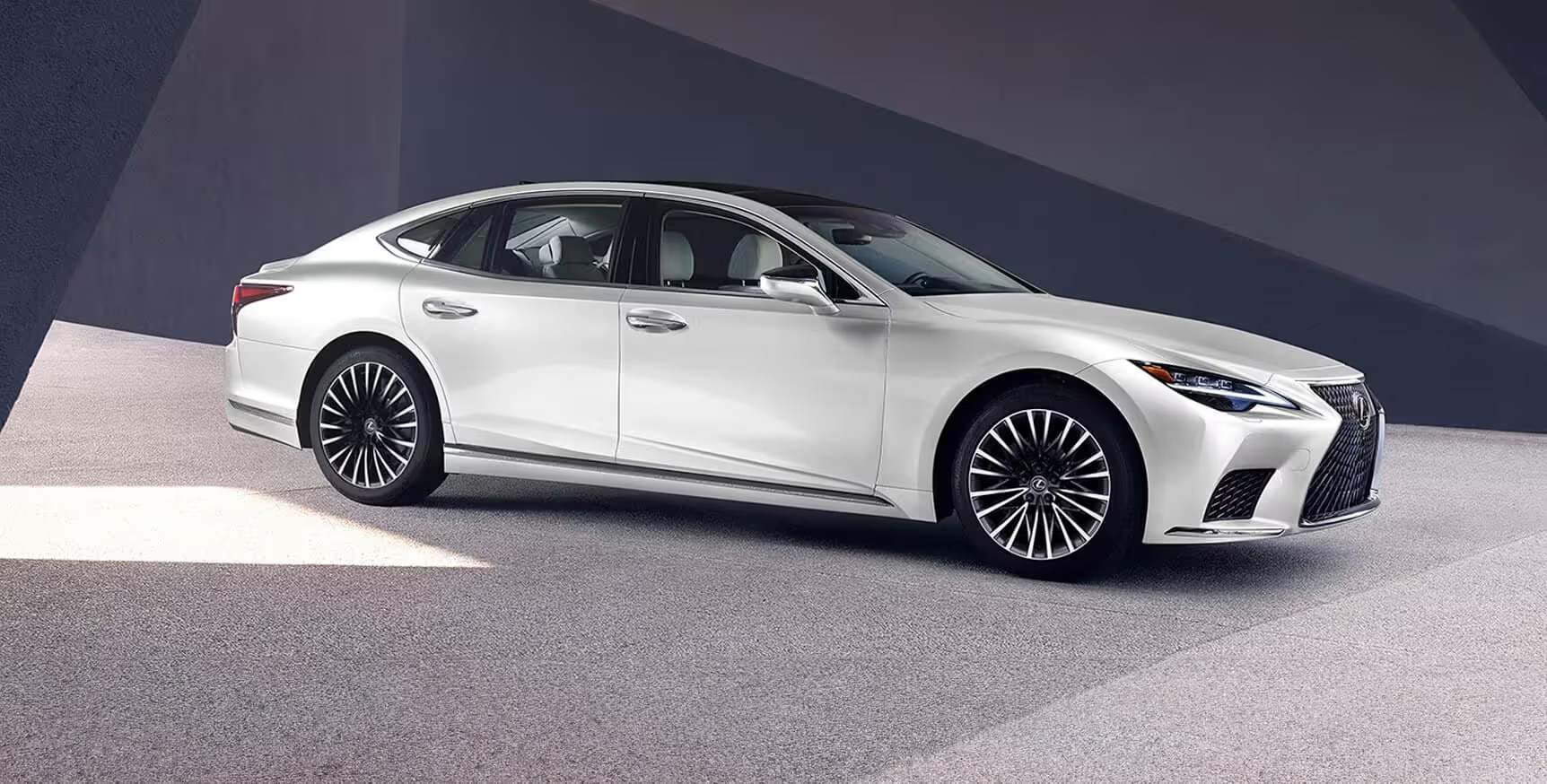
Drainage engineering reflects Toyota’s obsessive attention to long-term functionality through oversized channels, gentle routing curves, and strategically positioned clean-out access points that facilitate maintenance without requiring extensive disassembly.
The drain tube material selection prioritizes flexibility and chemical resistance to prevent the cracking and degradation that commonly plague competitor systems after several years of service.
Lexus quality control processes subject each sunroof assembly to individual testing that verifies proper operation, seal integrity, and drainage functionality before installation. This comprehensive inspection catches potential issues before they reach customers while ensuring consistent performance across all production units.
The electronic control system emphasizes reliability through conservative programming that prioritizes component longevity over maximum operating speed. Intelligent algorithms monitor system health continuously, adjusting operation to compensate for normal wear while providing early warning of developing issues that might require attention.
This engineering philosophy delivers sunroof systems that operate smoothly and reliably for decades with minimal maintenance, maintaining their original precision and weather-tight integrity throughout the vehicle’s operational life while providing the refined operation expected from Toyota’s flagship luxury sedan.
Also Read: 5 Vehicles With Keyless Entry That Works vs 5 With Failing Fobs
5. Porsche Panamera
Porsche applies its motorsport-derived engineering excellence to create sunroof systems that withstand extreme conditions while maintaining the precision operation demanded by performance-oriented luxury vehicle owners.
The Panamera sunroof exemplifies this approach through advanced materials, sophisticated mechanisms, and rigorous testing that ensure flawless operation under the most demanding circumstances.
The mechanical architecture utilizes aerospace-grade materials and manufacturing techniques that provide exceptional strength-to-weight ratios while minimizing operational friction.
The drive mechanism incorporates precision-ground components operating in sealed bearing assemblies that eliminate contamination while providing smooth, vibration-free operation even at high speeds where aerodynamic loads create significant stress on the sunroof structure.
Porsche’s sealing technology draws from decades of convertible development experience, incorporating advanced compounds that maintain their sealing properties under extreme temperature cycling and high-speed pressure differentials.
The seal design features multiple sealing surfaces that create progressively tighter barriers as external pressure increases, providing superior weather protection during high-performance driving while maintaining easy operation during normal use.
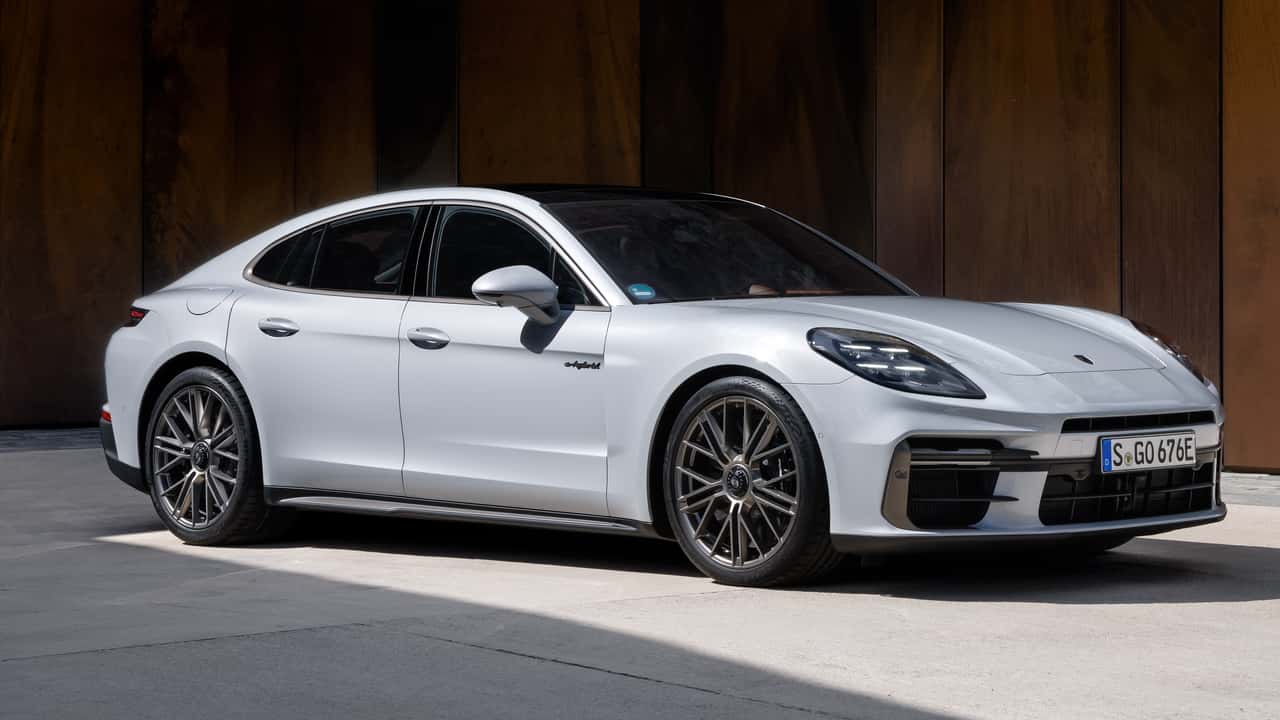
The glass construction utilizes Porsche’s advanced laminated technology that provides exceptional optical clarity while maintaining structural integrity under the extreme loading conditions encountered during spirited driving.
Special attention to thermal expansion characteristics ensures consistent fit and operation across the wide temperature ranges experienced in performance vehicle applications.
Drainage system design incorporates lessons learned from Porsche’s convertible programs, featuring enlarged capacity channels and strategic routing that maintains effective water evacuation even under extreme cornering forces that might affect conventional drainage systems.
The drain tube construction utilizes reinforced materials that resist kinking and maintain their routing geometry under the chassis flex inherent in high-performance vehicle dynamics.
Electronic control integration extends beyond basic operation to include sophisticated algorithms that adjust sunroof operation based on vehicle speed, environmental conditions, and driving mode selection.
This integration ensures optimal performance while protecting system components from excessive stress that might occur during aggressive driving scenarios.
Porsche’s validation testing subjects Panamera sunroofs to extreme conditions including high-speed endurance testing, thermal shock cycling, and vibration exposure that far exceeds normal automotive standards, ensuring that performance-oriented owners experience reliable, precise operation throughout extended ownership periods while maintaining the engineering excellence that defines the Porsche brand.
5 Vehicles With Leaky Roofs
These problematic spare tire systems plague drivers with difficult access, corroded hardware, and cumbersome installation procedures that transform simple tire changes into lengthy, frustrating ordeals during stressful roadside emergencies.
Space-saver donuts are typically 15 pounds lighter but may save little to no space in some vehicles, while creating the additional difficulty of transporting the full-sized flat tire after installation. Temporary spare tires shouldn’t be driven for more than 50 miles at reduced speeds, creating anxiety about reaching repair facilities safely.
Spare tires mounted under vehicles require regular inspection to ensure no damage or excessive corrosion has occurred, with hardware, brackets, and chains that can become difficult to loosen over time, particularly during emergency situations when quick action is essential.
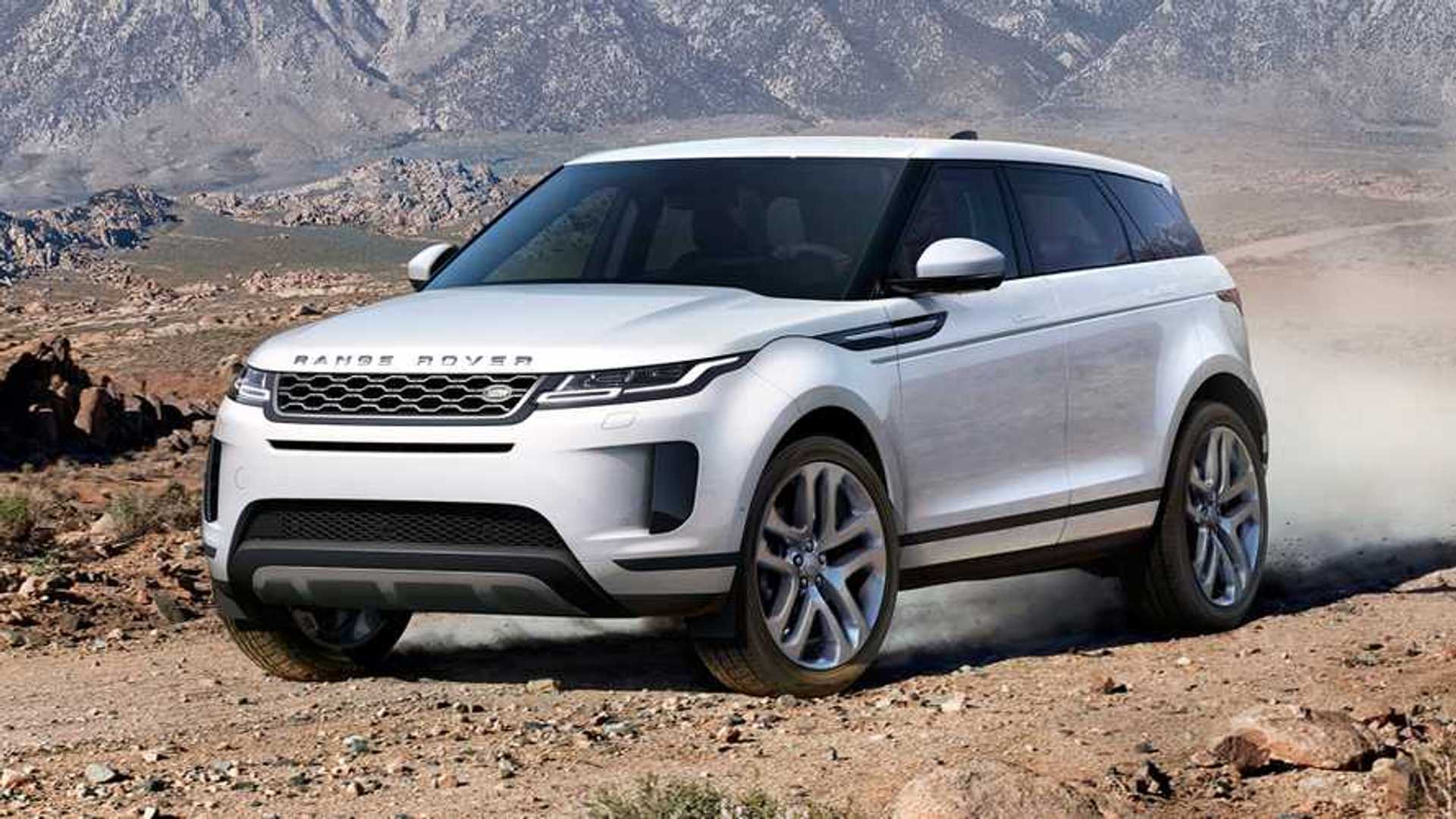
1. Land Rover Range Rover Evoque
Despite its premium positioning and striking design, the Range Rover Evoque has earned an unfortunate reputation for problematic sunroofs that frequently develop leaks, creating significant ownership headaches and expensive repair bills.
The vehicle’s design priorities appear to have emphasized visual impact over long-term functionality, resulting in sunroof systems that often fail to maintain weather-tight integrity throughout their operational life.
The Evoque’s sunroof mechanism suffers from several fundamental design compromises that contribute to its reliability problems. The drive system utilizes undersized components that operate near their design limits, leading to premature wear and binding that affects smooth operation.
The motor mounting configuration creates stress concentrations that contribute to mechanical failures, while the gear reduction system lacks the robust construction necessary for long-term reliability in automotive applications.
Seal design represents perhaps the most problematic aspect of the Evoque sunroof system. The weatherstripping compound formulation appears optimized for initial sealing performance rather than long-term durability, leading to rapid degradation under thermal cycling and UV exposure.
The seal geometry creates stress points that accelerate cracking and shrinkage, while the single-barrier sealing approach provides no redundancy when primary seals begin to fail.
Drainage system inadequacies compound the sealing problems through undersized channels that easily become clogged with debris, creating water accumulation that eventually finds its way into the cabin.
The drain tube routing incorporates sharp bends and narrow passages that trap leaves and other contaminants, while the tube material selection prioritizes cost over durability, leading to cracking and separation that allows water to bypass the drainage system entirely.
Manufacturing quality control appears insufficient to catch variations in assembly that affect long-term sealing performance. Many Evoque owners report water intrusion problems developing within the first few years of ownership, suggesting that quality issues exist from initial production rather than developing through normal wear processes.
The electronic control system lacks the sophisticated monitoring capabilities found in premium implementations, providing no early warning of developing problems while operating with programming that may contribute to premature component wear through excessive cycling speeds and inadequate obstacle detection.
These systematic problems have created a pattern of expensive warranty claims and customer dissatisfaction that undermines the Range Rover brand’s luxury positioning, demonstrating how poor sunroof engineering can significantly impact vehicle ownership experience and long-term brand perception in competitive luxury markets.
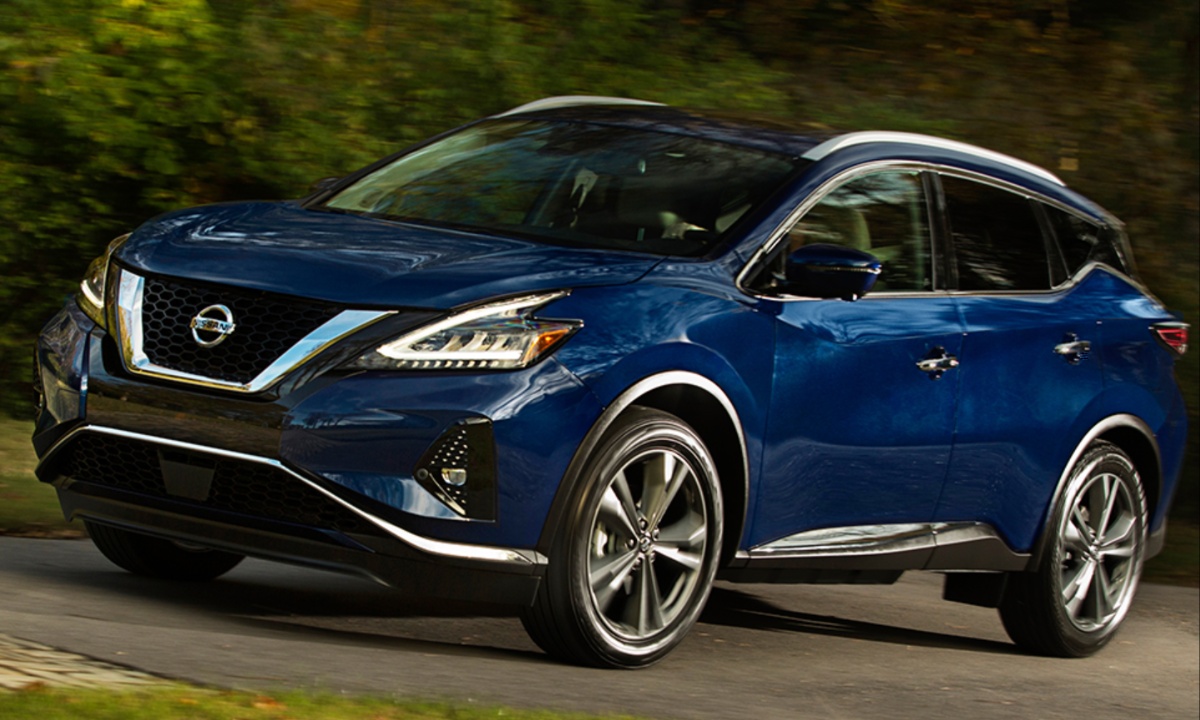
2. Nissan Murano
The Nissan Murano’s sunroof system exemplifies the challenges faced when manufacturers attempt to provide premium features at mainstream price points without adequate investment in engineering development and quality control processes.
The result is a mechanism that may function adequately when new but quickly develops problems that compromise both functionality and weather protection.
Mechanical system design in the Murano reflects cost-optimization priorities that compromise long-term reliability through the use of lightweight materials and simplified mechanisms that lack the robust construction necessary for extended service life.
The single-motor drive system operates without the load distribution and redundancy found in premium implementations, creating stress concentrations that accelerate wear while providing no backup operation when components fail.
The track and guide system utilizes materials and manufacturing tolerances that allow excessive play and binding as normal wear occurs, leading to jerky operation and increased stress on drive components.
This mechanical looseness also affects sealing consistency, creating gaps that allow water intrusion as the system ages and components develop wear-related misalignments.
Sealing system inadequacies become apparent relatively early in the vehicle’s life through water intrusion problems that suggest fundamental design deficiencies rather than normal wear processes.
The weatherstripping design incorporates cost-effective materials that lack the durability characteristics necessary to maintain sealing performance through extended thermal cycling and environmental exposure.
Drainage architecture suffers from undersized channels and poorly positioned drain outlets that create water accumulation during normal operation.
The drain tube routing incorporates multiple bends and restrictions that trap debris while the tube material selection prioritizes initial cost over long-term durability, leading to cracking and blockage that allows water to bypass the drainage system.
Quality control during manufacturing appears insufficient to ensure consistent assembly quality across production runs, with significant variation in initial fit and finish that affects long-term sealing performance.
Many owners report developing problems within the first several years of ownership, suggesting systematic quality issues rather than normal wear-related failures.
The electronic control system lacks sophisticated programming that might compensate for mechanical deficiencies through intelligent operation algorithms.
Basic programming provides minimal obstacle detection while operating at speeds that may contribute to premature wear through excessive stress cycling, reducing system longevity while failing to provide user feedback about developing problems.
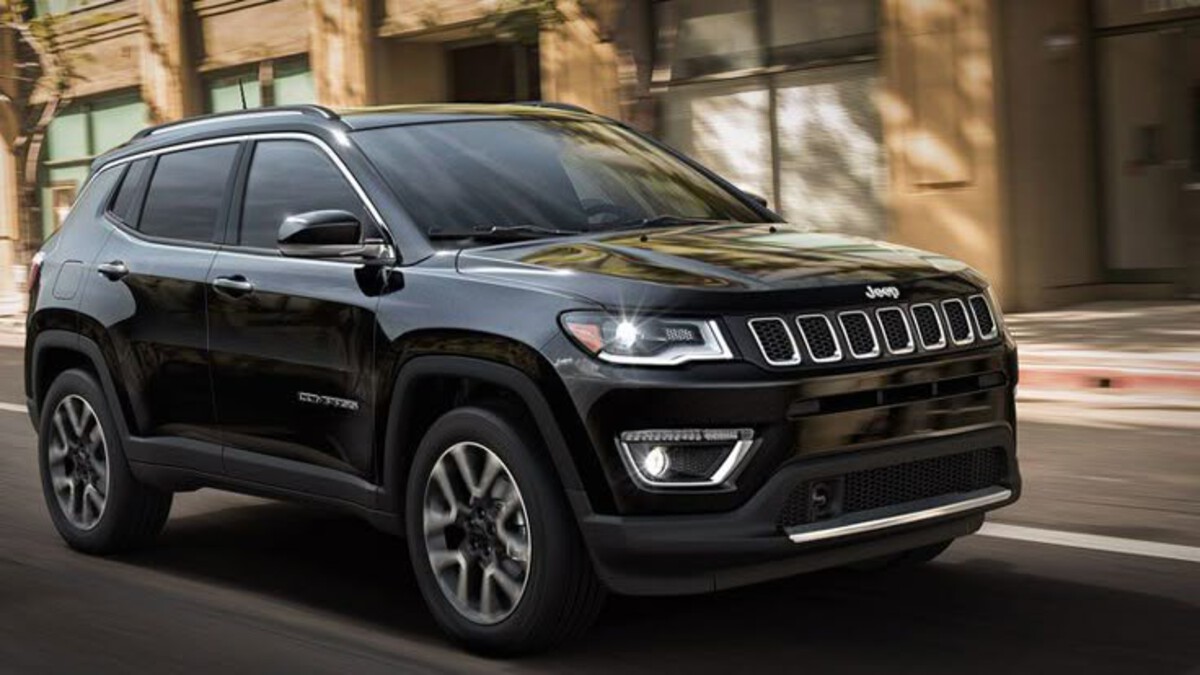
3. Jeep Compass
The Jeep Compass sunroof system demonstrates the pitfalls of attempting to incorporate premium features into budget-focused vehicle platforms without adequate engineering investment or quality control processes.
The resulting mechanism suffers from fundamental design compromises that create reliability problems and customer dissatisfaction throughout the vehicle’s ownership cycle.
Mechanical architecture in the Compass prioritizes initial cost reduction over long-term functionality through the use of lightweight materials and simplified mechanisms that lack adequate strength margins for extended service life.
The drive system incorporates basic components operating near their design limits, creating stress concentrations that contribute to premature failure while providing inconsistent operation that degrades user experience.
The guide rail and track system utilizes manufacturing processes and material selections that result in poor dimensional control and inadequate surface finishes. This creates binding and excessive friction that stresses drive components while contributing to jerky operation that becomes more pronounced as normal wear develops, playing in mechanical interfaces.
Sealing system design reflects cost-optimization priorities that compromise weather protection through single-barrier configurations using materials that lack adequate durability characteristics.
The weatherstripping compound formulation appears optimized for initial sealing rather than long-term performance, leading to rapid degradation under thermal cycling and environmental exposure that creates water intrusion problems relatively early in the vehicle’s service life.
Drainage system inadequacies compound sealing problems through undersized channels and poor routing that creates water accumulation during normal operation.
The drain tube construction utilizes materials and manufacturing processes that prioritize cost over durability, leading to premature failure through cracking and separation that allows water to bypass drainage systems entirely.
Manufacturing quality control appears inadequate to ensure consistent assembly quality, with significant variation in initial fit and adjustment that affects long-term reliability.
Many Compass owners experience sunroof problems within the first few years of ownership, suggesting systematic quality issues rather than normal wear-related degradation.
The electronic control system incorporates basic programming without the sophisticated algorithms found in premium implementations. This results in operation that may contribute to accelerated component wear through excessive cycling speeds and inadequate obstacle detection, while providing no feedback about developing system health issues that might allow preventive maintenance.
These systematic deficiencies create ownership experiences that significantly detract from the vehicle’s appeal while generating expensive repair requirements that undermine the value proposition of budget-oriented SUV ownership.
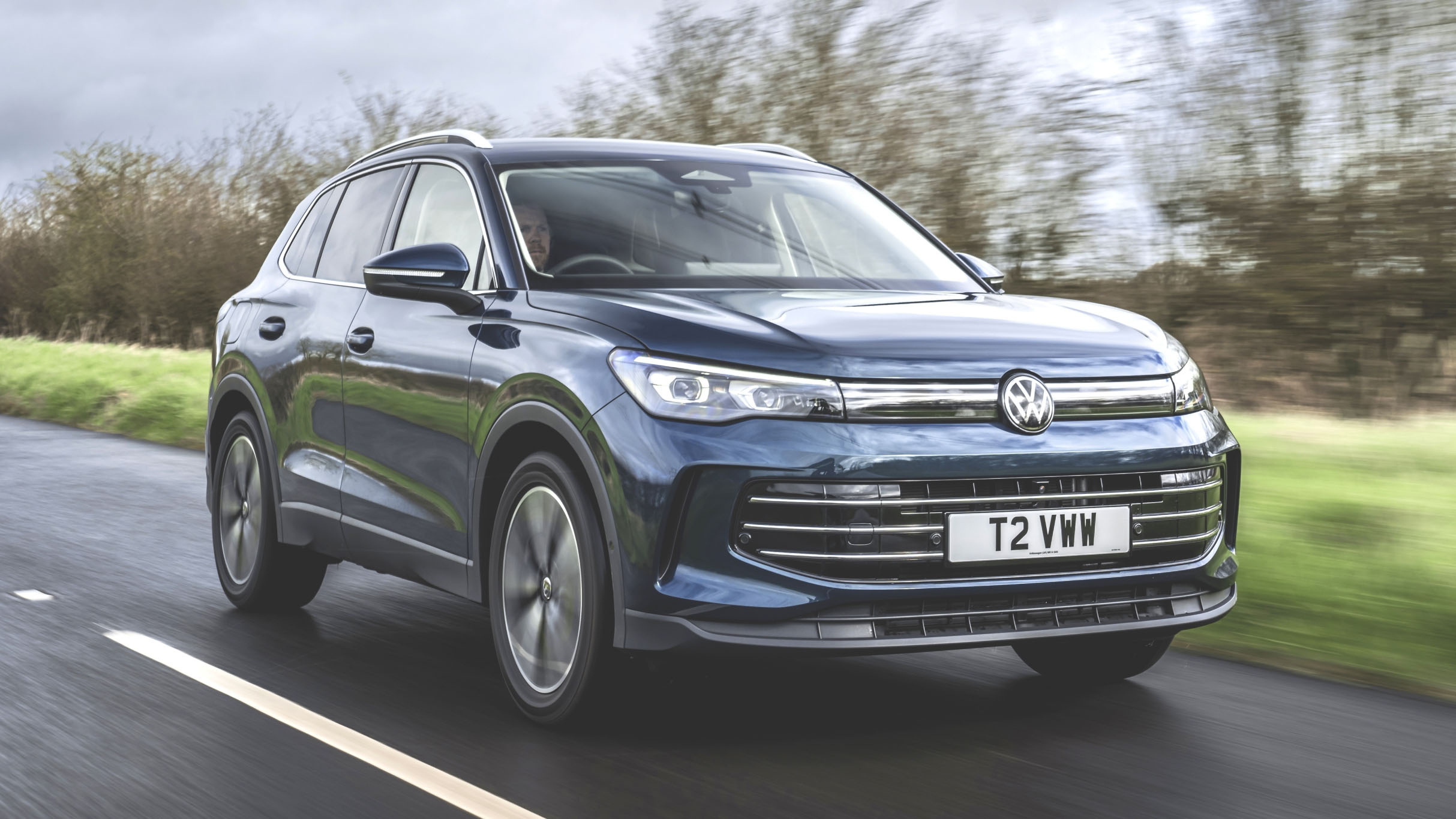
4. Volkswagen Tiguan
The Volkswagen Tiguan’s sunroof system represents a disappointing departure from the German engineering excellence traditionally associated with the brand.
Cost reduction initiatives and manufacturing shortcuts have created a mechanism that fails to deliver the reliability and precision operation expected from Volkswagen products, leading to widespread customer dissatisfaction and expensive warranty claims.
The mechanical system design incorporates components and materials that appear inadequately engineered for the operational demands of sunroof applications.
The drive mechanism utilizes motors and gear reductions that lack adequate power reserves and precision manufacturing, resulting in binding and inconsistent operation that worsens as normal wear develops play in mechanical interfaces.
Track and guide construction reflects cost-optimization priorities through the use of materials and manufacturing processes that create dimensional variations and poor surface finishes.
This leads to increased friction and binding that stresses drive components while contributing to the jerky operation that characterizes problematic sunroof systems as they age.
The sealing system suffers from fundamental design compromises that affect long-term weather protection. The weatherstripping design incorporates materials that lack adequate durability characteristics while utilizing single-barrier configurations that provide no redundancy when primary seals begin to fail through normal aging processes.
Drainage architecture demonstrates poor engineering through undersized channels and problematic routing that creates water accumulation and debris trapping. The drain tube construction prioritizes cost over durability, utilizing materials that crack and separate under normal service conditions, allowing water to bypass drainage systems and enter the cabin.
Quality control during manufacturing appears inadequate to maintain consistent assembly standards, with significant variation in initial fit and adjustment that affects long-term sealing and operational performance.
Many Tiguan owners report developing sunroof problems within the first several years of ownership, indicating systematic quality issues rather than normal wear-related failures.
The electronic control system lacks sophisticated programming that might compensate for mechanical deficiencies through intelligent operation algorithms.
Basic programming provides minimal feedback about system condition while operating in ways that may accelerate component wear, reducing system longevity without providing early warning of developing problems.
These design and manufacturing deficiencies have created a pattern of reliability problems that damage Volkswagen’s reputation for engineering excellence while generating significant warranty costs and customer dissatisfaction that affects brand loyalty and resale values.
5. Hyundai Santa Fe
The Hyundai Santa Fe’s sunroof system illustrates the challenges faced when manufacturers attempt to rapidly introduce premium features across their model lineups without adequate development time or engineering investment.
The resulting mechanism suffers from design shortcuts and quality control issues that create reliability problems throughout the vehicle’s operational life.
Mechanical system design prioritizes cost reduction over long-term functionality through the use of lightweight components and simplified mechanisms that lack adequate strength margins for extended service.
The drive system incorporates basic motors and gear reductions that operate near their design limits, creating stress concentrations that contribute to premature failure while providing inconsistent operation quality.
The guide rail and track system utilizes manufacturing processes that result in poor dimensional control and inadequate surface treatments, creating friction and binding that affects smooth operation while contributing to accelerated wear of drive components. This mechanical imprecision also affects sealing consistency as components develop play through normal use.
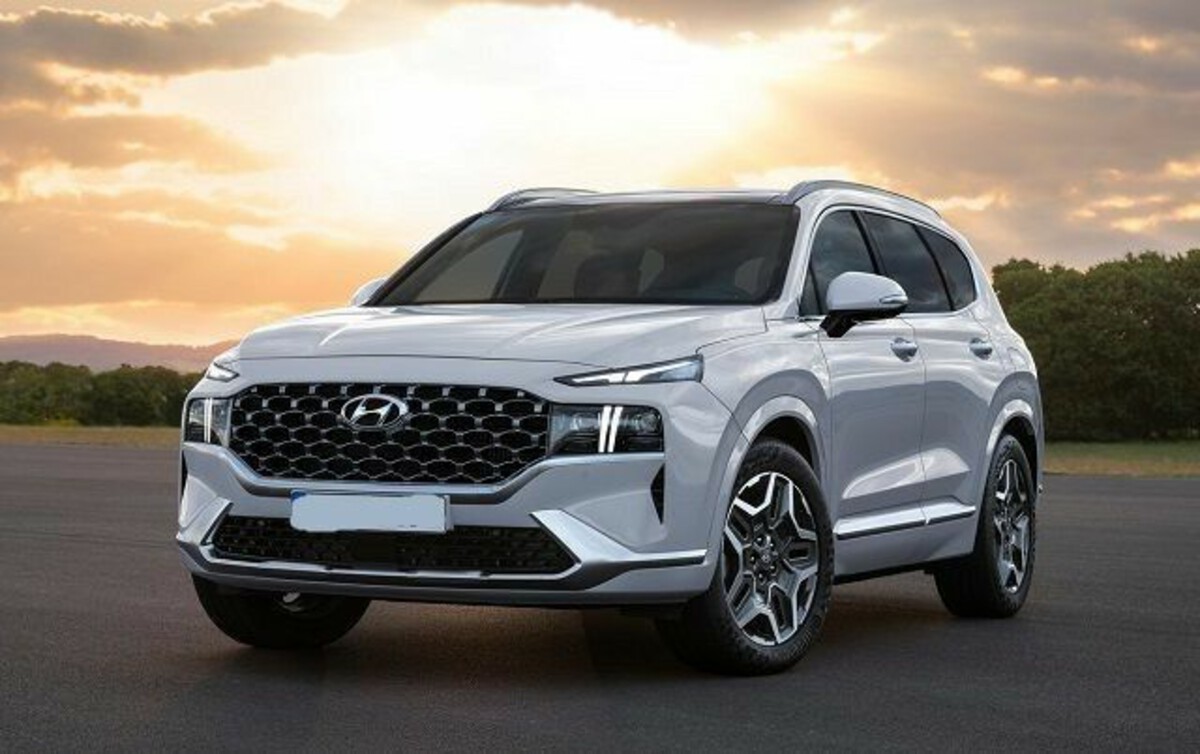
Sealing system inadequacies become apparent through water intrusion problems that develop relatively early in the vehicle’s service life. The weatherstripping design incorporates materials that appear optimized for initial cost rather than long-term durability, lacking the formulation characteristics necessary to maintain sealing performance through extended environmental exposure and thermal cycling.
Drainage system design demonstrates insufficient engineering attention through undersized channels and poor routing that creates water accumulation during normal operation.
The drain tube construction utilizes materials that prioritize manufacturing cost over service durability, leading to premature cracking and separation that allows water intrusion into cabin areas.
Manufacturing quality control appears inadequate to ensure consistent production standards, with significant variation in assembly quality that affects initial fit and long-term reliability.
Many Santa Fe owners experience sunroof-related problems within the first few years of ownership, suggesting systematic issues in design or manufacturing rather than normal wear-related degradation.
The electronic control system incorporates basic programming without sophisticated algorithms that might optimize operation for component longevity or provide early warning of developing problems.
This results in operation that may contribute to accelerated wear while providing no feedback about system health that might enable preventive maintenance interventions.
These systematic deficiencies create ownership experiences that detract from the vehicle’s appeal while generating repair requirements that undermine the value proposition that typically attracts buyers to mainstream SUV segments, demonstrating the importance of adequate engineering investment in premium feature implementation.
Also Read: 5 Cars With Fast Spare-Tire Inflation vs 5 With Hard-Use Spares
