
When shopping for a new vehicle, trunk accessibility often gets overlooked in favor of more glamorous features like horsepower, fuel economy, or infotainment systems.
However, the height and design of your car’s trunk opening can significantly impact your daily driving experience, especially if you frequently load and unload cargo, groceries, or luggage.
The lift-over height, the distance from the ground to the trunk floor can mean the difference between effortless loading and potential back strain.
Cars with low lift-over heights typically feature trunk floors that sit closer to the ground, making it easier to slide heavy items in and out without excessive lifting.
These vehicles often prioritize practicality and user-friendly design, understanding that not everyone wants to hoist a 50-pound suitcase to shoulder height just to pack for vacation.
Manufacturers achieve low lift-over heights through various design strategies, including lower trunk floors, wider openings, and strategic placement of the rear axle and suspension components.
Conversely, some vehicles have notably high lift-over heights due to their design priorities, whether that’s ground clearance, aerodynamics, or styling considerations.
Sports cars often sacrifice trunk accessibility for sleek profiles and performance-oriented packaging. Similarly, some SUVs and crossovers, despite their practical intentions, can have surprisingly high cargo floors due to their underlying architecture or the need to accommodate all-wheel-drive components.
The difference in lift-over height can range from as low as 24 inches in the most accessible vehicles to over 32 inches in the highest. This 8-inch difference might not sound dramatic, but it represents the distinction between comfortable loading at waist height versus awkward lifting above chest level.
Understanding these differences becomes crucial for elderly drivers, individuals with physical limitations, or anyone who regularly transports heavy items. This comparison examines five vehicles renowned for their easy trunk access alongside five that challenge users with notably high lift-over heights.
5 Cars With Easy Trunk Access
These thoughtfully designed vehicles feature exceptionally low trunk floors and minimal lift-over heights that make loading heavy items effortless and reduce strain on your back during everyday cargo handling.
Their engineers strategically positioned the cargo floor close to bumper level, often incorporating wide openings and intelligently shaped trunk lips that eliminate awkward lifting angles.
From grocery bags to luggage, these cars allow smooth sliding motions rather than strenuous vertical lifts. The combination of low sills, spacious openings, and user-friendly proportions transforms routine loading tasks into simple, comfortable operations that accommodate users of varying heights and physical capabilities.
1. Honda Accord (2018-2024)
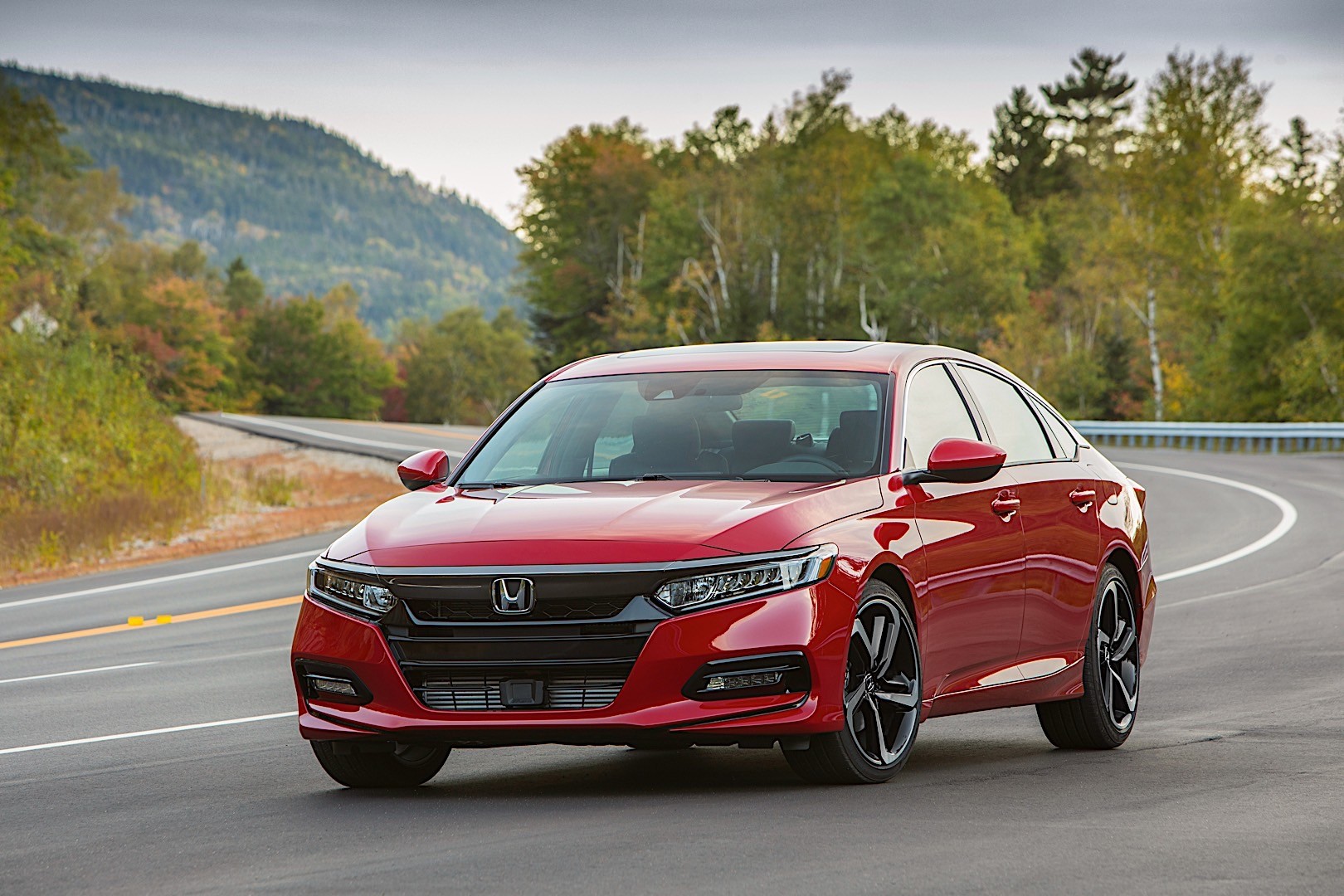
The Honda Accord represents the gold standard for trunk accessibility in the midsize sedan segment, with a lift-over height of just 25.2 inches. This measurement puts the Accord among the most user-friendly vehicles for cargo loading, making it an excellent choice for families, elderly drivers, and anyone who values practical design over flashy aesthetics.
Honda’s engineering team achieved this low lift-over height through careful chassis design and strategic component placement. The Accord’s trunk floor sits remarkably close to the bumper height, creating an almost seamless transition when loading items.
The wide trunk opening, measuring nearly 40 inches across at its narrowest point, further enhances accessibility by providing ample space to maneuver large items without fighting against tight clearances.
The practical benefits extend beyond mere numbers. Grocery shopping becomes significantly easier when you can simply slide heavy bags from a shopping cart directly into the trunk without lifting them overhead.
Suitcases, storage boxes, and other bulky items can be loaded with minimal physical strain, making the Accord particularly appealing to older drivers or those with back problems.
Honda’s attention to detail shows in other trunk design elements as well. The trunk lid opens wide and high, staying out of the way during loading operations.
The trunk itself offers 16.7 cubic feet of space, providing ample room for families’ daily needs. Internal tie-downs and hooks help secure items, while the 60/40 split-folding rear seats expand cargo capacity when needed.
The low lift-over height doesn’t compromise the Accord’s other qualities. The sedan maintains excellent ride quality, fuel economy, and reliability that Honda is known for.
The trunk’s design proves that practicality and sophistication can coexist, challenging the notion that accessible design must mean boring or unstylish vehicles.
For drivers who prioritize ease of use and practical daily functionality, the Accord’s trunk accessibility represents one of its most compelling features, often overlooked in reviews that focus on performance metrics and technology features.
2. Toyota Camry (2018-2024)
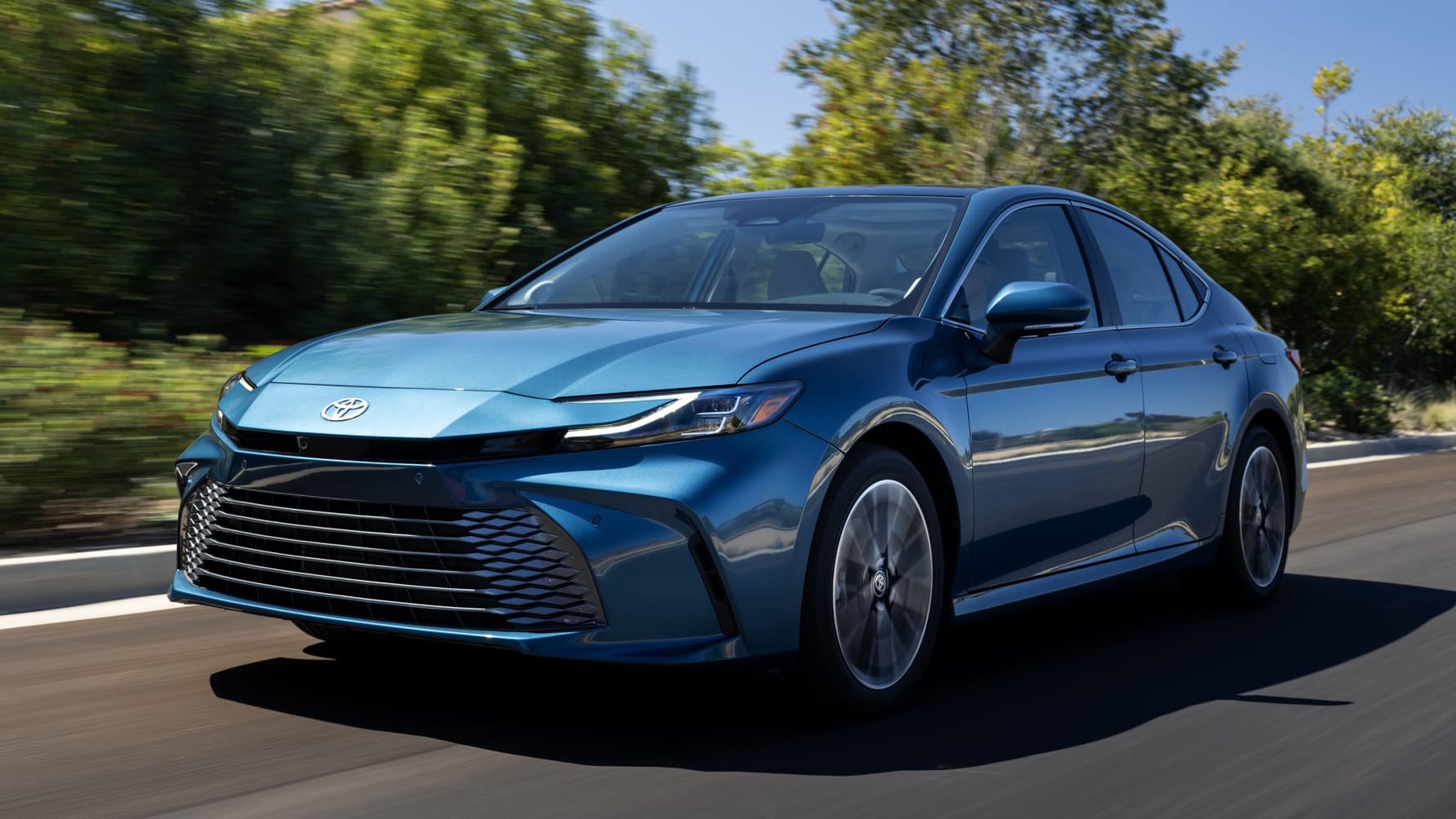
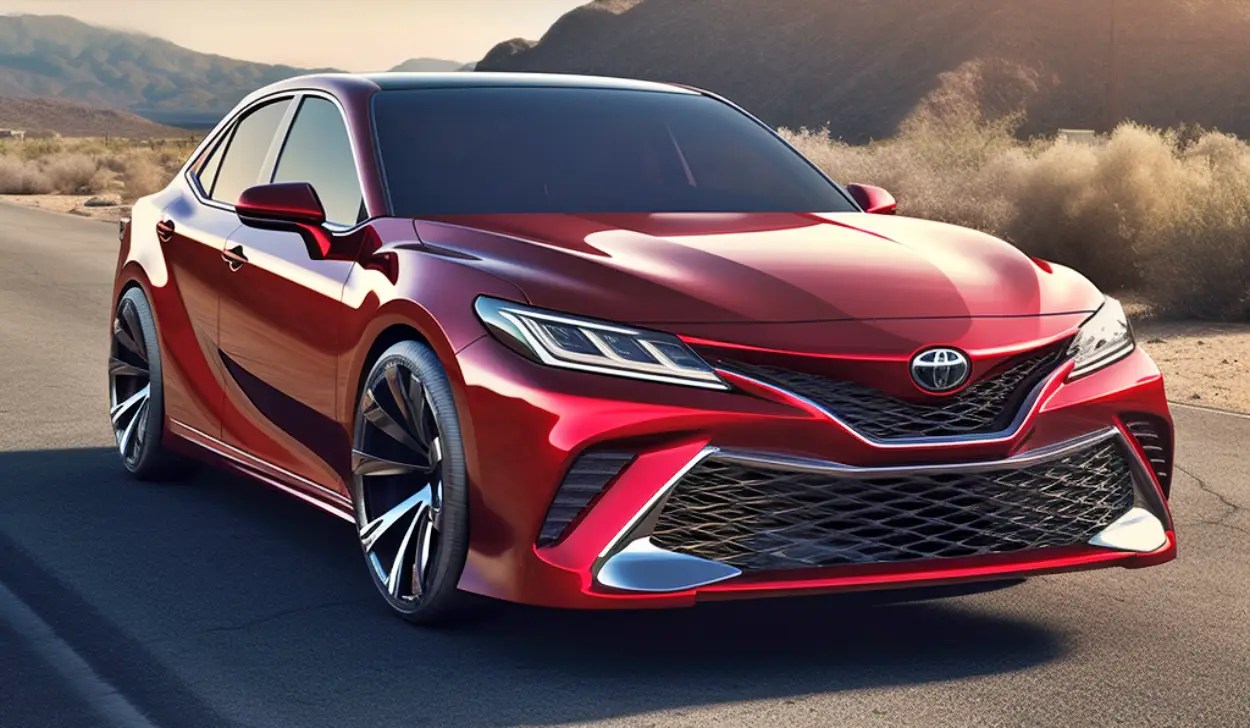
The Toyota Camry has long been praised for its practical approach to sedan design, and its trunk accessibility exemplifies this philosophy with a lift-over height of just 25.8 inches.
This measurement places the Camry among the most accessible vehicles in its class, reflecting Toyota’s commitment to creating cars that work well for real-world use rather than just looking good in showrooms.
Toyota achieved this excellent accessibility through intelligent packaging and design priorities that put user experience first. The Camry’s trunk floor sits low relative to the rear bumper, creating a natural loading shelf that makes cargo handling significantly easier.
This design consideration becomes immediately apparent when comparing the Camry to competitors that prioritize styling over functionality. The wide trunk opening complements the low lift-over height perfectly.
Measuring approximately 39 inches across, the opening provides generous access for loading everything from groceries to golf clubs to luggage sets. The combination of low height and wide access means users rarely need to fight against tight clearances or awkward angles when loading cargo.
Real-world usability extends beyond basic measurements. The Camry’s trunk design considers how people use their vehicles, incorporating features like a low loading lip that prevents items from catching during the loading process.
The trunk itself provides 15.1 cubic feet of storage space, sufficient for most families’ daily needs while maintaining the low floor height that makes it so accessible.
The trunk lid mechanism deserves particular praise for its smooth operation and wide opening angle. Unlike some vehicles where the trunk lid seems to fight against you during loading, the Camry’s lid stays well out of the way, providing unobstructed access to the cargo area.
Internal organization features, including tie-down points and storage nets, help keep items secure without adding complexity to the loading process.
Toyota’s engineering team managed to achieve this excellent accessibility without compromising other vehicle attributes. The Camry maintains its reputation for reliability, fuel efficiency, and comfortable ride quality while delivering trunk access that rivals dedicated utility vehicles. This balance demonstrates that thoughtful design can deliver practical benefits without sacrificing other desirable qualities.
3. Nissan Altima (2019-2024)
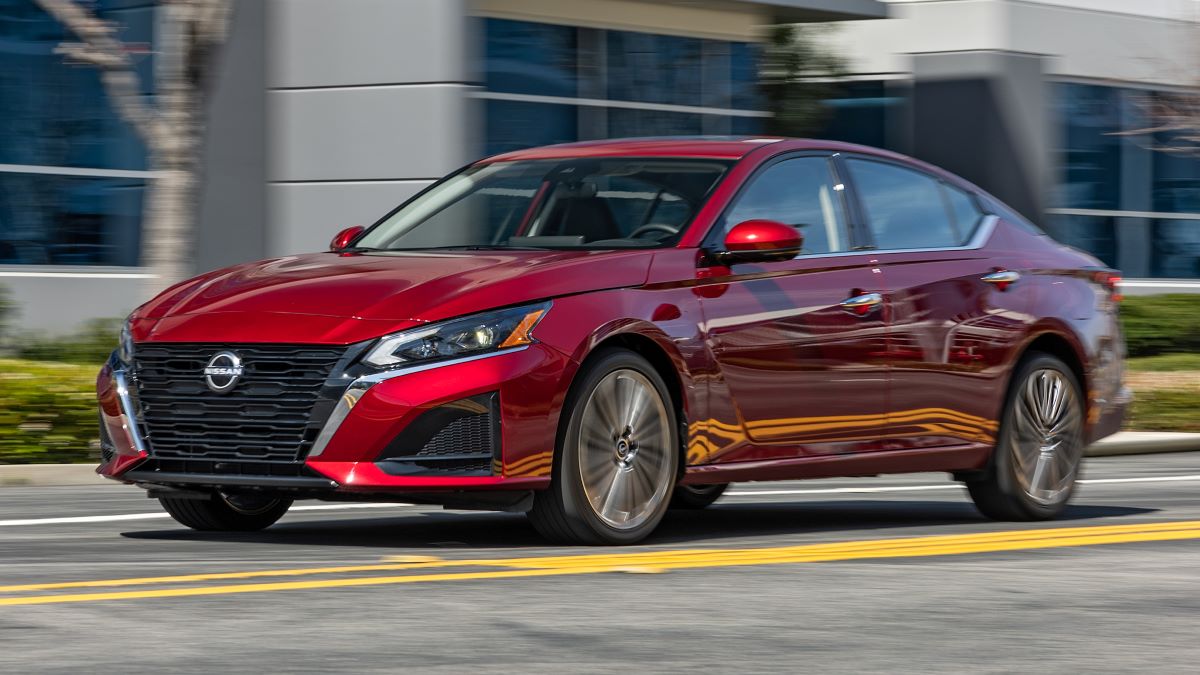
The Nissan Altima stands out in the competitive midsize sedan market not just for its comfortable ride and fuel efficiency, but also for its exceptionally accessible trunk design featuring a lift-over height of only 25.5 inches.
This measurement reflects Nissan’s understanding that daily usability often matters more than dramatic styling when it comes to customer satisfaction over years of ownership.
Nissan’s engineers achieved this impressive accessibility through careful attention to the relationship between the trunk floor, rear suspension design, and vehicle architecture.
The Altima’s low lift-over height results from a trunk floor that sits remarkably close to the loading lip, minimizing the vertical distance users must go through when handling cargo. This design choice shows particular consideration for the physical realities of loading and unloading vehicles in daily use.
The practical advantages become immediately apparent in real-world scenarios. Loading groceries from a shopping cart requires minimal lifting, as bags can essentially slide from cart to trunk with minimal vertical movement.
Heavy items like cases of water, large storage containers, or suitcases can be managed with significantly less physical strain compared to vehicles with higher trunk floors.
Beyond the low lift-over height, the Altima’s trunk opening measures generously wide, providing ample clearance for maneuvering large or awkward items.
The trunk’s 15.4 cubic feet of storage space offers sufficient capacity for most families while maintaining the low floor that makes it so accessible. The space is well-shaped too, with minimal intrusion from wheel wells or other components that can complicate cargo arrangement.
Nissan paid attention to details that enhance the loading experience beyond basic measurements. The trunk lid opens to a generous angle and incorporates gas struts that hold it firmly open, keeping it out of the way during loading operations.
The loading lip itself features a smooth design that doesn’t catch on items being loaded, while internal tie-downs and hooks provide options for securing cargo. The Altima proves that accessible design doesn’t require sacrificing other desirable qualities.
The vehicle maintains competitive fuel economy, comfortable seating, and modern technology features while delivering trunk access that makes daily life easier. This combination makes the Altima particularly appealing to families, elderly drivers, and anyone who regularly transports cargo.
4. Hyundai Sonata (2020-2024)
The Hyundai Sonata represents a thoughtful approach to sedan design where accessibility and style coexist harmoniously. With a lift-over height of 26.1 inches, the Sonata offers excellent trunk accessibility while maintaining the sleek profile that defines its dramatic exterior design.
This achievement demonstrates Hyundai’s engineering expertise in balancing competing design priorities. Hyundai’s design team managed to keep the Sonata’s trunk floor relatively low despite the vehicle’s swooping roofline and athletic stance.
This required careful engineering of the rear suspension and fuel tank placement to create space for a lower trunk floor without compromising other vehicle dynamics. The result is a sedan that looks sophisticated and modern while remaining practical for daily use.
The low lift-over height proves its worth in everyday situations. Grocery shopping becomes notably easier when you can slide bags directly from cart to trunk without significant lifting.
The wide trunk opening, measuring nearly 38 inches across, provides generous access that complements the low loading height. Together, these dimensions create a cargo area that accommodates everything from weekly shopping to vacation luggage with minimal physical effort.
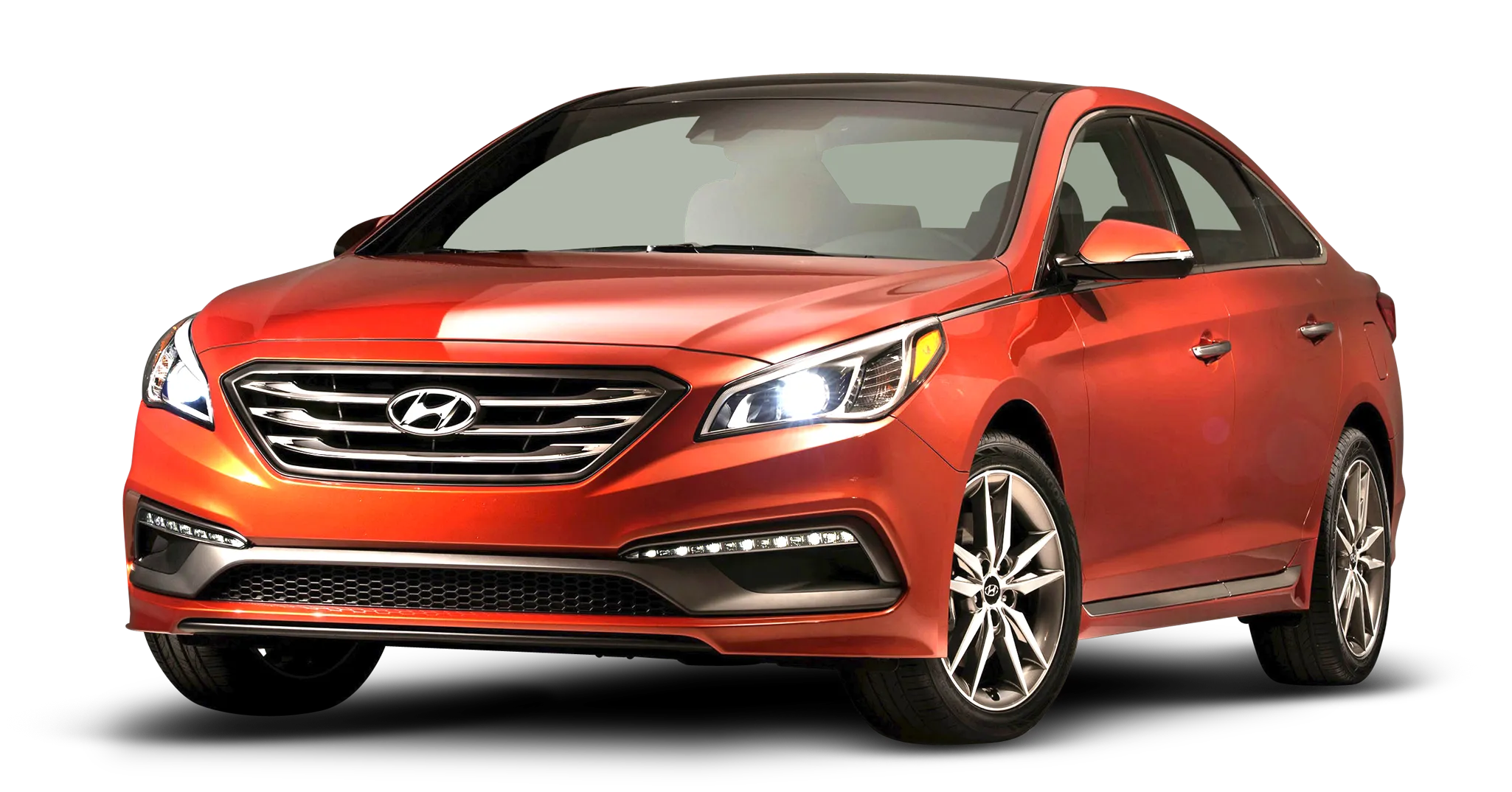
The Sonata’s trunk offers 16 cubic feet of storage space, providing ample room for most families’ needs while maintaining the accessible floor height that sets it apart from less practical competitors.
The space is well-designed with minimal intrusions and good shape that maximizes usable volume. Interior features like tie-down hooks and storage nets add functionality without complicating the basic loading process.
Attention to detail enhances the trunk experience beyond basic accessibility measurements. The trunk lid mechanism operates smoothly and opens wide, staying securely out of the way during loading.
The loading lip features a smooth design that doesn’t snag items during the loading process, while the trunk’s interior finish maintains the quality level expected in a modern sedan.
Perhaps most impressively, the Sonata achieves this excellent trunk accessibility without compromising its striking exterior design or interior space.
The vehicle maintains generous rear passenger room while delivering cargo access that rivals more utilitarian vehicles. This balance makes the Sonata an excellent choice for buyers who want both style and practicality, proving that accessible design doesn’t require aesthetic compromise.
Also Read: 5 Cars With Generous Legroom vs 5 With Tight Rear Seats
5. Kia K5 (2021-2024)
The Kia K5, formerly known as the Optima, exemplifies modern automotive design that successfully balances dramatic styling with practical functionality.
With a lift-over height of 26.3 inches, the K5 offers excellent trunk accessibility that makes daily cargo handling significantly easier while maintaining the bold, athletic appearance that defines its character.
Kia’s engineering achievement becomes particularly impressive when considering the K5’s sleek, coupe-like profile. The vehicle’s dramatically sloping roofline and athletic stance could have easily resulted in a high, difficult-to-access trunk, but careful engineering kept the cargo floor low and accessible.
This required innovative approaches to packaging components like the fuel tank, spare tire, and rear suspension to create space for a lower trunk floor.
The practical benefits of this design choice become evident in daily use. Loading groceries, luggage, or other cargo requires minimal lifting effort, as items can be placed into the trunk at a comfortable working height.
The wide trunk opening provides generous access, measuring approximately 37 inches across at its narrowest point, allowing easy maneuvering of large or awkward items without fighting against tight clearances.
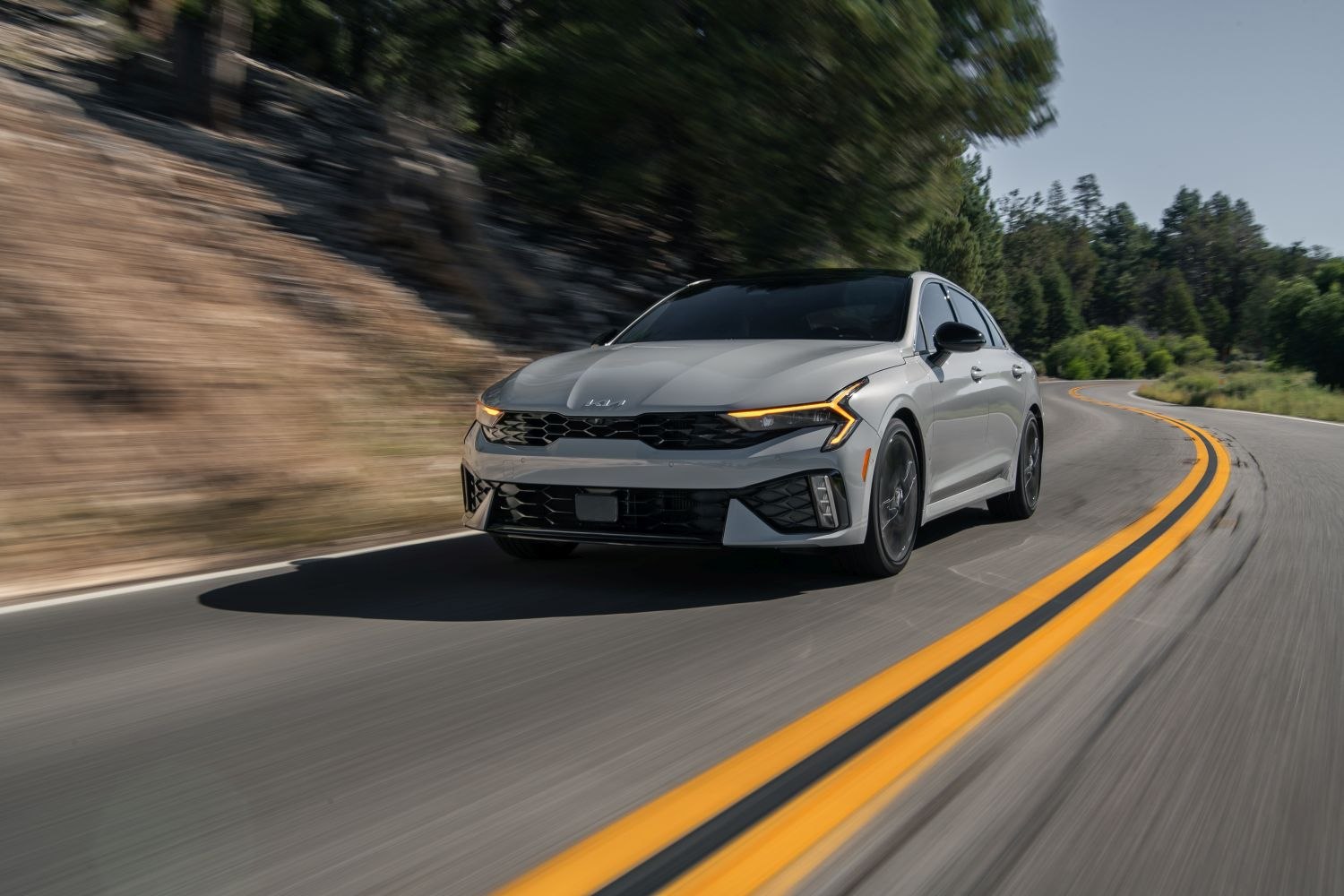
The K5’s trunk provides 16 cubic feet of storage space, offering ample capacity for most families while maintaining the low floor height that makes it so user-friendly.
The space is intelligently designed with good proportions and minimal intrusions from mechanical components. Features like tie-down hooks, storage nets, and a 12-volt power outlet add functionality without complicating basic cargo operations.
Beyond basic measurements, Kia paid attention to details that enhance the trunk experience. The trunk lid opens wide and incorporates strong gas struts that hold it securely open, keeping it well out of the way during loading operations.
The loading lip features a smooth, low profile that doesn’t catch on items being moved in or out of the cargo area. The K5’s trunk accessibility proves that modern design can prioritize both form and function successfully.
The vehicle maintains its striking appearance and premium interior appointments while delivering cargo access that makes daily life easier. This combination appeals particularly to buyers who want a stylish sedan that doesn’t compromise on practical considerations, demonstrating that accessible design can coexist with dramatic aesthetics.
5 Cars With High Lift-Over Heights
These vehicles present significant cargo-loading challenges due to raised trunk floors and tall rear bumpers that create substantial barriers between ground level and storage space.
Their design prioritizes other engineering considerations like ground clearance or battery placement, resulting in awkward lifting requirements that can strain backs and make heavy items difficult to manage.
Loading groceries, luggage, or equipment becomes a workout as owners must hoist items well above waist height before maneuvering them into position.
The combination of narrow openings, high sills, and steep loading angles creates frustrating daily experiences that particularly challenge shorter individuals or those with mobility limitations, turning simple errands into physical ordeals.
1. Chevrolet Corvette (2020-2024)
The Chevrolet Corvette represents the pinnacle of American sports car engineering, but its dramatic mid-engine design comes with significant compromises in cargo accessibility.
With lift-over heights that can exceed 32 inches depending on the specific measurement point and configuration, the Corvette challenges users with one of the highest cargo loading positions in the automotive world.
The Corvette’s extreme lift-over height results directly from its mid-engine architecture and low-slung sports car proportions. The vehicle’s engine sits behind the passenger compartment, pushing cargo storage to the front of the vehicle in a relatively small compartment above the front suspension and cooling components.
This packaging constraint, combined with the car’s extremely low height of just 48.6 inches, creates a cargo area that sits high relative to the ground and requires significant lifting to access.
The practical challenges become immediately apparent when attempting to load even basic items. Simple grocery bags require lifting to chest height or higher, while heavier items like golf bags or luggage become genuinely difficult to manage.
The narrow, deep cargo opening exacerbates these challenges by limiting approach angles and requiring precise maneuvering to fit items into the available space.

The Corvette’s front cargo area offers just 12.6 cubic feet of storage space, and while this measurement seems reasonable on paper, the reality of accessing and using this space proves far more challenging than traditional trunk arrangements.
The deep, narrow configuration means items must be lowered carefully into position, and retrieval often requires reaching down into the compartment while maintaining awkward body positions.
Loading heavy items becomes a two-person job in many situations, particularly when dealing with dense objects that can’t be easily lifted to the required height by a single person.
Elderly drivers or those with physical limitations may find the Corvette’s cargo area essentially unusable for anything beyond lightweight items that can be easily lifted overhead.
Despite these accessibility challenges, the Corvette’s design priorities remain clear and defensible. The mid-engine layout delivers exceptional handling dynamics and weight distribution that define the vehicle’s character.
The low profile contributes to aerodynamic efficiency and the dramatic appearance that makes the Corvette instantly recognizable. For buyers prioritizing performance and styling over practical cargo access, these tradeoffs represent acceptable compromises for the driving experience delivered.
2. Lamborghini Huracán (2014-2024)
The Lamborghini Huracán exemplifies the exotic supercar approach to automotive design, where performance and dramatic styling take absolute priority over practical considerations like cargo accessibility.
With a lift-over height approaching 34 inches, the Huracán presents one of the most challenging cargo loading experiences in the automotive world, reflecting its uncompromising focus on pure performance and visual impact.
Lamborghini’s engineering priorities center entirely around creating the ultimate driving machine, with cargo accessibility ranking far down the list of design considerations.
The Huracán’s extreme low height of just 45.9 inches, combined with its mid-engine architecture, creates packaging constraints that push cargo storage to a small front compartment sitting high above mechanical components. The result is a cargo area that requires users to lift items to shoulder height or higher.
The practical implications of this design choice become immediately evident when attempting to use the Huracán for anything beyond pure driving pleasure.
Even lightweight items like a small overnight bag require significant lifting effort to clear the high cargo opening. The narrow, deep configuration of the front storage compartment compounds these challenges by limiting approach angles and requiring careful maneuvering to fit items into the restricted space.

The Huracán’s front cargo area offers minimal storage volume, measuring just enough space for a small duffle bag or briefcase when loaded carefully.
he deep, narrow shape means items must be lowered precisely into position, often requiring users to lean over the high cargo sill while supporting the full weight of whatever they’re loading. Retrieval presents similar challenges, as items often settle to the bottom of the compartment and must be lifted straight up through the narrow opening.
For most practical loading scenarios, the Huracán’s cargo area proves genuinely difficult to use. Heavy items become nearly impossible for a single person to manage, while even moderate loads require planning and physical capability that many drivers may not possess.
The high lift-over height makes the vehicle particularly challenging for elderly owners or those with any physical limitations affecting upper body strength or flexibility.
However, criticizing the Huracán for poor cargo accessibility misses the point entirely. This vehicle represents pure automotive theater, designed to deliver an uncompromising supercar experience where every design element serves performance or aesthetic goals.
The challenging cargo access results directly from priorities that create the vehicle’s extraordinary performance capabilities and stunning visual presence.
For buyers seeking the ultimate expression of automotive engineering and design, these practical compromises represent acceptable tradeoffs for the exceptional driving experience delivered.
3. Porsche 911 (2019-2024)
The Porsche 911 maintains its iconic rear-engine configuration that has defined the model for over five decades, but this distinctive architecture creates cargo accessibility challenges with a lift-over height reaching approximately 30 inches.
This measurement reflects the complex packaging constraints of mounting the engine behind the rear axle while maintaining the 911’s characteristic low, sleek profile.
Porsche’s commitment to the rear-engine layout shapes every aspect of the 911’s design, including cargo storage arrangements that place the main storage area in the front of the vehicle above the front suspension and steering components.
This packaging constraint, combined with the 911’s low height of just 51 inches, creates a cargo opening that sits significantly higher than conventional trunk arrangements.
The 911’s front cargo area, known as the “frunk,” offers 4.6 cubic feet of storage space in a deep, narrow configuration that challenges users with both height and accessibility angles.
Loading items requires lifting them to chest height while going through a relatively narrow opening, then carefully lowering them into the deep compartment. The process reverses for unloading, often requiring users to reach down into the compartment while supporting items at awkward angles.

Practical loading scenarios reveal the 911’s limitations for daily cargo needs. Grocery shopping requires careful planning and physical capability, as even moderate loads must be lifted significantly higher than conventional trunk heights.
Heavier items like golf bags or luggage present genuine challenges, often requiring two people or creative loading strategies to manage safely. The rear cargo area behind the seats offers additional storage space, but accessing this area requires significant physical flexibility to reach over and behind the seat backs.
Items stored in this location become particularly difficult to retrieve while seated in the driver’s position, often requiring drivers to exit the vehicle entirely for access.
Despite these accessibility challenges, the 911’s cargo arrangements serve the vehicle’s primary mission effectively. The front weight bias created by storing items ahead of the front axle benefits the rear-engine car’s weight distribution, potentially improving handling characteristics.
The challenging access reflects design priorities that create one of the most distinctive and capable sports cars available. For 911 buyers, the cargo accessibility challenges represent an accepted compromise for the vehicle’s exceptional driving dynamics, build quality, and timeless design.
The high lift-over height becomes part of the 911 ownership experience, adding to the sense of occasion and specialness that defines interactions with this automotive icon.
4. McLaren 720S (2017-2023)
The McLaren 720S represents the cutting edge of supercar engineering, utilizing advanced carbon fiber construction and aerodynamic optimization that create extraordinary performance capabilities alongside significant cargo accessibility challenges.
With lift-over heights exceeding 33 inches, the 720S presents one of the most demanding cargo loading experiences in the automotive world, reflecting its uncompromising focus on ultimate performance.
McLaren’s engineering philosophy prioritizes weight reduction, aerodynamic efficiency, and structural rigidity above all practical considerations. The 720S features a carbon fiber monocoque chassis that dictates packaging constraints throughout the vehicle, pushing cargo storage to a small front compartment positioned high above cooling systems and front suspension components.
The vehicle’s extremely low height of just 47.1 inches compounds accessibility challenges by creating a high relative lift distance from ground level. The practical realities of using the 720S’s cargo area become immediately apparent when attempting to load even basic items.
The narrow, deep front storage compartment requires users to lift items to shoulder height while going through a restricted opening that limits approach angles. Even lightweight items demand significant physical effort and careful maneuvering to position properly within the available space.

The 720S offers approximately 5.3 cubic feet of front cargo space, but the deep, narrow configuration makes this volume difficult to utilize effectively.
Items must be lowered carefully into position through the narrow opening, often requiring users to reach deep into the compartment while supporting the full weight of whatever they’re loading. Retrieval presents similar challenges, as items often settle to the bottom of the deep compartment and must be lifted straight up through the restricted opening.
Heavy or bulky items become genuinely problematic for single-person loading scenarios. The high lift-over height combined with the narrow opening means many common cargo items simply cannot be managed safely by one person.
Even two-person loading scenarios require coordination and planning to overcome the physical constraints successfully. The extreme cargo accessibility challenges reflect the 720S’s uncompromising design priorities.
Every aspect of the vehicle serves aerodynamic efficiency, weight reduction, or structural performance goals. The difficult cargo access results directly from engineering decisions that enable the 720S to achieve extraordinary performance benchmarks and visual drama that define the supercar experience.
For McLaren buyers, the cargo accessibility represents an accepted limitation in exchange for owning one of the most technologically advanced and capable supercars ever created.
The challenging loading process becomes part of the ownership experience, reinforcing the vehicle’s exotic character and uncompromising engineering philosophy.
5. Aston Martin Vantage (2018-2024)
The Aston Martin Vantage embodies British grand touring tradition with contemporary supercar performance, but its elegant proportions and front-engine sports car architecture create cargo accessibility challenges with a lift-over height of approximately 31 inches.
This measurement reflects the complex balance between the Vantage’s sophisticated styling, performance requirements, and the practical constraints of fitting cargo storage within its compact dimensions.
Aston Martin’s design philosophy emphasizes timeless elegance and dramatic presence, with the Vantage’s low, wide stance contributing to its visual impact while creating packaging challenges for cargo storage.
The vehicle’s height of 50.4 inches, combined with the need to accommodate a large V8 engine in the front of the chassis, pushes the trunk floor relatively high compared to conventional passenger cars.
The Vantage’s rear trunk offers 11.6 cubic feet of storage space, a generous amount for a sports car, but accessing this space requires significant lifting effort due to the high cargo floor position.
The trunk opening itself provides reasonable width for maneuvering items, but the vertical lift distance challenges users with loads that would be easily manageable in conventional vehicles.

Loading scenarios reveal the Vantage’s limitations for practical daily use. Grocery shopping requires lifting bags to chest height, while heavier items like luggage or golf equipment present genuine physical challenges.
The trunk’s depth compounds accessibility issues, as items must be lifted high and then carefully lowered into position, often requiring users to lean over the high cargo sill while supporting full item weight.
The sophisticated trunk mechanism includes power operation and soft-close functionality that adds convenience to the opening and closing process, but the fundamental challenge of the high lift-over height remains unchanged. Users must still go through the physical demands of lifting cargo to the raised floor level, regardless of how elegantly the trunk lid operates.
Aston Martin’s engineering priorities focus on delivering grand touring capability with supercar performance, making cargo accessibility a secondary consideration to driving dynamics and aesthetic achievement.
The high lift-over height results from design decisions that enable the Vantage’s exceptional handling characteristics, sophisticated suspension tuning, and the dramatic proportions that make it instantly recognizable as an Aston Martin.
For Vantage owners, the cargo accessibility challenges become part of the ownership experience that emphasizes the vehicle’s special character.
The high lift-over height serves as a constant reminder that this is not an ordinary car, but rather a sophisticated grand touring machine that prioritizes emotional engagement over mundane practicality.
Also Read: 5 Vehicles With Reliable Voice Controls vs 5 With Unreliable Recognition
