

Car buying decisions are often shaped by more than just personal preference or budget. Timing plays a very strong role in how much value a vehicle delivers to its buyer.
Some vehicles become outstanding choices during specific seasons, offering strong reliability, fuel efficiency, or comfort that aligns with the time of year. Alternatively, some models appear attractive on the surface but end up disappointing by losing resale value quickly, demanding frequent repairs, or lacking long-term appeal.
We will focus on two sides of the coin. In the first part, we will look at five vehicles that offer great returns during specific times of the year, either due to seasonal demands, discounted prices, or temporary advantages that boost their general value. These choices, when purchased at the right time, offer satisfaction across different areas like cost, use, and resale.
The second part takes a different angle and examines five vehicles that seem appealing at the point of purchase but tend to become financial burdens.
They depreciate faster, need more maintenance than expected, or fail to match the practicality that buyers usually assume comes with them. These are the cars that might look good in the dealership, but leave their owners with regret after some time.
This comparison gives practical guidance on which cars serve buyers better during certain seasons and which ones should be approached more carefully. Understanding these patterns can make a big difference when it comes to budgeting, long-term maintenance, and making smarter buying decisions.
Let us look closely at each seasonal winner first, before switching to the vehicles that are more likely to leave you with buyer’s regret.
5 Cars That You Won’t Regret As Per Season
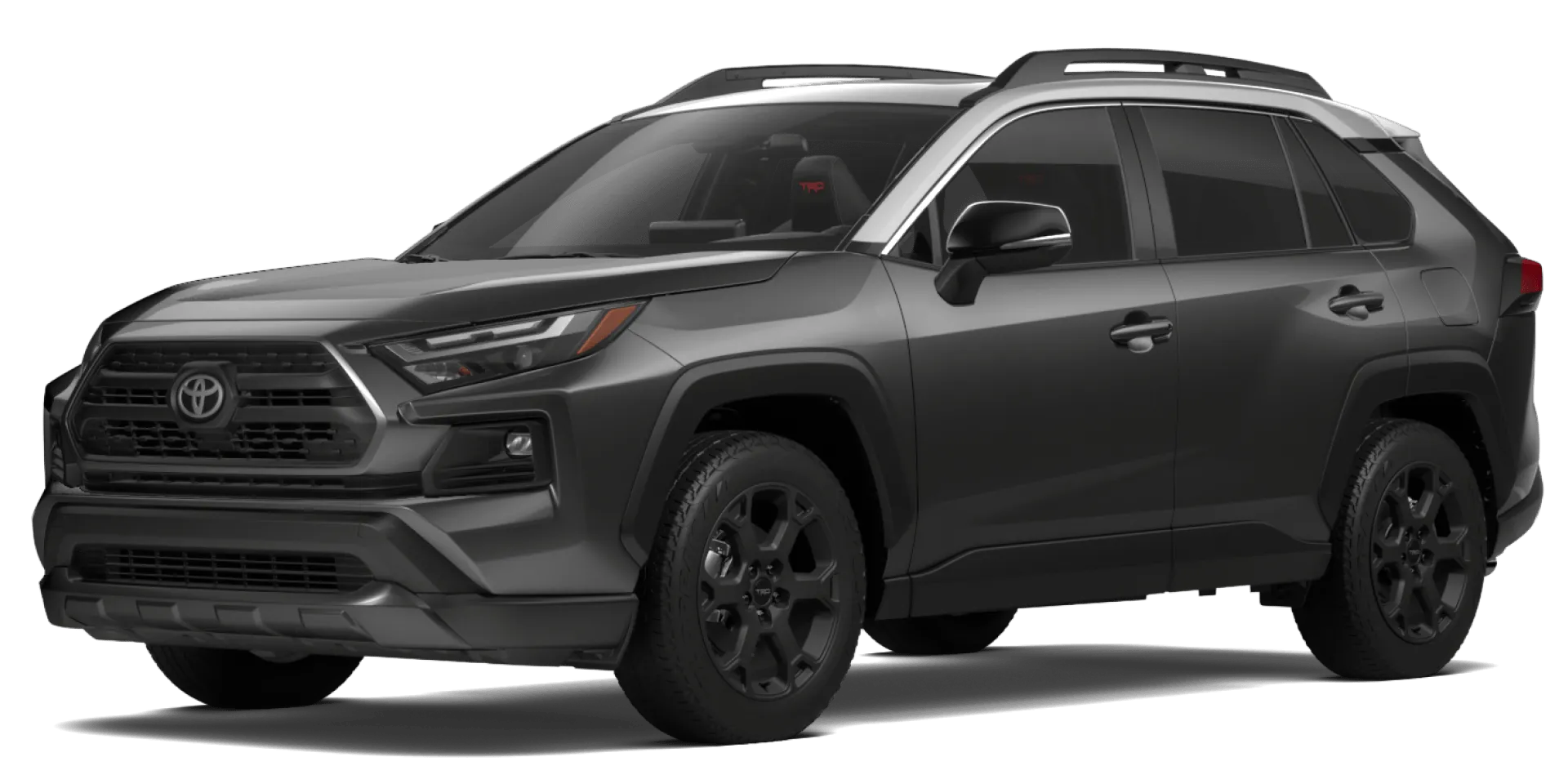
1. Toyota RAV4
When the weather turns rainy or wet and roads are less predictable, the Toyota RAV4 becomes a very dependable companion. This compact SUV stands out for its all-wheel-drive availability, solid ground clearance, and smooth driving control, especially in slippery conditions. Though it is a compact SUV by category, it is built with the kind of toughness many buyers expect from larger vehicles.
The RAV4 provides a strong combination of road stability, responsive handling, and decent fuel economy, which makes it ideal for people living in areas that experience seasonal rain or wet roads.
During heavy showers, a car that can maintain firm road grip without sliding is very useful. That is where the RAV4 shines. Its suspension balances comfort and performance, allowing the driver to move confidently on wet highways and in city traffic.
This vehicle is also known for its reliable build quality. Mechanical issues are rare, and the hybrid versions have shown better fuel economy during heavy traffic seasons. The cabin is spacious enough to carry family or equipment, and the infotainment system remains functional even in bad weather. Touchscreen responsiveness and physical buttons give the driver multiple ways to control settings without distraction.
When it comes to safety, this car is well-rated. Its active safety systems, like lane assist and emergency braking, add more assurance during bad visibility or water-logged roads.
Buyers who make their purchase just before the rainy season often feel the reward right away. The car delivers better confidence in traffic and handles the effects of constant rain far better than many sedans or smaller hatchbacks.
So, for buyers looking for a vehicle that can serve reliably during heavy rains or wetter parts of the year, the Toyota RAV4 becomes a very smart purchase. It avoids slipping, maintains fuel economy, and has the flexibility to meet both city and highway demands without raising maintenance costs too fast.
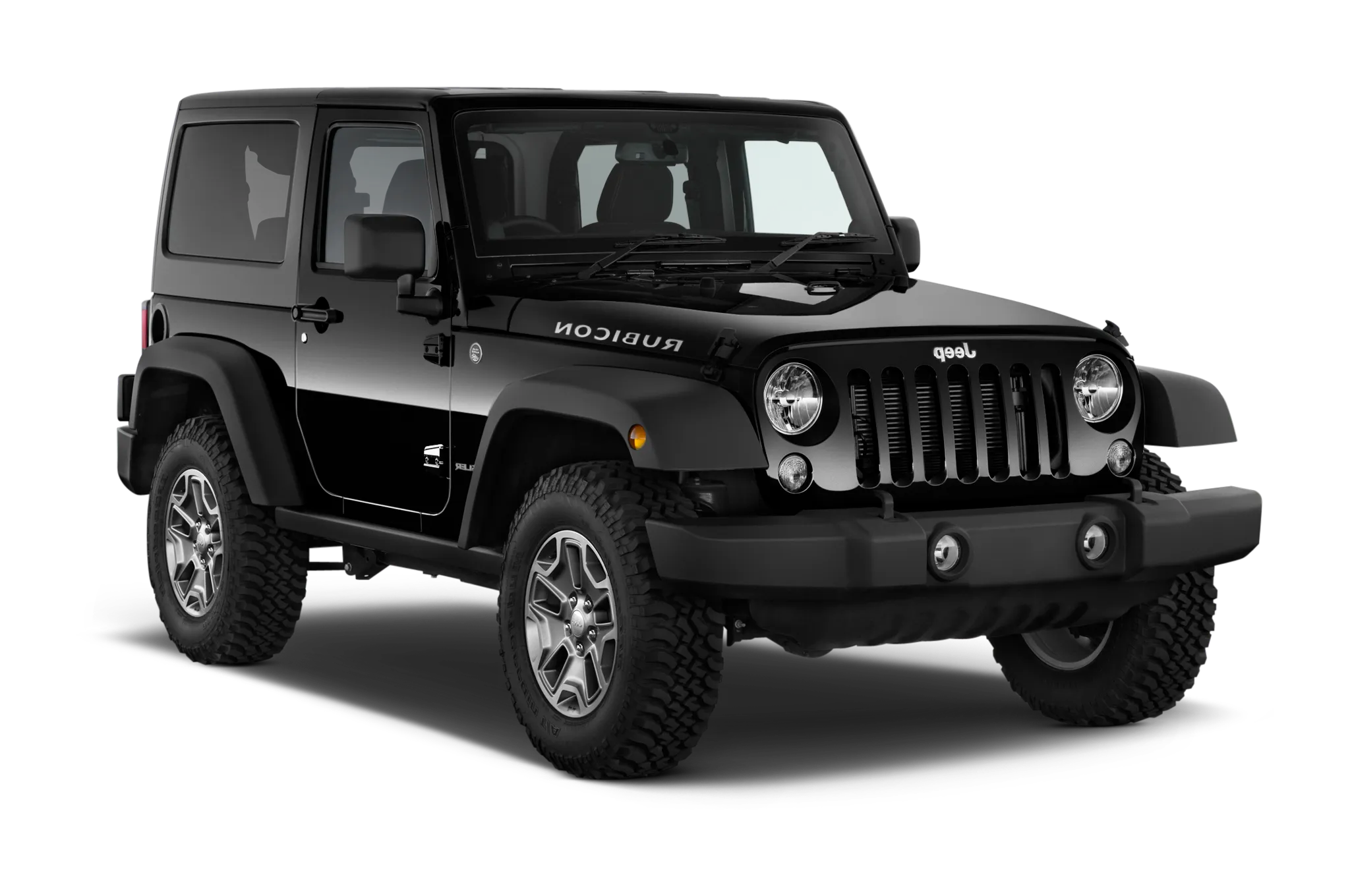
2. Jeep Wrangler
When dry weather arrives and off-road travel becomes more attractive, the Jeep Wrangler fits perfectly. It was built with off-road use as a top priority. During dry seasons, when hiking, camping, and long-distance travel off the tarmac become popular, few vehicles offer as much satisfaction as the Wrangler.
Its high ground clearance, strong suspension, and rugged four-wheel-drive system allow it to handle gravel, dirt roads, and uneven terrain without struggling. Most versions come with removable doors and roof panels, which offer a better outdoor experience during clear weather. Drivers can enjoy open-air driving on scenic routes, which is one of the Wrangler’s biggest attractions.
The interior is more functional than luxurious, but that matches its purpose. Most surfaces are built with durable materials that are easy to clean, which helps when coming back from dusty or sandy locations. The vehicle’s underbody protection allows for rough terrain without risking damage to sensitive parts.
During the dry season, especially in rural or mountainous parts of the US, the Wrangler allows for movement across places where regular sedans or SUVs may not survive. It also performs well during local travel thanks to its strong turning radius, which is useful when moving between trails or piloting tight areas.
One thing to note is that it may not be the quietest ride on highways. However, buyers who are looking for adventure during dry seasons usually accept this trade-off. The Wrangler brings the kind of driving spirit that fits outdoor activities, from forest paths to desert drives.
Buying one just before summer or during early dry months brings out its full value. Its resale remains steady too, especially if the vehicle is not abused. It holds a special place among purpose-built vehicles, and seasonal buyers benefit the most when their use aligns with what it was designed for.
Also Read: 5 Performance Cars That Stay Valuable And 5 That Become Worthless
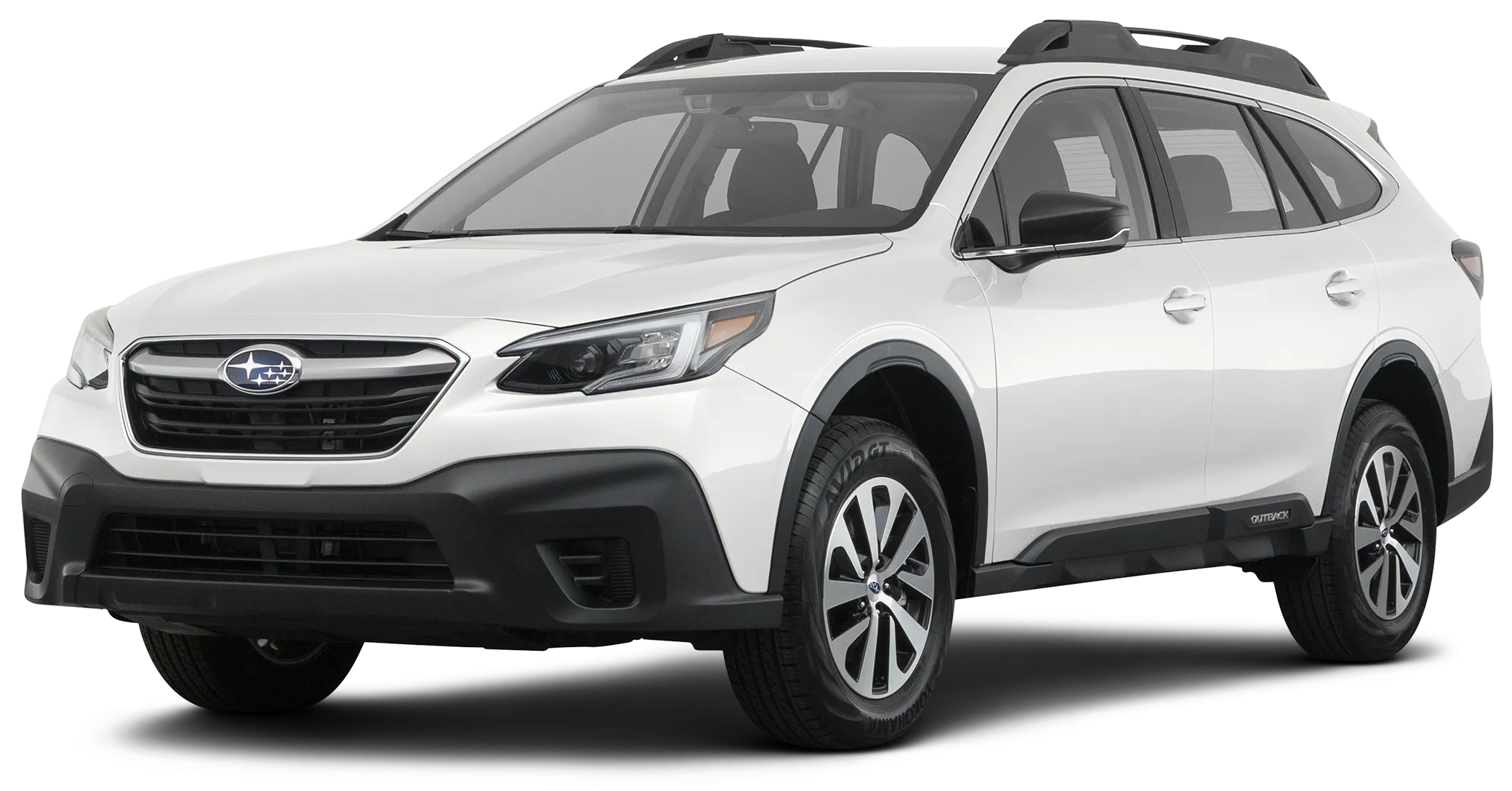
3. Subaru Outback
When snow begins to cover the roads and icy conditions return, the Subaru Outback becomes one of the smartest cars to own. It blends the best parts of a crossover and a wagon, with practical features that work well for winter driving. With all-wheel drive included in all trims, this car is designed to grip the road better during snow or icy road conditions.
It is lower than an SUV but offers ground clearance that matches some crossovers. That mix helps it move smoothly over snowy paths without feeling too tall or shaky.
Many drivers feel confident when using the Outback during winter storms, since the vehicle does not slide or lose control quickly. Its weight distribution supports stable braking and careful steering even when the road is slippery.
The interior also helps during colder months. Heated seats, climate control systems, and windshield de-icers make long drives in winter more bearable. Some models also offer remote start systems, which are useful when warming up the car before leaving the house.
Another important point is that the Subaru Outback gets good gas mileage compared to most SUVs that offer similar winter protection. This makes it friendly for longer trips without requiring frequent stops. For people who need to drive in harsh winter regions, especially across hills or snowy townships, the Outback offers peace of mind that many sedans or small hatchbacks cannot deliver.
Maintenance costs are manageable, and the car’s durability is well recognised. People who make their purchase near the end of fall usually find it useful right away. It is not a flashy car, but its value becomes very clear once the roads become difficult and temperatures drop sharply.
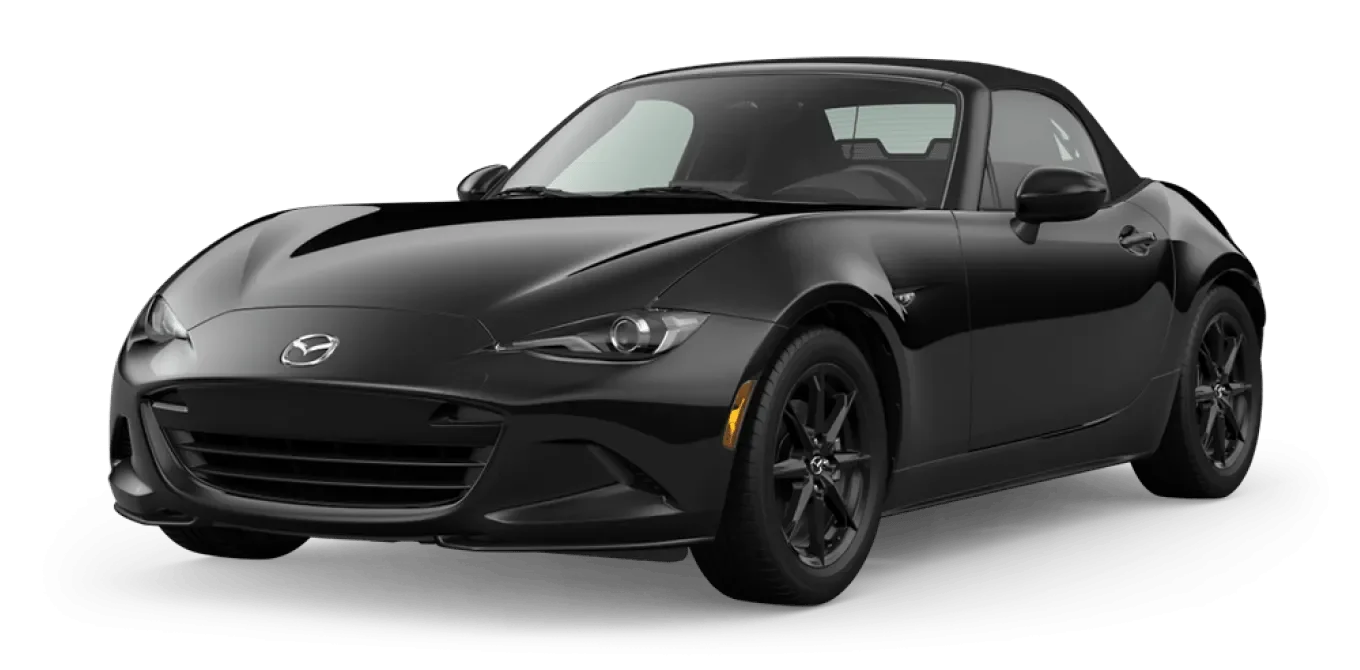
4. Mazda MX-5 Miata
When the air gets warmer, trees begin to bloom again, and the roads stay dry and clear, the Mazda MX-5 Miata becomes an ideal seasonal car. It is one of the lightest and most engaging two-seat sports cars ever made. For many drivers, it brings back the joy of driving during spring, when the weather supports open-top rides and twisty road travel.
This vehicle runs on rear-wheel drive and comes with a near-perfect balance that gives it great handling. It feels planted on corners and reacts quickly to driver inputs.
During spring, when people like to take scenic drives or weekend trips, this car turns even short journeys into pleasant experiences. Its soft-top roof can be lowered in seconds, making it easy to enjoy the weather.
The engine is not the most powerful in its category, but the Miata uses its lightweight body to produce quick acceleration and tight control. It was built more for feel than for straight-line speed, and it succeeds at giving the driver a stronger sense of control than most cars in its price range.
Its fuel economy is also strong, and that helps drivers take longer trips without heavy costs. Inside, the cabin is simple and focused on the driving experience. It might not be the right car for hauling luggage or large groups, but for two people enjoying the spring air, it is nearly perfect.
Buying one as the cold season ends and warmer days arrive allows the driver to get full use of its convertible design. The Miata rewards people who love simple, responsive, and fun-to-drive cars. During spring, there are few better cars to connect with the road again.
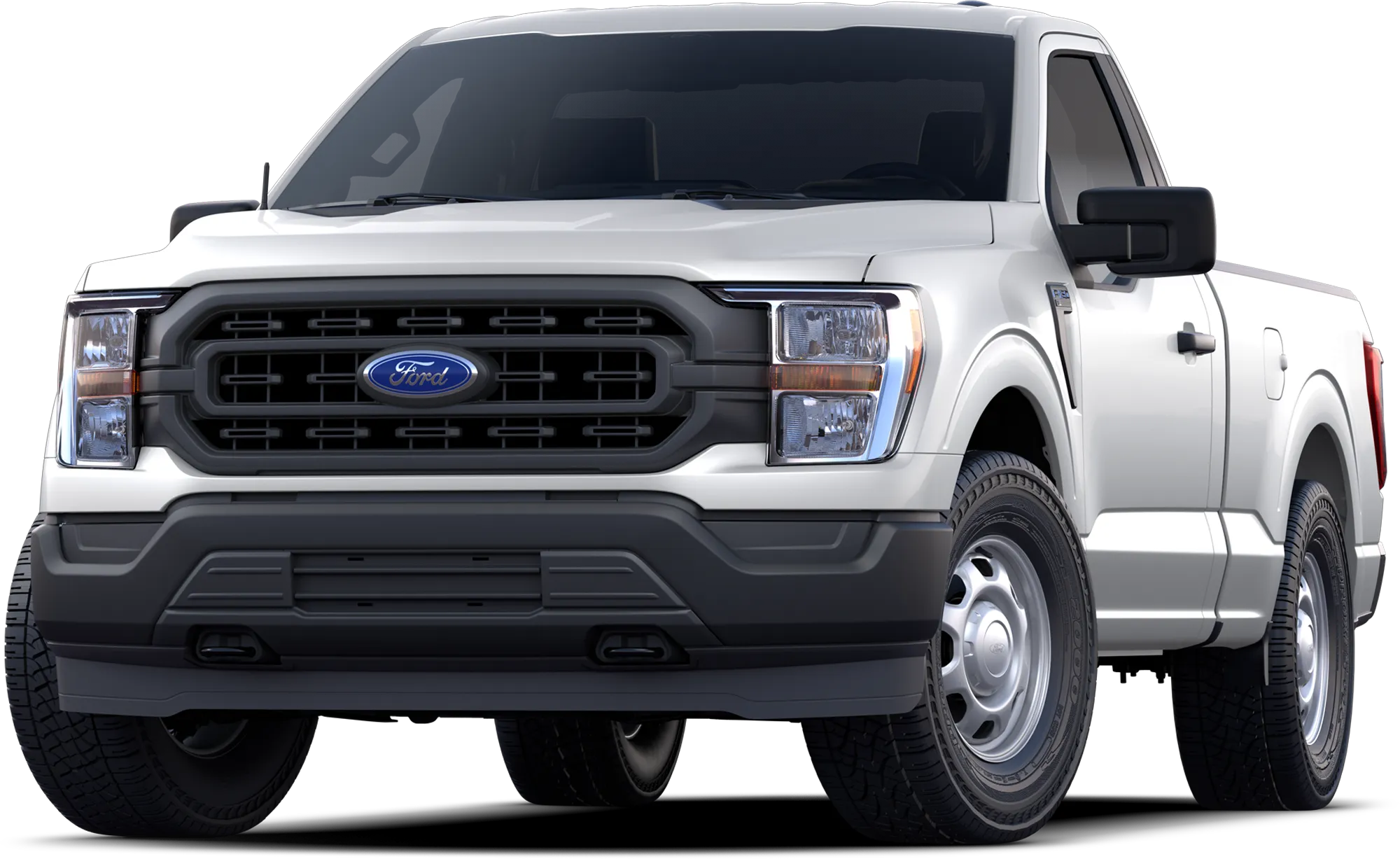
5. Ford F-150
When autumn arrives and outdoor work increases before winter sets in, the Ford F-150 becomes a strong performer for those who need power, space, and flexibility. This pickup truck has been among the top-selling vehicles in the United States for years, and during autumn, its benefits come out clearly.
The F-150 handles heavy towing, construction support, and property cleanup with ease. Many rural buyers, farmers, and contractors find it most helpful during the months before winter, when large jobs must be completed. The truck offers multiple engine options, including fuel-efficient versions and high-torque alternatives that support heavy-duty tasks.
Inside, the newer models provide comfort without sacrificing strength. Some trims include features like heated seats, touchscreens, and storage systems that help it double as both a work vehicle and a family ride. Its bed options come with tools like step assists and tie-down systems, which make it easier to carry equipment or goods.
Autumn buyers benefit from seasonal deals, and some businesses often upgrade their fleets during this period, making it easier to get discounts or special financing. The F-150 also handles dirt, gravel, and mild off-road use quite well, which adds value when used on job sites.
This vehicle’s strength during the autumn months also makes it a good investment for people who expect to use their vehicle year-round. Its resale value stays steady, and the range of customisation options means buyers can tailor their truck to specific tasks.
Those who buy the F-150 during autumn often find it very helpful right away, whether they are clearing leaves, transporting tools, or preparing homes and properties for the coming cold. It offers a wide mix of comfort, strength, and work readiness when seasonal needs are highest.
5 Cars That Value Sinks As Per Season

1. Chrysler 200
At first glance, the Chrysler 200 seems to offer strong value. It brings a stylish exterior, modern-looking interiors, and what appears to be a comfortable ride. Buyers are often drawn in by its design and pricing, especially in used markets. However, the problems begin not long after ownership starts.
The main issue is that this vehicle falls short in areas that matter long-term. Reliability is one of its biggest weaknesses.
Transmission complaints have been common, particularly in the earlier model years. Drivers report rough shifting, slipping between gears, and in some cases, complete failure. This kind of mechanical issue results in high repair bills and forces many to give up the car earlier than expected.
Another issue is its ride quality. While it tries to offer a premium interior, the driving experience often feels underwhelming. The suspension can feel stiff on bumpy roads, and road noise tends to creep into the cabin more than buyers expect from a mid-sized sedan.
Fuel economy also stays average at best, and combined with the reliability issues, it leaves owners questioning the purchase.
Resale value for the Chrysler 200 has also dropped very quickly. After Fiat Chrysler pulled the plug on the model, used prices fell sharply. This became a major drawback for anyone hoping to trade in or resell their car within a few years of buying. Even with low mileage, resale values do not hold well.
People often buy the Chrysler 200 believing they are getting a deal on a near-luxury sedan, but within a year or two, that feeling fades due to poor dependability and resale performance. For those who value lasting comfort, smooth driving, and reduced long-term costs, this vehicle ends up being a poor choice that drains value far too fast.
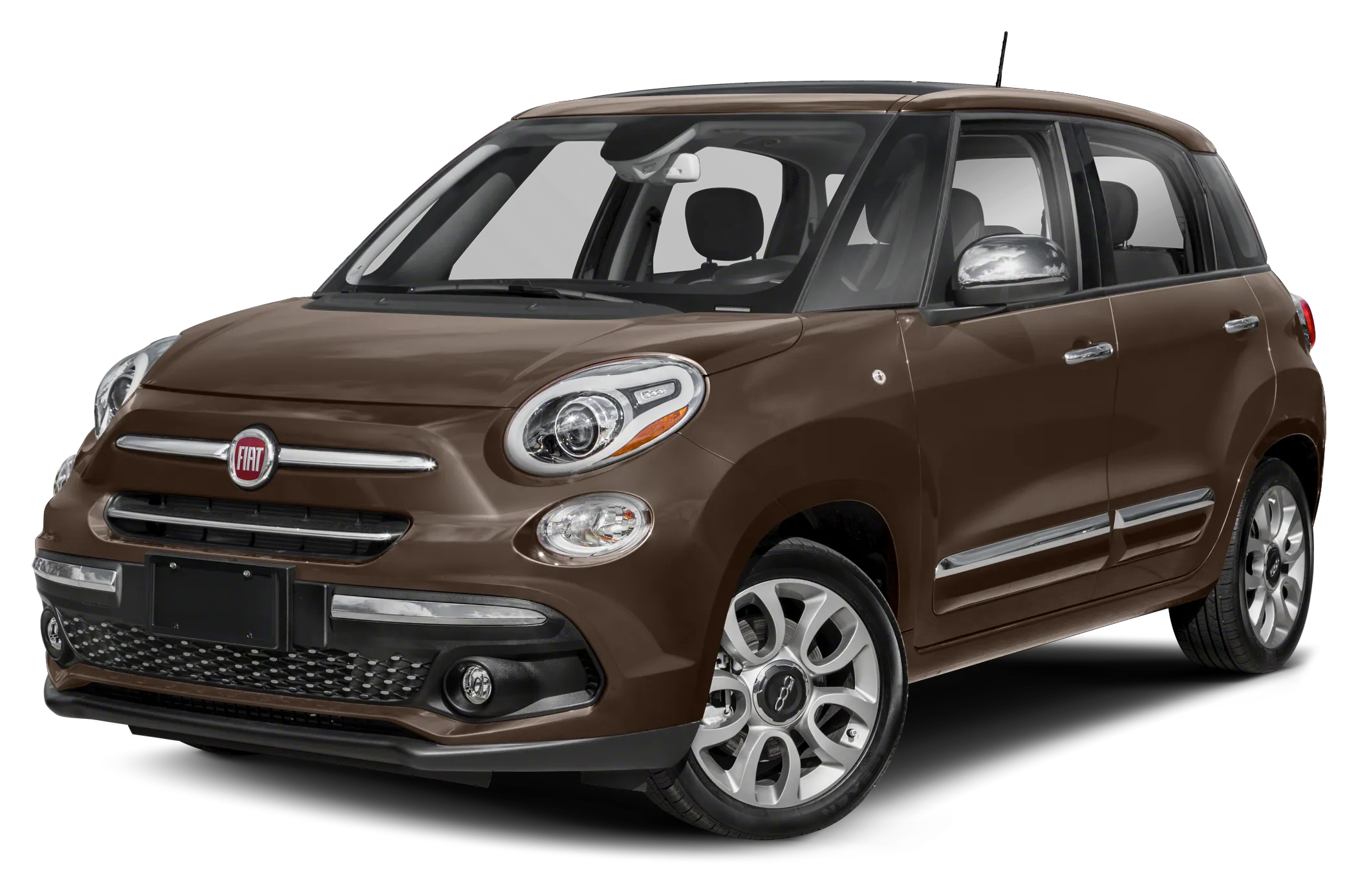
2. Fiat 500L
The Fiat 500L entered the American market with a design that stood out. It appeared as a more spacious alternative to the regular Fiat 500, aiming to attract small families and urban drivers. Its tall shape, large windows, and European personality gave it an appealing first impression. But for many owners, the charm wears off sooner than expected.
One of the biggest problems lies in the way the car drives. Despite looking like a roomy mini-SUV, it lacks the handling stability and comfort that buyers expect.
The steering feels disconnected, and body roll becomes obvious during basic cornering. When driven on highways or winding roads, the car feels out of place, more like a tall toy than a serious transportation solution.
The interior space, while visually open, lacks proper finishing. Plastics feel cheap, and cabin noise gets loud, especially above 60 miles per hour. Many drivers hoped it would be a stylish family car, but long trips often become tiring due to lack of support in the seats and below-average ride comfort.
The 500L also faces major resale issues. Its resale value collapses faster than most competitors. Buyers who try to sell or trade in after a few years usually face disappointment due to the car’s weak market demand. Very few people are actively looking for this model in the used market, making it hard to recover any investment.
Mechanically, reliability has not been on its side either. Reports of electrical faults, powertrain glitches, and weak build quality have affected public confidence in the brand.
The quirky charm fades once ownership begins. After some time, the Fiat 500L becomes more of a burden than a benefit, turning what felt like a fresh decision into a car many regret.

3. Mitsubishi Mirage
At first glance, the Mitsubishi Mirage looks like a smart decision for budget-minded buyers. It offers one of the lowest entry-level prices among new cars, and fuel economy is advertised as impressive. However, as ownership continues, many discover that saving money at the beginning often leads to higher costs in other ways.
The driving experience is one of its weakest areas. The Mirage runs on a three-cylinder engine that struggles under pressure. Acceleration feels sluggish, especially when merging onto highways or climbing hills. The suspension is also poorly tuned, and bumps on the road are felt more sharply than they should be.
Build quality is another area where it shows major weakness. The interior materials feel cheap, and long-term durability is questionable. Many owners report that the cabin wears quickly, with buttons breaking or trim pieces rattling after just a few years. In many ways, it feels like the Mirage was built to meet a price point, rather than provide long-term satisfaction.
Its resale value is among the lowest in the small car segment. Buyers may save money at the start, but the return on investment vanishes fast. A two-year-old Mirage loses its value faster than most competitors, making it a tough sell even with low mileage.
Servicing costs might be low for basic maintenance, but mechanical issues grow as time goes on. Reports of CVT problems and general wear bring unwanted repair bills. While its fuel economy remains strong, it is one of the few bright spots in a car that otherwise feels like a temporary fix rather than a lasting solution.
For buyers looking at total ownership value, the Mirage drains it away quietly. The upfront cost is low, but as time goes on, it offers little joy, low reliability, and a resale value that reflects how quickly confidence disappears.
Also Read: 5 Cars That Lose Value After 100,000 Miles vs 5 That Retain Value Past 100,000
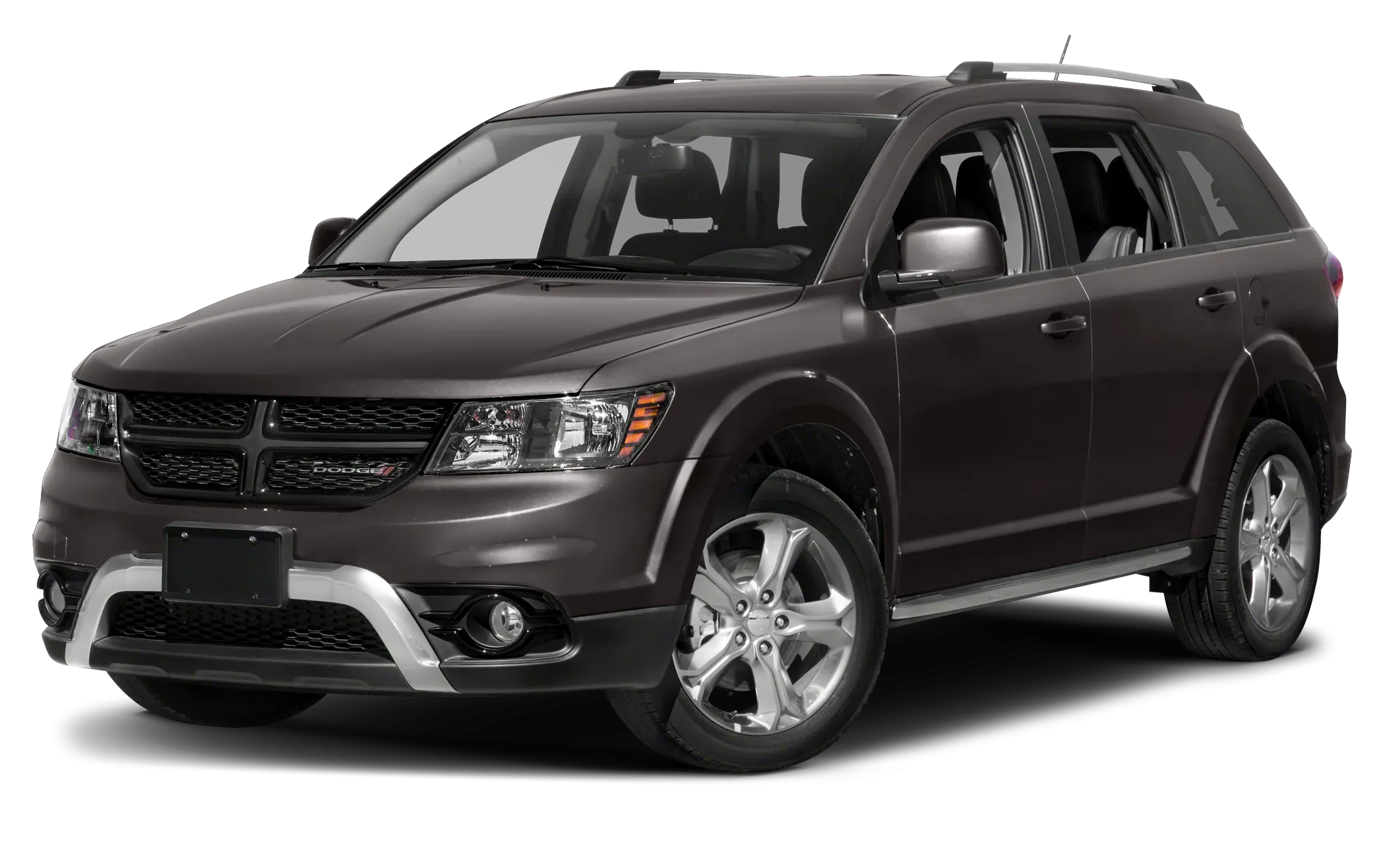
4. Dodge Journey
The Dodge Journey stayed in production longer than many expected, but that extended lifespan did not help its case. It was marketed as an affordable midsize crossover that could meet family needs without breaking the bank.
At face value, it looked like a practical choice. But deeper ownership shows why it is considered one of the least rewarding vehicles in its class.
The platform feels old, and the design did not age well. Even newer model years reused technology and features from older versions. The infotainment system, dashboard layout, and cabin design looked outdated while rivals were introducing fresher tech and comfort. The Journey fell behind quickly.
Its standard engine is underpowered, and the optional V6 only provides average performance at best. Fuel economy lags behind competitors, and its ride quality is neither firm nor soft, just vague. The suspension does little to isolate road vibrations, and long trips become uncomfortable, especially with full passengers.
Another major disappointment is cargo space. For a midsize SUV, the rear rows feel cramped, and luggage space is more limited than expected. The optional third-row seat becomes nearly useless for adults. Buyers seeking flexible space for families often realise they have been short-changed.
The resale value has stayed weak. Most dealerships do not want it as a trade-in unless at a very low price. Combined with poor fuel economy and slow acceleration, this affects long-term ownership value. Even when priced low, it feels less like a smart buy and more like a leftover vehicle that failed to keep up with expectations.
For anyone looking to get lasting value from an SUV, the Dodge Journey rarely delivers. It ends up being an example of how outdated design, underwhelming performance, and poor long-term planning turn what appears to be a good deal into a source of regret.
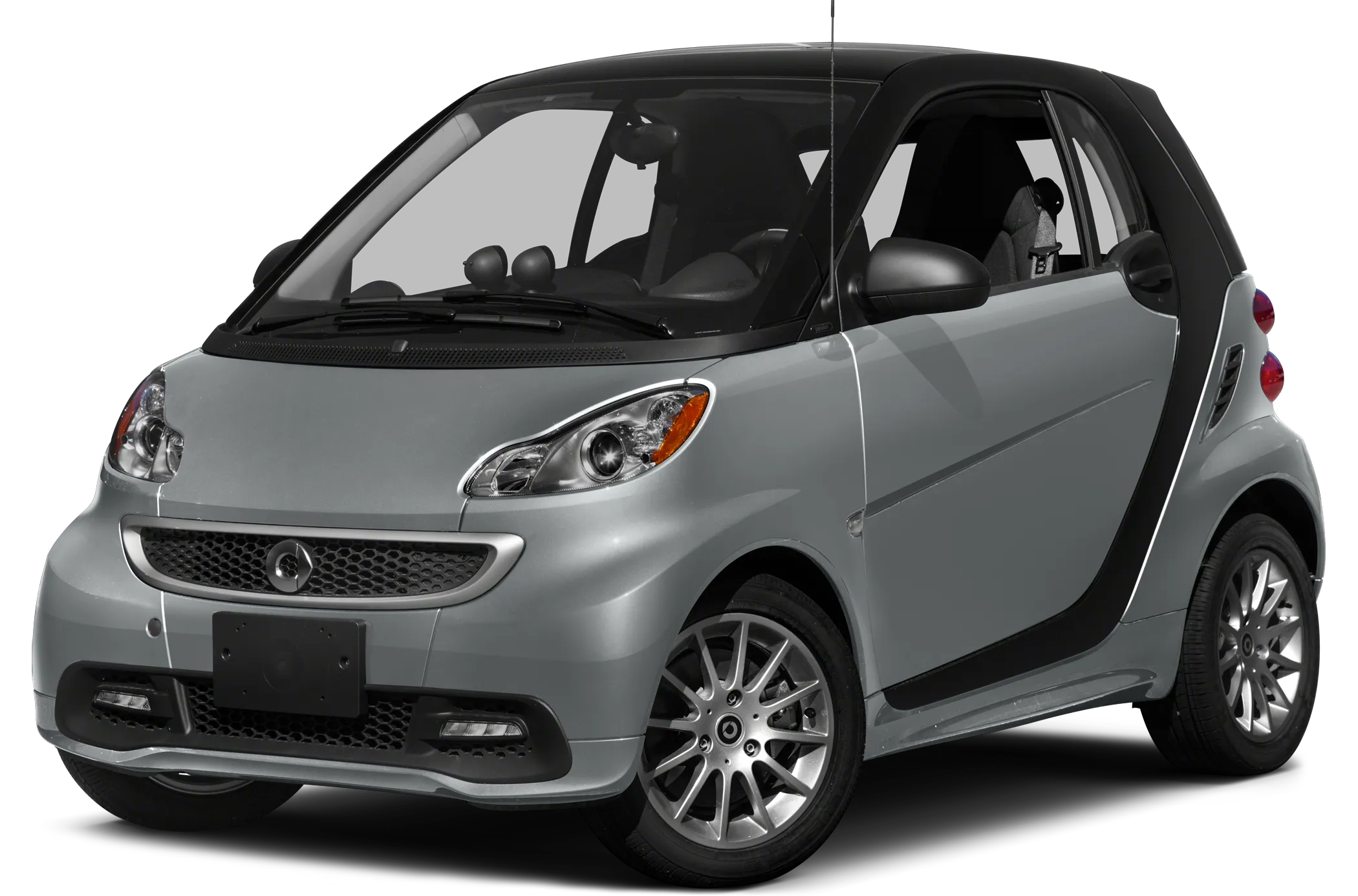
5. Smart ForTwo
The Smart ForTwo was designed with city driving in mind. Its compact size allowed easy parking and quick manoeuvring in tight spaces. It received attention for being eco-friendly and different from everything else on the road. However, once the excitement passed, reality set in.
Its biggest weakness lies in how limited it feels once driving begins. The engine is tiny and does not provide enough power for highway use. Getting from zero to sixty feels like a task, and merging into faster traffic can become a risky move. The ride feels rough, and the steering lacks precision.
Comfort is very limited. The two-seat layout means no flexibility for extra passengers. There is little room for luggage, and the small windows make the cabin feel closed in, despite the car’s small footprint. As time goes on, drivers realise that the practicality is far too restricted, especially for those needing a primary vehicle.
While city dwellers might tolerate its limitations, the resale value remains very low. As electric cars with better range and comfort enter the market, interest in the Smart ForTwo has faded. Buyers cannot resell easily, and demand is almost nonexistent outside very specific urban markets.
Fuel economy is not impressive enough to justify the drawbacks. Many hybrid or small gasoline cars provide better comfort, space, and value for the same or slightly higher cost. Servicing can also be a challenge since parts are not as widely available as other brands.
What begins as a clever city solution turns into a frustrating ownership. The Smart ForTwo has become one of the quickest ways to lose resale value. For people looking to balance size, economy, and long-term practicality, this car provides too little and demands too much in return.
