
Some cars start life as punchlines. Whether it’s bad design, weak performance, or just an unfortunate reputation, certain vehicles have long lived in the automotive doghouse.
But time has a funny way of rewriting the story. Thanks to smarter engineering, evolving tastes, and a massive shift in consumer expectations, especially in the US market, a few of these former flops have made a serious comeback. Here are ten vehicles that went from jokes to legit contenders.
Kia Sportage
The Kia Sportage used to be a vehicle you only drove if your wallet left you no other option. The early models in the ’90s and 2000s were crude, unreliable, and about as stylish as a toaster oven. It didn’t inspire confidence or pride of ownership.
Fast-forward to today, and the Sportage is one of the most competitive compact SUVs on the market. With futuristic styling, a refined interior, available hybrid powertrains, and a full suite of advanced driver-assistance tech, the new Sportage isn’t just good, it’s impressive. Kia has turned what was once a joke into a true RAV4 and CR-V rival.
Compact-crossover SUVs are known for blending utility, interior space, and a bit of style, though spirited performance typically isn’t part of the package.
With that context, it’s understandable that the Kia Sportage prioritizes a solid list of standard features and an impressive range of options, all while maintaining the spaciousness and flexibility buyers expect—at a budget-friendly base price.
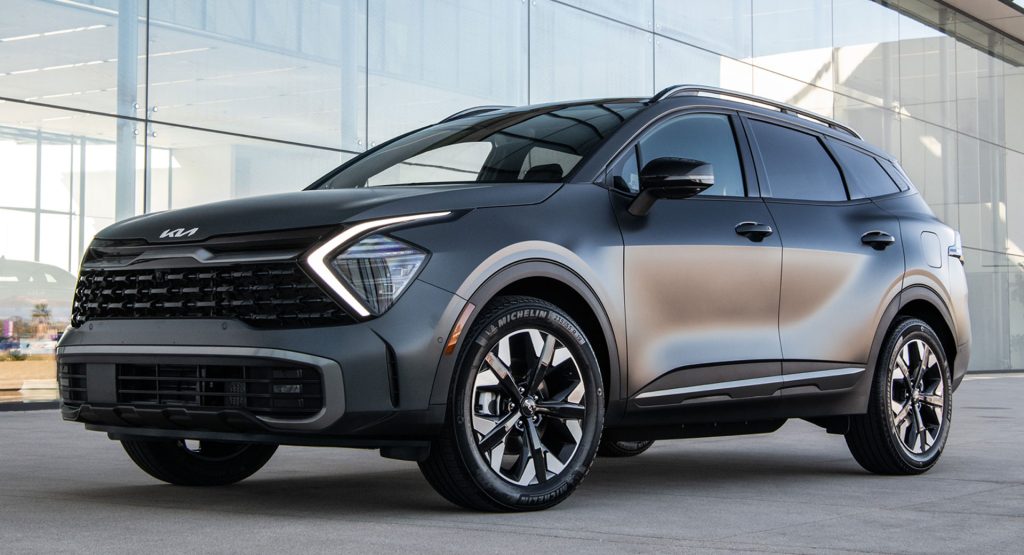
However, the two-row Sportage’s affordability does come with a trade-off: its 187-hp four-cylinder engine lacks the stronger acceleration offered by the Sportage Hybrid and plug-in hybrid (PHEV) variants, which are covered in a separate review.
Standard front-wheel drive is available across the lineup, while all-wheel drive is optional on most trims except the SX, and comes standard on higher-end models. Compared to rivals like the Mazda CX-5 and Honda CR-V, the Sportage stands out for its lower entry price.
Hyundai Elantra N
The Hyundai Elantra spent years as a dull commuter car, cheap, uninspired, and something you might pick up as your first beater with a prayer it’d last past 100k miles. But now, the Elantra N is a different beast entirely.
It’s a 276-horsepower performance sedan with a six-speed manual, adaptive suspension, and enough attitude to take on legends like the Civic Type R. Hyundai’s N division injected life into what was once considered a background car, and the result is one of the most fun-to-drive compact sedans on the market.
Front-wheel-drive heroes have long been embraced by tuner fans and import car communities, and with the U.S. finally receiving the Honda Civic Type R for the past two generations, the concept has gained broader legitimacy. But Hyundai wants in on the conversation.
The now-discontinued Veloster N carved out a place for the brand in the sport compact world, though it wasn’t perfect. Its overly harsh ride left clear opportunities for refinement.
That’s exactly where the Hyundai Elantra N comes in. Introduced for the 2022 model year, it builds on what the Veloster N started, capturing its eccentric, high-energy spirit while making key improvements where it mattered most.
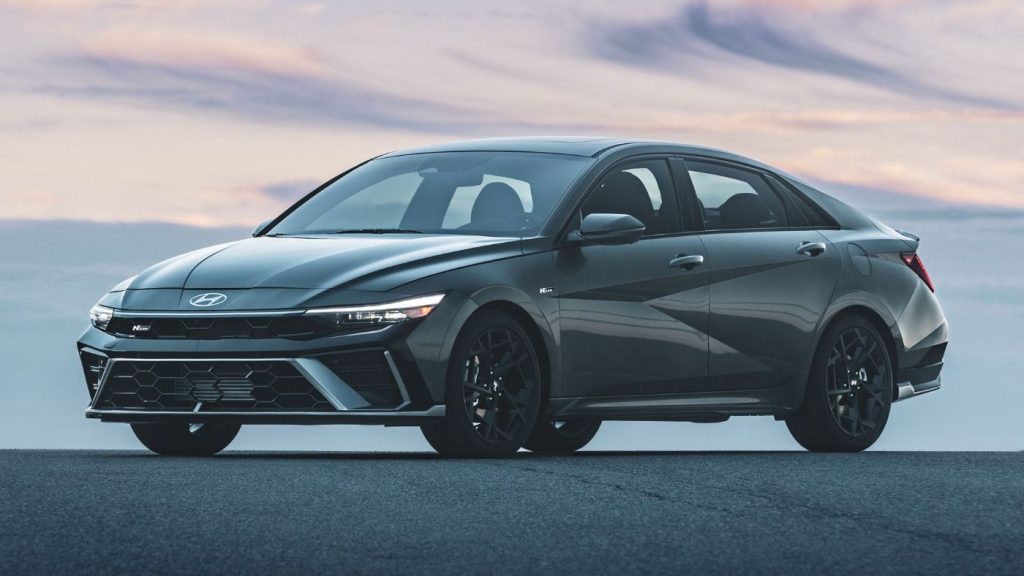
Although the Elantra N may be more conventional in design,offering a four-door sedan layout instead of the Veloster’s quirky three-door hatch, it makes up for that with increased practicality for everyday use.
It maintains the high-value performance equation of its predecessor, giving drivers even more bang for their buck. Following a refresh for 2024, the manual-transmission model was the first to be put through its paces. Now, the spotlight shifts to the dual-clutch automatic version as it hits the test track.
Power is sent to the front wheels via either a six-speed manual or eight-speed dual-clutch transmission (DCT).
Once pushed to its limit, the Elantra N showed impressive figures. It achieved 0 to 60 mph in just 4.7 seconds, ran the quarter mile in 13.3 seconds at 106.7 mph, and completed the figure-eight test in 24.3 seconds with an average grip of 0.80 g.
Just for added context, let’s rewind to the 2021 Veloster N. That car, equipped with a DCT, had 275 hp and weighed 3,166 pounds. It ran from 0 to 60 mph in 5.1 seconds, posted a quarter-mile time of 13.7 seconds at 102.9 mph, and circled the figure eight in 24.7 seconds at 0.76 g.
Also Read: 10 Best Car Models That Improved in New Generations
Chevy Malibu
Remember when the Chevy Malibu was the rental car you groaned about? The early 2000s models were uninspiring, forgettable, and plagued by cost-cutting and bland design. They were everywhere, just not where you wanted to be.
These days, though, the Malibu has grown into a sleek, mature midsize sedan that’s held its ground even as the segment around it collapses under crossover pressure. With solid fuel economy, surprisingly good handling, and modern infotainment, the Malibu is no longer embarrassing, it’s underrated.
Chevrolet’s Malibu has long occupied a space as a reasonable choice for those shopping in the midsize sedan category.
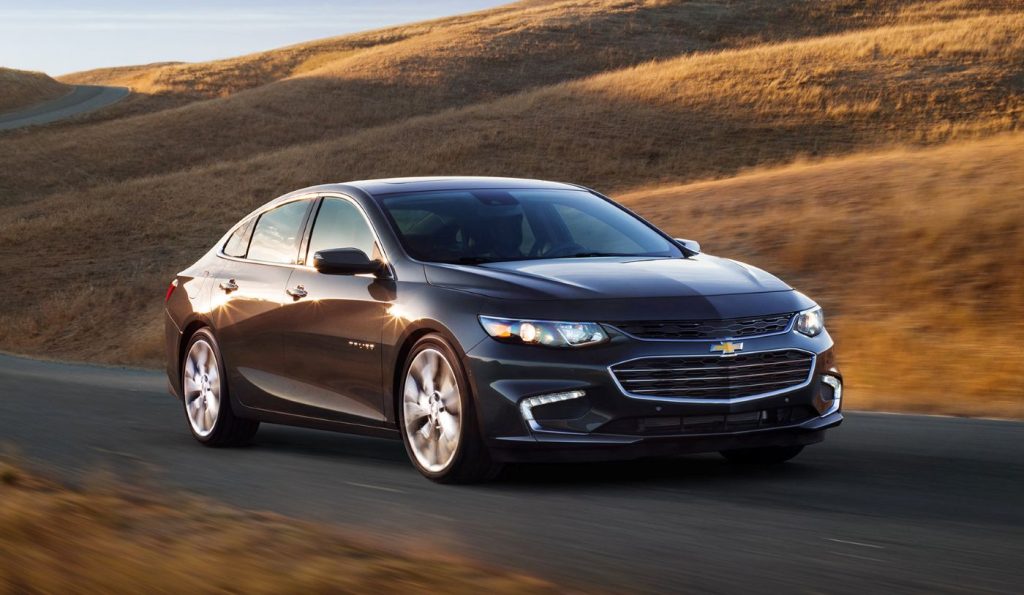
However, Chevrolet has announced that this will be its final sedan, with the Malibu set to be discontinued following the 2025 model year. The current generation, which hasn’t seen a full redesign since 2016, has increasingly fallen behind the curve and no longer holds a strong position in its segment.
That’s not to say the Malibu doesn’t have its merits. But compared to newer competitors, its offerings feel limited. “The Malibu’s touchscreen interface is easy to use, though that’s partly because it’s a dated system that’s not as feature-packed as more modern ones.” And the shortcomings extend beyond infotainment.
Competing sedans come equipped with a wider array of advanced driver assistance technologies, additional safety features, and more modern convenience options. Many also offer hybrid powertrains for improved fuel economy or upgraded engines for more spirited performance, choices that simply aren’t available in the Malibu lineup.
Toyota Prius
Few cars have carried the social baggage of the Toyota Prius. In the 2000s, it was the ultimate anti-enthusiast car: slow, weird-looking, and often driven with an air of self-righteousness. Car fans mocked it mercilessly. But the newest Prius is a revelation.
The 2023 redesign brought sleek, low-slung styling, upgraded interior tech, and shockingly, real performance, with up to 220 horsepower in the all-wheel-drive Prime version. It finally looks and drives like something you’d want to be seen in, rather than just something you tolerate for fuel economy.
For years, the Prius has had one clear identity: efficiency. Not pretty. Not cool. Just efficient. But everything changed with the arrival of the fifth-generation model. When it debuted in 2023, it stunned critics and drivers alike with its sleek design and surprisingly capable performance.
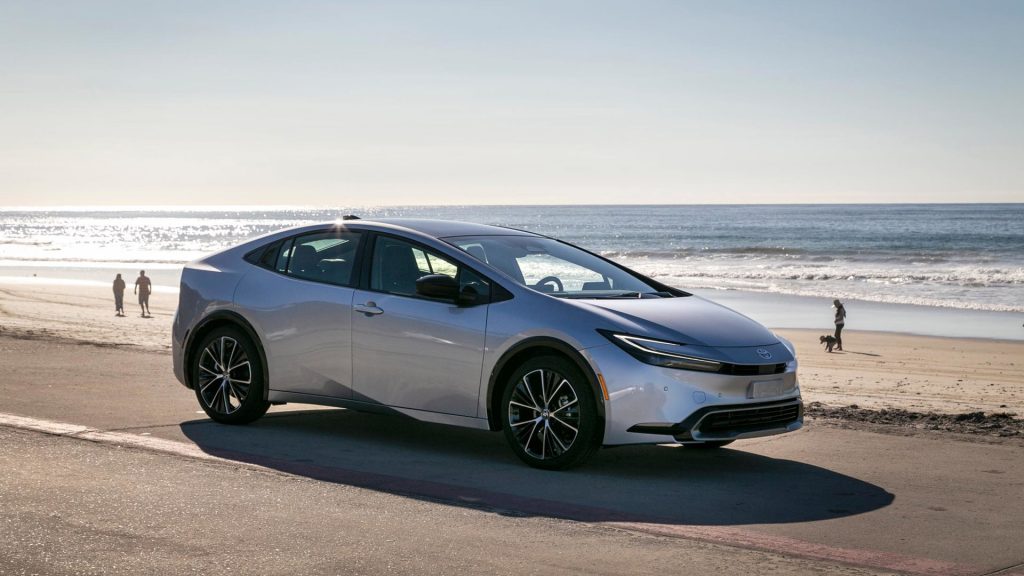
For the first time ever, a Prius and any compact hybrid, was able to combine sharp looks, solid acceleration, and exceptional fuel economy. In its most fuel-sipping configuration, it achieves 57 mpg combined, proving that efficiency doesn’t have to come at the cost of desirability. This is the world we live in now. And it’s a good one.
Because the Prius typically follows a longer product cycle, no significant updates are expected for the 2025 model year. That’s understandable, the 2023 redesign didn’t just bring a new platform and powertrain; it completely transformed how the Prius presents itself.
Given that foundation, Toyota doesn’t have to do much to keep the model feeling modern. It already features up-to-date technology and advanced driver-assistance systems. Still, there’s a chance Toyota might lean further into performance.
The idea isn’t far-fetched,the company teased such potential with its Centennial GR Edition Prius concept, which made a surprise appearance at the 24 Hours of Le Mans last year.
Jeep Compass
The original Jeep Compass was such a disaster that hardcore Jeep fans refused to even acknowledge it. It had the badge but none of the soul, cheap interior, underpowered engines, and zero off-road ability. Thankfully, Jeep went back to the drawing board.
The current Compass, especially in Trailhawk trim, is a genuine small SUV contender. It offers real off-road capability, a far better interior, and refined driving dynamics. It still isn’t a Wrangler, but it’s no longer an embarrassment to the brand.
Following the discontinuation of both the Renegade and Cherokee in 2023, the Compass now holds the title as Jeep’s smallest and most budget-friendly SUV.
That said, despite being the brand’s most affordable utility vehicle, it’s still among the priciest options in the compact SUV segment, an odd contrast considering it’s also one of the oldest models in the class.
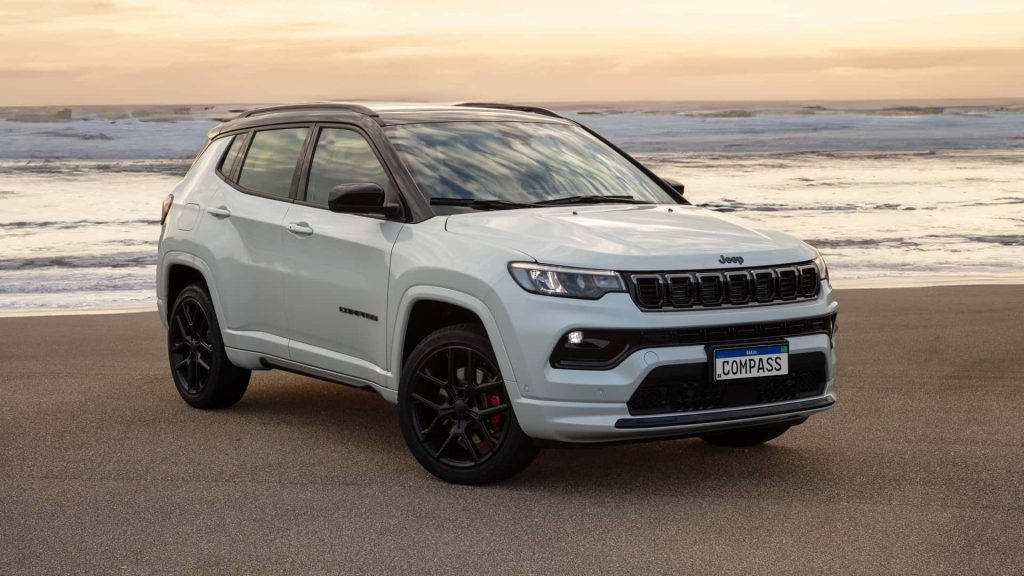
The Compass does offer some strong points, including a robust engine, standard all-wheel drive, and a fairly spacious cabin. Still, it finds itself outpaced by more recently redesigned competitors.
That changes a bit if off-road ability is a priority; in that case, the Trailhawk trim delivers serious capability on rough terrain. For the 2025 model year, Jeep has dropped the Latitude Lux trim and added features like heated seats, a heated steering wheel, and remote engine start to the standard Latitude trim.
If the Compass is on your radar, it’s definitely worth taking one out for a spin. But before locking in your decision, we strongly recommend checking out what else is available.
The Compass hasn’t undergone a full redesign since 2017, and that’s starting to show. It’s relatively expensive compared to the competition, and its rivals have simply moved on. Most offer more up-to-date technology, better fuel economy, greater comfort, and a more refined overall driving experience.
Also Read: 5 EVs With Top Safety Ratings vs 5 With Early Safety Recalls
Nissan Frontier
For years, the Nissan Frontier was practically a museum piece. The outgoing generation ran from 2005 to 2021 with almost no significant updates. It was cheap and durable, sure but painfully outdated. That changed in a big way when the all-new Frontier finally arrived.
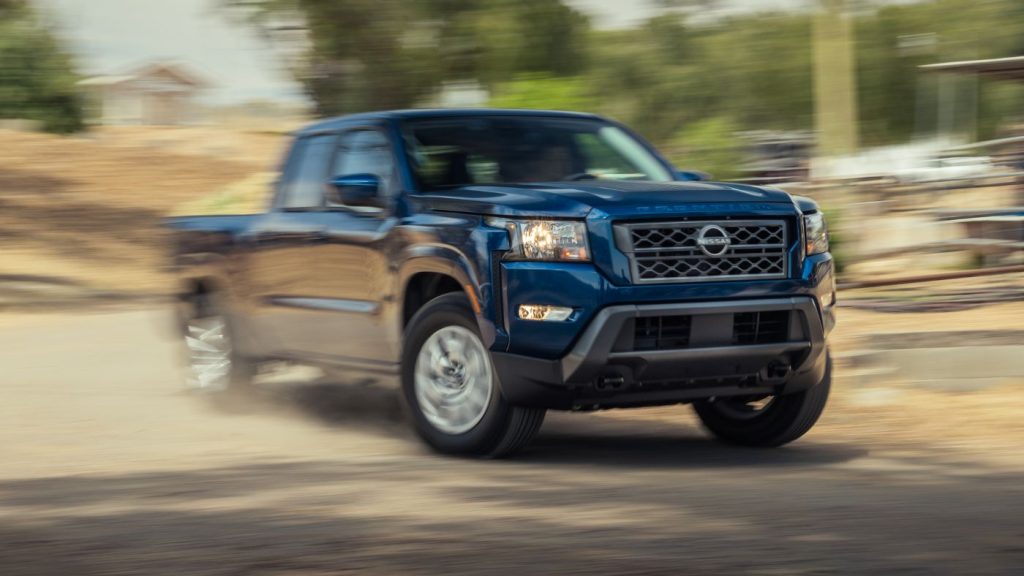
Now featuring rugged styling, a strong V6 engine, modern tech, and a much-improved interior, the Frontier is once again a real player in the midsize truck market. Nissan finally gave it the glow-up it deserved and it delivered.
Ford Maverick
When Ford announced they were reviving the Maverick name, a lot of folks groaned, recalling the forgettable 1970s econobox. But the new Maverick is something entirely different: a compact pickup that nails exactly what a huge swath of American buyers want.
It’s affordable, fuel-efficient (especially in hybrid form), easy to park, and practical without being over-the-top. In a world of increasingly oversized trucks, the Maverick is a breath of fresh, functional air—and a smart buy for everyday drivers.
Ford revived the Maverick nameplate for the U.S. market in 2022, but rather than bringing back a compact sedan from the ’70s, this time it reemerged as a distinctive, fuel-efficient pickup truck.
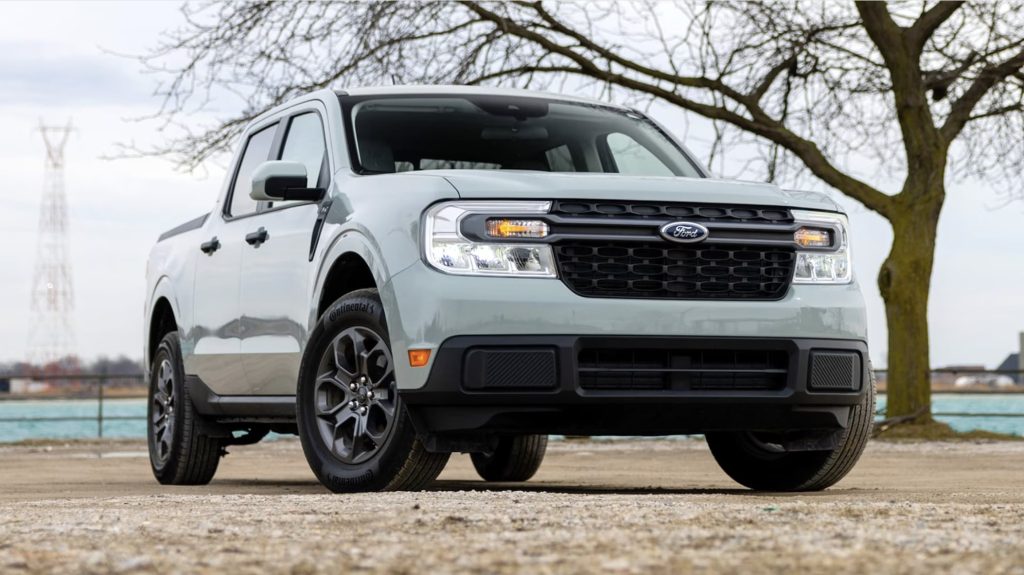
In mid-2021, the American automaker introduced the new compact Ford Maverick pickup to the U.S. lineup. Positioned just below the Ranger, the Maverick distinguished itself with a unibody platform rather than the traditional body-on-frame construction found on larger trucks.
It shared its architecture with vehicles like the Focus, Bronco Sport, and Escape, making it clear that this wasn’t designed as a heavy-duty work truck. Contractors needing to haul massive trailers or transport construction gear weren’t the target audience.
Instead, the Maverick was built to serve as a practical daily driver that also offered the flexibility to haul gear for a camping trip or tow a small to midsize trailer, depending on the engine choice. On top of that, it offered a quiet ride and commendable fuel efficiency, especially with the base powertrain.
The 2022 Ford Maverick featured a flat front end flanked by rectangular headlights, connected visually by a pair of horizontal bars that housed the turn signals at each end.
A wide black grille occupied much of the front fascia, bordered below by a plastic bumper that wrapped around the front corners. The unpainted lower apron was designed to resist scratches, and if you opted for the FX4 package, rock slider protection was included.
Buick Encore GX
The original Buick Encore was awkward, a tiny crossover that tried to act premium but felt more like a reskinned Chevy Spark with fake chrome. It didn’t help that its performance and interior materials left a lot to be desired. Enter the Encore GX. This isn’t just a trim update, it’s a whole new approach.
Built on a better platform, with refined turbo engines, upscale interior appointments, and improved infotainment, the Encore GX finally makes Buick relevant to younger, urban professionals instead of just retirees in Florida.
Even the base trims of this compact crossover come equipped with Buick’s IntelliLink touchscreen system and a rearview camera, giving the cabin an upscale feel that’s impressive considering its starting price under $30,000.
Beyond tech features, the Encore’s interior is also highly versatile. The front passenger seat folds flat—standard across the board—and the rear seats do the same.
With everything folded down, you can load items up to 8 feet long and still shut the liftgate, making it surprisingly functional for a vehicle of this size. Rear legroom is adequate for passengers up to 6 feet tall, but as expected from a small crossover, hip and shoulder space in the back are somewhat limited.
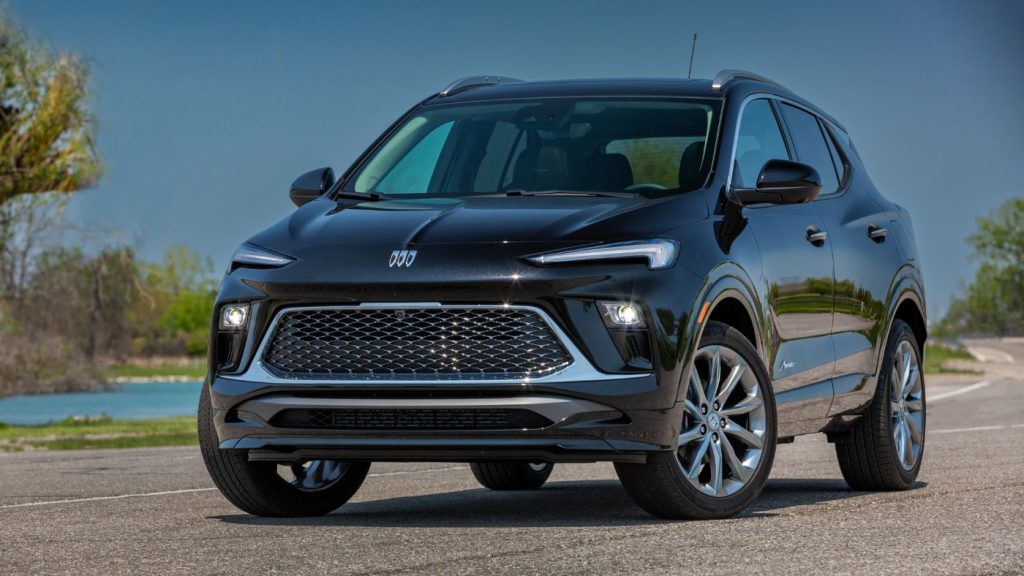
The biggest drawback of the 2014 Buick Encore, however, is its underwhelming acceleration. The sprint to 60 mph takes nearly 10 seconds.
That’s notably slower than most direct competitors in this segment and price bracket, including the Fiat 500L, Mini Cooper S Countryman, and Nissan Juke. You’ll notice the lack of urgency when merging onto the highway.
Larger options like the Honda CR-V, Ford Escape, and Toyota RAV4 offer noticeably more interior space and, in many cases, superior performance for a similar price.
Every 2014 Buick Encore is powered by a turbocharged 1.4-liter inline four-cylinder engine that delivers 138 horsepower and 148 pound-feet of torque. A six-speed automatic transmission with a manual-shift mode is standard, and buyers can choose between front-wheel drive or all-wheel drive on any trim level.
Front-wheel-drive versions are rated by the EPA at 28 mpg combined (25 mpg city/33 mpg highway), while all-wheel-drive models come in at 26 mpg combined (23 city/30 highway).
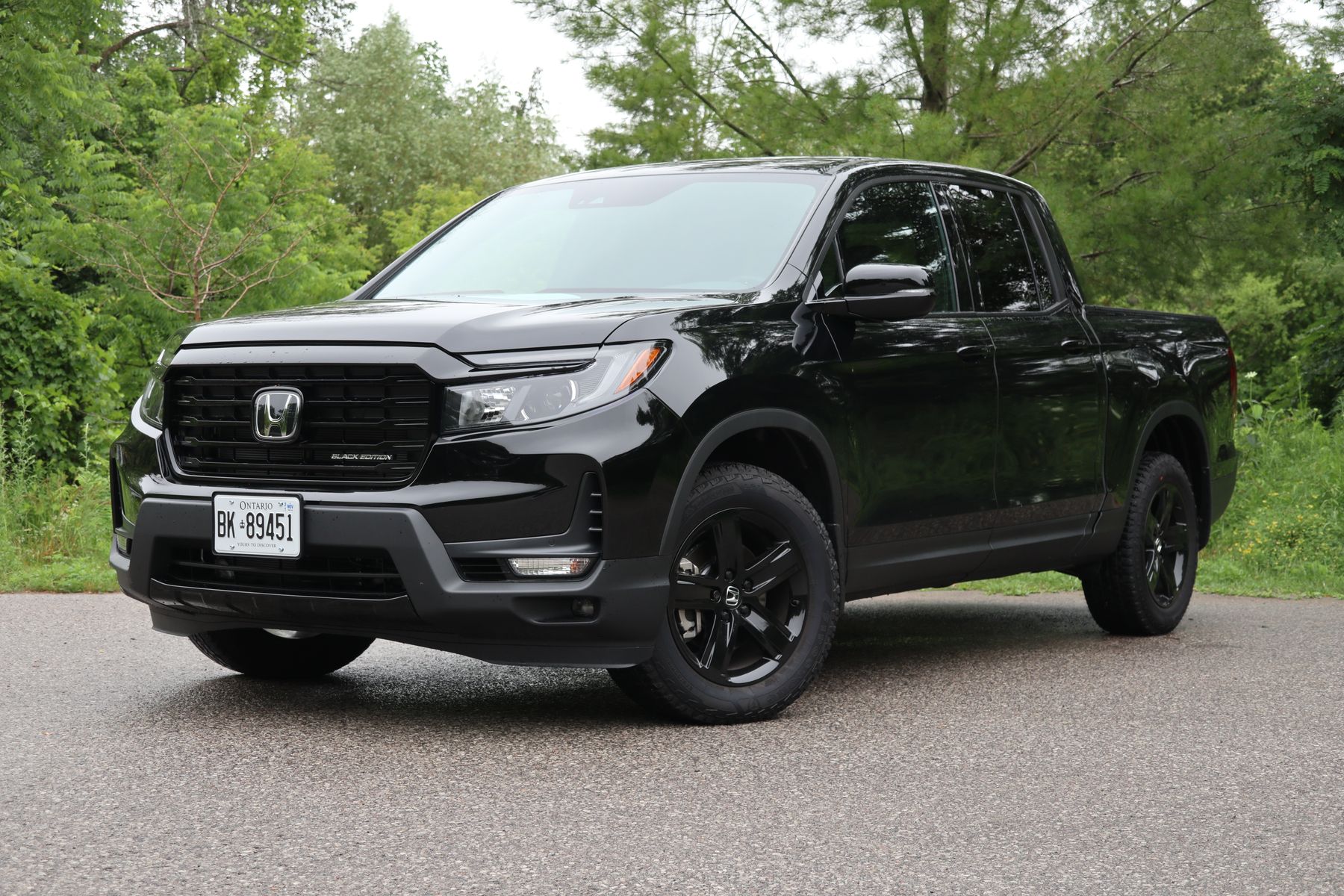
Honda Ridgeline
Forget nearly everything you remember about the old Honda Ridgeline, which ended its first run after the 2014 model year. The second-generation 2017 Ridgeline is a complete redesign and brings major improvements in many of the areas where it mattered most.
That said, longtime Ridgeline enthusiasts can rest easy—this updated version still holds onto the key design strengths and clever cargo solutions that made the original stand out.
For instance, the new Ridgeline continues to utilize a unibody platform and four-wheel independent suspension, which together deliver a level of ride comfort and handling finesse that’s rarely, if ever, found in traditional pickup trucks. Like before, all-wheel drive remains part of the equation instead of a conventional part-time four-wheel-drive system.
New for this generation, however, is the addition of a front-wheel-drive version. You’ll also still find hallmark features like the dual-action tailgate and the secure in-bed trunk—only now, that trunk is larger and the bed itself has been extended.
Other significant upgrades include a more powerful V6 engine, a more refined and upscale cabin, and a host of newly added safety technologies.
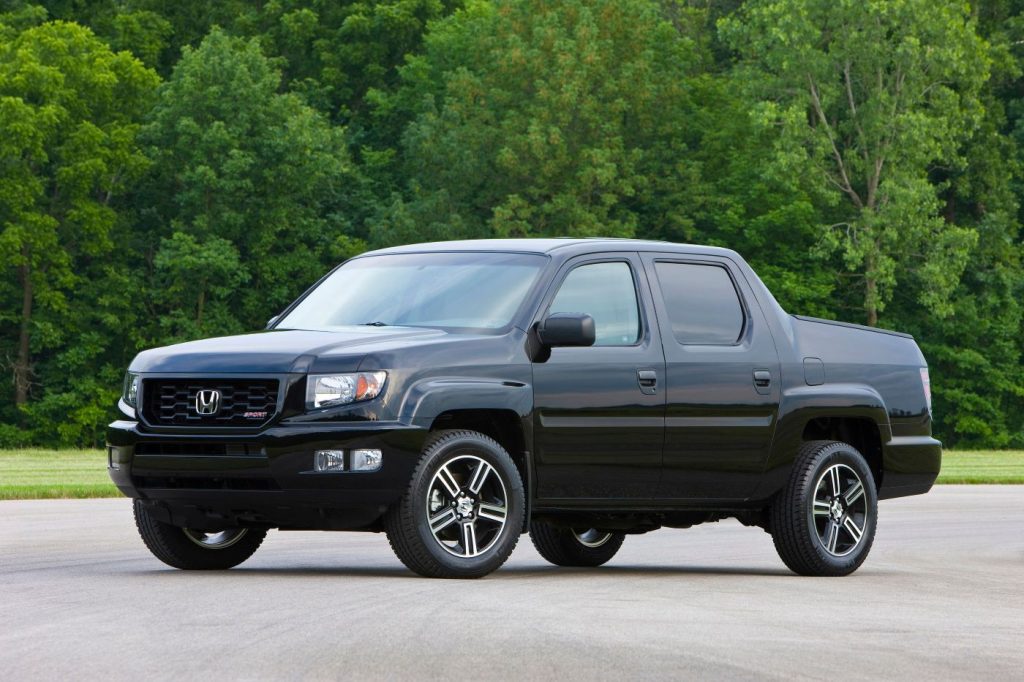
When viewed through the lens of traditional pickups, the redesigned 2017 Honda Ridgeline offers an almost unheard-of combination of ride comfort, agile handling, and overall refinement. In many ways, it comes surprisingly close to the ride quality and sophistication of top-tier family SUVs.
That performance edge comes thanks to some subtle but substantial engineering choices—chief among them being the use of a unibody frame and independent suspension on all four wheels.
More obvious to drivers and passengers is the attractive interior, which borrows heavily from the well-regarded Honda Pilot SUV in terms of layout, features, and available tech.
Truck purists hated the first-generation Ridgeline. With its unibody construction and independent suspension, it was seen as soft and not “real” enough to hang with the big boys. But time has vindicated the Ridgeline.
The latest model embraces its differences and excels at what most truck owners actually need, comfort, practicality, and everyday usability. It’s the best-driving midsize truck on the market, with clever features like a dual-action tailgate and in-bed trunk. What once made it a target of ridicule now sets it apart in a good way.
Subaru Crosstrek
The early Crosstrek felt like a lifted Impreza trying too hard to be adventurous. It was underpowered, noisy, and saddled with a joyless CVT. Still, the outdoorsy crowd loved it for its utility and all-wheel-drive. Subaru wisely doubled down.
The latest Crosstrek is more refined, slightly more powerful, and now comes with a Wilderness trim that offers real off-road gear and capability. It’s still a quirky Subaru, but it’s grown into its rugged image and now actually lives up to the lifestyle it markets.
The Subaru Crosstrek quickly became a sleeper hit, winning over buyers with its rugged design, practical proportions, and wallet-friendly pricing. The second-generation 2018 model carries on that success without changing the core formula. It still delivers excellent value, agile road manners, and eye-catching styling.
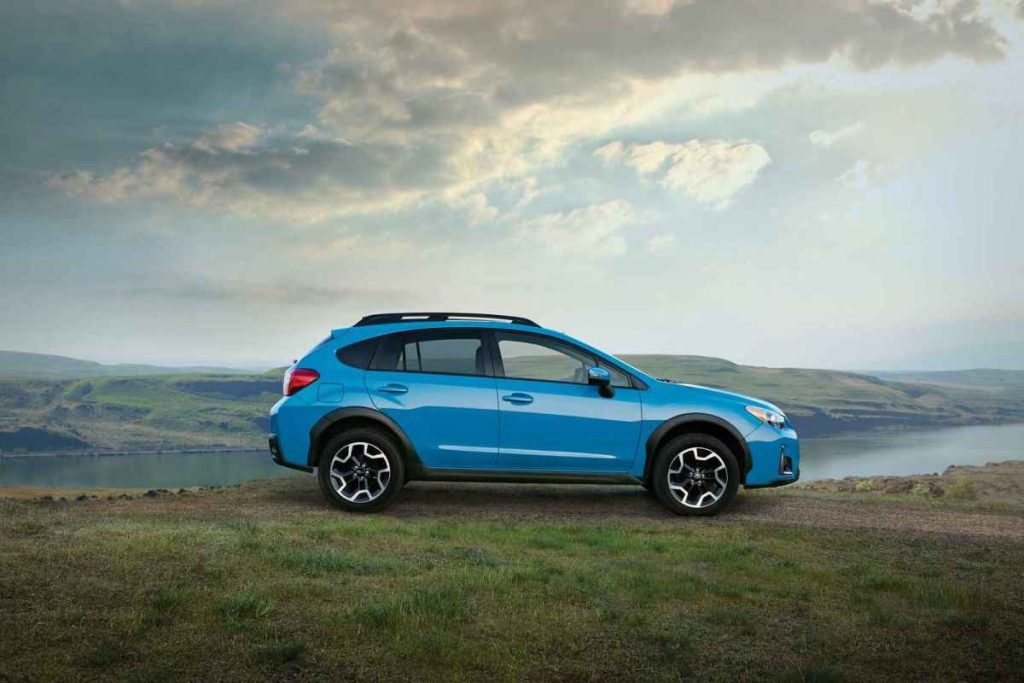
What’s new this time around is a thoroughly upgraded interior that enhances the cabin’s quality feel, along with a revised suspension setup and stiffer chassis that provide a comfortable, composed ride under nearly all conditions.
Unlike several other subcompact crossovers in its category, the Crosstrek comes with high-end options, including an upgraded sound system and Subaru’s comprehensive suite of driver aids known as EyeSight. This package features automatic emergency braking, adaptive cruise control, and lane departure warning.
Upper trims add niceties such as automatic high beams and reverse automatic braking to help avoid obstacles when backing up. Regardless of how it’s optioned, the Crosstrek offers excellent value with solid all-weather performance.
The original Subaru Crosstrek earned surprise popularity for its rugged aesthetics, flexible size, and attractive price. The 2018 redesign maintains those strengths, although it’s still held back by a weak engine and average handling performance.
In the car world, reputation is hard to shake, but not impossible to rewrite. These vehicles show that a bad start doesn’t have to be a dead end. With enough investment, vision, and willingness to adapt, even the most ridiculed models can evolve into segment leaders.
Whether you’re a die-hard gearhead or just someone shopping for a solid daily driver, it’s worth keeping an open mind because what used to be a joke might just be the smartest thing on the lot.
