When it comes to car ownership in the U.S., two of the most important long-term considerations are repair costs and reliability.
A vehicle that lasts over 200,000 miles is impressive but if it costs a fortune to maintain along the way, the value proposition disappears quickly.
Fortunately, there are a handful of cars that strike a great balance: they’re built to last and have cheap, widely available replacement parts.
Whether you’re a DIY mechanic or just looking to avoid high repair bills, these ten models are worth a serious look.
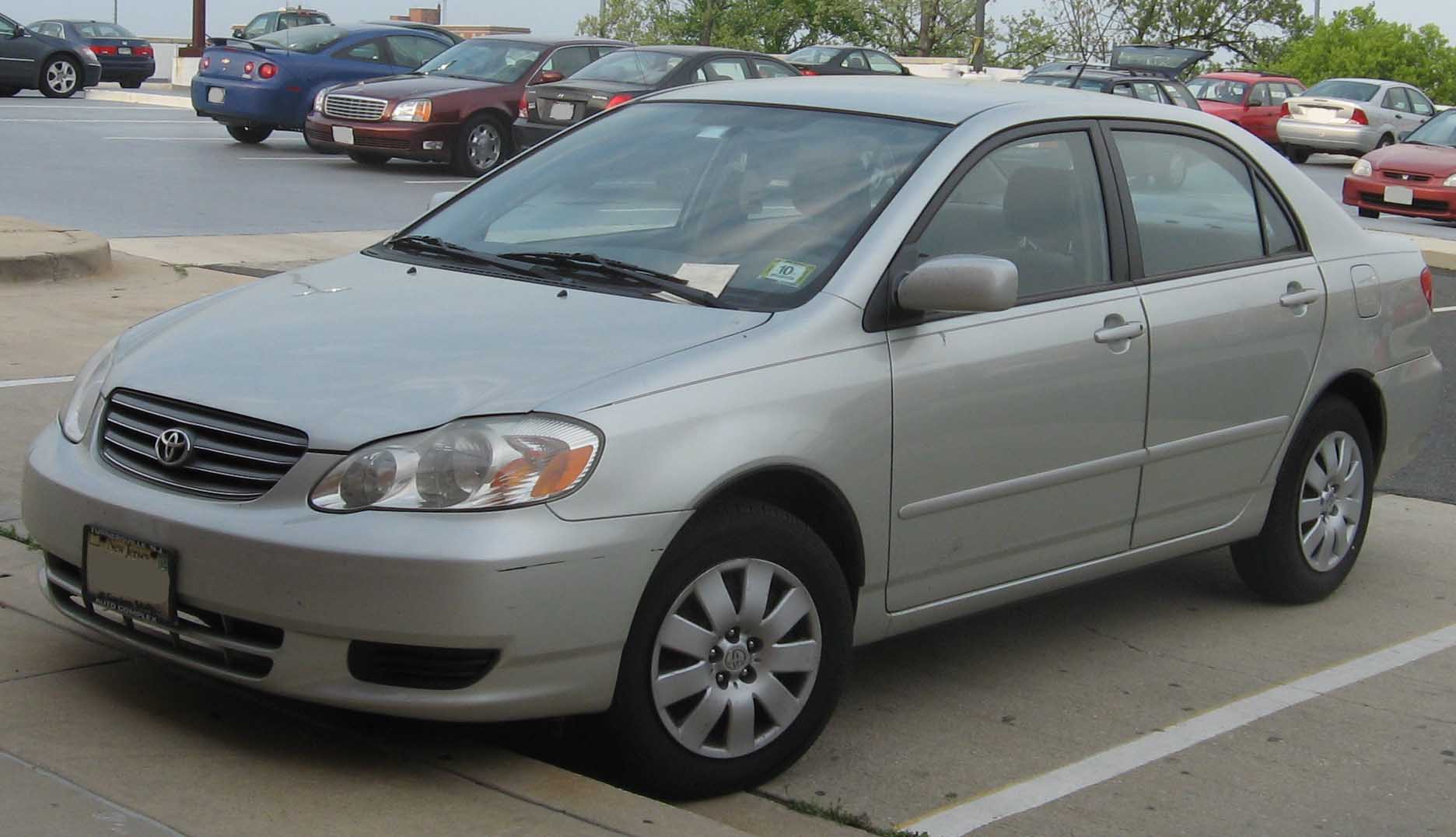
1. Toyota Corolla (2003–2019)
The Toyota Corolla is legendary for a reason. It’s one of the most reliable compact sedans on American roads, with many examples pushing past 250,000 miles.
But what makes it truly shine for budget-conscious owners is the abundance of cheap parts. From brake pads and alternators to timing belts and struts, components for older Corollas are plentiful and inexpensive.
Plus, most mechanics are intimately familiar with the platform, reducing labor costs as well.
The 2010 Toyota Corolla largely fulfills its purpose. However, competitors like the Honda Civic, Hyundai Elantra, and Mazda 3 offer similarly priced compact sedans that outperform it in several key areas and all carry equally strong, if not better, reputations for long-term reliability.
We’d also recommend considering the Mitsubishi Lancer, and the Honda Fit presents an especially compelling alternative, combining better cargo versatility with a more compact footprint.
Chances are, the Corolla will continue holding its title as the world’s best-selling automotive nameplate but that distinction doesn’t necessarily mean it’s the best compact sedan available.
Excluding the XRS trim, all 2010 Toyota Corollas are powered by a 1.8-liter four-cylinder engine producing 132 horsepower and 128 pound-feet of torque. A five-speed manual transmission with front-wheel drive is standard, while a four-speed automatic is available as an option.
According to EPA estimates, the manual version delivers 26 mpg in the city, 35 mpg on the highway, and 30 mpg combined. The automatic manages 27 mpg in the city. In testing, the 1.8-liter engine paired with the automatic achieved a 0–60 mph time of 10.1 seconds, which is roughly average for vehicles in this segment.
The XRS trim steps things up with a 2.4-liter engine that delivers 158 horsepower and 162 pound-feet of torque. It comes standard with a five-speed manual transmission, and a five-speed automatic is optional.
We recorded a 0–60 mph sprint of 9.1 seconds using the manual. However, this extra performance comes at a cost to fuel economy, with both transmission options returning a lower 22 mpg city, 30 mpg highway, and 25 mpg combined.
Also Read: 5 Models Depreciating Due to Reliability Issues vs 5 That Stay Valuable
2. Honda Civic (2006–2015)
Another compact mainstay, the Honda Civic blends sporty feel with rock-solid longevity. Owners often rave about how long their Civics last, with minimal major repairs.
The Civic also benefits from mass production and a huge aftermarket, which keeps parts costs low.
Whether it’s a radiator, starter, or even a full exhaust, parts are easy to source and cheap especially for eighth- and ninth-generation models.
The current generation of the Civic made its debut for the 2006 model year, and we’ve remained quite impressed with it. While some of the styling cues may strike drivers as unconventional, like the minivan-esque windshield, stubby front end, and the dual-tiered instrument cluster blending digital and analog displays, the car’s strengths far outweigh these design oddities.
Its solid build quality, engaging handling, longstanding reputation for reliability, and excellent fuel economy more than compensate. In fact, some buyers may even view these quirky design choices as part of the Civic’s charm.
Regardless of which version you choose, the Civic continues to deliver on Honda’s hallmark qualities: comfort, high overall quality, and strong safety credentials.
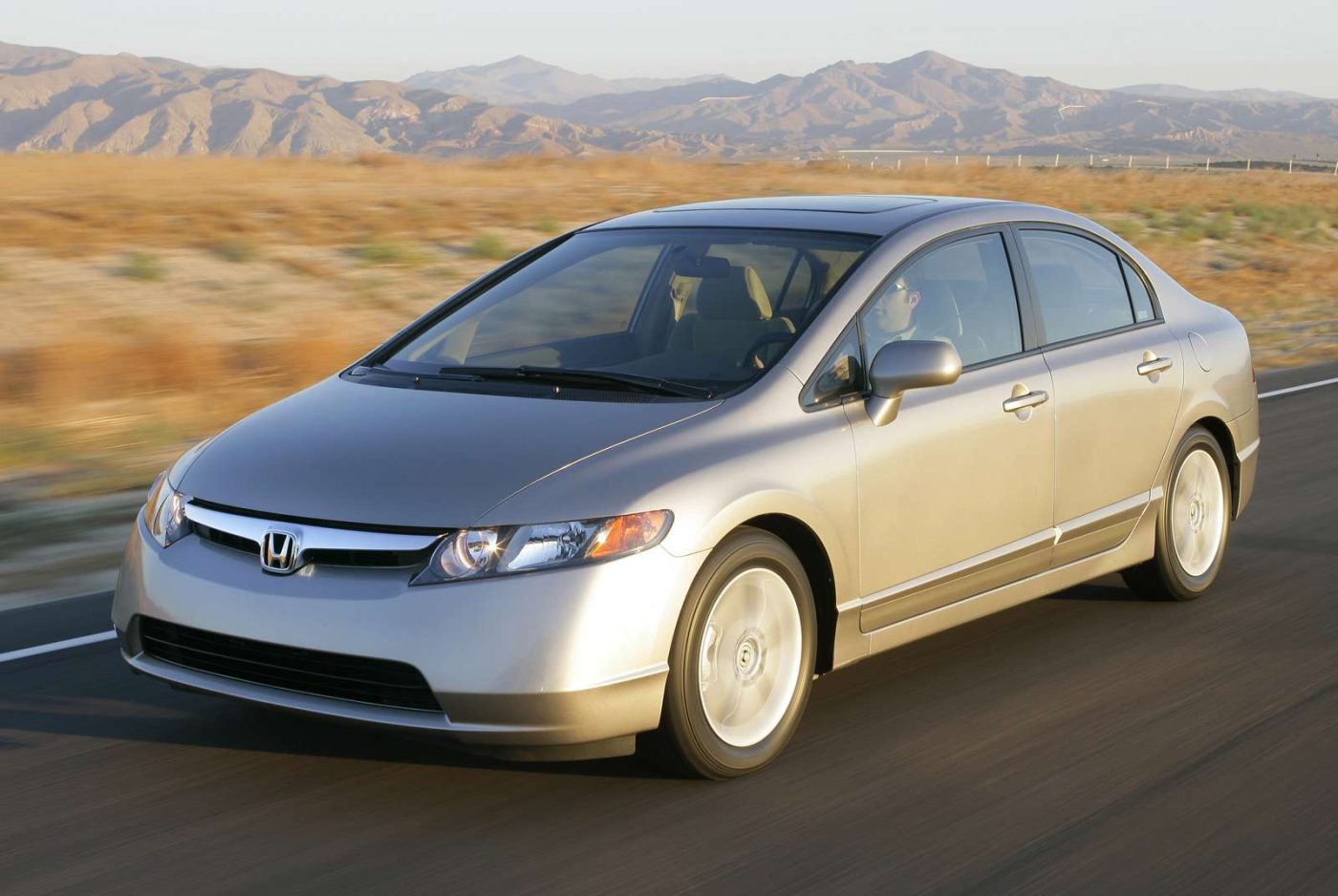
We do recommend comparing it to some of its top rivals—the agile Mazda 3, budget-friendly Hyundai Elantra, and well-rounded Volkswagen Rabbit/Jetta all deserve a look—but the 2009 Honda Civic remains a top-tier choice for anyone seeking a compact sedan or coupe.
Power is sent to the front wheels through either a standard five-speed manual transmission or an optional five-speed automatic. In performance testing, a Civic sedan equipped with the automatic transmission posted a 0–60 mph time of 9.6 seconds, typical for the segment.
The Civic GX also uses a 1.8-liter engine, though it runs on compressed natural gas and generates 113 horsepower.
While its range is limited to about 200 miles per fill-up, Honda’s Phill home refueling device allows for convenient overnight top-ups in your garage. The GX also holds the title of America’s cleanest mass-produced vehicle when it comes to tailpipe emissions.
For those focused on maximum efficiency, the 2009 Civic Hybrid pairs a 1.3-liter four-cylinder engine with an electric motor and a continuously variable transmission (CVT), producing a combined output of 110 horsepower.
On the performance end of the spectrum, the Civic Si gets a 2.0-liter engine rated at 197 horsepower, paired with a unique six-speed manual transmission and a performance-tuned limited-slip front differential. The Civic Si sprints from zero to 60 mph in just 7.1 seconds.
3. Ford Crown Victoria (1998–2011)
The go-to for police departments and taxi fleets, the Ford Crown Victoria was built for abuse. Its Panther platform, rear-wheel-drive layout, and robust 4.6L V8 engine have earned it cult status. But even better?
Replacement parts whether OEM or aftermarket are cheap and easy to find thanks to the car’s long production run and heavy fleet usage.
It’s one of the best examples of a full-size American sedan that can take a beating and keep going without draining your wallet.
These days, the Ford Crown Victoria and its Mercury Grand Marquis sibling offer significantly more value than many of the compact and midsize cars found at your local auto mall.
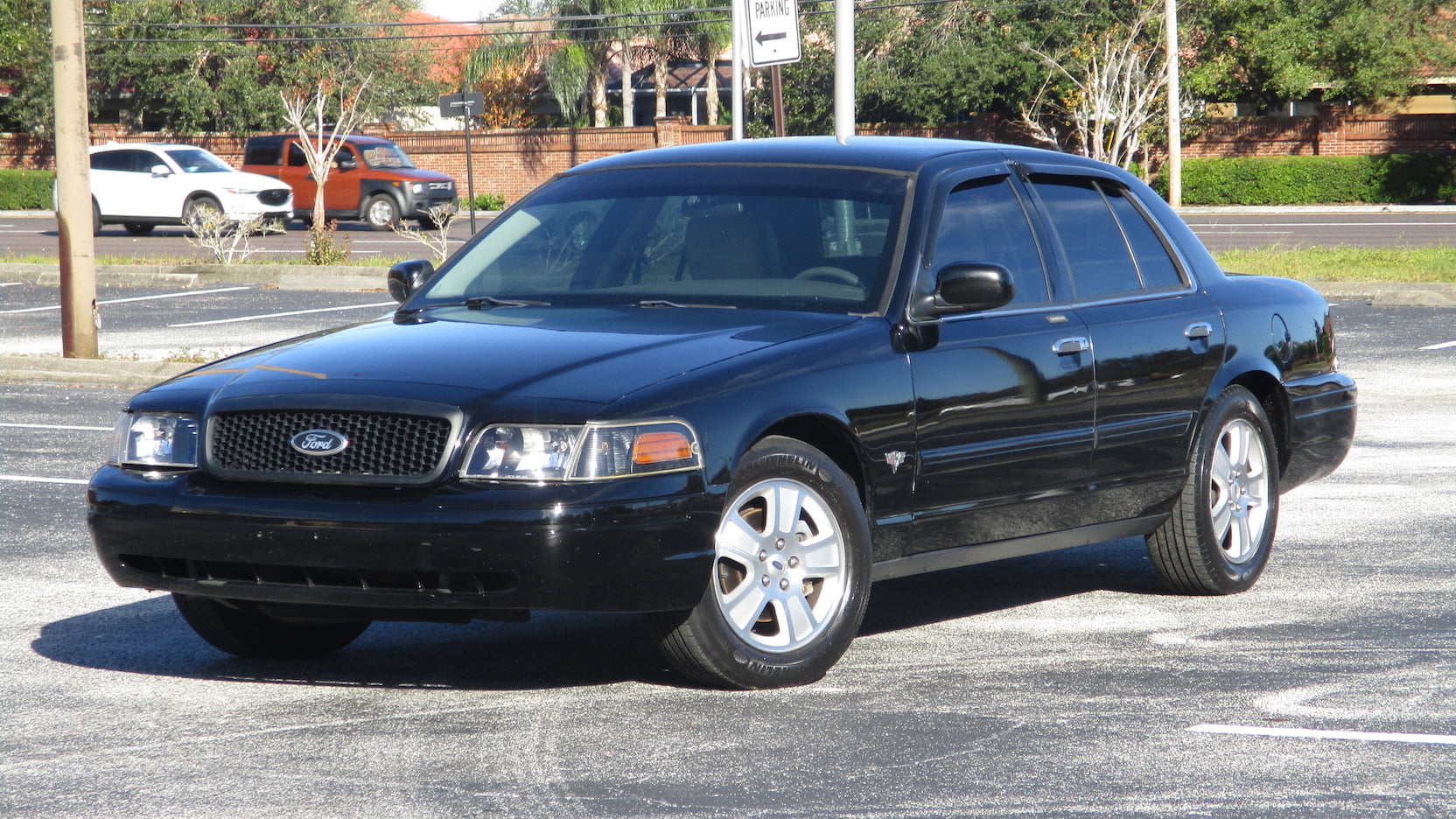
The Crown Victoria, which accommodates five or six passengers, is available in two trims: a basic model and the more upscale LX. Both share a comparable level of standard equipment, but features such as automatic climate control and leather seats are exclusive to the LX variant.
For 2001, both trims receive subtle interior upgrades. These include new front-door map pockets, a repositioned digital clock, redesigned switches for the power mirrors, traction control, and headlights, along with an updated horn system.
Perhaps the most notable improvement is the availability of adjustable brake and gas pedals, which can move up to 3 inches closer to the driver, enhancing comfort and allowing shorter drivers to maintain a safer distance from the steering wheel-mounted airbag.
The Crown Victoria has never been lacking in straight-line performance, unsurprising, given its extensive use in law enforcement fleets. For 2001, Ford has increased the output of its 4.6-liter V8 to 220 horsepower and 265 pound-feet of torque. The sole transmission offering remains a four-speed automatic.
Also Read: 5 Best-Sellers That Deserve Their Popularity vs 5 That Surprise With Reliability Issues
4. Mazda3 (2010–2018)
Mazda’s compact offering is often overlooked, but it delivers in both reliability and affordability. These models are known for being surprisingly fun to drive while also holding up well over the long term.
Parts like control arms, wheel bearings, and ignition coils are inexpensive and don’t require specialty tools to replace.
Additionally, Mazda shares some parts with Ford from their partnership years, which helps with cost and availability.
The 2014 Mazda 3 ushers in the third generation of this popular compact car. In reimagining the model, Mazda focused on retaining the core qualities that have long defined the 3, its everyday usability, the availability of both sedan and hatchback variants, and its engaging, fun-to-drive character, while also pushing for greater overall refinement.
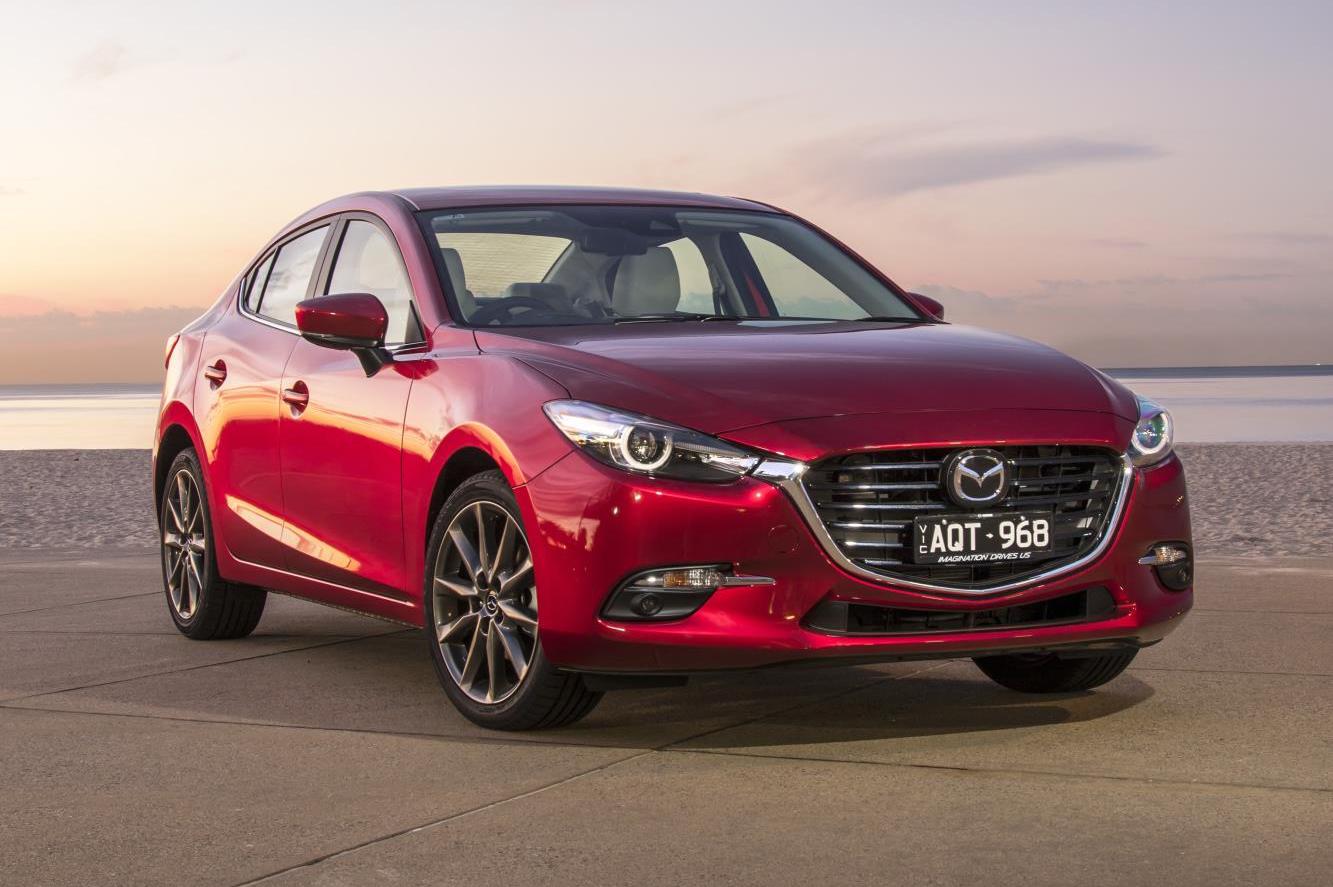
Judging by the result, Mazda seems to have succeeded. This latest Mazda 3 shares the same new lightweight chassis as the CX-5 crossover and the midsize Mazda 6, and rides on a wheelbase that’s 2.4 inches longer than the previous generation.
The new model is also slightly wider and lower, contributing to a more athletic stance. Perhaps most noticeably, the 2014 version adopts Mazda’s bold new grille design, ditching the previous generation’s “smiling Nemo” front fascia. Truth be told, we don’t think anyone will miss it.
Under the hood, the 2014 Mazda 3 carries over familiar powertrains. The base engine remains the updated 2.0-liter four-cylinder that Mazda introduced a few years earlier.
5. Toyota Camry (2002–2017)
The Camry is the gold standard for American midsize sedans when it comes to longevity. With millions sold, parts are not only easy to find they’re downright cheap.
Basic maintenance items like filters, spark plugs, and brake components cost very little, and major components like transmissions are relatively affordable on the used market.
If you want a car that shrugs off mileage and keeps repair bills low, the Camry remains a top pick.
While SUV trends come and go, the Toyota Camry has consistently remained a favorite among American consumers over the last decade. That consistency isn’t a fluke, it’s rooted in the Camry’s unwavering commitment to being a top-tier family sedan.
While it may not be flawless, the current Camry excels in the areas most mainstream buyers prioritize: it’s spacious, comfortable, safe, and exceptionally easy to live with. And when it’s time to part ways, it tends to hold its value well.
The 2008 Toyota Camry is now in the second year of its sixth-generation design. Though still classified as a midsize sedan, this version is the largest Camry to date, and that becomes obvious the moment you step inside.
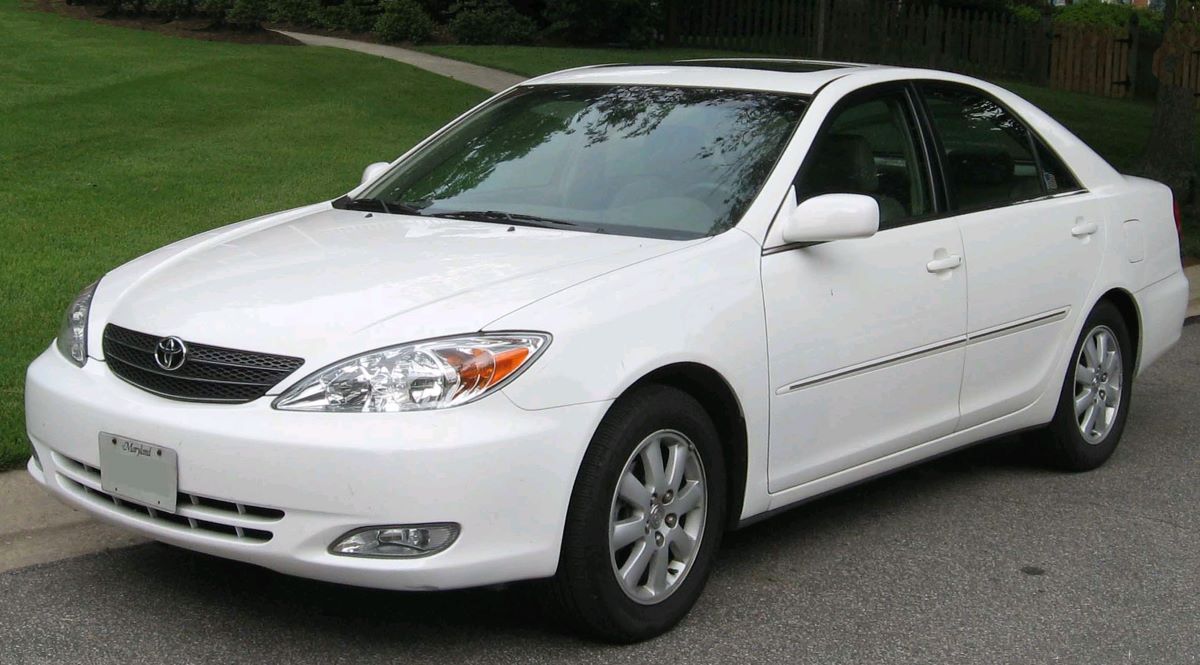
There’s generous headroom, shoulder room, hiproom, and legroom in both front and rear seats. It’s also the most powerful Camry ever offered.
The optional 3.5-liter V6 churns out 268 horsepower and is paired with a slick six-speed automatic transmission that can send the car from zero to 60 mph in just 6.5 seconds, matching the pace of some sportier sedans and coupes. Even more impressive, it manages to deliver fuel economy not far behind that of the base four-cylinder version.
Despite the performance improvements, speed and athleticism still aren’t the Camry’s calling cards. What buyers are more likely to appreciate is how effortlessly it merges and passes, and how calmly it absorbs bumps and road imperfections.
The current model handles better than any Camry before it, but its true potential is somewhat muted by comfort-oriented tires and limited steering feel. Drivers in search of a sportier midsize experience will still be better served by alternatives like the Mazda 6, Nissan Altima, or Subaru Legacy.
For most shoppers, though, the primary sticking point with the Camry isn’t its lack of excitement, it’s the price. When well-equipped, the Camry often ends up costing more than many of its midsize competitors.
That can be hard to justify when strong alternatives like the Chevrolet Malibu, Ford Fusion, and Hyundai Sonata come packed with features at lower prices. Further complicating matters for Toyota is the newly redesigned Honda Accord.
While the Accord may let in more road noise on the highway, it clearly outshines the Camry when it comes to driver engagement and cabin quality. With so many excellent options in the midsize category, it’s smart to test drive several before settling automatically on the 2008 Toyota Camry.
All trims of the 2008 Camry come standard with a 2.4-liter four-cylinder engine generating 158 horsepower and 161 pound-feet of torque. However, in California and a few Northeastern states, it meets the stricter Partial Zero Emissions Vehicle (PZEV) standard, with slightly reduced output at 155 hp and 158 lb-ft.
Buyers can choose between a five-speed manual or a five-speed automatic transmission, though note that the XLE trim with the four-cylinder engine is only available with the automatic. Fuel economy for both transmissions is rated at 21 mpg in the city and 31 mpg on the highway.
6. Chevrolet Impala (2006–2016)
The Chevy Impala is another full-size American sedan with wide parts availability and good long-term reliability.
Whether you’re replacing suspension bushings or water pumps, the cost is almost always on the low side.
The 3.5L and 3.6L V6 engines in these models are relatively simple and well-understood by mechanics nationwide, making the Impala a practical choice for budget-minded drivers needing a larger vehicle.
The 2009 Chevrolet Impala continues a legacy of over 50 years of full-size American sedans, though it’s naturally evolved over time. With seating for six, a large trunk, respectable performance, and a ride that’s smooth and quiet, the Impala continues to resonate with a broad range of buyers.
It’s consistently one of the top-10 best-selling vehicles in the U.S. market. Historically, this staple of Chevy’s lineup was often knocked for its uninspired design and interior materials that felt like they belonged in a toy store.
A few years back, Chevrolet made efforts to address both criticisms, with somewhat mixed outcomes. While the design has been toned down to a more tasteful, understated look, the cabin, particularly in lower trims, still lags behind the competition in terms of quality.
For the 2009 model year, Chevrolet enhances the value proposition of the Impala’s lower trims by making several features standard, including dual-zone climate control, front-seat side airbags, antilock disc brakes, and traction control.
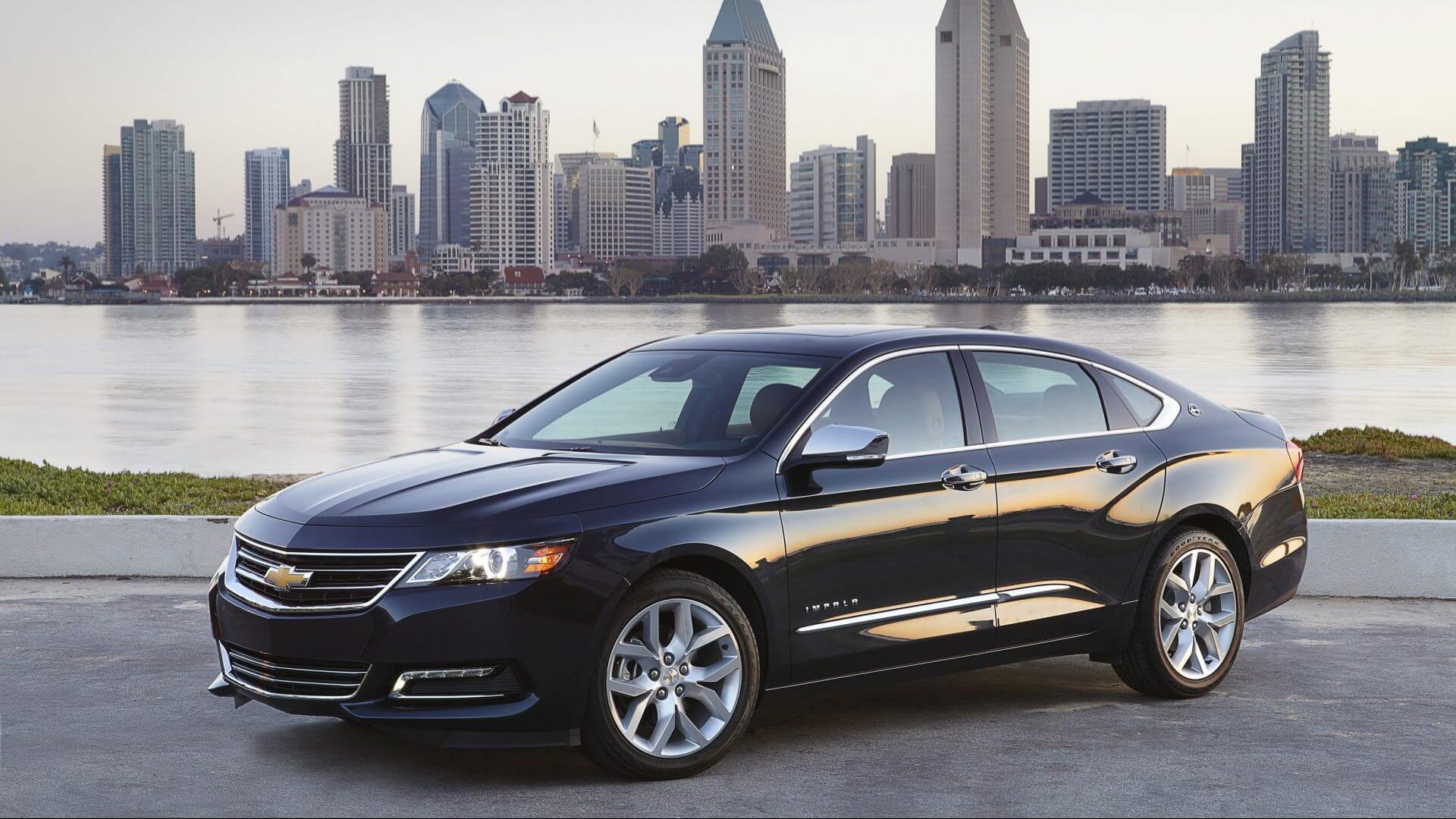
Additional strong points for the Impala include two V6 engine choices that strike a solid balance between performance and fuel economy, along with the option of the SS model, which adds the punch of a V8 engine and a sport-tuned suspension for those seeking more excitement behind the wheel.
While the 2009 Impala offers a generally well-rounded package, there are areas where competitors come out ahead. The Toyota Avalon delivers a more premium experience, and the Ford Taurus provides superior interior and cargo space.
Rear-wheel-drive alternatives like the Chrysler 300, Dodge Charger, and Pontiac G8 deliver sharper handling and more compelling style. The Hyundai Azera strikes a stronger balance between comfort and value.
Additionally, most of these rivals feature interiors that are better finished than the Impala’s. Still, with its established reputation for spacious, comfortable, fuel-efficient, and dependable transportation, it’s easy to understand why the Impala continues to be such a strong seller.
7. Hyundai Elantra (2011–2018)
Hyundai’s quality has steadily improved over the past two decades, and the Elantra is a prime example. Modern Elantras are reliable, fuel-efficient, and surprisingly affordable to fix.
Hyundai’s growing U.S. presence means there’s better availability of parts than ever before, with prices that remain below many Japanese rivals.
It’s a smart buy for someone looking for a no-frills commuter that won’t rack up repair costs.
All 2013 Hyundai Elantra models are equipped with front-wheel drive and powered by a 1.8-liter four-cylinder engine that delivers 148 horsepower and 131 pound-feet of torque.
In states following California emissions regulations, the Elantra features a partial zero-emissions vehicle (PZEV) variant of this engine, which slightly reduces output to 145 horsepower and 130 lb-ft of torque.
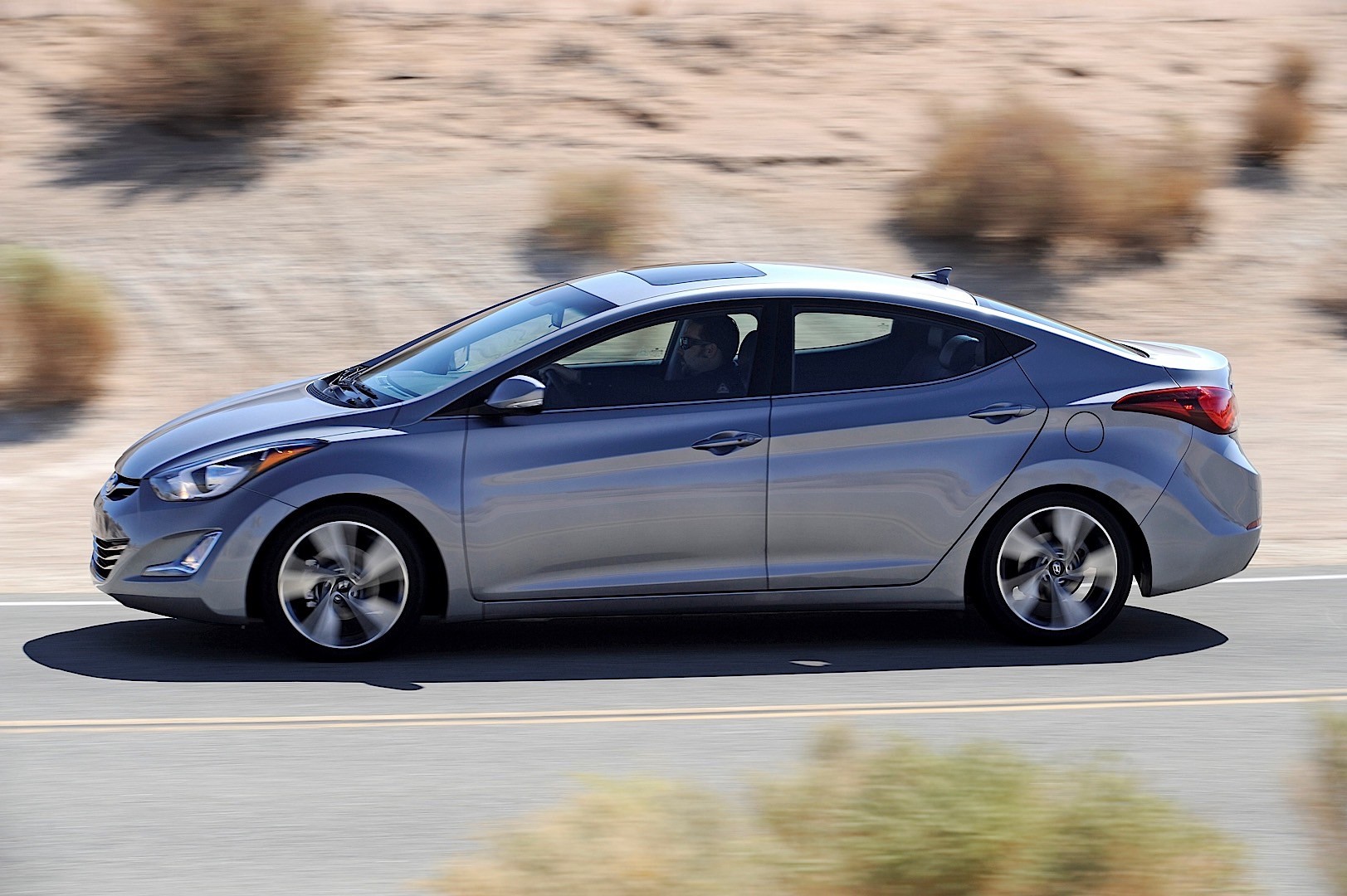
A six-speed manual transmission comes standard, while a six-speed automatic is available on most trims, though the Limited sedan includes the automatic as standard equipment.
During Edmunds’ performance testing of an Elantra Limited sedan with the non-PZEV engine, the car accelerated from zero to 60 mph in 9.4 seconds, which is a bit below average for the segment.
According to EPA estimates, both transmission options return identical fuel economy figures: 29 mpg in the city, 40 mpg on the highway, and 33 mpg combined. However, based on our real-world experience, the Elantra has difficulty consistently reaching its EPA-rated highway mileage during everyday driving.
8. Subaru Outback (2005–2014)
The Subaru Outback offers AWD capability and a roomy interior, making it a favorite in snow-prone U.S. regions.
While Subarus can sometimes have quirks like head gasket issues in older models the Outback still earns a spot thanks to its rugged nature and reasonable repair costs.
Used engines, CV axles, and suspension parts are readily available and relatively cheap, and Subaru’s loyal fanbase helps support a strong aftermarket for even cheaper fixes.
While the Subaru Outback was once a standout alternative to traditional SUVs, it began to lose ground as automakers flooded the market with softer, more family-friendly crossover SUVs.
By the early 2000s, Subaru’s tough wagon found itself surrounded by a new wave of car-based SUVs that could match its capabilities while offering more space for families on the grow.
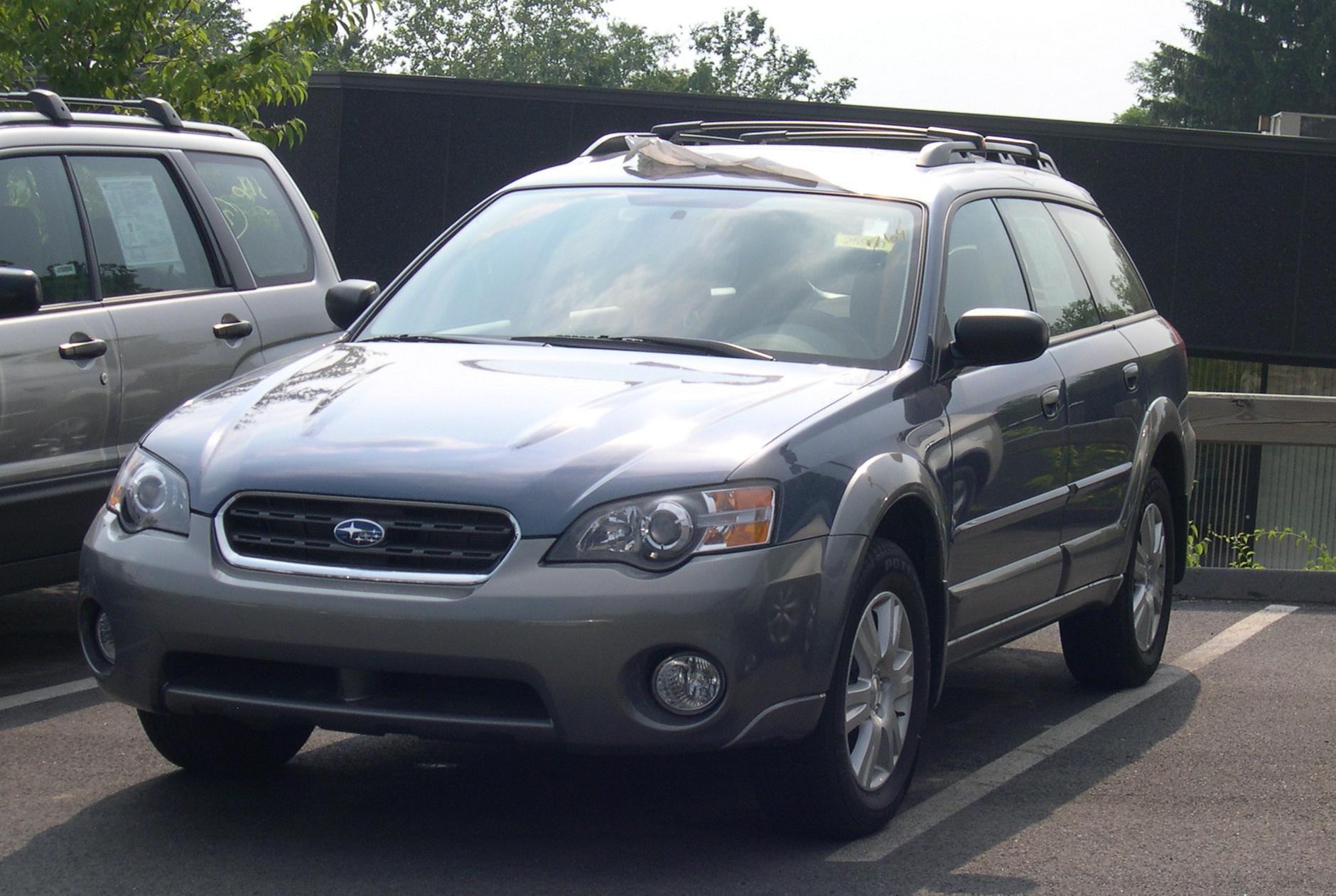
In response, Subaru gave the Outback a full redesign for 2005, trimming it down, beefing it up under the hood, and giving it a sharper, more modern style.
For 2005, the Outback, like its Legacy siblingadopts a sleeker, more angular appearance. It stands out further with a more assertive front grille, raised hood strakes, and in wagon form, dark-tinted rear glass.
Subaru also moved away from the original Outback’s rugged “trailhead-ready” aesthetic by ditching the white-letter tires in favor of cleaner black-letter sidewalls across the lineup.
Despite the more refined look, this year’s Outback is tougher than ever. Ground clearance now ranges from 8.4 to 8.7 inches depending on the trim, an upgrade from the previous max of 7.9 inches.
9. Nissan Sentra (2007–2017)
While Nissan has had mixed results with CVTs in recent years, earlier Sentras (especially with traditional automatics or manuals) tend to be extremely durable.
With production spanning over a decade and millions sold in the U.S., parts are widely available at low prices.
This includes everything from alternators to wheel hubs. Plus, the car’s simple design makes it DIY-friendly for budget-conscious owners.
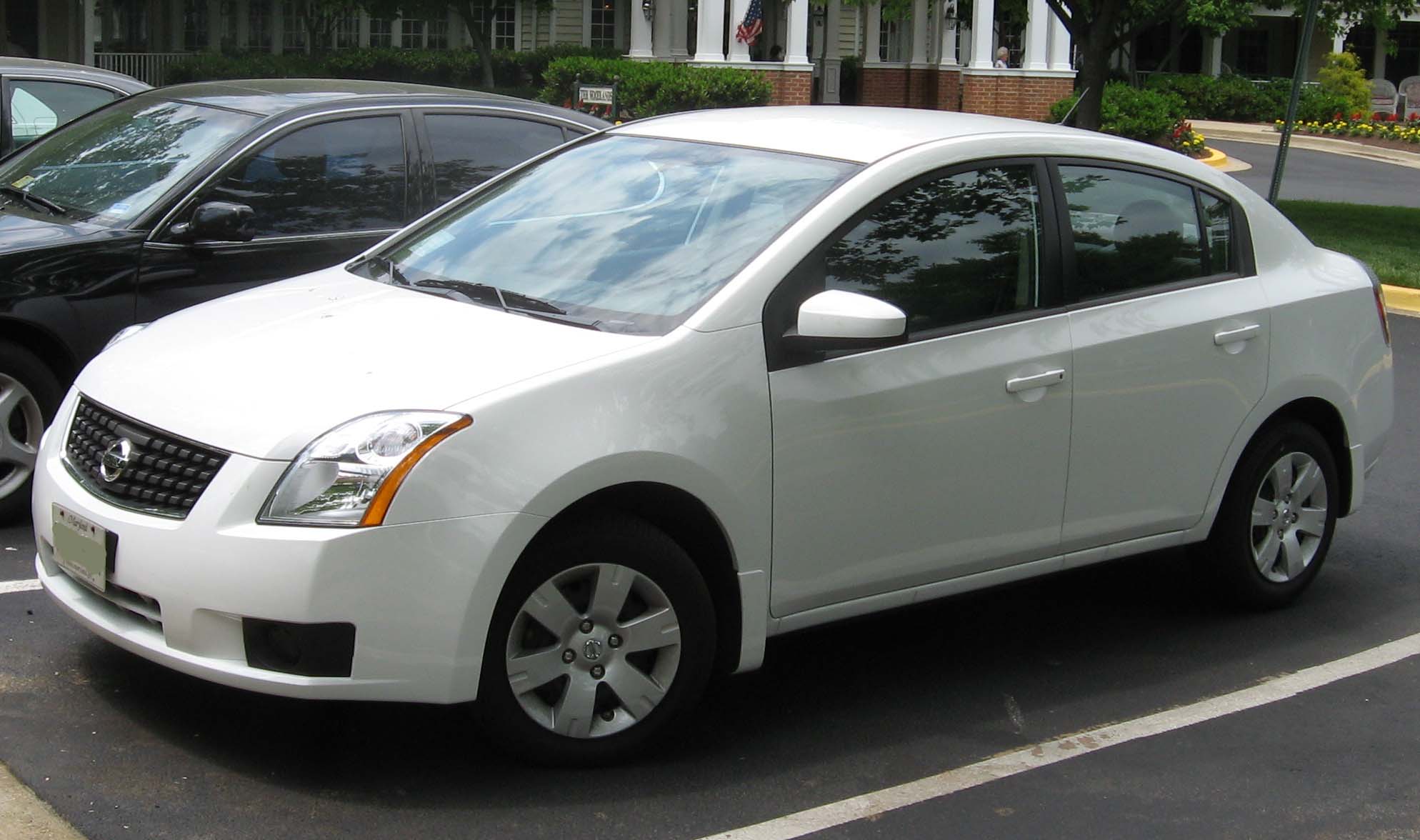
The 2009 Nissan Sentra receives several updates, including a redesigned trunk lid, new cloth seat upholstery, standard automatic door locks, MP3 playback capability, and a newly available premium package for the 2.0 SL trim.
As the model year progresses, the “FE+” designation is added to all Sentras, excluding the manual-transmission 2.0 S and both SE-R variants.
Standing for “Fuel Economy Plus,” this label indicates a 1-mpg improvement in fuel efficiency, achieved through a minor engine computer adjustment. Additionally, a new “SR” trim makes a late arrival. It’s essentially an FE+ 2.0 S enhanced with an SE-R-style body kit and 16-inch alloy wheels, bundled in at no extra cost.
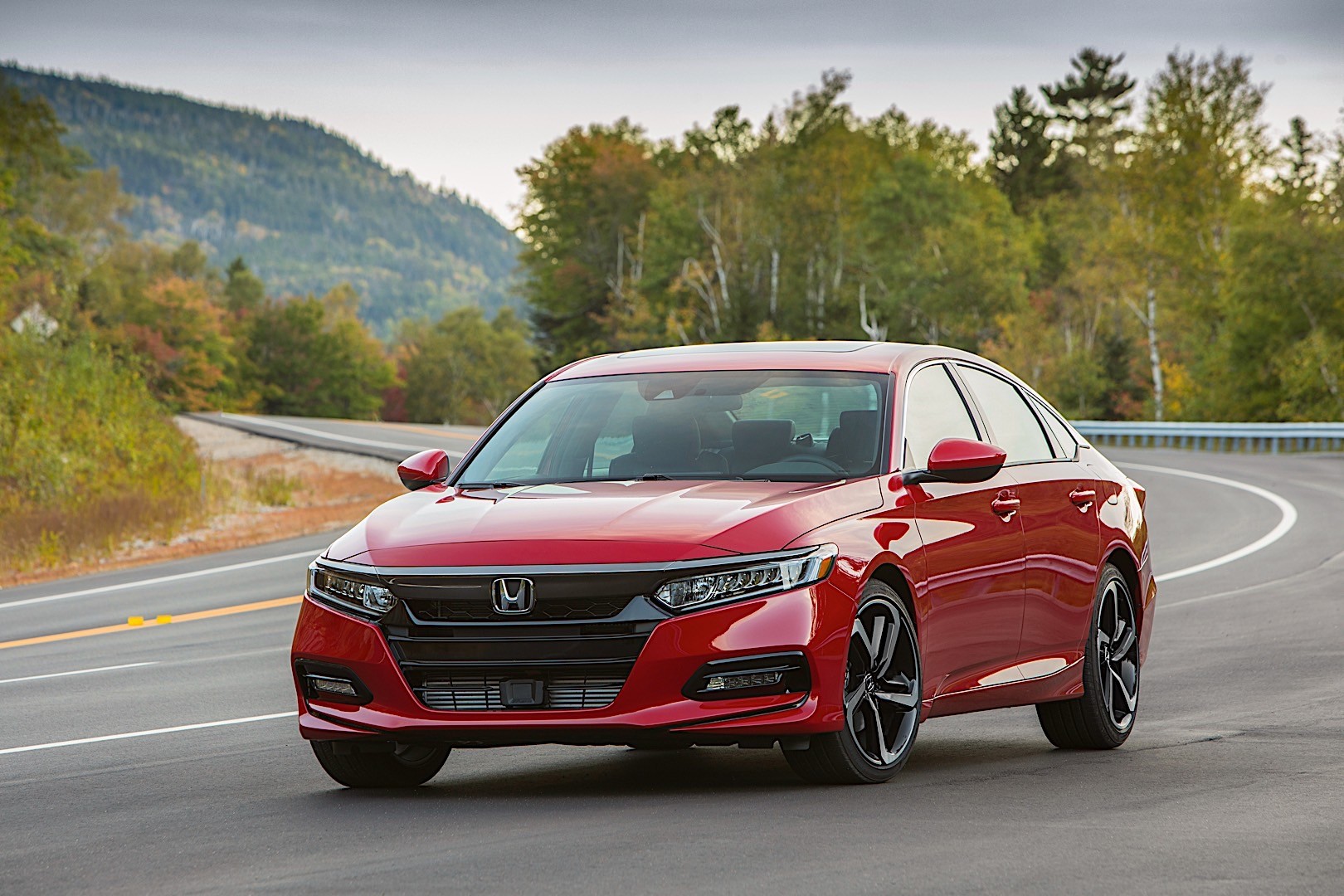
10. Honda Accord (2003–2017)
No list would be complete without the Accord. These midsize sedans consistently top reliability charts and are built with long-term use in mind.
Their engines and transmissions are some of the most robust in the segment. But it’s not just longevity the Accord also benefits from cheap, interchangeable parts and a massive network of salvage yards and aftermarket suppliers.
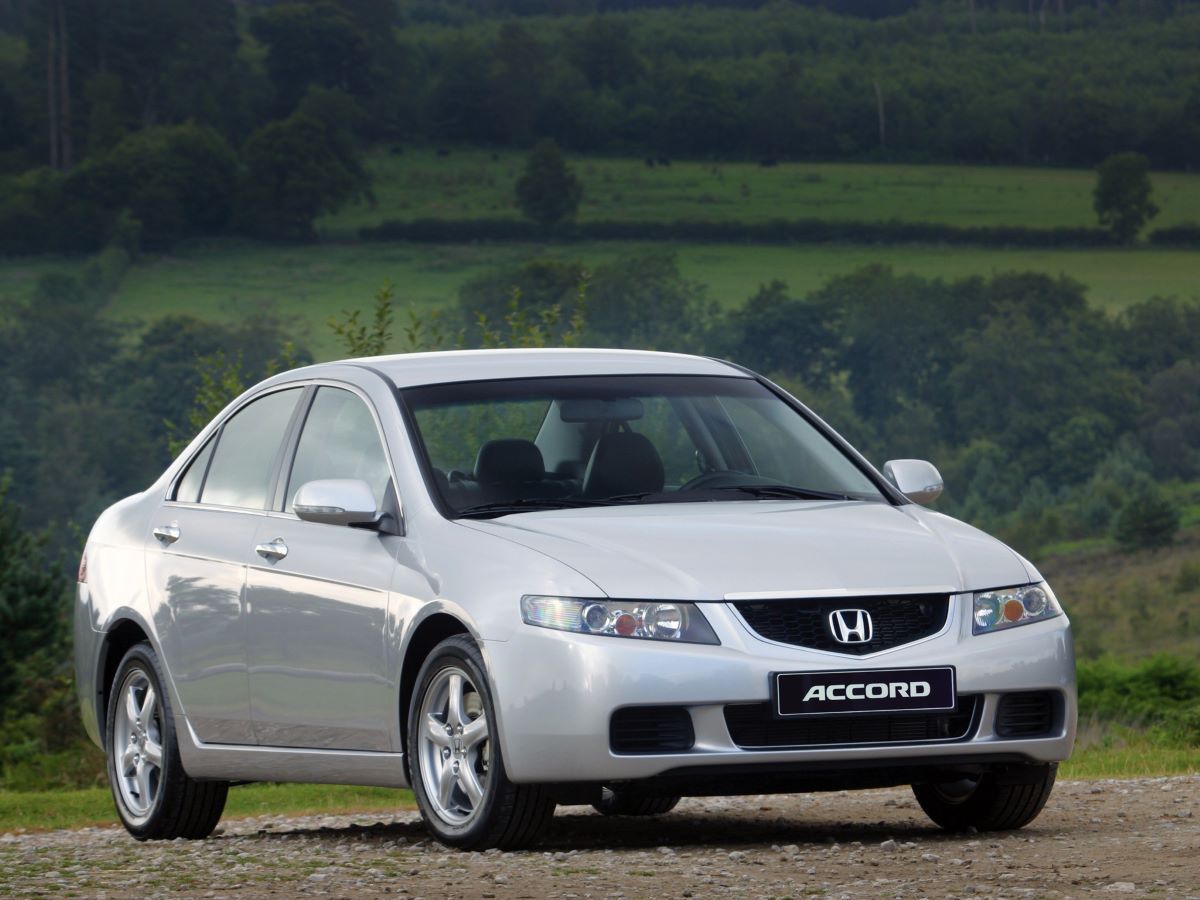
Even major repairs can often be done for less than you’d expect, making this a true long-term bargain.
Since the Honda Accord underwent a full redesign for the 2003 model year, only a handful of updates appear for 2004. Side curtain airbags are now available on four-cylinder EX models, standard if equipped with leather, and optional for those with cloth interiors.
All EX trims, whether four- or six-cylinder, that include leather seating now come standard with XM Satellite Radio, which includes a three-month trial subscription. Like every Honda vehicle for 2004, the Accord also gains a standard seatbelt reminder system.
In an era where the average repair bill can hit hundreds or even thousands of dollars, choosing a car with cheap parts and proven longevity can make all the difference.
The models listed above are not only durable but also supported by strong parts networks, keeping ownership costs low.
Whether you’re a college student on a tight budget or just want a no-hassle daily driver, these cars represent some of the best options on American roads for lasting value.