
Automotive design has always been a fascinating blend of artistry, engineering, and the pursuit of innovation.
Some cars manage to leave a permanent mark, their appearance celebrated for decades, while others quickly lose their appeal, looking dated just a short time after their debut.
What sets apart vehicles that remain iconic for generations from those whose style feels stuck in a particular era? The answer often lies in the delicate balance between visionary aesthetics and enduring practicality.
Manufacturers aim to impress with fresh looks and novel features, but striking the right chord between modernity and lasting appeal is not always easy.
Designs that withstand the passage of trends tend to resonate emotionally, offering universal proportions and details that never feel out of place. Meanwhile, some cars bank on novelty, pushing boundaries at the risk of losing relevance once tastes shift or technology advances.
This phenomenon extends beyond mere surface changes: it reflects broader cultural trends, evolving consumer preferences, and the shifting priorities of different eras.
By examining cars that have stood the test of time alongside those that have faded quickly from memory, we can better appreciate the qualities that underpin lasting success and recognize the pitfalls of chasing short-term trends at the expense of enduring value.
Also Read: 5 Trucks That Withstand Road Salt for Years and 5 That Rust After One Winter
5 Timeless Car Designs
Designs that stand the test of time are rare achievements in the automotive world. Certain cars continue to turn heads and inspire admiration no matter how much time has passed since their introduction.
These vehicles are not just relics of a particular period; they possess qualities that transcend fashion and fleeting trends.
Their layouts, proportions, and details form an identity so strong that enthusiasts and casual observers alike respect them, regardless of technological advances or changes in consumer preference.
Such cars set standards for styling and influence generations of new models, serving as reference points for designers aiming to create vehicles that outlast cycles of innovation and public opinion.
Often, their simplicity and cohesion remain relevant despite advancements in technology, while others become objects of desire for collectors because their appeal never wanes. These models highlight the power of great design, where form and function come together impeccably.
Choosing which vehicles deserve recognition for their enduring appeal is no easy task, but certain names repeatedly come up in design discussions.
Their stories show how the right blend of aesthetic restraint, cultural impact, and technical savvy can ensure that a car’s image never fades, no matter how much the industry evolves.
1. Porsche 911
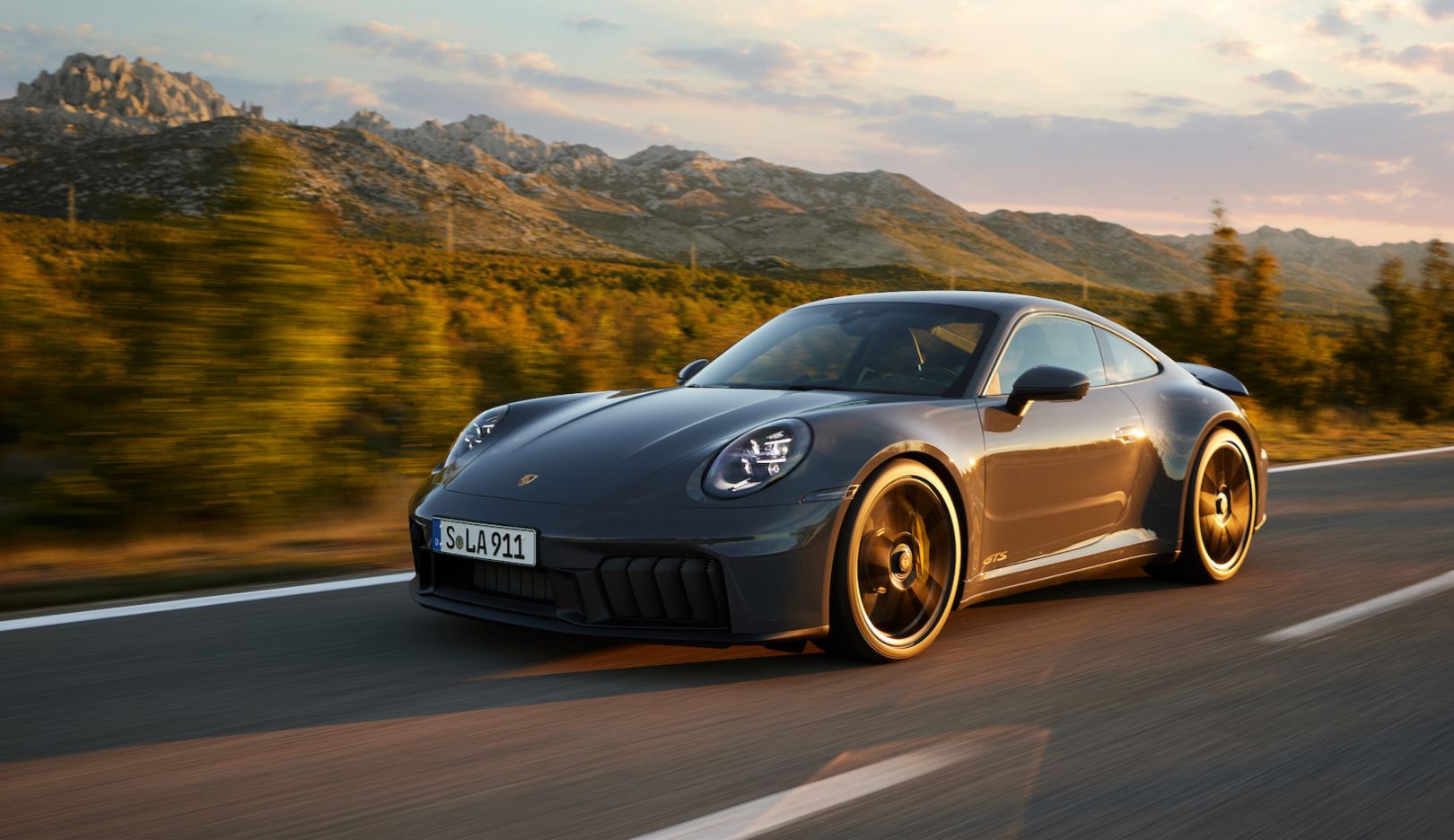
Few cars symbolize enduring automotive style as much as the Porsche 911. Introduced in 1964, the 911’s silhouette remains instantly recognizable to this day.
Its gently sloping roofline, round headlamps, and rear-mounted engine layout have barely changed through decades, illustrating that true design icons do not need radical updates to remain relevant.
What sets the 911 apart is its commitment to continuity. While Porsche has carefully refined the car for greater performance, comfort, and safety, the core design cues have stayed the same. This continuity has not limited the 911’s impact—it has, if anything, solidified its status.
Generations of enthusiasts see in the 911 a symbol of precision, balance, and performance that transcends trends or passing fashions. The model’s presence in both motorsports and everyday driving only enhances its mystique.
The reason for focusing on the 911 is that it demonstrates how restrained evolution can be a winning strategy. Designers have chosen to honor the original vision, adding modernity without erasing heritage.
This approach fosters a sense of trust and emotional connection, elevating the 911 from mere transportation to a cultural touchstone. Few vehicles enjoy a design legacy so consistently celebrated, making the 911 a prime example of why some cars never go out of style.
2. Jaguar E-Type
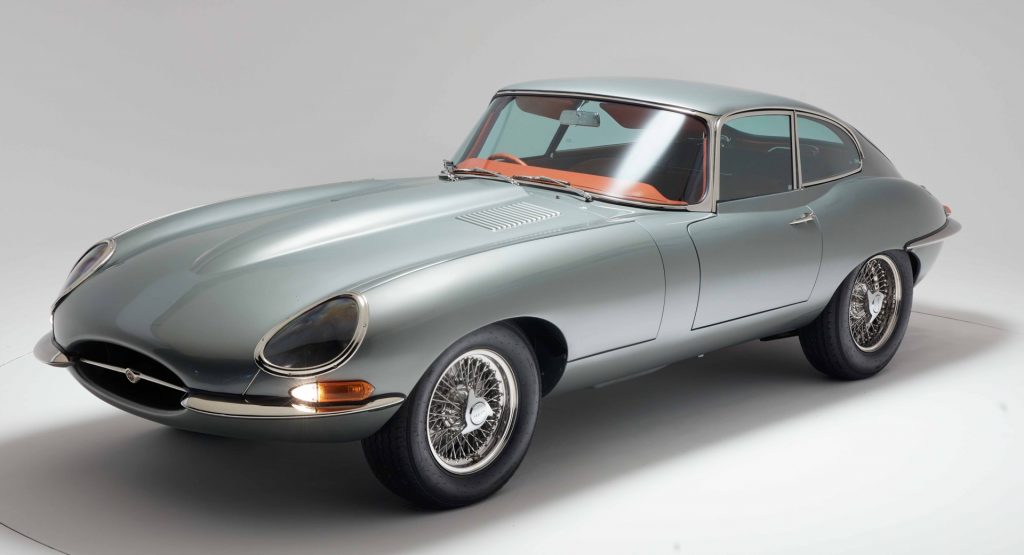
The Jaguar E-Type, first introduced in 1961, remains a striking example of automotive allure that transcends its era. Its elongated hood, curvaceous bodywork, and minimalist chrome accents set new standards for the aesthetics and proportions of sports cars.
When unveiled, Enzo Ferrari reportedly called it “the most beautiful car ever made.” This praise still resonates today, as the E-Type continues to impress collectors and designers alike.
The E-Type’s visual impact stems from its harmonious combination of elegance and athleticism. Unlike many contemporaries, its design refuses to age because it does not chase extravagance.
Instead, it relies on graceful lines, a low stance, and refined details that feel just as fresh in the twenty-first century as they did at launch.
Its proportions not only evoke speed and excitement but also embody a kind of sophistication that few cars have ever matched.
The reason for highlighting the E-Type is its role as a benchmark for beauty in car design. Its influence appears in numerous modern vehicles, and it continues to serve as a point of reference in motoring culture.
What keeps the E-Type relevant isn’t just nostalgia; it’s the universal language of design purity and proportion.
This car speaks to the human preference for balance and grace, showing how thoughtful form can turn a product into a timeless icon. That enduring appeal makes the E-Type more than just a classic, it’s a piece of enduring art.
3. Mercedes-Benz 300SL Gullwing
Every so often, an automobile appears that not only astounds its contemporaries but also leaves a legacy that future generations aspire to capture. The Mercedes-Benz 300SL Gullwing, launched in 1954, is one such car.
Instantly recognizable by its upward-opening doors and sleek aerodynamic silhouette, the 300SL manages to look futuristic even decades after its debut.
Its appeal lies not just in its engineering marvels, though it was one of the earliest cars to feature fuel injection and boasted impressive performance, but also in how its design perfectly balanced innovation with luxury.
The Gullwing’s long hood, short rear deck, and dramatic doors were both solutions to engineering constraints and statements of style, combining function and beauty in seamless harmony.
Discussing the 300SL Gullwing is fitting because of its enduring influence on both the Mercedes-Benz brand and automotive design at large. It remains a symbol of exclusivity, sophistication, and advanced thinking.
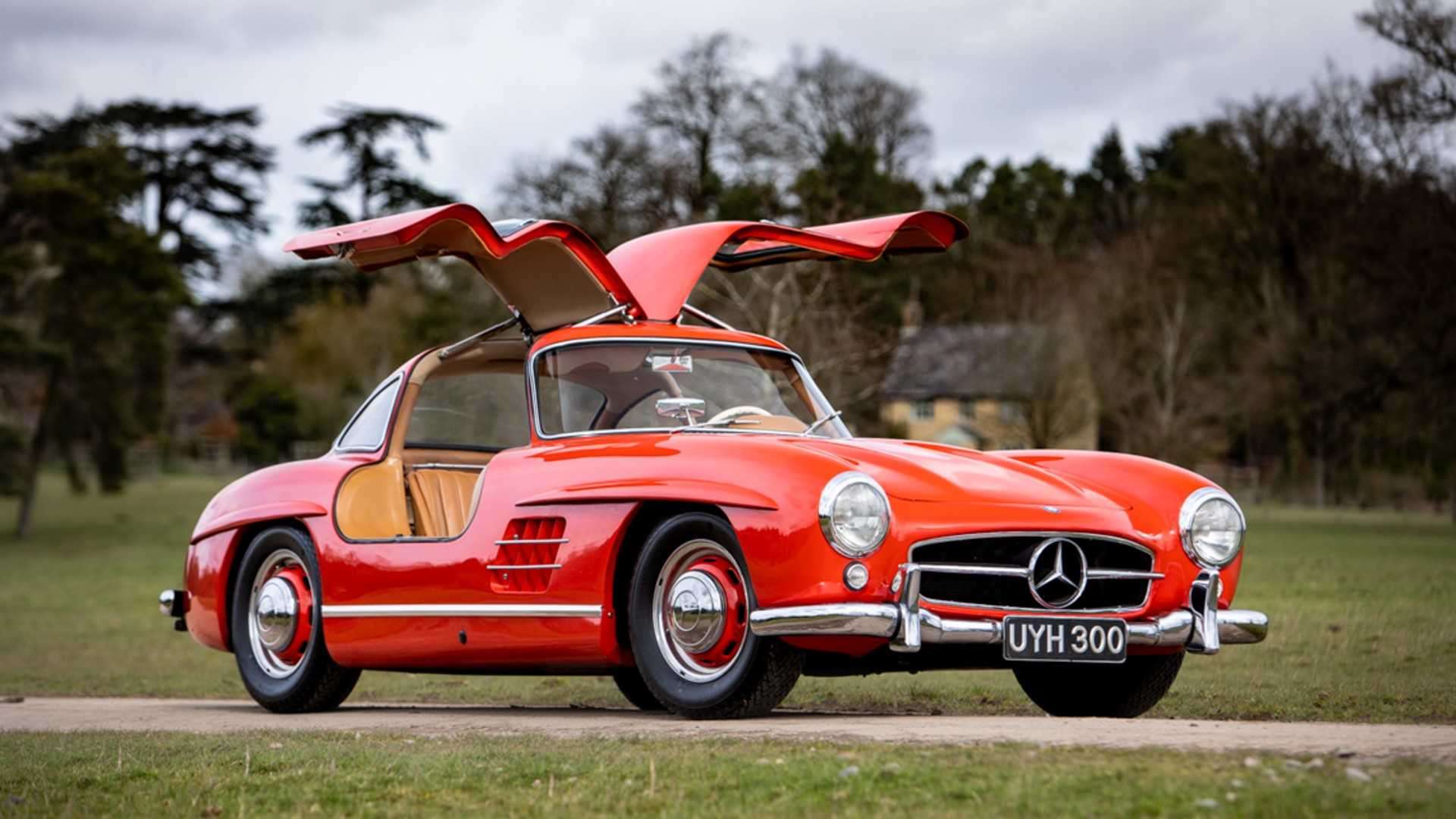
Collectors cherish it, brands reference it, and the car continues to win concours awards around the globe. The lasting power of the 300SL Gullwing stems from its refusal to be boxed in by era-specific trends, relying instead on pure, confident design choices.
By emphasizing ingenuity without excess, it stands as a testament to the fact that genuine originality and elegance can endure far beyond their own time.
4. Aston Martin DB5
Few vehicles evoke the notion of timeless style quite like the Aston Martin DB5. First released in 1963, this model quickly garnered fame not only for its elegant profile but also for its starring role alongside James Bond.
Its restrained, flowing lines, signature grille, and understated chrome accents create a look that remains universally admired. The DB5 avoids the excesses common to many of its contemporaries—instead, it relies on proportion, subtlety, and harmony.
A significant part of the DB5’s enduring appeal lies in its balance of sportiness and refinement. The car’s silhouette exudes both the promise of performance and the assurance of luxury.
Designers succeeded by not overcomplicating the visual formula, allowing the car’s inherent grace to speak for itself. Its unadorned surfaces and precisely crafted details demonstrate a philosophy rooted in sophistication without bravado.
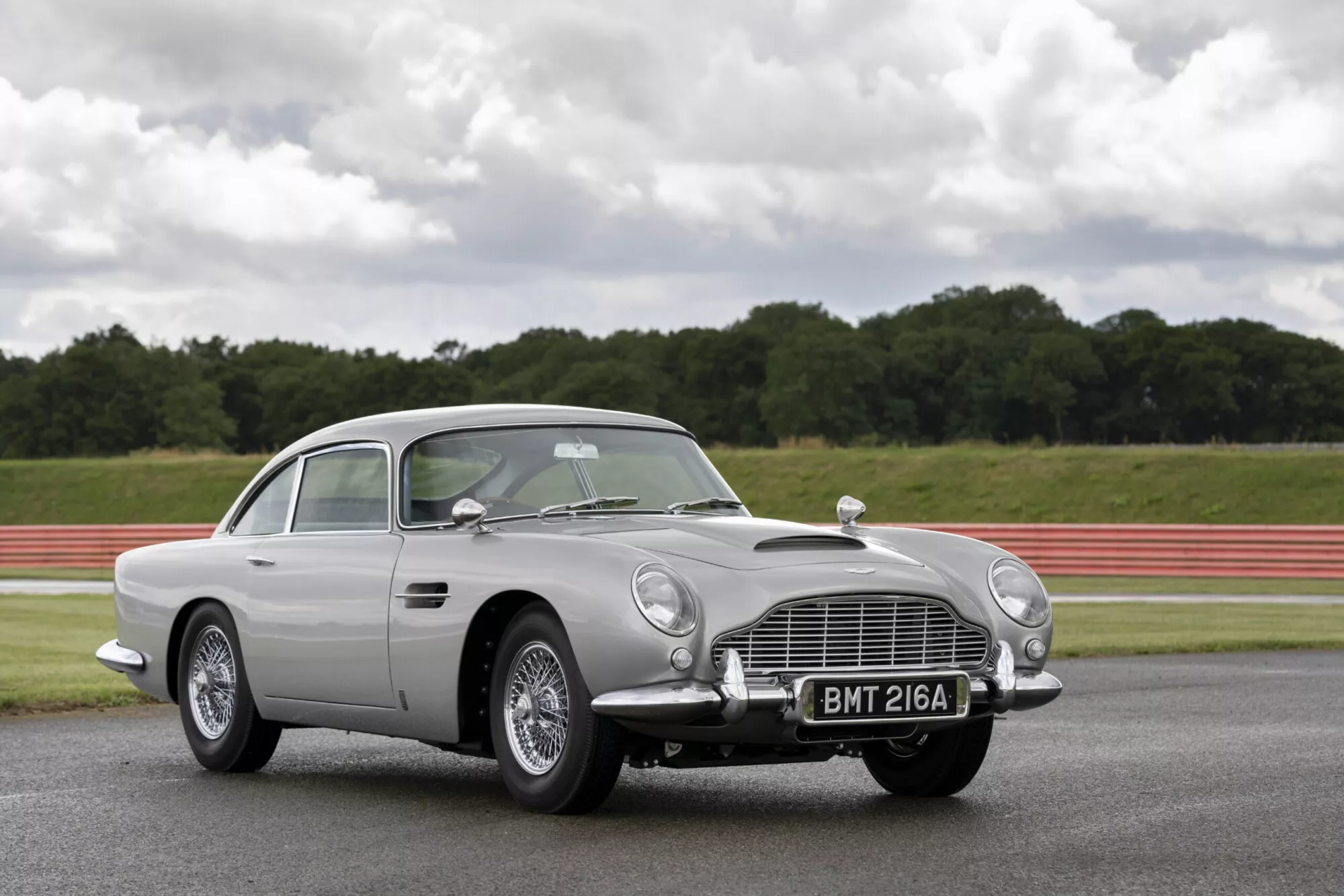
The DB5 deserves focus because it shows how simplicity and quality craftsmanship can leave a lasting cultural footprint. Its continuing desirability among collectors and car enthusiasts underscores the value of design restraint.
Moreover, the DB5’s legacy is more than cinematic fame. It remains an aspirational symbol, recognized not just as a classic but as an icon that has shaped decades of grand touring cars. By embracing timeless aesthetics, the DB5 proves that thoughtful design holds enduring value in a rapidly evolving industry.
5. Volkswagen Beetle
The Volkswagen Beetle stands apart as a symbol of friendly, approachable design that has crossed generations and continents.
Launched in 1938, the Beetle’s iconic rounded shape and compact proportions have rarely been altered, contributing to its instantly identifiable character. Its simple, functional lines and cheerful “face” make it one of the most beloved cars of all time.
The Beetle’s universal appeal lies in its accessibility and unpretentious styling. It was designed to be a people’s car, yet its distinct look ensures it never fades into anonymity.
Unlike many cars that change drastically to stay relevant, the Beetle’s slow evolution is its key strength. Subtle adjustments over the decades enhanced safety and comfort while keeping the spirit of the original unbroken.
The Beetle became more than just transportation—it was a cultural touchstone, tightly interwoven with social movements and pop culture.
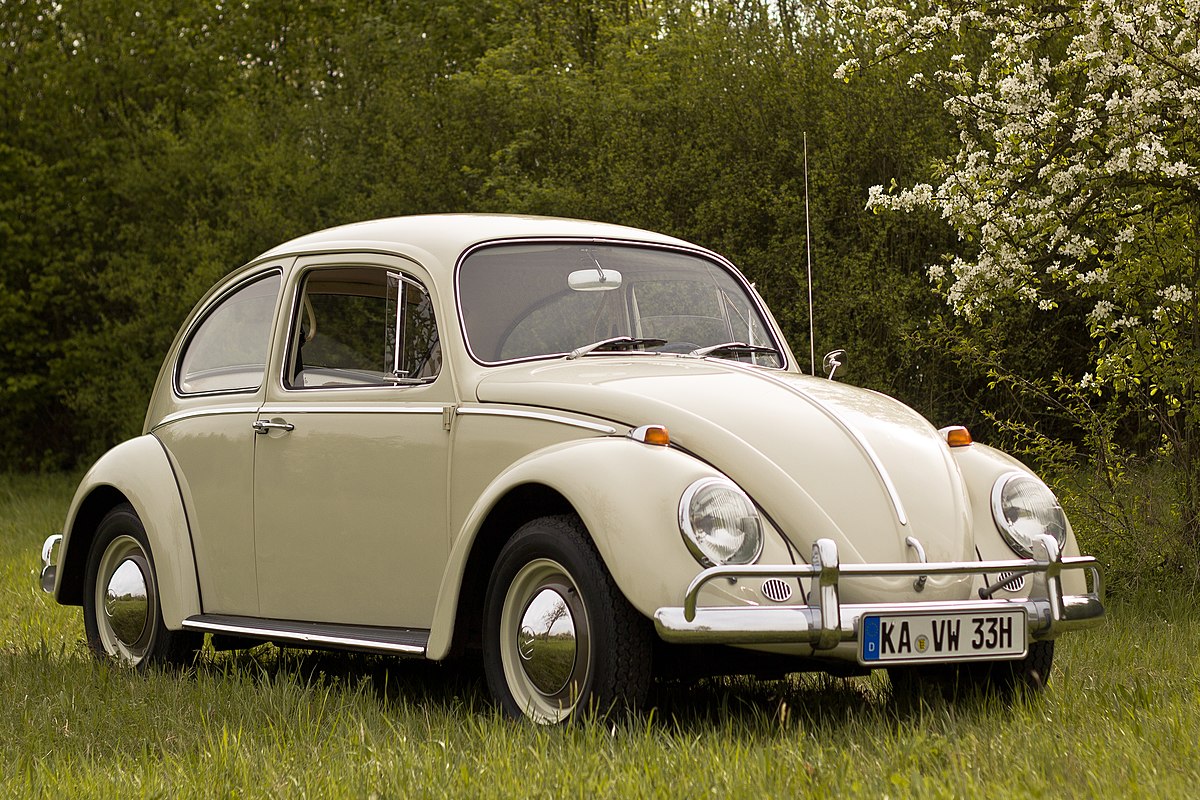
Highlighting the Beetle is essential because it showcases how honest, unfussy design becomes timeless when it resonates emotionally. The car’s longevity proves that iconic status is not reserved for expensive sports cars or luxury brands.
Instead, the enduring power of the Beetle rests on relatability, charm, and a form that never feels outdated. It remains proof that simplicity, practicality, and warmth in design are often the formula for an everlasting classic.
5 That Feel Obsolete Quickly
Car design doesn’t always meet with universal acclaim or lasting respect; some vehicles that once appeared cutting-edge now seem firmly anchored in their original era.
Rapid changes in technology, safety standards, and aesthetics mean that cars banking purely on new fads are at risk of losing their edge in just a few years.
The pursuit of the “next big thing” can sometimes backfire, resulting in vehicles that age prematurely when societal preferences move on or technology races ahead.
Models that feel obsolete often illustrate how overreliance on trends, overcomplicated styling, or short-lived tech can date a car far quicker than anticipated.
Such vehicles can become cautionary tales about the pitfalls of excess, misjudged proportions, or design elements tied too closely to a particular technological context.
Their diminished appeal isn’t always due to engineering faults—sometimes it’s simply a case of the design philosophy not translating across generations.
By examining cars whose appeal faded swiftly after their launch, we can better understand the risks that come with chasing novelty at the expense of timeless qualities.
This perspective not only underscores the importance of thoughtful, restrained design choices but also demonstrates that lasting success in the automotive world is rarely accidental.
1. Pontiac Aztek
The Pontiac Aztek stands as a prominent example of how boldness in design can sometimes miss the mark. Released in 2000, the Aztek arrived with intentions to blend multiple vehicle categories and appeal to adventurous families with a utilitarian focus.
However, its angular, multi-layered exterior and awkward proportions led to widespread criticism almost immediately after launch.
What makes the Aztek feel obsolete so quickly is the reliance on unconventional styling cues that made sense at the time but lacked staying power.
The abundance of sharp lines and clashing surfaces was intended to look futuristic, but the result was a design that became rapidly associated with early-2000s excess. As automotive tastes shifted towards more cohesive and understated designs, the Aztek’s polarizing look failed to find lasting favor.
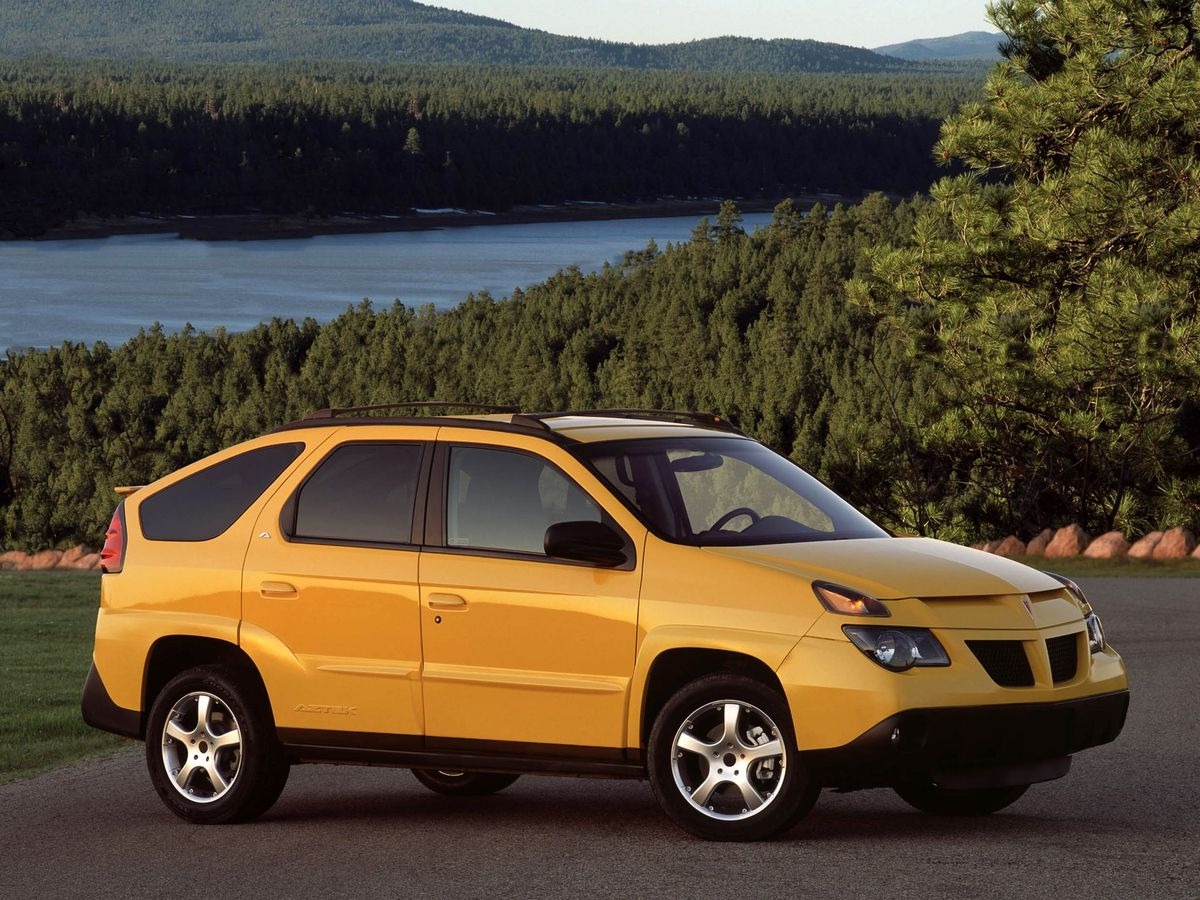
Focusing on the Aztek is instructive because it reminds designers and consumers alike that distinctiveness does not guarantee longevity. The vehicle’s commercial struggles underscore how important lasting visual harmony is for enduring success.
Although the Aztek later gained a cult following because of its quirky appeal, particularly due to appearances in television shows, it largely serves as a case study in how designs overly attached to a short-term vision can become relics of a bygone era rather than cherished classics.
2. Chevrolet SSR
The Chevrolet SSR, launched in 2003, set out to merge the nostalgia of retro design with modern pickup practicality.
With its convertible hardtop, rounded fenders, and pronounced wheel arches, the SSR paid homage to classic trucks of the late 1940s and early 1950s while trying to target a new audience.
Despite innovative engineering under the hood, the vehicle’s unique styling polarized potential buyers almost immediately.
The SSR’s rapid slide into obsolescence stems from its identity crisis: it tried to fuse sports car performance and roadster aesthetics with truck functionality. While bold, the design lacked mainstream coherence.
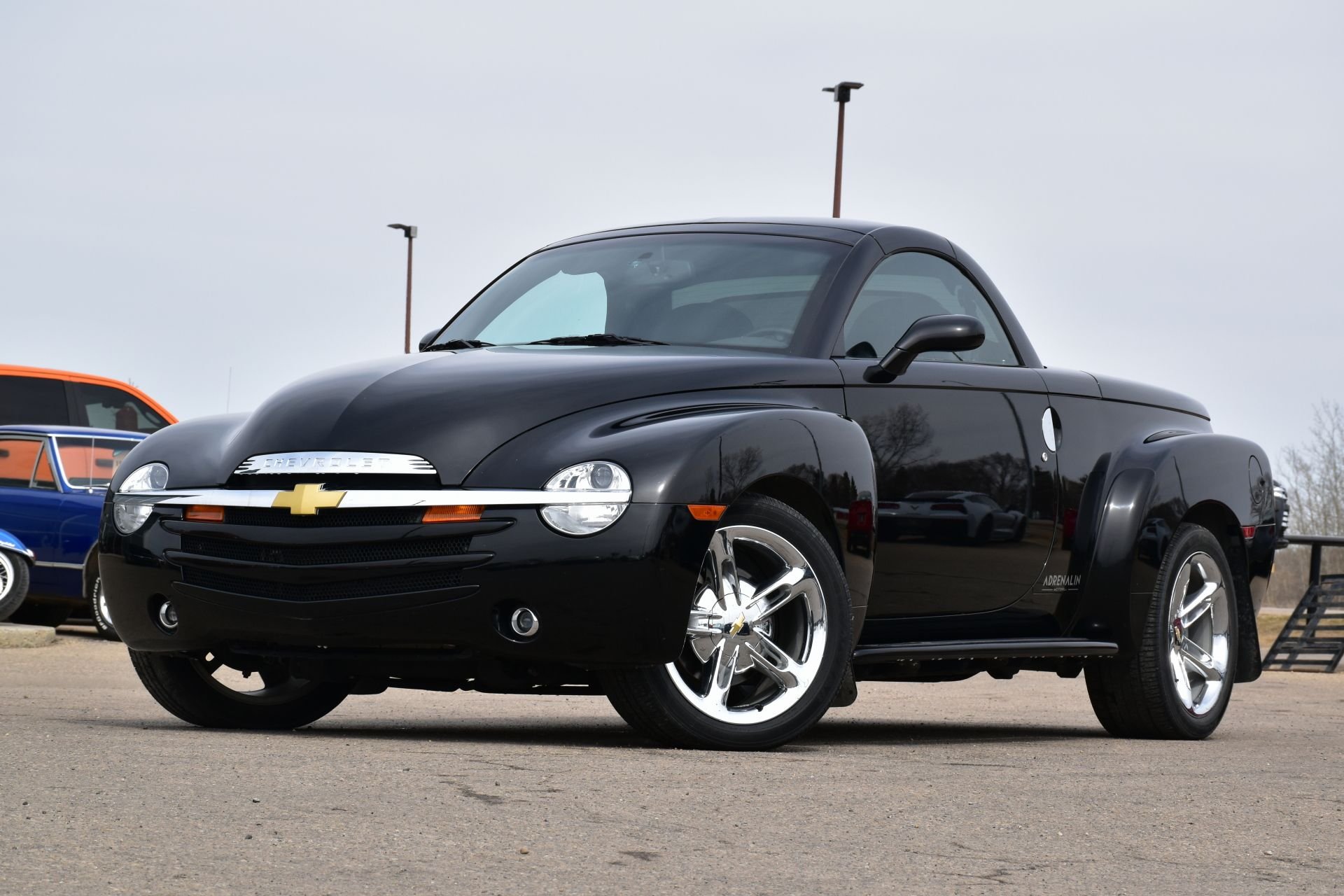
Styling elements, such as oversized pillars and heavy chrome accents, hearkened too faithfully to yesteryear, resulting in a product that felt out of place barely a few years after release.
Unlike timeless retro callbacks, the SSR unintentionally anchored itself in a narrow window of cultural nostalgia.
Highlighting the SSR is relevant because it demonstrates the challenge of balancing retro inspiration with contemporary relevance.
While it initially grabbed attention for its quirky charm, its limited practicality and divisive looks quickly left it behind as design movements and sales trends moved forward.
The SSR’s story underscores that a successful blend of eras requires more subtlety and restraint than a direct transplant of vintage design cues onto new bones.
3. Plymouth Prowler
Introduced in the late 1990s, the Plymouth Prowler aimed to evoke the spirit of classic hot rods with its exposed front wheels, exaggerated stance, and pointed nose.
Its aluminum-intensive construction was technologically advanced, but the car’s styling placed it firmly in a visual niche.
The intention was to attract enthusiasts craving the aura of the 1930s and 1940s roadsters, but the result often felt like a novelty rather than a true classic.
The Prowler’s quick shift from conversation piece to an outdated curiosity reveals the risks tied to relying heavily on retro exuberance. While its uniqueness attracted initial attention, the styling made it difficult to update or adapt to more contemporary tastes.
The car’s unconventional layout and cramped cabin also failed to deliver on daily practicality, meaning that its market appeal dated as quickly as its design.
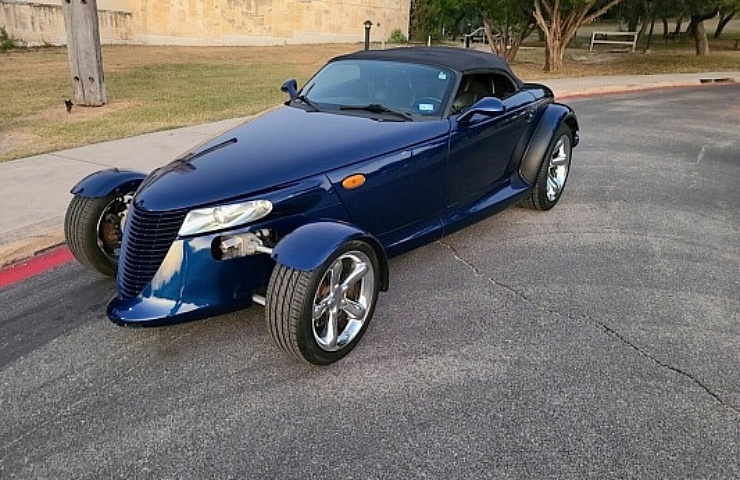
Examining the Prowler serves as a lesson in the importance of restraint and adaptability. Its striking approach delighted some car show crowds yet failed to secure a wider, lasting fanbase.
The Prowler’s experience highlights how attempts at capturing bygone eras can sometimes lock vehicles into a fleeting relevance, especially when those efforts are not paired with versatility and comfort that modern drivers expect.
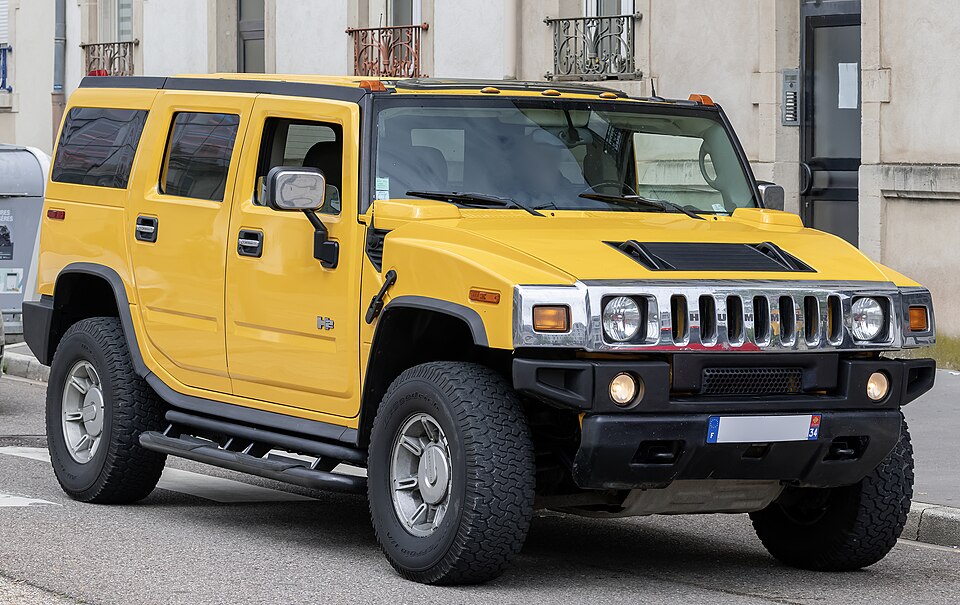
4. Hummer H2
The Hummer H2, arriving in the early 2000s, captured headlines during an era infatuated with rugged, oversized SUVs.
Its deliberately bulky, aggressive exterior and military-inspired cues set it apart, suggesting unmatched off-road capability and a commanding presence on the road.
However, just a few years on, changing attitudes toward fuel efficiency and environmental impact began to make the H2’s design look increasingly excessive.
What made the H2 feel outmoded so rapidly was its strong association with early-21st-century attitudes of conspicuous consumption. Its boxy, armor-like bodywork and pronounced grille felt distinctly at odds with emerging priorities of sustainability and subtle luxury.
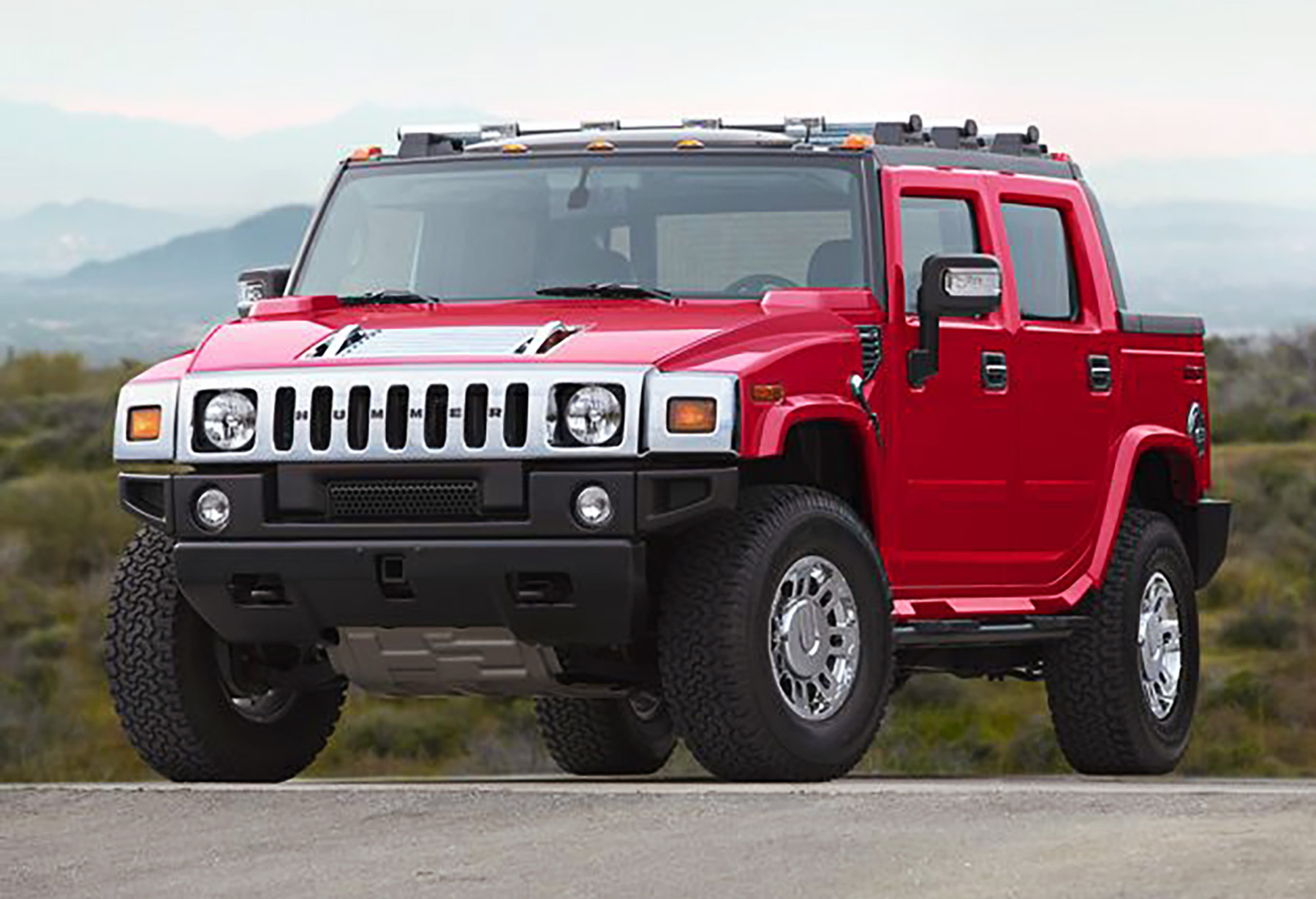
As gasoline prices climbed and regulatory pressures mounted, car design swung toward softer lines and smaller footprints, leaving the H2 as a relic of a specific cultural moment.
Highlighting the H2 is pertinent because it exemplifies how styling rooted in short-lived social trends can limit a vehicle’s long-term appeal. The H2’s visual bravado, once its prime selling point, contributed to its accelerated obsolescence as public opinions shifted.
Its abrupt fall from grace illustrates that iconic status demands more than attention-grabbing aesthetics; it requires adaptability to changing values and lifestyles.
5. Chrysler PT Cruiser
When the PT Cruiser debuted in 2000, it was initially a sales success thanks to its retro-inspired look, characterized by high arching fenders and an upright grille that evoked cars from the 1930s and 1940s.
Its bulbous body and quirky design details quickly made it a fixture on roads throughout the early 2000s. However, this uniqueness proved difficult to maintain as consumer preferences evolved.
The major contributor to the PT Cruiser’s dated appearance was an over-reliance on nostalgia. While nostalgic elements can sometimes result in designs that age gracefully, in this case, the execution left it feeling like a caricature.
As years passed, newer models offered cleaner, more streamlined styling, making the PT Cruiser’s form seem increasingly outmoded. The interior, too, failed to evolve meaningfully, compounding the sense that the overall design was frozen in a very specific period.
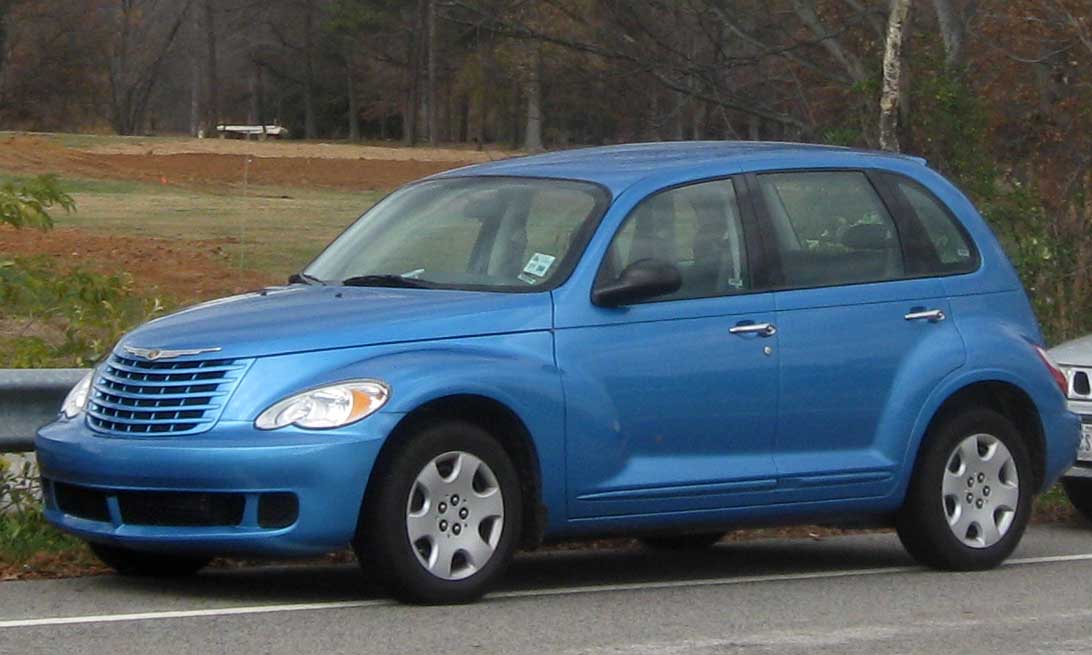
Focusing on the PT Cruiser demonstrates what happens when a design is so deeply tied to a theme that it cannot adapt. Its brief period of popularity faded quickly as its visual references lost their charm and the market moved on.
The PT Cruiser’s journey serves as a cautionary reminder that for lasting desirability, cars must be capable of transcending the momentary trends that boost them at launch.
Reflecting on automotive history, the dramatic contrast between cars with enduring appeal and those that quickly become outdated highlights the delicate art of car design.
Timeless vehicles such as the Porsche 911, Jaguar E-Type, Mercedes-Benz 300SL Gullwing, Aston Martin DB5, and Volkswagen Beetle share consistent qualities that go beyond mere aesthetics.
These models succeed by combining beauty with restraint, functional harmony, and a sense of proportion that does not age. Their designers exercised clarity in vision, avoiding fleeting styling cues and instead favoring themes and forms that resonate across decades.
These cars remain influential and beloved because they capture something universal, whether it’s a spirit of innovation, a compelling silhouette, or a sense of approachability.
On the other hand, cars like the Pontiac Aztek, Chevrolet SSR, Plymouth Prowler, Hummer H2, and Chrysler PT Cruiser illuminate the risks of anchoring a vehicle too firmly to a moment or a short-lived trend.
While many of these models chased novelty and boldness, they often sacrificed cohesion or adaptability. When the cultural moment shifted or when practical needs evolved, these designs found themselves left behind, remembered more for their quirks than for lasting value.
By examining both groups, it becomes evident that successful automotive design depends not only on capturing the excitement of an era but also on anticipating how tastes and values will change.
Lasting icons look beyond the present, aiming for forms and functions that can be appreciated by future generations. Meanwhile, cars that age poorly often become valuable lessons, illustrating the risks of excess or nostalgia unchecked by lasting relevance.
Ultimately, the greatest designs achieve a rare balance: appealing in their own time, yet remaining meaningful and admired long afterward.
Also Read: 5 Used Cars Mechanics Love to Work On and 5 They Charge Extra Just to Touch
