
When buying a used vehicle, many people are concerned about a car’s durability, reliability, and the long-term financial impact.
One of the main questions on a buyer’s mind is how much value a car will retain as it racks up miles – especially after it hits the six-digit mark on the odometer.
Certain makes and models are known for significant depreciation once they reach 100,000 miles, making them less appealing to budget-conscious shoppers or anyone looking for a return on their investment.
On the other hand, some cars are celebrated for their unwavering value, even as the mileage climbs well beyond that milestone. Understanding these distinctions is essential whether you are buying, selling, or trading in a vehicle.
People often look for transparency and reliability when considering high-mileage options. Some cars earn reputations as sturdy workhorses, known to endure for years with proper care, thereby holding their worth.
Others quickly lose their appeal and resale value, leading to potential financial setbacks or ongoing maintenance headaches.
By examining both extremes, you can make an informed decision about which vehicles are most likely to perform admirably as the miles accumulate and which may become more trouble than they are worth after crossing the 100,000-mile threshold.
Also Read: 5 Luxury Models That Retain Value Surprisingly Well
5 Cars That Lose Value After 100,000 Miles
For many vehicles, reaching 100,000 miles can be a pivotal moment. While some cars cruise past this mark with minimal issues, others experience steep value reductions, largely driven by a reputation for expensive repairs, unreliable performance, or design flaws that become apparent with age.
When a car develops a history of serious problems as it ages, its reputation quickly spreads through used-car markets, causing both private buyers and dealerships to steer clear.
These vehicles may initially seem attractive due to lower upfront prices, but as maintenance demands increase and resale prospects drop, the long-term cost can be substantial.
Highlighting cars that are notorious for losing value after 100,000 miles serves as a helpful guide for consumers and sellers alike. Avoiding models with track records of heavy depreciation can shield owners from unpleasant surprises and unexpected repair bills.
By focusing attention on five specific cars that regularly see their values plummet after passing this mileage milestone, you’ll get insight into common concerns such as reliability, cost of ownership, and what factors drive the drop in market price.
Awareness of these patterns is important for anyone hoping to minimize their losses if they plan on owning, selling, or trading a high-mileage vehicle from these categories.
1. BMW 7 Series
The BMW 7 Series frequently experiences a significant dip in value after surpassing 100,000 miles. Though the 7 Series is acclaimed for its luxurious appointments and powerful engines, these attributes do not shield it from depreciation.
Owners often discover that the passage of time combined with advancing mileage becomes a major disadvantage. The cost of maintenance and repairs soars when these vehicles age, mostly due to sophisticated electronics and costly parts.
What once was an appealing, high-tech luxury sedan quickly accumulates a reputation for reliability problems, with transmission failures, intricate suspension issues, and electronic malfunctions being common complaints.
Buyers searching for used 7 Series cars with more than 100,000 miles frequently shy away once they learn about the expensive maintenance schedules. As a result, demand drops precipitously and so does resale value.
Even independent mechanics sometimes hesitate to work on these vehicles because of their complexity, leaving owners with few affordable servicing options.
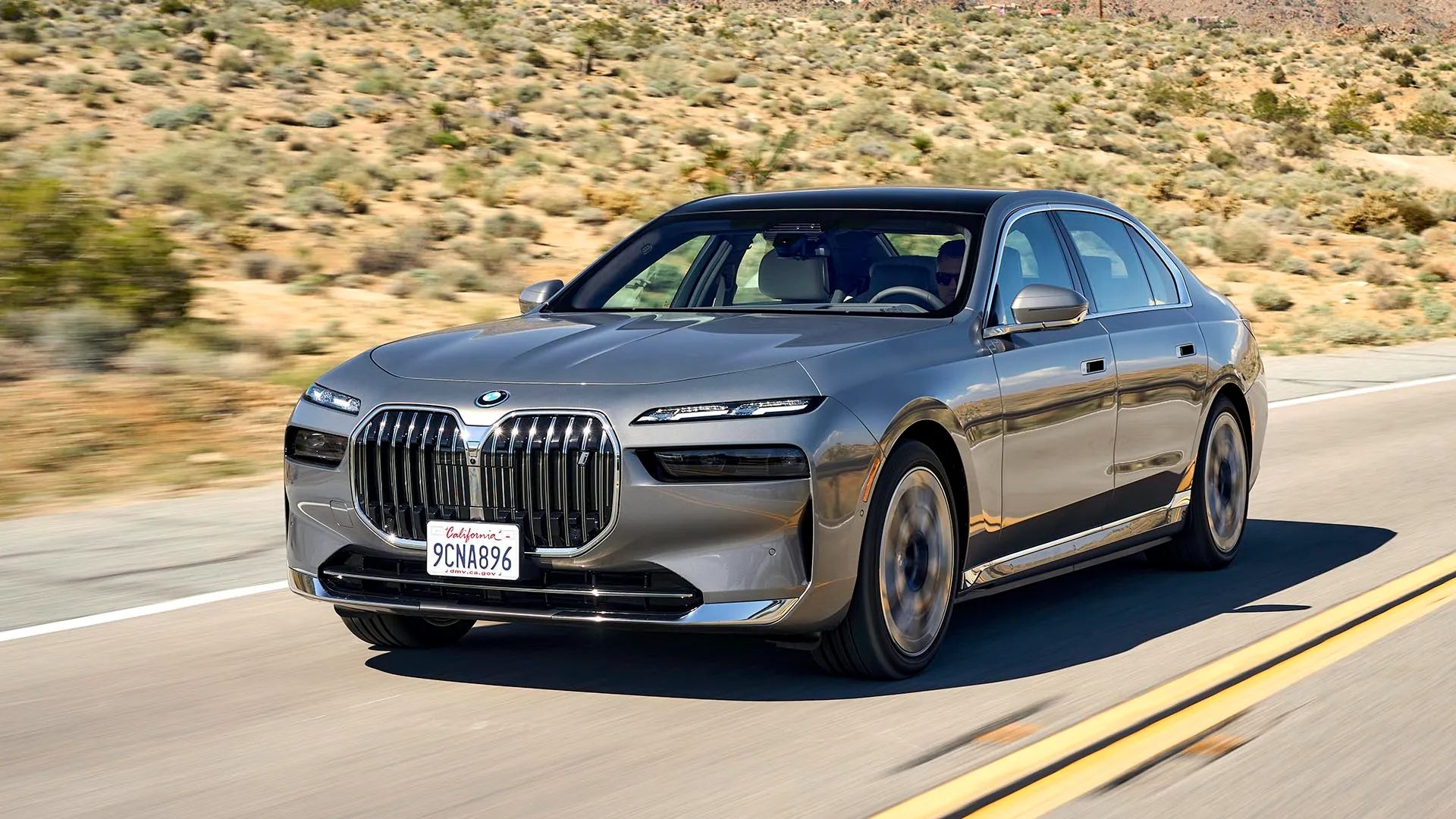
The depreciation curve for the 7 Series outpaces that of competing sedans, particularly because of the rapid aging of its high-end technology and components, which are expensive and often unavailable in the aftermarket.
This reputation for unreliability and high upkeep costs has cemented the BMW 7 Series as an example of a car that becomes a risky investment once it crosses into six-figure mileage territory.
Writing about the 7 Series highlights why not every luxury badge guarantees long-term value retention.
2. Land Rover Range Rover
The Land Rover Range Rover is admired for its blend of luxury and off-road capability, but as it surpasses 100,000 miles, its reputation for poor value retention becomes evident.
While newer models offer advanced features and opulent interiors, the aging process uncovers a range of mechanical and technological challenges.
Air suspension failures, electrical gremlins, and costly transmission repairs are commonly cited issues that tend to arise after the mileage climbs well into six digits.
Even basic maintenance can be considerably higher than average, thanks to the price of parts and the need for specialized mechanics.
These reliability concerns directly impact the Range Rover’s value in the used market. Potential buyers quickly realise that high-mileage examples carry a significantly higher risk of expensive, ongoing repairs, which dampens demand and forces sellers to accept substantially reduced prices.
Dealerships, too, are often hesitant to offer strong trade-in values for Range Rovers after the 100,000-mile mark, knowing that warranty claims and buyer complaints may soon follow any sale.
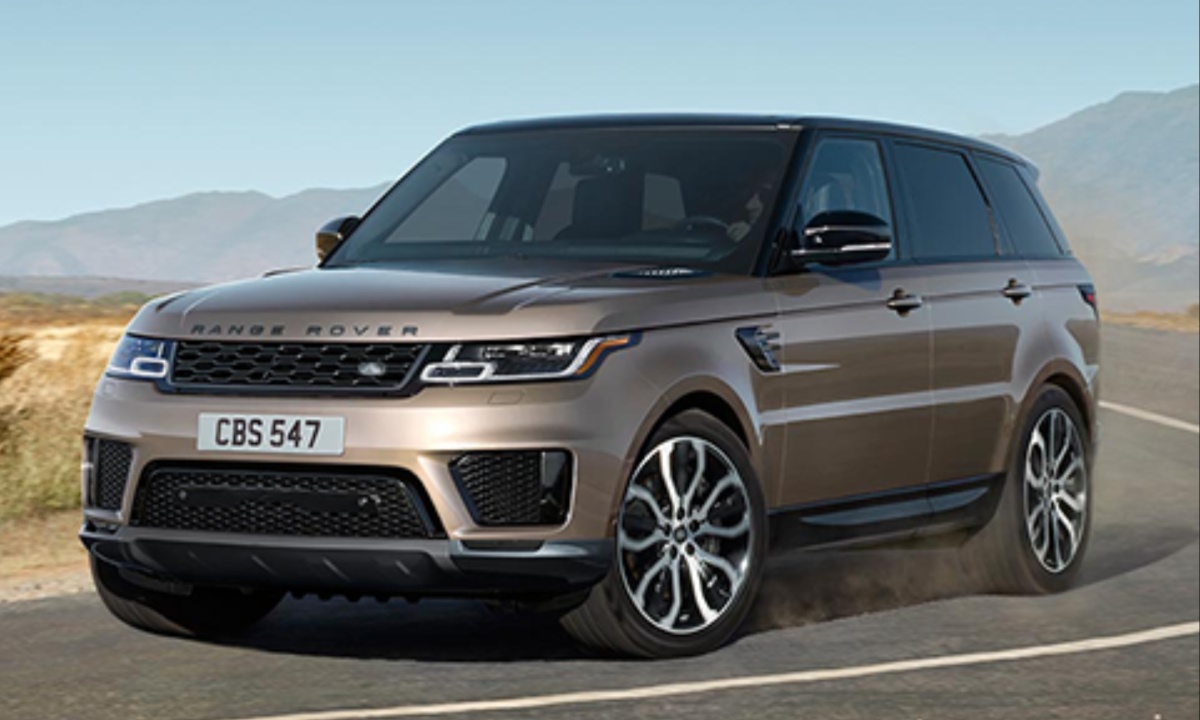
Writing about the Range Rover’s value trajectory serves an important purpose for informed vehicle ownership.
While the allure of British luxury remains strong on the showroom floor, the long-term costs lurking beneath the surface are a critical consideration for any prospective buyer.
The Range Rover stands as a clear reminder that luxury features and aggressive styling may attract initial interest. Still, the realities of dependability and value retention ultimately decide its fate in the used-vehicle market after hitting 100,000 miles.
3. Cadillac CTS
The Cadillac CTS set out to revive the classic American luxury sedan with a sharper edge and impressive performance. Initially, it became a favorite among those seeking executive style without the import badge.
However, as these vehicles cross 100,000 miles, a different story emerges—one centered around disappointing resale figures and a reputation for mechanical woes.
The CTS suffers from reliability issues that become particularly pronounced with age and mileage, including problems with the timing chain, transmission, and various electronic modules.
These failures are rarely minor; repair bills can be steep, straining the budgets of owners hoping for a cost-effective luxury experience. As the car grows older, parts scarcity and the expense of diagnosis add another layer of difficulty for owners seeking to keep their high-mileage CTS running smoothly.
The combination of mechanical risk and a declining market perception means the CTS faces a sharp drop in resale value after crossing the 100,000-mile mark. Potential buyers recognize the sense of uncertainty associated with ownership, which leads to fewer sales and lower prices.
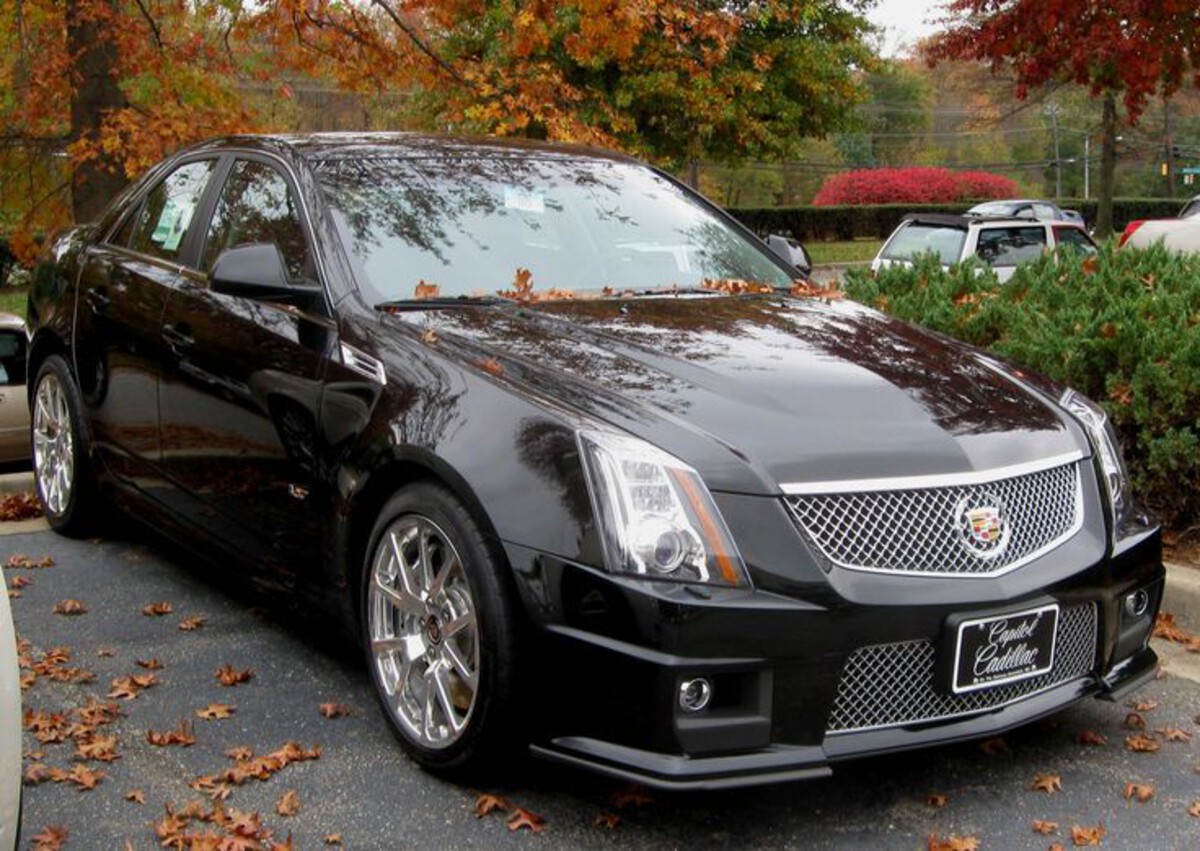
Highlighting the CTS adds depth to the discussion of depreciation, showing how even a well-designed and initially celebrated sedan can struggle to hold its worth in the long run.
This insight is particularly relevant for buyers captivated by luxury brands, illustrating that not all upscale badges are created equal when it comes to high-mileage reliability and investment.
4. Volkswagen Passat
The Volkswagen Passat has built a name for itself as a comfortable and practical family sedan. Unfortunately, its story changes as it crosses into high-mileage regions.
The shift in value is driven by the onset of costly maintenance and common mechanical failures that discourage both entrepreneurs and everyday drivers from investing in older models.
Most notably, Passats with over 100,000 miles see frequent complaints concerning their transmissions, turbochargers, and electrical systems. Repairs for these issues are rarely cheap, and Volkswagen’s reputation for expensive parts and service persists.
In addition, as the car ages, small but compounding niggles—window regulators, sensors, and other electronics—tend to arise, making ownership at this stage more challenging and less appealing to budget-minded shoppers.
Dealers, aware of these common pitfalls, are less likely to offer great trade-in values, and private sellers often struggle to attract buyers without slashing asking prices.
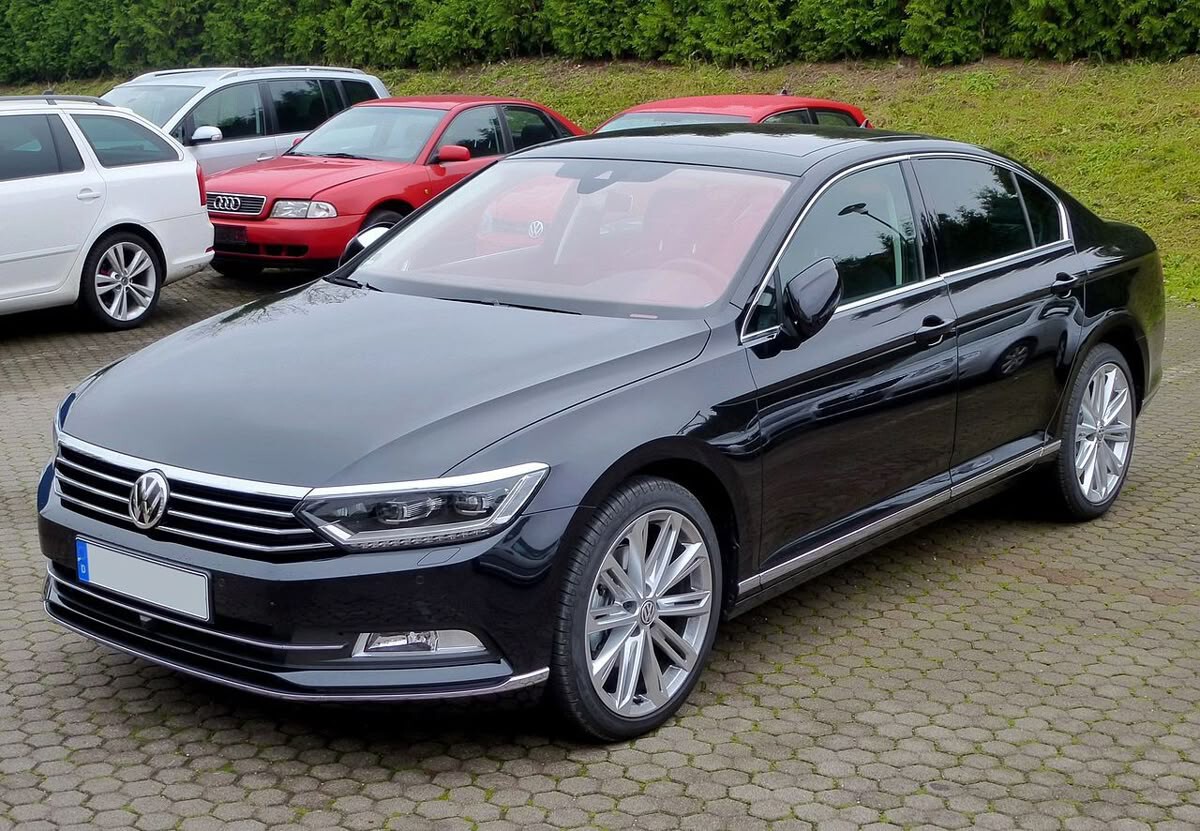
Resale values decline swiftly because many with experience in the used car market anticipate the higher risk and inconvenience of stewardship.
The Passat’s inclusion is a reminder that mainstream cars can also encounter severe depreciation as they collect miles.
Writing about it underlines the importance of looking beyond comfort and reputation, and instead examining the real-world longevity and ownership experience that determine a car’s post-100,000-mile value.
5. Jaguar XF
The Jaguar XF rides on the proud history and prestige of British motoring, with its striking exterior, plush interior, and sporty performance. However, the allure quickly fades as mileage climbs beyond 100,000, exposing the XF to a severe loss in resale value.
Owners face a barrage of well-documented issues—mainly electrical faults, cooling system failures, and the premature aging of key components such as timing chains and suspension parts.
Repairing a high-mileage Jaguar XF is rarely simple or inexpensive. The availability and price of parts, combined with the need for specialized expertise, magnify the cost of what should be routine maintenance.
Many used-market shoppers choose to avoid these headaches, resulting in sharp price reductions and sluggish sales for XFs that enter high-mileage territory.
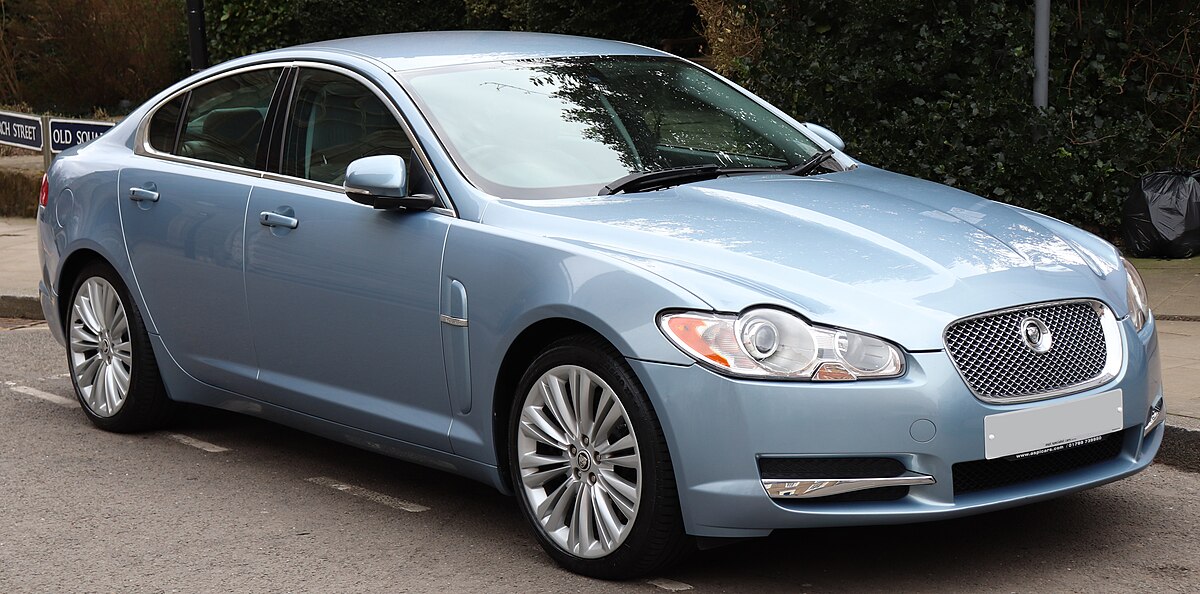
Depreciation is a stark reality for these cars, not only because of the mechanical difficulties but also the perception that Jaguars beyond warranty coverage quickly become money pits.
This creates a cycle of fewer potential buyers, declining trade-in values, and sellers forced to accept less than they may have hoped.
Addressing the XF’s post-100,000-mile fate is crucial for those considering a luxury purchase, illustrating the risks that accompany certain brands once the odometer has reached milestones where engineering weaknesses and support costs begin to outweigh curb appeal or badge prestige.
5 Cars That Retain Value Past 100,000 Miles
For many buyers, a vehicle’s reputation for staying dependable well beyond 100,000 miles provides invaluable reassurance and often translates to impressive resale value.
This enduring worth is typically the result of manufacturers prioritizing quality engineering, proven powertrains, and attention to long-term reliability.
Automobiles that can maintain their composure and performance after high-mileage milestones offer buyers peace of mind, reduced total cost of ownership, and a sense of security against surprise breakdowns.
Automotive markets and car enthusiasts often rally around models recognized for aging gracefully—vehicles reputed to reach 200,000 miles or more when properly maintained.
These loyal machines become highly sought-after in the pre-owned segment and command stronger resale prices, despite their years on the road.
The factors driving such value retention include durability, availability of affordable parts, and consistently high customer satisfaction. Highlighting these robust choices helps prospective buyers identify makes and models that stretch a dollar further over the long run.
Focusing attention on five particular vehicles that consistently hold their value past the 100,000-mile threshold provides insight into what sets them apart from the rest.
Each car in the following segment is recognized not just for reaching high mileage, but for doing so while sustaining integrity, safety, and market desirability—making them standout options for practical and informed car owners.
1. Toyota Corolla
Few car names are as synonymous with reliability as the Toyota Corolla. For decades, the Corolla has stood as a testament to what dependable engineering and simplicity can achieve.
Owners routinely boast of odometers pushing 200,000 miles, all while experiencing minimal inconvenience regarding breakdowns or major mechanical failures.
This well-earned reputation influences the Corolla’s ability to maintain strong resale values, even long after surpassing 100,000 miles.
The design philosophy behind the Corolla centers on longevity and cost-effective ownership. Components are engineered for ease of replacement and service, while the drivetrain is known to withstand significant wear and tear with basic routine maintenance.
The global presence of the Corolla ensures widespread access to affordable replacement parts and mechanics familiar with every generation of the car. As a result, maintenance fears rarely deter buyers from considering high-mileage Corollas, keeping demand—and prices—healthy.
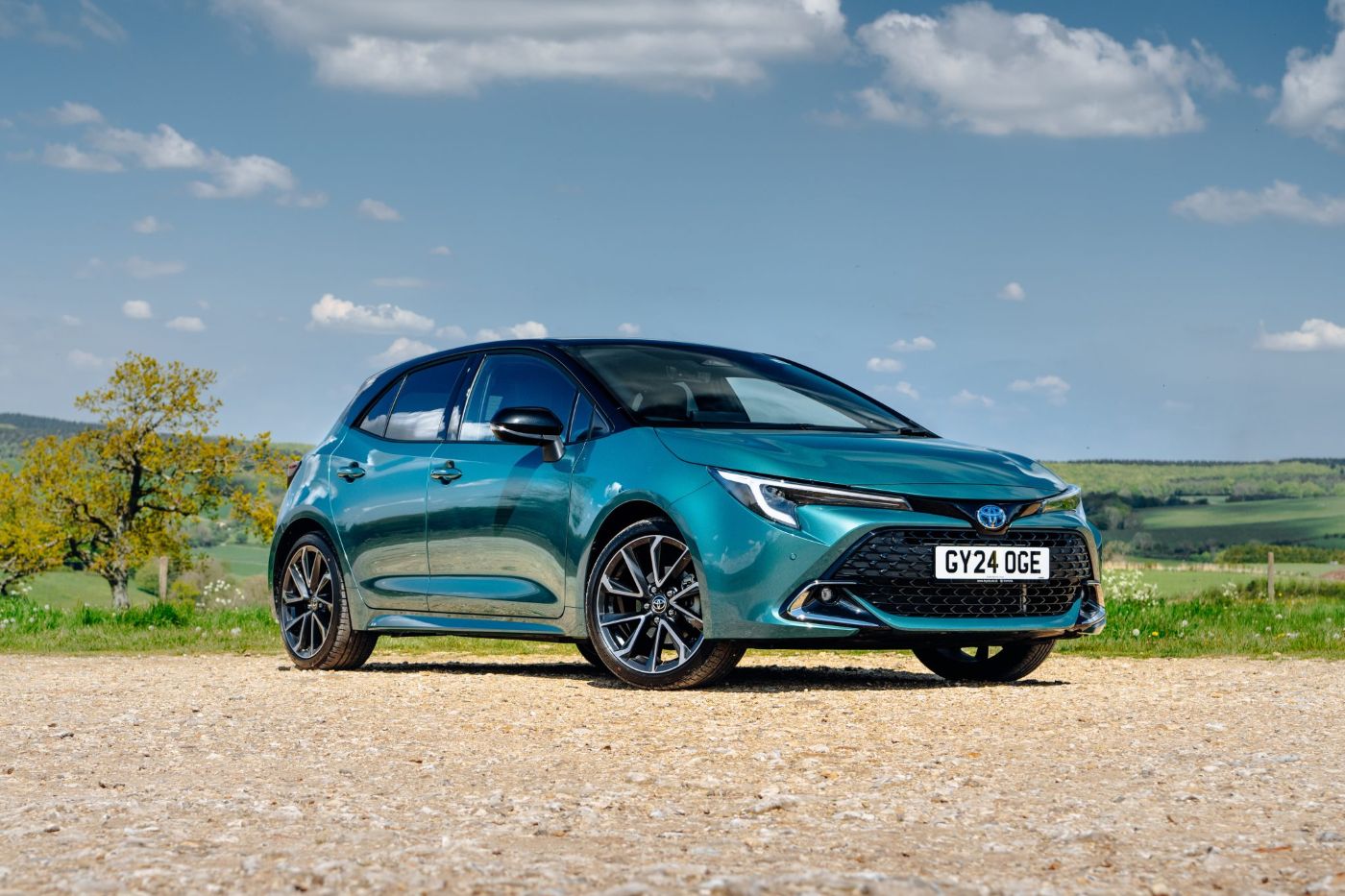
Additionally, fuel efficiency, straightforward electronics, and well-documented safety records all add layers of appeal. Used-car shoppers seeking minimal hassle and lasting value often favor the Corolla, knowing it is unlikely to present costly surprises.
Writing about the Corolla’s enduring worth illustrates how thoughtful design coupled with proven reliability can turn a practical, unassuming sedan into one of the smartest investments in the used-car market for those looking at vehicles well north of 100,000 miles.
2. Honda Accord
The Honda Accord is well known for its ability to maintain value, even as the odometer climbs past 100,000 miles.
This mid-sized sedan has cultivated a strong following based on several key strengths: robust engines, a balanced ride, and a focus on build quality that rarely falters over time.
Used models are often passed between family members and friends, a testament to the sense of trust this car inspires in both generations and marketplaces.
Much of the Accord’s long-term appeal stems from its bulletproof four- and six-cylinder engines, which are capable of high mileage with only routine care.
Parts availability is plentiful, and the cost of maintenance fits most budgets a major incentive for buyers in the used car market. Furthermore, Honda has prioritized straightforward engineering, which means both mechanics and home tinkerers have little trouble keeping Accords on the road for years.
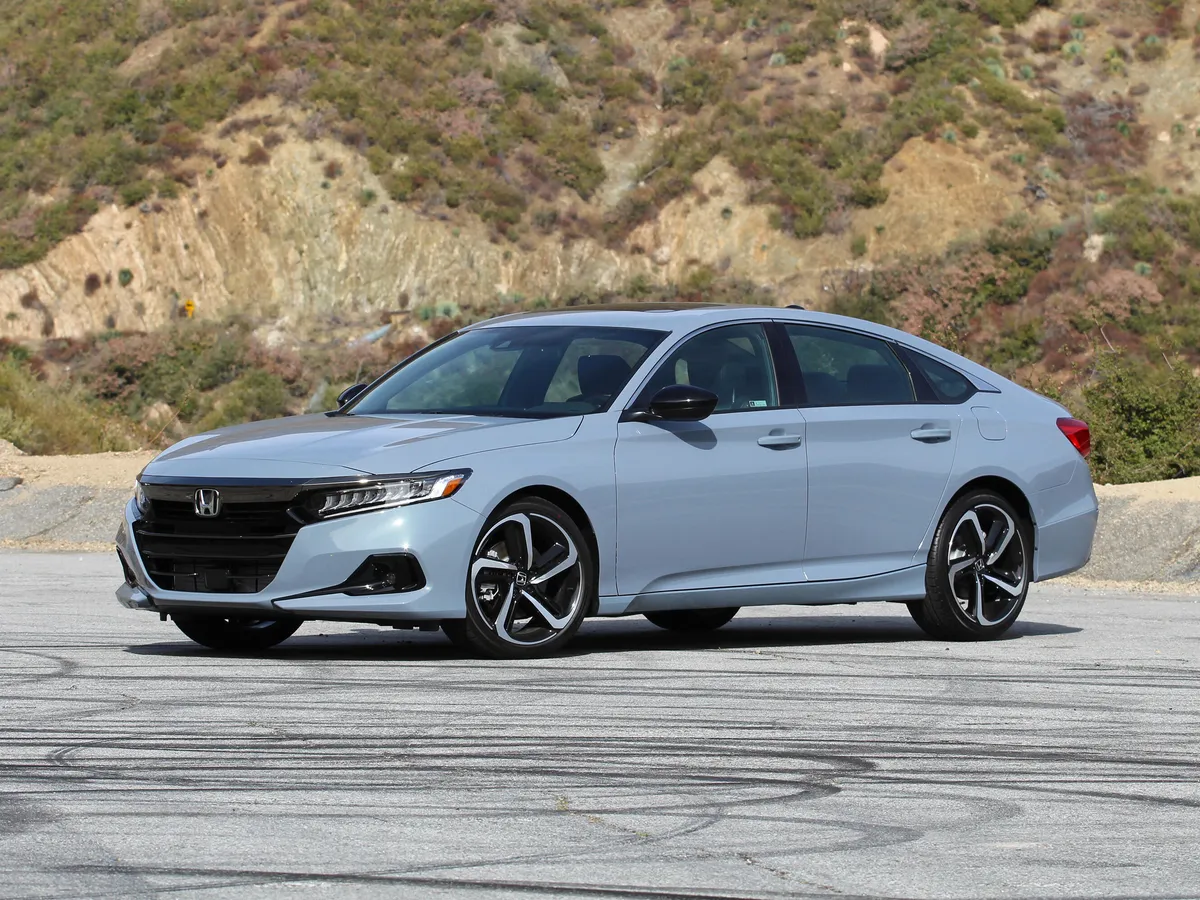
Safety ratings, comfort, and fuel economy remain strengths no matter the model year. This consistency encourages both buyers and sellers to view even a high-mileage Accord as a wise transaction.
Market analysis consistently shows that Accords command higher resale prices than many rivals in their class with similar mileage.
Including the Accord among vehicles that retain value showcases how a blend of thoughtful engineering, reliability, and a proven reputation can yield dependable returns and ownership satisfaction, even for those considering a sedan that has already seen extensive use.
3. Toyota Tacoma
The Toyota Tacoma has established itself as one of the most resilient and value-retaining pickup trucks on the road, particularly after breaching the 100,000-mile threshold.
Its strong resale value can be attributed to a proven track record of durability, off-road capability, and low maintenance requirements.
Tacoma owners often share stories of traversing challenging terrain and hauling heavy loads without encountering the frequent breakdowns or high repair bills that plague other trucks after years of use.
A primary reason for the Tacoma’s longevity is the simplicity and strength of its engineering. The frames and powertrains are crafted to withstand punishing conditions, and Toyota’s commitment to quality control keeps problem areas to a minimum.
Extensive availability of affordable original parts and an active community of enthusiasts mean that repairs when they do arise are handled efficiently and cost-effectively.
This practical advantage makes high-mileage Tacomas especially attractive to buyers who want a truck that won’t become a financial burden.
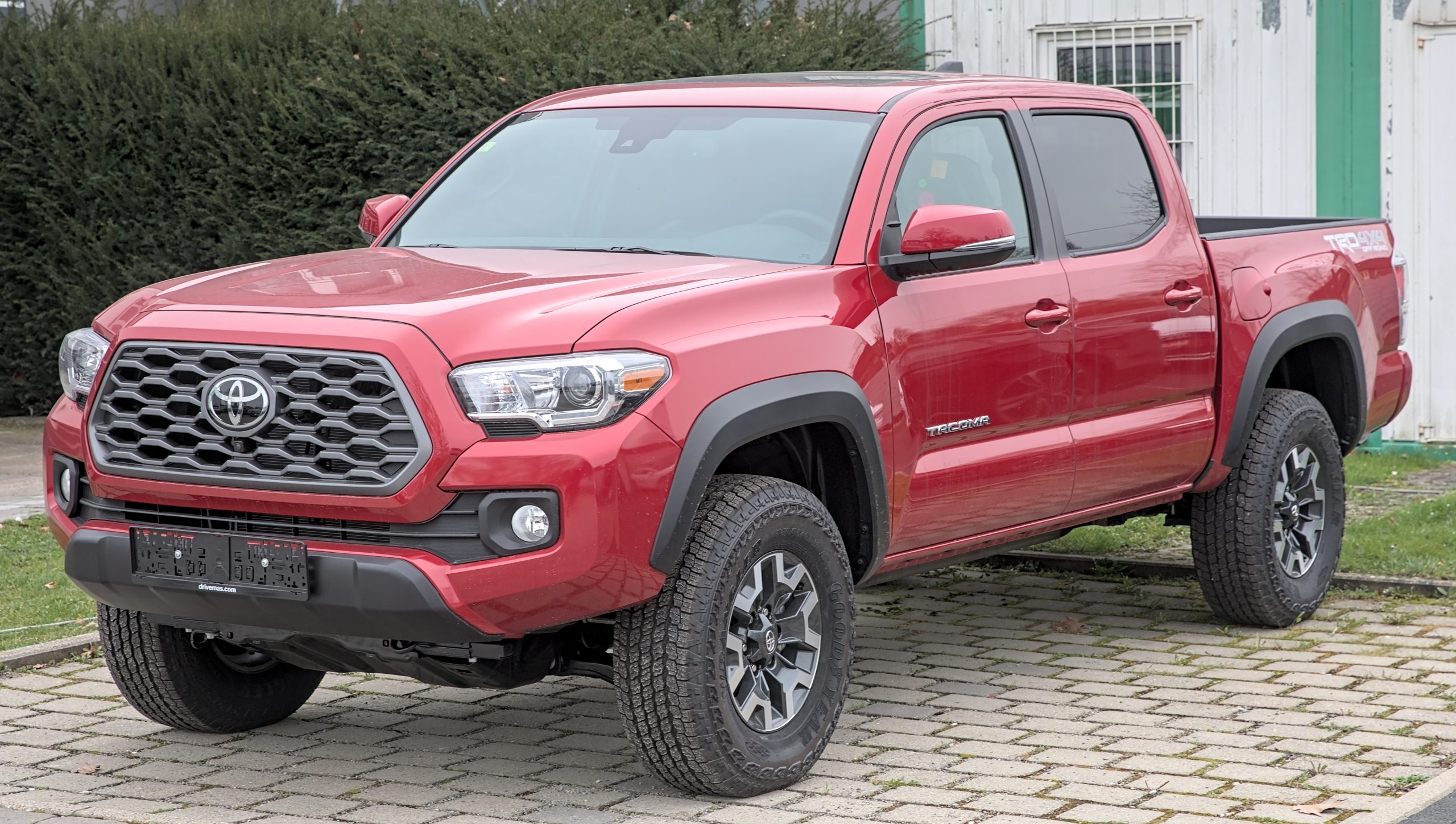
Market data repeatedly highlights how Tacomas from earlier generations still fetch strong prices, even with six-figure mileage on the odometer.
The model’s respected reputation ensures plenty of buyers remain interested, which holds up resale values for current and future generations.
Including the Tacoma in this list demonstrates how practical design, legendary reliability, and the promise of continued service can preserve a truck’s financial and functional value far beyond what many competitors can deliver.
4. Honda CR-V
The Honda CR-V stands out as one of the most consistently valued compact SUVs in the market, sustaining robust resale prices long after 100,000 miles.
Its strength lies in a combination of Honda’s renowned engine reliability, low operating costs, and a practical design that appeals to families, commuters, and outdoor enthusiasts alike.
The CR-V’s engineering focus on longevity means long-term owners rarely confront major mechanical failures, even as the odometer turns over six-digit figures.
Routine maintenance is simple and affordable, thanks to widely available parts and clear service procedures.
This ease of upkeep, combined with excellent fuel efficiency and a roomy, versatile interior, keeps used CR-Vs desirable in both private-party sales and dealership inventories.
Market pricing data frequently shows CR-Vs with over 100,000 miles commanding higher prices than many other SUVs with much less mileage, underscoring the model’s enduring demand.
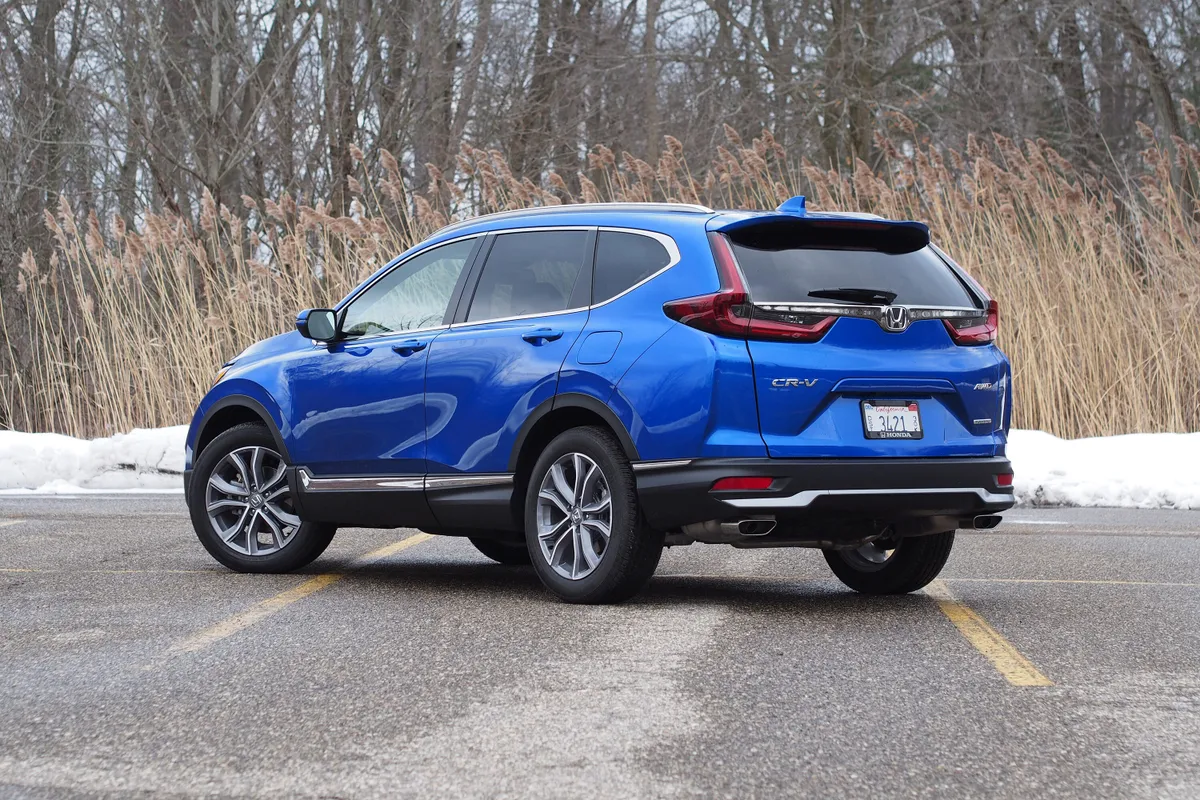
Safety ratings, cargo flexibility, and a comfortable driving experience further contribute to the CR-V’s appeal for high-mileage buyers.
It is common to find first- and second-generation models still reliably serving families, businesses, and adventurers well beyond the 200,000-mile mark.
Including the CR-V in this discussion highlights its unique ability to provide lasting satisfaction and retain market value, making it a wise choice for those seeking peace of mind and a solid financial return in the pre-owned SUV market.
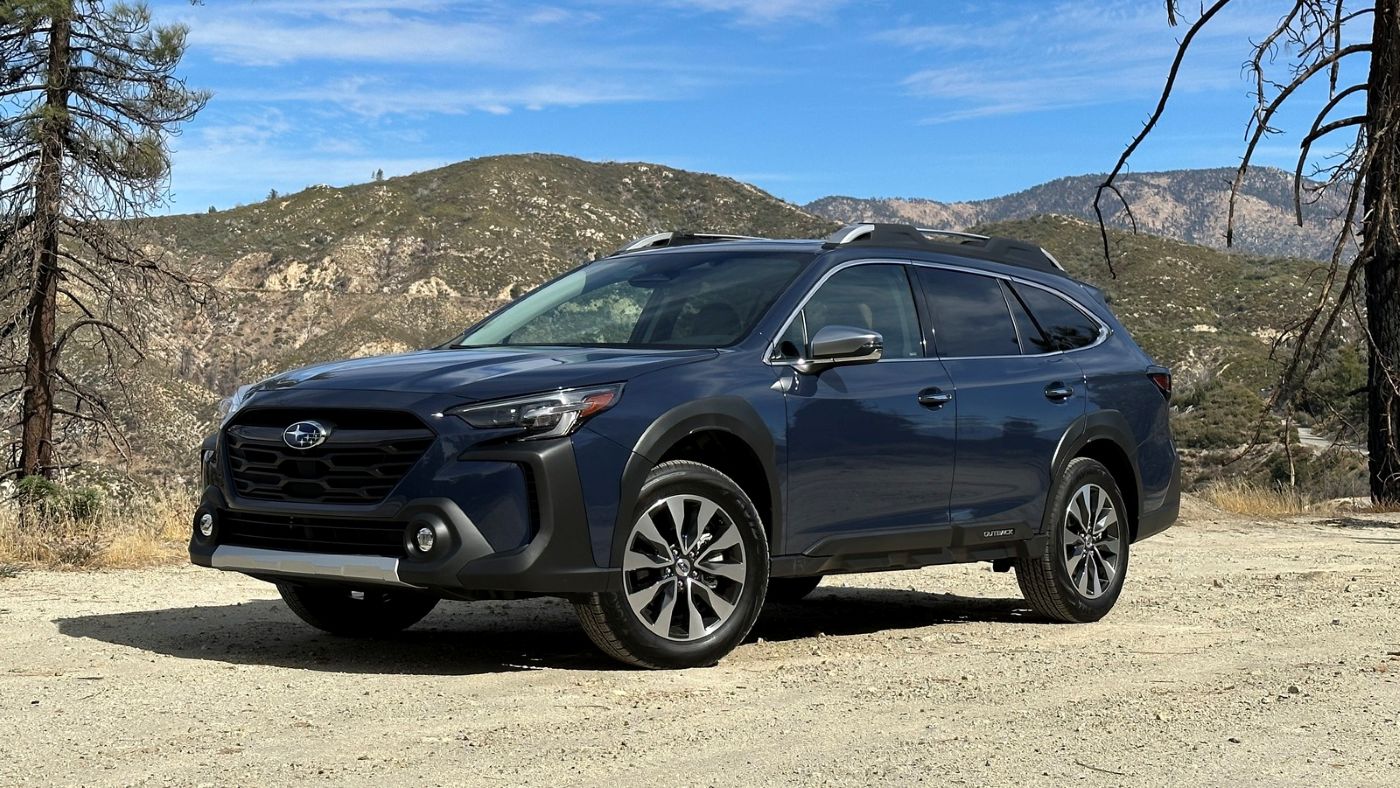
5. Subaru Outback
The Subaru Outback has earned a loyal following for its impressive longevity and robust resale value, even after logging well over 100,000 miles.
Its appeal lies in a blend of rugged versatility, reliable all-wheel drive, and a design meant for adventure, often leading owners to trust their Outbacks for family trips, outdoor pursuits, and everyday commuting through challenging weather conditions.
Central to the Outback’s high-mileage reputation is its tough boxer engine and a drivetrain system that holds up under heavy use.
Maintenance costs remain reasonable, with many specialty shops and an enthusiastic owner community making even older models straightforward to service.
Subaru’s system of symmetrical all-wheel drive is widely celebrated for its durability and reliability, especially compared to similar crossovers that may develop drivetrain issues as they age.
Buyers in the used market see the Outback as a safe bet for high-mileage reliability. Demand for these vehicles remains strong, as many shoppers specifically seek out Outbacks with over 100,000 miles, knowing these can offer years of trouble-free service when properly cared for.
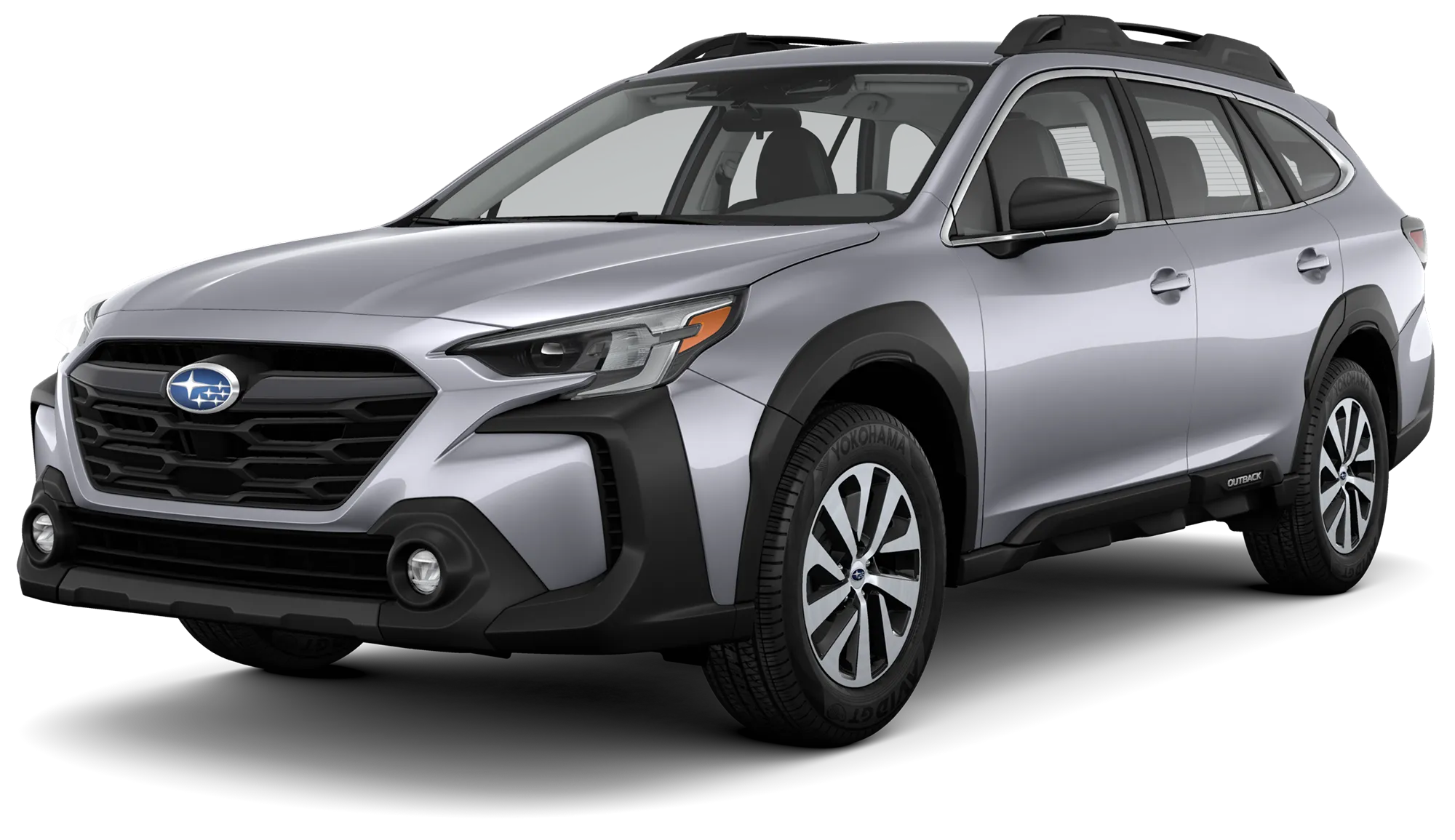
Market data consistently shows that these vehicles command top prices relative to other wagons and crossovers in their age and mileage brackets.
Featuring the Subaru Outback highlights how a proven record of reliability, all-terrain capability, and practical design pays off not only in day-to-day satisfaction but also in financial terms.
It is an outstanding example of a vehicle whose value extends far beyond the first 100,000 miles, benefitting both current owners and prospective buyers alike.
Also Read: 5 Trucks That Withstand Road Salt for Years and 5 That Rust After One Winter
