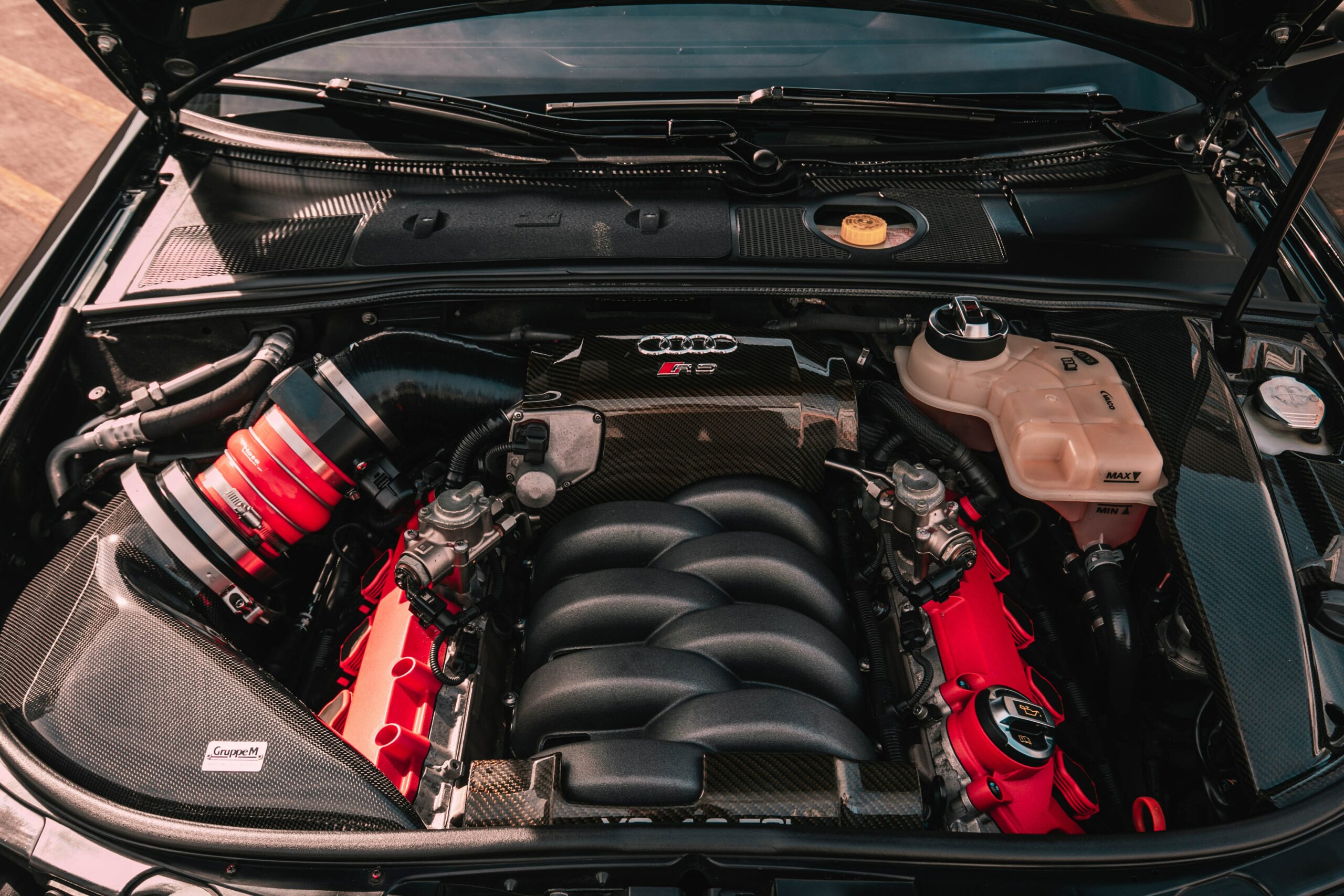
Engine replacements are among the most expensive car repairs, ranging anywhere from $1,000 to $9,000. Most drivers aren’t prepared to spend that kind of money, especially when it could be avoided with better habits. Your engine is the heart of your vehicle, and how you treat it directly affects how long it lasts.
The good news? Many people are shortening their engine’s lifespan without realizing it, and these habits can be changed. Below are nine damaging behaviors that could be cutting your engine’s life in half. Recognizing and correcting them will help extend your engine’s longevity and boost performance.
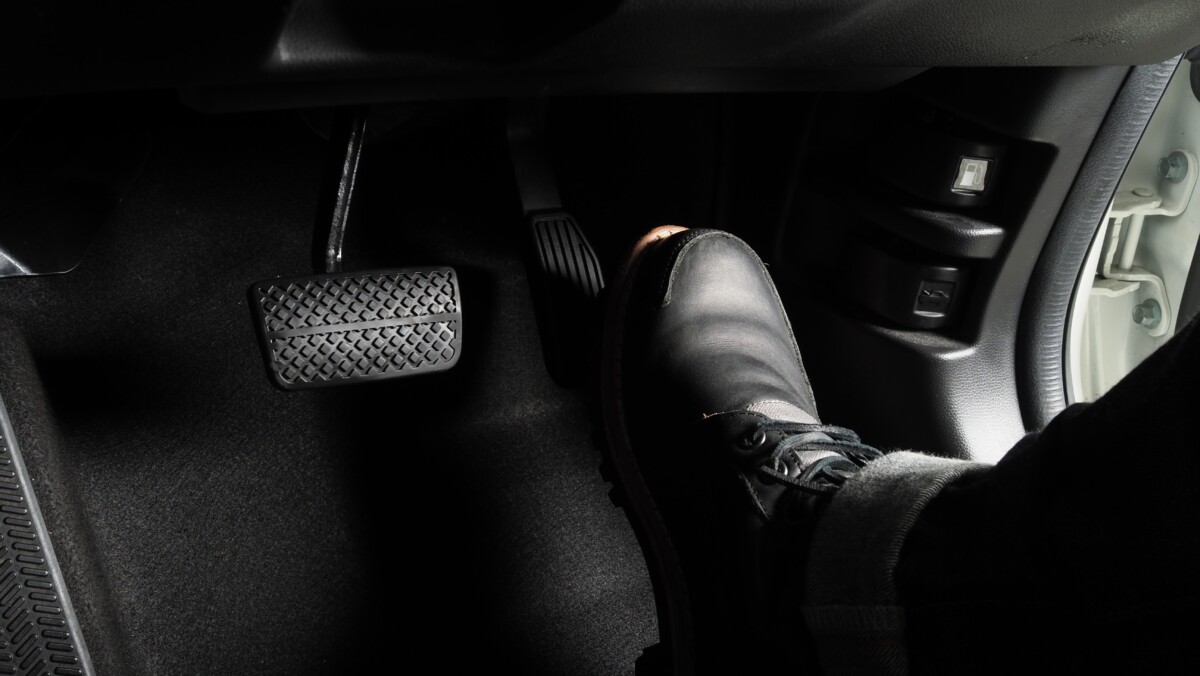
1. Flooring the Accelerator
Slamming the gas pedal might feel thrilling, but it’s punishing for your engine. Sudden acceleration forces the engine to rev up too quickly, disrupting smooth gear transitions, especially in automatic vehicles. This can cause jerking and long-term wear on the transmission and engine components.
Prolonged or repeated aggressive acceleration accelerates wear on internal systems and increases the likelihood of overheating. To reduce stress on your engine, accelerate gradually, allowing the engine to move through gears smoothly.
Avoid revving your engine unnecessarily, especially when it’s cold. Smooth driving is not only safer but also essential for long-term engine preservation.
2. Driving with Low Tire Pressure
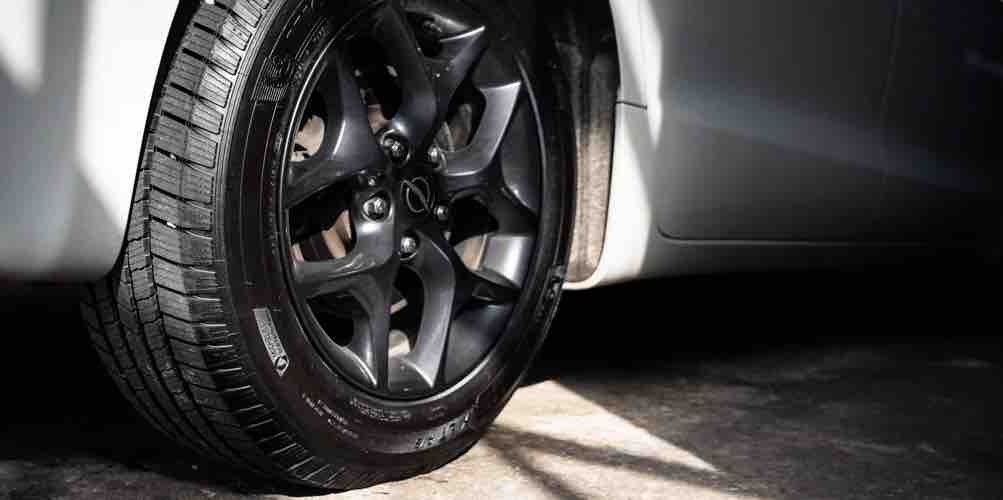
Low tire pressure is an often-overlooked issue that puts extra strain on your vehicle’s engine. When tires aren’t inflated properly, they create more rolling resistance, forcing the engine to work harder to move the vehicle. Over time, this added stress can decrease fuel efficiency and wear out internal components.
While tire pressure naturally fluctuates due to temperature changes, it’s your responsibility to monitor it regularly. Investing a few minutes each month to check your tire pressure can save you from bigger mechanical issues down the line. Well-maintained tires keep your engine running at optimal efficiency with less strain.
3. Skipping the Engine Warm-Up
Engines, especially in cold climates, function better after a brief warm-up period. Driving off immediately at high speeds when the engine is cold can increase internal friction, as the oil hasn’t fully circulated yet. This friction causes undue stress and wear on essential parts.
While older cars needed long idling times, modern engines just need a minute or two of gentle driving to reach optimal temperature. The key is to drive slowly and avoid revving the engine early. Letting the fluids warm and parts settle into motion helps reduce long-term wear and maximizes engine life.
4. Shifting Gears Too Early
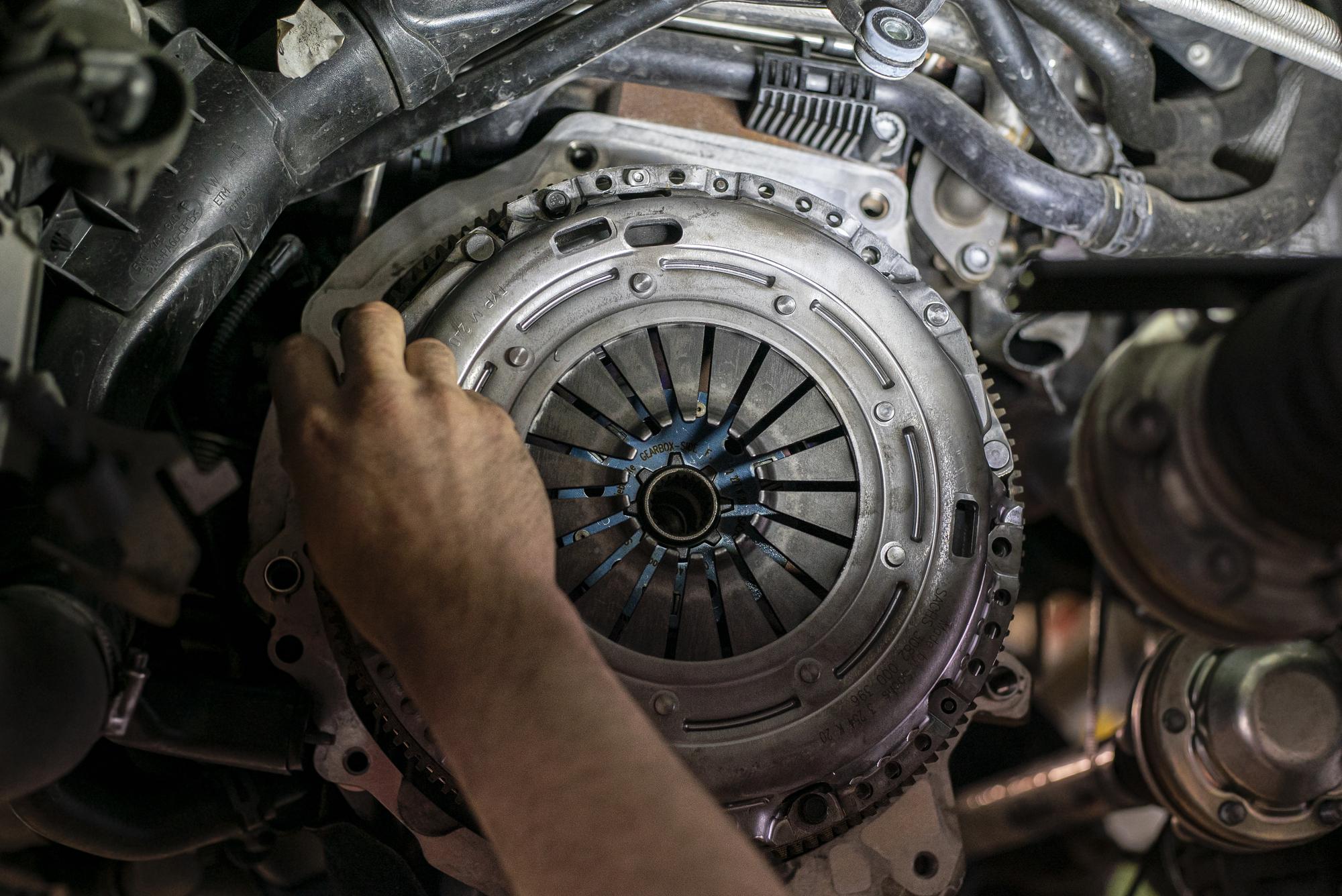
Many drivers switch between drive and reverse without coming to a full stop, especially when in a hurry. This may seem harmless, but it’s a habit that inflicts serious harm on your engine and drivetrain. Early shifting interrupts the gear synchronization process and puts strain on the transmission system.
Over time, this repeated stress can lead to damage that is both costly and complex to fix. Always make sure your vehicle comes to a complete stop before changing gears. It’s a simple practice that protects one of the most critical systems linked directly to your engine’s health.
Also Read: 5 Cars With Generous Legroom vs 5 With Tight Rear Seats
5. Carrying Too Much Weight
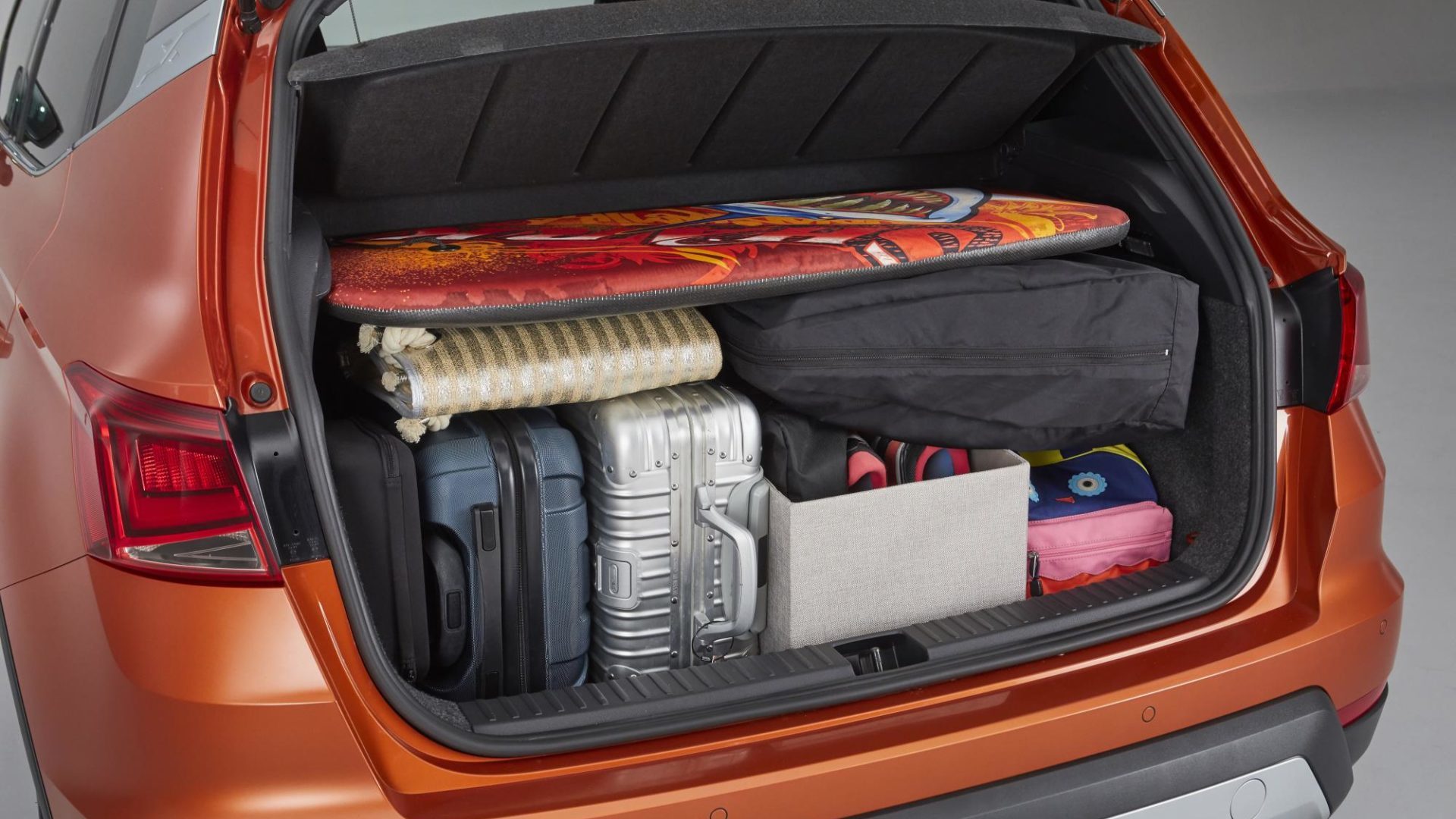
Overloading your car may seem convenient, but it burdens your engine unnecessarily. Every vehicle has a recommended weight limit; exceeding it makes the engine work harder to move the load. This not only affects acceleration but also increases fuel consumption and engine temperature.
Long drives or uphill routes amplify this stress, leading to quicker wear on internal parts. It’s best to keep only essential items in your car and remove unnecessary cargo regularly. By staying within weight limits, you allow your engine to operate under normal conditions, avoiding the fatigue that could drastically reduce its lifespan.
6. Ignoring the Check Engine Light
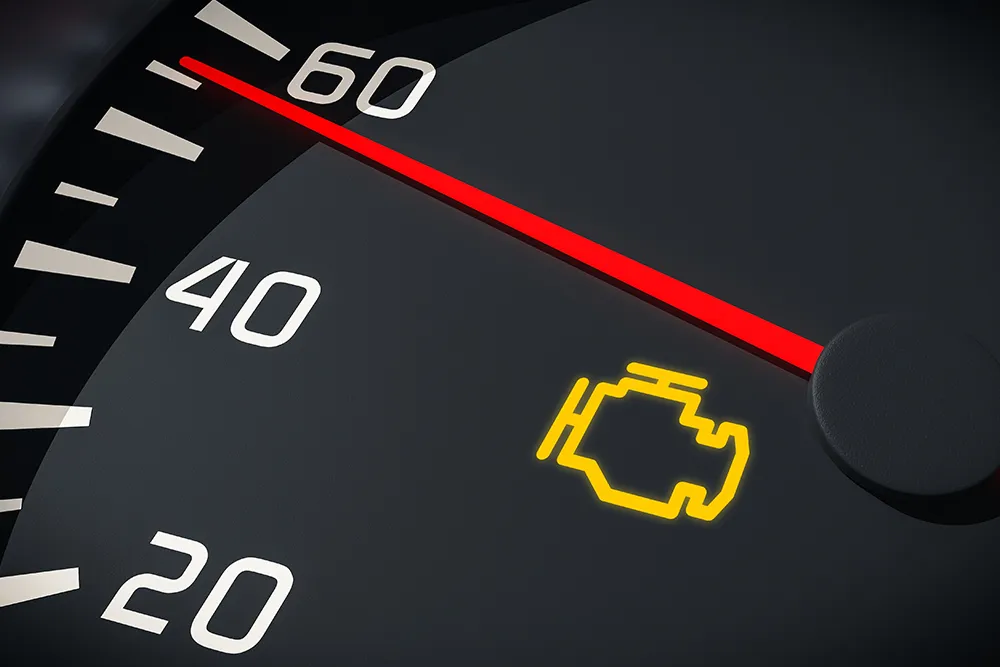
That glowing check engine light isn’t just a nuisance; it’s your car’s way of warning you that something’s wrong. Whether it’s a minor sensor failure or a serious internal issue, continuing to drive without investigating can cause damage to the compound.
Small issues like faulty spark plugs or loose gas caps may lead to bigger problems if not resolved quickly. The engine light often signals performance inefficiencies that, if ignored, can lead to breakdowns or major repairs.
The moment it lights up, it’s wise to get your vehicle checked. Prompt attention can save your engine and your wallet from future trouble.
7. Ignoring Road Damage
Driving over potholes and rough patches may feel like a minor inconvenience, but it has long-term effects on your engine. The sudden jolts from poorly maintained roads can misalign components, loosen connections, and damage mounts that secure the engine in place.
Over time, this repeated stress can contribute to oil leaks, misfires, or even broken mounts. Being proactive while driving means watching for potholes and steering clear of them whenever possible.
Learn where the trouble spots are on the roads you use most often, and reduce your speed when damaged pavement cannot be avoided. Paying close attention in these situations can greatly reduce the strain that road impacts place on your engine.

8. Improper Clutch Use
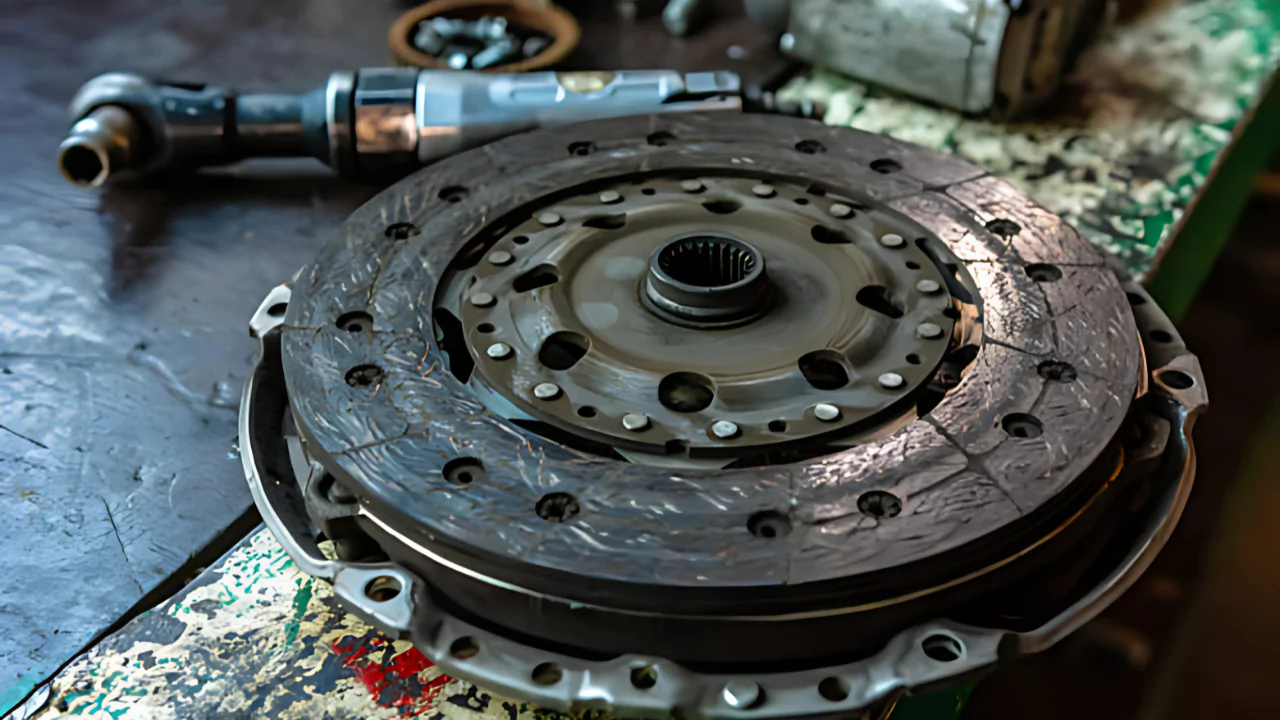
Manual transmission drivers often fall into poor clutch habits, like riding the clutch or grinding gears. These actions don’t just wear out the clutch; they also put undue strain on the engine. Keeping your foot partially on the clutch pedal can prevent full engagement, leading to slipping and overheating.
Grinding gears due to mistimed shifts increases internal friction and wears down the transmission components. To protect your engine and drivetrain, ensure you lift your foot fully off the clutch when not shifting. Refining your technique not only makes driving smoother but also greatly enhances your engine’s lifespan.
9. Running on Low Fluids
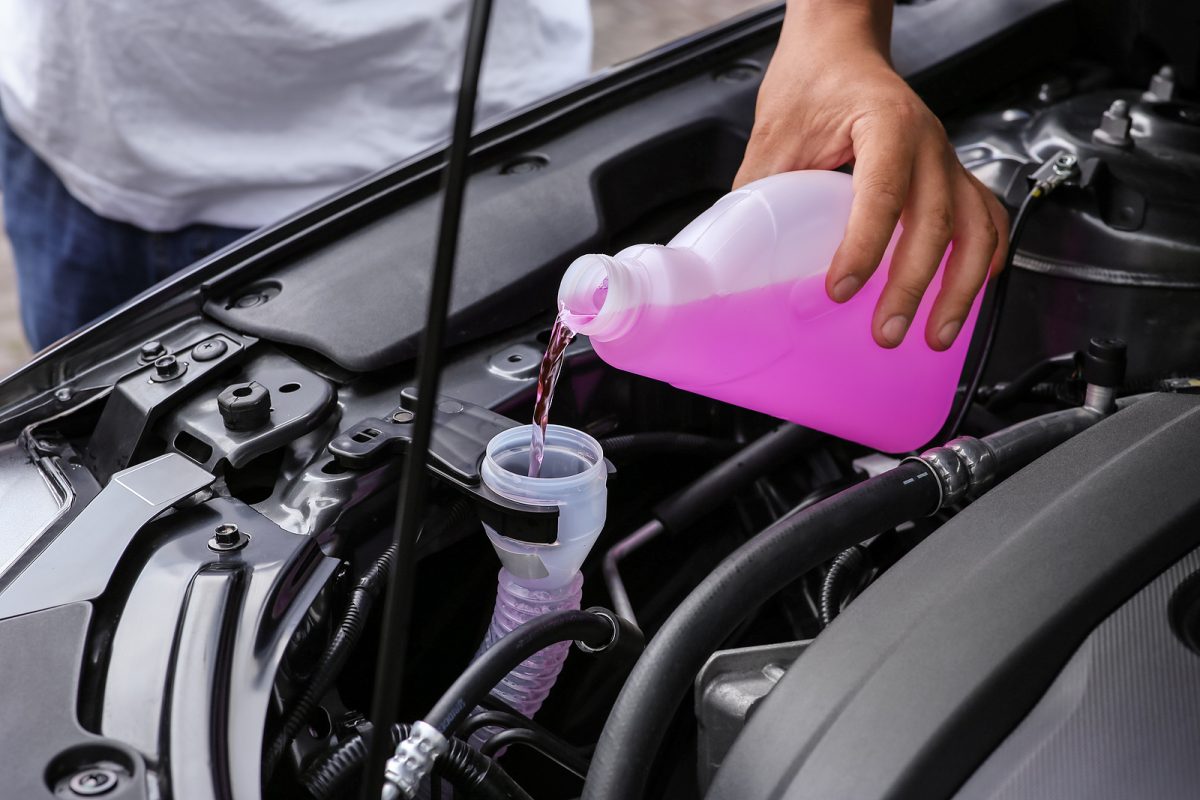
Your engine relies on several fluids, like oil, coolant, and transmission fluid, to function properly. When levels are low or fluids are dirty, your engine can overheat, seize, or suffer serious damage. Oil lubricates internal components; without it, metal parts grind against each other, causing irreversible wear.
Coolant keeps the engine from overheating, and transmission fluid ensures smooth gear operation. It’s vital to regularly check and maintain all fluid levels. Topping off fluids may seem minor, but it’s a major factor in keeping your engine healthy. Neglecting this basic maintenance step is one of the quickest ways to ruin your engine.
Good driving habits can mean the difference between a healthy engine and one that fails prematurely. The nine habits highlighted here, ranging from ignoring the check engine light to flooring the accelerator common but avoidable.
Every action you take behind the wheel either preserves or damages your engine. Small changes in daily driving routines lead to major long-term savings and better vehicle performance.
Being proactive with maintenance, driving cautiously, and respecting your engine’s limits can double its lifespan. By breaking these harmful habits, you’re not just saving money, you’re ensuring your car remains dependable for years to come.
Also Read: 10 Cars That Handle Daily Urban Abuse Without Falling Apart