

As sport utility vehicles continue to dominate both highways and suburban streets, their demand has expanded beyond off-road adventures and family hauling. Many buyers now want SUVs that offer performance capabilities closer to high-performance sedans.
With more power under the hood and heavier curb weights, the braking system becomes a crucial factor in both safety and driving experience. Large, heavy SUVs require effective stopping power, particularly when driven hard or under load.
Some manufacturers have responded by equipping certain models with oversized brakes, engineered to deliver dependable and consistent performance even under demanding conditions.
Others, however, still rely on standard braking systems that may be adequate for daily commuting but fall short during aggressive driving, towing, or long downhill descents.
Brake overheating remains one of the most common issues faced by SUVs equipped with undersized or inadequately ventilated systems. When brakes overheat, stopping distances increase, pedal feel becomes inconsistent, and in severe cases, brake failure may occur.
This issue can compromise safety and reduce driver confidence, especially in emergencies or mountainous terrains. Performance SUVs with upgraded brakes, often borrowed from sports cars or reinforced with larger calipers and rotors, usually avoid these problems. Their braking systems are designed to dissipate heat quickly, maintain grip, and ensure shorter stopping distances.
Let us examine two categories of SUVs. First are five models equipped with large brakes designed for serious stopping ability, the second group consists of five SUVs that retain stock brake setups, which tend to struggle with heat management. Comparing these two groups highlights the importance of brake design and its direct impact on performance and safety.
5 SUVs with Oversized Brakes
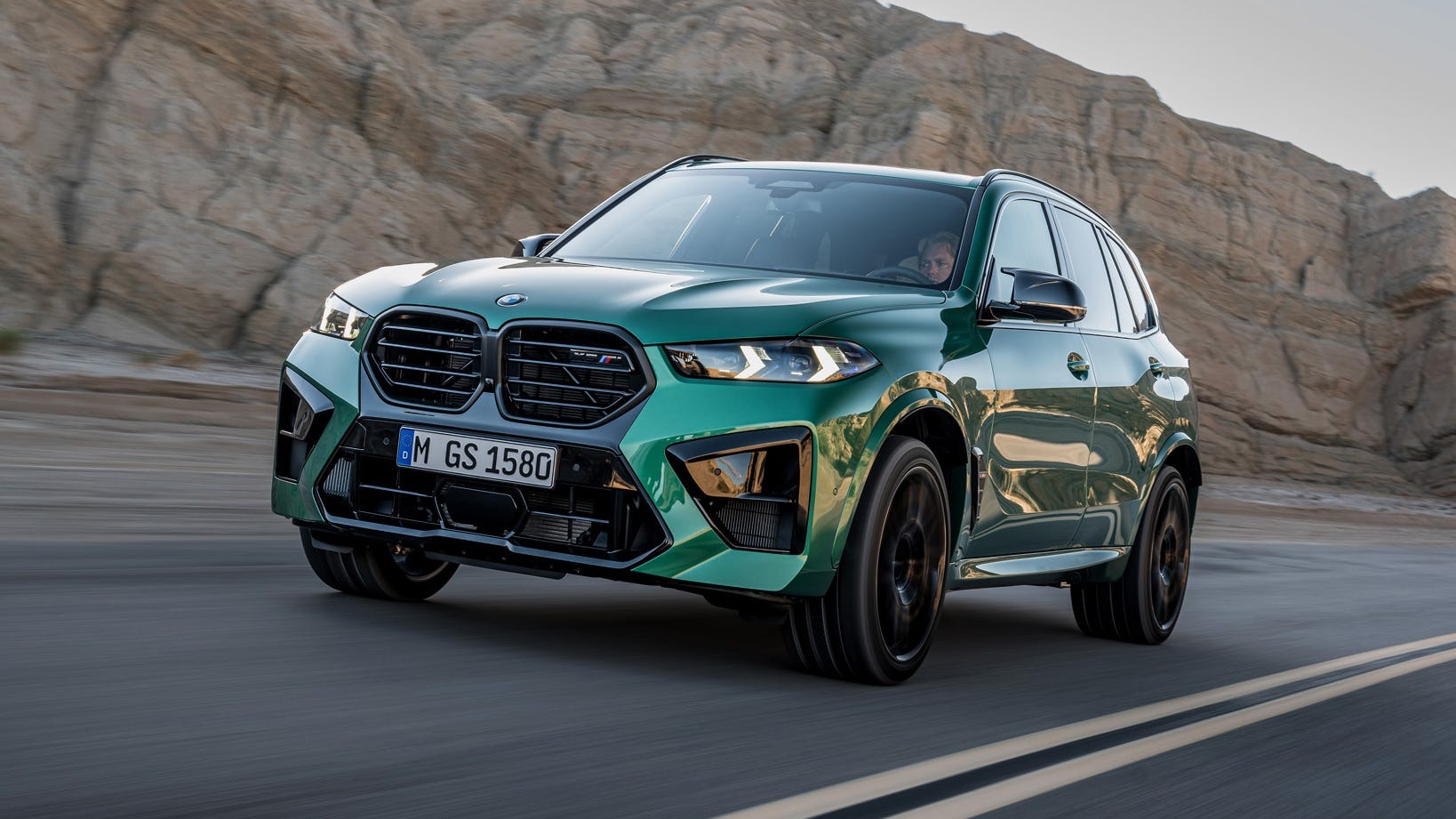
1. 2024 BMW X5 M Competition
The 2024 BMW X5 M Competition is built for those who expect high-speed capability in an SUV platform. It comes standard with a high-performance brake system engineered to handle the enormous power produced by its 4.4-litre twin-turbocharged V8 engine.
Producing over 600 horsepower, this vehicle needs exceptional stopping force to match its impressive speed. To deliver that, BMW fitted the X5 M Competition with massive ventilated discs on all four corners, paired with six-piston fixed calipers up front.
These oversized brakes give the SUV a strong sense of control under braking, even after repeated hard stops. Whether it’s coming off a freeway ramp at high speeds or descending a mountain road, the X5 M maintains stability with minimal brake fade.
BMW also gave attention to cooling, using air ducts that direct airflow to the discs to reduce heat buildup during spirited driving. The brake pedal remains firm, and response time stays sharp, even under demanding conditions.
Apart from performance, these brakes also improve safety in emergency braking scenarios. The system reacts immediately to sudden pedal inputs and shortens stopping distances, which is essential for a vehicle of this size and weight. This becomes even more valuable when driving with passengers or heavy cargo on board.
BMW also allows drivers to customise brake feel through their drive modes. The brake-by-wire system adjusts pressure delivery and pedal sensitivity depending on selected settings. Whether the SUV is in comfort or sport mode, the driver can count on consistent and powerful braking.
The cost of equipping such brakes is reflected in the SUV’s premium price, but for those who drive aggressively or value braking confidence, the difference is clear.
Compared to similar SUVs with standard brakes, the X5 M Competition delivers superior fade resistance and a more controlled driving experience. For this reason, it stands out among performance-oriented utility vehicles.
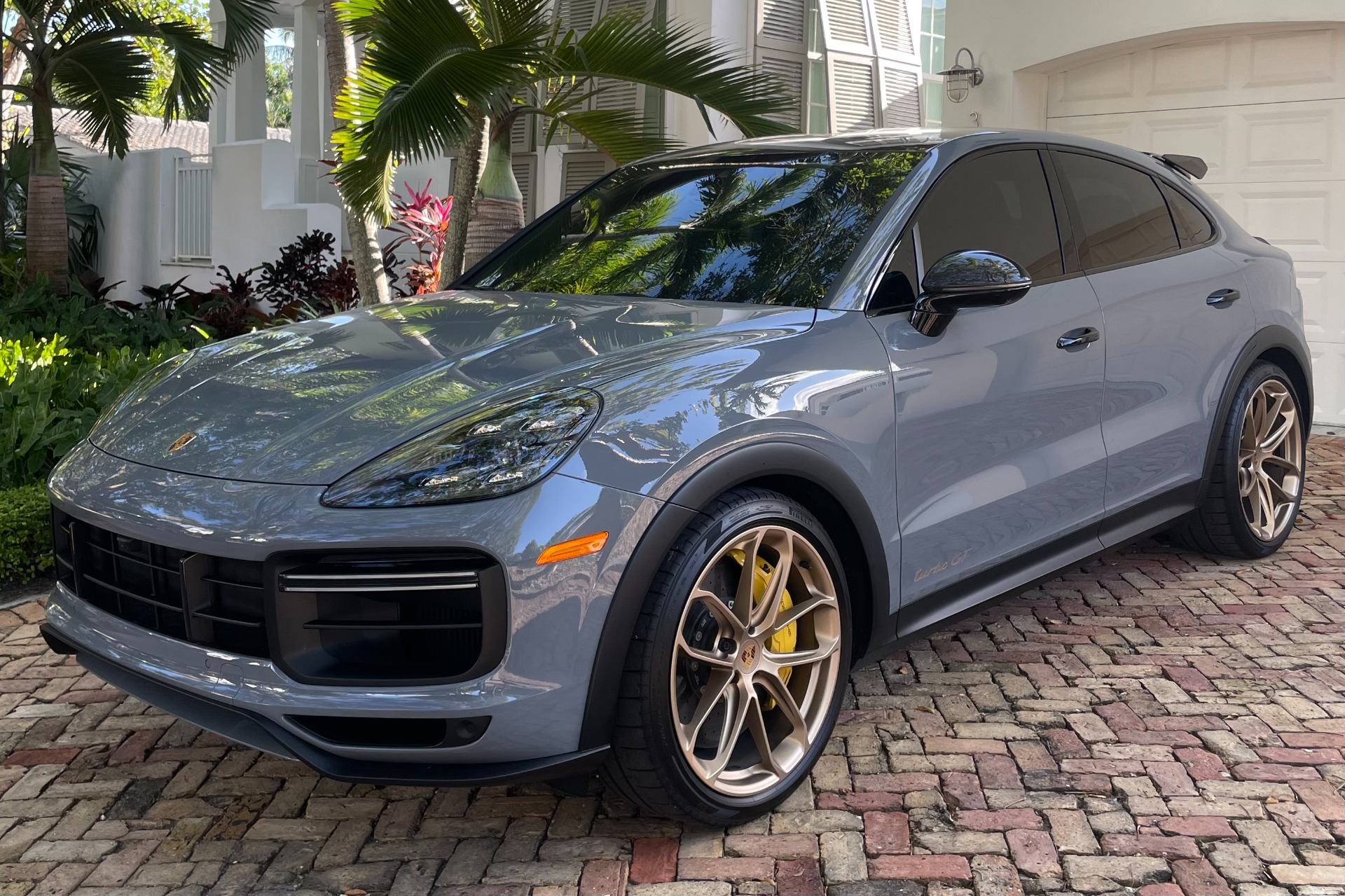
2. 2023 Porsche Cayenne Turbo GT
The 2023 Porsche Cayenne Turbo GT showcases how sports car engineering can blend with SUV functionality. With a strong focus on performance, the Cayenne Turbo GT uses brakes that would not be out of place on a track-prepped coupe.
Porsche gave this model a braking system that matches its supercar-like power and acceleration, reinforcing it with ceramic composite discs and large multi-piston calipers.
These carbon-ceramic brakes are lighter than conventional steel rotors and perform better under extreme temperatures. Heat dissipation is improved, which reduces the risk of brake fade during high-speed runs or repeated stops.
When tested under load, whether on winding roads or during high-speed deceleration, the Cayenne Turbo GT shows no signs of hesitation or softness in the brake pedal. The stopping power remains consistent and strong, allowing the driver to brake late into corners with confidence.
The front brakes come with 10-piston calipers paired with massive 440mm discs. The rear also features large discs and powerful calipers, ensuring balanced stopping performance across all four wheels.
This setup gives the driver total control in both everyday situations and high-performance scenarios. Whether slowing from highway speeds or managing tight hairpins, the vehicle remains planted and predictable.
Aside from performance, Porsche’s braking system also contributes to the entire driving comfort. The system is refined enough to handle city driving without being too aggressive or jerky. It delivers linear pedal feel and smooth deceleration, which makes daily use less stressful despite its racing pedigree.
One downside is the high replacement cost of carbon-ceramic rotors, but they typically last longer and resist wear better than standard steel discs. For drivers who take advantage of the Cayenne Turbo GT’s performance capabilities, this durability provides long-term value.
The 2023 Cayenne Turbo GT proves that proper brake sizing and materials are just as essential as horsepower figures. Its braking system enhances both performance and safety, offering a complete package for those who want sports car performance in an SUV body.
Also Read: 5 Cars with Lifetime Key Fobs vs 5 with Dead Batteries Quickly
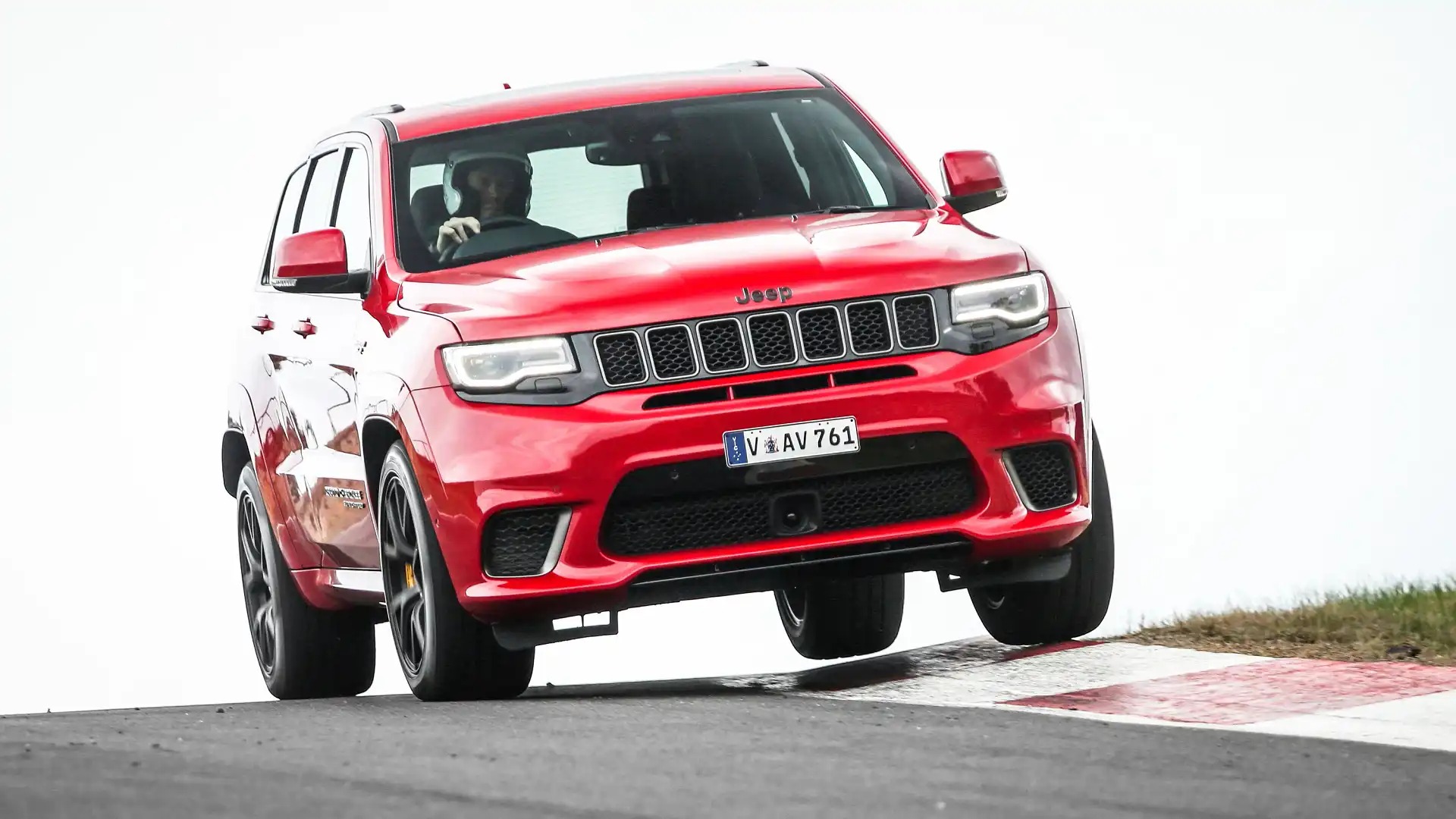
3. 2024 Jeep Grand Cherokee Trackhawk
The 2024 Jeep Grand Cherokee Trackhawk is designed for straight-line speed and raw power, but Jeep also ensured that stopping performance was not left behind.
Under the hood lies a supercharged 6.2-litre V8, the same unit found in Dodge’s Hellcat models. Producing over 700 horsepower, this SUV demands an equally capable braking setup to rein in all that speed.
To meet this challenge, the Trackhawk is equipped with Brembo brakes, including massive 15.75-inch ventilated front rotors clamped by six-piston calipers and 13.78-inch rear rotors with four-piston calipers. These components provide more surface area and better cooling capabilities compared to standard brake setups.
This oversized system ensures strong deceleration even after repeated hard stops. During high-speed driving or heavy towing, heat can quickly build up in a typical brake system.
However, the Brembo-equipped Trackhawk handles these conditions with ease. Brake fade is minimal, and the pedal remains responsive and predictable. Whether you’re going through city traffic or descending steep hills, the Trackhawk’s brakes deliver confidence and stability.
Another aspect worth noting is how Jeep tuned the brake system for a wide range of driving conditions. While some performance-oriented brakes feel grabby or too firm in everyday use, the Trackhawk manages to deliver strong performance without sacrificing comfort. Pedal modulation is smooth, and stopping power is easy to control in low-speed situations.
The SUV also features a built-in cooling strategy that includes vents and ducts to channel air across the rotors. This additional cooling improves the life span of the braking components and ensures consistent performance.
For a vehicle that weighs over 5,000 pounds and can hit 60 mph in just over three seconds, effective brakes are not just an upgrade but a requirement. Jeep recognised this and invested in hardware that keeps up with the engine’s capabilities. Whether on track or highway, the oversized brakes make a substantial difference in how this SUV performs under pressure.
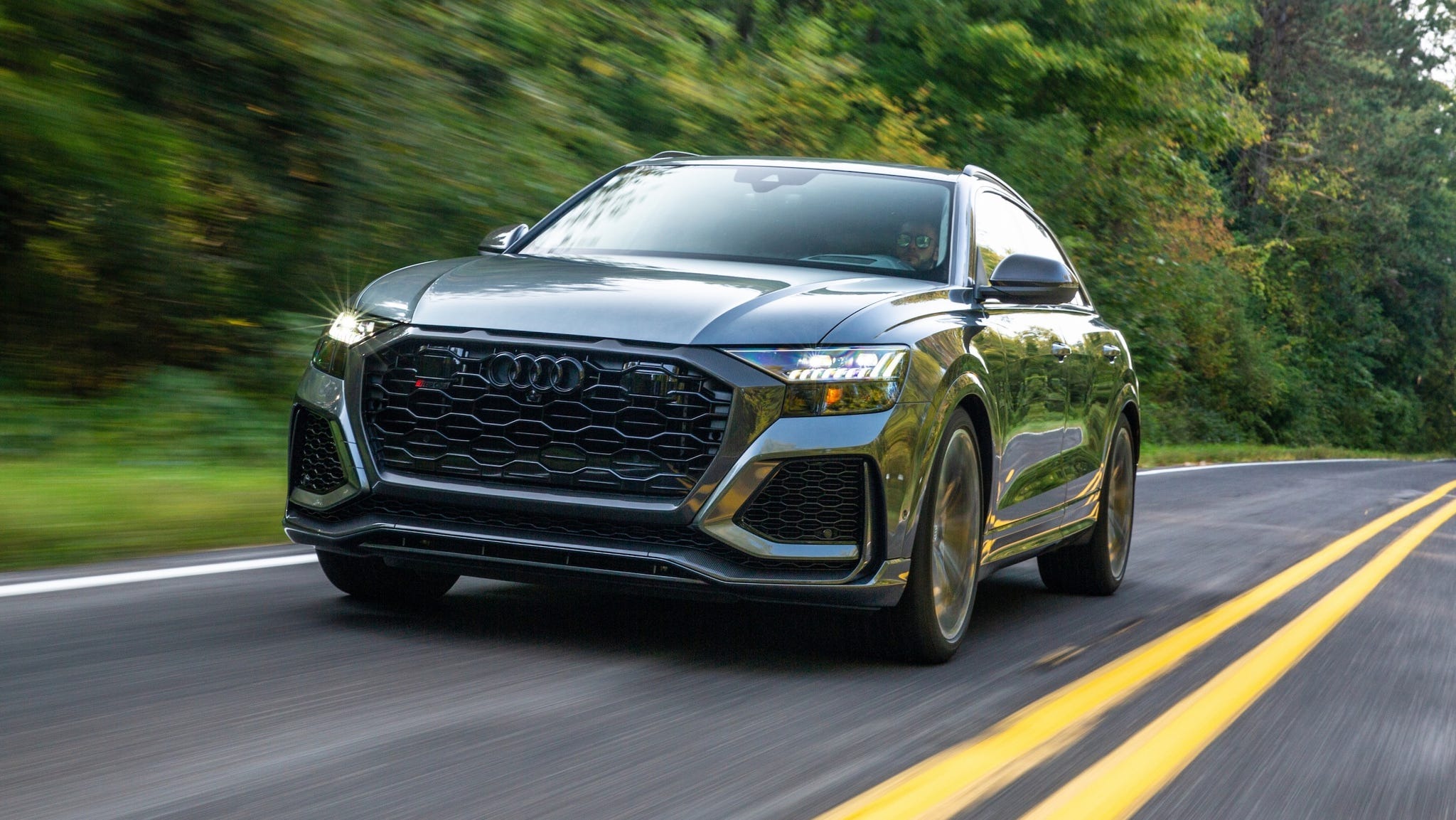
4. 2023 Audi RS Q8
Audi designed the 2023 RS Q8 with both luxury and speed in mind. This SUV competes with high-performance rivals and features components that place it among the best in terms of braking.
With 591 horsepower produced by a twin-turbocharged V8, Audi needed to make sure the braking system could handle aggressive driving without loss of control or performance.
To that end, the RS Q8 is fitted with carbon-ceramic brakes that go beyond what is normally seen in conventional SUVs. The front discs measure 440mm and are gripped by 10-piston calipers, while the rear uses 370mm discs with substantial calipers to match. This setup not only ensures consistent braking but also helps to reduce unsprung weight, which benefits both handling and ride quality.
During performance testing, the RS Q8 shows little to no signs of brake fade, even after repeated heavy braking from highway speeds. The system maintains a strong bite and predictable pedal feel. Whether under heavy acceleration or coming to a stop from 100 km/h, the vehicle remains well-controlled and balanced.
Heat management is another strong point. Audi integrated air ducts and ventilation channels to direct airflow across the rotors, helping to cool them quickly. This feature is essential for maintaining performance when the brakes are pushed hard, especially during mountain driving or track use.
Apart from performance, the RS Q8’s brakes are designed for refined use. City driving and stop-and-go traffic are handled smoothly, with the system offering gentle deceleration and excellent pedal control. The driver does not need to constantly adjust their pressure to avoid jerky stops.
These advanced brakes do come at a higher cost of maintenance, especially when replacement is needed. However, the durability of carbon-ceramic materials means that drivers may go longer before needing service.
The RS Q8 proves that performance SUVs do not need to compromise on braking quality. Its oversized and well-engineered system plays a vital role in delivering the full experience of driving a high-powered luxury SUV, keeping both speed and safety in balance.
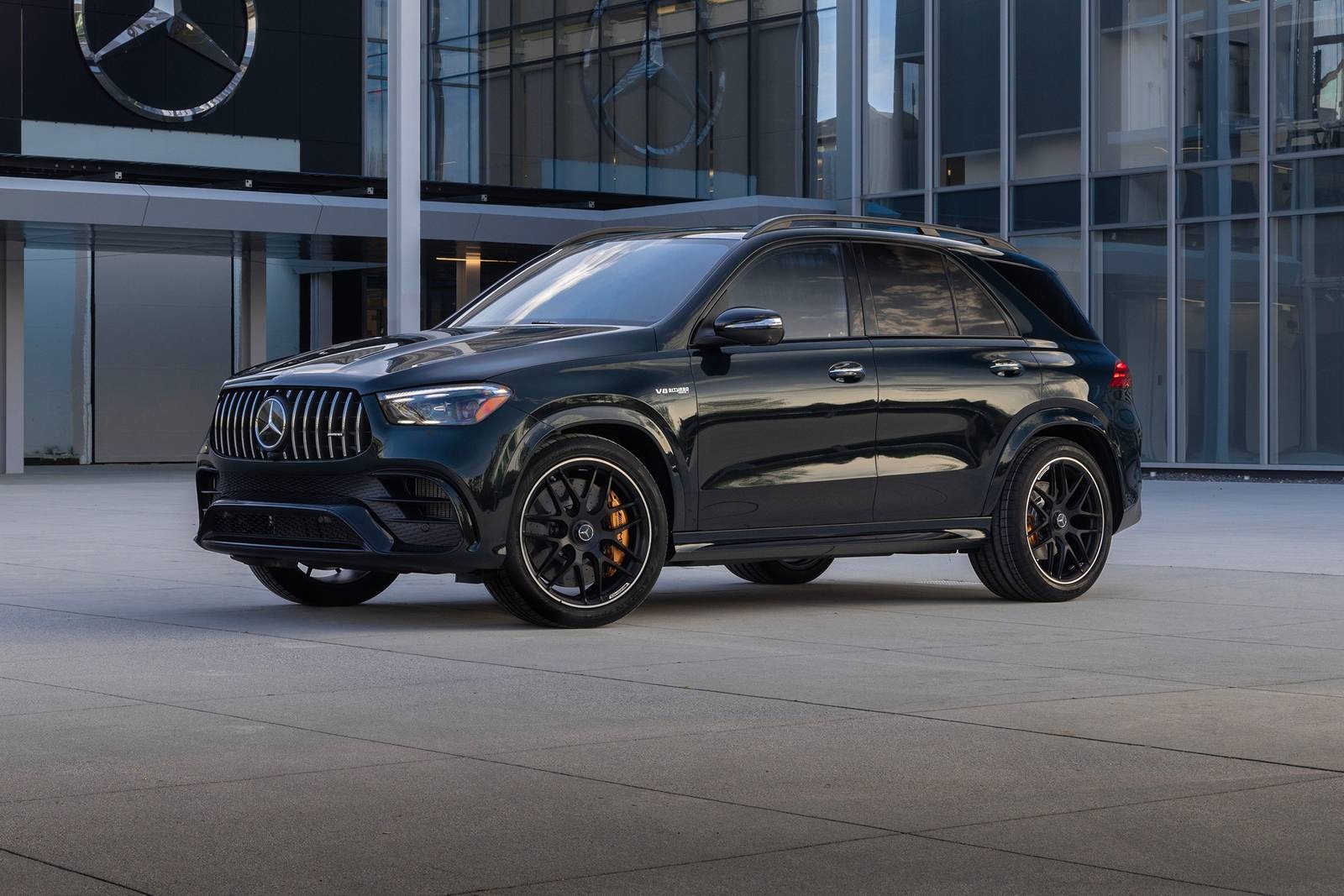
5. 2024 Mercedes-AMG GLE 63 S
The 2024 Mercedes-AMG GLE 63 S is more than just a luxury SUV. It combines aggressive acceleration with track-ready handling, which demands a brake system capable of supporting such intense driving. AMG addressed this by fitting the GLE 63 S with an oversized, high-performance brake setup built to match its 603 horsepower output.
The front wheels are equipped with large 15.8-inch ventilated rotors paired with six-piston fixed calipers, while the rear uses slightly smaller discs with single-piston calipers.
These components provide a larger contact area and better heat dissipation, both of which are essential for preventing brake fade during spirited driving or heavy loads.
Mercedes tuned this brake system for immediate response. During sudden deceleration, the pedal feel remains firm and linear. There is no softness, even after repeated stops from high speed. The GLE 63 S delivers consistent performance that gives drivers confidence whether they are on the highway or on a closed track.
Another major benefit of the oversized brakes is their contribution to towing performance. With a higher towing capacity than many rivals, the GLE 63 S needs to manage additional weight effectively. The brakes provide steady control during descents and in stop-start traffic while towing.
Mercedes also improved the airflow around the rotors using dedicated cooling ducts that pull air through the wheel wells. This system helps to lower rotor temperature and protect components from thermal stress, increasing the lifespan of brake parts and improving general reliability.
In daily driving, these brakes transition well from performance use to urban settings. The vehicle stops smoothly in traffic and provides accurate pedal feedback without abruptness. Drivers who demand both high performance and comfort will appreciate the balance achieved here.
Maintenance costs can be higher than standard brake systems, especially when it comes to replacing large rotors and calipers. But for drivers who intend to use the GLE 63 S as more than just a family cruiser, the benefits far outweigh the expense.
This SUV stands out as a complete package where power, handling, and braking all work together seamlessly.
5 SUVs with Stock Brakes That Overheat
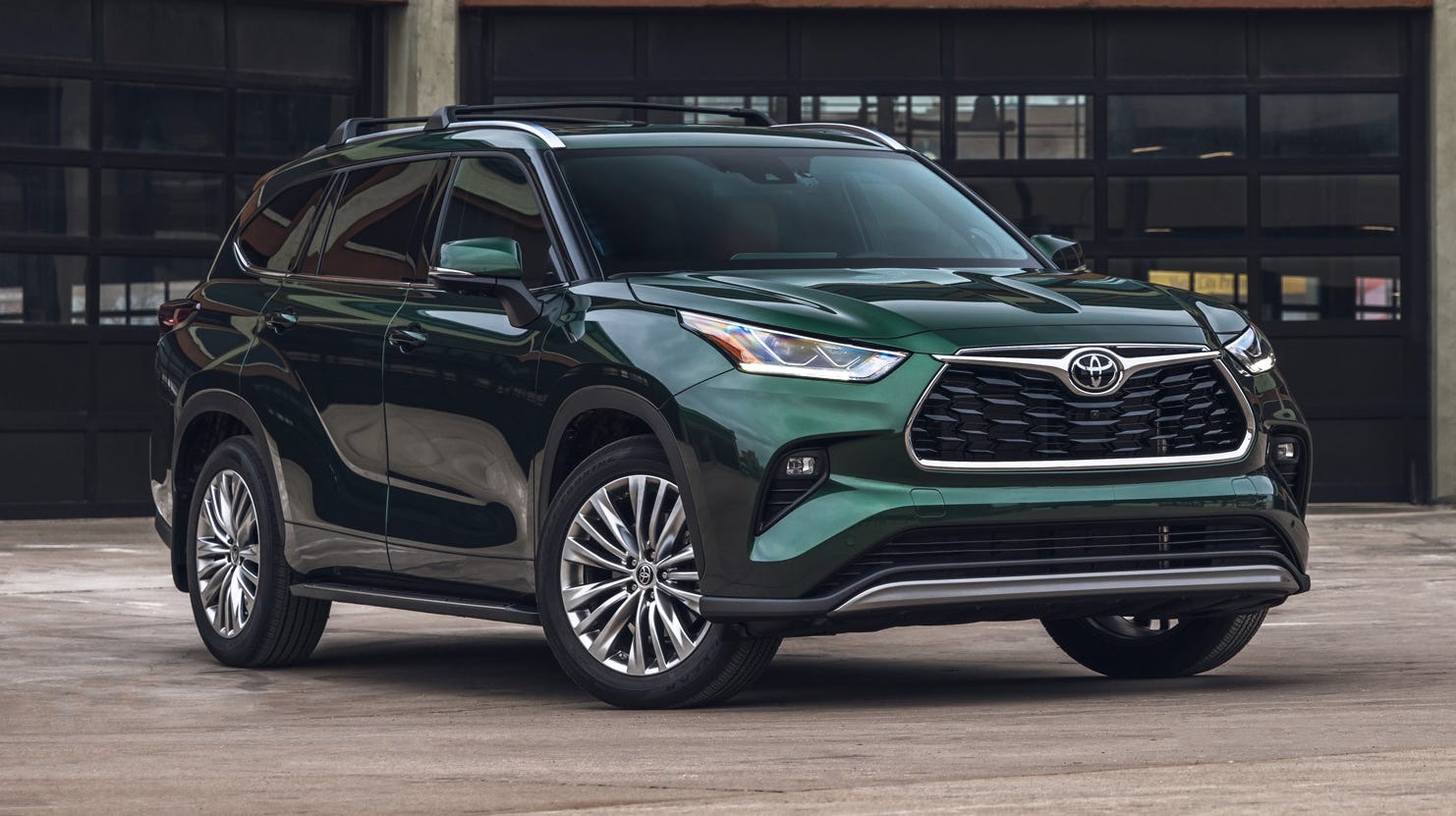
1. 2023 Toyota Highlander
The 2023 Toyota Highlander is designed with comfort, practicality, and family utility in mind. Its standard brake system is well-suited for daily commuting, school runs, and moderate highway driving.
However, when pushed beyond its typical use, the limitations of its stock brakes begin to show. The Highlander’s braking setup includes ventilated front discs and solid rear discs, but the size and material composition are not engineered for sustained high-performance demands.
During prolonged downhill driving or when towing near its maximum rated capacity, the brake system often struggles to maintain consistent stopping power. Heat buildup occurs quickly, especially when making repeated stops or descending steep slopes.
As the brakes become hotter, the pedal can begin to feel soft, and stopping distances increase noticeably. Drivers may also hear noise or smell burning during intense use, both of which are signs of overheating.
In everyday traffic, these brakes perform adequately. Stopping from low speeds is smooth, and the pedal responds predictably under light loads. The issues arise when the SUV is subjected to more strenuous conditions, like long road trips through mountainous terrain or city driving with heavy loads in the cabin and trunk.
Toyota’s brake system lacks advanced cooling features that would help reduce temperature buildup. Without additional ventilation or larger rotors, the heat has nowhere to go quickly. This affects the longevity of the brake pads and rotors, often requiring earlier replacement when the vehicle is driven in challenging environments.
Although the Highlander offers reliability, fuel efficiency, and a comfortable ride, it is not a vehicle designed for spirited driving or aggressive braking. Those who expect more from their SUV in terms of towing or mountain driving might find themselves disappointed by the braking performance.
Drivers should consider this limitation when planning trips or carrying heavy loads. Upgrading the brake pads or switching to performance rotors may help, but such changes are not part of the original factory design.
The Highlander remains a dependable SUV for regular use, but its braking system has visible limits when tested beyond casual driving scenarios.
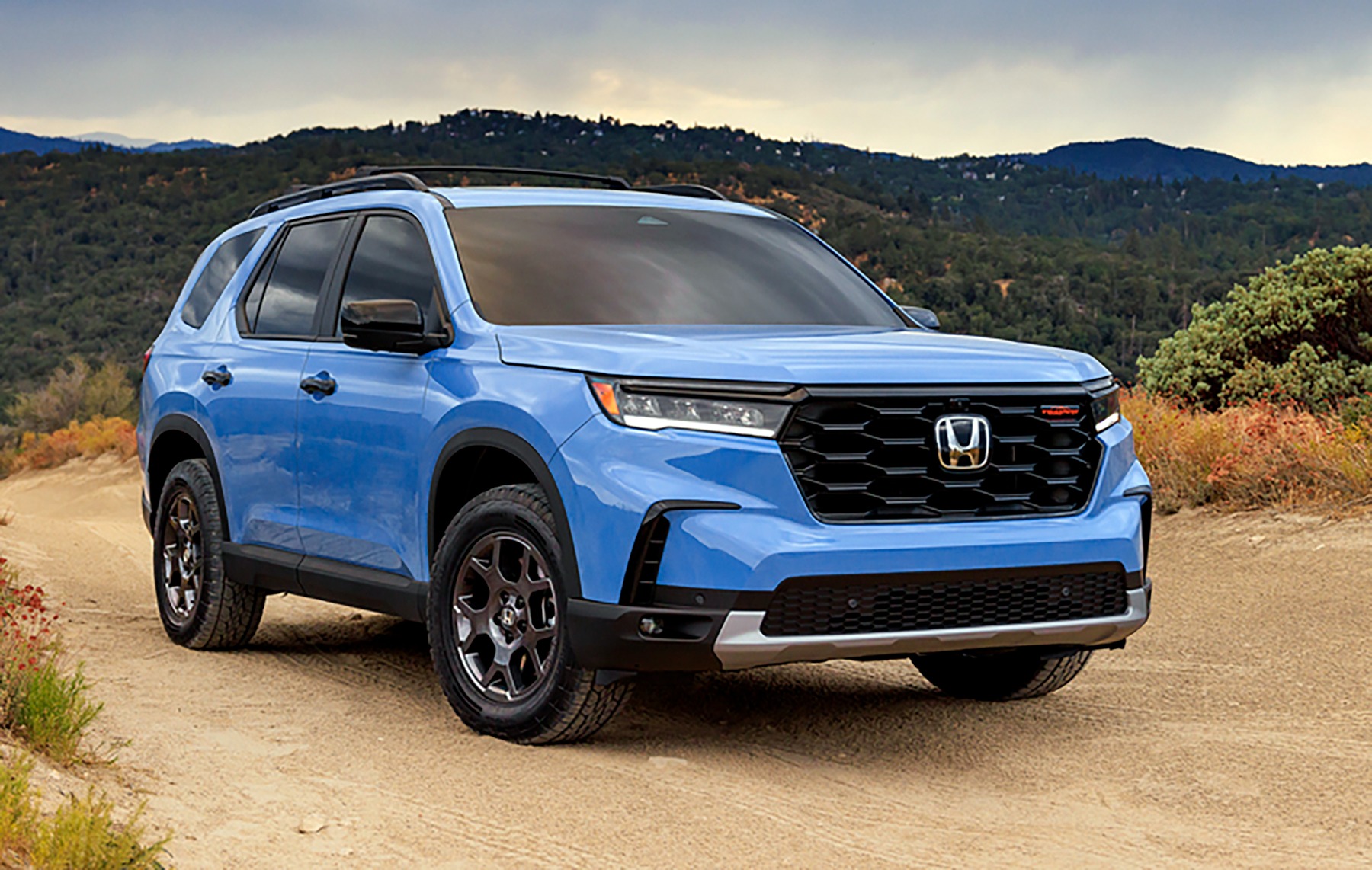
2. 2023 Honda Pilot
The 2023 Honda Pilot is appreciated for its roomy interior and family-oriented features. Its 3.5-litre V6 engine delivers respectable power, but the braking system has remained relatively unchanged for several generations.
It uses a standard setup with ventilated front discs and solid rear discs, which is sufficient for city driving and mild highway cruising. However, this configuration reveals its weaknesses when placed under pressure.
One common issue faced by Pilot owners occurs during long road trips, especially in hilly regions. When descending steep grades or braking repeatedly in traffic, the brake components tend to heat up quickly.
The lack of large rotors or advanced cooling systems makes it hard for the brakes to stay within a safe temperature range. This leads to reduced pedal responsiveness, increased stopping distance, and in some cases, temporary loss of braking effectiveness.
Another problem emerges during towing. Though the Pilot is rated to pull moderate loads, its brakes are not designed to control added weight under repeated use. As a result, towing even a light trailer over long distances can wear the system down quickly, especially in warmer climates or heavy traffic.
In everyday use, the Pilot’s brakes are quiet and effective. There is minimal vibration or grabbing during light stops, and the pedal feels consistent under gentle braking.
This makes the SUV suitable for families who do not demand much from their braking system. However, those who drive in challenging environments or push the vehicle hard will notice the system’s tendency to overheat.
Honda has not equipped the Pilot with performance-enhancing brake components or dedicated cooling mechanisms. This decision aligns with its goal of building a reliable family SUV rather than a performance machine. But it does mean that some drivers might find themselves wishing for better stopping capability.
Owners who use their vehicles for long-distance travel, towing, or driving in mountainous areas should keep this limitation in mind. Aftermarket solutions exist, but they require additional investment. Without those upgrades, the Pilot’s brakes remain suited mainly for light-duty operation and are likely to show strain under extended hard use.
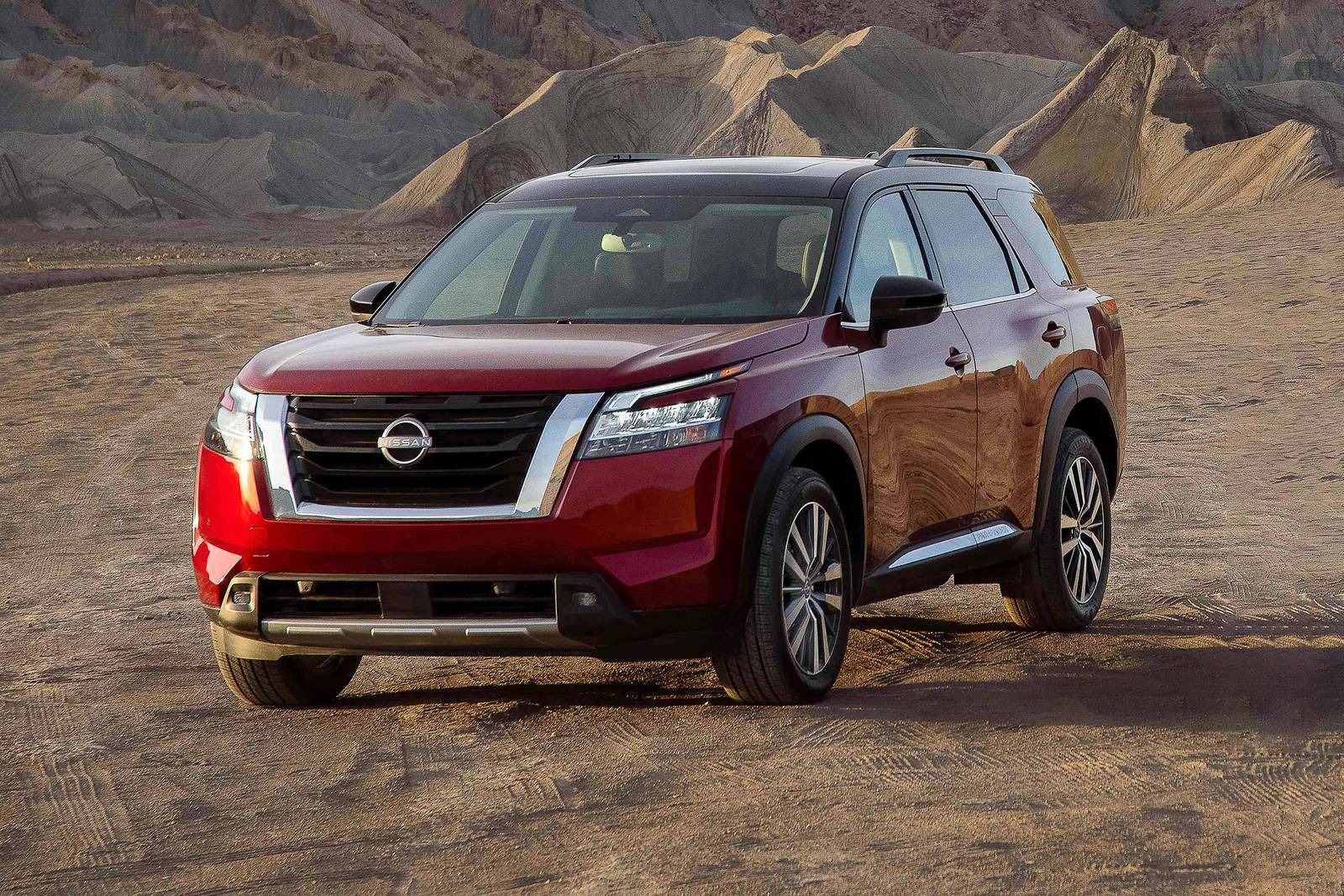
3. 2023 Nissan Pathfinder
The 2023 Nissan Pathfinder blends rugged styling with family-friendly design, aiming to offer both off-road potential and comfortable on-road driving. While the vehicle boasts a powerful 3.5-litre V6 engine and an updated transmission, its braking system still falls short when it comes to handling sustained pressure.
Equipped with standard-sized ventilated front and solid rear discs, the Pathfinder’s brakes are sufficient for casual use but tend to overheat during more intense situations. This problem becomes noticeable during prolonged braking events. When driving through mountain passes or towing close to the vehicle’s capacity, the brakes heat up fast.
As temperature increases, drivers often report a fading brake pedal and a noticeable increase in stopping distance. Some even encounter a pulsing sensation or unpleasant noise from the rotors during extended use.
Although the vehicle includes some improvements over past generations, the brake system does not feature enhanced cooling ducts or performance rotors. This makes it harder for the setup to handle continuous braking without performance loss. The size of the rotors is adequate for daily driving but lacks the durability required for high-load or high-speed conditions.
During normal commuting or weekend trips, the Pathfinder’s brakes function with no obvious problems. They remain quiet and stable in city traffic, and the pedal feel is consistent under low-stress conditions. However, the limitations of the braking system reveal themselves during any situation involving frequent deceleration or high vehicle weight.
Towing performance also exposes the system’s weaknesses. The Pathfinder can pull moderate loads, but without improved brakes, the driver must be cautious during extended trips, especially in hilly terrain. Brake fade and overheating may lead to more frequent maintenance, such as replacing pads and rotors sooner than expected.
Owners looking for a more durable braking experience may need to consider aftermarket enhancements. But as it stands, the Pathfinder’s factory brakes are best suited for average driving. Those expecting rugged capability from this SUV might be disappointed if they encounter steep descents or consistently drive with heavy cargo.
Nissan may have refined many parts of the Pathfinder’s performance, but the braking system remains one area where it still needs improvement under pressure.
4. 2024 Chevrolet Traverse
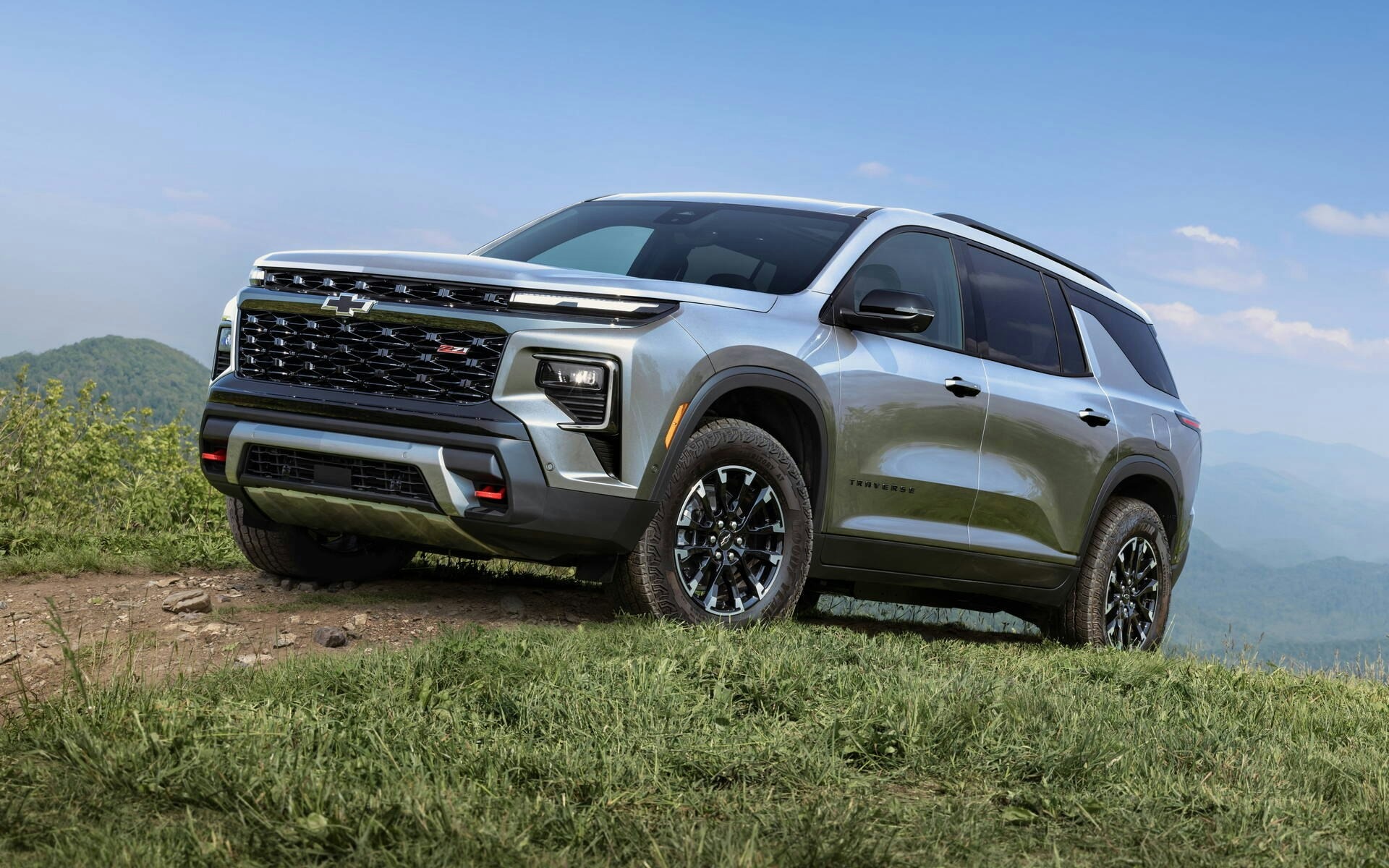
The 2024 Chevrolet Traverse is a large midsize SUV offering spacious seating for up to eight passengers, making it a popular choice for growing families. Its V6 engine provides decent acceleration, and its comfort-oriented suspension suits highway cruising.
However, the Traverse’s standard brake system often falls behind when the vehicle is pushed hard or loaded heavily. The stock configuration features ventilated front rotors and solid discs at the rear, which are adequate for light-duty use but prone to overheating under pressure.
One of the recurring concerns with the Traverse relates to downhill braking. When descending long grades or driving in mountainous terrain, the brakes tend to heat up faster than expected.
Without advanced cooling features or larger rotors, the system struggles to manage heat effectively. As the temperature rises, the driver may notice a softening pedal, increased stopping distances, or a warning smell that signals excessive wear or stress.
Another factor contributing to brake overheating is the SUV’s weight. With a curb weight well above 4,300 pounds, and more when loaded with passengers and gear, the Traverse places a constant demand on its brake components. Repeated stops in traffic or during towing can lead to thermal stress that shortens the life span of the pads and rotors.
During normal city driving and suburban routes, the brake system does its job without issue. The pedal feel remains light, and the response is consistent for moderate stops. The challenges surface only during prolonged deceleration or frequent use under load.
Chevrolet has not fitted the Traverse with performance brakes or upgraded hardware. As such, those who drive in demanding environments or use the SUV for towing may need to plan for earlier maintenance or consider aftermarket options.
Heat management remains a challenge, and drivers who push the vehicle harder may face reduced braking performance after some time.
While the Traverse delivers comfort, space, and value, its braking system is best suited for light-duty operation. Anyone planning to drive through hilly terrain or haul cargo frequently may want to look beyond the factory setup for better braking reliability and endurance.
Also Read: 5 Cars That Stay Valuable Enough to Buy New vs 5 That You Should Always Buy Used
5. 2023 Ford Explorer XLT
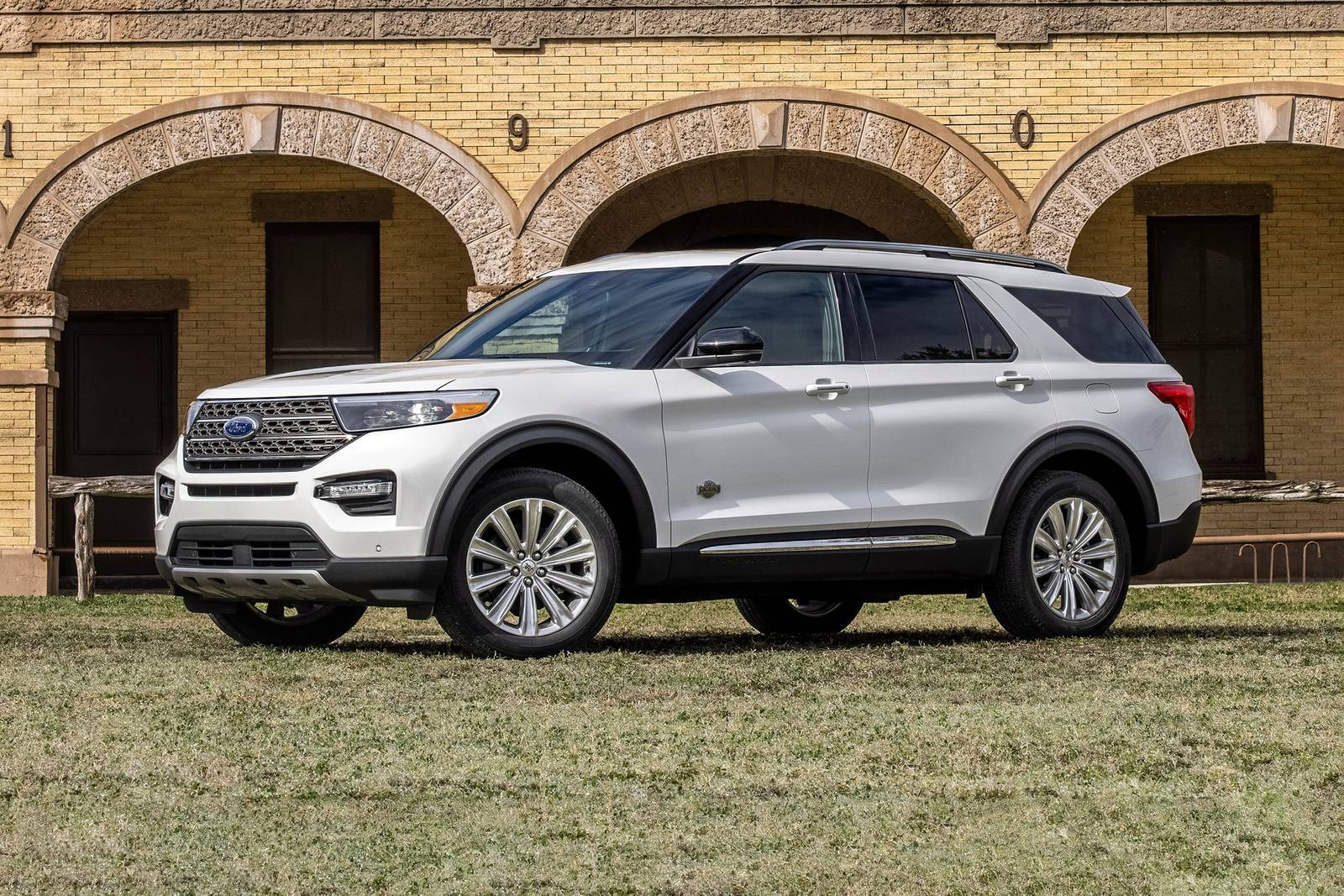
The 2023 Ford Explorer XLT remains one of the more popular three-row SUVs on the market, offering a blend of performance, practicality, and technology. It features a turbocharged 2.3-litre engine that provides good acceleration, especially for a family SUV.
However, when it comes to braking performance under extended use, the Explorer XLT’s stock system leaves room for concern. With standard-sized ventilated front discs and solid rears, the brakes can perform well in typical conditions but show weakness during harder usage.
Many drivers notice that when descending long hills or engaging in frequent high-speed braking, the pedal becomes less responsive. This brake fade is often accompanied by a burning smell and reduced confidence during deceleration. Since the rotors are not oversized and the system lacks supplemental cooling channels, it is easy for heat to build up faster than it can be dispersed.
Towing also puts additional stress on the brake system. Although the Explorer is rated for decent towing capacity, the factory brakes do not provide the level of thermal management required for prolonged towing. Brake pads tend to wear out more quickly, and rotors may warp when exposed to repeated heat cycles under heavy loads.
During regular daily use, such as highway cruising or city errands, the Explorer’s brakes operate smoothly. Pedal feedback is predictable, and there is little noise or vibration.
These conditions are where the vehicle performs best. However, for road trips involving elevation changes or frequent stops, drivers may experience a loss in braking performance.
Ford has equipped higher trims like the ST with better brake systems, but the XLT trim stays with a basic setup. For those who drive long distances, haul gear, or live in hilly areas, it might be necessary to upgrade the brake components for peace of mind.
While the 2023 Explorer XLT offers versatility and comfort, its stock brakes are not designed for heavy-duty demands. When used outside of casual driving conditions, the braking system shows its limitations. Upgrades or cautious driving may be required to maintain safety and performance in demanding situations.
