
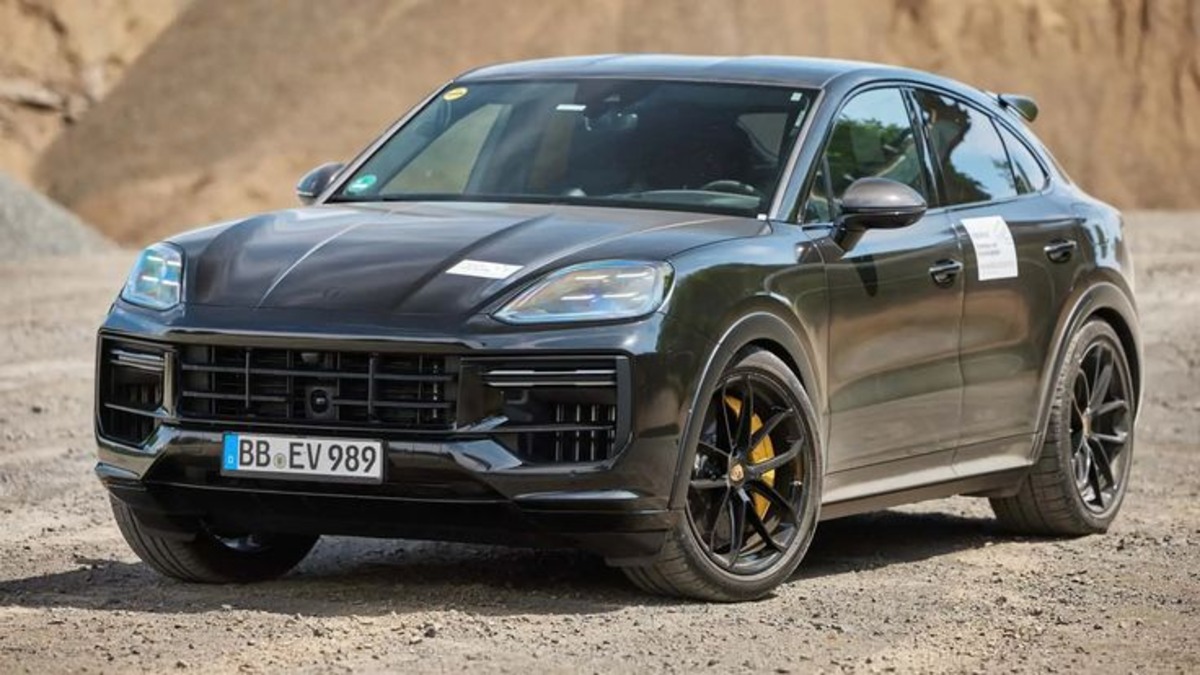
When contemplating the purchase of a car, most individuals tend to focus on performance, reliability, and features.
Yet, one subtle but impactful factor can shape financial outcomes—color. Automakers offer a range of color choices, from understated classics to bold statements.
While the immediate response to a car’s shade is typically aesthetic, these decisions ripple into the future, influencing how much owners could receive when it’s time to pass along the keys. Unexpectedly, the pigment gracing a car’s surface often causes significant swings in resale value.
Market statistics and observations show that certain colors help maintain or even boost a vehicle’s worth, making those cars more desirable among secondhand buyers.
Conversely, some shades are notorious for limiting interest and reducing the final selling price, regardless of the car’s mechanical excellence or mileage.
This dynamic isn’t arbitrary; it’s shaped by buyer demand, trends, perceived maintenance challenges, and how a specific color fits the brand’s identity or the type of vehicle.
This comprehensive review addresses both sides: those car colors that position vehicles for a higher resale value and those that are likely to cause a financial setback.
By understanding this component, shoppers can make informed choices that not only match personal taste but also support smart investment decisions down the road.
Also Read: 5 Imported JDM Cars Commanding High Prices vs 5 That Didn’t Retain Value
5 Car Colors That Resell for a Premium
Verified sales data and automotive market analyses routinely reveal that car color goes far beyond mere style, it plays a measurable role in resale value.
Certain hues consistently rank higher in desirability and popularity, commanding greater prices on used car lots and online platforms alike.
These colors are often not only associated with timeless appeal but can reflect rarity, brand association, and ongoing demand within specific vehicle segments such as sedans, SUVs, or sports models.
This section will highlight five specific car colors that collectively lead the pack in maximizing a car’s resale potential.
Examining each choice provides valuable insight into why they stand out, how they attract a larger pool of buyers, and what makes them a strategic pick for owners aiming to safeguard their car’s worth.
Each entry includes a discussion about its advantages from an investment perspective, supported by market findings and industry commentary, helping buyers understand how a simple decision at the dealership could pay off handsomely years later.
1. White
White remains an undisputed frontrunner when assessing vehicle colors that retain value particularly well. Its widespread appeal is immediately apparent, white vehicles are everywhere, from compact urban cars to flagship luxury SUVs.
This omnipresence is not accidental; the color white naturally projects freshness, cleanliness, and versatility. These qualities are highly transferable—whether a buyer is looking for family transportation or a fleet vehicle, white seems to fit nearly every scenario.
Manufacturers continually refresh their palettes, but white’s resilience stands out. It’s frequently the default no-cost color option, so automakers produce significant numbers, ensuring plentiful stock in the resale market.
Still, despite its abundance, white does not lose favor or fall victim to oversupply-driven depreciation. Demand remains steady, as white cars offer practical advantages: scratches and minor blemishes are less visible, keeping vehicles looking newer for longer.
They are perceived as easier to maintain, especially in regions with frequent sunshine, due to their ability to reflect heat more effectively than darker shades.
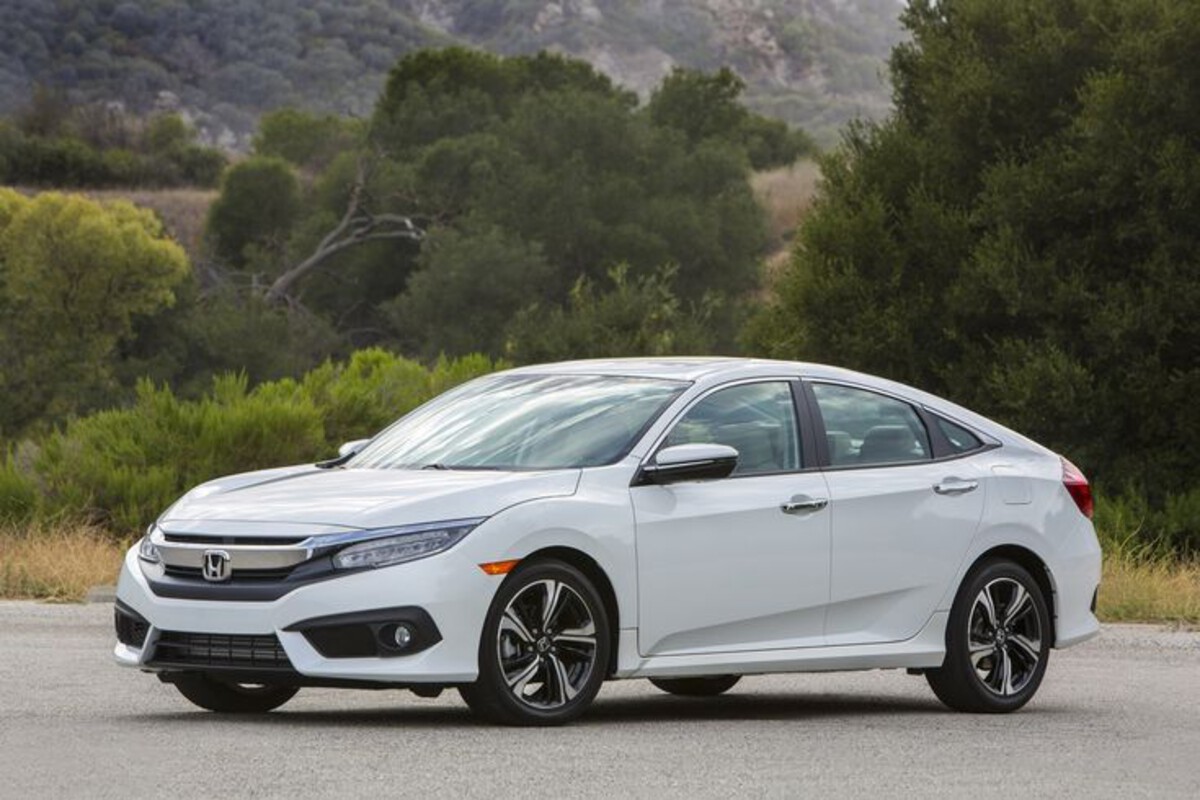
Buyers shopping in the used market also link white cars to professionalism and status, especially within the luxury and executive segments. Fleet managers and ride-share operators tend to prefer white for its neutrality and easy branding.
The result is a robust demand that translates into higher retained values, especially for brands known for dependability or technology.
Recent sales data consistently places white cars near the top tiers of resale charts, making it a reliable choice for value-conscious buyers seeking to safeguard their investment.
2. Black
Black cars project an air of sophistication and authority, often chosen by those who appreciate a classic, formal appearance.
The color black complements sleek lines and luxury features on sedans and high-end SUVs just as effectively as it blends into urban environments.
Despite being a staple color, black’s magnetic pull in the used market is hard to dispute, buyers continue to associate it with status, prestige, and an understated boldness.
Resale advantages stem from several factors. First, black is universally compatible with most interior options and packages, so it rarely clashes with in-cabin styling.
Second, the shade’s “timeless” attribute means it seldom succumbs to the whims of short-lived fashion trends, maintaining its appeal year after year.
Statistically, black remains one of the most popular colors for luxury and performance vehicles, a segment where buyers are willing to pay a premium for preferred aesthetics.
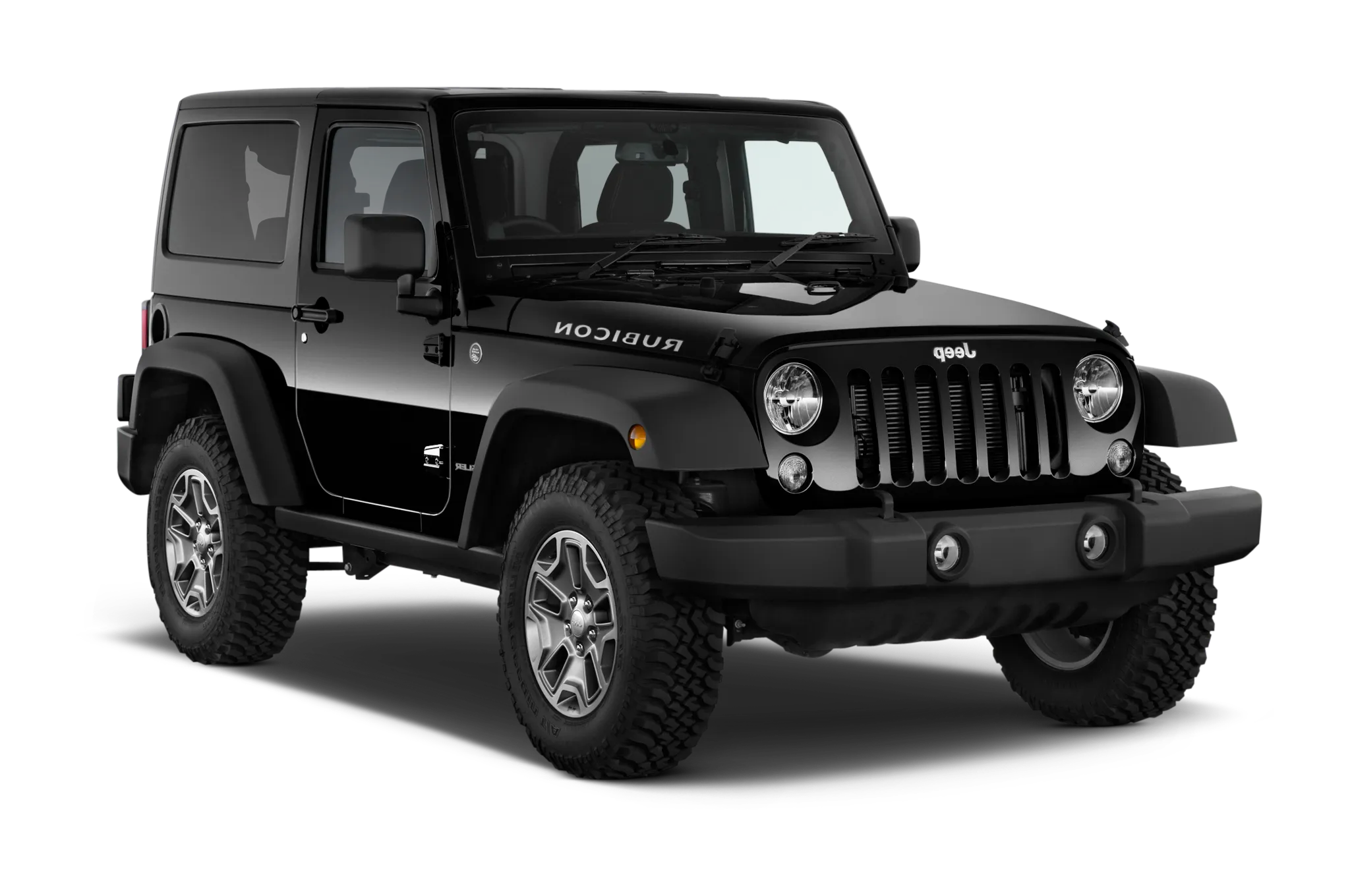
Another driver for strong retained value lies in perception; black vehicles are often considered easier to match with aftermarket accessories and are highly sought after for formal or executive purposes.
This sustained demand tends to cushion black cars against sudden drops in value, even though the color is known to show dirt, scratches, and swirls more readily than lighter options.
However, owners who maintain their vehicles well can expect to fetch higher prices, making black a continually strong performer in used market transactions.
3. Gray
Gray provides a balanced middle ground between eye-catching and understated. It’s become a modern staple, particularly as automakers refine their offerings with metallic and pearlescent finishes that lend depth and personality to this hue.
Gray cars evoke a sense of subtle luxury, appealing broadly across various age groups and demographics.
One of gray’s most significant contributions to resale value is its resiliency—in both fashion cycles and perception of cleanliness.
Minor imperfections, road dust, and water spots are well-camouflaged, so gray cars tend to look presentable even with occasional lapses in washing or detailing.
This makes gray an attractive choice for pragmatic buyers who value aesthetics without the need for excessive upkeep.
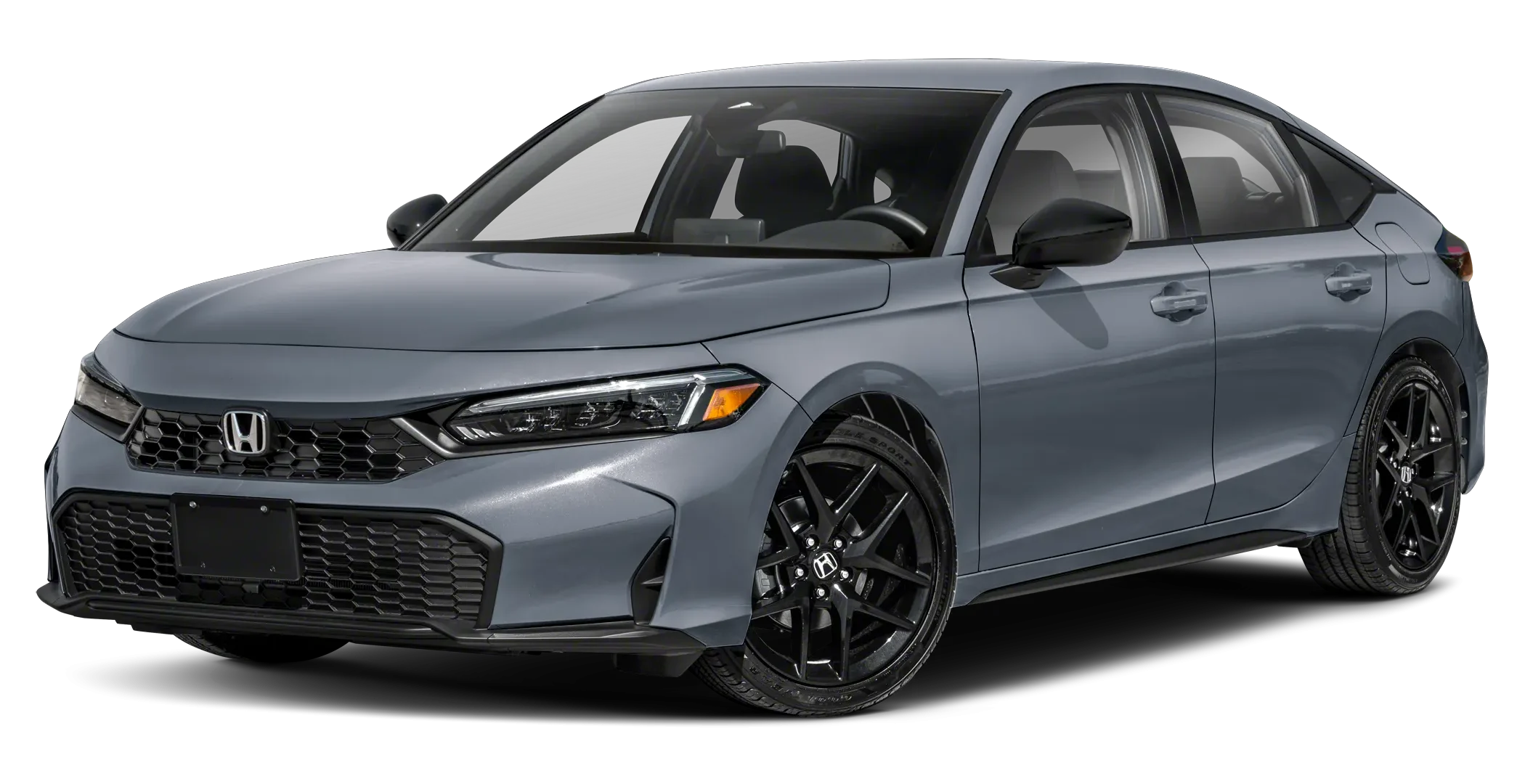
The market’s positive response to gray translates into notably slower depreciation. Buyers who select gray benefit from broad appeal: the color is as likely to attract a commuter as it is a professional seeking an understated yet modern look.
As more automakers offer advanced paint technology, unique gray tones, such as matte or graphite finishes, add exclusivity and visual interest, making these cars stand out in secondhand searches.
Industry analysts note that gray’s prevalence is rising in popularity, especially among mid-size sedans and compact SUVs, reinforcing its position as a safe haven for value retention.
4. Blue
Blue often strikes just the right balance between individuality and mass-market appeal. Within the spectrum, mid-tone and darker blues—think navy or metallic blue—typically perform best.
These shades offer enough personality to distinguish a car from the usual silver, black, or white options, while still maintaining a wide buyer base.
Market observation shows that blue vehicles resonate across multiple segments, from family cars to sporty coupes.
Many buyers associate blue with trustworthiness, calmness, and uniqueness. It also allows automakers to offer a “standout” color that isn’t polarizing, ensuring strong market penetration. Blue paint technologies have advanced in recent years, with enhanced finishes that resist fading and present well even after years on the road.
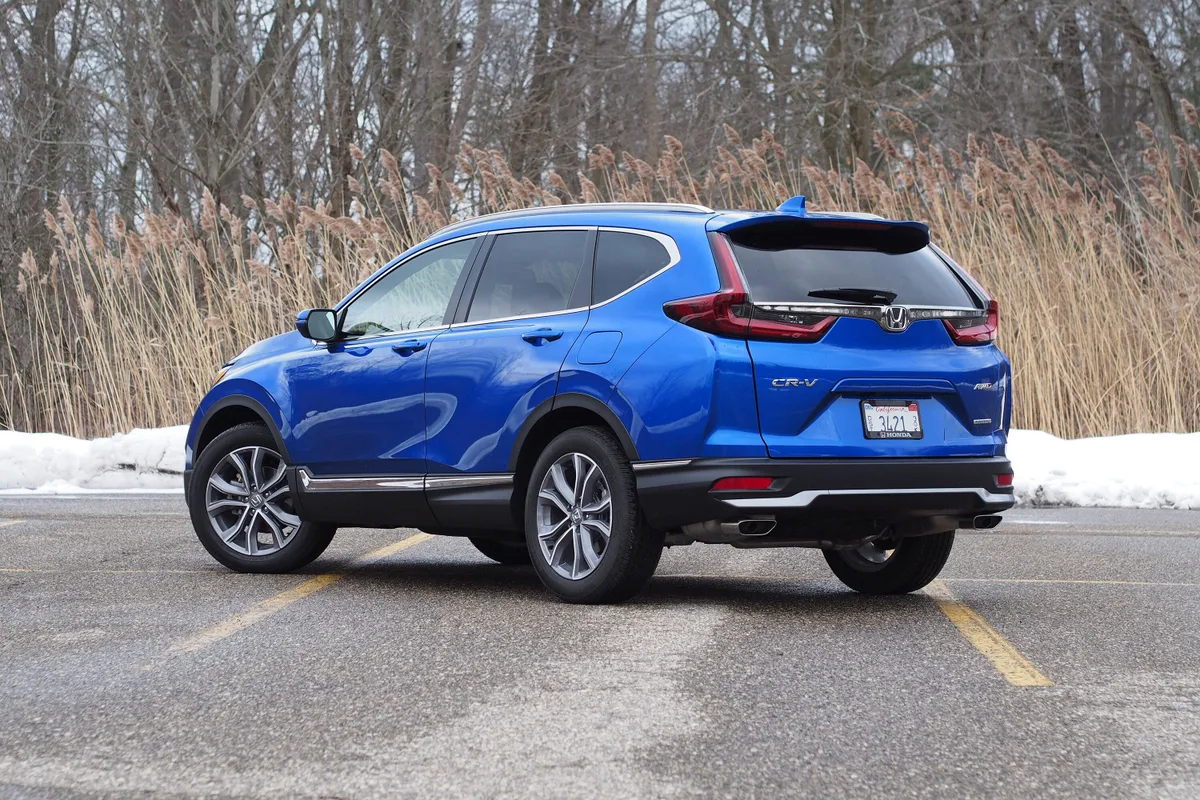
From a practical perspective, blue cars mask dust and dirt slightly better than darker shades but might highlight water spots or swirl marks.
However, these concerns are seldom enough to suppress demand. As blue’s popularity has grown, resale data demonstrate that it often helps used cars fetch higher than average prices, especially when the hue enhances distinctive body lines or is paired with unique styling cues. This makes blue a forward-thinking choice for buyers hoping to balance style with long-term value.
5. Red
Red cars command attention. Drivers who choose red usually seek a more spirited visual impression; whether on a compact car or a powerful sports model, red stands out on the road. But red also holds surprising financial benefits at resale, particularly for certain vehicle categories.
Contrary to assumptions that bold colors might restrict potential buyers, the right shade of red, often deep, rich tones—finds ready acceptance in the used market.
This is especially true for sports cars, hatchbacks, and select family vehicles, where red is seen as a sign of vibrancy and energy. Many brands also reserve exclusive red paint finishes for their signature models, adding an element of desirability through rarity.
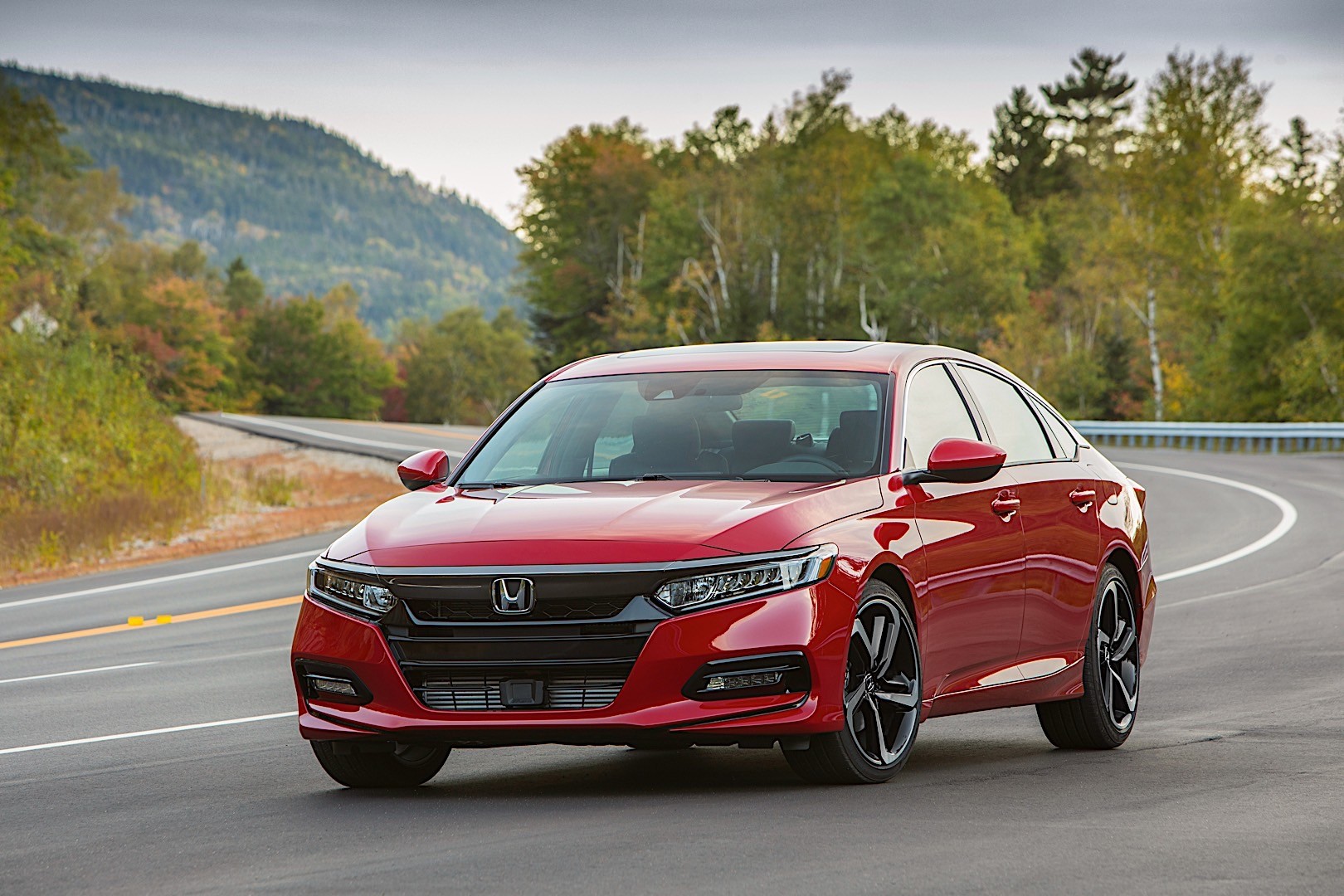
Resale advantages arise from a sustained, if specialized, demand. While red will rarely overtake white or black in sheer volume, cars in excellent condition with red finishes are often perceived as having been cared for more meticulously, perhaps due to the color’s requirement for regular upkeep to prevent fading or oxidation.
Buyers willing to go the extra mile for exterior maintenance gravitate to red, ensuring there’s always a dependable market, especially for cars with performance reputations or sport trims. As a result, red earns its place among colors that can deliver an extra return at trade-in or sale.
5 Car Colors That Hurt Value
Selecting a car color isn’t just a matter of taste; it can unintentionally affect your bottom line. There is ample evidence from used vehicle sales demonstrating that certain hues can impede a quick sale and slash potential returns.
While fashion and personal expression play roles in initial decisions, the resale market reflects broader preferences, often rooted in practicality, perceived maintenance burdens, and overall popularity.
Some colors are subject to stronger depreciation because they fall outside mainstream demand or require challenging upkeep.
These shades often result in longer listing periods and lower offers, even if the underlying vehicle is reliable, fully equipped, and well-maintained.
By understanding which colors pose resale risks, buyers can factor future value into their decision-making, weighing short-term satisfaction against long-term costs.
This section will focus on five car colors frequently linked with lower resale values, shedding light on the reasons behind these trends and offering context from industry observers.
Each color profile will include supporting detail about market perception, maintenance realities, and typical buyer sentiment that contribute to this outcome.
1. Gold
Gold stands out in the automotive market, but not in a way that always works in an owner’s favor. While it conjures connotations of luxury, exclusivity, or even nostalgia, used car data consistently link gold to sluggish sales and reduced values.
The challenge lies in its niche appeal, few buyers seek out gold as their first choice, considering it more of an acquired taste.
Market performance for gold vehicles is impacted by a disparity between initial curiosity and actual purchase behavior.
People may admire a gold car on the lot as a novelty, yet shy away when it’s time to close a deal, citing concerns about blending in with everyday traffic or being too noticeable for comfort.
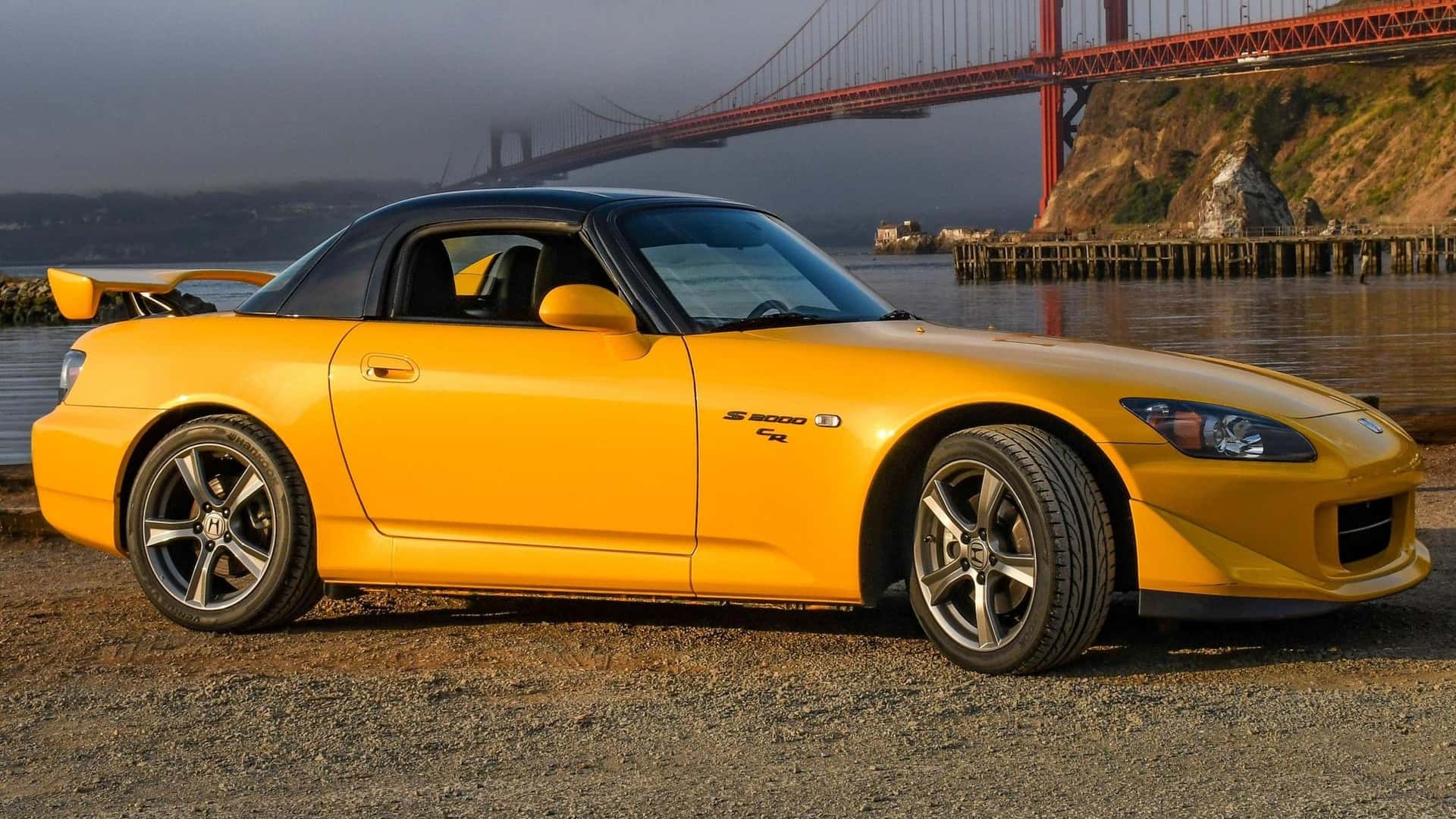
Gold shades also tend to polarize opinions, making them an easier pass for buyers wanting to avoid strong statements about status or aesthetics.
Further, gold finishes can be more susceptible to visible wear and aging, with blemishes, scratches, and fading detracting from a vehicle’s curb appeal over time.
Auto retailers point out that gold cars commonly experience longer sales cycles and greater price sensitivity, requiring deeper discounts to clear inventory. For owners prioritizing predictable value retention and fast turnaround, gold often frustrates those aims.
2. Yellow
Yellow cars are a double-edged sword. They turn heads and project playfulness or high-performance ambitions, especially when found on sports models. However, when these vehicles return to the used market, yellow becomes a barrier to resale except in specific niches.
The limited mass-market demand for yellow is the key factor. While the color suggests energy and fun, most buyers associate cars in this shade with impulsive or unconventional choices, traits that may not match daily driving needs or professional settings.
As a result, family and commuter segments rarely show interest in yellow vehicles, causing low turnover rates on dealer lots.
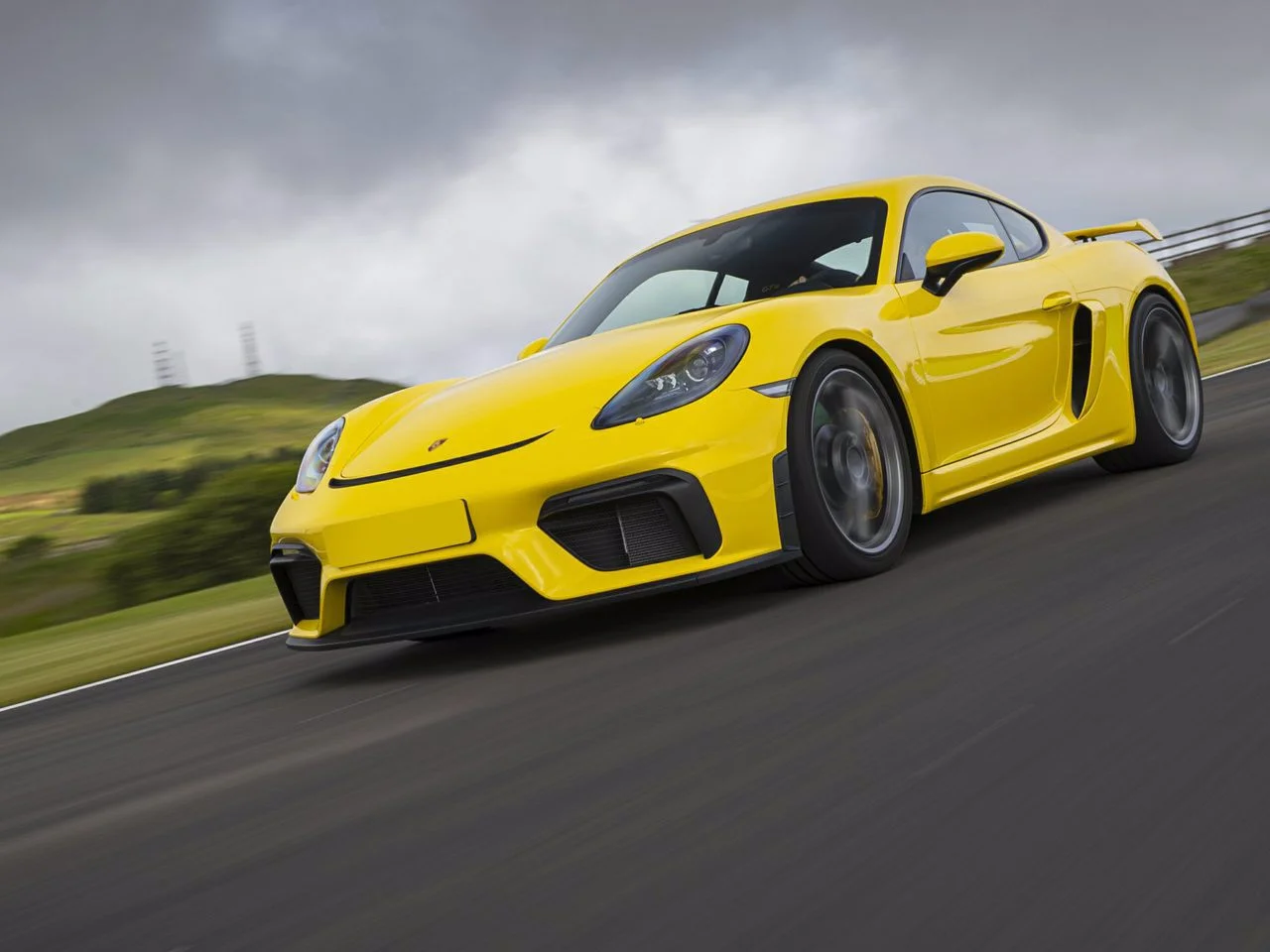
Depreciation for yellow cars is further magnified by the potential for rapid fading, especially in regions with intense sunlight. Maintenance requirements are higher, and aged finishes can be hard to restore, compounding buyer hesitancy.
Despite this, there are exceptions—iconic or high-status models, such as specific performance cars, occasionally defy the trend if the color aligns with a car’s established “personality.”
Still, buyers seeking broader market acceptance and easier sales will note industry advice to steer away from yellow, unless it’s a collector’s item that embraces its uncommon character.
3. Brown
Brown is one of the least requested car colors, and this trend directly translates into diminished resale prospects. While automakers periodically reintroduce brown with updated finishes, the hue struggles to shed associations with older, dated vehicles.
This struggle is especially apparent in pre-owned market data, which regularly show brown cars requiring significant price adjustments to garner serious attention.
Several forces drive this situation. First, brown is often seen as drab or unimaginative—a far cry from the sleek modern image most shoppers desire.
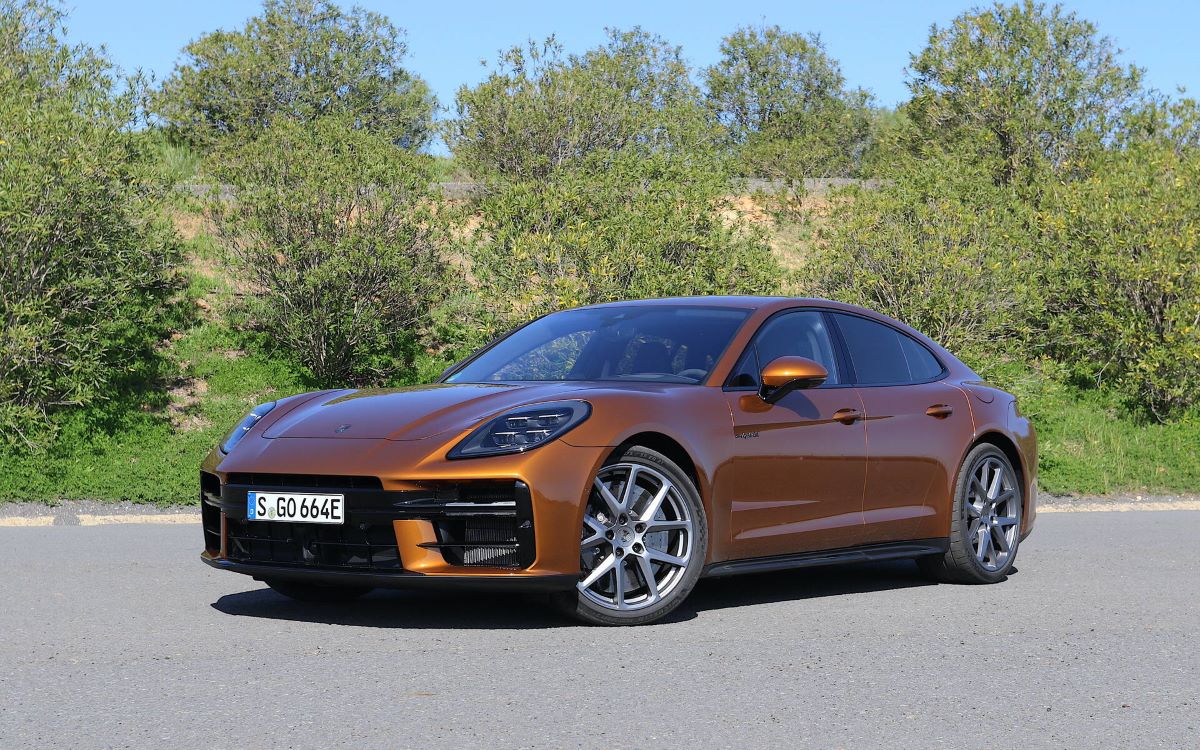
Its utilitarian association can undermine perceptions of luxury or technological advancement. Second, brown hues tend to blend into certain environments, giving cars a less distinguished road presence.
Additionally, brown cars maintain a habit of lingering on sales lots, as their neutral tones are frequently bypassed in favor of shades considered more versatile or current.
This slow movement pushes sellers to discount heavily, further confirming the color’s weak market position. For buyers interested in maximizing future returns, industry professionals and used car value guides routinely flag brown as a higher-risk choice.
4. Purple
Purple, although distinctive and expressive, registers little appeal among general car buyers. It’s rare to see many purple vehicles outside of specialty or custom markets, and this scarcity translates into limited resale support.
The issue isn’t always with the shade itself—rather, it’s that purple sits so far outside mainstream expectations that it narrows the pool of potential buyers sharply.
When purple cars do appear on used lots, they often linger much longer than similar models in alternative hues.
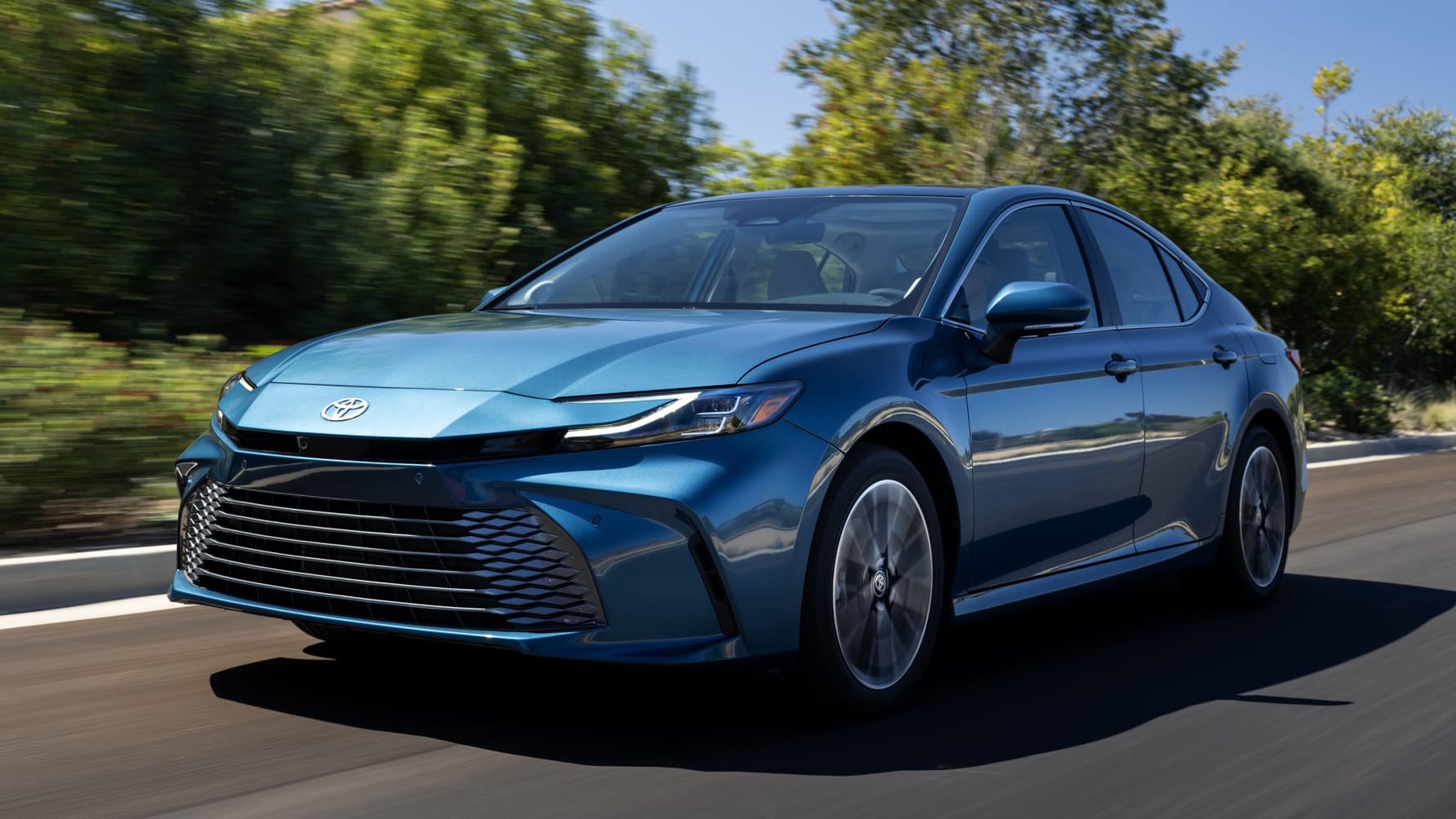
Potential buyers shy away, uncertain about future resale prospects or concerned about standing out in traffic. Purple also struggles to compliment the majority of interior trim combinations, which adds to resale obstacles, particularly in conservative markets.
Even with rising interest in personalization, purple has yet to overcome its “novelty” status. Buyers intending to make strategic investments frequently look for colors with established demand, and purple simply lacks this widespread support.
This has led to diminished returns and greater difficulty turning over inventory, especially for standard models rather than niche enthusiast vehicles.
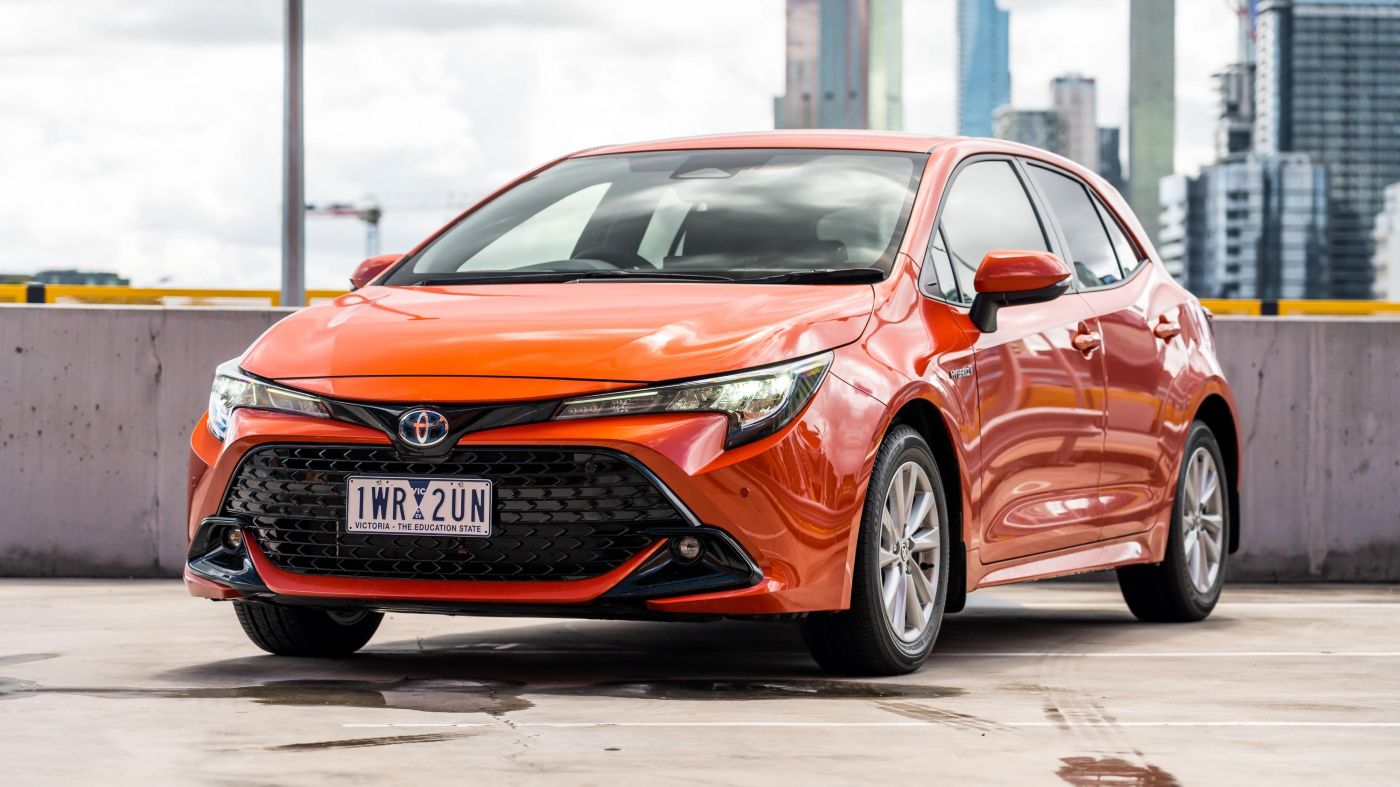
5. Orange
Orange vehicles are bright and hard to miss, signaling enthusiasm and desire to be noticed. This extroverted style, however, limits their viability in the used market, where practical concerns and broad acceptability rule.
While an orange car can be perfect for specific sporty models or one-off customizations, such exceptions prove the rule, orange is a tough proposition for most buyers.
Depreciation for orange cars stems from their “love it or leave it” quality, while some buyers appreciate the daring choice, most exhibit wariness toward colors prone to trend fluctuations or rapid aging. Orange finishes can also be demanding to maintain, with any damage or fading standing out easily.
Data from pre-owned markets indicate longer listing times and higher discounting to close deals, as owners face a limited audience enthusiastic enough to embrace orange.
This consequence is especially marked for sedans, SUVs, and other vehicles where tradition guides color selection, contrasting sharply with orange’s radical look.
For drivers wanting flexibility or solid future returns, the consensus from car value experts clearly signals caution with orange as a purchase choice.
Selecting a car color involves more than personal preference, it can have a lasting effect on a vehicle’s financial performance and marketability.
Across the automotive industry, studies and sales data have shown that certain colors can enhance a vehicle’s resale price, while others may result in noticeable depreciation and longer selling times.
Among car colors that reward their owners at resale, white consistently tops the rankings. It remains a favorite for its clean, timeless look and broad compatibility across vehicle types, from economy to luxury cars.
White vehicles tend to hide minor blemishes, reflect heat well in sunny climates, and appeal to individual buyers as well as fleet managers, ensuring there’s always strong demand on the used market.
Black follows closely, chosen for its association with prestige and sophistication. Although it may require more upkeep to maintain a pristine appearance, black cars are highly sought after, especially in executive and luxury segments, ensuring resilient resale values.
Gray and blue offer middle-ground options, blending understated style with lasting popularity. Gray is appreciated for its low-maintenance appearance and enduring appeal, helping vehicles look fresh, even between washes.
Blue, particularly in metallic and darker hues, stands out without being overwhelming, resonating with buyers seeking a blend of individuality and mainstream assurance.
Red, while bolder than the other colors listed, finds a strong following in sports models and energetic compacts; when maintained well, these cars often command higher offers from buyers looking for unique, spirited vehicles.
On the other hand, some colors pose real risks to those hoping to sell their vehicles for top dollar. Gold, although sometimes associated with high-end vehicles, appeals to a much narrower buyer pool.
Its niche look and tendency to show signs of age lead to slower sales and lower prices. Yellow, brown, and orange each attract attention, but for most car categories, these hues deter buyers.
Their polarizing effect limits appeal and extends selling timelines, requiring price reductions to secure sales. Purple faces similar obstacles, confined mostly to custom builds or specialty vehicles rather than everyday cars.
Understanding these patterns gives car shoppers a strategic advantage. Those considering the impact of color on resale value place themselves in a stronger financial position in the long term, ensuring that today’s style choices align with tomorrow’s profit opportunities.
As tastes and trends shift, selecting popular, classic colors remains a consistent way to retain more value and expedite the resale process.
Also Read: 5 Coupes/Convertibles That Retain Value vs 5 Sedans That Outperform Them
