
Modern consumers often view cars as more than just transportation, they are investments, symbols of aspiration, and at times, reflections of practicality or luxury.
Yet, there’s a financial reality that bites soon after the excitement of a new purchase: not every car retains value predictably.
Some models can lose a staggering portion of their value within the first twelve months of ownership, affecting both new car buyers and those considering resale or trade-in.
Understanding which vehicles depreciate rapidly, compared to those that maintain their worth, is crucial for anyone who wants to make informed purchasing decisions.
The rapid loss of value for certain vehicles can be an expensive learning experience. Factors like perceived quality, consumer demand, updates in technology, and unexpected recalls can turn a promising new car into a poor financial decision after just one year.
Conversely, other models have developed reputations for sturdiness and sustained market demand, allowing them to hold their value remarkably well even after the initial ownership period.
Reliable resale value often points to enduring desirability, robust engineering, or limited supply, all of which can soften the financial blow when it’s time to move on.
This article examines both ends of the spectrum: first, highlighting examples of vehicles that lose value quickly, then focusing on models celebrated for holding their worth after the first year.
Also Read: 5 Gadget-Filled Cars That Depreciate vs 5 Simple Cars That Hold Value
5 Cars That Tank in Year One
Selecting a new car is often described as exciting, but the financial consequences loom large, particularly for those unaware of how dramatically some cars lose value right after leaving the dealership.
Within the first twelve months, certain models can lose up to half their initial value, surprising unsuspecting buyers with staggering depreciation rates. This phenomenon affects not just the overall worth of a car but also costs of ownership, monthly payments, and even insurance premiums.
Manufacturers and models that depreciate rapidly can reflect several intertwined factors. These can include a sudden oversupply, poor reliability ratings, outdated styling, or simply shifts in consumer tastes.
Technological features become obsolete quickly, and initial buzz around a new model can fade in the presence of better alternatives. High initial prices combined with aggressive discounting later can also accelerate value loss.
For those considering resale or trade-in, understanding which cars are prone to such rapid depreciation is essential to avoid large out-of-pocket losses.
Highlighting these cars is necessary because too often, buyers consider only purchase price or brand loyalty and overlook long-term value.
By examining models with a poor first-year track record, readers can understand the underlying reasons for their swift devaluation and potentially avoid costly mistakes when choosing their next car.
1. Nissan Leaf
The Nissan Leaf is known for pioneering the mainstream electric vehicle segment, yet it remains one of the vehicles with the steepest depreciation curves after one year. Several factors are responsible for this trend.
The Leaf’s earlier models, in particular, suffered from limited battery range compared to newer competitors, which quickly outpaced it in both technology and desirability.
Buyers found that the cost to upgrade or replace a dated battery offset much of the appeal of an inexpensive used EV.
Another contribution to its steep value loss is aggressive federal and state incentives designed to make new Leafs more affordable. While this spurs sales of new models, it inadvertently depresses the used market.
Shoppers aware that they can obtain substantial discounts on a brand-new Leafs are reluctant to pay a premium for one slightly used.
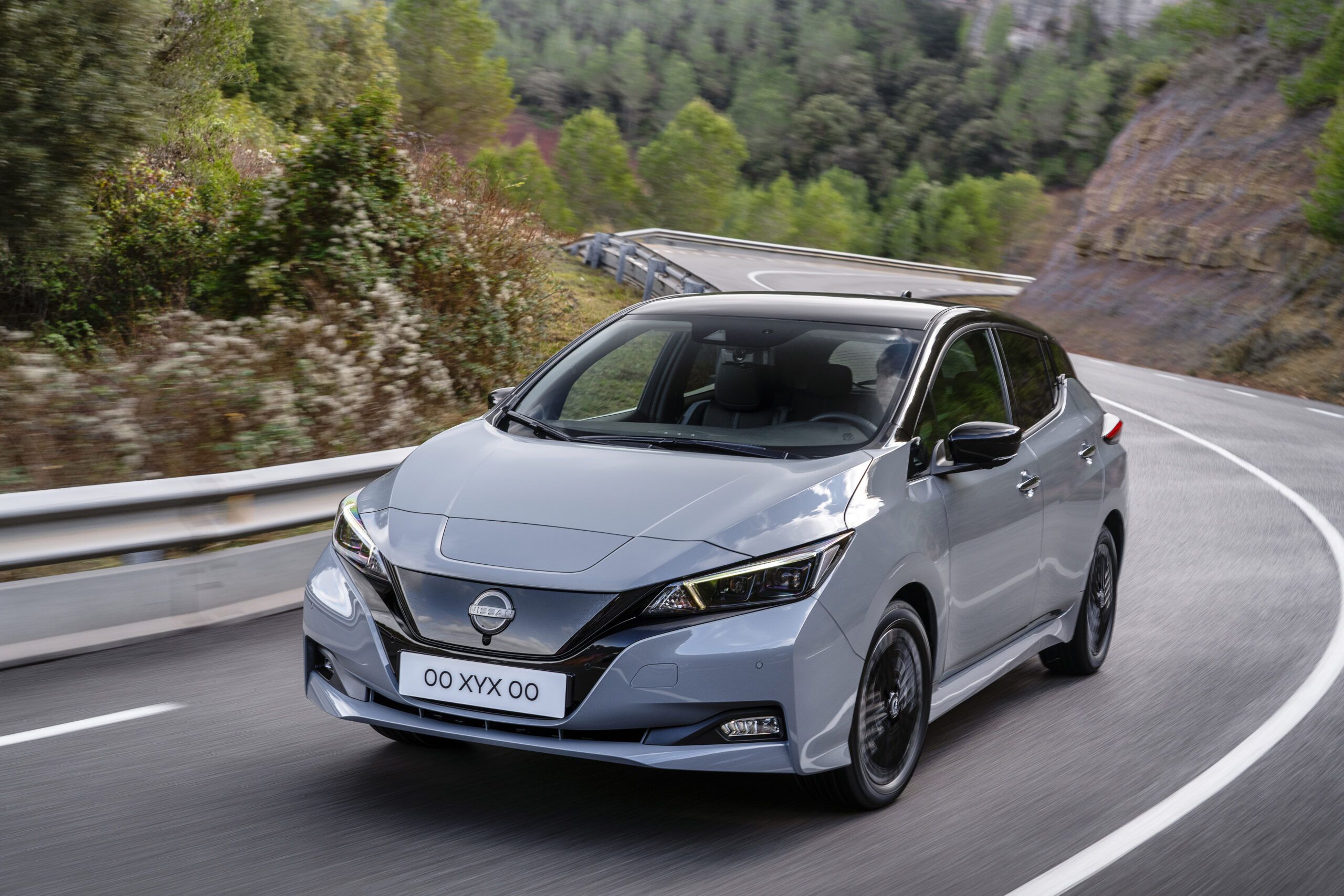
Furthermore, rapid advancements in EV technology, coupled with increased competition from other manufacturers offering longer ranges and better features, eroded the model’s desirability even further in the pre-owned market.
The Nissan Leaf’s experience provides a cautionary example: buyers must pay close attention to government incentives, technological obsolescence, and projected market shifts within a category that is advancing rapidly.
This analysis explains why the Leaf is included; it remains a textbook model showing how rapidly a car’s value can decline within its first year of ownership, affecting long-term costs and resale prospects.
2. BMW 7 Series
The BMW 7 Series offers luxury, advanced technology, and a powerful brand reputation. Despite these assets, the car is consistently cited among the fastest-depreciating vehicles within its first year on the road.
A principal reason is the rapid introduction of refreshed models and feature updates in the luxury class, which can render last year’s flagship instantly outdated.
Sophisticated buyers in this category often chase the latest innovations and rarely keep vehicles for more than a few years, flooding the pre-owned market with barely used examples.
Another key aspect is the high maintenance and repair costs that begin to loom after even a short ownership period.
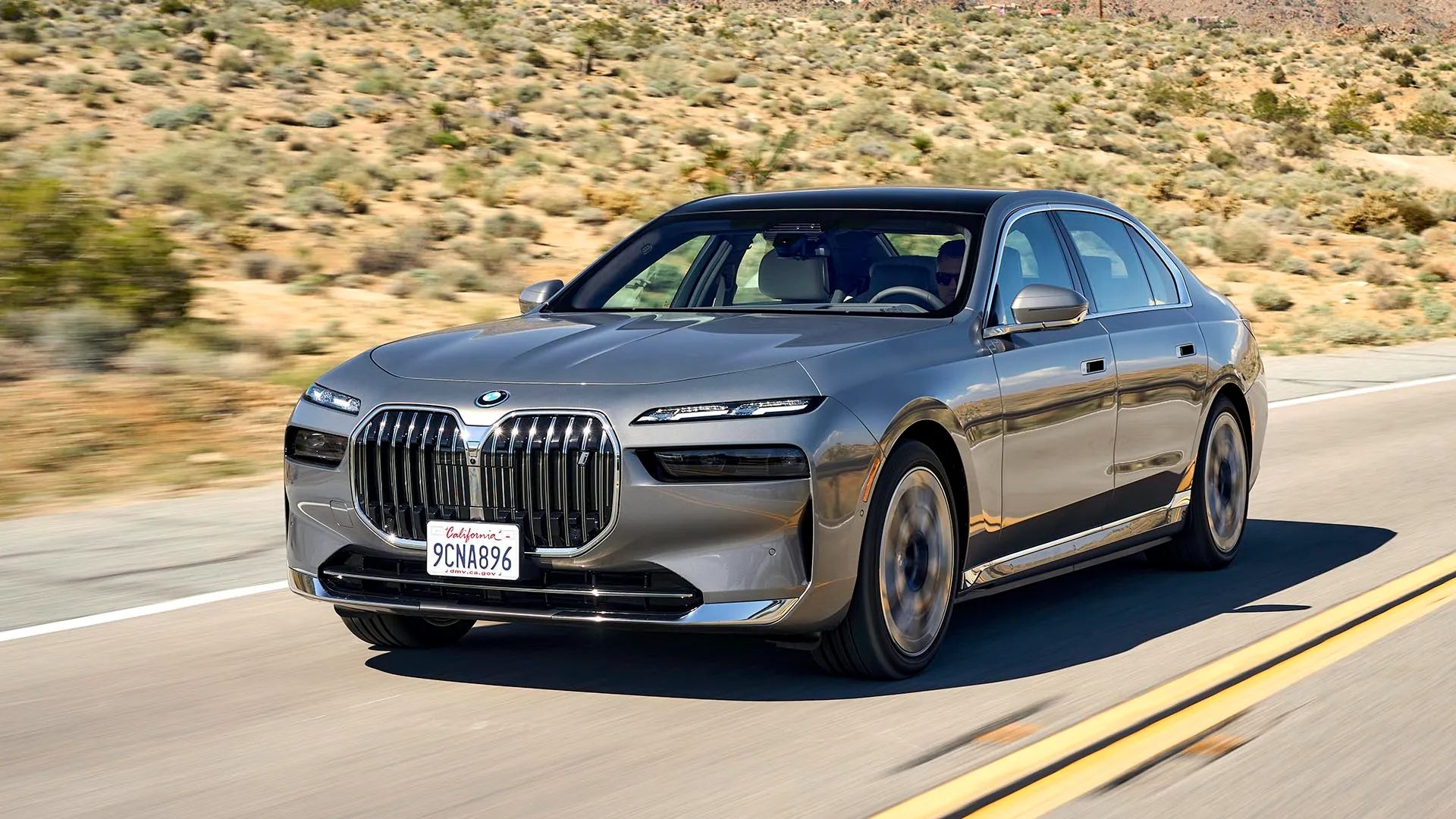
Luxury cars from brands like BMW carry reputations for expensive service visits and parts replacement, prompting a cautious approach from potential secondhand buyers.
Additionally, the abundance of leasing deals on flagship sedans encourages a short-term mentality; when lease terms end after 12–24 months, a significant volume of these vehicles becomes available, driving down used prices.
This discussion is essential because it highlights how luxury vehicles can lose extraordinary value quickly, despite their initial desirability and brand cachet.
Buyers interested in high-status models need to weigh more than sticker price, accounting for projected resale, ongoing expenses, and rapidly shifting technology, all of which make the BMW 7 Series a well-known example of first-year depreciation risk.
Also Read: 5 Cars Maintaining Top Crash Ratings vs 5 That Fail New Tests
3. Jaguar XF
The Jaguar XF stands out as a midsize luxury sedan with British flair and a distinct blend of performance and comfort. However, it is notorious for steep value loss after its first twelve months—as high as 45–50 percent in some markets.
While initially praised for its sleek design and handling, the XF has struggled with long-term consumer confidence due to lingering concerns about reliability and maintenance costs.
Public perception, shaped by years of checkered reliability ratings, has suppressed used car demand for Jaguars compared to German luxury rivals.
Frequent incentives from dealers, especially in regions where Jaguar is fighting for market share, further undercut resale value.
Potential buyers can often access nearly new XFs at deep discounts, undermining purchase incentives for new ones and causing accelerated depreciation.
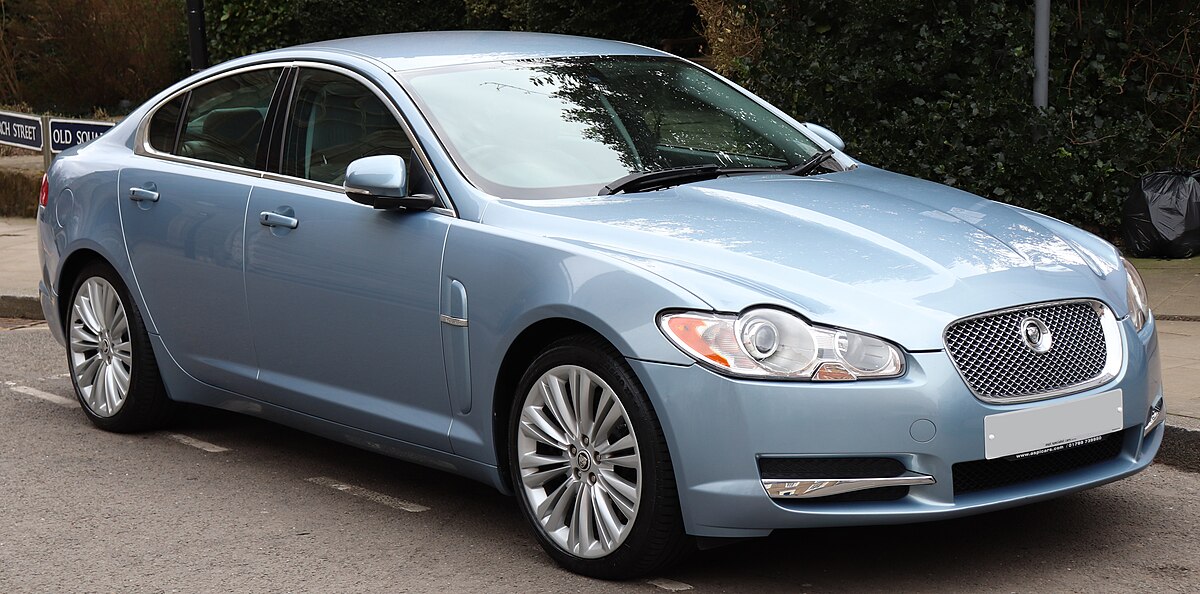
Also, the relatively low popularity of Jaguar when compared to BMW, Mercedes-Benz, or Audi means fewer buyers target these cars in the used market, further depressing prices.
Its inclusion here matters because it demonstrates how luxury status does not guarantee strong resale value.
Underlying consumer confidence issues, loyalty gaps, and persistent negative perceptions regarding upkeep and dependability have left the Jaguar XF among the cars that can lose almost half their value in year one.
Understanding this can guide shoppers away from making costly initial investments that quickly diminish.
4. Maserati Ghibli
The Maserati Ghibli conjures images of exclusivity, Italian performance, and striking design. Nevertheless, it holds a reputation for spectacularly poor value retention, particularly after just one year of ownership. Several elements contribute to this pattern.
First, Maserati’s limited dealer network and relatively low annual sales volumes mean that buyers worry about the costs and logistics of servicing these vehicles outside major cities.
Second, the Ghibli’s interior quality and technology have at times trailed behind what buyers expect from similarly priced German rivals.
Furthermore, luxury car buyers tend to be well-informed and hesitate when faced with the prospect of high costs of ownership, steep insurance premiums, and uncertain depreciation.
The widespread availability of lease deals on these models also expands the pool of nearly new vehicles returning to the market, flooding supply and pressing down used prices.
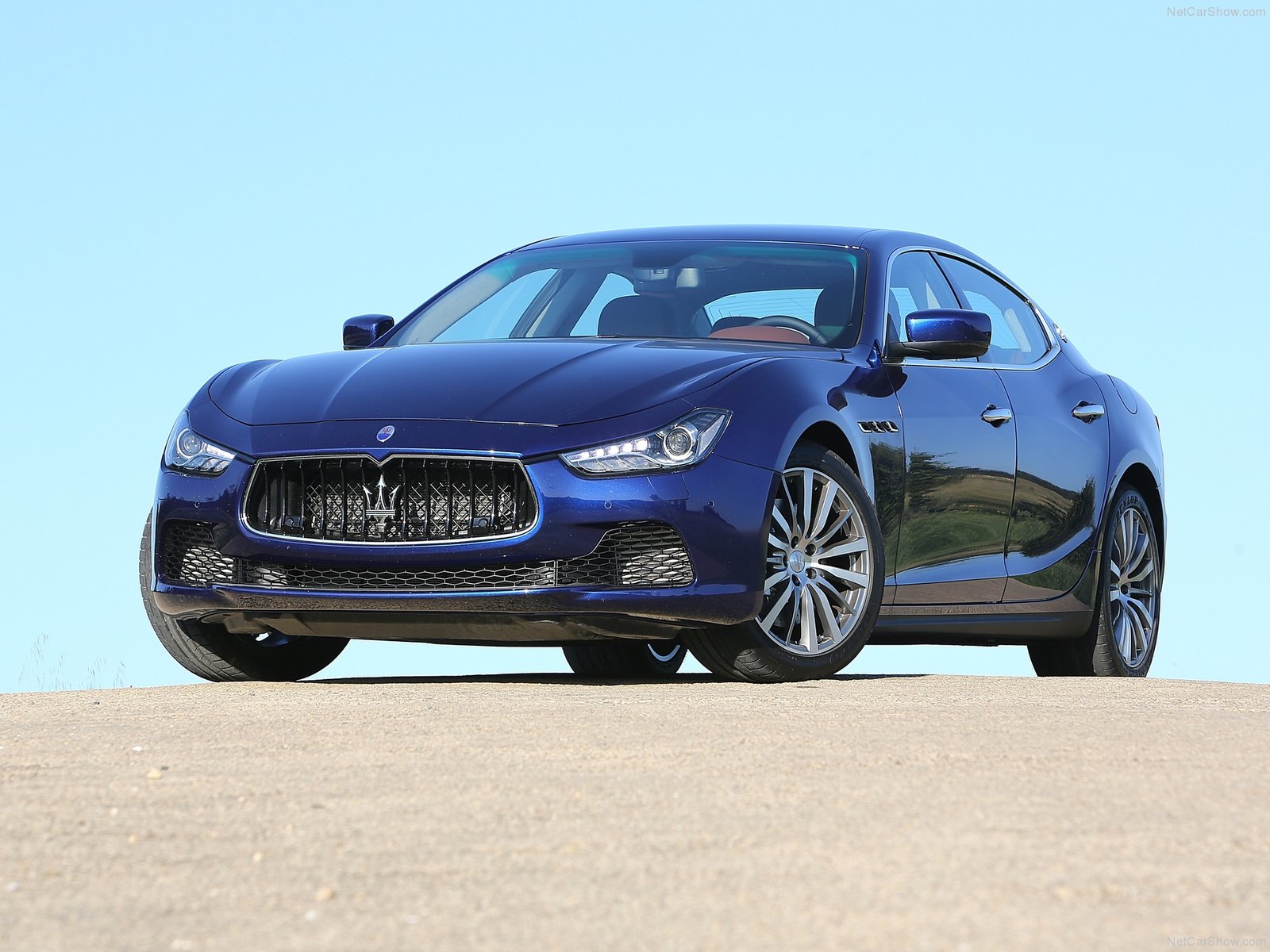
Shoppers drawn in by the Maserati name soon find that pre-owned Ghiblis are often available for a fraction of their new price, influencing perceptions and reducing the urgency to buy new.
This analysis is necessary to highlight that prestige branding alone cannot shield a car from rapid initial depreciation.
The Maserati Ghibli is an important case, especially for enthusiasts or those tempted by luxury badges, it’s essential to factor in value retention and ownership challenges before committing to vehicles with significant first-year losses.
5. Chevrolet Camaro
The Chevrolet Camaro has long been a symbol of American muscle, performance, and distinctive style. Despite this, recent models have suffered from pronounced first-year depreciation.
The underlying reasons include ongoing market shifts away from coupes toward SUVs and crossovers, reducing general demand for sports cars in the used market. As a result, supply quickly outstrips demand, putting downward pressure on resale values.
Chevrolet also periodically offers considerable incentives on new Camaros, driving down starting prices and impacting the value perception of nearly new units. High insurance premiums, fuel costs, and concerns about practicality further limit the buyer base.
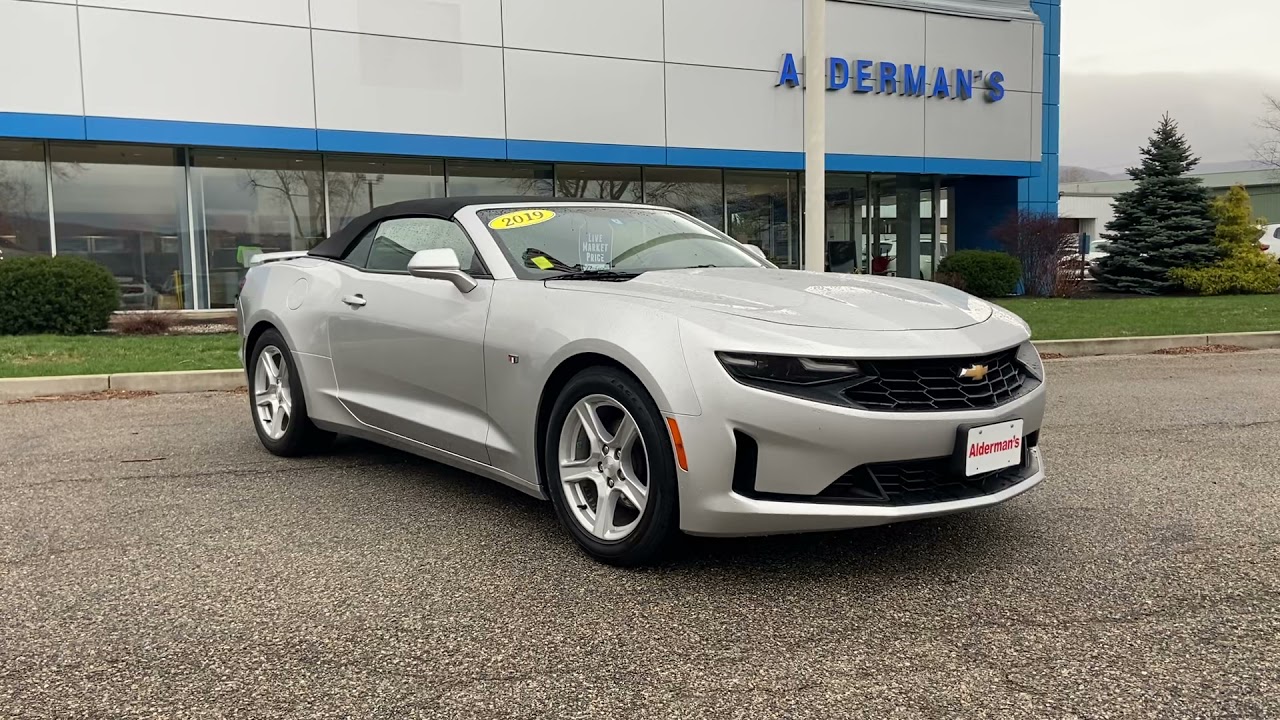
Shoppers aiming for style or raw performance still may hesitate, knowing that waiting even a year can result in substantial savings on low-mileage used examples.
Discussing the Chevrolet Camaro in this context serves buyers who may be swayed by emotional or nostalgic factors but overlook the financial outcome of an immediate purchase.
It demonstrates the real-world impact of changing market dynamics, incentives, and consumer trends on one of America’s best-known performance cars, highlighting that even icons aren’t insulated from rapid value drops in their inaugural year.
Also Read: 5 Engines With Legendary Camshafts and 5 That Always Need Top-End Work
5 That Hold Value After 12 Months
While some vehicles lose value quickly after rolling off the showroom floor, others are notable for their ability to retain worth well beyond their first year.
For these cars, strong resale values are driven by a mix of factors: consistent demand, rugged reliability, limited supply, and brand loyalty.
Robust value retention benefits owners looking to minimize depreciation losses or make a strategic investment, especially in a market where new vehicle pricing continues to rise.
Cars that hold their value after the first twelve months often belong to brands with ironclad reputations for durability or models with attributes that sustain long-term appeal, such as fuel efficiency, practicality, or off-road capability.
They might also benefit from cult followings or purpose-driven design that resists obsolescence as trends evolve.
The reassurance that a vehicle won’t lose tens of thousands of dollars in a single year is a powerful motivator, influencing both purchase decisions and long-term satisfaction.
Reviewing vehicles acclaimed for retaining their value helps buyers prioritize models that offer not just satisfaction at the outset, but also a defensible financial position down the road.
This section aims to spotlight five cars whose ability to hold their value sets them apart in a market wary of depreciation, with detailed explanations to guide informed choices.
1. Toyota Tacoma
The Toyota Tacoma consistently ranks among the top vehicles for value retention, often losing a minimal percentage of its original price even after a year or more. This enduring strength is due to several factors.
First, the Tacoma’s reputation for reliability and durability is almost unrivaled among midsize trucks, making it a dependable choice for both commercial use and daily life.
Owners and buyers alike know these vehicles can regularly reach high mileage with minimal major repairs, a reputation built over decades and confirmed by industry resale guides.
The Tacoma’s design has evolved slowly, avoiding rapid obsolescence and retaining consistent demand. Even when minor updates are made, older versions still appeal to a wide range of buyers looking for proven mechanicals over fleeting trends.
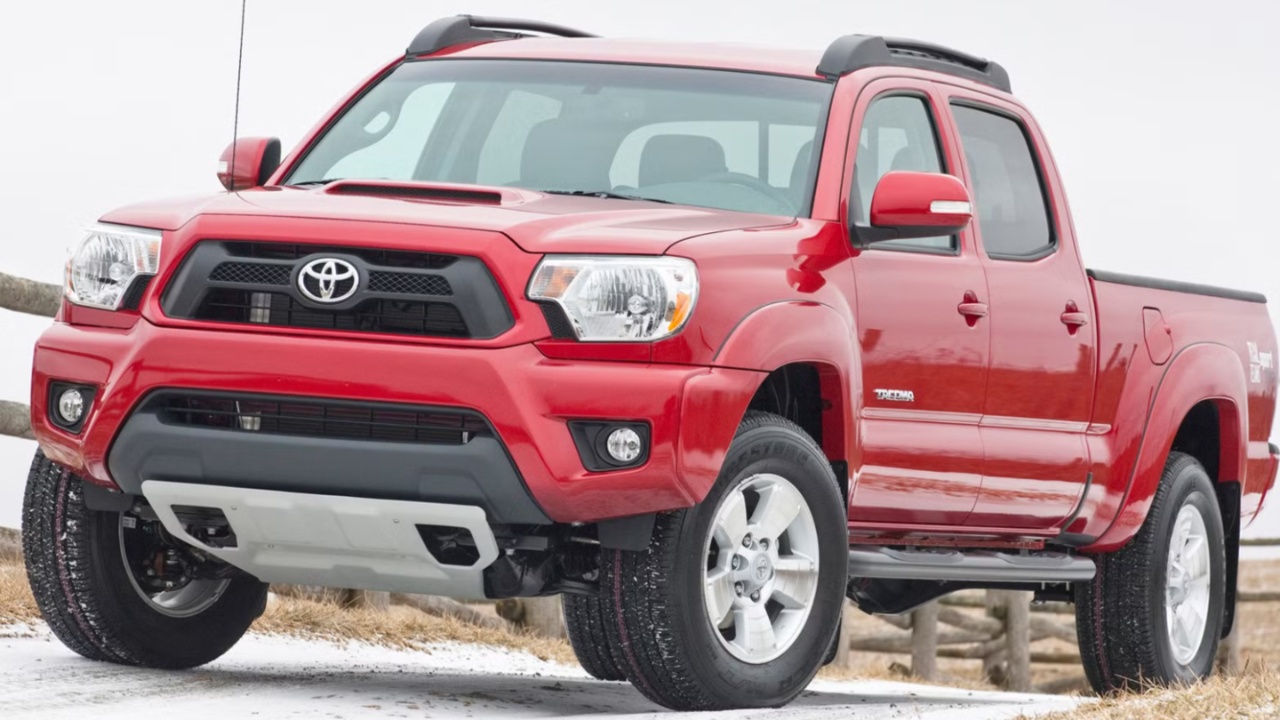
Furthermore, supply often lags behind demand, helping to keep used prices elevated. Its strong brand loyalty, coupled with a passionate enthusiast community, only reinforces its status as a smart buy.
Including the Toyota Tacoma in this discussion speaks to its near-legendary status among value-minded shoppers.
It serves as the gold standard for those who value minimal depreciation, ongoing usability, and easy resale—a set of traits that few modern vehicles can match after twelve months of ownership.
2. Jeep Wrangler
The Jeep Wrangler is more than just an off-road icon, it is a model that regularly outperforms others when it comes to value retention after twelve months.
Its enduring resale value can be attributed to several factors, chief among them its unique design and robust community following.
Despite the continuous introduction of newer SUVs, the Wrangler’s formula has changed little over decades, making even slightly older models as desirable as new ones.
The Wrangler’s utility and genuine capability ensure sustained demand among outdoor enthusiasts, overlanders, and those valuing vehicle versatility.
The model’s predictable depreciation curve, coupled with frequent updates that rarely render previous editions obsolete, makes it a safe investment.
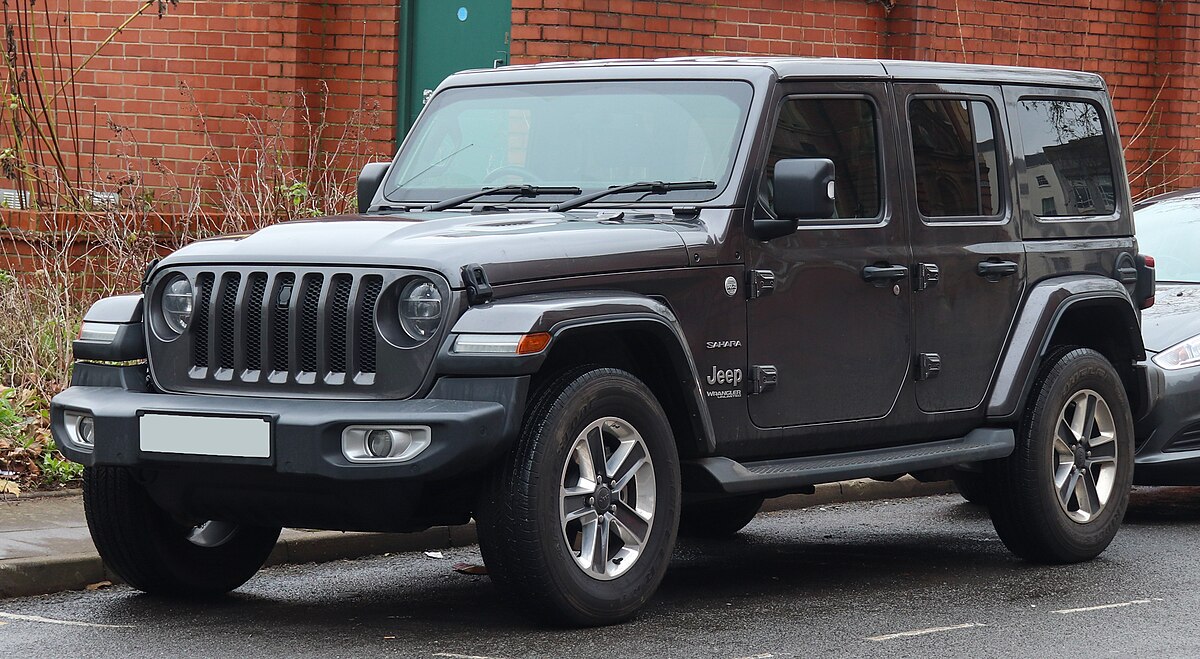
Buyers seeking to maximize value often turn to Wranglers for their tendency to maintain much of their initial purchase price over time.
Its inclusion here is justified by the clear pattern of Wrangler resale prices at auctions and in private-party sales, which consistently exceed those of rivals.
Analyzing why the Jeep Wrangler retains value after twelve months provides insight for anyone seeking a vehicle that blends functionality, reliability, and the peace of mind that comes with minimal value loss.
3. Porsche 911
The Porsche 911 remains in a class of its own when it comes to holding value, even a year after leaving the showroom. Its iconic status, limited production numbers, and enduring desirability across multiple generations combine to ensure strong resale values.
Unlike many luxury sports cars, the 911 appeals to collectors as well as everyday drivers, and older models frequently command nearly as much in the used market as new ones.
This car’s engineering excellence and track record for performance and reliability build consumer confidence, further boosting demand for pre-owned examples.
Limited availability of desired trims or performance variants means that depreciation is notably lower compared to other luxury sports cars, with some models even appreciating over time.
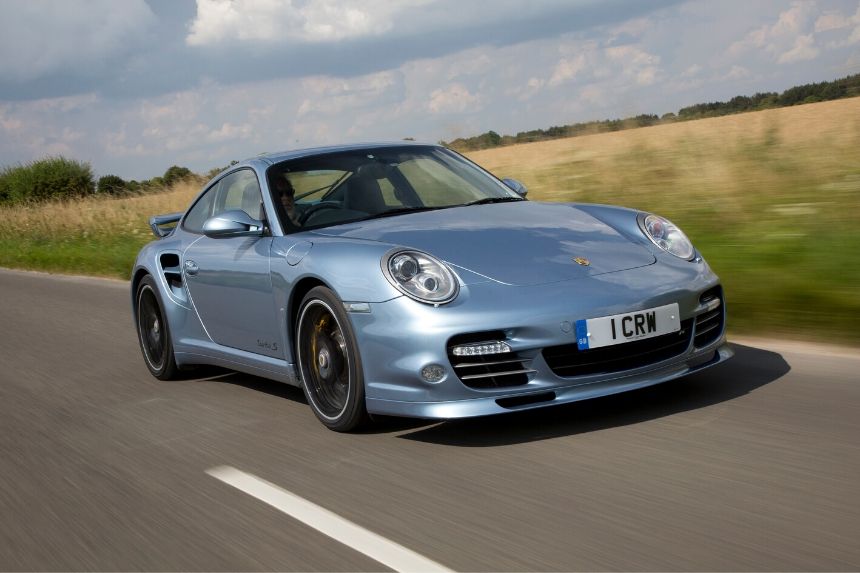
Including the Porsche 911 in this discussion allows for a reflection on the factors underpinning value retention: legendary design, robust performance, and broad appeal.
Those considering models that remain sought-after year after year can learn from the 911’s extraordinary example—few vehicles so deftly balance excitement, quality, and investment potential after the first year of ownership.
4. Subaru Crosstrek
The Subaru Crosstrek appeals to both practical buyers and outdoor enthusiasts, and its value retention stands out after a year of use.
This high retention rate can be tied to Subaru’s general reputation for reliability, coupled with the Crosstrek’s fuel efficiency and standard all-wheel drive. Demand for crossovers remains strong in both urban and rural areas, giving the Crosstrek broad market appeal.
High owner satisfaction and a growing reputation for ruggedness have created strong secondary demand for even nearly new vehicles.
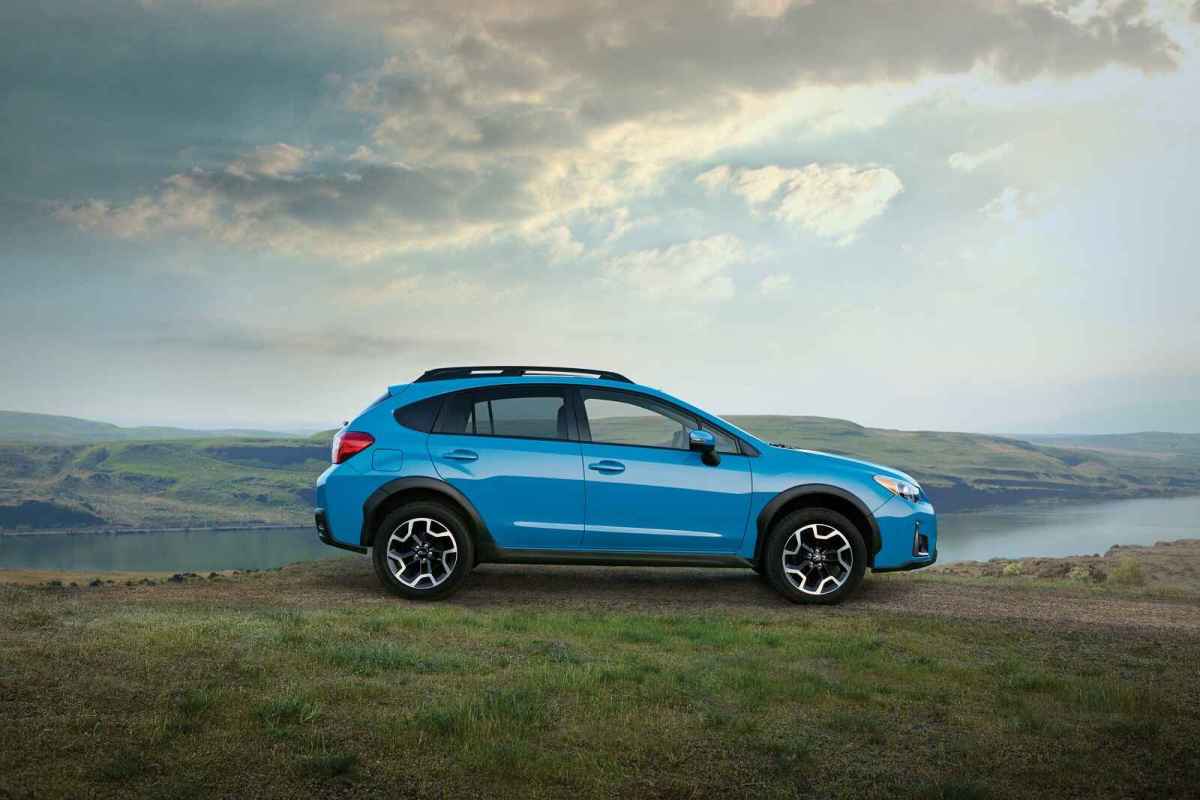
The Crosstrek’s consistent performance in industry resale rankings supports its inclusion, as shoppers can expect only modest value loss after twelve months. Its popularity in the used market is a testament to a blend of practicality and lifestyle branding done right.
Detailing the Subaru Crosstrek within this topic provides valuable guidance to buyers seeking both affordability and minimal depreciation.
Understanding what makes the Crosstrek such a perennial favorite highlights the importance of reputation, practicality, and ongoing desirability in resisting the usual pitfalls of first-year value loss.
5. Honda Civic
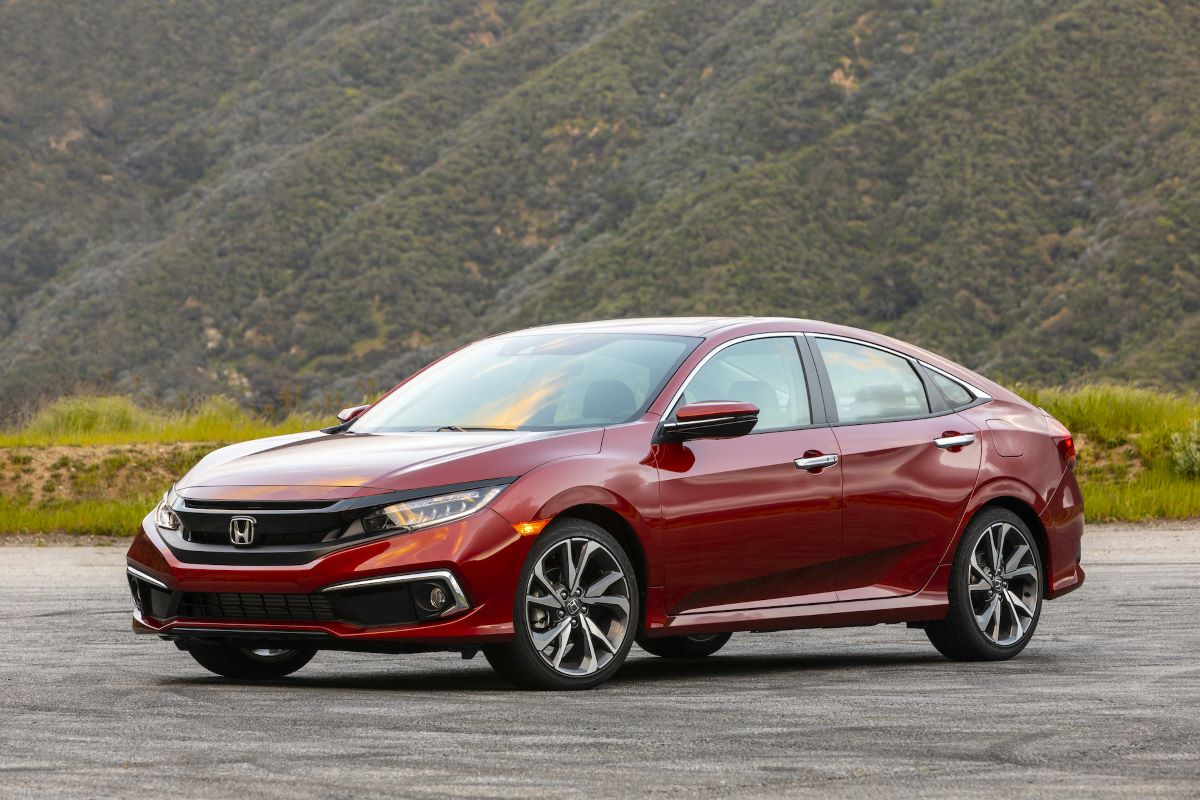
The Honda Civic is a storied nameplate celebrated for reliability, efficiency, and widespread appeal, and it remains one of the best cars for holding value after the first year of ownership.
Its success in the used market stems from consistently strong demand, low operating costs, and an abundant support network for maintenance and repair.
The Civic’s blend of dependable engineering and practical design means shoppers are often willing to pay premiums for slightly used models, keeping resale values high.
Additionally, Honda’s ongoing commitment to quality and incremental innovation ensures older Civics don’t feel obsolete when new models arrive.
Its large owner base and positive reputation make Civics an easy recommendation for those seeking to avoid steep depreciation.
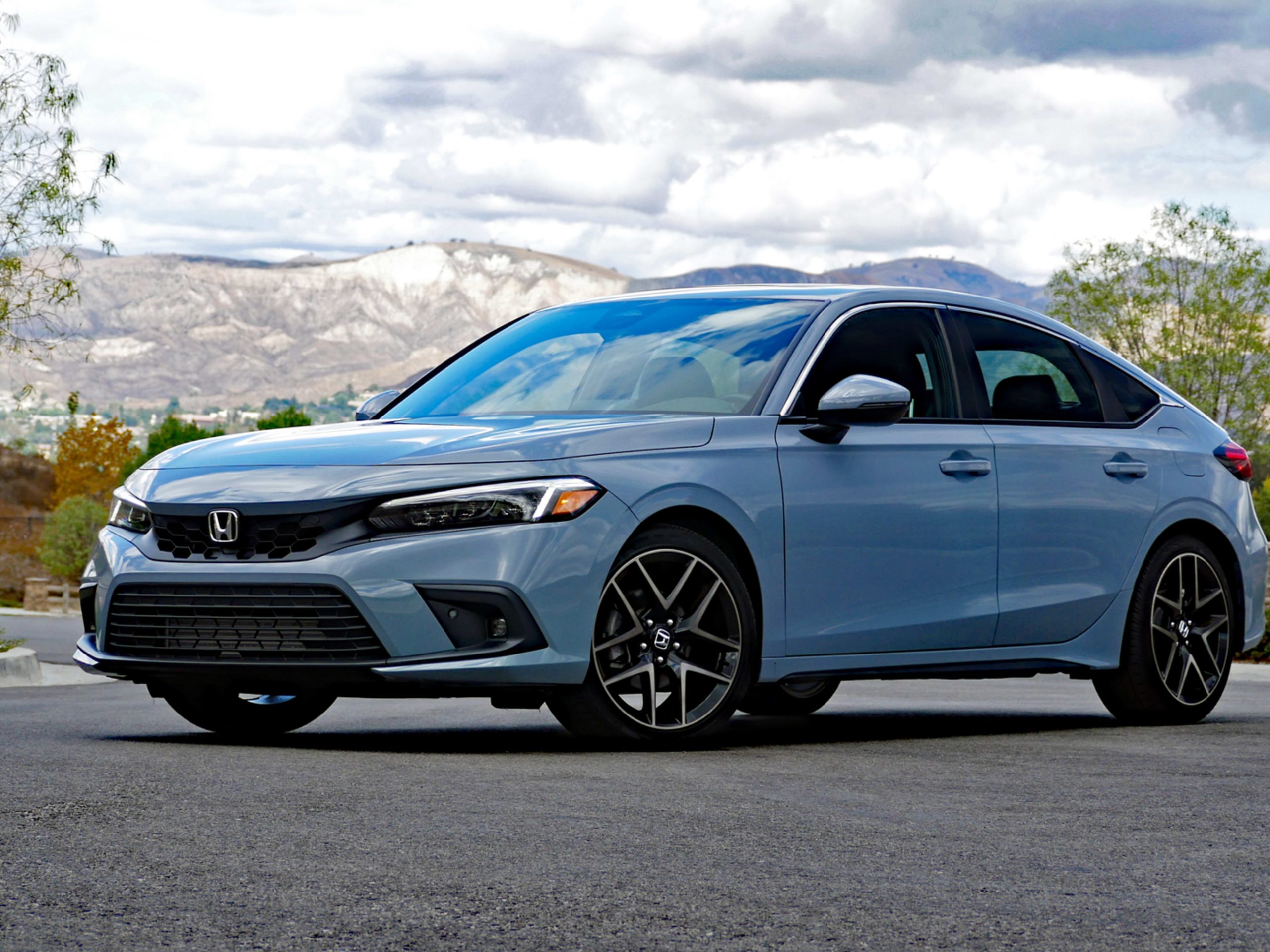
For buyers who prioritize financial prudence without sacrificing everyday livability, the Honda Civic demonstrates how mainstream cars can perform as well, or better, than premium alternatives in terms of value retention.
Including the Honda Civic here offers a perspective on how affordability, practicality, and manufacturer credibility combine to create a vehicle that resists the common plague of rapid value loss.
It illustrates that selecting familiar, well-regarded models can prove as advantageous financially as picking top-tier luxury or performance vehicles after the first year.
Buying a new car involves more than choosing a model that fits your tastes or budget; understanding how different vehicles hold, or lose, their value in the first year is crucial for making a smart investment.
The article highlights two sides of this issue: cars that lose value quickly within the first twelve months, and those that stand out for retaining much of their worth after a year.
Vehicles that have a reputation for steep depreciation often do so because of a combination of factors: technological obsolescence, updates in design or features, shifts in consumer preferences, high costs of ownership, or heavy new-car incentives.
The Nissan Leaf, for instance, suffers due to rapidly improving EV technology and strong government subsidies on new models, which make slightly used Leafs much less appealing.
Luxury cars like the BMW 7 Series, Jaguar XF, and Maserati Ghibli also face fast value drops, driven by short leasing cycles, extremely high maintenance costs, and market oversaturation.
Even sports icons like the Chevrolet Camaro are not immune, as changing trends toward SUVs and plentiful incentives undermine their resale prospects.
In contrast, some cars remain remarkably resilient against depreciation. The article singles out the Toyota Tacoma, Jeep Wrangler, and Porsche 911 as models that see minimal value loss after twelve months.
These cars benefit from robust mechanical reputations, loyal followings, and strong secondary demand. The Subaru Crosstrek and Honda Civic also retain their worth due to practicality, reliability, and continuing popularity in both new and used markets.
For consumers, these trends underscore the value of considering long-term depreciation alongside initial purchase price. By choosing models known for strong resale values, buyers can significantly reduce overall costs of ownership.
Conversely, purchasing vehicles prone to steep depreciation may lead to unexpected financial losses when it’s time to sell or trade-in.
Ultimately, this analysis empowers buyers to look beyond brand allure or flashy features, focusing instead on how their investment will fare after the first year, a critical factor in making a truly informed car-buying decision.
Also Read: 5 Coupes/Convertibles That Retain Value vs 5 Sedans That Outperform Them
