
Purchasing a vehicle is not just about finding something that fits your preferences but also involves strategic thinking about which cars can hold their worth or outperform rivals.
Coupes and convertibles have always attracted drivers seeking unique styling and an emotional connection to driving.
These body styles often command higher prices at the outset, driven by sportier designs, lower production numbers, or even their association with luxury and performance.
However, among this group, certain models prove to be far more robust in their ability to retain value over time.
Whether due to iconic status, limited editions, or loyal enthusiast communities, these select coupes and convertibles become prized possessions that resist the steep depreciation curves typical in the automotive market.
On the other side stand sedans, long the mainstay of everyday transportation but frequently underestimated for their ability to deliver both performance and value.
While some may view sedans as sensible or practical, technological and engineering progress, alongside thoughtful design updates, has created a category of four-doors more than equipped to outperform their two-door rivals in nearly every meaningful way.
Several sedans today combine sharp handling, potent engines, and compelling reliability records, often outshining coupes and convertibles not just in utility but also in long-term owner satisfaction and retained worth.
The following analysis will highlight five coupes/convertibles known for exceptional value retention, then shift focus to five sedans that regularly surpass their sportier counterparts in everyday performance, practical benefits, and resale results.
Also Read: 5 Cadillacs That Surprise With Reliability vs 5 That Are Reliability Nightmares
5 Coupes/Convertibles That Retain Value
Coupes and convertibles achieve a special status among car enthusiasts and discerning consumers. Their allure typically centers on expressive design, direct connection with the road, and an unmistakable sense of freedom.
For many buyers, these cars represent more than just transportation—they are statements of style and reminders of open road adventures.
Yet not all two-door or open-top models avoid the depreciation trap faced by most niche vehicles. In fact, the majority lose value rapidly due to their specialized nature and reduced mass-market appeal as they age.
Despite these odds, some coupes and convertibles manage to defy the pattern. Their resale values remain robust, buoyed by factors such as enduring popularity, manufacturing excellence, or rarity that excites collectors and keeps demand sustained even as the years pass.
These models demonstrate that, with the right set of attributes, a coupe or convertible can provide not just aesthetic pleasure but also smart financial stewardship for owners.
This section singles out five examples that, for various reasons, hold their worth exceptionally well and continue to draw high prices on the used market. Each selection comes with a clear explanation of its staying power and why it deserves recognition for blending passion with practicality.
1. Porsche 911
The Porsche 911 is one of the rare vehicles in automotive history that combines daily usability with lasting cachet and almost legendary value retention.
Launched in the early 1960s, the 911 has evolved while retaining a silhouette and driving experience that stirs emotions across generations.
Changing little on the outside but always advancing under the surface, each new 911 generation preserves a set of qualities highly coveted in sports car circles: precise engineering, responsive handling, and the unmistakable flat-six engine note.
What truly cements the 911’s place as a value-retaining coupe is its global appeal and strong model-specific following. Many owners treat their cars as investments, and limited builds such as the GT3 and Turbo S variants have even appreciated.
The durability of the 911’s platform means it often outlasts competitors; buyers know that a well-kept example can deliver years of enjoyment without major surprises. Porsche’s commitment to backward compatibility and robust support for older models also help reduce long-term ownership costs.
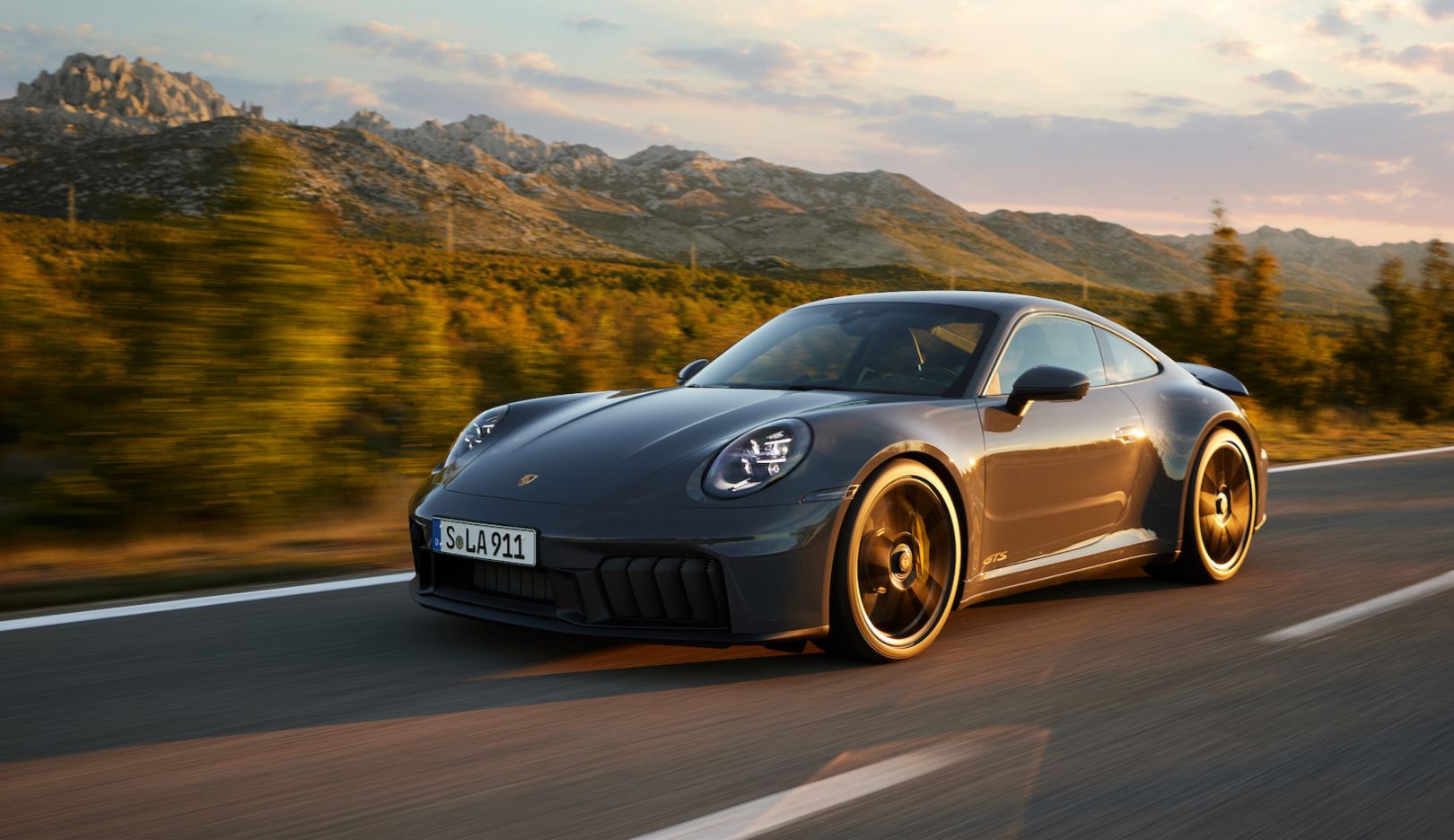
Used market data reinforces this reputation: pre-owned 911s, especially those with manual transmissions and classic configurations, fetch impressive sums, sometimes only marginally below their initial sticker price after years of use.
This reliability and demand assure both joy of ownership and a hedge against depreciation, making the 911 a benchmark for all coupes and convertibles.
2. Mazda MX-5 Miata
The Mazda MX-5 Miata has set the gold standard for affordable sports cars since its debut in 1989. Few vehicles can match its reputation for pure driver engagement while avoiding unnecessary tech complexity.
Lightweight, rear-wheel-drive, and consistently available with a crisp manual transmission, the Miata’s formula has matured without losing its central promise of nimbleness and reliability.
A key element to the Miata’s strong resale is its enduring reputation for quality and simplicity. While competitors have grown heavier and more complicated, Mazda resists the temptation to overload its roadster with features that would only drive up costs and potential repair issues.
This approach fosters a strong and loyal driver community, with buyers eagerly seeking used examples due to reliability and manageable parts costs.
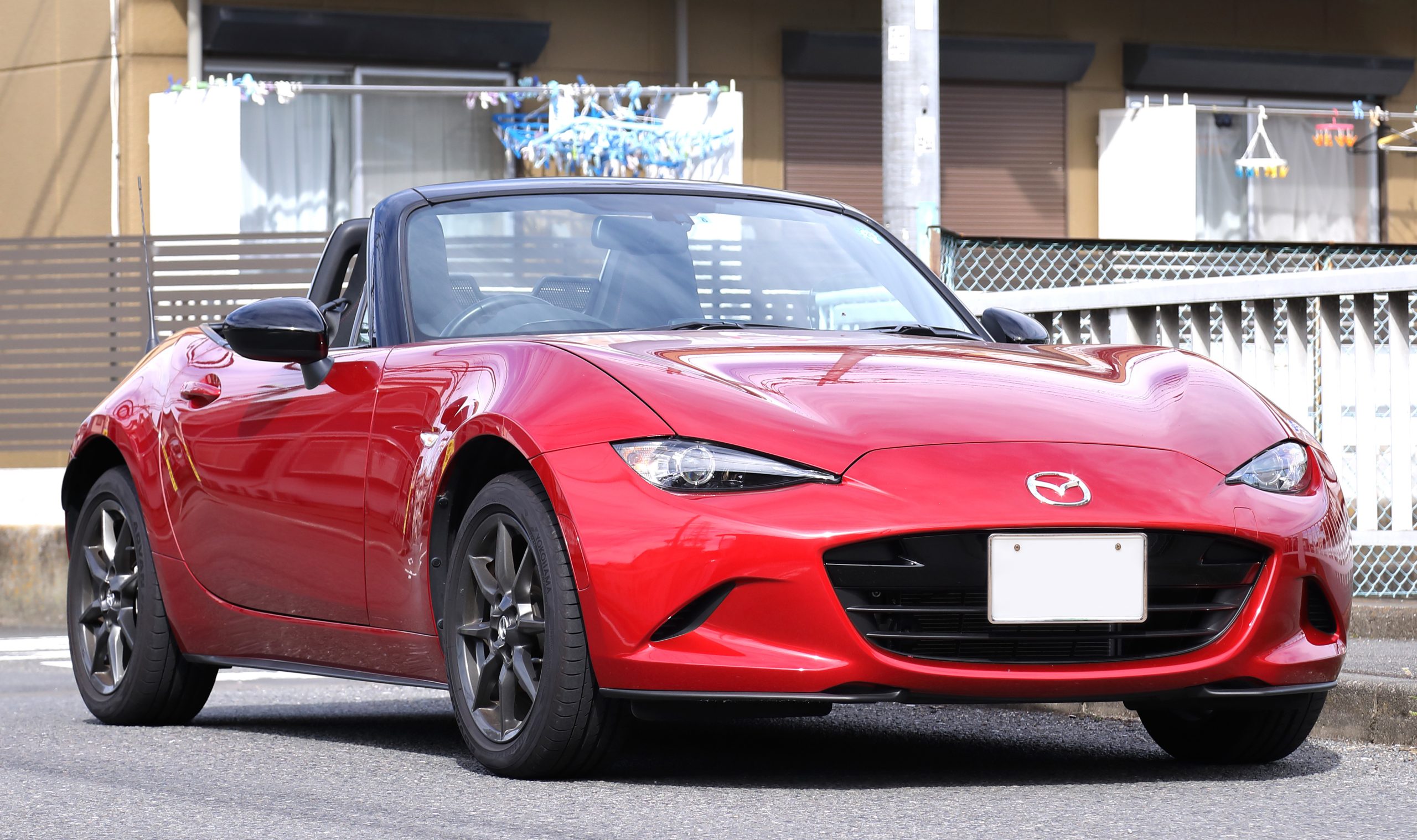
Another factor is the Miata’s wide appeal: first cars, track toys, road trip companions—it suits a surprising range of lifestyles and ages.
Because Mazda maintains tight production and focuses on genuine mechanical improvements, used MX-5s, especially in limited edition colors or with sportier trims, often command a premium.
Their combination of fun, dependability, and established demand means depreciation remains modest, ensuring the Miata’s place at the top of value retention rankings year after year.
3. Chevrolet Corvette
The Chevrolet Corvette is a prime example of American performance maintaining strong financial sense for owners. Every new generation since the 1950s has carried the torch of affordable supercar-level exhilaration without veering into unserviceable exclusivity.
Classic styling, continuous refinements, and a powerful V8 engine create a blend of performance and prestige that continues to win over both longtime fans and new converts.
Key to the Corvette’s value retention is its role as a cultural icon and the way Chevrolet makes each generation accessible yet aspirational.
The market for older Corvettes, especially special editions such as the Z06 and ZR1 or the well-preserved convertibles, is consistently strong.
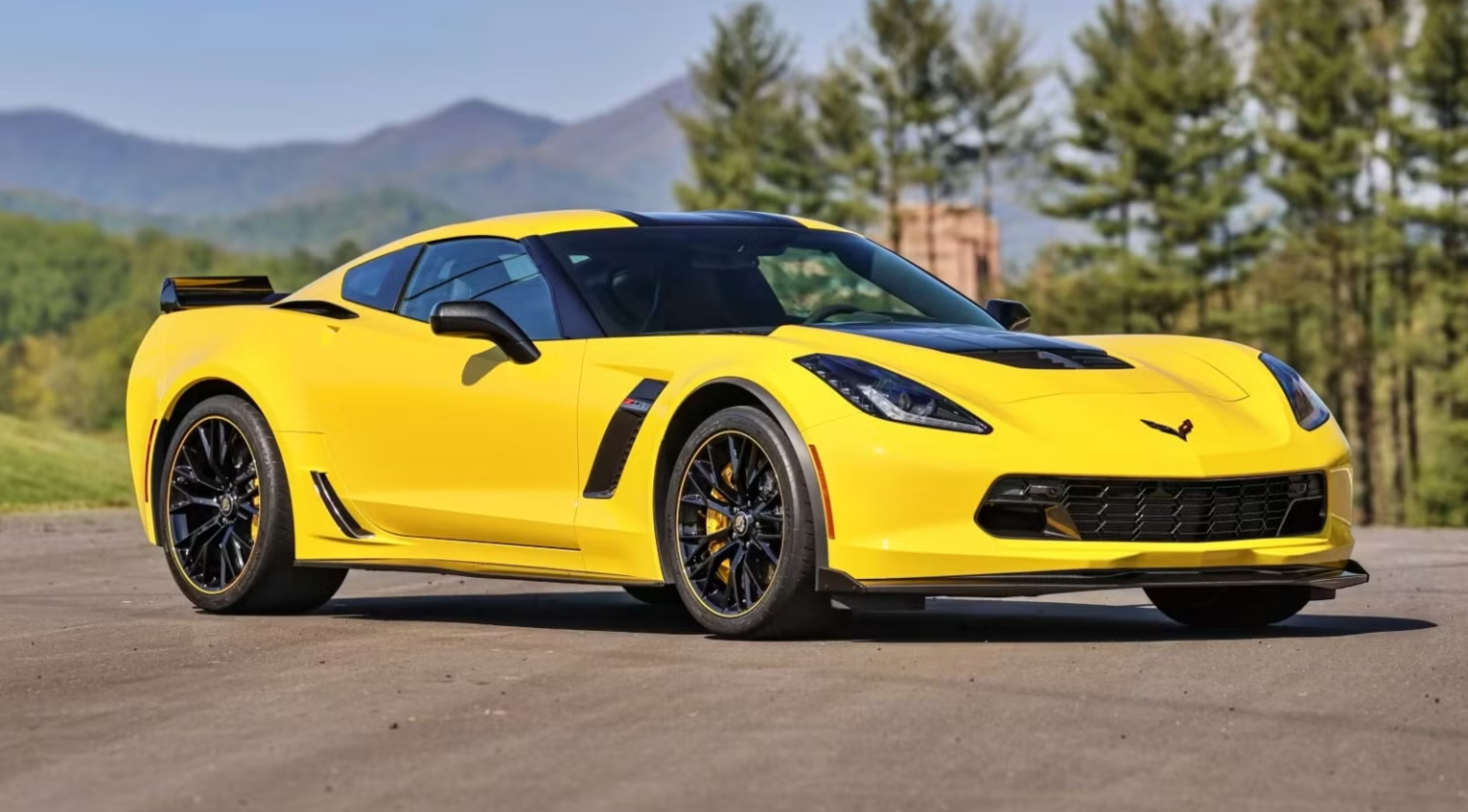
Collectors prize the model’s longevity and performance, and this appreciation translates into stable or rising used prices. The recent mid-engine C8 only heightened demand for older models, providing further insulation against typical depreciation.
Moreover, Corvettes are engineered for durability with a strong support network for parts and service, reducing the risk of ownership surprises common to European competitors.
The combination of historical prestige, reliable performance, and broad appeal helps the Corvette keep its value through market cycles better than most coupes and convertibles in its class.
4. Ford Mustang
Ford’s Mustang delivers one of the most recognizable silhouettes on the road, with a following that spans continents.
Its legacy is built on accessible muscle and customization: buyers can choose between hardtop coupes or drop-top convertibles and select from a wide span of trim levels and powertrains, from daily-driver EcoBoosts to fire-breathing Shelby GT500 editions.
What keeps the Mustang’s values so resilient is its cross-generational appeal and the sheer size of the enthusiast base.
The car’s attainable price means many can fulfill their desire for American muscle, but unique editions, high-performance trims, and well-preserved early models attract collectors who sustain high second-hand values.
Mustangs with manual transmissions, special paint codes, or performance options often escape the steep depreciation typical of mainstream coupes.
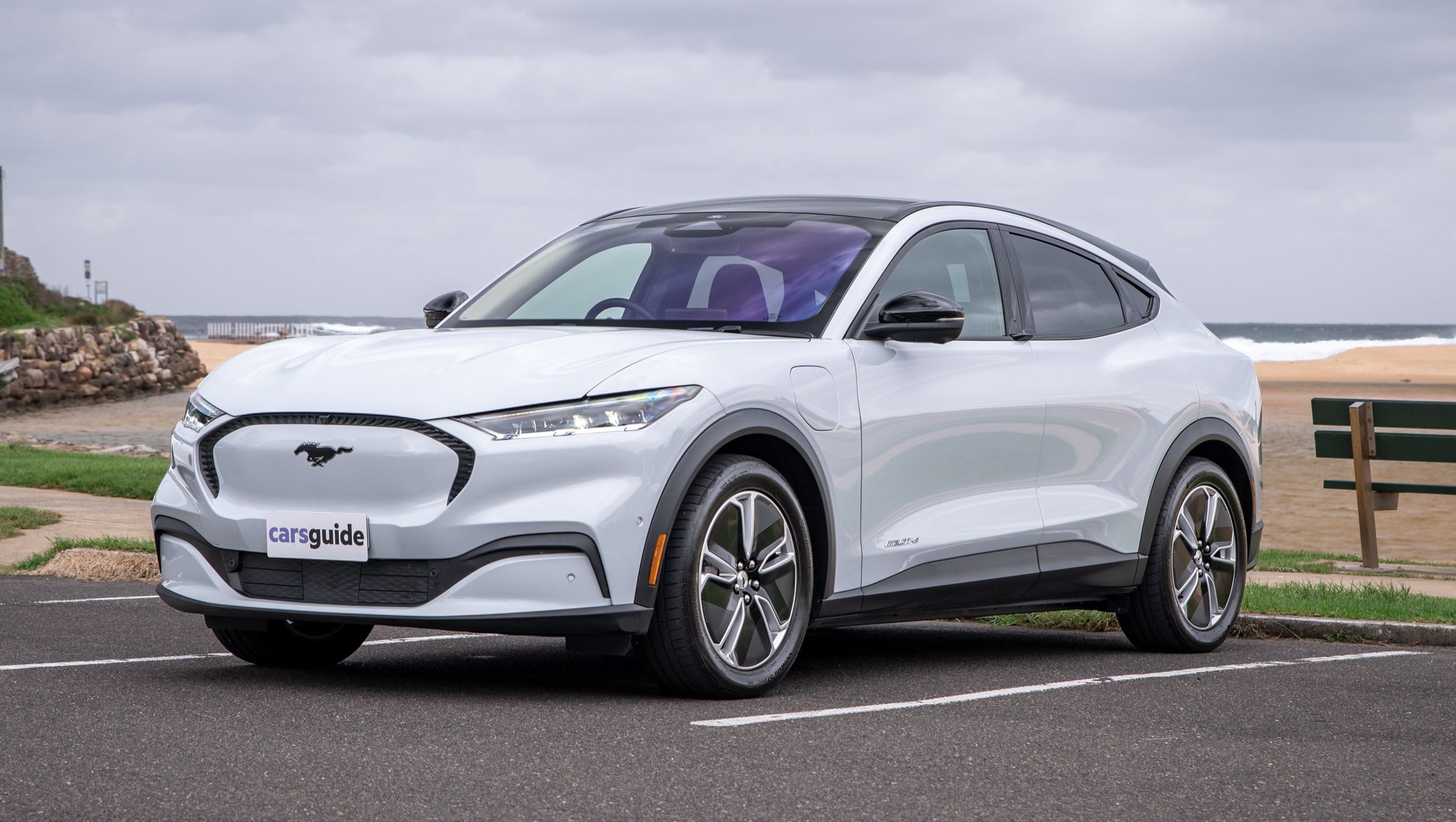
Ford’s dedication to aftermarket support bolsters this further: parts are widely available and mods are easy to source, making even decade-old Mustangs attractive to hobbyists.
Because of these strengths, Mustangs, especially when maintained well, often sell for a significant percentage of their original value.
This enduring popularity and consistent demand confirm the Mustang’s place among the best value-retaining coupes and convertibles produced in America.
5. BMW M4
The BMW M4, both in coupe and convertible form, stands as a high-performance icon from the Bavarian marque’s celebrated M division.
Distinct from standard BMW offerings due to track-focused engineering and exclusivity, the M4 has become a fixture in enthusiast communities drawn by its turbocharged power, balanced chassis, and unmistakable styling cues.
The M4’s value retention is rooted in its blend of performance pedigree and everyday usability. Models equipped with manual gearboxes, carbon-ceramic brakes, and rare paint or interior combinations command a consistently high resale price.
The M4 also benefits from BMW’s targeted marketing and low production run for high-spec variants, making desirable models rarer and thus in greater demand among collectors.
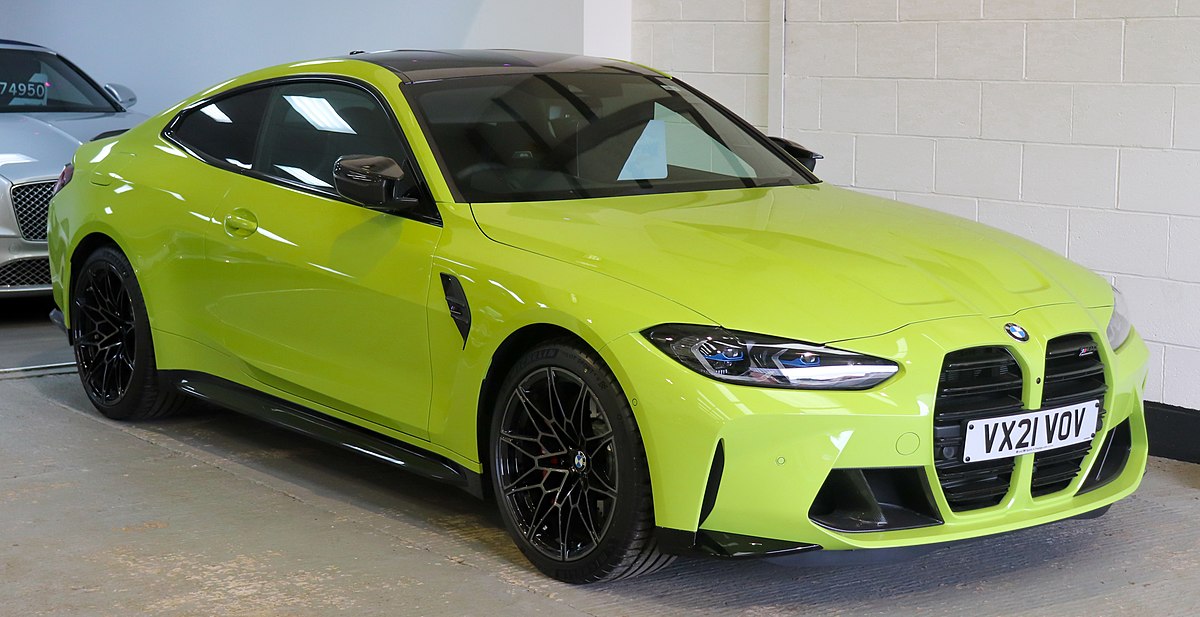
Solid aftermarket support and a culture of respectful enthusiasts further enhance used values: these cars are often well-cared for and cherished by owners.
The continuous presence of the M4 on magazine covers, track events, and driving clubs helps keep interest alive, providing price resilience absent from many rival coupes and convertibles.
Featuring the M4 on this list underscores how meticulous development and a strong brand following ensure long-term desirability and dependable value for performance-focused buyers.
5 Sedans That Outperform Them
Sedans often carry a reputation for serving everyday duties or playing second fiddle to their flashier, two-door siblings. However, as trends have shifted and manufacturers have invested in engineering advances, the sedan segment has quietly transformed.
Modern four-doors are no longer just about practicality or comfort; they frequently deliver outstanding performance, innovative safety systems, and dynamic chassis tuning, creating vehicles that surpass many dedicated sports coupes and convertibles both on paper and in real-world conditions.
Performance sedans now command attention for their acceleration, handling prowess, and outright speed, as well as their versatility in accommodating families or professional needs.
Their stiffer, better-balanced chassis and potent powertrains make them genuine rivals to the traditional idea of a “driver’s car.”
Additionally, certain sedans offer superior value retention relative to expectations, outlasting or outpacing their coupe/convertible peers in market desirability as well as everyday usefulness.
The five sedans discussed here have been selected for the way they shatter preconceived notions, combining comfort, technology, and excitement in ways that leave their two-door stablemates trailing.
Each demonstrates that practical design and a dash of audacity can deliver a driving experience few sports cars can match, all while providing value that goes far beyond the initial purchase.
1. Tesla Model S
The Tesla Model S set a new bar for what a sedan could offer. Introduced with the goal of making electric vehicles both practical and exhilarating, it quickly gained accolades for staggering acceleration, silent comfort, and a suite of digital features several years ahead of legacy rivals.
Unlike most four-doors, the Model S bridges luxury and raw performance, launching from a standstill faster than many supercars thanks to dual-motor, all-wheel-drive configurations.
A defining characteristic of the Model S is its ability to outperform sports coupes on the drag strip while carrying five adults in comfort. Range anxiety, long an issue for earlier EVs, proved largely irrelevant—later variants easily covered 300 miles or more per charge.
The minimalist interior, featuring a dominant central touchscreen, helped reimagine what a luxury sedan could feel like.
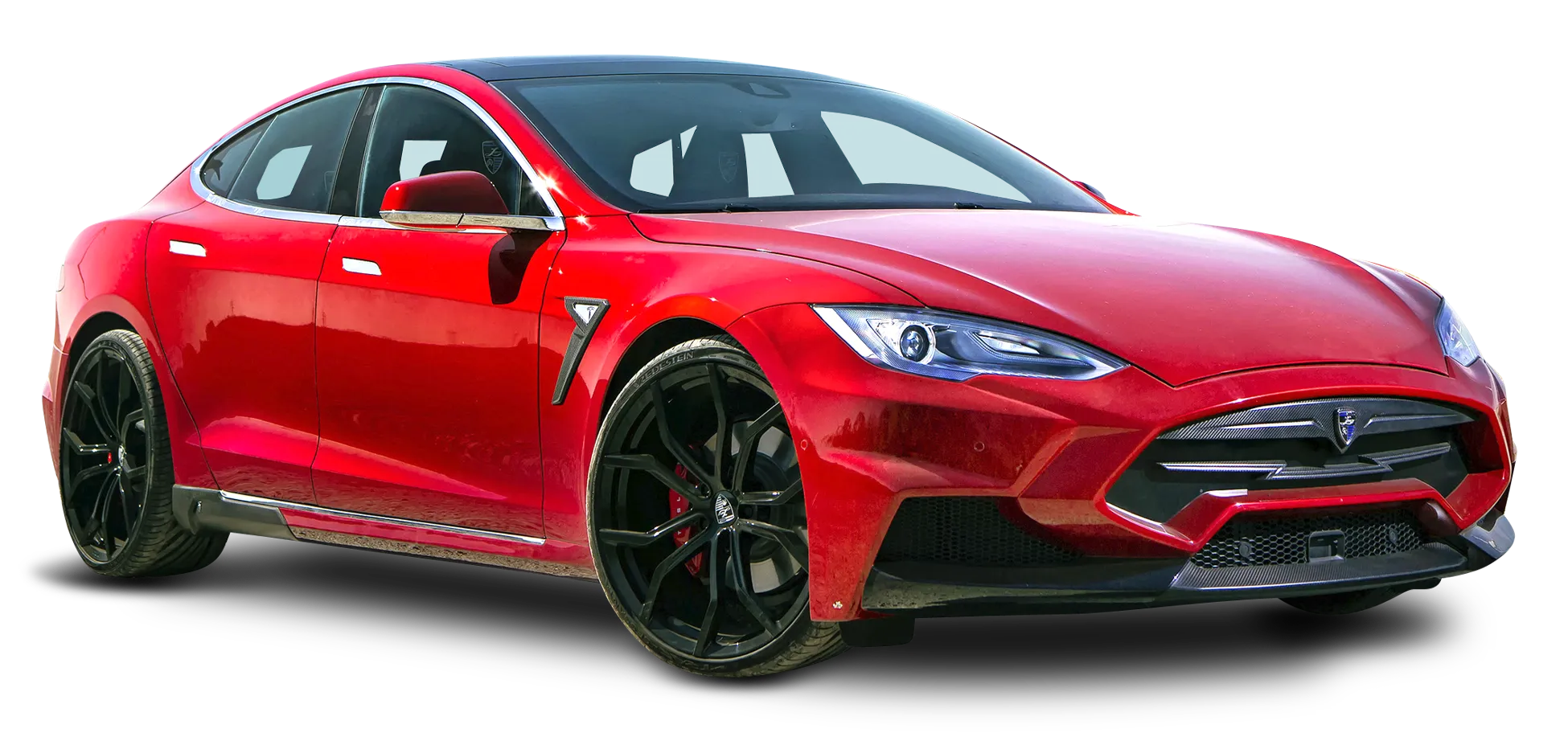
Its resale values have also been somewhat shielded by constant software updates and over-the-air feature enhancements, making even early models attractive to used buyers wanting access to near-current tech at a lower price.
Including the Model S highlights how an unassuming sedan body can deliver cutting-edge capability, redefining expectations and easily outpacing many coupes and convertibles not just in technology, but also performance and value for money over time.
2. BMW M5
BMW’s M5 has remained the gold standard for performance sedans for decades. Each iteration manages to pack the potency of a high-spec coupe into a refined, four-door package, thanks to turbocharged six- or eight-cylinder engines and sophisticated suspension setups.
The modern M5 can comfortably outgun many respected coupes, both off the line and in dynamic handling situations.
A key advantage of the M5 lies in its daily usability: drivers get blistering speed and precise control but never have to compromise on trunk space, rear-seat room, or ride comfort for passengers.
The car’s understated design appeals to purists who appreciate performance without ostentation.
Over the years, distinct engine configurations and limited-run editions have also helped the M5 develop a cult following, and used values for clean, well-optioned examples are often robust.
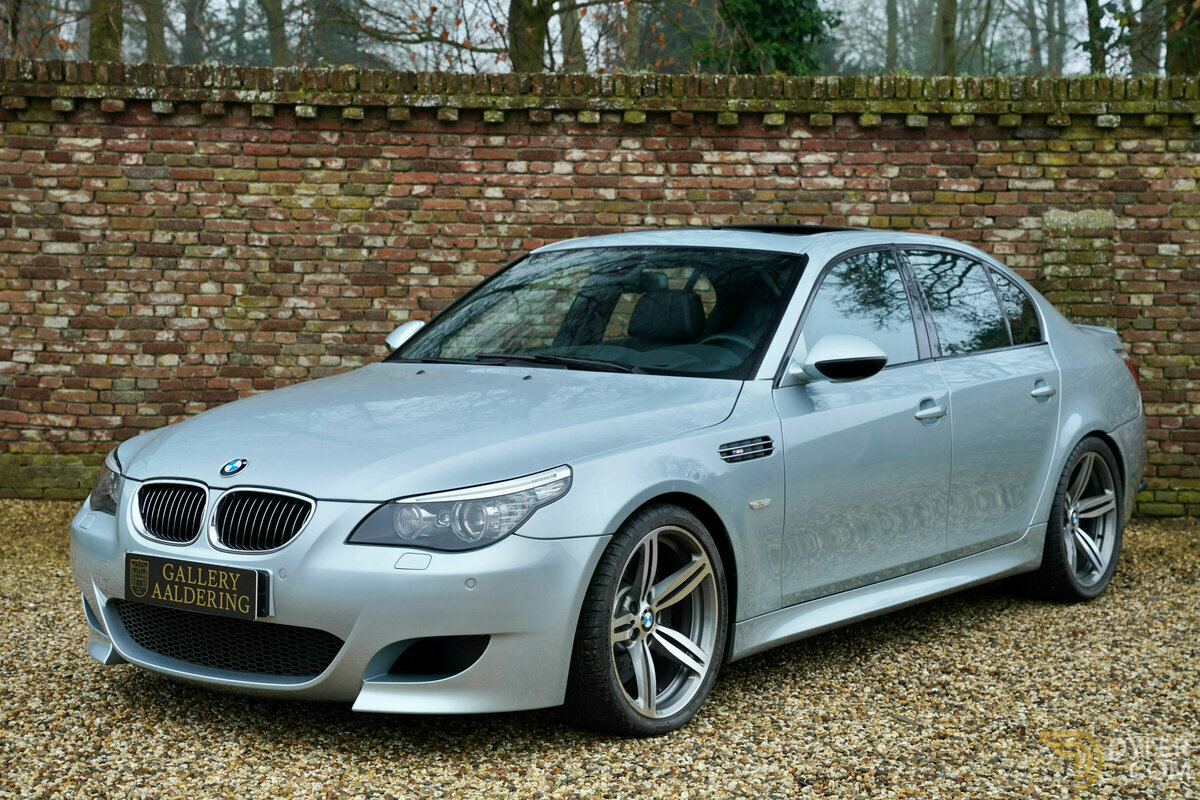
BMW’s legendary engineering depth, combined with the mature usability of the sedan format, positions the M5 as a clear outperformer.
It regularly features in automotive reviews as a “benchmark” car, offering a near-perfect blend of excitement and sensibility, with value retention that often surpasses flashier and less practical performance coupes.
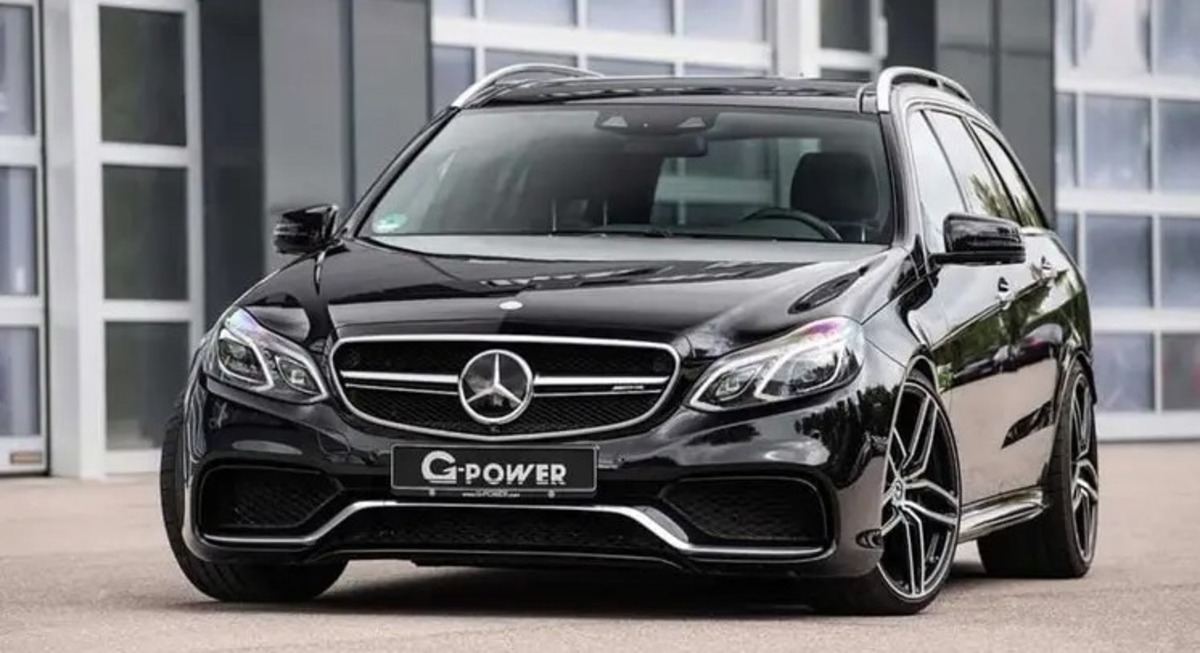
3. Mercedes-AMG E63 S
Mercedes-AMG’s E63 S challenges the popular idea that sedans are all about comfort and conservatism. Packing a thunderous twin-turbo V8, the E63 S delivers performance figures that eclipse many dedicated sports cars.
Launch control, an adaptive air suspension, and dynamic all-wheel-drive with drift mode allow the E63 S to match or outpace powerful coupes on both straightaways and challenging curves.
What makes the E63 S stand out is its ability to blend brute force with everyday sophistication. Sophisticated infotainment, an exquisitely crafted cabin, and Mercedes’ signature safety innovations create an environment that feels as plush as it is thrilling.
Despite being able to send its occupants from zero to sixty in roughly three seconds, the car doesn’t abandon the practicality of a sedan—ample backseat and trunk space make it a true all-rounder.
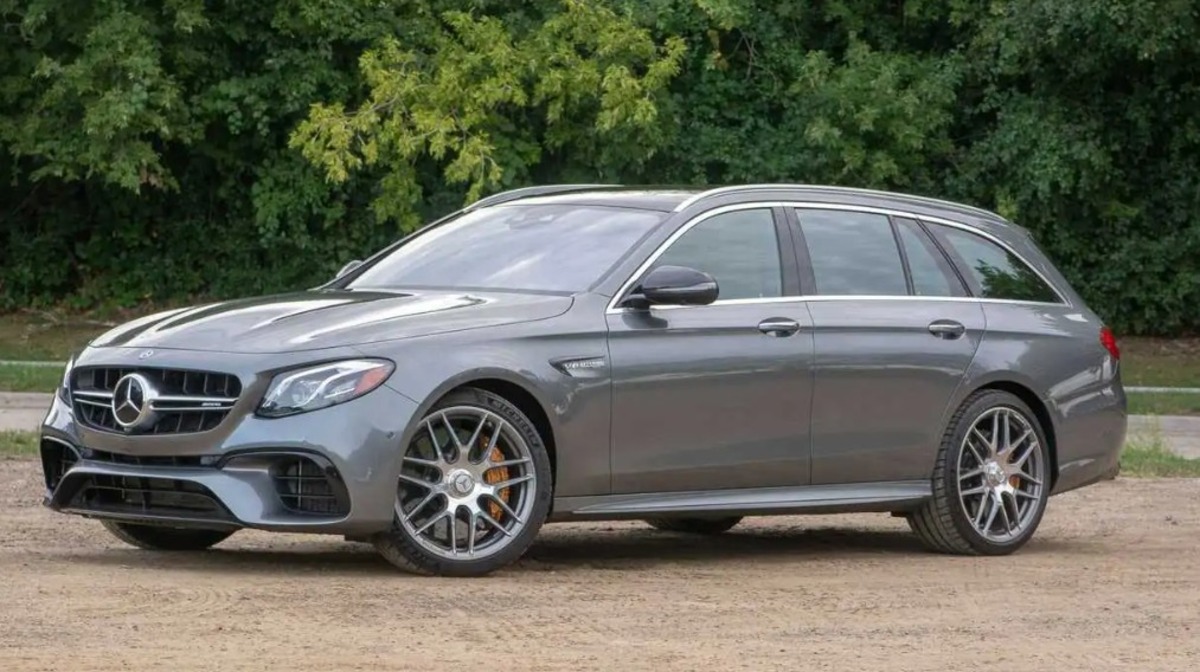
The E63 S also fares well in terms of value when compared to rival coupes and convertibles, especially as buyers appreciate its mix of exclusivity, reliability, and sheer usability.
Bringing this AMG sedan into focus underlines how performance need not be confined to aggressive two-door shapes, as the E63 S proves remarkably difficult to outclass, even against high-end sports cars.
4. Honda Civic Type R
The Honda Civic Type R stands as a testament to what functional engineering and motorsport know-how can achieve in a humble body shell. Unlike most sedans that focus on commuting comfort, the Type R brings track-level precision and feedback to the mainstream segment.
Its turbocharged four-cylinder engine delivers potent acceleration, while a sophisticated suspension and limited-slip differential allow for agility and cornering balance unseen in many competing coupes.
A major asset for the Type R is just how useable it is for daily life. The roomy back seat, generous cargo capacity, and creature comforts mean no compromises are needed for family use or road trips.
The distinctive styling might split opinion, but there is no denying the performance pedigree or the value that comes with the Honda badge.
Reliability and manageable running costs complete the package, drawing plenty of interest on the secondhand market.
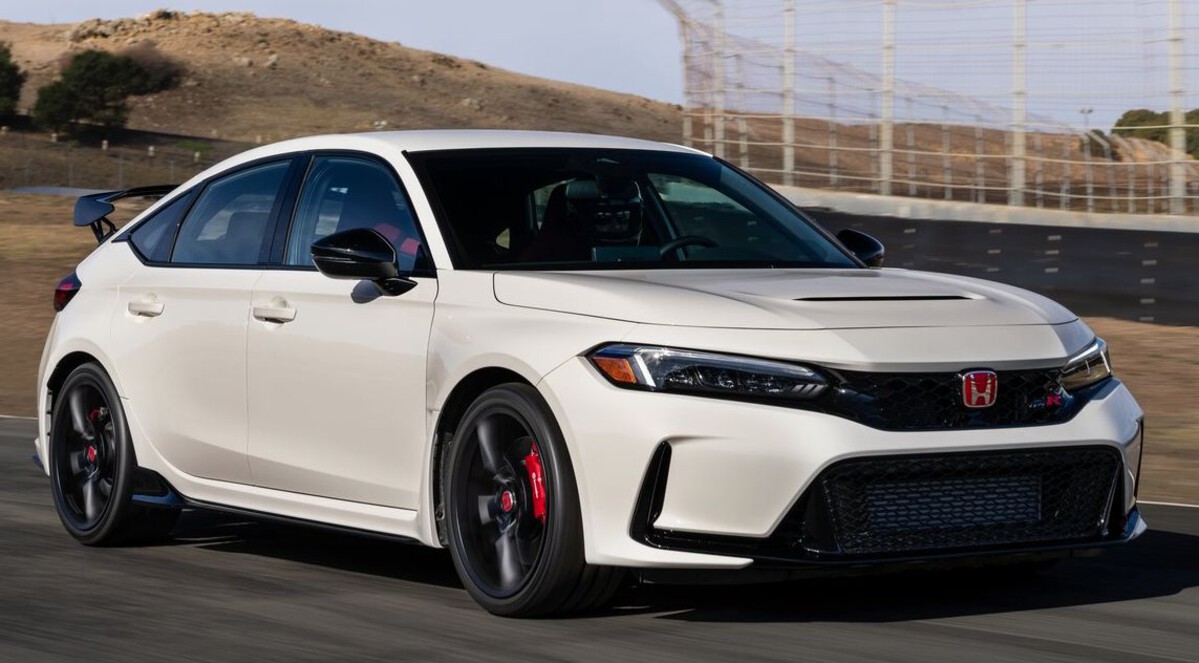
Buyers who might have initially gravitated toward two-door sports cars often end up with the Type R, attracted by its thrilling drive and reputation for lasting value.
The Type R’s placement here demonstrates that sedan practicality, when combined with Honda’s wizardry, can outperform coupes and convertibles in both excitement and smart financial sense.
5. Lexus GS F
The Lexus GS F may fly under the radar compared to more aggressive European rivals, but this sedate-looking sedan boasts a naturally aspirated V8 and rear-drive layout, delivering a uniquely analog feel in a world of ever-increasing digital intervention.
It merges luxury with a genuine driver focus, offering well-weighted steering, a balanced chassis, and unmistakable Lexus reliability.
Part of the GS F’s charm comes from its understated looks: it doesn’t shout about its abilities, but enthusiasts know it can go toe-to-toe with many performance coupes and leave them behind on a twisty road.
Lexus’s renowned build quality assures long-term peace of mind, making the GS F sought after in the used market for both drivers and collectors who crave V8 excitement with minimal headaches.
Thanks to a combination of rarity, dependable quality, and strong demand among fans of the brand, the GS F retains value better than expected for a performance sedan.
Its inclusion highlights that sedans can offer as much or more driving pleasure as their two-door counterparts while providing owners with greater comfort, practicality, and ongoing satisfaction.
When comparing coupes and convertibles that stand strong in value with sedans that increasingly challenge and often surpass their sportier peers, a few fundamental observations come to light.
Both camps offer desirable qualities, but their reasons for owner satisfaction and long-term value diverge in meaningful and instructive ways.

This comparison is not simply about style versus substance or fun versus function. Instead, it reflects how automotive markets and consumer values have shifted, rewarding a nuanced blend of legacy, engineering, desirability, and daily utility.
Coupes and convertibles such as the Porsche 911, Mazda MX-5 Miata, Chevrolet Corvette, Ford Mustang, and BMW M4 have secured enduring places in automotive culture—not merely because of their beauty or exhilaration but also due to their consistent communities, production philosophies, and reputations for reliability or uniqueness.
These cars defy the trend of steep depreciation through a combination of iconic styling, limited production, and legions of enthusiasts ready to pay for well-maintained examples.
Their value retention is driven as much by emotional connection and cultural cachet as by mechanical excellence. For many, ownership equates to joining a lineage or a global fraternity of like-minded drivers who are willing to keep the passion alive.
On the other hand, modern sedans have matured into vehicles that refuse the role of mere transportation appliances.
Sedans like the Tesla Model S, BMW M5, Mercedes-AMG E63 S, Honda Civic Type R, and Lexus GS F have shattered the myth that excitement or elite performance is closed off to four-door cars.
These models pair cutting-edge technology, powerful drivetrains, and sophisticated engineering, often topping the performance charts established by their two-door counterparts.
Their more practical body style only adds to the appeal—these cars function as family haulers or business shuttles without sacrificing the fun or thrill usually reserved for sports cars.
As a bonus, their broader appeal in the used market, lower running costs in certain cases, and sometimes understated styling grant them strong resale potential and owner loyalty.
Together, these insights highlight a central lesson for both buyers and enthusiasts: real value in car ownership emerges from more than badge or initial excitement.
Lasting satisfaction and worthwhile resale prospects are secured through a careful match of passion with practicality, community support with brand integrity, and design innovation with proven durability.
As consumer expectations grow and automotive segments continue to overlap, both high-value coupes/convertibles and high-performing sedans prove there is more than one path to lasting automotive happiness and financial wisdom.
Also Read: 5 Auction Stars That Impress Everytime vs 5 Models That Flop at Auction
