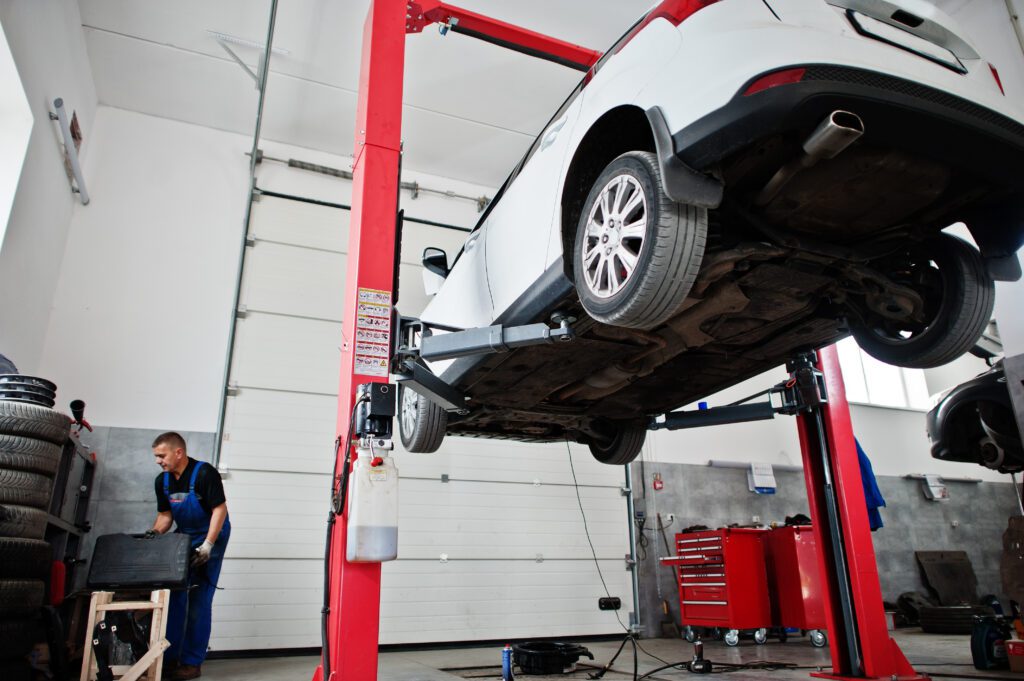
Owning a car comes with routine responsibilities, but unfortunately, it also comes with a lot of outdated and misleading advice. While some maintenance myths may have had merit decades ago, many are no longer relevant in today’s era of advanced automotive engineering.
Acting on these myths can not only lead to unnecessary service visits but also cost drivers thousands of dollars over time. Here are 10 widely believed maintenance myths that could be draining your wallet.
1. Premium Gas Improves Performance in All Cars
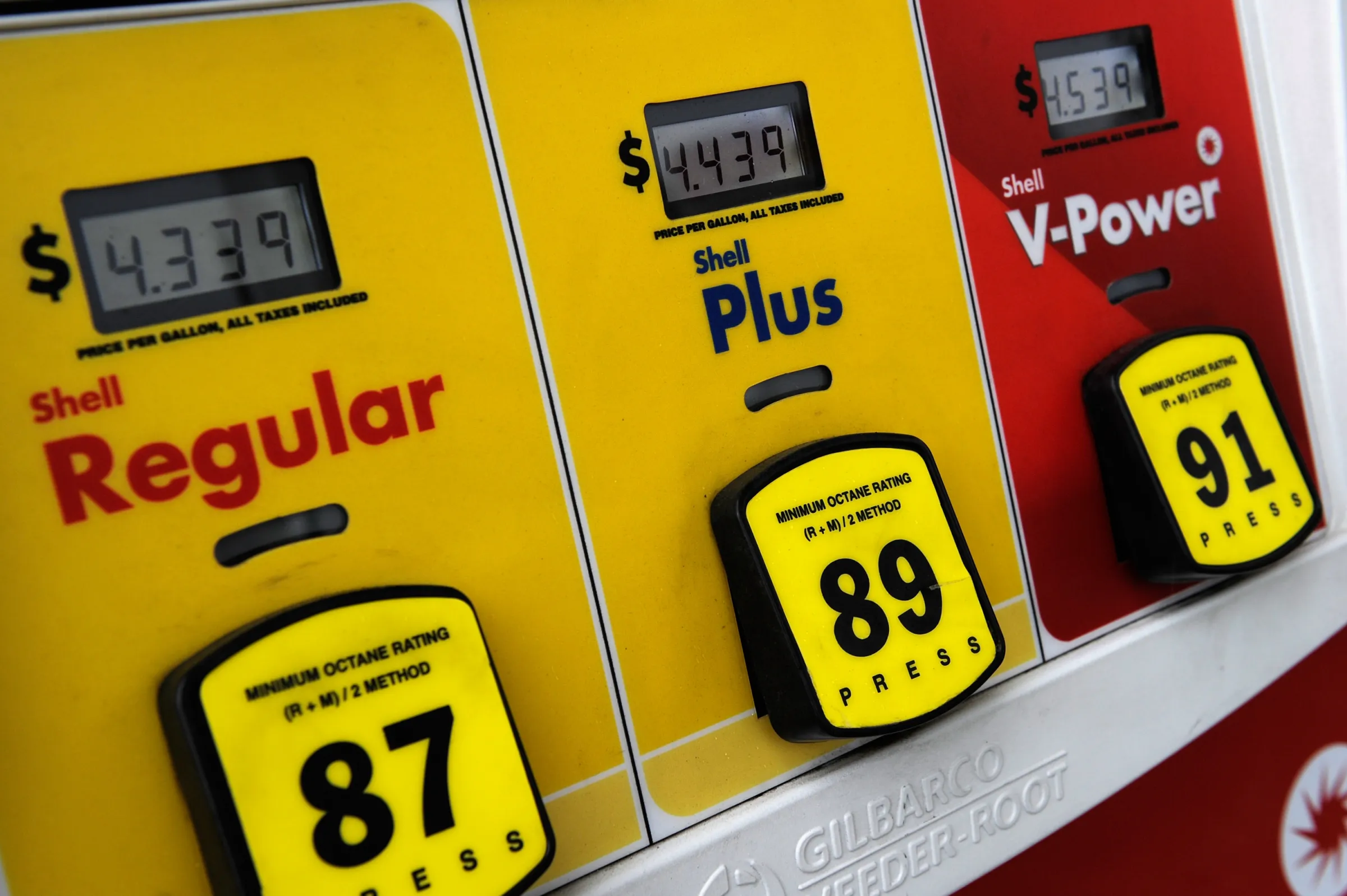
Many drivers believe that filling up with premium fuel means better engine performance and longevity. However, for the vast majority of vehicles, this simply isn’t true. Premium fuel is designed for high-compression or performance engines, typically found in sports cars or luxury models.
If your car runs on regular 87-octane gasoline, using premium doesn’t make it run smoother or last longer; it just makes every trip to the gas station more expensive. With the price difference often nearing $1 per gallon, this habit could cost you hundreds each year for no real benefit.
2. Frequent Transmission Flushes Are Necessary
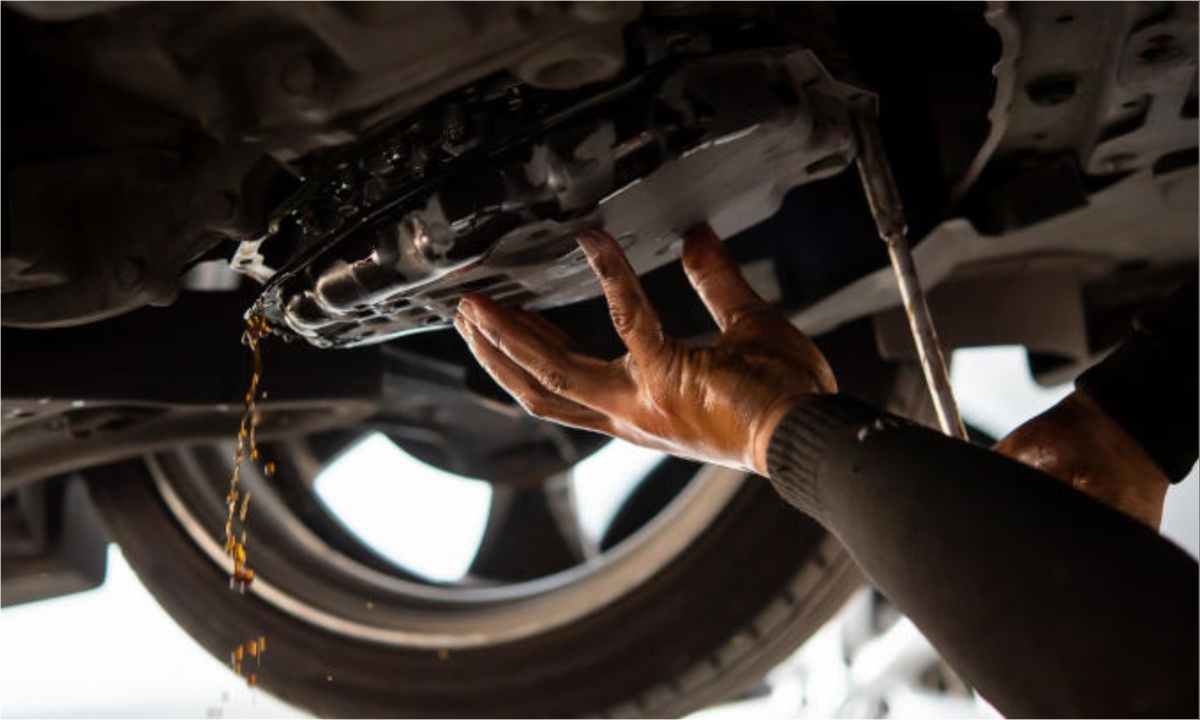
The myth that all cars need a transmission fluid flush every 50,000 miles is outdated. While that may have been true for older models, many of today’s vehicles can go 100,000 miles or more before needing such a service.
Some modern cars, especially those with Continuously Variable Transmissions (CVTs), may not require transmission fluid service at all under normal driving conditions. Unnecessary flushes can cost between $150 and $300, money that’s better spent elsewhere unless your owner’s manual or technician recommends it.
3. Fuel Additives Clean Your Engine Better
Fuel system additives promise cleaner engines, better fuel economy, and longer life. But these products are generally unnecessary for most vehicles. Since the mid-1990s, fuel sold in the U.S. has been required by law to contain detergent additives that keep your engine clean.
For modern engines using quality fuel, adding $10–$20 bottles of additive at the pump is usually a waste of money. Unless you’re dealing with specific issues like fuel injector clogs, these products won’t provide meaningful results.
4. Dealership Service Is Always Superior
Many believe that only dealership technicians are qualified to service their car or that using independent mechanics will void the warranty. That’s simply false. According to federal law, you can take your car to any certified mechanic without affecting your warranty as long as the work follows the manufacturer’s recommendations.
Dealerships often charge higher rates for labor and parts. Unless your car is subject to a recall or needs brand-specific diagnostics, an experienced local mechanic can do the job just as well, often at a lower cost.

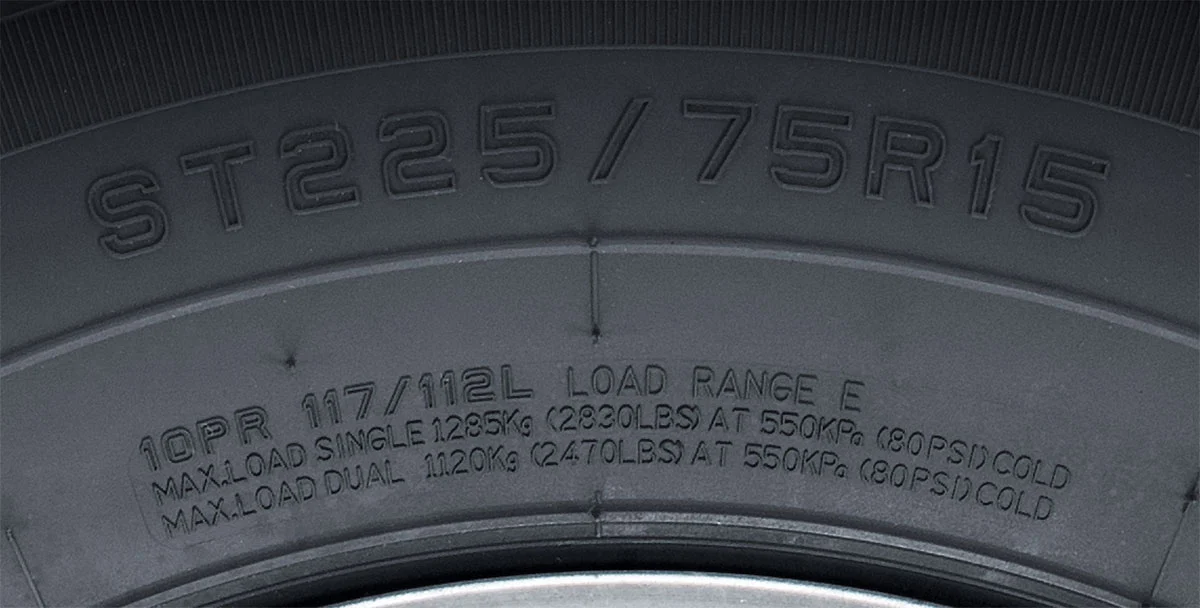
5. Inflate Tires to the PSI on the Sidewall
Tire sidewalls list the maximum inflation pressure, not the recommended one. Filling tires to that maximum may result in overinflation, leading to uneven tread wear and reduced traction.
Instead, check your car’s recommended tire pressure, typically found on a sticker inside the driver’s door or in the owner’s manual. Keeping tires at the proper pressure helps improve handling, extends tire life, and can save fuel, ultimately helping you avoid premature replacement costs.
Also Read: 10 Cars That Handle Daily Urban Abuse Without Falling Apart
6. Seasonal Maintenance Is Essential
Some drivers think they must “winterize” or “summerize” their cars each year. While it’s wise to check your battery, wipers, and tire condition as seasons change, modern cars are built to handle a wide range of temperatures and road conditions without seasonal service overhauls.
Instead of spending on seasonal tune-ups, simply follow the regular service intervals in your manual. Fluids like coolant now last around 100,000 miles, and all-season tires can work year-round in many climates.
7. Wait Until Tires Are Bald to Replace Them
Many car owners delay replacing their tires until they reach the legal tread limit of 2/32 inch. While legal, this is not safe. Tires begin losing grip and traction long before they’re technically “bald.” Experts recommend replacing tires once tread depth hits 4/32 inch, especially in wet or snowy conditions.
Replacing your tires earlier gives you time to find deals and prevents emergency situations. The cost of a new set averaging $600 pales in comparison to the cost of an accident due to worn-out tires.

8. Warming Up Your Car Is Necessary in Cold Weather
Warming up your vehicle for several minutes before driving is no longer necessary with modern engines. In fact, idling too long can be counterproductive, wasting fuel and increasing emissions.
Modern engines warm up more efficiently when the car is being driven. Instead of idling, just start the engine and drive gently for the first few minutes. This approach helps your engine reach optimal temperature faster and reduces unnecessary wear.

9. Engine Tune-Ups Are Regularly Required
The term “tune-up” is outdated for most vehicles built in the last 20 years. These days, cars have advanced engine control systems that automatically adjust air-fuel mixtures and spark timing.
Unless you’re experiencing performance issues, there’s rarely a need for a traditional tune-up. Spending $150 to $800 on a full tune-up when nothing is wrong can be wasteful. A periodic inspection every 50,000 miles (or as recommended) is usually sufficient.

10. Synthetic Oil Must Be Changed Every 3,000 Miles
One of the most enduring myths is that oil, especially synthetic, needs to be changed every 3,000 miles. That advice comes from an earlier automotive era. Most modern cars using synthetic oil can safely go 5,000 to 7,500 miles between oil changes.
Some models can even go up to 10,000 miles. Since oil changes range from $65 to $125, changing too frequently adds up quickly. Always follow the oil change interval listed in your owner’s manual to avoid unnecessary service.
Car maintenance doesn’t need to be confusing or expensive. In fact, the most cost-effective approach is often the simplest: follow your owner’s manual, avoid outdated myths, and get regular inspections.
By avoiding these 10 common maintenance misconceptions, you’ll not only save hundreds or even thousands of dollars but also extend the life and efficiency of your vehicle. In a world full of misinformation, a little accurate knowledge goes a long way behind the wheel.
Also Read: 10 Cars With Cheap Replacement Parts That Tend To Last