In the face of rising fuel prices and growing concerns about long-term ownership costs, American drivers are seeking vehicles that not only sip fuel but also stand the test of time.
While many modern cars boast impressive MPG numbers, not all are built to endure daily wear and tear over the years.
Fortunately, there are vehicles on the market that strike a perfect balance between fuel-saving innovation and mechanical durability. Here are ten cars that combine smart fuel-efficiency technology with long-lasting reliability.
1. Toyota Prius
The Toyota Prius remains the undisputed champion of fuel efficiency and hybrid dependability. Its cutting-edge Hybrid Synergy Drive system has been refined over two decades, delivering up to 58 MPG in the city.
But it’s not just about fuel savings the Prius is also known for its longevity, with many examples easily surpassing 200,000 miles with minimal maintenance.
This car is a go-to for commuters, rideshare drivers, and anyone who wants a no-nonsense hybrid that just keeps running.
With its fifth-generation debut, the Toyota Prius has undergone a dramatic and noteworthy evolution. The once “eco geek” image has been replaced by a more stylish and modern “eco chic” appeal.
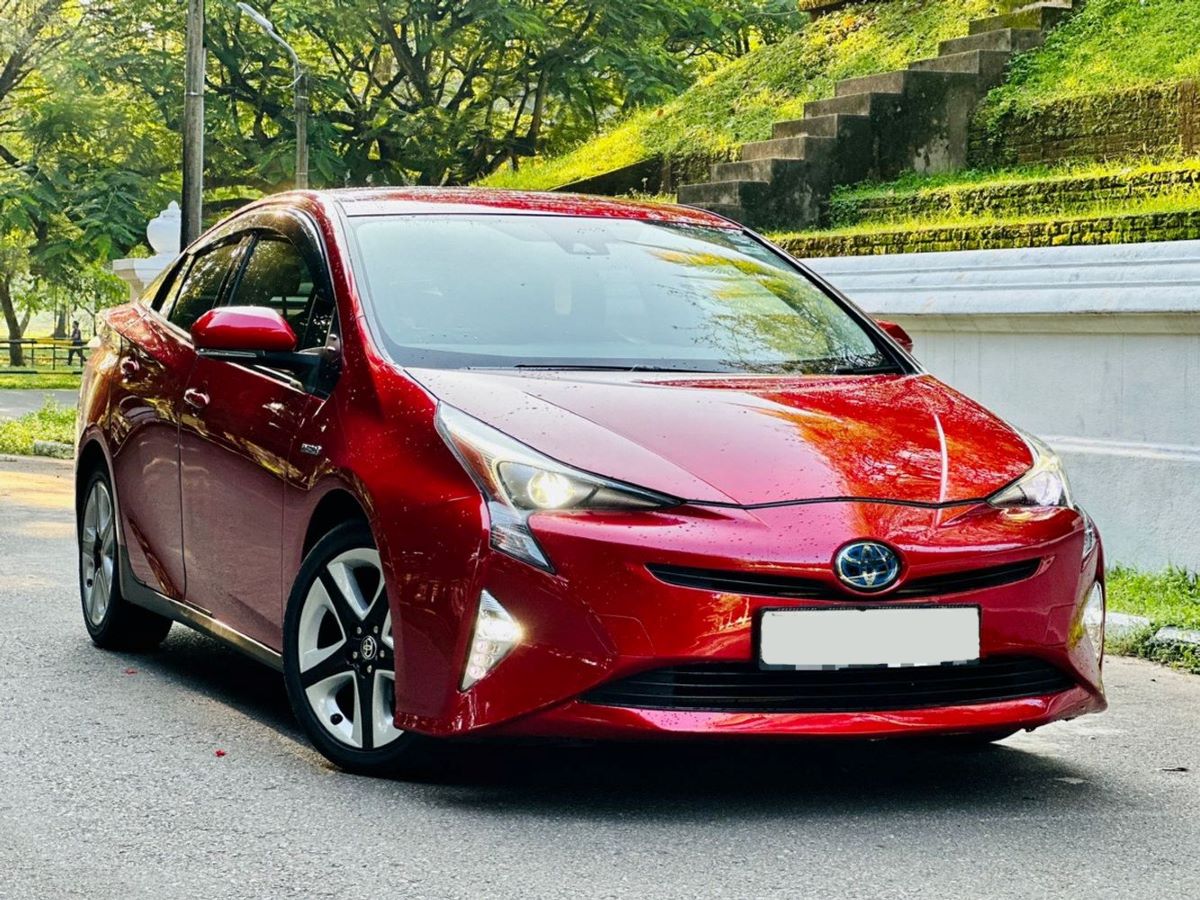
For 2023, the Prius receives a full redesign, featuring a more refined and aerodynamic silhouette, as well as a thoroughly revamped interior. The hybrid powertrain has also been significantly improved, now offering a notable boost in performance while still delivering fuel economy that closely matches previous iterations.
One of the most consistent criticisms of earlier Prius models was their underwhelming acceleration. The previous fourth-generation Prius, for instance, delivered just 121 combined system horsepower from its engine and electric motor.
The latest Prius, by contrast, now generates up to 196 horsepower and achieves a 0-to-60 mph time of approximately 7 seconds. That’s a significant improvement over the 10.7 seconds recorded by the last model we tested, and it should make tasks like merging onto highways much more effortless.
Importantly, the Prius continues to deliver exceptional fuel efficiency, with manufacturer-estimated combined city/highway ratings ranging from 49 to 57 mpg depending on the variant.
For those looking for even more electric capability, the redesigned plug-in hybrid Prius Prime is also available, now offering greater electric range than its predecessor.
2. Honda Accord Hybrid
For those who want hybrid efficiency without giving up interior space or performance, the Honda Accord Hybrid is a standout.
It features a two-motor hybrid system that delivers smooth acceleration and up to 44 MPG in the city.
Beyond its efficiency, the Accord is built with Honda’s well-earned reputation for reliability, making it a smart choice for families and professionals who need both comfort and durability in one package.
The Accord Hybrid lives up to its reputation for delivering impressive efficiency, outclassing the few remaining direct competitors in the midsize hybrid sedan segment.
The added bonus is that it’s also significantly quicker than those rivals. That said, while it feels strong and responsive from a standstill, that energetic sensation tends to taper off as the car picks up speed. It’s one of the main reasons we wouldn’t categorize it as truly sporty.
Power delivery is smooth and well-matched to the Accord Hybrid’s composed body control and comfortable ride. It absorbs broken pavement with ease, offering a soft and compliant driving experience.
However, the cabin does let in a fair amount of wind and road noise, additional insulation would definitely be an improvement. Interestingly, the steering felt more engaging in the previous-generation Accord, making the current model feel a bit dialed back in that regard.
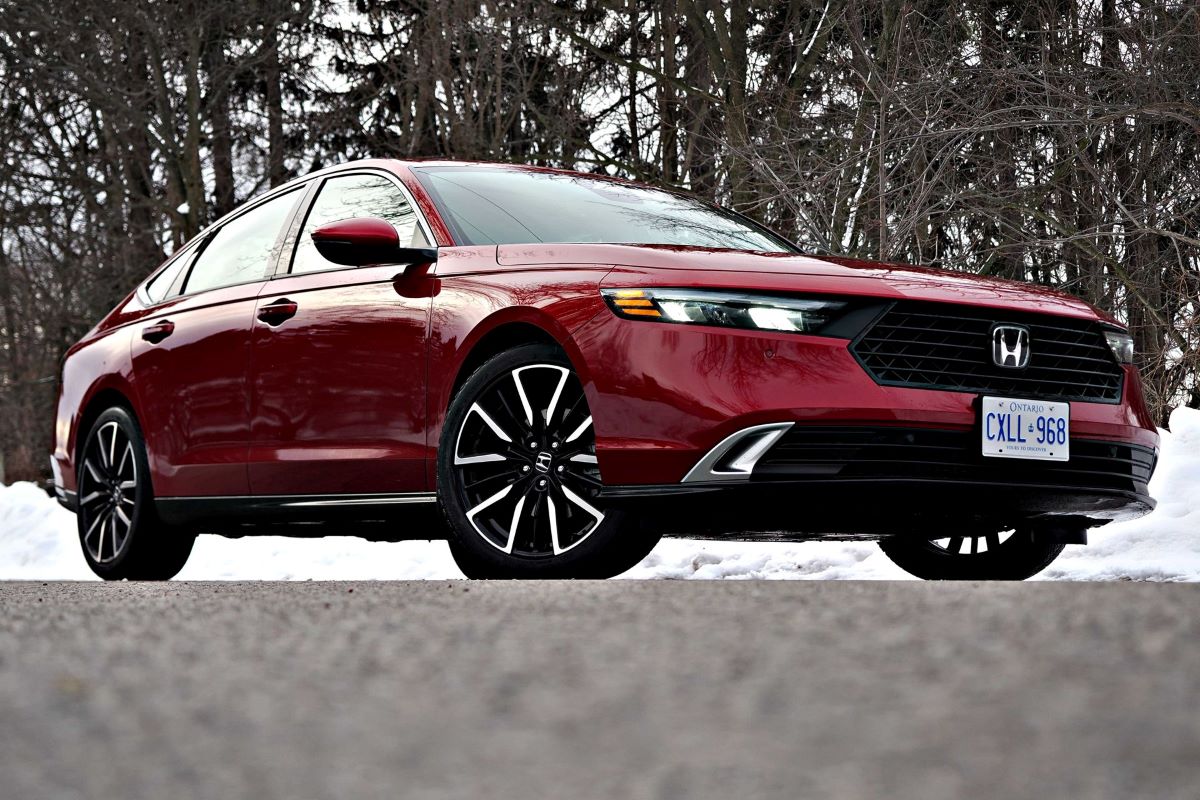
The interior of the current Accord ranks among the most refined and upscale we’ve seen in recent iterations. The layout of the controls is intuitive, and the large 12.3-inch touchscreen display is a standout feature.
Passenger space is generous overall, although the sloping roofline does compromise rear headroom. The trunk, on the other hand, is quite spacious and practical.
In some respects, the latest Accord falls a little short of its predecessor. It lacks the straight-line speed of the previous-generation model.
Additionally, certain desirable features are reserved exclusively for the top Touring trim. The new exterior styling also has a polarizing effect, it may not appeal to everyone. Even so, the 2025 Accord Hybrid holds its own as a strong competitor among gas-electric midsize sedans.
What gives the Accord Hybrid a performance edge over its competitors is the torque-rich powertrain. While the Toyota Camry Hybrid offers slightly more horsepower, the Honda Hybrid holds an 84 lb-ft torque advantage.
This torque surplus allows the Accord Hybrid to accelerate from 0 to 60 mph in just 6.6 seconds, which is 0.8 seconds quicker than the Camry Hybrid.
Also Read: 5 Trucks with the Best Smartphone App Controls and 5 Clunky Apps
3. Toyota Corolla Hybrid
Toyota’s winning formula continues with the Corolla Hybrid, which delivers up to 53 MPG in city driving.
Sharing much of its drivetrain with the Prius, the Corolla Hybrid provides exceptional fuel economy wrapped in a traditional sedan form.
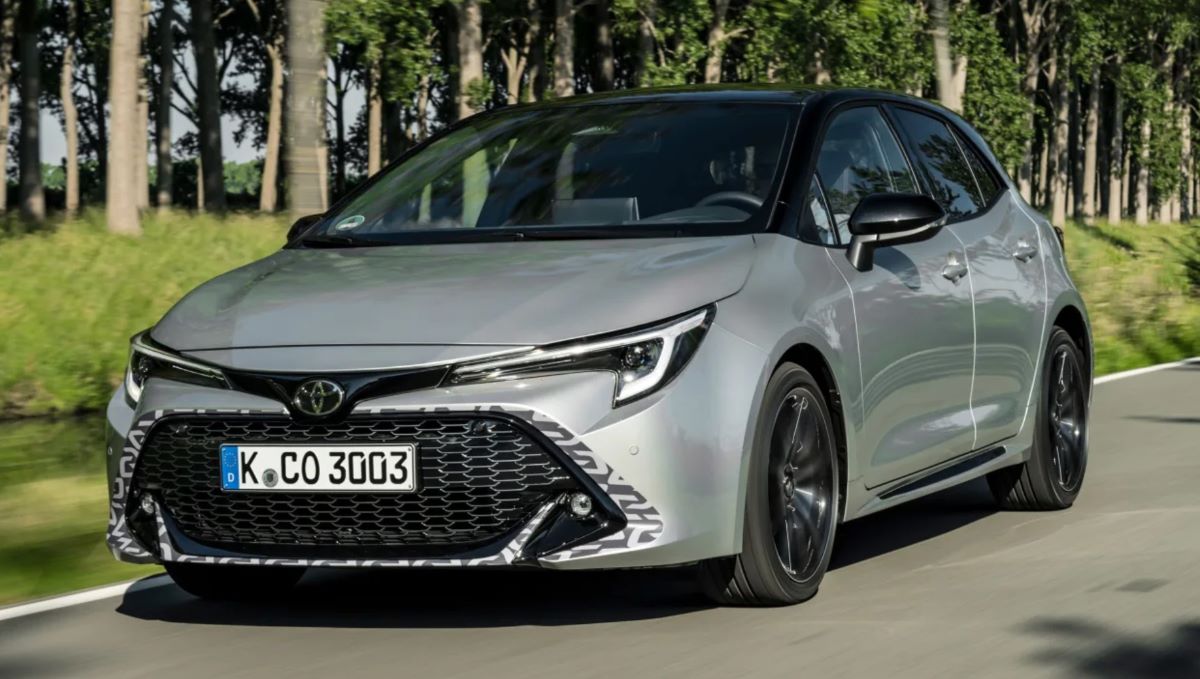
Its 1.8-liter engine is simple and proven, offering fewer repair headaches than more experimental or turbocharged options. For buyers looking for a trustworthy, budget-friendly hybrid, this car ticks all the right boxes.
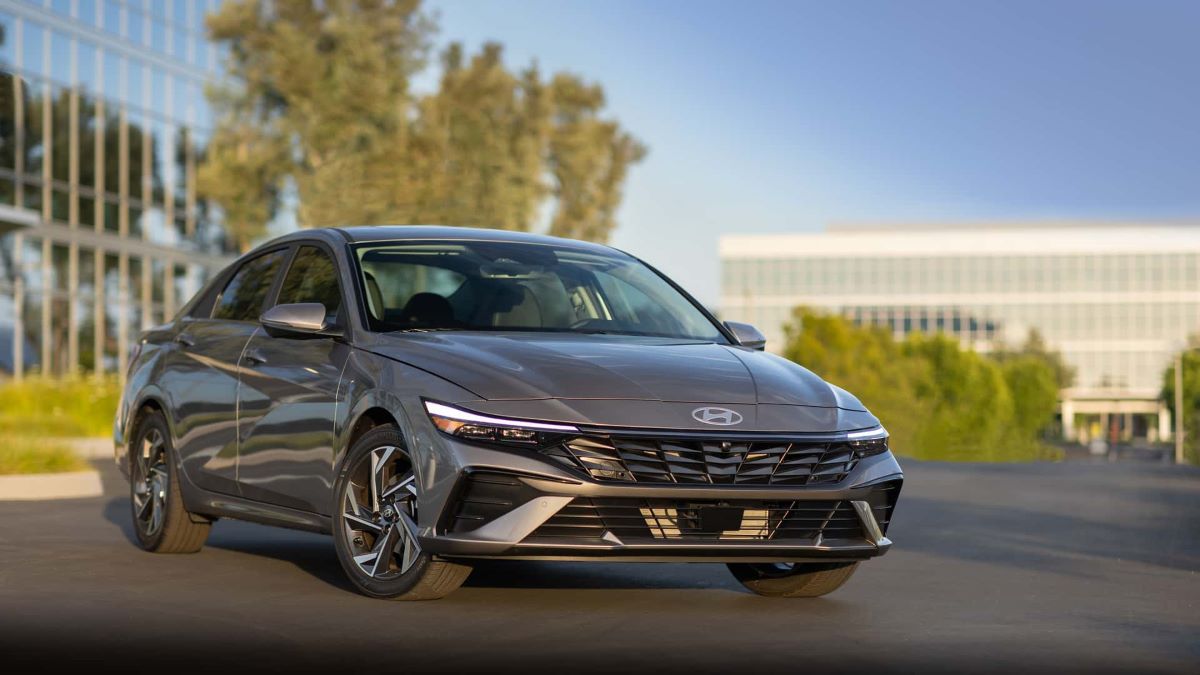
4. Hyundai Elantra Hybrid
The Hyundai Elantra Hybrid might surprise some with its impressive 54 MPG city rating and sleek design, but it’s also proven to be reliable.
Utilizing a 1.6-liter engine paired with a dual-clutch transmission, it offers a more engaging drive than some of its rivals.
Hyundai has made major gains in dependability over the past decade, and the Elantra Hybrid benefits from the company’s 10-year powertrain warranty, giving owners added peace of mind.
Just by looking at the name of the 2025 Hyundai Elantra Hybrid, you already have a solid idea of what it’s all about. This is Hyundai’s compact sedan, equipped with a hybrid engine.
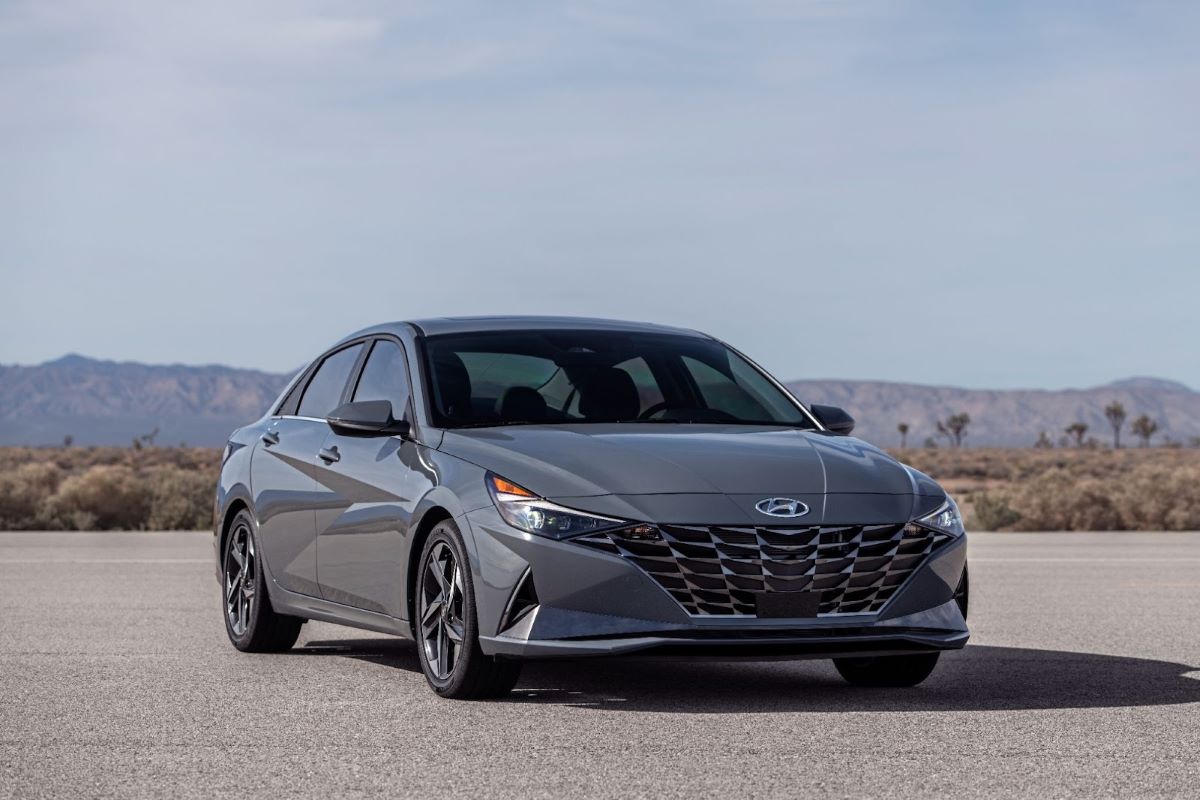
It delivers excellent fuel efficiency, up to an EPA-estimated 54 mpg in combined city/highway use, along with a standout design, a spacious cabin, a generous suite of tech features, and a top-notch warranty. If you’re in the market for a fuel-efficient, high-value compact car, the Elantra Hybrid deserves a spot on your shortlist.
In 2025, Hyundai has introduced a new trim level known as the Sport. Positioned between the entry-level Blue and the well-equipped top-tier Limited, the Sport hits a sweet spot, it brings in several premium features that were previously exclusive to the Limited, all while keeping the price point attractive.
Also Read: 10 Most Popular Boxy Cars That Are Built Like Tanks
5. Toyota RAV4 Hybrid
SUV lovers don’t have to sacrifice fuel savings thanks to the Toyota RAV4 Hybrid. With up to 41 MPG in the city and available all-wheel drive, this compact SUV is ideal for families, outdoor enthusiasts, and long-haul commuters.
The hybrid system is nearly identical to that of the Prius and Corolla, meaning it’s tried-and-true. Plus, Toyota’s history of building reliable SUVs makes the RAV4 Hybrid a strong choice in the crowded compact SUV market.
For 2025, Toyota is moving away from using the “Prime” name for its plug-in hybrid variant. Instead, this model will be offered as the RAV4 PHEV SE and RAV4 PHEV XSE.
These plug-in hybrids will wear a PHEV badge, and across all hybrid versions, Toyota is eliminating the signature blue shadow behind the front and rear Toyota logos. Beyond these cosmetic and naming updates, both the RAV4 Hybrid and PHEV models continue on unchanged.
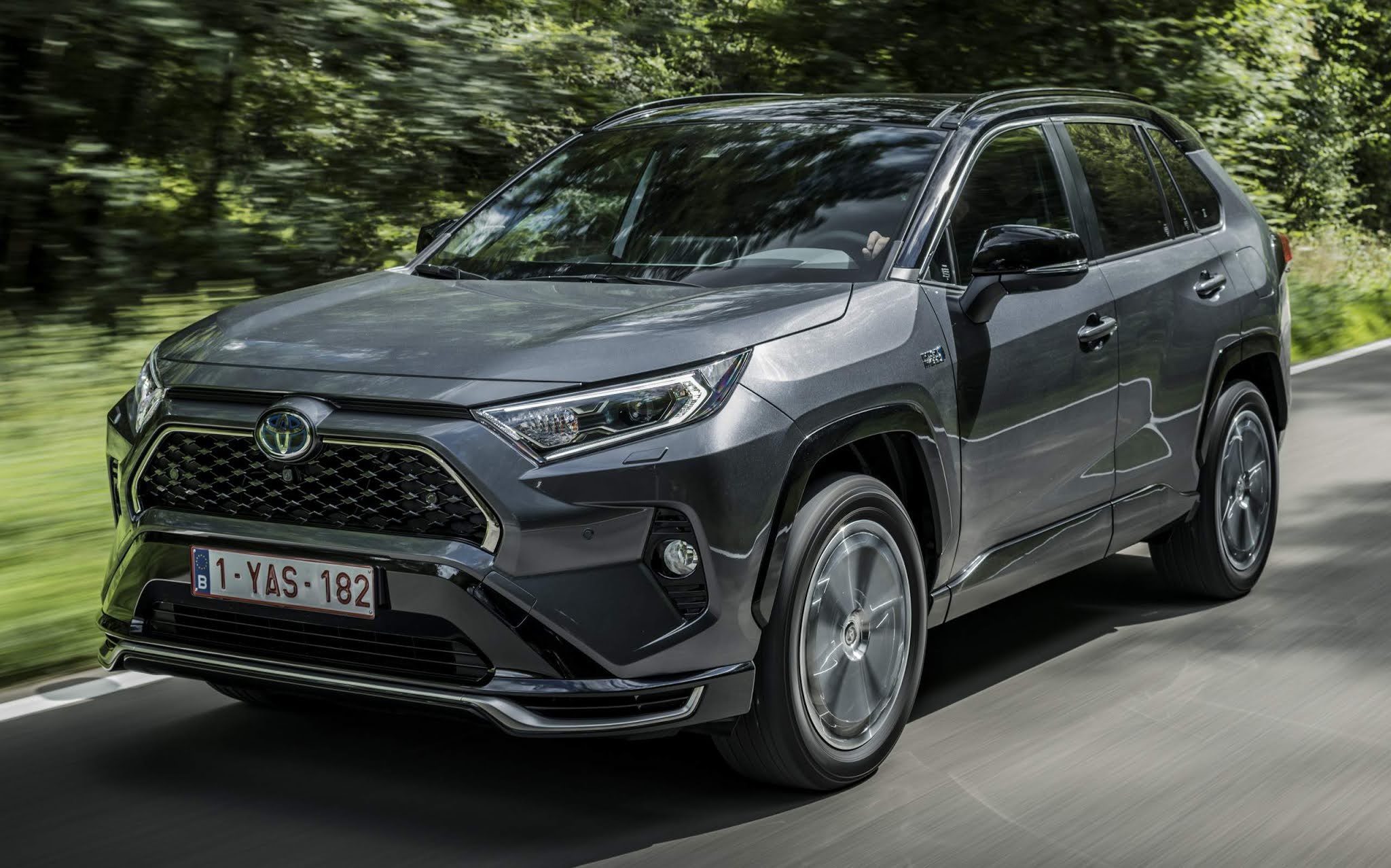
We suggest going with the XLE Premium trim, which adds a substantial amount of standard equipment without pushing the price into uncomfortable territory.
Under the hood, the RAV4 Hybrid features a 2.5-liter four-cylinder engine paired with a continuously variable transmission (CVT), supported by three electric motors. Altogether, this setup produces a combined 219 horsepower.
One of the electric motors is dedicated to driving the rear wheels, meaning every RAV4 Hybrid comes standard with all-wheel drive. The hybrid system not only enhances acceleration but also improves overall efficiency compared to the conventional gas-only RAV4.
Drivers will especially appreciate the added responsiveness in city driving, where the electric motor’s instant torque delivers a noticeable boost off the line.
For those seeking even more punch, the plug-in hybrid RAV4 PHEV steps things up. With stronger electric motors, the PHEV cranks out a total of 302 horsepower. Just like the rest of the RAV4 family, the Hybrid and PHEV models deliver solid, composed handling and a smooth ride — though they’re not tuned for sports-car-level cornering.
6. Lexus UX 250h
For drivers who want premium comfort without losing out on efficiency, the Lexus UX 250h delivers both.
Using Toyota’s hybrid technology under the hood, the UX achieves up to 43 MPG in the city while offering the luxury appointments Lexus is known for.
Importantly, Lexus ranks near the top of every major reliability study, making this upscale crossover a smart buy for those who want fuel savings wrapped in luxury and peace of mind.
Both versions come equipped with a hybrid setup that pairs a 2.0-litre petrol engine with an electric motor, and they’re offered in either front-wheel or four-wheel drive configurations.
Neither of these is a plug-in hybrid (PHEV), meaning the battery doesn’t hold enough charge to complete even short trips solely on electric power. That said, if you go easy on the accelerator, the car can run on electric power alone in stop-and-go traffic and at low speeds.
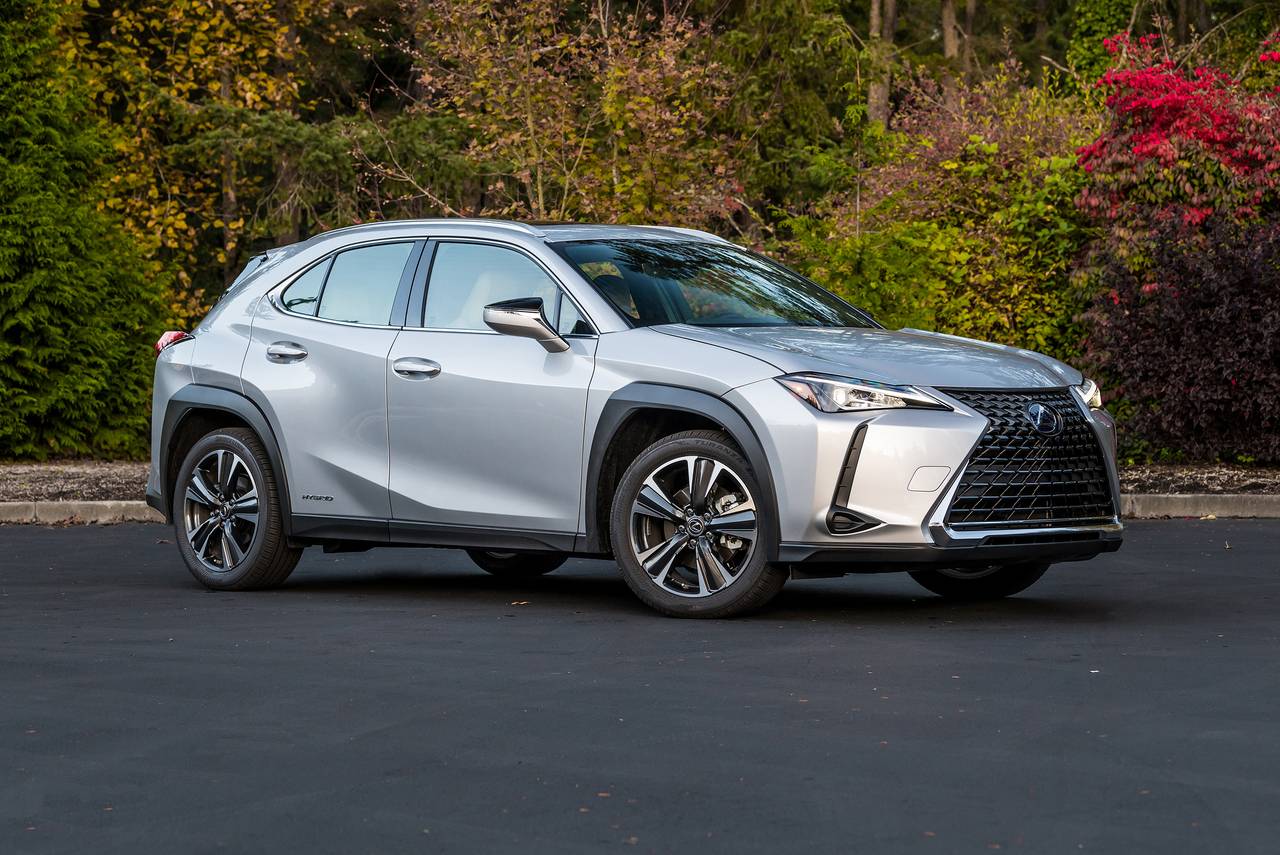
The UX 250h delivers 181bhp. While it’s not particularly swift when operating only on electricity, it has more than enough power for navigating around town.
Out on the open road, once the petrol engine kicks in, there’s solid performance, the official 0-62mph time is 8.5 seconds.
That’s not as quick as many BMW X1 variants, though it’s comparable to the Volvo XC40.
The UX 300h offers a more potent setup, with 196bhp. The quickest configuration is the four-wheel-drive version, which hits 0-62mph in a claimed 7.9 seconds, while the front-wheel-drive model does it in 8.1 seconds. In our view, the 300h is the better pick over the 250h.
The petrol engine runs more smoothly and quietly than most diesel competitors, though the standard CVT automatic gearbox can raise the noise level when you push for a burst of speed.
Like most hybrids, the UX incorporates regenerative braking. On some versions, that can make it harder to gauge how much pressure to apply to the brake pedal. Lexus has done a decent job here: while the brakes can occasionally feel grabby, for the most part, it’s easy to bring the car to a smooth stop.
At motorway speeds, the UX lets in more wind and road noise than the top-tier family SUVs. It’s quieter than a BMW X1 fitted with larger alloy wheels, but even the high-spec Takumi trim which includes laminated front side windows, doesn’t quite reach the cabin hush of the Range Rover Evoque.
On the motorway, ride comfort is decent, though there’s more fidgeting over uneven surfaces than you’d experience in a Volvo XC40.
Around town, the UX also struggles more with the jarring impacts from sharp potholes and road seams. Still, the UX has a lower ride height than many SUVs, which helps it feel more planted and stable, with less side-to-side rocking than the XC40 or even the Evoque.
7. Kia Niro Hybrid
The Kia Niro Hybrid is a dedicated hybrid crossover that manages to squeeze out 53 MPG in the city.
Its blend of crossover practicality and compact-car economy makes it a popular pick for urban drivers who want more room than a sedan.
Kia’s reliability has improved significantly in recent years, and the Niro’s simpler hybrid setup avoids many of the complications seen in early plug-in designs, making it a great option for first-time hybrid owners.
Kia offers a wide range of vehicles. If you’re in the market for an affordable crossover and happen to visit a Kia dealership, you’ll spot three main options: the Soul, the Seltos, and the Niro.
What makes the Niro especially worth considering is what powers it. Kia offers the Niro in three distinct versions: a hybrid, a plug-in hybrid, and a fully electric model.
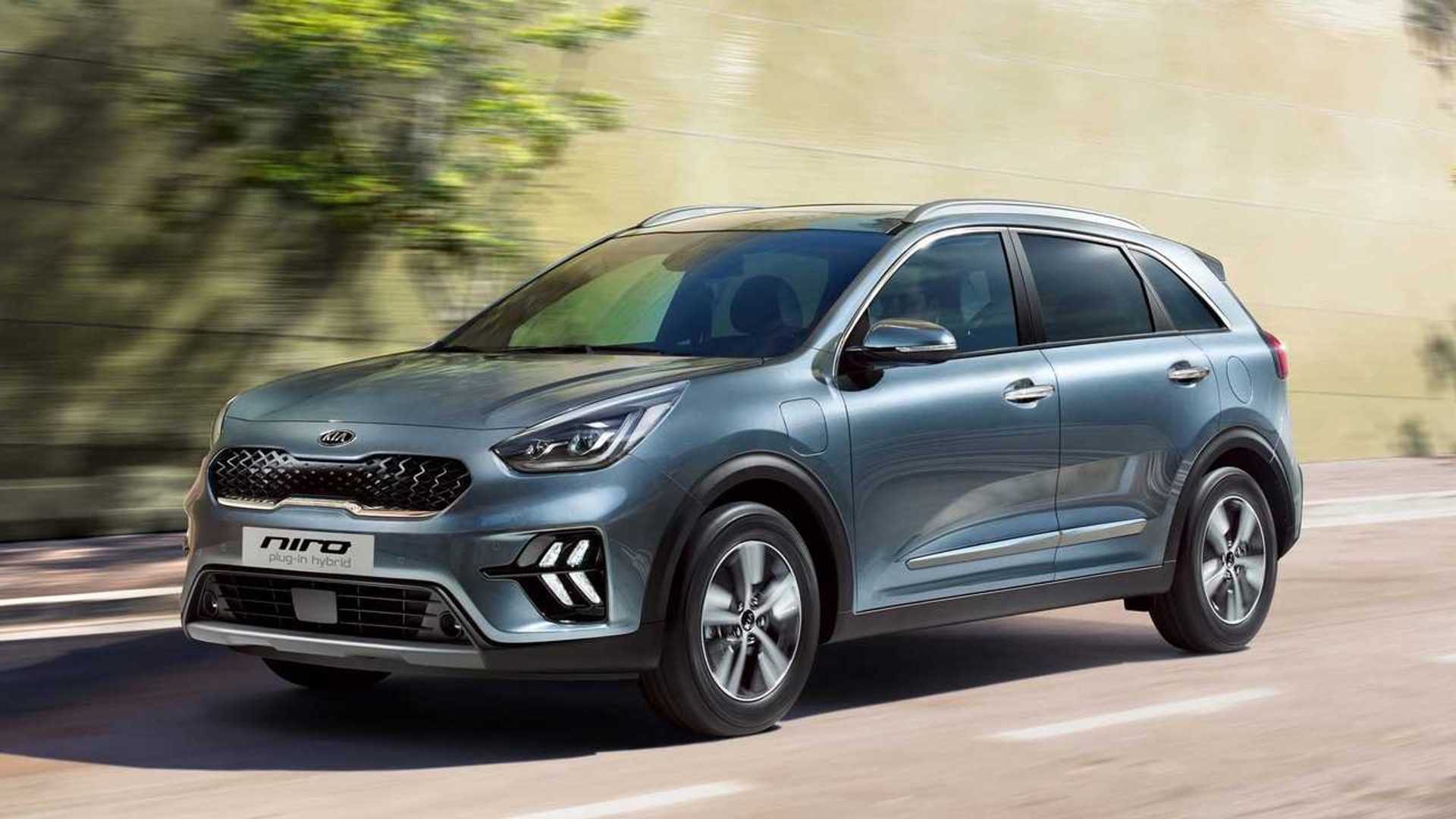
Very few competitors in this segment offer hybrid options, which gives the Niro a major edge when it comes to fuel efficiency. And yet, despite its electrified options, the Niro’s price is still on par with non-hybrid subcompact crossovers.
Trying to figure out how much a hybrid could save you in the long term can be a challenge, so we’ve done the math for you. Let’s take a typical non-hybrid subcompact crossover like the Chevrolet Trailblazer, which earns an EPA-estimated 31 mpg combined. Now compare that to the Niro’s 53 mpg.
At a fuel price of $4 per gallon, you’d save roughly $800 per year on gas if you drive 15,000 miles annually. What’s more, a Trailblazer generally costs more than a similarly equipped Niro, so there’s no initial hybrid price premium to recoup.
Multiply that fuel savings across the number of years you plan to own the car, and those savings can grow substantially.
8. Mazda3 with Skyactiv-G Engine
Mazda takes a different approach to fuel-saving by sticking with gasoline-only power and optimizing it with Skyactiv-G technology.
The result is a car that gets up to 37 MPG on the highway without relying on a turbocharger or hybrid system.
The Mazda3 also benefits from a well-earned reputation for reliability and longevity, particularly in trims with the naturally aspirated 2.0 or 2.5-liter engines.
For buyers who prefer a traditional engine with modern efficiency, the Mazda3 stands out.
It’s genuinely unfortunate that so many people looking for a family hatchback automatically gravitate toward the Ford Focus or Volkswagen Golf. As good as those two are (and yes, they are very good), the Mazda3 deserves a serious look.
Just take a moment to look at it while other brands seem determined to make cars more awkward and less attractive, Mazda keeps turning out designs that are cleaner and more refined.
Driving-wise, it nearly matches the Focus for on-road dynamics, and its cabin comes close to rivaling the Golf’s when it comes to quality.
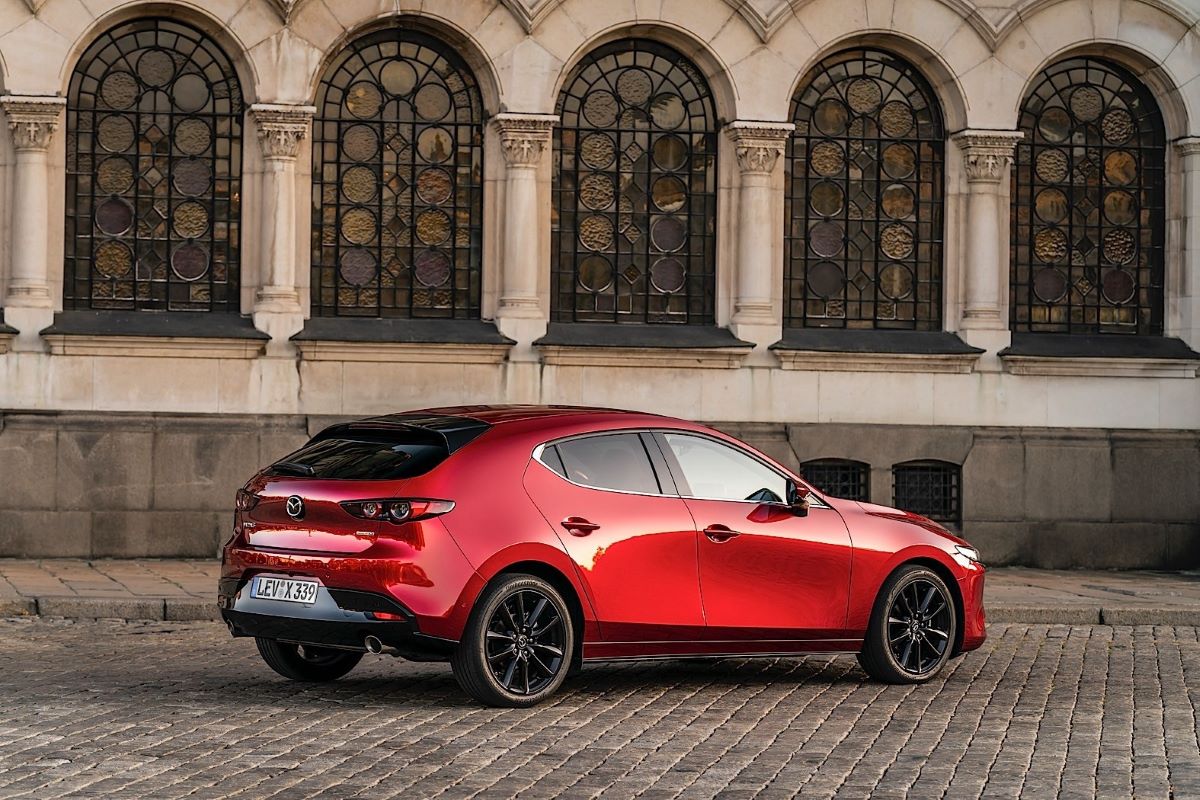
Plus, it’s available with a truly innovative new petrol engine, just not this particular version. What we have here is the first of two Mazda3 models we’ll be testing, think of it as the baseline, or ‘control’ car, which we’ll use to compare against the next one that will feature Mazda’s advanced engine tech.
That tech goes by the name Skyactiv-X. And yes, it’s complicated. You can dive into the full technical breakdown by clicking right here, and we’ll explore it in depth once our second test car arrives in a few months.
In short, it’s a 2.0-litre four-cylinder petrol engine that uses a system called ‘Spark Controlled Compression Ignition’ (SPCCI). The idea is to combine the efficiency of diesel with the performance characteristics of petrol.
It uses traditional spark ignition under cold conditions or heavy load, and compression ignition the rest of the time. The promise? Diesel-like torque and economy, but with the rev-happy, smooth feel of a petrol engine.
Under the bonnet of our current Mazda3 sits the Skyactiv-G engine, also a 2.0-litre four-cylinder, but without the SPCCI wizardry. Still, it’s a noteworthy piece of engineering.
Mazda stands out in the industry for sticking with what’s known as the ‘rightsizing’ philosophy, using an engine that’s naturally the right size for the car, without relying on turbocharging to artificially boost performance.
That runs counter to the more widespread ‘downsizing’ approach, where smaller turbocharged engines aim to cut fuel consumption and CO2 emissions, even if it means sacrificing some natural drivability.
9. Honda Civic (Non-Hybrid)
The Honda Civic continues to be a favorite among budget-conscious buyers, and for good reason. With up to 42 MPG on the highway in its base trims and a rock-solid reputation for dependability, it’s the kind of car that just keeps going.
Honda’s use of direct injection and variable valve timing allows for impressive efficiency without overcomplicating the powertrain, making the Civic a smart pick for drivers who want simplicity and reliability.
Honda’s iconic Civic compact car, a 2022 Car of the Year finalist, returns for 2025 with changes that, at first glance, may not be immediately obvious.
The most significant update is under the hood: the Civic drops its previously available turbocharged engine in favor of a gas-electric hybrid powertrain. At the same time, the base engine has been replaced with a more efficient Atkinson-cycle 2.0-liter four-cylinder.
The lineup continues to include front-wheel-drive four-door sedans and hatchbacks, with each body style offered in either three or four trim levels.
The entry-level LX (sedan only) and the best-selling Sport (which serves as the base for the hatchback) come equipped with the new gasoline engine. As you might expect, the upper two trims, Sport Hybrid and Sport Touring Hybrid—feature the new hybrid system.
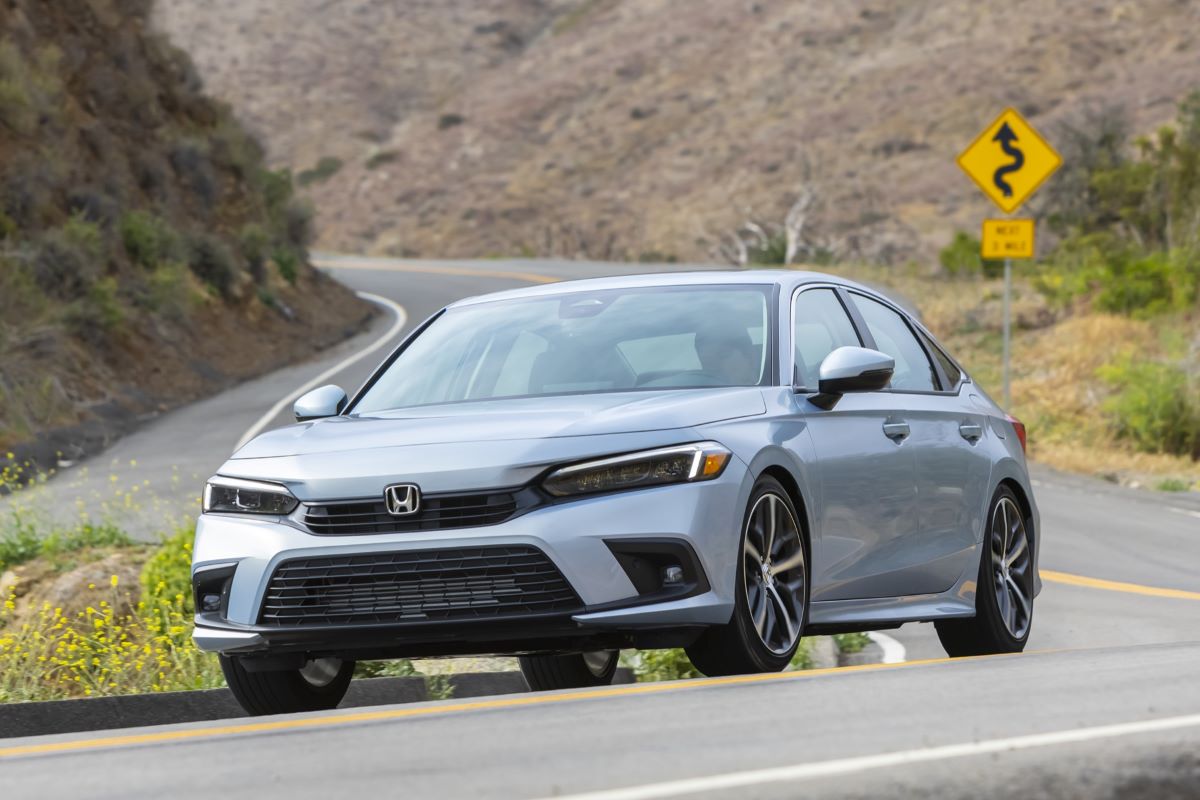
Impressively, it’s quicker than the equally 200-hp turbocharged Civic Si, and it still manages an EPA-rated 50/47/49 mpg city/highway/combined (though hatchbacks lose a mile or two per gallon). We’re thoroughly impressed.
Hybrids also benefit from additional sound insulation, which is a much-needed improvement across the entire Civic range.
The adaptive cruise control system performs well when descending but is sluggish to re-engage or maintain speed uphill. Lane keeping assist generally works reliably, though some competitors do it better. Still, both systems are standard on all trims, along with automatic climate control and a semi-digital gauge cluster.
Visually, the exterior receives only modest updates: slightly tinted taillights, some faux intake tweaks, and a new wheel design. The cabin design remains familiar and impressive, with its distinctive metal honeycomb trim stretching across the dashboard and cleverly concealing the air vents.
However, in black, the interior feels a bit muted. A lighter off-white interior option offers more visual pop and is available when paired with certain exterior colors. The car also retains a traditional gearshift, even on hybrid versions, with a drive mode selector placed conveniently nearby on the center console.
10. Subaru Crosstrek Hybrid
While not as fuel-efficient as some of the others on this list, the Subaru Crosstrek Hybrid offers unique value with its plug-in hybrid setup and standard all-wheel drive.
Delivering 35 MPG combined and the ability to drive short distances on electric power alone, it’s a strong contender for eco-conscious drivers in colder or rural climates.
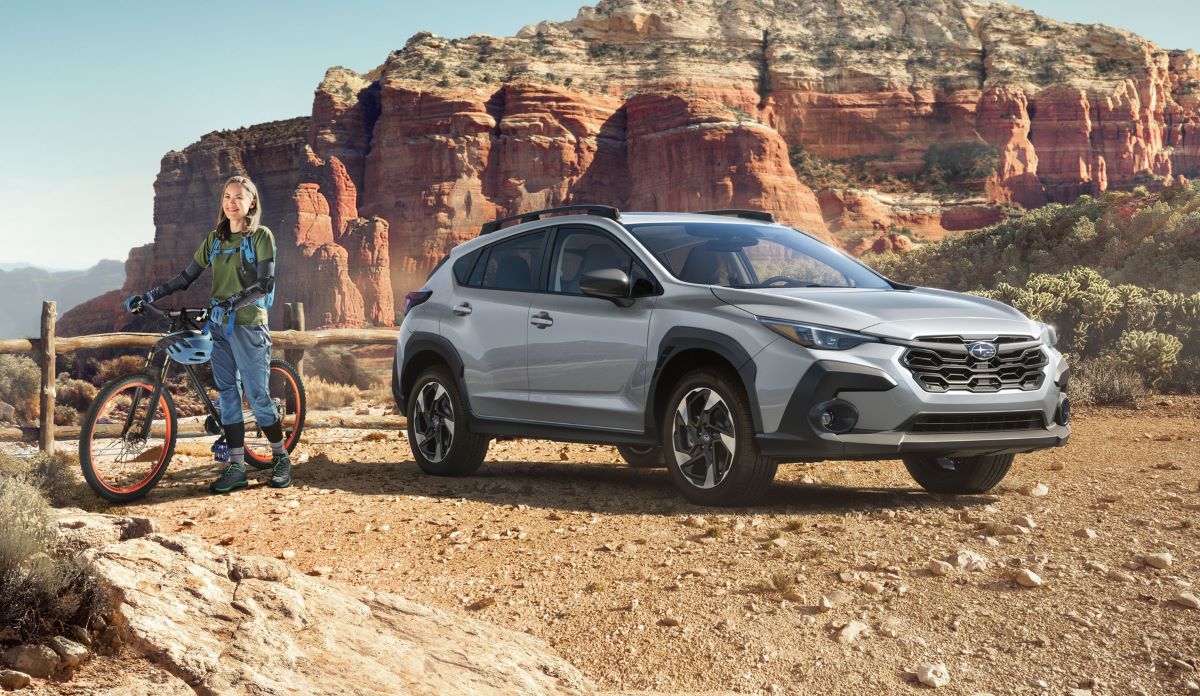
Subaru’s rugged design and solid reliability particularly in post-2020 models make the Crosstrek Hybrid a worthy choice for those who need more versatility from their fuel-saver.
In a market full of flashy tech and untested drivetrains, the cars listed above prove that you don’t have to choose between fuel economy and reliability.
Whether you prefer a hybrid system, an efficient gasoline engine, or a fuel-sipping SUV, there are dependable options for every type of American driver.
These vehicles not only save you money at the pump but also keep maintenance costs low over the long haul making them true champions of smart ownership.