
Buying a used car involves choices that can significantly impact your experience, especially around the certification and warranty aspects.
Certified Pre-Owned (CPO) vehicles generally come from dealerships with added benefits such as extended warranties, thorough inspections, and sometimes additional perks like roadside assistance. This coverage and assurance often mean paying a premium over non-certified used cars.
But is the extra money always justified? Some Certified Pre-Owned cars hold their value and reliability so well that paying more makes sense and often saves money in the long term.
On the other hand, some vehicles don’t offer enough extras or peace of mind through certification to warrant that higher price. Understanding which cars deliver real benefits as certified models, and which don’t, helps buyers make smarter decisions when investing their money in used cars.
This article will examine five Certified Pre-Owned cars where the certification premium is well worth the investment. Following that, it will highlight five vehicles where that premium doesn’t provide meaningful advantages.
By analyzing both ends of the spectrum, this information aims to help buyers get the best value for their used car purchases.
Also Read: 5 ’90s Cars Known for Robust Crash Safety vs 5 Modern Cars Cutting Safety Corners
5 Certified Pre-Owned Cars Worth the CPO Premium
Choosing a Certified Pre-Owned car means paying extra for assurance, inspection, and warranties that go beyond a typical used car sale.
For certain vehicles, this extra cost is more than justified. These cars maintain high levels of reliability, retain their performance over time, and offer robust factory warranties through CPO programs.
When you select such vehicles, the peace of mind from knowing the car was thoroughly inspected and reconditioned, alongside the added warranty protection, can save costly repairs later.
This section focuses on five cars where the CPO premium truly delivers substantial value. Each of these vehicles has distinct qualities like strong reliability records, higher initial costs making certification more beneficial, or sophisticated technology requiring careful inspection that a CPO process typically guarantees.
The rationale for highlighting these particular models is to guide buyers towards CPO purchases that minimize risk and potentially reduce overall ownership cost.
While some vehicles perform well merely as used cars, these five models benefit noticeably from the certification process.
They represent sound investments for buyers seeking a blend of dependability, warranty coverage, and a well-maintained vehicle without paying the full price of new.
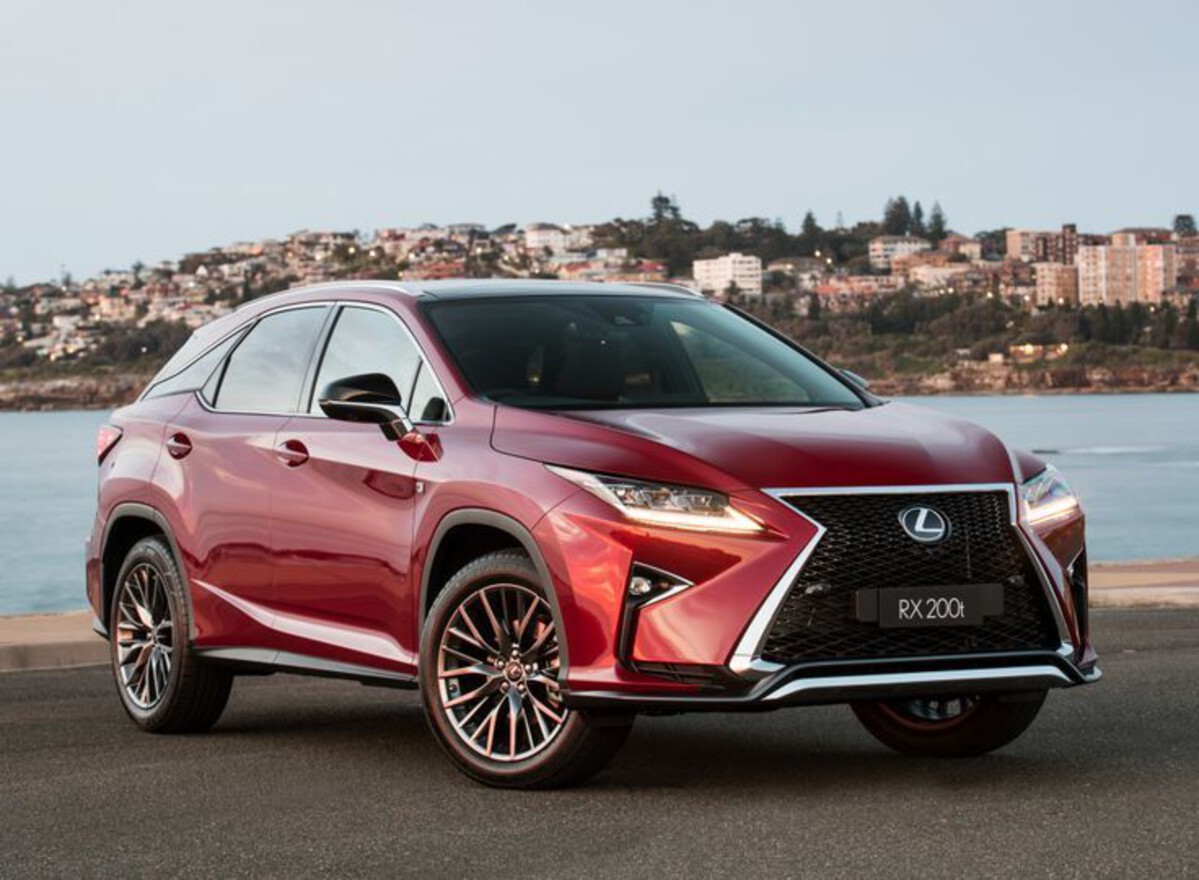
1. Lexus RX
The Lexus RX has long been a standout in the luxury midsize SUV market, known for its refined interior, smooth ride, and strong reliability.
Purchasing a Certified Pre-Owned Lexus RX is often worth the premium because Lexus’s CPO program is one of the most comprehensive in the industry.
It typically includes a 12-month/12,000-mile comprehensive warranty that begins after the original factory warranty expires, and an extensive 160-point inspection covering mechanical, electrical, and cosmetic components.
The reliability of the RX means fewer unexpected repair costs, but the added warranty protects against those rare surprises.
Luxury vehicles like the RX have higher repair and maintenance costs, so an extended warranty is valuable here. Additionally, the certification ensures the hybrid versions have been carefully tested, as hybrid systems can be expensive to fix when neglected.
For buyers looking for luxury without the new-car depreciation, a CPO Lexus RX blends quality, warranty security, and peace of mind. The premium generally pays off compared to non-certified models, which may lack full service history or thorough inspections, translating into greater risk.
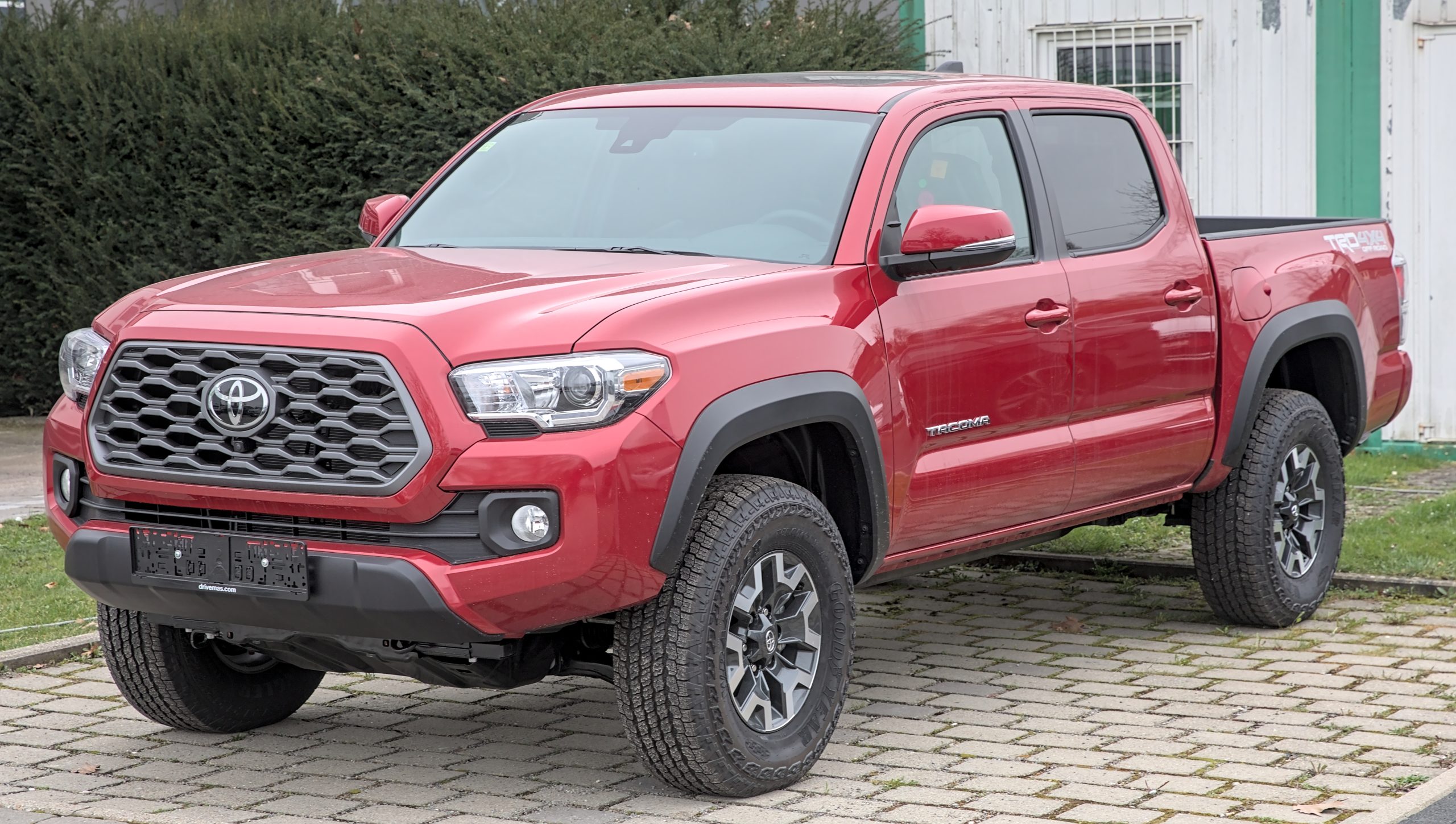
2. Toyota Tacoma
The Toyota Tacoma pickup has a dedicated following thanks to its reliability, off-road capability, and strong resale value. The certification premium on a CPO Tacoma makes sense largely because of its rugged reputation and the cost of repairs on trucks.
Toyota’s CPO warranty provides 7 years/100,000 miles of powertrain coverage from the original sale date, which is a substantial advantage for buyers wary of costly drivetrain repairs.
Tacomas often get hard use, so certification’s in-depth inspection helps ensure the truck’s structural and mechanical integrity, especially crucial for off-road enthusiasts.
The CPO program also includes perks like roadside assistance and trip interruption benefits, enhancing ownership confidence.
Since used Tacomas hold their value exceptionally well, the CPO premium may also aid in resale later, as buyers tend to prefer certified models in the used truck market.
Those wanting a dependable pickup with proven reliability stand to benefit from the CPO pricing, avoiding riskier trucks sold “as-is.”
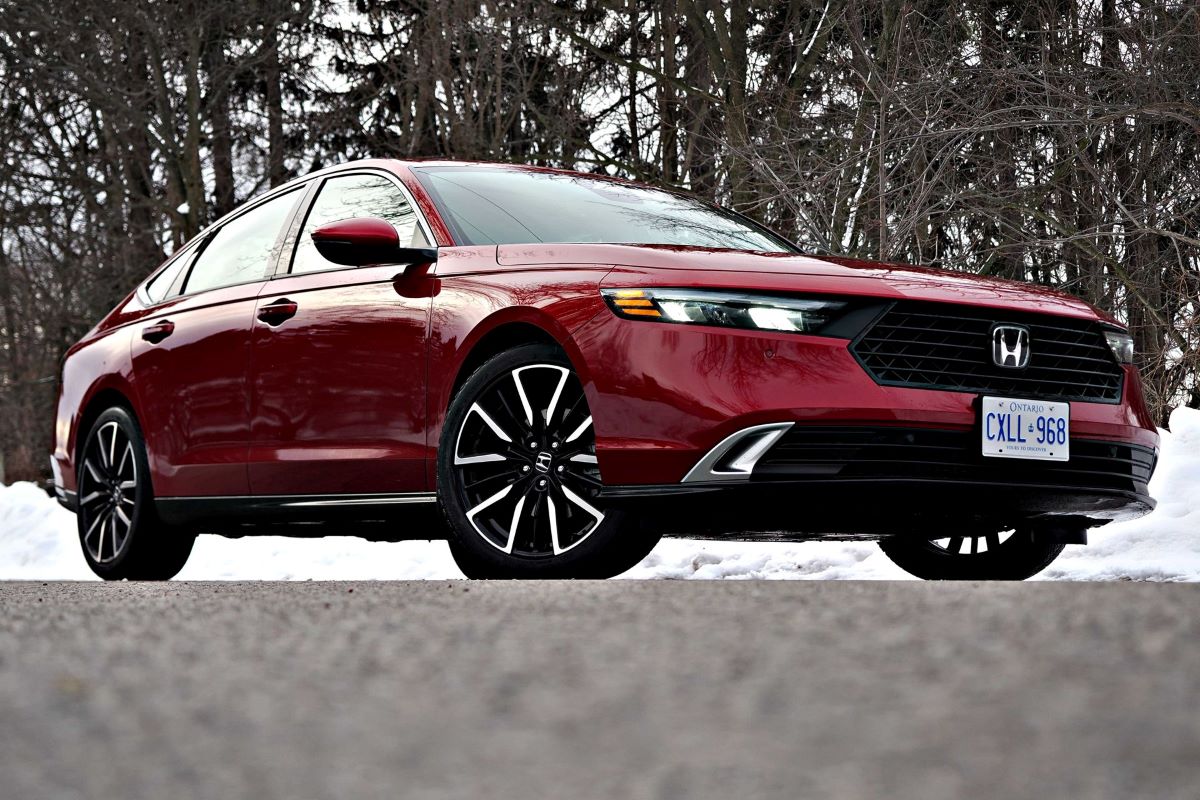
3. Honda Accord
The Honda Accord is recognized for dependable transportation, fuel efficiency, and a solid reputation for longevity. Its high sales volume means many used models are available, but not all come with equal quality or maintenance history.
Selecting a Certified Pre-Owned Accord assures a rigorous inspection and warranty coverage, which can justify paying more to avoid hidden issues.
Honda’s CPO program offers a 7-year/100,000-mile powertrain warranty from the original new-car purchase date, alongside a meticulous 182-point inspection.
Because the Accord often serves as a daily driver with high mileage, certification helps reduce concerns about drivetrain and engine wear.
For buyers seeking a midsize sedan that combines reliability with low ownership costs, paying extra for CPO status on an Accord is generally advantageous.
The peace of mind, dealership support, and verified maintenance history reduce the chance of unexpected repairs on a popular and practical sedan.
4. BMW 3 Series
The BMW 3 Series is a premium compact sedan highly valued for its driving dynamics, build quality, and prestige. However, maintenance and repair costs on a BMW tend to be higher than average, making the CPO warranty very valuable.
BMW’s Certified Pre-Owned program covers 2 years/unlimited miles after the original warranty ends and includes a thorough inspection process.
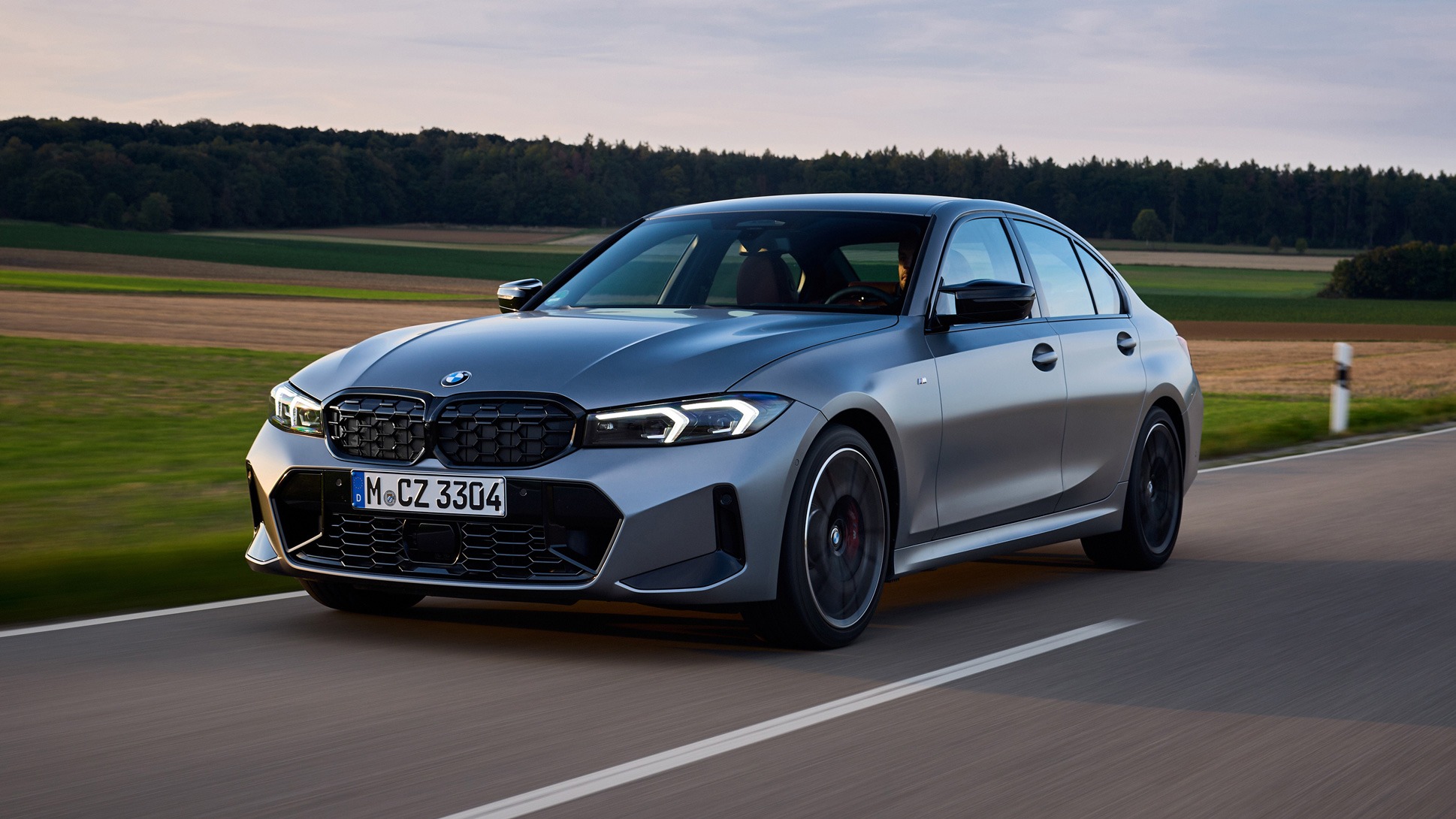
Without certification, used BMWs can be risky due to their complex engineering and potential for expensive repairs. CPO offers reassurance that the vehicle meets strict standards and comes with roadside assistance and maintenance benefits.
For buyers craving the performance and luxury of the 3 Series without facing the cost uncertainty, paying a CPO premium often saves money and stress long term. The program’s warranty and inspection reduce the chances of costly surprises typical of luxury vehicles when bought “as-is.”
5. Subaru Outback
The Subaru Outback is a well-regarded choice in the outdoorsy crossover market, known for its all-wheel drive, safety features, and reliability.
Subaru’s CPO warranty provides 7 years/100,000 miles of powertrain coverage from the original in-service date, along with a thorough inspection.
The CPO premium for an Outback can be worthwhile because these vehicles often endure tough conditions, raising the risk of wear on mechanical parts.

Certification ensures that hidden maintenance issues, such as drivetrain or AWD system problems, are addressed before sale.
For buyers aiming for a dependable adventure-friendly vehicle, a CPO Outback offers extra protection and confidence that the car is in excellent condition, which can save money on repairs, making the certification charge reasonable.
5 Certified Pre-Owned Cars That Aren’t Worth the CPO Premium
Not every vehicle benefits equally from the Certified Pre-Owned label. In some cases, the extra cost associated with certification may not translate into meaningful advantages for the buyer.
Some cars already have strong reputations for reliability and low repair costs when purchased used, making the certification’s added warranty and inspection less valuable.
Meanwhile, other models may depreciate quickly or have relatively low repair expenses, which diminishes the financial sense of paying more for certification.
This section highlights five cars where paying a premium for CPO status might not be the wisest choice.
While certification can never hurt, the cost difference is often better spent elsewhere in maintenance, customization, or simply negotiating a better price on a good used vehicle.
These vehicles tend to have straightforward maintenance needs or broad market availability of well-maintained used examples, reducing the importance of the formal certification.
This analysis is intended to help buyers focus resources efficiently when purchasing a used car. Understanding which models deliver little additional value for the CPO price can lead to smarter decisions and better overall satisfaction.
The following explanations will clarify why these particular vehicles fall into this category despite the allure of certification.
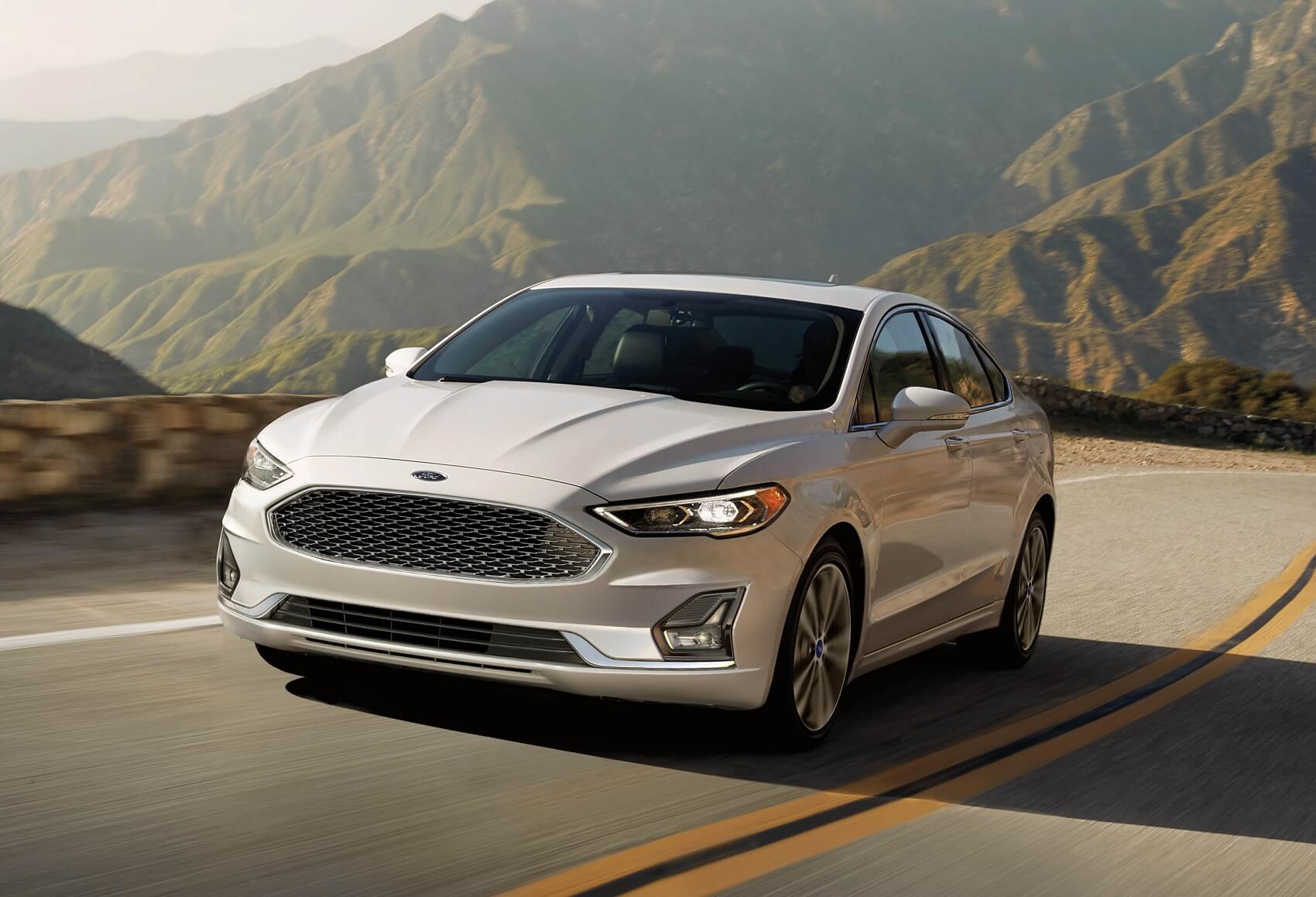
1. Ford Fusion
The Ford Fusion, a midsize sedan once praised for its comfortable ride and attractive styling, is a common choice in the used car market.
However, when considering a Certified Pre-Owned (CPO) Fusion, the extra cost for certification may rarely justify itself.
Ford’s CPO program offers a 12-month/12,000-mile limited warranty after the original factory warranty expires, which is comparatively short and provides moderate coverage.
The Fusion’s reputation for reliability, especially in later model years, means that many used examples remain dependable without the need for certification.
Maintenance and repair costs for the Fusion tend to be affordable since its mechanical parts are widely available and straightforward.
Additionally, because the Fusion doesn’t feature complex powertrains or luxury technology requiring detailed inspection, the rigorous checks that come with certification don’t add significant extra assurance.
From a value perspective, the Fusion’s broad availability of well-maintained, non-certified vehicles offers buyers many low-risk options at a lower price point.
Careful review of vehicle history and a good independent inspection can provide substantial peace of mind without the CPO premium.
Whether the goal is budget-friendly transportation or a reliable family car, paying extra for certification rarely results in dramatically better protection or savings on repair costs for the Fusion.
This makes it a model where certification’s financial and practical benefits are limited compared to many competitors.
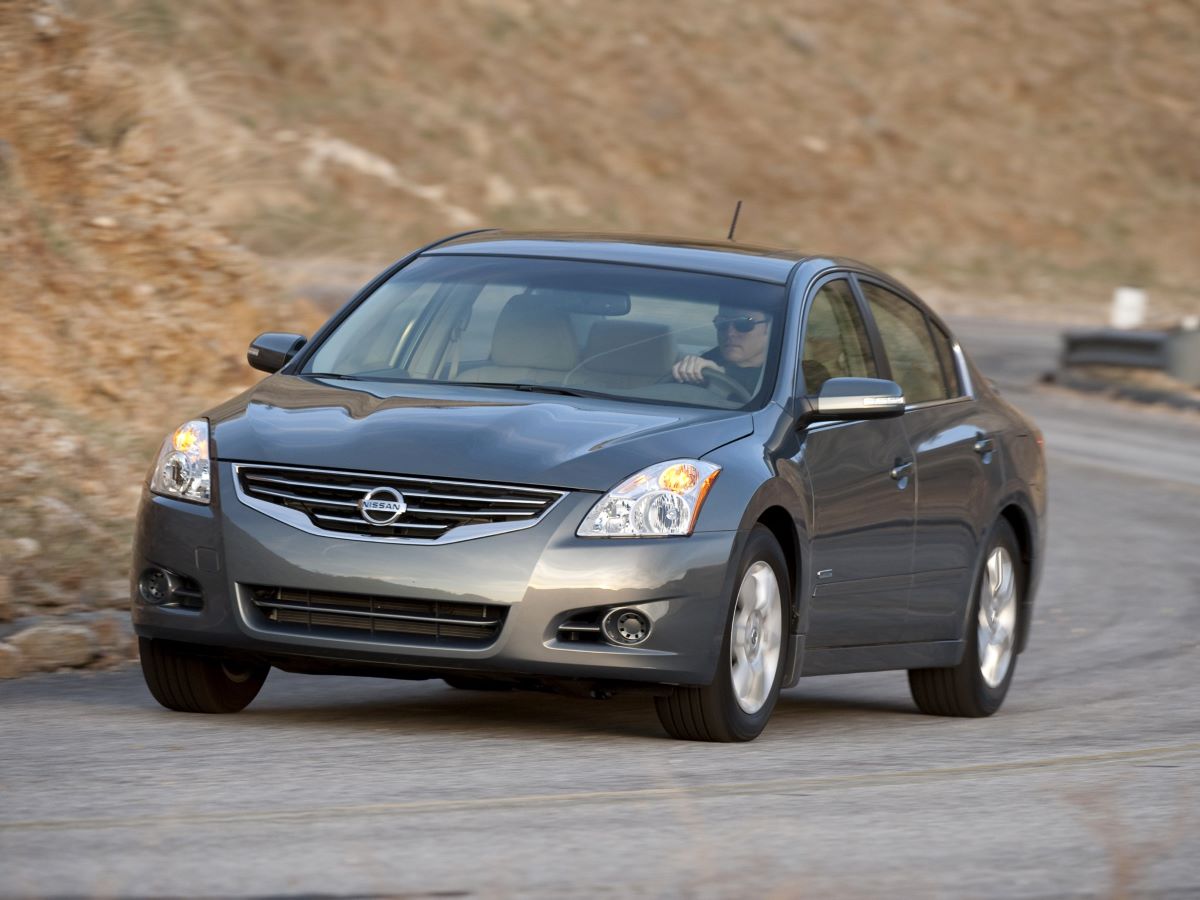
2. Nissan Altima
The Nissan Altima is a popular midsize sedan known for fuel efficiency and comfort, but when it comes to Certified Pre-Owned premiums, it offers a less compelling value proposition.
Nissan’s CPO warranty provides 7 years or 100,000 miles of powertrain coverage starting from the original purchase date, which aligns well with the industry but involves paying a premium that may outweigh benefits.
One factor decreasing the added value of certification is the model’s history of variable reliability, especially with the Continuously Variable Transmission (CVT) found in many Altimas.
While the CPO process includes inspections that cover the transmission, the known challenges and costly repairs related to CVTs mean certification is no guarantee of avoiding such expenses. Buyers should be aware that the certification may not fully mitigate these inherent risks.
Moreover, Nissan Altimas are plentiful in the used market with diverse pricing and condition, enabling buyers to negotiate based on individual vehicle quality rather than relying solely on certification.
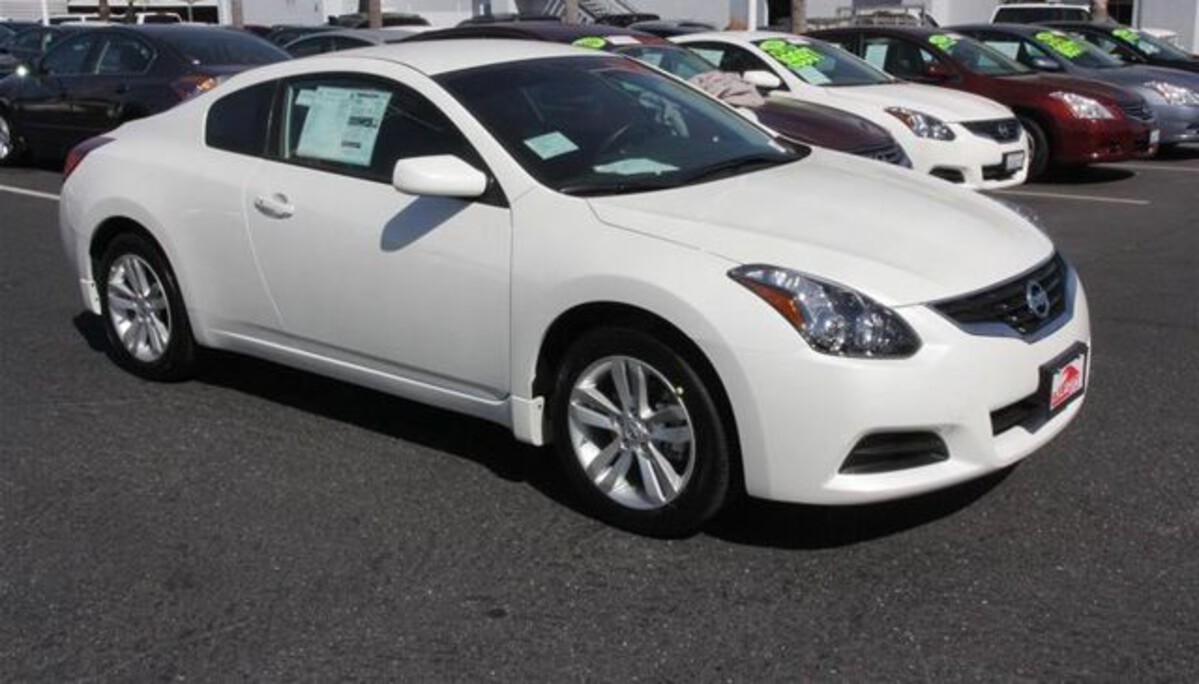
The availability of non-certified Altimas with documented maintenance histories means that careful selection combined with a mechanic’s inspection can provide comparable reliability and value, without the extra cost.
For buyers attentive to potential issues and willing to invest in thorough evaluations, the Altima’s CPO premium does not consistently justify itself given the balance of market options, repair risks, and warranty coverage.
3. Chevrolet Equinox
The Chevrolet Equinox, a widely sold compact SUV, offers solid versatility and moderate reliability, but its Certified Pre-Owned premium should be approached cautiously.
Chevrolet’s CPO warranty includes 12 months and 12,000 miles of comprehensive coverage after the factory warranty ends, in addition to roadside assistance. Yet, the premium price tag of certification does not always align with the tangible benefits.
Equinox ownership generally involves manageable maintenance and repair expenses, which can lessen the perceived value of extended warranty coverage.
Several model years have had periodic issues but nothing so pervasive that certification dramatically reduces ownership risk.
Because of the Equinox’s wide availability in the used vehicle market, buyers can often find late-model, well-maintained examples without certification at attractive prices.
Moreover, since this SUV is positioned as a mainstream utility vehicle rather than a luxury or high-performance model, it does not require exceedingly detailed inspections or specialized warranties.
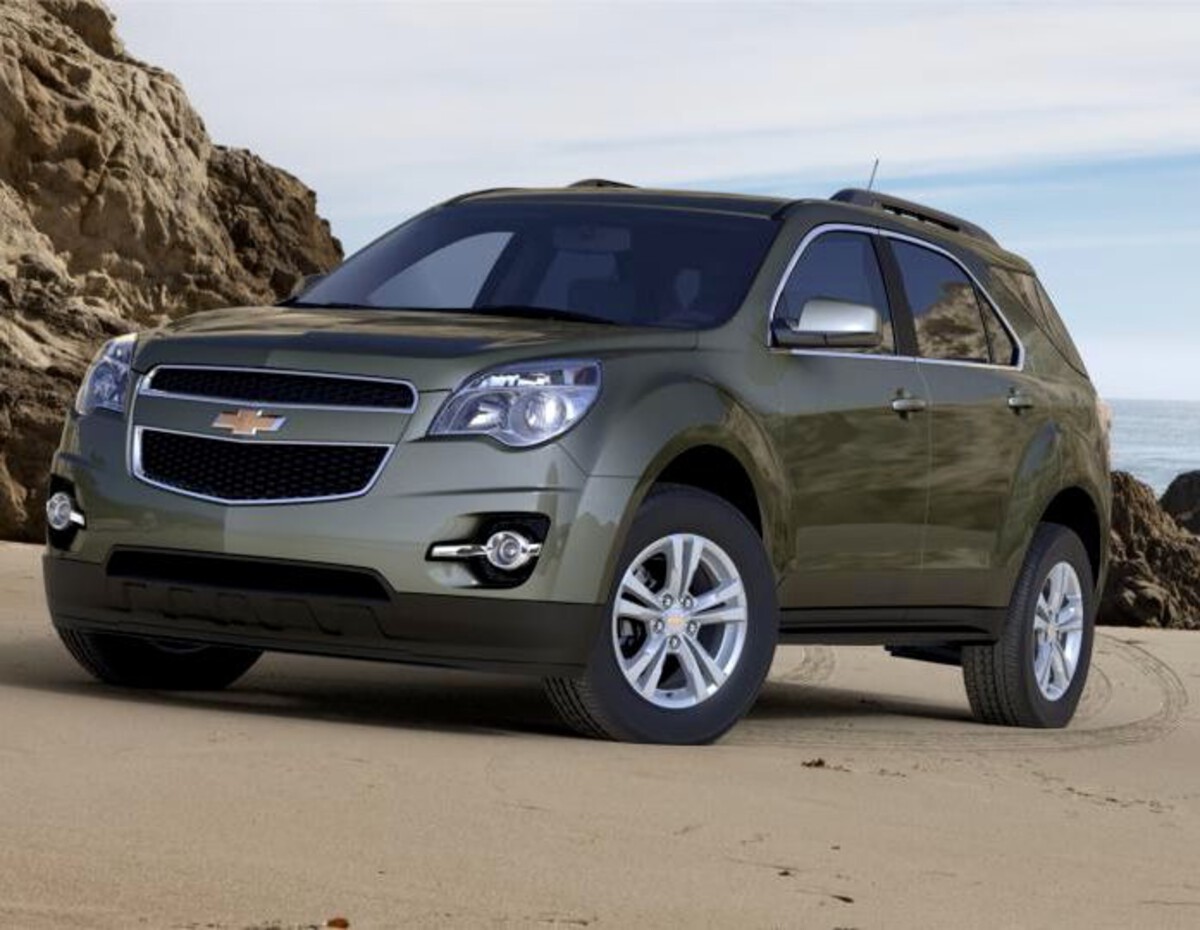
Many repairs are straightforward, and parts are easy to source, which decreases reliance on costly dealer-serviced warranty claims.
Thus, those prioritizing value may find little incentive to pay extra for the CPO label on the Equinox. Investing in a thorough independent inspection and service history review often makes more financial sense than absorbing the price premium for certification on this model.
4. Hyundai Elantra
The Hyundai Elantra has risen in reputation for quality and affordability, supported by one of the longest powertrain warranties available: 10 years or 100,000 miles from the original purchase date. Its Certified Pre-Owned program reflects these strengths but presents a limited value for the premium cost.
Because many used Elantra models retain active factory warranties, especially when still within the first several years of service, buyers may obtain warranty protection without paying extra for certification.
The standard CPO warranty may feel redundant in such cases, diminishing the incremental advantage of paying a higher price.
Additionally, the Elantra is known for modest maintenance costs and improving reliability ratings, which reduce the risks of costly repairs.
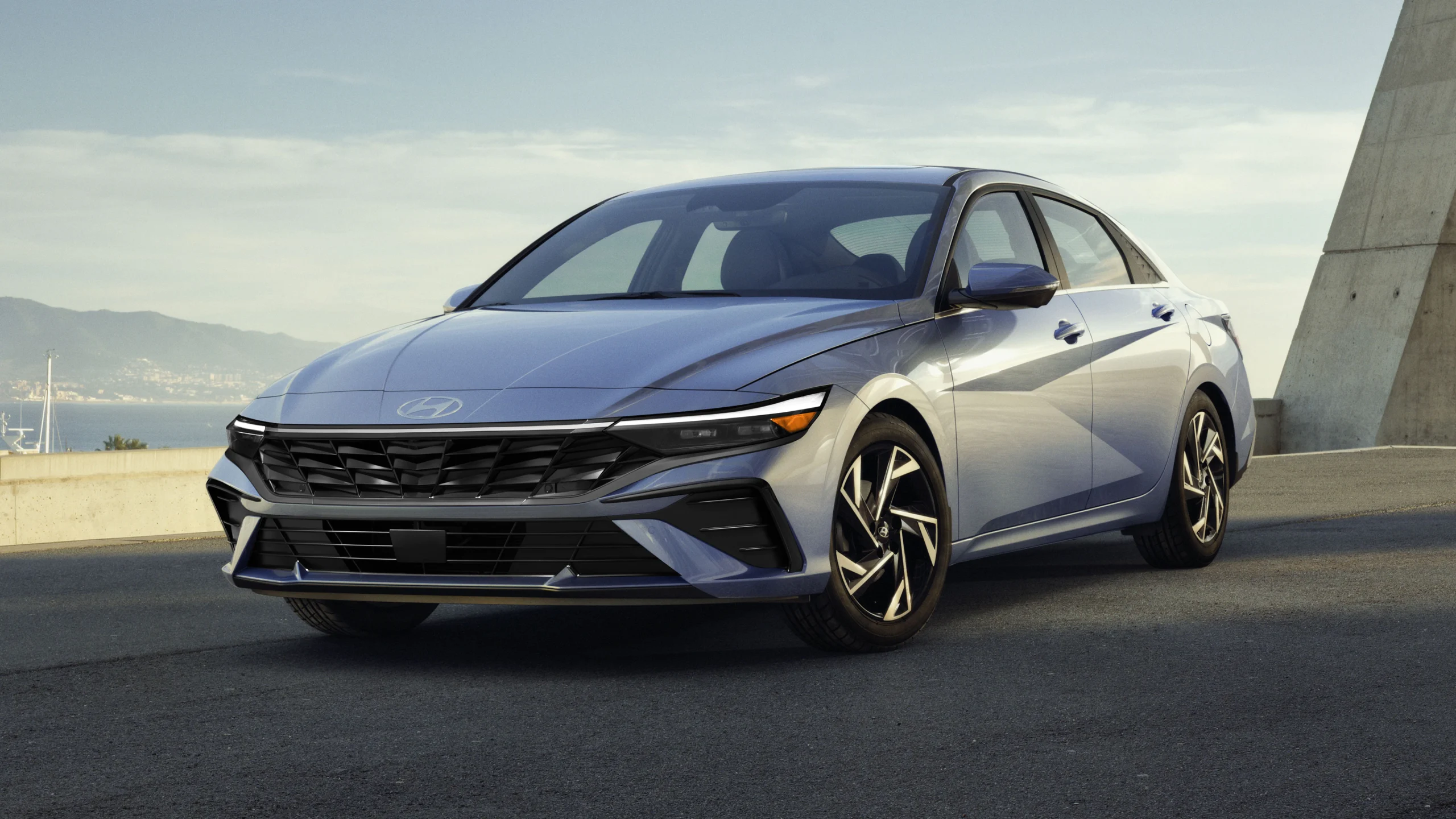
For vehicles outside the warranty zone, inspection and VW-level quality offer some reassurance, but many buyers already experience adequate peace of mind by focusing on thorough vehicle histories and independent inspections.
Given these factors, spending the extra money for certification rarely results in a significant decrease in ownership costs or substantial benefits beyond what the factory warranty and careful selection already provide, particularly when the premium is relatively steep compared to the Elantra’s moderate market price.
5. Volkswagen Jetta
The Volkswagen Jetta, renowned for its European styling and driving feel, carries certain risks and potential costs that make its Certified Pre-Owned premium less clearly justified.
Volkswagen’s CPO warranty offers 2 years of unlimited mileage coverage after the original factory warranty’s expiration, which is a decent but relatively short additional coverage period.
The Jetta’s repair history is mixed, with some model years showing recurrent electrical issues and occasional transmission troubles.
While certification entails a multipoint inspection aiming to catch problems, it cannot fully eliminate the possibility of unexpected repairs, particularly on models with complex technology.
Furthermore, the costs for labor and parts on Volkswagens are typically higher than average, making any post-sale problems more costly.
Given the Jetta’s resale market, many well-maintained, non-certified examples are available at attractive prices, enabling buyers to allocate funds toward independent warranties or pre-purchase inspections.
Since certified models carry a noticeable price premium, the investment does not always translate into proportional peace of mind or financial protection.
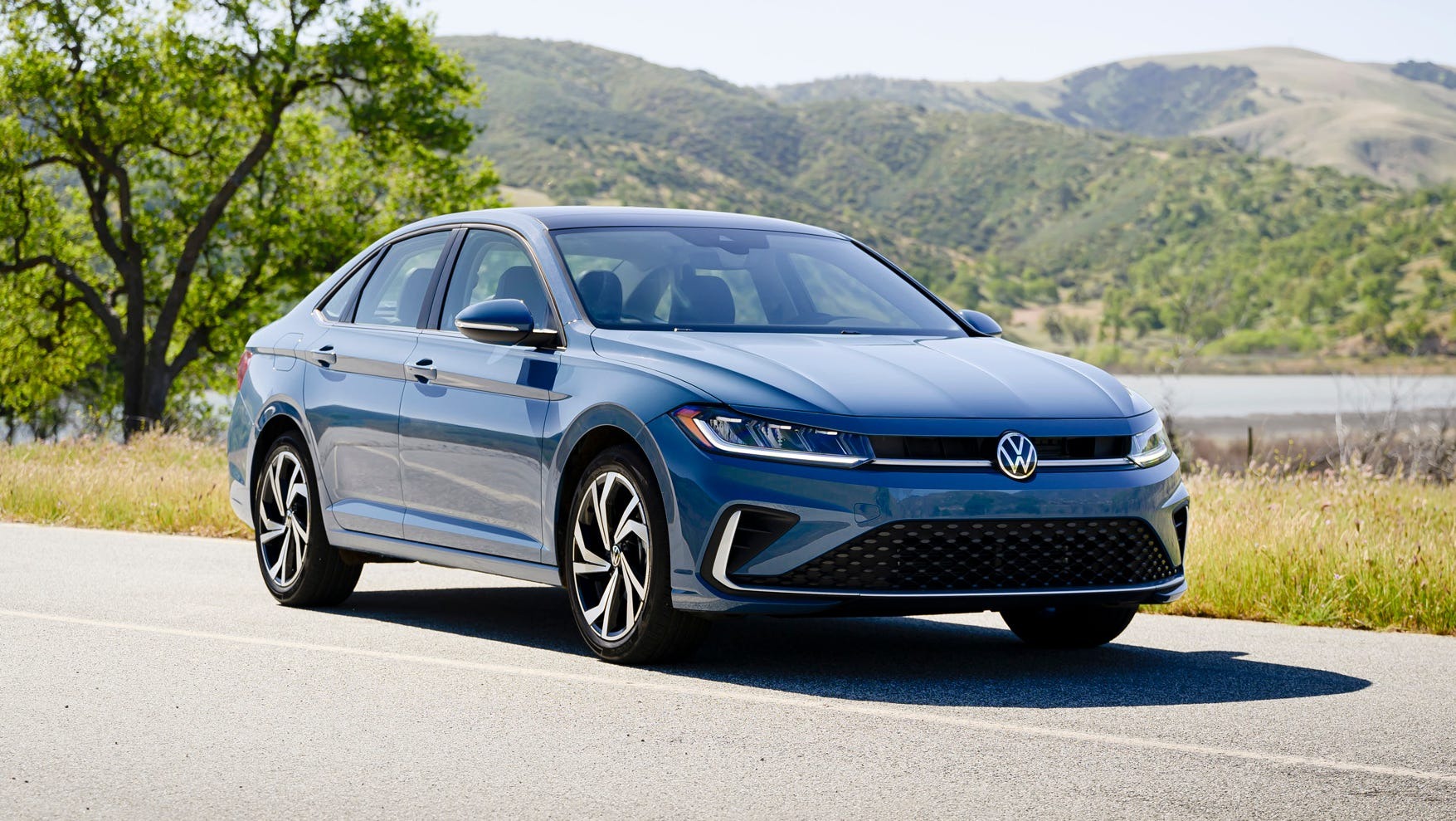
For buyers comfortable conducting thorough vetting or using third-party protections, the additional cost of certification can appear less worthwhile compared to other vehicles with longer or more comprehensive CPO coverage and stronger reliability records.
When shopping for a used car, deciding whether to buy a Certified Pre-Owned (CPO) vehicle often comes down to weighing the value of extra warranties, detailed inspections, and added benefits against the accompanying higher price tag.
Certification programs can be a smart choice for some cars, offering peace of mind and potentially reducing repair expenses.
However, not all CPO premiums provide meaningful advantages, and in some cases, paying extra may not improve ownership experience or long-term costs. Knowing which vehicles truly benefit from certification and which do not helps buyers make informed, practical decisions.
Among the cars that justify the CPO premium, Lexus RX stands out due to its renowned reliability and the brand’s industry-leading certification program.
The RX’s comprehensive 160-point inspection and extended warranty coverage reduce worries about expensive luxury SUV repairs, making the additional cost worthwhile.
Similarly, the Toyota Tacoma’s rugged reputation and strong powertrain warranty align well with CPO advantages. Considering how hard these trucks are often used, certification confirms mechanical integrity and offers valuable protection on costly drivetrain components.
The Honda Accord is another vehicle where certification adds value. Its widespread popularity and status as a dependable sedan mean many used cars are available, but certification helps identify well-maintained units with less risk of hidden mechanical problems.
Honda’s long powertrain coverage under the CPO plan extends reassurance further, justifying certification costs for many buyers.
BMW 3 Series buyers can benefit from certification because luxury German vehicles tend to be expensive to maintain, and non-certified used models often come with uncertain repair histories. BMW’s CPO warranty and inspection program help prevent surprises that might otherwise result in costly bills.
Similarly, Subaru Outback buyers may appreciate certification due to the car’s active AWD systems and use in demanding conditions. Subaru’s long powertrain CPO coverage and inspections make certification a sound investment for those seeking a rugged, reliable crossover.
On the other hand, some widely bought and well-known vehicles provide less added value when certified. The Ford Fusion, for example, has a reasonable reputation for reliability and affordable maintenance.
Its relatively short post-warranty CPO coverage and straightforward mechanics mean buyers often save money by purchasing non-certified mature examples with thorough inspections instead of paying the CPO premium.
The Nissan Altima presents similar challenges; widely available and with mixed reviews especially regarding CVT transmission durability, certification’s protections may not fully offset potential costly repairs. Buyers may fare better focusing on detailed vehicle evaluations rather than buying certified.
The Chevrolet Equinox’s average reliability and common market availability with reasonable repair costs also reduce the benefit of paying the certification price.
While a CPO warranty adds some safety nets, the premium may be better applied to independent warranties or maintenance. Hyundai Elantra owners face a similar situation.
The Elantra’s factory warranty often remains active well into the used-car tenure, and the vehicle’s improving reliability means certification’s extended guarantee and inspections only offer limited incremental benefits, especially when the extra cost looms large relative to price.
Volkswagen Jetta buyers also have to consider if certification truly justifies the cost. While the vehicle features European styling and driving dynamics, it comes with mixed reliability and repair costs that can be high.
Volkswagen’s relatively short CPO warranty extension and the possibility of unforeseen expensive repairs make paying for certification less attractive, especially since many well-maintained non-certified options exist.
Ultimately, the worthiness of a Certified Pre-Owned premium depends on the car’s reliability track record, the comprehensiveness of the manufacturer’s certification program, and typical repair costs.
Vehicles priced higher in the new or luxury segments, with complex engineering or known durability concerns, tend to benefit more from certification’s protections.
Conversely, more affordable models with manageable maintenance costs and broad market availability often yield better value for buyers willing to research individual vehicle histories and obtain independent inspections.
For anyone considering a used car purchase, it’s critical to assess whether the peace of mind gained by certification aligns with the specific vehicle’s characteristics and the premium cost.
Doing so helps optimize spending and avoids overpaying for protection that may not substantially improve the ownership experience.
By understanding these distinctions across models, buyers can confidently select vehicles where certification truly matters and skip it when it does not, gaining financial efficiency and reliable transportation.
Also Read: 5 2010s Safety Innovations That Proved Durable vs 5 That Disappoint
