
Flipping cars is a side hustle that has drawn increasing attention over the past decade. Rising used car prices, online marketplaces, and abundant automotive information have made it relatively accessible for determined enthusiasts. Yet, more than numbers and listings determine whether a flip will put money in your pocket or leave you with a loss.
A well-chosen model can offer a tidy margin, but a wrong move can just as easily turn into a costly reminder that sentiment should never outshine sound research. So, what separates the cars that can be resold for significant gains from those best left at the dealership?
This article aims to provide a realistic perspective for anyone considering entering the car flipping scene.
On one side are those budget-friendly cars with reputations for reliability, mass appeal, and lingering resale value; on the other, a group of vehicles that seem promising but are prone to rapid depreciation, costly fixes, or limited demand.
Both categories are crucial for aspiring flippers to understand. Recognizing profitable choices, as well as the traps to avoid, can be the difference between supplementing your income and seeing your savings dwindle. Let’s break down these two categories, looking closely at what sets each apart.
Also Read: 5 Pioneering Cars That Introduced Reliable Safety vs 5 Early Adopters with Issues
5 Affordable Cars That Make Profitable Flips
Affordable cars have a unique position in the used vehicle market. They appeal to a broad demographic for both first-time buyers and those simply seeking reliable transportation.
The secret to a successful flip doesn’t just lie in acquiring a cheap model, but rather in choosing a car backed by a reputation for reliability, strong demand, and desirable features.
These characteristics allow certain models to hold onto their value exceptionally well, enabling sharp-eyed buyers to purchase low and resell for a worthwhile profit.
The models covered here are based on current trends in the resale market, regular rankings for retained value, and consumer preferences. Most importantly, their histories are linked to minimal maintenance costs and substantial longevity.
When flipping cars in this category, buyers often find they spend less time worrying about big repairs and more time focusing on the sale itself.
That efficiency, combined with high turnover and steady interest from used car shoppers, creates a list of vehicles that frequently yield returns for patient, resourceful sellers. Here are five affordable cars that have regularly contributed to profitable flipping, with an explanation of each selection.
1. Honda Civic (2006–2015)
The Honda Civic’s legacy as a resale powerhouse owes much to its robust reputation for dependability and efficiency.
Over multiple generations, this car has been celebrated for low maintenance costs and outstanding fuel economy, features prized by those searching for a dependable daily driver.
Sellers have long capitalized on the Civic’s loyal fan base, which sees value not only in stock models but also among those with tasteful modifications or sporty trims.
Price trends regularly illustrate that Civics, especially from 2006 to 2015, retain their value better than most rivals in the same segment. Private sellers frequently report quick sales, even at above-average prices, as long as the vehicle has a clean history and modest mileage.
Honda’s established presence in nearly every metro area supports easy access to parts and knowledgeable mechanics, reducing the odds of getting stuck with major repairs during ownership.
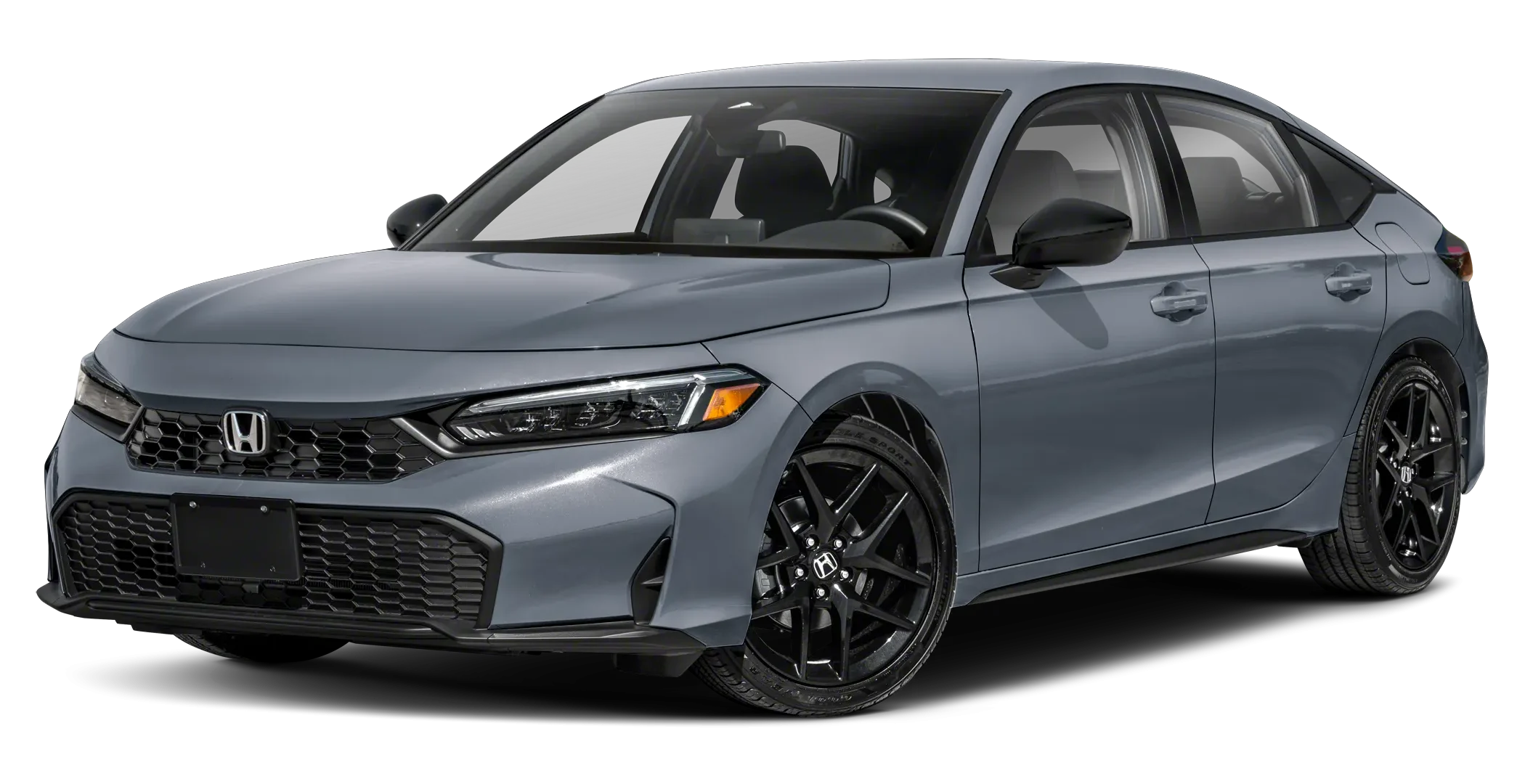
This generation of Civic also offers flexibility in trims and body styles, allowing flippers to cater to a range of buyers, from students after the basic DX models to enthusiasts preferring the sportier Si variant.
Steady operating costs and a widespread reputation for reliability make the Honda Civic a top pick for anyone looking to make money in the used car market.
2. Toyota Corolla (2009–2016)
Among budget cars, the Toyota Corolla seldom disappoints those aiming for a profitable flip. Its global status as a top-selling model stems from exceptional reliability, modest operation expenses, and a reputation for enduring through high-mileage use with minimal issues.
The 2009–2016 models offer improved safety features, updated technology, and a refined driving experience while maintaining the same bulletproof mechanicals that buyers expect from Toyota.
Flipping a Corolla is often a straightforward process. The steady demand for these sedans ensures buyers are rarely left waiting too long to finalize a sale. These cars fetch some of the best resale values in their class, with depreciation rates consistently beating most rivals.
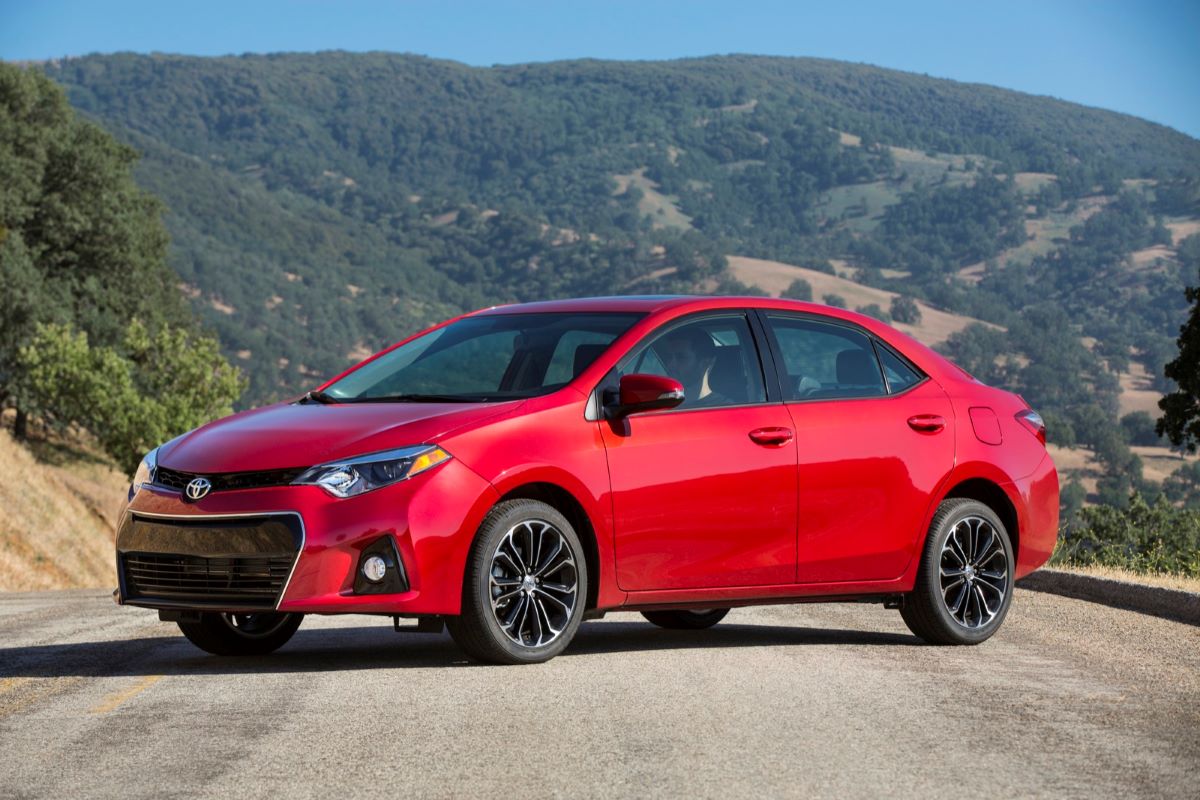
Prudent buyers target Corollas with regular maintenance records and avoid heavily modified versions, since originality is a major draw for most used Toyota shoppers.
Those who have flipped this generation of Corolla appreciate its reliable drivetrains and the ease of selling via both online and in-person channels.
Low-cost upkeep further contributes to profits, with plenty of aftermarket support helping keep buyer and seller expenses in check. For someone aiming to balance affordability with return potential, the Toyota Corolla remains a standout.
3. Mazda3 (2010–2016)
The Mazda3 stands out in the compact category because of its engaging driving dynamics and striking styling. Where many budget cars lean into blandness, the Mazda3 offers a sense of personality and flair.
These traits, coupled with a solid track record for reliability during the 2010–2016 production years, make it an ideal candidate for flipping.
Owners and used car dealers commonly note that well-kept Mazda3s, especially those in the sought-after hatchback style, attract strong buyer interest.
These models provide useful features, from responsive handling to premium infotainment systems. As a bonus, they tend to age gracefully, with minimal interior or exterior wear when properly cared for.
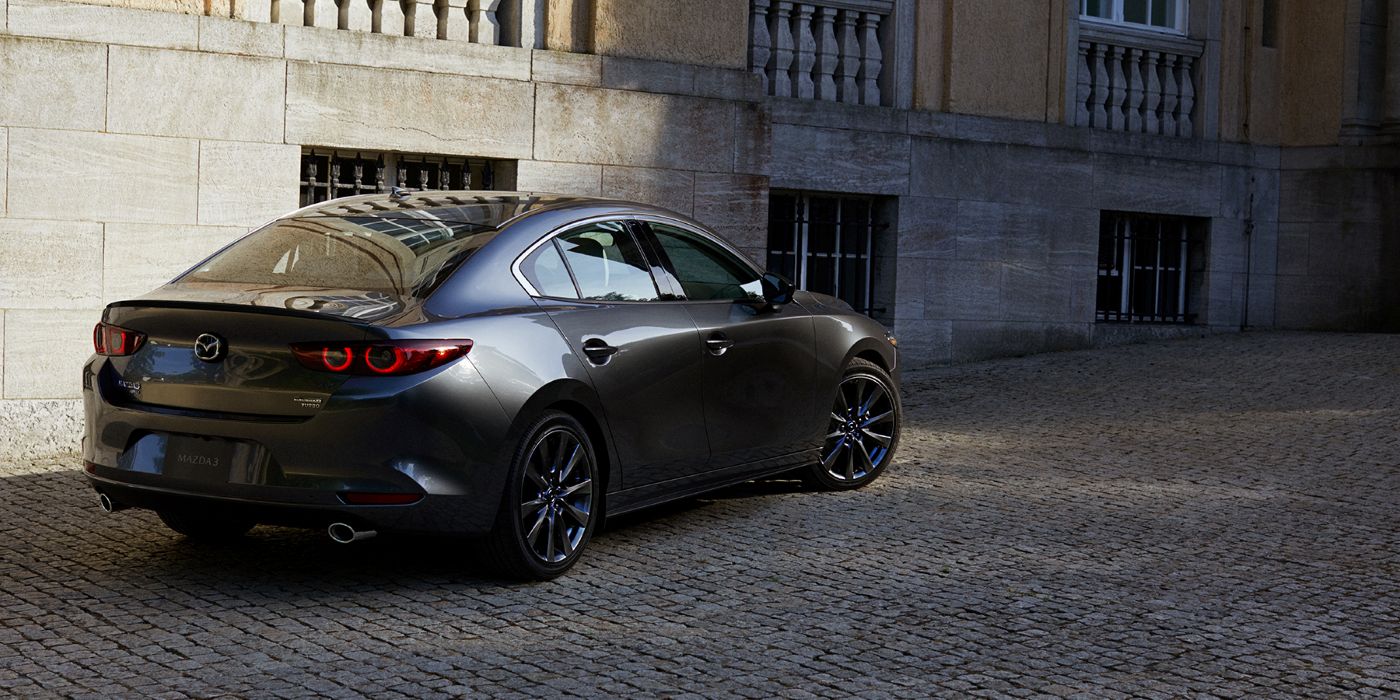
Profitable flips stem from the fact that the Mazda3’s desirability helps keep depreciation rates modest. Replacement parts are affordable, and widespread popularity ensures quick resale.
It’s important, though, to look for examples with full maintenance histories and avoid ones with evidence of rust or transmission troubles, which can be more costly on these models. When selected with care, the Mazda3 is a reliable pick for generating a meaningful profit.
4. Ford Focus (2012–2018)
The Ford Focus, particularly in its third-generation format, offers strong value for those seeking profitable flips. This car’s sharp styling, comfortable interior, and good safety scores appeal to a wide range of buyers, from young commuters to small families.
While Ford’s domestic badge doesn’t always carry the same “forever car” cachet as Toyota or Honda, the Focus differentiates itself through affordability and strong features.
The 2012–2018 models are accessible in the used market and often can be acquired at a price well below resale value, especially when targeting one-owner vehicles maintained by older adults.
Hatchback versions tend to move quickly, capturing interest from urban residents and younger buyers. Ford’s EcoBoost engines deliver solid fuel efficiency, and the car’s nimble road manners help it maintain steady demand.
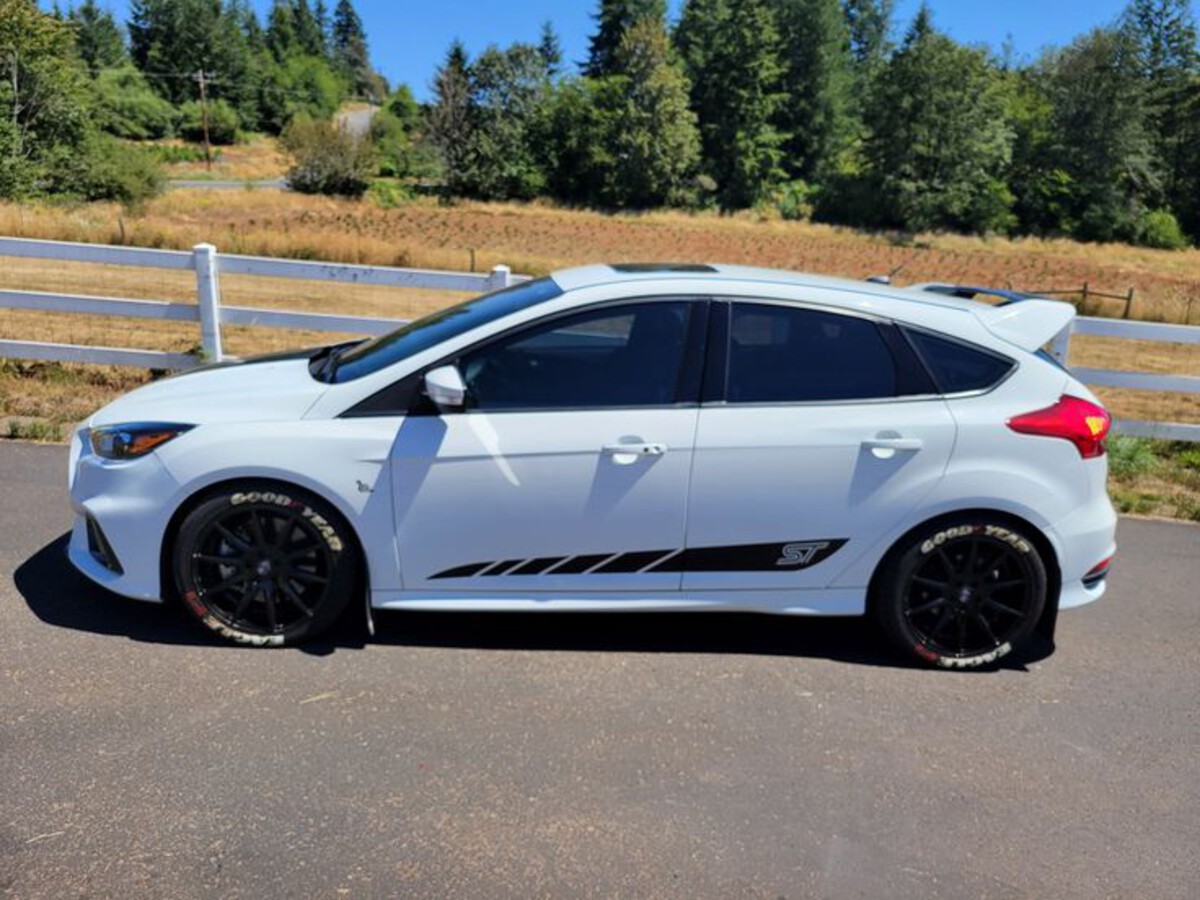
Successful sellers pay attention to transmission choices, as early dual-clutch models had reliability issues.
Avoiding models that display symptoms of gearbox trouble is key. With smart purchasing and a good eye for model specifics, the Ford Focus can consistently provide a return for flippers, thanks to a mix of practicality and market demand.
5. Toyota Prius (2010–2015)
The Toyota Prius has become synonymous with hybrid dependability. Between 2010 and 2015, it set benchmark standards for fuel-sipping efficiency without compromising reliability.
Many used car shoppers see the Prius as a logical step toward minimizing transportation costs amid fluctuating fuel prices. As a result, the resale value for these models remains among the best in the hybrid segment.
Flipping a Prius can seem daunting to newcomers due to the hybrid system, but with due diligence, sellers find these cars in high demand.
Key advantages include the impressive battery lifespan reported in these years and a well-established service network familiar with hybrid maintenance. Potential buyers often focus on models with lower mileage, up-to-date battery checks, and single-owner histories.
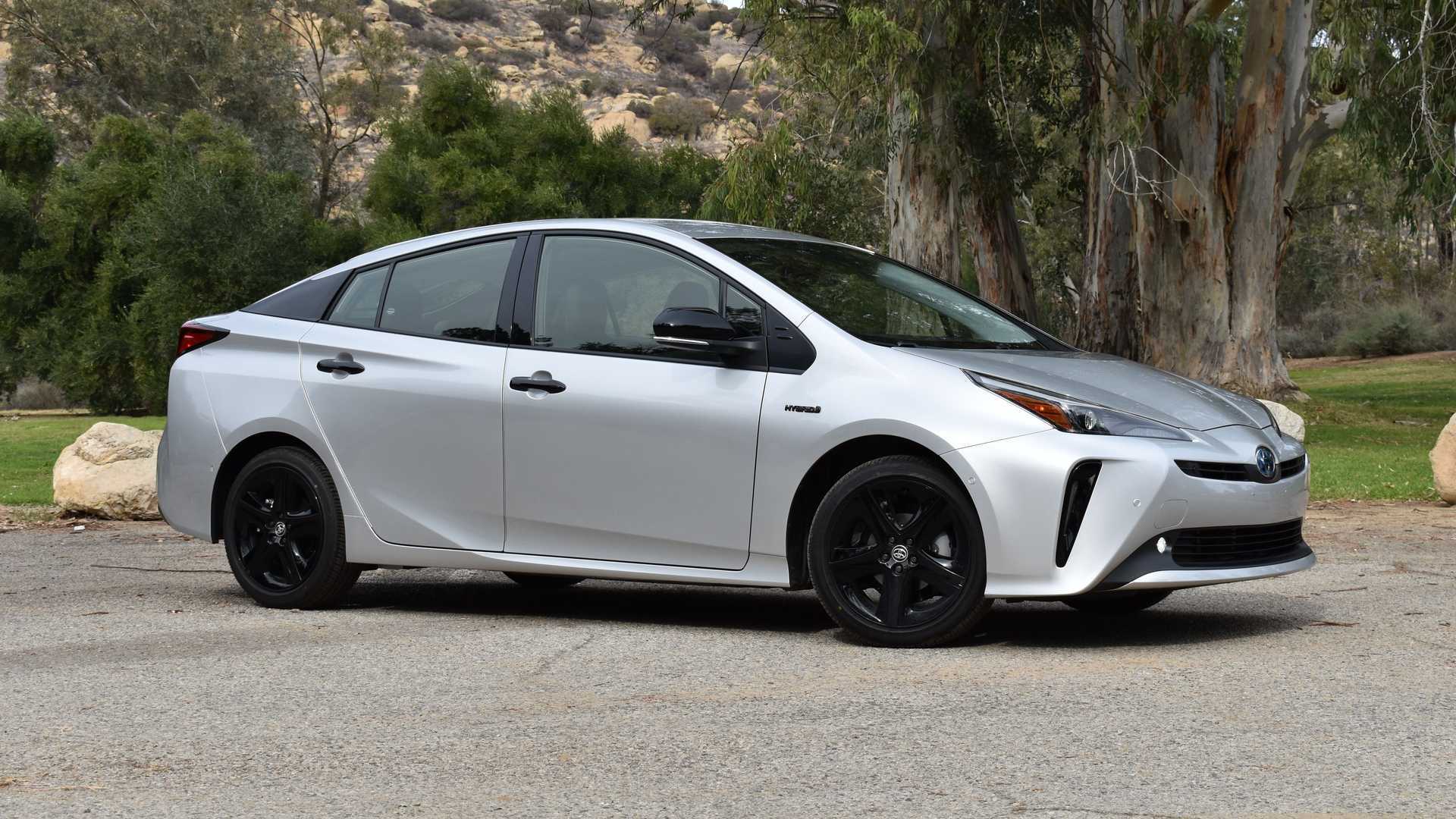
The Prius fits into an expanding niche of environmentally focused and cost-sensitive buyers, which allows flippers to command stronger prices and experience minimal time on the market.
Combine this with Toyota’s strong reliability rating and consumer trust, and it’s clear why the Prius is among the top cars to flip for profit.
5 Affordable Cars That Lose Money on Flips
Not every affordable car holds the promise of turning a quick profit. In fact, some models carry a hidden history of notorious depreciation, limited buyer interest, or frequent mechanical problems.
These cars are often tempting at the outset because of their initial low cost or flashy features, leading less-experienced flippers into thinking they’ve snagged a deal.
In practice, such vehicles pose significant risks. Key issues could include steep drops in value, expensive repairs, or even an association with bad press.
Spotting the telltale signs that a car is better left alone takes time, experience, and research. Dependability, market reputation, and ownership costs all play a role in the fate of a flip.
The following cars have repeatedly found themselves on the losing side of transaction sheets, with sellers encountering losses or struggling to find interested buyers.
Each of these examples illustrates the importance of knowing which models to avoid, regardless of their sticker price or curb appeal. Here are five cars that, despite initial appearances, seldom work out for those seeking a profitable turnaround.
1. Fiat 500 (2012–2019)
The Fiat 500 arrived in the United States with plenty of buzz, drawing attention for its retro-inspired design and European flair. Yet, the gloss quickly wore off as reliability concerns and niche market appeal surfaced.
Reports of frequent electrical problems, below-average performance in colder climates, and cramped interiors became common. For flippers, these issues translated into extended holding periods and a shrinking pool of buyers.
Resale values for the Fiat 500 dropped sharply within a few years of release. Even models with moderate mileage have been known to require costly repairs, diminishing or entirely erasing any potential profits.
Additionally, the search for replacement parts can be time-consuming and pricier than domestic or Japanese competitors a factor that can burn through a flipper’s budget before a sale is ever completed.

While the 500’s unique aesthetics initially attract buyers, the novelty often dissipates once would-be owners check reliability stats and long-term ownership costs.
Flipping a Fiat 500 is rarely lucrative outside of enthusiast circles, and most general used car shoppers would rather side with more reliable alternatives in similar price brackets. That consistent lack of broad appeal makes the model a risky bet for profit-minded sellers.
2. Chevrolet Sonic (2012–2020)
The Chevrolet Sonic was designed to compete in the crowded subcompact segment, boasting affordable pricing and American branding.
Sadly, market reception and real-world experiences didn’t translate into lasting value. Early depreciation hit the Sonic hard, and many used examples continue to see asking prices well below comparable imports.
The car’s lackluster reputation for interior quality, unresolved mechanical quirks, and less-than-stellar fuel economy all contributed to diminished demand on the resale market.
Sellers frequently struggle to find buyers willing to pay even fair market value, let alone turn a surplus. Common issues include ignition switch flaws and transmission troubles, further tarnishing the Sonic’s résumé among budget-minded shoppers.
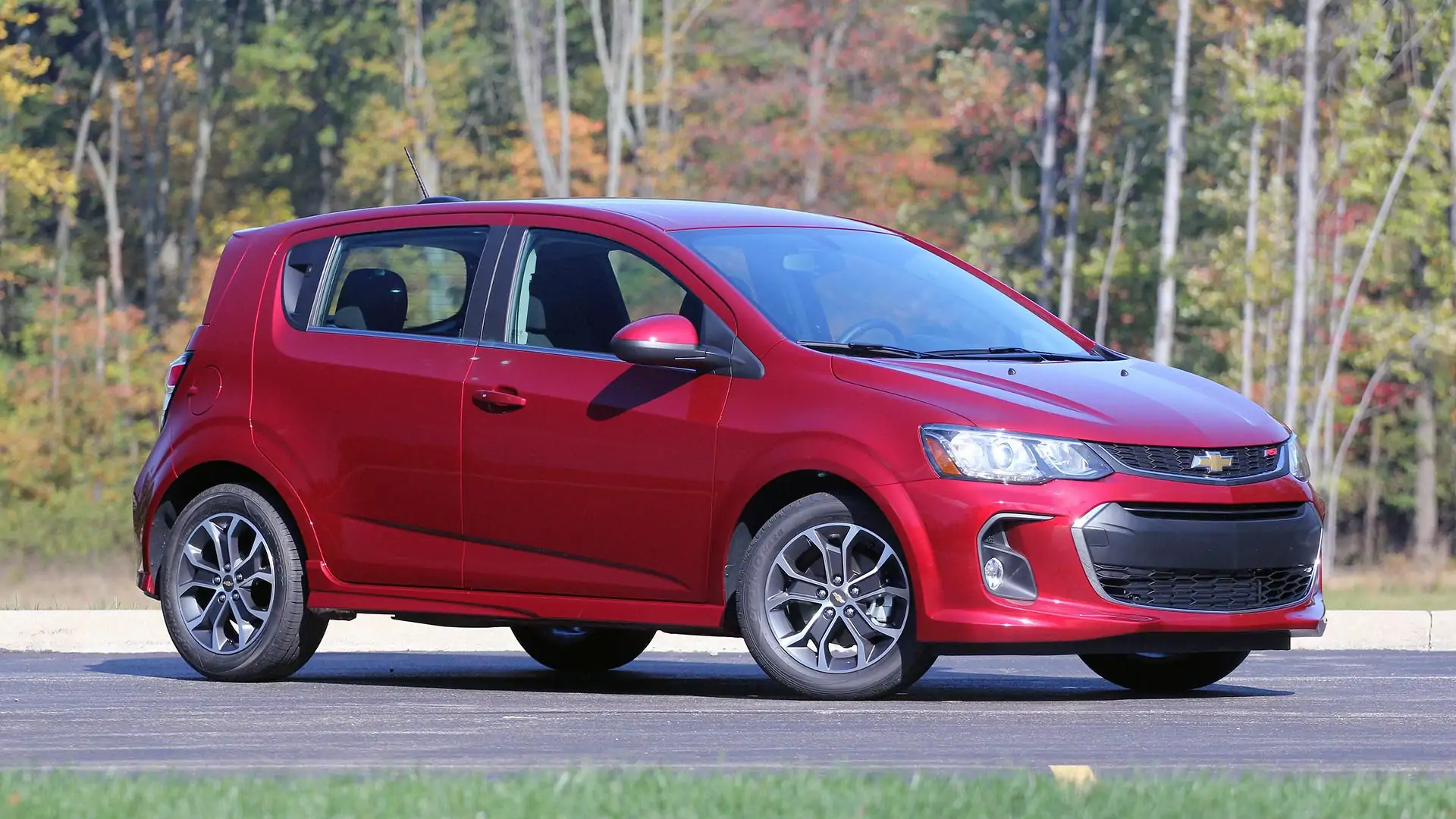
Another stumbling block is limited aftermarket support and the perception that the Sonic won’t age well compared to Asian rivals.
Many flippers have experienced firsthand the difficulty of getting out what they put in, with losses mounting across repairs, reconditioning, and routine maintenance. For anyone looking to flip a compact car, the Sonic is typically best passed over in favor of long-standing market favorites with less baggage.
3. Dodge Avenger (2008–2014)
The Dodge Avenger once seemed poised to attract buyers seeking affordable midsize transportation, but its legacy has been marred by an underwhelming resale experience. Chronic depreciation is a major sticking point.
The Avenger’s value in the used car market plummeted quickly, leaving owners and flippers alike struggling to recoup their investments.
Multiple sources cite transmission issues, cheap-feeling interior finishes, and mediocre driving dynamics as persistent problems. As time has passed, the Avenger has lagged behind in desirability compared to competitors such as the Honda Accord or Toyota Camry.
Owners looking to flip have encountered a market saturated with similar offerings, forcing them to cut prices to stand out.
The Avenger also lacks a strong enthusiast following that could otherwise buoy demand for special trims or modifications.
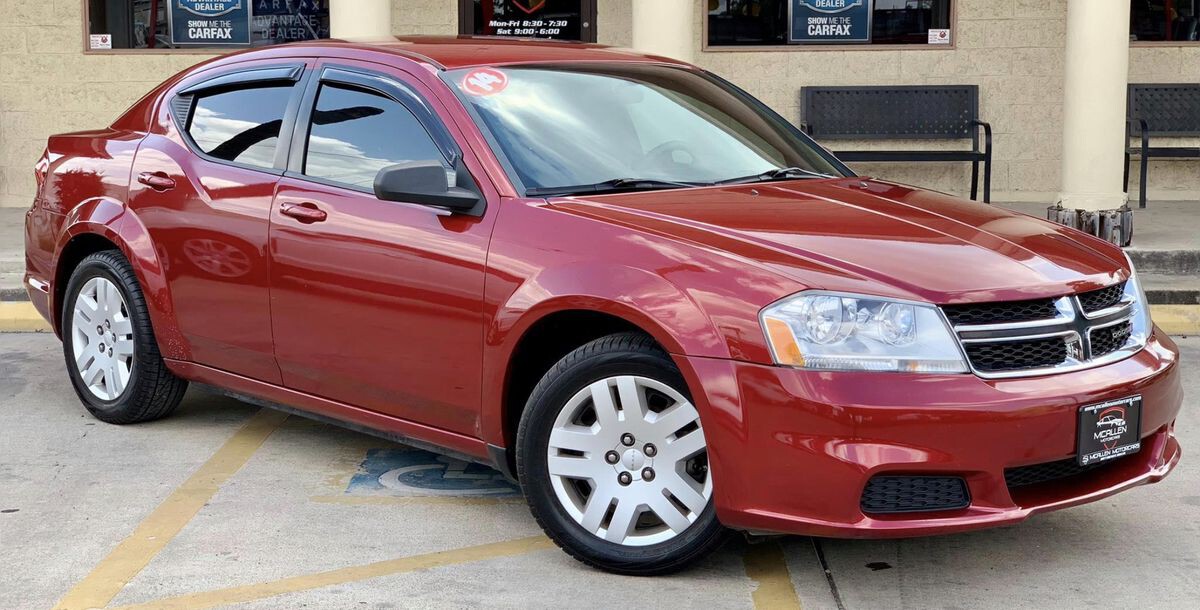
Combined with a reputation for below-average reliability and few redeeming technological updates, it’s not difficult to understand why this model frequently results in losses when bought with hope of turning a profit.
The lessons learned here highlight the importance of prioritizing both reputation and ongoing interest when assessing cars meant for flipping.
4. Chrysler 200 (2011–2017)
The Chrysler 200, like its corporate cousin the Dodge Avenger, struggles with rapid depreciation and tepid consumer interest. Introduced with the intention of rejuvenating Chrysler’s midsize fortunes, the 200 fell short on several counts.
Its clunky automatic transmission, subpar cabin materials, and inconsistent reliability have discouraged both prospective buyers and used car dealers.
Many flippers have found that even once-low purchase prices offer no guarantee of profit. Selling a 200 often means competing against a surplus of similar vehicles in a marketplace that has moved on to more respected alternatives.
Buyers who do consider these cars typically demand steep discounts, which can drive realized selling prices below initial expectations.
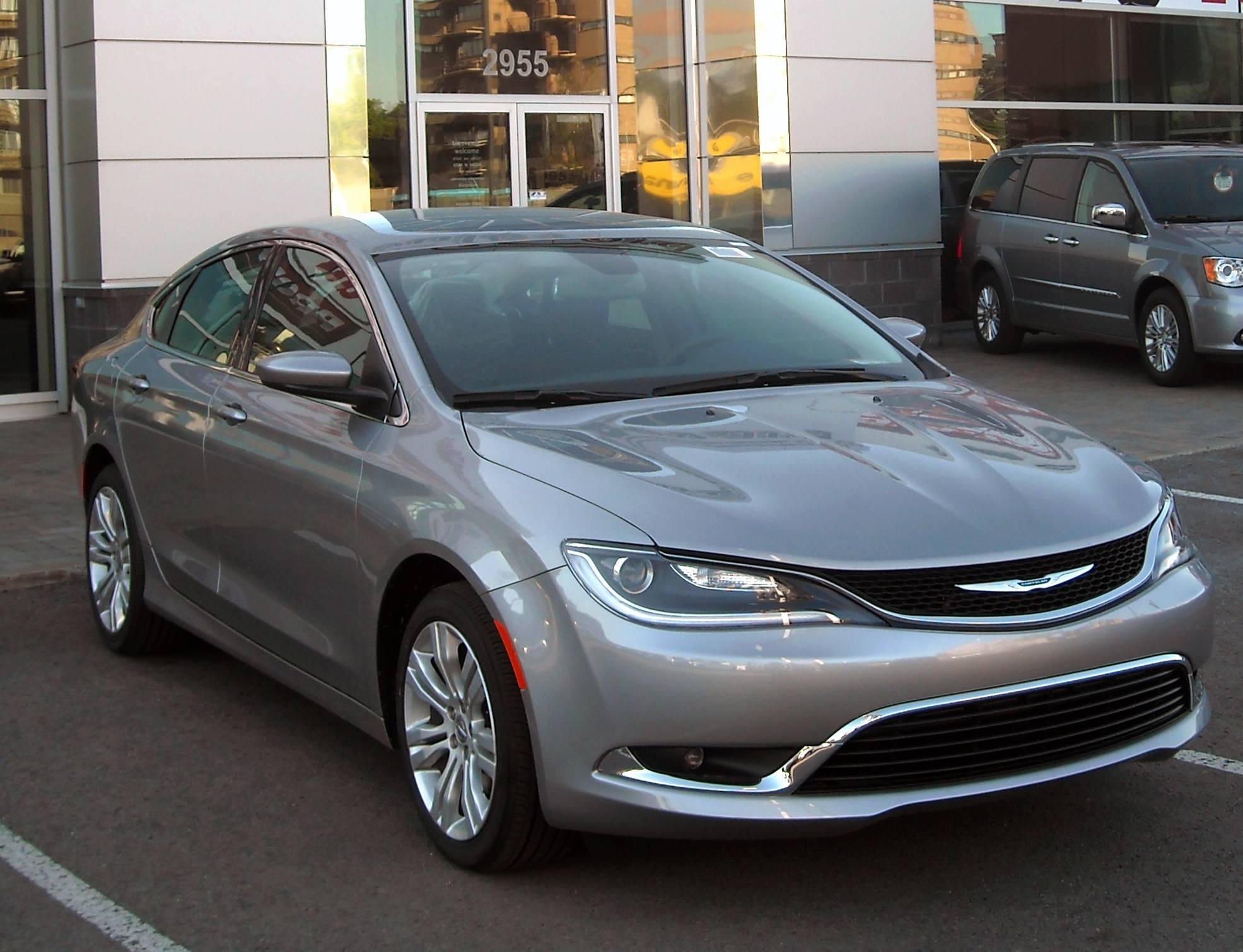
Repair costs present an additional hurdle. The 200 doesn’t enjoy significant aftermarket support, so maintenance and part sourcing often add unforeseen expenses.
Given that newer used cars are expected to meet high standards for reliability and comfort, it’s no surprise that used Chrysler 200s tend to linger unsold much to the chagrin of those who purchased them thinking they’d gain an edge in the budget segment.
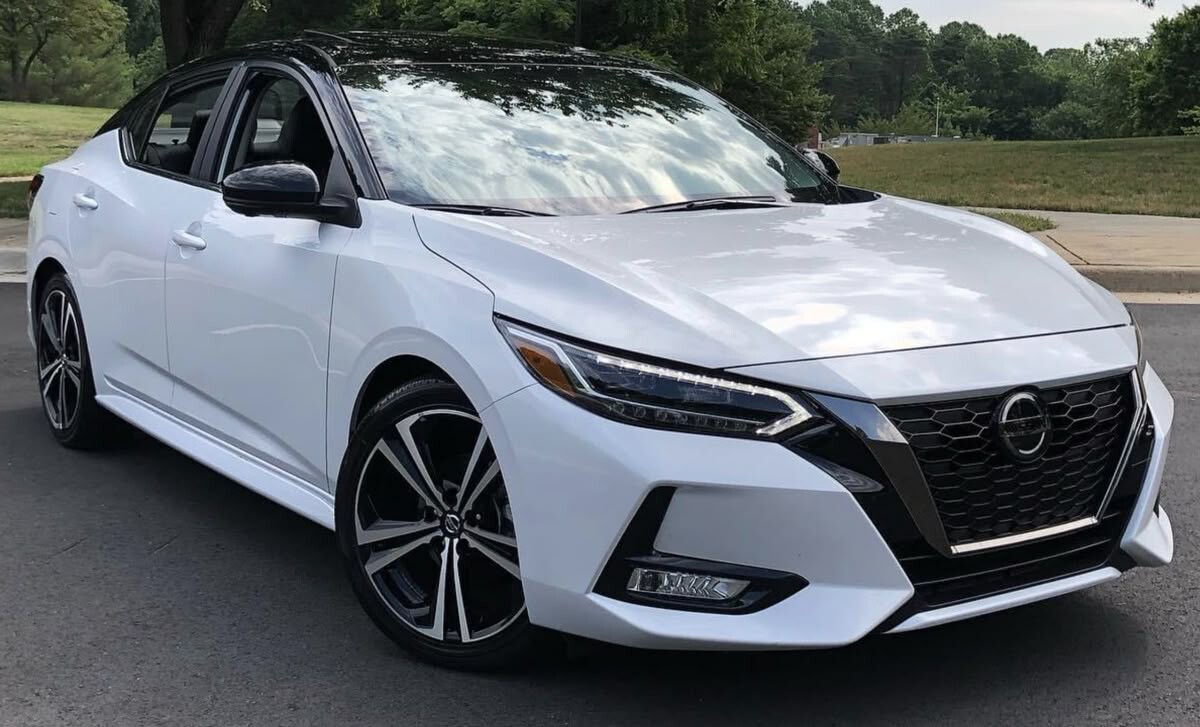
5. Nissan Versa (2007–2019)
While the Nissan Versa initially attracted budget-conscious buyers, especially first-time car owners, its performance as a flip candidate is disappointing.
Rapid depreciation, combined with mixed reviews on build quality and safety features, have left buyers wary on the resale market. Owners also routinely report that Versa sedans lose value at a pace that outstrips many rivals in the segment.
Further dampening resale prospects are concerns about comfort, reliability, and poorly aging interiors. The Versa’s low upfront price might suggest flip potential at the outset, but the difficulty of achieving a worthwhile sell-back price has become familiar for many.
Frequent negative feedback about noisy engines, weak acceleration, and underwhelming fuel economy further narrows the model’s appeal.
Attempting to resell a Versa often means accepting lower bids or outright losses, as competition in the entry-level market is fierce and dominated by contenders with stronger reliability records.
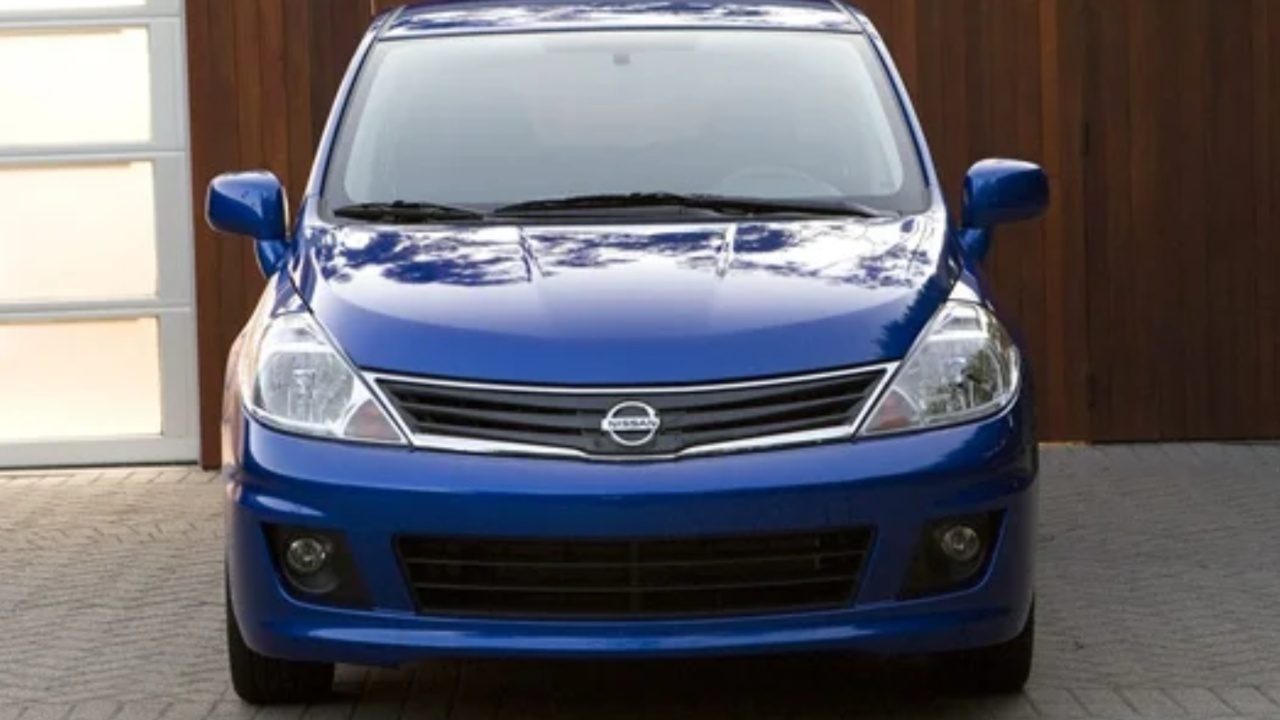
While some hatchback versions fare better, by and large, the compact sedan format has not provided consistent results for those attempting to realize a profit from flipping. The Versa serves as a lesson that the cheapest vehicles aren’t always the smartest investments.
Flipping cars can be a rewarding way to generate income, but success hinges largely on choosing the right vehicles.
Some affordable models consistently hold their value, attract steady buyer interest, and require minimal costly repairs, making them excellent candidates for profitable flips.
Conversely, other budget cars tend to depreciate quickly, suffer from reliability issues, or face limited demand, resulting in losses for sellers. Understanding the key differences between these groups is essential for anyone looking to make money in the used car market.
On the profitable side, certain compact and midsize cars stand out due to their reputation for reliability, broad market appeal, and strong resale values.
Models like the Honda Civic (2006–2015) and Toyota Corolla (2009–2016) are well-known for their enduring engines, fuel efficiency, and relatively low maintenance costs.
This makes them favorites among buyers who want trustworthy transportation without expensive repairs, allowing sellers to recoup or even exceed their initial investments.
The Mazda3 (2010–2016) adds a touch of sportiness and style to this category, attracting buyers who want a fun yet practical vehicle. Likewise, the Ford Focus (2012–2018) offers modern features and urban-friendly maneuverability, helping it stay in demand.
The Toyota Prius (2010–2015) also ranks high thanks to its hybrid efficiency and Toyota’s trusted hybrid technology, an increasingly significant factor as fuel economy continues to matter.
These models tend to retain value better because they provide a balance of desirable traits: dependable mechanics, reasonable upkeep, and a strong buyer pool.
Sellers who pick these cars often realize faster sales and higher profits since demand exists across many regions and demographics. Maintaining vehicles with clean service histories and correct maintenance can further enhance their ultimate sale price.
On the other hand, some affordable vehicles fail to deliver on profit potential despite attractive initial pricing.
The Fiat 500 (2012–2019), for example, struggles with reliability problems, electrical issues, and a generally niche appeal, leading to steep depreciation and slow sales.
The Chevrolet Sonic (2012–2020) suffers from early depreciation paired with mechanical quirks, making it a tough sell against stronger competitors.
Similar challenges face the Dodge Avenger (2008–2014) and Chrysler 200 (2011–2017), both of which have poor reputations for reliability, underwhelming driving performance, and quickly lost value, discouraging buyers and flipping efforts alike.
The Nissan Versa (2007–2019) rounds out the less profitable group as its low price is offset by its rapid value drop, limited comfort, and mixed safety feedback, all resulting in tough resale conditions.
For these cars, potential flippers encounter longer holding times, difficulty attracting buyers, and often have to lower prices beyond the point of reasonable profit.
Choosing the wrong model can turn what looks like a bargain into a financial pitfall. High depreciation, limited demand, and expensive repairs can overshadow any initial savings.
For flippers, knowledge of a vehicle’s reputation, service costs, and market demand is critical. Even among affordable cars, some remain popular enough to allow sellers to earn consistent returns, while others become liabilities.
Ultimately, making profitable car flips requires more than simply buying low and selling high. It demands careful evaluation of a vehicle’s history, projected reliability, and appeal to buyers who prioritize long-term value.
Budget-friendly models with solid records of dependability and strong residual values remain the best choices, while cars prone to rapid depreciation or costly repairs should be approached with caution.
By focusing on affordable cars with proven market stability and steering clear of models plagued by consitent issues and falling demand, sellers can better protect their investments and increase the likelihood of successful, profitable transactions.
This pragmatic approach enables flippers to maximize returns and avoid losses in a competitive used car marketplace.
Also Read: 5 EVs That Always Update Properly and 5 With Recall-Worthy Software
