
As cars age, their reliability becomes a major concern, particularly when it comes to safety systems designed to prevent accidents or minimize injury.
Airbags and Anti-lock Braking Systems (ABS) are now standard in most vehicles, but simply having these features listed in a manual does not guarantee they will function properly after years of use.
Owners of older vehicles face a unique challenge, since time, mileage, and maintenance history all influence whether these critical components will still do their job when needed. On the other hand, not all cars are created equal.
Some models have developed a reputation for durable safety equipment that can go the distance, while others are known for costly recalls or system failures that leave drivers vulnerable.
This discussion shines a spotlight on both sides: older models renowned for consistent airbag and ABS operation and vehicles where these systems notoriously let their owners down at the worst possible moment.
Both topics provide insight into the vital role long-term safety plays in daily driving. This deeper look offers important information for anyone considering the risks and rewards of owning or purchasing an older car.
Also Read: 5 Modern Cars With Flawless Cruise Control and 5 That Brake Unexpectedly
5 Older Cars Whose Airbags & ABS Still Work
For many drivers, the decision to keep or buy an older car often hinges on a simple question: can I trust this to keep me safe?
When it comes to airbags and ABS, some vehicles rise to the occasion. These models have proven, through owner reports and automotive reliability studies, that well-designed and properly maintained systems can remain functional long past their warranty period.
Reliable airbag deployment and effective ABS response can mean the difference between a close call and a serious injury. This is no small comfort for those behind the wheel.
Safety isn’t just about what a car had when it left the factory; it’s about how it performs today, years after the odometer has rolled over. Here, we focus on five cars that stand out for their remaining trustworthy when it matters most.
Each has a different story, but all share one thing: reputation for retaining their core safety features as the years and miles add up. These examples provide valuable lessons on the importance of engineering quality and diligent upkeep.
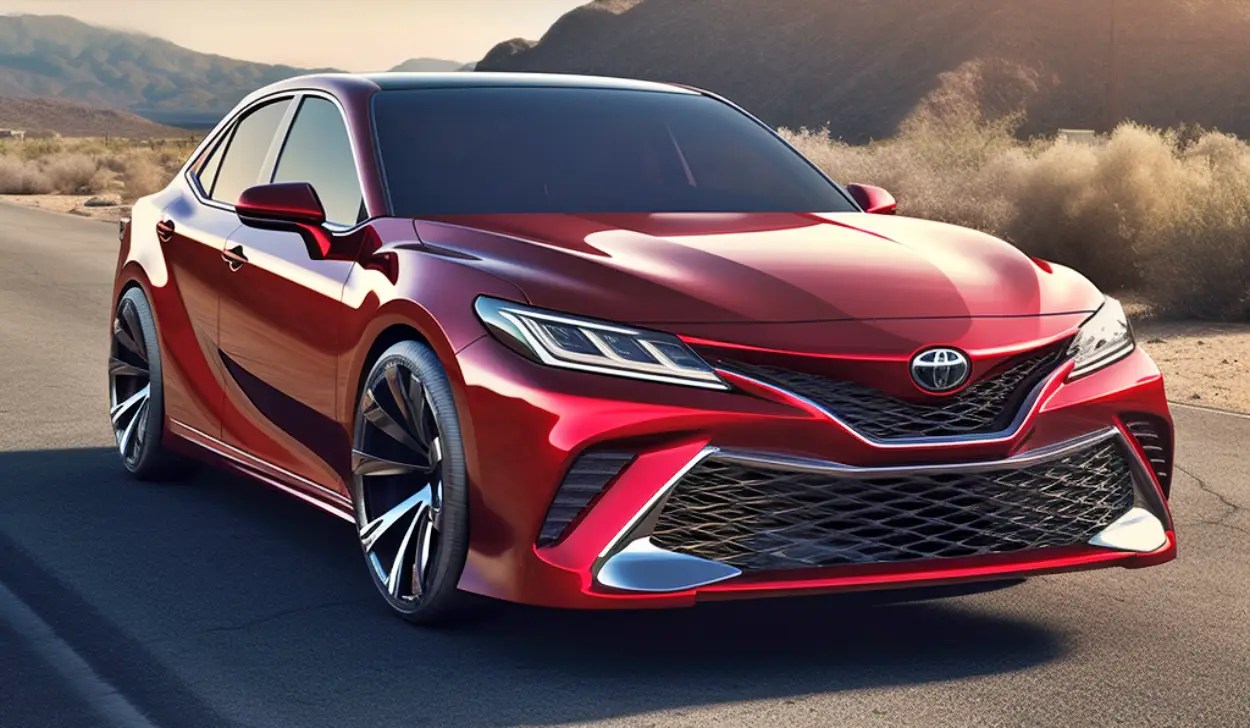
1. Toyota Camry (2002–2006): The Steadfast Standard
The Toyota Camry from the early 2000s continues to be a top choice among drivers who refuse to compromise on safety. Despite their age, many of these cars still have fully functional airbags and ABS systems, which isn’t just a coincidence.
Toyota’s attention to longevity, coupled with widespread parts availability, contributes greatly to these cars’ reliability.
Consistent positive feedback from mechanics and multiple consumer safety reviews report few electrical or sensor issues related to airbag or ABS function in surviving models.
Several high-mileage Camry examples have passed third-party safety tests even years after initial sale, supporting the model’s reputation for dependable design.
Discussing the Camry in the context of older vehicle safety is crucial for a few reasons. First, it sets a benchmark for how well a mass-market sedan can age.
Its ongoing popularity also means real-world testing by millions over decades, rather than anecdotal evidence. Furthermore, Toyota’s ability to produce components with lasting integrity provides a model for other manufacturers.
This ongoing record isn’t just a testament to initial design but reaffirms the payoff of regular maintenance, which keeps critical safety features responsive.
The Camry’s blend of affordability, availability, and unwavering safety performance makes it a vital reference for anyone evaluating the reliability of airbags and ABS in used vehicles.
2. Honda Accord (2003–2007): Proven Protection
The 2003–2007 Honda Accord joins the ranks of vehicles with a long-standing record of reliable safety system performance.
Airbag modules and ABS units in these cars often continue to operate as designed, even after racking up hundreds of thousands of kilometers or miles. One reason for this resilience lies in Honda’s conservative approach to safety engineering during these years.
Rather than making drastic changes or rushing to implement untested technology, Honda fine-tuned the basics. The result is a sedan that generally avoids the electrical quirks or premature sensor failures that can affect older cars.
The Accord’s consistency matters because it reassures families and commuters looking to extend the life of their vehicle without feeling as if they’re rolling the dice every time they drive.
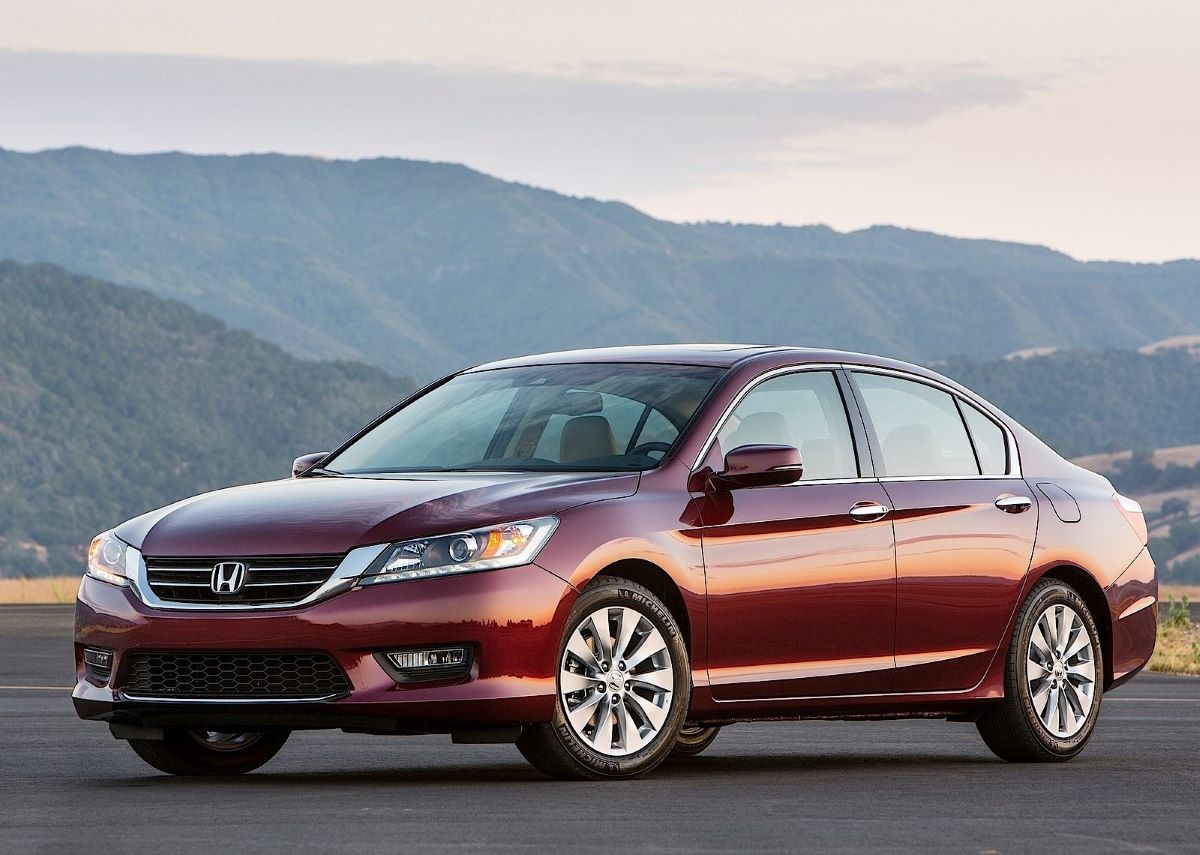
Automotive safety watchdogs and user forums frequently point to the Accord’s lower-than-average rates of ABS and airbag failures, even after recall campaigns that addressed unrelated issues.
Highlighting the Accord in this context is about recognizing the vehicles that make practical longevity an achievable goal, not just a hope.
It showcases the importance of durable component sourcing, clear maintenance guidelines, and conservative updates that prioritize tried-and-tested system performance.
3. Volvo S60 (2001–2009): Designed with Longevity in Mind
Volvo’s reputation for safety stretches back decades, and the S60 made between 2001 and 2009 stands as proof. Unlike many competitors, the S60’s airbag and ABS hardware rarely surfaces in discussions of early failures or costly replacements.
Volvo put a premium on both structural integrity and robust wiring harnesses, leading to a lower risk of electrical faults that can quietly disable safety systems in aging vehicles.
Real-world owner reports and independent assessments consistently highlight the S60 for maintaining airbag readiness lights and error-free ABS performance into very high mileages.
Including the Volvo S60 in this group is about more than just its well-known manufacturer; it is the outcome of deliberate choices in materials and engineering.

In many cases, these vehicles have survived harsh climates and challenging conditions with fewer complaints of mysterious dashboard warnings that plague other brands.
For buyers with a preference for European sedans, or those who frequently transport passengers, the S60’s enduring safety technology provides peace of mind.
It also stands as a reminder that attention to detail in design pays ongoing dividends well past a model’s initial years. The S60 serves as a model for others looking to ensure reliability doesn’t stop at cosmetic quality.
4. Ford Crown Victoria (1998–2011): Built for Duty, Lasts on the Road
The Ford Crown Victoria, especially those made for police and taxi service, has a safety pedigree that still resonates.
Widely known for absorbing miles in demanding environments, the Crown Vic’s airbag modules and ABS assemblies seldom make headlines for the wrong reasons.
Designed for extensive public service where failure was not an option, the components were built conservatively, with reliability prioritized over cutting-edge complexity.
This approach ensures that many of these vehicles, even when bought as ex-service cars, maintain critical safety functions long after civilian models might have suffered from worn contacts or failing sensors.
Including the Crown Victoria is about recognizing the effect that original intended use has on long-term reliability. When a car is built to withstand patrol shifts or taxi work, every critical system receives added scrutiny.
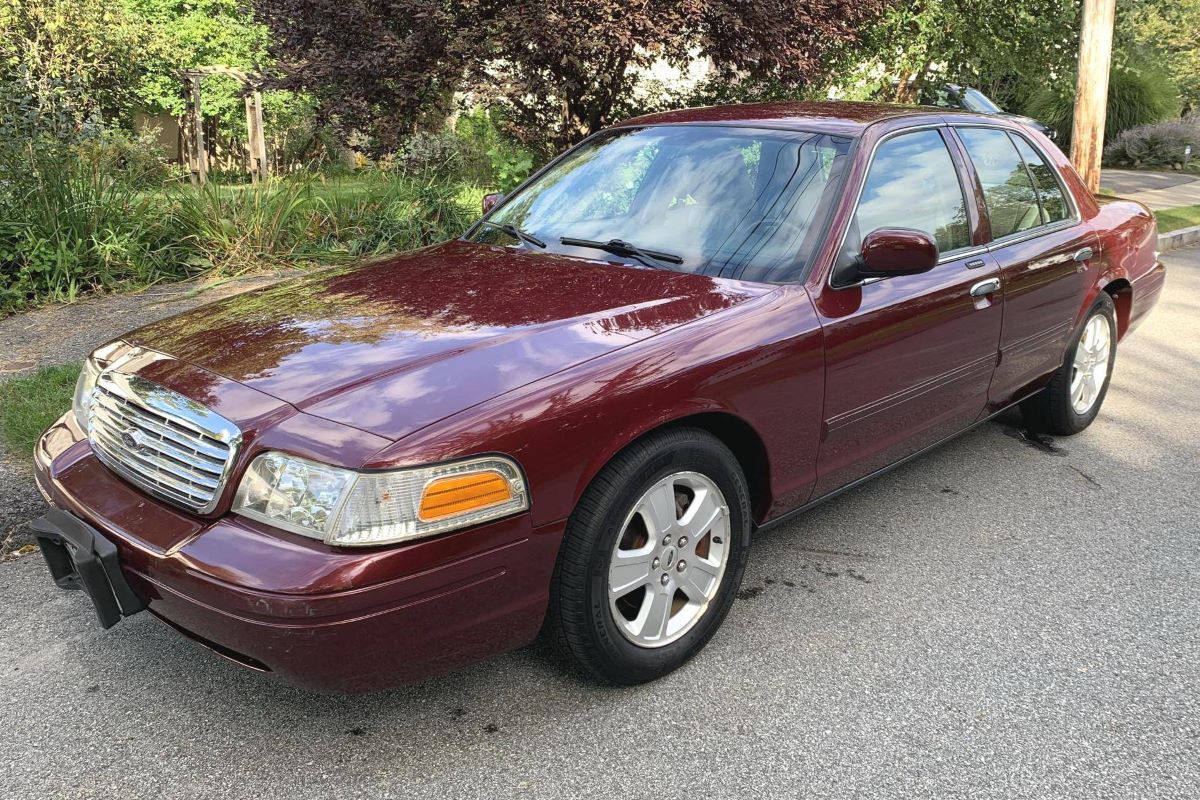
The continued functionality of airbags and ABS in these vehicles is due to both robust parts and regular mandated maintenance.
For buyers considering high-mileage used cars, or those who want a car with a proven public safety record, the Crown Victoria stands out.
It illustrates how purpose-driven engineering not only benefits institutional users but also creates lasting value for regular drivers seeking long-term protection.
5. Lexus LS430 (2000–2006): Luxury That Doesn’t Compromise on Safety
The 2000–2006 Lexus LS430 is proof that luxury vehicles can retain practical value over time. Designed as a flagship sedan, the LS430 boasts premium materials and advanced quality control, resulting in fewer long-term problems with airbag control modules or ABS hydraulics.
Owner forums and mechanic assessments often reference the LS430’s solid safety performance history, noting how these cars avoid complex technical issues that can disable critical systems unexpectedly.
Routine diagnostic checks on well-maintained LS430 models often find original airbags and ABS functional, even as the cars pass the 200,000-mile mark.
The reason for spotlighting this Lexus goes beyond its reputation for comfort or status. It underscores the difference that high standards for electronic components and manufacturer-supported reliability strategies make in a car’s later years.
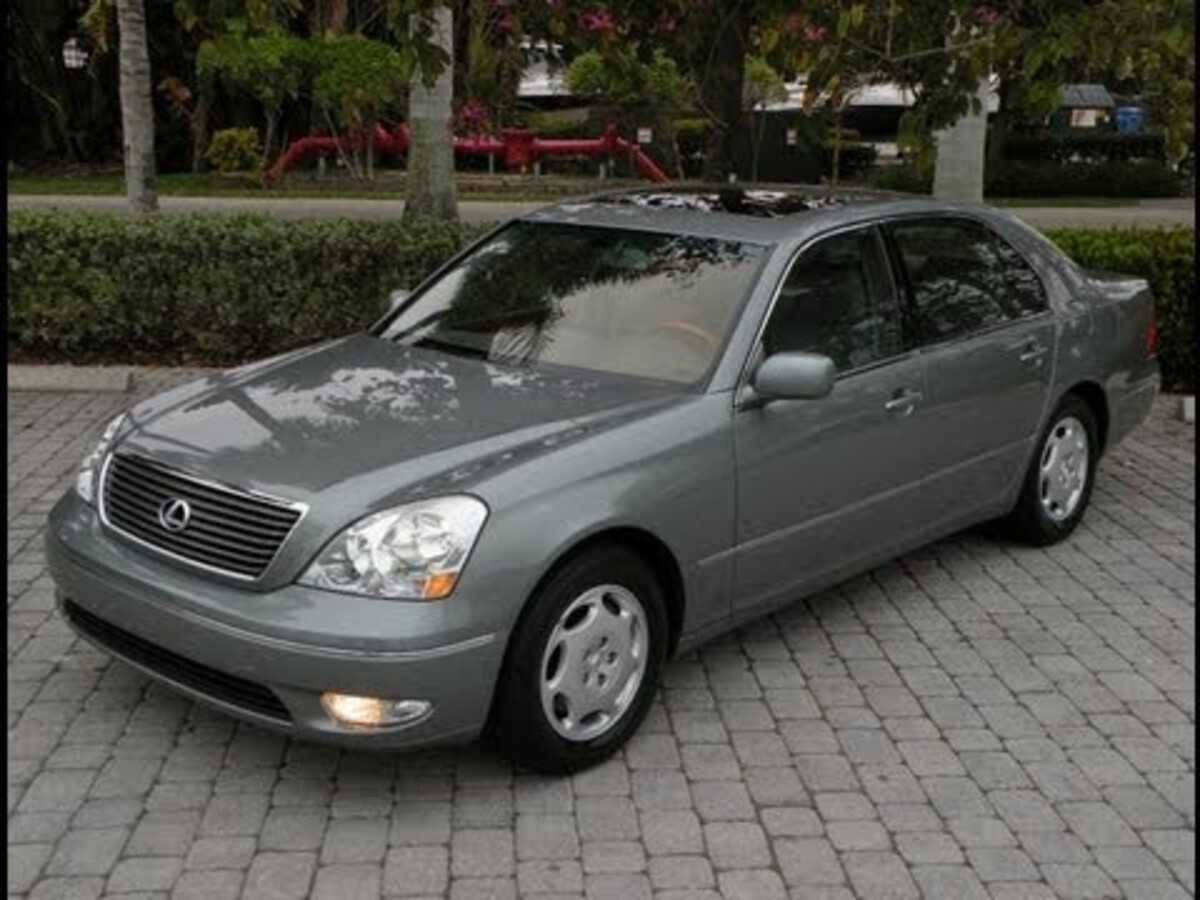
Buyers considering older luxury vehicles often worry about complicated features becoming expensive liabilities, but the LS430 demonstrates that thoughtful engineering and careful assembly can keep vital safety elements operational far longer than expected.
It also sets a high bar for what buyers can expect from top-tier brands as cars age, making it a standout in any conversation about enduring safety.
5 Older Cars with Safety Equipment Failures
Not every older car offers the dependability drivers hope for. As vehicles age, some manufacturers’ decisions concerning design or parts quality become all too apparent, especially when it comes to essential equipment like airbags and ABS.
Failures in these systems aren’t just inconvenient; they can be dangerous or even deadly, rendering safety features useless right when they are needed the most.
Recalls, class-action lawsuits, and a flood of owner reports highlight how certain vehicles have let owners down well before they reach a natural end of their service life.
These failures often result from faulty sensors, deteriorating electrical connectors, or subpar module construction, sometimes aggravated by environmental factors or specific usage patterns.
Discussing these cases isn’t about casting blame, but about emphasizing vigilance for drivers, mechanics, and used car shoppers.
These examples serve as important learning points and reminders of why routine inspections, recall compliance, and understanding a car’s documented history matter so much in everyday safety.
1. Honda Civic (2001–2005): Airbag Woes in Compact Form
The early 2000s Honda Civic is frequently referenced when discussing airbag-related problems in older vehicles. This was not due to a fundamental design failure but rather the global Takata airbag recall, which impacted millions of cars across various automakers.
The core issue centered on inflators that could rupture during deployment, sometimes sending metal shards into the cabin and causing severe injury or death.
Honda Civics of this era were heavily affected, leading to massive recalls and lengthy waiting lists for replacement parts.
The inclusion of the 2001–2005 Civic in a discussion about safety failures is crucial for two main reasons. First, it demonstrates how a widespread defect can undermine trust in even the most popular and reliable models.
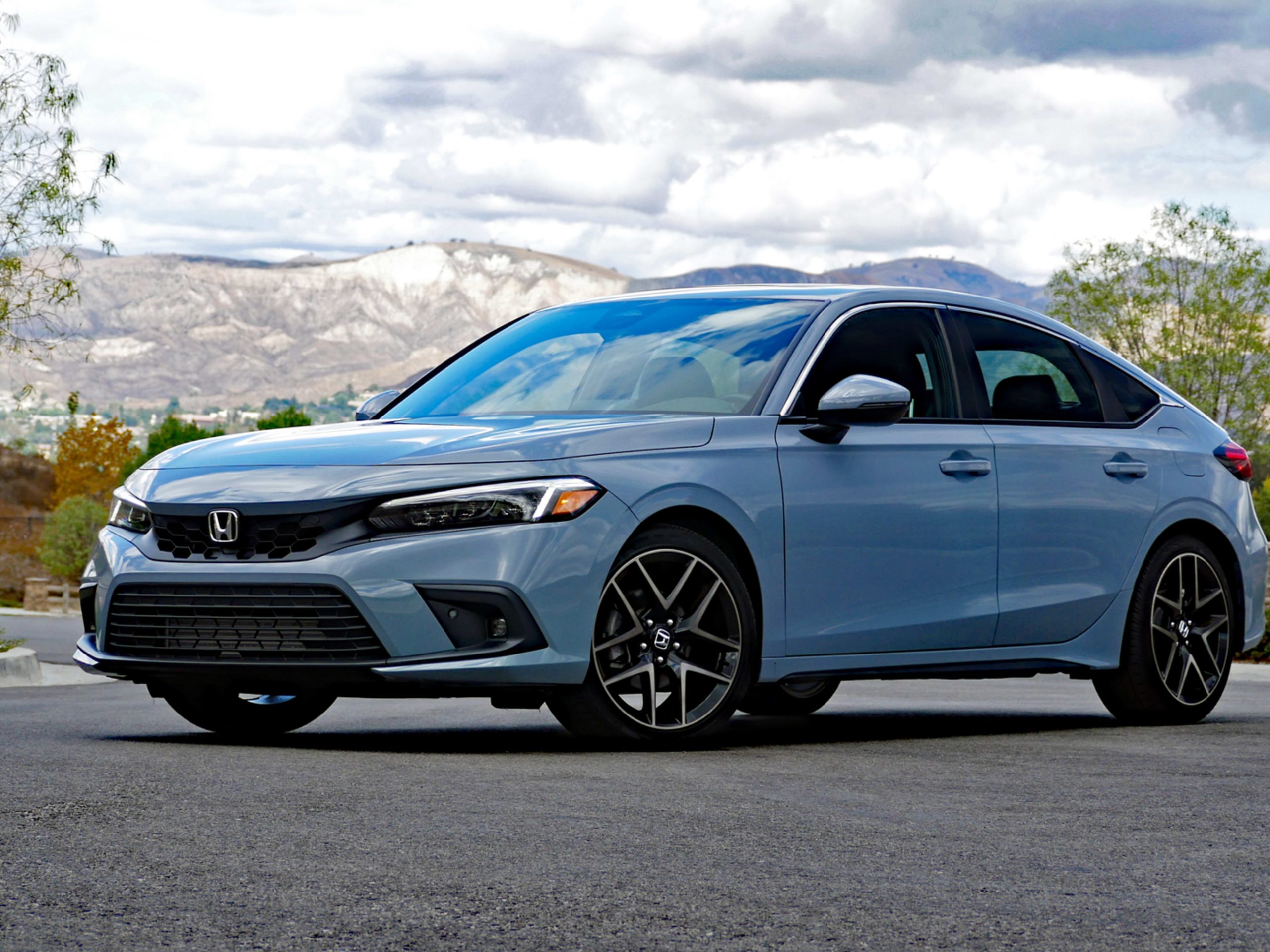
Second, it underscores the importance of proactive manufacturer intervention in addressing known dangers.
Despite Honda’s efforts to reach owners, an alarming number of Civics on the used market today still carry unrepaired airbags, presenting a silent risk for unsuspecting buyers or those who do not prioritize recall compliance.
The Takata episode with the Civic is a stark reminder that safety equipment failures can have far-reaching consequences, affecting both reputation and real-world driver outcomes.
2. BMW 3 Series (E46, 1999–2006): Persistent ABS and Airbag Glitches
The E46-generation BMW 3 Series has a strong enthusiast following, but its electronics are not immune to aging.
Owners and independent technicians often report ABS warning lights that become a fixture on the dashboard, sometimes accompanied by failed pulsing or complete ABS loss.
The culprit often lies in failing ABS modules or deteriorating wiring that loses integrity over time, particularly in regions with extreme temperatures. Additionally, the E46 was part of the Takata airbag inflator recall, exposing it to similar injury risks as the affected Civics.
Highlighting the E46 BMW points to the reality that premium branding and strong performance do not shield vehicles from recurring safety failures.
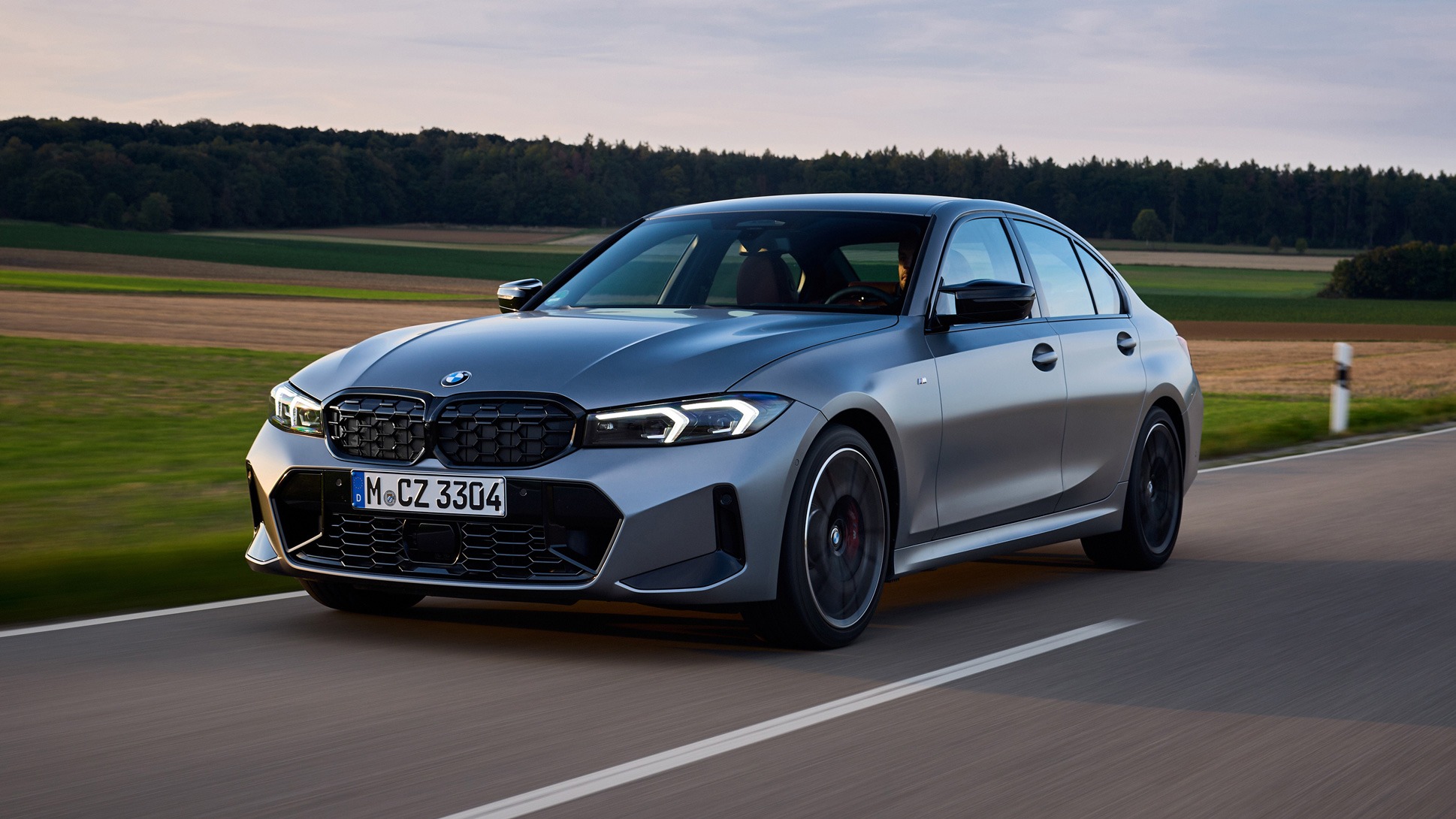
In this case, the interplay between aging electronics and unpredictable recall-related risks has kept the E46 in the conversation about older cars with persistent equipment flaws.
It also serves as a warning for buyers chasing classic style or driving enjoyment: behind the wheel of a legendary car, one may still face safety equipment that simply doesn’t function as intended. The E46’s story is a lesson in balancing aspiration with objectivity when considering vehicles whose best years may be behind them.
3. Chevrolet Cobalt (2005–2010): Airbags That Didn’t Save Lives
The Chevrolet Cobalt stands as one of the most heavily scrutinized cars in terms of safety system failures.
A large number of Cobalt cars were subject to recalls due to ignition switch defects that could cause the car to unexpectedly lose power and deactivate airbags, along with other critical systems.
This defect resulted in several deadly accidents and ultimately led to massive legal settlements and congressional hearings. The reason for focusing on the Cobalt is that, for some owners, there were simply no warning signs before tragedy struck.
The case of the Cobalt is especially significant because it spotlights the devastating consequences of design or manufacturing oversight affecting safety-critical equipment.
It also forced the automotive industry to rethink protocols around defect reporting, recall initiation, and corporate responsibility.

The Cobalt’s history remains a sobering narrative of how airbag systems can fail not just due to old age, but due to preventable corporate decisions.
For drivers, this car serves as a warning to thoroughly research any used vehicle’s recall history and never assume that basic safety features are immune from outside factors that can render them inoperable.
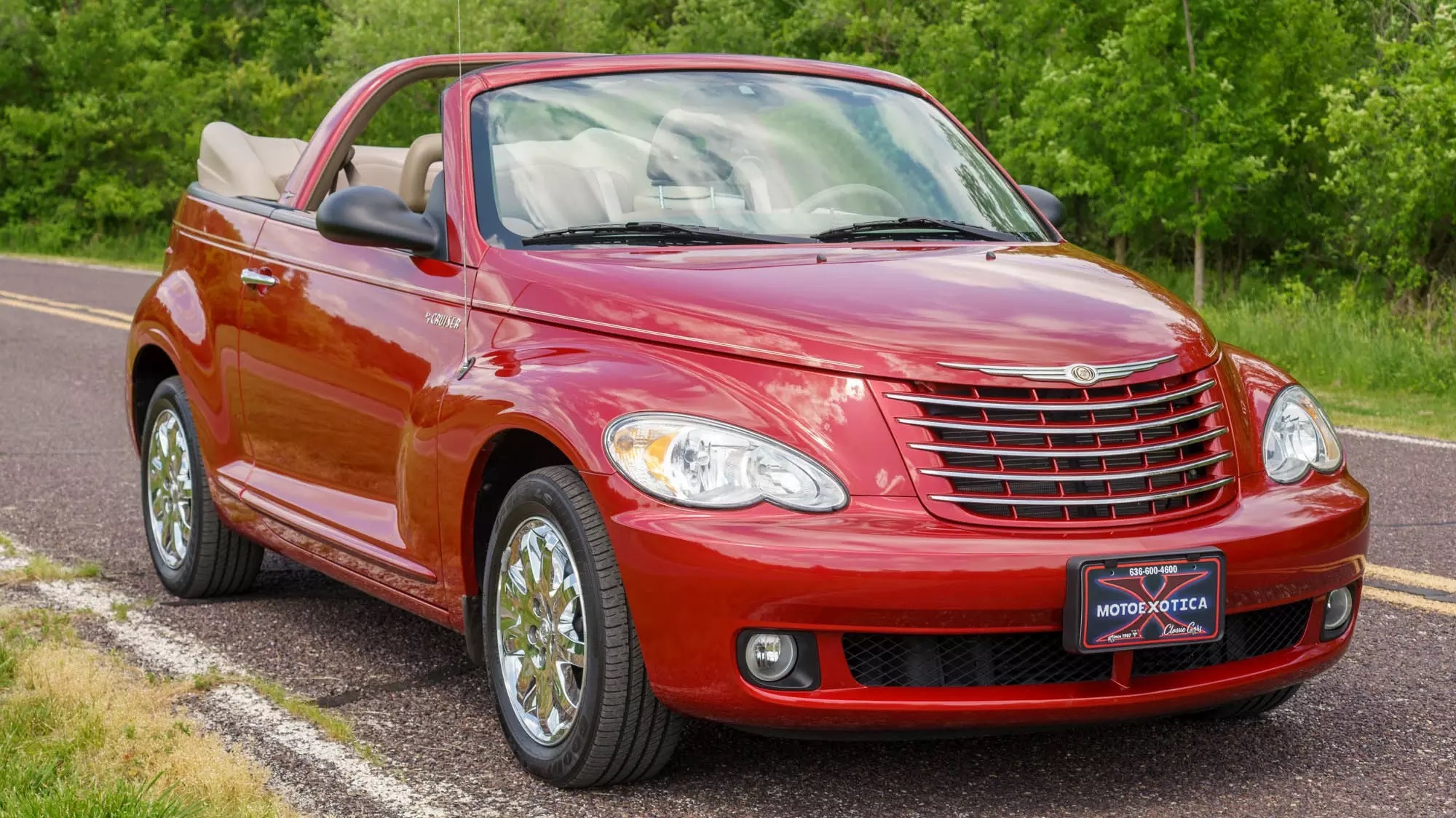
4. Chrysler PT Cruiser (2001–2010): Unreliable Safety Alerts
The PT Cruiser, with its retro-inspired appearance, found a devoted audience but was marked by persistent problems related to its ABS and airbag systems.
Owners have frequently reported issues involving malfunctioning sensors that led to warning lights staying on or, in some cases, failing to illuminate when the systems stopped working.
Numerous service bulletins and complaints about faulty clockspring mechanisms, which connect steering wheel controls to airbags, further muddied the car’s safety perception.
Including the PT Cruiser in this lineup emphasizes the risk of relying on dashboard lights as sole indicators of safety system health.
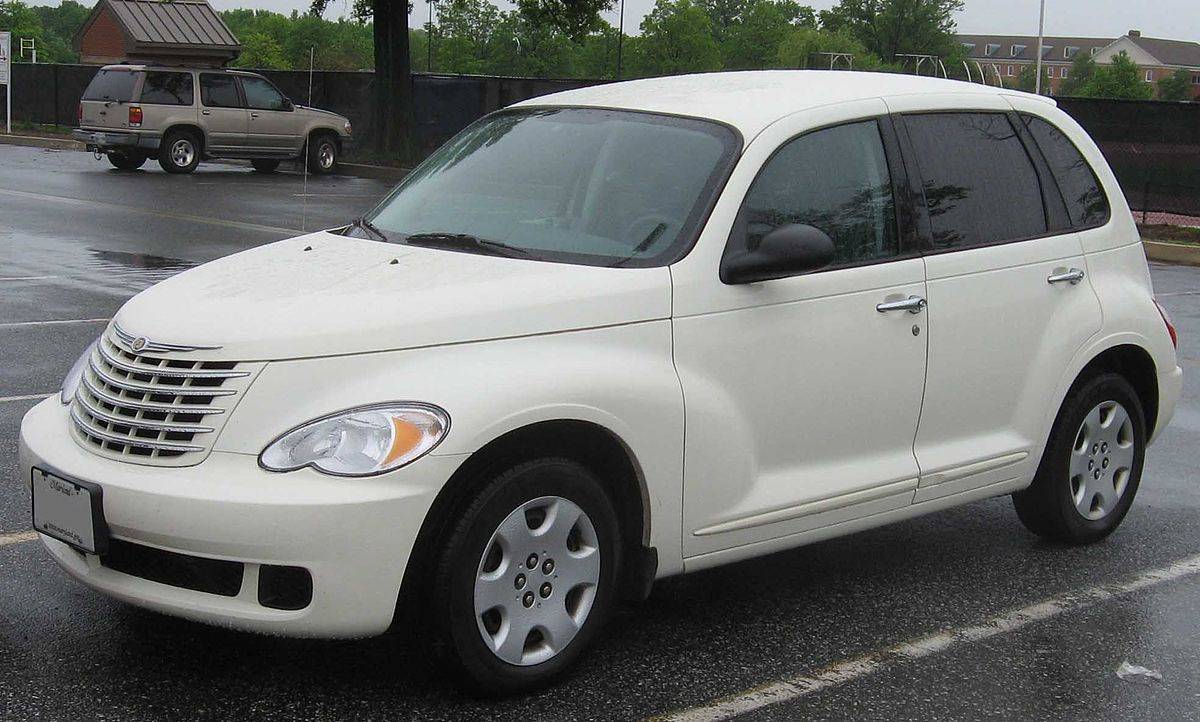
The persistent sensor and electrical problems meant that drivers sometimes only learned of disabled airbags or failed ABS during an actual emergency, by which point it could be too late to address the underlying issue.
This model serves as a reminder to anyone with an aging car: a lack of warning lights does not always mean safety systems are functioning properly, and regular diagnostic checks are non-negotiable, especially with known trouble spots.
5. Mercedes-Benz C-Class (W203, 2000–2007): Luxury with Lingering Issues
The Mercedes C-Class W203 series aspired to be a leader in compact executive safety but struggled with recurring faults in both airbags and ABS.
Airbag warning lights were a frequent complaint, sometimes attributed to faulty seat occupancy sensors or electrical gremlins in the crash detection system.
ABS hydraulic units on older models developed issues that could limit their ability to prevent wheel lockup, particularly in challenging weather conditions. Expensive repairs often led owners to postpone or ignore necessary maintenance.
Discussing the W203 C-Class is about bringing attention to how ambitious design and premium electronics don’t always translate to long-term safety.
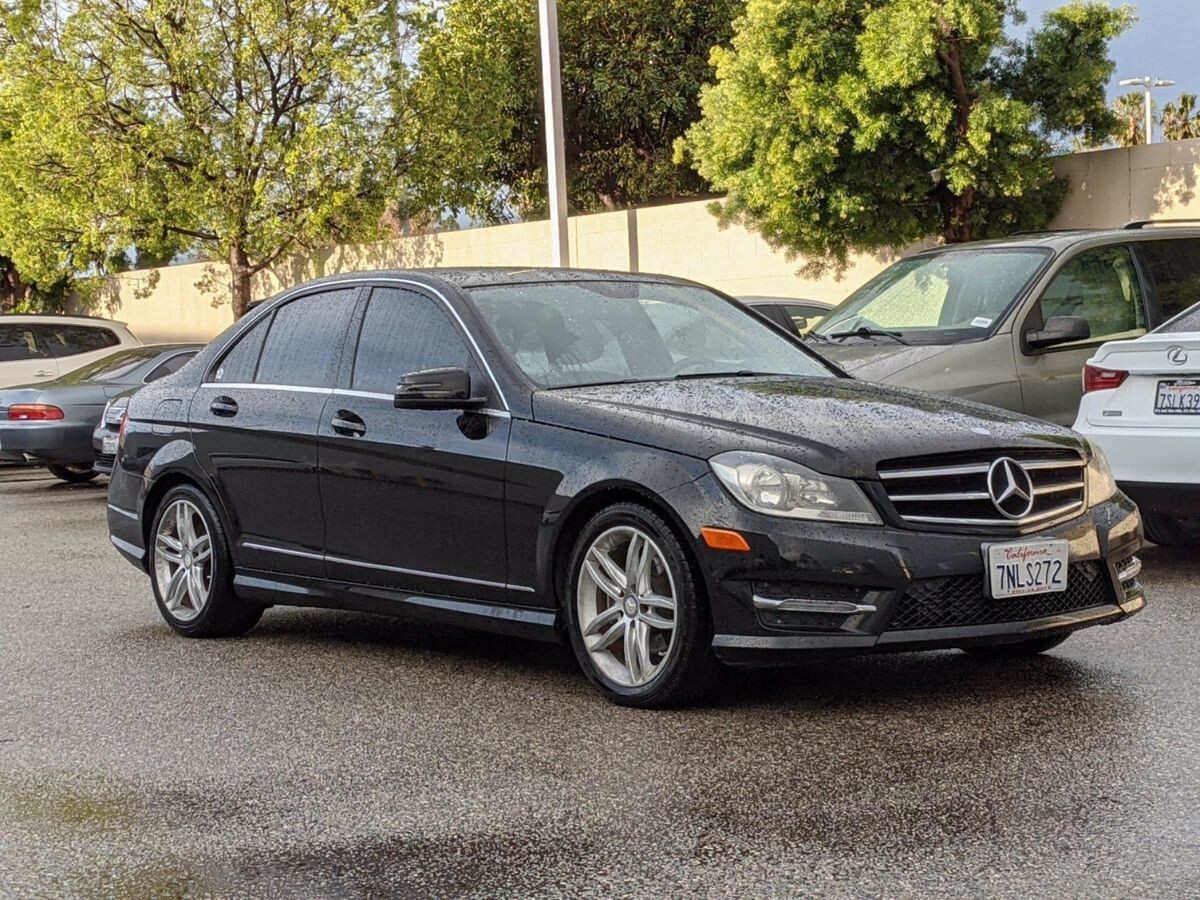
While these vehicles carried the promise of cutting-edge protection, real-world ownership revealed that complexity sometimes undermined reliability.
Even among vehicles known for luxury and build quality, safety-critical faults can leave owners in a precarious position if they’re not resolved promptly.
This example stands as a reality check that status and cost are no substitute for persistent, functional safety equipment and diligent inspection, especially as vehicles age.
When considering older vehicles, their approach to retaining essential safety features like airbags and anti-lock braking systems (ABS) becomes a crucial factor in determining ongoing usability and trust.
While safety technology has evolved dramatically over the years, many motorists remain behind the wheels of cars that are well over a decade old.
For these owners, peace of mind comes not just from regular maintenance, but from knowing their car can still protect them in a crisis.
Some models have stood the test of time and earned their reputation for keeping these safety systems operational, while others have unfortunately become synonymous with failures that could pose a serious risk.
On the more reassuring side, several older vehicles have established a reliable track record when it comes to airbag and ABS functionality.
The early-2000s Toyota Camry, for example, has been praised by both mechanics and automotive watchdogs for its consistent performance. Owners frequently report airbag and ABS systems that work as intended, long after many cars might develop faults.
Similarly, the 2003–2007 Honda Accord has maintained a strong reputation for dependable safety hardware, helped by Honda’s conservative and meticulous approach to engineering during that period.
Another standout, the Volvo S60 from the 2001–2009 era, owes its ongoing reliability to smart design decisions and robust construction, which have prevented the sort of electrical issues that can quietly disable safety equipment.
The Ford Crown Victoria, especially those that saw use in police fleets, offers another example of longevity. Its straightforward, duty-focused engineering means airbags and ABS rarely fail, even on high-mileage cars repurposed for civilian driving.
Rounding out this group, the Lexus LS430 showcases the benefits of premium build quality and rigorous manufacturing standards, with many vehicles continuing to perform as intended even as the kilometers tick upward.
Highlighting these vehicles is important because they illustrate how thoughtful design and manufacturer commitment impact owner safety for years after the original purchase.
They provide models for what consumers should look for when safety is a top priority in the used car market.
However, not every older car has earned such confidence. The early 2000s Honda Civic found itself swept up in the massive Takata airbag recall.
Faulty inflators led to tragic, sometimes fatal, accidents a situation made even worse given the popularity of the Civic worldwide. Many affected cars remain on the road today, making recall compliance a matter of life and death.
The BMW 3 Series E46, often admired for its driving dynamics, has garnered consistent reports of ABS warnings and sporadic airbag faults due to aging electronic modules.
The Chevrolet Cobalt represents perhaps the most significant cautionary tale, with ignition switch defects that could disable airbags and contributed to several high-profile accidents and fatalities.
Owners of the Chrysler PT Cruiser have also faced unpredictability, as erratic sensor and clockspring malfunctions have undermined confidence in airbag and ABS reliability.
Finally, the Mercedes-Benz W203 C-Class, for all its luxury aspirations, became known for recurring airbag and ABS troubles highlighting the reality that prestige does not always guarantee lasting safety performance.
Examining both categories reveals critical lessons for consumers, manufacturers, and industry regulators.
Vehicles that maintain operational safety equipment long after leaving the showroom stand as positive examples of what solid engineering, careful maintenance, and a focus on durability can deliver.
Meanwhile, cars plagued by recurring failures underscore the consequences of design shortcuts and the necessity of transparent recall campaigns.
For anyone shopping for a used car, these stories reinforce the importance of thoroughly checking recall histories, seeking service records, and not assuming that safety features from past decades will automatically remain functional.
In the end, choosing an older vehicle requires not only a keen sense of value, but also a sharp eye for evidence that it can still serve as a safe and reliable means of transportation.
Also Read: 5 Modern Cars With Flawless Cruise Control and 5 That Brake Unexpectedly
