
Automotive safety has long been a concern for drivers and manufacturers alike. Car buyers often make their final decision after carefully researching how their choice will protect them and their loved ones in the event of a collision.
The reputation of vehicles from the 1990s largely depended on rigorous crash testing and robust physical construction. Many of these cars became icons not just for their style, but also for how well they protected their occupants.
Over time, technological advancements have changed how safety is engineered and delivered. However, these improvements have not always resulted in across-the-board gains.
In recent years, a shift in priorities for some automakers, driven by cost pressures and changing regulations, has resulted in modern vehicles where certain safety features have been minimized or omitted.
Although many new cars offer impressive new technologies, some models paradoxically come with significant compromises.
Comparing standout cars from the 1990s, known for their focus on protection, with a selection of contemporary models that have reportedly relaxed their safety standards, provides valuable insight.
This contrast underscores the importance of vigilance when it comes to auto safety, and illustrates how progress in one area does not always guarantee better outcomes for drivers.
Also Read: 5 Cars with Bulletproof Safety Electronics vs 5 That Trigger Constant Warnings
5 ’90s Cars Known for Robust Crash Safety
Automotive safety in the 1990s was shaped by a growing public awareness and the introduction of new crash test programs.
Manufacturers began to focus more heavily on structural strength and occupant protection, resulting in vehicles that performed well not only in laboratory conditions but also in real-world accidents.
During this decade, a number of models earned strong reputations for their safety engineering. The vehicles highlighted here were selected not only for their protection in standardized tests, but also for feedback from crash survivors and long-term reliability in the field.
These five cars are showcased because they set benchmarks that influenced the entire industry. Their strong crash test results encouraged other companies to raise their standards and ultimately made roads safer for everyone.
By shining a light on these achievements, it is possible to better appreciate what good safety design looks like and recommit to expecting similar or higher standards from modern vehicles.
Each of the following models is explained in detail, focusing on the design decisions that made them stand out when it came to occupant protection.
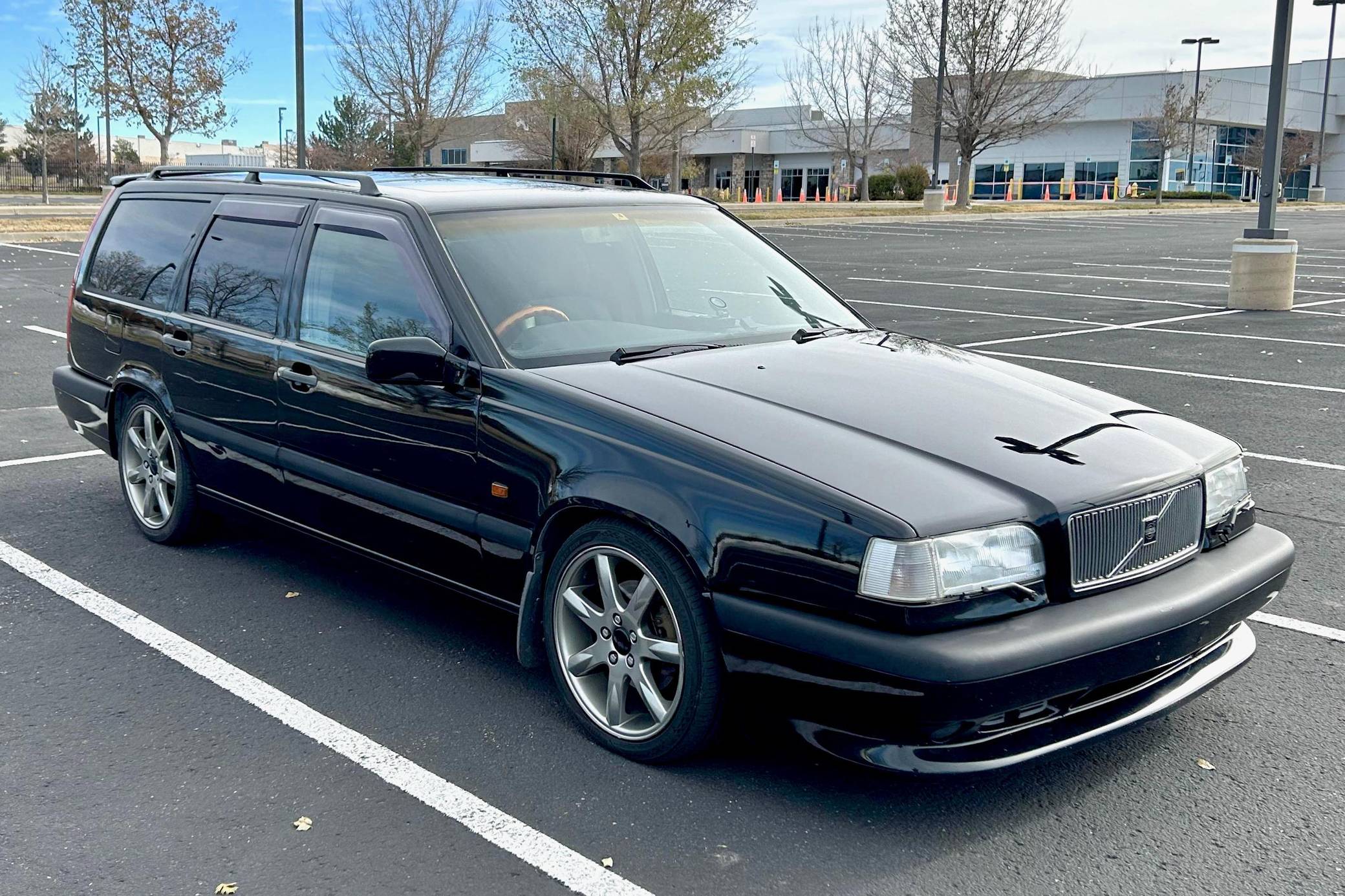
1. Volvo 850
Volvo’s reputation for automotive safety became legendary in the 1990s, and the 850 played a central role in building this image. Released in 1991, the Volvo 850 was one of the first cars to offer side-impact airbags, a feature that was ahead of its time.
The car’s structure was designed using Volvo’s Side Impact Protection System, which included reinforced door beams and carefully engineered crumple zones. The 850 excelled in multiple safety assessments, performing exceptionally well in both frontal and side crash tests.
The decision to spotlight the Volvo 850 is grounded in how it combined groundbreaking technology with robust engineering. Many owners reported walking away from serious accidents, reinforcing the model’s reputation through real-world experiences.
Beyond airbags, the car utilized anti-lock brakes, seatbelt pre-tensioners, and a highly durable passenger cabin.
The National Highway Traffic Safety Administration (NHTSA) awarded the 850 with strong ratings for driver and passenger protection, confirming its effectiveness.
Volvo’s willingness to prioritize safety over style or cost made the 850 a leader and forced competitors to reassess their own engineering priorities.
It is worthwhile to highlight the 850 because its combination of new technology and traditional sturdy design left a legacy that other automakers would later follow.
The model holds a special place in automotive history as a symbol of what can be achieved when occupant protection is treated with the seriousness it deserves.
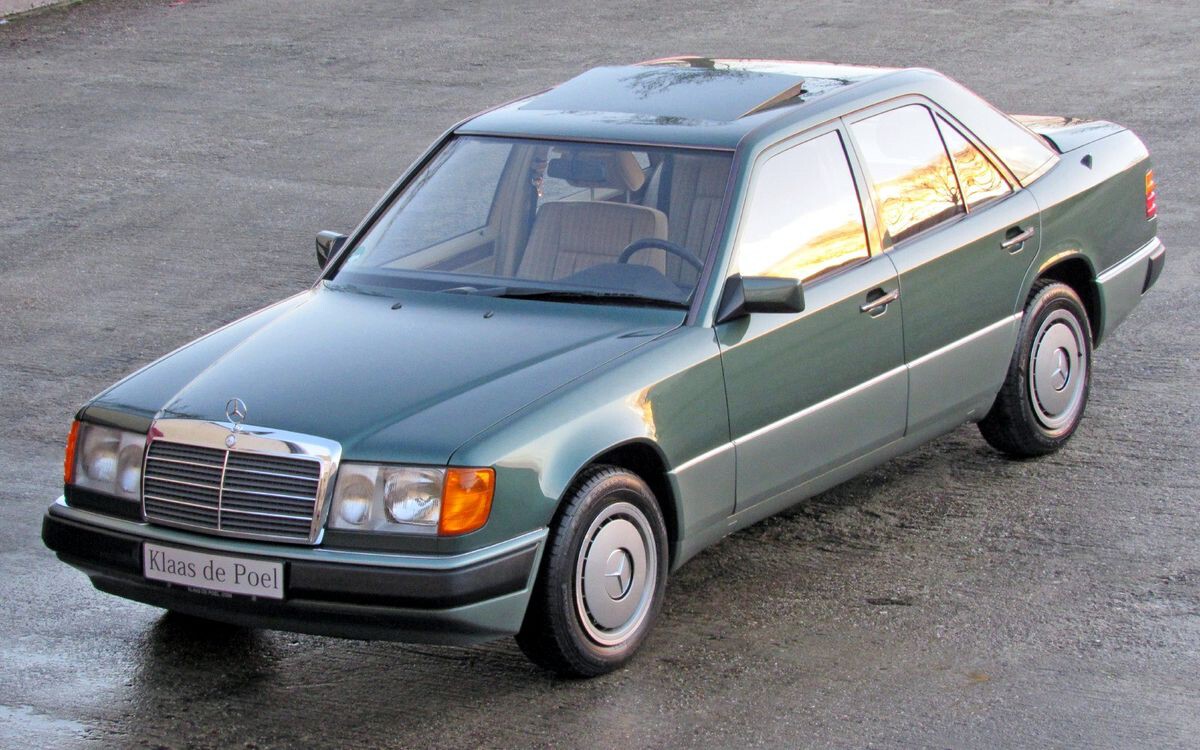
2. Mercedes-Benz E-Class W124
The Mercedes-Benz E-Class W124, produced from the mid-1980s through the late 1990s, set new standards for vehicle safety. With a hefty frame and a solid, reinforced passenger cell, the W124 gave occupants peace of mind on every journey.
Its sophisticated crumple zones were engineered to absorb and dissipate energy from collisions, protecting passengers from the forces of impact.
The way the W124 was built also ensured that the driver’s area remained remarkably intact even in severe crashes, a feature that set it apart among its peers.
This model deserves attention as a safety leader because it laid the groundwork for many features that later became industry norms.
The W124 introduced seatbelt pretensioners and load limiters that are now commonplace. Its airbag systems were among the most advanced of their era, and Mercedes conducted numerous real-life crash tests that influenced safety protocols worldwide.
Many experts and agencies, including the NHTSA, acknowledged the E-Class W124’s exceptional record in crash tests, which only added to its credibility.
Owners frequently cited stories of walk-away accidents, further establishing the W124’s protective reputation. By consistently making safety the central design philosophy, Mercedes-Benz demonstrated that luxury and protection can go hand in hand.
For these reasons, the W124 is highlighted, serving as a reference point for how robust construction and comprehensive safety systems can go beyond regulatory requirements to protect motorists in all situations.
3. Saab 900
The Saab 900, particularly those produced throughout the 1990s, became known for their impressive approach to crash safety.
Saab engineers placed a strong emphasis on real-world performance, especially in the harsh conditions of Sweden. The car featured a strong steel safety cage, reinforced side panels, and an intelligently designed front end that helped absorb impact energy.
What makes the Saab 900 notable is its reputation for safety that transcended marketing campaigns. Survivors of serious collisions frequently shared their appreciation for the car’s protective design.
Saab also invested in innovative solutions such as the “Saab Active Head Restraints,” which helped reduce whiplash injuries, addressing details that competitors sometimes overlooked.

The choice to focus on the Saab 900 stems from the way its approach to safety encouraged other manufacturers to consider total occupant protection, not just meeting government requirements.
Magazine reviews and crash test reports during the decade frequently praised the 900, and many of its safety features became standard in later models across other brands. The car’s ability to balance innovation with solid engineering made it an example for others to follow.
By calling attention to the Saab 900, it is possible to stress how thoughtful safety engineering delivers tangible benefits in accidents. It stands as proof that prioritizing occupant welfare can be a winning formula that helps save lives and influences the industry at large.
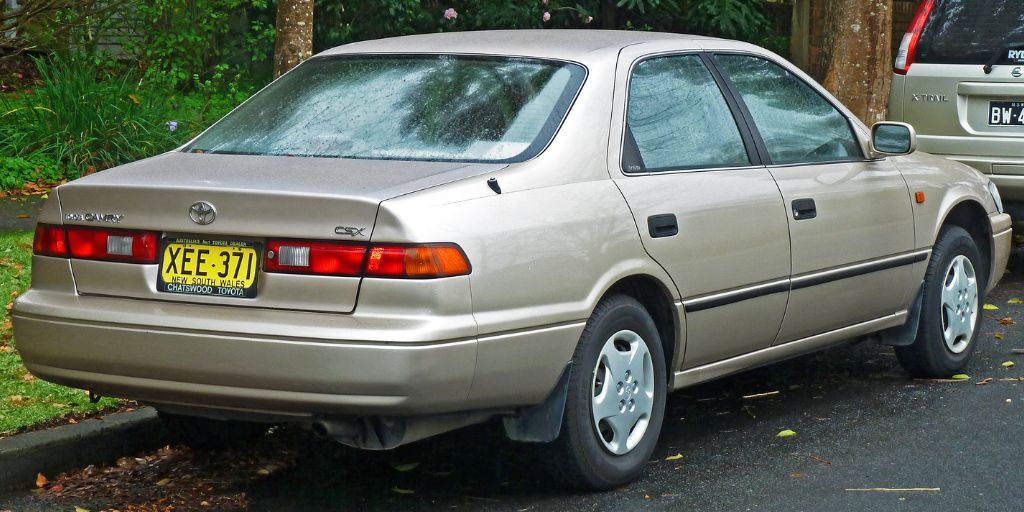
4. Toyota Camry XV10
The Toyota Camry XV10, built between 1991 and 1996, set a new bar for safety among mass-market sedans.
Toyota’s engineers gave this generation a particularly strong body structure, with reinforced passenger compartments and comprehensive use of crumple zones. The model incorporated basic airbags and anti-lock brakes, which were advanced for mid-priced cars at the time.
Highlighting the Camry XV10 stems from its influence on both consumers and competitors. U.S. crash data from respected agencies consistently ranked the Camry among the safest family sedans, and owner experiences backed up these findings.
The vehicle’s ability to protect its passengers in a variety of accident scenarios made it popular with families and safety-conscious drivers.
Toyota’s commitment to reliability extended naturally into its safety philosophy, meaning that the Camry not only lasted for many years, but did so while keeping people protected.
The Camry XV10 helped change expectations about what a “family car” could and should deliver when it came to protection. Innovations introduced during this period became features that buyers would come to expect as standard equipment.
Recognizing the Camry XV10’s achievements reminds us that broad, market-wide safety improvements are possible and necessary when automakers place protection at the top of their priorities.
5. Subaru Legacy (Second Generation)
The second-generation Subaru Legacy, built from 1994 to 1999, earned praise for its crash protection and attention to detail in safety engineering.
Subaru designed the Legacy with an all-wheel-drive system for added road stability, but it was the car’s reinforced safety cage and crumple zones that provided standout occupant protection.
Notably, crash test results from agencies like the Insurance Institute for Highway Safety (IIHS) and government agencies ranked the Legacy above most other cars in its class.
The reason for highlighting this Subaru model lies in its blend of innovation and real-world performance. Subaru’s engineers paid close attention to side and frontal collision dynamics, resulting in a vehicle that consistently protected its occupants in both scenarios.
The car’s structure maintained its integrity during major accidents, and safety features such as dual airbags and anti-lock braking systems were included as standard equipment.
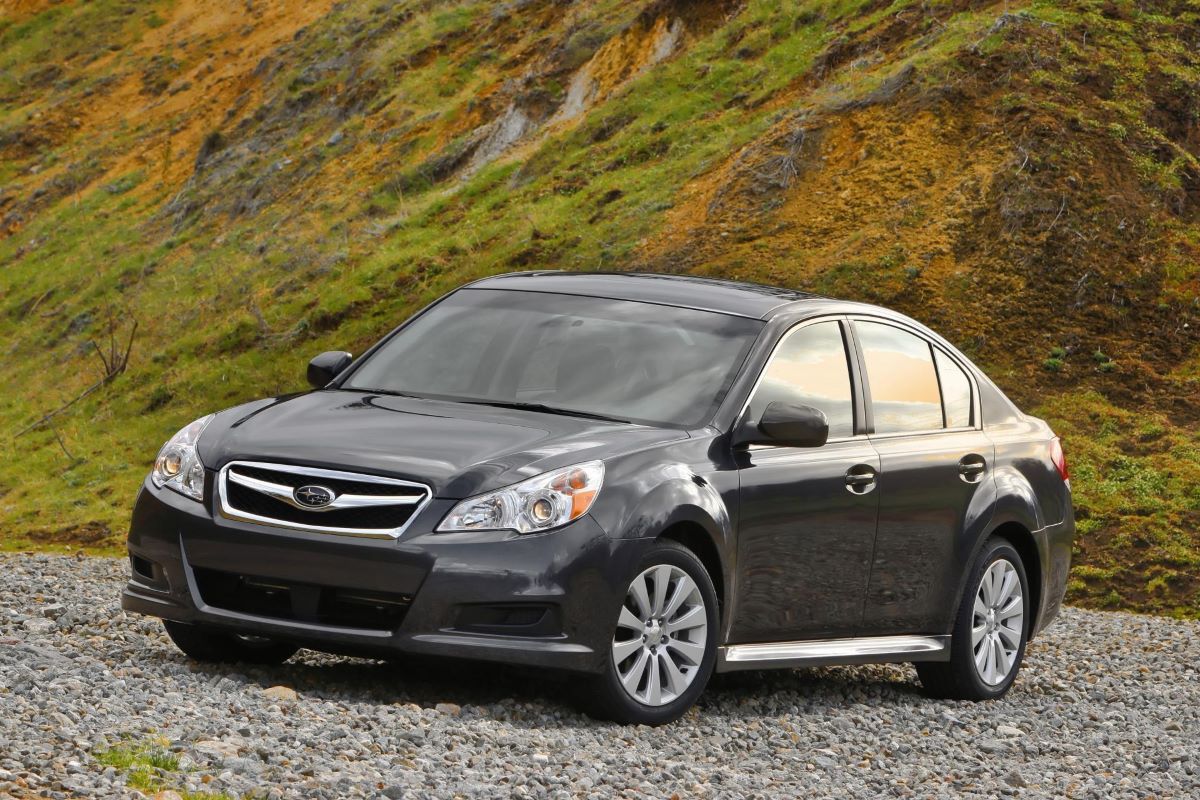
The Legacy’s record for durability in serious crashes set a strong example for other mid-size vehicles. Owners and car experts praised its “safe, solid feel,” a reputation that continues to benefit Subaru’s image today.
This model demonstrates the advantages of pairing advanced engineering with a dedication to safety as a core mission, rather than an afterthought. The Legacy stands as a reminder that smart safety choices yield positive outcomes for everyone on the road.
5 Modern Cars Cutting Safety Corners
In recent years, the automotive market has seen impressive advancements in technology and comfort, yet this forward movement has not always brought higher levels of safety across every model.
Some modern cars, particularly in the lower price segments, have prioritized affordability, stylized features, or market expansion over comprehensive safety measures.
As vehicles become more connected and manufacturers search for cost-saving strategies, certain essential protections are sometimes sacrificed.
This reality stands in stark contrast to the standards set by icons from previous decades. By identifying five contemporary cars that have received criticism for minimizing critical safety features, one can see that progress is not always a straight path forward.
These selections are included not to single out particular companies, but to encourage a serious conversation about safety trade-offs in today’s automotive market.
Each vehicle will be discussed to show why it merits attention, based on test results, industry commentary, or regulatory findings.
The goal is to highlight the importance of continuing to demand higher safety standards from manufacturers, regardless of trends or advancements in other areas.
1. 2022 Nissan Versa (Base Model)
The 2022 Nissan Versa, particularly in its base configuration, has faced scrutiny for lacking several advanced safety features that have become standard across much of the industry.
While the model does include some basic safety systems, such as airbags and anti-lock brakes, it removes or limits access to certain driver assistance technologies like blind spot monitoring, lane departure warning, and forward collision mitigation on the most affordable trim levels.
This omission is significant because these types of systems have demonstrated clear value in reducing accidents and injuries.
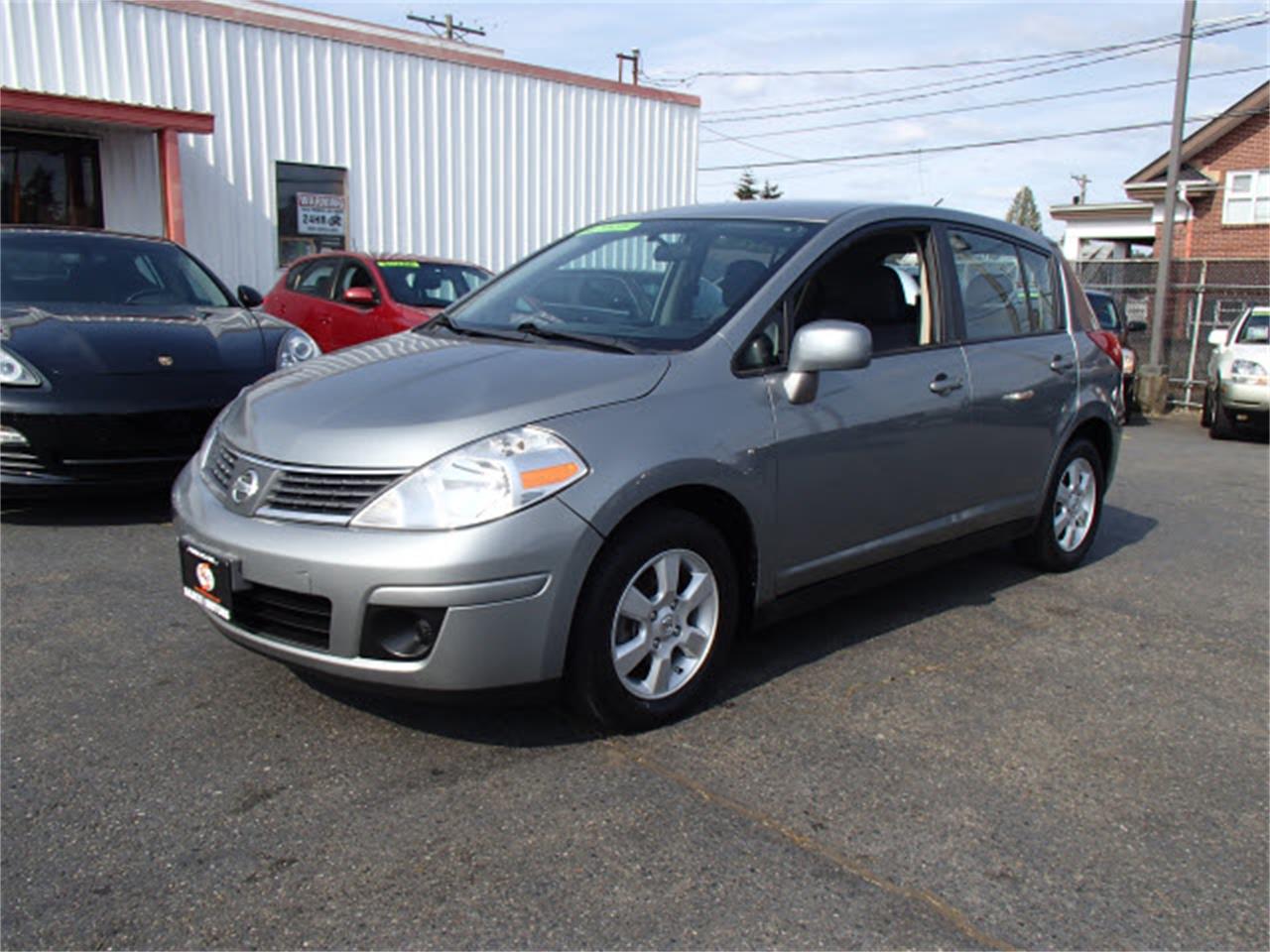
Families and younger drivers, often the main buyers for lower-cost cars, are left with vehicles that do not offer the same level of protection available elsewhere.
Organizations such as the IIHS and NHTSA have questioned why these essential features are withheld only for pricing reasons.
By including the 2022 Nissan Versa here, the intention is to illustrate how economic segmentation can directly impact owner safety. When car makers reserve crucial protection for higher trim levels, buyers with limited budgets face higher risks.
The Versa’s strategy raises broader concerns about whether short-term savings are justified if they come at the cost of genuine occupant protection.
2. 2023 Mitsubishi Mirage
The Mitsubishi Mirage, particularly in its 2023 model year form, has become one of the most affordable new cars, but this low cost comes with compromises. Multiple safety organisations have raised concerns about its performance in critical crash tests.
Standard features such as advanced airbag systems, electronic stability control, and robust body construction are less comprehensive than what can now be found in much of the competition.
This car is discussed here because its crash test scores suggest vulnerability compared to industry averages. Agency reports highlight issues with structural integrity during impacts, especially for side and rear collisions.
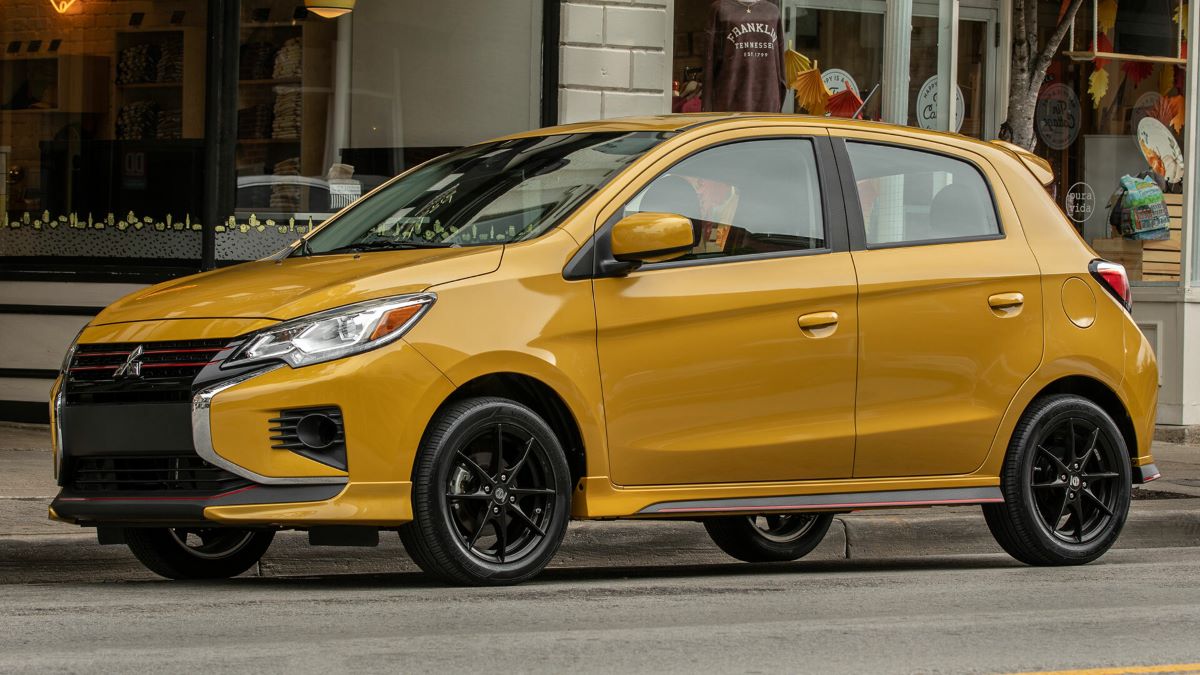
Automation and digital assistance features, which are now widespread, are only offered in limited capacity or are missing entirely from base models.
By selecting the Mirage for this discussion, the issue is placed in the broader context of affordability versus protection. While many buyers are drawn to the low purchase price, the trade-off may not be worth the higher risks inherent in the design.
It serves as a reminder for consumers and manufacturers alike: minimal price tags should not be achieved by shedding the safety equipment and engineering that could make the difference in a serious accident.
3. 2021 Kia Rio
The 2021 Kia Rio, a popular subcompact, is another recent car often cited for failing to deliver key safety advancements to all customers.
Base variants, which are among the top-selling configurations due to their affordability, do not always include features like automated emergency braking, rear cross-traffic alert, or lane-keep assistance that are becoming expected even in entry-level vehicles.
Industry reviews and regulatory bodies have noted that while certain trims of the Rio do offer advanced safety, these are typically reserved for customers who pay for more premium packages.
This leaves a significant segment of buyers commonly first-time owners or families with less protection. Safety scores from agencies like IIHS reflect these omissions, recording only average results in key crash scenarios.
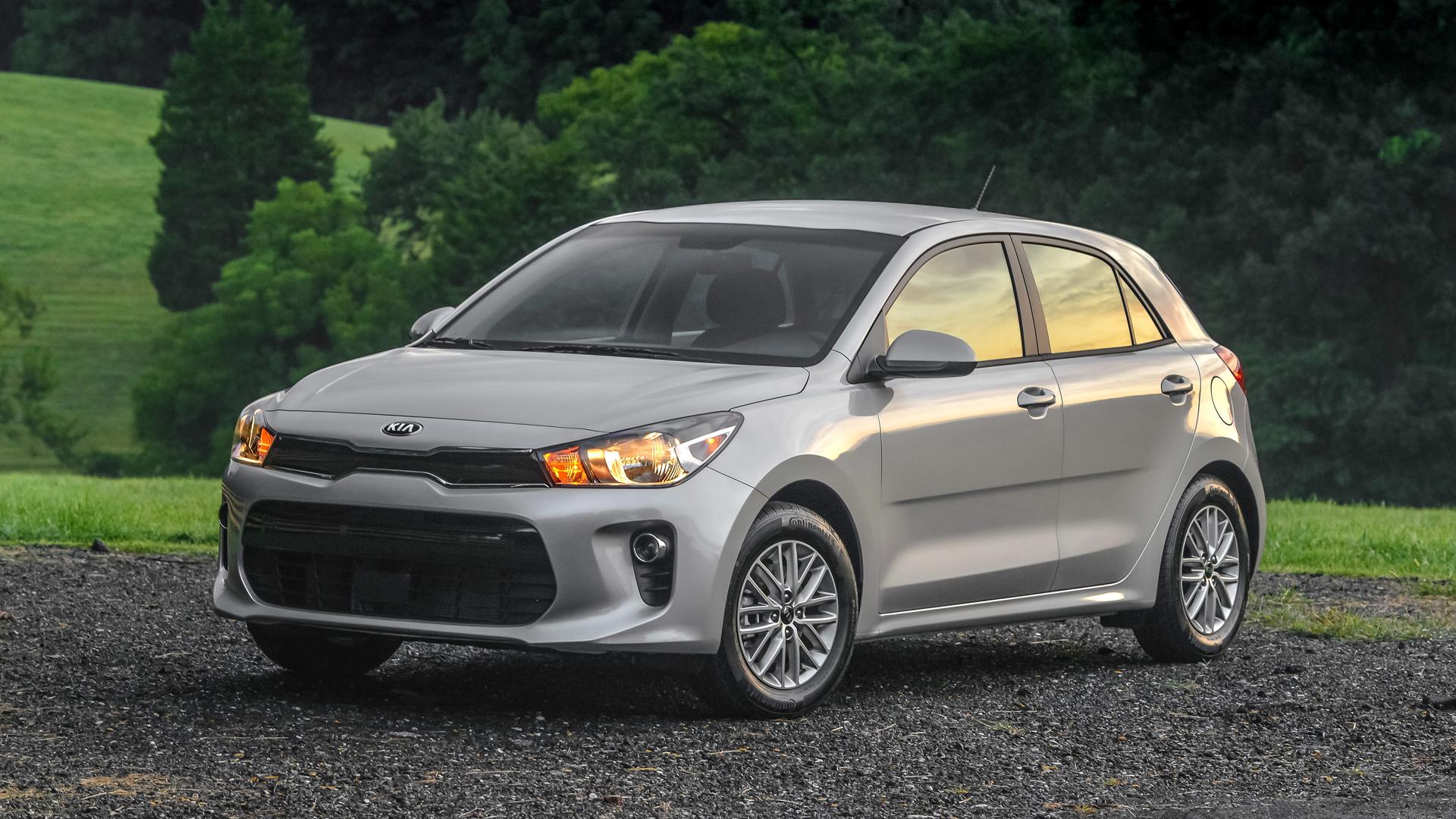
By highlighting the Kia Rio, attention is brought to the tendency of automakers to restrict access to life-saving technology for marketing and cost segmentation.
Disparities between luxury and base models are now so broad that entry-level versions can trail the competition in critical ways.
For anyone shopping at the affordable end of the market, this should be a point of serious consideration, as initial savings could translate into higher risks.
4. 2022 Hyundai Accent
The 2022 Hyundai Accent remains popular for its value proposition, yet safety commentators have expressed consistent reservations.
The car’s basic design, unchanged for multiple years, omits a suite of active safety technologies that other manufacturers now provide as standard fare, such as forward collision warning and automatic emergency braking.
Crash test outcomes reveal merely average or below-average safety in certain categories, particularly side impact and small overlap front tests.
Customers purchasing the lower-priced trims will find that additional protective features have been left out as part of the effort to keep costs down.
The omission is especially significant when buyers, such as young drivers or families, make purchasing decisions based on price alone.
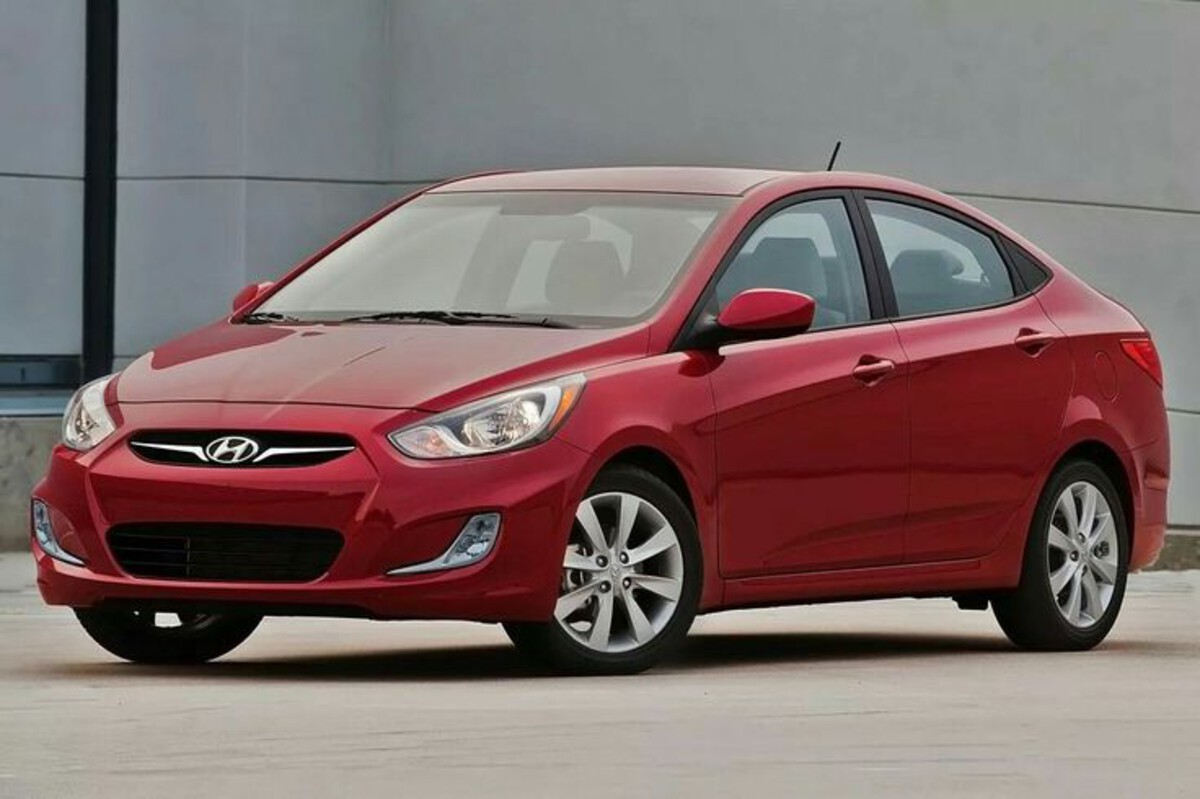
Calling attention to the Hyundai Accent is justified because its relative lack of progress in safety undermines industry expectations set by its rivals.
It brings focus to the real trade-offs between affordability and comprehensive occupant protection. The Accent’s approach demonstrates how competing in the budget segment sometimes means sacrificing advances that could be life-saving for many owners.
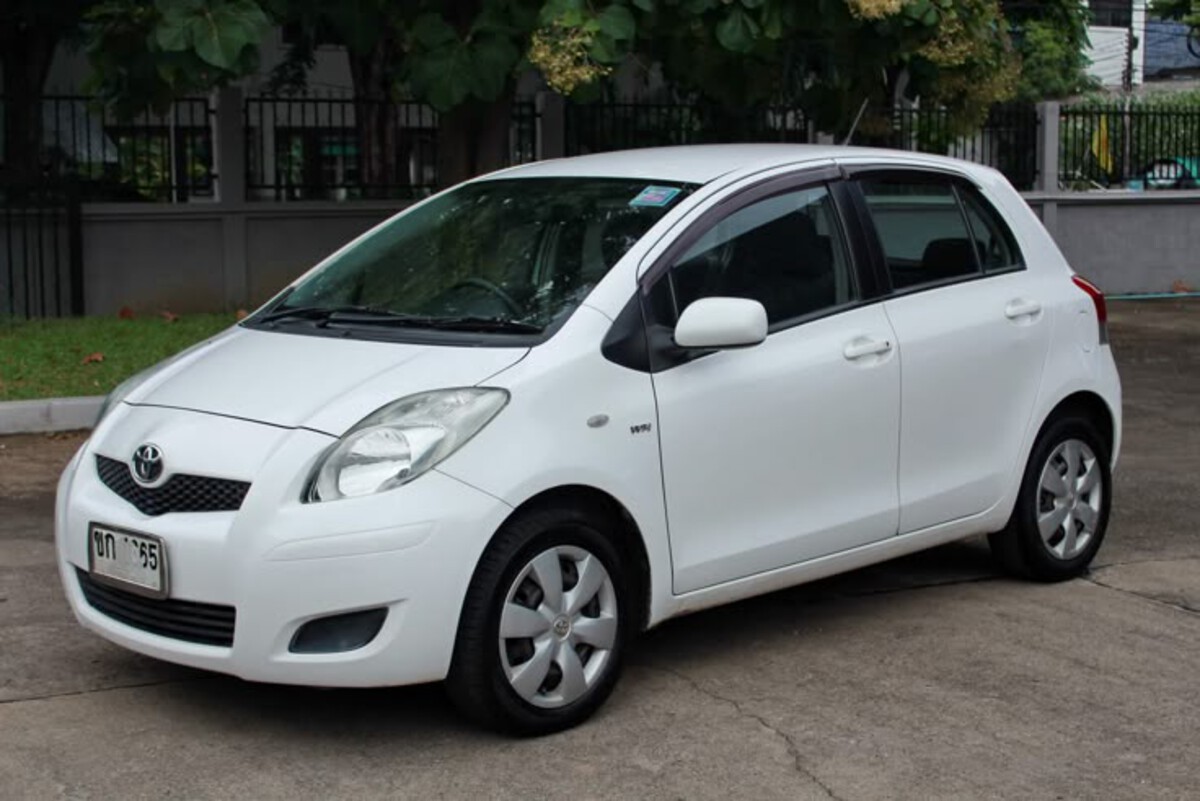
5. Toyota Yaris (Certain International Markets)
Toyota’s Yaris, especially versions sold in certain international markets, rounds out this discussion of modern cars with significant safety concessions.
Some models, particularly those manufactured for regions with less stringent regulatory requirements, are released with minimal airbag coverage, weaker structural reinforcements, and an absence of advanced electronic safety technologies.
Global safety organizations, including independent testers like Global NCAP, have drawn attention to cases where these Yaris variants scored poorly or failed tests in countries outside North America, Western Europe, or Japan.
The vehicles’ light construction and omission of features such as electronic stability control and full airbag sets put occupants at increased risk in typical crash scenarios.
Focusing on these international Yaris models illustrates the double standard that can sometimes exist: vehicles may be held to much higher standards in some regions than others, purely for economic or regulatory reasons.
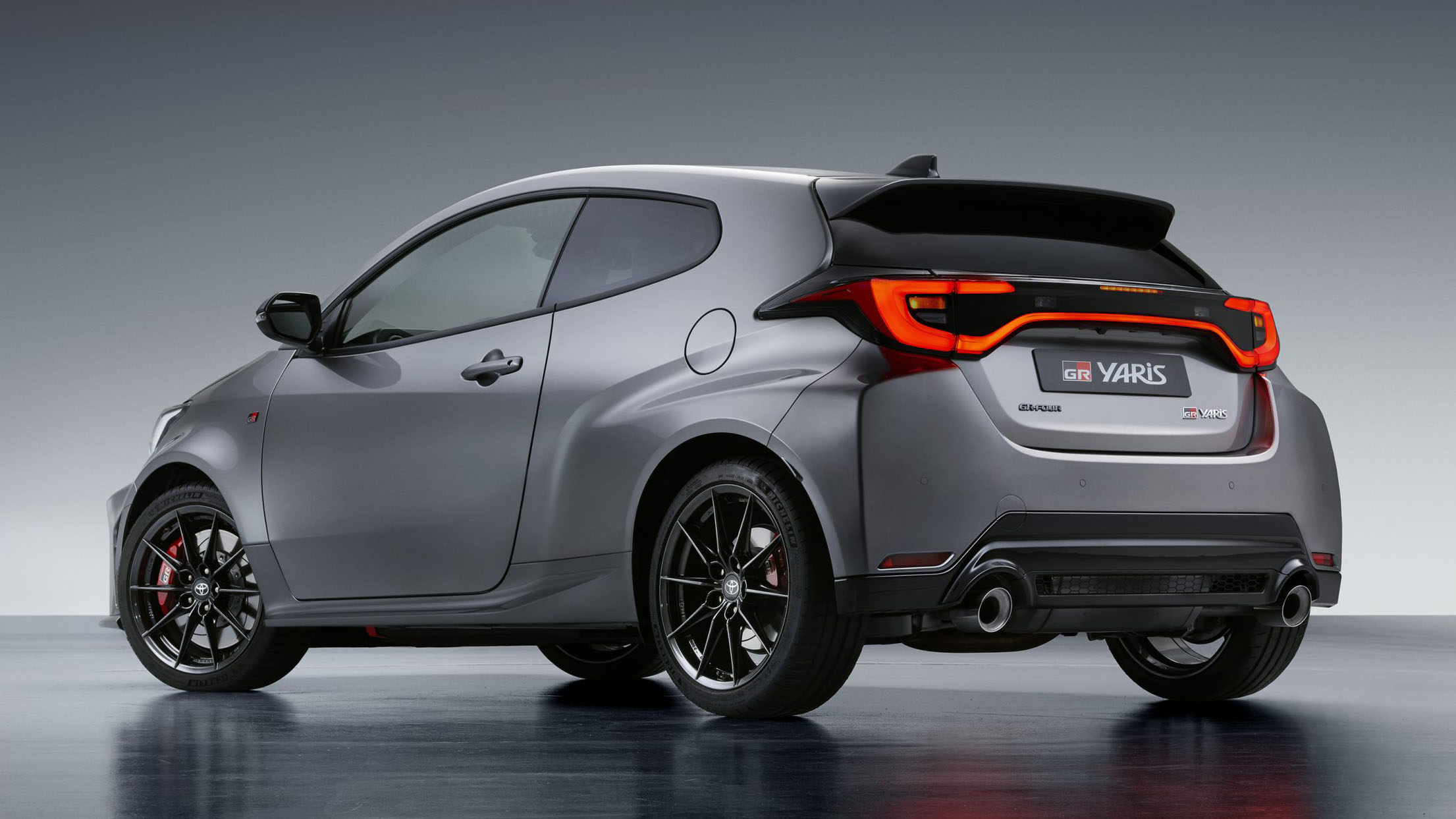
Buyers may be unaware they’re receiving less protection because the badge is trusted. By offering pared-down safety equipment to meet a price point, these Yaris versions show that consumer safety can still be unequally valued within the global auto market.
Automotive safety has always been a critical aspect influencing consumer choices and manufacturer priorities.
The 1990s stand out as a decade when several vehicles became renowned for their robust crash protection thanks to solid engineering, advanced for their time safety features, and real-world performances that saved lives.
Iconic models such as the Volvo 850, Mercedes-Benz E-Class W124, Saab 900, Toyota Camry XV10, and Subaru Legacy of that era all emphasized occupant protection through reinforced structures, crumple zones, airbags, and early adoption of features like seatbelt pretensioners and side-impact protection.
These cars earned consistently high marks in crash tests and were frequently credited by owners and experts alike for minimizing injuries during serious accidents.
Their legacy shows how automakers who invested heavily in safety engineering created vehicles that not only met regulatory demands but went beyond them, setting benchmarks for the entire industry and providing peace of mind to millions of drivers.
However, when comparing the safety commitment of these 1990s vehicles to certain modern cars, a troubling pattern emerges.
Despite leaps in technology and increased availability of advanced driver assistance systems, some contemporary vehicles appear to cut corners on fundamental safety features.
Models such as the 2022 Nissan Versa (base model), 2023 Mitsubishi Mirage, 2021 Kia Rio, 2022 Hyundai Accent, and certain international versions of the Toyota Yaris have been criticized for omitting or limiting key protections in their lower trims.
These include the absence of advanced emergency braking, blind spot monitors, lane-keeping assist, and even sufficiently strong structural designs.
Crash tests conducted by reputable organizations often show these vehicles deliver average or below-average safety results compared to their peers and predecessors.
The reasons behind these compromises are largely tied to cost pressures and market segmentation strategies. Manufacturers often reserve crucial safety technologies for higher-priced trims, leaving budget-conscious consumers with less protection.
This is particularly concerning because these buyers often first-time drivers or families face higher risks in collisions.
Additionally, disparities in safety standards across global markets mean that some vehicles sold internationally do not meet the same safety expectations as those sold in North America or Europe.
This contrast between celebrated ’90s cars and certain modern models emphasizes that progress in the automotive industry is not uniform or guaranteed.
While advances like airbags, stability control, and collision avoidance systems have become widespread, their distribution remains inconsistent.
Without vigilant consumer awareness and regulatory pressure, some manufacturers may continue to prioritize cost savings over comprehensive safety.
Ultimately, this comparison serves as a cautionary reminder that safety should never be compromised for affordability or aesthetic appeal.
The achievements of past decades demonstrate what is possible when occupant protection is placed at the forefront of design priorities.
At the same time, the shortcomings seen in some current vehicles highlight the ongoing need for strong safety regulations and informed buyer decisions.
The goal remains clear: every new car, regardless of price or market, should protect its occupants as effectively as the safer models from previous generations did.
Only through continued dedication and scrutiny can the automotive industry ensure the best possible protection for all drivers and passengers on the road.
Also Read: 5 Cars with High Lease Residuals vs 5 with Poor Lease Values
