Body-on-frame SUVs have long held a reputation for rugged durability, off-road capability, and long-term reliability.
Unlike unibody crossovers, these SUVs use a separate body and chassis, a design borrowed from trucks that enhances toughness and repairability.
For many American drivers especially those in rural areas, off-road environments, or towing scenarios these vehicles represent the gold standard for longevity.
Whether it’s clocking over 300,000 miles or surviving decades of punishment, here are ten body-on-frame SUVs that are built to last a lifetime.
1. Toyota Land Cruiser
The Toyota Land Cruiser is the poster child for longevity. Built to conquer the harshest conditions from Middle Eastern deserts to Arctic backroads this SUV is renowned for reliability and overengineering.
Older models regularly hit 400,000+ miles with basic maintenance, thanks to stout V8 engines, durable transmissions, and bulletproof 4WD systems.
While newer Land Cruisers are more luxurious, their build quality remains top-tier, making them a long-term investment even with high up-front costs.
In this thoroughly modernized and more compact generation of the Land Cruiser, Toyota has opted to replace the traditional naturally aspirated V-8 engine with a hybrid powertrain.
This new setup features a turbocharged 2.4-liter four-cylinder engine paired with two electric motors, producing a combined output of 326 horsepower. If that configuration sounds familiar, it’s because it closely resembles the powertrain used in the Toyota Tacoma.
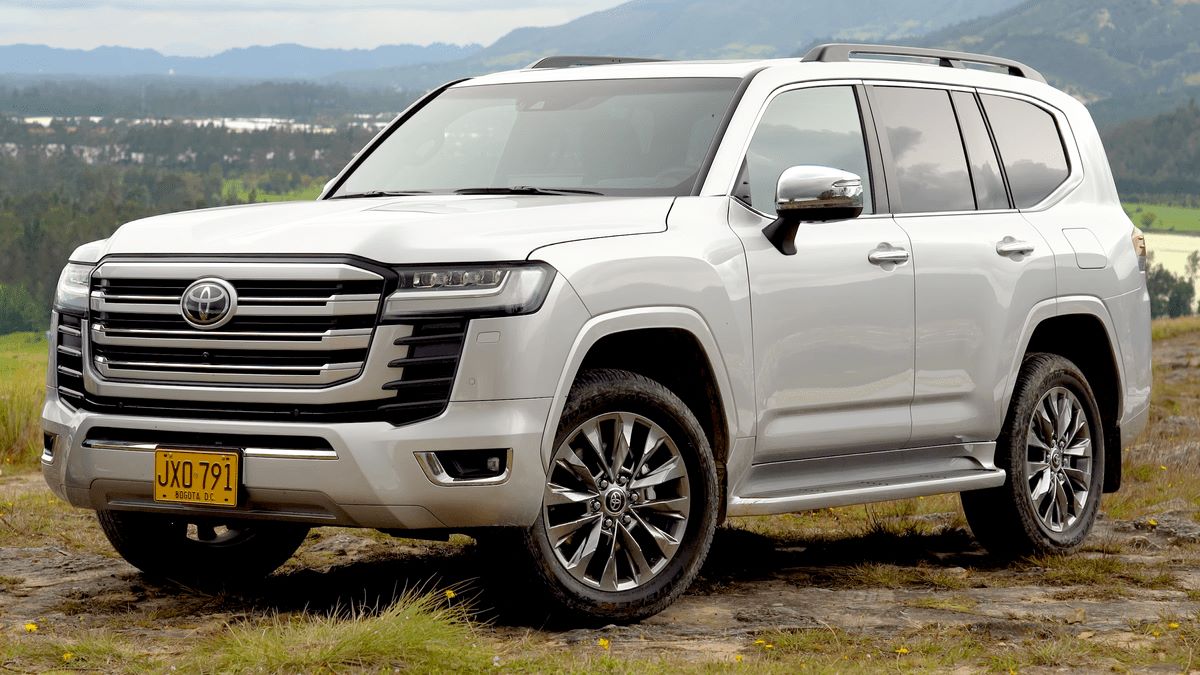
Every Land Cruiser model comes equipped with an eight-speed automatic transmission and a comprehensive four-wheel-drive system that includes a locking center differential, low-range gearing, a crawl-control feature, and hill-descent control.
During our test drive, we observed that the hybrid system delivers strong torque; however, the assistance from the electric motors is somewhat inconsistent, which we attribute to the relatively small battery pack.
Still, the Land Cruiser impresses with a smooth on-road ride and is noticeably quieter compared to off-road competitors like the Ford Bronco and Jeep Wrangler.
Also Read: 5 SUVs That Handle Carpool Duty for a Decade and 5 That Break Before the Lease Ends
2. Lexus GX 460
Essentially a luxury variant of the Toyota Land Cruiser Prado, the Lexus GX 460 combines refinement with legendary durability.
The 4.6-liter V8 is proven to last well beyond 250,000 miles, and the body-on-frame chassis can handle serious off-road abuse.
In the automotive world, this vehicle isn’t just considered old, it’s practically a relic, with 11 model years under its belt. For comparison, most sedans undergo a redesign every five years, and SUVs or trucks typically get updated every six or seven years. That puts the GX well behind the industry curve.
Still, age doesn’t automatically mean a vehicle is bad, which is why we decided to revisit this automotive holdover and evaluate its relevance in 2020.
On first approach, you likely wouldn’t guess that the GX has been in production since President Obama’s first term. In contrast to many modern SUVs that are built on car or minivan platforms, the GX sticks to its rugged roots with a traditional body-on-frame construction, one of the few remaining rock-crawlers in a market filled with soft-roaders.
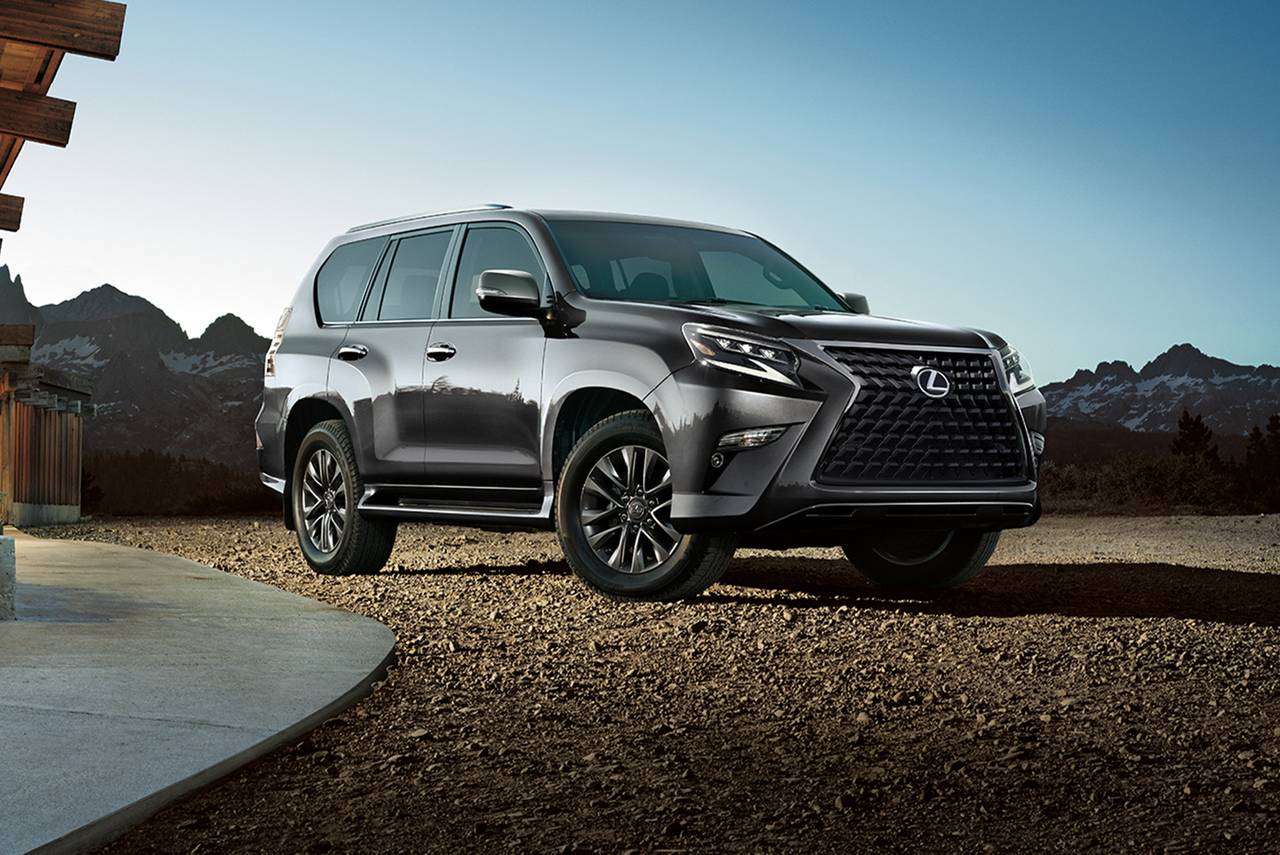
For 2020, Lexus gave the GX a thorough refresh in terms of styling, aligning its exterior appearance more closely with the rest of the Lexus lineup.
The update also brought some minor feature enhancements, such as additional standard safety equipment, an optional off-road package (which our test model included), a new transmission cooler, and two USB ports in the rear. While not groundbreaking upgrades, they represent a nod to modernization.
Many owners report minimal issues even after a decade of ownership. With Lexus reliability and Toyota parts availability, the GX 460 is a favorite among buyers who want both luxury and a long service life.
3. Toyota 4Runner
The 4Runner has a cult following for a reason. Built in Japan with Toyota’s old-school engineering mindset, this SUV resists rust, handles off-road punishment, and has one of the most reliable V6 engines ever made the 4.0-liter 1GR-FE.
Owners often see over 300,000 miles with routine upkeep. Its straightforward design, abundant aftermarket support, and low cost of ownership make the 4Runner a practical lifetime companion.
After a lengthy 15-year run, the fifth generation of the Toyota 4Runner has officially concluded, making room for the all-new sixth-generation model.
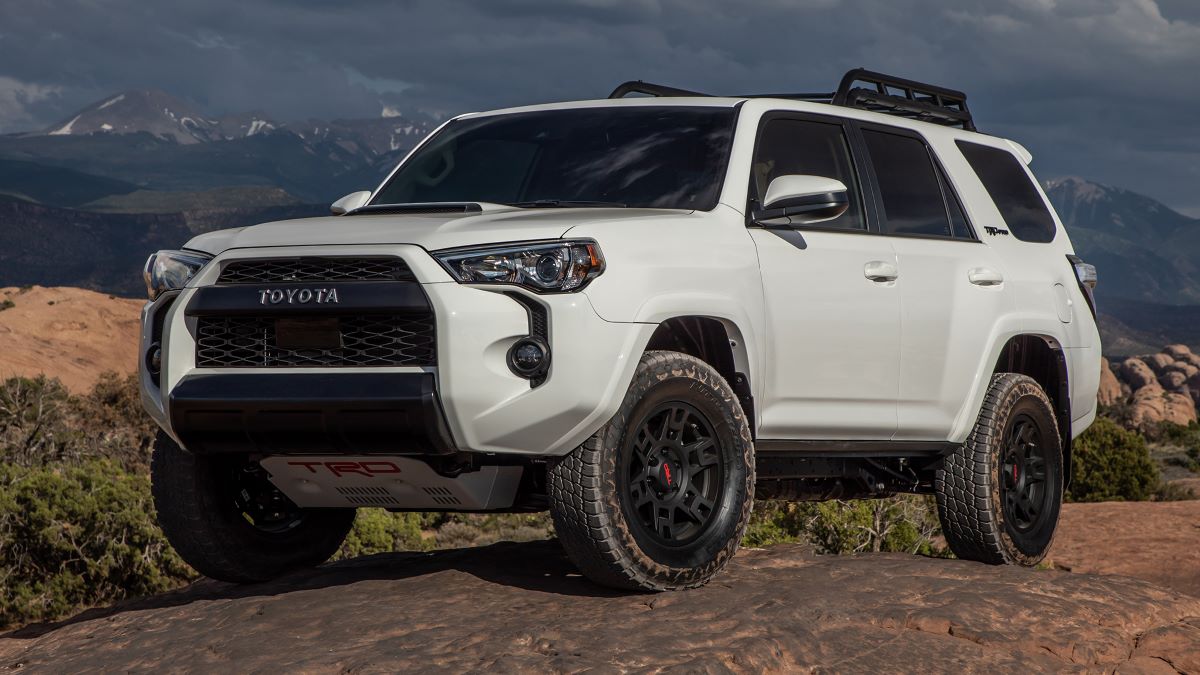
This updated version is built on the same platform introduced with the 2024 Tacoma pickup truck and brings a host of modern features while still maintaining the rugged, adventure-ready exterior design that has long defined the 4Runner name.
For 2025, the Toyota 4Runner starts at a base price of $42,765 and can reach up to $57,395, depending on the selected trim and options. The available trims include the SR5 at $42,765, TRD Sport at $49,245, TRD Off-Road at $51,185, TRD Sport Premium at $54,605, TRD Off-Road Premium at $56,965, and the top-tier Limited at $57,395.
For those seeking even more comfort and convenience, the Premium version of the TRD Off-Road trim adds upscale touches such as faux leather seating, a heated steering wheel, and a larger infotainment screen, making it a compelling choice for buyers who want both rugged performance and modern amenities.
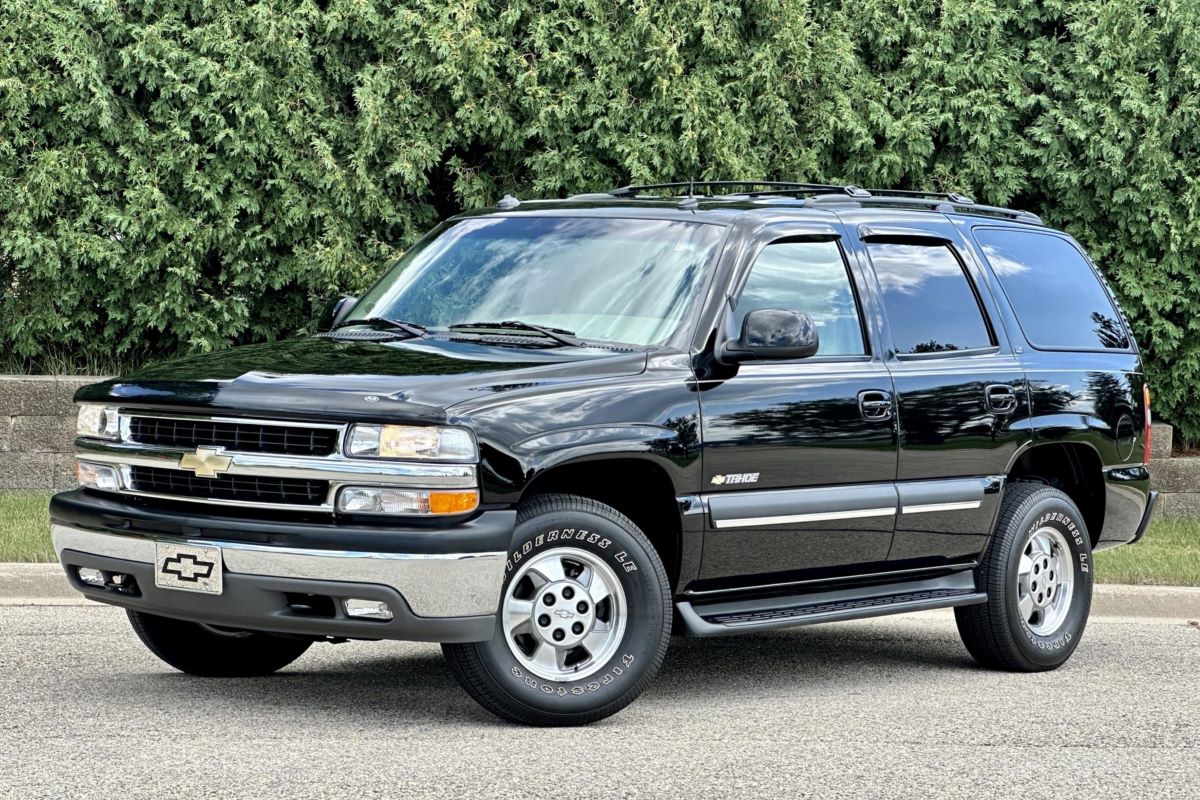
4. Chevrolet Tahoe
As a full-size SUV built on the same platform as the Silverado pickup, the Chevrolet Tahoe has proven itself in law enforcement fleets, suburban garages, and rural ranches across the country.
Its powerful V8 engines (especially the 5.3L and 6.2L variants) are known to push past 250,000 miles. With proper maintenance, a Tahoe can serve for decades, offering space, towing strength, and reliability at a reasonable price.
The 2025 Chevrolet Tahoe continues its legacy as a full-size, truck-based SUV that excels in space, strength, and versatility.
Designed with a rugged body-on-frame construction and a lineup of powerful engines, including two V-8 options and a diesel inline-six, the Tahoe is built for serious towing duties. For those who venture off the beaten path, the Z71 trim offers the right gear to handle off-road terrain with confidence.
Inside, the Tahoe provides seating for up to nine passengers across three rows, and the cabin can be configured to feel either utilitarian or upscale, depending on the trim and options selected.
While the interior offers comfort and practicality, it doesn’t quite match the high-end refinement found in its platform-mates like the GMC Yukon Denali or the luxurious Cadillac Escalade.
That said, the Tahoe does feature a prominent infotainment display that’s smartly angled toward the driver and includes both Apple CarPlay and Android Auto as standard.
In a segment filled with capable competitors such as the Ford Expedition, Jeep Wagoneer, and Nissan Armada, the Tahoe stands out for its notably smooth and composed on-road manners, a trait that’s likely to win favor among daily drivers and road trip enthusiasts alike.
And for those who crave even more space, the extended-wheelbase Suburban offers a larger alternative while retaining all the core strengths of the Tahoe.
Also Read: 5 Sedans With Highest Top Speeds And 5 With Governors
5. Ford Expedition
Ford’s answer to the Tahoe, the Expedition rides on the F-150 truck chassis and offers three-row seating and immense towing capability.
Its newer EcoBoost V6 engines have held up surprisingly well, but the earlier Triton V8s while thirsty are bulletproof in the long run.
Body-on-frame toughness and widely available parts help these SUVs keep going past 200,000 miles, especially with fleet-style maintenance.
Powering the Ford Expedition is a twin-turbocharged 3.5-liter V-6 engine mated to a responsive 10-speed automatic transmission, available with either rear- or four-wheel drive.
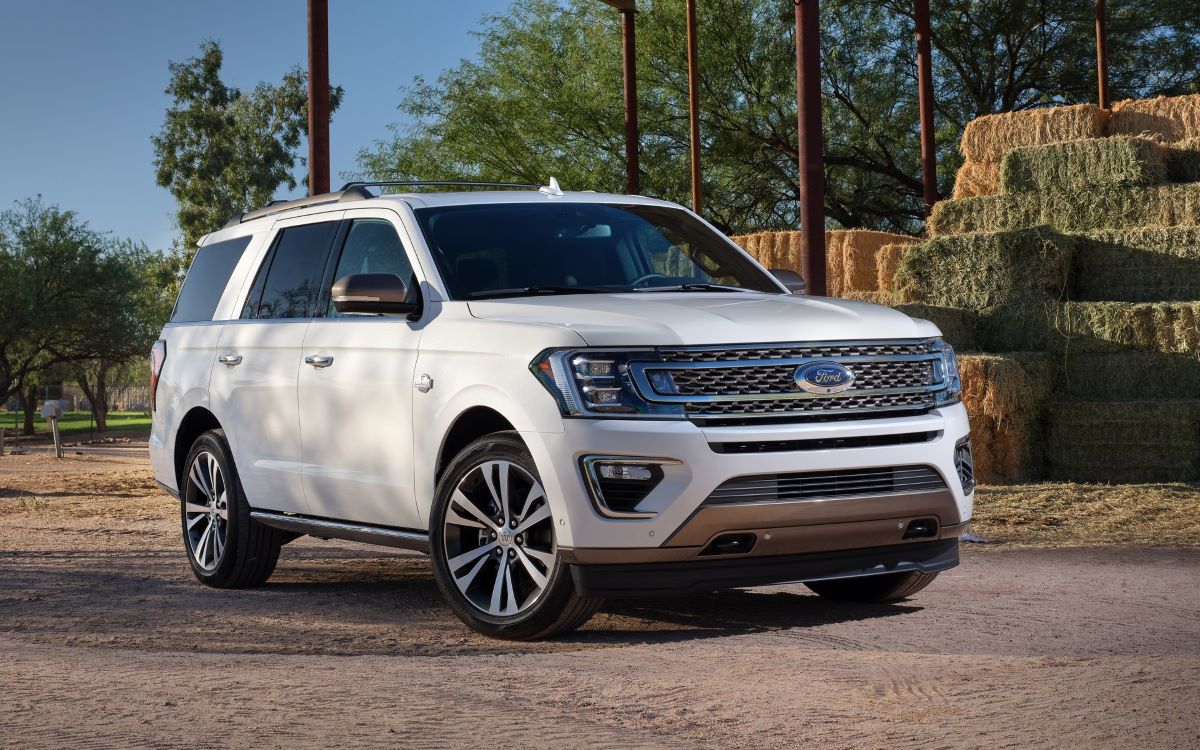
The standard setup delivers 400 horsepower, while an upgraded version increases output to 440 horsepower. Every Expedition features an independent rear suspension, which contributes to its highway comfort.
During a recent 350-mile journey from Ford’s Kentucky Truck Plant to the Ann Arbor office, the Expedition Platinum Max test vehicle provided a smooth and cushioned ride on the highway. However, it fell short on side roads, where its handling felt clumsy and the steering lacked precision.
For those seeking off-road capability, the Tremor model adds specialized hardware such as a slightly elevated suspension, protective underbody skid plates, and distinct 18-inch wheels wrapped in 33.0-inch General Grabber all-terrain tires.
This rugged trim also includes a Rock Crawl driving mode and several helpful trail features, including a cruise control function designed to regulate speed during steep descents.
Another useful tool is Trail Turn Assist, which helps pivot the rear of the vehicle around tight off-road corners by applying the brake to the inside rear wheel during slow, sharp turns while in four-wheel drive and on loose surfaces.
6. Lexus LX 570
The LX 570 is essentially a more luxurious Land Cruiser 200 Series and inherits all of its rugged DNA.
Powered by a 5.7L V8 and built with meticulous Lexus quality control, this SUV offers both a plush ride and off-road strength.
Owners often use LX models for overlanding and global travel, a testament to their long-term dependability.
With premium materials and minimal depreciation for the segment, the LX 570 is built to last both mechanically and stylistically.
The LX600 runs on a twin-turbocharged 3.4-liter V-6 engine, producing 409 horsepower and 479 pound-feet of torque. It comes standard with a 10-speed automatic transmission and four-wheel drive.
The four-wheel-drive setup includes a low-range gear for more demanding terrain, though the fixed running boards could become a liability in more aggressive off-road conditions.
Most LX600 trims offer a smooth and comfortable ride; however, that softer suspension setup leads to noticeable body lean when cornering.
Few vehicles can confidently crawl over rugged trails during the day and then pull up to high-profile events at night, but the 2021 Lexus LX is one of the rare models that pulls off both feats with ease.
Sharing its platform and mechanical underpinnings with the Toyota Land Cruiser, the LX has legitimate off-road capabilities, but it brings a much more refined, upscale presence, trading in the Land Cruiser’s utilitarian vibe for a tailored, tuxedo-like elegance.
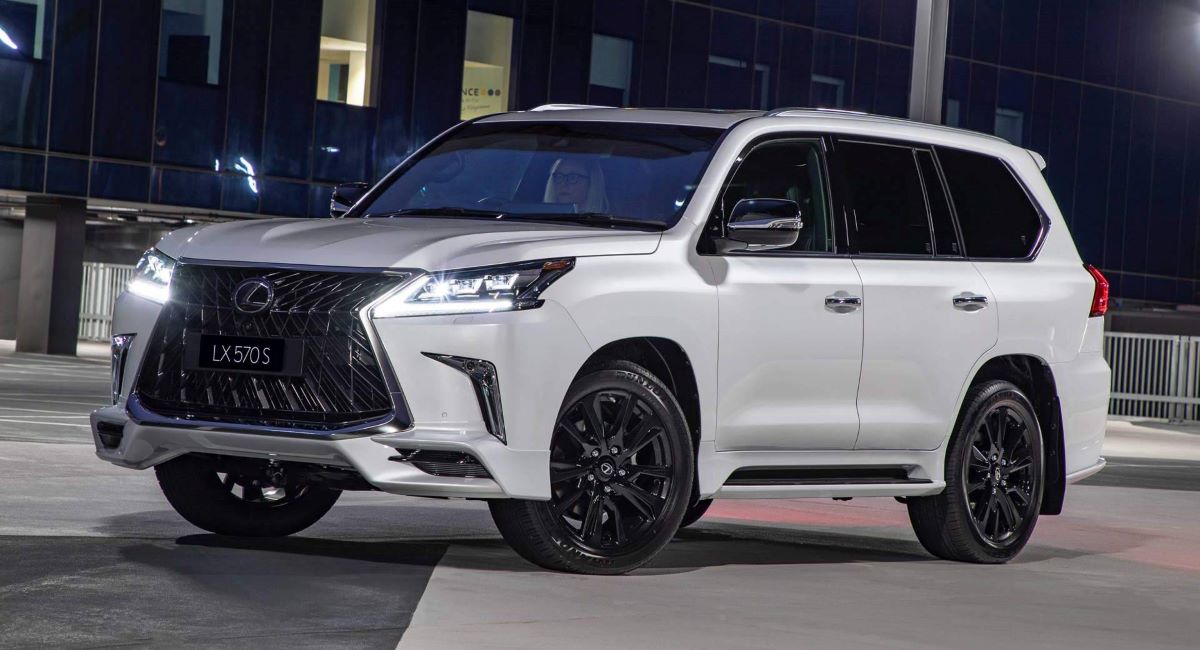
Under the hood, a muscular V-8 engine provides the grunt, though those behind the wheel shouldn’t expect brisk acceleration or agile handling.
Instead, the LX delivers a composed, relaxed ride that aligns with other luxury off-roaders like the Land Rover Range Rover and the Infiniti QX80.
The interior is equally plush, offering the kind of comfort and materials buyers in this class expect. However, those seeking the latest in infotainment tech might find the LX’s interface dated compared to newer rivals.
For 2021, Lexus introduces a few updates to its largest SUV. A new Sport package is now offered on the three-row model, featuring distinctive exterior styling, 21-inch wheels, and a choice of Eminent White Pearl, Black Onyx, or Atomic Silver paint finishes.
Another addition to the three-row variant is the Inspiration Series #2 package, which gives the LX a bolder, more aggressive look by blacking out most of the exterior trim, adding 21-inch black wheels, smoked lenses for the exterior lighting, black badging, and upscale Rioja Red semi-aniline leather seats.
A new Glazed Caramel interior option has also been introduced. Meanwhile, the infotainment system gains Amazon Alexa compatibility, bringing a small but welcome tech update.
When it comes to choosing a trim, the LX is available in both two-row and three-row configurations. Given the SUV’s large footprint, we’d recommend going with the three-row version, after all, the extra seating never hurts.
Even in its base form, the LX comes generously equipped with features like in-dash navigation, a 12.3-inch infotainment display, all-wheel drive, an adaptive suspension, and a suite of driver-assistance technologies. The Luxury package adds further appeal without pushing the price up significantly.
It includes premium leather upholstery, four-zone automatic climate control, heated and ventilated seats in both the first and second rows, and tasteful puddle lights integrated into the side mirrors for a touch of sophistication.
7. Nissan Armada
Built on the same global platform as the Nissan Patrol, the Armada is a sleeper pick for a lifetime SUV.
The 5.6L Endurance V8 engine is durable and capable of high mileage, while the frame and drivetrain are tuned for towing and rugged use.
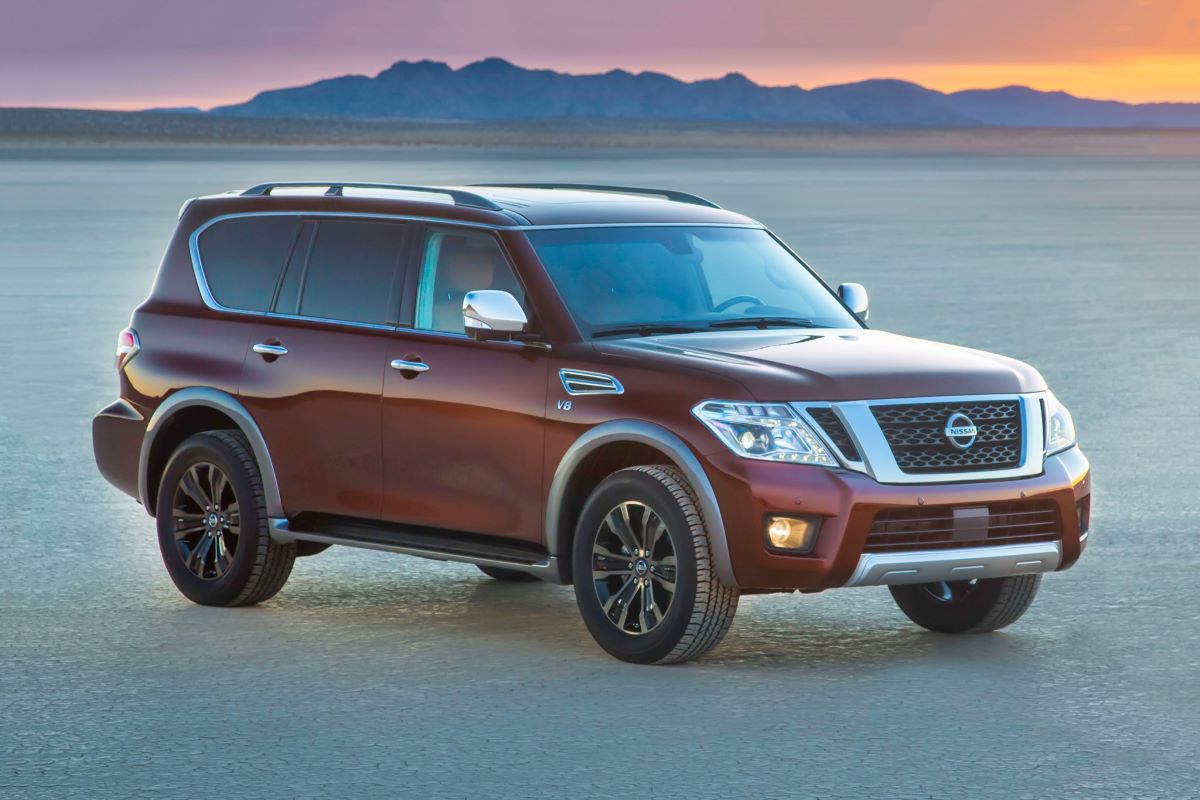
While Nissan’s interior tech can feel dated, the mechanical components are strong, and used models are often undervalued compared to their Toyota rivals, making them a smart buy for long-term ownership.
The major update beneath the Armada’s hood is the replacement of the previous V-8 engine with a new twin-turbocharged 3.5-liter V-6.
Despite the change in cylinder count, the new V-6 outperforms the outgoing V-8 in both horsepower and torque, generating 425 hp and 516 pound-feet of torque, an increase of 25 hp and 103 pound-feet.
Power is delivered through a nine-speed automatic transmission, and buyers can choose between rear-wheel or four-wheel drive.
To enhance both the driving experience and off-road capabilities, Nissan has introduced several new optional features, such as a height-adjustable air suspension and, for four-wheel-drive models, a locking rear differential.
During our test of the 2025 Armada, we found the new version to offer quicker acceleration along with improved ride and handling compared to the previous generation.
However, the Platinum Reserve trim we tested, which was fitted with larger 22-inch wheels, still exhibited some jittery body motions. On the other hand, the Pro-4X, which comes equipped with 20-inch wheels, delivers a smoother and more comfortable ride.
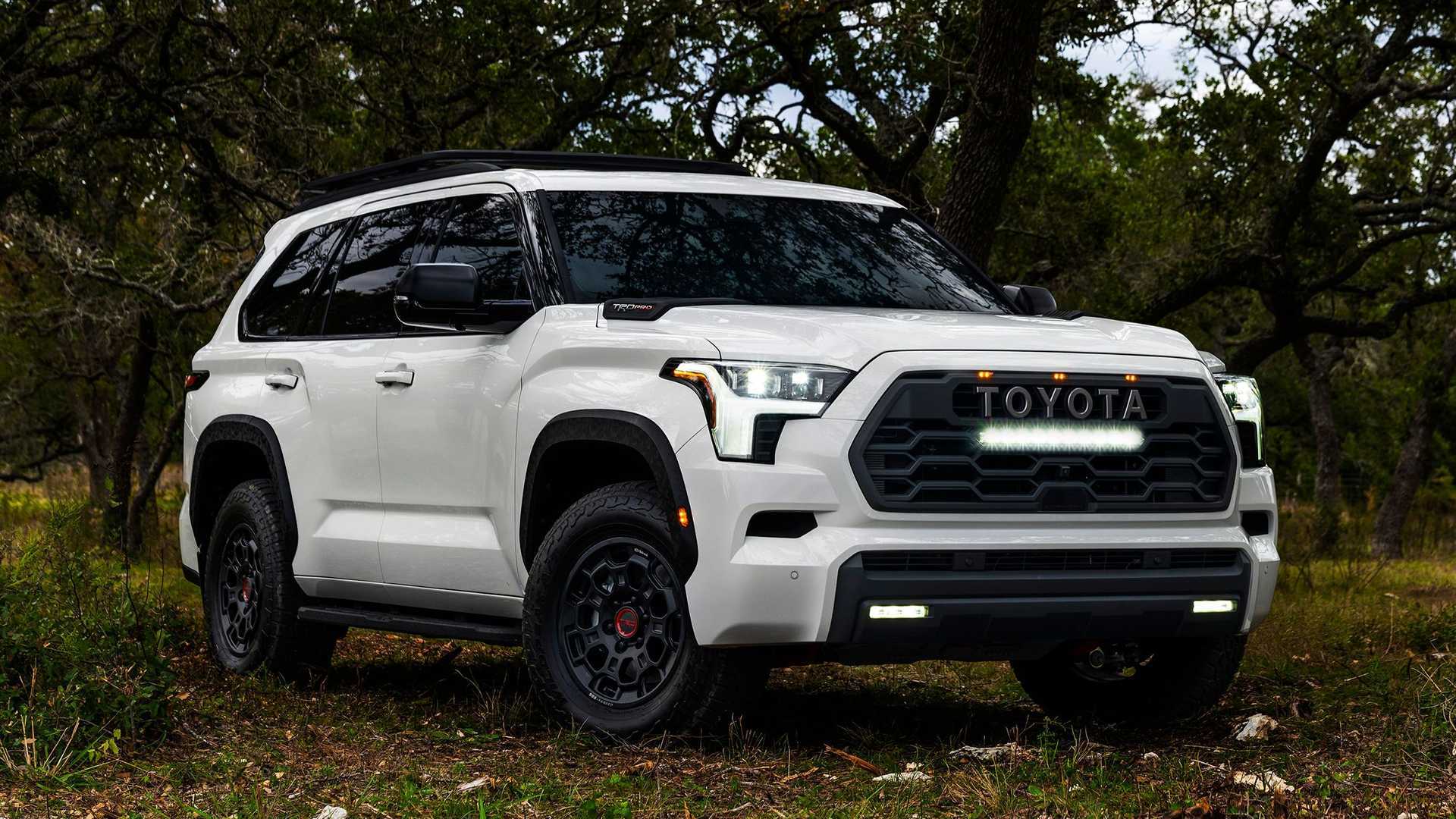
8. Toyota Sequoia
The Sequoia blends the durability of a Tundra truck with the comfort of a family hauler. Older models with the 4.7L V8 are known for going beyond 300,000 miles, while the later 5.7L versions offer strong performance and towing.
Though not as refined as newer crossovers, the Sequoia’s toughness and ample space make it a trusted choice for families who want an SUV that can endure generations.
The Sequoia comes equipped as standard with the iForce MAX hybrid powertrain, the same system that’s available as an option in the Tundra pickup.
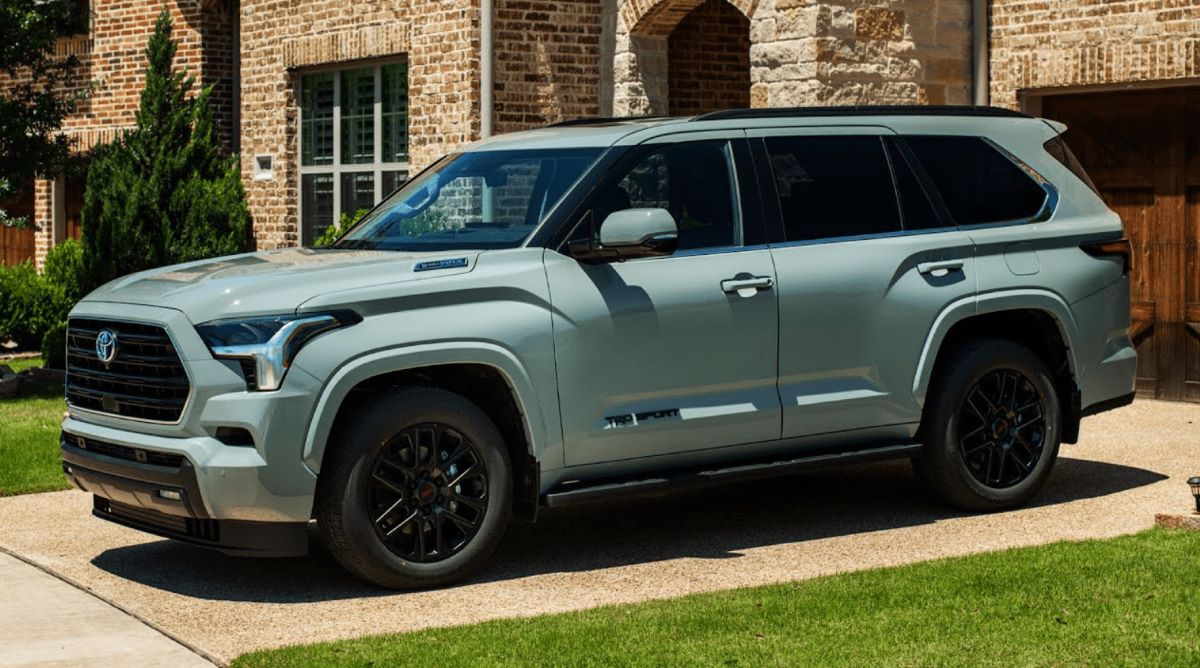
This setup combines a twin-turbocharged 3.4-liter V-6 engine with an electric motor, generating a combined output of 437 horsepower and 583 pound-feet of torque. It shares the Tundra’s 10-speed automatic transmission, which is carried over to the Sequoia SUV.
Rear-wheel drive is standard across the lineup, while four-wheel drive is optional on most trims and comes standard on the TRD Pro, which is tuned for off-road use. The TRD Pro trim is also fitted with specialized off-road gear, including upgraded Fox dampers, a front skid plate, a locking rear differential, and forged 18-inch wheels wrapped in 33-inch tires.
However, we were less impressed with how it behaves on the road. Its broad stance can make it difficult to keep centered in a lane, a common gripe we’ve had with other large SUVs as well, and the overly light steering doesn’t help matters. The brake pedal also feels unusually soft and squishy underfoot.
9. Chevrolet Suburban
Few vehicles have more history than the Suburban it’s been around since 1935 and has always retained its body-on-frame architecture.
This full-size SUV is ideal for large families, commercial use, or anyone needing serious cargo space.
V8 engine options, truck-like durability, and widespread parts availability contribute to its ability to stay on the road past 300,000 miles. It’s also a go-to for those converting SUVs into overlanding rigs.
For those considering which trim to choose, we’d recommend the RST for its aggressive, sporty appearance, which includes blacked-out exterior accents and 22-inch wheels.
Beyond looks, it comes well-equipped with features such as a premium Bose sound system, leather upholstery for the first and second rows, heated front seats with memory functions, and a power-operated liftgate.
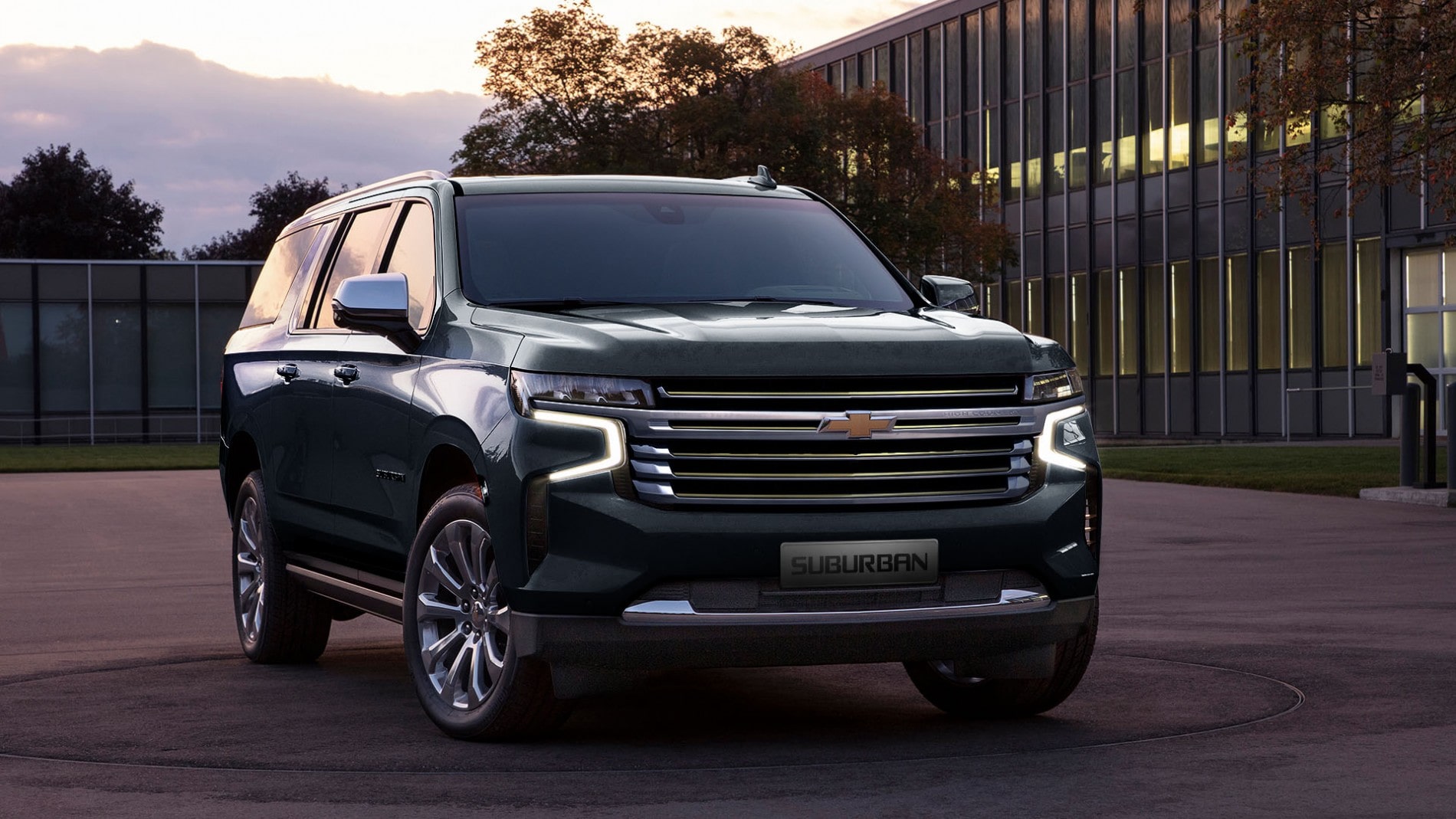
Given the choice between all three available engines, the diesel inline-six stands out as the most appealing for its combination of strong, effortless torque and better fuel efficiency.
Powertrain options include a 355-horsepower 5.3-liter V-8 as the base engine, with an available 420-horsepower 6.2-liter V-8 for those wanting more punch. The 305-horsepower diesel inline-six offers a torquey, fuel-efficient alternative.
All three engines are paired with a 10-speed automatic transmission and can be configured with either rear-wheel or all-wheel drive. Buyers can also opt for adaptive dampers and an adjustable air suspension system that allows the vehicle’s ride height to be raised or lowered, either manually or automatically, improving passenger access, aerodynamics, and off-road clearance.
The off-road-focused Z71 trim features 20-inch wheels with all-terrain tires, underbody skid plates, and a two-speed transfer case for proper four-wheel drive capability.
During our initial test drive, the 2025 Suburban impressed us with its unexpectedly composed driving behavior for such a large vehicle, and we especially appreciated the smooth performance of the updated diesel engine.
10. Infiniti QX80
The QX80 is Infiniti’s answer to the Lexus LX and shares its roots with the Nissan Patrol and Armada. With a 5.6L V8 and rugged body-on-frame build, this SUV is far tougher than its upscale exterior suggests.
It handles rough terrain with ease, and while it may lack the Land Cruiser’s cult status, it offers similar longevity at a more accessible price point in the used market.
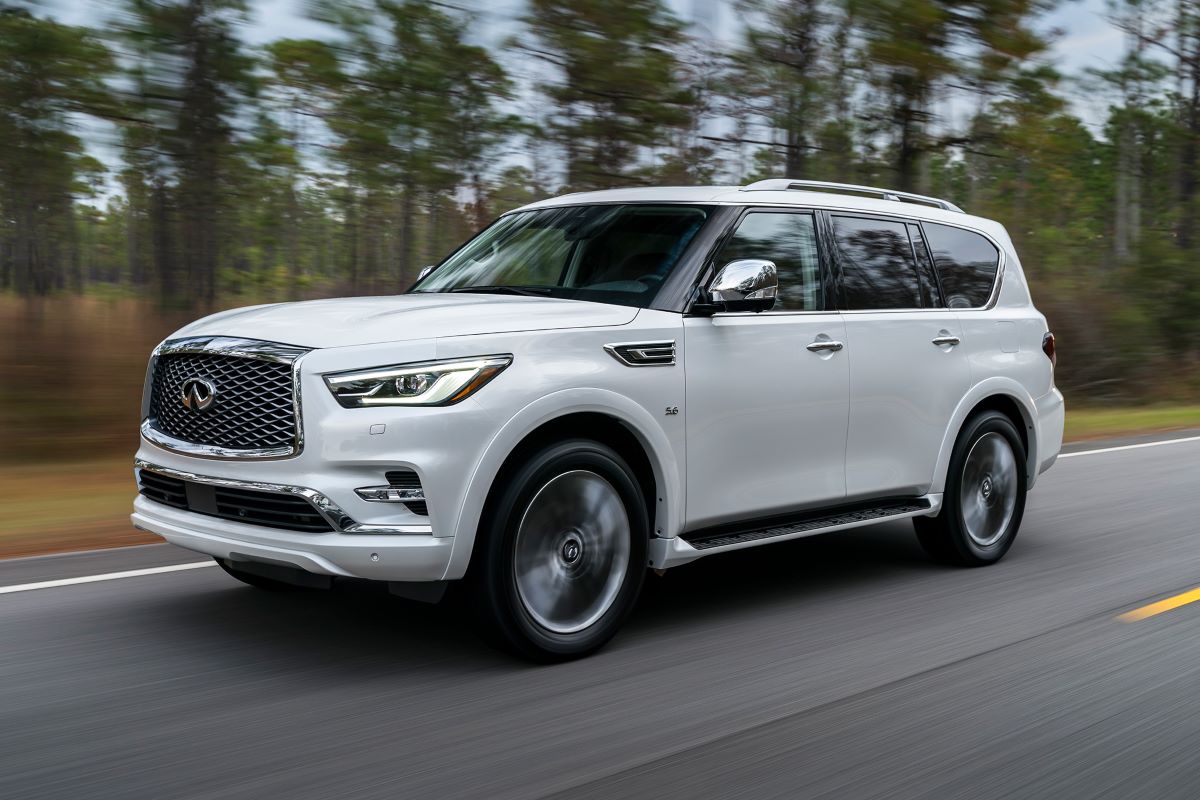
Properly maintained QX80s often reach 250,000 miles or more with minimal major issues. After 14 years without a major update, Infiniti’s largest and priciest SUV finally gets a ground-up redesign for 2025.
While the smaller QX50 and QX60 have already received modern overhauls, the outgoing QX80 lingered on for far too long without meaningful changes, leaving it lagging behind in a competitive segment. Infiniti now addresses that with a far more compelling third-generation QX80.
The redesigned flagship SUV radiates luxury, integrates cutting-edge technology, and still performs traditional SUV duties with confidence, offering a spacious cabin and an impressive towing capacity of 8,500 pounds.
The 2025 QX80’s cabin is now thoroughly upscale, filled with high-end materials and brimming with forward-thinking tech features. But it’s in the technology department where the transformation is most dramatic.
The new dual 14.3-inch display screens stand out with sharp graphics and serve as the hub for Infiniti’s completely revamped infotainment system. It’s a major leap over the previous interface, now offering integrated Google apps, including Google Maps.
Additional standard features include ProPilot Assist 1.1, a comprehensive suite of advanced driver-assistance systems, and a premium Klipsch audio system. For those wanting even more, the available ProPilot Assist 2.1 brings hands-free driving capability on select highways.
Under the hood, power now comes from a turbocharged V6 engine producing 450 horsepower, 50 more than the outgoing V8, while also delivering over 100 pound-feet more torque and offering a 2 mpg improvement in fuel efficiency.
Body-on-frame SUVs are not just relics of the past they’re some of the most capable, longest-lasting vehicles still on the road.
Whether you’re towing a trailer, navigating backcountry trails, or just want something that won’t give out after 150,000 miles, these ten SUVs have proven their worth.
For American drivers looking to make one SUV purchase for life, any of these models with regular maintenance can truly go the distance.