Blind spots have long been one of the most frustrating and dangerous challenges drivers face, especially when changing lanes, reversing, or maneuvering in tight urban environments.
While traditional mirrors and driving habits can help, they don’t always eliminate visibility gaps. Fortunately, several modern vehicles go above and beyond by combining thoughtful design with advanced technology to reduce, if not eliminate, blind spots entirely.
These five models stand out as industry leaders in driver visibility, offering smart safety systems and structural enhancements that help drivers see more and worry less.
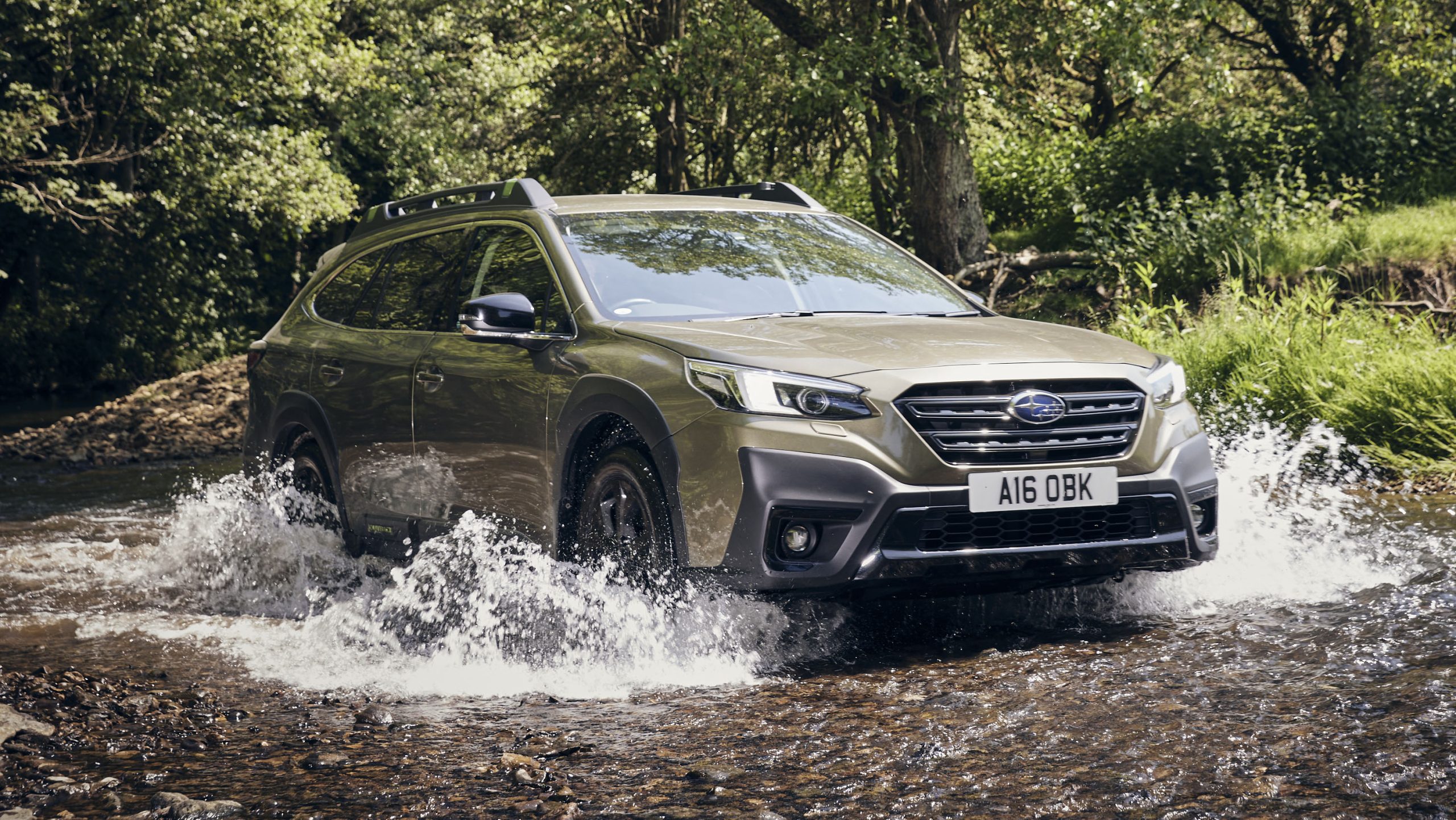
1. Subaru Outback: Built for Adventure, Designed for Awareness
The Subaru Outback may be known for its off-road versatility, but it’s also a top performer when it comes to driver visibility. The vehicle features large, well-positioned side windows and tapered roof pillars that maintain an open and airy feel inside the cabin.
Unlike bulkier SUVs that sacrifice sightlines for size, the Outback is designed to give drivers a broad, unobstructed view of their surroundings. This clarity is crucial whether you’re driving through narrow city streets or exploring winding forest trails.
A major contributor to the Outback’s excellent visibility is Subaru’s EyeSight Driver Assist Technology. Mounted near the rearview mirror, this dual-camera system constantly scans the road ahead, alerting the driver to nearby vehicles, obstacles, or potential collisions.
It also plays a vital role in blind spot detection, issuing warnings or even applying emergency braking when needed. With strategically placed side mirrors and a large rear window enhanced by a rearview camera, the Outback makes situational awareness second nature.
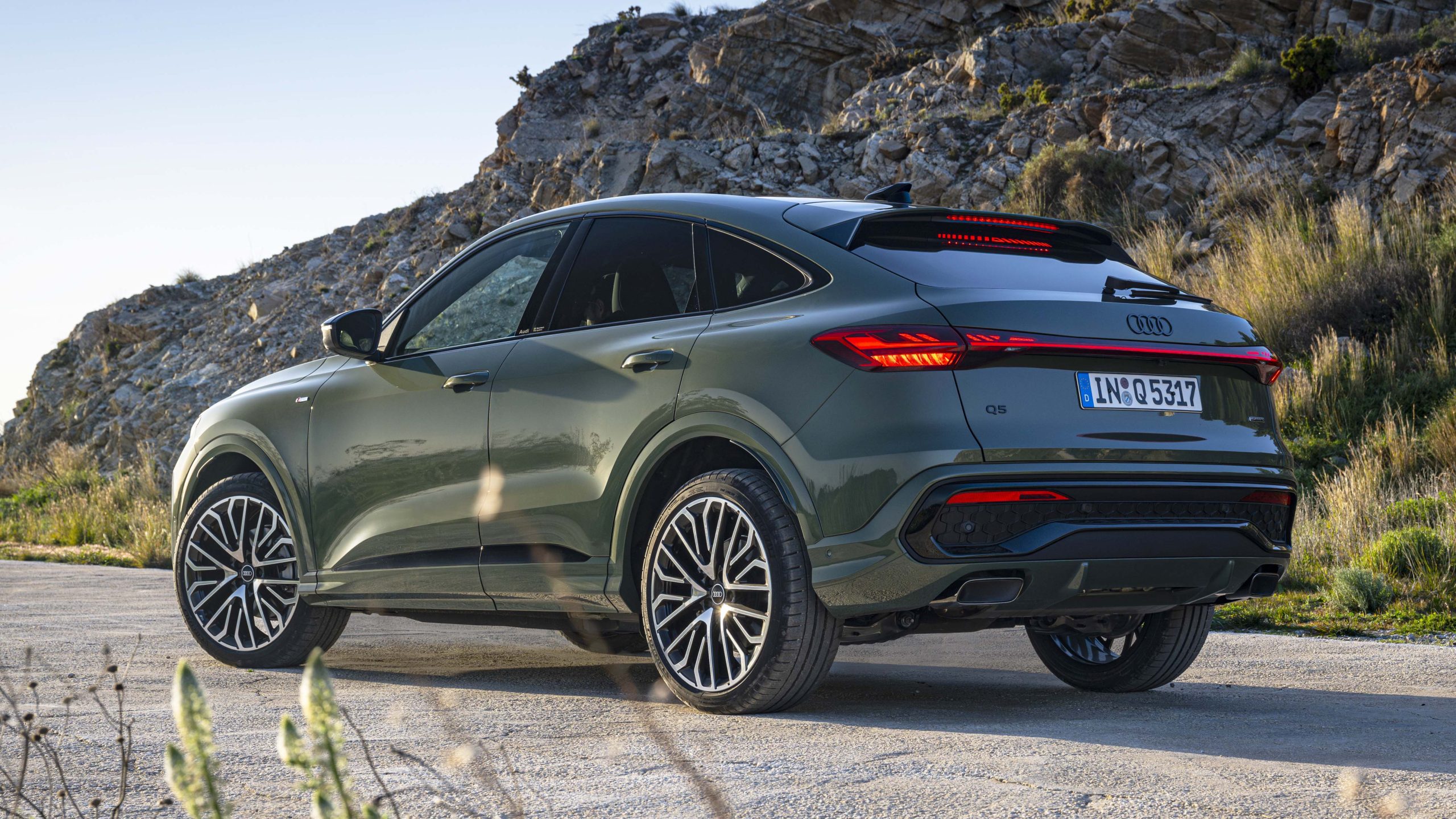
2. Audi Q5: Premium Visibility with Performance Precision
Luxury and safety come together in the Audi Q5, a compact SUV that delivers sharp aesthetics without sacrificing driver awareness.
The Q5 is designed with slender A-pillars and a low window beltline, which maximizes the outward field of view and reduces blind zones typically found in SUVs. The driver’s elevated seating position adds another layer of visibility, giving a clear vantage point over surrounding traffic.
Technological support in the Q5 is equally impressive. The vehicle’s Blind Spot Monitoring system lights up the side mirrors to alert drivers when other cars enter hidden zones, while the top-view camera system stitches together multiple camera feeds to provide a real-time, bird’s-eye view of the vehicle’s surroundings.
This makes parking, merging, and tight maneuvers far less stressful. Audi’s clean and modern dashboard layout minimizes distractions, allowing drivers to stay focused on the road and aware of everything around them.
Also Read: 5 Cars with Bulletproof Safety Electronics vs 5 That Trigger Constant Warnings
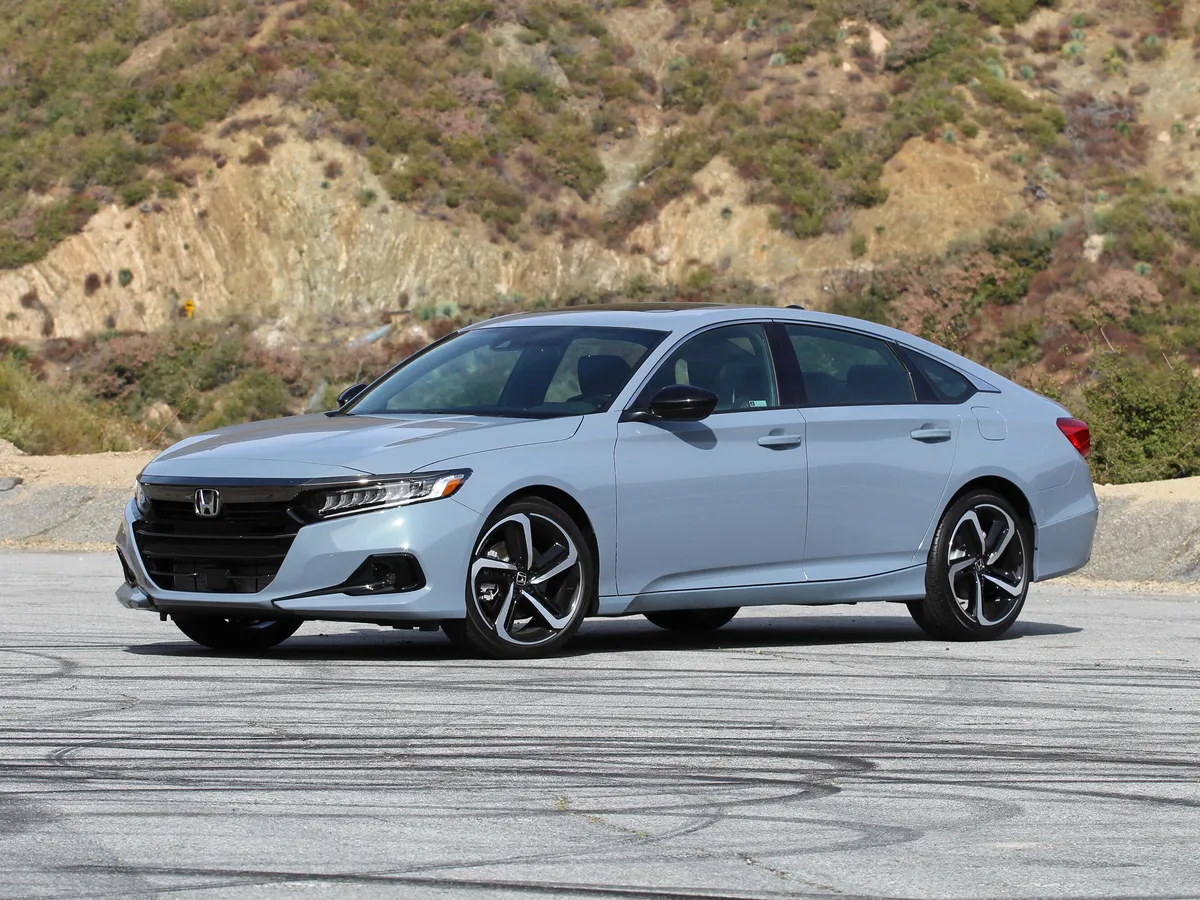
3. Honda Accord (4-Cylinder Models): Everyday Driving, Exceptionally Safe
The Honda Accord has long been a favorite for drivers who value a mix of comfort, efficiency, and reliability, but its commitment to visibility is what really sets the latest 4-cylinder models apart. Engineers have thinned out the traditionally bulky A-pillars without compromising crash safety, significantly improving the driver’s ability to see around corners and intersections.
Supporting this thoughtful design is Honda Sensing, a suite of driver-assist technologies that includes blind spot monitoring, lane departure warning, and collision mitigation systems.
The Accord also features a multi-angle rearview camera that gives drivers several perspectives when backing up, including wide-angle and top-down views.
Combined with expansive side windows and a low beltline that opens up the cabin, the result is a vehicle that practically removes the need to worry about blind spots during daily commutes or road trips.
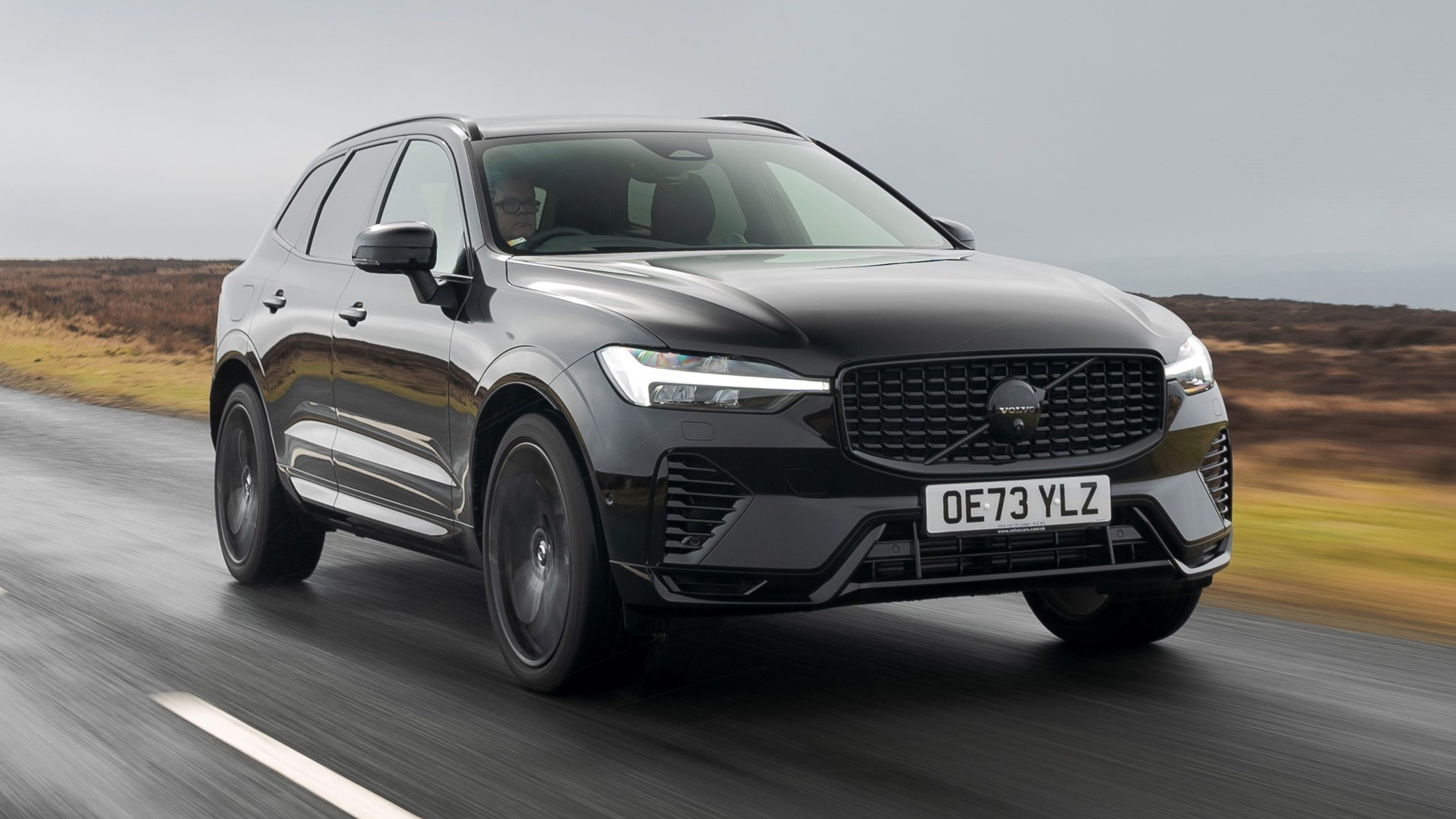
4. Volvo XC60: Elegance, Safety, and Situational Mastery
Volvo’s long-standing reputation for safety continues with the XC60, a luxury SUV that offers more than just sleek Scandinavian design. The XC60 excels in visibility thanks to narrow roof pillars and large side windows, giving drivers an open line of sight that many other SUVs in its class can’t match.
The cabin feels bright and spacious, but most importantly, it allows for quick detection of surrounding traffic or hazards.
In terms of technology, Volvo’s Blind Spot Information System (BLIS) takes visibility assistance a step further. It not only alerts the driver of vehicles in adjacent lanes but can also provide gentle steering corrections if a lane change is attempted unsafely.
A 360-degree surround-view camera system is also available, providing a comprehensive view from all sides of the vehicle, an essential feature for maneuvering in tight spaces. The XC60’s minimalist, distraction-free cabin further supports focused driving, proving that luxury and practicality can coexist.
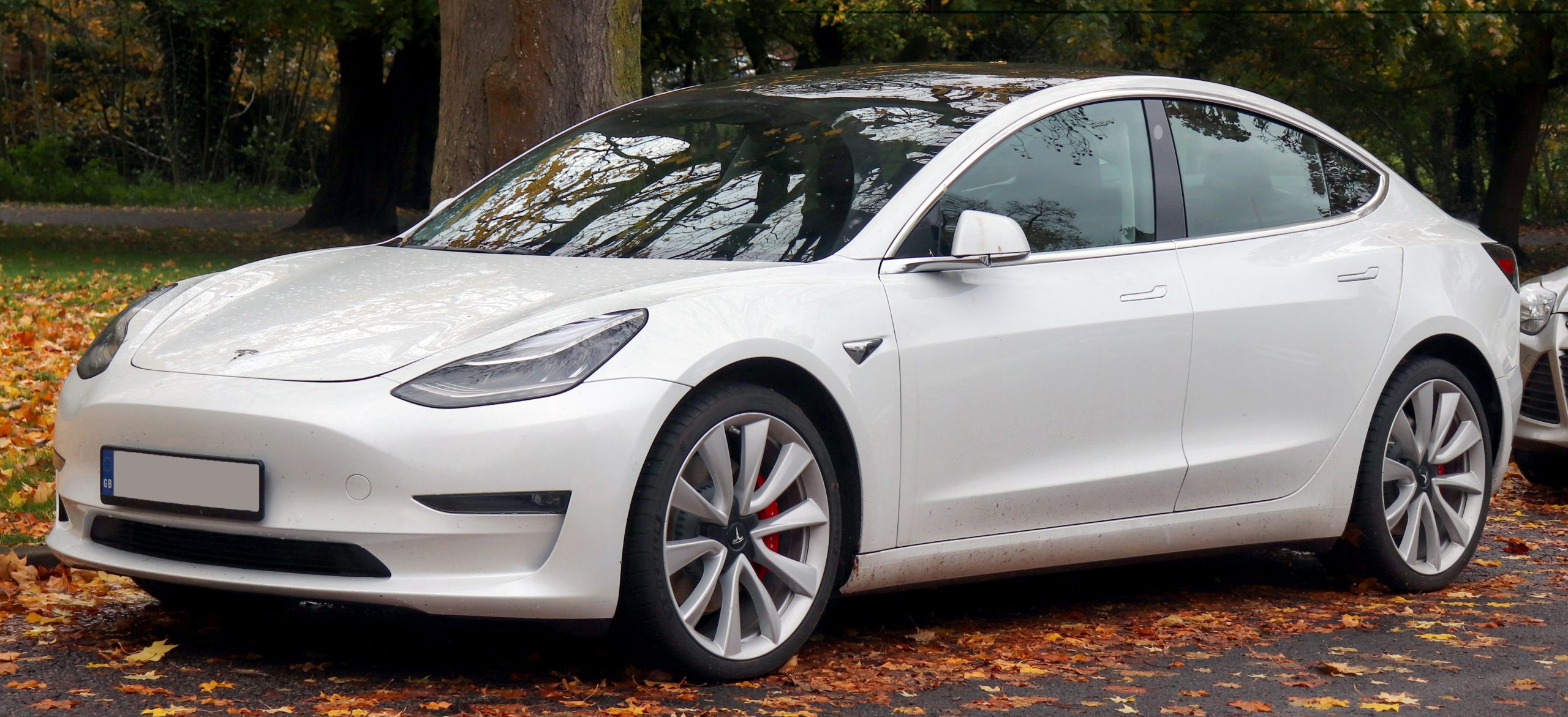
5. Tesla Model 3: A Tech-Forward Take on Total Visibility
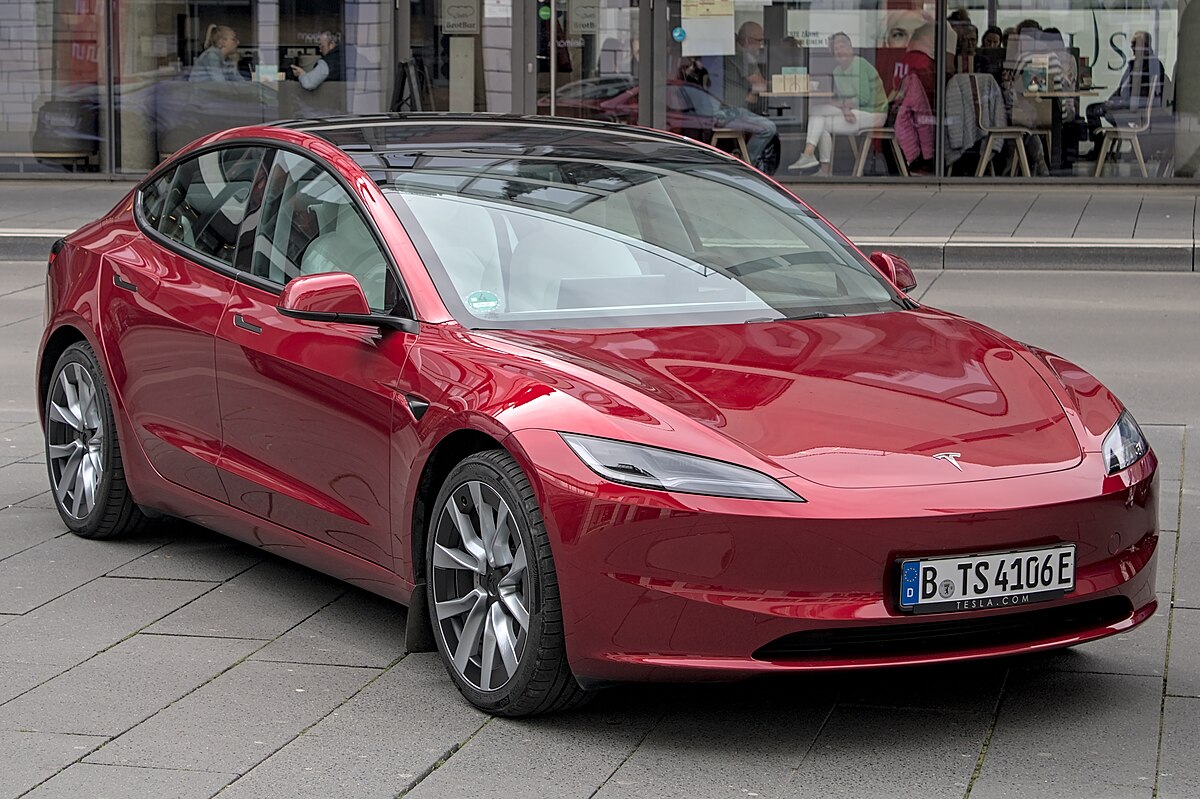
Few vehicles demonstrate a commitment to next-level visibility quite like the Tesla Model 3. The electric sedan features a minimalist, glass-heavy design, including a panoramic roof and thin A-pillars that give the cabin an open and unobstructed view.
This layout does more than create a modern look; it gives the driver better spatial awareness in all directions.
Tesla’s real innovation, however, lies in its sensor suite. The Model 3 is equipped with eight external cameras, twelve ultrasonic sensors, and, in some versions, radar, which work together to create a real-time, 360-degree view of the environment.
This data is displayed on the central touchscreen, allowing drivers to see everything around the vehicle far beyond what traditional mirrors can show.
Tesla’s Autopilot and Full Self-Driving packages add advanced capabilities like blind spot detection, automatic lane changes, and emergency braking. In some markets, Tesla has even begun replacing physical mirrors with external cameras, pushing the boundaries of blind spot elimination.
In a driving landscape full of distractions and hazards, having a vehicle with minimal blind spots is no longer a luxury; it’s a necessity. The five models featured here represent a new generation of vehicles that combine design precision with smart technology to create a safer, more confident driving experience. Whether you prioritize luxury, tech, off-road capability, or daily practicality, these vehicles prove that you don’t have to compromise on visibility. As auto manufacturers continue to innovate, it’s clear that the era of driving blind is quickly coming to an end.
Also Read: 5 Cars With Legendary Owner Satisfaction and 5 With Lawsuit-Level Problems