
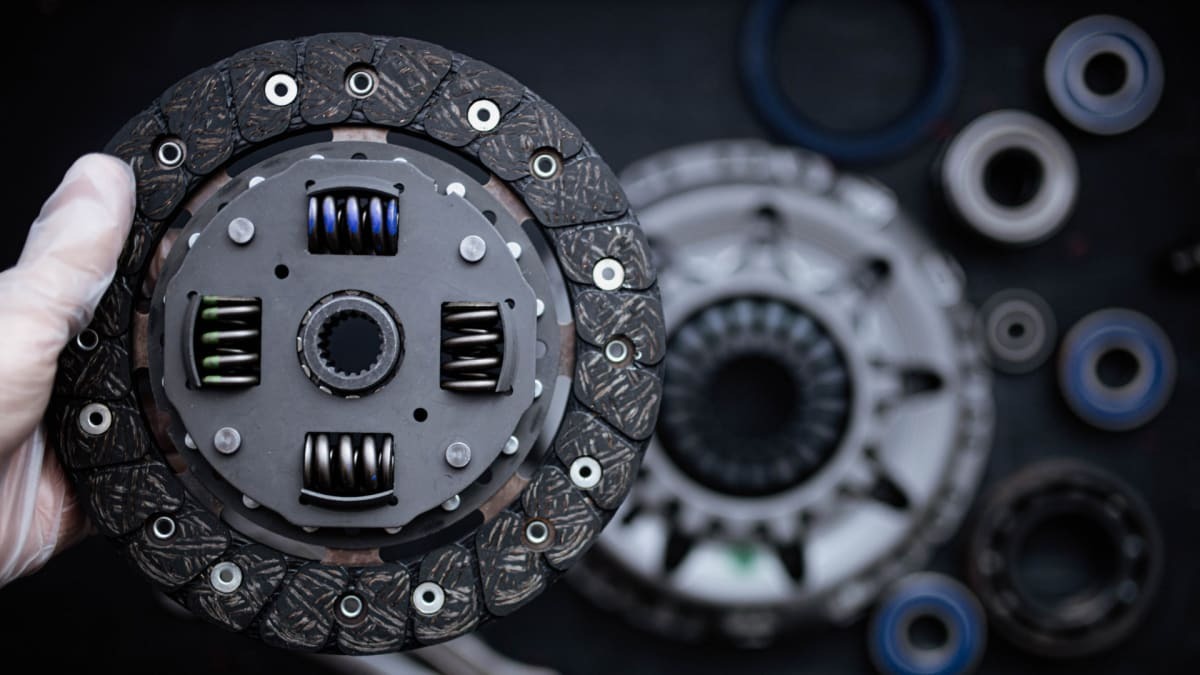
Vehicle ownership comes with several long-term maintenance considerations, especially when it comes to parts that endure wear and tear. One major component that often becomes a concern as mileage increases is the clutch system.
Whether a car uses a traditional manual clutch or a dual-clutch automatic system, the condition and longevity of this part can influence the entire reliability and cost of keeping a vehicle beyond 100,000 miles.
Some models are engineered to withstand heavy usage without requiring a clutch replacement, while others tend to develop slipping issues around the 100,000-mile point, sometimes earlier, depending on driving habits and road conditions. Manufacturers have adopted varying approaches to clutch design and durability.
While certain automakers prioritise rugged transmissions with heavy-duty clutch packs meant to last the life of the car, others may focus more on performance or cost-saving, which could lead to quicker clutch wear. In cities where traffic is intense or in terrains that demand regular gear changes, the durability of a clutch becomes even more relevant.
Right here, we will present you with a balanced comparison between vehicles equipped with long-lasting clutch packs and those where clutch wear tends to appear more rapidly.
It includes five vehicles recognised for having clutch systems built to last, followed by five models frequently associated with clutch-related complaints or failures before reaching 120,000 miles.
Each car listed has been assessed for real-world performance, reliability, reputation, and ownership experiences concerning its clutch system. By presenting both ends of this scale, the aim is to help prospective buyers, mechanics, and vehicle enthusiasts understand what they may expect in terms of clutch durability from these models.
Whether you are considering a used vehicle or reviewing options for long-term ownership, these examples offer practical insight into how clutch systems behave across different car brands and styles.
5 Cars with Lifetime Clutch Packs
1. Toyota Land Cruiser
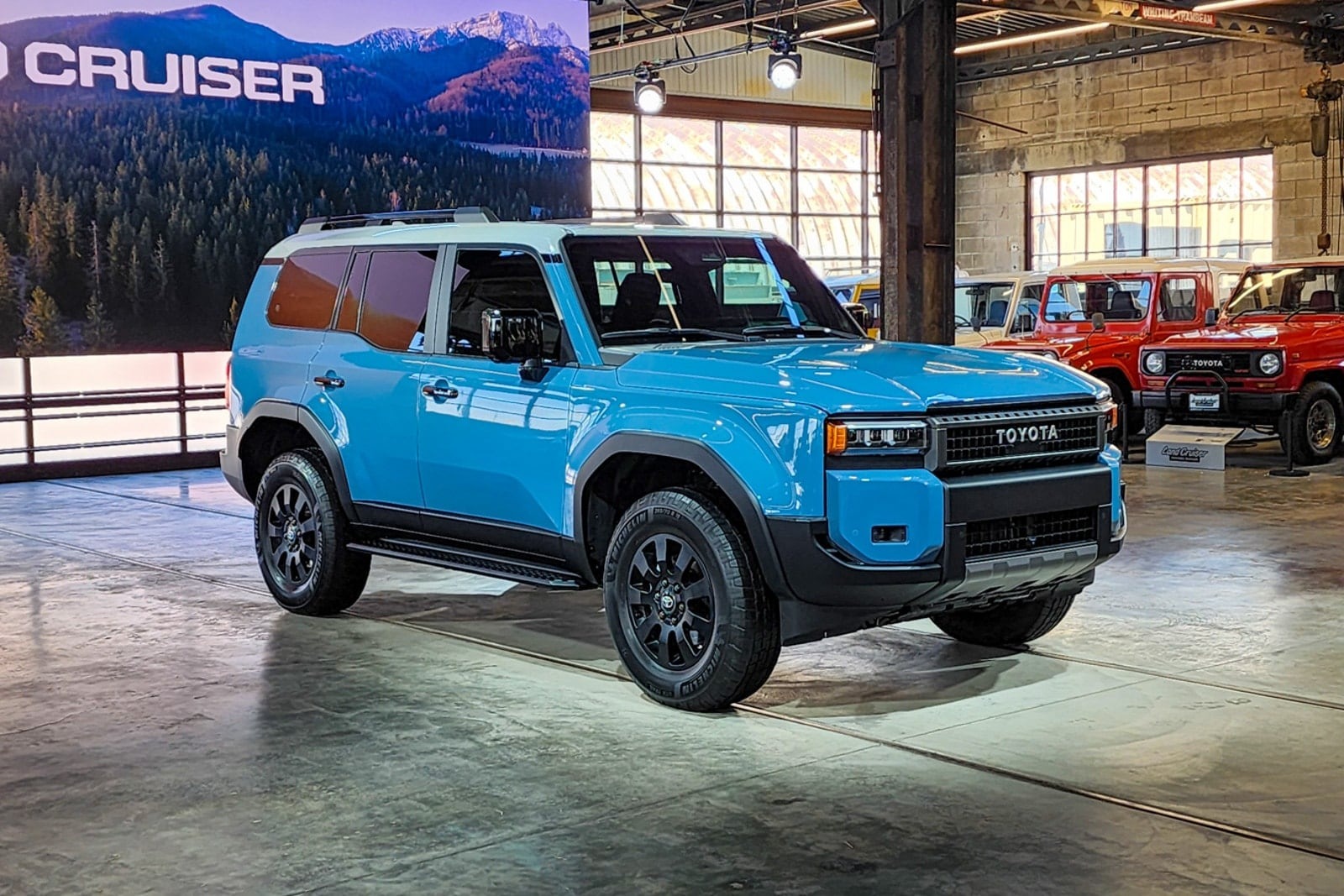
The Toyota Land Cruiser has built a longstanding reputation for its mechanical reliability and durability across different terrains and driving conditions. Part of that reputation can be attributed to its transmission system, including a well-engineered clutch pack that has been known to last far beyond the expected range.
Many long-term owners have reported going well past 250,000 kilometres without needing a clutch replacement, largely due to the vehicle’s engineering focus on strength and endurance.
The Land Cruiser is equipped with a robust automatic transmission system in most of its modern iterations. These units use multi-plate clutch packs that are built for extreme conditions such as towing, off-road driving, and extended city usage.
One of the major strengths of this model is that it distributes torque efficiently, reducing stress on the clutch even during high-load scenarios. Its torque converter also provides a smooth transition between gears, minimising the wear rate on the internal clutches. Owners who perform scheduled maintenance, such as fluid replacement, tend to experience even better longevity.
For those who opt for older manual transmission versions, the clutch itself is made of materials designed to handle tough usage. These versions tend to be found in developing markets or earlier generations. Even with aggressive use in remote regions, many manual models avoid the slipping issues seen in lighter-built sedans and crossovers.
Land Cruisers have been deployed across deserts, mountains, and military operations, all while maintaining gear function without frequent replacement. It is this track record that has helped it secure a reputation for lifetime clutch performance.
For those who prioritise mechanical dependability and a long-lasting powertrain, the Land Cruiser stands as a clear choice. With regular fluid checks and driving discipline, its transmission system rarely gives owners issues related to clutch wear.
2. Lexus LX570
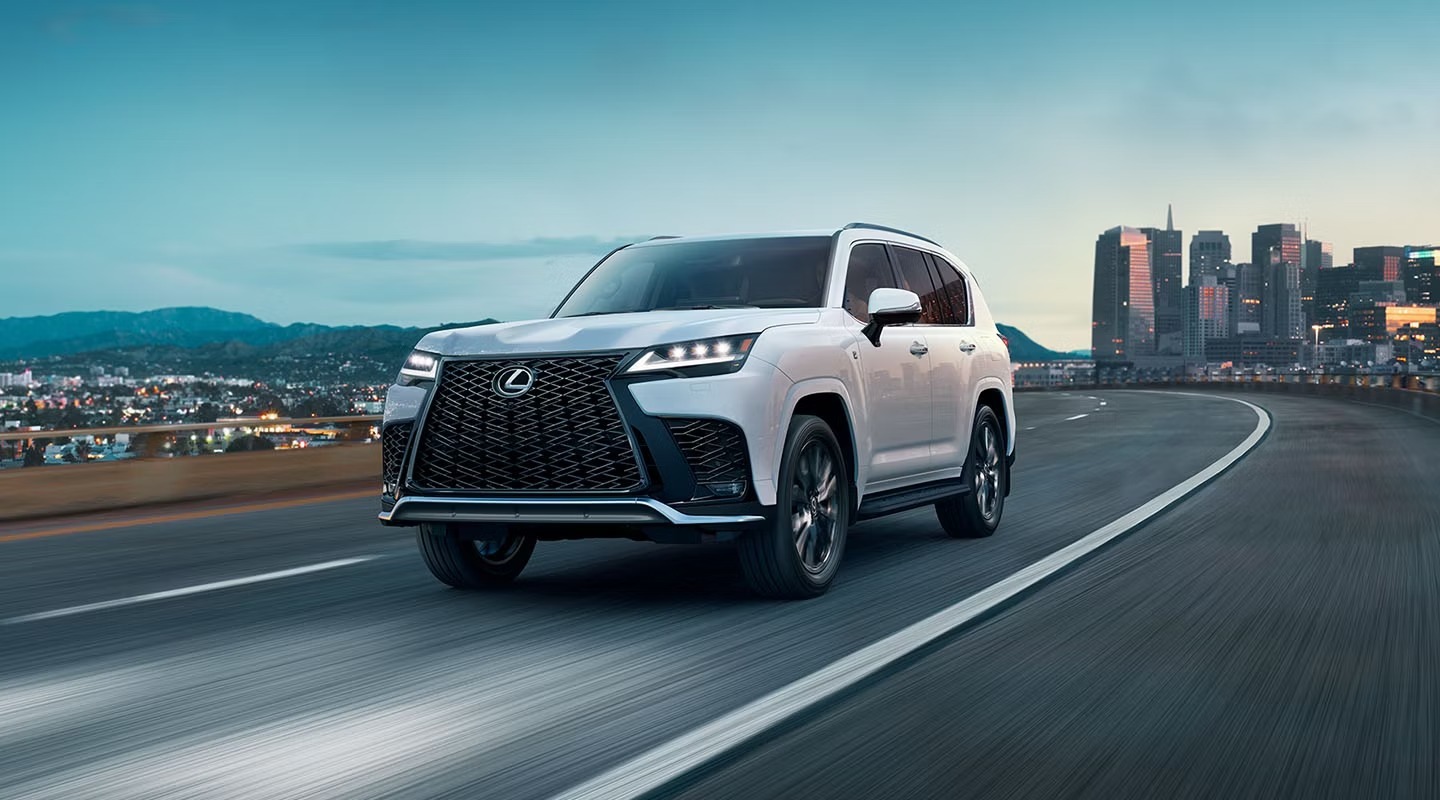
The Lexus LX570 shares its platform and transmission lineage with the Toyota Land Cruiser, which means it also benefits from the same resilient clutch system.
It is designed as a luxury SUV, but under its refined surface lies a drivetrain capable of handling the same harsh environments as its Toyota counterpart. This combination of luxury and strength makes the LX570 a vehicle that blends comfort with dependability.
Its automatic transmission incorporates high-capacity clutch packs capable of enduring both urban and off-road conditions. Lexus engineers built the system with longevity in mind, anticipating that many drivers would use the SUV for family duties, towing, or occasional off-road travel.
The torque converter and planetary gear system are matched precisely, which reduces excessive slippage and keeps internal components stable even after prolonged use.
The LX570 typically does not require a clutch replacement within the first 300,000 kilometres, especially when properly maintained. Its heavy-duty transmission fluid is rated for long life, and the system includes built-in temperature regulation to prevent overheating.
When problems do arise, they are rarely due to clutch wear and more often related to sensors or software. That means the mechanical components remain untouched, saving owners from expensive teardown procedures.
Owners report smooth and responsive shifting with very few signs of transmission fatigue, even after years of ownership. It is not uncommon to find examples still running their original transmission units after more than a decade.
Because of its build quality and intelligent transmission calibration, the LX570 remains one of the most trustworthy luxury SUVs in terms of clutch durability. For drivers seeking both comfort and peace of mind on the mechanical side, this model fits that demand without compromise.
Also Read: 10 Cars With Cheap Replacement Parts That Tend To Last
3. Honda CR-V (CVT Models)
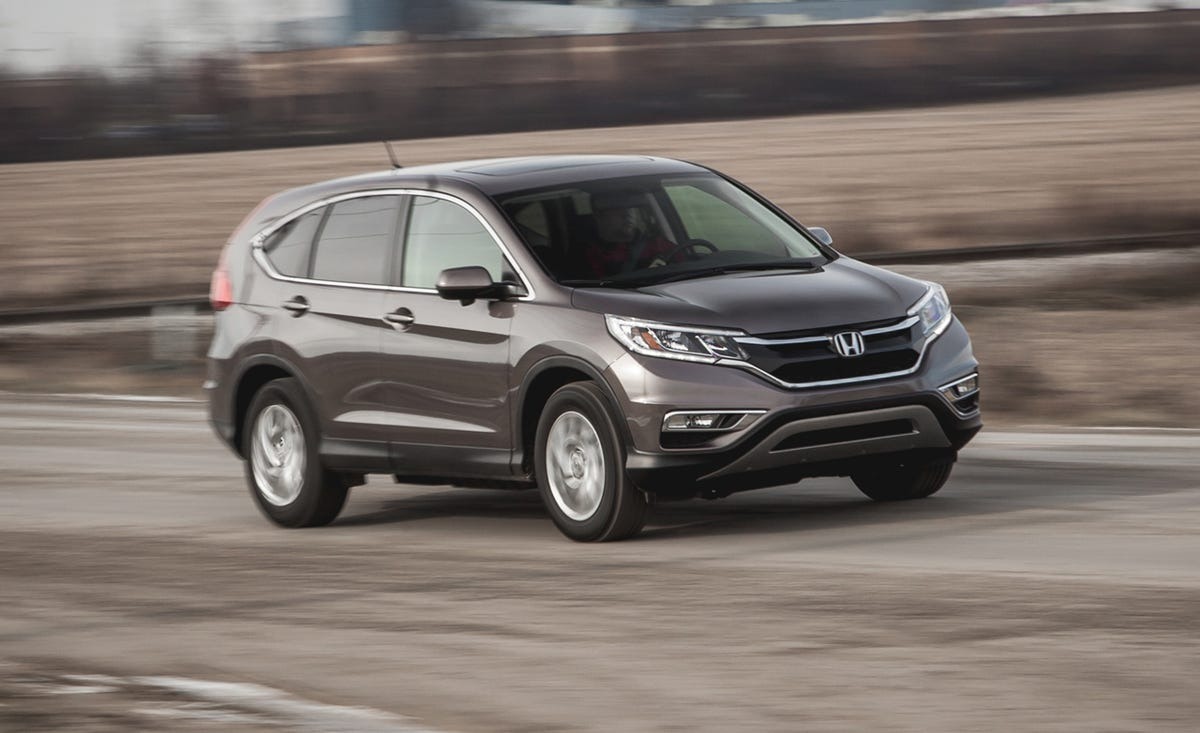
The Honda CR-V, particularly in its later CVT-equipped versions, delivers excellent clutch performance through its continuously variable transmission system.
While CVTs do not use clutches in the traditional sense, they include start-up clutch packs that manage the transition from stationary to motion. Honda’s execution of this system is known for being extremely reliable, with minimal reports of slipping or premature wear even after extensive mileage.
Unlike conventional torque converter automatics or manual gearboxes, CVTs rely on a belt system and hydraulic pressure to simulate gear ratios. The internal clutch system in these models is responsible for engaging the drivetrain smoothly and effectively.
In the case of the CR-V, Honda applied extensive engineering effort to ensure that the clutch components within the CVT endure stress from stop-and-go traffic and light off-road activity. Heat management is another area where the CR-V excels, allowing the clutch components to avoid thermal stress that shortens lifespan in other models.
With careful fluid maintenance, these transmissions have been known to function well beyond 200,000 kilometres without issue. The proprietary transmission fluid plays an important role in clutch health, and Honda’s formulation ensures minimal friction while supporting reliable engagement. When owners follow the correct service intervals, there is usually no need for a clutch replacement.
The CR-V’s transmission has performed well across different generations, especially from 2015 onward. For those seeking a dependable daily driver that does not require clutch servicing over the life of the vehicle, the CR-V offers a strong track record.
Whether used in dense urban areas or for highway trips, its internal clutch mechanism has been tuned for longevity. Drivers benefit from smooth acceleration and reliable performance even after years on the road.
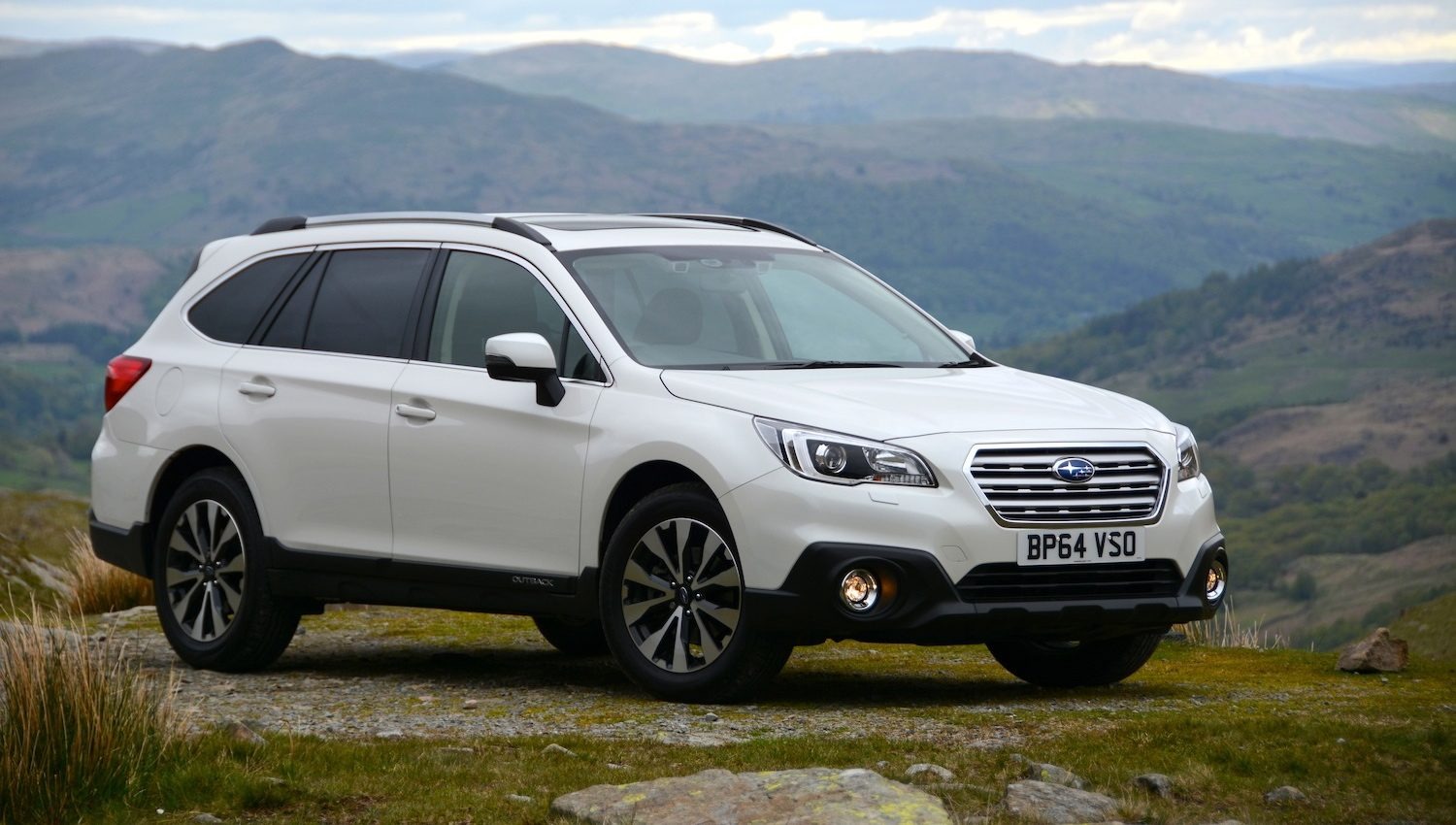
4. Subaru Outback (Lineartronic CVT)
Subaru has made great progress in enhancing the performance of its Lineartronic CVT over the years, especially with clutch longevity. The Subaru Outback uses this transmission, and it has shown that with the right software calibration and cooling support, internal clutches can last as long as the vehicle itself. This technology has evolved since its early days, and recent models from 2015 onward have shown exceptional reliability.
The clutch mechanism in this system is crucial because it helps the vehicle engage from a stop and manage torque distribution across Subaru’s symmetrical all-wheel-drive setup.
The pressure control and clutch engagement are electronically regulated, giving precise control and reducing slippage that normally shortens lifespan. Subaru added a stronger chain belt and more robust hydraulic system in newer models, and this has had a positive effect on the durability of internal clutch parts.
Drivers have reported high-mileage Subaru Outbacks still operating smoothly with no signs of transmission fatigue. In areas with cold winters or steep terrain, this vehicle continues to perform reliably, which speaks volumes about its internal clutch quality.
Routine maintenance, especially transmission fluid changes using factory-grade fluid, keeps the system working efficiently. When CVT-related issues do appear, they often involve sensors or control modules, not the physical clutch packs.
The Outback also benefits from a wide torque band and gentle gear transitions, reducing the stress usually associated with traditional step-gear systems.
By distributing torque more evenly and avoiding abrupt changes, the system allows the clutch components to last longer. Drivers who value mechanical peace of mind and want a family-friendly vehicle with rugged capabilities will appreciate the Outback’s long-lasting CVT performance.
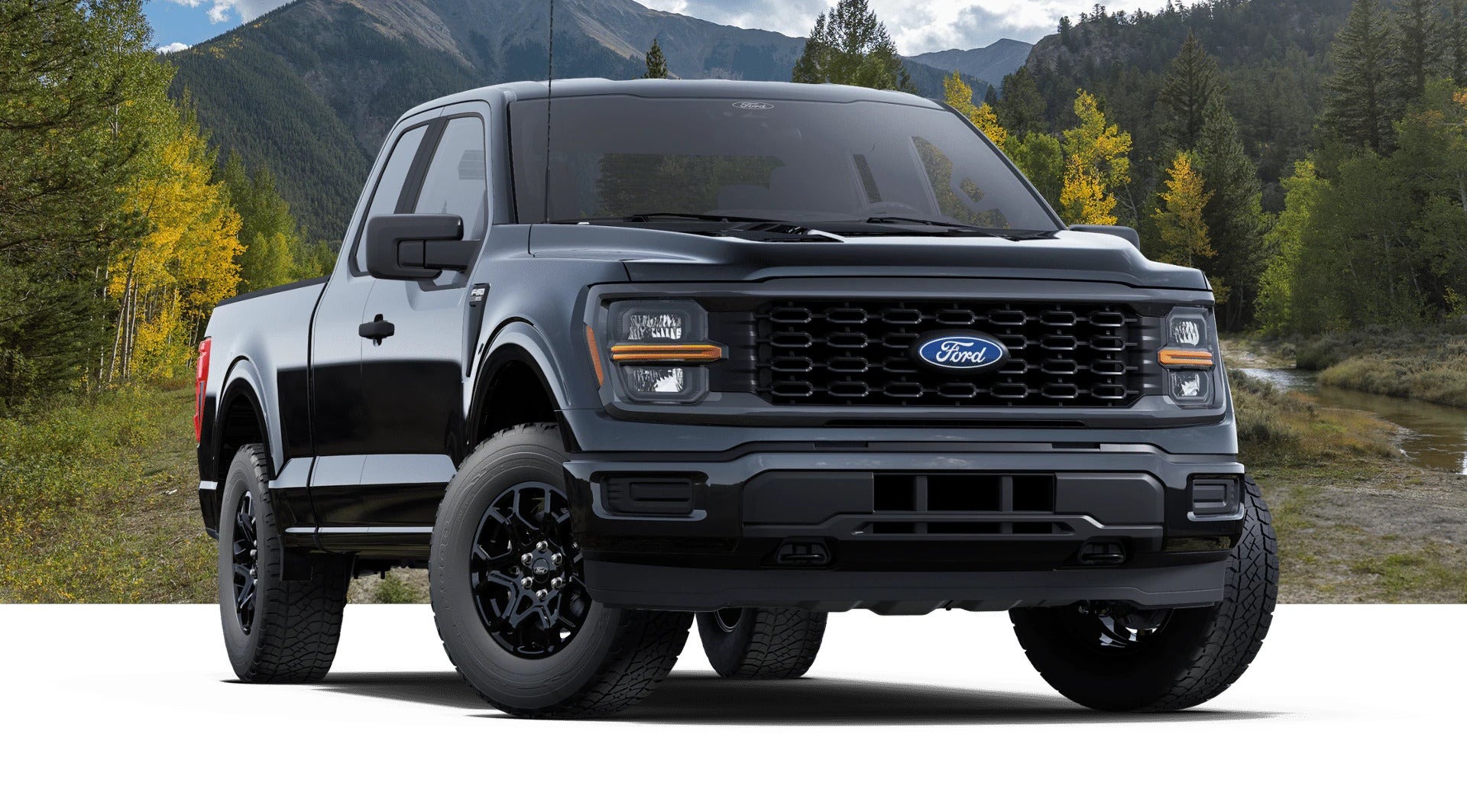
5. Ford F-150 (10-Speed Automatic)
The Ford F-150 is a best-seller for several reasons, and among them is the strength of its drivetrain. The 10-speed automatic transmission used in recent F-150 models includes durable multi-plate clutch packs designed to last under heavy-duty conditions. This truck is often used for towing, payload hauling, and long-distance driving, so Ford engineered its transmission for extreme resilience.
The clutch packs inside the 10-speed unit are controlled with electronic precision, allowing for rapid and smooth gear changes without excessive friction.
The design distributes workload across more gears, which spreads the stress and prevents early clutch wear. Ford also includes a transmission cooling system that keeps clutch temperatures within an optimal range, especially during towing or off-road use.
Owners of the F-150 frequently drive beyond 200,000 kilometres with the original transmission intact, provided routine maintenance is observed.
The longevity of the clutch packs is one of the reasons why this truck is often selected by contractors, off-road enthusiasts, and commercial drivers who need reliable performance. The adaptive change logic used in the transmission also adjusts to driving style, ensuring clutch components are not overworked.
Even under aggressive use, the F-150 maintains consistent gear response without signs of slipping or harsh changes. Whether used in mountainous areas or highway conditions, the transmission stays composed and dependable.
This transmission has been fine-tuned for efficiency, strength, and durability, making it one of the most clutch-reliable trucks in its category. It serves as a strong example of how engineering and clutch design can extend vehicle longevity and reduce ownership costs over the long run.
5 Cars with Slipping Clutches at 100,000 Miles
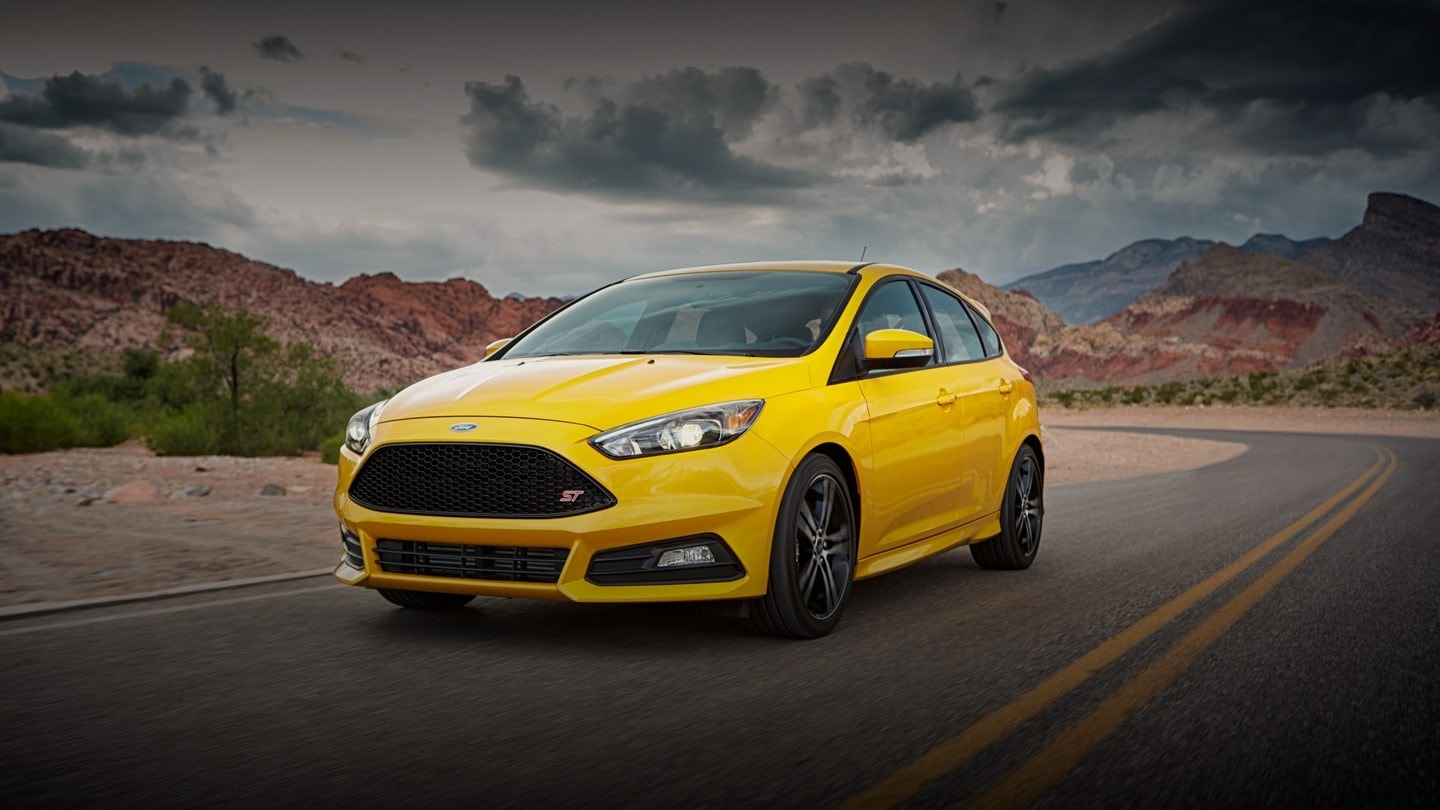
1. Ford Focus (Dual-Clutch Transmission Models)
The Ford Focus, especially from model years 2012 to 2016, has often been associated with clutch issues arising before or around the 100,000-mile mark. These models used Ford’s PowerShift dual-clutch automatic transmission, which was designed to mimic the feel and efficiency of a manual gearbox without the need for driver input.
While the intention was to improve fuel economy and performance, the outcome for many owners was frequent clutch slippage and unreliable shifting. This system uses dry clutches, which are less forgiving under heat and friction. Unlike wet clutch setups that have fluid to reduce wear, dry clutch systems rely heavily on perfect calibration and engagement timing.
Unfortunately, the Focus’s transmission software and clutch materials struggled to deliver consistent performance, especially during stop-and-go driving or hilly terrain. Owners often reported symptoms such as jerky starts, hesitation when accelerating, and sudden gear disengagements.
Many drivers began to notice problems shortly after the 50,000-mile point. By the time the odometer reached 100,000 miles, clutch replacements became common, with some cars requiring multiple services within that timeframe.
While Ford issued several service bulletins and extended some warranties for affected vehicles, the underlying clutch design continued to generate concern among used buyers.
The problems became widespread enough to attract legal attention and class action suits, drawing attention to how the dual-clutch system handled real-world use. Despite software updates and mechanical revisions, a large number of early production vehicles still experience slipping issues if not already repaired.
For those considering a used Focus within this year range, a thorough transmission inspection is recommended. Unless previous owners have already addressed the issue with a full clutch and software update, the risk of slippage remains high.
While later iterations have seen improvements, this generation remains an example of how dual-clutch technology can become a liability when not properly calibrated or maintained.
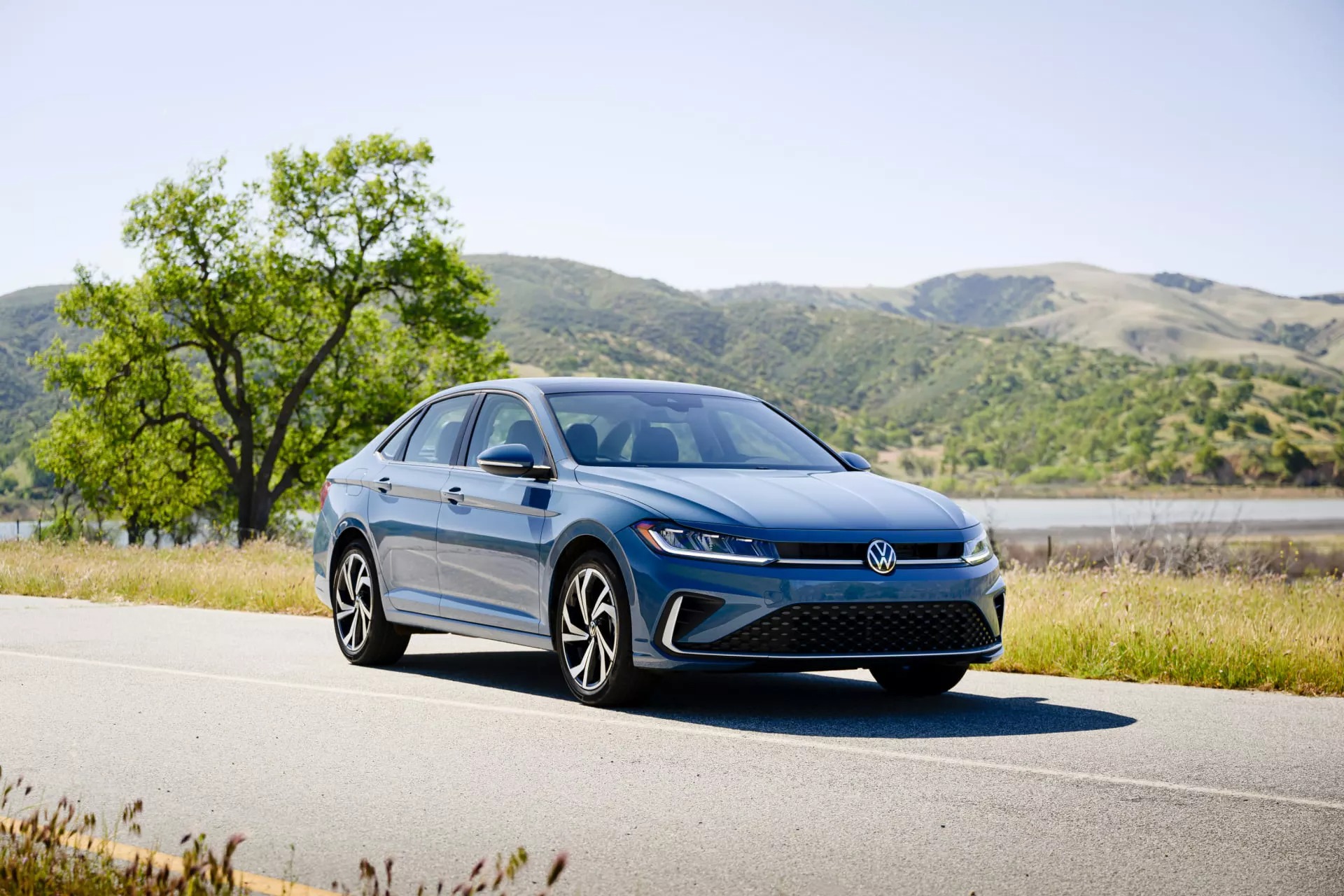
2. Volkswagen Jetta (DSG Transmission)
Volkswagen introduced its DSG dual-clutch transmission with great emphasis on performance and efficiency, but many Jetta owners have encountered clutch slipping issues as mileage reaches six figures.
The transmission used in these vehicles provides quick and seamless gear changes when new, but its long-term reliability depends heavily on careful servicing and driving conditions. Once it crosses the 100,000-mile mark, clutch wear becomes a known challenge, especially in models driven aggressively or frequently in traffic.
The DSG gearbox operates with two clutches that handle odd and even gear sets separately. This design allows for rapid changes, giving the car a sporty feel. However, these wet clutch systems require specific maintenance intervals, particularly fluid changes that help cool and lubricate the clutches.
When these intervals are ignored or delayed, heat and friction build up, gradually wearing out the clutch material. In some cases, owners who followed all recommendations still reported early clutch degradation.
Common signs of clutch wear in the Jetta’s DSG include shuddering during acceleration, delayed engagement, and erratic gear selection. These symptoms tend to worsen with age and mileage, and often require full clutch replacement to resolve. Some owners also noted that the vehicle hesitates when starting from a stop, especially on inclines, which points directly to worn clutch surfaces.
What makes the situation more complicated is the cost and labour involved in servicing this type of transmission. Unlike simpler manual systems, DSG units are complicated and require specialised tools and technicians. This makes clutch replacement both time-consuming and expensive.
Drivers who have covered high mileage without issue often cite regular servicing as the main reason. However, for others, the slipping problem appears even when scheduled maintenance has been observed.
For used car buyers looking at the Jetta with a DSG transmission, it is important to request a full service record and consider whether the clutch has been replaced. If not, prepare for the likelihood of slippage or malfunction near or after the 100,000-mile point.
Also Read: 5 Cars With Quick-Release Seats vs 5 With Stuck Latches
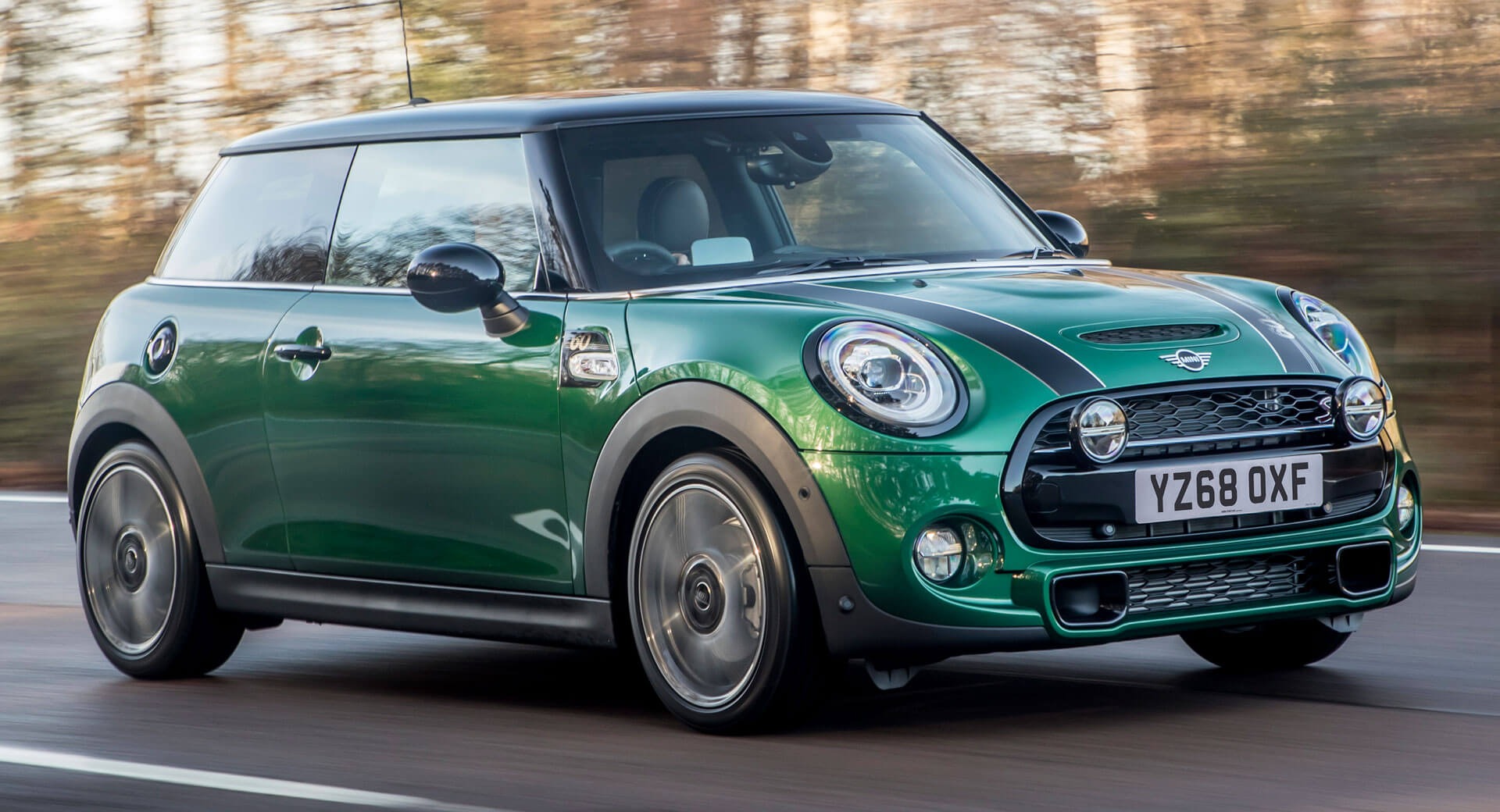
3. Mini Cooper (Manual Transmission Models)
The Mini Cooper, especially in its earlier generations with manual transmissions, is often praised for its nimble handling and responsive performance. However, its clutch assembly has not always proven durable beyond the 100,000-mile threshold.
Several owners of models from the early to mid-2000s have reported premature clutch wear, even under moderate driving conditions. This trend has continued in some later models as well, raising concerns about long-term durability.
The Mini’s clutch system is relatively compact due to the vehicle’s size, which may contribute to its limited lifespan. In daily driving, especially in city environments with frequent gear changes and traffic stops, the clutch can begin to wear more quickly than expected. Some drivers report difficulty shifting, slippage during acceleration, or a burning smell indicating clutch material breakdown.
Unlike larger vehicles that have heavy-duty clutch plates, the Mini’s clutch can overheat more easily, especially when driven hard. The issue appears even more frequently in models used by new manual drivers who may not engage the clutch smoothly. In some cases, clutches begin to show signs of fatigue before reaching 90,000 miles. By the time the car crosses the 100,000-mile point, many have required at least one clutch replacement.
Cost of repair is another concern. While the parts themselves are not unusually expensive, labour charges can be huge due to the design of the transmission layout. Clutch replacements on the Mini often require dropping the entire subframe, adding both time and expense to the procedure.
Prospective buyers should be cautious when considering older high-mileage manual Mini Coopers, especially if there is no record of prior clutch replacement.
Signs of delayed engagement, slipping under the throttle, or unusual clutch pedal feel can be warning signs. Without proactive maintenance or gentle driving habits, the Mini’s clutch system often struggles to make it beyond the 100,000-mile mark without issues.
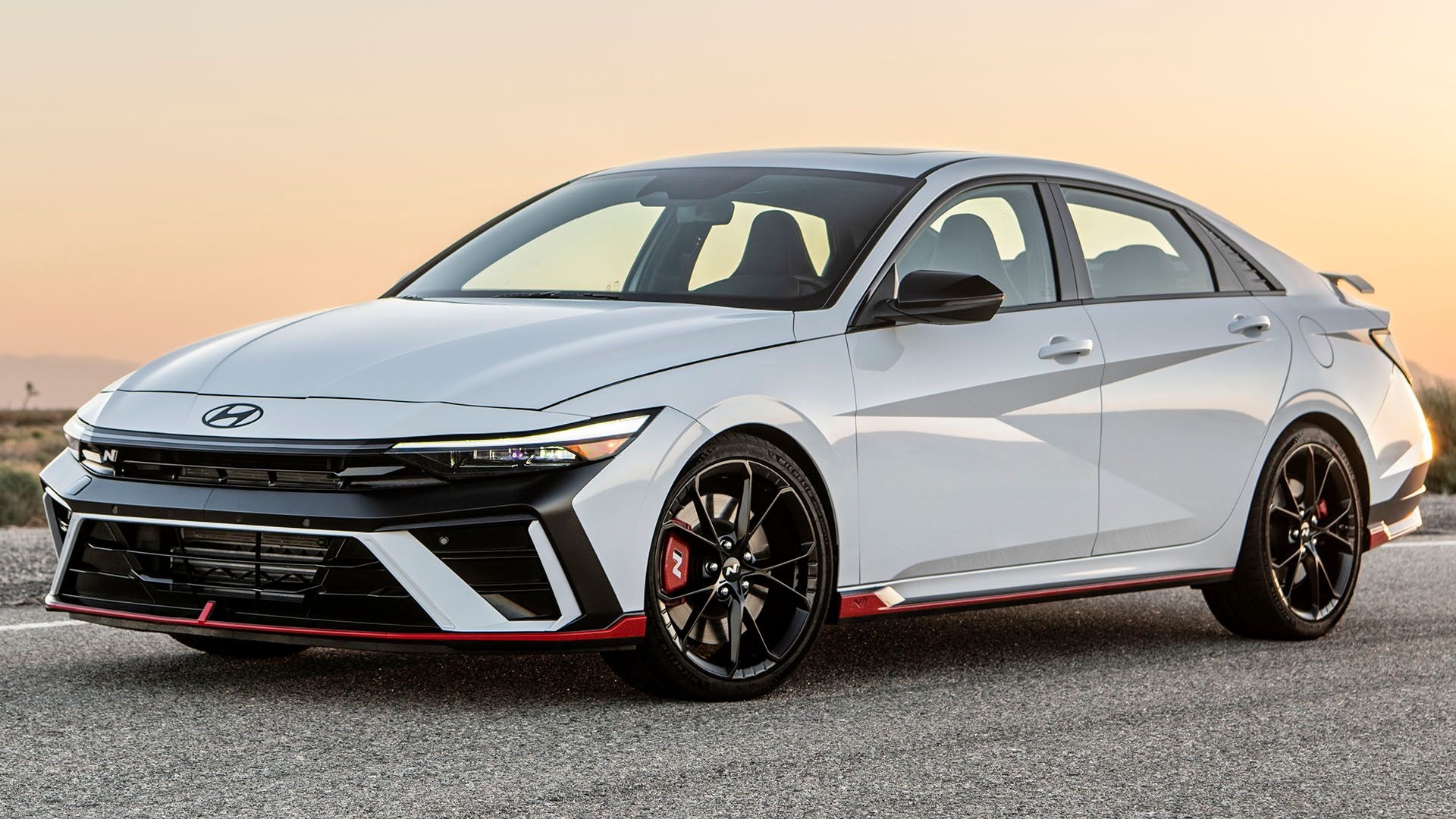
4. Hyundai Elantra (Older Manual Versions)
The Hyundai Elantra, especially in its older manual transmission versions from the mid-2000s to early 2010s, has seen several instances where clutch life becomes an issue as the mileage approaches or crosses 100,000 miles.
While these vehicles are praised for affordability and fuel economy, the clutch system in some models has shown signs of wear earlier than many drivers expected.
Owners have reported that the clutch begins to slip during acceleration, especially in higher gears or when going uphill. This slippage often starts gradually, with a mild increase in engine revs without a matching increase in speed.
After a long time, the issue grows worse, leading to noticeable performance decline and poor throttle response. In some cases, the issue is compounded by weak pressure plates or throw-out bearing problems that develop around the same mileage point.
Hyundai’s early clutch components were built for basic commuter use, but frequent city driving, aggressive shifting, or lack of regular maintenance accelerates their wear.
Once the friction material wears down, drivers are left with a clutch that struggles to fully engage, causing strain on both the transmission and the engine. For those who often carry passengers or drive in hilly areas, the clutch can deteriorate faster than in rural or highway conditions.
Replacement is relatively straightforward, but it is still a job that requires several hours of labour. Many owners opt to replace the clutch once slippage becomes too severe to ignore, often around the 100,000 to 120,000-mile range. Signs of pending failure include a high clutch pedal engagement point and decreased acceleration despite high engine RPMs.
If you are considering a used Elantra with a manual transmission, it is wise to check whether the clutch has already been replaced. If not, a test drive in various conditions can reveal whether slippage has begun. Without early action, the wear may begin to affect surrounding components like the flywheel, increasing repair costs.
Also Read: 10 Cars With Cheap Replacement Parts That Tend To Last
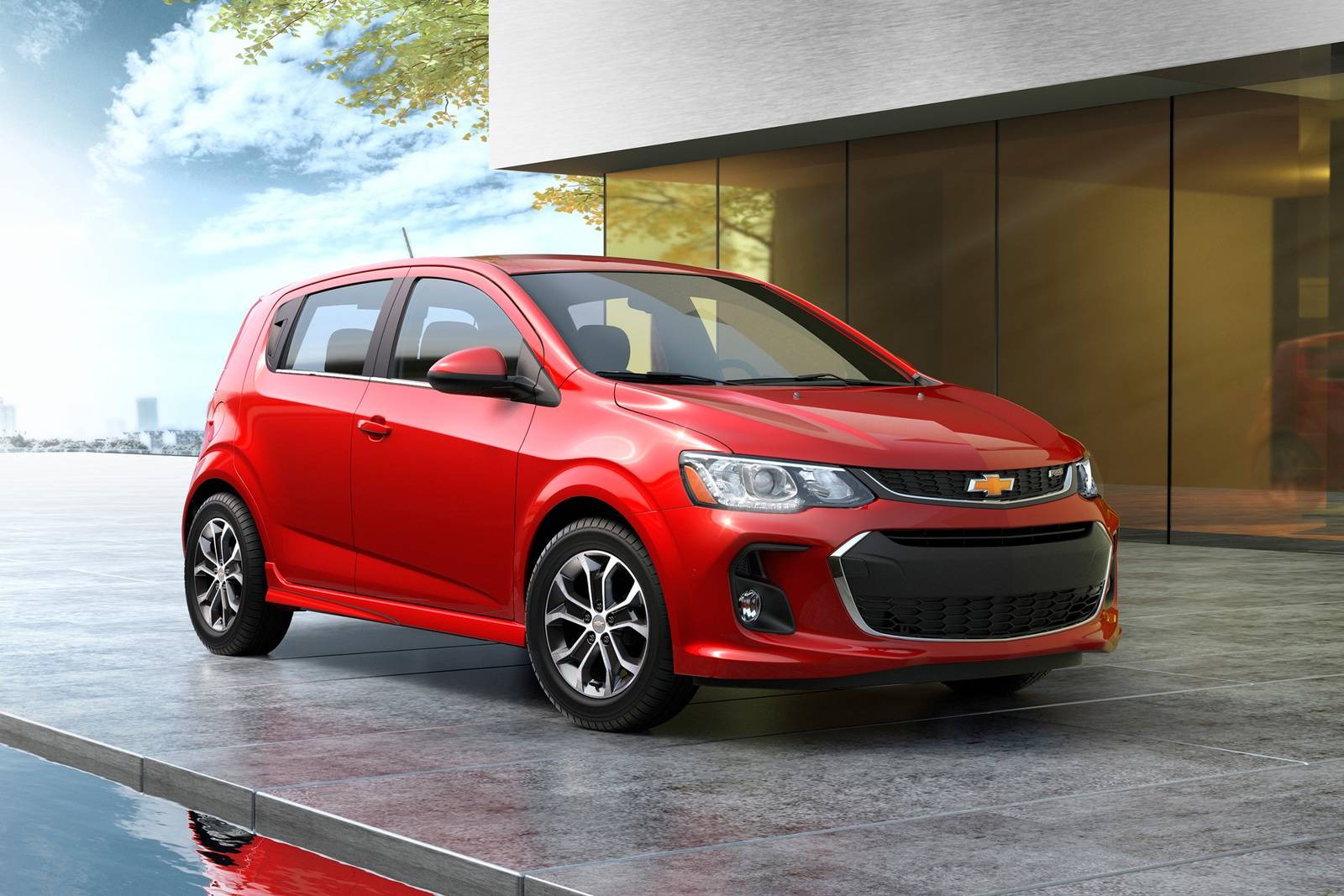
5. Chevrolet Sonic (Manual Transmission)
The Chevrolet Sonic has been a popular choice among budget-conscious buyers, especially in its manual transmission version. While it offers respectable handling and fuel efficiency, its clutch performance has raised concerns for those keeping the car past 100,000 miles.
Reports from long-term users suggest that the clutch begins to lose bite, leading to noticeable slippage and engagement problems, even under normal driving habits.
The Sonic’s clutch system appears to wear faster than those in comparable compact cars. One issue frequently cited involves the early deterioration of the pressure plate and friction disc, especially when the car is driven frequently in urban areas.
As mileage increases, symptoms such as inconsistent clutch pedal feel, vibrations during gear changes, and delayed power delivery start to appear. These are all indications that the clutch system is beginning to wear unevenly or is nearing the end of its service life.
In some cases, clutch slippage begins before the 100,000-mile mark, especially if the car has been driven aggressively or used in stop-start conditions regularly.
As with many compact manual transmissions, the system lacks the reinforcement found in heavier vehicles, so it struggles under sustained torque or inclines. Some drivers have even reported clutch replacement needs around 80,000 miles, although others with gentler driving patterns stretched it further.
Mechanics often find that Sonic’s clutch pedal linkage and hydraulics can also contribute to engagement problems, further complicating wear patterns.
This can make early diagnosis difficult, as drivers may not immediately recognise the cause of poor performance. Once wear sets in, however, slipping becomes frequent and makes the car less responsive.
For those purchasing a used Sonic with a manual gearbox, a clutch test is strongly recommended. Take note of pedal feel, engine response, and gear smoothness under load.
If any signs of slipping or delayed engagement appear, a clutch replacement might be required soon. Regular inspection and timely repair are necessary to avoid complete failure of the transmission system as mileage increases.
