
Trucks are engineered to handle stress, carry loads, and endure tough environments, but not all trucks deliver the same structural reliability. While many buyers focus on engine strength, towing capacity, and off-road capability, the real test lies in how a truck performs when subjected to intense weight and repeated use.
A vehicle’s frame determines its ability to stand up to extreme pressure, and whether it maintains integrity or shows signs of failure depends greatly on how that structure was designed and constructed.
Some trucks have earned praise for how well they withstand heavy-duty use. These trucks feature frames that have been specially designed and reinforced to avoid bending or twisting.
They continue to perform, even after years of hauling large loads or operating on rugged terrain. On the other side, some trucks fall short when tested under stress. Their frames have bent, cracked, or warped under load, exposing weak engineering or substandard materials.
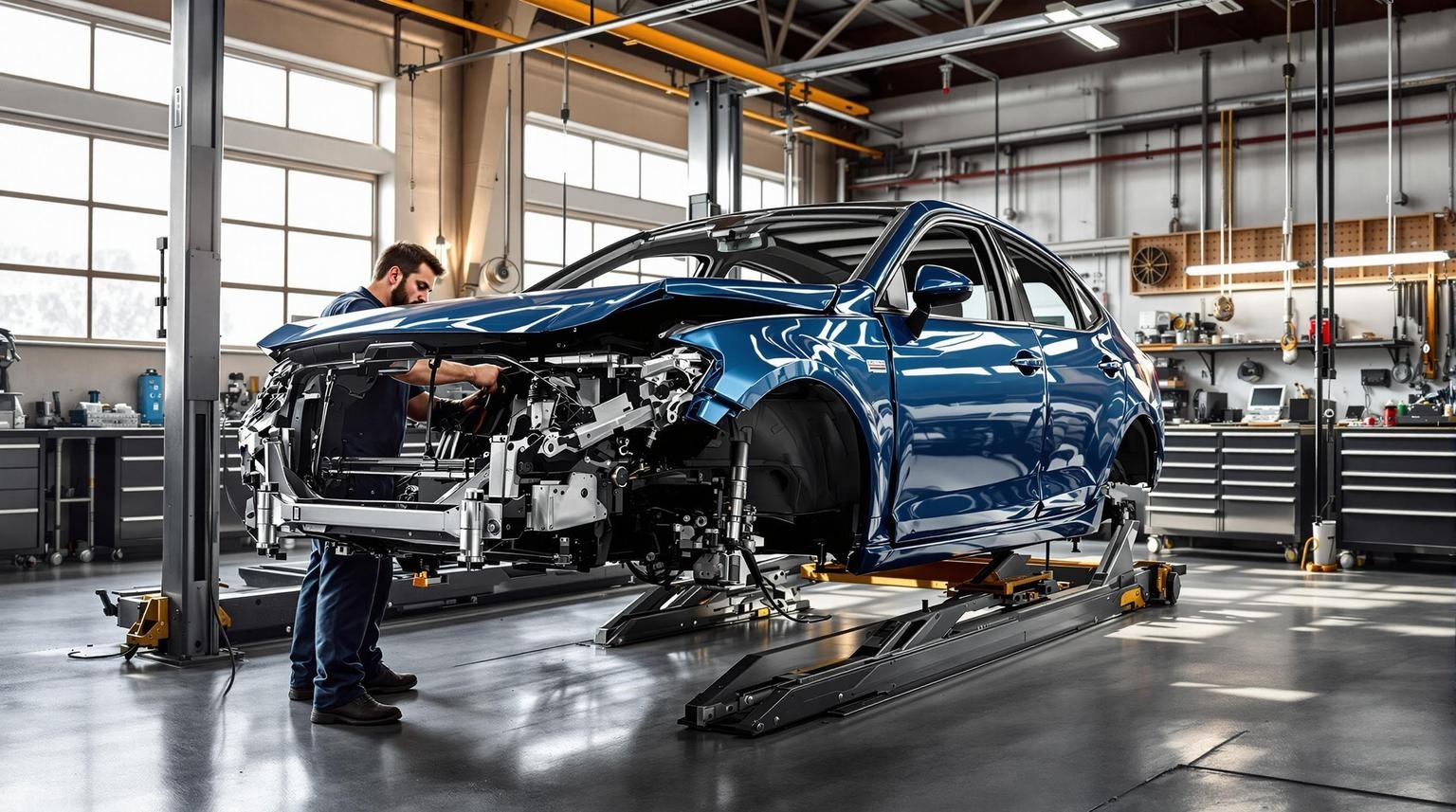
A bent chassis does more than just reduce performance. It poses serious safety risks, shortens the lifespan of the vehicle, and often leads to costly repairs or total write-offs.
Truck owners who rely on their vehicles for work or travel cannot afford to overlook structural durability. For those planning to purchase a new truck or evaluate their current one, understanding which models hold up and which ones do not is important.
On this page, we will compare five trucks known for having strong reinforced frames with five others that have experienced bending under load conditions.
Each truck is discussed in detail, examining its construction, performance history, and real-world durability. These comparisons provide a practical view of what buyers can expect when choosing between durability and disappointment in today’s pickup market.
5 Trucks with Reinforced Frames
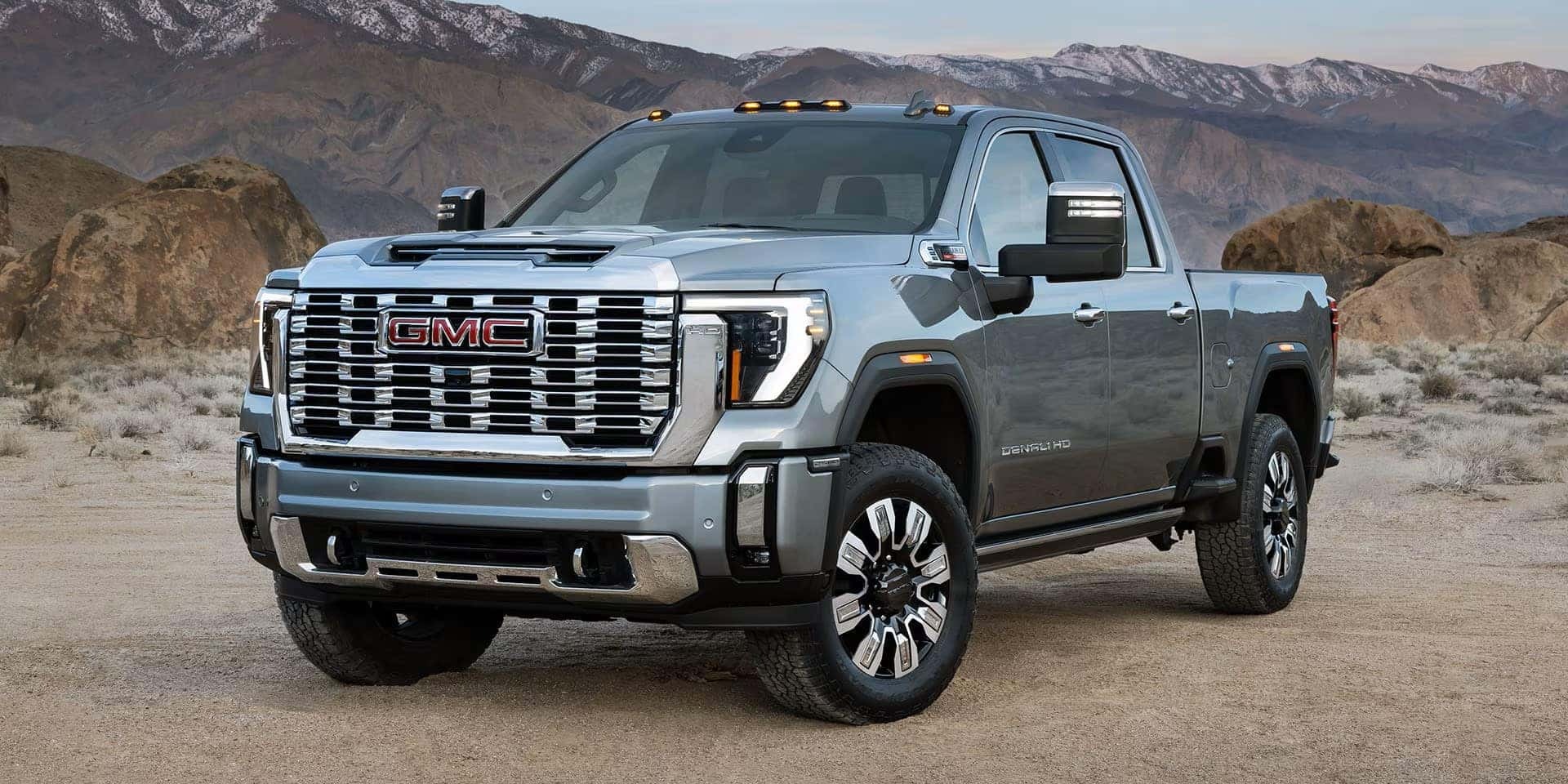
1. GMC Sierra 2500HD
The GMC Sierra 2500HD offers both power and durability, featuring a fully boxed steel frame that was carefully engineered to support intense loads while preserving structural integrity.
GMC placed special attention on frame stiffness and resistance to torsional bend, ensuring that the truck could handle both off-road challenges and long-distance towing without frame fatigue.
This model uses hydroformed front sections and high-strength steel throughout the frame, allowing it to distribute load forces evenly. The boxed design helps keep the frame straight under pressure, preventing flexing that can lead to damage after a long run.
GMC also included multiple crossmembers that connect both sides of the frame tightly, which helps in keeping everything square when large loads are applied.
The suspension system works hand-in-hand with the strong frame to provide a balanced ride. Heavy-duty leaf springs in the rear and a solid front axle help support the frame, keeping it level even when the truck bed is fully loaded or when towing near the rated maximum.
Owners who have transported boats, trailers, or construction gear regularly speak highly of the Sierra 2500HD’s ability to retain its shape without sagging or bending.
Durability testing during development involved applying thousands of pounds of force to simulate years of use, and the frame design held up without any distortion.
As a result, this truck has gained a following among those who depend on structural toughness, from ranchers to contractors and anyone who spends long hours on the road.
Despite being a heavy-duty vehicle, the Sierra 2500HD delivers a comfortable ride and dependable handling, even when fully loaded.
The strong frame allows the rest of the truck’s systems to perform without the strain of adjusting to a bending structure. This balance of power and support gives buyers assurance that their investment will stand the test of time.
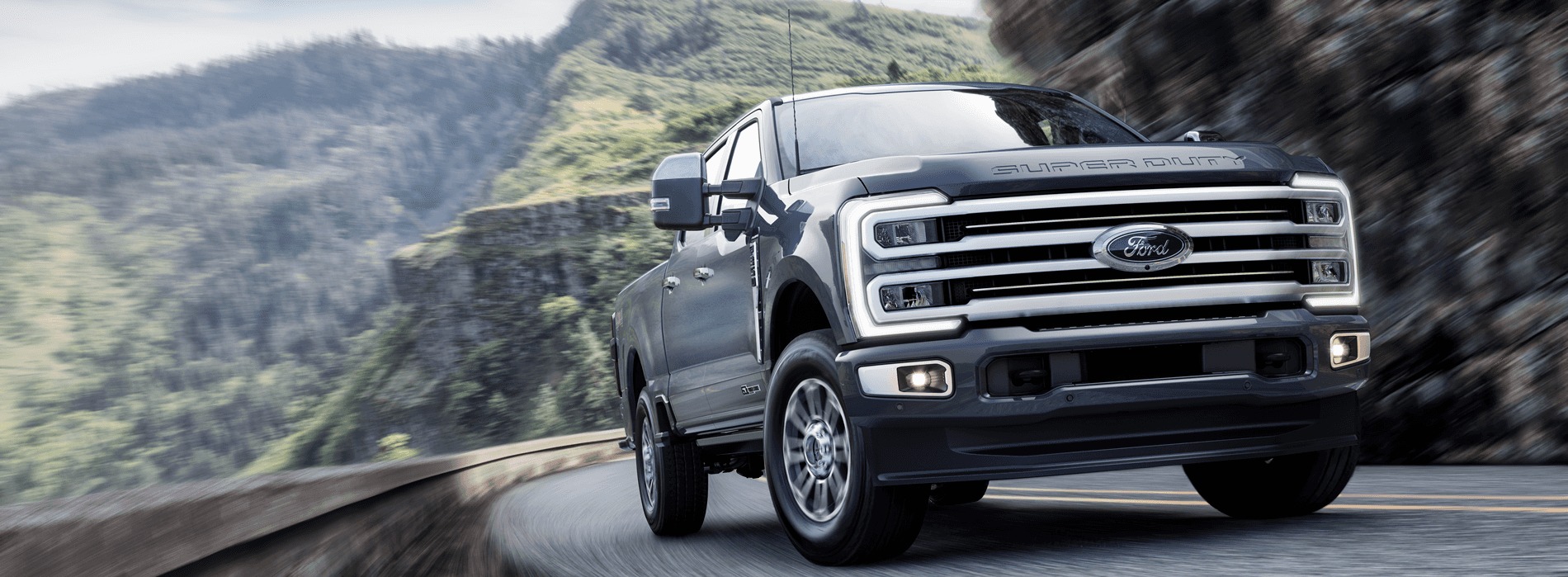
2. Ford Super Duty F-350
The Ford Super Duty F-350 has become a standard for structural strength among full-size heavy-duty pickups. Ford engineers equipped this truck with a fully boxed high-strength steel frame that was designed to manage substantial payload and towing responsibilities.
Instead of relying on partial frame support, the boxed frame structure offers complete resistance across the body, from front to rear, minimising the risk of frame distortion.
This model comes with a ladder frame made from 95 percent high-strength steel. The boxed shape adds rigidity and has proven effective in supporting extreme hauling without warping. The engineers intended for this frame to remain stable during heavy towing situations, and field reports have shown that it does exactly that.
From industrial use to agricultural duties, the F-350 consistently demonstrates toughness. Many owners have transported construction equipment or large trailers without any signs of bending, which supports the claim that this truck’s frame was built with endurance in mind.
Another factor that enhances the durability of the F-350 is its upgraded suspension. The suspension system was matched with the frame’s reinforced structure, distributing stress more evenly across the chassis and preventing the sort of weak points that can lead to bending.
With the Power Stroke diesel engine providing enormous torque, the frame had to be strong enough to handle every pound of stress, and it has succeeded in doing so after some time.
Users who routinely carry heavy loads across challenging terrain have spoken positively about this truck’s ability to remain steady. There have been no widespread reports of frame distortion, even after extended use.
From the oil fields of Texas to snowy mountain passes, the F-350 keeps its form where others might falter. It is one of the best examples of what reinforced truck design should look like when durability matters most.
Also Read: 5 Once-Popular Cars Now Selling Below MSRP vs 5 That Still Sell Above Sticker
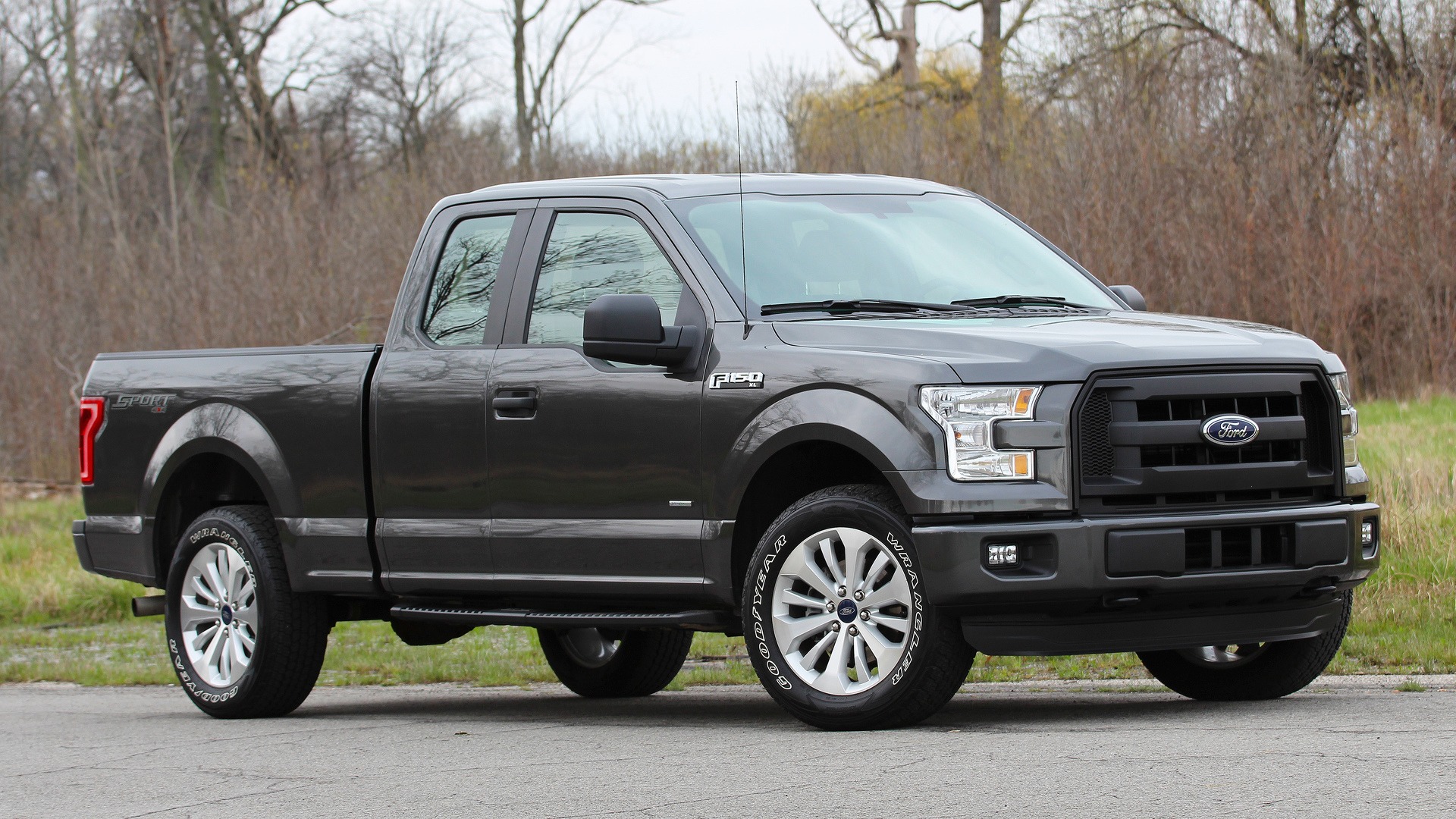
3. Ford F-150 (New Generation)
The Ford F-150 continues to lead in sales across the United States, and one reason is its dependable performance under heavy demand.
The recent generation of the F-150 has been equipped with a military-grade aluminum alloy body combined with a high-strength, fully boxed steel frame. This pairing gives it both lightness and structural strength, allowing it to handle load stress without deformation.
Ford engineers reinforced the F-150’s frame with multiple high-strength steel crossmembers to improve rigidity and load distribution. These enhancements were essential to balance the lighter body material with the need for strong foundational support.
The fully boxed design eliminates weak points, keeping the chassis stiff even under challenging towing or hauling scenarios. It also allows for better resistance to flexing when traveling across uneven terrain with cargo in the bed or while pulling a heavy trailer.
Another point that supports the F-150’s durable frame is the integration of advanced suspension tuning. This system helps distribute the load evenly, keeping pressure from building up at one end of the truck.
During load testing, the vehicle maintained frame alignment even with thousands of pounds placed in the bed. Owners regularly report excellent structural consistency, with trucks performing well even after years of heavy use.
The current model offers a towing capacity that rivals some three-quarter-ton pickups, yet it retains a smoother ride. Whether used for business, outdoor activities, or long road trips with gear in tow, the F-150 has continued to stand firm.
Contractors, delivery workers, and weekend haulers have shared praise for the chassis’s resistance to bending under routine strain. This generation of the F-150 has successfully balanced weight reduction with structural integrity.
It maintains its shape and functionality even after repeated exposure to stress. Buyers searching for a light-duty truck that performs above its class without frame issues will find this one to be a well-rounded and trustworthy option.
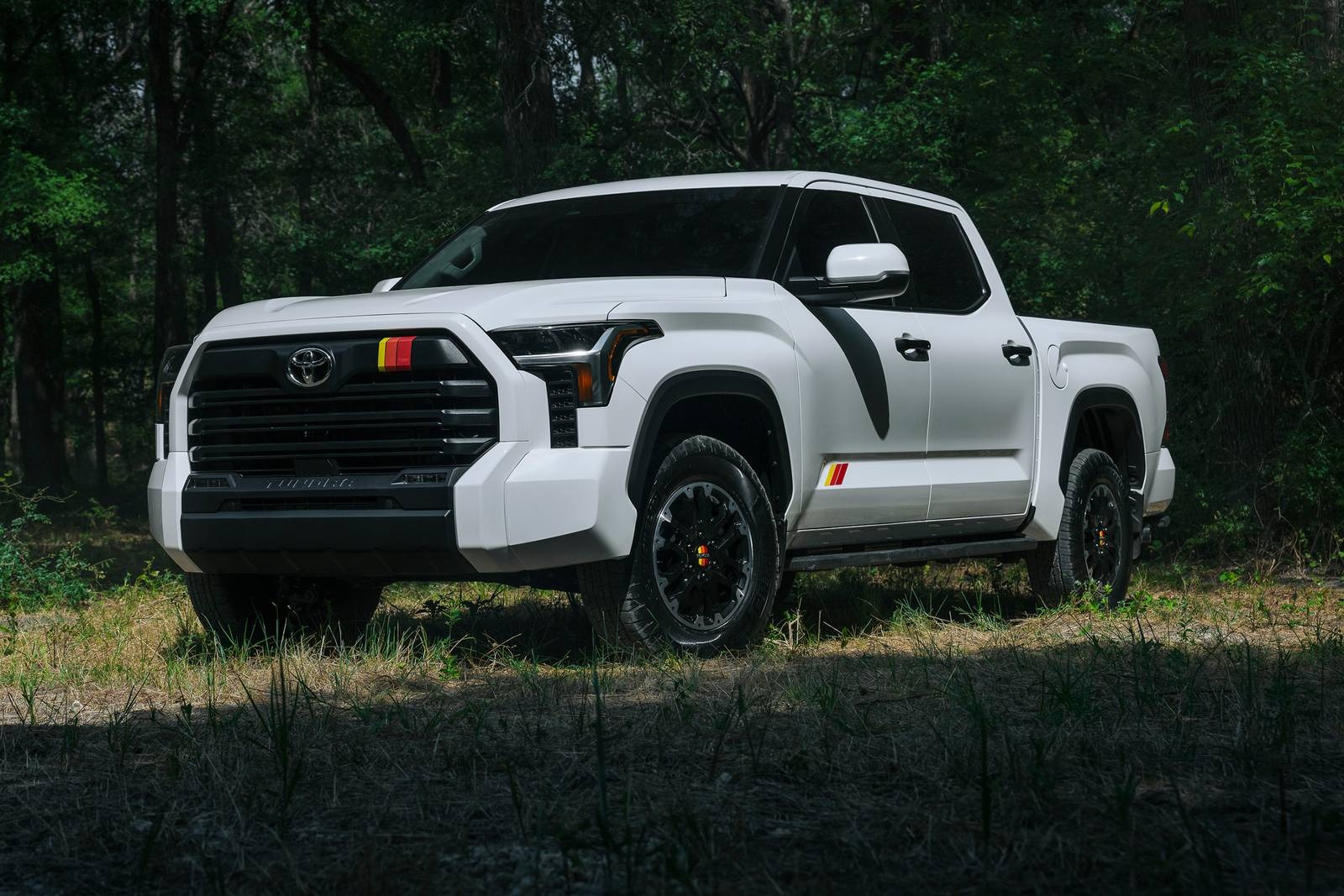
4. Toyota Tundra
Toyota built the Tundra to offer a half-ton truck that could match domestic competitors in toughness and payload endurance.
The fully boxed frame used in the most recent generation delivers strong resistance to bending and flexing. By investing in a solid steel frame and pairing it with a capable suspension setup, Toyota achieved a reliable structure for both work and recreation.
The Tundra’s frame is made from rolled steel with a reinforced front and rear section, which allows the truck to handle pressure from heavy cargo or trailer towing.
Many users have reported that even when fully loaded for cross-country trips or work projects, the frame holds steady and avoids sagging or misalignment. The boxed frame layout resists torsion and keeps the vehicle planted when driving over hills or bumpy roads.
Toyota also improved the truck’s towing performance by designing special reinforcements near the hitch area. These additions help prevent frame distortion from repeated trailer hauling, a weak spot for some earlier trucks.
In tests, the Tundra has shown strong durability under thousands of pounds of load, both on highways and rugged terrain.
Fleet operators who use this model for daily cargo transport often mention the solid structure as one of its best qualities. Even after years of constant use, trucks show limited frame wear. Suspension and steering systems remain aligned, and drivers feel confident about pushing the truck near its maximum towing capacity.
The Tundra gives a dependable balance between ride comfort and load-bearing ability. For buyers who want a pickup that looks modern yet behaves like a classic work machine, this model stands out.
Its frame provides the foundation for a truck that lasts, and Toyota’s approach to long-term reliability extends to every part of the structure.
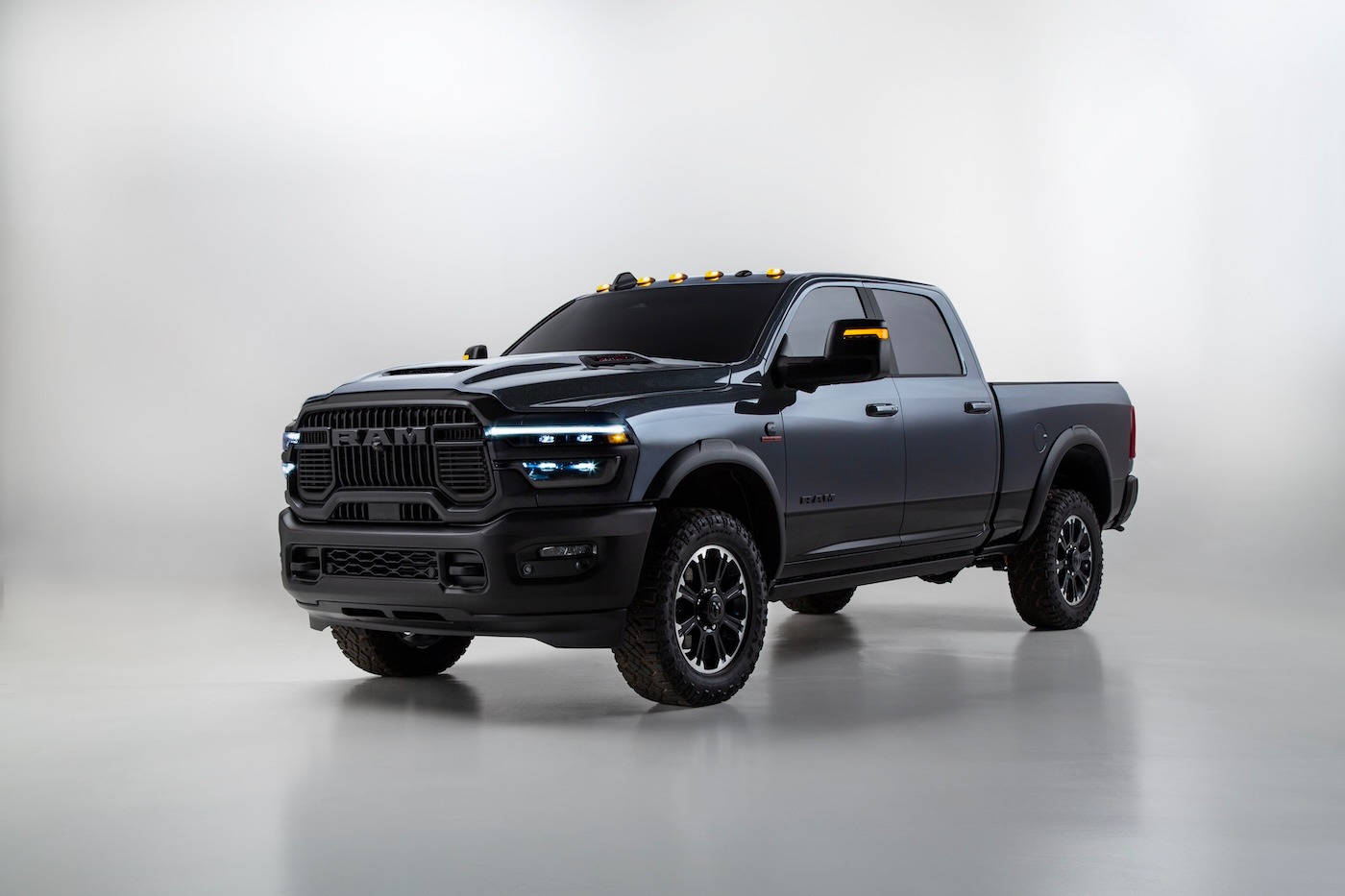
5. Ram 2500 Heavy Duty
The Ram 2500 Heavy Duty stands as another strong example of a well-constructed truck frame designed to handle substantial stress without losing its shape. It’s fully boxed high-strength steel frame provides excellent resistance to torsional bend and vertical load stress.
Ram’s decision to move away from older open C-channel designs allowed for a more rigid platform that can take serious punishment without structural failure.
This model has frequently been selected by people who work in farming, mining, and other physically demanding sectors because it delivers reliable performance under weight.
Whether it’s hauling equipment, livestock, or building materials, the Ram 2500 maintains balance without bending. Its suspension was also reworked to reduce rear-end squat when under load, which has helped in maintaining the frame’s alignment and integrity.
The high-strength steel used in this truck was shaped using hydroforming, which gives it a uniform structure with fewer stress points. Combined with reinforced crossmembers, this frame has shown consistent endurance in long-haul towing and payload transport.
Ram also included specially calibrated shock absorbers and springs to ensure that load stress does not accumulate in weak zones, which often leads to frame fatigue.
Long-term owners often mention that after several years of carrying loads on uneven roads or exposed terrain, their trucks have maintained a straight and solid frame.
There are very few reports of bending, and among those, most involved overloading well beyond the rated limit. Commercial fleet operators who manage dozens of these vehicles have consistently praised their strength.
Whether used for towing horse trailers or transporting concrete mixers, this truck stays upright and firm. The Ram 2500’s strong foundation supports both performance and longevity, providing peace of mind for buyers who intend to use their vehicle for demanding tasks.
5 Cars With Bent Chassis Under Load
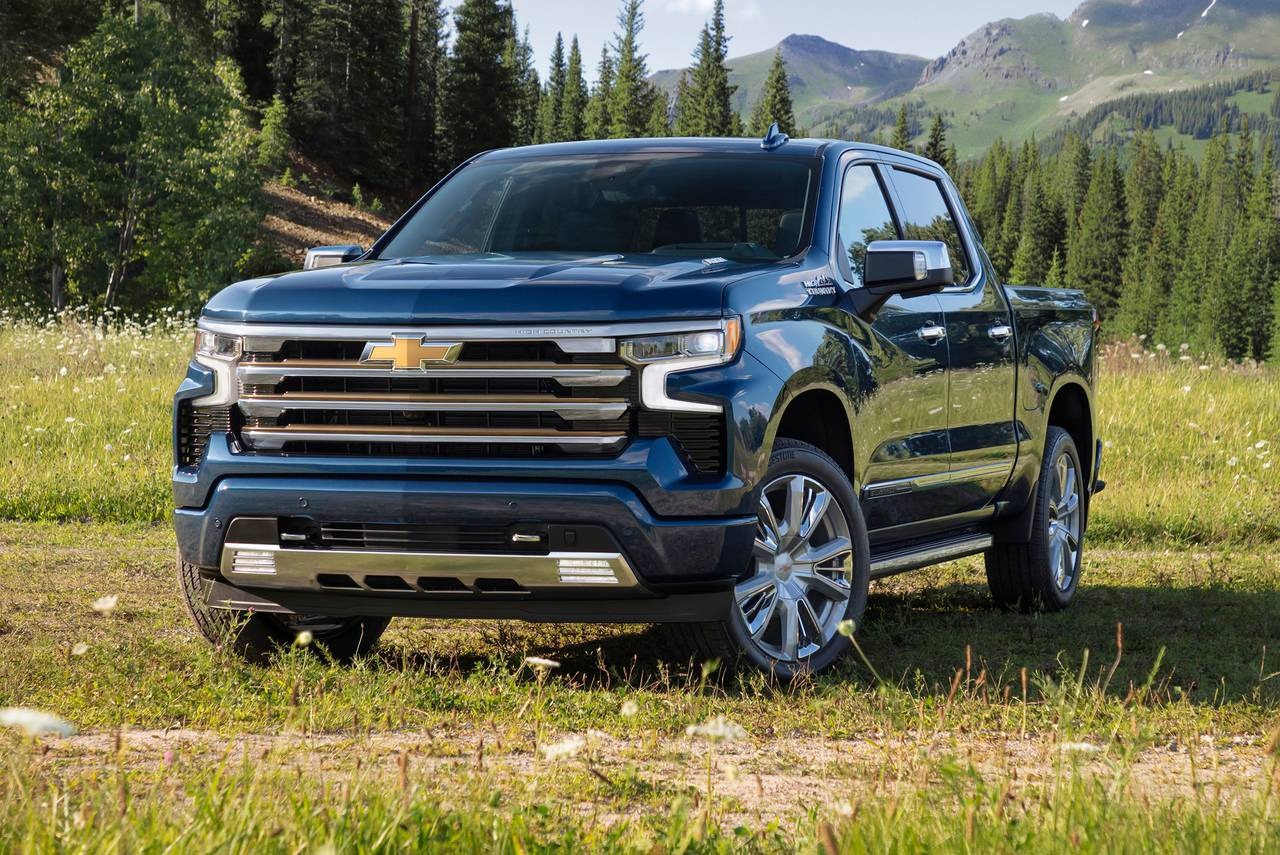
1. Chevrolet Silverado 1500 (Pre-2019 Models)
Before the 2019 redesign, the Chevrolet Silverado 1500 was known to suffer from frame durability concerns when placed under heavy pressure.
While this light-duty pickup was praised for comfort and engine reliability, its earlier chassis design lacked the strength required to consistently support high payloads or endure repeated strain from towing large trailers.
Several incidents were reported where the rear of the truck sagged visibly after prolonged towing. This usually occurred when users carried more than the manufacturer’s recommended weight limits, but even in cases where they stayed within suggested limits, some frames still showed signs of warping or bending after prolonged use.
These issues were particularly visible in models built between 2014 and 2018. The frame used in these versions was only partially boxed and included open C-channel sections toward the rear, which reduced rigidity under heavy vertical stress.
Because of this frame layout, when weight was applied to the rear – such as from a fully loaded trailer or bed stacked with construction materials – the chassis would flex beyond its intended tolerance.
This often caused misalignment and, in some cases, resulted in long-term deformation that affected both suspension geometry and wheel tracking. Some owners even reported having to replace the frame altogether or scrap the truck.
Chevrolet made serious changes in the 2019 redesign, introducing a more robust frame with additional reinforcement. However, for those who purchased earlier models, especially for work that involves towing or carrying heavy loads daily, the frame’s shortcomings became a serious drawback.
Drivers expecting consistent performance were disappointed by the long-term effects of frame flex. Those looking into used trucks from this time frame should inspect the chassis thoroughly for signs of stress, particularly if the truck has been used commercially.
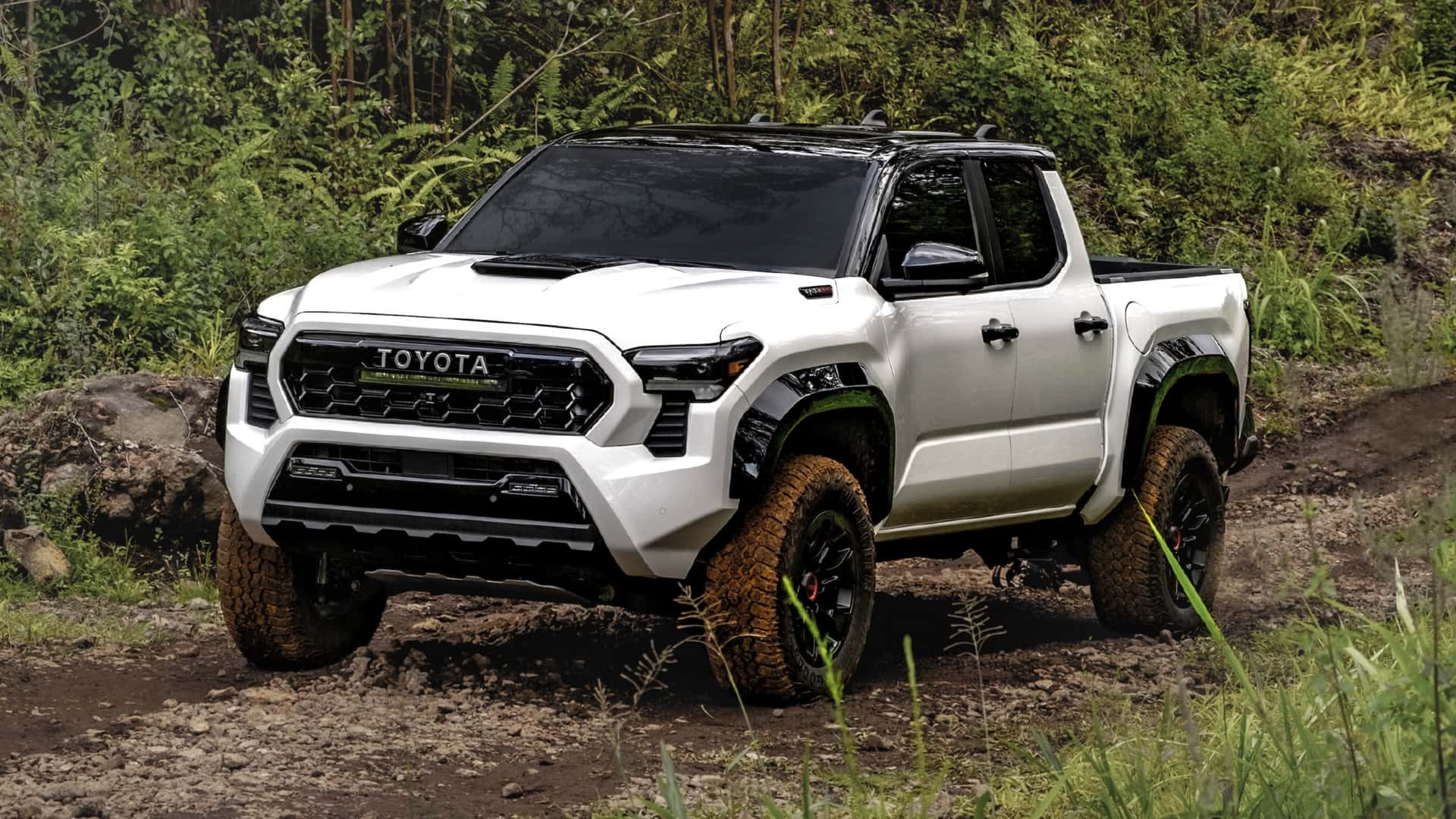
2. Toyota Tacoma (Second Generation)
While the Toyota Tacoma gained fame for its reliability and fuel efficiency, second-generation models (especially those built between 2005 and 2015) have faced frame durability concerns under heavy loads.
Though intended as a mid-size pickup, some owners used the Tacoma for tasks suited for full-size trucks, leading to issues that exposed its structural limitations.
The frame used during this generation was built with a mix of open C-channel and partially boxed segments, which did not provide enough rigidity when towing or hauling near its maximum limits.
The truck was rated to carry moderate loads, but when placed near its payload capacity repeatedly, the structure began to show signs of stress. Instances of sagging, frame flex, and undercarriage misalignment became common among drivers who used the truck for construction, farm work, or towing trailers on a frequent basis.
These problems were made worse in areas with cold weather or rough terrain. Some frames also developed rust, which weakened the structure further.
Toyota responded with extended warranties and even frame replacement campaigns in some markets due to widespread complaints about corrosion and deformation. However, these issues highlighted the original frame’s limitations under real working conditions.
While many Tacoma owners never experienced such issues because they used the truck for daily driving or light-duty tasks, those who expected it to perform like a heavy-duty truck were often let down.
The structure could not handle repeated high-pressure usage without showing fatigue. Trucks that were used primarily for transporting small loads or personal travel remained mostly trouble-free, but those that faced regular loading near the top of their weight class began to suffer structural consequences.
This situation serves as a reminder that not all trucks are built for the same level of work. The Tacoma remains a solid choice for light utility, but not as a substitute for a full-frame heavy hauler.
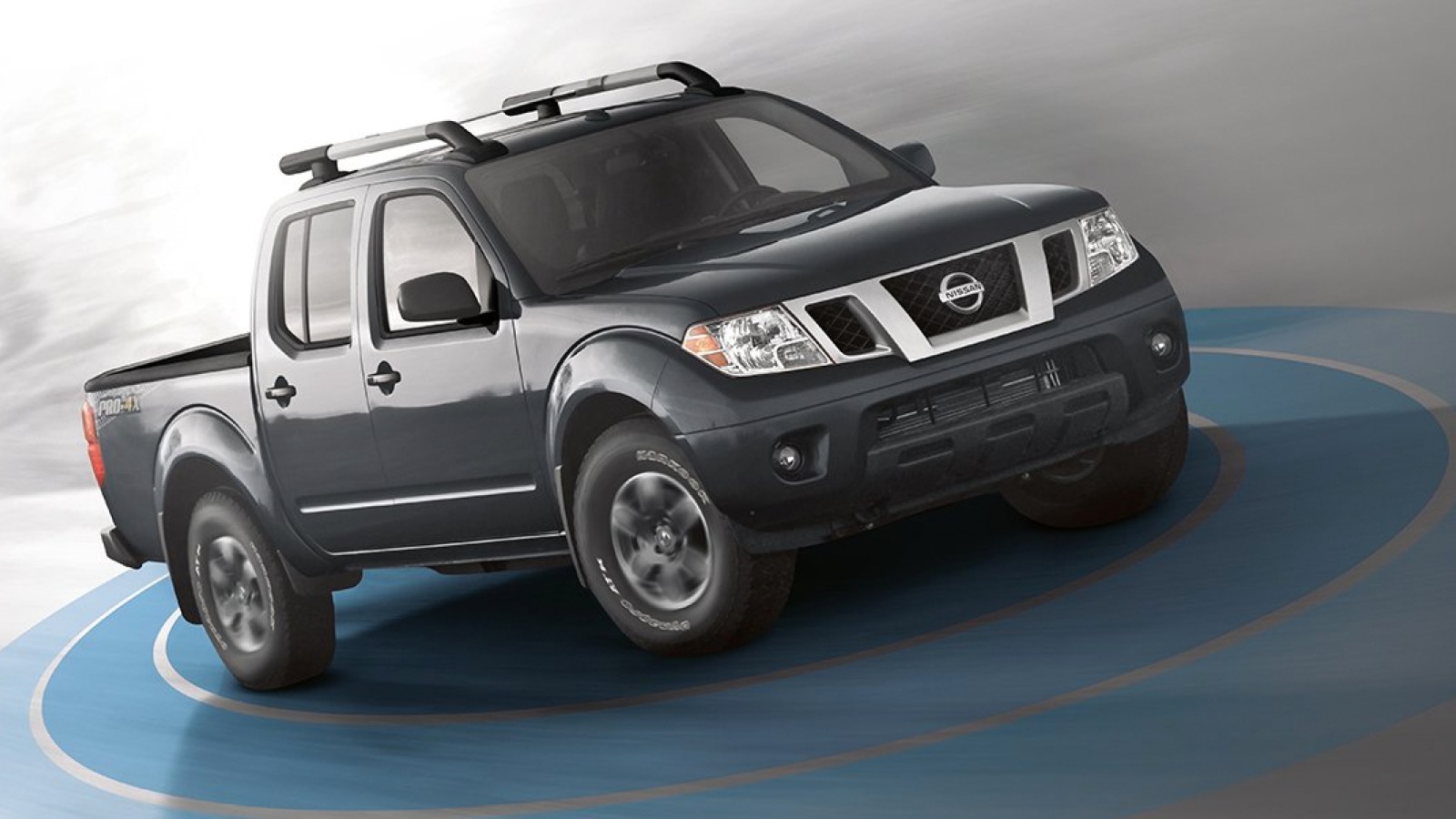
3. Nissan Frontier (2005-2021 Models)
The Nissan Frontier, particularly those manufactured between 2005 and 2021, received attention for its simplicity and long-lasting engines, but its chassis did not hold up well in certain work scenarios.
Though designed as a mid-size truck, many buyers expected the Frontier to perform duties often reserved for full-size pickups. When these expectations clashed with the limits of its structure, frame bending and other forms of distortion began to surface.
The Frontier’s frame was partially boxed and not fully reinforced throughout its length. This made it more prone to twisting when placed under heavy vertical loads or uneven terrain stress.
During instances of towing trailers or transporting construction materials over extended periods, many users reported sagging at the rear or an uneven stance. These problems were especially common when the truck was used frequently near its rated towing or payload limits.
One persistent issue with the Frontier during this period was the lack of stiffness in the rear frame section. Under constant hauling, this portion could deform and change alignment, leading to premature wear on suspension components and drive shaft angles.
Some owners even discovered cracked welds or frame rust after long-term use in humid or snowy climates. These developments contributed to doubts about the truck’s reliability for heavy-duty tasks.
Nissan responded by reinforcing the frame in later models, but the issues remained present in vehicles used intensively. Many long-term users of the truck who relied on it for commercial or agricultural work had to seek frame repairs or replacements before reaching high mileage. While the engine remained trustworthy, the structural support it relied on was sometimes not up to the job.
Buyers interested in this truck should be aware that while it handles light and moderate loads efficiently, expecting it to carry the weight of a heavy-duty vehicle can lead to disappointment. It works best when its purpose matches its engineering and should not be mistaken for a large hauler built to endure heavy loads after a long time.
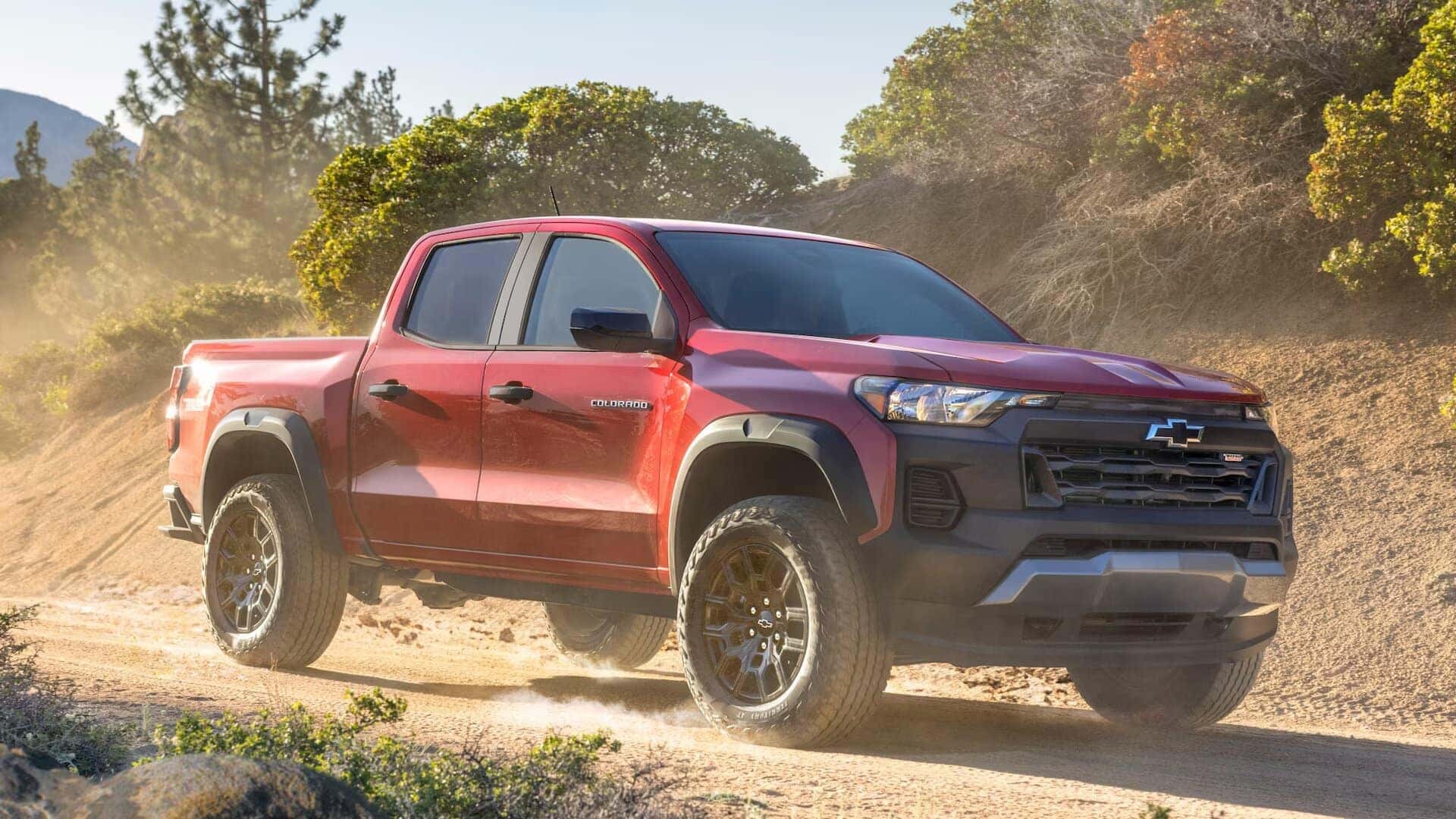
4. Chevrolet Colorado (2015-2020 Models)
Chevrolet reintroduced the Colorado in 2015 as a modern mid-size pickup meant to offer utility and comfort in a compact form. While the truck attracted buyers with its features, engine options, and size, some owners experienced issues when using it for heavy-duty work.
The structure of the Colorado during this period did not consistently support high payloads or regular towing tasks without developing frame strain.
The chassis used in this model had several areas that lacked full reinforcement, particularly toward the rear section. These design choices made the frame vulnerable to bending when the truck was loaded near its maximum weight rating.
Reports from users involved in construction, off-road exploration, and farm hauling noted sagging, misalignment, and difficulty with suspension geometry after extended periods of work-related tasks.
In multiple cases, frame distortion resulted in uneven wear on the tires and steering components. While Chevrolet had positioned the Colorado as a smaller alternative to full-size pickups, some buyers treated it as a workhorse and discovered that the structural limits became clear with continued use.
The truck performed better in city environments or occasional towing, but those who demanded daily load-bearing found the chassis insufficient.
Corrosion was another concern, especially in regions with salted roads during winter. Some owners reported that rust formed faster than expected, weakening structural points and accelerating frame-related problems. While not every unit had this issue, the number of affected vehicles prompted close inspection by those shopping for used models.
After 2020, Chevrolet revised the frame design for newer models, addressing many of these concerns. Still, for earlier units, buyers should remain cautious about using the truck for tasks beyond what it was designed to handle. It serves well in moderation, but cannot take the place of a reinforced heavy-duty truck without facing structural risk.
Also Read: 10 Least Reliable Cars With CVT Transmissions To Avoid
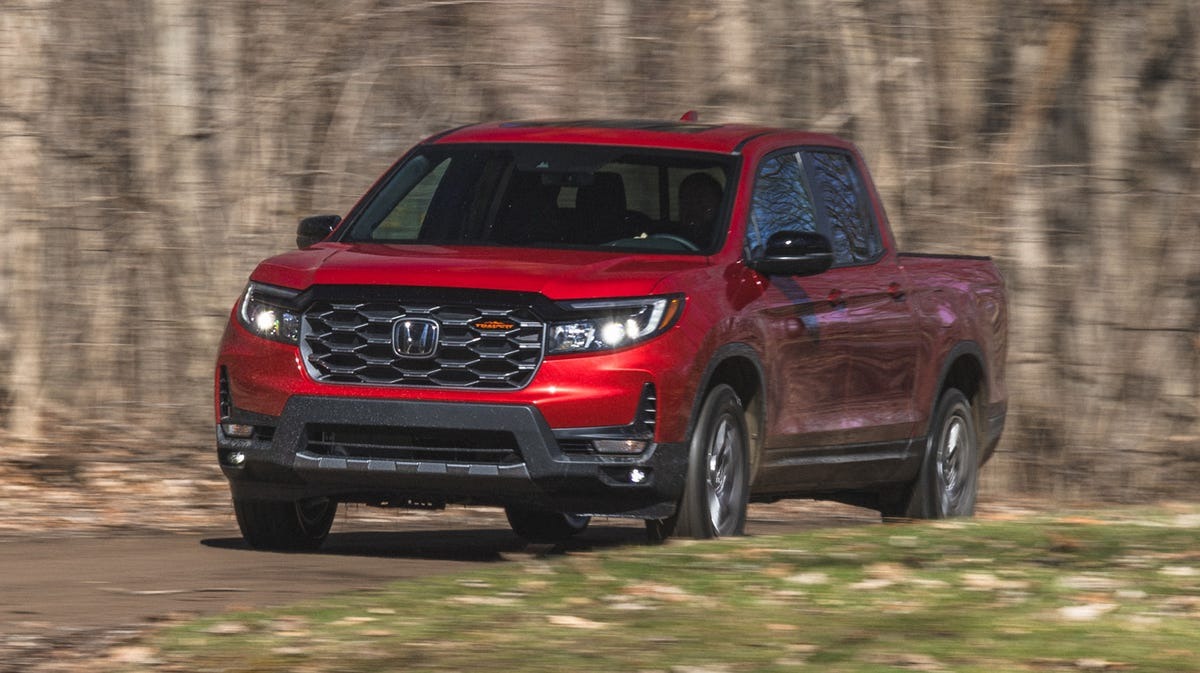
5. Honda Ridgeline (First Generation)
The first-generation Honda Ridgeline stood out for its unibody construction, which aimed to offer smoother handling and improved comfort. However, this design came with trade-offs when it was exposed to heavy work conditions.
Unlike traditional body-on-frame trucks, the Ridgeline used a single integrated body and chassis, which lacked the strength found in fully boxed steel frames. This structure worked well for daily driving but struggled with repeated exposure to high loads.
Owners who tried to tow near the truck’s rated limits or carry heavy equipment in the bed often reported frame distortion and alignment problems. The unibody chassis flexed more than expected under pressure, leading to uneven tire wear, rear-end sagging, and reduced handling stability.
While the truck was never marketed as a heavy hauler, buyers who assumed it could handle tasks like other pickups soon discovered that its structure was not up to the job.
Another issue involved the rear suspension, which transferred more load stress directly into the body structure instead of isolating it through a rigid frame.
This design flaw led to frame fatigue in some units, especially when used for extended work applications. The chassis also struggled in off-road settings where additional stress came from uneven ground and obstacles.
Honda revised the Ridgeline’s structure in later generations by reinforcing weak points and adjusting weight distribution, but early versions remained better suited to suburban or light-use driving. The comfort and fuel economy offered by this truck could not compensate for its poor frame performance under work pressure.
Those considering a used first-generation Ridgeline should take its design into account. It provides value when used within its limits, but as a replacement for a conventional truck, it falls short. Heavy loading or repeated towing should be avoided to preserve its structure and avoid potential damage.
