
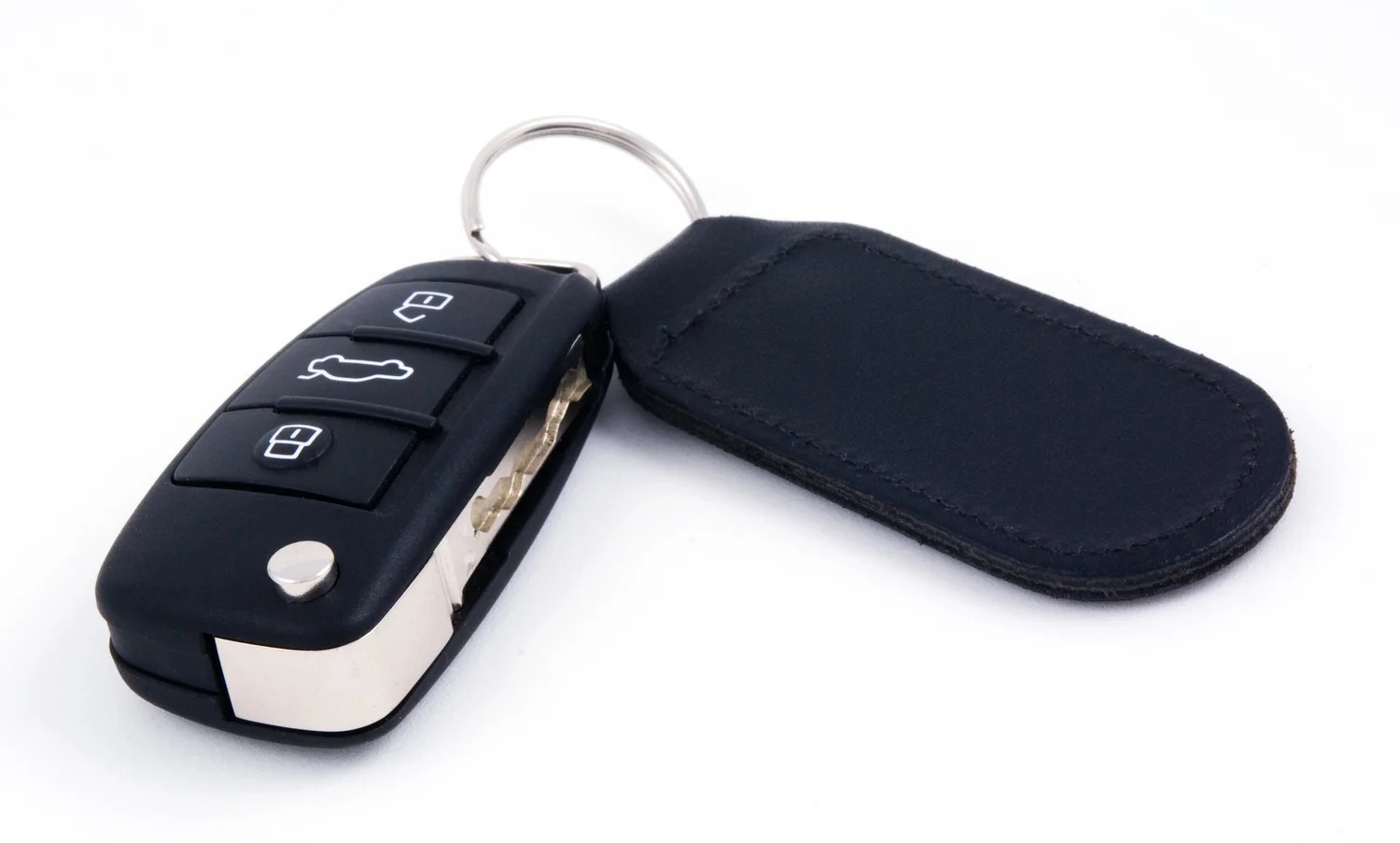
Remote keyless entry systems have become a standard part of modern vehicles, offering a level of ease and security that traditional car keys cannot match. While they bring undeniable convenience, they also introduce a new element of vehicle ownership: the key fob battery.
Many drivers do not think about the longevity of their key fob until it stops responding, which often leads to panic or the need for an emergency battery replacement. Interestingly, not all car key fobs share the same lifespan.
Some models are built with long-lasting components that can last a decade or more without needing a battery change. Others, despite the quality of the vehicle, are known for draining batteries faster than expected.
On this page, there is a breakdown of ten different car models, split into two groups. The first five vehicles come with key fobs that tend to last the lifetime of the vehicle, rarely requiring battery replacements even after years of usage.
These models are recognised for their exceptional durability in the key fob function. On the other side, five cars often frustrate owners with frequent key fob battery replacements. These vehicles may perform excellently on the road, but the fob batteries seem to wear out quickly, leaving drivers to deal with unexpected inconveniences.
Each vehicle listed has been carefully selected based on ownership reports, real-world experience, and the performance history of its remote fobs. The emphasis is not just on the quality of the car itself, but how well its remote entry system holds up.
Whether you are planning to buy a new vehicle or just curious about how your current model compares, this guide offers an in-depth look into which cars let you forget your key fob even exists and which ones might have you changing batteries every year.
Cars with Lifetime Key Fobs
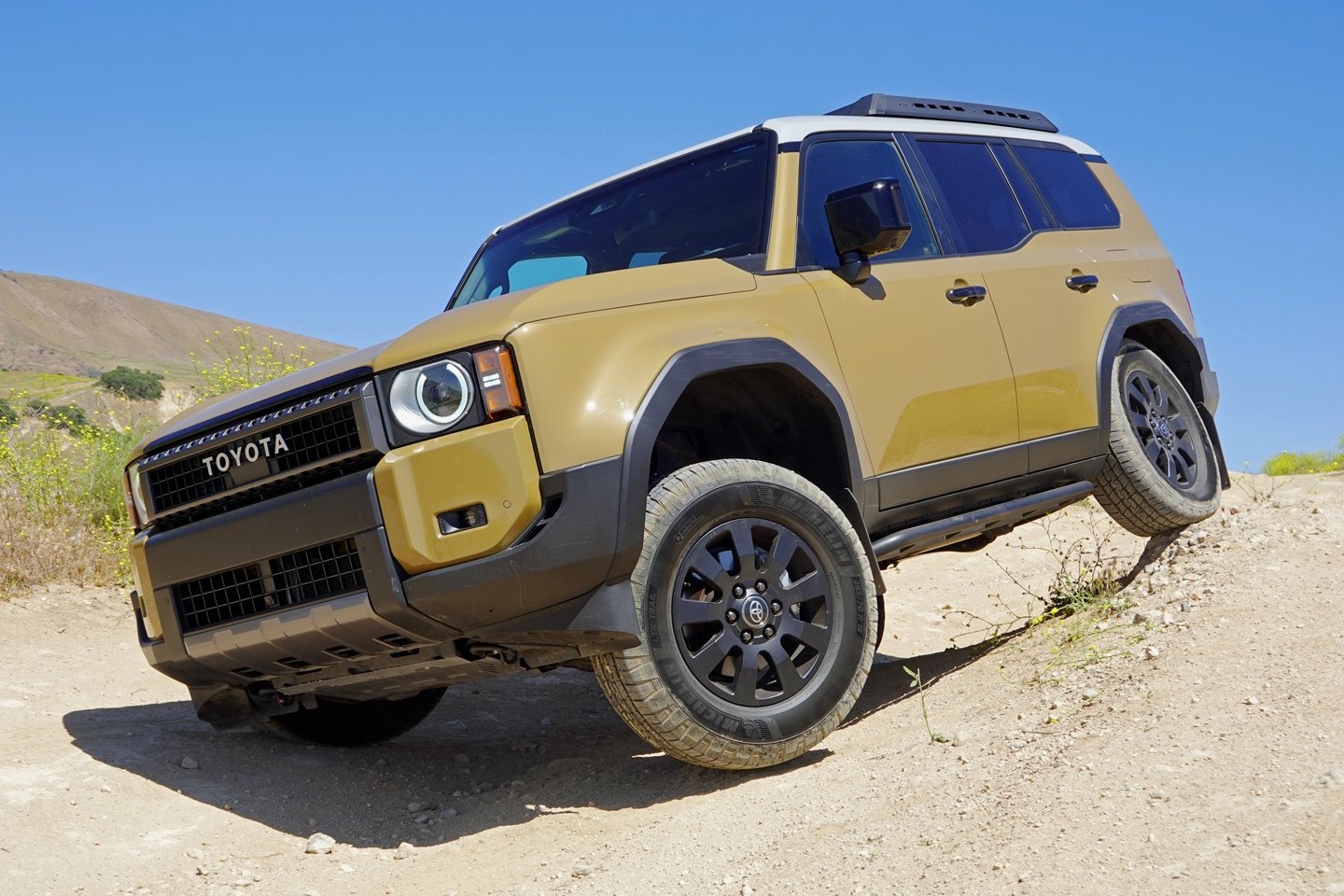
1. Toyota Land Cruiser
Toyota has long maintained a reputation for building highly dependable vehicles, and the Land Cruiser stands as one of its strongest examples. Designed to perform under extreme conditions and built to last decades, the Land Cruiser’s key fob matches the vehicle’s resilience.
Many long-term owners of this model report never having to replace their key fob battery even after ten or more years of use. This durability can be traced to Toyota’s approach to minimal battery drain when the fob is idle and its use of quality internal components.
The fob in the Land Cruiser is simple and efficient, with no unnecessary features that would increase power consumption. Its primary functions, lock, unlock, and panic alarm, are handled through a low-energy signal that doesn’t draw excess power.
Additionally, Toyota engineers have designed the fob casing to be extremely resistant to damage from drops, moisture, or dirt, ensuring it remains reliable even after being handled carelessly or exposed to the elements.
A major benefit to drivers is the peace of mind that comes from not having to worry about constant fob maintenance. There is no need to open the casing, search for special button cell batteries, or reprogram the fob regularly.
The Land Cruiser’s fob is manufactured in a way that almost feels mechanical in its operation, eliminating the delicate nature commonly associated with keyless systems.
Those who frequently travel to remote areas or rely on their vehicle for heavy-duty work will find this attribute very valuable. A dead fob battery in harsh terrain can quickly become a bigger problem than one might expect.
With the Land Cruiser, the reliability stretches beyond the engine and suspension to something as seemingly minor yet essential as the key fob. Its consistency reinforces the model’s status as a vehicle built with long-term ownership in mind.
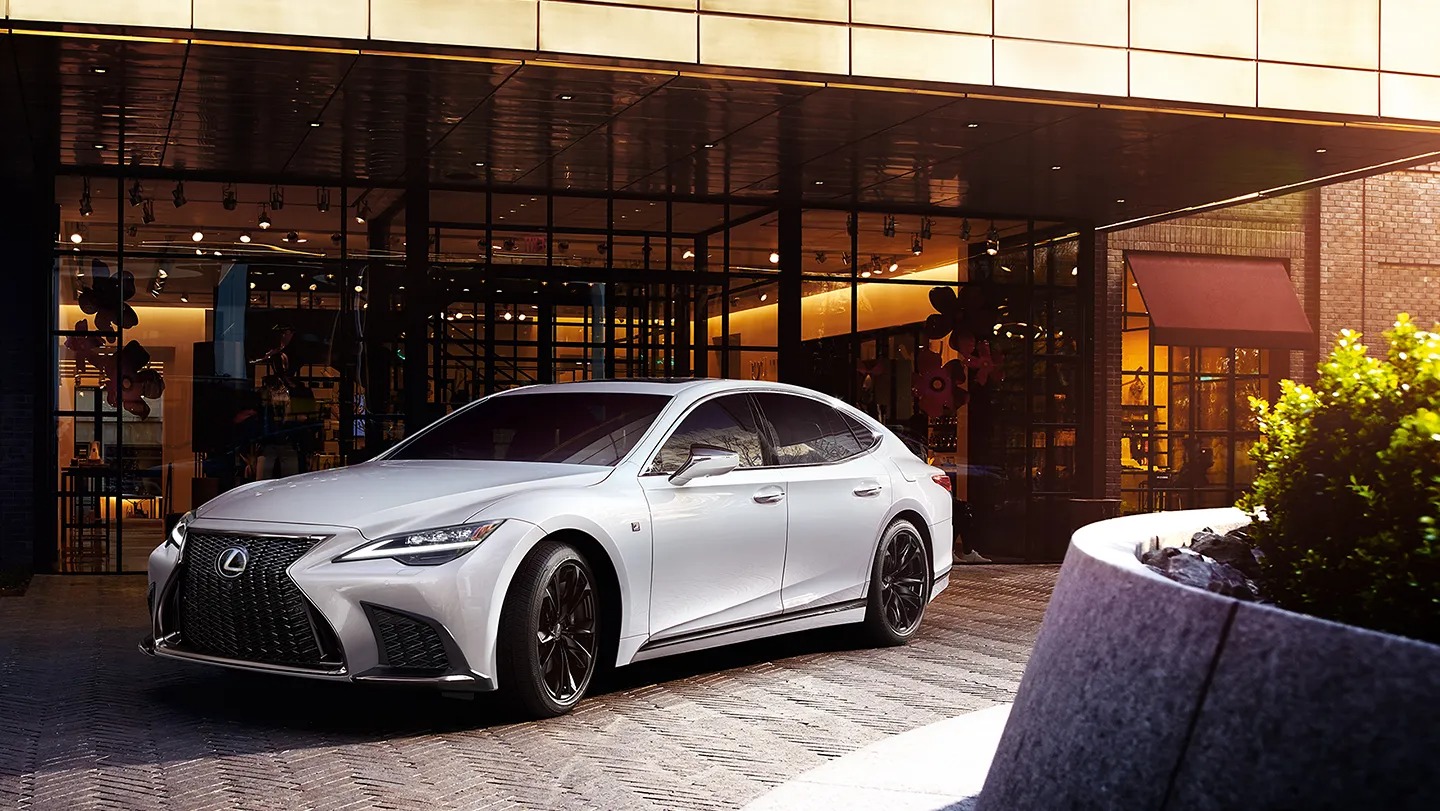
2. Lexus LS 460
Luxury vehicles often feature advanced electronic systems, and the Lexus LS 460 stands as a strong example of balancing complications with durability. Introduced as a flagship sedan from Toyota’s luxury division, the LS 460 is packed with premium features.
Yet despite its high-tech nature, its key fob maintains an impressive battery lifespan, often lasting upwards of eight to ten years without needing a change. Owners of this model frequently praise the longevity of the smart key fob. It operates smoothly across various climates and retains its signal strength even with extensive daily use.
The efficient power management system inside the LS 460’s fob helps reduce unnecessary battery consumption, allowing the internal battery to remain functional for extended periods. Many LS 460 owners have used the same battery since the vehicle left the showroom.
One of the design strengths lies in the placement and insulation of its electronic board. The internal components are well-protected from environmental stress, which prevents short-circuiting and battery drainage.
Lexus also reduced the need for constant two-way communication between the fob and the vehicle, which helps keep power usage minimal. It avoids the common pitfall of many high-end cars, where extra functions like trunk openers or remote starters draw down power more quickly.
Drivers also benefit from the convenience of not frequently replacing the fob battery or worrying about the fob failing to communicate with the car in crucial moments.
For a luxury sedan, where refinement extends beyond the driving experience, this reliability in a small detail supports the image of premium craftsmanship.
The LS 460 provides a satisfying blend of sophistication and endurance, allowing drivers to focus on comfort and performance rather than maintenance of electronic accessories. The key fob’s remarkable lifespan simply adds to the car’s enduring appeal.
Also Read: 5 Cars That Lose Value After 100,000 Miles vs 5 That Retain Value Past 100,000
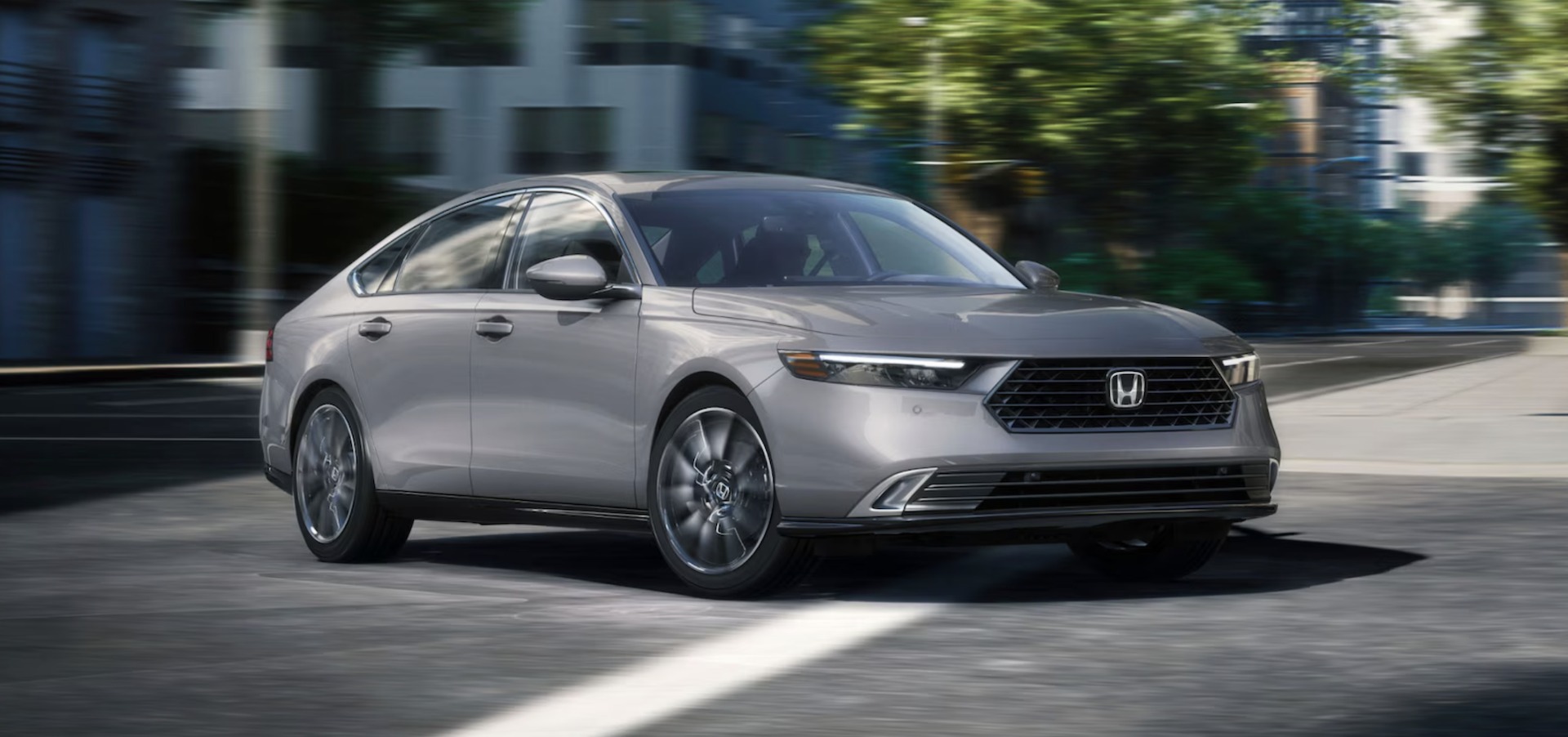
3. Honda Accord (2003-2012)
Among midsize sedans, the Honda Accord has long been respected for reliability and value. The models released between 2003 and 2012 particularly stand out when it comes to the durability of their key fobs.
These vehicles often came with traditional key fobs that integrated a manual key and a basic remote system. Unlike many modern fobs that rely heavily on sensors and multiple digital functions, the Accord’s older fobs use a straightforward design that ensures low battery usage after some time.
Owners of these Accords commonly share stories of never changing their key fob battery during the life of the vehicle. The remote buttons usually only control locking and unlocking, meaning the system avoids power-hungry operations.
Since the components are minimal, the drain on the coin cell battery is almost non-existent during periods of non-use. Many drivers continue to use their original fob without issue, even after more than a decade of ownership.
The build quality of these fobs also contributes to their long lifespan. Unlike some newer fobs that are difficult to open or easy to damage, the Accord’s key fob features a sturdy plastic casing that can handle drops and moisture without affecting functionality.
When maintenance is required, it is straightforward and inexpensive, with replacement batteries available at most hardware stores and installation taking just a few minutes.
This level of reliability becomes especially important for owners who use their cars daily for commutes or errands. The last thing anyone wants is a non-working key fob when rushing to work or leaving the supermarket.
With the Honda Accord from this era, drivers benefit from a dependable and long-lasting remote system that rarely needs attention. The combination of durability and practicality makes this vehicle stand out among everyday sedans when it comes to fob performance.
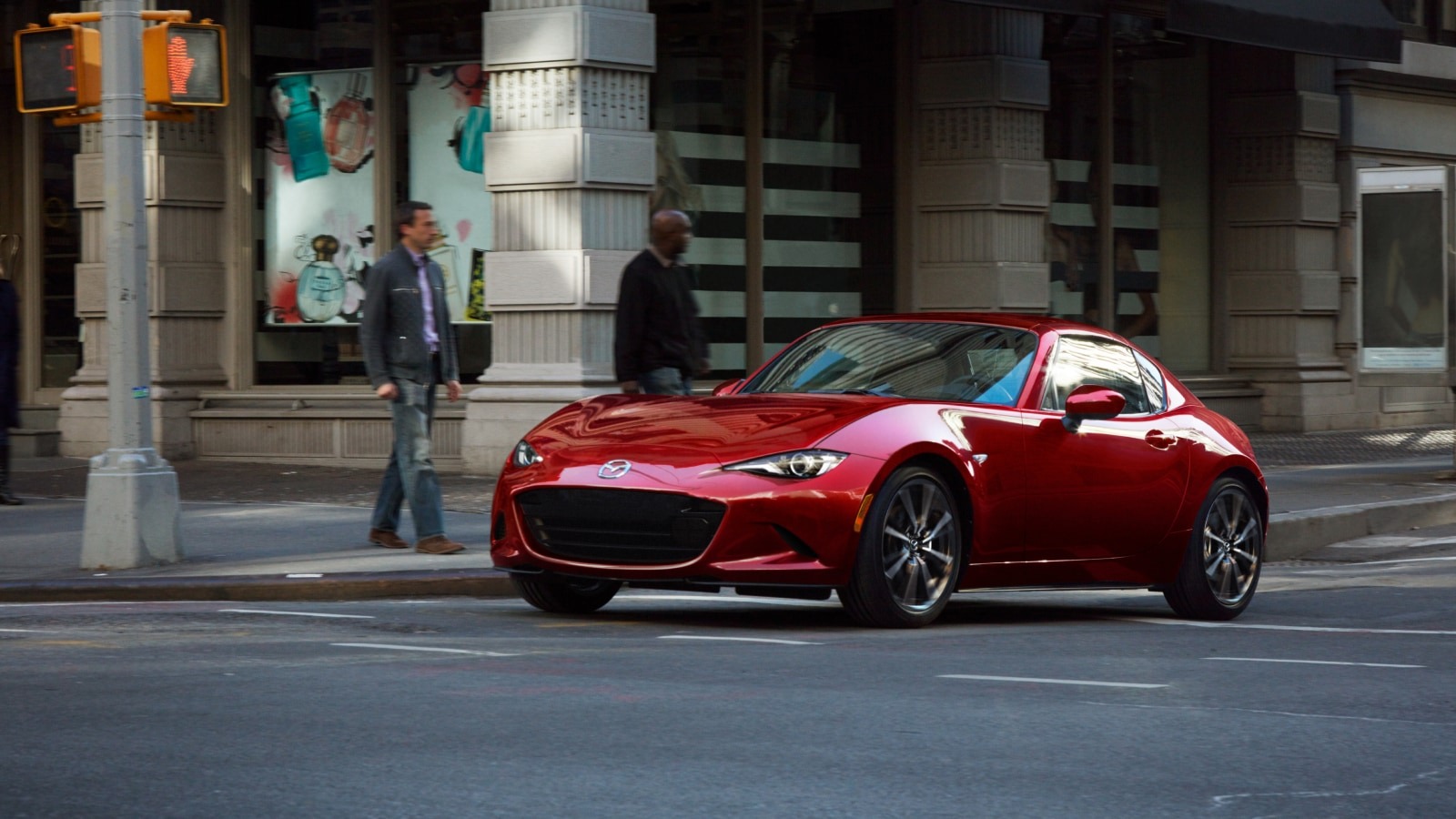
4. Mazda MX-5 Miata
The Mazda MX-5 Miata, a sports car known for its lightweight design and engaging driving experience, also happens to come with a key fob that is refreshingly durable.
Though the Miata’s focus lies in agility and driving pleasure, the reliability of its electronic components, including the fob, deserves attention. Several models of the Miata feature a simple and long-lasting key fob system that holds up exceptionally well even under frequent usage.
Unlike the overly complicated systems found in other performance cars, the Miata’s key fob maintains a basic structure. Its limited features prevent battery drain, and its efficient internal circuit design ensures that the battery remains functional for extended periods.
Many owners report using the same battery for five to seven years, with some stretching beyond that without any replacements. This level of endurance is quite rare in sports cars, which often have more demanding electronics.
Another strong point is the fob’s compact and lightweight nature. It fits easily in a pocket and can survive the type of wear and tear that comes from being tossed around or dropped on asphalt.
The materials used in the casing are firm and well-sealed, which keeps the interior components protected from humidity or debris. Even after years of driving, the signal strength of the fob remains steady.
Miata owners often keep their cars for long periods, and a dependable fob reduces ownership hassle. With limited features, drawing power, and a solid casing, the Mazda MX-5 Miata proves that performance does not have to come at the expense of reliability.
The lasting performance of its key fob adds another practical reason to admire this popular roadster beyond its driving character.
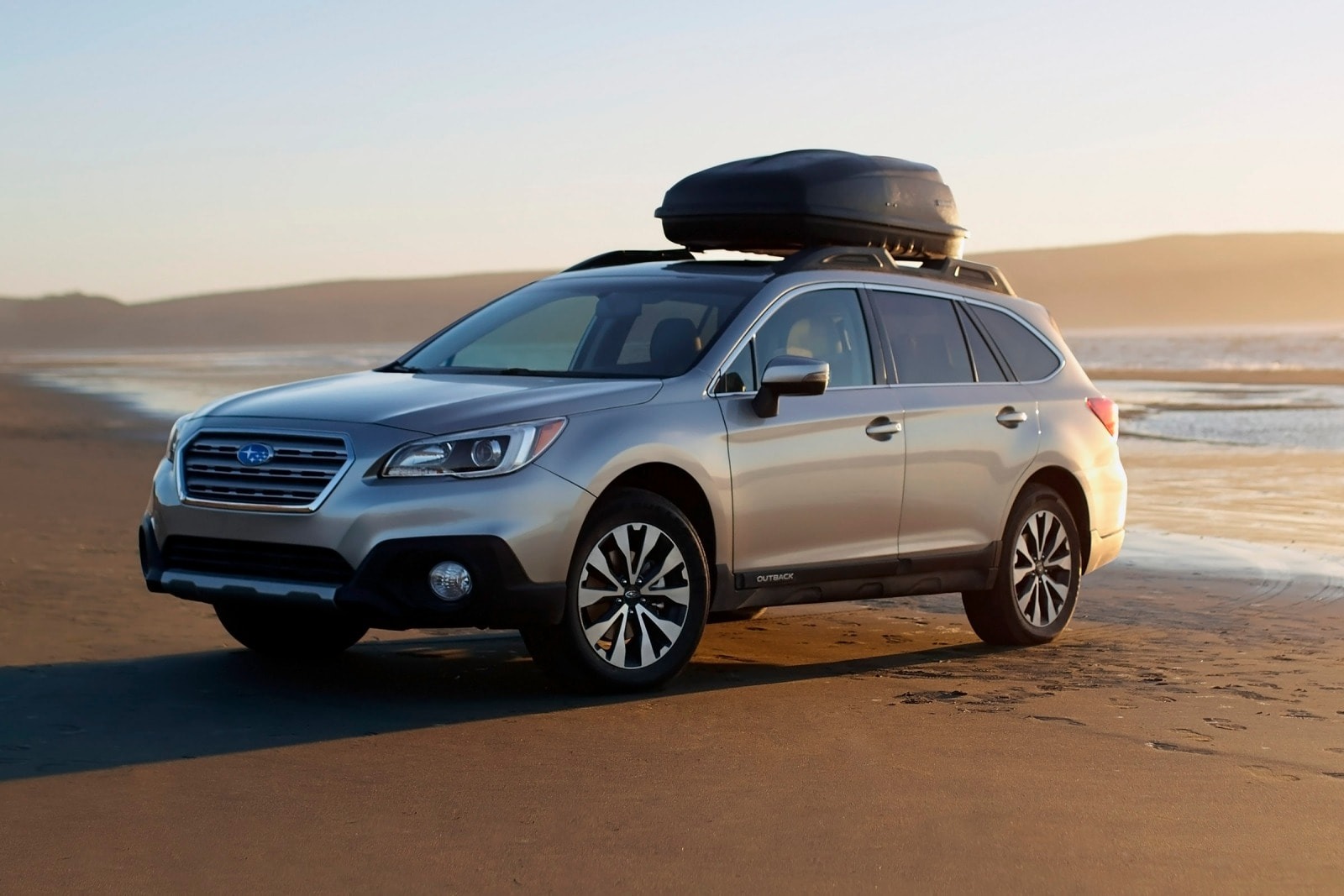
5. Subaru Outback (Pre-2015 Models)
The Subaru Outback, especially models manufactured before 2015, has a strong reputation for dependability in remote terrains and poor weather conditions.
One of the lesser-known advantages of these earlier versions is the remarkable reliability of the key fob system. Unlike modern push-button systems that sometimes suffer from frequent battery changes, the Outback’s earlier fobs can last a very long time without the need for replacements.
The older Outback key fobs feature a functional layout with basic remote capabilities. They avoid draining power quickly because of their simple transmitter systems.
Owners often report that even after a decade of ownership, the battery inside the fob continues to operate without trouble. This is because the signal strength is calibrated for short-range communication, and the circuit design does not require continuous energy to maintain functionality.
Subaru’s engineering for these models includes solid internal parts and a casing that withstands the everyday stress of cold weather, moisture, and casual impact.
The fob itself is user-friendly and allows quick replacement of the battery if necessary, but many owners never need to do so. The brand’s reputation for building vehicles that thrive under tough conditions extends to even its smallest components.
For anyone who uses the Outback for hiking, skiing, or rural travel, a dependable key fob becomes more than just a convenience. It becomes essential for peace of mind.
A dead fob battery in such conditions can turn into a bigger issue, especially when far from service centers. The early Outback models offer confidence that the fob will continue working just as long as the engine and drivetrain, proving that reliability is built into every corner of the vehicle.
Cars with Key Fobs That Drain Batteries Quickly
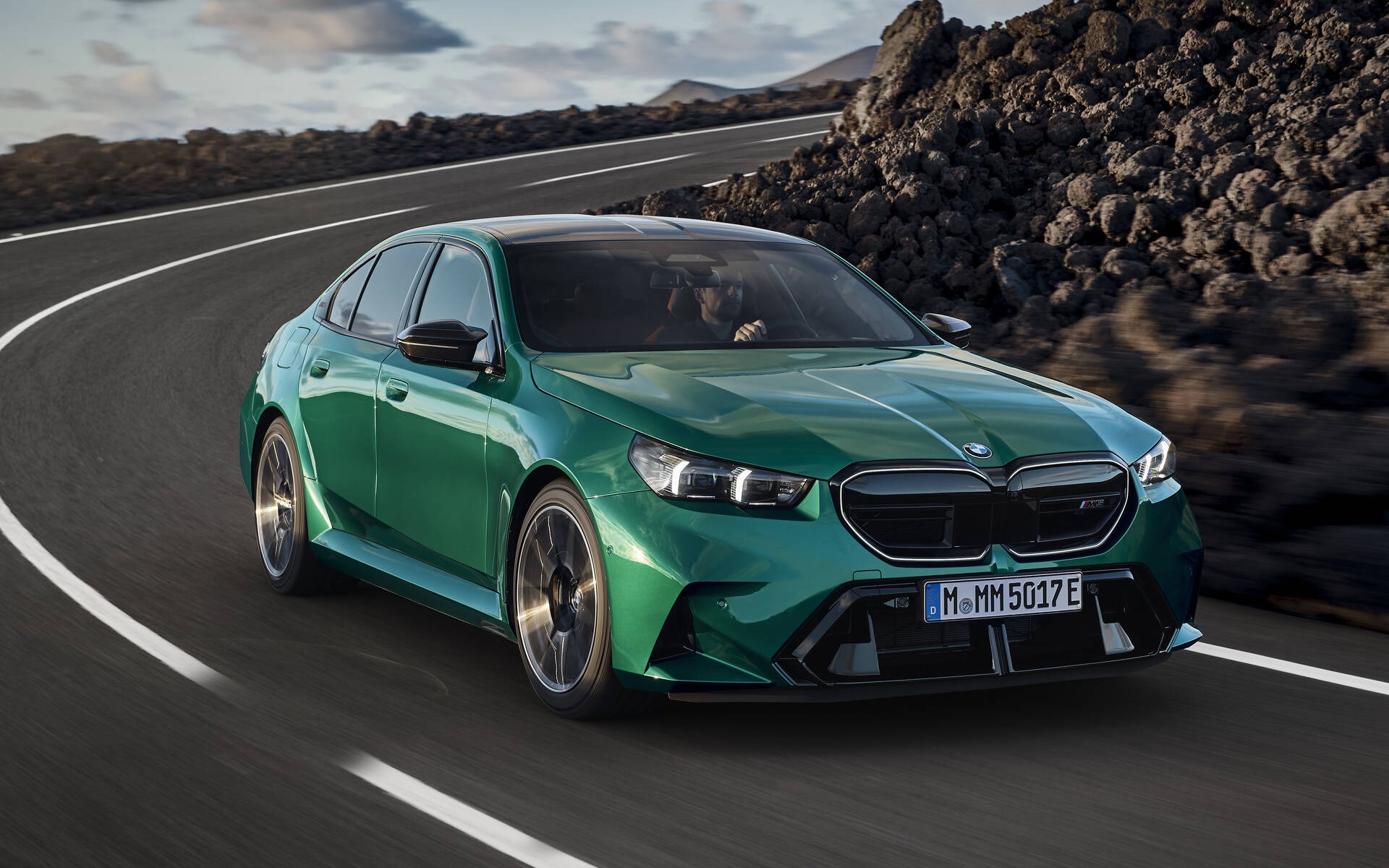
1. BMW 5 Series (2011-2017)
The BMW 5 Series has always offered an impressive mix of comfort, technology, and performance. However, one area where it tends to disappoint many owners is the short lifespan of its key fob battery.
Drivers often report needing to replace their batteries as early as every 12 to 18 months, and in some cases, even sooner, depending on usage and storage habits.
The advanced features embedded in the 5 Series key fob come with a cost. Many of the fobs include remote start, proximity unlocking, trunk release, and sometimes programmable memory functions.
These features constantly communicate with the vehicle, especially when the fob is nearby, which leads to continuous battery drain. Even when stored in a drawer, the battery may still deplete if the fob is within range of the vehicle.
Another factor contributing to the fast battery consumption is the frequency at which the car requests authentication from the fob. The vehicle system checks regularly whether the fob is close by, especially for keyless entry systems.
This can wear down the battery even when the car is not being driven, a common frustration for owners who park their cars at home with the fob inside the same building.
The complexity of changing the battery can also frustrate users. Unlike older designs that allow easy access to the battery compartment, many BMW fobs require special tools or a specific technique to open them safely. This adds to the hassle and makes routine battery replacement more of a chore.
Although BMW offers one of the most advanced driving experiences in the executive sedan segment, the inconvenience of having to monitor and change the fob battery regularly can be tiring. For owners who expect low-maintenance electronic accessories, this can be a disappointing part of an otherwise refined vehicle.
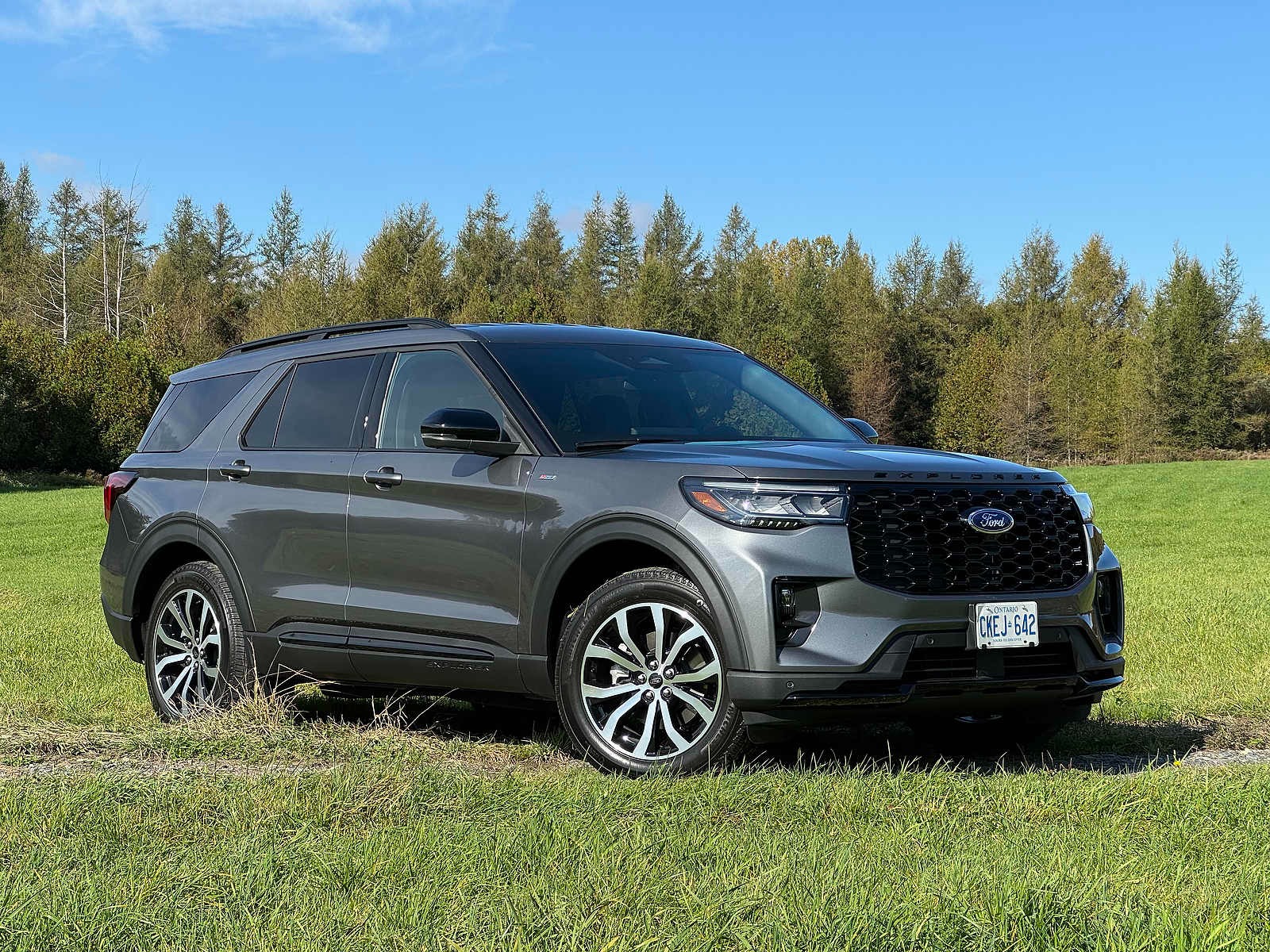
2. Ford Explorer (2016-2021)
The Ford Explorer remains one of the most commonly seen family SUVs on American roads, with its three-row layout and flexible interior.
Despite being well-liked for practicality and powertrain options, many drivers have expressed dissatisfaction with the performance of its key fob battery. Numerous users report battery replacements being needed every 10 to 14 months, which can feel unusually frequent for a mainstream vehicle.
One of the main reasons for the Explorer’s battery drain issue lies in the features packed into the fob itself. This model’s fob includes passive entry, liftgate release, remote start, and panic functions.
These components stay partially active even when the fob is not in use, and when the fob is left close to the vehicle, it continues to exchange signals that slowly reduce battery life. While these features improve comfort, they demand more power from the small internal battery.
There are also environmental factors that play a role. Ford key fobs, especially those for the Explorer, have been shown to suffer more in extreme weather conditions.
Both cold and heat can affect the internal battery’s ability to retain a charge, causing owners to experience failures unexpectedly. Some drivers have even encountered warning messages on the dashboard related to low fob battery levels far sooner than expected.
Another complication is the fob’s plastic casing, which is not always easy to open. Some users have accidentally damaged their fob when trying to replace the battery, or find it hard to get the casing back together after a swap.
This lack of simplicity has led to some turning to dealerships for help, which results in additional costs for something that should be routine.
Despite being a reliable SUV for large families, the Explorer’s key fob demands more attention than it should. For drivers who prefer not to deal with frequent electronics maintenance, this aspect of the vehicle might be disappointing.
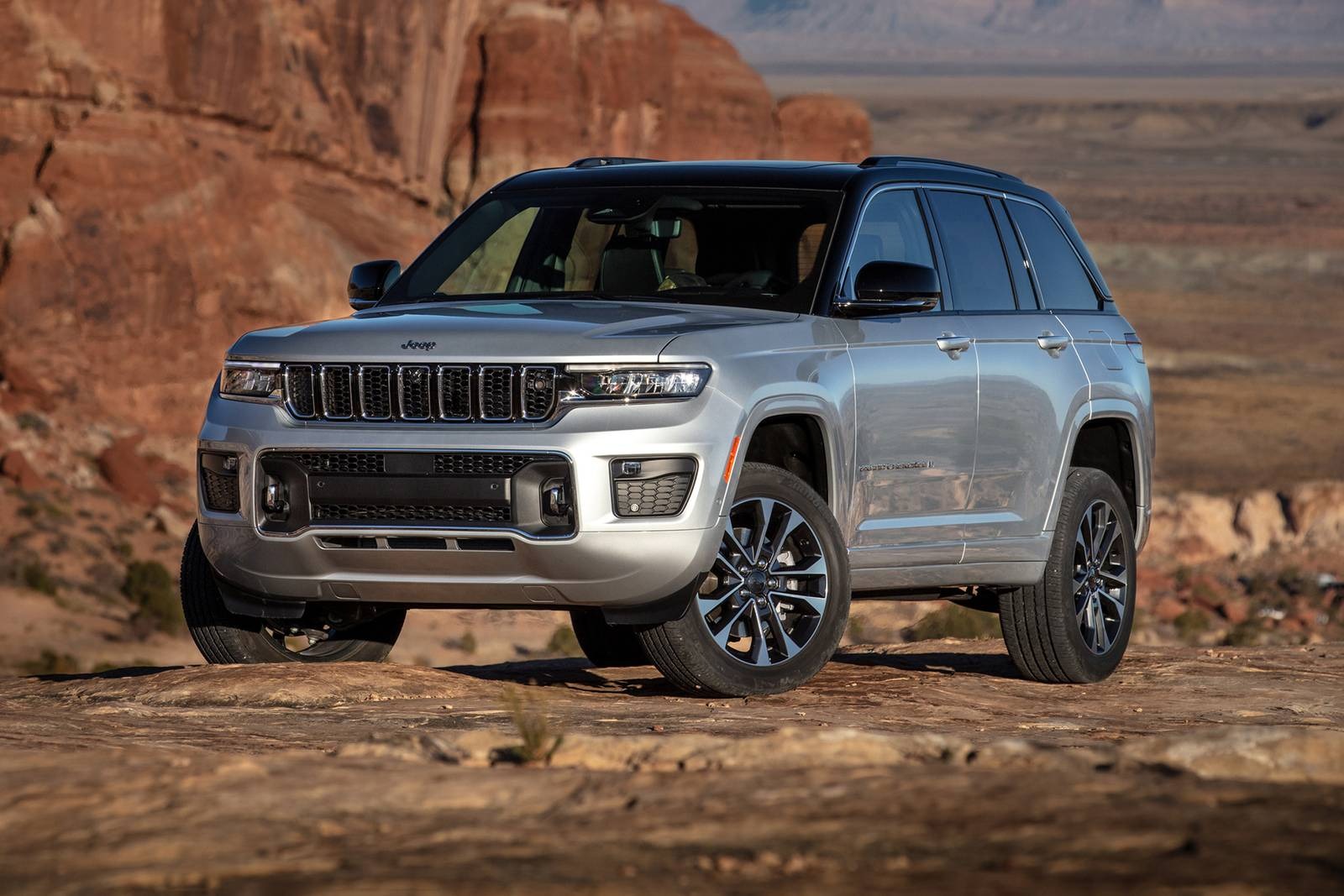
3. Jeep Grand Cherokee (2014-2019)
The Jeep Grand Cherokee is known for blending off-road strength with luxury-level amenities. However, one of the frequent complaints from owners revolves around the key fob battery life.
Many have reported changing the fob battery almost yearly, sometimes even twice in twelve months, depending on driving habits and how the fob is stored when not in use.
Part of this issue comes from the power-hungry design of the key fob itself. It supports keyless entry, push-button start, and remote start features. All of these require a stable, frequent communication link with the vehicle.
When the fob is kept close to the car, especially in garages or attached homes, it continues to exchange signals with the system. This persistent communication wears down the battery much faster than older models that require physical interaction.
Another reason behind the issue is the internal design of the fob. Unlike simpler remotes, this version contains more sensors and hardware components.
While this makes the fob smarter and more functional, it also increases battery use. Jeep’s smart key design, though stylish and compact, often does not prioritise battery conservation the way some competitors do.
Temperature extremes add to the problem. Cold weather, in particular, can reduce battery performance in Jeep fobs considerably. During winter, many drivers experience a rapid drop in fob responsiveness. When left outside or in a cold car overnight, the fob battery may weaken more quickly, leading to early failure.
The replacement process is not overly difficult, but it can still become an unnecessary burden in the long run. Owners are often advised to carry a spare battery, especially if travelling long distances or driving in isolated regions.
The Grand Cherokee may be built for rugged adventures, but its fob behaves in a way that demands consistent monitoring and occasional emergency intervention.
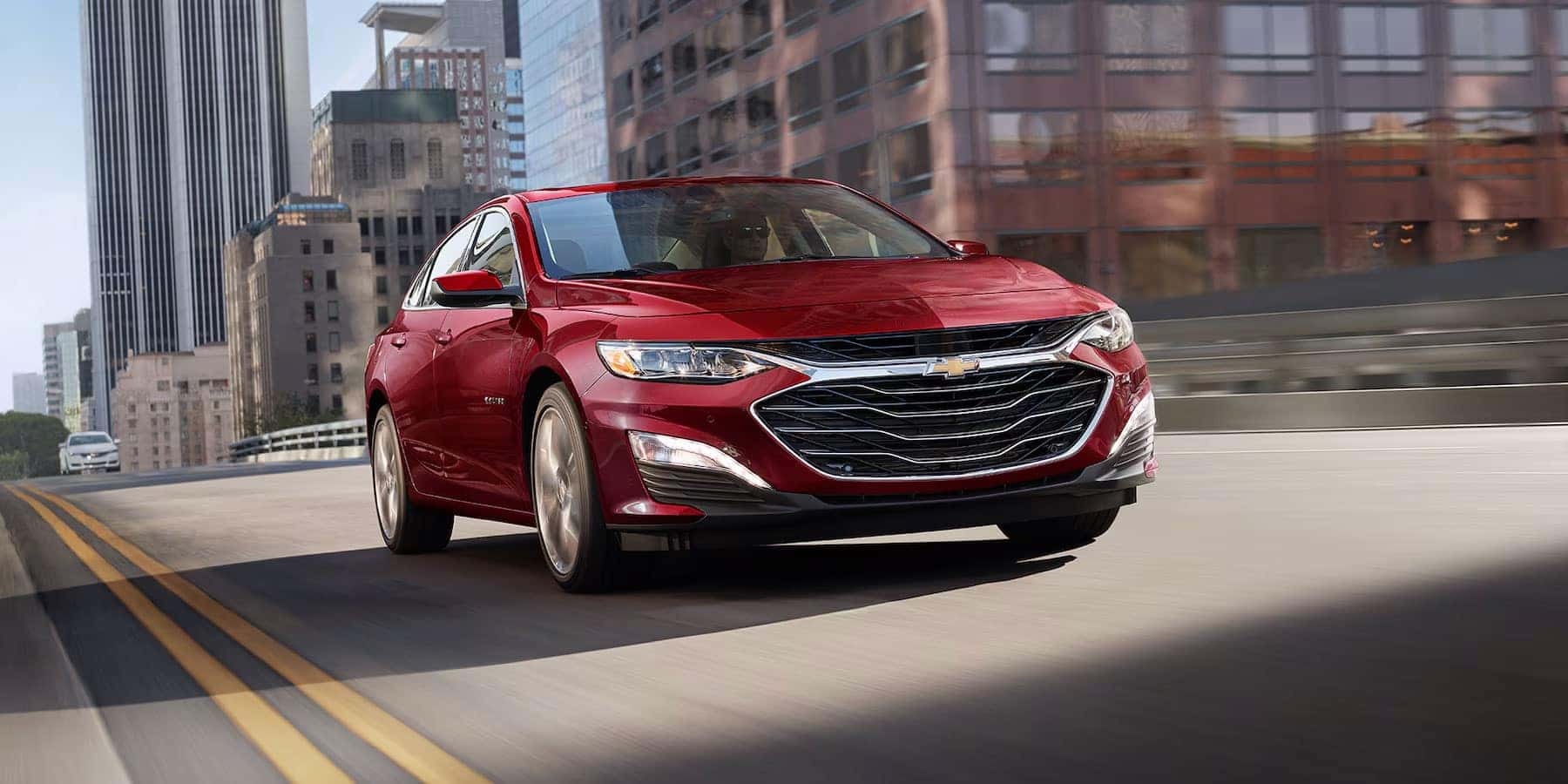
4. Chevrolet Malibu (2016-2020)
The Chevrolet Malibu is a widely chosen mid-size sedan, praised for its design updates and smooth driving experience.
While it delivers on comfort and efficiency, one weak point that drivers frequently raise is the tendency of its key fob battery to run out quickly. Many owners report battery life between eight and twelve months, which feels short for a vehicle intended for daily family use.
Chevrolet’s key fob for the Malibu incorporates modern features like remote engine start, lock/unlock sensors, and proximity detection. These features, while convenient, come with a tradeoff in battery consumption.
The proximity detection function, in particular, stays semi-active at all times, checking whether the driver is nearby. When parked at home or work, if the fob remains within the signal range of the vehicle, it continues communicating in short bursts, slowly draining the battery.
Another factor is the materials used in constructing the fob. Although the casing is strong, the battery insulation does not always offer great resistance to temperature changes.
Some users have reported reduced battery performance after only one winter season. In hotter regions, the battery life may also suffer if the fob is exposed to sunlight or heat inside parked vehicles.
The Malibu’s fob also tends to alert drivers late. Many times, the car gives a low battery signal only after the fob starts malfunctioning. This delay can lead to confusion or missed appointments, especially if the driver is unaware of what the issue is.
Changing the battery is not complicated, but many drivers prefer not to open their fobs repeatedly. It can feel frustrating having to perform maintenance on such a small accessory so often, especially when other vehicles offer more reliable fob life.
The Malibu remains a dependable choice for many, but its frequent key fob battery replacements remind drivers that even practical vehicles can carry small annoyances.
Also Read: 5 Cars With Generous Legroom vs 5 With Tight Rear Seats
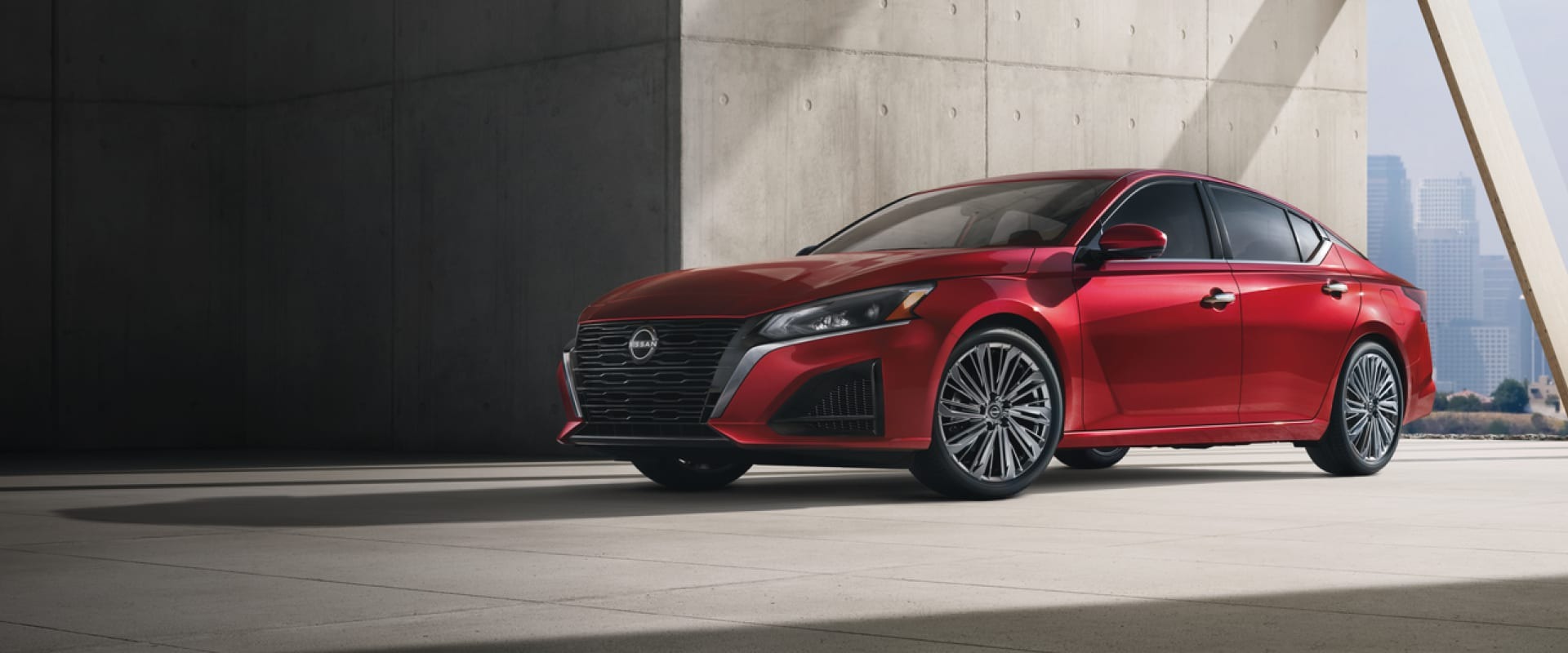
5. Nissan Altima (2013-2018)
The Nissan Altima, often praised for reliability and efficiency, has experienced some complaints from owners regarding its key fob battery performance.
Many report changing batteries as often as once a year, with some experiencing failures within nine months. While the Altima delivers well in fuel economy and interior comfort, the fob issue can be disruptive to daily routines.
The smart key system in the Altima includes several features that remain constantly on standby. These include intelligent keyless entry, trunk unlock, and remote engine start.
The system is designed to sense the driver’s presence as soon as they approach the car. Although convenient, this constant scanning places a steady load on the battery. If the fob is stored near the vehicle, the battery wears down even faster due to ongoing signal exchanges.
Environmental conditions also negatively impact the battery. Drivers in areas with colder winters or hotter summers report inconsistent battery performance.
The Altima’s fob uses standard coin cell batteries, but the internal insulation does not always protect against temperature effects. As a result, many drivers are caught off guard when their fob stops responding.
Another drawback is that when the battery begins to weaken, the Altima can occasionally reject the fob, making it hard to start the car without using the physical backup key. This can be both time-consuming and irritating, especially for drivers in a hurry.
Although the fob itself is small and stylish, its design leaves little room for improvement in energy usage. Many users have resorted to carrying spare batteries in the glove compartment just to avoid surprise malfunctions.
The Altima continues to offer great value for budget-conscious drivers, but its short key fob battery life remains a concern that should not be ignored by prospective buyers.
