
Many car buyers expect their SUVs to hold up well for years without showing signs of wear or structural issues. One of the most overlooked areas when purchasing an SUV is the condition of the roof lining.
It might not seem like a big deal at first, but a sagging headliner can ruin the interior look of the vehicle and may even suggest that the materials used inside are not of the highest standard.
While some brands manage to design and manufacture SUVs that maintain their roof support for decades, others seem to have a history of drooping headliners after a few years of use.
Owners dealing with sagging roofs often complain about the fabric hanging down, foam insulation breaking down, or glue losing strength. The issue does not just affect looks; it can become a real inconvenience, especially in hot or humid regions where adhesive materials are known to weaken faster.
SUVs with firm and lasting roof structures usually depend on stronger adhesives, superior insulation materials, and better climate-resistant engineering. These models tend to avoid issues like interior warping, cloth detachment, or foam collapse even after extended exposure to heat and moisture.
On the other side, SUVs that lack strong interior design integrity are more prone to drooping issues. Vehicles from certain periods or specific manufacturing locations have earned reputations for weak roof liners.
If you are planning to buy a used SUV or hold on to your new one for a long time, understanding which models are more likely to retain their roof structure can save you money and frustration in the future.
Let us take a closer look at five SUVs that have consistently held up with firm and tight roof linings. We will also examine five models that have gained attention for issues with drooping or sagging headliners, helping you make better decisions before buying or keeping an SUV long-term.
5 SUVs with Roof Support
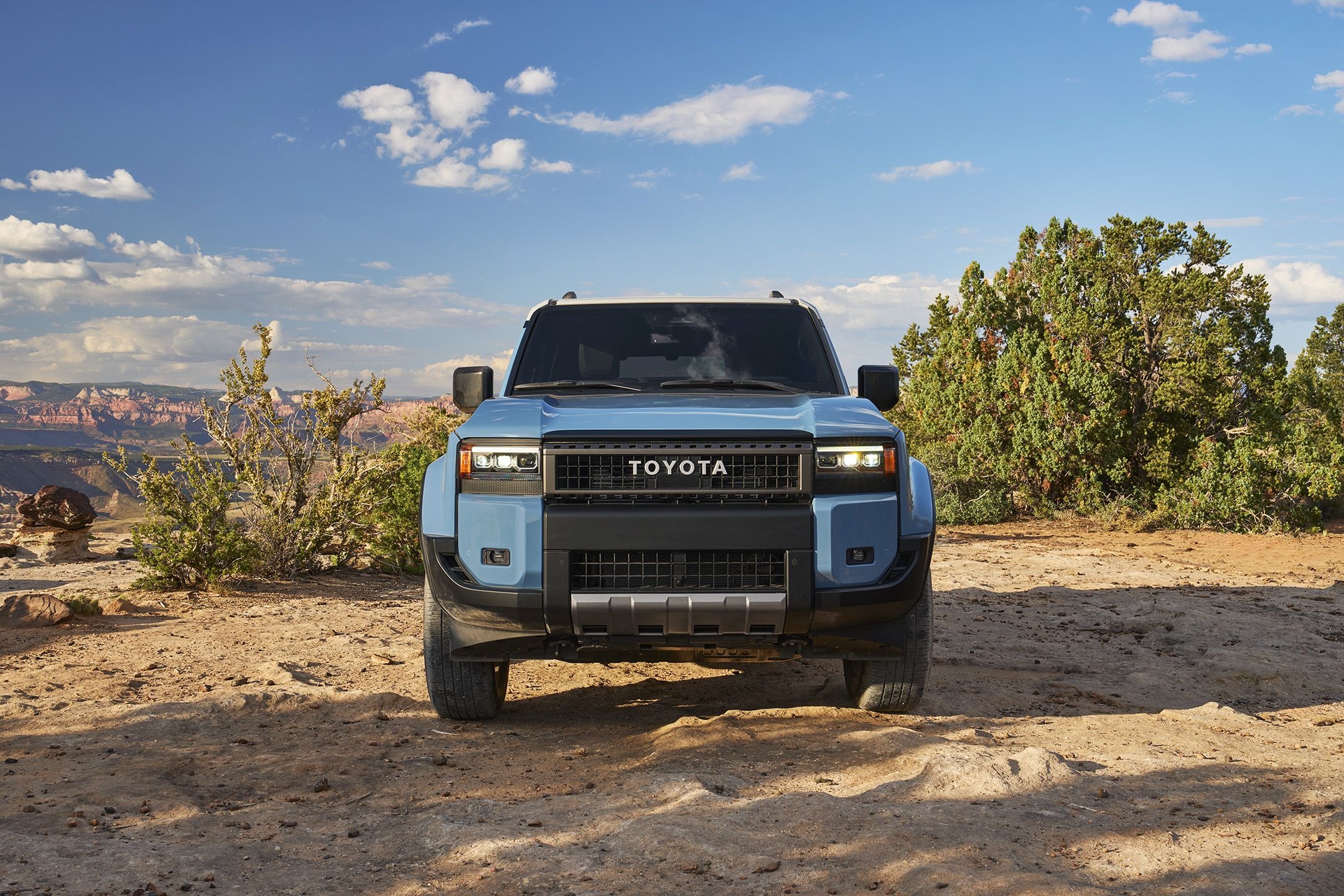
1. Toyota Land Cruiser
Toyota Land Cruiser has gained respect globally for its rugged construction and long-lasting durability. A big part of this reputation comes from the way it holds together even after years of heavy use. One area where the Land Cruiser excels is in the condition of its interior roof lining.
Owners of even older models often report that the roof fabric stays well in place without sagging or detachment. This is impressive, especially for an SUV often used in extreme conditions, including high temperatures and off-road environments.
What contributes to the Land Cruiser’s reliable roof structure is the quality of materials Toyota puts into its interiors. The adhesive used on the headliner has been engineered to withstand high heat and moisture levels without breaking down.
Even after 10 or more years, many Land Cruisers still look neat inside without any cloth drooping or foam breaking apart. This reflects not only strong adhesive performance but also careful insulation and fabric layering during production.
Another factor is the attention given to climate control within the cabin. Proper circulation and reduced moisture build-up help preserve interior surfaces, including the ceiling lining.
Because the Land Cruiser is built for both city comfort and off-road punishment, Toyota makes sure the entire structure can resist interior decay. This means that even models from the early 2000s often look nearly as fresh inside as they did when new.
The strength of the roof lining also adds to the vehicle’s resale value. Buyers trust that the SUV will remain solid across many years of ownership, including its interior condition. You will hardly hear about a Land Cruiser owner needing roof repairs unless the car has been subjected to serious abuse or flooding.
For people interested in buying an SUV that holds up structurally in the long run, the Land Cruiser remains one of the safest options available, especially when avoiding sagging headliner frustrations.
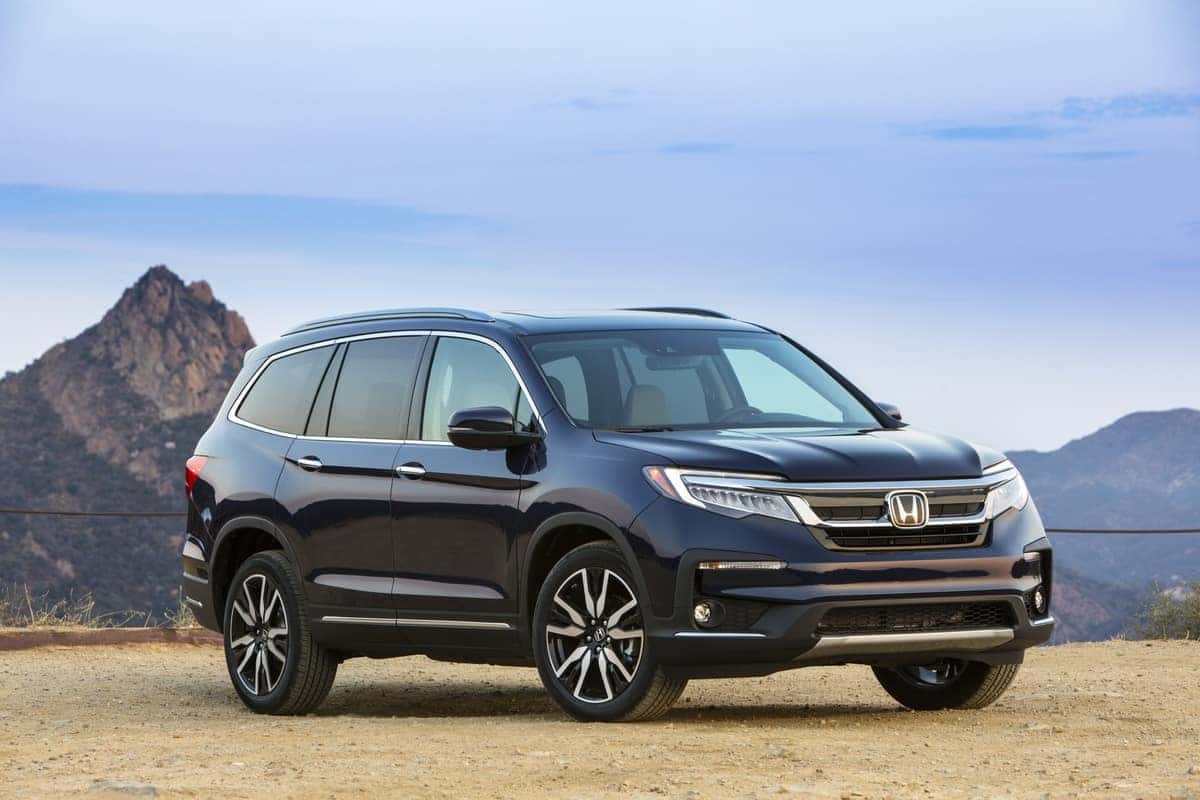
2. Honda Pilot
Honda Pilot has consistently impressed owners with its balanced combination of comfort, practicality, and structural reliability. One of the reasons the Pilot enjoys strong customer loyalty lies in how well its cabin holds up, particularly the roof area.
Even after several years, the roof lining of the Honda Pilot tends to stay firmly in place, showing that Honda put effort into interior design that endures.
The Pilot’s headliner benefits from a combination of high-quality adhesive, tight-fitting materials, and sturdy insulation foam. These features keep the cloth layer tight against the ceiling without allowing sagging or wrinkles.
Many older Pilot models still show roof linings that look almost untouched, even after hundreds of thousands of kilometres. Whether you drive in a hot climate or leave the vehicle exposed to sunlight, the roof of a Pilot will likely remain in its proper place.
The reason for this resilience is the manufacturing process. Honda builds the Pilot to meet high safety and comfort standards, meaning that no part of the cabin is made with subpar materials.
Temperature fluctuations and humidity are common culprits when it comes to drooping roofs, but Honda’s production methods take these factors into account. The outcome is a ceiling that resists damage, even when exposed to summer heat or frequent use of the AC.
Another benefit of the Pilot’s solid roof support is how it adds to the SUV’s long-term comfort. A sagging liner can affect both visibility and interior perception, especially when cloth starts hanging low near the driver’s or passenger’s head. That is not an issue most Honda Pilot owners face.
Even buyers who go for used models from a decade ago rarely report problems with the headliner. When looking for an SUV that offers peace of mind and avoids expensive interior repairs, the Honda Pilot delivers on its promise of durability.
Also Read: 5 Legendary Japanese Cars and 5 That Hurt the Reputation
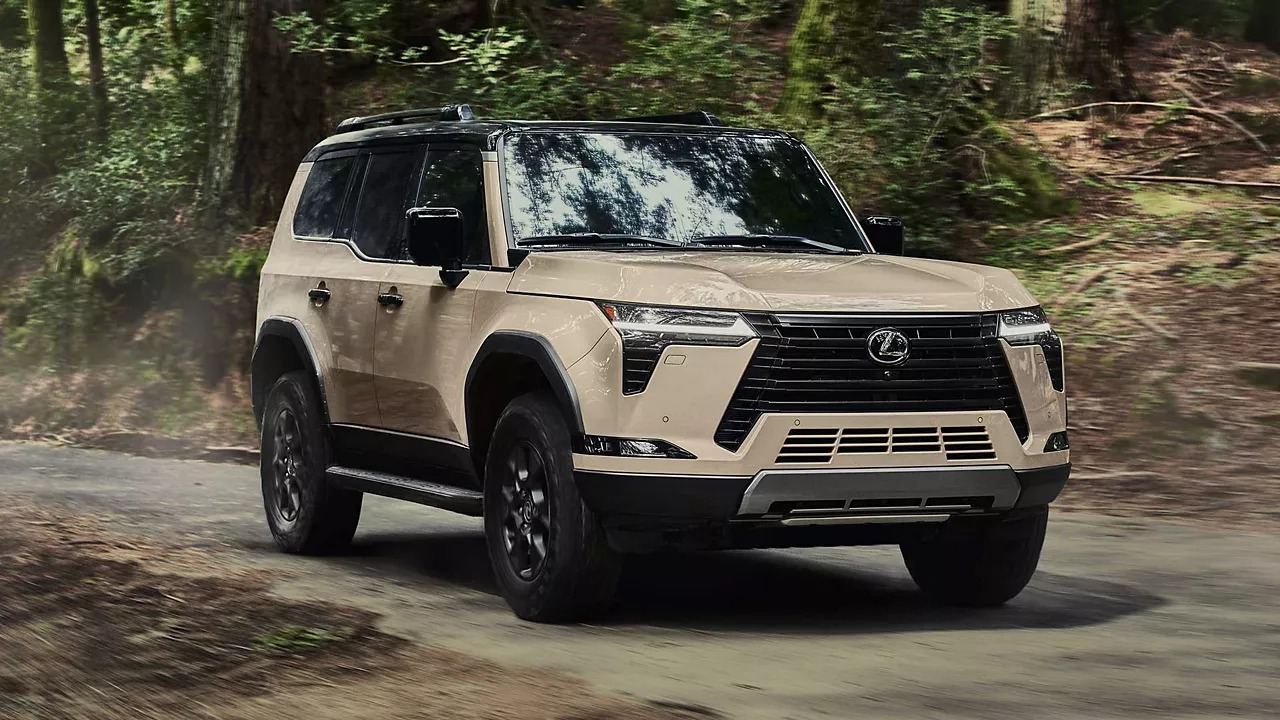
3. Lexus GX
The Lexus GX has always targeted buyers who want rugged off-road performance combined with the comfort and style of a premium SUV. One of its most appreciated qualities is the way the cabin remains solid, even many years after purchase.
Among luxury SUVs, the Lexus GX earns praise for keeping its interior roof lining firm and secure without the fabric peeling off or falling out of place.
Luxury vehicles often feature softer materials in the cabin, but Lexus ensures those features do not compromise durability. The GX uses dense, high-grade insulation and quality adhesive that holds the fabric ceiling layer in place for a long time.
It is common to find ten-year-old GX models where the roof looks almost the same as when the car first left the showroom. This reliability gives Lexus an edge over some competitors in the same class who suffer from frequent headliner problems.
Heat and humidity tend to weaken adhesive material in SUVs, leading to sagging cloth and drooping ceilings. Lexus addresses this issue by using a special type of bonding material that performs well under extreme temperatures.
Whether the GX is parked outside in the sun or driven through dusty, humid areas, the headliner retains its position and shape. The fabric used on the ceiling also resists moisture absorption, reducing the risk of sagging caused by internal dampness.
Another reason the Lexus GX avoids headliner failure is the strength of its climate control systems. By maintaining a consistent and well-ventilated cabin temperature, the vehicle protects all interior layers from premature aging.
Lexus also applies sound-deadening materials behind the headliner, which help preserve its structure. Owners who invest in the GX expect long-lasting quality, and the roof support lives up to that standard. For anyone wanting a luxurious SUV that also withstands the test of time, the GX proves that comfort and durability can go hand in hand.
4. Ford Expedition
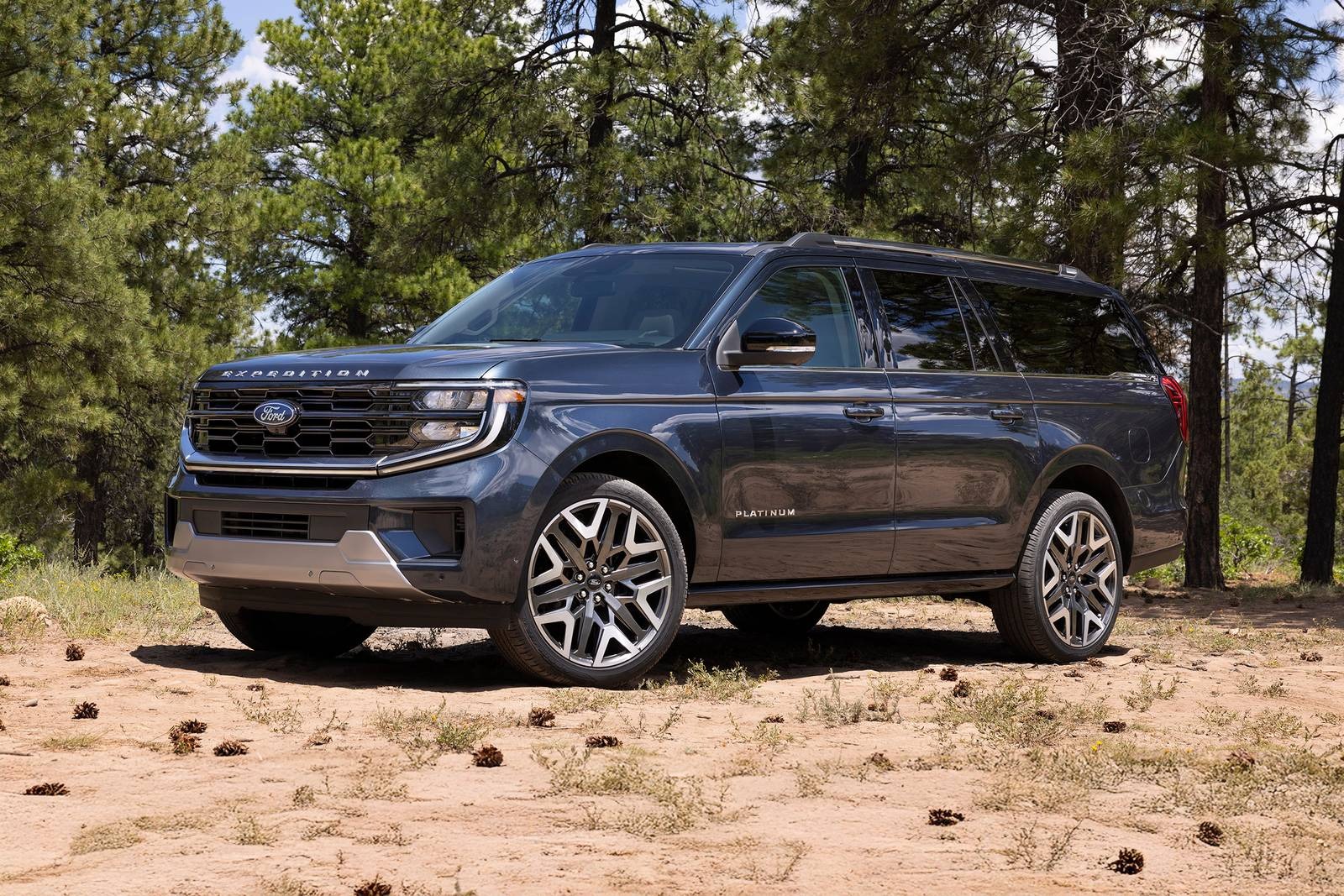
Ford Expedition is one of those full-size SUVs that keeps delivering performance, space, and dependability year after year. One area that sets the Expedition apart from several others in its category is the strength of its cabin construction, especially the roof.
Owners often report that even after extended use, the ceiling inside the vehicle remains tight and intact. This includes older versions of the Expedition, which still maintain their original headliners without signs of sagging.
The structure inside the Expedition is designed to handle heavy use, whether it is transporting families or being used for long road trips. This rugged build quality extends to its roof lining, which benefits from strong adhesives and layered insulation that protect the fabric from loosening at the end of the day.
Ford puts emphasis on selecting materials that can resist temperature extremes, especially since large SUVs often face hot interiors when left in the sun. Despite these conditions, the roof remains firm.
Part of what keeps the roof lining strong in the Expedition is how the entire interior is sealed and insulated. This limits moisture penetration and reduces heat build-up, both of which are known to damage adhesive layers in cheaper vehicles.
In addition, the soundproofing materials installed under the ceiling work to stabilise the structure, making it less likely to warp or droop even under pressure.
Buyers who choose the Ford Expedition often do so because they expect it to last, and the condition of the cabin confirms that expectation. You will not hear many complaints about sagging headliners or peeling roof fabric, even from owners who have crossed high mileage marks.
With its strong construction and reliable performance, the Expedition remains one of the few large SUVs where the roof stays just as steady as the rest of the vehicle, year after year.
5. Jeep Grand Cherokee
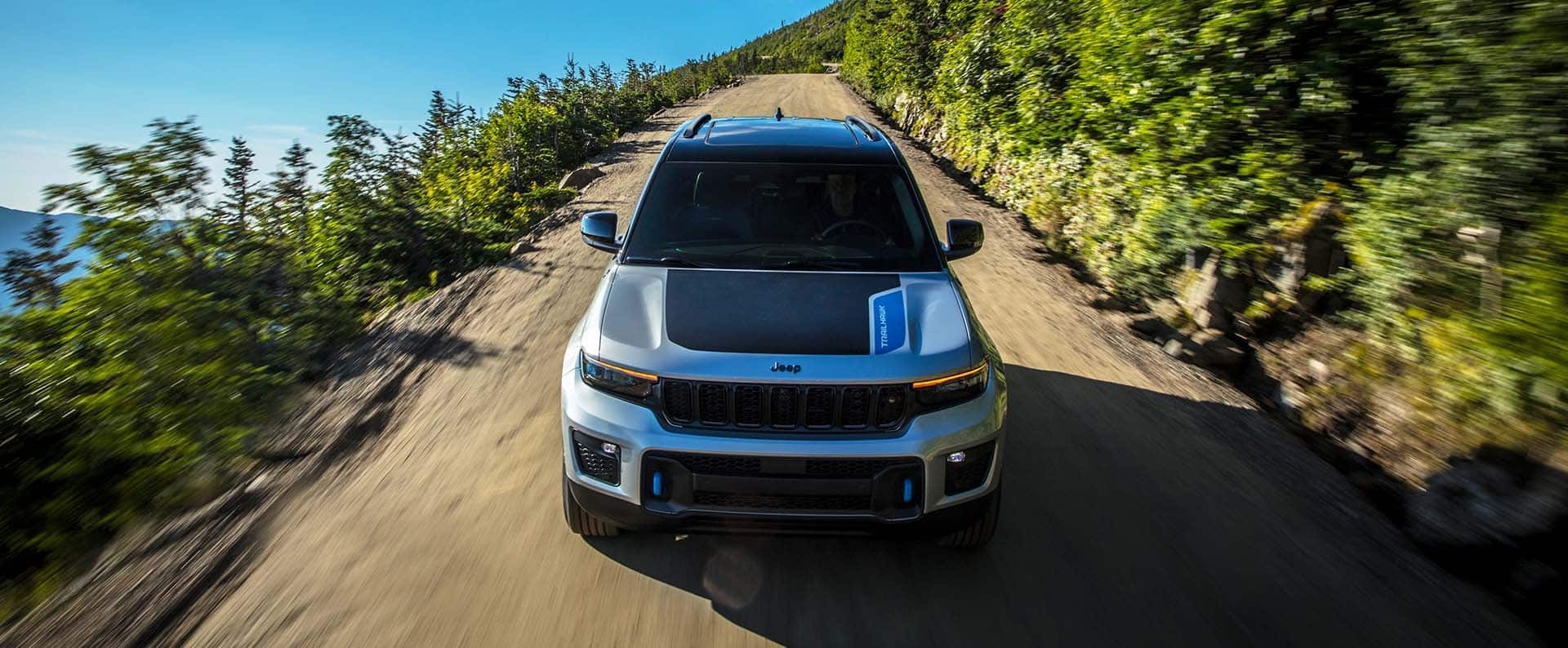
Jeep Grand Cherokee has built a reputation over the years for its off-road capabilities and luxury appeal. However, one area where this SUV falls short is the long-term quality of its roof lining.
Owners of various model years, particularly those from the early 2000s up to the mid-2010s, have often shared complaints about sagging headliners. These issues usually start to appear once the vehicle hits the five-year mark or after prolonged exposure to heat.
The problem is mostly tied to weak adhesives that lose grip when subjected to high cabin temperatures. Many Jeep Grand Cherokee units are used in areas with hot climates, and this has exposed the vulnerability of the roof liner glue.
Once the adhesive softens, the fabric begins to loosen and hang down, sometimes obstructing vision and reducing the visual appeal of the interior. It is not uncommon for the liner to fall entirely in large sections if repairs are delayed.
Another reason for the drooping issue is the thinner insulation layer used between the roof and the headliner. When this insulation wears out or breaks apart, the fabric has nothing to cling to, making it sag quickly.
Some users have tried to patch the problem with staples or pins, while others resort to full replacements, which can be expensive and time-consuming.
In a vehicle with a reputation for adventure and luxury, this kind of interior flaw becomes a disappointment. It affects both the comfort and resale value, especially when prospective buyers notice the interior ceiling hanging down. While newer Grand Cherokee models may have seen improvements, older versions are well known among mechanics and upholstery experts for this issue.
Jeep has improved many areas of its build quality in the long run, but the issue with the headliner has lingered longer than it should.
Buyers interested in picking up an older Grand Cherokee should inspect the roof lining carefully and budget for possible repairs. Though it offers power and capability, the Grand Cherokee struggles to deliver a dependable interior at the end of the day.
5 SUVs with Drooping Roofs
1. Chevrolet Trailblazer (Early 2000s Models)
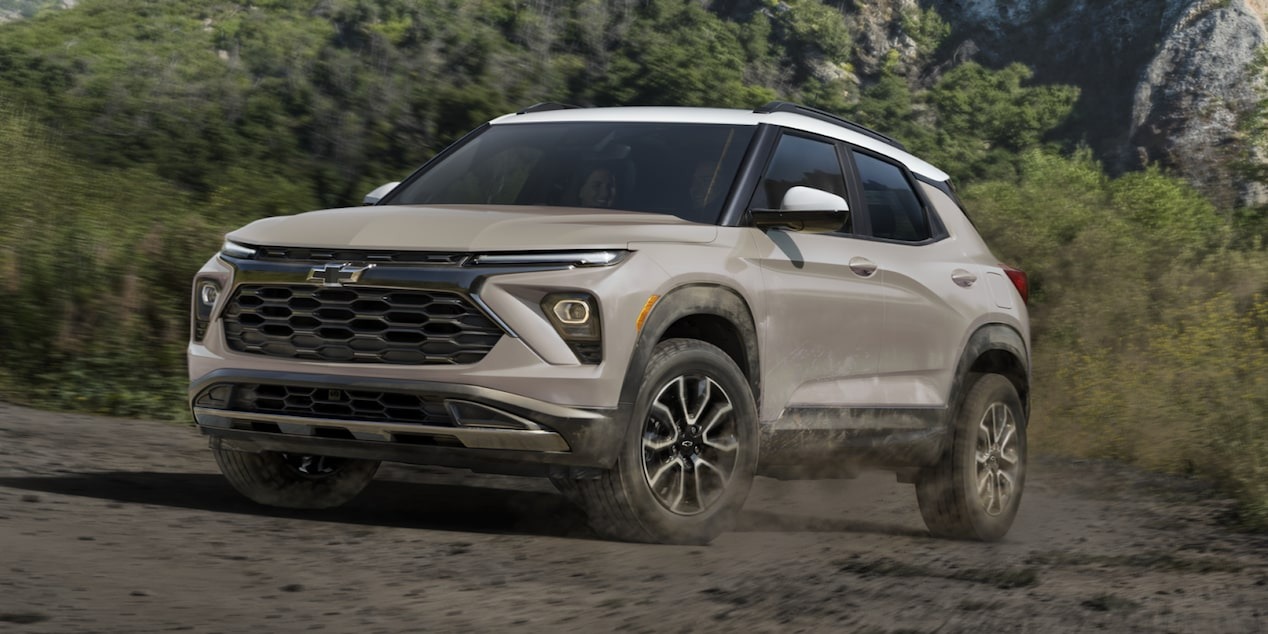
Chevrolet Trailblazer, especially the versions produced between 2002 and 2009, has earned a strong following for its power and SUV practicality. However, when discussing interior quality, many owners express frustration with the headliner.
These models are widely recognised for suffering from drooping roof fabric, sometimes only a few years after they leave the factory floor. The issue has been so widespread that entire online forums are dedicated to advice on fixing Trailblazer roof linings.
One of the biggest contributors to the sagging issue is the quality of the foam and glue used in those years. The adhesive backing tends to deteriorate in hot weather, and since the Trailblazer was marketed heavily across the southern United States, plenty of models were exposed to such conditions.
As a result, the cloth covering on the ceiling starts to peel off, forming bubbles or fully dropping down across the entire cabin. The Trailblazer’s headliner material also appears to absorb moisture faster than in competing SUVs. This leads to weakening in the foam underneath and faster breakdown of the bonding.
Once the material detaches, it rarely goes back without professional help. Do-it-yourself fixes, like tacks and sprays, may offer temporary solutions but rarely restore the headliner to its original look or function.
Many owners describe how the sagging liner creates an unpleasant driving experience, especially when the fabric touches the heads of taller passengers.
Rear sections of the cabin often show the first signs, with cloth dropping near the rear seats or trunk area. Left unaddressed, the problem gradually spreads forward and becomes impossible to ignore.
While the Trailblazer delivers in terms of performance and drivetrain strength, its cabin finishing leaves something to be desired. Owners of early 2000s versions often face a decision between tolerating the sag or investing in costly interior repairs.
Those considering buying one of these older models should factor in the condition of the roof liner when making their decision.
2. Volkswagen Touareg (First Generation)
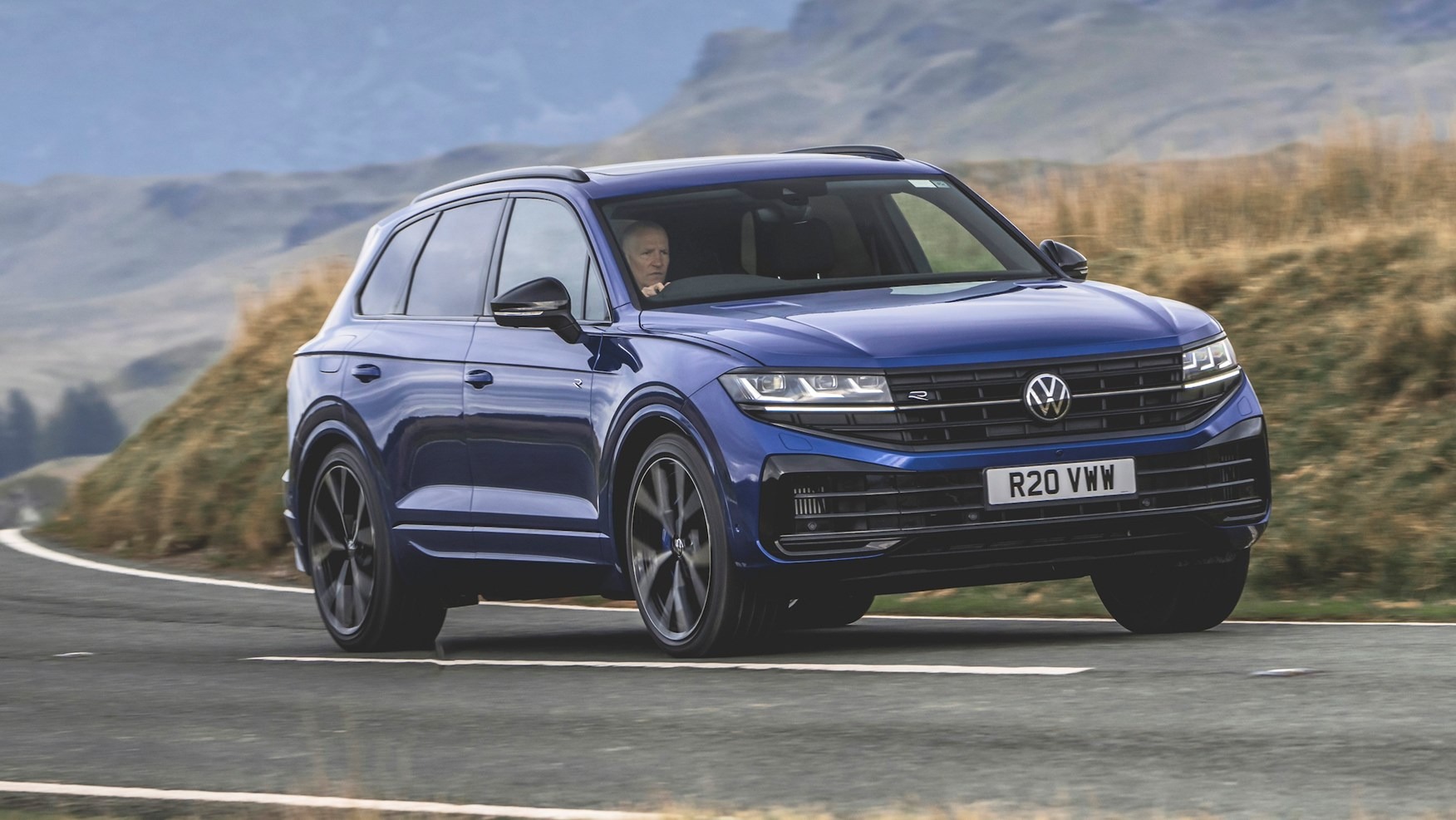
Volkswagen Touareg brought German engineering into the SUV market with a premium design and high-end features.
Despite its strengths in engine variety, handling, and comfort, the early models, especially between 2003 and 2010, have experienced one common problem: sagging headliners. This flaw becomes more visible as the vehicle ages, especially in warmer climates where heat accelerates adhesive breakdown.
Though the Touareg is marketed as a luxury vehicle, it suffers from the same type of roof lining issues seen in less expensive SUVs. Owners of first-generation Touaregs report that the ceiling fabric begins to separate and droop after about five to seven years.
In some cases, the issue starts in the corners of the rear roof area and spreads forward. The foam backing tends to disintegrate at the end of the day, leading to poor bonding between the fabric and the roof.
One of the reasons this issue stands out more in a vehicle like the Touareg is that buyers expect high interior durability from a premium SUV.
When the fabric begins to sag, it undermines the sense of refinement the rest of the cabin offers. The cost of repairing a Touareg headliner is also higher due to the brand’s premium status and the attention to detail expected during reinstallation.
Besides climate influence, another possible reason for the sagging is the design complexity of the headliner itself. The Touareg’s ceiling has curves and detailed contours that make adhesive application more challenging during manufacturing. Any slight miscalculation in glue placement or insulation alignment can eventually result in sections pulling loose.
This flaw does not affect every single unit, but it is frequent enough that mechanics familiar with the Touareg know what to expect. Some owners try to fix the problem with re-gluing or headliner kits, but others prefer professional refurbishment, which can be costly.
Even though the Touareg drives smoothly and offers a luxurious feel, buyers should be aware of possible headliner problems, especially in older or high-mileage models.
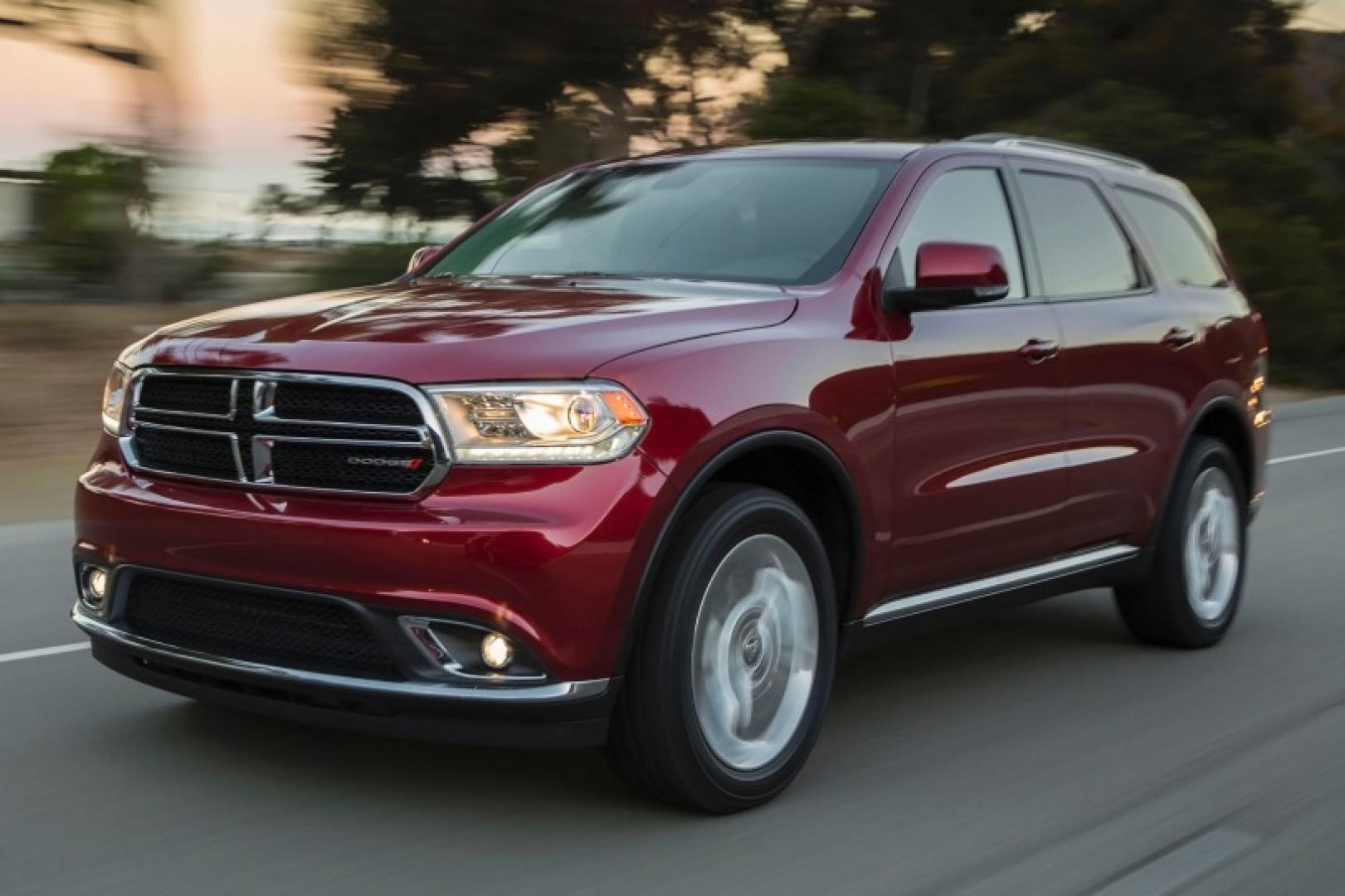
3. Dodge Durango (2000s Models)
Dodge Durango, especially models from the early to mid-2000s, offered bold design, powerful engines, and family-friendly space. But while the exterior strength stood out, the interior, particularly the headliner, became a weak point. Many Durango owners from that era have dealt with sagging roof fabric, usually after several years of ownership.
What makes the headliner issue worse in the Durango is the speed at which the problem can develop. Some users say that within five years, especially in hot regions, the fabric starts to detach and drop.
Unlike vehicles that sag slowly in the long run, the Durango’s lining sometimes fails suddenly, with large patches coming loose and hanging near passenger areas. Rear roof sections and around the dome lights are common trouble spots.
The cause is mainly tied to the quality of the foam and glue combination used. While cost-effective during production, this adhesive was not durable in high-heat conditions.
Once the glue begins to melt or dry out, the foam crumbles, and the headliner drops. The vehicle’s wide roof area also plays a role, as there is more surface area for sagging to occur.
This issue is not just cosmetic. In some Durangos, the sagging headliner interferes with interior lights or causes cloth to dangle in the driver’s view. DIY repairs with thumbtacks or temporary sprays often fail to keep the lining up for long, and complete headliner replacements are often the only lasting solution.
Many Durango owners choose to live with the problem until it becomes unbearable, due to the cost and effort involved in fixing it properly.
Though newer Durango models have improved in this area, the older versions remain well-known for roof lining issues. Anyone buying a used model from this period should check the condition of the ceiling closely and be prepared for the possibility of repairs. For a vehicle known for its muscle, the weak roof lining is a noticeable drawback.
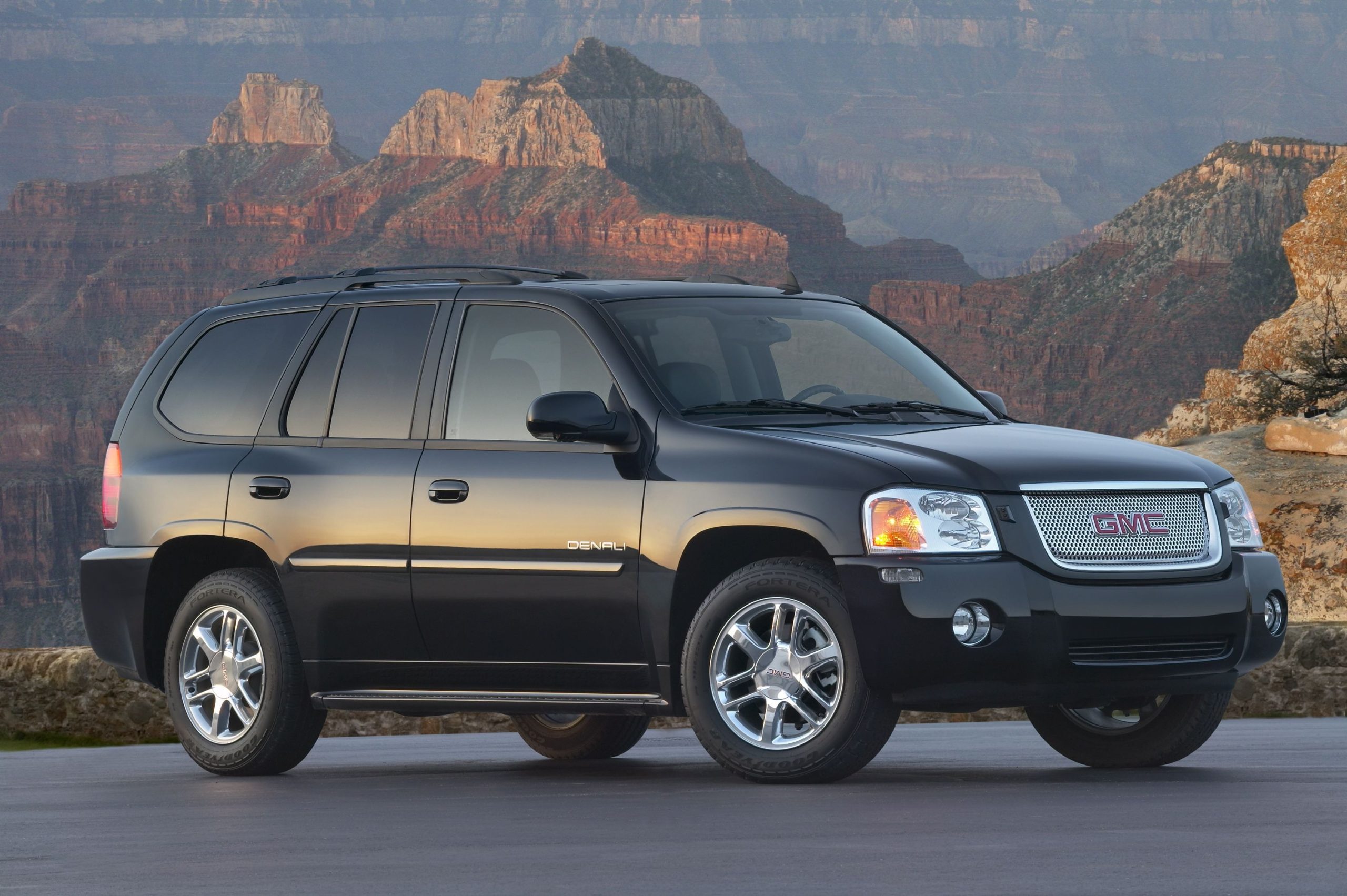
4. GMC Envoy
GMC Envoy, built as a comfortable midsize SUV with solid towing power and ride quality, had a strong appeal in the 2000s. But as these vehicles have aged, a persistent issue has become clear: the sagging headliner.
This is particularly common in models built between 2002 and 2009. Many owners report that the interior ceiling fabric starts to fall down well before the vehicle reaches high mileage, particularly in hot weather.
The problem begins with the glue used during assembly, which seems to lose strength quickly when exposed to heat and moisture. Once the adhesive weakens, the foam insulation underneath the fabric starts to deteriorate.
This process causes the ceiling cloth to come loose and eventually drop down, often in large sheets. In some cases, the sagging spreads so far that the interior feels cramped or messy.
Unlike some vehicles that sag only in corners or around lights, the Envoy often experiences full-panel detachment. The issue tends to begin near the front dome light and then expand outward.
The vehicle’s design includes large flat roof panels, which allow gravity to pull the failing headliner downward without much resistance. Once it starts, the problem is difficult to reverse without professional help.
This is a disappointment for many owners who bought the Envoy for its durability and practicality. The SUV performs well mechanically, but the poor quality of the cabin’s upper finish drags down the driving experience.
Some try to fix the sag using upholstery sprays, pins, or glue kits, but these solutions rarely hold up for long. Professional reupholstery remains the only way to bring the roof back to proper condition.
Buyers interested in older Envoy models should factor this repair into their purchase plan. While the vehicle still delivers on road presence and engine performance, the sagging roof fabric issue is one flaw that shows up regularly. For those who care about cabin condition, it is something to watch for carefully.
Also Read: 5 Affordable Hybrids Under $25K That Stay Efficient vs 5 That Require Costly Repairs
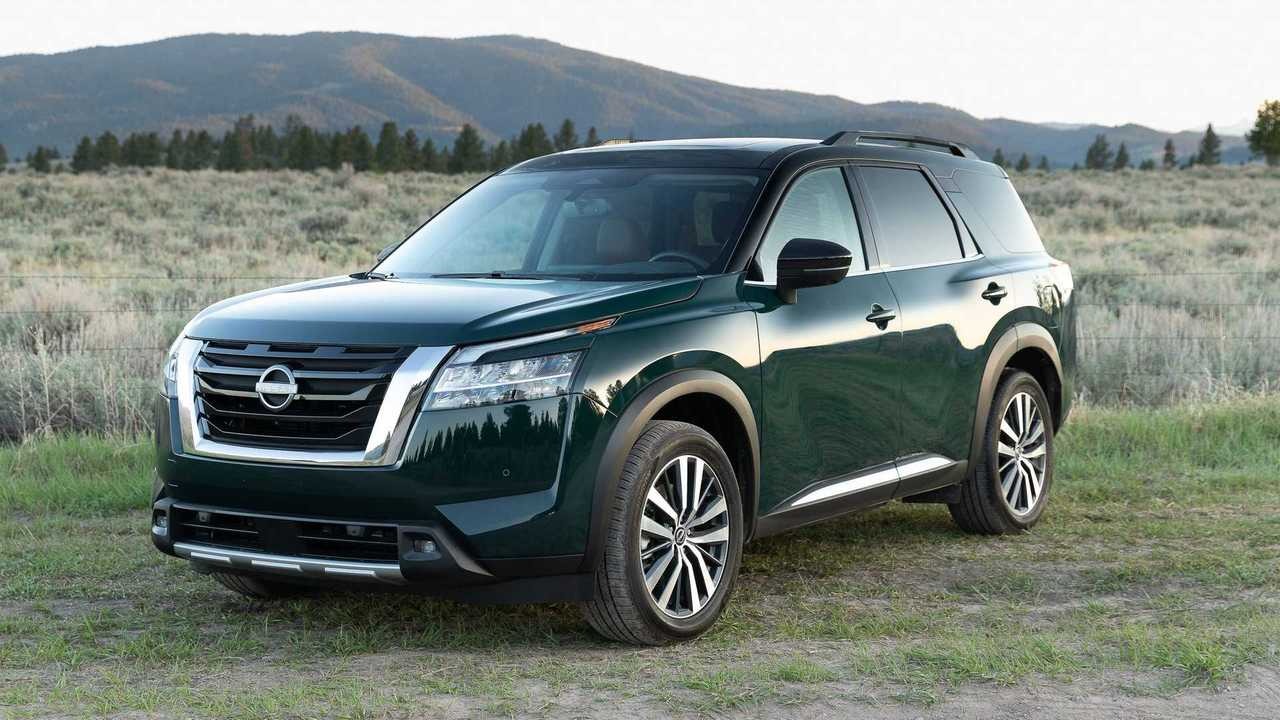
5. Nissan Pathfinder (Early 2000s to 2012)
The Nissan Pathfinder, particularly models produced from the early 2000s up to 2012, has experienced persistent interior problems related to the headliner.
Many owners of these vehicles have reported that the roof liner begins to sag or peel away after several years of ownership. While the Pathfinder is known for strong engine performance and off-road capabilities, the headliner issue has become a frequent complaint among long-term users.
This problem tends to begin with subtle signs, such as small air pockets forming near the rear corners of the ceiling or around the edges of the dome lights.
Eventually, the cloth detaches from the foam underneath, leading to large portions of the headliner hanging visibly low. This not only affects the visual quality of the interior but also interferes with lighting fixtures and sometimes blocks visibility in the rearview mirror.
Several factors contribute to this issue. The foam used in these model years tends to degrade faster than expected, especially in hot and humid environments.
Combined with an adhesive that becomes brittle in the long run, the headliner starts to lose its bond to the ceiling frame. Once separation begins, it accelerates quickly, particularly if the vehicle is parked in the sun often or lacks good ventilation.
The Pathfinder’s wide roof span also plays a role. With more surface area for heat to collect, the internal temperature climbs quickly during hot days. This speeds up the deterioration of both the glue and the foam. In most cases, DIY repairs such as adhesive sprays or pins only offer short-term relief. A full headliner replacement is usually required to restore the cabin’s original look and feel.
Though the Pathfinder delivers value in other areas like towing capacity, cabin space, and road grip, the sagging headliner issue has continued to appear across different trims and engine types.
Buyers considering an older Pathfinder should inspect the roof liner closely during pre-purchase checks. It is an issue that appears often enough to warrant serious consideration, especially for those who want a tidy and comfortable interior over the long term.
And that completes the full list of 10 vehicles, divided between those with durable emissions sensors as well as those prone to headliner sagging issues. Thanks for reading through!
