The automotive industry has come a long way in ensuring vehicle safety. From rudimentary seat belts to complex driver assistance systems, innovation in this area has saved countless lives.
However, not all cars have followed the same trajectory. Some vehicles were trailblazers, introducing features decades ahead of their time. Others lagged behind, offering little protection even by the standards of their era.
In this blog, we explore two contrasting groups of older cars. On one side are five vehicles that were remarkably ahead of their time in terms of safety.
These models incorporated cutting-edge safety features or introduced concepts that would later become industry standards. They were bold, forward-thinking, and set the stage for today’s innovations.
On the other side are five cars that failed to meet even the modest safety expectations of their time. These laggards not only put occupants at risk but also highlighted how some manufacturers prioritized cost-cutting and styling over basic protection. Their shortcomings serve as cautionary tales in the evolution of vehicle safety.
By examining both sets of vehicles, we gain insight into the progress of automotive safety as a discipline. The purpose of this article is not to criticize or glorify, but to shed light on how far we have come and how far we still have to go.
From crumple zones and airbags to collapsible steering columns and reinforced cabins, the path of progress is marked by both triumphs and failures.
Whether you are a car enthusiast, a historian, or simply someone concerned about road safety, this exploration into automotive history will give you a deeper appreciation for the vehicles that shaped, and sometimes endangered, our journey on the road.
5 Older Cars Ahead of Their Time in Safety
Before terms like “advanced driver assistance systems” or “lane-keeping assist” became buzzwords, certain vehicles were already breaking ground in safety. These cars integrated innovative features well ahead of industry norms, setting benchmarks in occupant protection.
From structural design that absorbed impact energy to early implementations of traction control or anti-lock braking systems, these models showed extraordinary foresight.
Not only did they introduce life-saving technologies, but they also influenced regulatory changes and competitor designs. What’s impressive is how these innovations appeared long before consumers demanded them or laws required them.
The following five vehicles exemplify this spirit of progress, making safety a key pillar of their identity in an era when it was far from mainstream.
ALSO READ: 5 Cars With Dashboards That Never Sun-Crack
1. 1959 Volvo PV544
The 1959 Volvo PV544 deserves a special place in automotive history for pioneering one of the most important safety features ever created, the three-point seatbelt.
Designed by Volvo engineer Nils Bohlin, the three-point seatbelt was a revolutionary improvement over the rudimentary lap belts used in most cars at the time. By distributing crash forces across the chest and pelvis, the belt significantly reduced injury risks in frontal collisions.
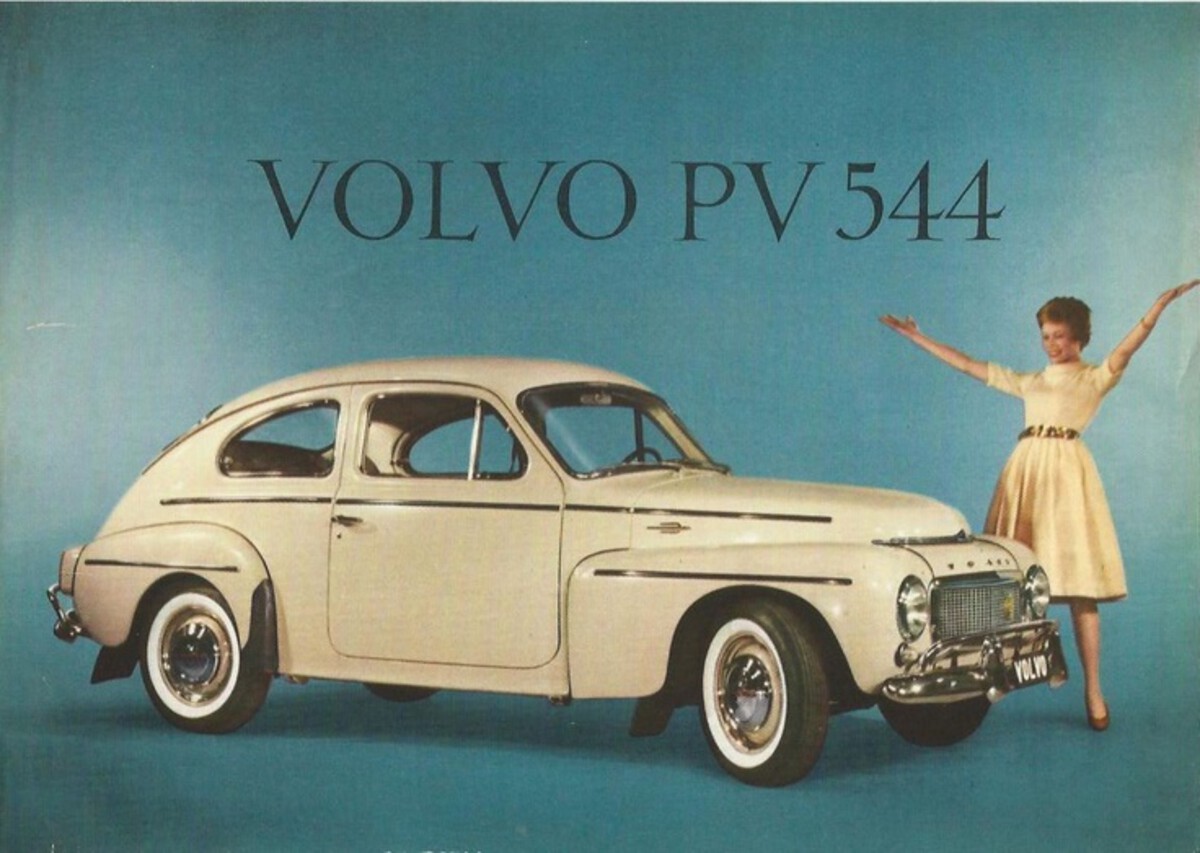
What sets the PV544 apart is not just the invention, but Volvo’s decision to share the patent with other automakers.
This open-source approach allowed the life-saving technology to spread rapidly, making roads safer for everyone. Additionally, the PV544 featured a more robust body structure compared to many of its contemporaries, offering improved protection in rollovers and side impacts.
Volvo’s commitment to safety was already becoming a defining characteristic, and the PV544 set the tone for the brand’s future innovations.
Its simple design belied a focus on engineering integrity. The car handled well, had good visibility, and was more stable than many American vehicles of the time, which were often large, top-heavy, and had poor braking systems.
Moreover, the PV544 contributed to a cultural shift. It demonstrated that safety could be a selling point and not just a regulatory obligation. In the late 1950s, most automakers were focused on styling and horsepower, but Volvo charted its own course. The PV544 proved that innovation in safety didn’t have to come at the expense of performance or consumer appeal.
The legacy of the Volvo PV544 remains profound. By introducing and normalizing the three-point seatbelt, it played a pivotal role in reducing automotive fatalities worldwide. This single safety innovation has saved more lives than almost any other feature in automotive history.
2. 1971 Mercedes-Benz S-Class (W116)
The 1971 Mercedes-Benz S-Class (W116) marked a watershed moment in automotive safety engineering. It was the first production vehicle to be officially referred to as the S-Class, and it introduced several critical safety innovations that set new benchmarks in the industry.
One of its most notable features was the crumple zone design, which absorbed crash energy in a frontal collision while protecting the passenger cell.
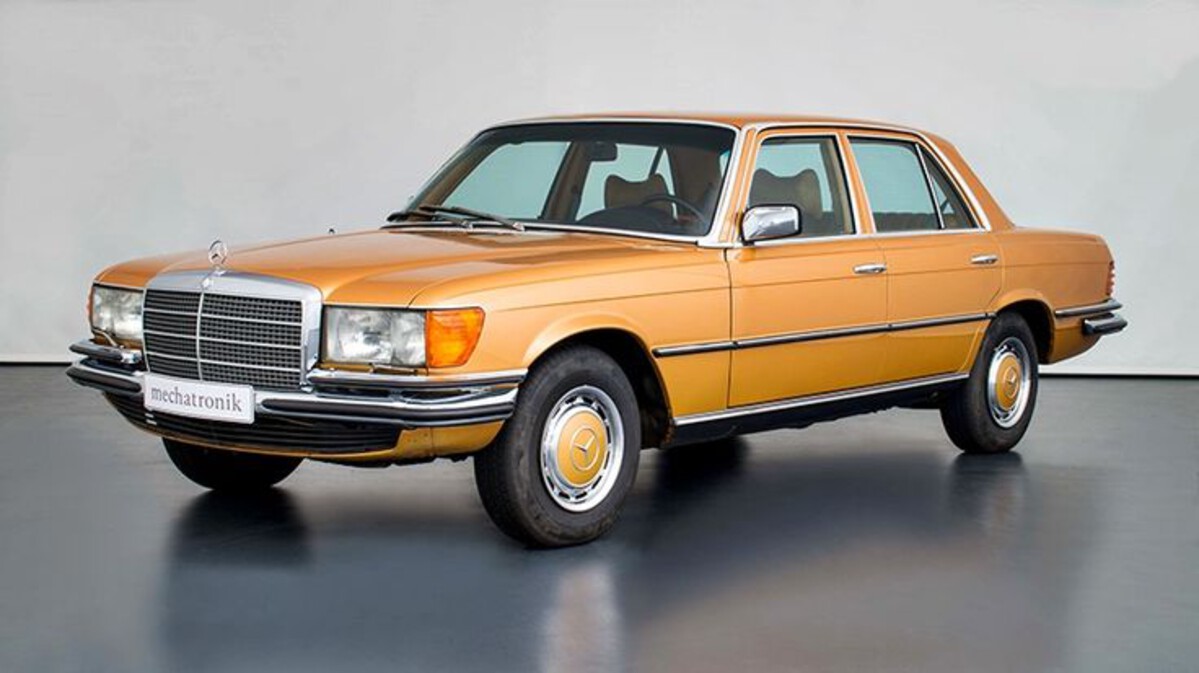
Mercedes-Benz had been refining the concept since the 1950s, but the W116 represented its most complete and refined application at the time. This body structure was not just theoretical; it proved effective in real-world crash scenarios.
The W116 was also among the first cars to feature ABS (Anti-lock Braking System), a collaboration with Bosch that appeared as an option in 1978. This system drastically improved braking performance, especially on slippery roads, reducing the risk of skidding and loss of control. ABS would go on to become a mandatory safety feature in most countries decades later.
The interior of the W116 also reflected a safety-first approach. The dashboard was padded, and controls were designed to minimize injury in a crash. The fuel tank was relocated to a protected area above the rear axle, reducing the risk of fire after impact.
In terms of visibility, lighting, and braking, the W116 consistently outperformed many of its peers. It offered a level of control and protection rarely seen in luxury or mass-market cars of the early 1970s.
Mercedes-Benz didn’t just build a car with safety features; it engineered a vehicle where safety was integrated into every design choice. The W116 S-Class became a template for how future cars would approach crashworthiness and occupant protection. It helped establish the S-Class as a leader in innovation and engineering excellence, a reputation it maintains to this day.
3. 1981 Mercedes-Benz S-Class (W126)
The 1981 Mercedes-Benz S-Class (W126) carried the legacy of its predecessor while introducing an array of new safety technologies that made it arguably the most advanced car of its time. Built with a clear focus on occupant protection and accident avoidance, the W126 solidified Mercedes-Benz’s dominance in safety innovation during the 1980s.
One of its key advancements was the inclusion of driver-side airbags, introduced in 1981 as an option. While airbags were still in their infancy and viewed with skepticism by many manufacturers, Mercedes pushed ahead, recognizing their potential in reducing injury during frontal crashes.
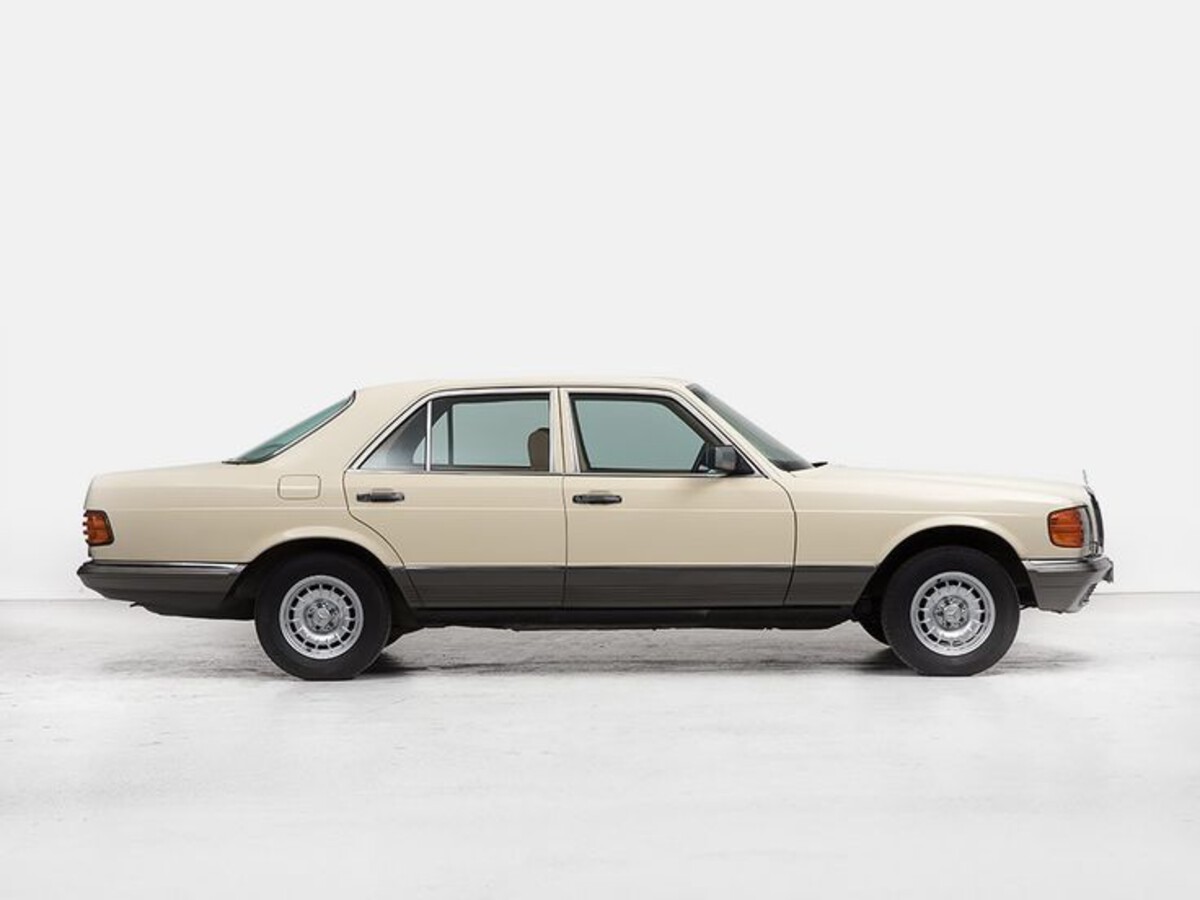
The W126 was also equipped with seatbelt pre-tensioners, which automatically tightened the seatbelt in the event of a collision, reducing slack and preventing occupant movement.
Its body was engineered using advanced computer simulations to improve crash structure efficiency. The W126 featured deformable front and rear sections and a rigid passenger cell, protecting occupants from both frontal and rear-end collisions. It also introduced traction control and ABS to a wider audience, building on earlier innovations from the W116.
Inside, the design was equally thoughtful. The dash and panels were padded, switches were recessed to minimize injuries, and head restraints were improved. Every element was engineered with passive safety in mind.
Beyond hardware, the W126 also emphasized driver focus and control. Its ergonomics and visibility were carefully optimized, contributing to accident prevention rather than just protection.
The W126 wasn’t just a luxury sedan, it was a preview of what the future of safe driving would look like. Its influence on modern safety standards, from airbag adoption to crash structure design, cannot be overstated. The W126 helped redefine what consumers should expect in terms of safety, pushing the industry to raise the bar permanently.
4. 1991 Volvo 850
The 1991 Volvo 850 was another pivotal model that demonstrated Volvo’s unwavering commitment to safety. While many remember it for being Volvo’s first front-wheel-drive car with a transverse engine, its true legacy lies in the safety innovations it introduced to the mass market.
One of the most significant features of the 850 was the Side Impact Protection System (SIPS). At a time when side-impact crashes were poorly addressed by most manufacturers, Volvo tackled the issue head-on.
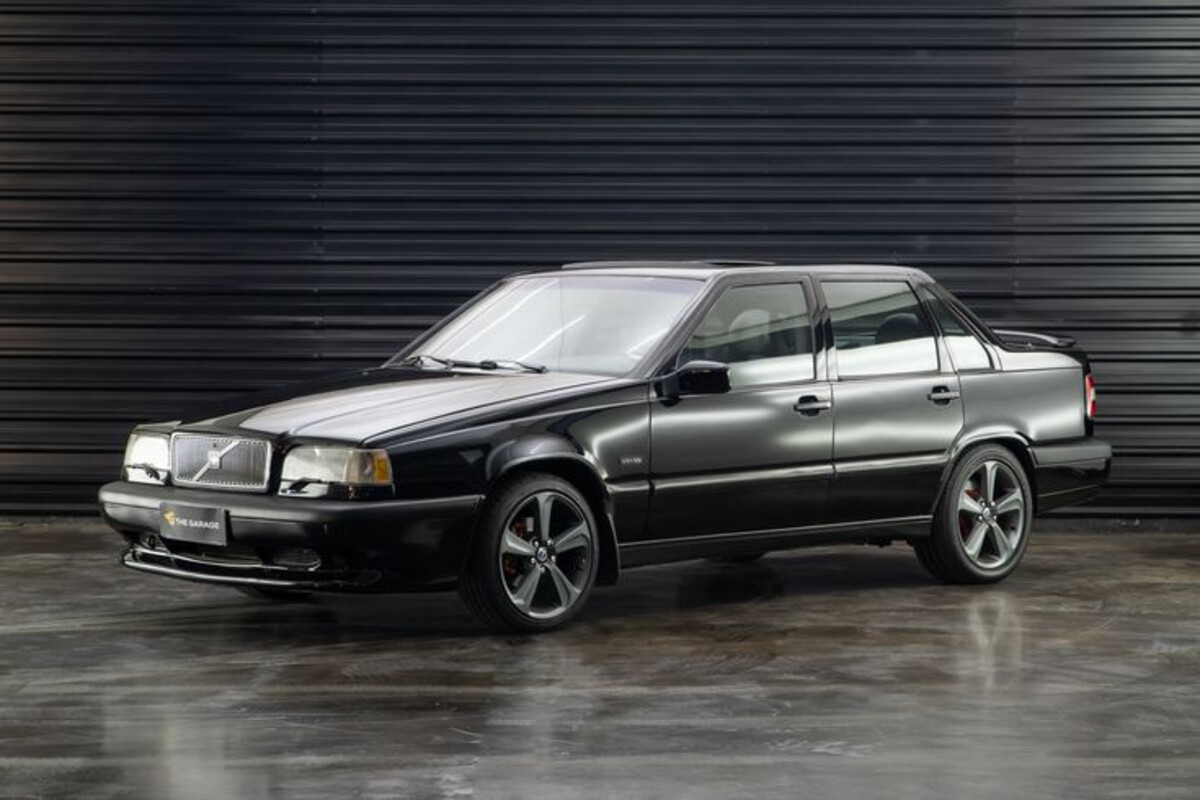
SIPS included reinforced door beams and energy-absorbing materials in the cabin structure that distributed crash forces away from occupants. This was later augmented by the world’s first side-impact airbags, introduced as an option in 1994 and quickly becoming standard.
The Volvo 850 also featured a self-adjusting seatbelt system and whiplash protection, which helped reduce neck injuries in rear-end collisions. These innovations were complemented by a high-strength passenger cage that offered protection from multiple angles of impact.
Volvo didn’t stop with structural integrity. The car also featured ABS brakes as standard in many markets and provided optional traction control. It was built to be predictable, stable, and forgiving in emergencies, helping drivers avoid accidents before they occurred.
Another breakthrough was the introduction of the Volvo safety seat for children, built into the rear center armrest. This kind of integrated child safety was unheard of in production cars at the time, showing Volvo’s attention to all passenger types.
The 850’s impact on vehicle safety cannot be ignored. It pushed other automakers to address side-impact protection more seriously and paved the way for many features that are now required by law.
With its blend of passive and active safety, the Volvo 850 remains one of the most influential vehicles in shaping modern safety expectations.
5. 1997 Mercedes-Benz E-Class (W210)
By the late 1990s, safety technology was becoming more sophisticated, but the 1997 Mercedes-Benz E-Class (W210) still stood out for how seamlessly it integrated emerging innovations. This mid-size luxury sedan was more than just comfortable and stylish, it was a masterclass in proactive safety engineering.
One of its standout features was the introduction of Brake Assist (BAS), which detected emergency braking and applied full braking power even if the driver failed to do so.
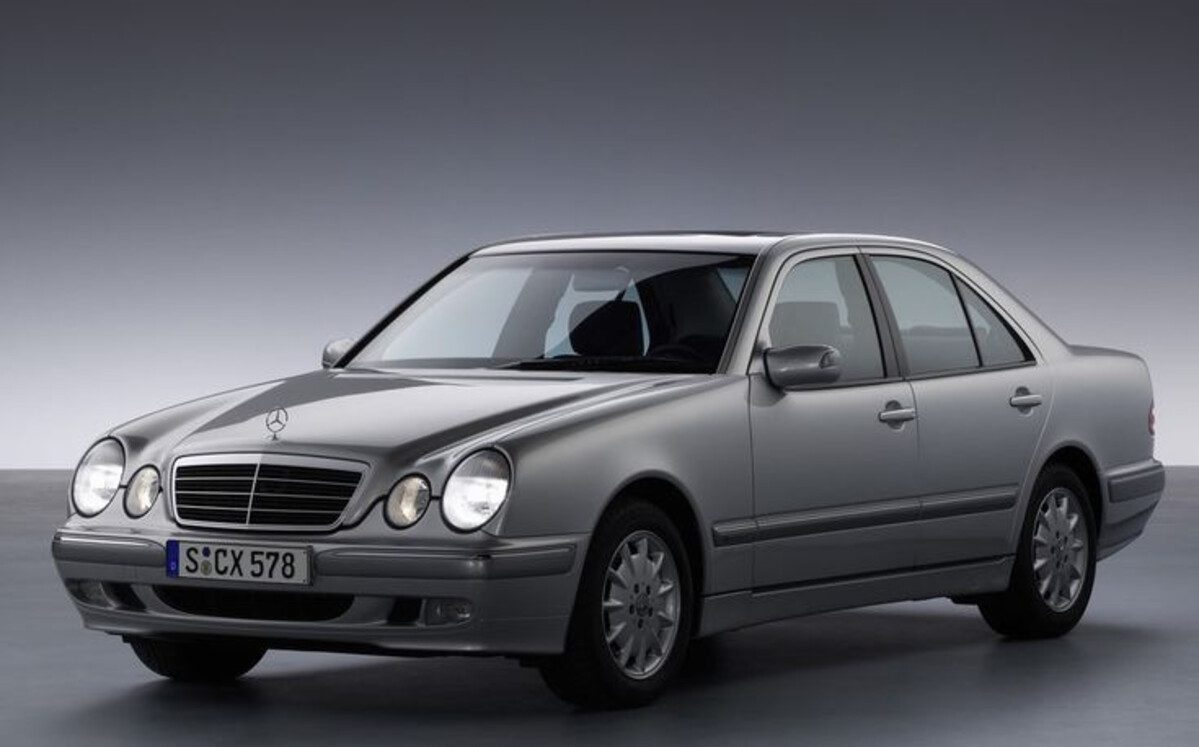
This helped reduce stopping distances in critical situations and was a major leap forward in accident prevention. Brake Assist later became standard in many vehicles across different classes and brands.
Another innovation in the W210 was the early deployment of Electronic Stability Program (ESP) as an option. ESP monitored steering inputs and wheel behavior to prevent skidding and loss of control. It’s now considered one of the most life-saving technologies ever developed, but in the late 1990s, it was virtually unheard of outside high-end models.
The W210 also had an exceptionally strong passenger cell and effective crumple zones, engineered to disperse energy away from the cabin in collisions. It featured front and side airbags, including head protection for both the driver and passengers, which were rare at the time.
Seatbelt tensioners, anti-submarining seats, and reinforced door structures rounded out its comprehensive safety package. Even the hood and engine compartment were designed with pedestrian safety in mind, years before regulations mandated such considerations.
Mercedes-Benz’s philosophy with the W210 was to make safety intuitive and invisible, working in the background but available instantly when needed. This car helped democratize advanced safety features by making them more accessible, setting a precedent for safety trickle-down from luxury to mainstream markets.
5 Older Cars That Lag Today’s Standards
While some older cars were decades ahead in safety, others fell far short, even by the expectations of their own time. Whether due to cost-cutting, outdated design philosophies, or a simple lack of prioritization, these vehicles neglected essential safety features.
Many lacked crumple zones, side-impact protection, or even basic restraint systems, leaving occupants dangerously exposed in the event of a crash. Others used materials or structures that compromised integrity or lacked essential engineering to handle common road hazards.
As a result, they’ve become infamous for their poor crash performance and high fatality rates. The following five vehicles highlight how safety oversight can turn otherwise successful cars into liability risks, especially when viewed through the lens of modern automotive expectations.
ALSO READ: 5 Trucks That Stay Cool Even During Heavy Towing
1. 1960 Chevrolet Corvair
The 1960 Chevrolet Corvair is one of the most infamous examples of a vehicle whose design seriously compromised safety. While it was a technical innovation with its rear-engine layout and independent suspension, those very features contributed to dangerous handling characteristics.
Its flaws were so severe that it became the focal point of Ralph Nader’s groundbreaking book Unsafe at Any Speed, which criticized the automotive industry’s neglect of safety.
One of the biggest issues with the Corvair was its swing-axle rear suspension. It allowed extreme camber changes during cornering, which could lead to sudden oversteer or even rollover accidents.
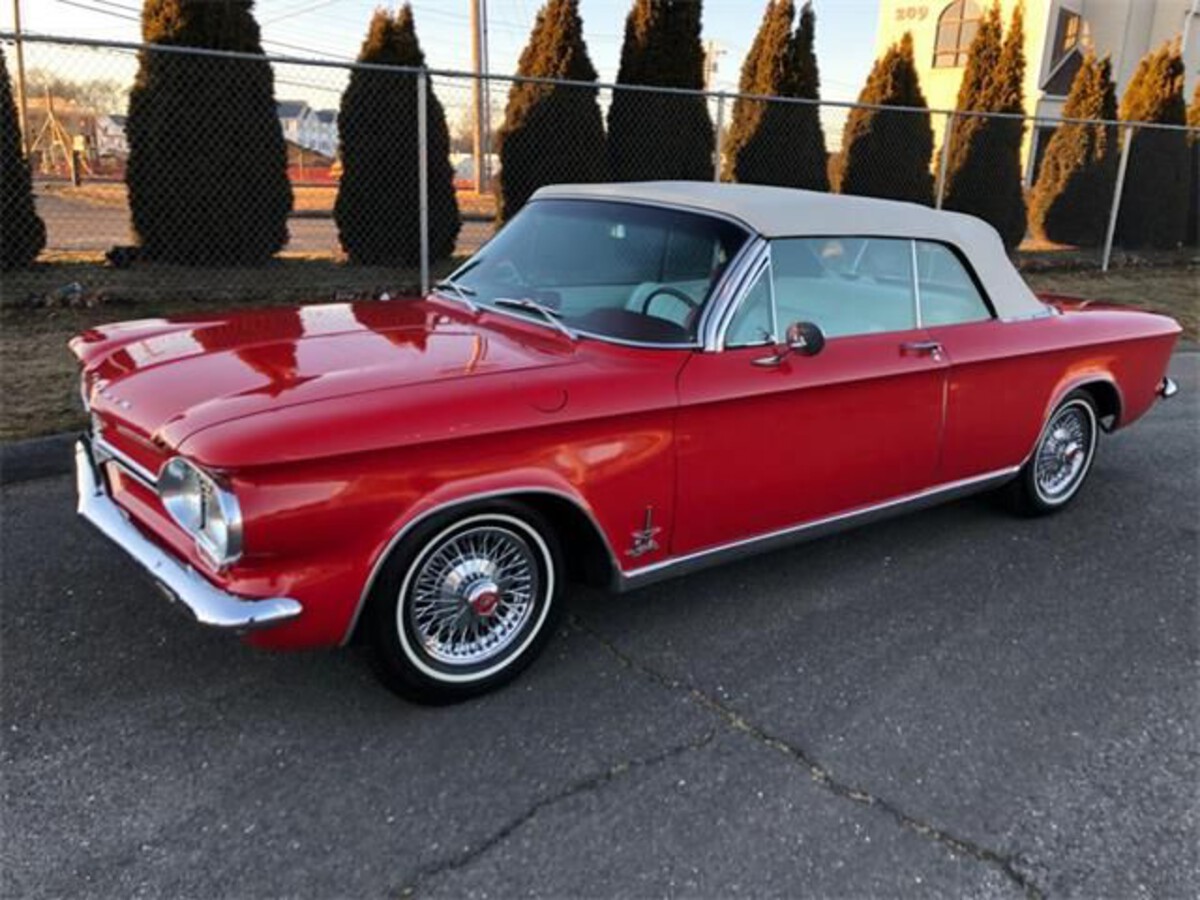
The car had no anti-roll bars in early models, which made the problem worse. Drivers unfamiliar with its quirks were often caught off guard, sometimes with fatal consequences.
Adding to its troubles, the Corvair lacked a front stabilizer bar, had poor weight distribution, and was built with cost-cutting in mind. The result was a car that was stylish and affordable, but extremely unstable in emergency maneuvers.
The lack of safety features didn’t stop there. The Corvair had no seatbelts in its base models, no crumple zones, and no meaningful side-impact protection. The steering column could impale the driver in a head-on collision due to its rigid structure. While later models attempted to fix some of these flaws, the damage to its reputation was done.
Although the Corvair was cleared of wrongdoing by a 1972 government report, its legacy had already shaped public opinion. It became a cautionary tale that pressured the industry into taking safety seriously.
Today, the Corvair stands as a reminder that ignoring fundamental engineering principles in favor of cost or aesthetics can have dire consequences.
2. 1974 Ford Pinto
The 1974 Ford Pinto is perhaps one of the most well-known examples of a car where corporate cost-cutting took precedence over consumer safety. While the Pinto was designed to be an affordable and compact car during the oil crisis of the early 1970s, it became infamous for its severe design flaw involving the fuel system.
The most critical issue was the placement of the fuel tank. Situated directly behind the rear axle and only ten inches from the rear bumper, it was highly vulnerable in rear-end collisions.
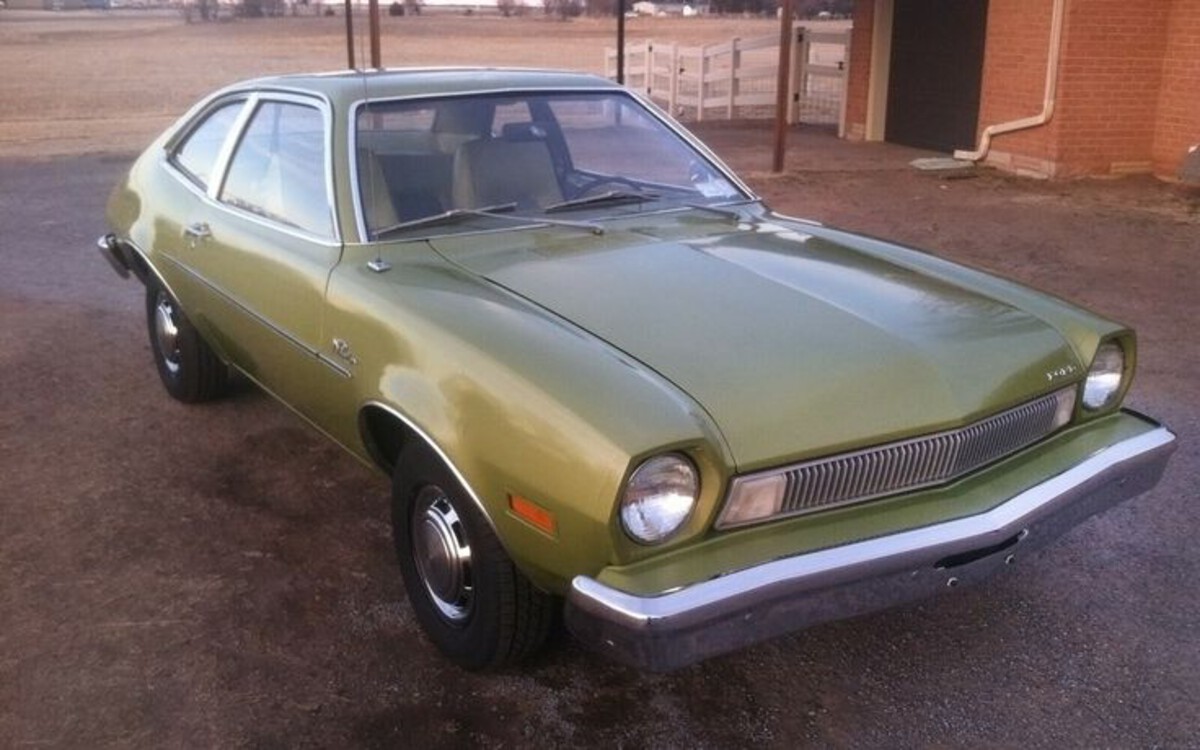
Compounding the problem, several bolts and sharp structures pointed directly at the tank, increasing the likelihood of puncture and fuel leakage upon impact. This design flaw often resulted in fires or explosions during otherwise survivable accidents.
What made the Pinto case even more controversial was the internal cost-benefit analysis Ford conducted. The company allegedly calculated that it would be cheaper to settle potential lawsuits than to fix the problem, which could have been solved for an estimated $11 per vehicle. This revelation sparked outrage and damaged Ford’s public image for years.
Safety features that were becoming standard at the time, such as reinforced fuel tanks, rear crumple zones, and protective barriers, were absent. The Pinto’s small size and light weight only added to its instability and vulnerability in crashes.
Though the car sold well initially, growing public concern and media investigations, including a notorious Mother Jones article, led to a series of lawsuits and eventual recalls. The Pinto became a symbol of regulatory failure and corporate negligence.
Today, it serves as a grim reminder of what can happen when safety is deprioritized. The legacy of the Pinto influenced legislation, consumer advocacy, and the rise of federal safety standards, making it a landmark case in automotive history, but for all the wrong reasons.
3. 1987 Yugo GV
The 1987 Yugo GV was marketed as the cheapest new car available in the United States, but that low price came at a significant cost to safety.
Originally manufactured in Yugoslavia and imported by Malcolm Bricklin, the Yugo was poorly engineered and hastily built. It quickly gained a reputation for being not only unreliable but also dangerously unsafe.
One of the biggest shortcomings of the Yugo GV was its structural integrity, or lack thereof. The car’s body crumpled easily in crashes, offering minimal protection to its occupants.

In frontal collisions, the cabin would often collapse, compromising the survival space. Side impacts were equally disastrous due to thin door panels and weak frame construction.
The car also lacked basic safety features, even by 1980s standards. Many versions came without airbags or anti-lock brakes, and seatbelt systems were rudimentary at best. There was no traction control, no electronic stability system, and the car’s handling was notoriously twitchy and unpredictable at highway speeds.
Its braking system was another major flaw. Brake fade occurred quickly under repeated use, and stopping distances were far longer than acceptable. The suspension was primitive, and steering response was vague, making accident avoidance nearly impossible in emergency situations.
Crash test results for the Yugo GV were abysmal. Safety watchdogs routinely gave the car failing marks, and insurance companies classified it as high-risk due to its poor crashworthiness.
Despite its popularity among budget-conscious buyers and some first-time drivers, the Yugo quickly earned a reputation as one of the worst cars ever sold in America. It eventually disappeared from the market by the early 1990s.
The Yugo GV stands as a cautionary tale about the dangers of extreme cost-cutting and a reminder that affordability should never come at the expense of basic safety and engineering quality.
4. 1997 Chevrolet Cavalier
The 1997 Chevrolet Cavalier may have been a best-seller during its time, but it also exemplifies how a popular vehicle can seriously underperform in safety. While the Cavalier offered appealing styling and competitive pricing, it lagged behind the safety standards that were evolving quickly in the late 1990s.
One of the most glaring issues with the 1997 model was its poor crash test performance. The Insurance Institute for Highway Safety (IIHS) rated the Cavalier “Poor” in frontal offset crash tests.
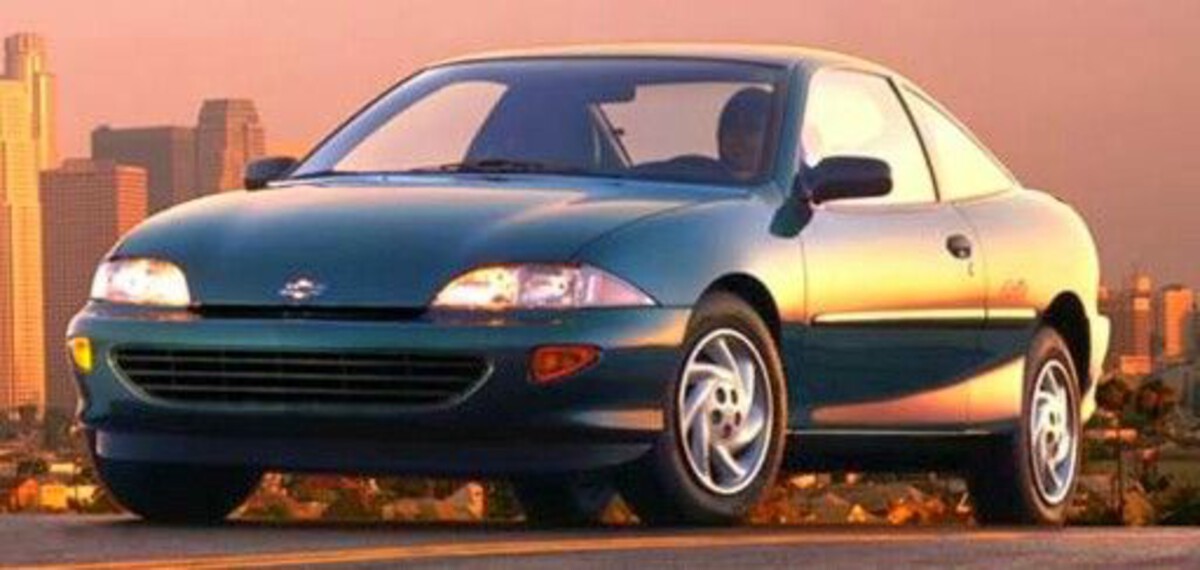
During testing, the cabin structure showed significant collapse, leading to a high risk of injury for both the driver and front passenger. The steering column and dashboard intruded into the space intended to protect occupants, which would be unacceptable by today’s standards.
The Cavalier also lacked critical safety features that were becoming more common, especially in competitors. While some trims included airbags, others had only a driver-side airbag or none at all. Side airbags and electronic stability control were not available, and even ABS was optional on many models.
Seatbelt tensioners and crash energy management systems were also missing, making the vehicle less safe in both frontal and side impacts. The overall body structure did not handle energy dispersal effectively, and side impact protection was minimal.
What made matters worse was the car’s widespread popularity. As one of General Motors’ highest-selling models during the 1990s, millions of Cavaliers were on the road, many of which ended up in accidents with poor outcomes.
The 1997 Chevrolet Cavalier illustrates how mass-market appeal and low pricing can sometimes overshadow safety. While it may have met the bare legal requirements of its day, it failed to advance or even match the safety progress of its competitors, making it an unfortunate entry on this list.
5. 2001 Daewoo Lanos
The 2001 Daewoo Lanos was an attempt by the South Korean automaker to gain a foothold in the competitive U.S. compact car market. While it was inexpensive and came with a surprisingly spacious interior, the Lanos was a major disappointment when it came to safety performance.
Crash tests revealed just how vulnerable occupants were inside this vehicle. The Lanos scored extremely poorly in frontal and side-impact tests.
In government and independent evaluations, the cabin structure failed to maintain its shape, exposing passengers to high injury risk. The side door panels offered minimal resistance to intrusion, and the crumple zones failed to absorb enough energy during collisions.
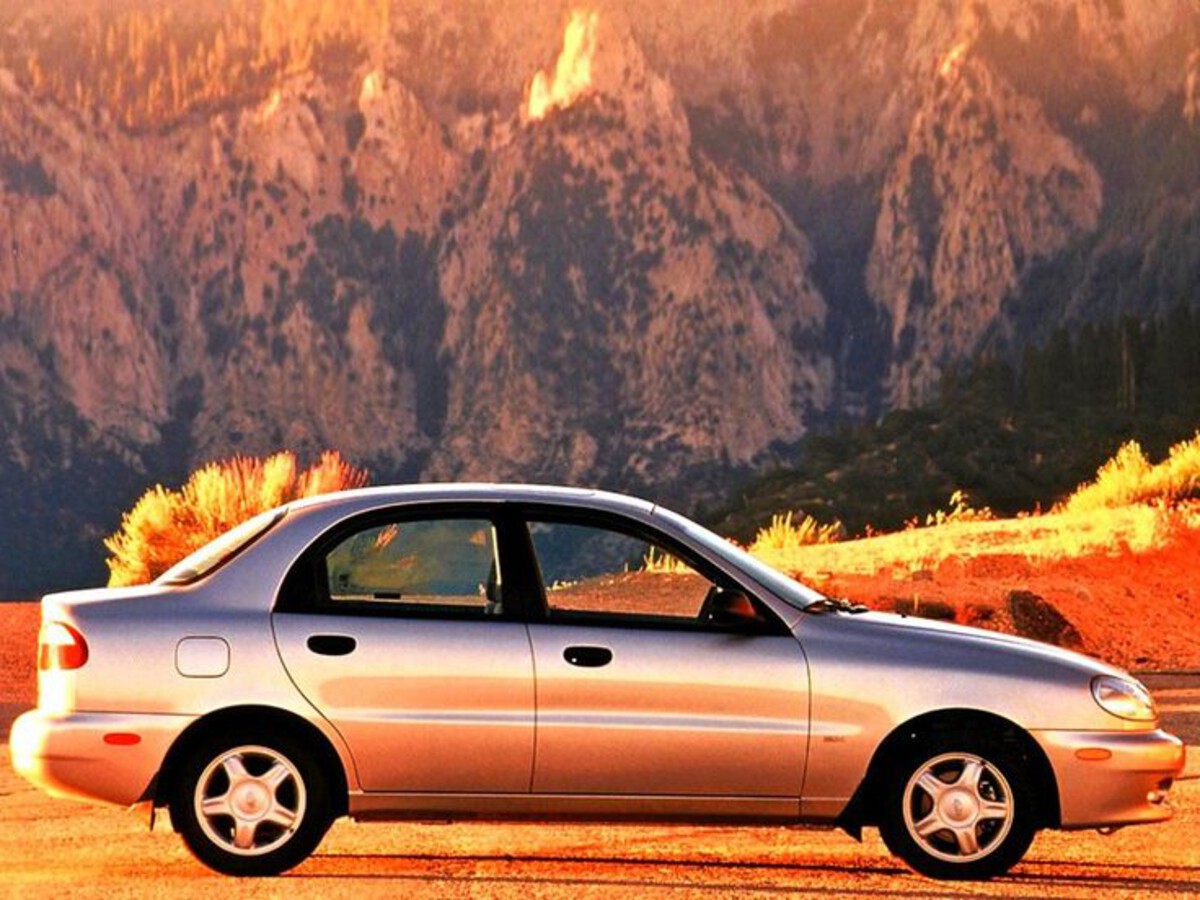
The car also lacked modern restraint systems. Dual front airbags were offered, but there were no side airbags or head protection, features that were becoming more common even in budget vehicles. Anti-lock brakes and traction control were not available, and the seatbelt system lacked pre-tensioners or load limiters.
Daewoo’s cost-cutting also affected materials and build quality. Panels were thin, welds were inconsistent, and crash energy was not properly channeled away from the occupants. While the car passed minimum regulatory requirements, its safety performance was well below average compared to its peers.
Today, automotive safety is a selling point and a design priority. Features once considered futuristic, lane departure warnings, automatic emergency braking, and crash avoidance systems, are now standard or expected. But this progress didn’t happen in a vacuum. It is the result of decades of trial, error, advocacy, and innovation.
As car buyers, enthusiasts, or simply road users, understanding this history empowers us to make better decisions, push for higher standards, and never take vehicle safety for granted. In the end, the road to safer cars has been paved by both the best and worst that the industry has offered.