
While everyone praises the Toyota Camry, Honda Accord, or Ford F-150 for their long-term durability, there are other lesser-known vehicles quietly racking up hundreds of thousands of miles with minimal fuss.
These overlooked champions don’t get the spotlight they deserve but offer serious longevity, especially when properly maintained. Here are 10 cars most people ignore yet they’re built to last.
1. 2004-2010 Pontiac Vibe
The Pontiac Vibe may have disappeared after Pontiac folded, but this hatchback was actually a Toyota Matrix under the skin built on the same platform with the same reliable Toyota 1.8L engine.
Owners routinely see over 250,000 miles with routine maintenance. It’s efficient, practical, and shockingly long-lasting, especially for a car that often sells for under $5,000 on the used market.
The 2010 Pontiac Vibe draws its foundation from the Toyota Matrix, itself a close counterpart of the Toyota Corolla. That gives it a strong pedigree for a compact hatchback, and the Vibe puts that lineage to excellent use.
Much of the Matrix’s interior and mechanical hardware carries over, allowing the Vibe to deliver a smooth ride, user-friendly cabin features, and generous cargo space, traits that help it stand out in a competitive field.
Where the Vibe truly distinguishes itself from its mechanical twin is in the design department. Pontiac gives it its own character through signature styling cues, such as the brand’s familiar dual-grille front end.
The bodywork is more visually engaging than what’s usually seen on economy cars, and its taller stance enhances both interior roominess and overall presence.
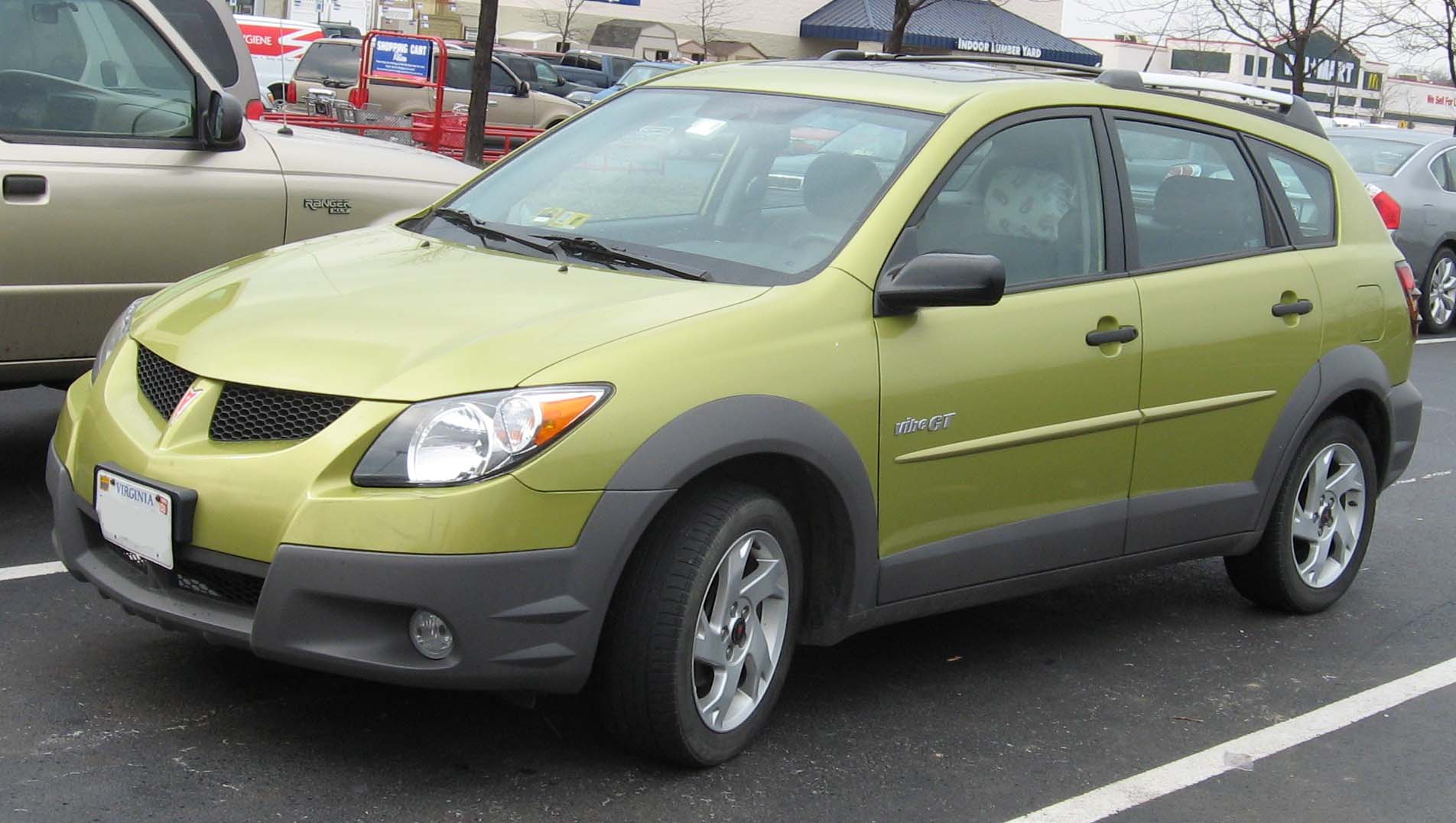
Thanks to its practical hatchback layout, the Vibe can carry a surprising amount, approaching what you’d expect from certain compact SUVs.
At the same time, fuel efficiency remains a strong point, with the standard 1.8-liter engine achieving an impressive 28 mpg in combined driving. While the Vibe may cost a bit more than a bare-bones budget hatch, its combination of liveliness and adaptability justifies the higher price tag.
There is, however, a caveat: GM’s restructuring efforts could result in Pontiac being phased out. If that happens, it will likely impact the Vibe’s resale value.
That said, it doesn’t take away from what the Vibe offers at its core. You’ll want to consider the competition, of course, solid alternatives include the Hyundai Elantra Touring, Mazda 3, Scion xB, Subaru Impreza, and Volkswagen Rabbit.
Each has something different to bring to the table, but for a compact hatchback or wagon that nails both practicality and style, the 2010 Pontiac Vibe makes a strong case for itself.
Also Read: Top 10 Buicks That Are Built to Last That Remain Iconic
2. 2001–2006 Hyundai Elantra (Third Generation)
Modern Hyundais get a lot of attention, but the early-2000s Elantra quietly delivered surprising durability.
While not flashy, these compact sedans featured simple, bulletproof 2.0L Beta II engines and were cheap to repair. Many still run strong today with original drivetrains well past 200,000 miles.
We’ve always considered the Hyundai Elantra a solid choice, and that sentiment only grew stronger after its full redesign in 2001. That overhaul brought more interior room, a larger overall footprint, and a generous list of standard features, all without significantly bumping up the price.
For those still skeptical, Hyundai continued to sweeten the deal with one of the best warranties in the business: a 5-year/60,000-mile basic warranty and a 10-year/100,000-mile powertrain guarantee.
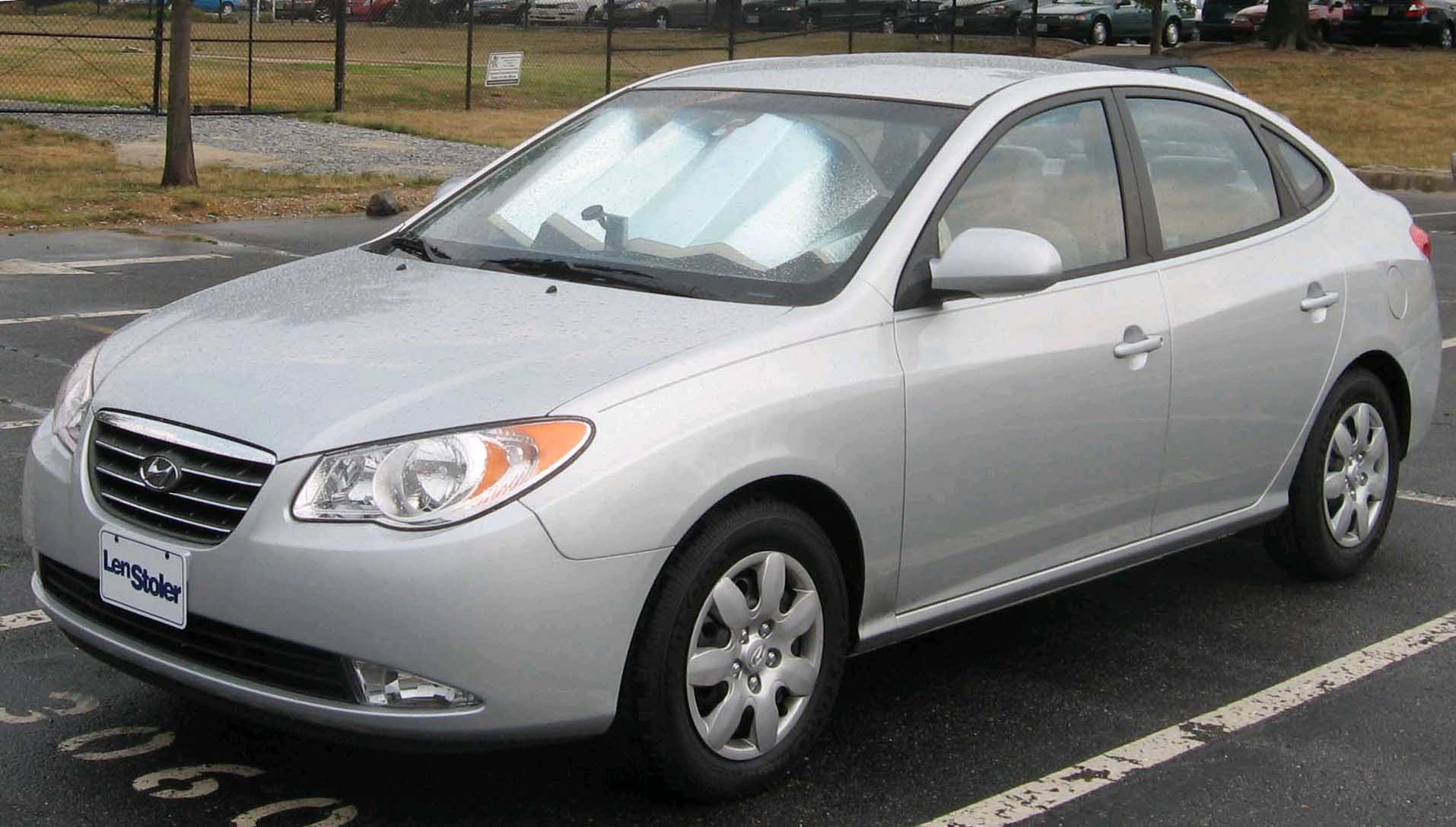
In a move to expand its appeal, Hyundai introduced a five-door hatchback version for the 2002 model year. This body style adds versatility, offering 28 cubic feet of cargo space with the rear seats upright and 37 cubic feet when they’re folded flat.
Under the hood, every Elantra is powered by a 2.0-liter inline four-cylinder engine, which puts out 138 horsepower (or 132 when fitted with SULEV emissions equipment).
Transmission options include a five-speed manual or a four-speed automatic. If you’re the type who enjoys being engaged behind the wheel, the manual is the better bet—it lets you keep the engine in its power band with minimal effort.
That said, the automatic still performs adequately for everyday city driving, though it tends to hesitate on the highway when a quick downshift is needed for passing, which can make it feel underwhelming in those moments.
3. 2003–2008 Mazda6 (First Generation)
Often overlooked in favor of the more famous Mazda3 or Miata, the first-gen Mazda6 came with a robust 2.3L four-cylinder or a surprisingly stout 3.0L V6.
With solid driving dynamics and simple engineering, this sedan can clock in well over 200,000 miles, especially when rust is kept at bay.
Mazda may be best known for its rotary engines and the RX-7 sports car, but it was the 626 that really gave the company mainstream recognition. It hit the mark at a time when buyers were looking for sharp European-inspired styling and performance, backed by Japanese reliability, all at a price that didn’t break the bank.
First introduced to the U.S. market in 1979, the 626 underwent its first major redesign in 1983, which included the addition of a five-door hatchback to join the existing sedan and coupe options.
This approach carried over to the 1988 version of the 626, which once again offered a sedan, coupe, and five-door hatch configuration, this time with the option of turbocharged engines.
The next full redesign came in 1993, and with it, the coupe spun off into its own model, the MX-6, while the hatchback was discontinued entirely. Then came the 1998 update, and “staid” is the word that best captures it; the coupe was gone for good, and sedan sales took a noticeable dive.
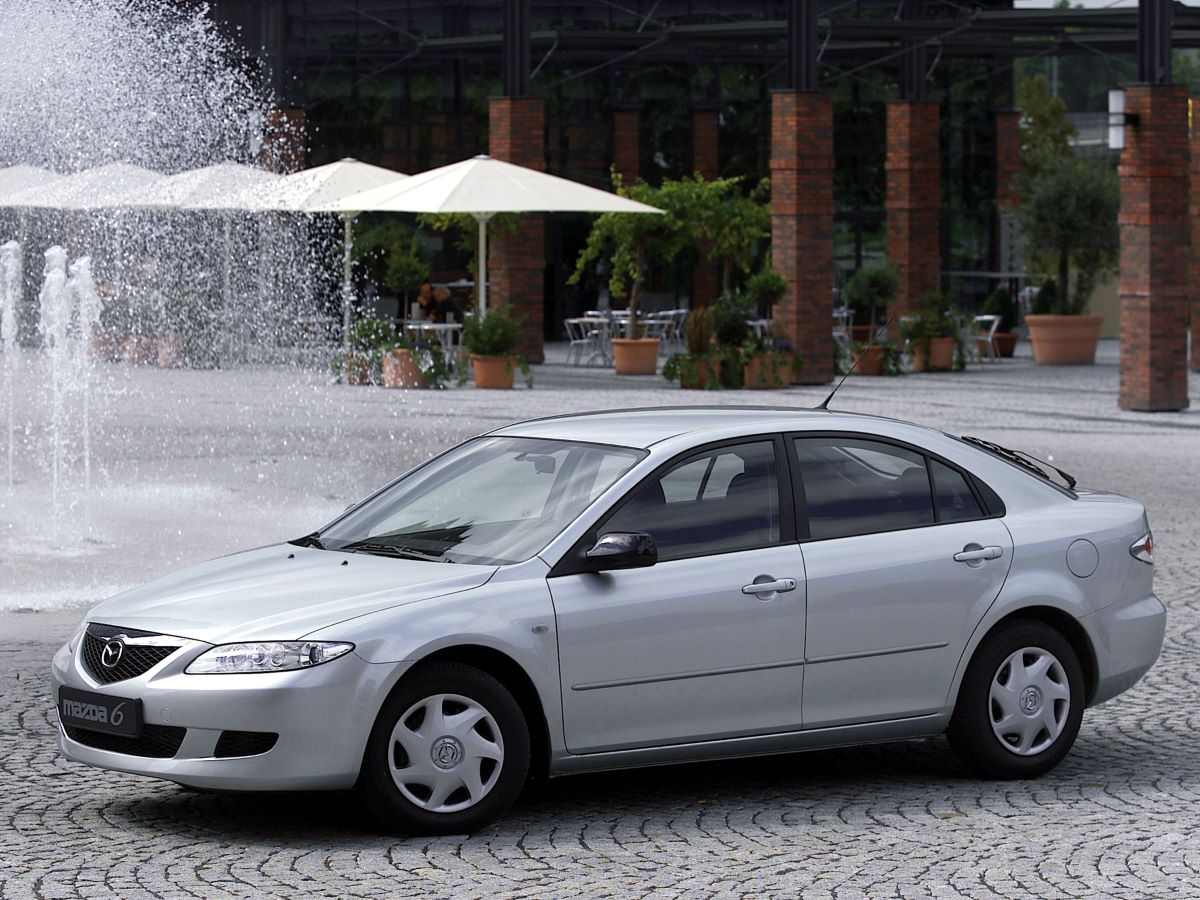
Come 2003, Mazda went back to the drawing board. Out went the 626 name and in came the Mazda 6, with all-new engines and a sleek, modern design that instantly turned heads.
Despite having the looks and engineering to back it up, the car struggled to gain traction in the U.S., even though it was a strong seller in global markets. Fortunately, solid word of mouth began to spread, and that helped the Mazda 6 finally start building the reputation it deserved.
When developing this model, Mazda stated that its priorities were driver engagement, occupant comfort and safety, along with solid craftsmanship and versatile packaging.
The Mazda 6 delivers on those goals with confident handling, contemporary styling, and an interior that feels more upscale than you’d expect. It’s not the biggest in its segment, but unless you’re riding in the back, the size difference is hardly noticeable.
The base model comes with a 2.3-liter four-cylinder engine rated at 160 horsepower. A five-speed manual transmission is standard, while a five-speed automatic is available as an option.
For more power, the Mazda 6 s model steps up to a 3.0-liter V6 that produces 215 horsepower. In a rare move for a V6-equipped midsize sedan, Mazda offers this engine with a five-speed manual, or you can choose the available six-speed automatic if you prefer.
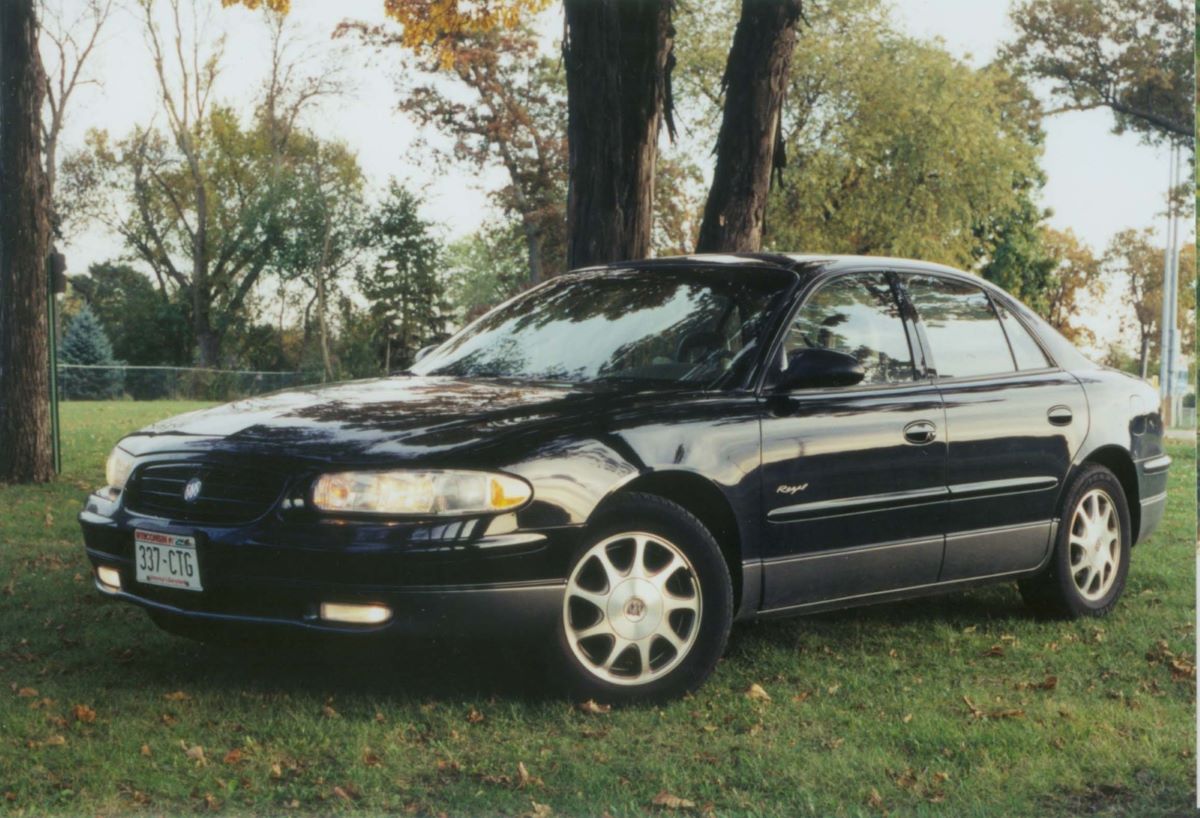
4. 1998–2004 Buick Regal GS (Supercharged)
The Regal GS featured GM’s legendary 3800 Series II V6 engine, one of the most durable American engines ever made. These sedans could fly under the radar while quietly racking up over 300,000 miles.
Even with a supercharger, they held up remarkably well and offered surprising power with rock-solid reliability.
Luxury-car buyers come in all shapes and priorities. At one end of the spectrum, you have those willing to spend extra for top-tier refinement and a badge that turns heads in the neighborhood.
On the opposite end, there are buyers who care less about brand prestige and more about getting strong performance and a solid features list without blowing the budget. For that latter group, the practical, value-driven shopper, the 2015 Buick Regal could be just the right fit.
The Regal brings a well-balanced set of strengths to the table. It comes well-equipped right out of the gate, with standard features that include leather upholstery and heated front seats.
Drivers who regularly face rough weather will benefit from the available all-wheel drive system, while safety-conscious shoppers will find reassurance in the Regal’s favorable crash-test ratings.
Under the hood, the standard turbocharged four-cylinder engine delivers a healthy 259 horsepower—an output that outpaces many of its direct rivals. On top of that, the Regal’s pricing adds to its appeal, often coming in lower than what you might assume for a car in this category.
That said, the entry-level luxury segment has become crowded, offering no shortage of compelling alternatives. If you’re willing to compromise slightly on space, the 2015 Audi A3 is worth a look.
It may have a smaller rear seat and trunk than the Buick, but it compensates with a more upscale interior and quicker potential acceleration. The 2015 Volvo S60 edges out the Regal on safety scores and provides a broader range of engines, but it’s not as easy on the wallet.
And then there’s the 2015 BMW 3 Series, specifically the base 320i model, which can be had for around the same cost as a mid-level Regal, while offering a more dynamic and rewarding driving experience.
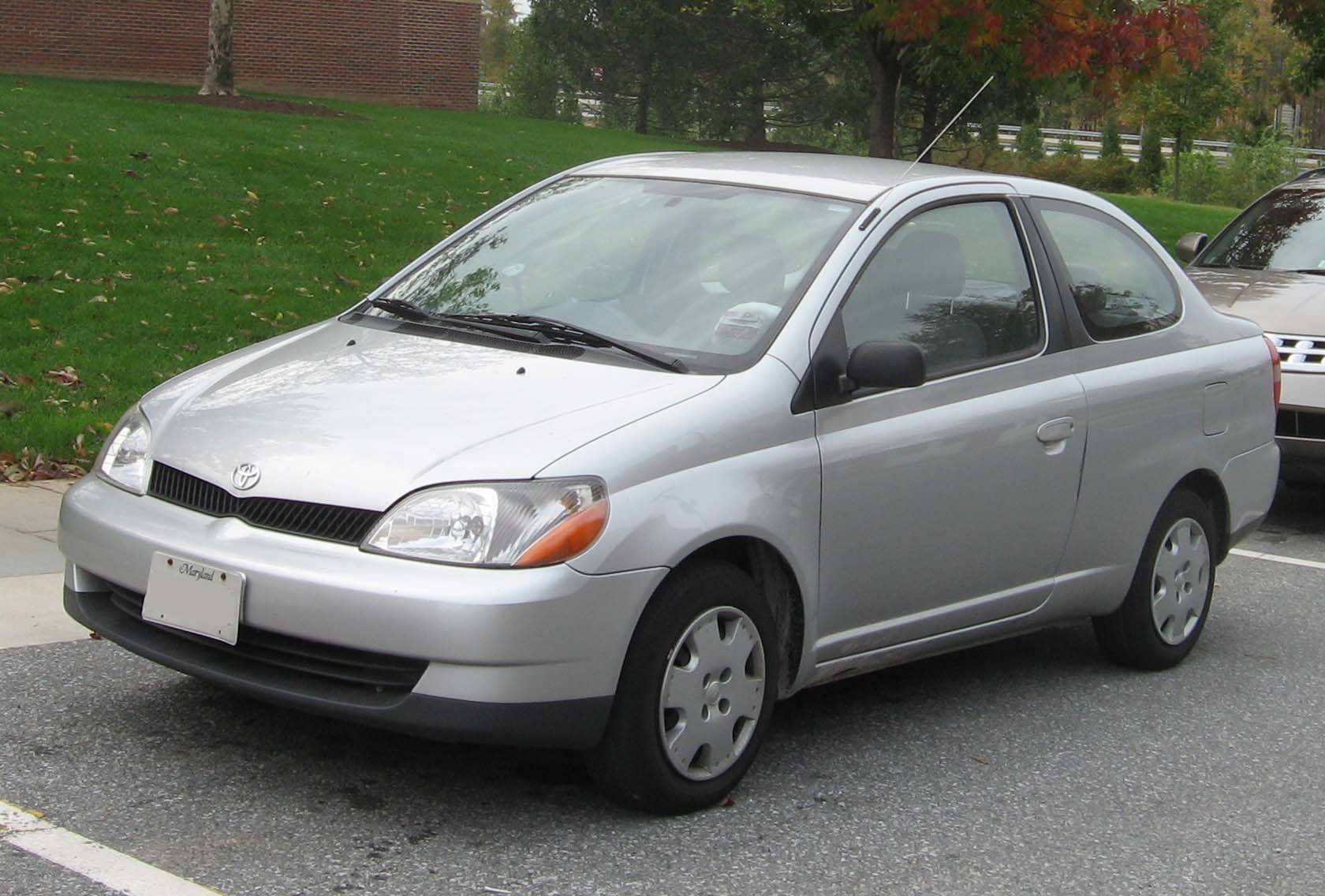
5. 2000–2005 Toyota Echo
Though often dismissed for its odd styling and minimal interior features, the Echo is a secret weapon for reliability.
Its 1.5L engine is near-indestructible, and the car’s featherweight frame means it’s easy on components like brakes and tires. It was built to last just ask the many owners still driving theirs with over 250,000 miles on the clock.
The Toyota Echo offers modest performance, which aligns with expectations for vehicles in its class. The debut model came equipped with a 1.5-liter inline-four engine.
The 2000 Toyota Echo features front-wheel drive and a five-speed transmission, available in either manual or automatic versions. The engine produces a peak output of 108 horsepower at 6,000 rpm, along with 105 lb-ft of torque at 4,200 rpm.
When it comes to speed, the Echo doesn’t aim to impress. Reports indicate that it accelerates from 0 to 60 miles per hour in 8.6 seconds and completes a quarter-mile in 16.5 seconds at a speed of 86 miles per hour.
By the time the Echo’s production ended in 2005, there had been little to no change in its engine or overall performance. All in all, the car holds its own in this category.
It’s not built for speed or high power, but it delivers where it counts. In terms of performance, the Echo is consistent with what you’d expect from subcompact cars of its era.
Also Read: 5 Base-Model Cars That Resell Best vs 5 Trims That Aren’t Worth the Premium
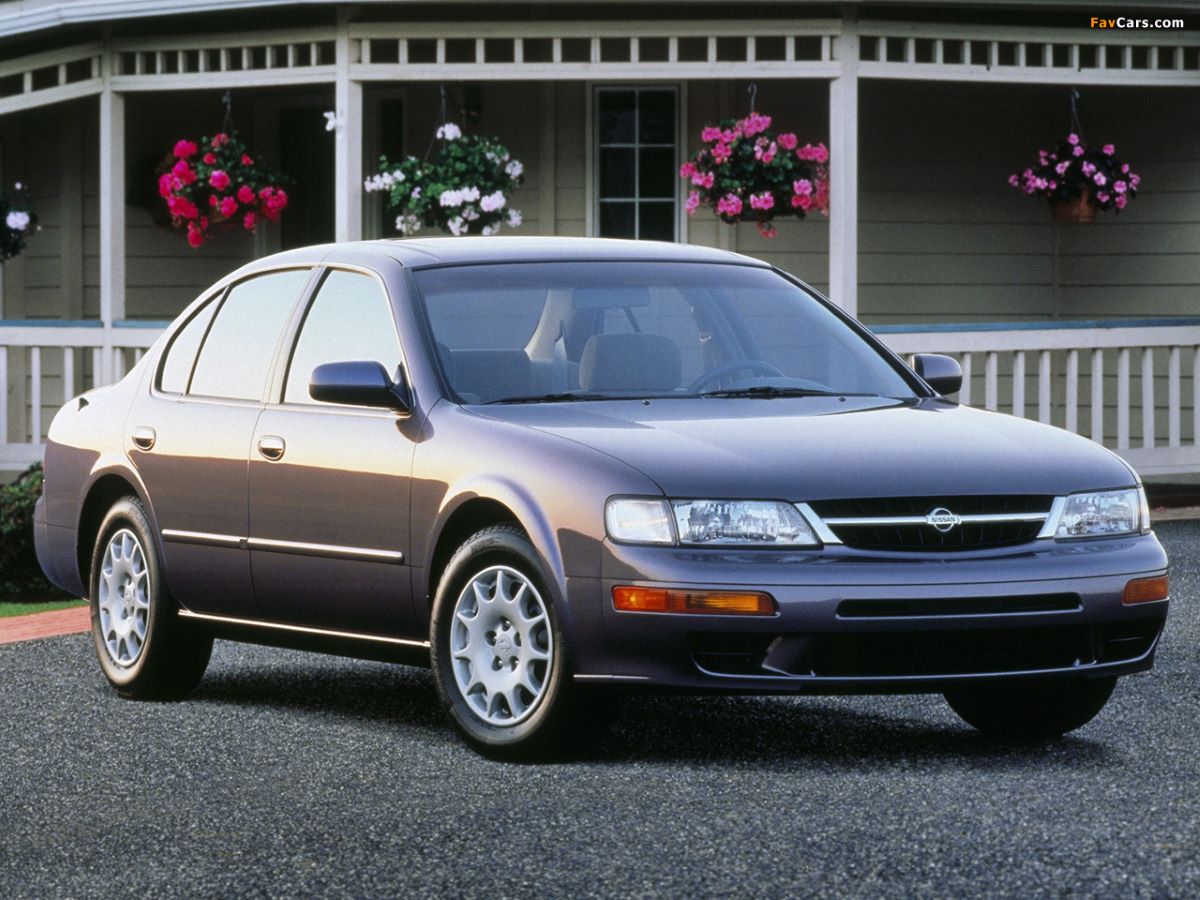
6. 1995–2002 Nissan Maxima (A32 and A33 Generations)
The Maxima of the late ‘90s and early 2000s was a performance sleeper powered by the VQ30DE engine one of Nissan’s best.
These sedans offered V6 performance and luxury at a bargain, and many examples are still running strong today. The engines are known to be incredibly resilient with basic maintenance.
Since 1995, the Nissan Maxima has held its ground as just that kind of car. Dubbed by the company itself as a “four-door sports car,” it took a leap from beauty to beast that year, with engineering under the skin that played a tune no car enthusiast could ignore.
A styling refresh in 1997 sharpened its look, but what truly kept people coming back was the silky-smooth 3.0-liter dual overhead cam V6 engine, a powerplant so good that Ward’s Auto World called it “the best V6 engine available in America.”
Then came last year’s redesign, which doubled down on what the Maxima already did well luxury and performance while also doubling down on the divisive bits, namely some head-scratching design choices laid over an otherwise uninspired shape.
So let’s get into the controversial stuff first. The wheel arches look like they were lifted straight from an Audi. The gaping, slat-toothed grille could pass for something out of a Buick Regal.
And the SE model’s smoked-lens teardrop taillights feel awkwardly inserted into a body dominated by painted plastic and metal. Love it or hate it, you can’t say the Maxima blends into the background.
That said, none of that matters once you’re behind the wheel. This car is all about the drive. The V6 delivers 222 horsepower at 6,400 rpm and 217 lb-ft of torque at 4,000 rpm.
Part of what helps the engine reach those numbers is a specially tuned exhaust system designed to cut down on backpressure when you’re really winding it out.
And wind it out you will, whether you go with the standard five-speed manual or opt for the four-speed automatic.
Handling is another area where the Maxima shines, even without a fully independent rear suspension. Standard four-wheel disc antilock brakes and optional traction control (when paired with the automatic) round out the car’s confident dynamics.
Inside, the Maxima leans into a sporty aesthetic, with the expected touches of luxury to keep the cabin feeling upscale. SE models in the mid-range trim get titanium-faced gauges, while all versions come with a 60/40 split-folding rear seat.
Thanks to a long wheelbase, the cabin offers plenty of room, especially for rear-seat passengers. And with 15.1 cubic feet of trunk space, there’s no shortage of room for cargo either.
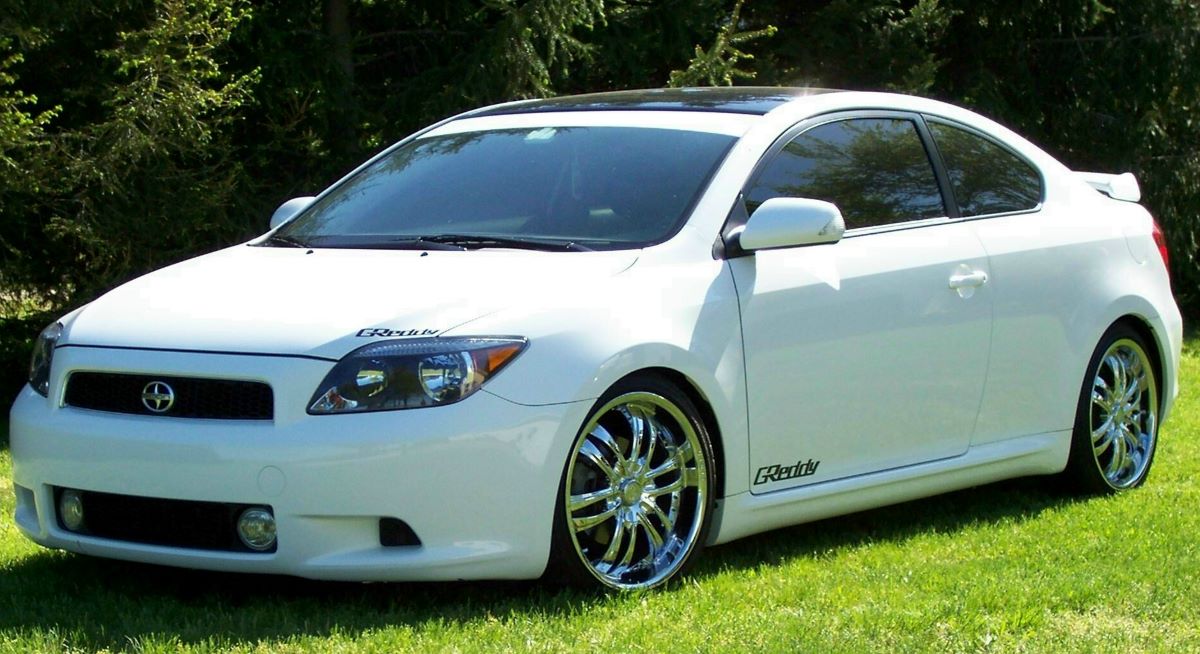
7. 2005–2010 Scion tC
The Scion tC often gets lost in the Toyota lineup, but it shares parts with the Toyota Camry, including the dependable 2.4L 2AZ-FE engine.
These sporty hatchbacks have simple mechanics, good aftermarket support, and a surprisingly long life expectancy. Many have exceeded 200,000 miles without major issues.
The Scion tC stands out as something of an outlier in the Scion lineup. It’s the only model that doesn’t come in a hatchback body style, and it’s also the only one whose name doesn’t begin with the letter x. Still, its sporty appearance and budget-friendly price tag align well with Scion’s focus on younger buyers.
Originally introduced in 2004 as a 2005 model, the tC has remained largely the same over the years. This lack of updates has left the car feeling dated, and as a result, its sales have taken a hit.
True to Scion’s brand philosophy, the tC is sold in a single “monospec” trim, offering limited factory options but a wide array of dealer-installed accessories.
Even though it’s been around for a while, the tC still holds its own as one of the better-looking compact coupes available though that’s partly due to the fact that there simply aren’t many competitors in this small niche.
With a completely redesigned 2011 model just around the corner, dealers are likely to offer strong incentives to clear out remaining 2010 inventory making it a solid opportunity for budget-conscious shoppers.
8. 2006–2011 Chevrolet HHR
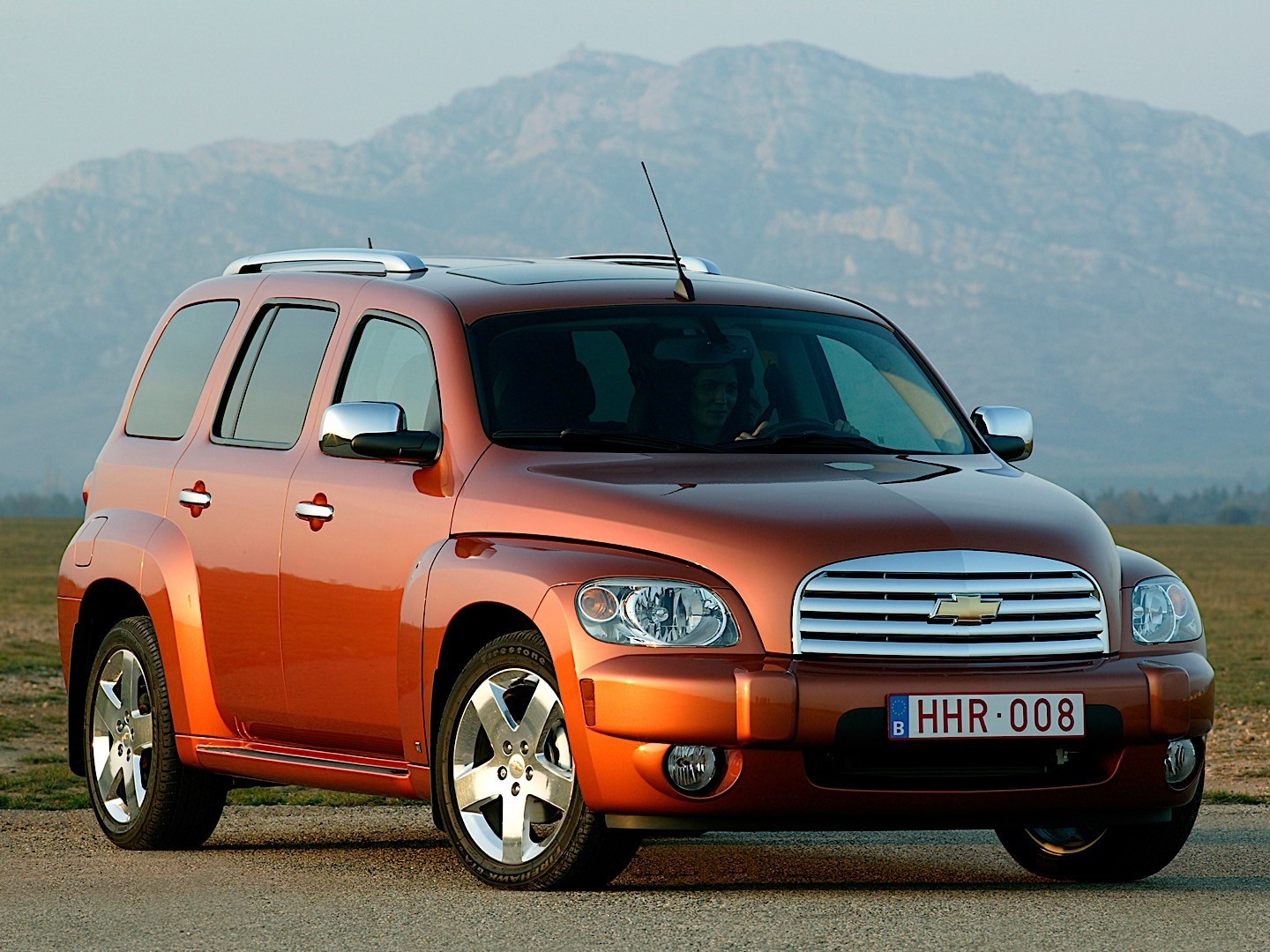
Quirky design aside, the Chevrolet HHR was essentially a rebodied Chevy Cobalt with a strong Ecotec engine lineup.
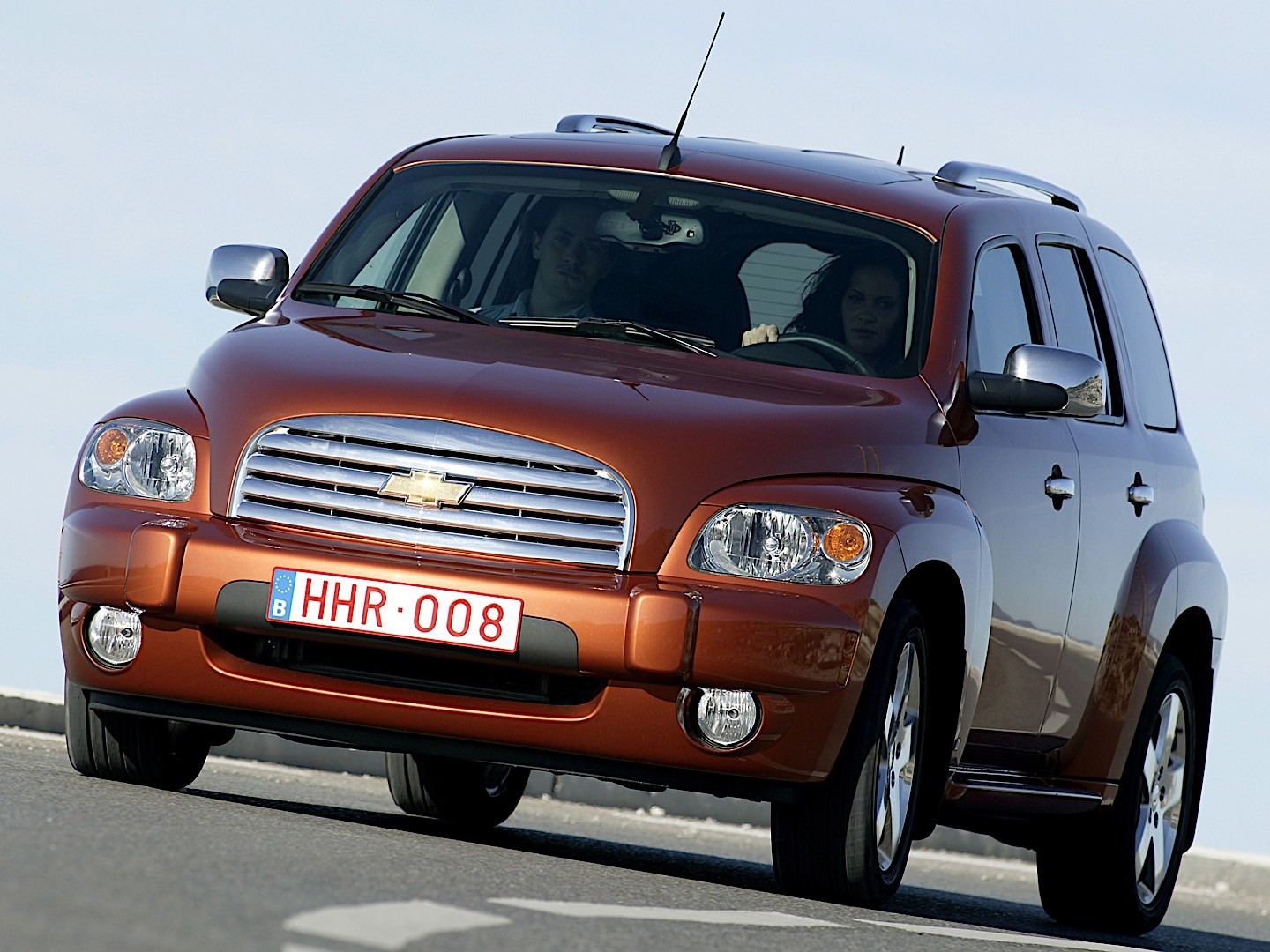
The 2.2L and 2.4L four-cylinder engines are known to run for hundreds of thousands of miles with minimal repairs. It’s a sleeper choice for anyone looking for a reliable workhorse with SUV-like cargo space.
When Chevrolet set out to create a small compact wagon, its designers took inspiration from the formula that made the Chrysler PT Cruiser such a hit combining retro design cues with practical functionality.
The result was a vehicle that channeled the classic vibe of the 1949 Chevy Suburban. Introduced in 2006, the Chevrolet HHR (Heritage High Roof) managed to carve out a niche of its own, and now, with the PT Cruiser retired, the 2011 Chevrolet HHR stands as an even more attractive option for buyers in need of a small, highly functional vehicle.
The 2011 HHR still shines in the areas it always has: a smooth ride, a flexible and spacious interior, and commendable fuel efficiency. However, it’s not without its weaknesses. Interior materials and overall driving dynamics leave room for improvement.
The HHR continues to compete against quirky but less expensive rivals like the 2011 Nissan Cube and 2011 Scion xB, not to mention more refined and engaging alternatives such as the 2011 Honda Fit and 2011 Mazda 3 five-door. For buyers considering the HHR Panel van, it’s worth taking a serious look at the Ford Transit Connect as well.
Overall, the 2011 Chevrolet HHR remains a solid pick, especially if you’re drawn to its nostalgic design. That said, depending on your priorities, there are cheaper or more engaging options on the market.
It’s also worth noting that the high-performance version of the HHR has been discontinued for 2011, and with the Chevrolet Cobalt set to be replaced by the new Chevrolet Cruze, it’s unclear what the future holds for the HHR in Chevy’s lineup.
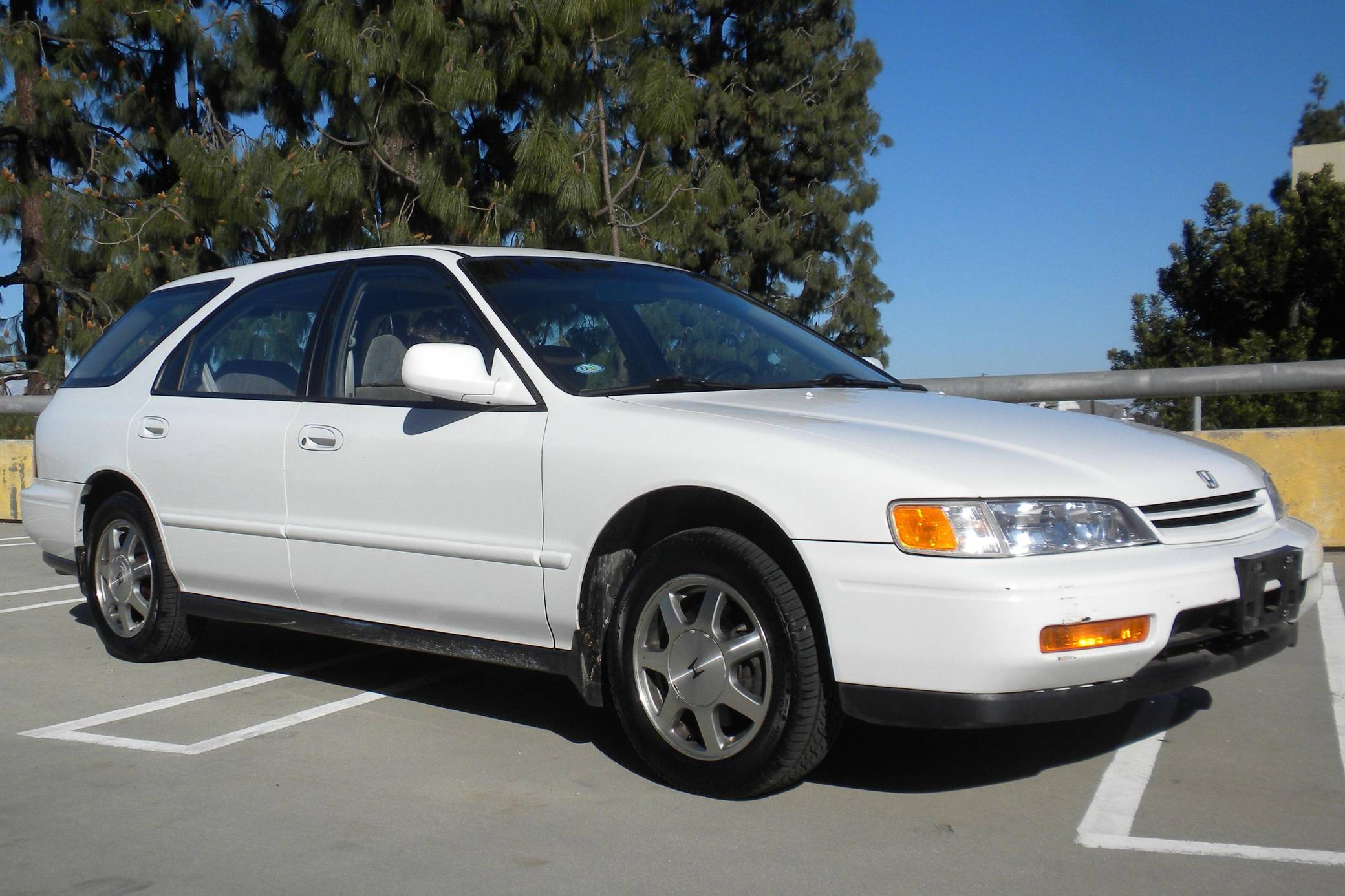
9. 1994–1997 Honda Accord Wagon
This rare version of the legendary Accord sedan is built with the same level of bulletproof quality Honda is known for.
These wagons are becoming harder to find but are beloved by their owners for being virtually unkillable. With regular maintenance, they easily cross 300,000 miles and offer practical utility, too.
“The highest resale value in its class.” “It needs a V6.” These are common refrains when people talk about the Honda Accord. There’s no question, it remains one of the most popular cars in the U.S., regardless of Ford’s long-standing claim that the Taurus outsold it every year since 1992.
The Accord earned its reputation by delivering lively performance, comfortable space for four passengers, great fuel economy, and a near-legendary track record for reliability, assuming you took proper care of it.
Those strengths have elevated the Accord to benchmark status. Year after year, it ranks as the top-selling car to actual retail buyers. It’s one of the strongest points in its favor. A brand-new Accord isn’t cheap, but when you factor in maintenance costs, repair frequency, and resale value, it turns out to be a very smart buy.
In 1995, Honda finally gave the Accord sedan a V6 option. But surprisingly, that version doesn’t outperform some of the four-cylinder models. The extra weight, paired with different tires and the standard automatic transmission, ends up dulling its performance. The result is that the V6 feels slower and less agile than a five-speed Accord EX.
Critics have also pointed out that the V6 setup doesn’t mesh well with the Accord’s overall character, noting that while the engine and transmission are smooth, they lack engagement, giving the car a subdued, almost bland feel that doesn’t align with the driving dynamics Honda is typically known for.
10. 2001–2007 Saturn L-Series
While Saturn as a brand fizzled out, some of its cars were quietly reliable. The L-Series, especially those equipped with the 2.2L Ecotec engine, is one such case.
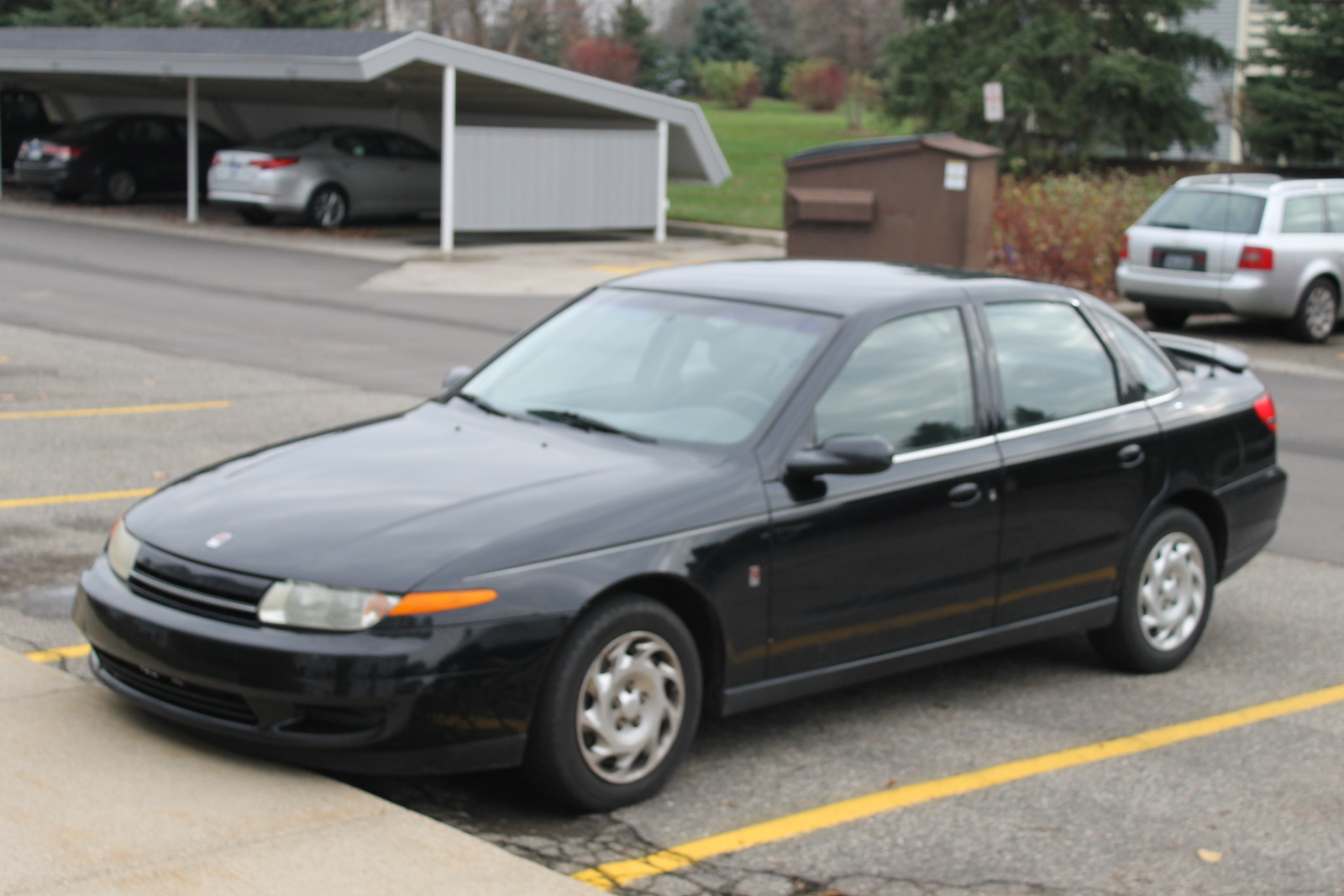
Parts are relatively easy to find, and many examples still run well after decades on the road. It’s a forgotten car that refuses to die.
These ten cars don’t make headlines or dominate YouTube car reviews, but they do what matters most: they keep running, year after year, mile after mile.
For U.S. drivers seeking an affordable used vehicle that can quietly go the distance, these underappreciated gems are well worth a second look.
With proper care, they’ll outlast many newer, flashier rivals without draining your wallet.
