The evolution of automotive technology has brought remarkable advancements in both convenience and safety. With the rise of software-driven systems, cars today are no longer just mechanical machines; they are rolling computers capable of receiving over-the-air updates and diagnostics.
These software updates offer manufacturers a way to address issues long after a car has left the showroom floor. Features such as advanced driver assistance systems (ADAS), automatic emergency braking, lane-keeping assistance, and adaptive cruise control are no longer hardware-dependent alone. Through code patches and firmware updates, modern vehicles can be improved or even transformed.
However, not all vehicles benefit equally from this software revolution. While some automakers have embraced technology to correct dangerous flaws, others have fallen short.
Some vehicles have been plagued with persistent bugs or safety concerns that were never fully resolved, either due to outdated platforms, manufacturer neglect, or design limitations that software simply could not overcome.
This blog explores two contrasting lists. First, five vehicles that saw significant improvements in safety through software updates, effectively rewriting their safety reputations. Then, five cars failed to correct known tech issues, either due to a lack of updates or ineffectiveness in doing so.
These examples reflect how software can both elevate and disappoint in the automotive world. Understanding which brands invest in long-term vehicle support and which leave owners stranded can help consumers make smarter choices, not just based on initial performance, but on long-term safety and reliability.
In a world increasingly dominated by code, these stories showcase why software support is no longer optional in vehicle design; it’s essential.
5 Cars Improved by Software Safety Updates
Software updates are no longer limited to infotainment tweaks or bug fixes. In many cases, they’ve played a crucial role in correcting serious safety concerns. Some automakers have stepped up their game by deploying over-the-air updates that actively improve the vehicle’s safety profile.
From recalibrating sensors for emergency braking to fine-tuning lane departure systems, software has become a key tool for enhancing a car’s defensive capabilities.
This section focuses on five standout examples where automakers responded effectively to safety criticisms or crash test shortcomings. These vehicles were not only patched, they were meaningfully improved, earning back trust and better safety scores. Each represents how proactive support can make all the difference.
ALSO READ: 5 Cars With Legendary Owner Satisfaction and 5 With Lawsuit-Level Problems
1. Tesla Model 3 (2018–Present)
The Tesla Model 3 stands as a prime example of how software can transform a car’s safety performance post-purchase. When the Model 3 first launched, it boasted impressive crash test ratings. However, early reviews of its Autopilot driver assistance system raised serious concerns.
Critics pointed to erratic lane centering, phantom braking, and an overreliance on the driver’s attention. These concerns were not only widespread among reviewers but also documented by owners and regulators.
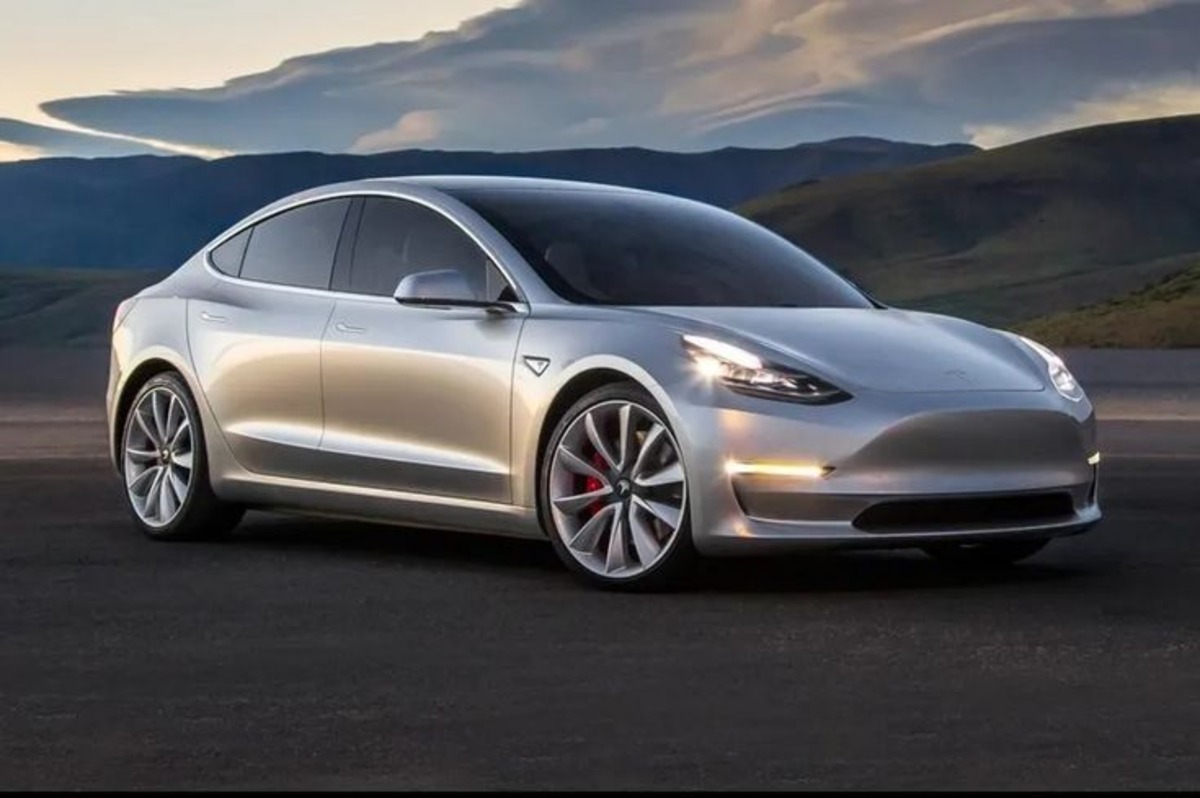
Tesla responded with a series of over-the-air updates that dramatically improved the car’s performance in real-world conditions. Updates recalibrated the forward-facing cameras, improved the neural net used to detect lane markings and road signs, and introduced better decision-making in Autopilot’s adaptive cruise system.
Tesla also added features like automatic emergency braking at higher speeds and traffic light recognition, all without requiring a dealer visit.
The result was not just a better user experience but a measurable safety improvement. The Insurance Institute for Highway Safety (IIHS) upgraded the Model 3’s safety rating as its active safety systems improved. +
Consumer Reports, initially hesitant to recommend the Model 3 due to braking inconsistencies, changed its position after software improvements reduced the car’s 60-to-0 braking distance.
Tesla’s frequent updates also reflect a philosophy of continuous improvement, one where safety doesn’t remain frozen at the time of sale. The Model 3 remains a benchmark not only for electric performance but for how software support can evolve and secure a vehicle long after its release.
2. Volvo XC90 (2016–Present)
Volvo has long been associated with safety, but the XC90’s story shows how even leaders in this field can make meaningful post-sale improvements through software. The second-generation XC90 debuted in 2016 with a suite of advanced safety features, including Volvo’s Pilot Assist and City Safety systems.
While these systems were cutting-edge at launch, early versions sometimes struggled with real-world challenges such as detecting pedestrians in low light or recognizing cyclists approaching from the side.
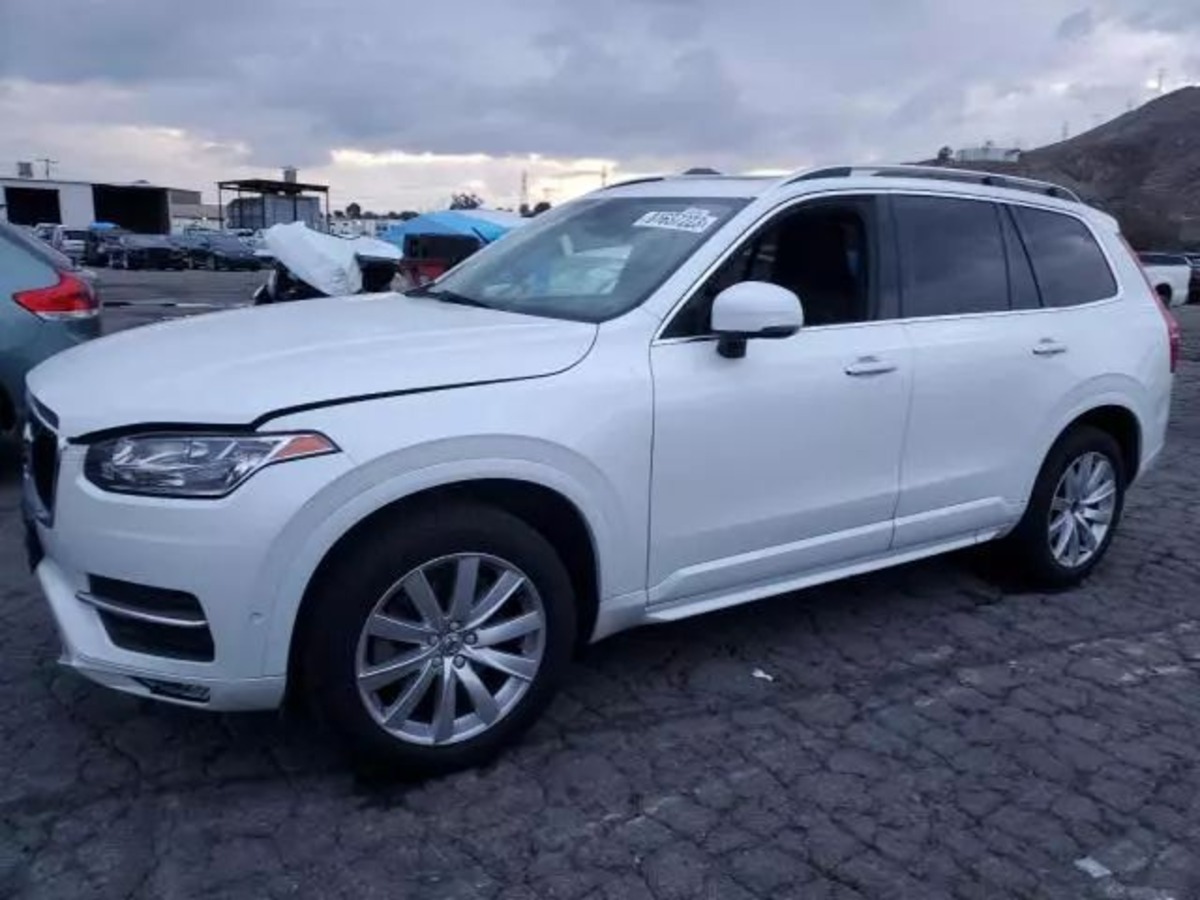
Rather than rest on its laurels, Volvo took advantage of its connected platform to issue software updates that recalibrated its radar and camera systems. These updates improved the vehicle’s ability to detect vulnerable road users, enhanced collision avoidance functions, and refined lane-keeping behaviors.
Volvo also updated its emergency braking algorithms to better differentiate between actual threats and false positives, reducing unnecessary brake interventions that frustrated early owners.
Over time, these changes have contributed to consistently high safety scores and kept the XC90 competitive in an increasingly crowded SUV market. Volvo also demonstrated transparency by publishing changelogs and working directly with safety agencies to test improvements.
Unlike some competitors who treat safety features as static, Volvo treated the XC90 as a living product. By leveraging software, the company ensured that even older models benefited from advancements that newer vehicles receive. This ongoing commitment made the XC90 not just safer but a testament to the importance of continuous support.
3. Ford Mustang Mach-E (2021–Present)
When Ford launched the Mustang Mach-E, it entered a space dominated by Tesla and marked a turning point for the brand’s electric future. Initial reviews praised the Mach-E’s design and performance, but its Co-Pilot360 suite of driver aids received mixed reactions. Issues included inconsistent lane centering, occasional loss of adaptive cruise functionality, and sluggish collision avoidance responses.
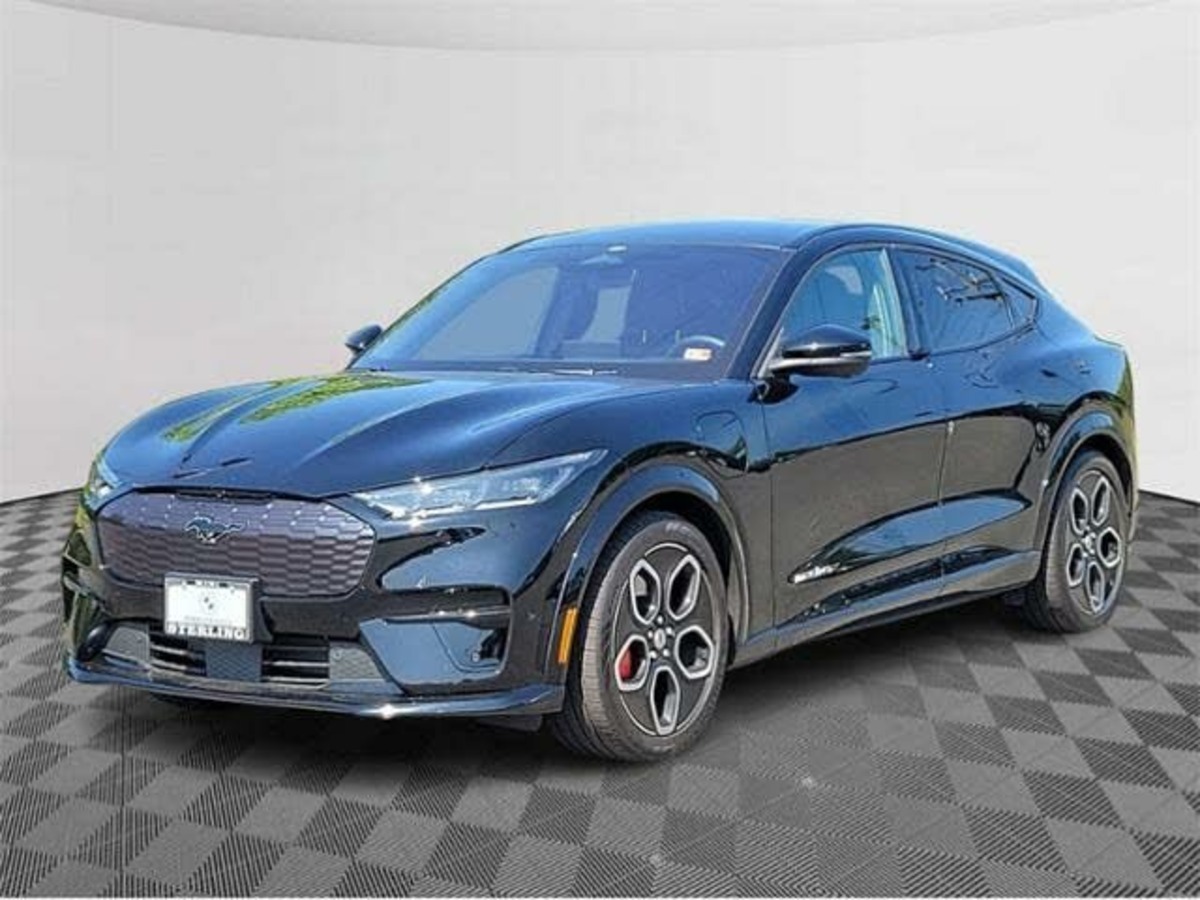
Ford quickly acknowledged these concerns and committed to fixing them through software. Thanks to its new over-the-air update system, Ford began rolling out patches that directly addressed key complaints.
The updates improved the calibration of front sensors, leading to more accurate detection of other vehicles and obstacles. Lane centering became smoother and more predictable, while the responsiveness of adaptive cruise control in stop-and-go traffic was enhanced.
In a particularly notable move, Ford introduced its BlueCruise hands-free driving mode through a software update for eligible trims. This added a major capability without requiring a dealership retrofit or hardware change, a rare move for a legacy automaker.
The improvements made a difference. Drivers reported greater confidence in the Mach-E’s driver assistance systems, and safety testing bodies began scoring the system more favorably.
By listening to customer feedback and acting swiftly, Ford showed that it could match its electric ambition with equally modern software support. The Mach-E’s evolution reflects a broader shift in how traditional manufacturers approach post-sale safety.
4. Hyundai Ioniq 5 (2022–Present)
The Hyundai Ioniq 5 marked a major milestone for Hyundai’s electric vehicle strategy, combining futuristic design with advanced technology.
But when the Ioniq 5 first hit the roads, some owners noticed flaws in the SmartSense safety suite. These included misaligned blind spot warnings, overly aggressive lane assist corrections, and occasional issues with its forward collision-avoidance system.
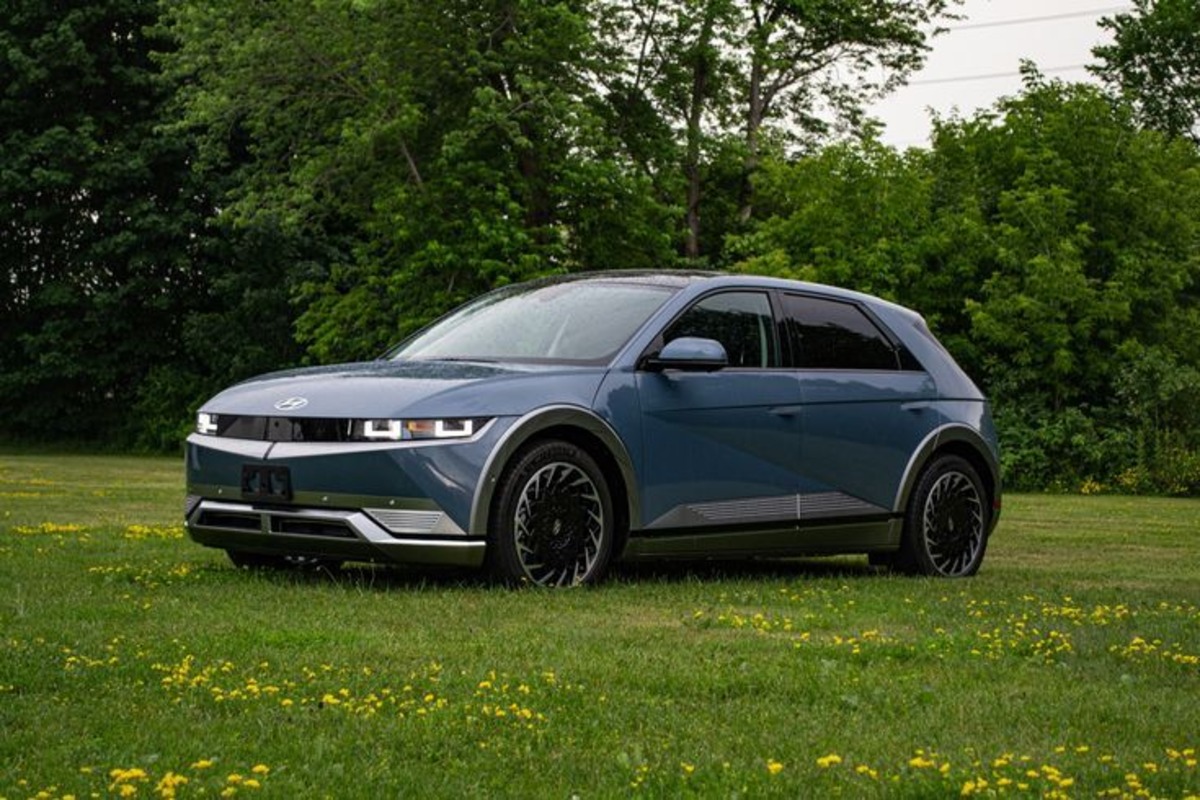
Hyundai reacted quickly by using its new vehicle connectivity platform to deliver several key updates. The most critical addressed the forward collision-avoidance system, optimizing how the vehicle interpreted data from its front radar and camera.
This significantly reduced false braking events that were both dangerous and inconvenient. Updates also recalibrated blind spot detection to reduce false alarms and fine-tuned lane assist for more natural steering intervention.
The Ioniq 5’s ability to receive improvements over the air allowed Hyundai to enhance its safety profile without requiring owners to visit a dealership.
This not only increased customer satisfaction but also improved safety outcomes in the real world. Insurance groups and regulatory agencies praised the updates for improving reliability and driver confidence.
In many ways, the Ioniq 5 shows how fast Hyundai is maturing as a technology-forward automaker. The swift response to safety concerns and the transparent approach to resolving them highlighted a new level of consumer trust. It was no longer enough to launch a safe car, it had to stay safe, and software made that possible.
5. Subaru Outback
Subaru has earned a reputation for building practical, safe vehicles, and the Outback is no exception. With the 2020 redesign came EyeSight 4.0, the latest version of Subaru’s camera-based safety suite.
However, early feedback pointed out that the system occasionally struggled with poor visibility conditions and misinterpreted stopped vehicles on the side of the road, leading to abrupt and unnecessary braking.
Rather than leaving these issues unaddressed, Subaru rolled out a series of software updates that improved the system’s performance.
The company updated the processing algorithms to better distinguish between moving and stationary objects, especially at low speeds. These changes helped the Outback reduce phantom braking incidents, which were especially common during urban driving or in foggy weather.
Additionally, updates enhanced the EyeSight system’s lane-keeping behavior. It became more responsive during cornering and offered a less intrusive feel on highways. Subaru also introduced tweaks to the adaptive cruise control, making it smoother during acceleration and braking transitions.
These improvements were not just cosmetic or convenience-based; they directly contributed to higher satisfaction and better safety ratings.
Owners reported fewer false alerts, and testers found the system more intuitive and reliable. Subaru’s willingness to address the limitations of EyeSight 4.0 reflects a broader trend in the industry, but also underscores how critical software updates are to the long-term safety of a vehicle.
5 Cars That Never Fixed Tech Issues
While many automakers are leveraging software to improve vehicle safety, others have fallen behind. Some vehicles have been plagued by persistent technical problems that were never adequately addressed.
These issues range from malfunctioning driver assistance systems to flawed infotainment software that compromises usability and even safety. In many of these cases, manufacturers either delayed releasing updates, provided ineffective patches, or simply chose not to support the vehicle long-term.
The result is a disappointing ownership experience and, more critically, an erosion of trust. This section highlights five cars where software safety or reliability concerns were never properly resolved. These examples serve as cautionary tales about the risks of buying a technologically advanced car without guaranteed post-sale support.
ALSO READ: 5 Cars That Win Buyers on Day One and 5 That Disappoint by Day Ten
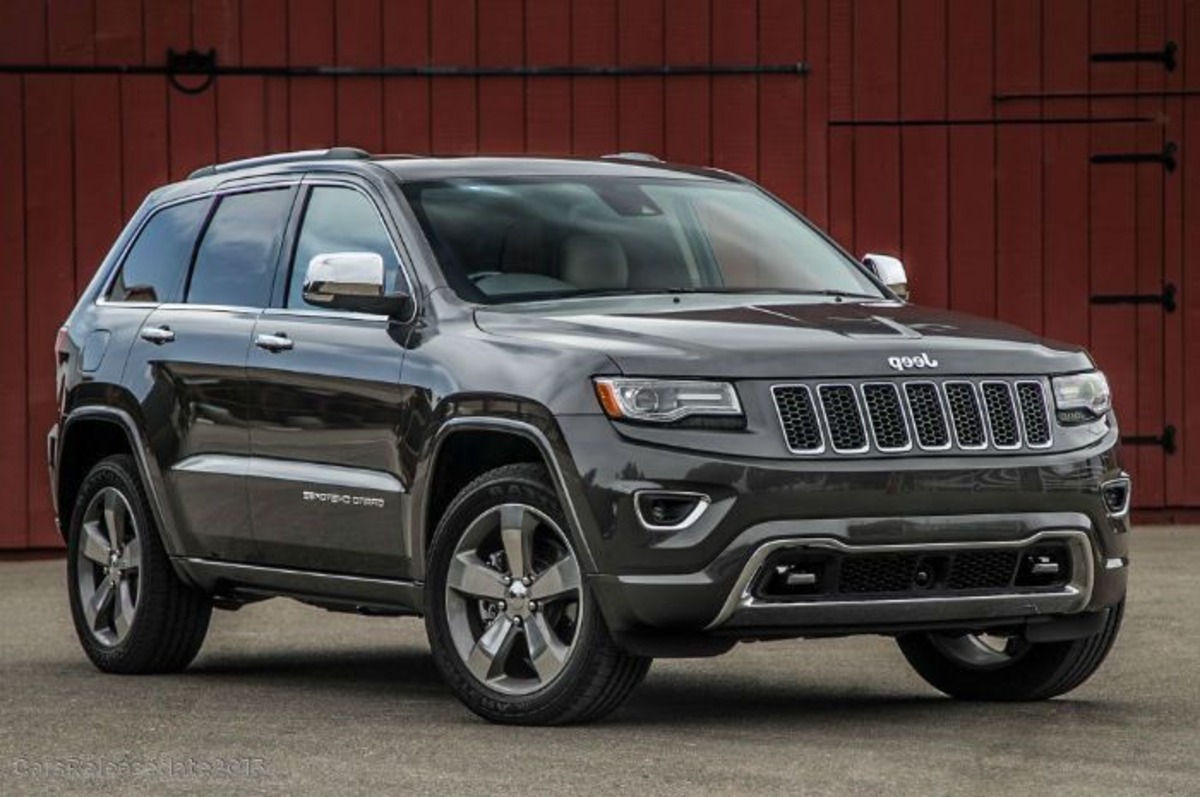
1. Jeep Grand Cherokee (2014–2020)
The Jeep Grand Cherokee, despite its popularity, is one of the more prominent examples of a vehicle that failed to resolve its software-related safety problems.
A major issue stemmed from the electronic gear shifter design introduced in the 2014 model. Unlike a traditional shifter, it returned to a central position after each selection.
Many drivers mistakenly thought the car was in park when it was not, leading to rollaway incidents. Tragically, this flaw contributed to injuries and at least one high-profile fatality, the death of actor Anton Yelchin in 2016.
Fiat Chrysler Automobiles (FCA) issued a recall, implementing a software patch intended to add warnings when the door opened without the car being in park.
However, the update did not fundamentally change the flawed design, and confusion persisted among users. Beyond this issue, the Grand Cherokee was plagued by problems in its Uconnect infotainment system. Reports of freezing screens, GPS failures, and rearview camera delays were widespread.
Despite customer complaints and media attention, FCA was slow to issue comprehensive fixes. While some bugs were patched, many problems continued across multiple model years, suggesting a systemic issue with software quality and responsiveness.
Owners often had to rely on dealer visits rather than seamless over-the-air updates, and even then, results varied. The Grand Cherokee illustrates the dangers of poor software execution and a reactive approach to safety, leaving owners with long-term frustrations.
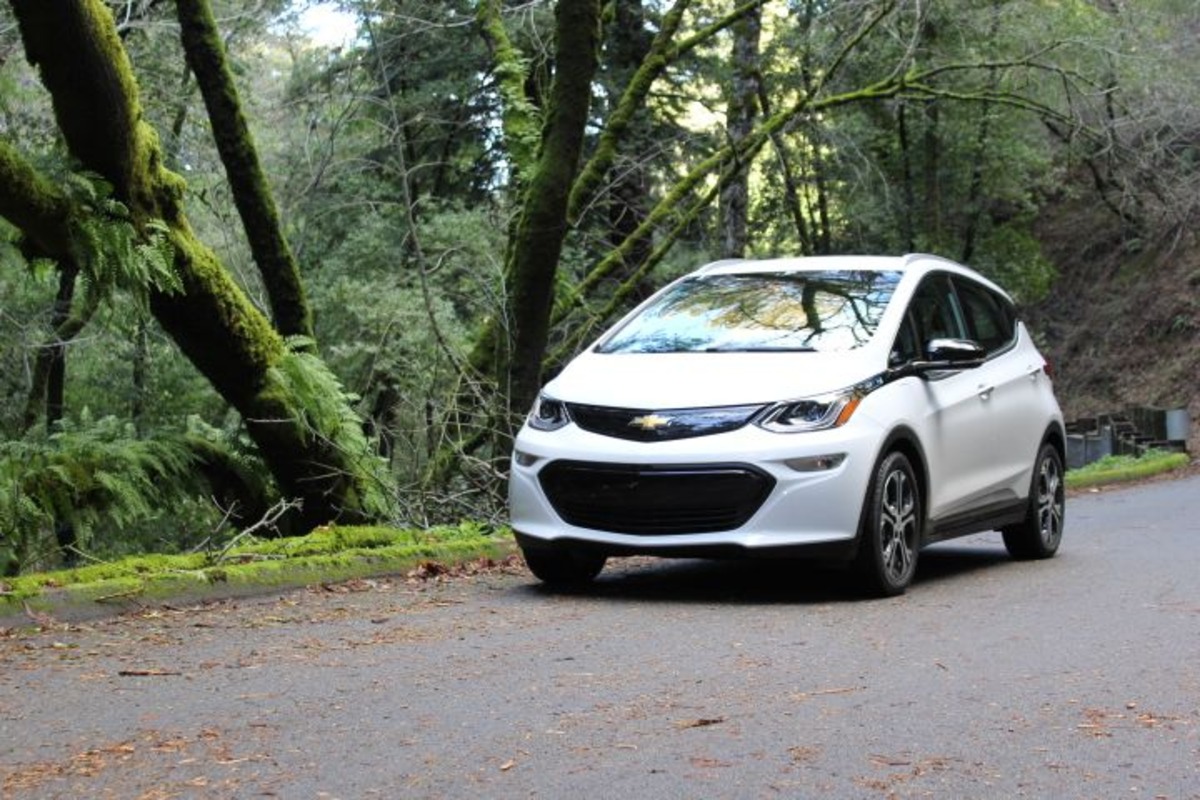
2. Chevrolet Bolt EV (2017–2022)
The Chevrolet Bolt EV had the potential to be a game-changer for affordable electric vehicles, but its journey was plagued by critical safety issues, most notably, battery fires. While the core issue stemmed from battery manufacturing defects, the way General Motors handled the crisis through software illustrates a broader failure.
Early reports of fires led GM to issue temporary software updates that limited the maximum state of charge, theoretically reducing fire risk.
However, these updates significantly reduced the car’s range and were meant only as a stopgap. For months, owners were stuck with crippled vehicles while GM and its battery supplier, LG Chem, tried to identify a permanent fix. Eventually, GM initiated a massive recall to replace defective battery modules, but the rollout was slow, costly, and uneven.
During this time, the Bolt’s infotainment system also suffered from connectivity and usability issues, including slow response times and Bluetooth failures. Unlike Tesla or Hyundai, GM lacked a robust over-the-air infrastructure for rapid fixes. Most updates required dealership visits and did little to restore owner confidence.
GM has since announced improvements in future electric models, but the Bolt’s saga remains a cautionary tale. Software should have been part of the solution, not a patch to delay accountability. The experience left many early EV adopters disappointed and wary of GM’s future commitments to software-driven safety.
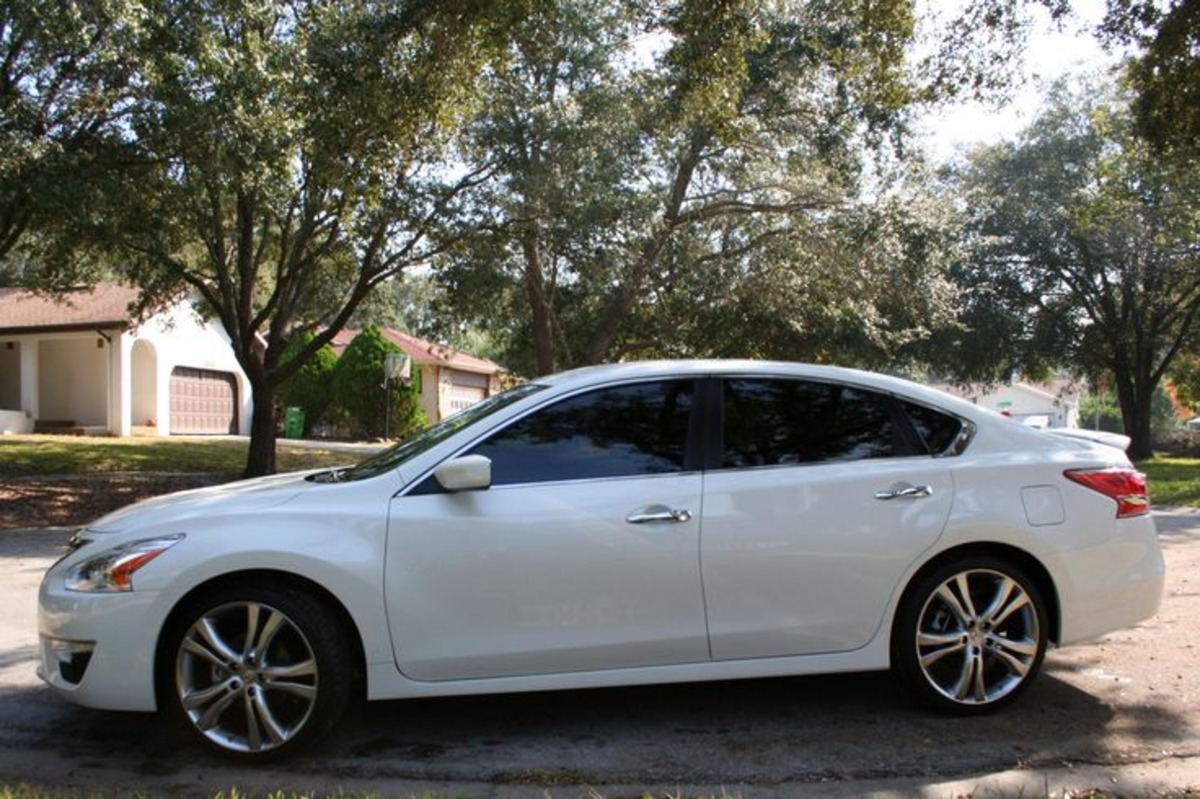
3. Nissan Altima (2013–2018)
The Nissan Altima has been a staple in the midsize sedan market, but during the 2013 to 2018 model years, it was also a source of frustration for many owners due to unresolved software-related issues.
The most notable problems stemmed from the vehicle’s continuously variable transmission (CVT), which suffered from frequent overheating, jerking, and unexpected stalling. While primarily a hardware concern, software was supposed to manage CVT behavior and prevent such issues, but it failed.
Nissan issued several technical service bulletins (TSBs) and minor software revisions, but these updates were inconsistently applied and rarely addressed the root cause.
Owners often reported that the problems returned after a brief improvement, and class-action lawsuits followed. Many drivers felt left in the dark, with dealerships offering little more than transmission replacements at high cost or vague assurances that software had been updated.
Adding to the frustration were infotainment glitches. Owners frequently complained about slow system boot times, Bluetooth connectivity problems, and non-responsive touchscreens. These issues persisted across several model years with no comprehensive fix, despite growing consumer backlash.
Nissan’s handling of the Altima’s software problems showcased a reactive approach to customer complaints and a lack of investment in robust, long-term software solutions.
Instead of making the Altima smarter or safer, software updates often felt like temporary bandages or were completely absent. For a car as mainstream as the Altima, that failure to adapt was especially glaring.
4. Toyota RAV4 Hybrid (2019–2021)
Toyota has a long-standing reputation for reliability, but the 2019–2021 RAV4 Hybrid revealed limitations in its software management.
Many owners reported persistent problems with the vehicle’s all-wheel drive system and regenerative braking, both of which are controlled heavily by software. The most concerning issues involved sudden power loss, jerky acceleration, and braking that felt inconsistent in stop-and-go traffic.
Despite widespread reports, Toyota was slow to issue meaningful software updates. When updates did arrive, they were often limited to specific regions or model batches.
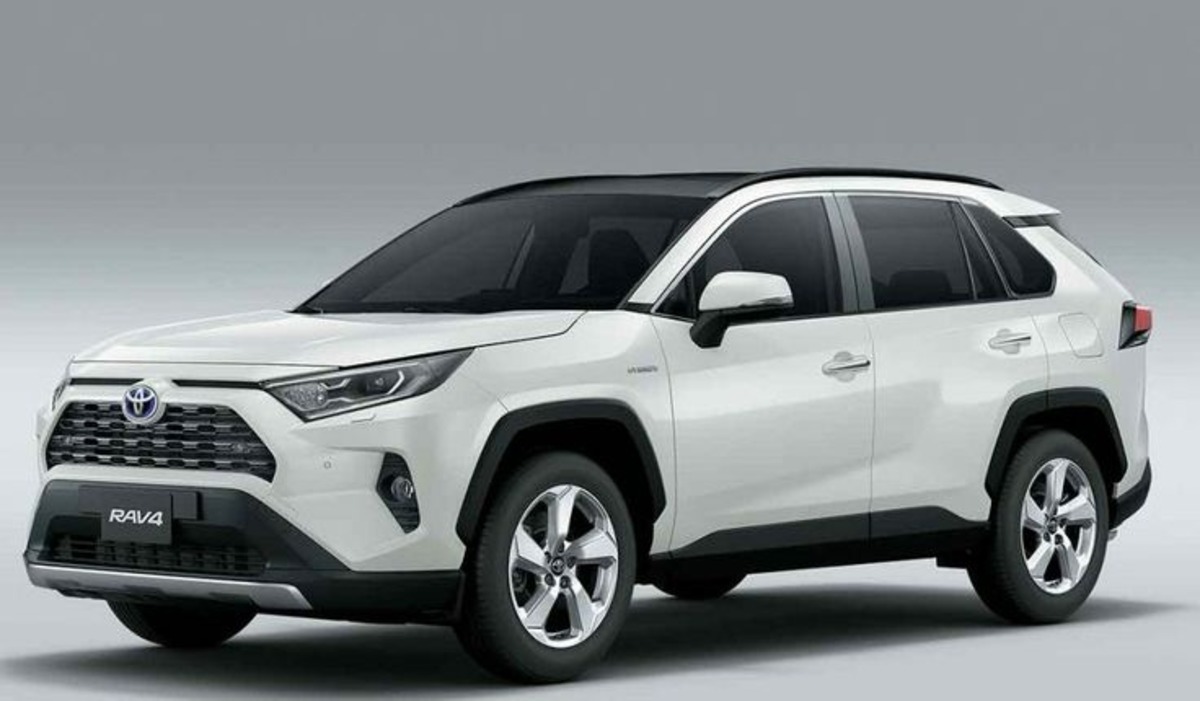
Many owners had to fight through dealership bureaucracy just to receive them. Worse, some updates were ineffective or led to other complications, including dashboard warning lights or reduced fuel efficiency.
The infotainment system was another source of frustration. The Entune interface frequently lagged, crashed, or refused to sync with smartphones.
Unlike rivals, Toyota lacked an efficient over-the-air system for pushing out timely fixes. As a result, owners were stuck with outdated software unless they actively pursued dealership appointments.
Toyota’s hesitance to embrace full software-based support left early RAV4 Hybrid adopters feeling abandoned. While newer models have improved, the lack of consistent fixes for earlier owners left a sour impression. It served as a reminder that even trusted brands can falter if they fail to prioritize software reliability and responsiveness.
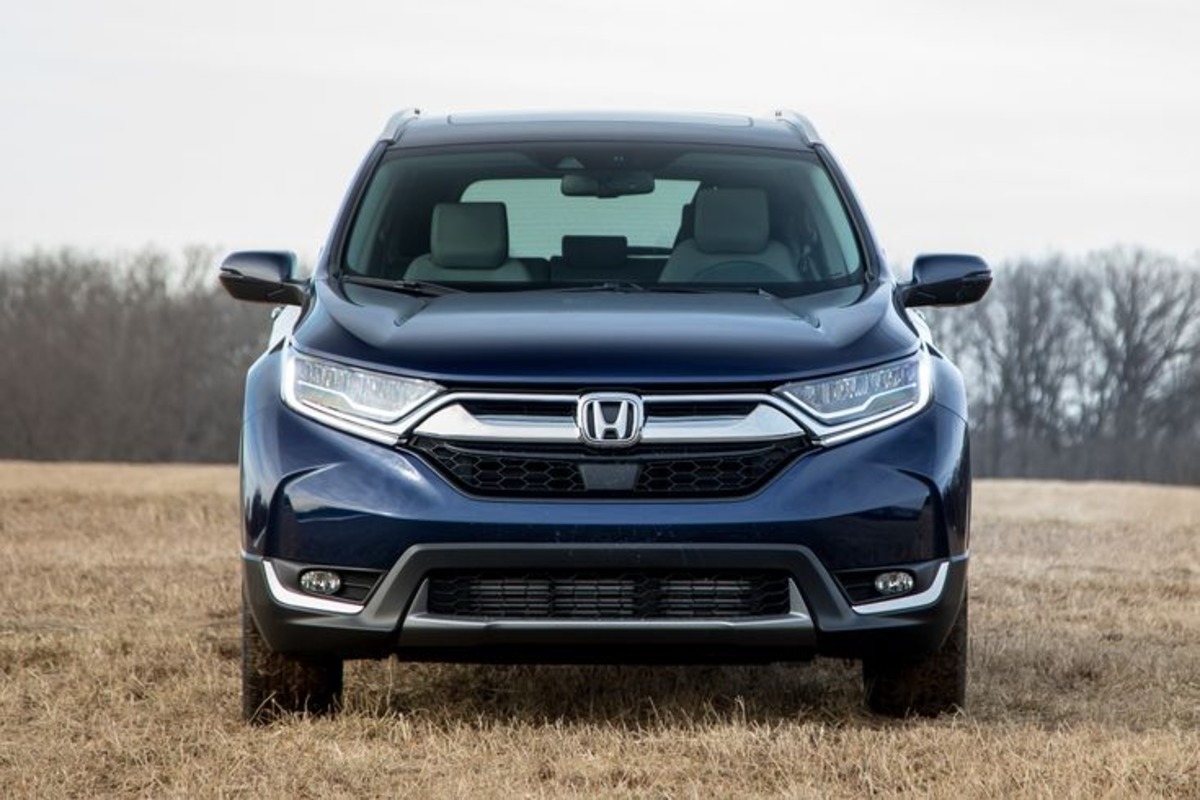
5. Honda Civic (2016–2021)
The tenth-generation Honda Civic brought bold styling and advanced tech features to a once-conservative compact car. However, it also introduced a range of software issues that undermined its appeal. Central among these were problems with Honda Sensing, the suite of driver assistance features.
Owners frequently complained about false alarms from the collision mitigation system, erratic adaptive cruise control, and lane departure warnings triggered by normal driving behavior.
Despite high sales, Honda was slow to deliver effective fixes. Software updates did trickle out, but they were inconsistent across trims and years.
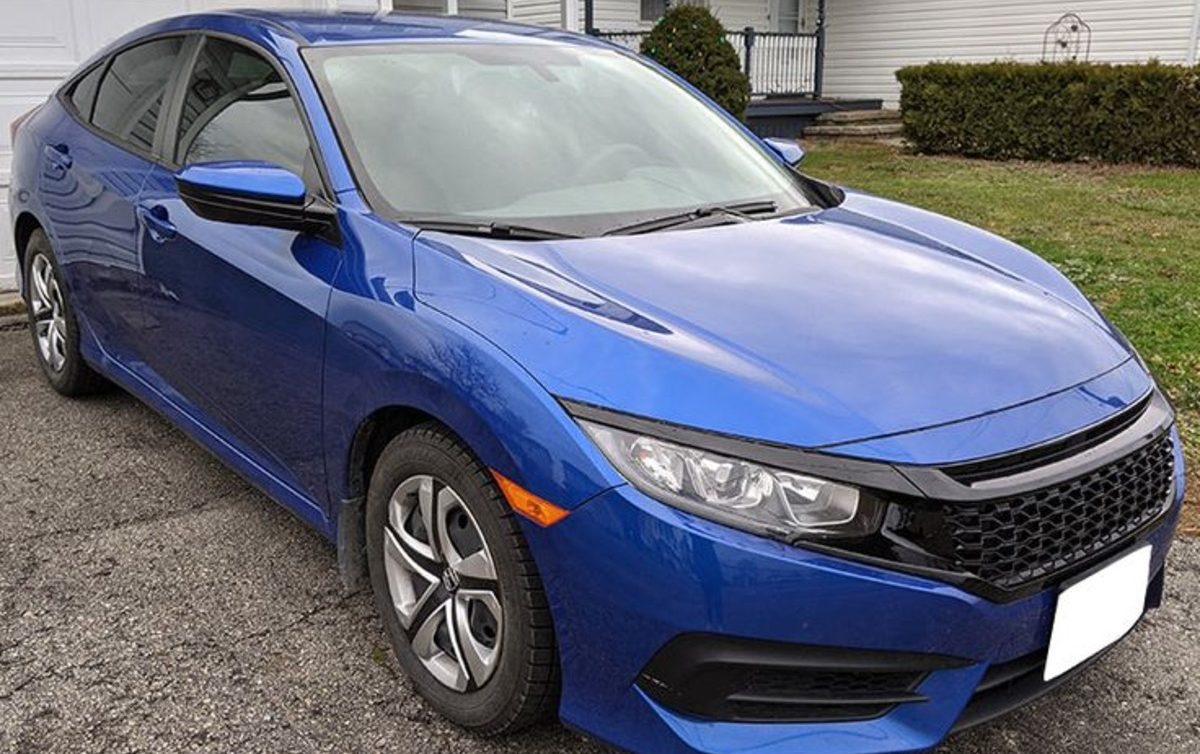
Many owners were unaware of updates unless they visited the dealer, and even then, improvements were minimal. Civic forums remain filled with complaints about unresolved bugs and inconsistent system behavior.
Infotainment problems compounded the situation. The touchscreen interface was often slow, froze during navigation, or failed to connect reliably with Apple CarPlay and Android Auto. In many cases, the head unit had to be rebooted manually, sometimes while driving. Honda acknowledged some of these issues but often treated them as isolated rather than systemic.
While newer Civics have received better tech, the 2016–2021 generation never fully overcame its glitches. Honda’s patchy update strategy failed to reassure owners that their vehicles would improve over time. For a car that once set the benchmark for daily reliability, this tech inconsistency left a lasting blemish.
In today’s automotive world, software is no longer just an accessory; it is the backbone of safety, performance, and customer experience. The stories of the ten vehicles highlighted in this blog offer a stark contrast between what software can achieve and where it can fall short.
Cars like the Tesla Model 3 and Hyundai Ioniq 5 prove that consistent, meaningful software updates can transform a vehicle’s safety profile long after purchase. They show how manufacturers can build lasting trust through ongoing support and innovation.
On the other hand, vehicles like the Chevrolet Bolt EV and Jeep Grand Cherokee remind us of the consequences when automakers fail to treat software as a living component. Delayed updates, ineffective patches, or total neglect do more than frustrate users; they pose genuine safety risks.
As cars become increasingly complex and connected, buyers must consider not just hardware specs but also the software ecosystem. A car’s value is no longer limited to its features at launch. It’s equally defined by how well those features are maintained, updated, and improved over time.
Choosing a vehicle with strong post-sale software support is now a crucial part of ensuring long-term satisfaction, safety, and reliability. The road ahead is digital, and automakers must keep up.