SUVs are among the most popular vehicles in America, but some models have earned bad reputations often unfairly.
Whether due to early reliability concerns, styling misfires, or just bad timing, certain SUVs have been written off despite offering solid performance, safety, and longevity.
In this list, we spotlight 10 SUVs that deserve a second chance, especially for buyers who prioritize value and long-term dependability.
1. Chevrolet Traverse (2009–2017)
The first-generation Traverse was criticized early on for transmission and timing chain issues. But GM addressed many of these problems after the initial model years, and by 2012, the Traverse had become a fairly dependable full-size crossover.
With room for eight, strong V6 performance, and decent towing capacity (up to 5,200 lbs), later-model Traverses can be found at great prices with surprisingly few major complaints.
In recent years, more and more people have realized that while they appreciate the utility a traditional SUV offers, they’re less thrilled about the bulky, truck-like handling that often comes with it. If that sounds like you, the 2011 Chevrolet Traverse is worth serious consideration.
As a large crossover, the Traverse blends the spaciousness and cargo-hauling capability of an SUV with the smoother, more carlike ride of a minivan.
That’s not to say it’s flawless. Visibility could be better, and the third-row seat isn’t quite as accommodating as the one in the 2011 Ford Flex. When it comes to handling, the 2011 Mazda CX-9 still has the edge, and the updated 2011 Ford Explorer outclasses the Traverse in terms of available tech.
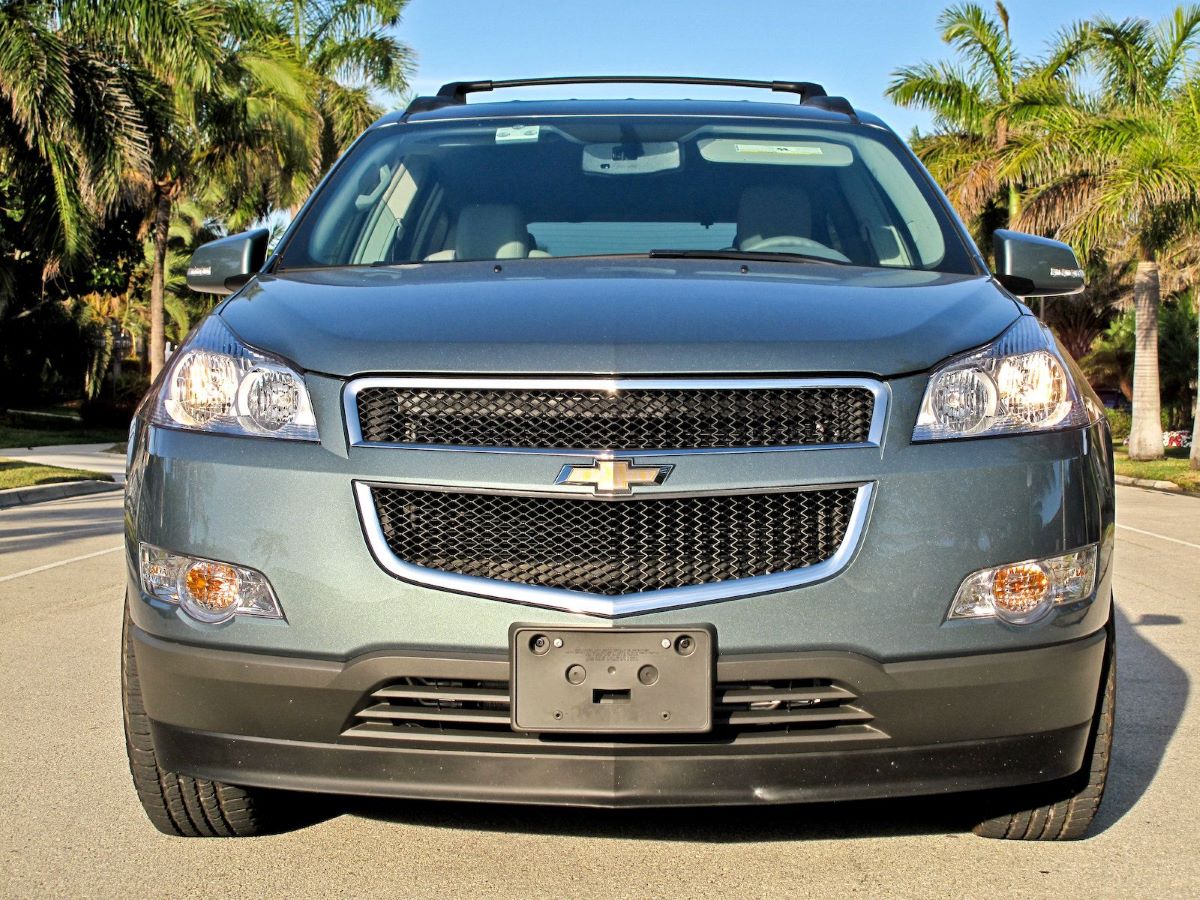
Even so, for buyers seeking the everyday versatility of an SUV or minivan, without the negatives that typically come with those segments, the Traverse remains a compelling option that deserves a spot on your test-drive list.
Chevrolet offers just one powertrain for the 2011 Traverse: a 3.6-liter V6 paired with a six-speed automatic transmission featuring manual shift control.
In the LS and LT trims, the V6 generates 281 horsepower and 266 pound-feet of torque. In the top-tier LTZ, a dual-outlet exhaust bumps output slightly to 288 hp and 270 lb-ft of torque. In performance testing, a Traverse LT2 managed a respectable 0-to-60 mph time of 8.6 seconds.
EPA estimates place fuel economy for front-wheel-drive models at 17 mpg in the city, 24 mpg on the highway, and 19 mpg combined. All-wheel-drive variants come in close at 16/23/19 mpg. When properly equipped, the Traverse can tow up to 5,200 pounds.
Also Read: 5 Engines With Legendary Camshafts and 5 That Always Need Top-End Work
2. Jeep Cherokee (2014–2020)
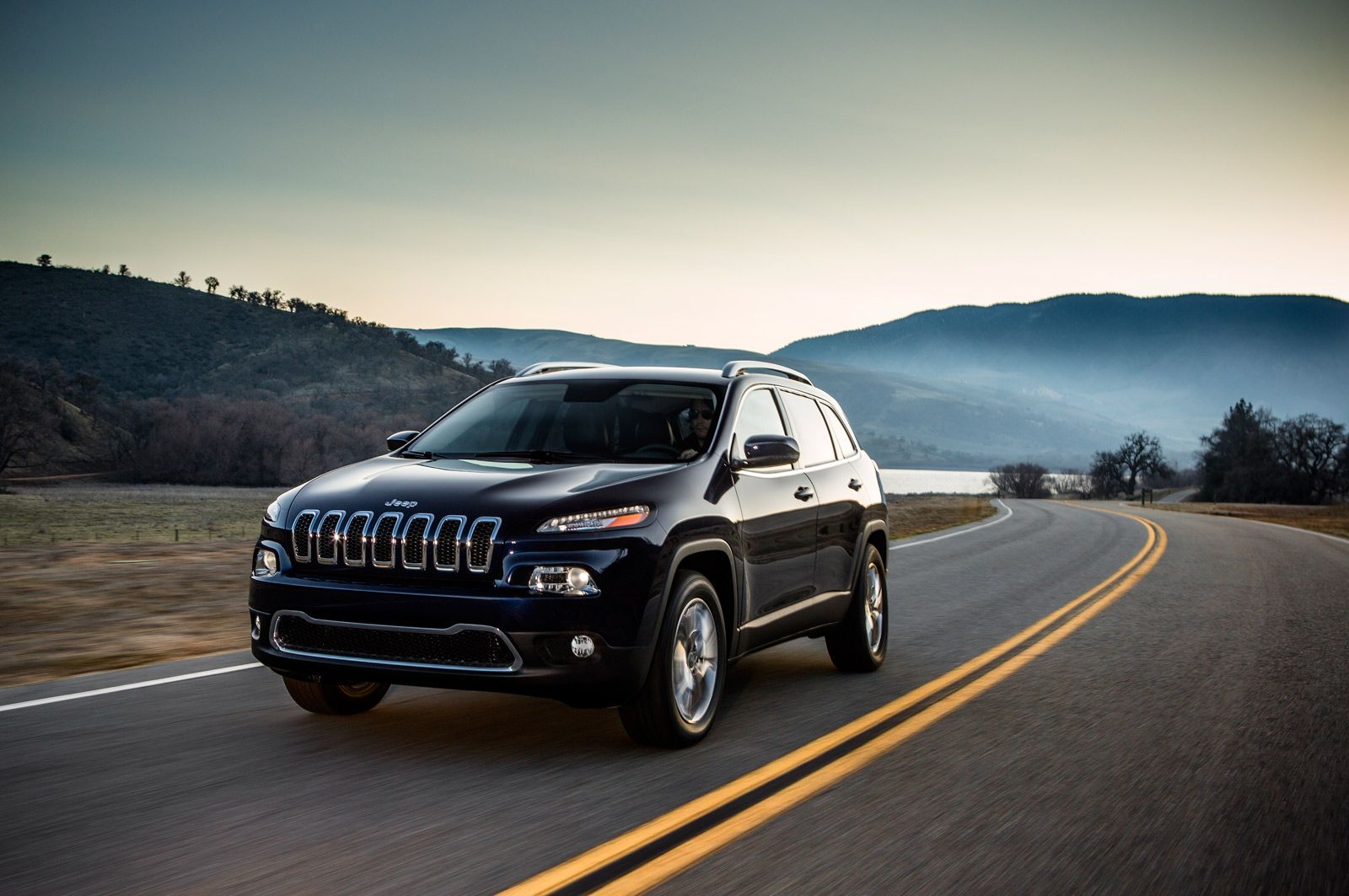
The KL-generation Cherokee took flak for its 9-speed automatic transmission and polarizing styling. However, many of these concerns were overblown.
Jeep issued several software updates that improved the transmission’s behavior, and the available 3.2-liter Pentastar V6 engine is one of the most reliable in the class.
Off-road trims like the Trailhawk also provide genuine 4×4 capability, something few compact SUVs can match. All 2014 Jeep Cherokees come equipped with a 2.4-liter four-cylinder engine that delivers 184 horsepower and 171 pound-feet of torque.
You can choose either front-wheel drive or four-wheel drive with both engines, except on the Trailhawk, which is offered exclusively with 4WD. Jeep provides two distinct four-wheel-drive systems. The standard system for four-wheel-drive Sport, Latitude, and Limited models is the lighter-duty Active Drive I.
This setup operates automatically without driver input and handles well in snowy or icy conditions. For greater off-road capability, the Trailhawk includes, and other 4WD models can be equipped with, the more advanced Active Drive II system.
This version includes low-range gearing to enhance performance when tackling rugged terrain. Additionally, the Trailhawk model is equipped with a locking rear differential for improved traction in harsh off-road scenarios.
All 4WD Cherokee models include a Selec-Terrain system featuring selectable drive modes—Auto, Snow, Sport, and Sand/Mud—to adapt to various driving conditions. The Trailhawk trim gains an extra Rock mode tailored for demanding off-road driving.
Hill start assist is a standard feature across all trims, but hill descent control is exclusive to the Trailhawk. A towing package is available for every 2014 Jeep Cherokee model, and when installed on V6-equipped versions, the vehicle is capable of towing up to 4,500 pounds.
Due to the range of available engine and drivetrain configurations, EPA mileage estimates vary. When equipped with the four-cylinder engine and front-wheel drive, the Cherokee earns an EPA rating of 25 mpg combined (22 mpg city/31 mpg highway). Opting for the V6 with front-wheel drive drops the estimate to 22 mpg combined (19 mpg city/28 mpg highway).
3. Mitsubishi Outlander (2014–2020)
Mitsubishi doesn’t have a strong brand reputation in the U.S., and the Outlander has long been labeled as “cheap” or outdated.
But under the surface, this SUV is well-equipped, reliable, and surprisingly fuel-efficient. The Outlander has consistently received good safety scores, and its available third row (though tight) makes it one of the few compact SUVs with seating for seven.
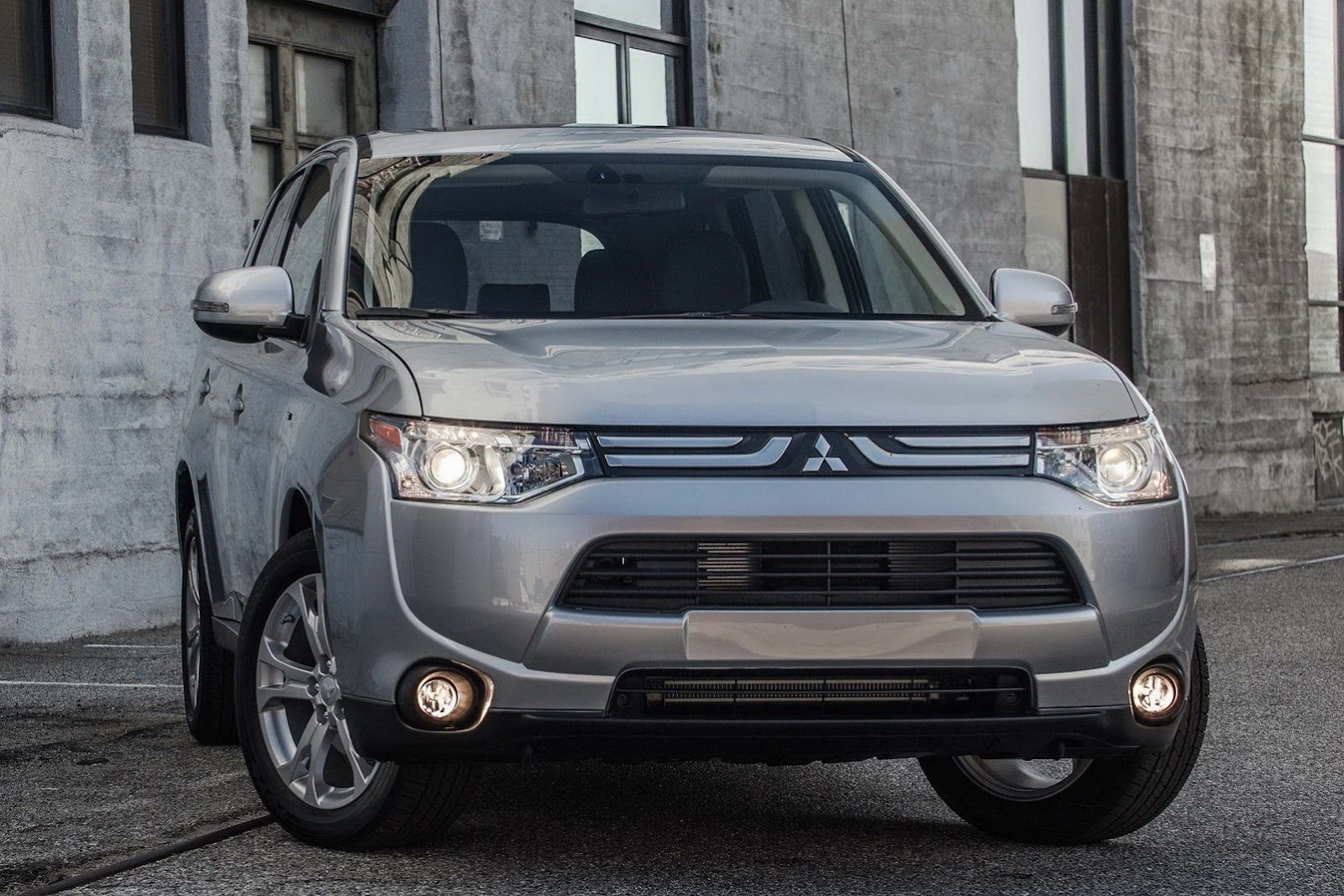
The 2016 Mitsubishi Outlander comes with two engine options. The ES, SE, and SEL trims are powered by a 2.4-liter four-cylinder engine that delivers 166 horsepower and 162 pound-feet of torque, paired with a continuously variable automatic transmission (CVT).
The ES trim is available only with front-wheel drive, while both the SE and SEL trims offer a choice between front-wheel and all-wheel drive. In Edmunds performance testing, the all-wheel-drive SEL reached 60 mph in 9.2 seconds, a performance slower than that of many competing vehicles.
Choosing the GT trim gets you a 3.0-liter V6 engine rated at 224 horsepower and 215 lb-ft of torque. This engine is mated to a traditional six-speed automatic transmission (which includes shift paddles) and comes standard with all-wheel drive.
4. Ford Flex (2009–2019)
With its boxy design and station-wagon roots, the Flex never found mass appeal. But those who own them often rave about their comfort, practicality, and long-term durability.
The optional 3.5-liter EcoBoost V6 delivers strong acceleration, and the interior space rivals much larger SUVs.
It’s a hidden gem on the used market, especially for families who want something roomy but different from the usual crossover crowd.
The Ford Flex follows up its strong debut year by adding an intriguing new engine option for the SEL and Limited trims. This engine, available exclusively with all-wheel drive and labeled “EcoBoost,” is a 355-horsepower V6 that features direct injection and twin turbochargers.
It delivers 93 more horsepower than the Flex’s already respectable base V6, yet it manages to nearly match it in fuel efficiency.
One standout feature of the EcoBoost is the inclusion of standard manual override shift paddles, a useful feature that would also benefit the base engine, considering its automatic transmission tends to hesitate when downshifting.
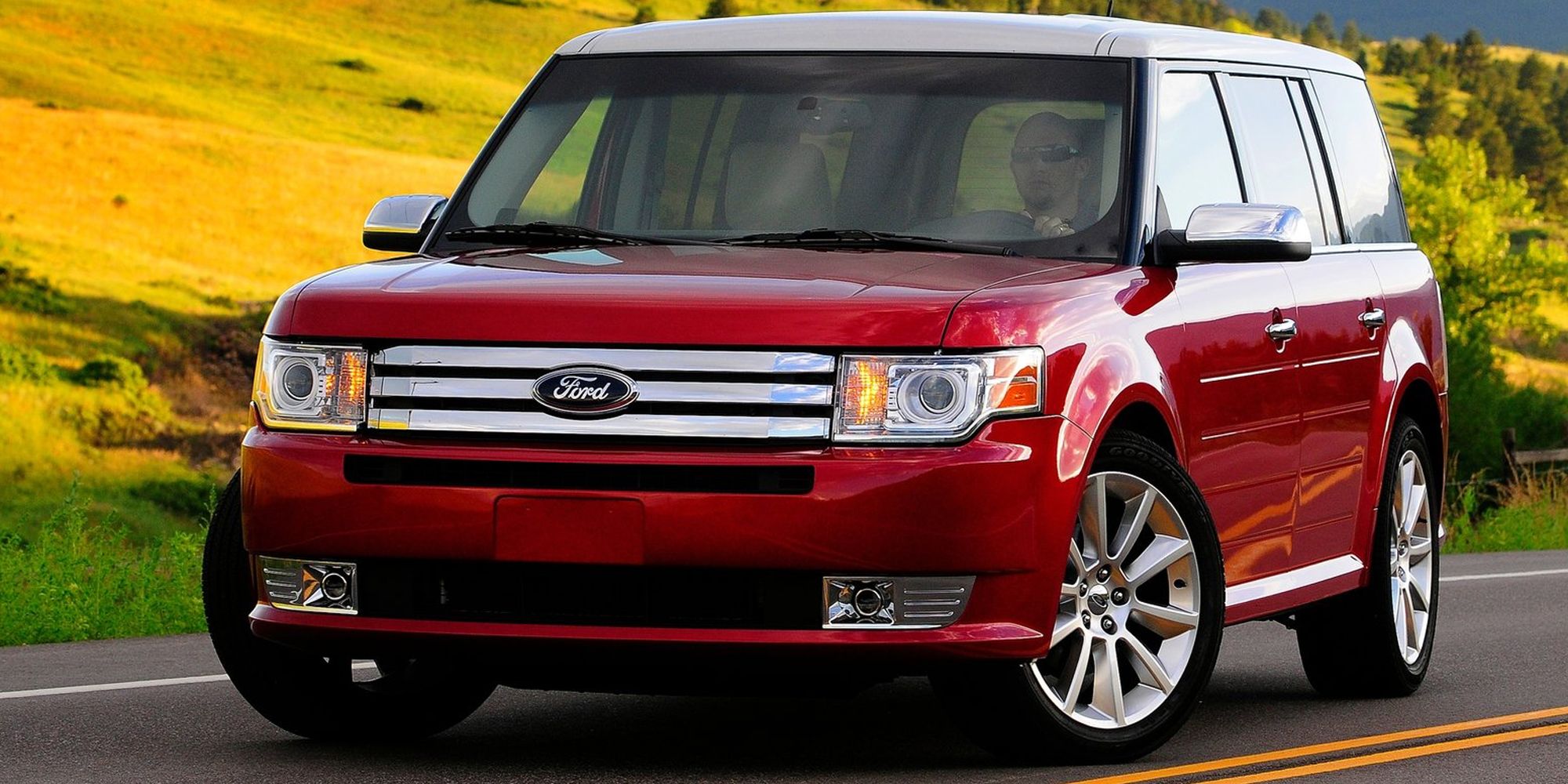
The addition of this new turbocharged V6 only enhances the Flex’s already solid appeal. We’ve had one in our long-term test fleet, and it quickly became a favorite for extended trips.
The Flex impresses with its abundance of comfort features, modern tech, spacious interior, and composed ride, all of which contribute to its strength as a long-distance cruiser. Around town, it proves just as capable whether it’s handling the school run or hauling oversized items from Ikea. We’ve rarely felt the need for anything larger.
In summary, the 2010 Ford Flex is a vehicle with very few shortcomings. Even if its boxy design doesn’t win you over at first glance, it’s hard to dismiss its effectiveness as a practical family hauler. That said, there are other options worth considering.
5. Buick Enclave (2008–2017)
Early Enclaves had a rough start with powertrain and electrical gremlins. Yet, much like the Chevy Traverse (which shares its platform), Buick ironed out most of these issues in later years.
From 2012 onward, the Enclave offered a quiet, upscale cabin, excellent ride comfort, and better-than-expected reliability especially when well-maintained. It’s a solid pick for those looking for affordable luxury in a full-size SUV.
Minivans such as the Honda Odyssey still take the crown when pure functionality is the priority, but more and more buyers today are willing to give up some cargo capacity and ease of entry in favor of added style.
If that sounds like you, the Enclave continues to be a standout option. It also serves as a compelling alternative to luxury crossovers from brands like Acura, BMW, Lexus, and Mercedes-Benz.
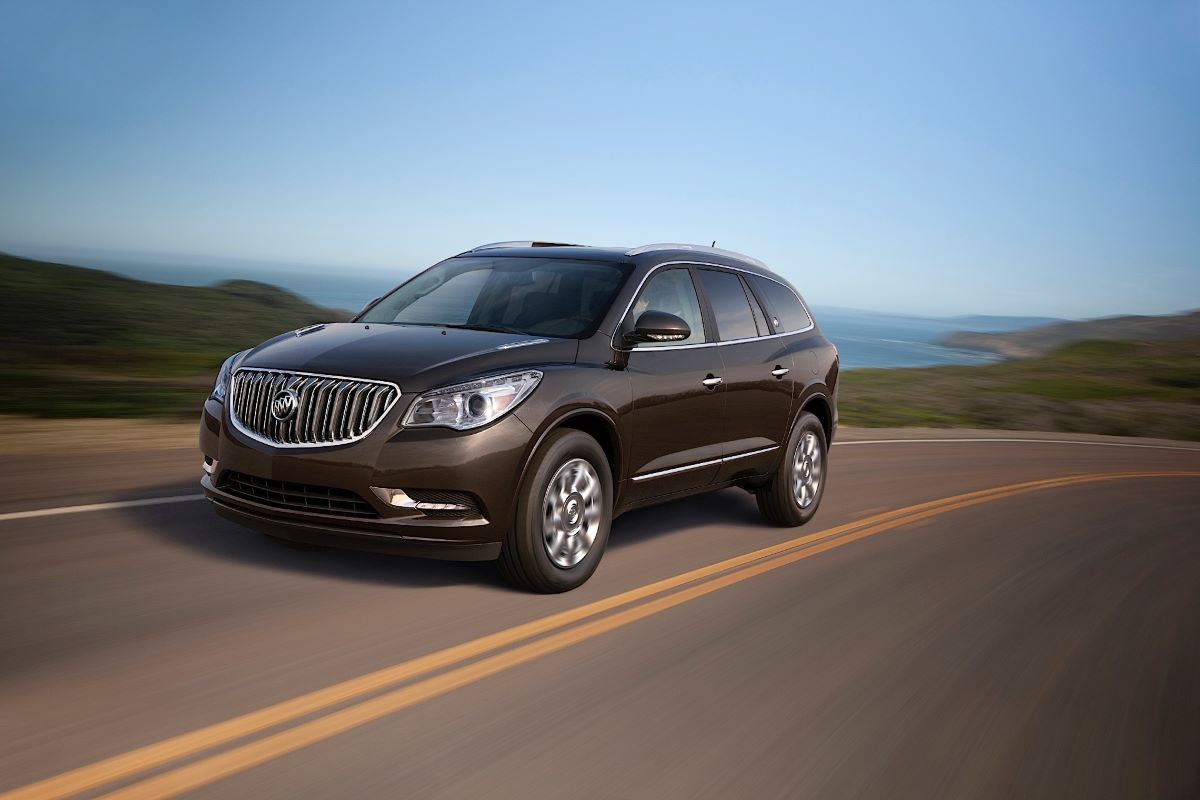
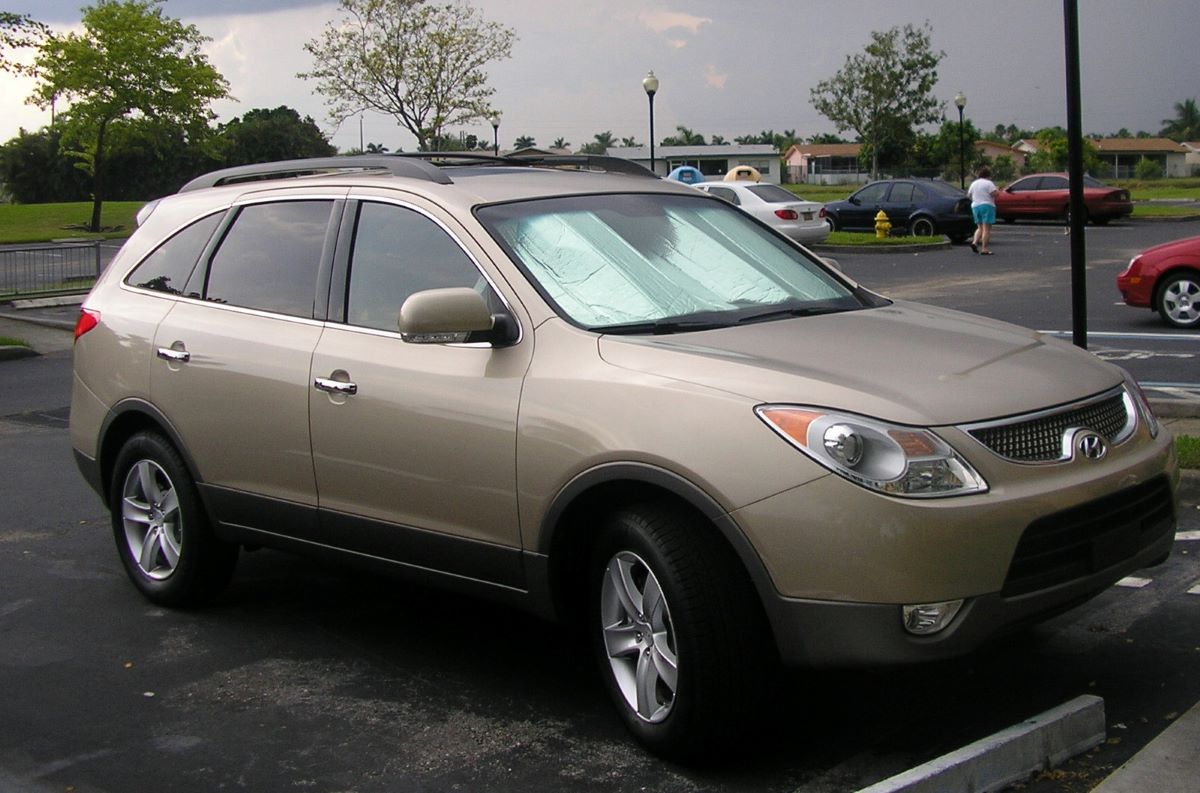
That said, buyers with a bigger budget might hesitate due to the Buick’s occasionally underwhelming interior materials and its reputation for having a somewhat old-fashioned image. It’s also worth taking a look at the Ford Flex, Hyundai Veracruz, and Mazda CX-9.
Though smaller in size, these competitors are generally easier to maneuver. Still, taken as a whole, the 2010 Buick Enclave delivers a strong balance of space, style, and premium features, all at a price point that doesn’t stretch too far.
The 2010 Buick Enclave is available with either front-wheel drive or all-wheel drive. Both configurations are powered by a 3.6-liter V6 engine rated at 288 horsepower and 270 pound-feet of torque.
A six-speed automatic transmission comes standard and has been revised for 2010, offering significantly improved responsiveness during downshifts.
According to EPA estimates, fuel economy comes in at 17 mpg city / 24 mpg highway / 19 mpg combined for front-wheel-drive versions, while all-wheel-drive models post slightly lower numbers at 16/22/18. When equipped with the optional trailering package, the Enclave is capable of towing up to 4,500 pounds.
Also Read: 10 Common Problems Hyundai Owners Face Due to Neglect
6. Hyundai Veracruz (2007–2012)
Overshadowed by more popular competitors like the Toyota Highlander, the Veracruz never took off in the U.S. despite being a well-rounded SUV.
It offered a smooth V6 engine, a quiet cabin, and features that rivaled Lexus at a much lower price point.
Owners frequently praise its longevity and low maintenance costs, and the Veracruz set the stage for Hyundai’s current lineup of respected SUVs.
The Veracruz delivers a strong combination of versatility and everyday convenience. Even the base GLS trim comes with an appealing array of standard features, while the top-tier Veracruz Limited can be outfitted with upgrades such as leather upholstery, a navigation system, and a rear-seat entertainment setup.
The third-row seat is easy to access and allows the vehicle to accommodate up to seven passengers. That said, the third row isn’t as spacious as those in some other large crossovers, and adult passengers will likely find it suitable only for short trips.
All things considered, the 2009 Hyundai Veracruz stands out as a smart option in the midsize-to-large crossover segment. No, it doesn’t carry the same prestige as a Lexus, nor does it offer the same expansive interior space as the Buick Enclave, Chevrolet Traverse, or GMC Acadia trio.
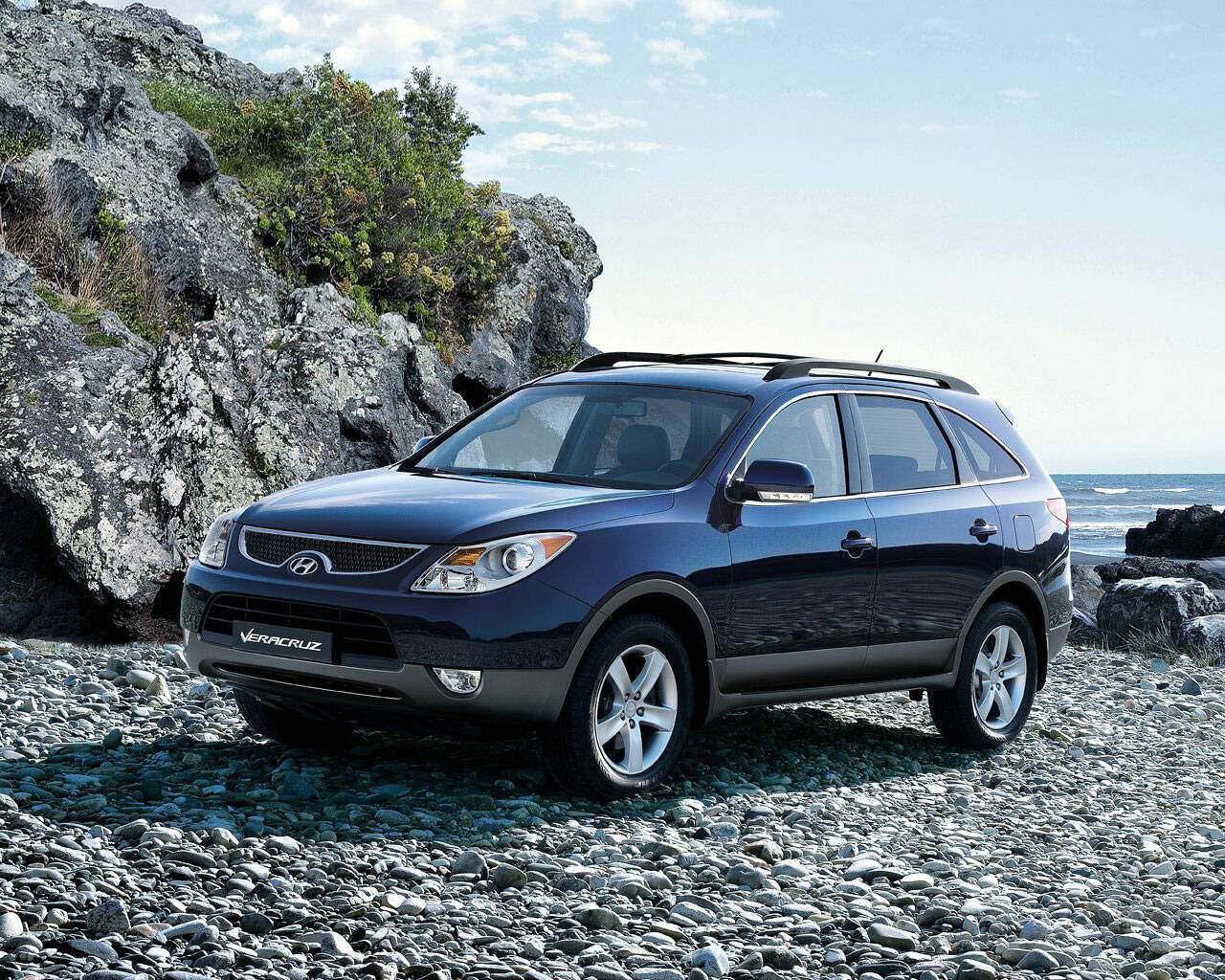
It also doesn’t match the Mazda CX-9 in terms of driving engagement, and the newly introduced Ford Flex has the edge when it comes to style and personality. Still, for the price, especially compared to mainstream picks like the Honda Pilot and Toyota Highlander, the Veracruz is a standout.
It delivers a smooth, comfortable ride, features an upscale interior design, and offers top-tier safety ratings along with excellent warranty coverage. If you’re in the market for a seven-passenger crossover SUV, the Hyundai Veracruz deserves serious consideration.
Every 2009 Hyundai Veracruz is powered by a 3.8-liter V6 engine that puts out 260 horsepower and 257 pound-feet of torque. A six-speed automatic transmission is standard across the lineup, and buyers can choose between front-wheel and all-wheel drive on any trim level. In performance tests, an all-wheel-drive Veracruz accelerated from zero to 60 mph in 8.3 seconds, which is typical for this class of vehicle.
Fuel economy is also competitive, with the front-wheel-drive version earning EPA estimates of 16 mpg city/ 23 mpg highway/ 18 mpg combined. All-wheel-drive models see a modest decrease of 1 mpg across the board.
7. Volkswagen Touareg (2004–2017)
The Touareg earned a bad rap for being expensive to maintain and repair especially the V10 TDI and V8 versions.
But those who opt for the more modest V6 models are often rewarded with solid German engineering, all-wheel-drive capability, and luxurious touches.
The Touareg is built on a platform shared with the Audi Q7 and Porsche Cayenne, but can be found for far less, making it a budget-friendly premium SUV with rugged underpinnings.
The 2010 Volkswagen Touareg does share at least one trait with the nomadic Saharan tribe it’s named after: it performs impressively off-road, thanks to solid ground clearance and a full-time all-wheel-drive system equipped with low-range gearing.
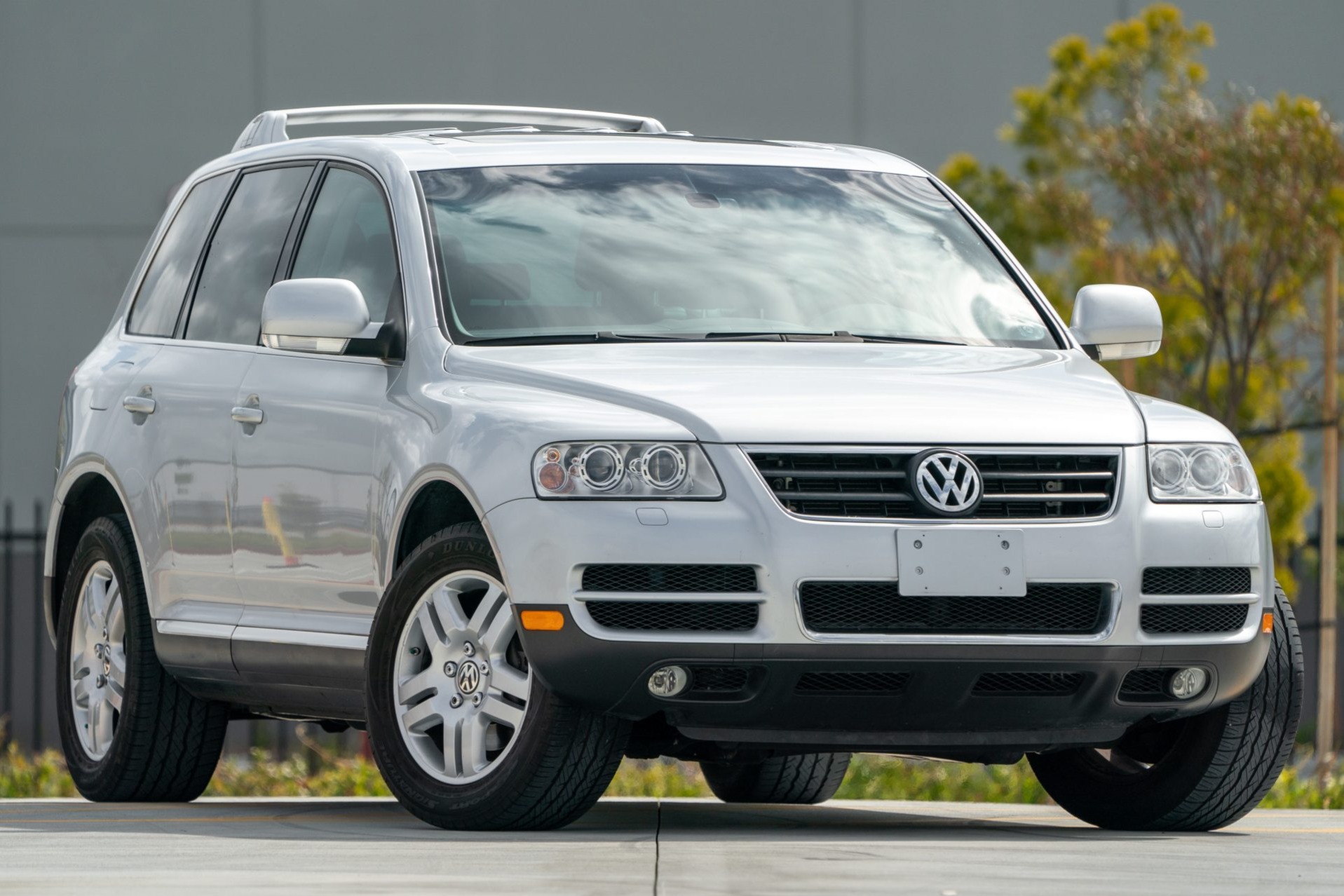
While this off-road prowess gives the Touareg a clear edge over many of its more pavement-focused competitors, the truth is that most buyers in this segment aren’t looking for trail-conquering capability. Shoppers spending between $40,000 and $50,000 on a premium midsize SUV typically prioritize refined on-road handling, solid build quality, and a healthy dose of luxury.
Thankfully, the Touareg delivers strongly in these areas, it’s anything but rugged or bare-bones. Even in its seventh year riding on the same core platform, it remains one of the most attractive and well-rounded options in the class.
That platform, by the way, is shared with the Audi Q7 and Porsche Cayenne. So it’s no surprise that in past reviews, we’ve pointed out how the Touareg edges impressively close to Audi’s level of performance and polish, while coming in at a significantly lower price.
Evidently, Volkswagen took note of this overlap, because for 2010, the Touareg has been intentionally scaled back to distinguish it further.
The 350-horsepower V8 engine has been dropped from the lineup, along with features like adaptive cruise control, which are now reserved for the Audi Q7. Also gone is the optional locking rear differential, a reflection of the Touareg’s shift toward primarily on-road driving rather than hardcore off-road adventures.
8. Chevrolet TrailBlazer (2002–2009)
Often remembered for outdated styling and a rough ride, the original TrailBlazer was actually a robust mid-size SUV. It featured a strong inline-six engine, body-on-frame construction, and solid off-road chops.
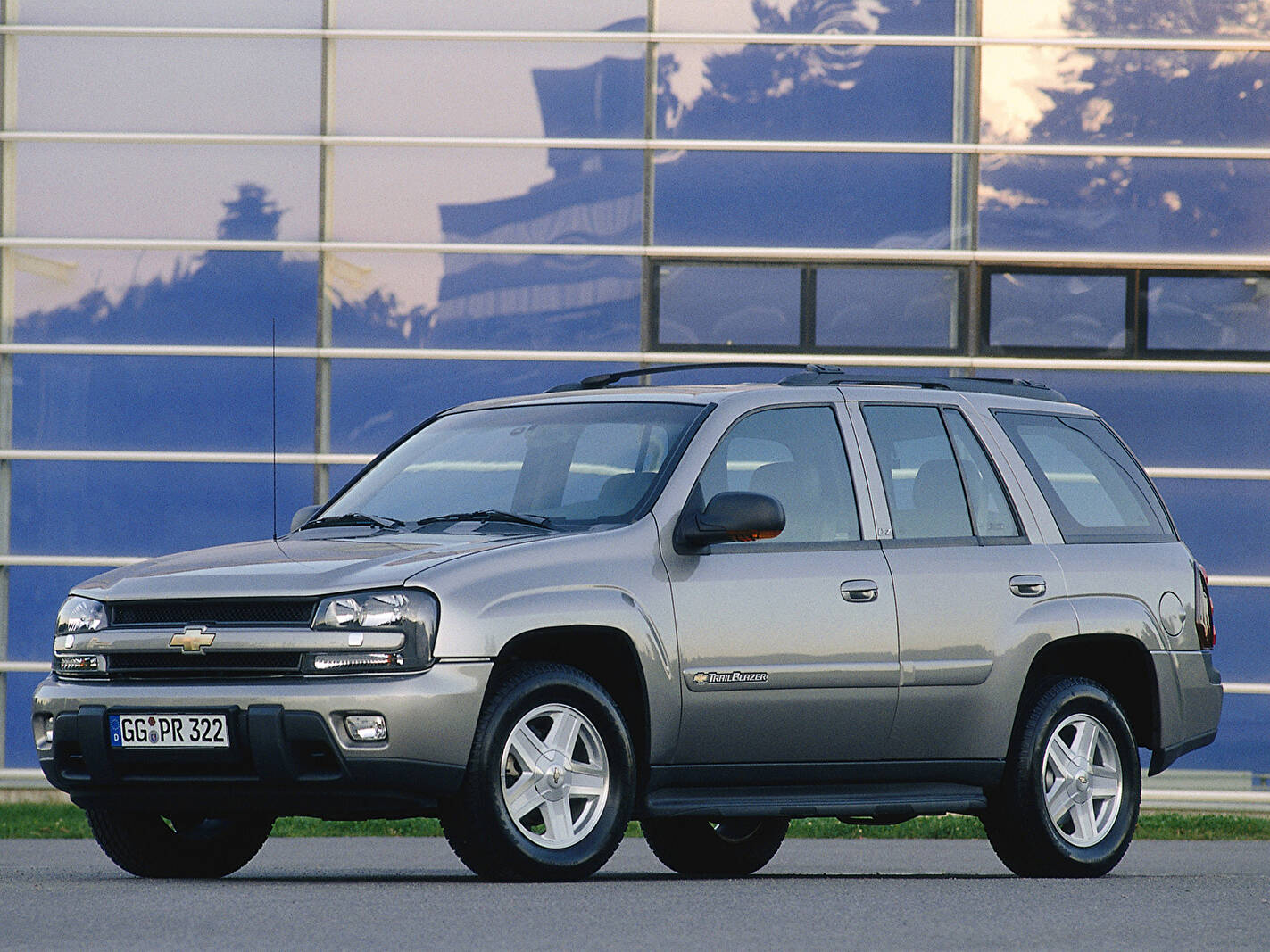
While not particularly refined, it was durable, easy to repair, and well-suited to American driving needs. For a reliable, no-frills SUV under $8,000, the TrailBlazer still delivers.
For 2003, Chevrolet introduces a new trim package called The North Face Edition, aimed at buyers who enjoy exploring off the beaten path. Built on the foundation of a TrailBlazer LTZ or TrailBlazer EXT equipped with the Leather Plus Package, this special edition adds a range of unique features.
These include body-color cladding, exclusive seat designs, mesh map pockets, rain-sensing wipers, liftgate lighting, an underfloor cargo liner, heavy-duty cargo mats, and an adjustable cargo shelf for the EXT model.
Rounding out the package are The North Face duffel bags and blanket, reinforcing the outdoorsy theme. If that’s not your style, maybe more muscle under the hood will appeal to you, Chevy’s 5.3-liter V8 engine is available, but only on the TrailBlazer EXT.
Other updates for 2003 include the introduction of a larger 22-gallon fuel tank and the addition of more child-seat anchors in the EXT models. Chevy has also shuffled some features around, equipment that was once standard, such as side airbags, the rear cargo shade, interior lighting, and the auto-dimming driver-side mirror, is now optional.
9. Infiniti QX56 (2004–2010)
The early QX56 was criticized for its clunky styling and issues with brakes and electronics. But underneath, it’s essentially a luxury version of the Nissan Armada meaning it’s built on a solid, truck-based platform.
Later model years addressed many early flaws, and these SUVs are known to comfortably reach over 200,000 miles when properly serviced. It offers a plush interior and serious towing muscle at a used-car bargain.
Beneath its polarizing exterior lies a vehicle with real substance. For 2007, the robust 5.6-liter V8 under the hood receives a modest power increase, now producing 320 horsepower and 393 pound-feet of torque.
That’s more than enough to give this 5,600-pound luxury SUV a surprisingly agile feel, an impression supported by its strong 0-60 mph time of 7.3 seconds.
This same muscle also delivers a hefty towing capacity of up to 9,000 pounds. The QX56 further impresses with handling that defies its size, making it surprisingly manageable when navigating tight suburban streets and everyday traffic.
Inside, the cabin offers a blend of high-end comfort and a few questionable materials. Upscale elements like soft leather seats, tasteful wood trim, and cushioned armrests elevate the interior far beyond that of the more utilitarian Nissan Armada.
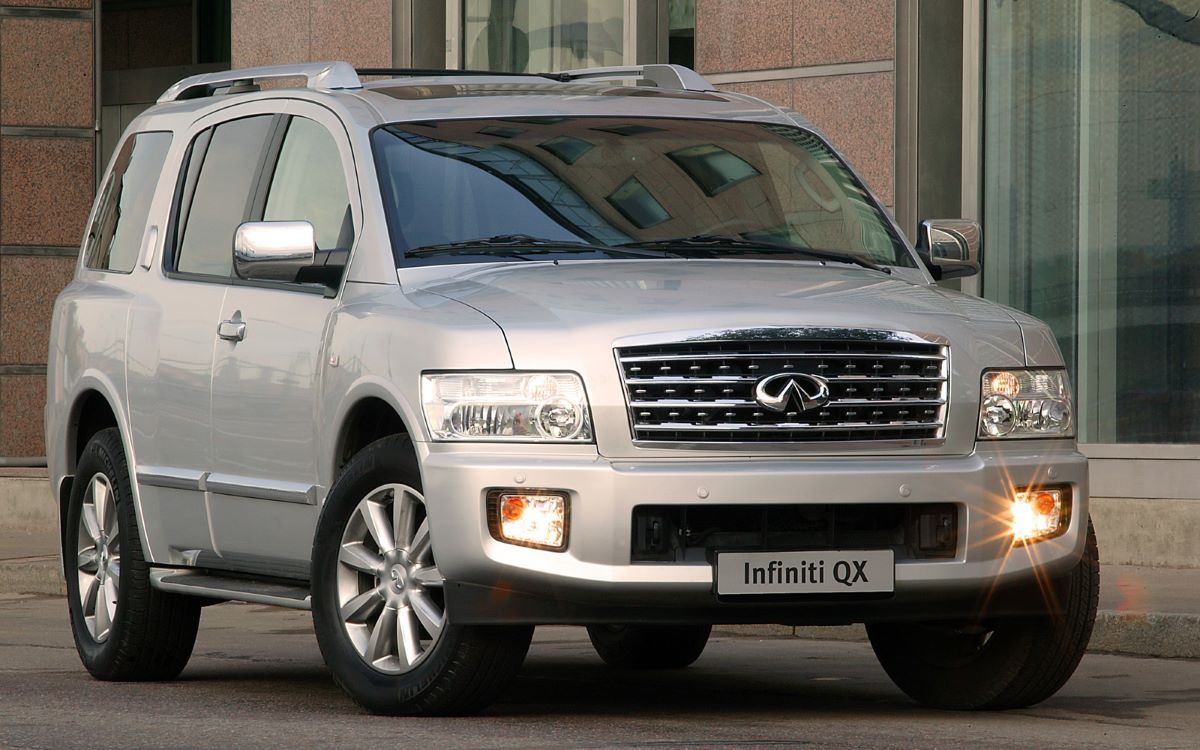
However, certain cost-cutting choices, such as the uninspired gauge cluster and the hard plastics on the door panels and dashboard, remind you that it’s not quite on the same level as more refined rivals like the Lexus LX 470, Mercedes GL450, or Cadillac Escalade.
That said, interior space is a major strength. Adults over six feet tall will find plenty of legroom in the second row, and even the third row is adult-friendly, something few competitors can match.
From a practical standpoint, the 2007 Infiniti QX56 delivers a compelling package. With powerful performance, serious towing muscle, and a spacious, comfortable cabin, it checks many of the right boxes. Of course, none of this will sway buyers who can’t get past the styling.
For them, the Escalade and GL450 arguably offer the same capabilities in more visually appealing designs and at competitive price points. Still, if what you need is a genuinely capable full-size luxury SUV with three rows that adults can actually use, the QX56 deserves a spot high on your list.
The QX56 comes equipped with a 5.6-liter V8 engine delivering 320 horsepower and 393 pound-feet of torque, paired with a five-speed automatic transmission.
Buyers can choose between rear-wheel drive (2WD) or a full-time four-wheel-drive system that includes a low-range transfer case. Despite its size, the QX56 moves with authority, hitting 60 mph in just 7.3 seconds. Towing capacity is rated at 9,000 pounds for 2WD models and 8,900 pounds for those with 4WD.
10. Dodge Durango (2011–Present)
The Durango often gets lumped in with other Dodge vehicles that have had spotty reliability, but this mid-size SUV is a standout.
With rear-wheel-drive architecture, V6 or HEMI V8 powertrains, and a muscular presence, it offers a unique mix of capability and style.
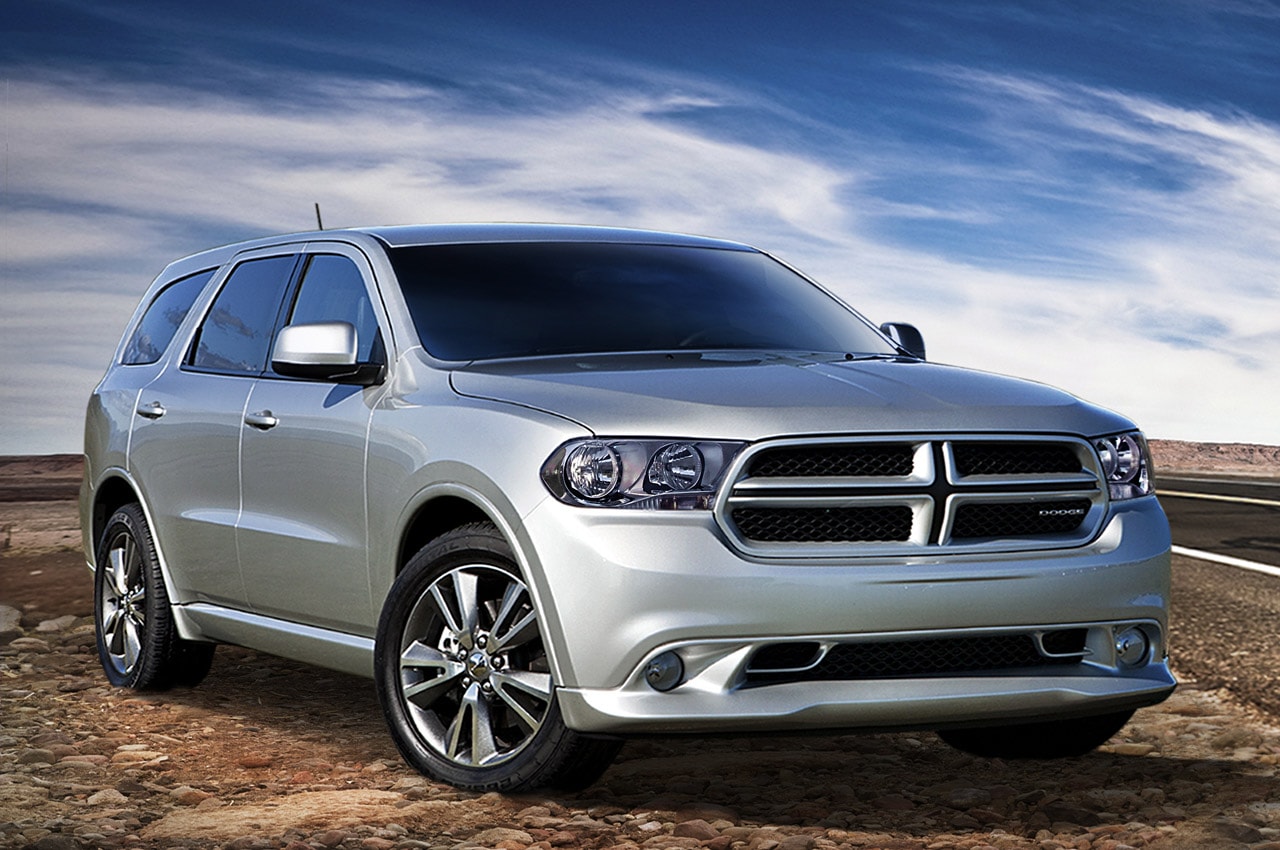
Earlier models had some electrical quirks, but later versions improved significantly. The Durango is especially valuable for drivers who want SUV space with a more engaging drive.
In the crowded U.S. SUV market, reputations good or bad tend to stick. But as this list shows, several SUVs that once got a bad rap have proven themselves to be dependable, practical, and even enjoyable to drive.
For budget-conscious shoppers or those willing to look past dated impressions, these underappreciated models offer real value and surprising durability.
Always check service records and prioritize post-facelift versions where possible, and you just might find a hidden gem on the used market.