
The driving experience is shaped by a blend of engineering precision and ergonomic detail. Among these subtle yet crucial aspects, the arrangement of pedals and the design of the footwell stand out.
Whether it’s a manual sports car inviting the driver to perform seamless heel-and-toe downshifts, or a daily commuter meant to provide comfort on long journeys, the layout of pedals matters immensely.
For enthusiasts, this can define the boundary between joy and frustration. For those facing long commutes or frequent city traffic, comfort is non-negotiable.
An ideal pedal set-up allows the driver to control acceleration, braking, and clutch with minimal fatigue and maximum confidence.
This comes from thought-out pedal spacing, correct pedal height, and an unobstructed footwell area. When manufacturers master these facets, the result is a car that feels intuitive and rewarding.
However, when footwell design is compromised by poorly positioned pedals, intruding wheel arches, or insufficient space for foot movement, the driving experience quickly turns tiresome. Missteps in this area can lead to discomfort, distracted driving, or even safety concerns.
This article breaks down vehicles recognised for their thoughtful pedal placement and contrasts them with those known for awkward, sometimes frustrating footwell arrangements. Both sides highlight how much a seemingly small factor can influence countless hours behind the wheel.
Cars With Optimal Pedal Placement
Stepping into a car that feels instantly comfortable is often no accident. Much of this sensation comes from the deliberate design of the driver’s area, especially the pedals and footwell.
For many drivers, especially those who love dynamic driving or clock hours at the wheel, a well-planned pedal layout contributes to effortless control, quick reaction times, and a distinct sense of harmony with the car.
This isn’t just about sporting aspirations or luxury; it is relevant every day, from stop-and-go city driving to spirited runs on a winding road.
Top manufacturers dedicate research into optimally spacing the brake, accelerator, and clutch (if present) to reduce fatigue and awkward movement. A good footwell also provides enough width and flat floor area so drivers don’t have to adjust awkwardly to reach the pedals.
The five cars highlighted below stand out for offering driving positions that make both daily errands and high-performance motoring more enjoyable.
Each represents a particular philosophy, but they share a single-minded aim: to let the car become an extension of the driver’s body. They are included here not just for their reputation, but because engineers prioritised the human side of driving.
1. Mazda MX-5 Miata
Few modern vehicles have gained as much praise for driver-centric design as the Mazda MX-5 Miata. Designed from the outset as a lightweight roadster for genuine drivers, every component of the Miata centres around delivering classic sports car enjoyment.
A major contributor to its reputation is the thoughtful pedal placement. The brake, clutch, and accelerator are precisely aligned and spaced for both comfort and performance.
The pedal heights are matched so well that shifting is consistently smooth, with the clutch requiring only a modest press and the brake providing progressive feedback.
This attention is especially evident during heel-and-toe shifting: performance enthusiasts find that the accelerator and brake are close enough for the right foot to blip the throttle while braking, even without large feet or contorted movement.
Mazda also ensured there are minimal obstructions in the footwell, so even tall drivers rarely complain about rubbing against trim or transmission tunnels.
Pedals are placed so the driver’s legs remain relaxed, not twisted or splayed, and this ergonomic correctness persists throughout long journeys.
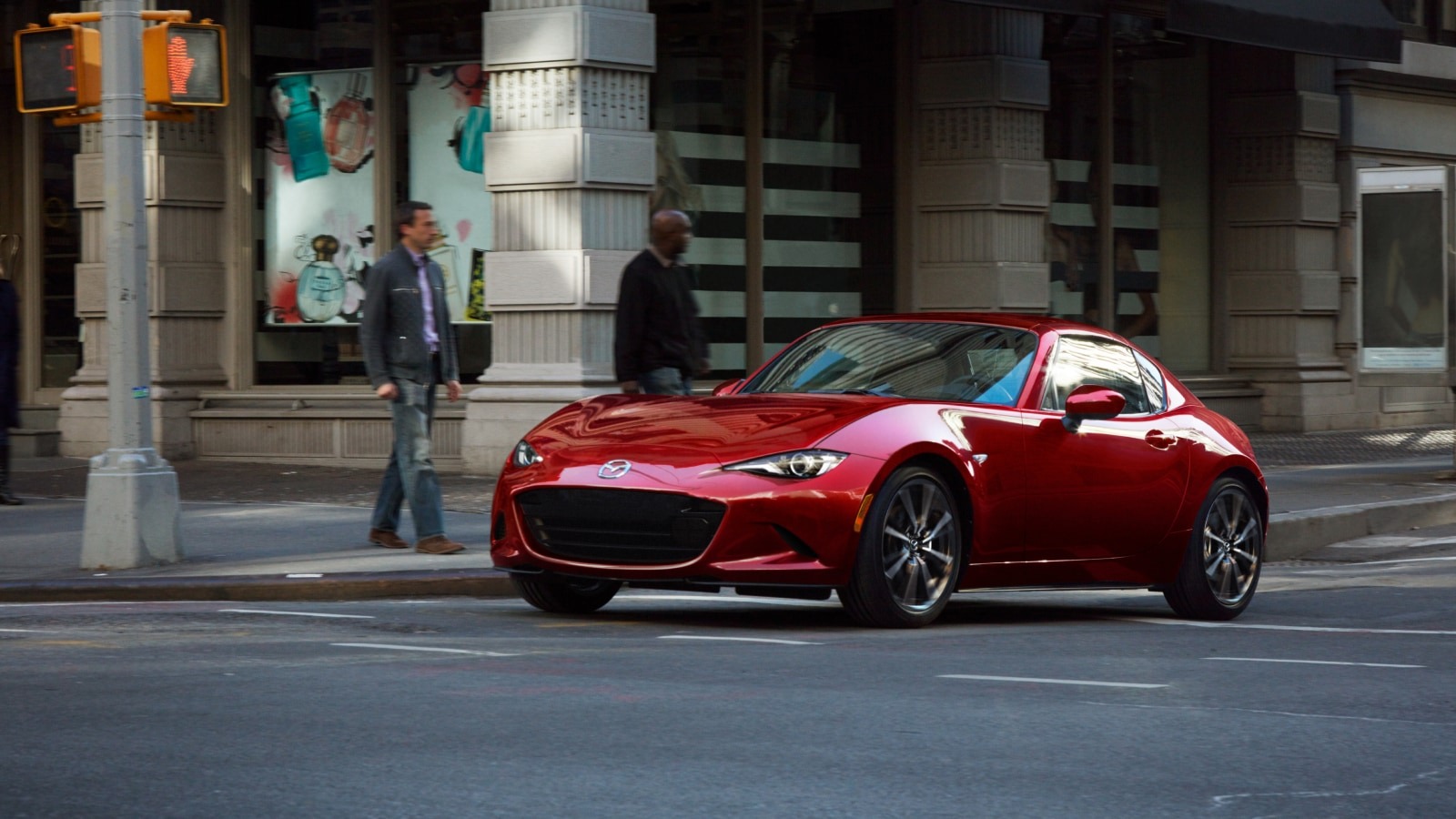
The driving community often singles out the Miata because the whole car feels engineered for joy in the moment.
Miles down a twisty road with seamless pedal feedback shows how much muscle memory and precision benefit from an ideal layout. Mazda’s work on this car serves as a benchmark not just for sports cars, but for thoughtful design in affordable vehicles.
Also Read: Top 10 Cars With Fuel-Saving Tech That Stay Reliable
2. Porsche 911 (992 Generation)
The Porsche 911 is an iconrecognisedd for balancing everyday usability with a high-performance pedigree. In its latest 992 generation, this harmony is perhaps better realised than ever before.
A key reason for the consistent praise is the flawlessly arranged pedal box. Porsche’s attention to the spatial relationship between brake, accelerator, and clutch is evident.
Pedals are positioned so the driver sits straight on, with hips and shoulders aligned, aided by extensive seat adjustment, ensuring even extended stints behind the wheel remain comfortable.
The pedal heights are calibrated so each foot transition, whether between throttle and brake or managing clutch on the manual, is smooth and natural.
The brand’s GT models, in particular, have a legendary reputation for ideal pedal placement, but even the standard Carrera models benefit.
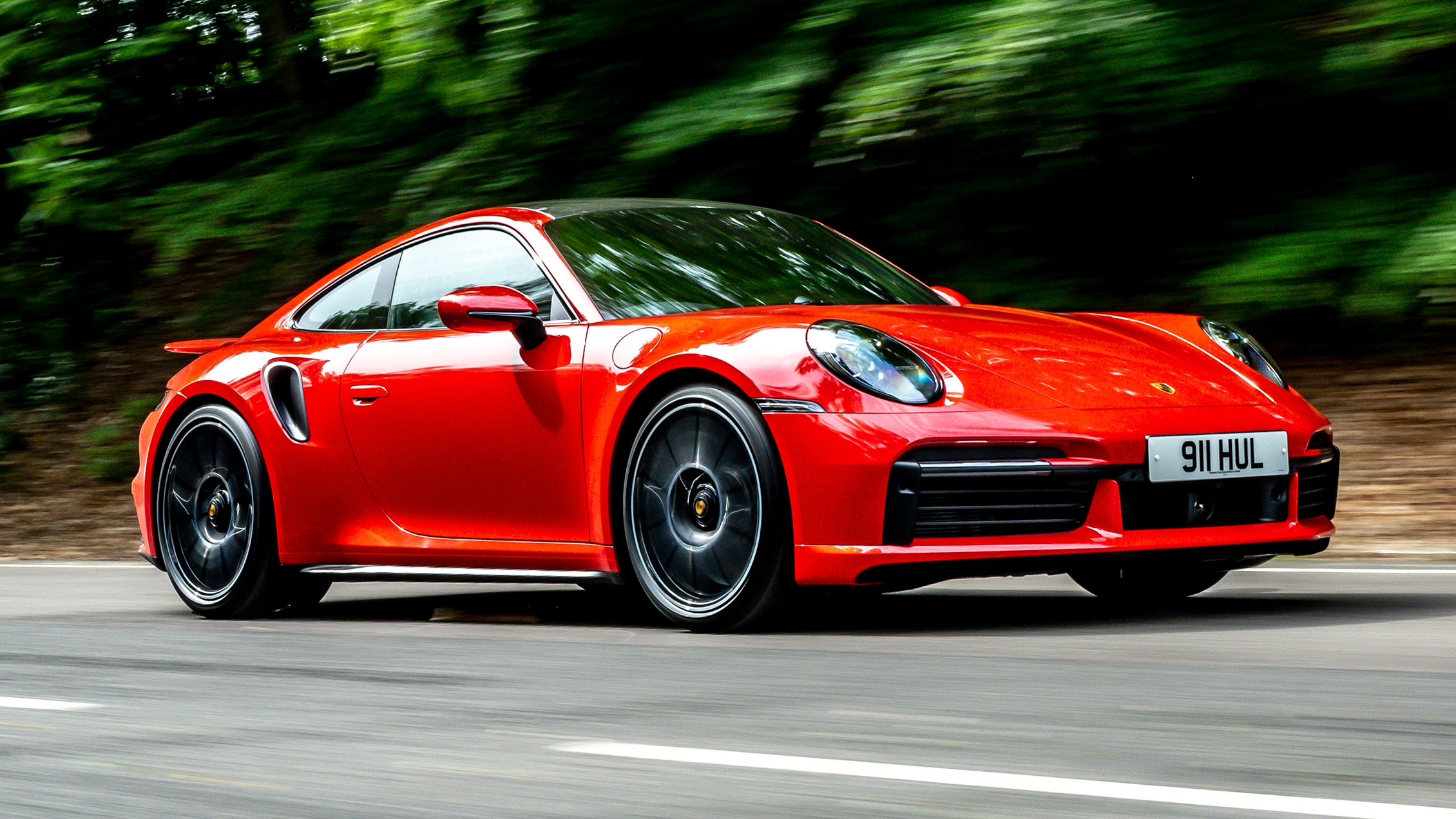
The 911’s footwell is wide enough for drivers to rest their left foot when not operating the clutch, reducing fatigue in traffic or on long trips. The pedals are responsive, and Porsche’s engineers have fine-tuned the feel and resistance so that even subtle inputs are registered.
Why mention 911? It provides a practical demonstration of how competition-bred details benefit day-to-day driving comfort. The line between racing roots and daily usability is blurred by how instinctive the car feels, and that instinctiveness begins at the driver’s feet.
3. Honda S2000
Honda’s S2000 is regularly celebrated not only for its high-revving engine and precise chassis but also for offering an incredibly driver-focused interface.
One of the most often cited aspects is the surgical pedal placement, which played a critical role in making this roadster so enjoyable.
Inside the S2000, the pedals are offset just right to match the natural angle of the driver’s legs. This means operations for each foot feel deliberate yet effortless.
The clutch has a linear take-up, allowing for precise gear changes, and the brake and throttle pedals have minimal height difference, supporting prompt modulation.
For those who appreciate advanced driving techniques, the car’s responsiveness rewards well-timed heel-and-toe downshifts. These details combine to offer a consistent, fatigue-free experience even when pushing the car hard.
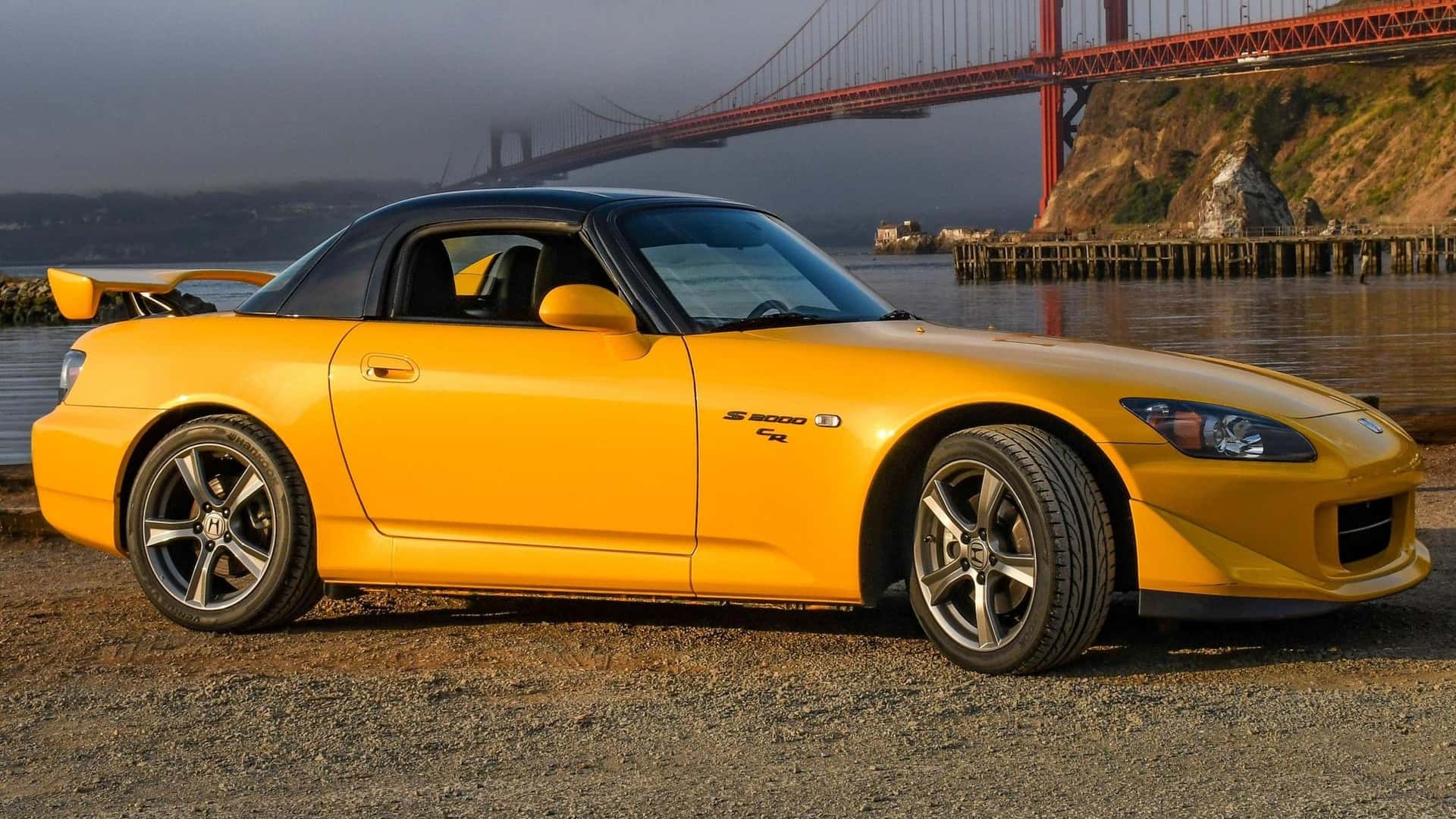
Honda’s approach with the S2000 was to create the feeling of “oneness” with the car. What seems like simple placement decisions, millimetres here and there, make a monumental difference over hundreds of miles. This approach to interior design ensured that the car was as engaging on the freeway as on twisty mountain roads.
Mentioning the S2000 is necessary because it’s a textbook case of how considered ergonomics make a high-performance machine usable and comfortable. Honda’s achievement here was not just technical, but deeply human-centred.
4. BMW 3 Series (G20 Generation)
Throughout its lineage, the BMW 3 Series has gained respect for its balanced handling. The G20 generation expanded on this reputation by emphasising comfort and driver control through a carefully calibrated seating and pedal configuration.
One element that is immediately noticeable in the G20 is how natural the driver’s posture feels. The footwell is spacious and largely free from major obstructions, making long journeys less tiring.
BMW has consistently paid attention to placing the brake and accelerator pedals directly in front of the driver, reducing the kind of leg angle strain found in some competitors. The pedal spacing allows for confident movement between accelerator and brake, fostering both spirited and everyday driving.
The clutch action (in manual models) is smooth and provides progressive feedback without abrupt engagement. Meanwhile, there is ample room beside the clutch for a proper dead pedal, making it easier for the driver to rest the left foot during cruising.
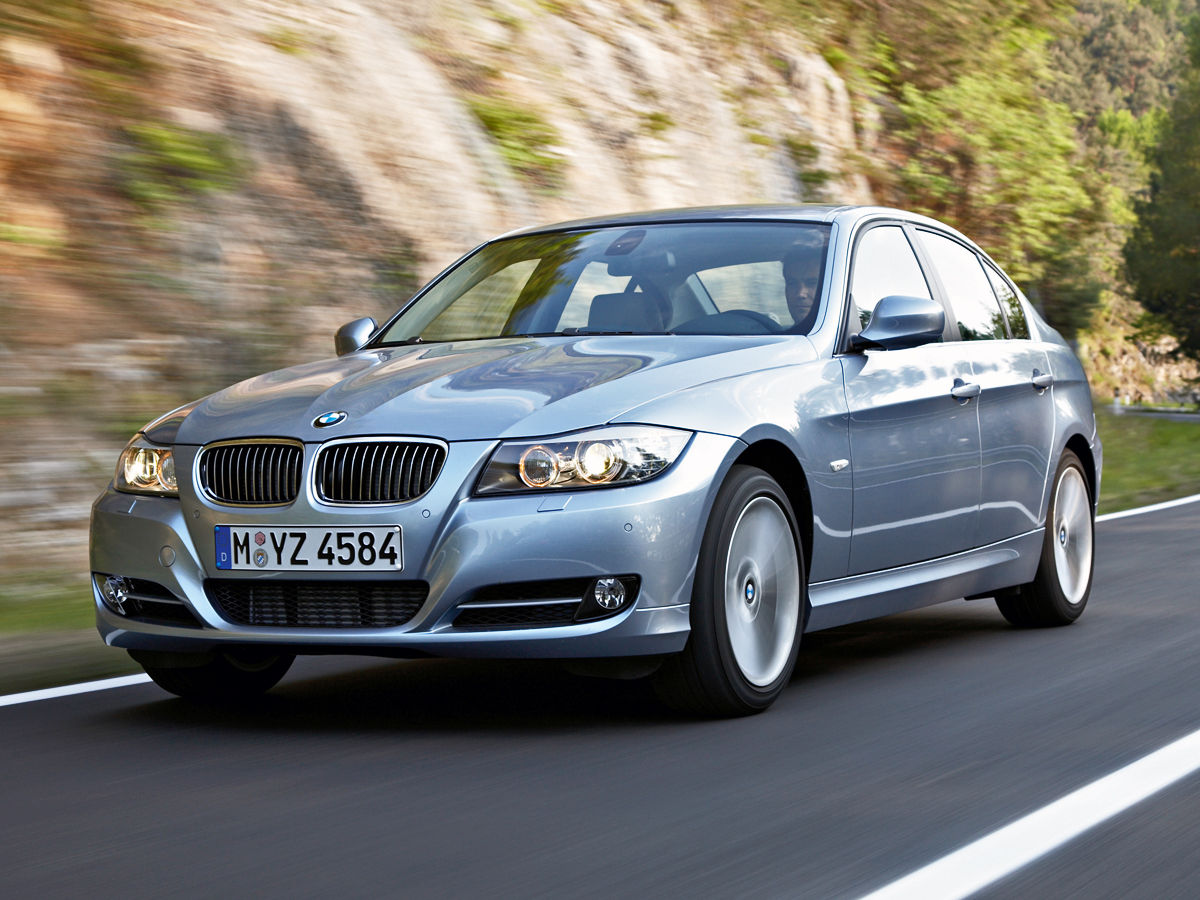
The G20’s precision in this department is not merely an accident; it reflects feedback gathered from generations of 3 Series owners who prized driving purity as much as comfort.
Including the G20 spotlights how performance cars and practical sedans are not mutually exclusive good pedal arrangement belongs in all segments.
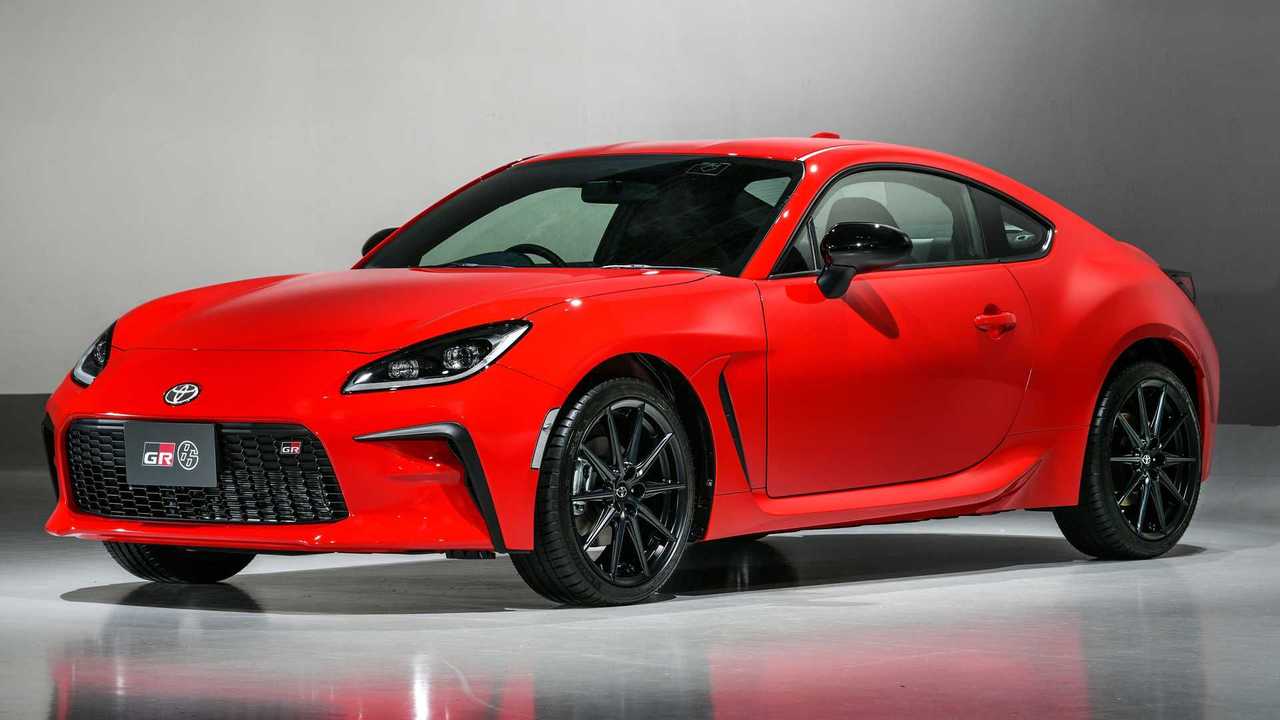
5. Toyota GR86 / Subaru BRZ (Second Generation)
The latest Toyota GR86 and Subaru BRZ stand as modern examples of accessible performance cars that cater to those who prioritise the driving connection. Their shared platform is designed around the driver, and nowhere is this more evident than in the pedal and footwell arrangement.
Drivers note that the brake and throttle are closely aligned, allowing for intuitive pedal operation. The clutch, in manual versions, is positioned to require a natural, direct movement, avoiding awkward stretching or knee twisting sometimes found in smaller coupes.
The pedal faces are also sized to make advanced techniques feel accessible, a distinct benefit for learning or practising performance driving.
A flat floor and minimal intrusion from the transmission tunnel create a spacious feel, and the dead pedal is angled for proper foot relaxation during longer journeys.
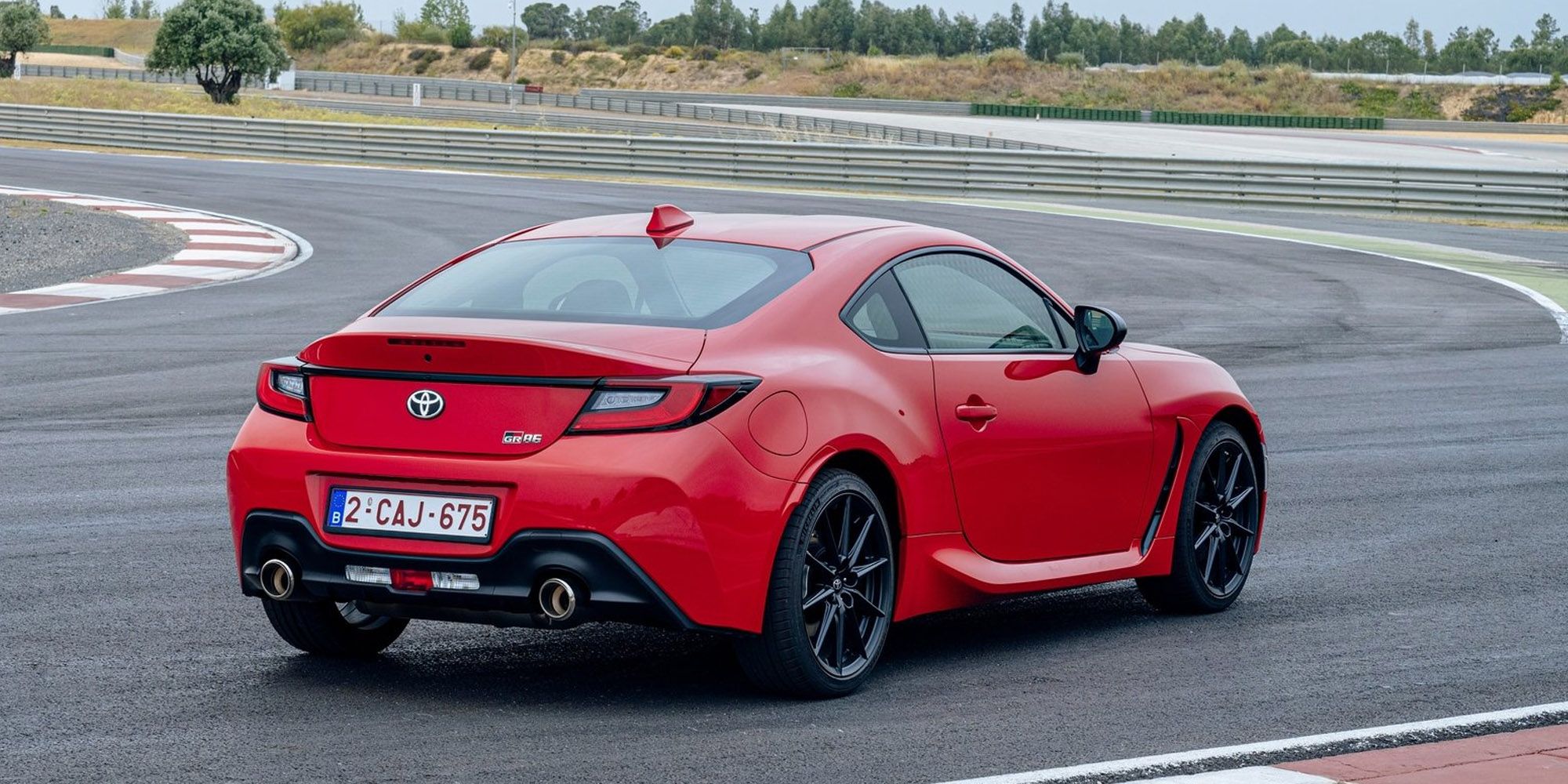
Feedback from owners and reviewers often highlights just how infrequently fatigue or discomfort appears, even after extended stints at the wheel.
The GR86/BRZ duo is written about here because they represent the benefits of enthusiast-driven engineering, which puts a premium on usability and enjoyment.
These cars are proof that thoughtful design transforms affordable sports vehicles into lasting favourites for both experienced drivers and those new to performance motoring.
Cars With Awkward Footwells
While clever pedal positioning can turn ordinary driving into an enjoyable experience, the opposite is also true.
Sometimes, drivers are confronted with footwells and pedal setups that ignore basic ergonomic principles. These missteps can stem from packaging constraints, cost-saving decisions, or even overlooked design details.
The consequences range from persistent discomfort to actual detriments in safety and control.
Common complaints include pedals that are too closely spaced, footwells narrowed by bulky transmission tunnels, and poor alignment forcing one’s legs into odd positions.
These issues do not discriminate by class or price; luxury sedans, practical hatchbacks, and even high-performance vehicles can fall victim.
Why bother identifying these less desirable designs? For consumers, awareness of such details might prevent future frustration or even inform purchase decisions.
For manufacturers, these examples serve as reminders that every interaction with a car, down to the way a driver’s ankle bends or a foot rests, matters to the person behind the wheel.
The five vehicles below demonstrate how a misjudged pedal or footwell design can linger in memory, overshadowing otherwise strong products.
Drawing attention to these cars is about promoting awareness and encouraging higher standards in an area often taken for granted.
1. Fiat 500
The Fiat 500 has charmed drivers with its compact looks and city-focused manoeuvrability, but many owners and reviewers comment on the cramped, awkward pedal arrangement.
In a car where space is at a premium, shoehorning three pedals (in manual models) and even two (in automatics) into the available footwell has led to notable compromises.
Drivers often find the clutch pedal pushed far to the left, almost against the centre console or wheel arch. This awkward angle means drivers must twist their knee or hip to engage the clutch, resulting in discomfort during traffic or longer journeys.
The brake and accelerator are also spaced tightly, which can be problematic for those with wider feet or when wearing boots. Additionally, the floor slopes upward toward the pedals in many versions, further restricting ankle mobility.
It’s not just tall drivers who point out these issues; smaller adults also note the difficulty in finding a relaxed seating position where all pedals are accessible.

Over time, these ergonomic shortcomings can cause fatigue. For a city car intended to make urban travel stress-free, an uncomfortable driving position is an unfortunate contradiction.
Mentioning the Fiat 500 here is important because it highlights how design for compactness sometimes comes at the expense of day-to-day comfort.
Other city cars with cleverer packaging avoid these pitfalls, making the 500 an example of how good aesthetics should not overshadow practical usability.
2. Chevrolet Camaro (Fifth Generation)
The fifth-generation Chevrolet Camaro is remembered for resurrecting the muscle car’s aggressive aesthetics, but users quickly noticed the pedal layout as a significant weak point. The car’s floorpan and bulky transmission tunnel intrude severely into the driver’s footwell, affecting both practice and perception.
For starters, the pedals are offset toward the centre of the car, forcing the driver to angle their right foot inward to reach the accelerator.
This off-centre position makes long drives more taxing and can create awkward contact between the leg and transmission tunnel.
Some drivers also note that the dead pedal, the area meant for resting the left foot, is nearly vertical and uncomfortable to reach, diminishing the sense of ease during cruising.
Reliability and performance might be present, but for drivers who hoped the Camaro would feel as great to use as it looks from the outside, these ergonomic flaws stand out.
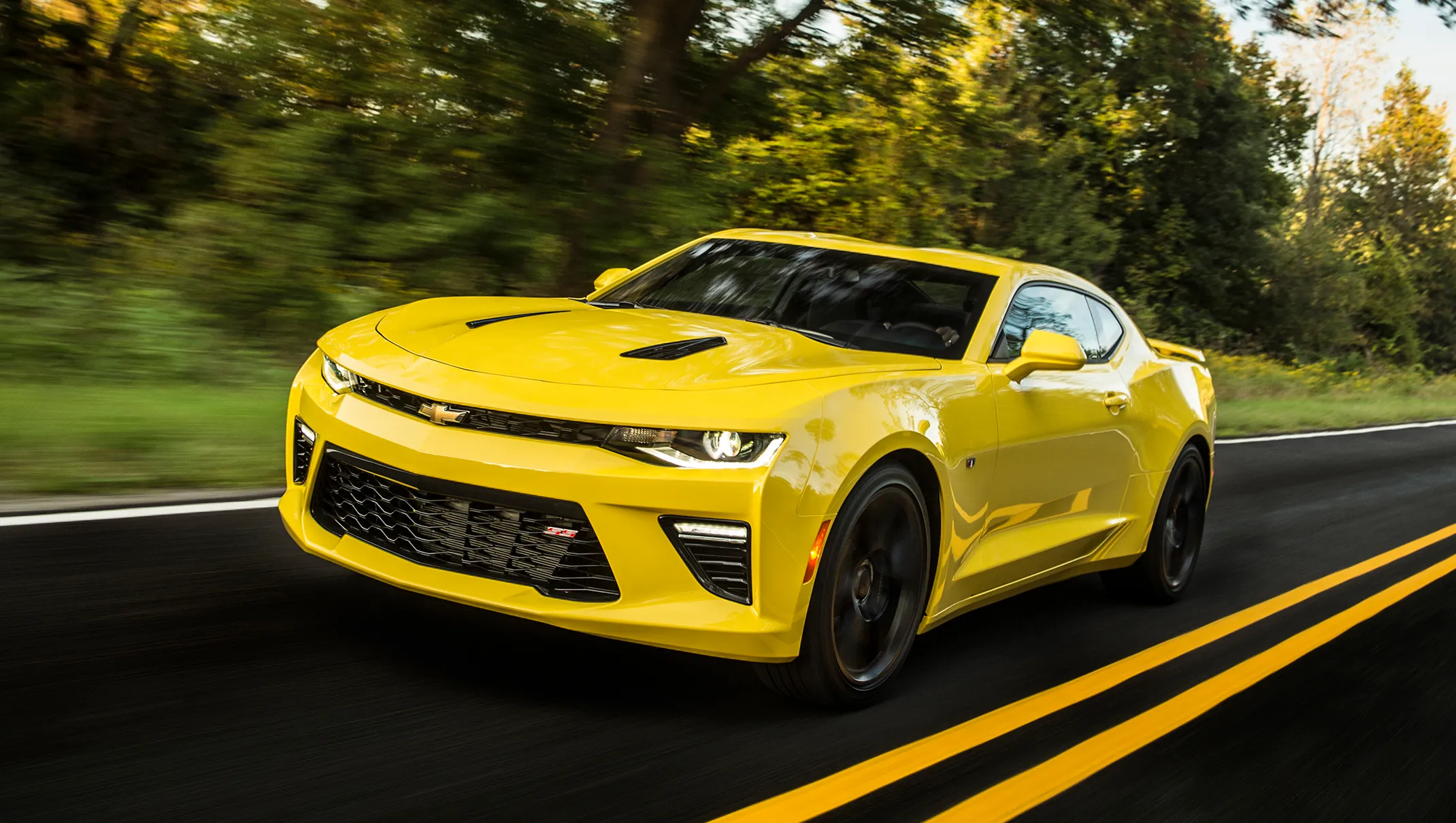
Given the Camaro’s positioning as both an everyday driver and a performance car, failing to prioritise driver comfort in the pedal area feels like an oversight.
The Camaro’s inclusion here draws attention to how packaging constraints and style priorities sometimes eclipse basic comfort, a trade-off buyers should consider before getting swept up by the badge or power figure alone.
3. Jeep Wrangler (JK and JL Generations)
The Jeep Wrangler is famed for its rugged off-road capabilities, yet reviewers and owners routinely flag the issue of an awkward footwell and pedal placement. With its body-on-frame platform and considerable transmission tunnel, the interior packaging suffers.
In both JK and JL generations, the clutch and brake pedals feel oddly offset to the right, urging the driver into an unnatural seating posture.
Even worse, the pedals themselves are placed very high, forcing the driver to raise their leg for every engagement, a configuration that gets uncomfortable quickly, especially in stop-and-go traffic or during technical off-roading.
The footwell’s width is also impeded by the wheel arch and under-dash constraints, leading to a cramped feeling for anyone except those with the smallest shoe sizes.
The dead pedal area is either non-existent or poorly positioned, offering little relief over long distances.

Drivers who love the Wrangler’s outdoorsy image and mechanical honesty may be willing to tolerate these discomforts, but it is clear this is a problem that could be solved with more careful ergonomic consideration.
Calling out the Wrangler’s shortcomings serves as a reminder that durability and function must go hand in hand with comfort, even in vehicles where utility is a priority. The best off-road vehicles provide both.
4. Alfa Romeo Giulia
The Alfa Romeo Giulia has impressed many with its spirited handling and distinctive Italian style; however, its interior gains frequent criticism for an offset and somewhat constricted driver’s footwell.
This flaw is most evident in left-hand-drive markets, where the firewall and transmission tunnel push the pedals awkwardly to the centre.
The result is a situation in which drivers struggle to find a relaxed, straight-ahead position. Instead, the right foot is angled inward toward the accelerator, producing ankle and knee fatigue over longer journeys.
The dead pedal is small and not optimally placed, giving little real support. This is puzzling because the car’s chassis dynamics deserve to be paired with an equally engaging and comfortable driving station.
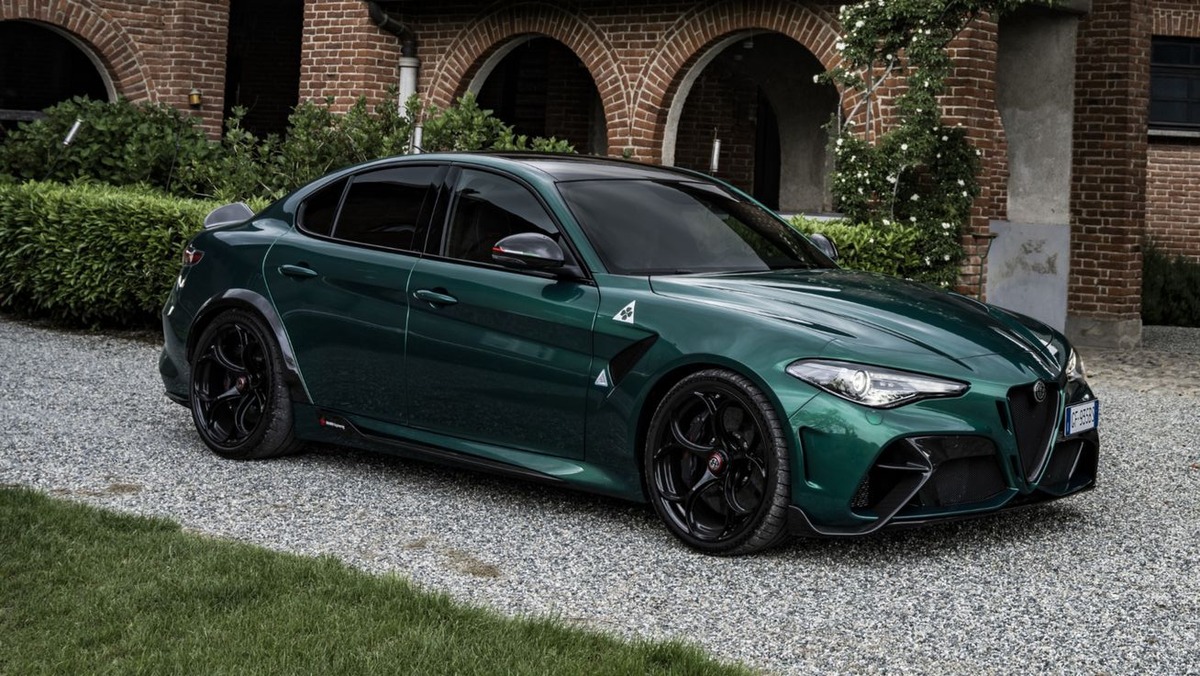
Reviewers and prospective buyers often list this ergonomic flaw as their primary reservation. The issue is not limited to just tall drivers; even those with average builds encounter challenges finding a neutral position for their feet.
Given the Giulia’s pricing and premium aspirations, comfort in basic interaction with the car should be non-negotiable.
The Giulia makes this list to stress how even modern, otherwise well-engineered cars sometimes miss the mark in everyday usability. Interior design should always support, not undermine, a car’s sporting intent.
5. Toyota Prius (Third Generation)
The Toyota Prius revolutionised the hybrid market with its efficiency, but its interior frequently draws criticism for the pedal box. Especially in the third generation, the configuration and packaging led to notable flaws in driver comfort.
Drivers report that the footwell narrows sharply toward the left, crowding the brake pedal and leaving little room for a dead pedal.
The accelerator feels much closer to the centre than expected, creating a pinched sensation for the right leg. On top of this, the raised part of the floor to accommodate the hybrid battery pack limits vertical leg extension.
As a result, those who spend considerable time behind the wheel of a Prius may develop fatigue, especially on long highway runs.
The sense of confinement is often paradoxical: although the Prius is a spacious car in other respects, the footwell feels an afterthought. This is ironic, considering the reputation Prius has for practicality and comfort.
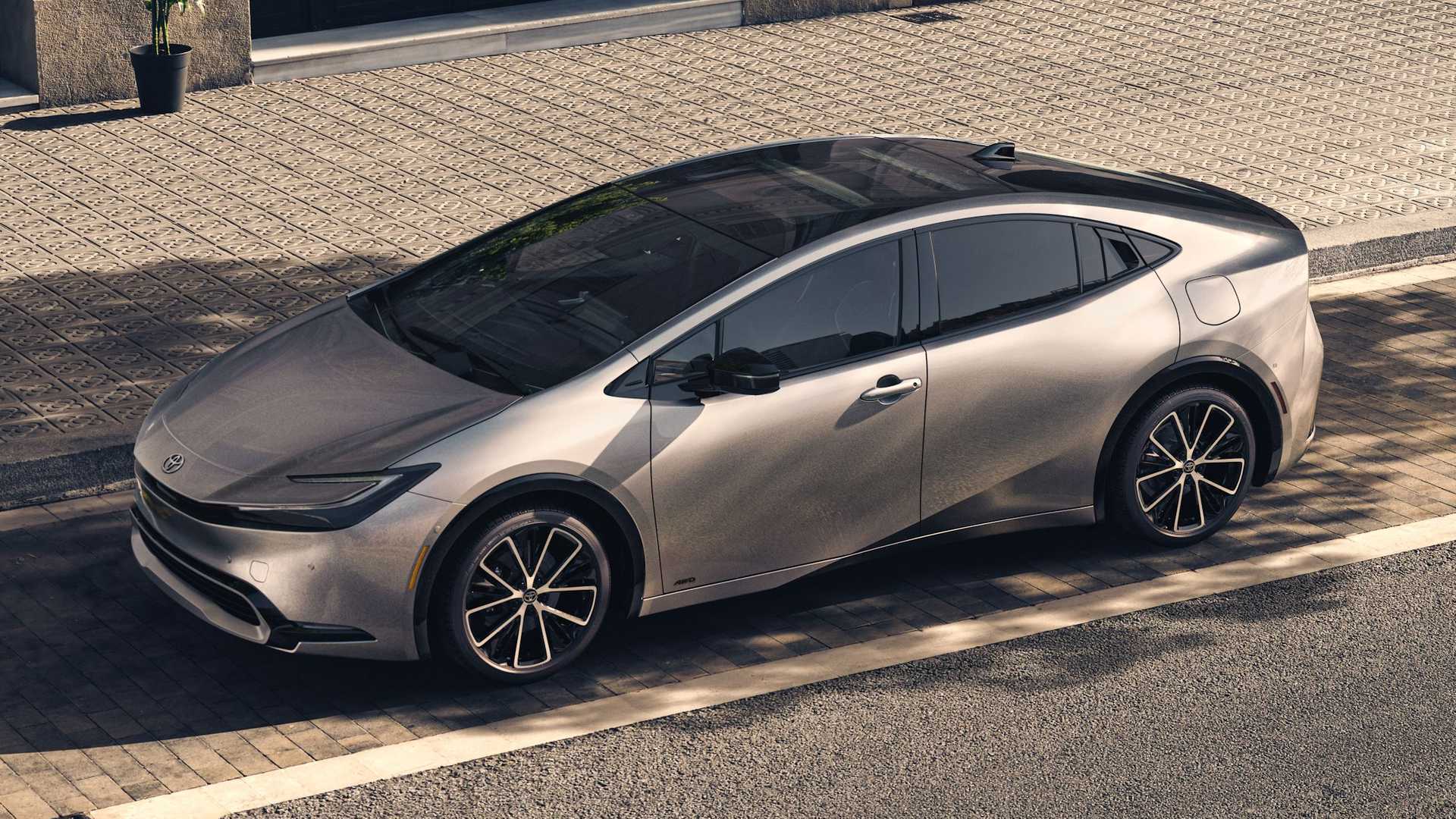
These issues matter because they affect a model that’s expected to be accommodating for everyone, from taxi drivers to eco-conscious families.
Calling out the Prius highlights how packaging for technology like batteries and hybrid components should not come at the cost of driver well-being.
This article underscores the importance of pedal placement and footwell design as foundational elements of the driving experience, providing context and detail to help car buyers and enthusiasts alike appreciate how these details impact every journey.
Also Read: 5 EVs That Always Update Properly and 5 With Recall-Worthy Software
