
Wireless charging for mobile devices in modern vehicles has shifted from being a niche luxury to a feature many drivers expect as standard.
No more fumbling for cords or searching for the right port the idea of simply placing a phone on a dedicated pad holds wide appeal.
This feature represents a move toward seamless connectivity, making daily commutes and long drives more convenient for tech-savvy users as well as those who just need a little less clutter.
However, not all implementations are created equal. While some automakers have executed this feature brilliantly, offering charging pads that are reliable, secure, and fast, others have left customers frustrated with finicky or underpowered systems.
It turns out, fitting a charging pad and advertising its availability is not enough; real-world, varied use demands attention to design, device compatibility, and performance.
This article examines both sides of the coin: five vehicles that consistently offer dependable wireless charging and five where the technology falls short.
Each model’s strengths and shortcomings will be described with an emphasis on real-world usability, reflecting feedback from owners and data from trusted automotive reviewers.
The aim is to help car shoppers and enthusiasts recognize which models deliver what they promise and which might bring daily annoyance instead of convenience.
Also Read: 5 2010s Safety Innovations That Proved Durable vs 5 That Disappoint
5 Cars With Reliable Wireless Charging
Not every car’s wireless charging system deserves applause. For drivers, reliability is determined by more than just the existence of a pad.
It’s about how securely the phone fits, how consistently it charges across driving conditions, whether it supports larger or newer phones, and if it handles vibrations from the road without issue.
Reports from owners all over the country, as well as tests by automotive journalists, have revealed recurring problems with many systems: some pads are too small, others are too weak to charge while navigation or audio streaming is in use. The top performers have thought through such problems and delivered genuine solutions.
This section highlights five vehicles widely recognized for their dependable wireless charging. Each model earns its place for specific reasons: perhaps a thoughtful pad design, consistently high charging wattage, or reliable performance with a range of consumer devices.
These aren’t just cars with the feature on the spec sheet; they represent makers who paid attention to details so drivers wouldn’t regret relying on wireless convenience. Each profile explains why that particular model stands apart, based on real reviews and owner satisfaction.
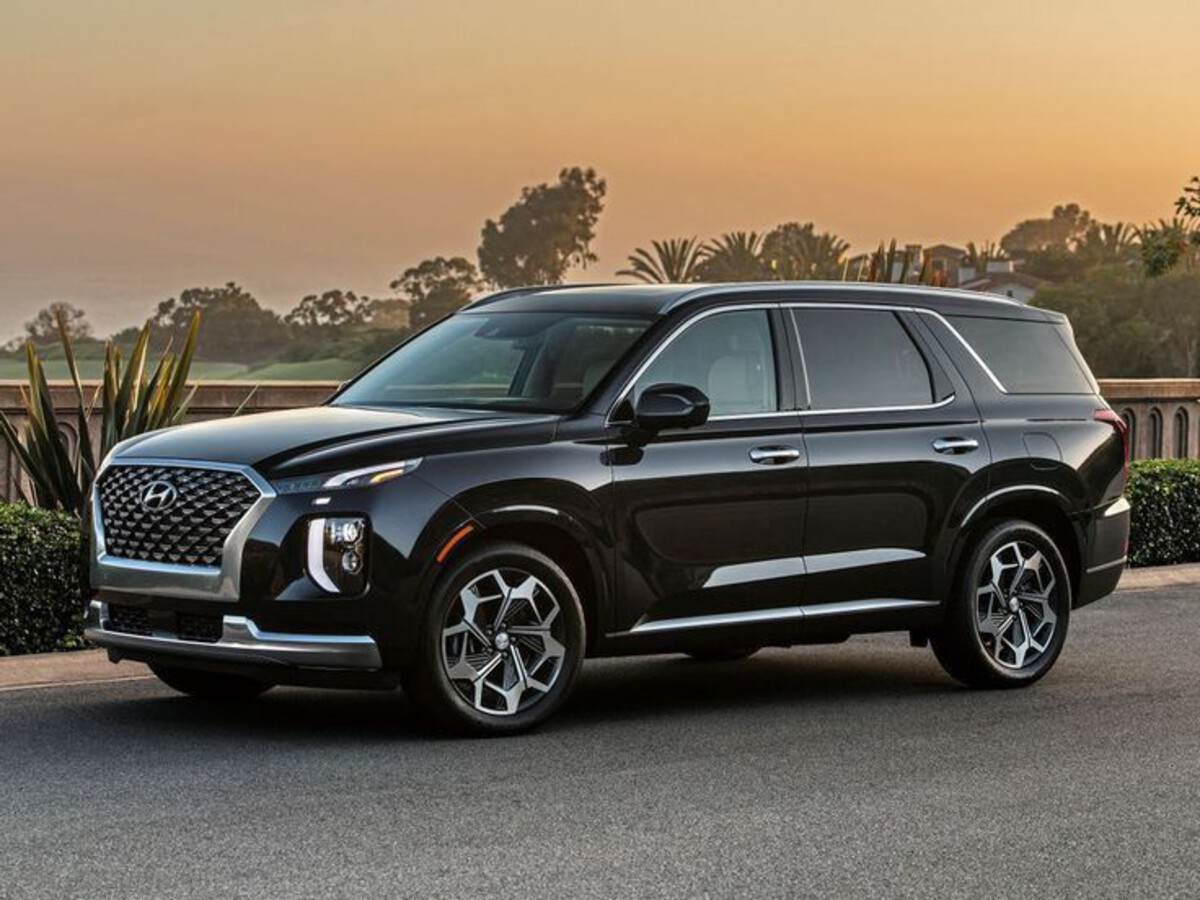
1. 2024 Hyundai Palisade
The Hyundai Palisade has won many fans not only for its roomy interior and feature-packed design, but also for its impressively reliable wireless charging solution. What makes the Palisade stand out is the thoughtful placement and size of the charging pad.
The manufacturer clearly considered feedback from earlier models: larger devices like today’s flagship smartphones fit comfortably, resting flat and secure without jostling even when driving over rough surfaces.
The pad delivers sustained power output that is compatible with the needs of modern devices.
Testing shows that even while using apps for navigation or streaming music, phones continue to charge at a reasonable rate, without the frustrating pauses or overheating issues found in lesser designs.
This attention to real-world detail is reflected in owner reviews, which rarely mention any complaints about the wireless charging feature.
Hyundai’s attention to device compatibility is another mark in the Palisade’s favor. Whether using an Android device supporting fast wireless charging or the latest iPhone version, the system recognizes and powers up the device quickly.
No messy adapters, no guessing about whether your case is too thick, just reliable charging as promised. By focusing on reliability, ease of use, and support for a wide range of phones, the Palisade’s wireless charging system exemplifies what car buyers should be looking for.
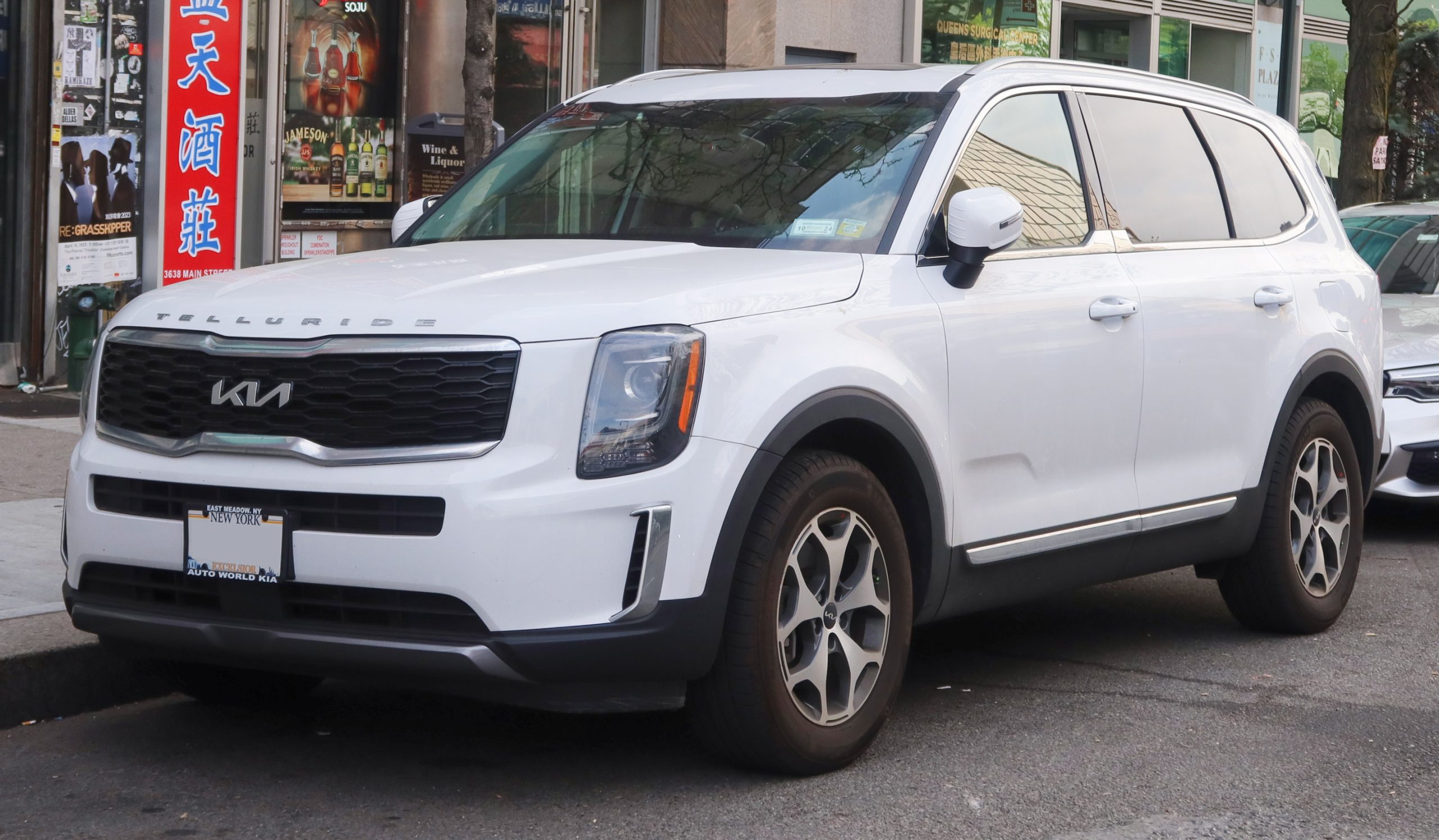
2. Kia Telluride
Kia’s Telluride matches its corporate cousin the Hyundai Palisade in providing a robust and consistent wireless charging experience.
Owners find that the charging tray, nestled conveniently in the center console, is both accessible and functional it keeps devices in place, eliminating the risk of phones sliding off or losing contact during normal driving dynamics.
The Telluride further impresses with its ability to power up devices quickly. Many wireless systems slow to a crawl if a device is simultaneously streaming music or providing navigation, but the Telluride’s design sidesteps these issues with sufficient wattage and good thermal management.
Reports highlight that the pad is compatible with many phone shapes and sizes, handling popular flagship models and even some plus-sized phones with ease.
Another strength is software integration. The vehicle provides on-screen feedback about the charging status, reassuring drivers that the system is working as expected.
There are few reports of intermittent connections or annoying quirks such as needing to reposition your device multiple times.
Kia has evidently spent time testing real-world scenarios and benefited from continuous improvement since this feature first appeared in earlier models.
For anyone seeking reliable wireless charging in a mainstream SUV, the Telluride stands out as a trustworthy pick that takes user frustration out of the equation.
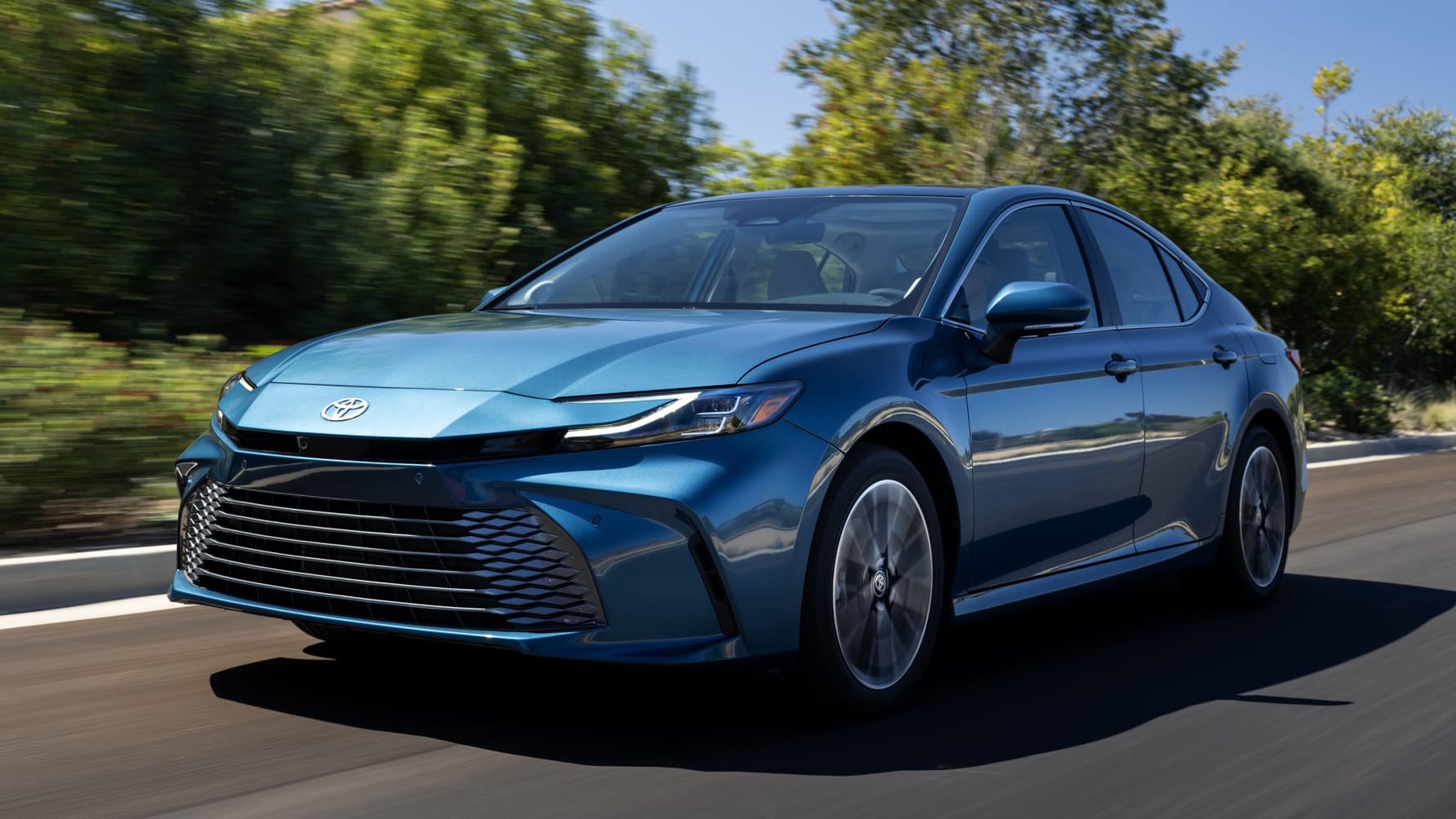
3. 2024 Toyota Camry
Toyota’s Camry is not just a staple in sedans; it also demonstrates how to please tech-minded buyers with dependable wireless charging.
The Camry’s implementation focuses on practicality. The charger is set inside a protected cubby below the dashboard, shielding both phone and charger from accidental bumps or visibility to prying eyes.
User feedback consistently praises the Camry’s pad for its strong grip and steady charging, even when the car is subjected to hard turns or bumps.
It comfortably fits larger phones often housed in bulky protective cases, which is an increasingly common need. Owners highlight that the charger rarely triggers error messages or loses connection a common source of frustration in rival models.
Performance also holds up under realistic scenarios, such as charging while running navigation and music streaming apps.
Tests show that both fast and standard wireless charging speeds are available, depending on the device’s needs, with little heat buildup, ensuring both safety and speed.
Why mention the Camry here? Its wireless charger isn’t just present; it performs well in all areas that matter, especially for families or commuters who value consistency day after day. Toyota’s attention to reliability and user benefit within the Camry’s wireless charging makes it a noteworthy example for other automakers to follow.
4. 2024 Honda Accord
Honda’s Accord remains a go-to for those who want reliability across every aspect of their vehicle, and its wireless charging implementation is a shining example.
The pad is located in an intuitive spot within the center console, where the phone can rest securely. Its placement minimizes distractions and keeps the device within easy reach without encouraging drivers to use their phone while driving.
The Accord’s charger stands out for its compatibility with the latest wireless charging standards. It adjusts power delivery based on device requirements, and reviewers report that even larger phones, or those in rugged cases, fit well and maintain stable connections.
On longer journeys or city commutes, the pad rarely loses contact with devices, even over speed bumps or sharp turns.
Several publications have noted the Accord’s ability to charge even under high load, such as when the phone is used for mapping or running multiple apps, where less sophisticated systems might falter or generate excess heat.
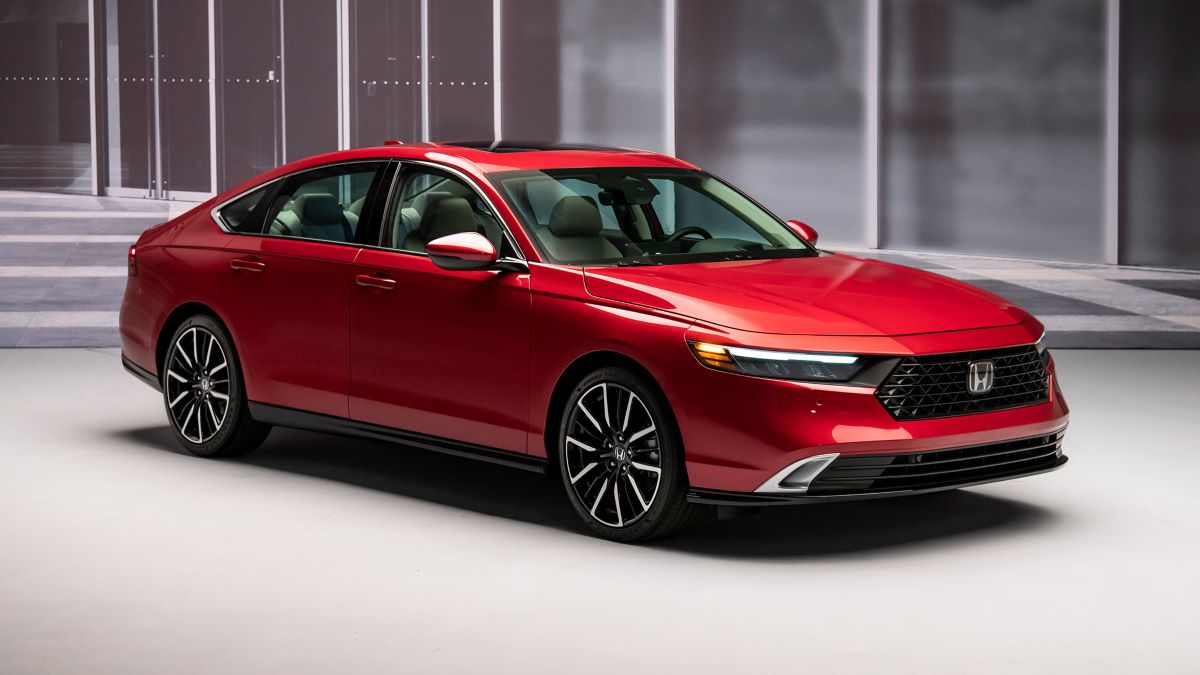
Owners express satisfaction with the charger’s speed and dependability, seldom reporting the finicky behavior that can sour the feature.
The Accord earns inclusion here because Honda has clearly listened to customer feedback and engineering best practices. Drivers receive a charging system that works quietly and effectively in the background, exactly as it should.
5. 2024 Ford F-150
The Ford F-150 is more than America’s favored pickup it’s a showcase of advanced features that just work. Its wireless charging system is especially noted for reliability, meeting the varied needs of truck owners who spend ample time on the move.
The placement of the pad is smart: near the shifter and deep enough to keep phones from sliding out even across rough jobsites or off-road paths.
It handles a range of phones well, from compact models to the largest on the market, and doesn’t struggle with phone cases that would confound less capable systems.
Ford’s charging pad also shines in handling real usage, powering up devices while apps are running, and maintaining contact through vibrations and temperature variations that other systems can’t always tolerate.
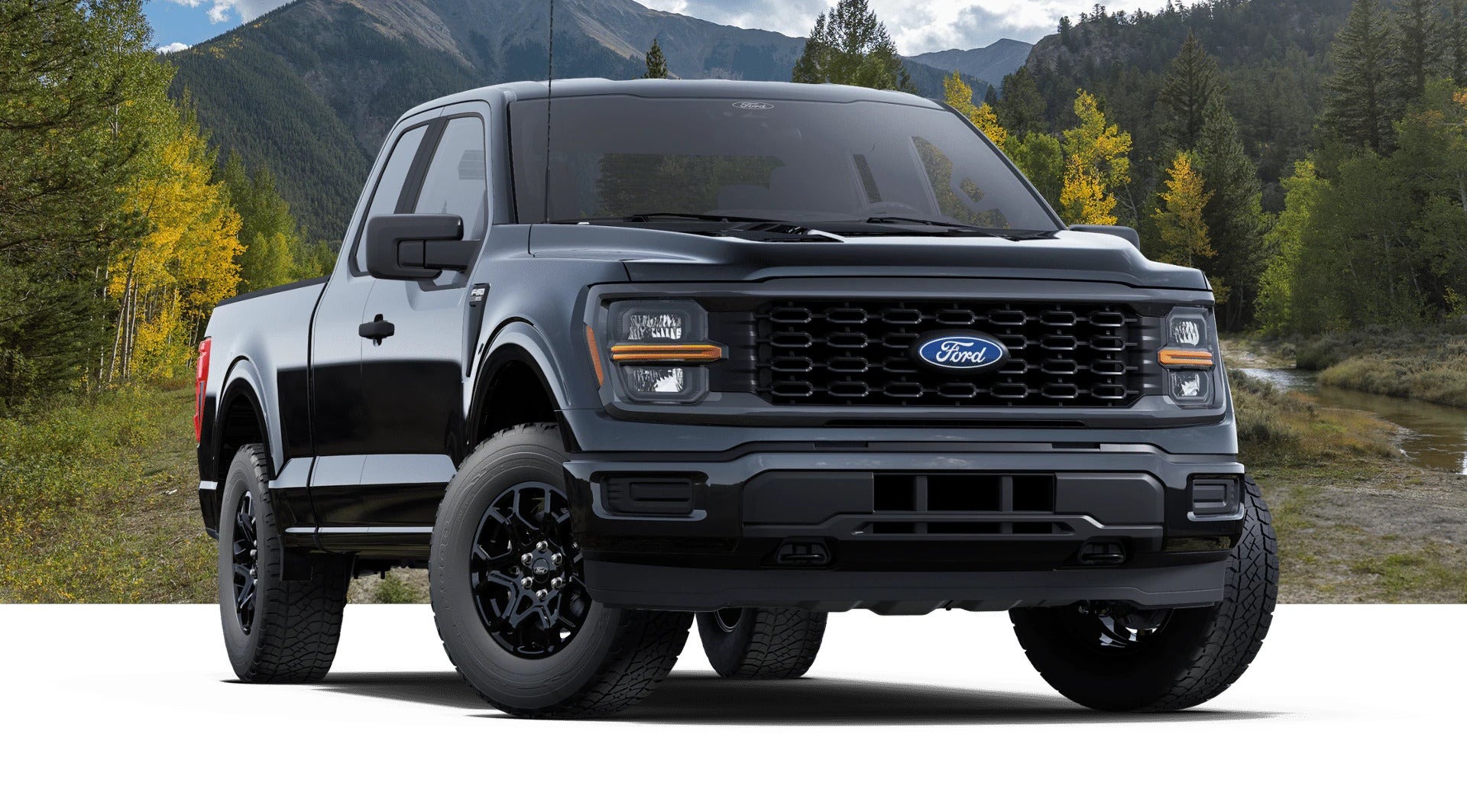
Truck owners consistently note that the charger delivers power without fail and rarely requires fuss or repositioning.
Highlighting the F-150 is essential because the audience of pickup drivers often expects toughness and dependability above fussy luxury.
Ford’s wireless charging approach is built for daily practicality, not just for tech showmanship, and that ensures drivers get a charger that fulfills its promise on the road or at the worksite.
5 Cars With Faulty Wireless Charging Pads
Wireless charging promises a clutter-free and convenient experience while driving, but poorly designed systems often result in daily frustration. Owners expect to simply drop their phone on the pad and see it reliably gain charge while they focus on the road.
Unfortunately, not every carmaker has achieved this. Some implement charging pads that only seem to work when conditions are perfect: the phone must be positioned just so, it must be a certain size, and any road vibration can disrupt charging.
The disappointment is not just minor inconvenience it can mean missing important calls, arriving with a dead phone, or needing to rely on backup cables.
Critical reviews and dissatisfied owner testimonials have made clear that “wireless charging included” should not be taken at face value. Instead, prospective buyers should consider not only whether a car advertises the feature, but also whether it works when it counts.
The following models have developed reputations for their less-than-reliable wireless charging solutions.
From poor pad placement to insufficient charging speeds, the highlighted vehicles serve as cautionary tales. Understanding where these systems miss the mark helps consumers set expectations, avoid future regret, and pressure automakers to improve.
1. 2024 Chevrolet Silverado
Chevrolet’s 2024 Silverado is a powerhouse in many ways, delivering a strong suite of features for drivers who demand both comfort and performance. Sadly, its wireless charging pad falls short of the standards set by rivals.
Owners report that the pad is both awkwardly placed and finicky in terms of phone positioning.
The slot-like design might seem secure but often fails to maintain contact between the device and the charging coils unless the phone is perfectly aligned a requirement not easily met when driving over rough roads.
This pad is also smaller than average, making it challenging to use for modern smartphones with larger screens or hefty protective cases.
Real-world testing frequently reveals that even a light tap or vibration can break the connection, stopping charging without drivers noticing until their phone battery is already low.
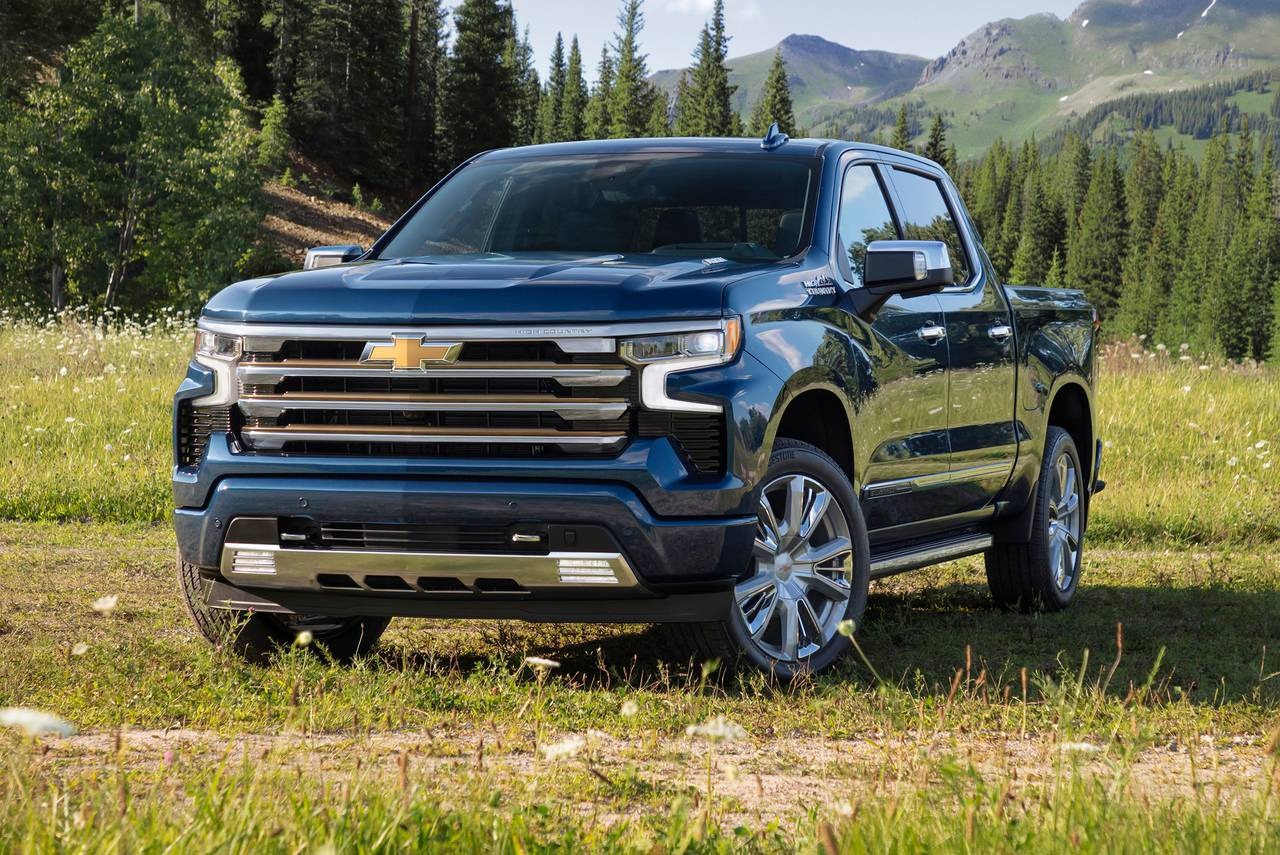
Some owners also point to inconsistent charging speeds: at times, it delivers a slow trickle insufficient for navigation and music streaming, or it shuts off entirely after a few minutes with no clear reason.
It’s important to highlight the Silverado in this context because it’s a best-seller where users often rely on their mobile devices for work or travel.
The ongoing frustration reported by both reviewers and truck owners signals a need for Chevrolet to revisit the charging pad’s design, ensuring it matches the reliability seen in other high-volume competitors.
2. 2024 Mazda CX-5
Mazda’s CX-5 has received accolades for its handling and comfort, but its wireless charging solution has let many of its tech-focused buyers down. The charging pad is often described as too shallow, causing phones to slide during acceleration, braking, or simple turns.
This lack of friction or a physical boundary makes for inconsistent connections that cause charging to begin and stop unpredictably.
The issue is compounded by sub-par charging power; many users note that their devices barely maintain battery levels, especially when navigation or streaming apps are in use.
For owners who invested in the CX-5’s higher trims with the expectation that wireless charging would be a convenience, the reality is persistent fiddling and watching for status indicators rather than enjoying reliable performance.
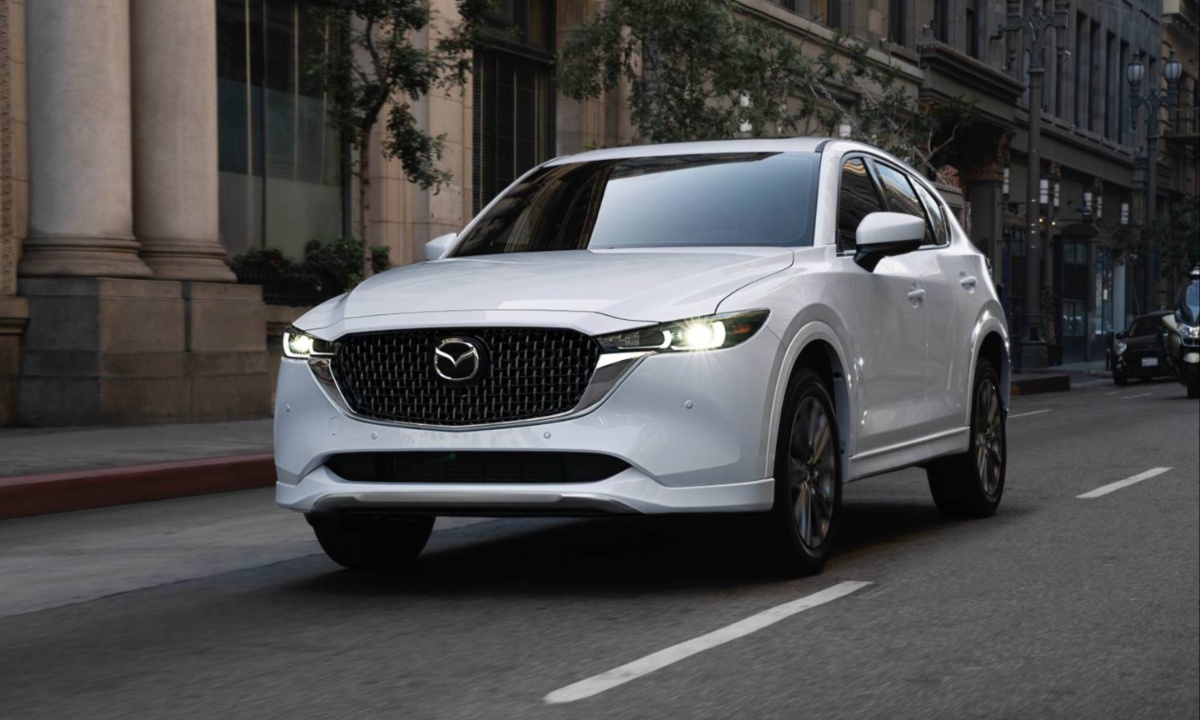
Another source of frustration is compatibility. The pad may struggle with flagship phones or devices in common case types, often requiring cases to be removed for any hope of consistent power transfer. This undermines the feature’s primary appeal, which is supposed to be about ease and minimal effort.
The Mazda CX-5 is included here because it demonstrates how wireless charging, when not well integrated, can actually increase driver distraction and annoyance, contrary to its intended purpose. Owners weighing the value of this feature would be smart to factor in these reported problems.
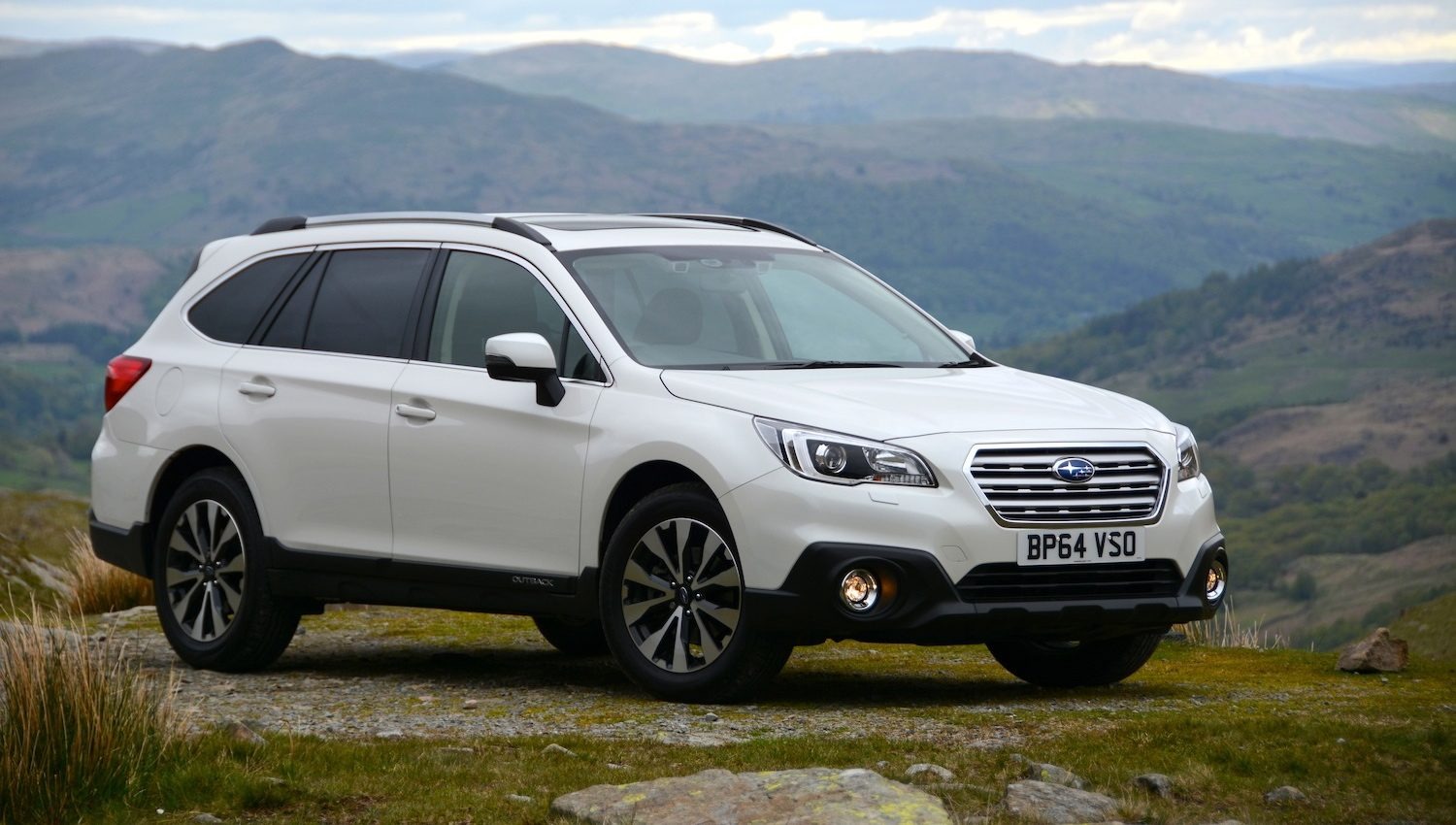
3. 2024 Subaru Outback
Subaru’s Outback limns a reputation for practicality and reliability, but its attempt at wireless charging leaves something to be desired. Reports from owners and test drivers alike focus on two major issues: poorly optimized pad location and inconsistent contact.
The charging pad is tucked deep within the center console, which may seem secure at first glance; however, this placement often makes it difficult to tell if charging has begun and leaves the phone out of sight, causing drivers to forget about it or check repeatedly.
Beyond location, sensitivity to precise phone orientation plagues daily use. Even minor shifts in vehicle movement can stop charging, breaking the connection without the driver noticing until it’s too late.
Larger or thicker phones and standard protective cases seem especially problematic, often causing the pad to not recognize the device or to deliver only intermittent power.
Another weakness highlighted by testers is the lack of sufficient wattage. The pad charges so slowly that, in some cases, devices still lose charge if actively running navigation or music. Rather than supporting drivers on the go, the Outback’s system too often leaves them scrambling for manual plug-in alternatives.
Subaru’s inclusion here is meaningful because its customer base expects day-to-day reliability; the shortcomings of its wireless charging pad are more than a letdown, they are a safety and convenience issue that owners shouldn’t ignore.
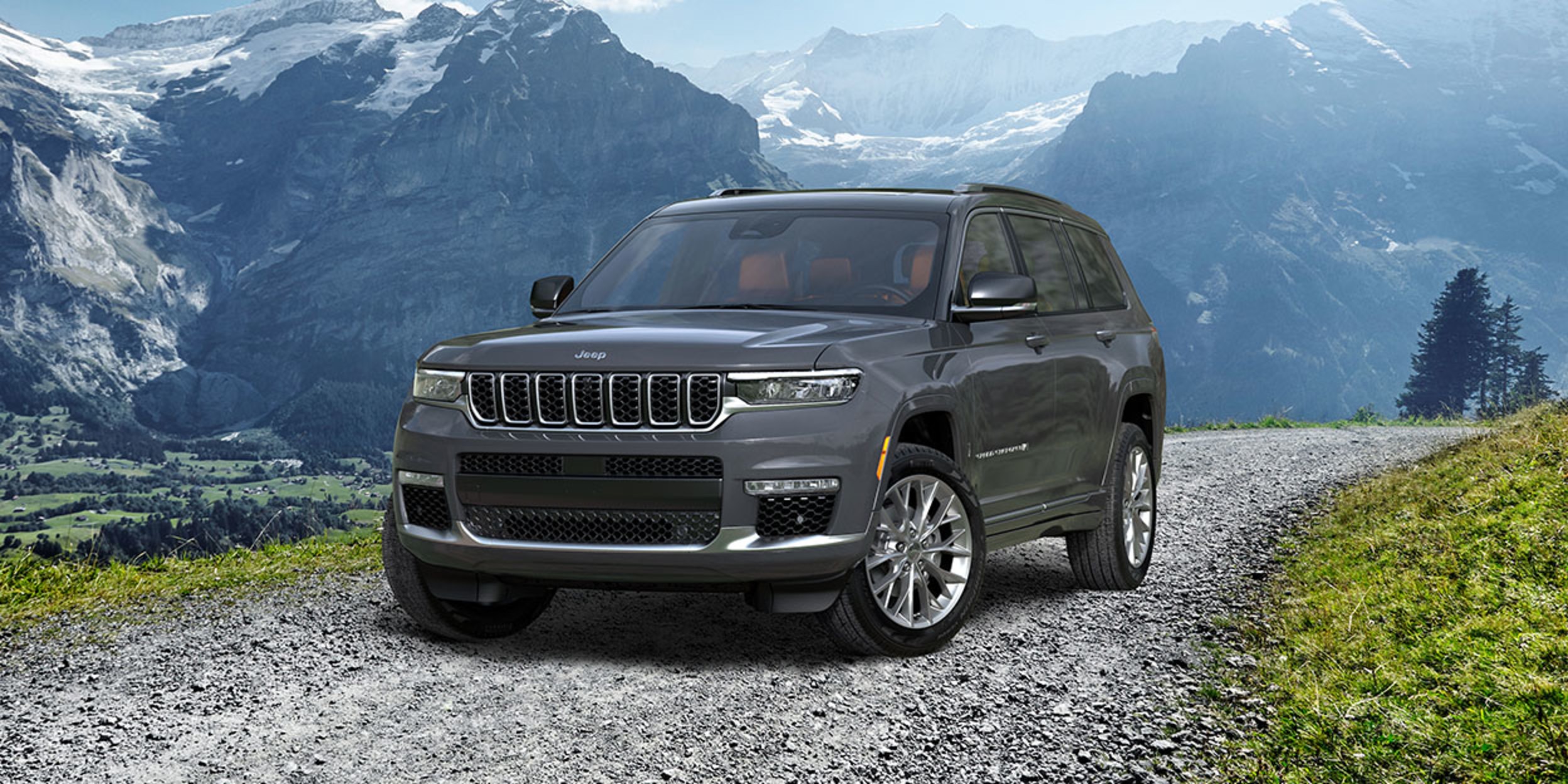
4. 2024 Jeep Grand Cherokee
Despite its reputation for blending rugged capability with modern features, the Jeep Grand Cherokee’s wireless charging pad is often cited for disappointing performance.
Reviews and owner feedback point to persistent issues with device compatibility, noting that the pad frequently fails to initiate charging on newer or larger smartphones, or with certain popular brands.
The physical design is part of the problem: the surface is slick, which can send phones sliding away from the optimal position, especially during off-road driving or rough conditions typical of the Jeep buyer’s experience.
Many users find themselves repeatedly adjusting their phone just to see the charger recognize it, and even then, charging often pauses due to small bumps or vibration.
Speed is another critical weakness. The pad’s output rarely matches the power needed for phones using navigation or intensive apps, meaning that time spent on the charging pad sometimes results in no net battery gain or even a slight discharge.
Reviewers also mention that the pad can overheat, interrupting charging and prompting warnings from both the vehicle and certain phones.
The Grand Cherokee is discussed here because its wireless charging system typifies a missed opportunity: a feature that could have made life simpler for drivers instead introduces hassle and distraction, undermining the convenience it was intended to provide.
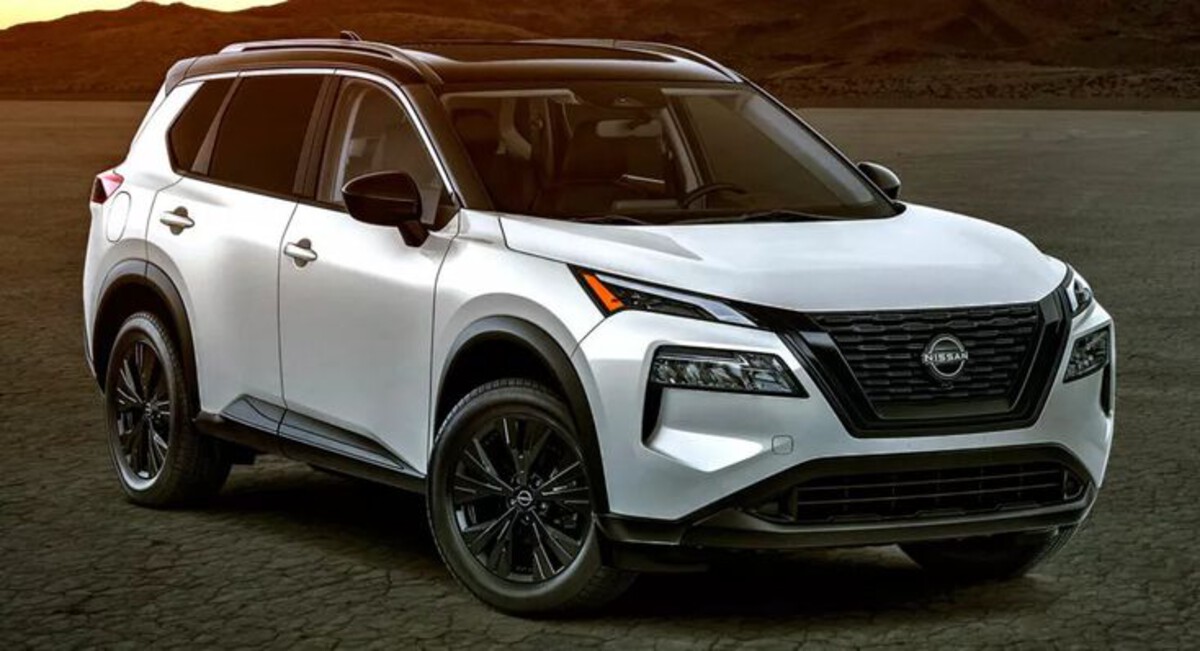
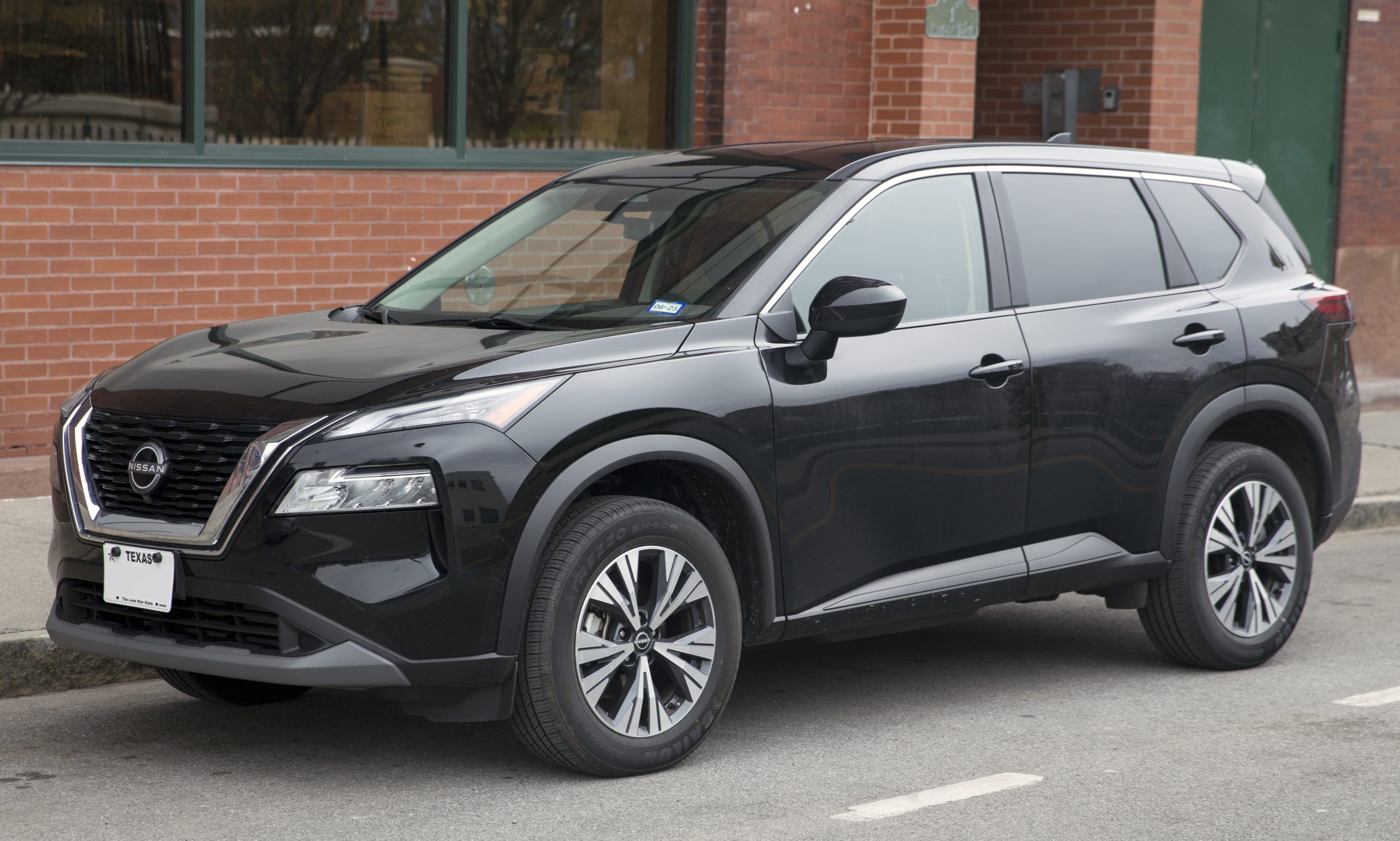
5. 2024 Nissan Rogue
Nissan’s Rogue stands as a tech-forward crossover in many respects, but its wireless charging pad has consistently earned poor reviews.
Users highlight several design flaws, the most obvious being the shallow recessed surface that offers little grip, enabling phones to slide and lose contact. This problem grows worsened on bumpy roads or during sharper acceleration and braking.
Owners commonly report that the pad requires the phone to be nearly perfectly centered for charging to begin any slight shift or misplacement is enough to break the connection. Additionally, the system is notorious for its slow charging speeds.
Even when everything is correctly aligned and the car is stationary, many phones gain little charge over the course of a typical drive, particularly with modern flagship models.
There’s also the matter of compatibility: several popular phones, particularly those with larger footprints, struggle to fit on the pad, and some cases will block wireless charging completely.
For a vehicle that otherwise appeals strongly to families and busy professionals, Nissan’s oversight in both pad design and charging performance is a recurring pain point.
By reviewing the Rogue’s wireless charging failures, readers are reminded that even well-marketed features can fall short in real-world use when automakers don’t put enough focus on function, reliability, and the evolving size of mobile devices.
Wireless charging in vehicles has become a sought-after convenience, yet its real-world performance varies widely among models. While many manufacturers advertise this feature as standard, the quality and reliability of the wireless charging pads differ significantly.
Some vehicles offer dependable, well-designed charging systems that accommodate modern phones of various sizes, deliver consistent power even during active app use, and maintain stable connections despite road vibrations. These systems enhance driver ease by enabling hassle-free charging without cables or interruptions.
On the other hand, numerous models suffer from poorly executed wireless charging pads. Common issues include awkward placement making the pad hard to access or see, small or slippery surfaces causing phones to shift and disconnect frequently, limited compatibility with newer or larger smartphones, slow charging speeds, and sensitivity to road conditions.
Such problems not only frustrate users but also risk leaving devices undercharged or dead during critical moments.
Recognizing which cars provide reliable wireless charging versus those that often disappoint helps consumers make informed choices based on real-world usability, not just marketing promises.
The distinction is vital for drivers who depend heavily on their mobile devices, ensuring convenience truly extends from feature list to daily life.
Ultimately, this comparison encourages automakers to prioritize functional, user-centered wireless charging solutions in future vehicle designs.
Also Read: 5 Pioneering Cars That Introduced Reliable Safety vs 5 Early Adopters with Issues
