
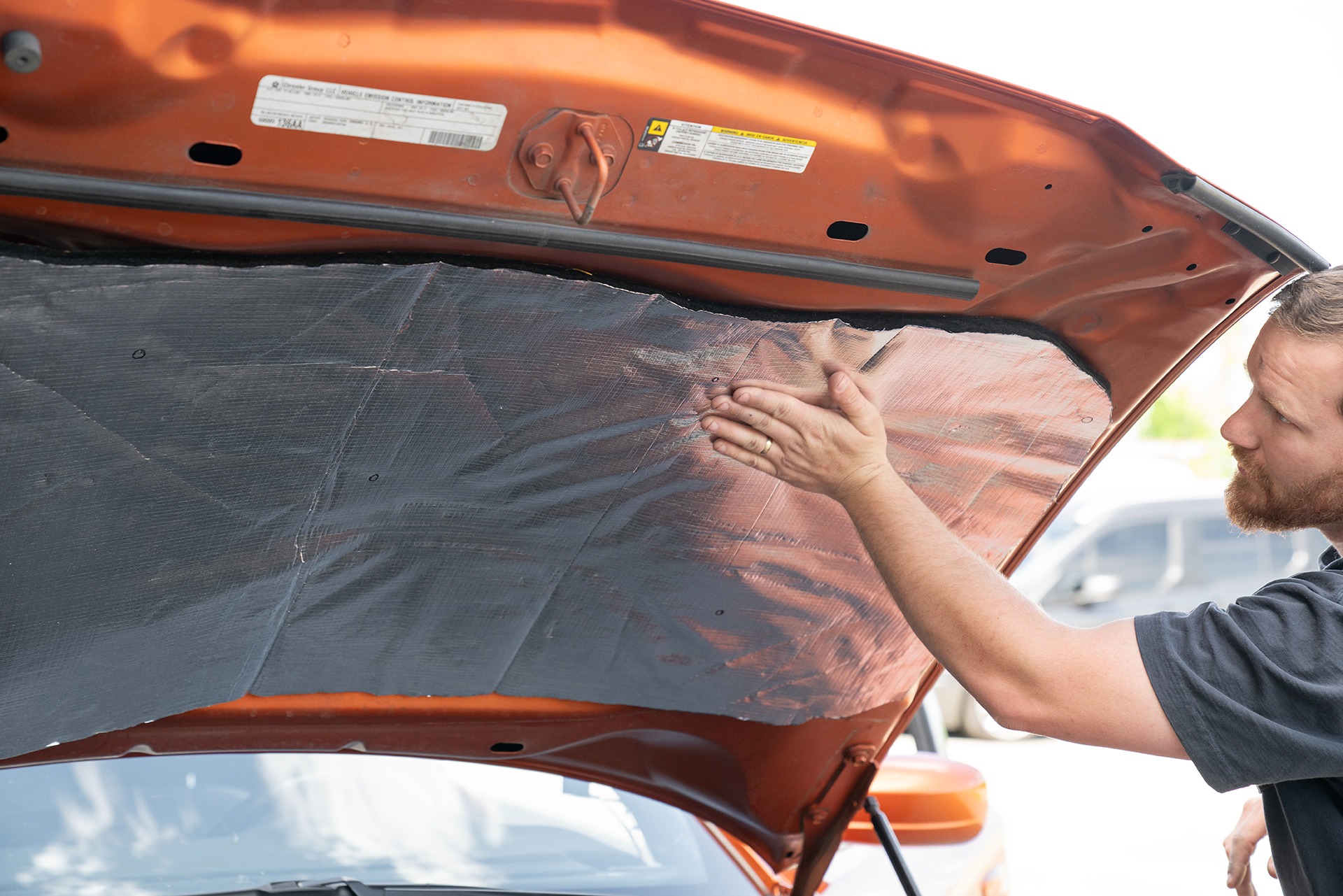
Heat management plays a major role in vehicle durability and efficiency, especially when it comes to components close to the engine or exhaust system. As cars become more advanced with tighter engine bays and more electronics, thermal insulation becomes not just an extra feature but a vital necessity.
How a vehicle handles heat can affect the performance, safety, and life expectancy of its main parts. This is where the idea of thermal shielding comes in: a barrier or method used to protect delicate systems from excessive heat.
Some cars have been built with proper heat protection from the beginning, designed to maintain their performance and component integrity even in the harshest driving conditions.
These vehicles continue to perform reliably over many years, thanks to smart engineering and materials that do not break down due to heat. On the contrary, some vehicles suffer from poor thermal insulation. In such cases, heat can cause rapid wear, unexpected failures, and sometimes even fire hazards, especially when insulation materials melt or degrade.
On this page, we will highlight two ends of that spectrum. Five vehicles have done a great job with permanent heat protection through durable thermal shields, making them reliable long-term choices.
The other five have had serious issues due to failed or poor insulation, with heat damage becoming a known problem. Every car discussed here has been picked based on real-world performance, durability, and known issues tied to thermal control.
By reading through, you will get a clearer picture of which models were built with foresight and care, and which ones fell short when it mattered most. Whether you are buying, repairing, or just learning more about automotive design, this comparison gives you deeper insight into how thermal shielding affects vehicle longevity and performance.
5 Cars with Lifetime Thermal Shields

1. Toyota Land Cruiser
The Toyota Land Cruiser has maintained a reputation for toughness and long-term reliability. One of its less talked-about strengths is the quality of its thermal insulation. Over many generations, Toyota has made sure that the Land Cruiser can handle extreme conditions from desert heat to mountain cold.
Under the hood, this SUV features a layered thermal barrier system that protects wiring, electronic modules, and fluid lines from engine heat.
Toyota uses heat-reflective aluminum sheets and fire-resistant cladding to manage heat flow effectively. These materials do not wear out quickly and have been shown to last the lifespan of the vehicle without needing major replacement or upgrades.
Toyota designed the Land Cruiser with rugged use in mind. That includes long-distance travel across undeveloped terrain, where engine temperatures may remain high for extended periods.
Heat shielding around the engine bay and under the cabin helps keep temperatures balanced across all systems. Critical components like the starter, alternator, and wiring harness are protected with specially treated insulation that resists melting and wear.
Many Land Cruiser owners with over 300,000 kilometres on the clock have reported no thermal-related failures, which proves how well the system holds up.
What also stands out is that the Land Cruiser’s insulation is part of a broader design principle. Every system in the vehicle works to reduce stress on others. The insulation is not just an afterthought but a planned feature.
Even in later diesel models where heat buildup could be more of a challenge, Toyota reinforced its shield structure. There is also thermal management under the floor panels, which is rare even in premium vehicles.
This means fewer electrical problems, reduced fire risk, and better general vehicle health. When it comes to managing heat stress over decades, few vehicles match what the Land Cruiser offers from the factory.

2. Mercedes-Benz G-Class
The Mercedes-Benz G-Class, often referred to as the G-Wagon, was originally developed as a military vehicle. That foundation has influenced many of its features, including the use of thermal shields that are meant to last.
Unlike many modern luxury SUVs that focus only on comfort, the G-Class combines rugged structure with high-performance engineering. Thermal control is critical for this model, especially with powerful V8 and twin-turbo engines housed in a relatively compact engine bay.
Mercedes-Benz developed reinforced aluminum panels and dual-layer heat-reflective insulation that remains effective even after years of intense use. Underneath the G-Class, thermal mats cover major sections of the undercarriage to prevent heat transfer into the cabin and electronic compartments.
The firewall between the engine bay and the passenger section is lined with multiple layers of high-temperature shielding, preventing heat soak during long drives or heavy towing. Unlike cheaper materials that may melt or degrade after some time, the G-Class makes use of aerospace-style materials designed to endure temperatures over 500 degrees Celsius.
The G-Class’s attention to detail extends to its turbo piping and intercooler layout. Heat shields around these parts help maintain consistent performance and prevent heat fatigue.
Even with repeated stress during mountain climbs or desert runs, the G-Class has few thermal failures compared to other luxury SUVs. Owners of models dating back to the early 2000s still report clean insulation layers with no signs of sagging or melting.
Because the G-Class is often driven in both urban traffic and wild terrain, Mercedes planned for wide variations in thermal stress. As a result, many of its shields are riveted and bolted into place instead of using adhesives, which can fail after some time.
This thoughtful build quality is why the G-Class continues to perform without heat-related breakdowns, and why it earns a place among vehicles with lifetime-grade thermal shielding.
Also Read: 5 Cars Praised for Driver Visibility vs 5 Criticized for Blind Spots

3. Lexus LX
Lexus LX, which shares its platform with the Toyota Land Cruiser, benefits from many of the same rugged design principles. However, Lexus adds more refinement and additional protection in several areas, particularly regarding insulation.
While the LX is marketed as a luxury SUV, it maintains off-road capabilities and mechanical durability. Lexus engineers went further by integrating expanded thermal barriers around areas where electronics and comfort systems are more abundant. The result is a vehicle that not only resists heat stress but also keeps its interior environment controlled, even when external temperatures are extreme.
What makes the LX stand out is the layered insulation approach. The hood is lined with a heat-deflecting shield made of multiple treated fabrics that prevent heat from rising toward the cabin.
Exhaust areas receive a wrap-around barrier system that covers sensors, fuel lines, and emission parts, shielding them from engine or road heat. These measures are not just for luxury or silence but also support long-term durability. Even under full load or while driving up steep gradients, the LX keeps its temperature zones stable.
Long-term users of the Lexus LX often praise the vehicle for never experiencing melted wiring or heat damage under the dashboard or bonnet. This is no coincidence.
Lexus designs its engine bay layout with breathing room to ensure airflow doesn’t stagnate. Heat-soaked zones are kept away from control modules. The transmission tunnel, often a hot spot in large vehicles, is also given extra heatproofing with fire-resistant padding.
The LX proves that luxury and longevity can go hand in hand. Its smart insulation layout, use of non-flammable materials, and attention to component protection have earned it a strong track record for thermal reliability.
Unlike some high-end SUVs that suffer from heat degradation as electronics become more compact, the LX holds steady, making it one of the most thermally resilient vehicles available.
4. Chevrolet Suburban
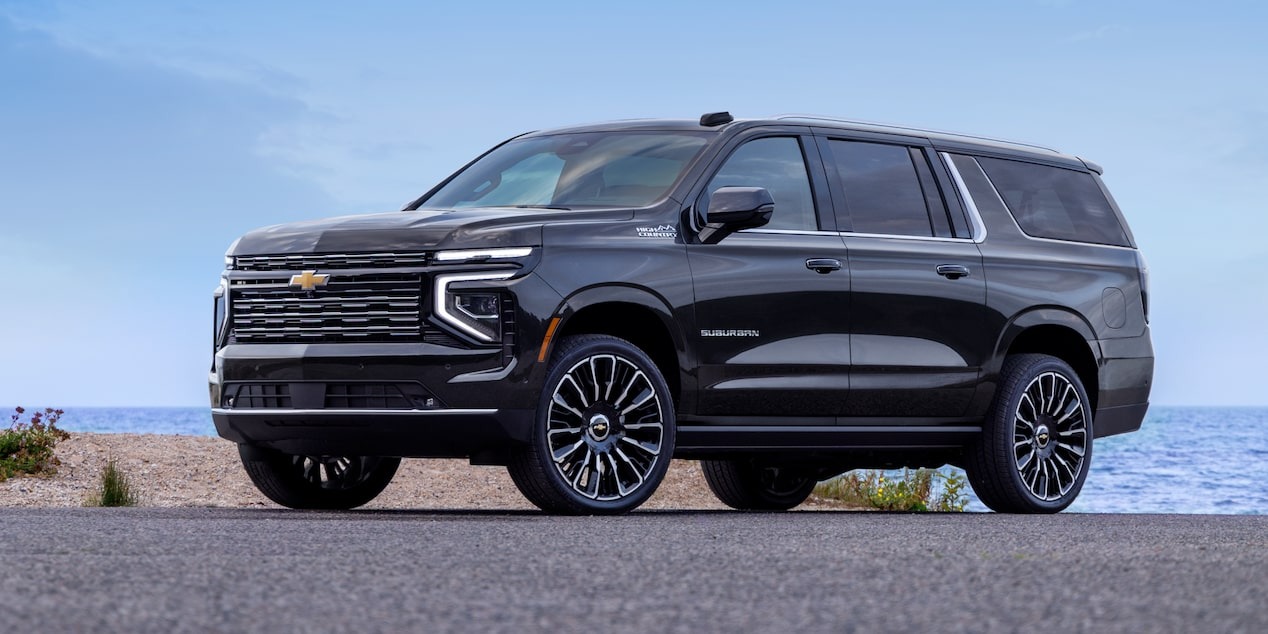
The Chevrolet Suburban has served as a family hauler, police vehicle, and even military transporter. That kind of use demands serious reliability, and one of its strong points is how well it handles heat.
Large V8 engines often mean more under-hood heat, especially in models used for towing or patrol duty. Chevrolet tackled this by adding thick insulation under the bonnet and installing heat shields across critical areas of the firewall and undercarriage.
In high-output versions like the 6.2L V8, thermal buildup can be an issue without proper management. To prevent that, the Suburban includes factory-fitted metallic and composite shielding materials around the manifold, catalytic converters, and firewall.
These components reduce heat transfer into the cabin and ensure that nearby electronics do not suffer from early wear. Cooling channels and vent routing are also positioned to maximise heat removal rather than just trapping warm air inside the bay.
One often overlooked feature is how the Suburban’s exhaust routing is designed to avoid heating up the floor pan, which helps reduce cabin temperature and protect underbody wiring.
Chevrolet also mounted several wiring harnesses in raised areas far from heat sources. These small steps add up to a longer lifespan and fewer failures. Users of older Suburbans with over 250,000 kilometres have reported original insulation materials still intact and holding strong.
Another reason the Suburban deserves mention is its use in hot regions where it is driven in full sun for long periods. Heat retention could have been a serious problem, yet real-world use shows that the insulation holds firm.
The Suburban’s consistent ability to manage heat without a part breakdown makes it a model of practical engineering. Its durability in both civilian and specialised use cases proves that Chevrolet did not cut corners when it came to thermal protection.
5. Honda Accord
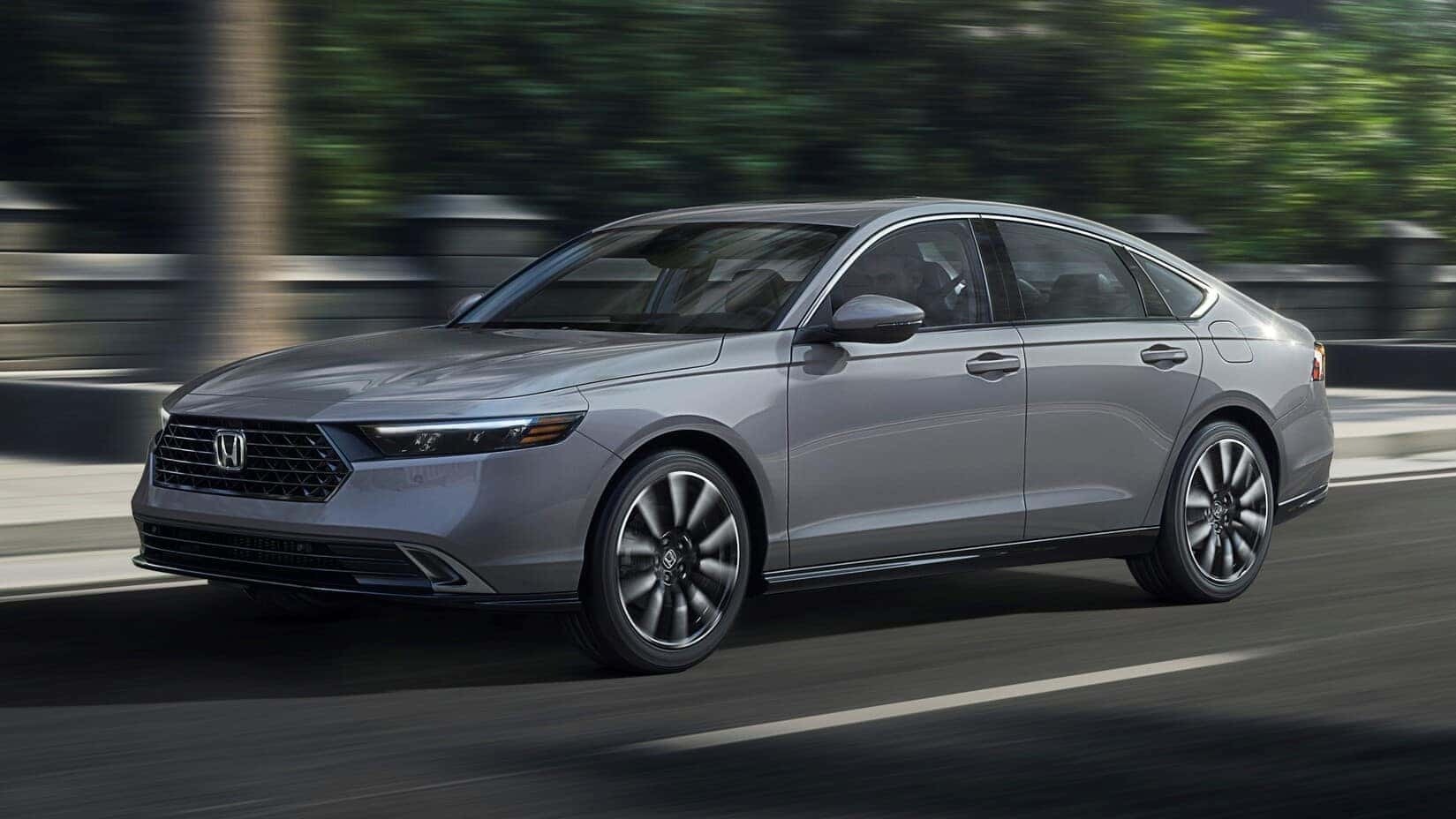
The Honda Accord is often praised for its dependability, and one of its less acknowledged strengths is the solid insulation it comes with. Honda has done a good job keeping the engine bay well-ventilated and shielded to protect critical components from heat damage.
Models from the eighth generation onward introduced better under-hood insulation and heat-shielded cable routes. These design choices have helped reduce premature failure of parts like alternators, ignition coils, and oxygen sensors.
The Accord uses a mix of lightweight metal shields and reinforced plastic insulation that doesn’t degrade easily. These materials are placed around the exhaust manifold, under the floor, and close to electrical relays.
Engine heat is kept away from sensitive components like the ECU and fuse box, both of which are positioned in ventilated sections. This allows for better long-term stability and less heat-related deterioration.
Older Accords from the early 2000s have remained on the road with very few reports of insulation failure or melted components. Even in tropical or hot climate zones, the Accord manages to hold up.
Cabin temperatures are kept moderate, and the HVAC system doesn’t have to fight off excess heat soaking in from the engine bay. This contributes to less wear on the air conditioning and greater comfort for the driver.
One area where the Accord truly shines is its firewall setup. Honda placed extra fire-resistant shielding between the engine and cabin, reducing the risk of overheating behind the dash. This is particularly useful for drivers who often sit in traffic or live in areas with long summers.
The Accord’s insulation doesn’t just serve a short-term purpose. It continues to perform well across years of use, which makes it a strong contender for anyone looking for a thermally sound mid-size sedan.
1. BMW 5 Series
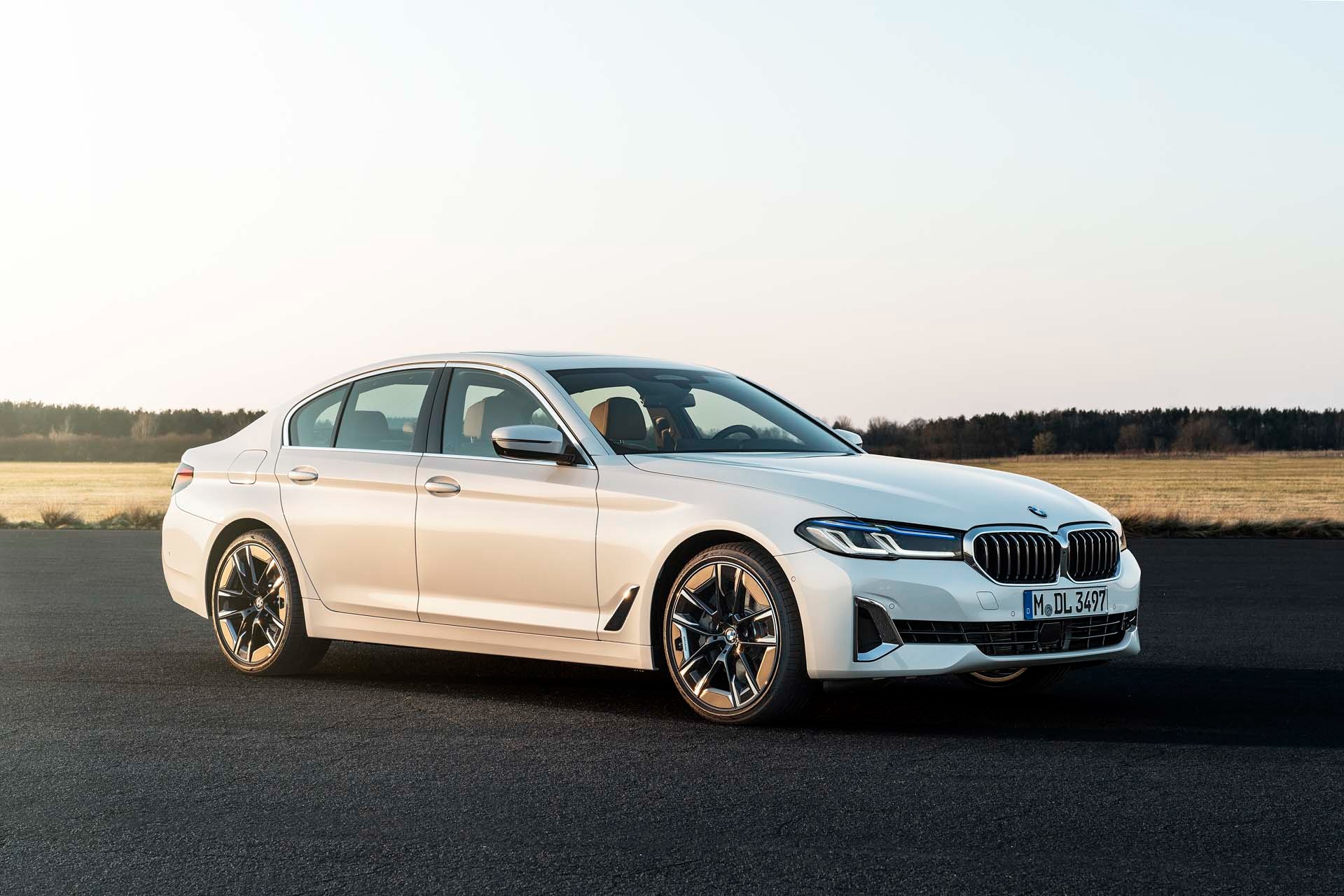
The BMW 5 Series, particularly models from the E60 and early F10 generations, has developed a reputation for thermal issues affecting the engine bay.
Despite being a well-engineered luxury sedan, many units have suffered from heat-related problems due to insulation materials that do not last. These models often come with turbocharged engines packed tightly in the front, and this generates more heat than the shielding can handle after some time.
A recurring problem with the 5 Series involves the melting of wiring insulation in areas near the exhaust manifold and turbo piping. The plastic clips and rubber housings used around these zones tend to crack or deform, especially in warmer climates.
Once that insulation breaks down, wires become exposed, leading to shorts or total system failure. Owners have reported needing expensive rewiring or total harness replacements after as little as 100,000 kilometres.
Another area where insulation fails is under the hood. The sound-deadening mat glued to the underside often droops or burns, sometimes falling onto hot engine parts.
This becomes a fire hazard in extreme cases. The fuse box and DME unit (engine control module) also receive direct heat from poorly ventilated engine layouts, which increases their failure rate.
BMW tried to address some of these issues in later versions with revised heat shields and repositioned parts. However, the early damage to brand trust remains. Technicians often recommend aftermarket heat shielding or custom rerouting of cables to avoid premature wear.
For a vehicle class that demands precision and long-term value, the 5 Series has disappointed many due to these recurring insulation faults. Even with all its performance and driving pleasure, the inability to resist thermal breakdown places it among cars where heat has been a consistent problem.
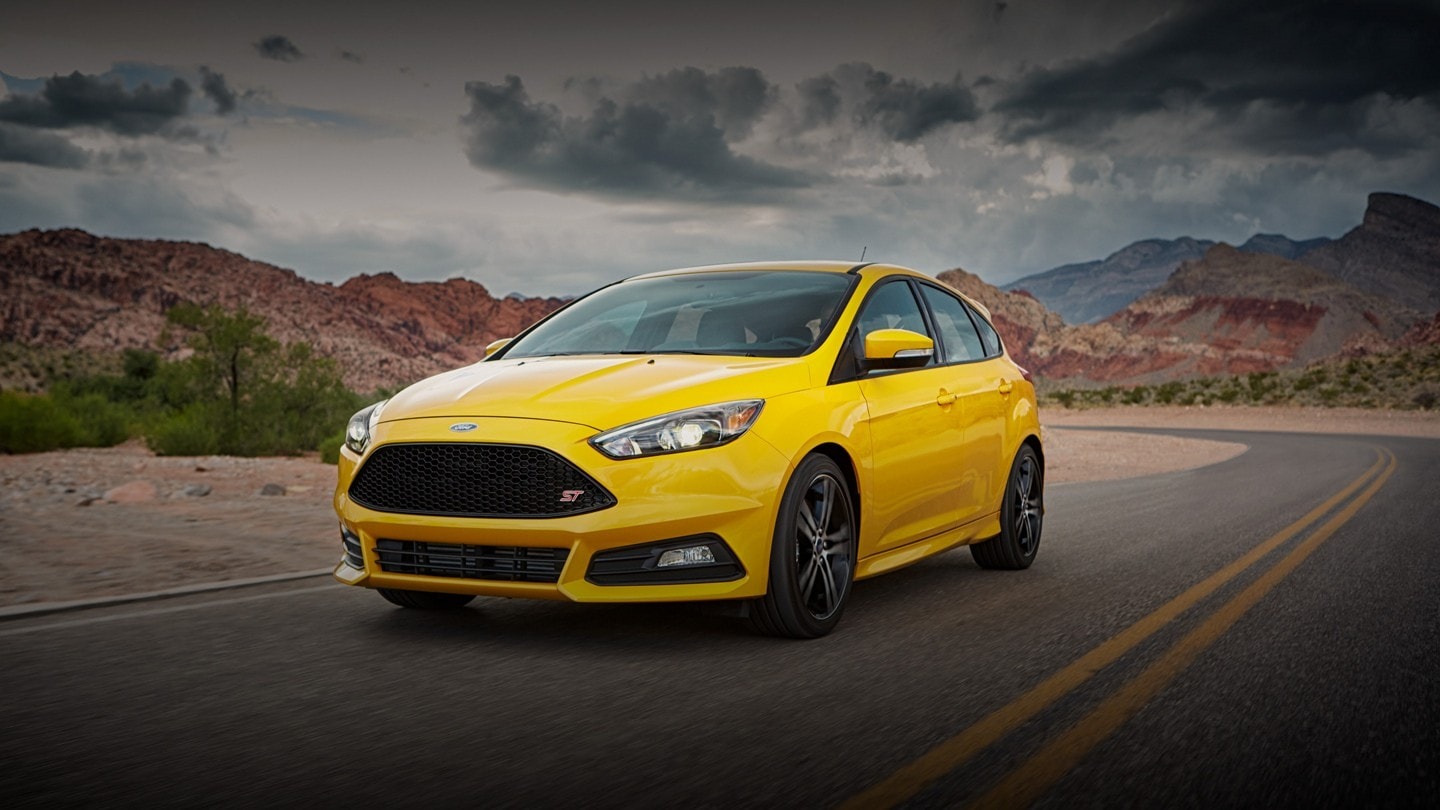
2. Ford Focus
The Ford Focus, especially from the third generation released in the early 2010s, has struggled with heat management and insulation failures. Many owners have reported insulation materials melting or disintegrating around the engine compartment.
This issue has mostly affected models with the 2.0-litre direct injection engines, which produce higher temperatures than older versions but did not receive matching improvements in heat protection.
A common problem involves the wiring harnesses placed near the engine block. These wires are often wrapped in plastic insulation that becomes brittle after some time. Heat cycling weakens the wrap, and in many cases, it simply melts or peels off.
When that happens, short circuits, misfires, or failed sensors become common. The most affected systems are ignition coils and knock sensors, which are located very close to high-heat zones.
Drivers also notice the underhood sound insulation deteriorating quicker than expected. The adhesive used in the inner bonnet lining tends to lose its hold, and the material sags or breaks off.
Additionally, the floor pan near the catalytic converter gets extremely hot in these vehicles. When insulation is thin or compromised in that section, cabin heat becomes uncomfortable, and underbody parts like fuel lines may suffer.
Another weak point is the firewall, where little shielding is provided between the engine and the driver’s footwell. During hot weather, the temperature inside the car rises even with the air conditioning working at full capacity. Ford made some minor updates in later models, but many affected vehicles are still on the road today with burned or crumbling insulation.
For many users, repairs involve third-party thermal wraps or DIY fixes to cover exposed parts. The Ford Focus remains a practical and efficient car in many ways, but its insulation issues make it vulnerable in areas where high heat exposure is a regular concern.
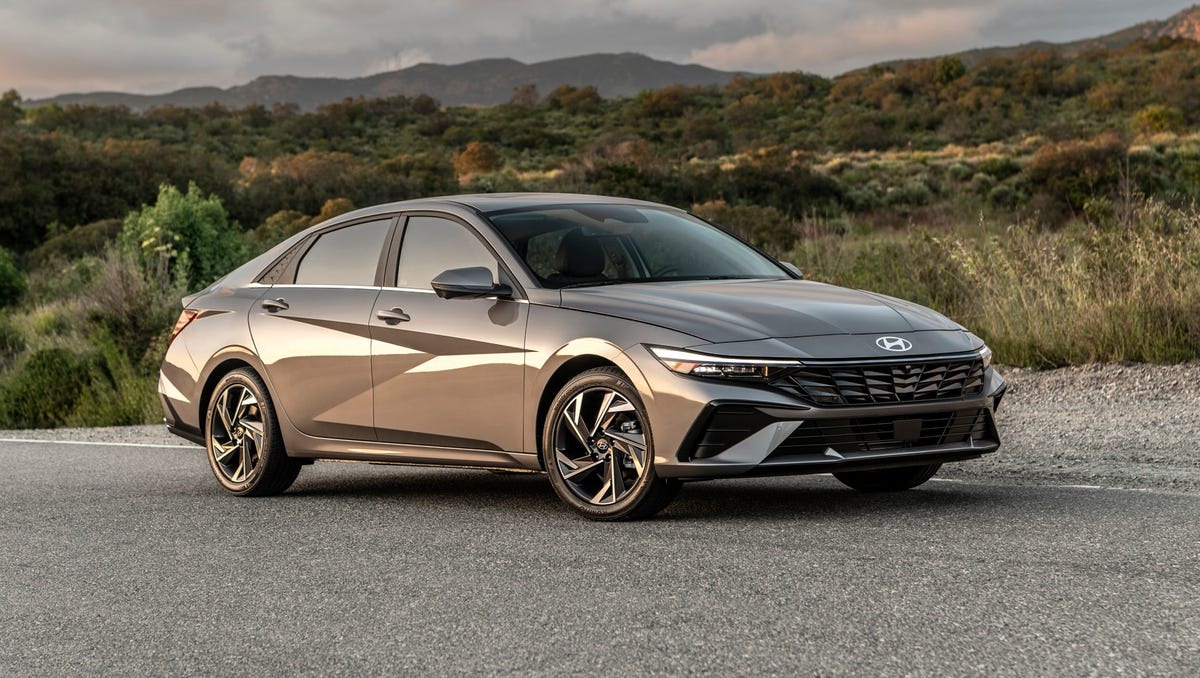
3. Hyundai Elantra
The Hyundai Elantra, especially models from 2011 to 2016, has received complaints related to heat damage and melted insulation. These compact sedans, while fuel-efficient and affordable, often suffer from engine bay temperatures that are not well-controlled.
A main flaw lies in the limited heat shielding placed around high-temperature zones like the exhaust manifold, which sits close to several critical electrical systems.
One repeated issue involves the oxygen sensor and nearby wiring looms. These parts are wrapped in insulation that tends to soften and break apart after repeated heating cycles.
Once insulation fails, exposed wires are more likely to ground out or provide inaccurate readings, which leads to engine warning lights and poor fuel performance. Mechanics frequently point to heat-related damage as a primary reason for sensor replacement in Elantras.
The hood insulation is another weak spot. After some time, it starts to flake or sag, sometimes dropping fibers onto the engine components below.
If pieces fall onto the exhaust, a burning smell enters the cabin, causing discomfort and raising concerns. In hotter climates, the effects are accelerated, with users reporting major wear within just a few years of ownership.
Another trouble area lies beneath the floor, especially near the catalytic converter and transmission tunnel. Drivers complain of excessive heat inside the cabin, which is partly due to weak insulation under the carpet. While aftermarket fixes exist, such as applying heat barrier mats or wraps, they are often a response to what should have been addressed during manufacturing.
While the Elantra has improved in more recent models, earlier versions leave a trail of maintenance issues tied to melted or failed insulation. For buyers considering older models, thermal management should be a serious point of inspection before purchase. Without extra care, the car can experience repeated failures caused by preventable heat damage.
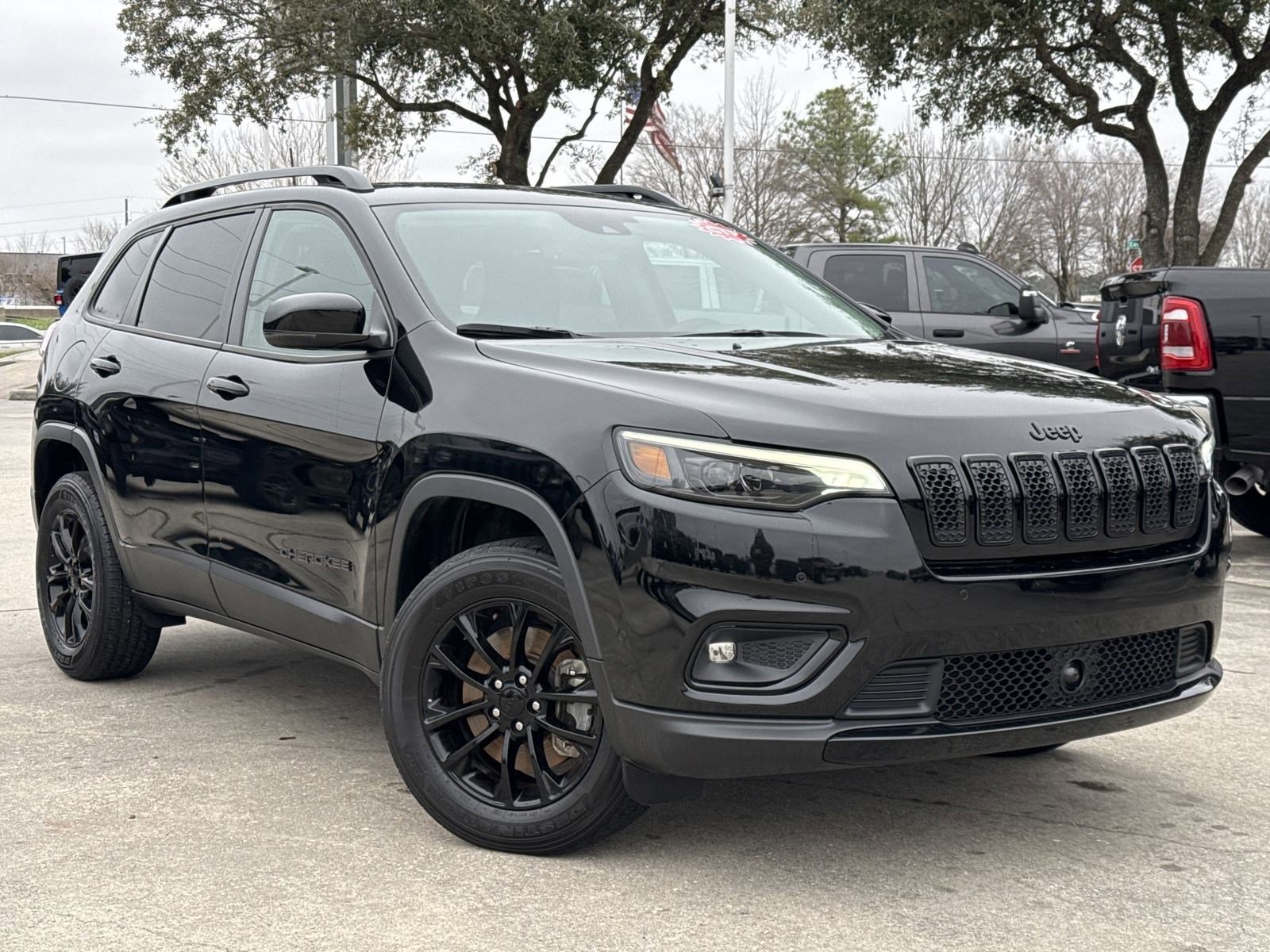
4. Jeep Cherokee
The Jeep Cherokee, particularly the models produced between 2014 and 2018, has been linked to multiple insulation and heat control problems.
Owners of these vehicles have faced repeated issues involving melted wiring and degraded under-hood materials. The problem is often tied to the tight engine bay, especially in 2.4L Tigershark models, where airflow is restricted and engine heat accumulates quickly.
The most affected parts include the alternator and nearby sensor wires. The alternator sits close to the exhaust manifold, and without effective heat shielding, it gets bombarded with high temperatures.
This leads to early alternator failure and surrounding cable insulation softening or burning. Reports of under-hood fires have also surfaced, where heat causes flammable materials like plastic harness clips or old oil residue to ignite.
Another weak spot is under the centre console. The transmission tunnel gets extremely hot, especially during long drives or off-road use. Insufficient thermal padding means cabin floors become uncomfortable, and sensitive components under the console face damage. HVAC modules and wiring behind the dash have also been found to melt or warp due to the firewall insulation not holding up.
Jeep issued several technical service bulletins to address these concerns, including heat shield replacements and revised wiring placements. However, these fixes are only offered once problems appear and do not apply to every unit. For owners without warranty coverage, repair costs can be high due to the labour needed to replace melted or fused wires.
For a vehicle meant to handle rugged environments, this thermal weakness comes as a surprise. The Cherokee’s attractive styling and off-road marketing do not match the heat performance offered under sustained load.
Many drivers now look toward third-party thermal protection solutions to prevent future failures. These issues show how poor insulation planning can cancel out mechanical strength, particularly in vehicles exposed to high-heat scenarios.
Also Read: 5 Cars with Consistently High Safety Honors vs 5 That Score Poorly
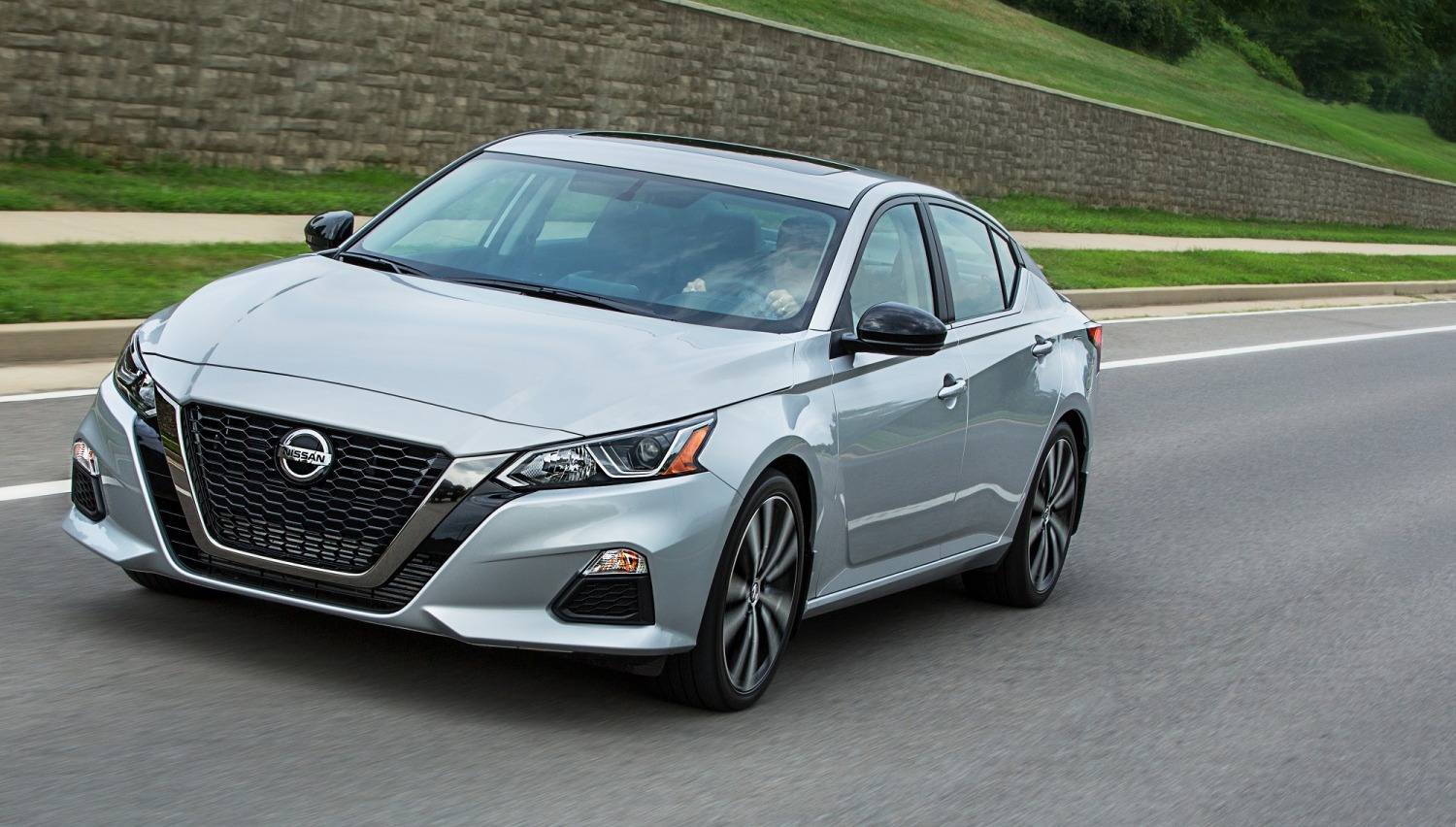
5. Nissan Altima
The Nissan Altima has served as a reliable mid-size sedan for many years, but some generations, especially from 2013 to 2018, have shown weaknesses when it comes to thermal durability.
The insulation problems usually begin with the engine wiring, particularly in vehicles fitted with the 2.5L inline-four engine. The placement of main components in cramped areas causes heat to gather and stress the insulation materials.
Drivers have frequently reported problems with sensors failing due to melted insulation around their connections. The crankshaft and camshaft position sensors are affected the most, both positioned close to the exhaust system.
When the protective coating on these wires breaks down, it exposes them to the risk of electrical shorts. These problems often appear after just a few years of regular driving, especially in warmer climates.
Under the hood, the thermal mat attached to the bonnet sometimes becomes detached. Once it begins to sag or lose its structure, it no longer deflects heat properly and can even create a fire hazard if it touches hot parts.
Cabin temperature also becomes an issue due to the absence of proper shielding around the firewall and footwell area. During long trips or in traffic, drivers often complain of uncomfortable heat transfer into the cabin floor.
The underbody of the Altima lacks the layered protection seen in more premium vehicles. Heat from the exhaust and catalytic converter can enter the floor pan with little resistance. Owners of these models often resort to adding insulation themselves to protect the carpet and central console wiring.
The insulation issues do not affect every single Altima, but the trend has been strong enough to gain attention. For a sedan marketed around practicality and comfort, this type of problem feels unexpected. Buyers should be aware of the risks if they intend to keep the car for extended years without investing in aftermarket thermal upgrades.
