
Automotive maintenance is a topic that often divides car owners, especially regarding the long-term durability and required upkeep of their vehicles.
Two critical components that many owners must consider are timing chains and timing belts. While both serve the vital purpose of synchronizing a car’s engine valves and pistons, the choice between a timing chain and a timing belt can have significant consequences for maintenance routines, repair costs, and even the vehicle’s reliability as it ages.
Some manufacturers opt for timing chains, which are made of metal and praised for their durability, often lasting the lifetime of the engine with proper care.
Others utilise timing belts, constructed from reinforced rubber, needing regular replacement often around every 60,000 miles, to prevent catastrophic engine damage.
This subject has grown in importance as drivers aim to maximize the longevity of their investment and minimize unexpected costs.
Understanding which vehicles come with timing chains that withstand years of wear and which require vigilant timing belt maintenance can help buyers and owners make informed decisions.
This comparison serves not only to highlight engineering differences but also to show how these choices affect real-world ownership.
By comparing models in each category, car enthusiasts and casual owners alike may find that the right choice can make a noticeable difference in peace of mind and operating expenses.
Also Read: 5 Cars with Lifetime Wheel Wells vs 5 with Rusted Wells
5 Vehicles With Timing Chains That Last
Choosing a vehicle with a timing chain rather than a timing belt is a priority for many seeking low-maintenance ownership. Timing chains are designed from metal, and automakers often tout them as “lifetime” components under normal driving conditions.
While some exceptions always exist due to poor maintenance or defects, timing chains equip a vehicle for high mileage and reduce the likelihood of sudden engine failure that a snapped belt could cause.
Chains rely on the regular flow of clean engine oil to remain properly lubricated and tensioned, making oil changes vital but typically requiring far less major service intervention.
The purpose of focusing on these five vehicles is to offer practical choices for drivers who prefer to avoid the recurring cost and hassle of scheduled timing belt replacements.
These cars and SUVs are recognized not just for having timing chains, but for earning reputations for long engine life, minimal chain problems, and owner approval.
Each vehicle included here stands out for engine reliability, solid engineering, and overall value as a used purchase or long-term daily driver.
Through these examples, the benefits of choosing timing chain-equipped vehicles are apparent for those who wish to keep ownership simple and predictable well past 100,000 miles.
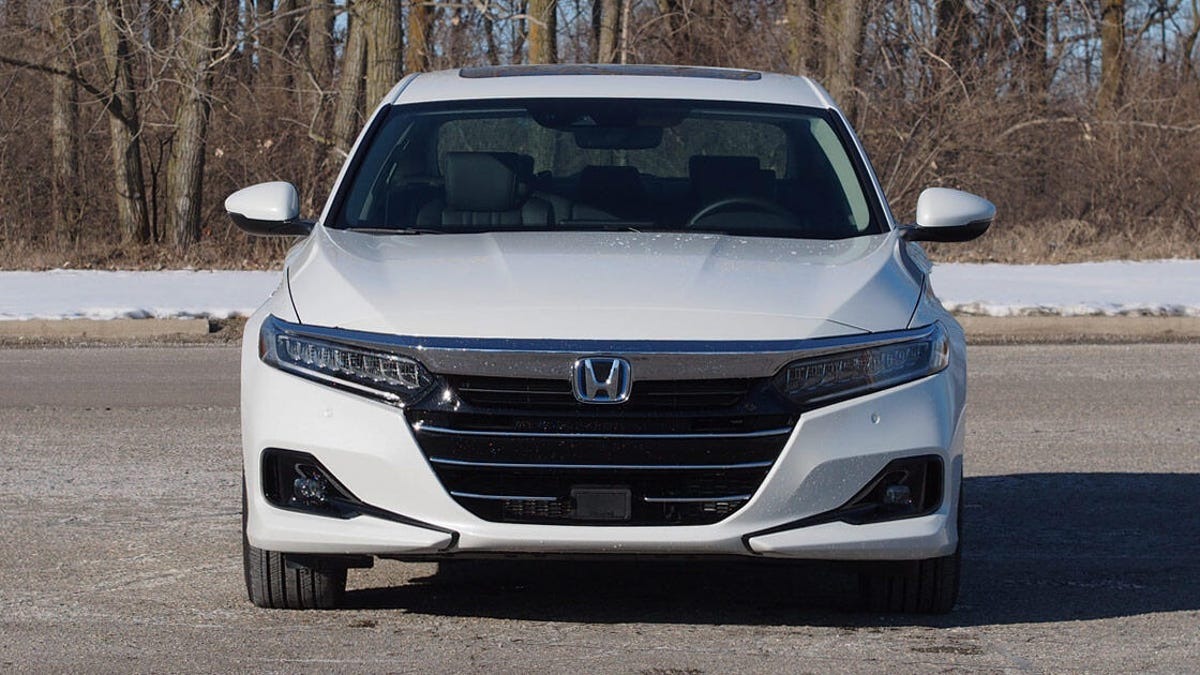
1. Honda Accord (2013–Present)
The Honda Accord has established a decades-long reputation for outstanding reliability, and the shift to timing chains in recent generations reinforces this image.
From 2013 onward, the Accord’s four-cylinder engines utilize timing chains, significantly reducing scheduled maintenance compared to earlier models with belts.
Owners gravitate toward the Accord for its blend of comfort, efficiency, and practicality, but the presence of a chain offers added assurance against surprise breakdowns.
Why highlight the Accord? It serves as a practical choice for individuals and families alike who need consistent performance year after year.
The Accord’s chain-equipped engines are known for exceeding 200,000 miles with regular oil changes and minimal attention to the timing system. Even in the used market, the longevity of the Accord’s powertrain creates lasting resale value.
Honda’s engineering prioritizes smooth operation, and the timing chain is less likely to stretch or fail prematurely if the recommended oil service is followed.
Furthermore, this car caters to drivers wary of high repair bills. A timing chain eliminates costly timing belt replacements, which typically require disassembling much of the engine’s front end.
Preventive maintenance is simplified, and risk is reduced, making this sedan (and its coupe versions) a solid pick. Whether shopping new or pre-owned, the Accord offers peace of mind, enhanced by a chain that often outlasts the car itself.
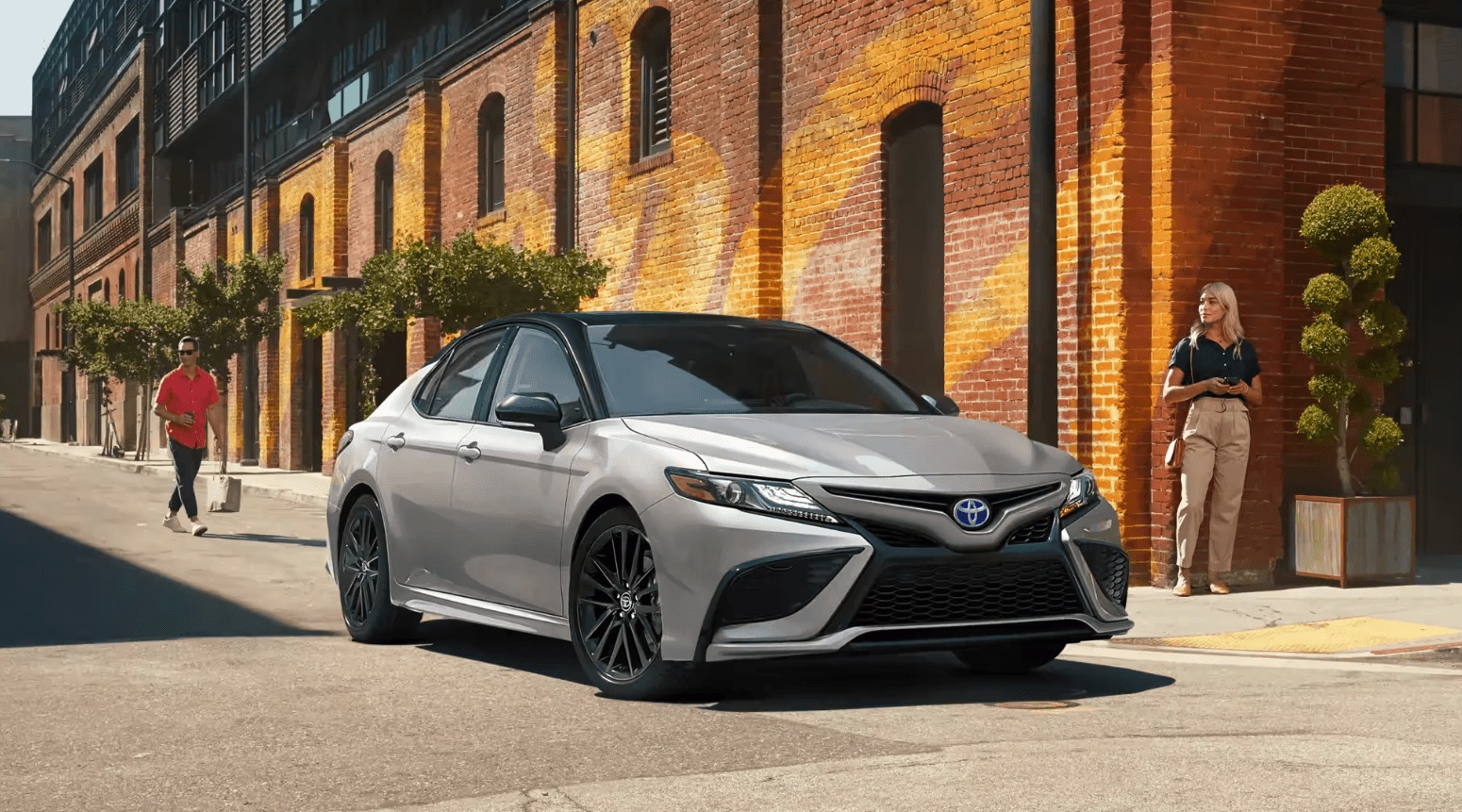
2. Toyota Camry (2012–Present)
The Toyota Camry is often cited as an example of reliability and low ownership costs. Since 2012, Toyota’s popular midsize sedan with four-cylinder engines has featured timing chains across a majority of trims. This shift cemented the Camry’s reputation as a long-lasting and stress-free vehicle for commuters, families, and fleets.
What makes the Camry’s timing chain system noteworthy is its track record for minimal issues.
As long as the engine oil is regularly changed and high-quality filters are used, the timing chain should last the life of the engine without the need for replacement.
This feature removes the uncertainty of timing belt failure and erases the worry of scheduling (and paying for) regular belt changes. For those who plan to keep their car beyond 100,000 miles or are considering a used Camry with higher mileage, this aspect is a key advantage.
The inclusion of a timing chain also aligns with Toyota’s goal to lower the cost of ownership. Owners avoid a potentially expensive repair that might otherwise arise at an inopportune time.
The Camry’s reputation for dependable performance, paired with a timing chain, makes it a frequently recommended vehicle for drivers who want minimal interruption throughout their ownership.
Highlighting the Camry in this context showcases how manufacturers address customer feedback and improve durability with each generation.
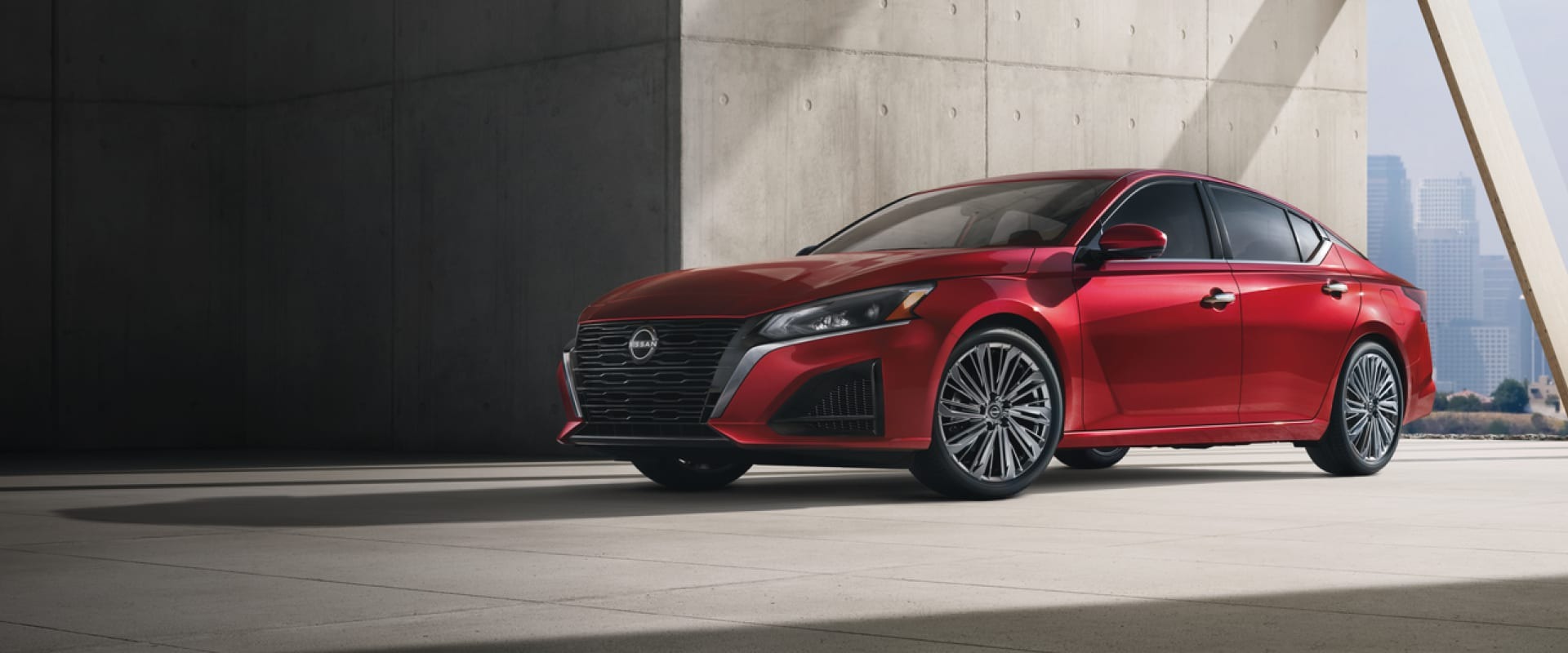
3. Nissan Altima (2013–Present)
Since its redesign in 2013, the Nissan Altima has come standard with timing chains in both its four-cylinder and V6 engine options. This update provided buyers another reason to trust Nissan’s midsize sedan for longevity and reduced maintenance.
Timing chains in the Altima are designed to operate quietly and efficiently over extended periods, provided regular oil changes are performed.
The Altima represents an appealing choice for those seeking value and staying power. This sedan is frequently chosen for high-mileage use, such as commuting or ride-sharing, so a robust engine timing system is crucial.
Owners report chain systems lasting well into the 200,000-mile range before any attention is needed, and failures are rare when maintenance guidelines are followed.
Recognition is due because Nissan actively responded to owners’ desire for easier, lower-cost upkeep. The chain reduces lifetime service costs, avoids unexpected engine damage, and aligns with Nissan’s strategy to provide reliable daily transport.
While all mechanical systems require attention over time, the timing chain places the Altima among vehicles that can realistically promise years of trouble-free running, even if used hard or driven for hundreds of miles each week.
4. BMW 3 Series (2012–Present, Four-Cylinder Turbo)
BMW’s 3 Series is a leader in the luxury sports sedan market, and the introduction of its modern four-cylinder turbo engines (N20, B48) brought timing chains as standard equipment.
Unlike earlier BMW powerplants that sometimes suffered from premature timing belt or chain failures, the current four-cylinder options emphasize longevity and substantially reduced risk of sudden breakdowns.
Owners choose the 3 Series for its blend of performance and refinement, but the chain-driven camshaft adds a practical perk: minimized required timing maintenance.
Enthusiasts appreciate this because it means fewer major service visits and a lower likelihood of unexpected engine damage that can be caused by a snapped belt.
When oil change schedules are kept, these chains easily survive the recommended service intervals and are not typically a weak point.
The choice to feature the 3 Series highlights how even performance-oriented cars can offer peace of mind for long-term ownership.
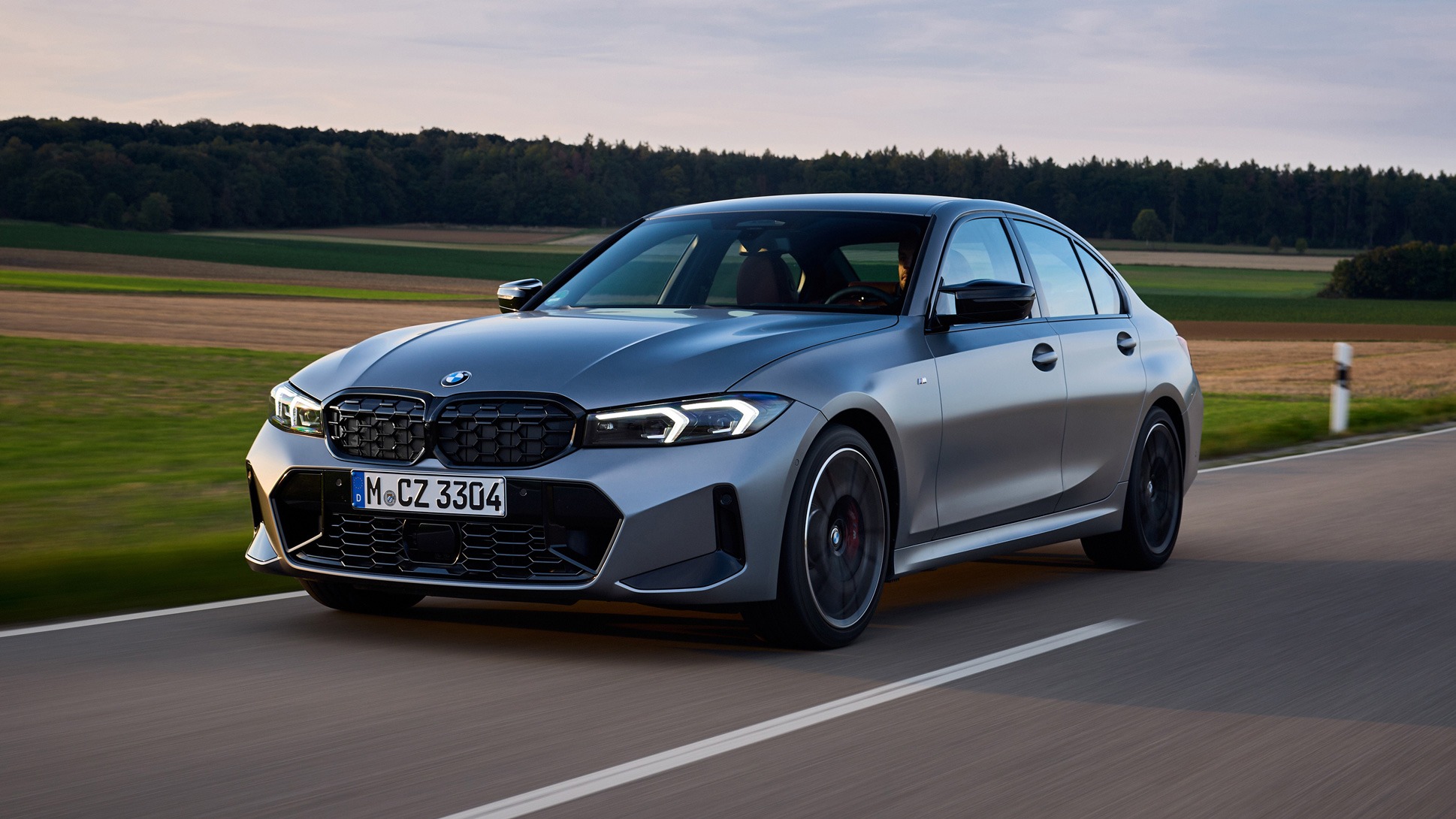
BMW’s commitment to advanced engineering is further reflected by how rarely timing chain issues are reported in these models when serviced correctly.
With a timing chain, buyers gain confidence in pushing the mileage well past the usual intervals at which belt-driven rivals would demand an expensive replacement. This inclusion will appeal to drivers who value both spirited driving and simple ownership.
5. Chevrolet Malibu (2016–Present)
The Chevrolet Malibu is a popular choice for families, professionals, and rental fleets. In recent generations, General Motors transitioned to timing chain engines in the Malibu, specifically in the 1.5-liter and 2.0-liter turbocharged options.
This transition has helped the Malibu become an even more practical choice for those who want durability without constant major service.
The Malibu earns its place on this list by addressing concerns many have with frequent timing belt replacements. The chain design offers consistent reliability in various driving conditions, and there is little need for intervention aside from the typical oil changes.
This makes it a favorite among those who want to keep a car for the long run or avoid spending extra money on scheduled engine work.
Chevrolet’s engineering updates were partly a response to previous owner concerns with earlier models that had belts. The chain offers superior resistance to wear, especially as many Malibus rack up significant mileage as daily transportation or fleet vehicles.
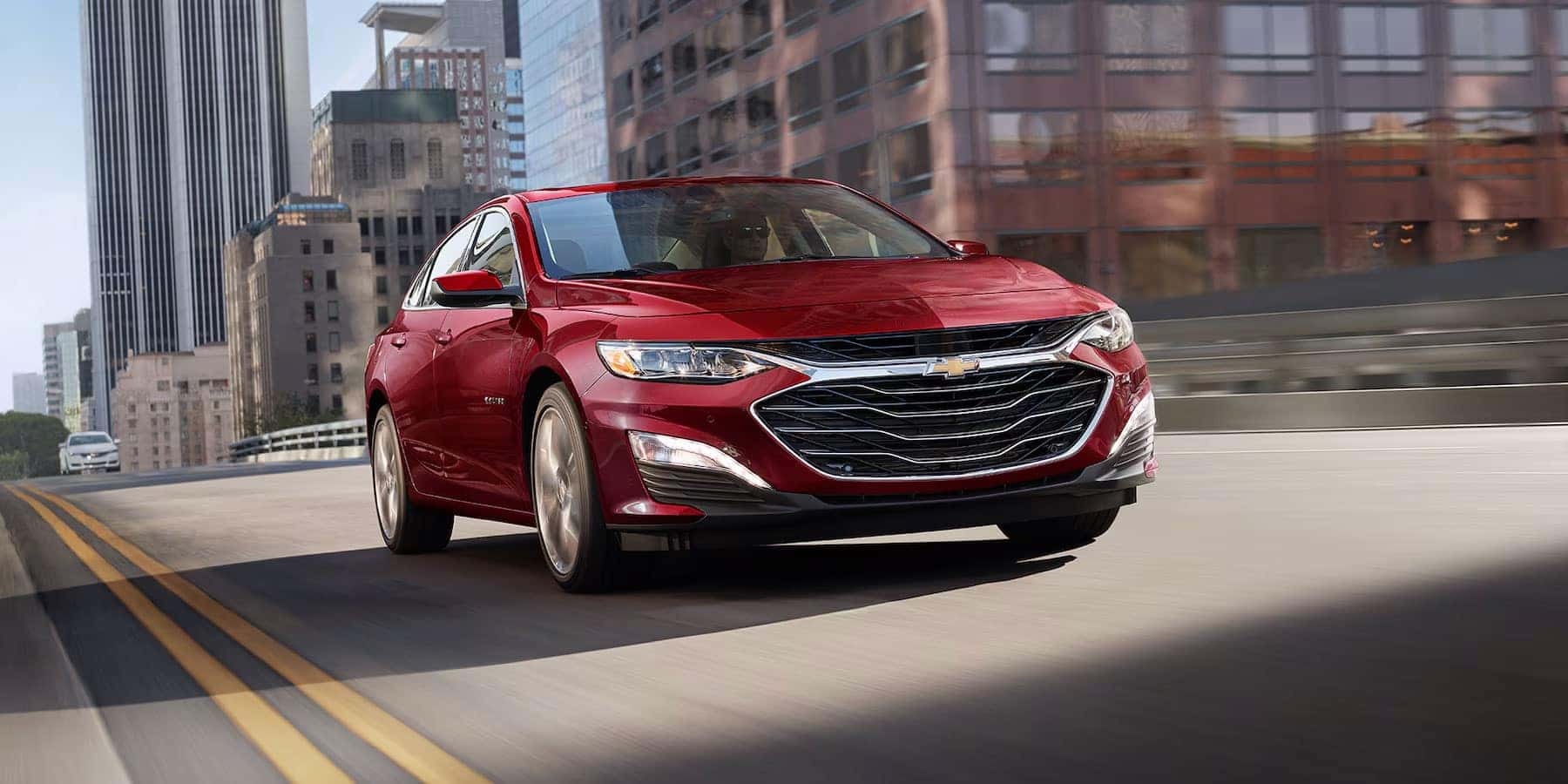
Choosing a recent Malibu means getting a vehicle that balances economical running with technical improvements designed to push lifespan and maintain simplicity for the owner.
This is precisely why the Malibu stands out in the modern market for buyers who aim to minimize both hassle and surprise under the hood.
5 That Need Belt Changes Every 60K Miles
While many buyers embrace cars with timing chains, a significant number of popular vehicles still utilize timing belts.
For these models, routine maintenance becomes critical. The timing belt, usually made from high-strength rubber with steel cords, is essential for the synchronized operation of the engine.
However, timing belts have a finite lifespan and must be replaced at regular intervals, typically every 60,000 miles or as specified by the manufacturer.
Failure to replace a worn belt can lead to catastrophic engine damage, especially in interference engines where the valves and pistons can collide if synchronization is lost.
Highlighting vehicles with timing belts emphasizes the importance of understanding scheduled maintenance. These cars can still provide long service lives, but owners must plan for periodic belt changes and budget for the added cost.
Ignoring replacement intervals exposes the engine to significant risk, making attention to the maintenance schedule a vital part of responsible car ownership.
This section features five vehicles where the manufacturer recommends a timing belt change every 60,000 miles. The focus is to provide clarity for those assessing the real-world costs of car ownership or shopping the pre-owned market.
Knowing which popular models require more frequent belt maintenance empowers buyers to make choices that fit their budget and usage patterns.
1. Honda Civic (2006–2011)
The Honda Civic stands as one of the most popular and recognizable compact cars in automotive history.
Its reputation for dependability and efficiency carries through various generations, but the 2006–2011 models equipped with 1.7- or 1.8-liter engines are notable for their use of timing belts. Honda recommends that owners replace this belt every 60,000 miles to prevent the risk of major engine failure.
Highlighting the Civic within this context is important because many of these models remain on the road, appealing to students, first-time buyers, and those searching for affordable transportation.
However, the need for regular belt changes adds a layer of required diligence. If a timing belt fails, it can cause severe internal engine damage, especially since these Civics run interference-type engines. Owners must either schedule and budget for belt replacement or risk very costly repairs down the line.
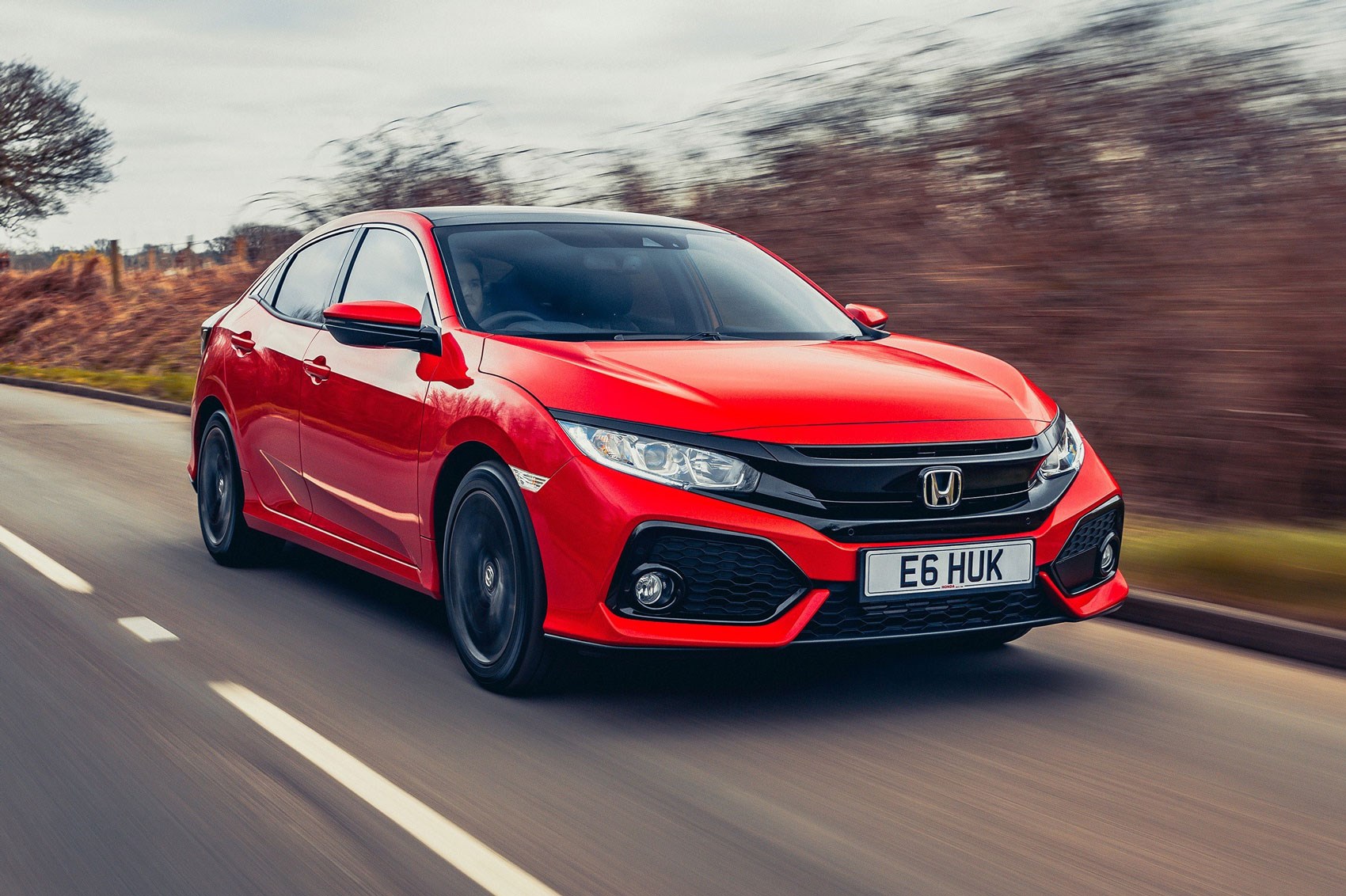
This attention to the Civic is warranted because, despite the added maintenance step, it continues to attract buyers due to its fuel efficiency and proven mechanical durability.
By understanding which model years demand consistent timing belt service, buyers can plan accordingly and avoid the stress of unexpected breakdowns.
It’s also a reminder that a vehicle’s broader reputation for reliability often assumes the owner stays on top of prescribed maintenance, particularly when it comes to something as critical as a timing belt.
2. Subaru Outback (2010–2012, 2.5-liter Engine)
The Subaru Outback is cherished among outdoor enthusiasts and families for its all-wheel-drive performance and versatile utility.
However, the 2010–2012 Outback equipped with the 2.5-liter four-cylinder engine still uses a timing belt, which must be replaced at 60,000-mile intervals.
This is a crucial consideration given that many Subaru buyers expect longevity and use their vehicles for frequent long-distance travel or demanding terrain.
Including the Outback spotlights the additional responsibilities involved with Subaru’s beloved four-cylinder models before the switch to timing chains in later years.
Timing belt service is a routine but significant expense—especially considering the high mileage and varied conditions often encountered by Outback owners.
The risks of overlooking this maintenance are high, as most Subaru 2.5-liter engines are of the interference type, making catastrophic damage likely if the belt fails while driving.
Despite this, the Outback continues to be popular in the used market, largely because of its features and reliability record when maintained correctly.
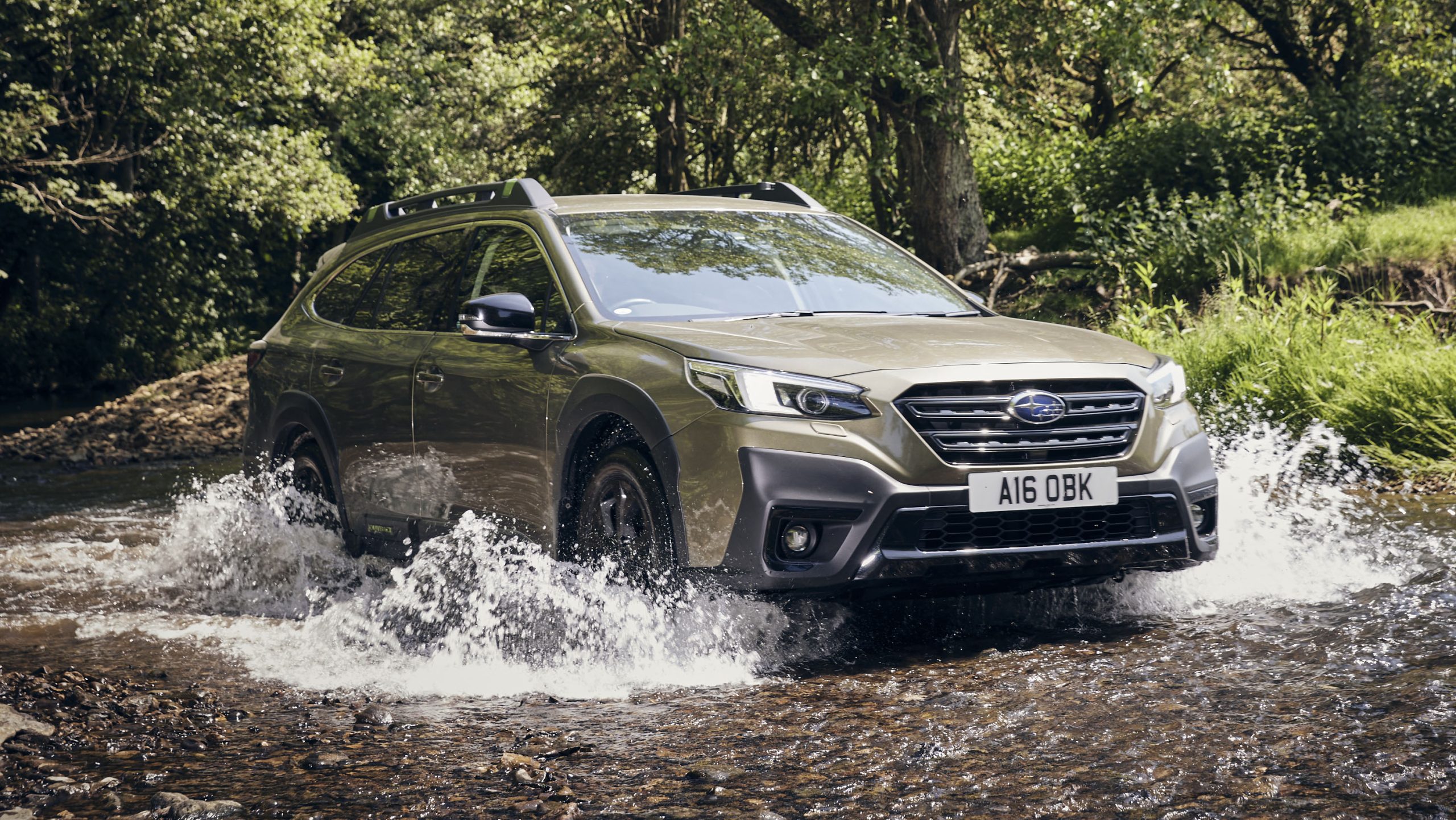
This discussion prompts owners and potential buyers to be vigilant about timing belt replacement and to include it in their cost calculations when choosing a vehicle.
The 2010–2012 Outback serves as an example where regular maintenance is not just suggested but absolutely required to preserve the model’s legendary longevity and dependable performance.
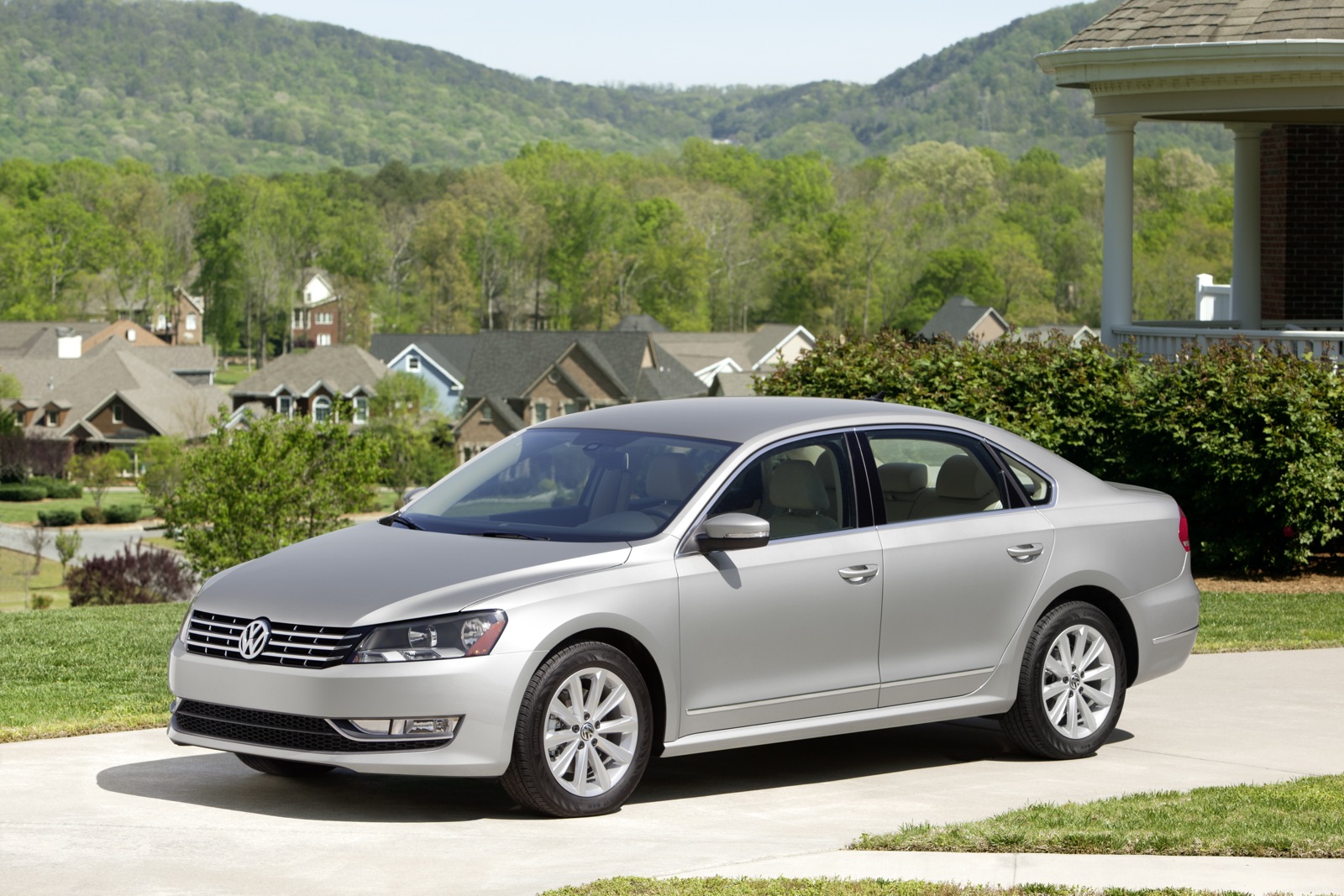
3. Volkswagen Passat (2012–2015, 2.5-liter Engine)
Volkswagen’s Passat earned a strong following among those searching for comfort and European driving dynamics at an approachable price.
Yet, the 2012–2015 Passat models with the 2.5-liter five-cylinder engine still use a timing belt that must be replaced at prescribed intervals of 60,000 miles to avoid engine damage. Many buyers considering a used Passat from these years may not realize this maintenance requirement.
This segment highlights the need for attentiveness when buying or owning a Passat from this period. The risk in ignoring the maintenance schedule is particularly acute: if the timing belt fails, the potential for catastrophic interference engine damage is high, resulting in expensive repairs.
This added factor sets clear expectations for those committed to proper upkeep, especially if the car is intended for high-mileage commutes or family transport.
The Passat’s place here underscores how maintenance schedules directly impact ownership experience and value retention.
While Volkswagen designed the car for smooth driving and solid safety, the responsibility falls on owners to ensure that timing belt changes are performed on schedule.
Overlooking this could erase the benefits of what is otherwise an attractively built sedan. For a generation of Passat buyers, awareness of this basic but crucial maintenance is key to preserving what makes the car enjoyable and dependable beyond just its initial appeal.
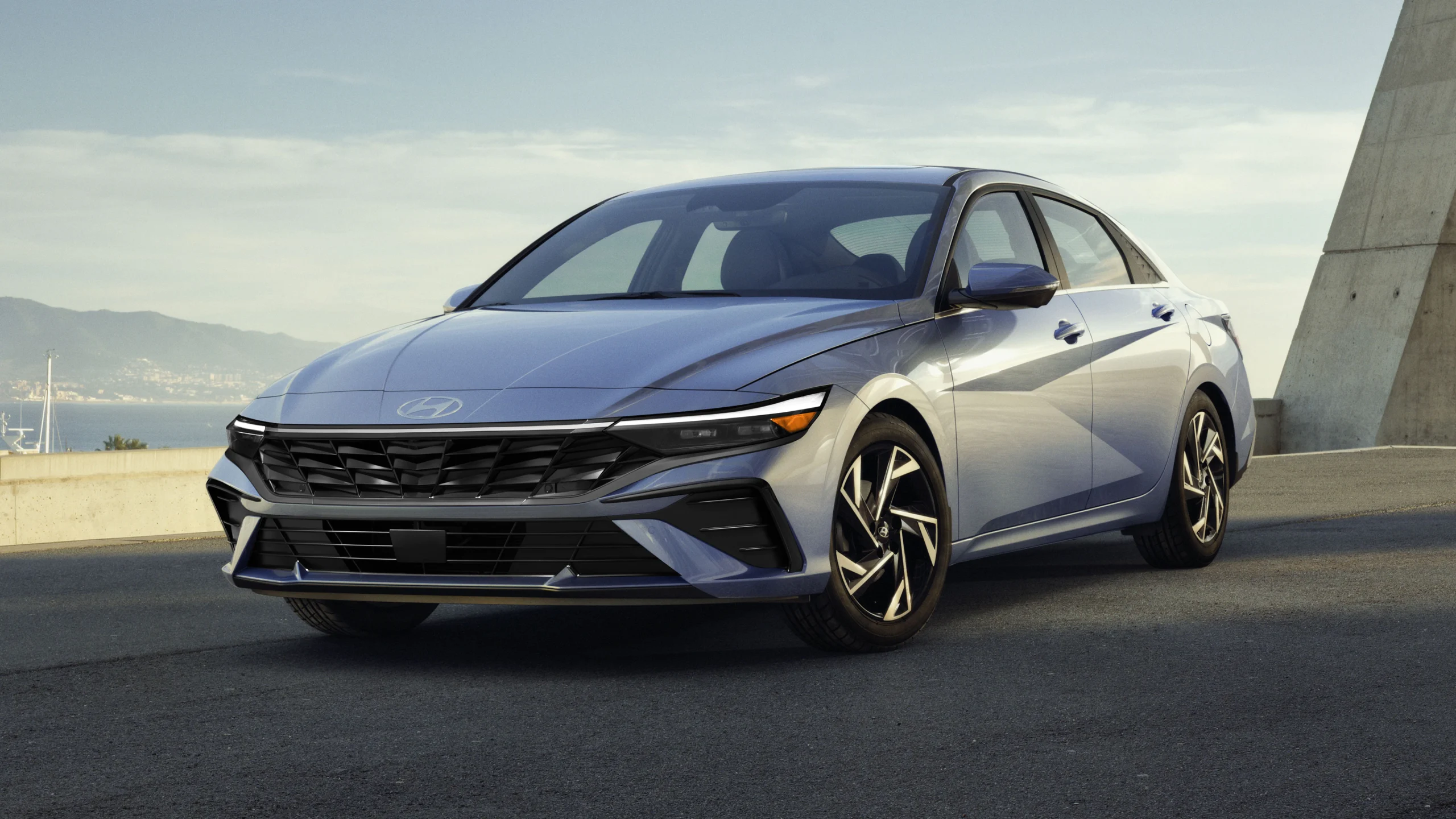
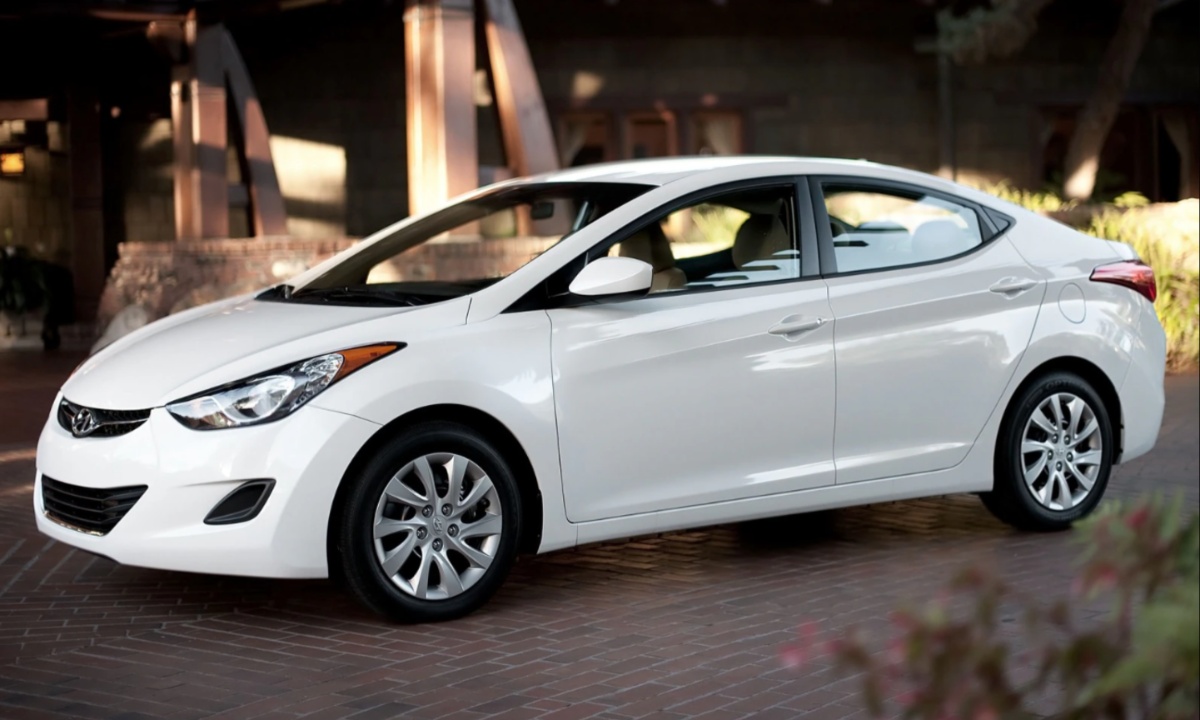
4. Hyundai Elantra (2010–2012)
Hyundai’s Elantra is often chosen for its affordability and reliable daily performance. The 2010–2012 models, featuring the 2.0-liter four-cylinder engine, use a timing belt that needs replacement every 60,000 miles, as stated in the manufacturer’s schedule.
This requirement stands out because many recent competitors now rely on timing chains, yet these Elantras retain the belt system, making proactive maintenance non-negotiable.
Inclusion of the Elantra is justified because it remains a practical and budget-friendly vehicle that is popular in the used market. However, the prospect of timing belt service should be top-of-mind for anyone considering ownership.
Neglecting the replacement interval could result in major engine failure, turning what seems like an economical choice into a surprisingly expensive headache.
This section drives home that, with a little diligence, the Elantra can provide years of trouble-free motoring. It also serves as a caution for those shopping used models: maintenance records confirming recent timing belt service add significant value.
Ensuring the belt is changed on time protects against unnecessary repairs and maintains the model’s reputation for lasting performance. The continued appeal of the Elantra owes much to its well-balanced qualities, but the timing belt issue remains a critical part of responsible long-term ownership.
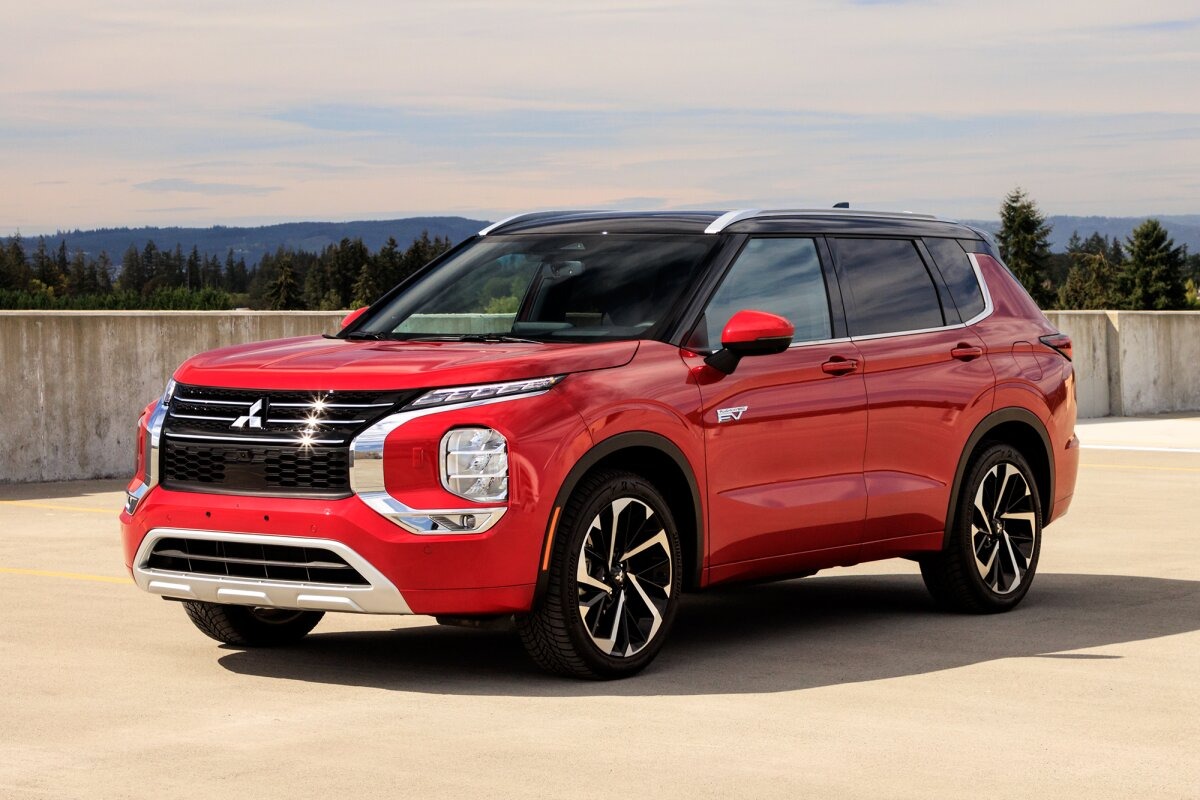
5. Mitsubishi Outlander (2007–2013, 2.4-liter Engine)
The Mitsubishi Outlander, particularly the 2007–2013 models equipped with the 2.4-liter four-cylinder engine, deserves attention for its use of a timing belt with a 60,000-mile replacement requirement.
This practical SUV is appealing for its standard features, versatility, and value as a used purchase, but the necessity for regularly scheduled belt changes should not be overlooked.
Mitsubishi aimed to provide dependable performance and comfort in the Outlander, and many examples continue to serve reliably if maintained. However, missing a timing belt interval imposes significant risk.
Like most vehicles in this category, a failed belt may lead to catastrophic engine damage, far exceeding routine belt replacement costs. Therefore, placing the Outlander in this group emphasizes the importance of comprehending an ownership timeline that includes preventive maintenance.
This guidance benefits buyers evaluating used crossovers, where hidden maintenance costs sometimes surprise the unwary.
The emphasis is not to discourage, but to support thoughtful vehicle selection and ensure that owners understand exactly what their SUV requires for continued dependability.
Maintenance-conscious drivers are rewarded with an Outlander that can confidently serve for years, provided this key service remains part of regular garage visits.
It’s a straightforward equation: timely belt changes preserve the strengths that have made the Outlander such a practical choice for so many families and commuters.
When deciding between vehicles equipped with timing chains and those with timing belts, car owners face crucial choices about long-term maintenance and reliability.
Timing chains, constructed from metal, are designed to last the life of the engine with routine oil changes, saving owners from the regular expense and disruption of scheduled replacements.
Models like the Honda Accord, Toyota Camry, Nissan Altima, BMW 3 Series, and Chevrolet Malibu exemplify this advantage, often providing worry-free performance well past 100,000 miles.
These vehicles stand out for their engineering durability and have earned strong reputations for longevity among both new and used car buyers.
Conversely, some well-known models still use timing belts, which demand attention every 60,000 miles to prevent catastrophic engine damage.
Cars such as the Honda Civic (2006–2011), Subaru Outback (2010–2012), Volkswagen Passat (2012–2015), Hyundai Elantra (2010–2012), and Mitsubishi Outlander (2007–2013) fall into this category.
For these cars, adherence to service intervals is vital to preserve performance and avoid high repair costs.
Ultimately, understanding a vehicle’s timing system can protect investments, reduce long-term ownership headaches, and empower buyers to select models that best fit their maintenance preferences and budgets.
Also Read: 5 SUVs with Lifetime Transfer Case Bearings vs 5 with Noisy Bearings
