
When investing in a family sedan, the choice between a reliable workhorse and a troublesome companion cannot be underestimated. Families often depend on a car to handle work commutes, school drop-offs, weekend errands, and cross-country trips.
A sedan that consistently clocks high mileage, staying trouble-free with only routine maintenance, is a source of peace and significant cost savings.
On the other hand, owning a sedan that spends too much time in the repair shop can quickly become draining, both financially and emotionally.
This article presents a detailed comparison between two categories of family sedans: those that are known for crossing 250,000 miles without requiring major repairs and those that tend to demand constant attention, repairs, and outlays above their sticker price.
A deep understanding of these two extremes can guide buyers toward smarter, longer-lasting investments, sparing them ongoing frustration and unexpected expenses.
We’ll begin by looking at five sedans recognized for exceptional durability, then switch focus to five models that have developed reputations for problem-prone ownership.
Each vehicle will be covered with care, balancing real-world longevity, maintenance track records, and what makes each one worthy of its spot on either list.
Also Read: 5 Cars With Easy Trunk Access vs 5 With High Lift-Over Heights
Family Sedans That Run 250,000+ Miles Without Major Repair
Owning a sedan that confidently passes the quarter-million-mile mark without major repair is not just a testament to engineering but also provides peace of mind. Families rely on these cars to keep daily life running.
When you select a sedan that has a proven record of minimal unscheduled maintenance, you gain time, save money, and reduce day-to-day stress. Over the past several decades, a few standout models have earned glowing endorsements from mechanics and long-term owners for just this reason.
In this section, we’re taking a closer look at five family sedans repeatedly recognized for running well beyond the 250,000-mile milestone without significant repairs.
Each car was chosen because of broad owner testimonials, mechanic recommendations, and solid track records in high-mileage environments.
The focus on reliability isn’t just about saving on repairs; it’s also about maintaining value and ensuring predictable transportation through years of changing family needs.
Detailed below, each sedan’s longevity is paired with real examples of what makes its build quality and engineering so robust, offering guidance to anyone seeking a worry-free family ride.
1. Toyota Camry
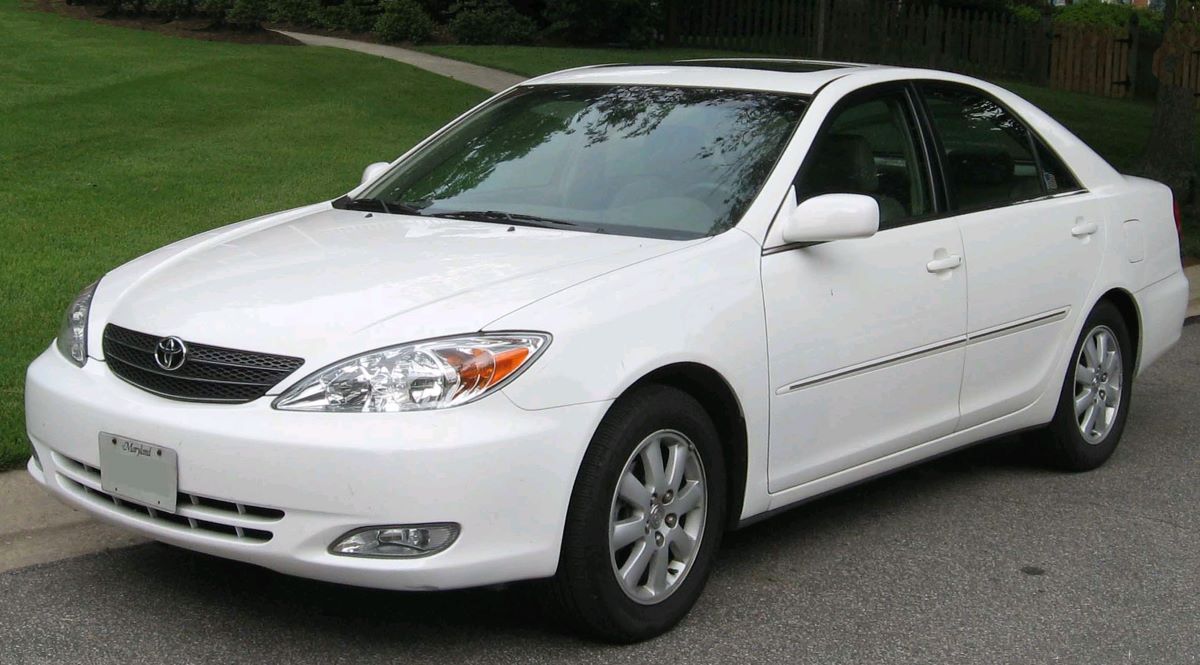
The Toyota Camry stands out as a benchmark for family sedan durability, regularly making “longest-lasting” vehicle lists for good reason.
This car is a favorite for families, commuters, and even rental fleets due to its unique blend of reliability, affordability, and comfort. What sets the Camry apart is its reputation for easily hitting and even surpassing the 250,000-mile mark with only routine maintenance.
Owners frequently report their Camrys needing only basic service like oil changes, transmission fluid flushes, and brake replacements, while rarely experiencing surprise repairs associated with other vehicles in its class.
One key factor behind this longevity is Toyota’s conservative approach to mechanical design. The four-cylinder and V6 engines favored in most generations of Camry are both overbuilt and proven over millions of units, with engineers deliberately avoiding unnecessary complications that could impact reliability.
Another aspect is the exceptional parts availability and reasonable cost of repairs if something does go awry. Mechanics praise the Camry for how accessible and non-complex its systems are, keeping labor costs minimal.
Many high-mileage Camrys show little interior or exterior wear, a testament to the car’s overall build quality and thoughtful design. This blend of simplicity, solid engineering, and low total cost of ownership is why the Toyota Camry has become a legend among cars that genuinely last.
2. Honda Accord
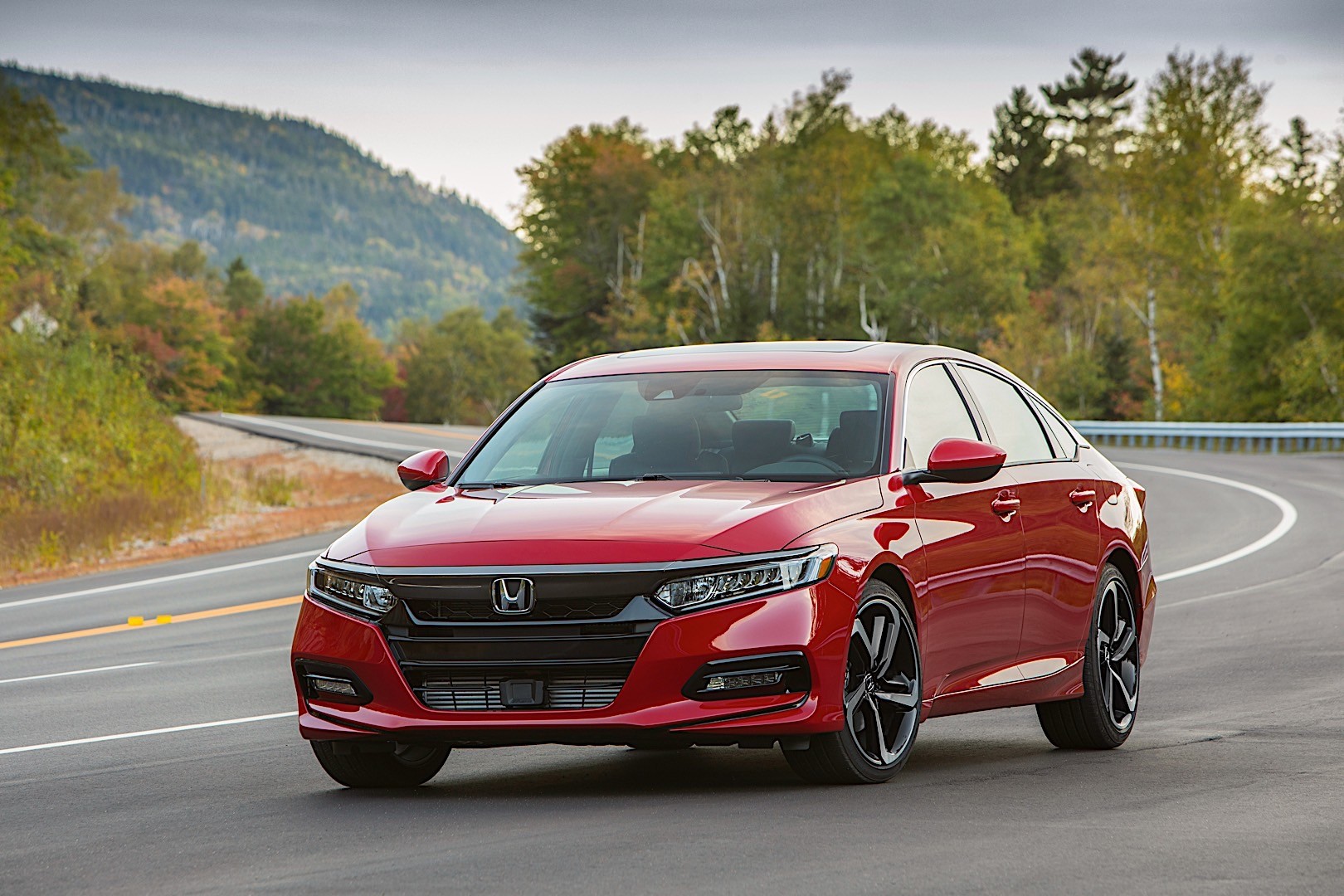
The Honda Accord has been a reliable presence on American roads for decades, forming the backbone of countless families’ transportation.
Consistently ranking as one of the most reliable sedans, the Accord is celebrated for its ability to withstand the rigors of daily commutes, weekend trips, and infrequent but spirited driving.
Its legendary longevity is owed to a combination of bulletproof engine technology, simple and robust transmissions, and a chassis that holds up exceptionally well over miles.
Owners report that Accords often reach or exceed 250,000 miles with only basic maintenance, rarely encountering major issues with their engines, gearboxes, or basic electronics.
This is largely due to Honda’s manufacturing philosophy, where a focus on real-world usability meets careful quality control. The Accord’s four-cylinder engines, in particular, are recognized for being nearly indestructible when cared for with regular oil changes and scheduled maintenance.
Additionally, the model benefits from widespread parts availability and clear technical documentation, making both DIY and professional repairs easier and more affordable.
Mechanics often mention that resale values for Accords remain strong even at high mileage, partially because buyers know what to expect: a comfortable, well-equipped sedan that almost never leaves them stranded.
The Honda Accord is featured here not only because of impressive mileage but also because it helps families avoid the budget shocks that come with regular mechanical failures.
3. Toyota Avalon
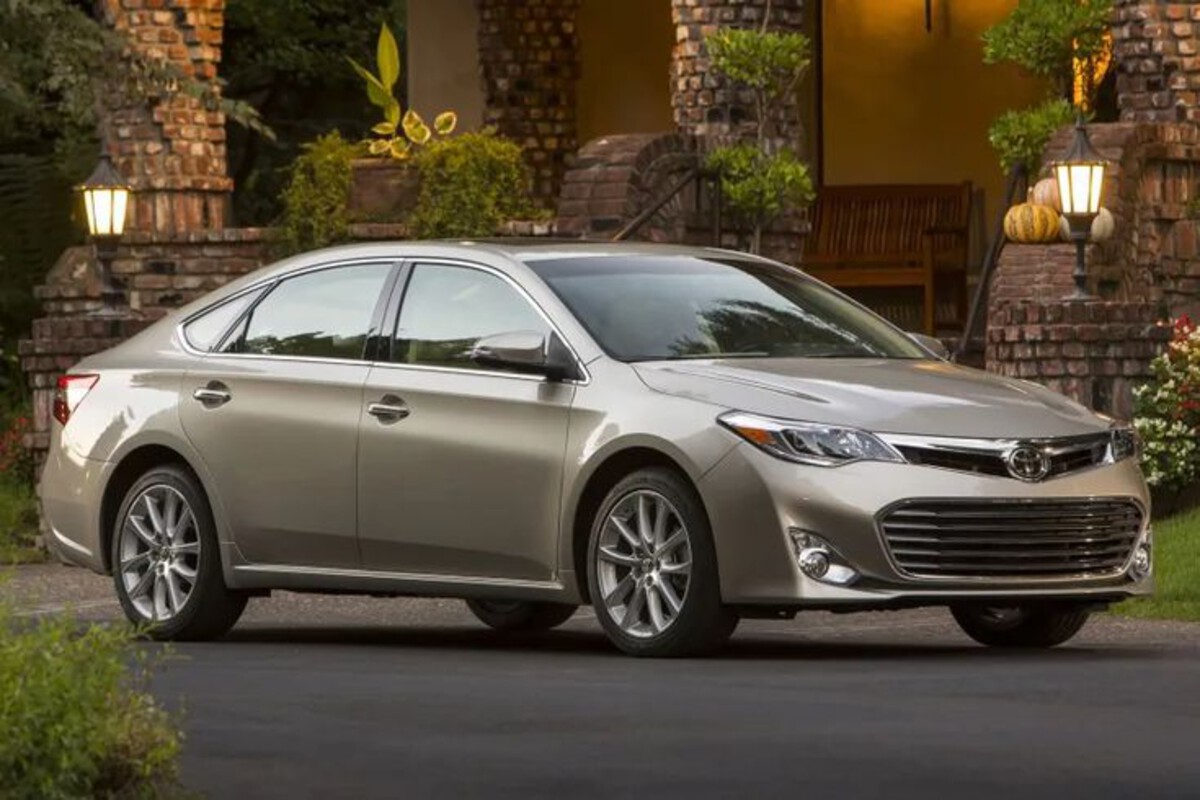
The Toyota Avalon often flies under the radar, yet it is one of the most robust options within the full-size sedan category. Drawing heavily on the engineering heritage of the Camry but configured for more luxurious tastes, the Avalon carries much of the same long-life DNA.
Owners and automotive experts regularly highlight Avalons reaching 250,000 miles and beyond with minimal issues, in part thanks to powertrains shared with Toyota’s stalwart models.
The Avalon’s larger size offers more comfort, but it does not mean extra complexity or trouble, as Toyota has kept the design straightforward.
Its V6 engine, valued for both smoothness and longevity, is not overly stressed, reducing wear and tear under normal driving.
The interior finishes, though more upscale, are made to resist the kind of wear that usually plagues long-held cars. Routine maintenance is straightforward, and the cost is kept manageable thanks to shared parts with other Toyota models.
Families who pick the Avalon often cite its quiet cabin, smooth ride, and absence of surprise repair bills.
It’s a car built for those who want to keep driving the same sedan for a decade or longer, enjoying consistent comfort while rarely worrying about what’s happening under the hood. The Toyota Avalon’s presence here highlights that comfort and durability need not be at odds.
4. Honda Civic
If the Accord is the workhorse, the Honda Civic is the sprinter that just keeps running. Praised for remarkable longevity, the Civic is regularly found cruising with over 250,000 miles on its odometer.
Compact yet surprisingly roomy, the Civic appeals to both city drivers and suburban families who need dependability above all else.
It achieves its impressive lifespan through a right-sized engine lineup, sensible transmission options, and a chassis that shrugs off rough roads.
Routine fluid changes, brake jobs, and occasional suspension work are typically the most owners ever deal with.
Rarely does the Civic suffer from the chronic electrical or transmission failures seen in some rivals. Honda’s track record for rigorous quality control and the simplicity behind the Civic’s main components help keep long-term running costs low.
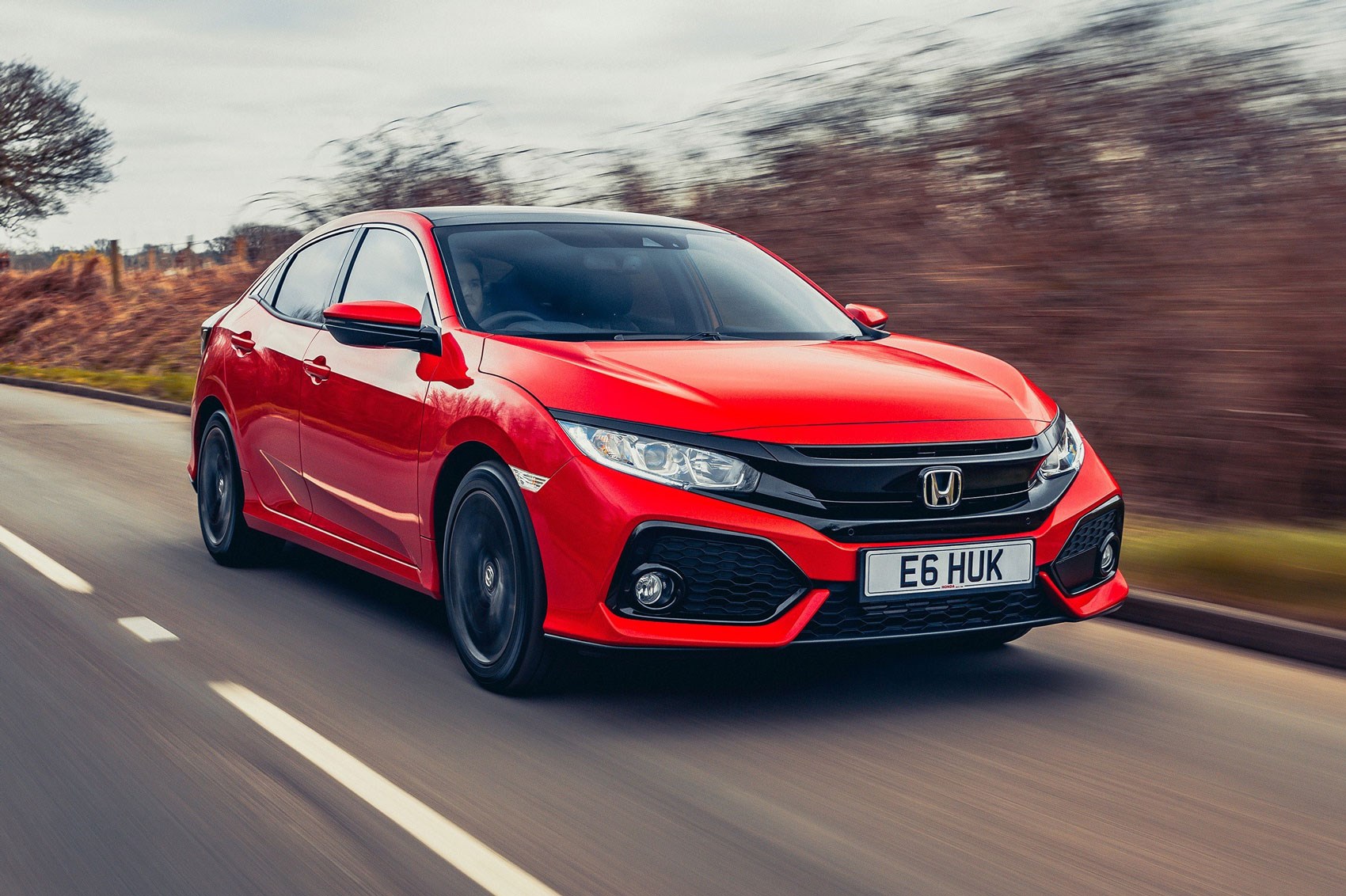
The Civic’s broad appeal translates to an immense supply of replacement parts both new and remanufactured, allowing owners to fix the few problems that might come up quickly and at little cost.
It’s not uncommon to see Civics used as delivery vehicles, rideshares, or family haulers years after their initial purchase. Being featured in this conversation reflects its consistent ability to deliver not just longevity, but also ongoing practicality for families looking for true value.
5. Toyota Prius
The Toyota Prius proves that hybrids can be just as reliable as traditional gas-powered vehicles.
Early skepticism about battery longevity and complex drivetrains gradually gave way to real owner results: Priuses clocking 250,000 miles or more on original battery packs and drivetrain components have become common sights.
The Prius achieved this reputation with a carefully optimized hybrid system, an efficient but simple gas engine, and Toyota’s signature build quality.
Contrary to fears, hybrid battery replacements have become less common and more affordable as the Prius aged, with most batteries now regularly lasting 200,000 miles or more.
Regular maintenance like oil changes and brake replacements are needed, but the regenerative braking even reduces overall wear. Mechanics frequently mention how trouble-free most early Prius models remain when compared to other cars with similar mileage.
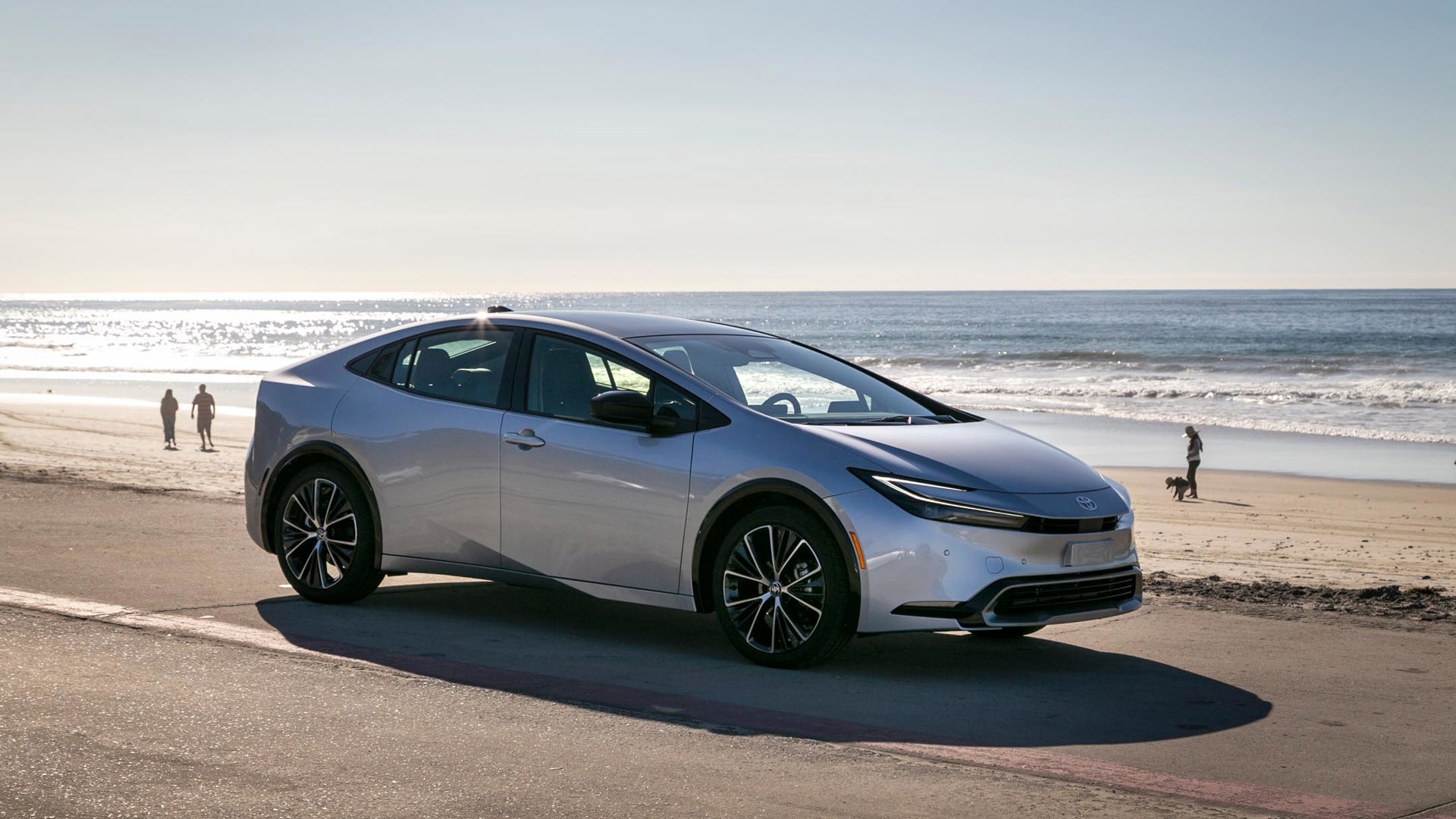
Additionally, the fuel-sipping nature of this car keeps operating costs low, giving families more reasons to stick with the same car for years.
It is worth noting that the Prius represents a shift: families who want both efficiency and peace of mind are no longer forced to choose between the two. Its place in this comparison highlights that long-lasting vehicles need not sacrifice innovation or versatility.
Family Sedans That Demand Constant Maintenance
Nothing frustrates drivers more than a vehicle that always seems to require the attention of a mechanic. For families, this issue takes on added significance, as the stakes involve work, school, appointments, and crucial daily routines.
A family sedan that frequently breaks down or racks up large repair bills brings financial strain and disrupts schedules. While some sedans offer years of dependable travel with minimal trouble, others are known to cause repeated headaches and seem unable to stay away from service centers.
This section focuses on five sedans identified as being notably prone to problems that extend beyond occasional, expected wear and tear.
By taking a closer look at the history, engineering missteps, and recurring complaints associated with these particular models, readers can learn what makes certain family cars unreliable despite initial appeal or attractive features.
The goal here is not to simply criticize, but to provide transparency and guidance, helping shoppers avoid common pitfalls and select vehicles that support, rather than hinder, their daily lives.
1. Chrysler 200
The Chrysler 200 entered the market with stylish looks, good features, and competitive pricing, but its track record for reliability quickly soured. Many owners began experiencing a litany of recurring issues, making this one of the more problematic sedans of its era.
Notoriously, the model was affected by underwhelming transmissions that suffered from rough shifting, early failure, or constant software updates. Electrical gremlins were also common, impacting everything from infotainment to essential engine controls.
Mechanics frequently report that the engine bay is cramped, leading to longer and costlier repairs for even basic components like the alternator or battery.
This compounds the frustration factor, as owners spend more time and money just keeping the 200 on the road. Some models, especially those with the four-cylinder engine, have faced troubling engine failures at surprisingly low mileage.
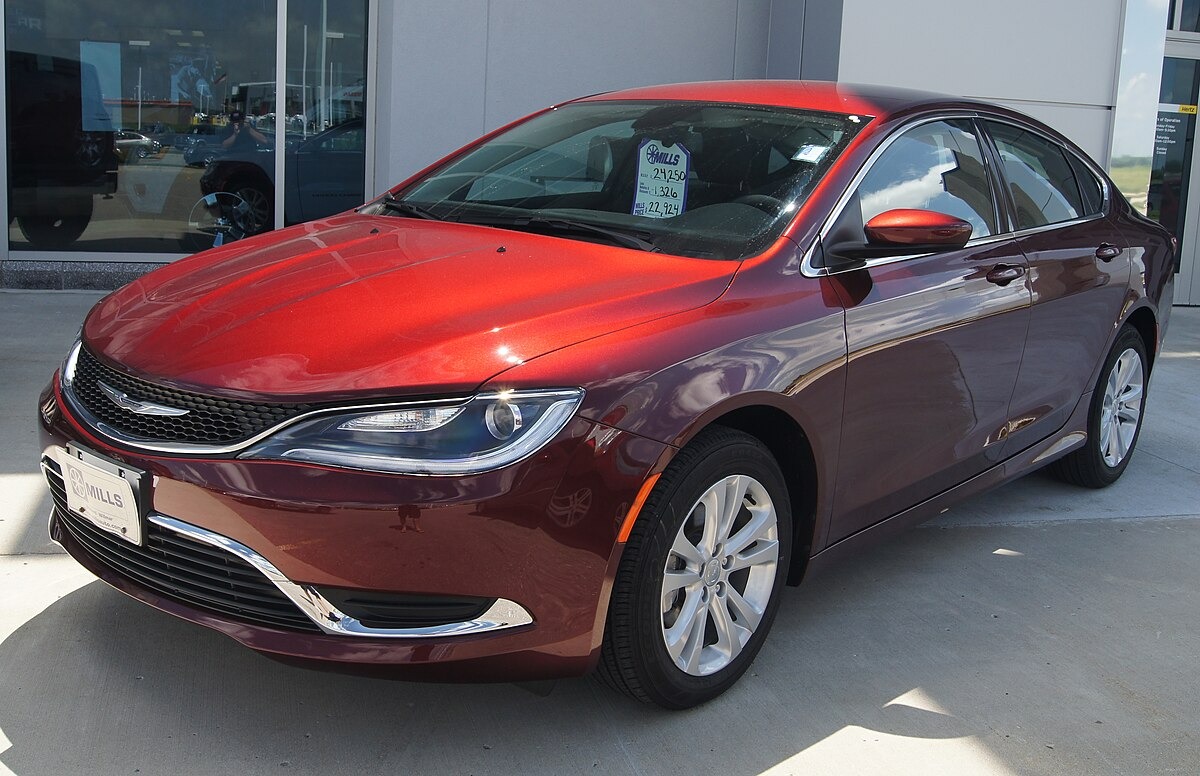
The recurring need for replacement parts, software fixes, or even new transmissions and engines placed a strain on both Chrysler and its customers.
Featuring the Chrysler 200 here serves as a warning: some cars, despite their surface appeal and initial promise, simply do not deliver on the mileage or peace of mind families are counting on. Many have learned the hard way by watching their repair costs soar and time with their cars dwindle.
2. Ford Focus (Automatic Transmission Models)
Ford’s reputation for solid, affordable vehicles took a hit with certain generations of the Focus, particularly those equipped with the “PowerShift” dual-clutch automatic transmission.
Sharp styling and a comfortable interior didn’t make up for countless transmission complaints, which ranged from rough starts to severe shuddering, complete gear failures, and expensive replacements.
Transmission repairs often occurred before the car hit 100,000 miles, a red flag for anyone seeking a long-term sedan.
This transmission issue was so widespread it led to class-action lawsuits and forced Ford to extend warranties and issue frequent software patches. Even with updates, many owners reported persistent issues or total failures requiring pricey gearbox replacements.
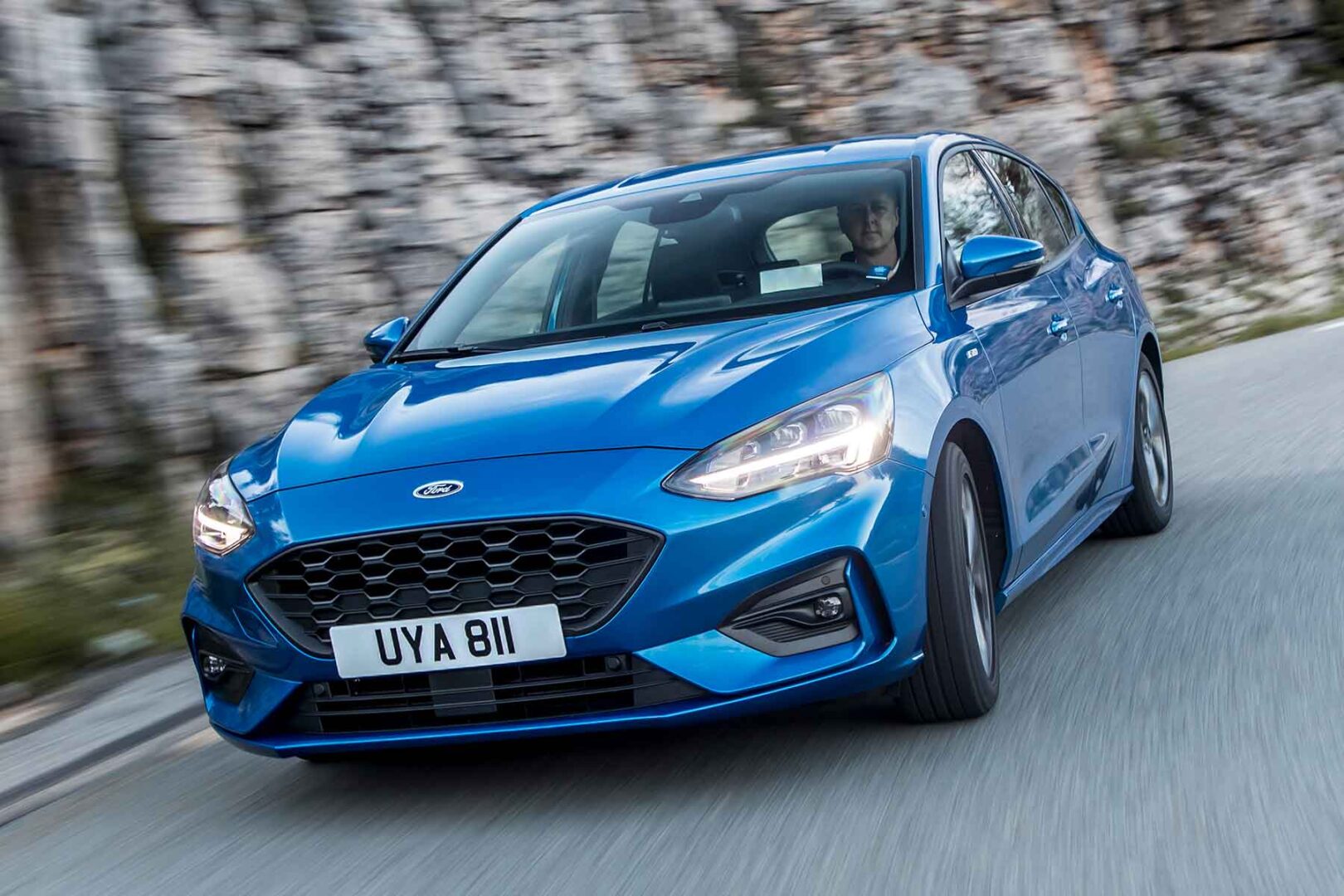
Electrical and fuel system problems also dogged these specific Focus models, often leading to safety recalls and costly fixes outside standard warranty coverage.
Highlighting the Ford Focus here is not to overlook the many strong cars in Ford’s lineup, but to recognize the difference one bad engineering or supplier decision can make.
Buyers who overlooked reliability warnings paid the price in constant shop visits, broken commutes, and a lack of confidence in their car’s future.
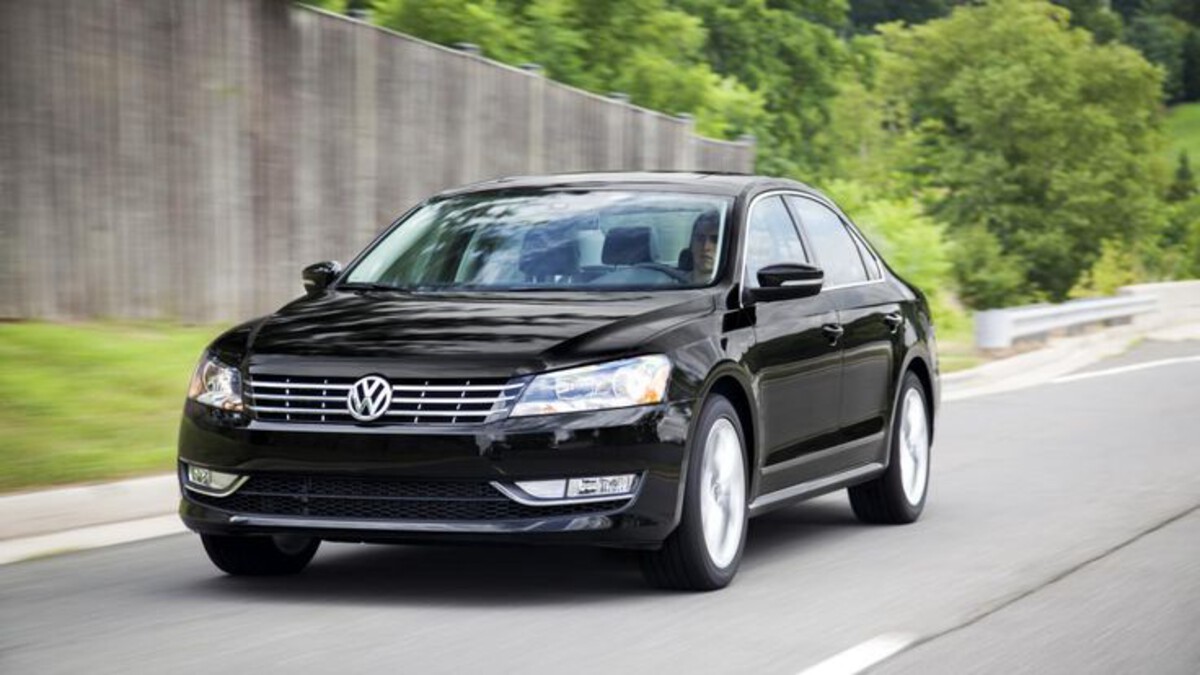
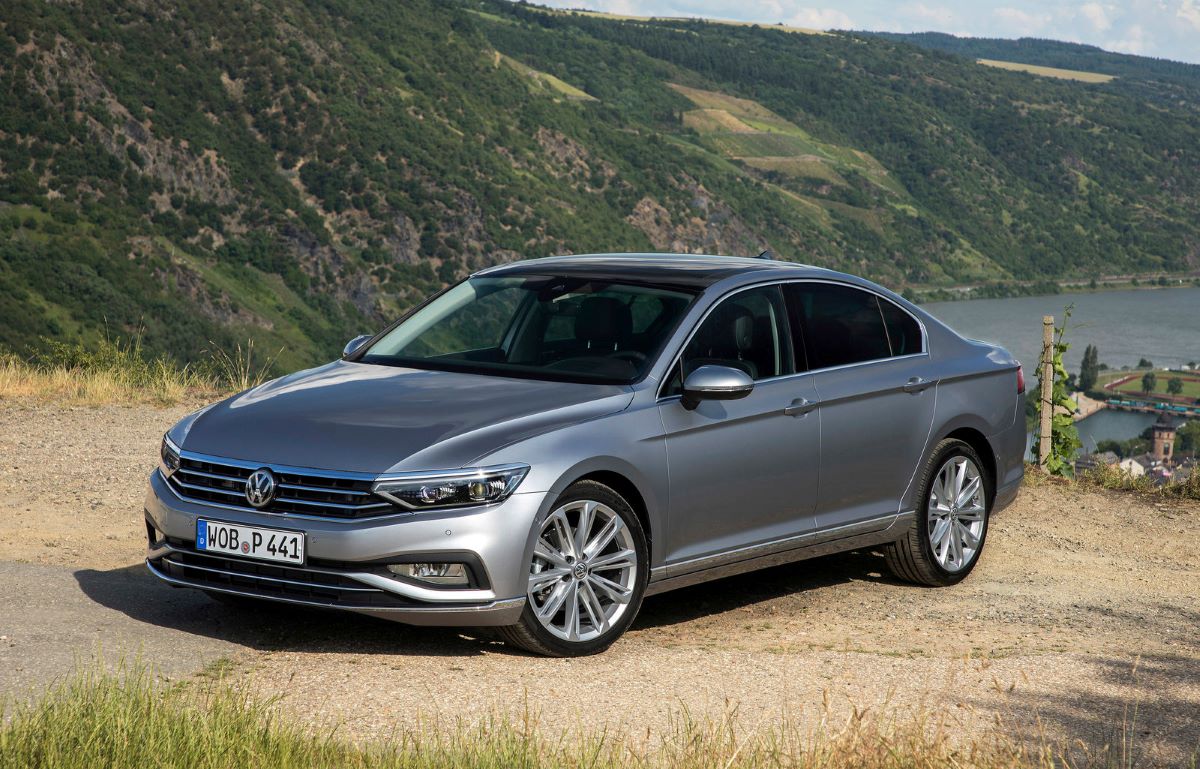
3. Volkswagen Passat (Certain Model Years)
The Volkswagen Passat has attracted buyers with refined styling and a rewarding drive, but owners of certain years have witnessed a pattern of reliability troubles.
Some model years, especially those built during transitional periods in production or featuring new engine technology, were plagued by issues such as failing ignition coils, turbochargers, and problematic dual-clutch transmissions.
Repair costs for these components often surpass what buyers expect for a mainstream family sedan.
Electrical gremlins, particularly concerning instrument clusters and infotainment systems, occur with frustrating regularity.
The cost and complexity of many repairs also rise due to parts availability Volkswagen’s proprietary systems and unique engine layouts frequently necessitate specialized knowledge and tools, inflicting higher labor bills. Timely general maintenance helps, but even diligent owners often find themselves battling multiple issues at once.
The Passat is included in this section not as a slight on German engineering but as an illustration that sophisticated features and design can sometimes lead to ongoing repair headaches instead of long-term reliability.
Families who choose the wrong production year or model can be subjected to an unending cycle of intermittent failures and unpredictable expenses.
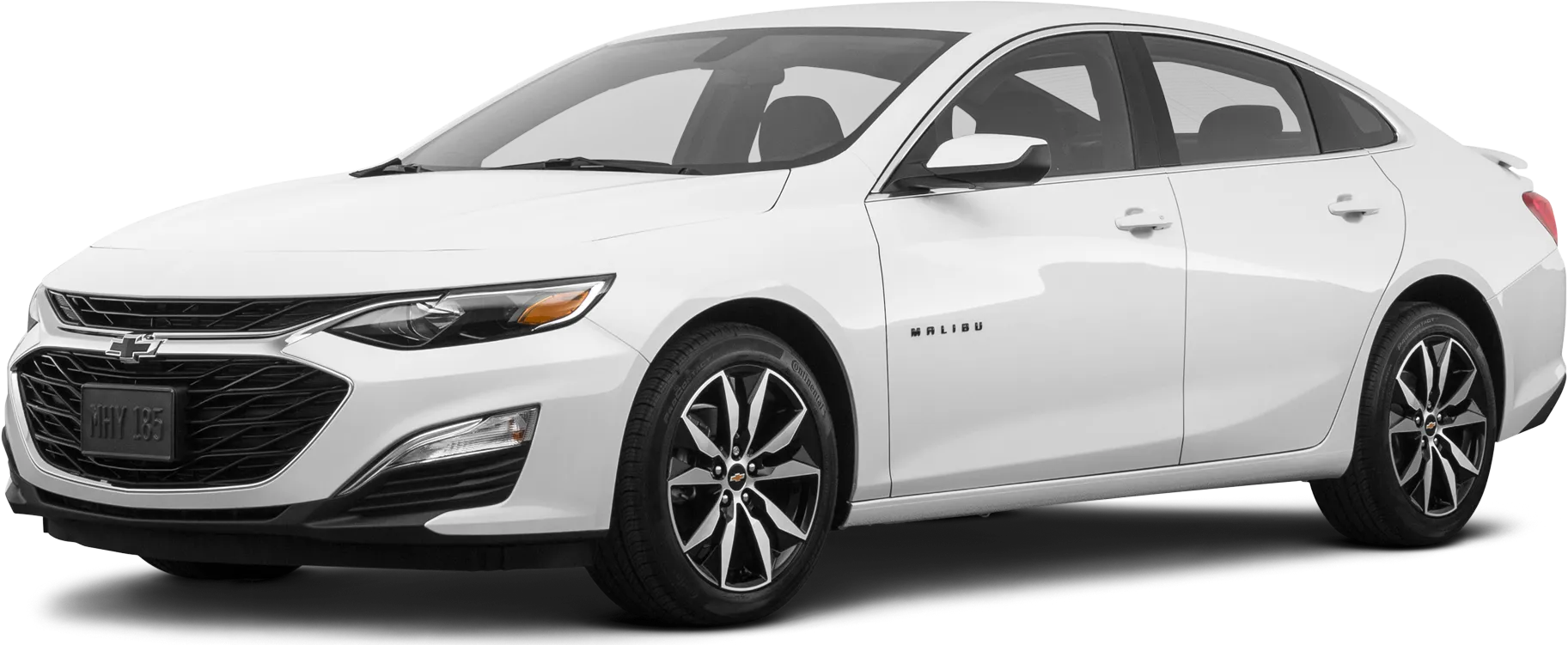
4. Chevrolet Malibu (Certain Model Years)
Serving as Chevrolet’s mainstay sedan, the Malibu has presented a mixed history, with select model years known for significant reliability woes.
Complaints have often centered on problematic transmissions, weak electrical systems, and engines prone to troublesome timing chain or piston ring issues.
Several owner forums note incidents of major components requiring replacement well under 100,000 miles, undermining confidence for families planning to keep their sedans for the long haul.
The Malibu’s documented history of recalls for engine stalling, power steering failure, and transmission slipping add to concerns about dependability.
While Chevrolet has addressed some of the more pressing faults with recalls and technical service bulletins, the persistent need for visits to the repair shop undermines the appeal of what is otherwise a comfortable and spacious car.
Variable repair costs, often compounded by dealership-exclusive parts and diagnostics requirements, weigh further on family budgets.
By focusing on the Malibu, the discussion reflects the unpredictable pitfalls that can occur when a manufacturer struggles to address foundational engineering or manufacturing issues. Even popular models can lose favor if their history becomes intertwined with maintenance that never seems to end.
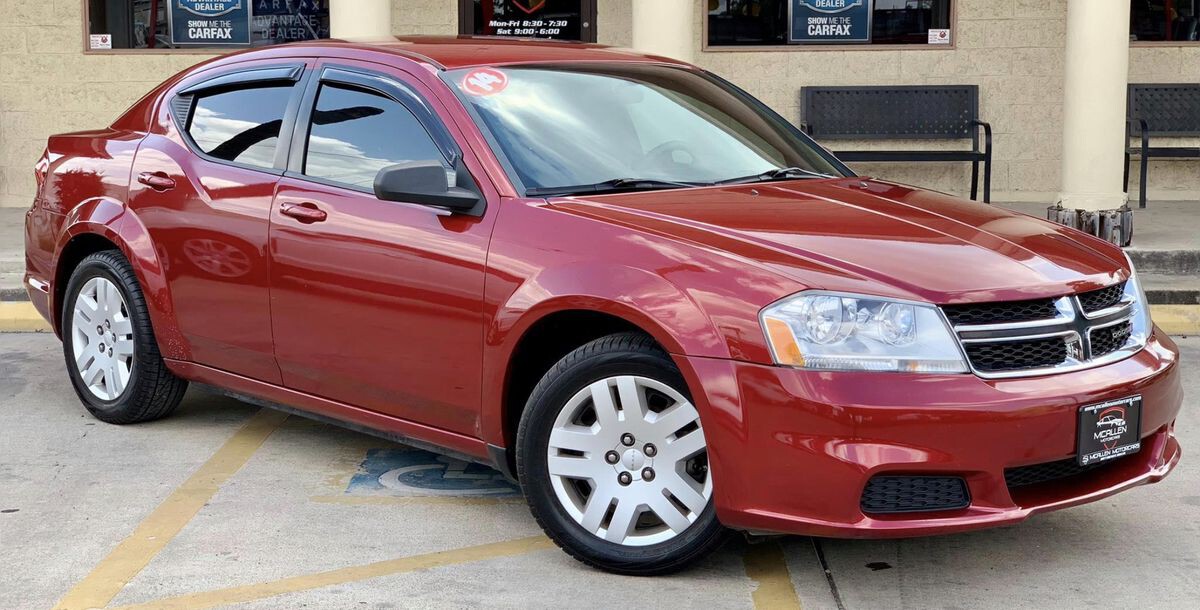
5. Dodge Avenger
The Dodge Avenger was launched as a sporty, reasonably priced alternative to import sedans, but widespread long-term ownership surveys have placed it among the least reliable choices for families. Powertrain complaints surfaced early in production, with poorly designed transmissions and engines being the main culprits.
Electrical glitches, ranging from faulty window switches to persistent check engine lights, only compounded the problem.
Adding to ownership woes, the Avenger’s interior and body quality were considered subpar, with components wearing out or breaking sooner than expected.
Premature failures of air conditioning systems and suspension components often led to expensive repair bills. Even the car’s safety features occasionally suffered from software bugs or outright hardware defects, risking both confidence and security.
Writing about the Dodge Avenger here underscores the importance of long-term reliability in family car shopping.
Initial affordability and sporty design may attract buyers, but persistent breakdowns and mounting repair costs turn what should be a dependable daily driver into a frequent source of frustration. Many have learned their lesson as the Avenger’s history became one marked more by mechanic visits than satisfying drives.
Choosing a family sedan is a significant decision for most households, as the wrong choice can lead to unending strain both emotionally and financially.
This article offers a balanced look at two major categories of family sedans: those known for traveling over 250,000 miles without major repairs, and those that demand constant maintenance, often resulting in years of frustration for their owners.
On the positive side, five prominent models consistently earn high marks for reliability: the Toyota Camry, Honda Accord, Toyota Avalon, Honda Civic, and Toyota Prius. Each stands out for its robust design, straightforward engineering, and a consistent record of keeping families on the road with minimal trouble.
The Toyota Camry and Honda Accord have become household names over the decades, with drivers reporting hundreds of thousands of miles traveled before any significant repairs were needed.
These vehicles are designed for the long haul, boasting engines and transmissions recognized for their durability and ease of maintenance. The Toyota Avalon takes this reputation up a notch with added comfort, but without sacrificing the reliability standards of its more utilitarian siblings.
The Honda Civic, known for its practicality and resilience, continues to surprise owners by regularly passing the quarter-million-mile mark.
Its simple mechanics, abundant parts availability, and manageable repair costs make it a perennial favorite among both mechanics and budget-conscious families.
The Toyota Prius, a hybrid option, shatters early fears about battery and system longevity. Careful engineering and advances in hybrid technology have transformed the Prius into a symbol for both ecological responsibility and long-term dependability, proving that innovation and reliability can coexist.
In sharp contrast, some sedans earn notoriety for frequent issues and high repair costs. Among those highlighted are the Chrysler 200, Ford Focus (specifically models with PowerShift transmissions), Volkswagen Passat (certain model years), Chevrolet Malibu (specific years), and Dodge Avenger.
Each presents a unique story of design decisions or manufacturing flaws that led to unreliable performance. The Chrysler 200’s poorly conceived transmission and cramped engine bay result in relentless maintenance costs.
Ford Focus models equipped with dual-clutch automatics became synonymous with transmission failures, prompting legal action and manufacturer interventions that couldn’t fully resolve owner frustration.
Volkswagen’s Passat, particularly during years when new technologies or design changes were implemented, suffers from complicated and sometimes expensive failures of coils, turbos, and electronics.
The Chevrolet Malibu’s reliability record is spotty, with some years notorious for transmission, engine, and electrical issues, underlining how even popular models can disappoint due to foundational weaknesses.
The Dodge Avenger, meanwhile, combines mechanical, electrical, and build-quality problems, transforming its sporty promise into a reputation for ongoing repair bills and early retirement from family duty.
What unites the winners is a philosophy of thoughtful, time-tested engineering, accessibility of parts, and a track record of enduring real-world conditions.
The more problematic sedans serve as cautionary tales, illustrating why checking a model’s long-term reliability and not just its appearance or features remains crucial for families seeking true value and peace of mind.
For anyone shopping for a sedan to serve as dependable transport year after year, learning from both categories will help guide a wiser, less stressful investment.
Also Read: 5 ’90s Cars Known for Robust Crash Safety vs 5 Modern Cars Cutting Safety Corners
