
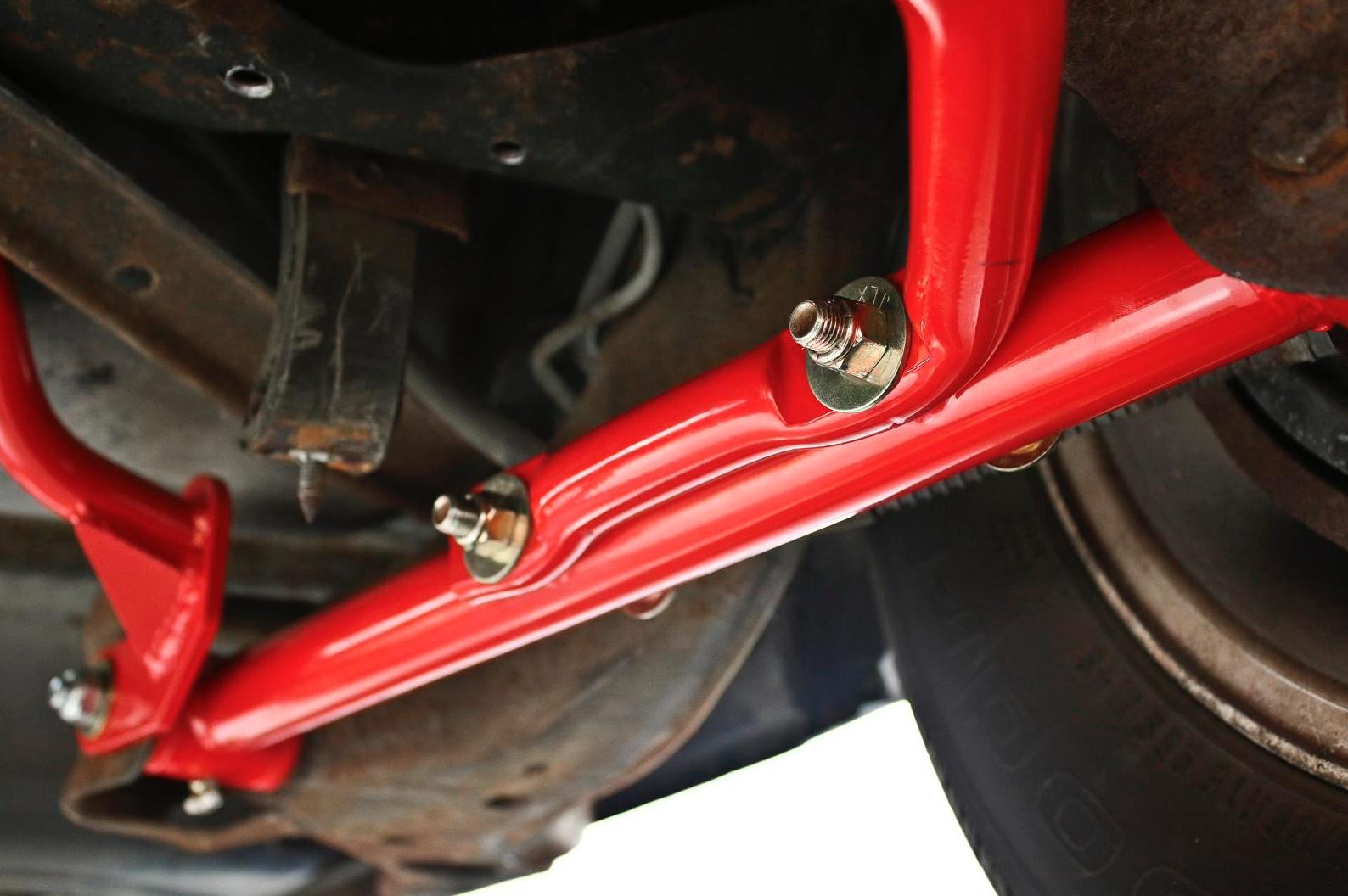
When it comes to assessing a vehicle’s performance under demanding driving conditions, the condition and quality of its suspension components become a determining factor. Among these parts, the control arm plays a vital role in keeping the tyres aligned while supporting both braking and cornering stability.
Reinforced control arms, often built with stronger alloys or composite materials, offer greater durability and help maintain structural integrity. On the contrary, weaker or poorly engineered arms tend to deform under stress, particularly when subjected to harsh terrain or sudden impacts.
Vehicles designed for high-performance driving or rough terrains often feature control arms that are manufactured with enhanced specifications. These may include improved welds, thicker metal, or cross-braced architecture, reducing the likelihood of premature wear or bending.
Such reinforcements are important not just for performance but also for safety, especially during high-speed cornering or heavy braking. By comparison, several vehicles, especially entry-level models or those built with cost-saving measures, have suffered issues where the control arms either warped or collapsed under pressure.
Bent arms can lead to loss of alignment, uneven tyre wear, or complete suspension failure in extreme cases. Therefore, for buyers concerned with mechanical resilience and suspension strength, the control arm is not something to overlook.
Right here, we will examine five vehicles that come equipped with reinforced control arms known for their endurance. These are cars that withstand heavy loads, aggressive driving styles, and challenging road surfaces without compromising their suspension geometry.
After that, we will review five other vehicles where the control arms have shown signs of weakness during strenuous driving conditions, leading to bending or structural compromise. Each car will be discussed in detail to highlight why it belongs in either category.
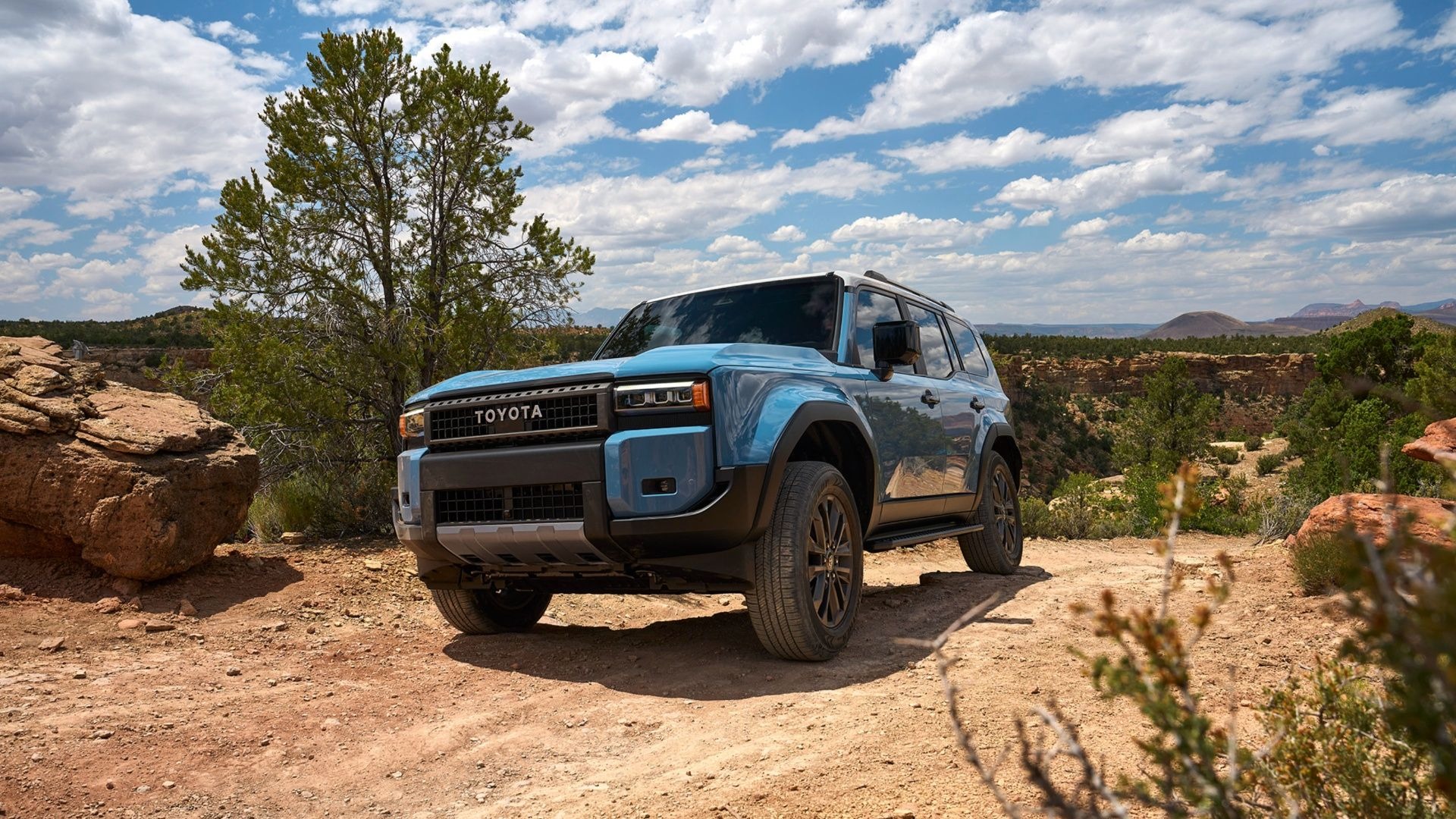
1. Toyota Land Cruiser
Toyota’s Land Cruiser has maintained a reputation for rugged dependability across generations, and a major contributor to its lasting strength lies in its suspension setup.
The control arms on the Land Cruiser are designed to endure extended periods of off-road travel, heavy loads, and harsh driving without experiencing deformation. This is particularly useful for those who drive in regions with rough or unpaved roads, where the risk of suspension damage is high.
Toyota equips this SUV with forged steel control arms, which are considerably thicker and more rigid than those found on typical passenger vehicles. These control arms are mounted with durable bushings and ball joints, providing a firm connection between the wheels and the chassis while absorbing the shocks from rough terrain.
Reinforcements are not limited to materials alone. The geometry is also optimised for better weight distribution, ensuring the control arms don’t bear more strain than they can handle.
The Land Cruiser’s control arms are further strengthened with anti-corrosion coatings to improve their resistance against environmental wear. Whether one is towing a trailer across uneven land or maneuvering through rocky paths, these arms remain consistent in performance.
Several independent tests and owner reviews have revealed that even after years of use in extreme environments, the control arms retain their shape and functionality without warping or bending.
In places where four-wheel-drive capability is tested daily, drivers of the Land Cruiser benefit from a system that does not give out under pressure. The entire suspension works in harmony, and the reinforced arms ensure that tyre contact remains consistent.
This level of mechanical durability adds to the vehicle’s resale value, as buyers know they are investing in a machine with strong underpinnings. For those seeking a full-size SUV that performs reliably even in punishing scenarios, the Toyota Land Cruiser remains one of the most trusted options with reinforced control arms.
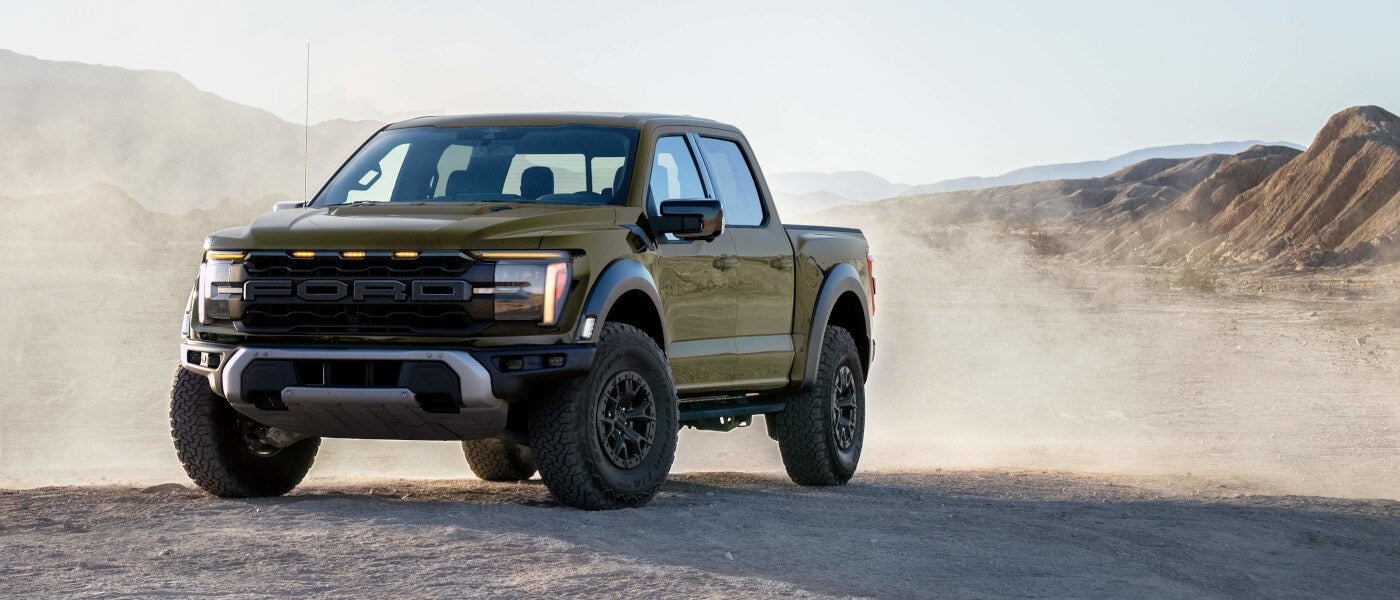
2. Ford F-150 Raptor
Among performance trucks, the Ford F-150 Raptor stands out for combining speed with ruggedness. Built for off-road dominance, it includes a specially tuned suspension that allows it to handle jumps, high-speed trails, and rough desert conditions.
One of the central upgrades in the Raptor compared to standard F-150 models is its heavy-duty control arms. These are designed to resist deformation from repeated off-road impacts and aggressive driving.
The Raptor uses aluminium control arms that are engineered for both strength and weight savings. The design incorporates thicker welds and broader mounting points to distribute forces evenly across the frame.
This not only improves performance but also protects the arms from stress concentration, a common cause of bending in lesser-built components. The front lower control arms are forged and given a boxed design that improves rigidity under compression or lateral movement.
Drivers who push the Raptor to its limits during trail runs or dune climbing benefit from this robust suspension arrangement. The arms are mounted using high-strength bushings and ball joints that reduce the chances of joint failure or premature loosening.
During jumps or landings, the control arms remain firm, holding the wheels in correct alignment and helping the shocks function efficiently.
The engineers behind the Raptor specifically designed it to withstand repeated shock loading and terrain-induced stress. Reports from long-term owners and off-road events have confirmed that the control arms hold up exceptionally well.
Many users drive thousands of kilometres through deserts and mountain paths without having to replace or repair these components.
With performance suspension from FOX and a body engineered for impact resistance, the Raptor continues to prove that it is more than a fast truck.
It is a capable off-road machine where each component, including the reinforced control arms, contributes to consistent control and safety. For pickup buyers seeking strength beneath the chassis, the Raptor provides confidence through its robust suspension hardware.
Also Read: 10 Cars With Cheap Replacement Parts That Tend To Last
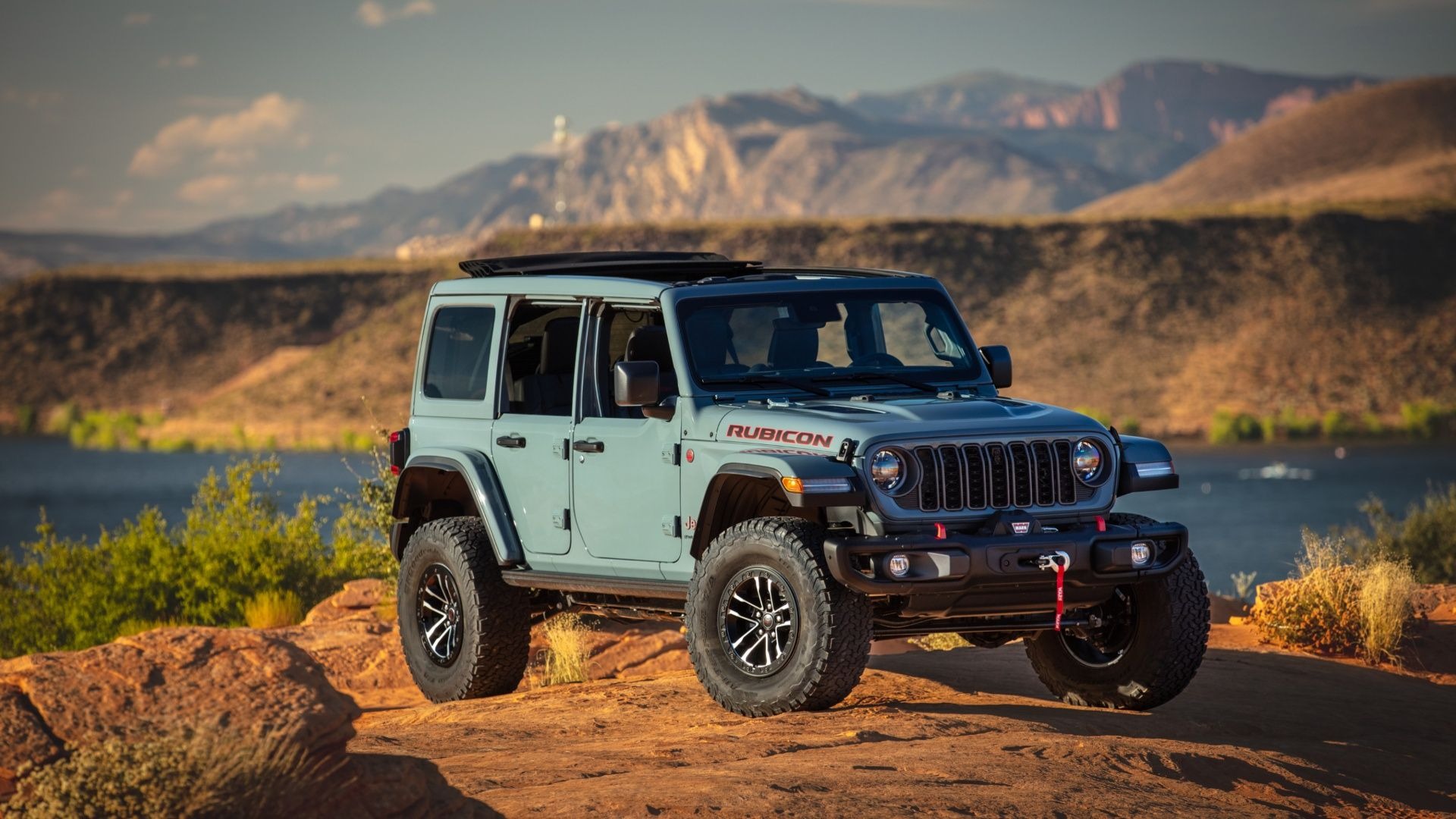
3. Jeep Wrangler Rubicon
The Jeep Wrangler Rubicon is widely known as a purpose-built off-roader, and one of its strengths lies in its reinforced suspension system.
Control arms are among the most tested parts on this vehicle because of the level of articulation and suspension travel required when climbing rocks or tackling deep trails. To support this kind of driving, Jeep installs heavy-duty forged control arms that are stronger than those found on base models or lighter SUVs.
What sets the Rubicon apart is its suspension tuning, which includes upper and lower control arms made from high-grade steel.
These arms are designed to flex without permanent deformation, allowing the axle to move while maintaining the correct orientation. In situations where off-road traction is critical, this suspension strength ensures that the tyres remain planted and steering input stays accurate.
Reinforcement is also visible in the form of gussets and stronger weld points around the control arm brackets. These prevent cracking or bending when the vehicle is lifted or during extreme flex.
Jeep has tested the Rubicon through its rigorous Trail Rated program, which involves real-world testing across water, rocks, snow, and uneven paths. Feedback from this programme guided the engineers to enhance the suspension components so they perform consistently in the long run.
Owners who modify their Wranglers with larger tyres or lift kits often find the Rubicon’s factory control arms up to the task. They are rarely replaced unless the driver is seeking a dramatic suspension change, which speaks to their strength. Even after prolonged use in rough terrain, the control arms retain their shape and effectiveness.
The Rubicon also features adjustable suspension geometry that works well with these arms, making it easier to align after modifications or heavy-duty usage.
With a design that accommodates aftermarket upgrades while remaining reliable on its own, the Rubicon stands as a top choice for drivers who require reinforced suspension hardware. The control arms are a foundation of its durability, helping it stay strong where others fail.

4. Mercedes-Benz G-Class
Mercedes-Benz developed the G-Class with military utility in mind, and though it has evolved into a luxury SUV, it retains engineering traits meant for severe conditions. Among these features are control arms built to withstand repeated abuse from heavy loads and tough roads.
The G-Class rides on a ladder frame platform with suspension components chosen to match its durability expectations. These include control arms that are both robust and refined.
The control arms are crafted from solid steel and undergo multiple treatment processes, including galvanisation and precision welding. The result is a suspension arm that resists corrosion, stress fatigue, and warping.
The engineering team ensures these components remain rigid under vertical load while allowing enough flex for dynamic handling. This balance is crucial for both comfort and strength.
Unlike some SUVs that show signs of suspension fatigue after thousands of kilometres, the G-Class maintains its structural integrity. The reinforced arms are supported by a four-link suspension setup that spreads out the force across different points.
This reduces concentrated stress and increases component life. Whether driving through sand dunes or mountain roads, the G-Class uses its suspension strength to maintain its height and balance.
Owners report minimal degradation in suspension feel or geometry even after years of use. The control arms continue to hold the wheels in position accurately, contributing to safe handling at high speeds. Even when the G-Class is used for towing or overloading, its reinforced arms perform without structural compromise.
Although the G-Class is often seen as a status symbol, it is more than just a luxury SUV. Its construction reflects decades of experience in building vehicles for harsh terrain.
The control arms, among other elements, are engineered to endure situations that would strain other vehicles. For buyers looking at both elegance and mechanical resilience, the G-Class meets expectations with suspension components built to handle pressure without bending or cracking.
5. Subaru Outback Wilderness
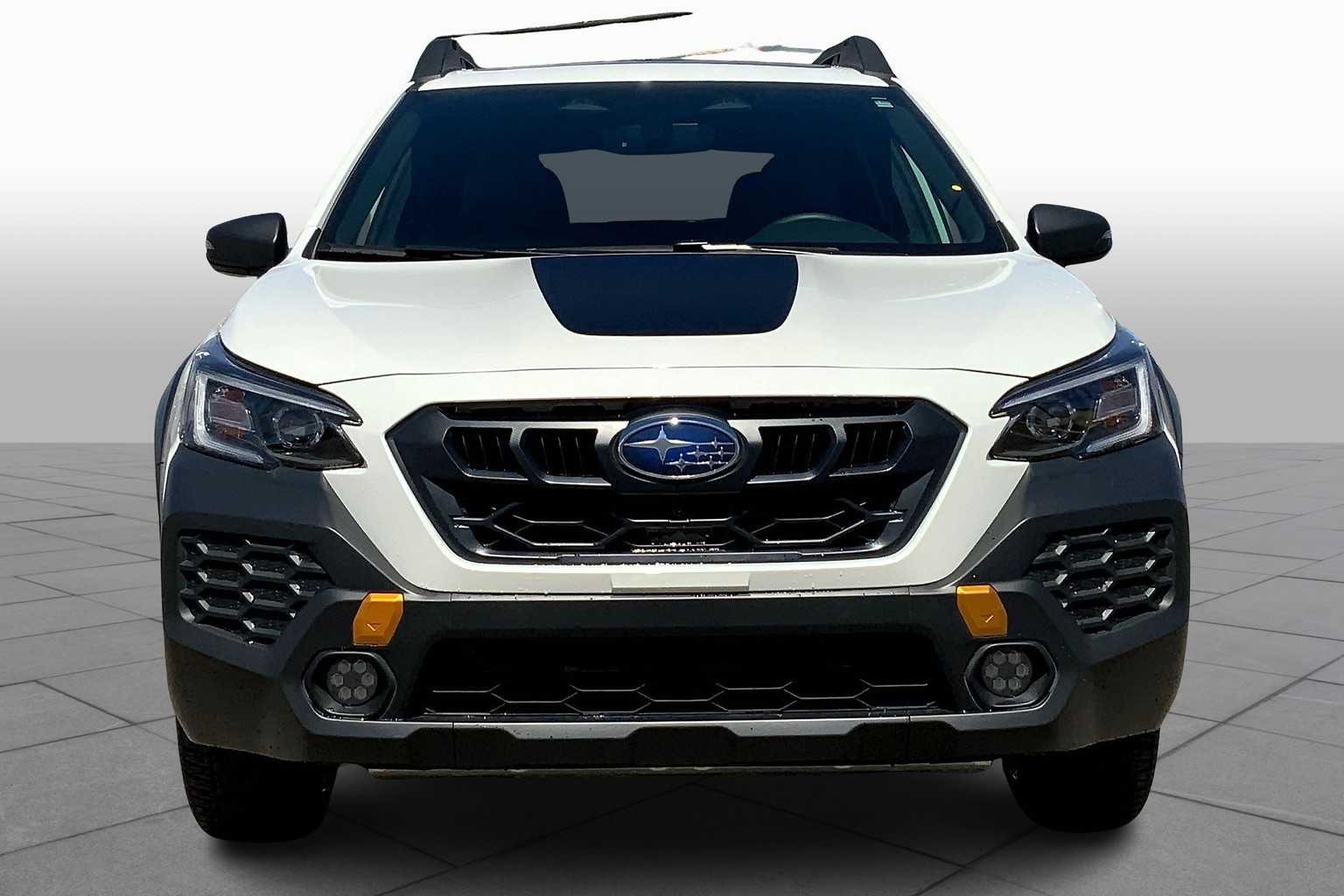
Subaru engineered the Outback Wilderness trim to offer higher durability and enhanced capability over the standard version, and the reinforced control arms fitted on this model play a major part in that transformation.
Designed with the outdoors in mind, the Wilderness edition includes a raised suspension, upgraded dampers, and control arms strengthened to handle more aggressive driving on trails and unpaved roads.
The control arms on the Outback Wilderness are reinforced with thicker steel and more robust welds compared to what is found in lower trims.
These parts are specifically tuned to manage the additional forces generated by its increased ground clearance and all-terrain tyres. Whether going through uneven mountain roads or crossing rocky passes, the suspension arms hold up without showing signs of flex or deformation.
Subaru’s engineers also included additional bracing around the mounting points to improve structural reliability.
This ensures that during hard compression, such as when the vehicle drops into a dip or hits a bump at speed, the control arms do not deform or bend out of shape. In real-world conditions, drivers have reported consistent handling and alignment, even after thousands of kilometres on rough trails.
The Wilderness trim was tested under more severe conditions than standard Outback models, and the control arms reflect this demand.
They provide increased resistance to fatigue and show fewer signs of stress cracking even after repeated off-road use. For those who live in regions with poorly maintained roads or who spend time driving through rural areas, this becomes a valuable asset.
Subaru also applies underbody protection and anti-corrosion treatment to these components, making them more suitable for snow, mud, or moisture-heavy conditions. The result is a suspension system that maintains structural strength and keeps the tyres firmly connected to the road surface.
With the Outback Wilderness, Subaru delivers more than cosmetic upgrades. Its control arms are among the components built with longevity and resilience in mind. The model proves itself capable where softer suspension setups fail, earning a place among vehicles designed with reinforced control hardware ready for real-world stress.
1. Honda Civic
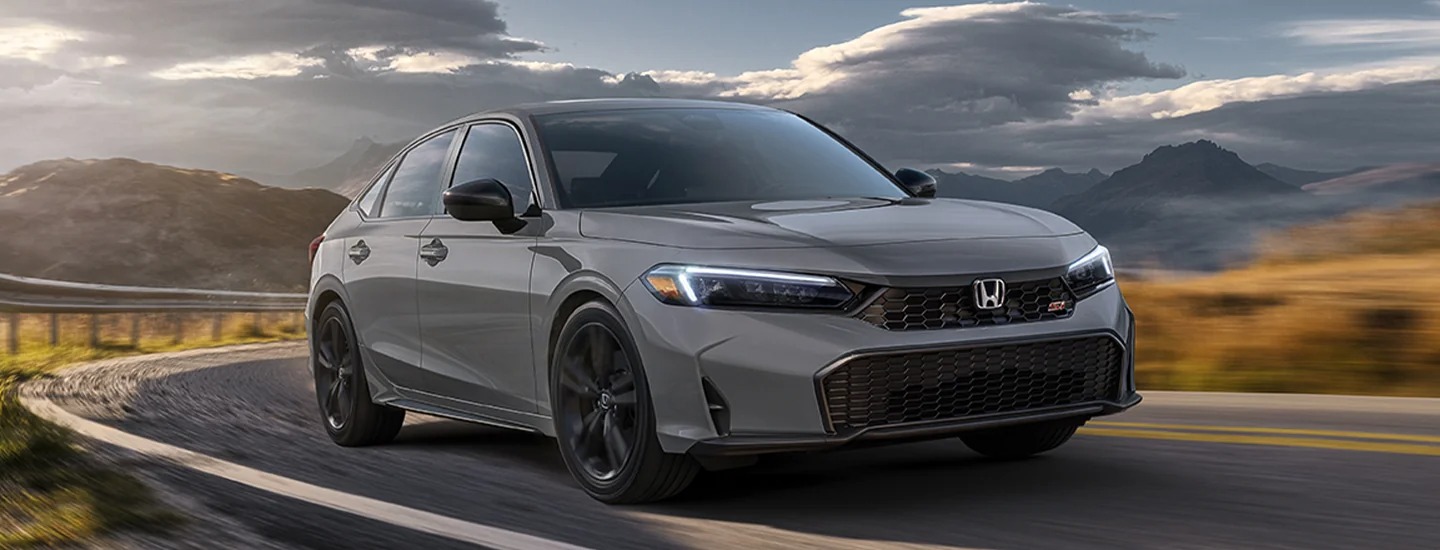
The Honda Civic is widely appreciated for its reliability and fuel efficiency, especially within urban settings. However, when examined in more demanding driving environments or subjected to aftermarket modifications, the stock control arms have occasionally shown structural weaknesses.
Although designed for daily use, the Civic’s suspension components, particularly in older models or base trims, are not engineered to handle extreme pressure or irregular stress loads.
The control arms used in most Civic models are made from pressed steel with limited reinforcements. While sufficient for city roads and normal highway use, they begin to show signs of strain when exposed to potholes, sharp cornering at high speeds, or rough terrain.
Instances of premature wear or bending have been reported, especially in vehicles that have been driven aggressively or have hit curbs or road hazards.
Drivers who participate in track events or modify their Civics for a lowered stance often encounter this issue. The arms are not built to maintain proper alignment when the suspension geometry is altered or stressed repeatedly.
Some have experienced symptoms such as clunking sounds, misalignment, and uneven tyre wear, often traced back to bent or damaged control arms.
In colder climates, the situation can worsen due to rust accumulation and metal fatigue. Once corrosion sets in around the weld points or mounting areas, even moderate stress can lead to deformation. These weaknesses often result in costly suspension repairs or the need for aftermarket replacements with higher durability.
While the Civic remains dependable for its intended role, the suspension system, including the control arms, was never meant for aggressive driving or harsh conditions.
Those who expect the car to perform beyond regular city duties may need to reinforce or replace the control arms to maintain safe handling. For anyone considering high-mileage usage or driving on rough roads, understanding the limitations of the Civic’s control arms is important in preventing avoidable damage.
2. Hyundai Elantra
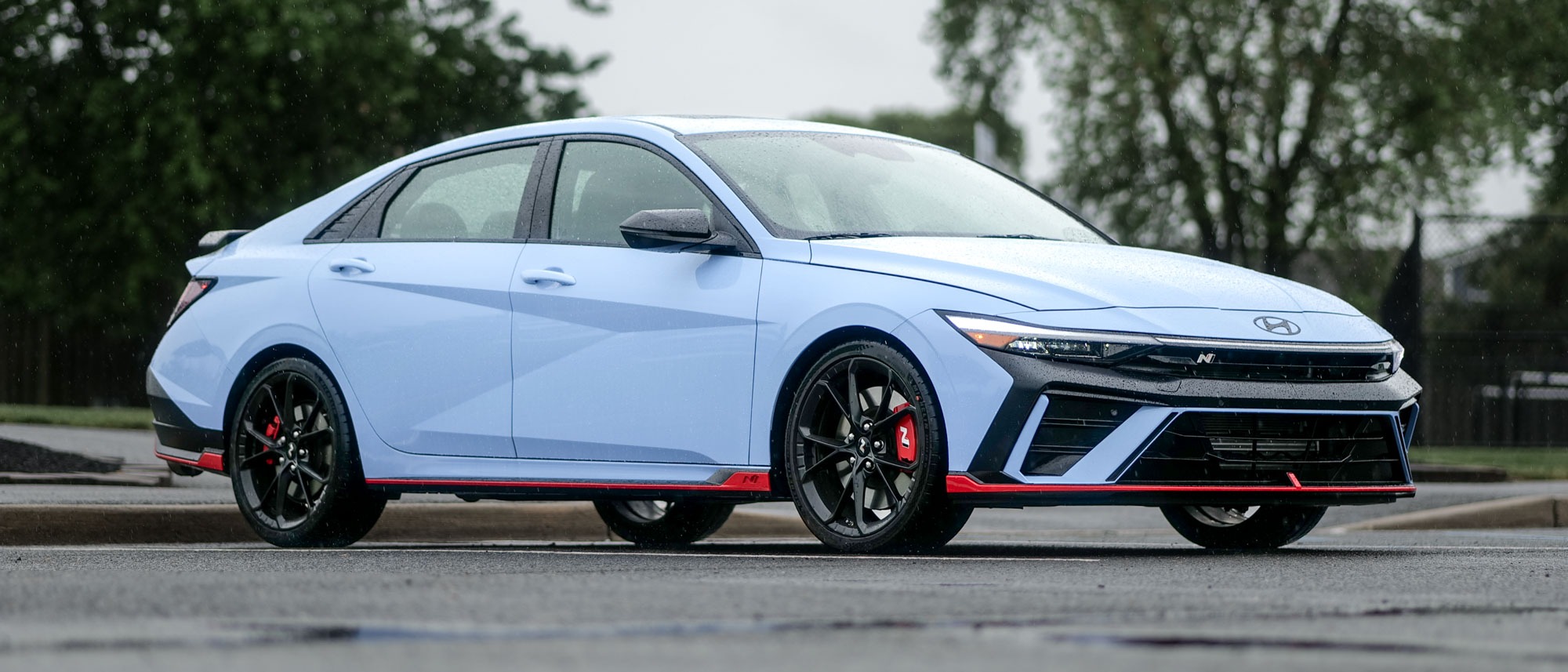
The Hyundai Elantra has earned attention as a budget-friendly compact sedan offering a comfortable ride and modern styling. It meets the needs of commuters well, but when it comes to suspension durability under pressure, its stock control arms have raised concerns.
This becomes more evident when the car encounters poor road surfaces or is used beyond light commuting purposes.
Many Elantra models, especially those in the lower trims, feature stamped steel control arms that prioritise cost savings. While they function adequately in smooth conditions, their structural limitations become obvious during unexpected impacts or prolonged driving on damaged roads.
Some owners have encountered bent control arms after striking potholes or encountering rough patches on rural roads, leading to misaligned steering and premature tyre wear.
Reports of bending tend to increase after the vehicle reaches moderate mileage, particularly in locations where roads are not well-maintained.
Once bent, the control arms lose their ability to maintain proper camber and caster angles, affecting both driving comfort and safety. The issue becomes more critical during braking or when taking sharp turns, where the deformed geometry contributes to unstable handling.
In addition to structural weakness, some Elantra models show signs of poor rust protection on the arms. As surface corrosion builds up, the metal becomes even more susceptible to deformation. Drivers in coastal areas or regions with winter road salt often notice these issues earlier than others.
Those who install larger wheels or lower their Elantras are especially at risk of control arm issues. The additional forces introduced by these modifications are often too much for the standard components to handle.
While the Elantra remains a strong choice for light daily driving, it may not be the best option for those who regularly drive under stress-inducing conditions without upgrading the suspension.
3. Chevrolet Malibu
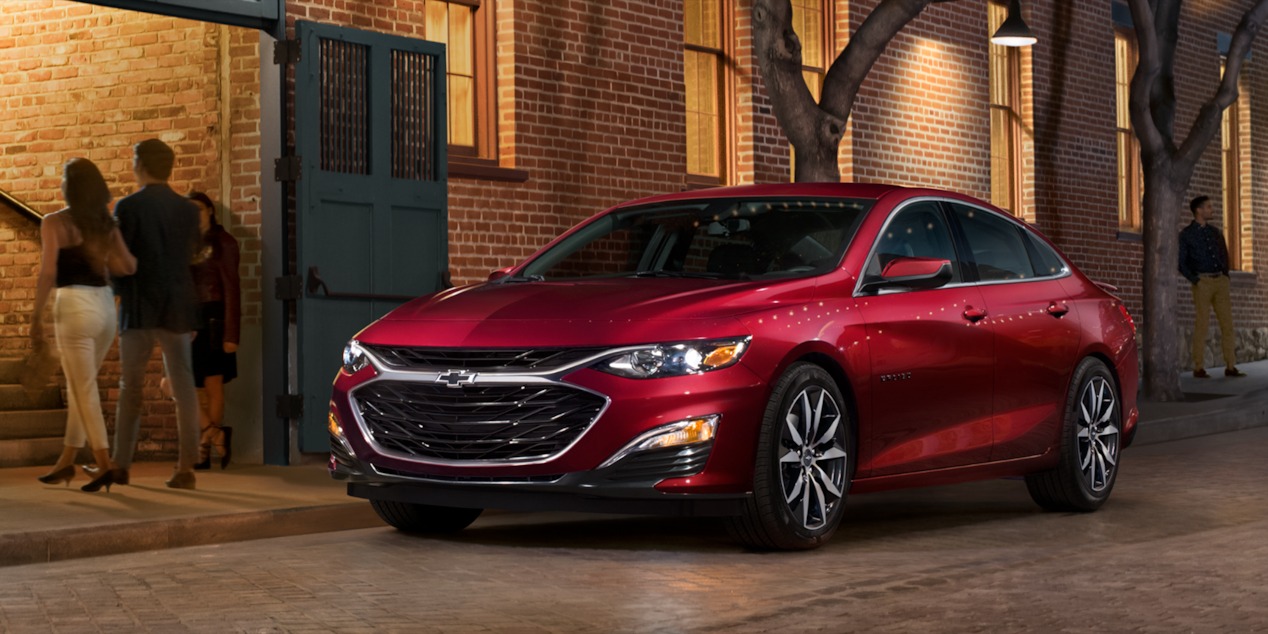
The Chevrolet Malibu serves as a practical mid-size sedan, offering a quiet ride and efficient fuel economy. However, when examined under mechanical stress or after prolonged usage, the stock control arms have shown a tendency to lose their structural integrity. This has affected not only handling but also the long-term reliability of the front suspension.
Chevrolet uses cast aluminium or stamped steel control arms in various Malibu trims. While these materials help reduce weight and maintain affordability, they do not always hold up well under pressure.
In situations where the vehicle experiences high lateral loads, such as sudden manoeuvres or unexpected road hazards, drivers have reported instances where the arms deformed slightly, causing the suspension to feel loose or unstable.
The problem becomes more common in older models, especially those that have clocked high mileage or have been exposed to regular wear and tear without sufficient maintenance.
A bent control arm in a Malibu often leads to steering that pulls to one side or tyres that wear unevenly within a short period. These symptoms, if ignored, can evolve into more severe suspension failures or brake alignment issues.
Mechanics frequently recommend replacing the control arms with aftermarket versions that include stronger bushings and more rigid construction. This is especially true for drivers who live in areas with potholes or who carry heavy loads regularly. The issue is not limited to one production year, as reports have surfaced across several Malibu generations.
Chevrolet has made improvements through the years, but the standard arms remain vulnerable under stress. Unless driven in ideal conditions, the factory-installed parts may require replacement sooner than expected.
For buyers focused on durability during long-distance trips or across uneven road networks, recognising the limitations of the Malibu’s suspension components can help prevent unwanted repairs
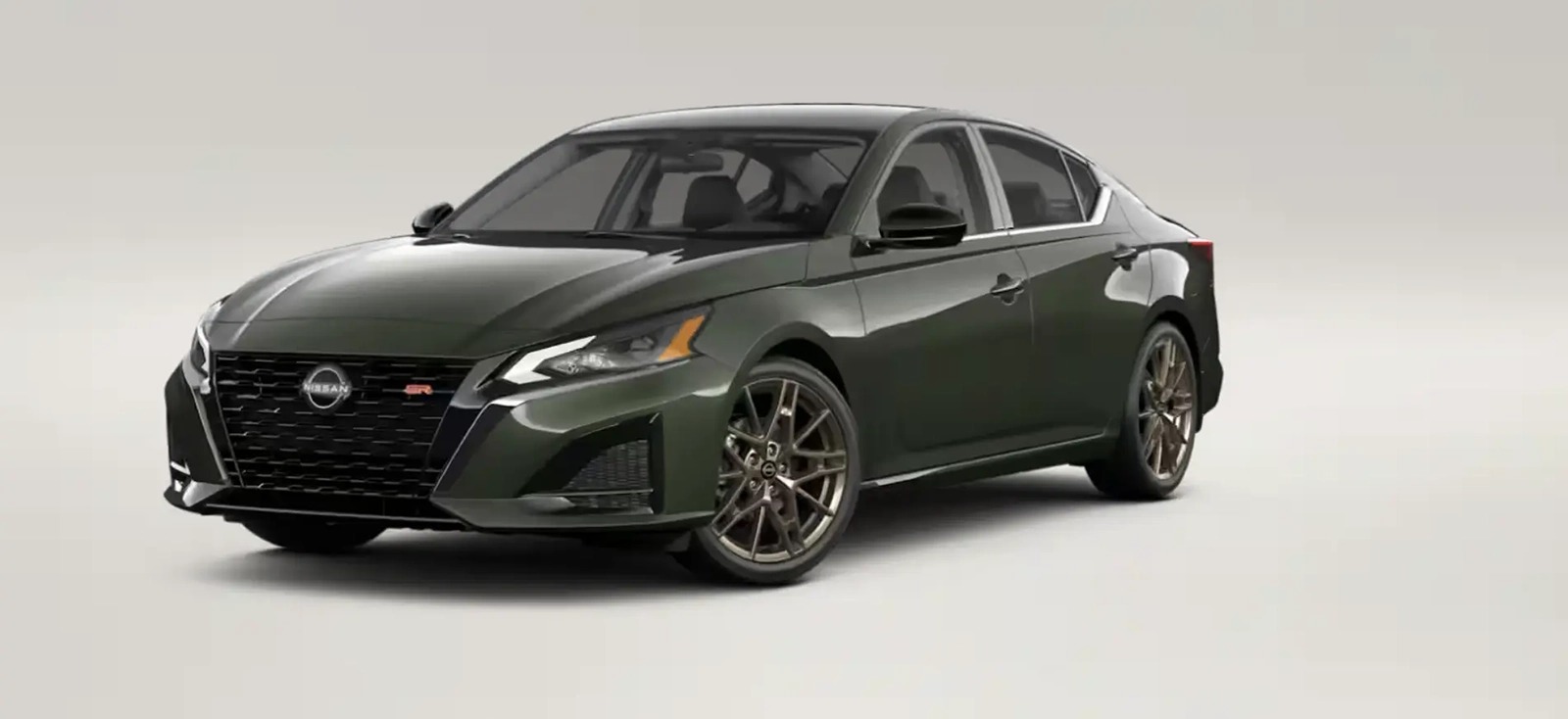
4. Nissan Altima
The Nissan Altima is often selected for its comfort, decent performance, and value. While the vehicle performs adequately for daily driving, its front control arms have shown susceptibility to bending under stress, especially in older models or in regions with rough infrastructure.
These parts tend to weaken after repeated impact or long-term exposure to road vibrations. A common complaint from Altima owners relates to front-end noise or imprecise steering that worsens with time. Upon inspection, technicians often discover bent or cracked control arms.
The metal used in earlier models tends to fatigue more easily than in vehicles engineered with performance or off-road durability in mind. This makes the Altima less ideal for drivers who regularly encounter potholes or abrupt elevation changes.
Once bent, the control arms affect wheel alignment and lead to a noticeable drop in handling stability. Many owners notice this after hitting a deep pothole or driving through rough construction zones.
The alignment issues also contribute to abnormal tyre wear, adding unexpected costs to maintenance. Even when alignment is corrected, the issue may recur if the arms are not replaced.
The bushings attached to these arms also wear prematurely under stress. When combined with a weak control arm material, the result is a front suspension that feels less responsive and becomes harder to keep in balance. Drivers who prefer tighter steering feedback or who travel longer distances may find the Altima less dependable in this area.
Although the Altima remains competitive in features and fuel economy, those requiring strong suspension integrity may need to invest in aftermarket upgrades.
Reinforced control arms with stiffer bushings can improve reliability and performance. Without these changes, the Altima’s front suspension remains vulnerable during high-stress conditions, especially after prolonged exposure to poorly maintained roads.
Also Read: 5 Cars That Lose Value After 100,000 Miles vs 5 That Retain Value Past 100,000
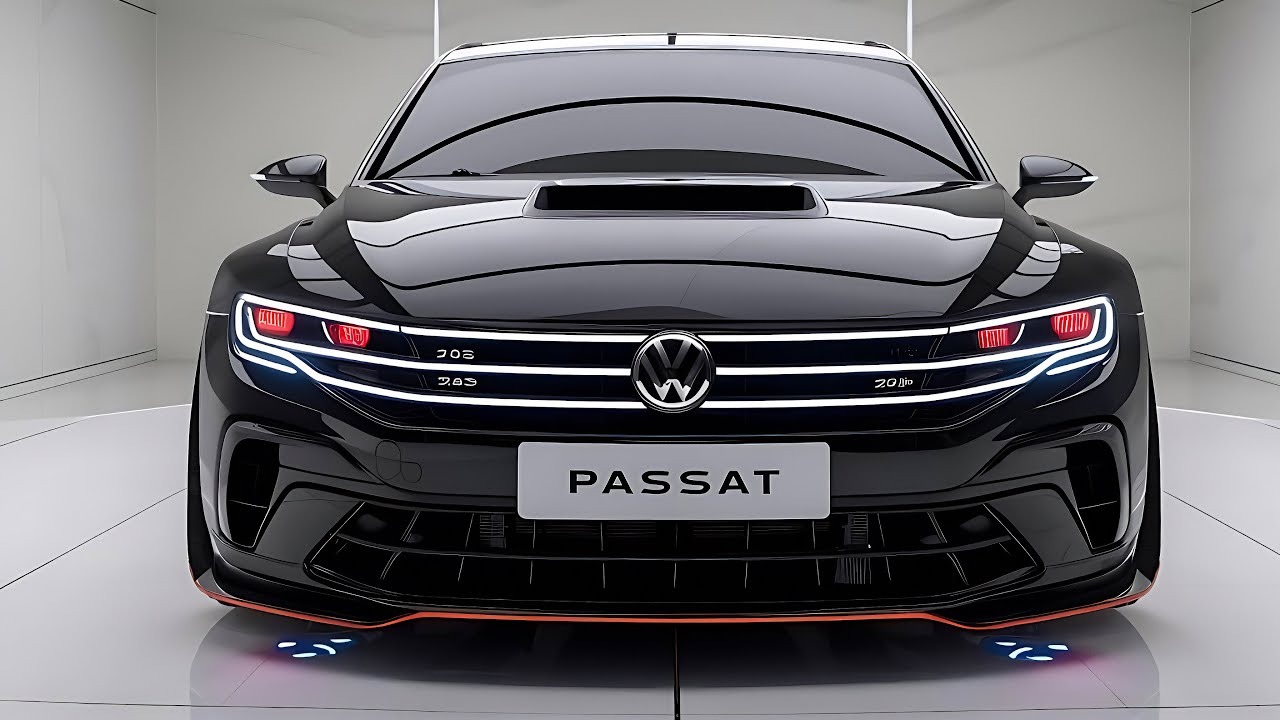
5. Volkswagen Passat
The Volkswagen Passat has earned recognition for its spacious interior and smooth highway performance. Despite this, several versions of the Passat have shown suspension durability issues, especially with the front lower control arms.
Designed primarily for comfort and light handling, these components tend to fall short when exposed to extended road stress or moderate impacts.
The control arms in the Passat are typically made from lightweight aluminium or steel with limited reinforcement. While sufficient for driving in urban environments, they become problematic on damaged or uneven roads.
Drivers have reported sudden alignment problems or strange noises after hitting a bump or pothole. These are usually traced to bent or cracked control arms.
This issue is more evident in older Passat models and those without upgraded sport suspensions. When the arms bend, even slightly, the steering and braking systems no longer perform with intended accuracy. At higher speeds, this can lead to safety concerns, especially when the vehicle pulls to one side or behaves unpredictably during sharp turns.
Wear and tear are accelerated by environmental exposure. In areas where salt is used on roads or where moisture is high, rust can develop along the welds and joints. Once corrosion sets in, the metal loses its strength, and even minor impacts can deform the structure. This increases repair frequency and raises the ownership cost.
To restore performance and safety, many Passat owners turn to aftermarket control arms with improved materials and construction. These replacements often feature stronger alloys, better bushings, and thicker joints.
For drivers interested in long-term dependability or those regularly encountering rough roads, relying on the factory-installed control arms may not be enough. The Passat, while refined in comfort, does not offer the suspension toughness found in vehicles built with durability as a higher priority.
