
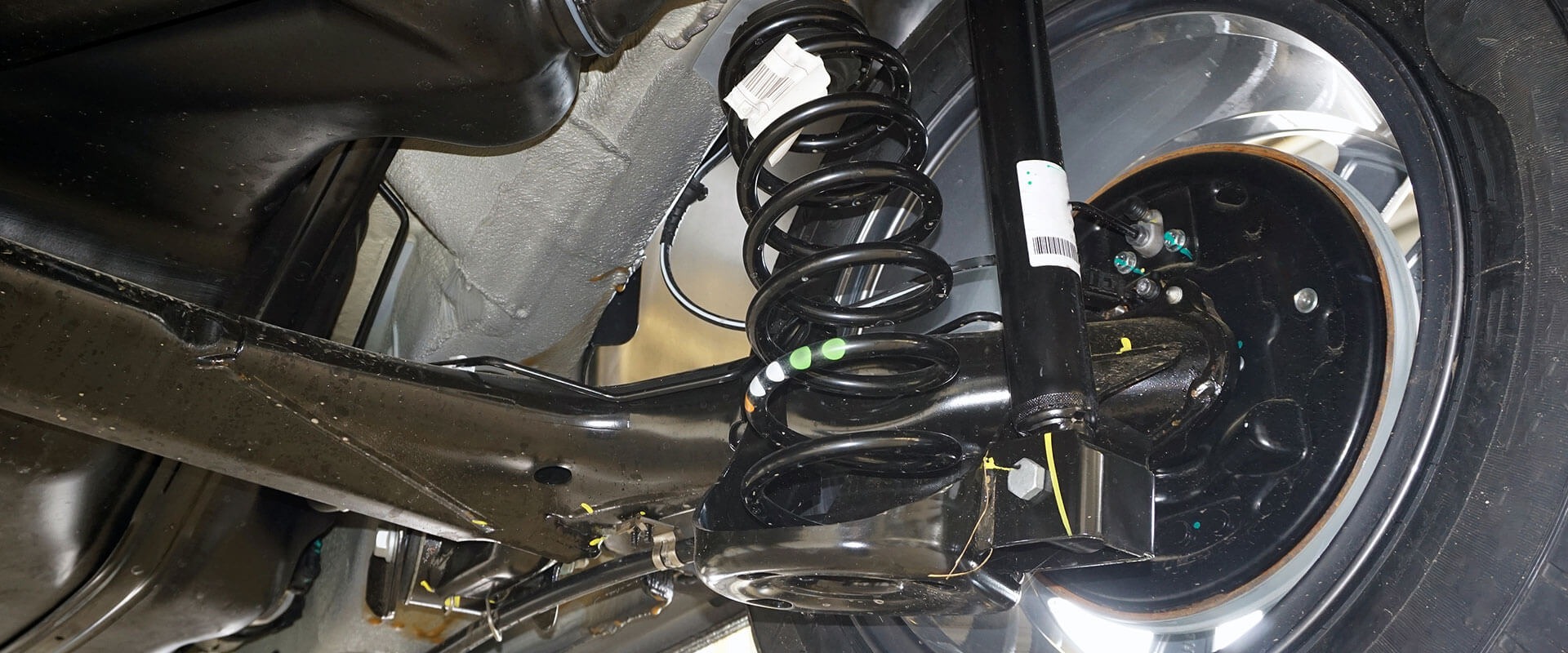
The suspension system in any vehicle plays an important role in how it performs, how comfortable it feels, and how long it lasts. For pickup trucks, which are often used for demanding tasks like hauling, towing, and off-road driving, suspension durability becomes even more essential.
Among the many parts that make up this system, suspension bushings stand out. These rubber or polyurethane components absorb shock and maintain stability, helping the suspension arms move properly and reducing metal-to-metal contact.
Some trucks have earned a reputation for using suspension bushings that practically last a lifetime. These models usually come with durable components built to handle heavy-duty use without showing signs of damage for many years.
Owners of such trucks often enjoy long-term peace of mind with fewer repairs and lower maintenance costs related to suspension issues. However, not every truck delivers the same level of reliability. Some are known to develop suspension problems not long after regular use begins.
In many of these cases, the bushings start to crack or wear out quickly, leading to issues like uneven tyre wear, steering problems, and noisy rides. When bushings fail, the ride becomes less stable and more uncomfortable, sometimes requiring expensive replacements to restore original handling quality.
We will stress out five trucks that come equipped with suspension bushings that stand the test of time, resisting wear and tear even under difficult conditions. It also points out five trucks that have been commonly reported to suffer from cracked or damaged suspension bushings.
For potential buyers or current owners, this comparison helps identify which models are more likely to save money on repairs and which ones may require closer attention to avoid long-term problems.
Trucks with Lifetime Suspension Bushings
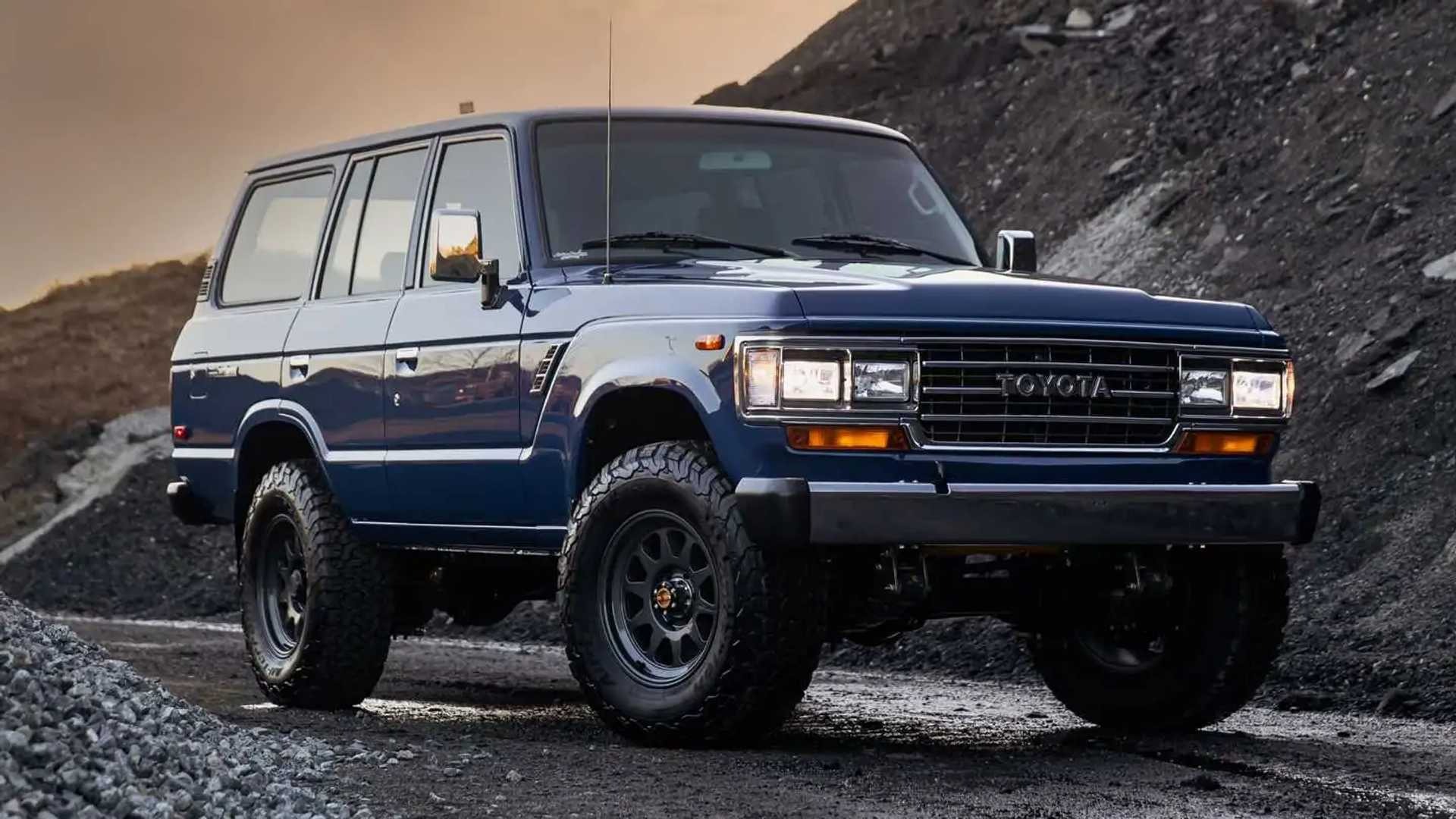
1. Toyota Land Cruiser
The Toyota Land Cruiser has long been recognised for its dependability in harsh conditions. This reputation is backed not just by its engine or frame but also by the durability of its suspension components. The bushings used in this vehicle are specially designed to handle both off-road punishment and daily driving comfort.
One reason these bushings last so long is the high-quality rubber materials and precise engineering that Toyota employs. Even after years of use, many Land Cruiser owners report minimal wear on the original suspension bushings.
Engineers crafted this SUV’s suspension system to tolerate rocky paths, high-speed bumps, and heavy loads without showing early signs of fatigue. The bushings, in particular, are thick and reinforced to reduce stress from repeated compression and expansion.
Some users have even driven their Land Cruisers for over 200,000 miles without ever needing to replace a single suspension bushing. The design of the chassis and the layout of the suspension arms make it easy for the bushings to remain shielded from extreme debris, further prolonging their life.
Also contributing to their long life is Toyota’s use of corrosion-resistant materials. This ensures that even those living in areas with salted roads during the winter months do not have to worry about premature cracking or wearing away.
Mechanics frequently point to this model as an example of how proper bushing design can save a vehicle owner thousands in repairs as time goes on.
The Land Cruiser does not just promise reliability on paper. Real-world use, especially in regions with rough road infrastructure or frequent off-road travel, continues to prove that its suspension bushings stand strong.
Whether being used for overlanding adventures or family road trips, this vehicle delivers stability without needing regular part replacements.
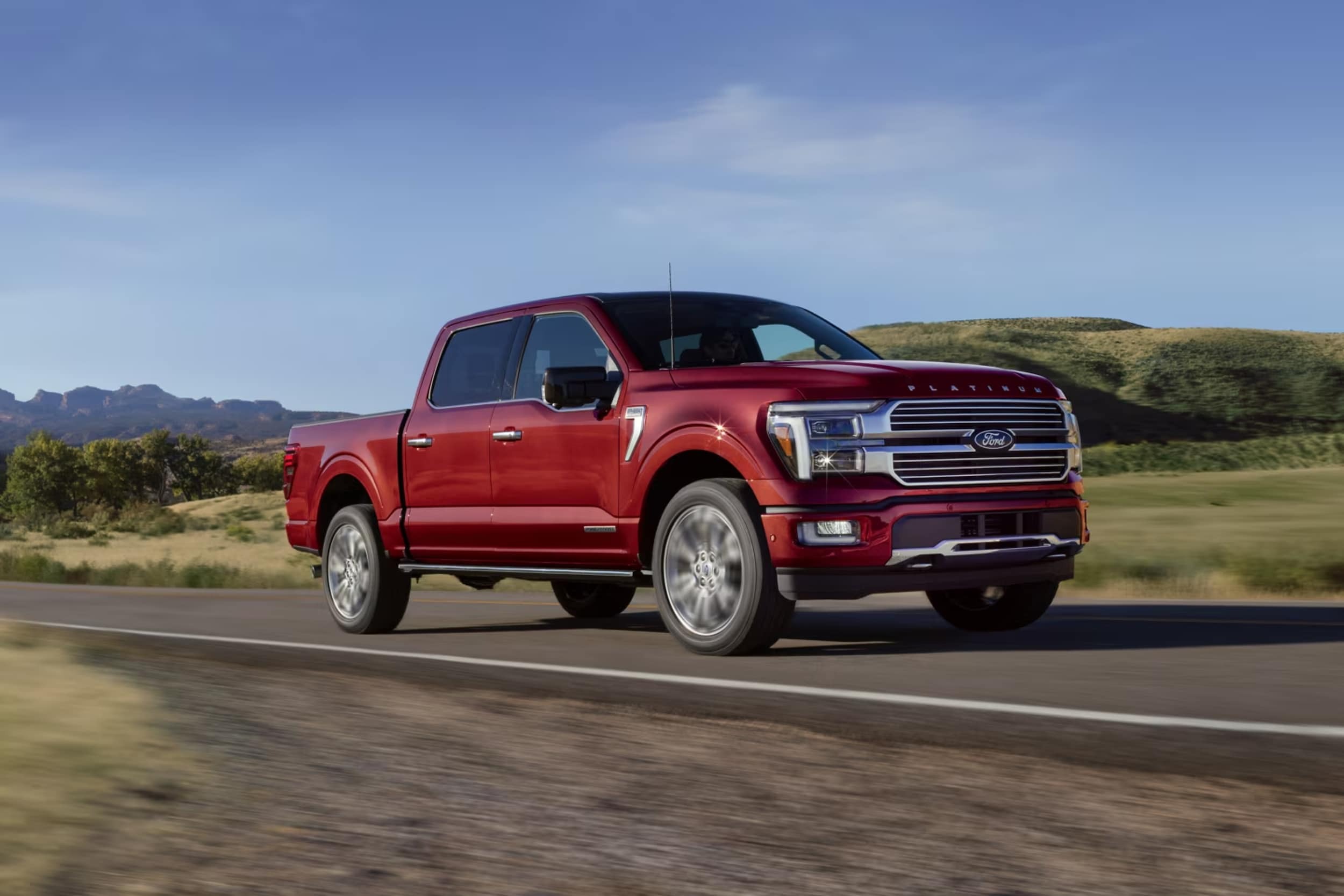
2. Ford F-150 (Recent Generations)
Ford’s F-150 remains one of the most purchased pickup trucks in the United States, and for good reason. In recent generations, this model has made clear improvements in its suspension design, especially when it comes to the durability of bushings.
Ford moved to use higher-grade materials in their bushing construction, with special attention to strength and longevity. These changes have made a visible difference in how long these parts last, even under tough driving conditions.
Owners who frequently use their trucks for carrying loads or pulling trailers have found that their F-150’s bushings show fewer signs of early wear compared to earlier models.
The newer versions incorporate multi-layer rubber bushings that are designed to flex without cracking. These help maintain a smooth driving feel while also handling the heavy weight of the truck itself.
The use of closed-cell rubber material in these bushings also helps prevent water and dirt from entering and degrading the part from the inside out.
This results in less chance of cracking, even when exposed to extreme weather. Engineers also designed the control arms and stabilisers to distribute weight evenly across all bushings, reducing the pressure on individual parts.
Ford also placed special emphasis on improving the rear suspension, which tends to take the most punishment when the truck is loaded. Feedback from long-time owners shows that many trucks surpass 150,000 miles without needing a bushing replacement.
Whether used as a work truck or a family hauler, the F-150 from the past few model years offers drivers a dependable suspension setup.
For buyers who want a blend of comfort, strength, and long-term savings on suspension maintenance, the F-150 stands out. These trucks are built with the understanding that their owners will push them hard, and the bushings are designed to keep up with that lifestyle.
Also Read: 5 Five-Year-Old Cars That Sell for Top Dollar vs 5 That Lose Half Their Value
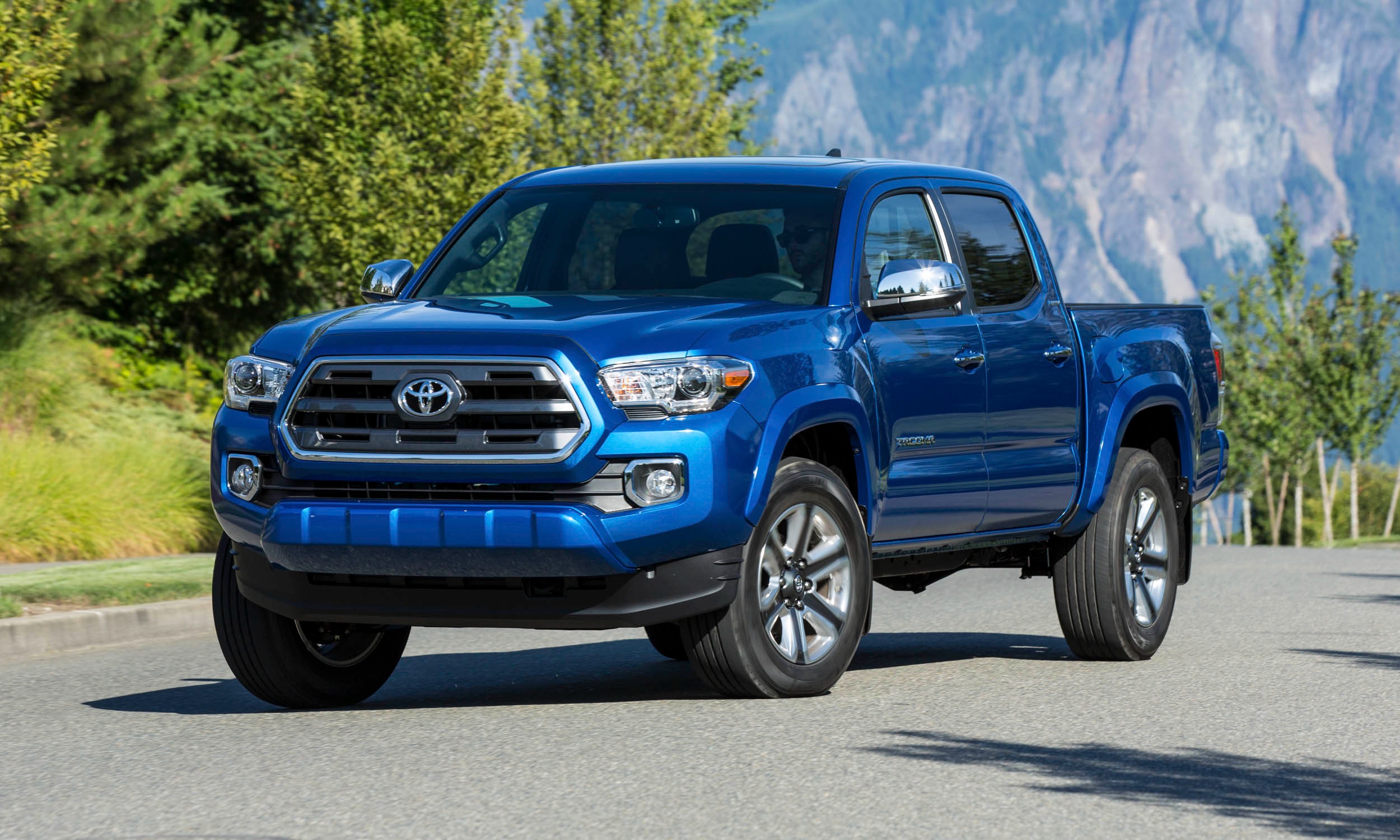
3. Toyota Tacoma (Post-2016 Models)
Toyota’s mid-size pickup, the Tacoma, underwent a major update starting from the 2016 model year. Along with changes to its powertrain and frame, the suspension system received attention that improved both performance and durability.
One area where Toyota succeeded is in creating bushing components that last far longer than those found in many competing trucks in the same class. Drivers appreciate that even after long hours on gravel paths or city streets filled with potholes, the bushings do not start to show damage early on.
The company’s attention to detail means that the rubber compounds are mixed with reinforcements that stop them from drying out or becoming brittle too quickly. It’s not unusual to hear of Tacomas still running on their original suspension bushings after 150,000 miles or more, especially with regular inspections.
Toyota also arranged the placement of the bushings in a way that gives them added protection. In the Tacoma, the front and rear suspensions are supported by bushings seated in steel housings, helping reduce exposure to road debris and heat buildup.
This design reduces movement that might otherwise cause premature wear. Even the sway bar bushings, which often wear out quickly in other trucks, tend to last longer here due to the strengthened polyurethane material.
Another reason the bushings remain in good shape is because of the truck’s balanced suspension geometry. Engineers ensured that the forces from turning, braking, and accelerating do not fall unevenly on the bushings.
This helps avoid cracks and preserves alignment as time goes on. Many Tacoma owners rarely face suspension complaints when the vehicle is properly maintained.
This pickup has earned its place among trucks known for having long-lasting suspension systems. It continues to be a popular choice for people who want dependable performance without worrying too much about suspension part failures.
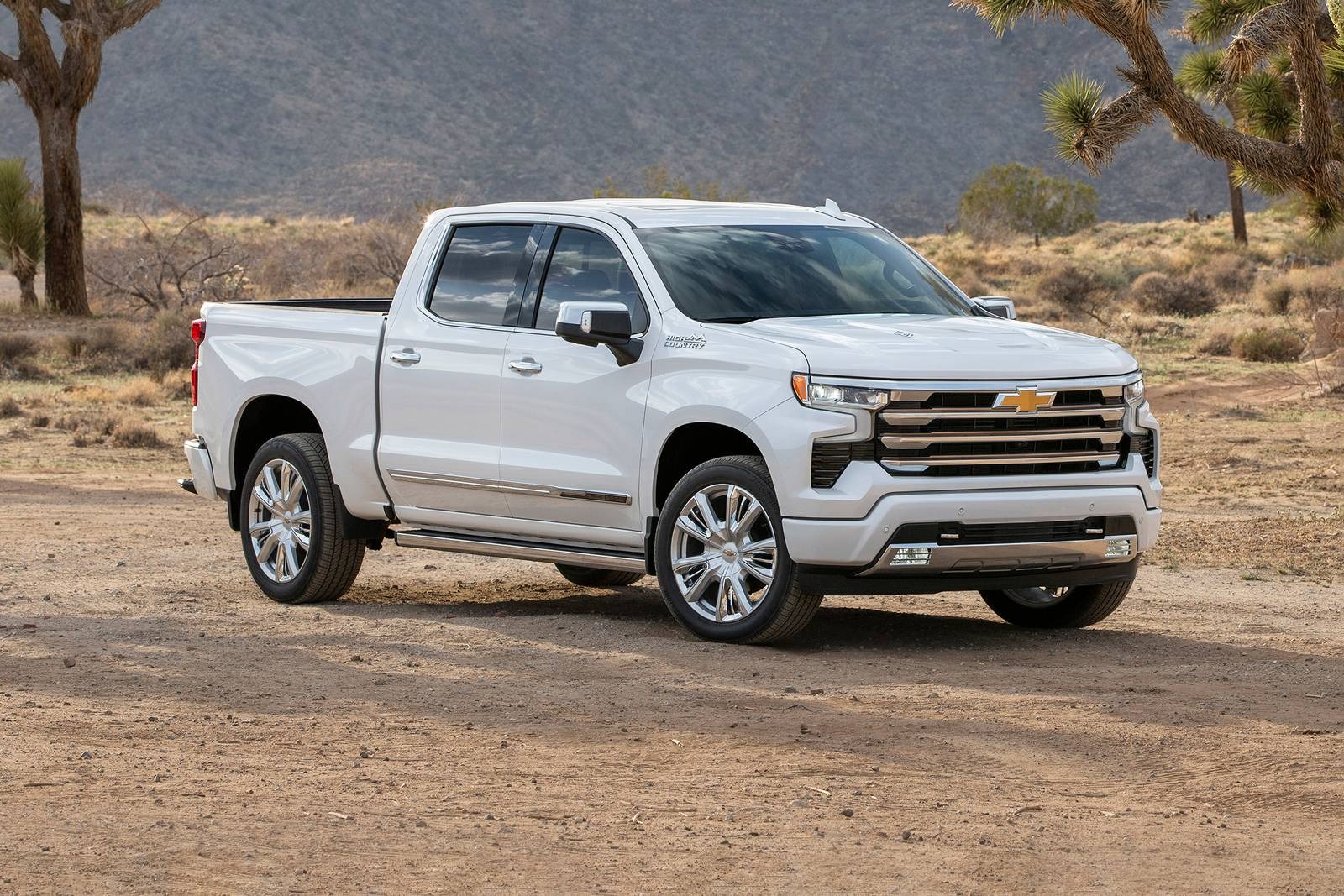
4. Chevrolet Silverado 1500 (2020 and Newer)
Chevrolet made meaningful upgrades to its Silverado 1500 starting from the 2020 model year, especially with regard to ride comfort and suspension durability.
The introduction of improved bushings played a strong part in that change. Engineers selected stronger rubber materials and adjusted their installation points to reduce early cracking or warping.
For many truck owners, one of the biggest worries is how the suspension holds up when the vehicle is used for heavy work. With the updated Silverado 1500, users report that even with consistent use for towing or long-distance cargo hauling, the suspension bushings remain intact.
Chevrolet also ensured that the suspension geometry places less stress on these bushings, which helps prevent unwanted stretching or cracking.
Another factor is how well these parts hold up under temperature changes. Whether driving in freezing winters or scorching summers, Silverado bushings show less sensitivity to heat and cold.
This results in a smoother drive and fewer complaints about squeaks or stiffness in the ride. Polyurethane alternatives are available for those who want even more strength, but the stock bushings are already proving reliable for many miles.
Technicians have also observed that the front lower control arm bushings on this model rarely require replacement unless the vehicle has faced serious accidents or poor service habits.
In most cases, regular maintenance keeps them in perfect shape. Those who use the truck both for business and family duties often report long-term satisfaction with the suspension setup.
Silverado 1500 drivers who value reliability and toughness in their truck’s suspension find that these improvements make a noticeable difference. When you have a vehicle that stands up well under pressure and does not need bushing replacements every few years, that’s money and time saved in the long run.
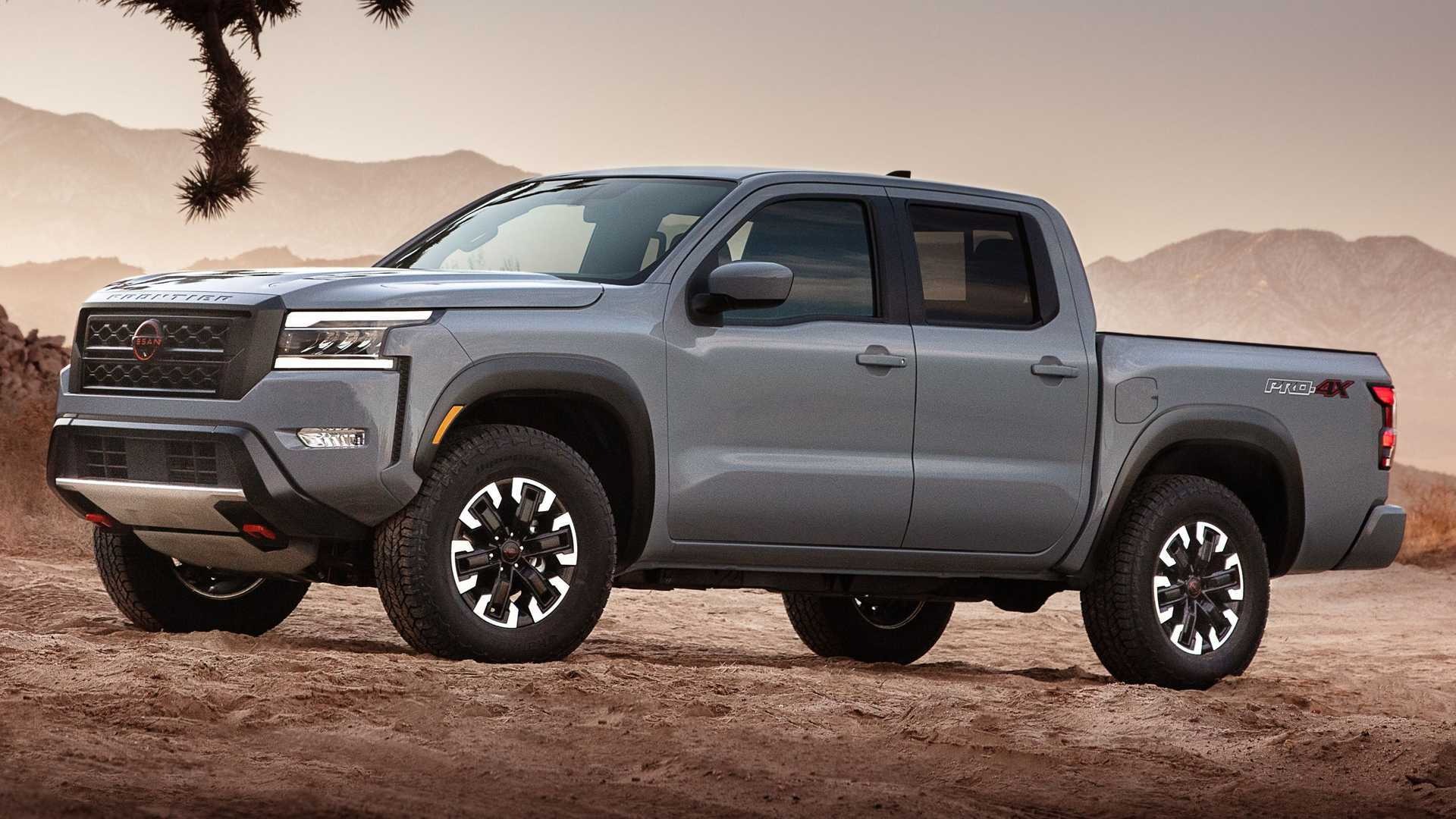
5. Nissan Frontier (2022 Redesign)
The Nissan Frontier had been on the market without major updates for many years, but the 2022 redesign brought major changes across the board.
Among those changes was a complete rework of the suspension system, which included stronger and longer-lasting bushings. Nissan listened to customer complaints from earlier models and focused on creating a more refined and durable truck.
The new Frontier uses advanced rubber materials in its suspension bushings, which now resist the drying and cracking that plagued previous versions.
These improved bushings are mounted in tighter control arm slots, which reduces excess movement and keeps everything firmly in place. The result is a much more solid driving experience, with fewer rattles and a smoother response on rough terrain.
Feedback from drivers who have used the redesigned model for off-road trips or regular commuting shows that the bushings remain in good shape even after one or two years of continuous driving.
The truck’s engineers worked hard to remove the old issues where bushing failure could lead to misaligned steering or worn tyres. Those problems are no longer common in this version of the Frontier.
It’s also worth mentioning that Nissan included upgraded sway bar links and shock mounts, which often interact with bushing performance.
By improving the strength of these surrounding parts, they reduce the wear rate of the bushings themselves. Regular checks by mechanics confirm that many owners do not need to change out any bushings during their first 100,000 miles of use.
This truck now sits among those that provide peace of mind through stronger components. For anyone seeking a mid-size truck that avoids frequent suspension repair costs, the redesigned Frontier fits that requirement with ease.
Trucks with Cracked Suspension Bushings
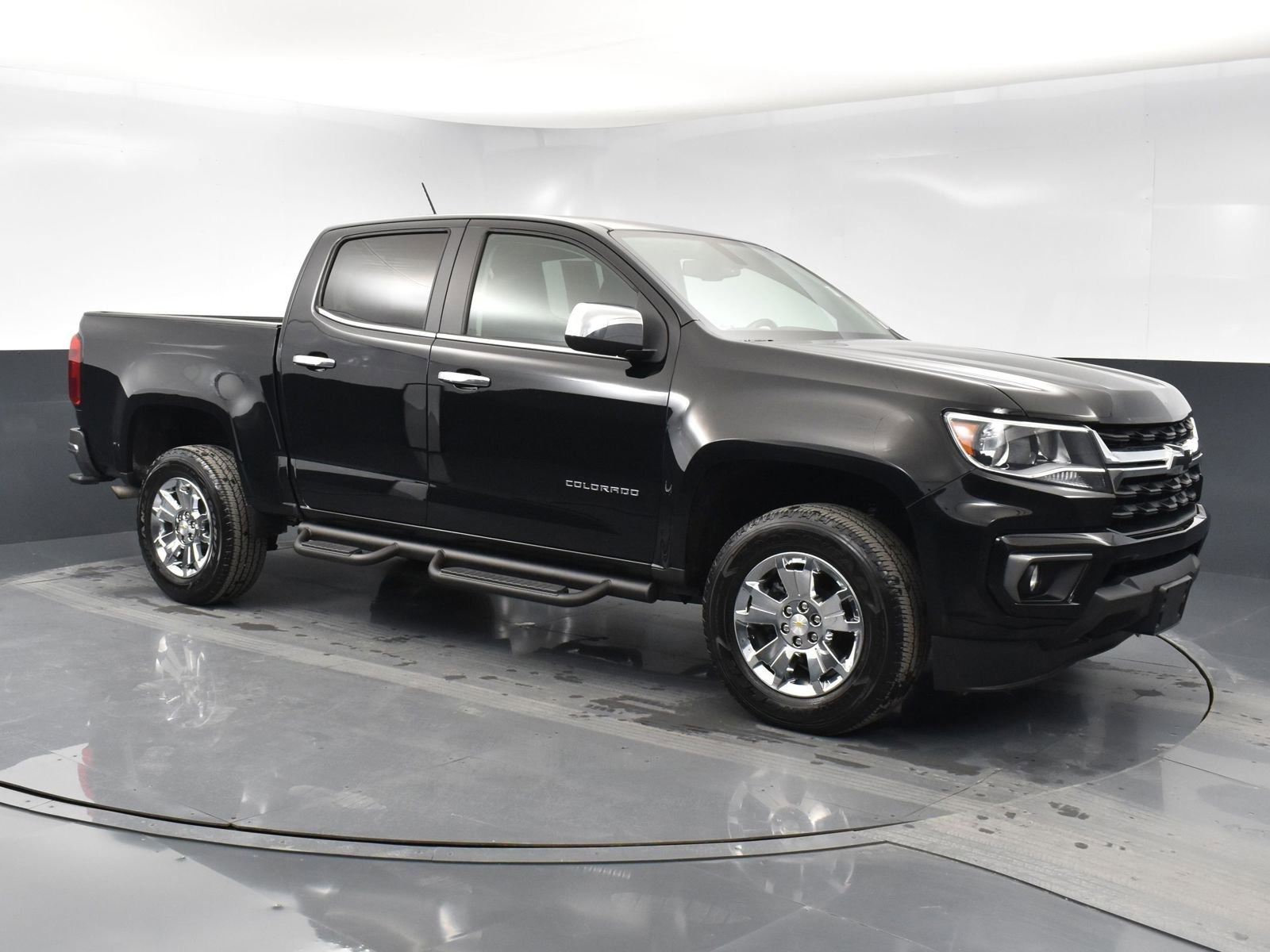
1. Chevrolet Colorado (Pre-2022 Models)
The Chevrolet Colorado, especially those models produced before the 2022 update, has faced repeated concerns related to the condition of its suspension bushings. Many drivers have reported that the rubber bushings on their trucks begin to show signs of cracking much earlier than expected, often before the 70,000-mile mark.
These issues tend to affect both front and rear control arms, leading to a degraded driving feel, increased tyre wear, and in some cases, steering misalignment. One of the reasons for this problem is that the older design of Colorado’s suspension system placed excess stress on the bushings.
Under regular use, particularly when hauling or driving on uneven roads, the bushings were often exposed to forces they could not absorb properly. The result is premature wear and cracks that begin to form in the rubber. Over time, these cracks worsen, making the suspension less stable and causing unwanted movement in the suspension arms.
Weather changes also contribute to these problems. In regions with extreme cold or heat, the bushings in older Colorados often shrink, harden, or dry out.
This eventually leads to surface cracks that expand with every bump or pothole hit. Drivers sometimes hear knocking or squeaking sounds from under the vehicle, which is often traced back to these cracked components.
The design also did not do enough to protect the bushings from road debris. Since the parts are fairly exposed, small rocks or road salt can come into contact with the rubber, increasing the rate of deterioration. Mechanics have frequently recommended early replacement of bushings on these trucks to avoid more serious suspension damage.
While the 2022 redesign brought many improvements, including better bushing materials and improved suspension geometry, the earlier models still leave many owners frustrated with repair costs. Those planning to buy a used Colorado should pay close attention to the condition of the suspension bushings, especially on higher mileage units.
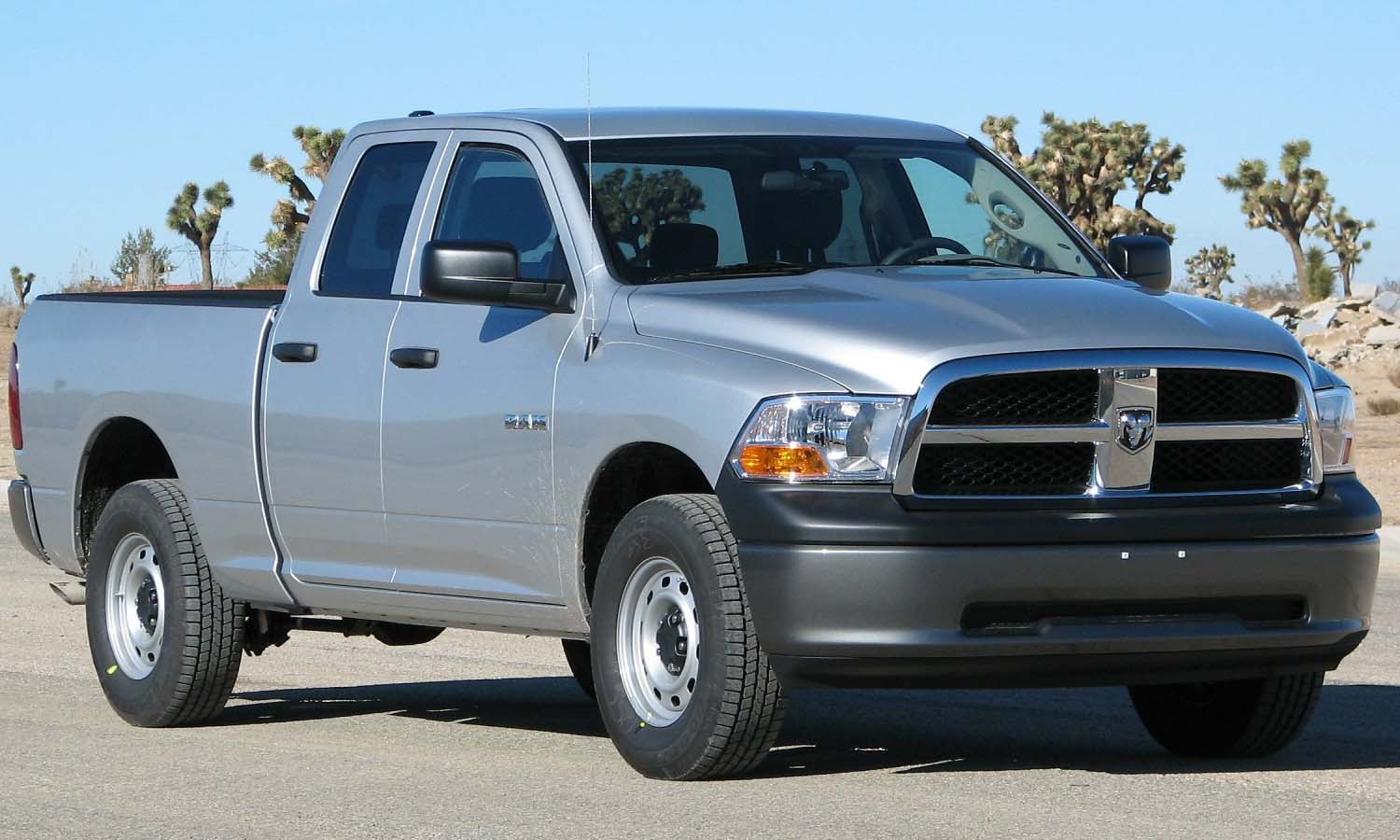
2. Ram 1500 (2009 to 2017)
The Ram 1500 from the model years between 2009 and 2017 has often faced repeated complaints regarding early bushing failure.
Drivers have commonly experienced a decline in ride quality and control due to cracking or worn-out suspension bushings, particularly in the front lower control arms. These trucks, while praised for their comfortable ride and towing ability, did not perform well in terms of long-lasting suspension components.
The rubber material used during those years has been pointed out as a weak link. Many mechanics have observed that even before reaching 80,000 miles, some Ram 1500 trucks begin to exhibit bushing-related issues.
Once these bushings crack, the symptoms become obvious: clunking noises, reduced handling stability, and uneven tyre wear. Replacing them is often necessary sooner than most owners would expect.
Driving in areas with poor road conditions or heavy traffic worsens the problem. With every bump, the suspension system compresses and expands, and when bushings are not strong enough, they develop cracks along the edges and start to lose their shape. Cold climates also add to the issue, making the rubber brittle and more prone to breaking under pressure.
Another issue is the design of the control arms and how they distribute force to the bushings. Because the weight of the truck and external loads often falls unevenly on certain bushings, the stress is not evenly balanced. This causes some parts to wear out faster than others, leading to instability and higher suspension repair bills.
Although Ram made changes in later models to improve durability, this range of model years remains a concern for many.
Owners who are currently driving these trucks are often advised to inspect their suspension components regularly and replace any cracked bushings before they cause further damage to the control arms or steering system.
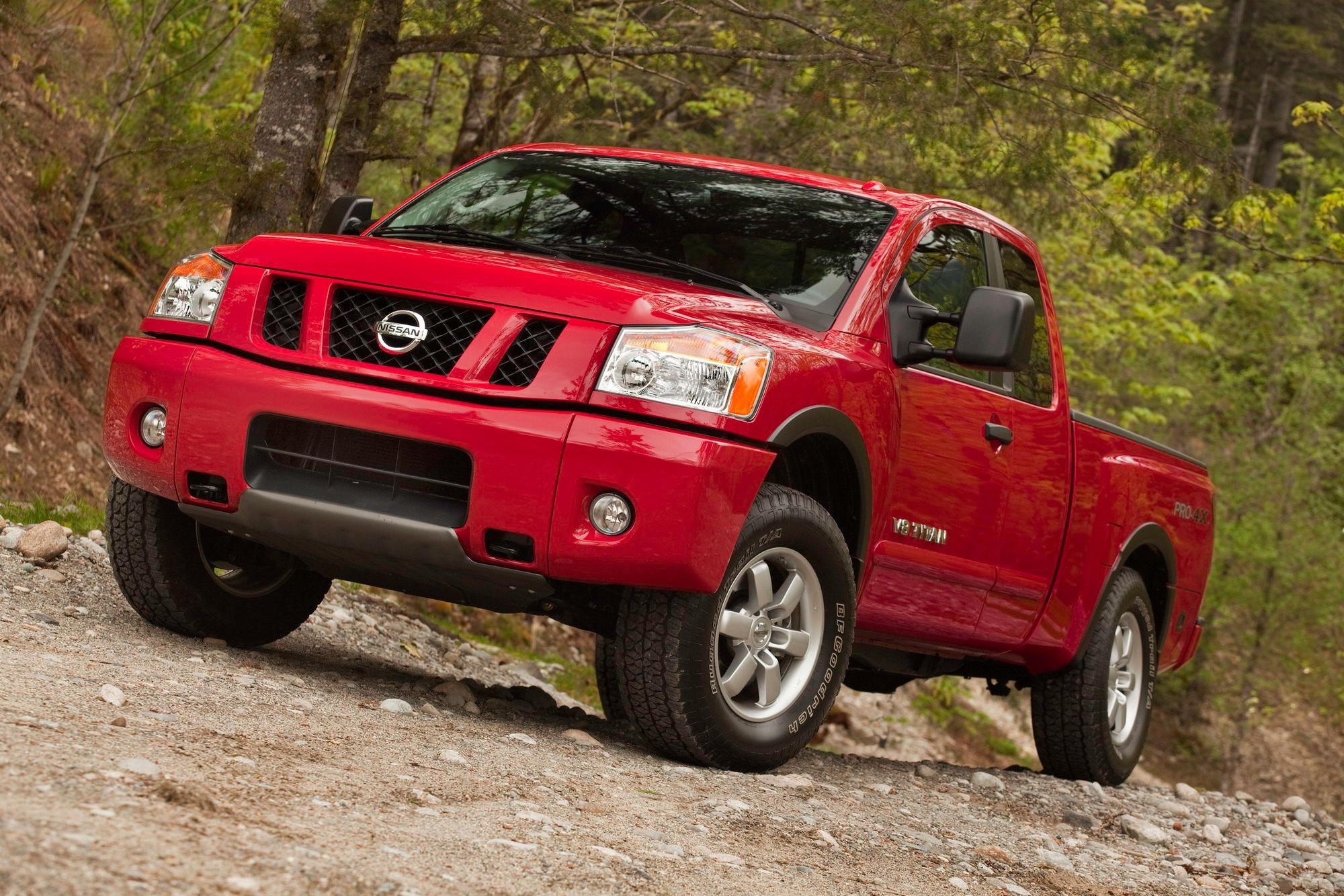
3. Nissan Titan (2004 to 2015)
Nissan’s full-size pickup, the Titan, especially those produced between 2004 and 2015, has developed a reputation for frequent bushing problems.
Many owners of these trucks have dealt with cracked or degraded suspension bushings within the first few years of ownership, which affects driving comfort and safety. These trucks were originally designed for strength and hauling capacity, but the bushings used during this time did not always meet expectations.
One issue that repeatedly arises is the cracking of front control arm bushings. As the rubber ages, it begins to dry out and loses flexibility. This condition gets worse when the truck is used in hot or very dry environments, where the rubber becomes stiff and more likely to split under pressure. Some users have reported having to replace bushings as early as 50,000 miles, which adds to maintenance costs and reduces driving satisfaction.
The sway bar bushings also seem to wear down faster than they should. When these crack, drivers often notice increased body roll and poor cornering, especially when carrying heavy loads or towing.
The problem lies in both the quality of the materials and the lack of additional support around the bushings to shield them from the elements. As time goes on, exposure to dirt, moisture, and heat accelerates the breakdown process.
The Titan’s suspension geometry during these years also made it harder for the bushings to distribute force evenly. As a result, some parts experience more pressure than others, leading to earlier failure in specific bushings. Once cracks form, noise begins to creep into the cabin during turns or over uneven roads.
Replacing the bushings often requires more labour than expected due to the compact suspension design. This adds extra cost for owners who thought they were buying a durable workhorse.
Although Nissan addressed many of these issues in newer models, buyers of earlier Titans should be prepared for regular suspension inspections and part replacements.
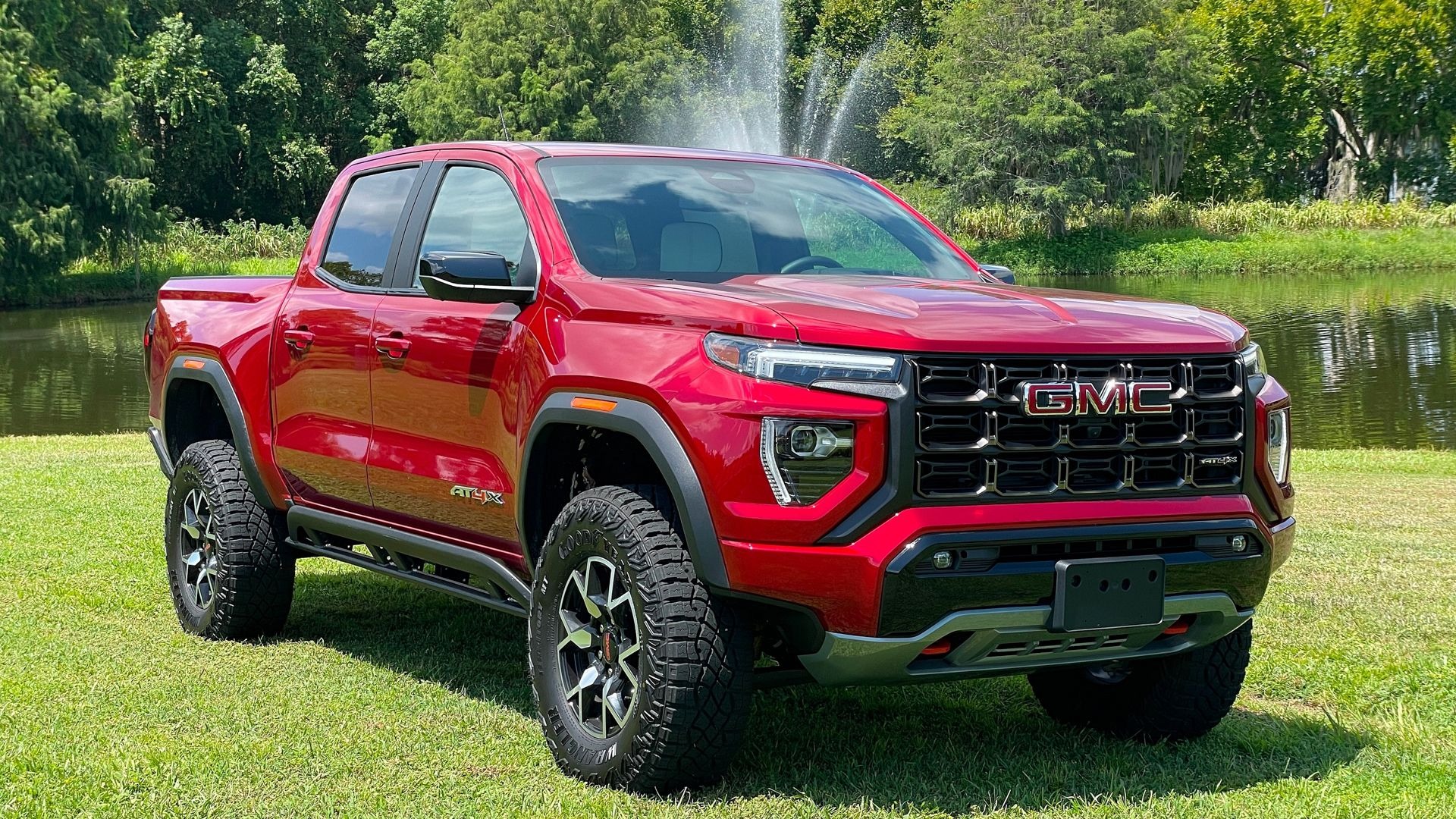
4. GMC Canyon (2015 to 2021)
The GMC Canyon, a mid-size truck positioned as a more upscale sibling to the Chevrolet Colorado, unfortunately, shared many of the same suspension issues during its 2015 to 2021 production run.
While it delivered a comfortable ride and respectable towing ability, the durability of its suspension bushings has frequently been called into question by both owners and repair professionals.
Front lower control arm bushings were especially prone to developing cracks. These parts were subjected to frequent strain from road vibrations, steering input, and load changes.
After a few years of regular driving, it was common for the rubber to begin tearing along the sides. Once this damage began, the symptoms included a shaking steering wheel, reduced responsiveness in handling, and clunking sounds from the undercarriage.
One of the contributing factors to this problem was the vehicle’s weight distribution. When cornering or braking suddenly, extra force was applied to the bushings, which often lacked the flexibility to cope with these movements.
Poor drainage around the bushing mounts also meant that rain and road water collected, soaking into the rubber and making it weaker as time goes on.
The sway bar bushings also failed early for many users, adding to the entire instability of the suspension system. These issues were especially common in trucks used for city driving, where potholes and curbs were common obstacles.
It wasn’t unusual for mechanics to recommend full control arm replacements just to solve the bushing problem, which led to higher repair costs.
Even though GMC made some attempts to improve parts quality through dealership service bulletins, the base suspension components were often not built to last under real-world conditions. Drivers who purchased the Canyon for long-term use often found themselves dealing with frequent suspension repairs within just a few years.
Also Read: 5 Legendary Japanese Cars and 5 That Hurt the Reputation
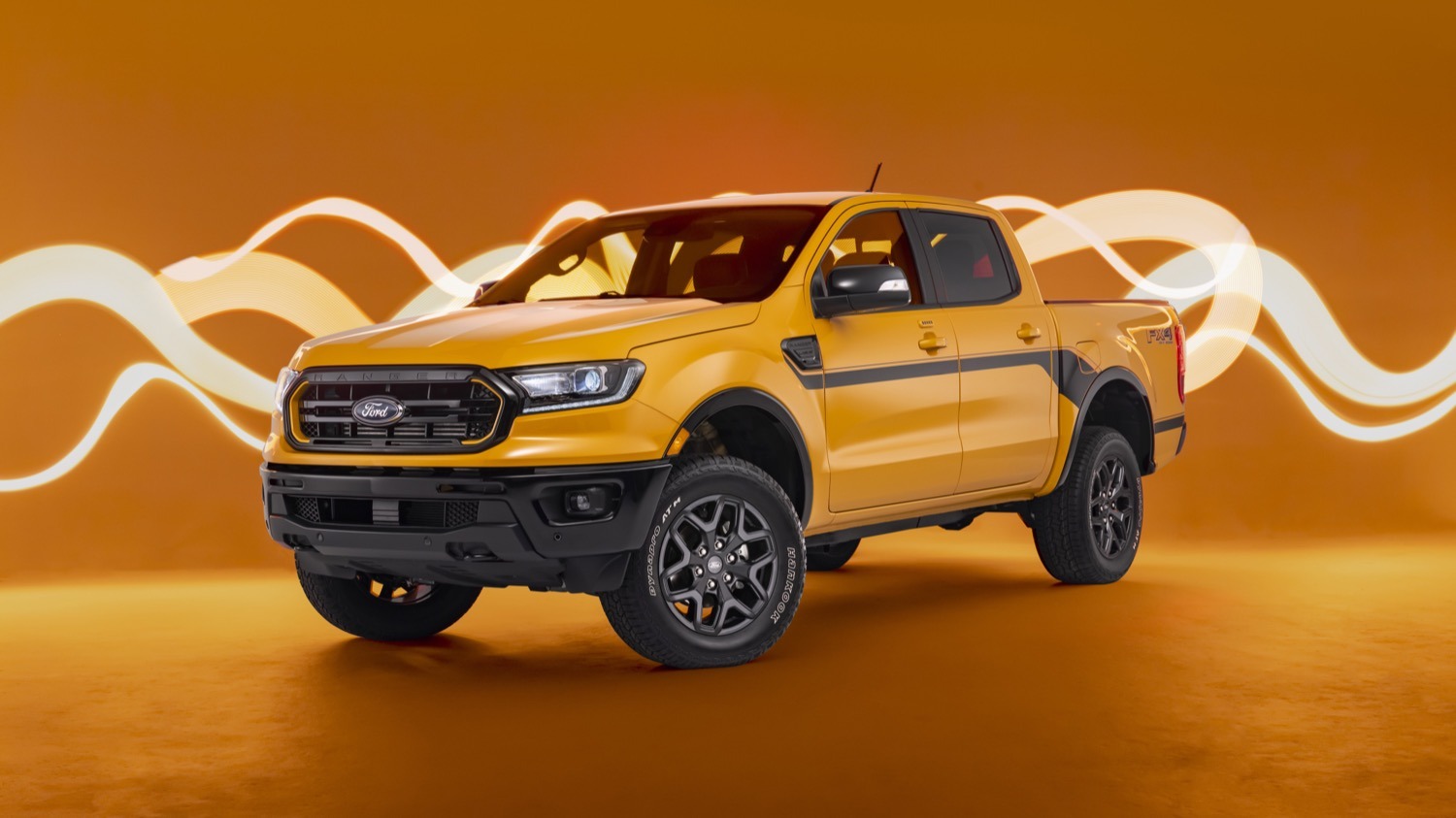
5. Ford Ranger (2019 to 2022)
The return of the Ford Ranger to the US market in 2019 was welcomed by many, but it did not come without its set of issues. Among the problems noticed by early owners were recurring failures in the suspension bushings.
Although Ford engineered the Ranger to compete with established mid-size pickups, the bushings used during this period did not hold up well under continuous use.
Front suspension bushings, especially those located on the lower control arms, frequently began to crack or wear unevenly. This led to issues with steering control and increased vibration while driving.
Many users reported that these problems appeared before the truck even reached 60,000 miles. Such early wear often surprised owners who expected more durable performance from a modern pickup.
The problems were more pronounced in areas with high temperatures or rough road conditions. Extended exposure to heat made the bushings dry out and crack, while unpaved roads added more stress to the suspension.
Some Rangers also experienced rear bushing wear, especially in the leaf spring mounts, which caused a bouncy ride and reduced load stability.
Even though some of these problems were manageable through aftermarket solutions, the stock bushings did not meet expectations. Several drivers turned to third-party polyurethane replacements to fix the constant wear problem, but this came with added cost and installation effort.
Dealerships also received customer complaints regarding squeaky or loose suspension parts, often traced back to worn bushings.
Although Ford began to revise the materials used in some late 2022 builds, the early run of Rangers left many buyers frustrated with suspension quality. Drivers who use their trucks for both work and leisure had to face more repairs than expected, leading many to question the long-term durability of the suspension setup.
Selecting a truck goes beyond horsepower and towing ratings. The condition and strength of the suspension system, especially the bushings, play a major role in how dependable the vehicle remains over the years.
Trucks like the Toyota Land Cruiser, Ford F-150, Toyota Tacoma, Chevrolet Silverado 1500, and Nissan Frontier have proven that well-designed suspension bushings can save owners money and time by reducing the need for frequent repairs.
While models like the Chevrolet Colorado, Ram 1500 (2009-2017), Nissan Titan (2004-2015), GMC Canyon, and Ford Ranger (2019-2022) have struggled with premature bushing wear, leading to costly maintenance and less driving confidence. Understanding these differences helps truck buyers make informed decisions about which model suits their expectations and workload.
