
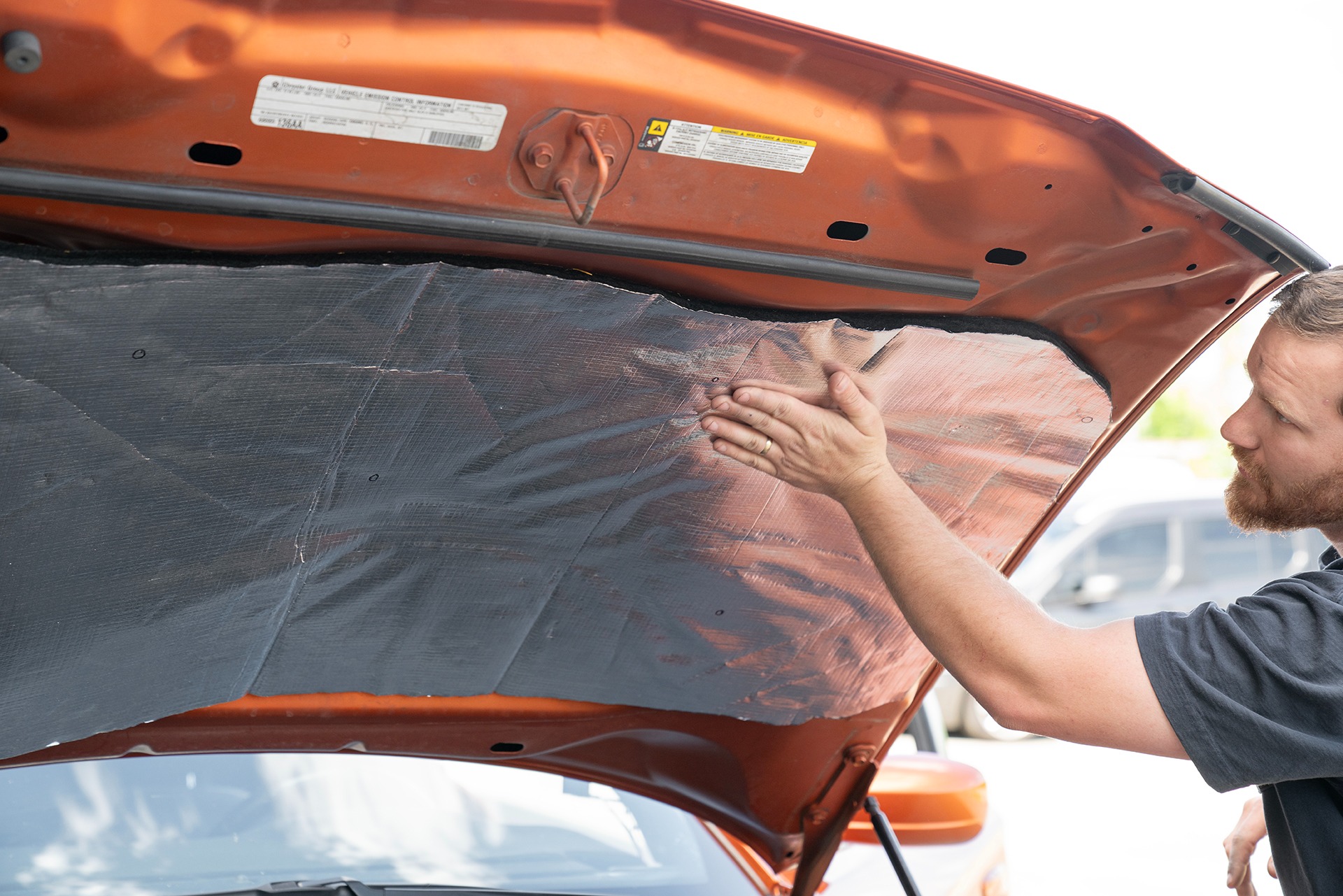
Every modern vehicle relies on heat shields to protect critical components from extreme temperatures generated by the engine and exhaust systems. These shields, often made from durable metals or high-temperature composites, act as barriers that redirect heat away from the cabin, fuel system, and other heat-sensitive areas.
When engineered properly, they enhance the vehicle’s longevity, improve passenger comfort, and prevent damage that could lead to costly repairs. However, not every manufacturer gets it right.
Some vehicles have earned praise for the durability and reliability of their heat shield design, while others have left drivers frustrated with rattling sounds, shield detachments, or heat damage due to failing components.
Heat shields may seem like a small part of the vehicle’s structure, but their impact can be considerable. A solidly built and well-positioned shield can withstand years of thermal cycling, road debris, and moisture without any noticeable wear.
By comparison, a poorly attached or flimsy shield often becomes loose or corroded within a few years, leading to noise complaints or, in worst cases, fire hazards.
Let us compare ten vehicles from different manufacturers and periods. Five of these are widely respected for having durable, well-engineered heat shields that rarely experience failure. The other five have developed a reputation for having shields that fall off, rattle, or fail prematurely.
Each car discussed below has been selected based on design reliability, long-term ownership feedback, and mechanical performance. The focus is on the quality of the heat shield system, not the vehicle’s performance or luxury level.
With attention to detail and clarity, each entry provides insight into what separates a dependable heat shield design from one that causes repeated visits to the mechanic. Now, let us look at the five vehicles that excel in this category before reviewing those that fall behind.
Cars with Indestructible Heat Shields

1. Toyota Land Cruiser
The Toyota Land Cruiser has earned its reputation for being one of the most robust full-size SUVs ever produced, and part of its strength lies in the attention to engineering details like its heat shielding.
Owners and technicians alike frequently praise its ability to withstand prolonged exposure to rugged terrain and extreme temperatures without experiencing common issues found in other vehicles.
The heat shields used in this model are constructed from high-quality stainless steel materials that maintain shape and functionality even after years of off-road use.
Unlike models that begin to rattle or drop components after prolonged engine exposure, the Land Cruiser holds up because of its layered thermal protection design. The shielding wraps tightly around the exhaust manifolds and underbody sections without excessive reliance on adhesive brackets.
Instead, Toyota opts for industrial-grade fasteners that hold the shields in place, resisting corrosion and road grime. Even in desert environments or snow-prone regions where salt can corrode underbody parts, the shields retain their form without detaching or causing undercarriage noise.
Another strength lies in the strategic positioning of these shields. Rather than simply wrapping heat sources, the layout is designed to direct heat away from the fuel tank, transmission tunnel, and cabin footwells.
As a result, interior comfort is preserved even when towing or operating under high engine loads. Some aftermarket upgrades available for Land Cruiser owners focus on performance or suspension, but few feel the need to touch the factory heat shield system.
Toyota has maintained the consistency of this design across multiple generations, whether one examines the classic 80-series, the luxury-laden 200-series, or the newer Land Cruiser variants.
All continue to uphold this engineering strength, making it an ideal benchmark for reliability. It is not unusual to find older models still running with original heat shields in place, with no signs of wear or malfunction.
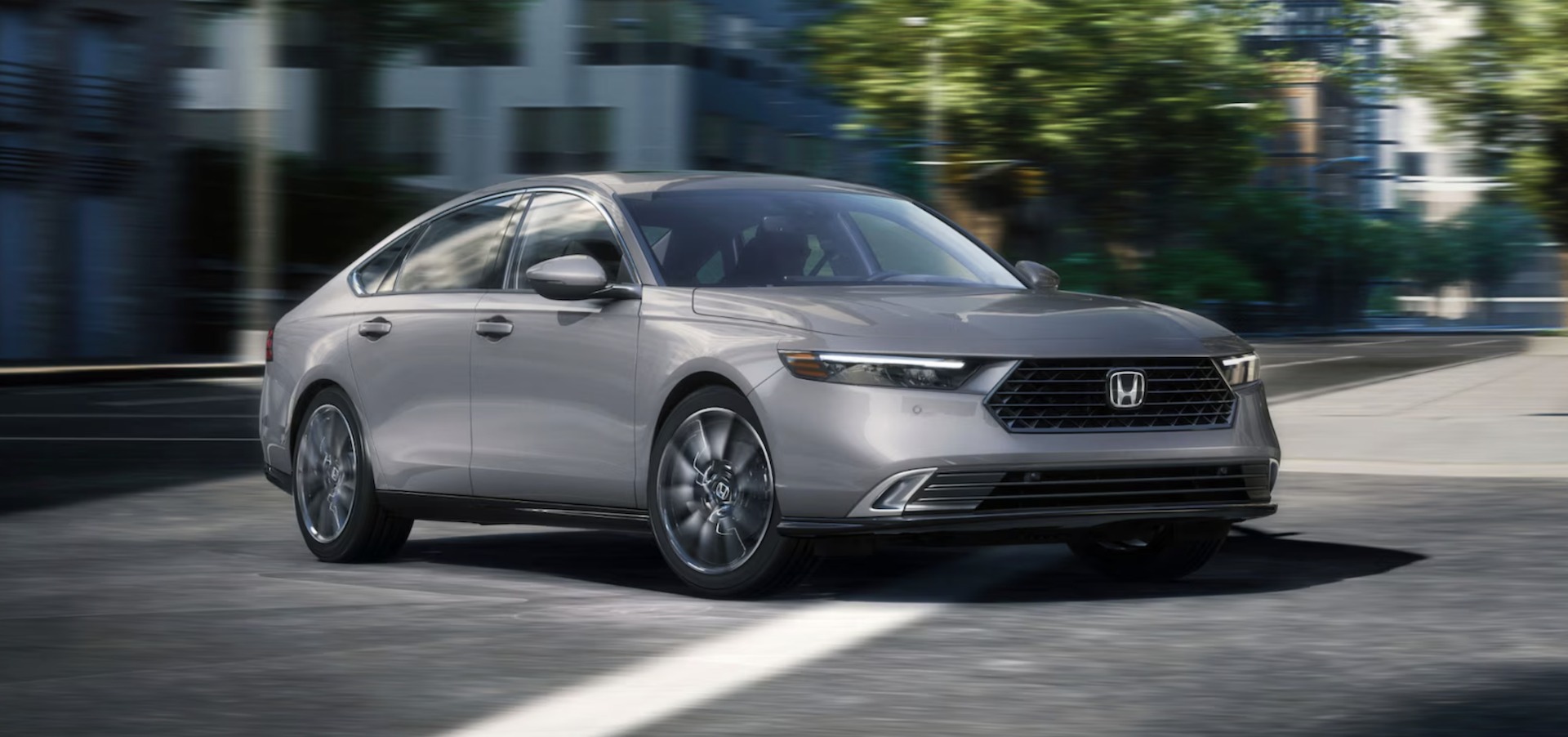
2. Honda Accord
The Honda Accord has remained a reliable choice in the midsize sedan segment for decades, with its engineering consistency standing out across various mechanical systems.
Among those systems, its heat shield configuration has proven to be long-lasting and problem-free for many owners, especially those maintaining their vehicles over extended mileage. Even high-mileage Accords from the early 2000s still have functional shielding with minimal rust or detachment.
The reason behind this reliability lies in Honda’s commitment to durability in small yet important components. Heat shields in the Accord are pressed and coated to resist heat distortion, and their mounting points are reinforced with clips and fasteners designed to resist vibration.
While many other vehicles suffer from shields loosening due to heat expansion and contraction, Honda’s layered design handles that stress better, maintaining its structural integrity even when the engine is pushed under strain.
The Accord’s shielding does more than just protect surrounding parts; it reduces the noise levels inside the cabin by minimizing metallic vibrations. Drivers often report that the engine bay remains quieter than many competing models, thanks in part to this effective thermal shielding.
The insulation quality also contributes to a more stable engine bay temperature, which benefits electronic components and rubber hoses over the long term.
Even as Honda transitioned to turbocharged powertrains and hybrid technologies in later Accord models, the shielding system was not compromised.
Engineers maintained high standards, using materials that resist chemical corrosion from oil or road salt. This attention to detail helps the Accord remain one of the least troublesome sedans in terms of underbody heat-related complaints.
Though maintenance is essential for any vehicle, it is rare to hear of Accord owners needing to replace or reattach a heat shield unless involved in an accident. It is this type of quiet reliability that continues to cement the Accord’s place on this list.
Also Read: 5 Cars Designed for Pedestrian Safety vs 5 That Pose Pedestrian Risks
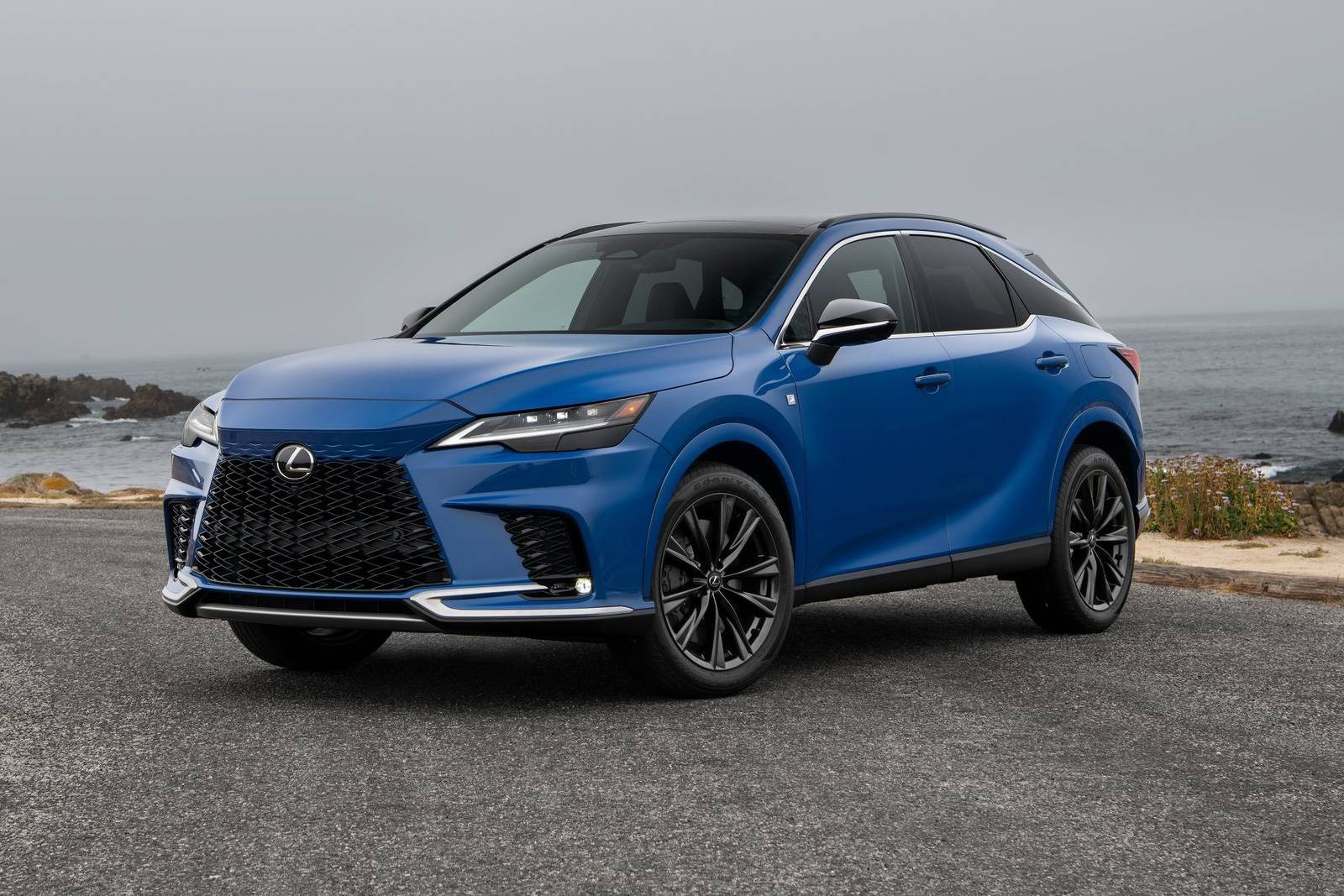
3. Lexus RX
The Lexus RX series has consistently delivered both comfort and performance, and its attention to mechanical reliability includes a strong commitment to quality heat shielding.
Built on Toyota’s engineering foundation, the RX offers heat shield setups that reflect premium design and materials, ensuring long-term durability without frequent failure.
Across different model years and drivetrain configurations, including both gasoline and hybrid options, the RX uses multi-layer shielding that resists thermal fatigue and vibration.
This is particularly important because luxury vehicles often carry additional electronics and insulation that can be sensitive to excessive heat. The shield panels used in the RX are often lined with sound-dampening materials in addition to the heat-reflective layers, reducing both heat transfer and noise intrusion into the cabin.
In particular, the underbody and firewall sections feature reinforced shielding that holds up to daily commuting or long-distance travel without losing form. Lexus took care to avoid placing these shields in vulnerable locations where debris or water buildup could lead to rust. As a result, corrosion-related detachment is seldom reported among RX owners.
Another impressive element is how the heat shields complement the vehicle’s thermal efficiency. With hybrid variants, managing engine and battery temperatures becomes even more critical. Lexus made sure to include smart ducting and vented shielding that allows heat to escape efficiently while preventing direct exposure to surrounding components.
Whether the vehicle is used in busy urban traffic or on highway drives across different climates, the Lexus RX maintains stable heat protection. Owners of older RX models frequently report minimal issues with heat shields even after years of use, and certified mechanics rarely list it as a concern during inspection.
While some other luxury SUVs may prioritize comfort features over durable mechanical design, Lexus balances both. The RX showcases how premium engineering should include effective thermal protection without sacrificing design.
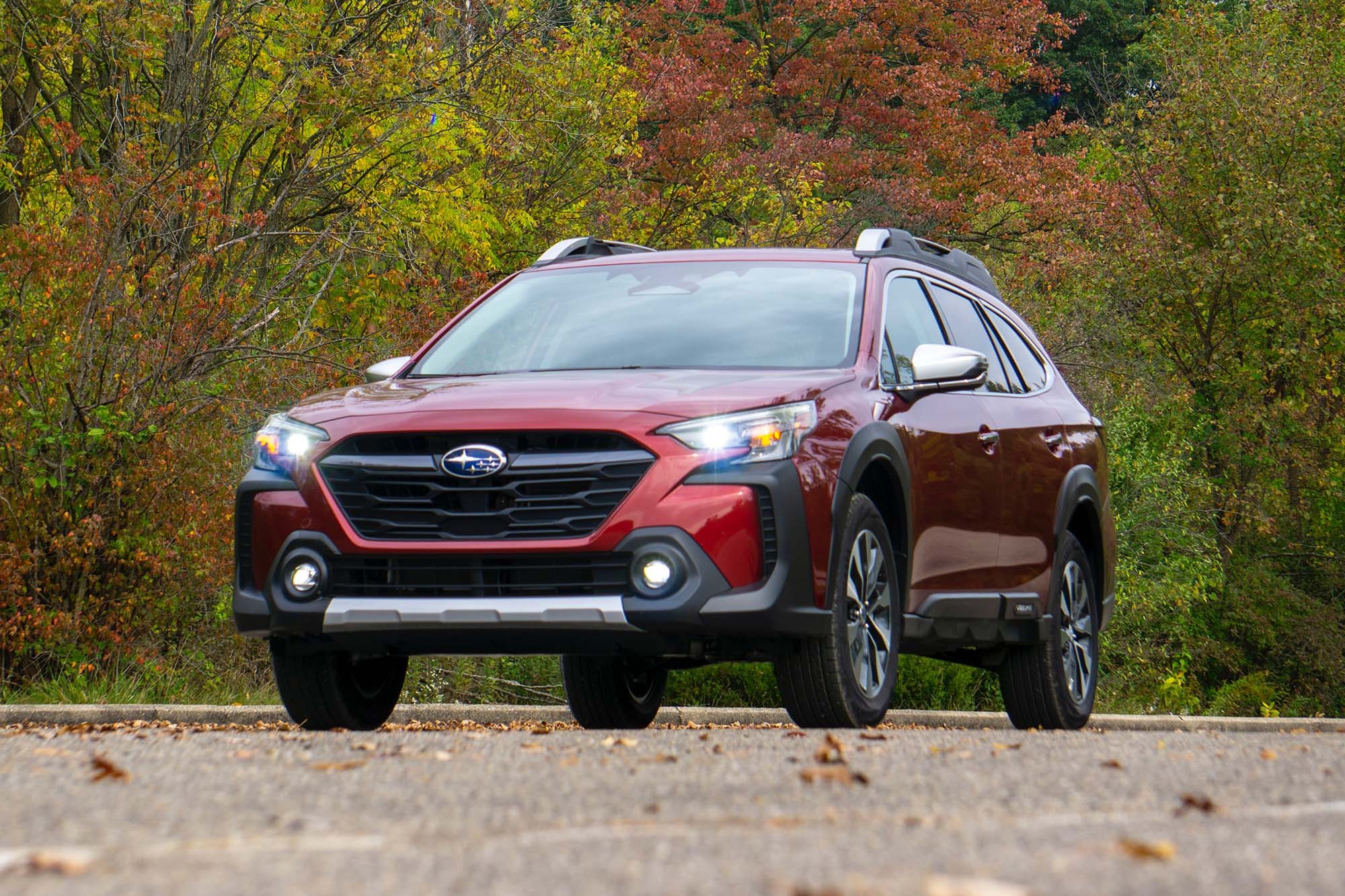
4. Subaru Outback
The Subaru Outback, designed with adventure and durability in mind, incorporates a heat shield system well-suited to both urban roads and rough countryside routes. It delivers reliable thermal protection thanks to a careful balance of material selection and mechanical fastenings that prevent early wear or detachment.
The Outback’s boxer engine layout generates heat differently from inline or V-shaped configurations, which requires a specific approach to shielding. Subaru addresses this with shields that follow the unique contours of the exhaust headers and midpipe.
These shields are constructed from treated aluminum alloy that resists cracking under prolonged exposure to high temperatures, even after off-road use.
Unlike models that experience loose shield complaints after a few years, the Outback uses wider mounting brackets and more evenly spaced fasteners to distribute heat expansion stress across the panel. This prevents vibration damage, a common source of noise and failure in other designs.
Because many Outback owners drive in snow-heavy or mountainous areas, Subaru ensures its shielding resists corrosion from salt and moisture. The inner coating on these shields resists flaking or rusting, helping them stay intact across harsh seasonal cycles.
The shields also do not interfere with aftermarket skid plates or performance upgrades, which allows drivers to retain their original heat protection while enhancing other vehicle systems.
Drivers have noted that even when taking the vehicle over rough trails, they rarely experience shield rattles or loss of mounting hardware. This type of dependability is critical for vehicles used far from urban repair facilities.
The Outback’s focus on all-condition durability extends to its thermal design, proving that heat shield quality can be achieved without sacrificing other mechanical priorities. Subaru’s commitment to practical, long-term performance ensures that the Outback stands among the most reliable vehicles when it comes to heat shield resilience.
5. Ford F-150
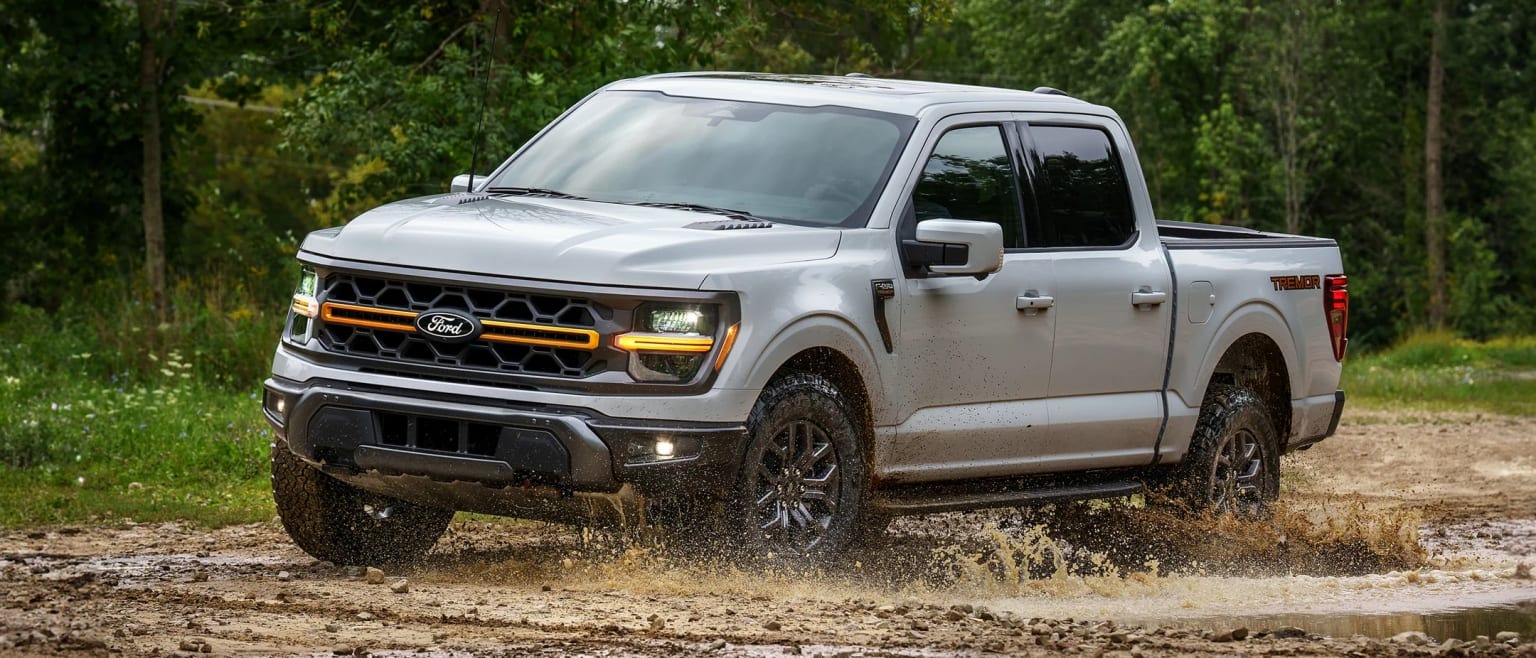
The Ford F-150, long known for its strong build and dependable performance, stands out among pickups for its effective use of heat shielding.
With various engine options, including powerful V8s and EcoBoost turbocharged units, proper heat management becomes essential. Ford has designed the F-150’s heat shield system to meet the thermal challenges posed by towing, hauling, and long-distance travel under heavy loads.
What sets the F-150 apart is its use of reinforced metallic shields that wrap tightly around the exhaust system and firewall areas. These shields are not loosely attached or poorly anchored.
They are riveted and bolted with secure, corrosion-resistant hardware. Whether the truck is used on muddy worksites or icy roads, these connections hold up well for a long time, minimizing the chances of detachment or rattling.
Another strength lies in Ford’s insulation strategy. The F-150’s shields are designed to prevent engine heat from seeping into the cabin floor, which helps maintain comfort in hot weather or under prolonged idling.
At the same time, they protect nearby wiring and brake lines from heat exposure. Even with extensive mileage or after years of rough use, the shields often remain in place and functional, according to many long-term truck owners.
Ford also accounted for off-road use when shaping the shield placement. The F-150’s heat shields are located high enough to avoid scraping during moderate off-road adventures, yet they do not compromise underbody clearance. Many owners have driven their trucks through challenging terrain and noticed no degradation in thermal performance or structural integrity of these shields.
Because the F-150 is often used commercially and kept for years, the fact that it rarely needs heat shield repairs is a strong mark of its engineering quality. The truck reflects how practical considerations and long-term ownership can shape effective heat shielding design.
Now we move to the vehicles that have struggled with shield durability. These five cars have faced repeated issues with rattling or detaching heat shields, leading to increased maintenance and noise complaints from drivers.
Cars with Falling-Off Shields
1. Nissan Altima
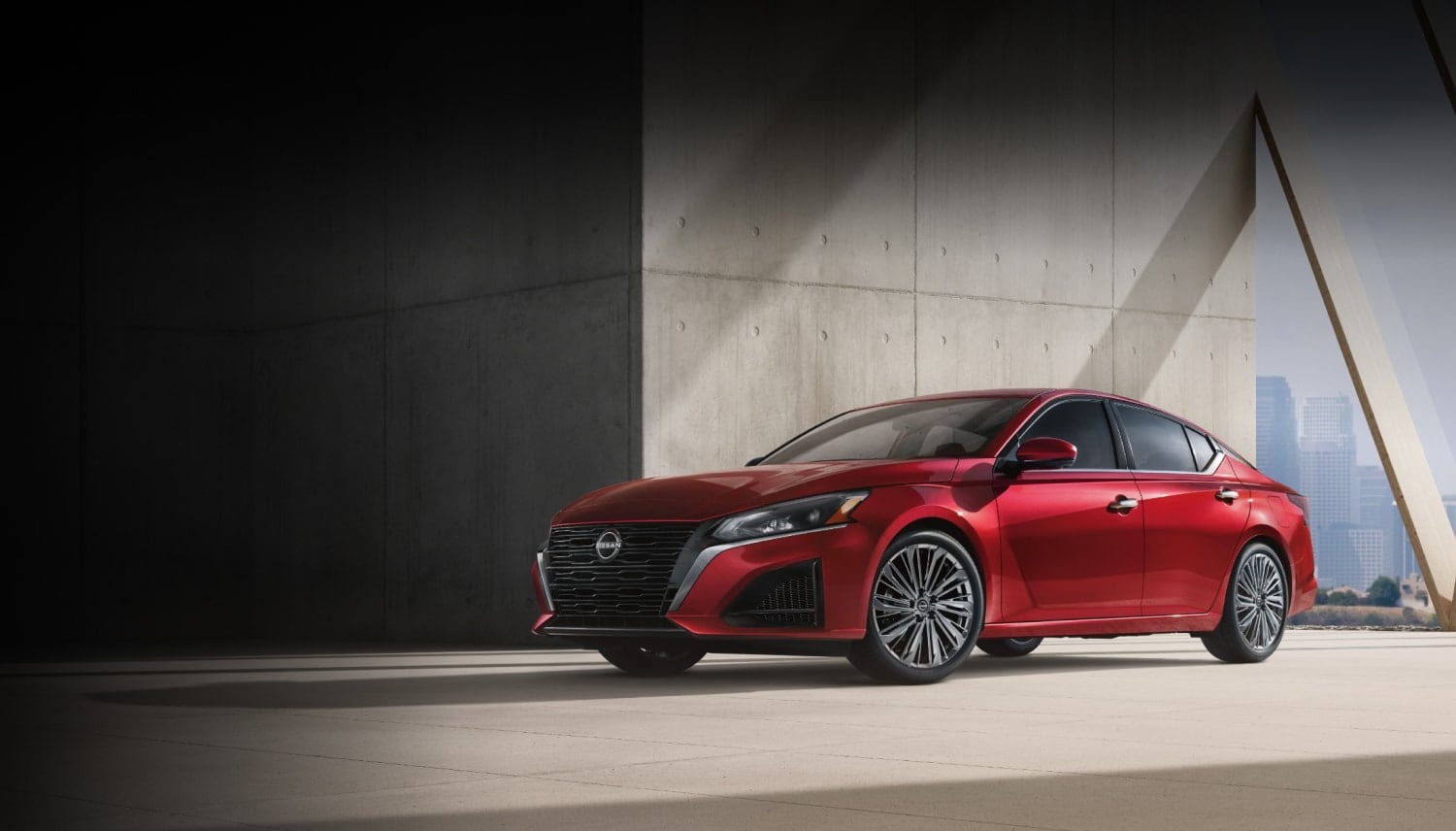
The Nissan Altima has remained a popular midsize sedan for many years, but one area where it often fails to impress is the durability of its heat shields.
Numerous owners across various model years have reported problems with shields that rattle, rust, or even fall off completely after just a few years of use. The issue tends to surface earlier than expected, especially in regions with heavy rainfall or snow.
A major factor contributing to this problem is the use of thin, stamped metal shields that are prone to corrosion. These shields are usually held in place by small clips or bolts that can loosen under thermal stress or road vibration.
Once the fasteners degrade or rust out, the shield begins to rattle, which becomes noticeable when the car idles or travels at lower speeds. In more severe cases, the shield may detach and hang beneath the car, posing a risk to other components.
Mechanics often identify this problem during routine oil changes or inspections, and many recommend either replacing the shield or removing it entirely if it becomes too loose. While this may resolve the noise, it leaves the engine and exhaust areas more exposed to heat damage.
Another issue is placement. The Altima’s heat shields tend to be situated in vulnerable spots beneath the car, where road salt and water accumulate easily.
This accelerates corrosion and weakens the mounting points. Even later models have continued to face these challenges, suggesting that the problem is more related to design priorities than isolated manufacturing errors.
Though the rest of the Altima’s mechanical systems can offer years of reliable performance, the recurring shield troubles lower the entire ownership satisfaction. The shield quality does not match the long-term expectations of many buyers, especially those who plan to keep their vehicles beyond the basic warranty period.
2. Hyundai Elantra
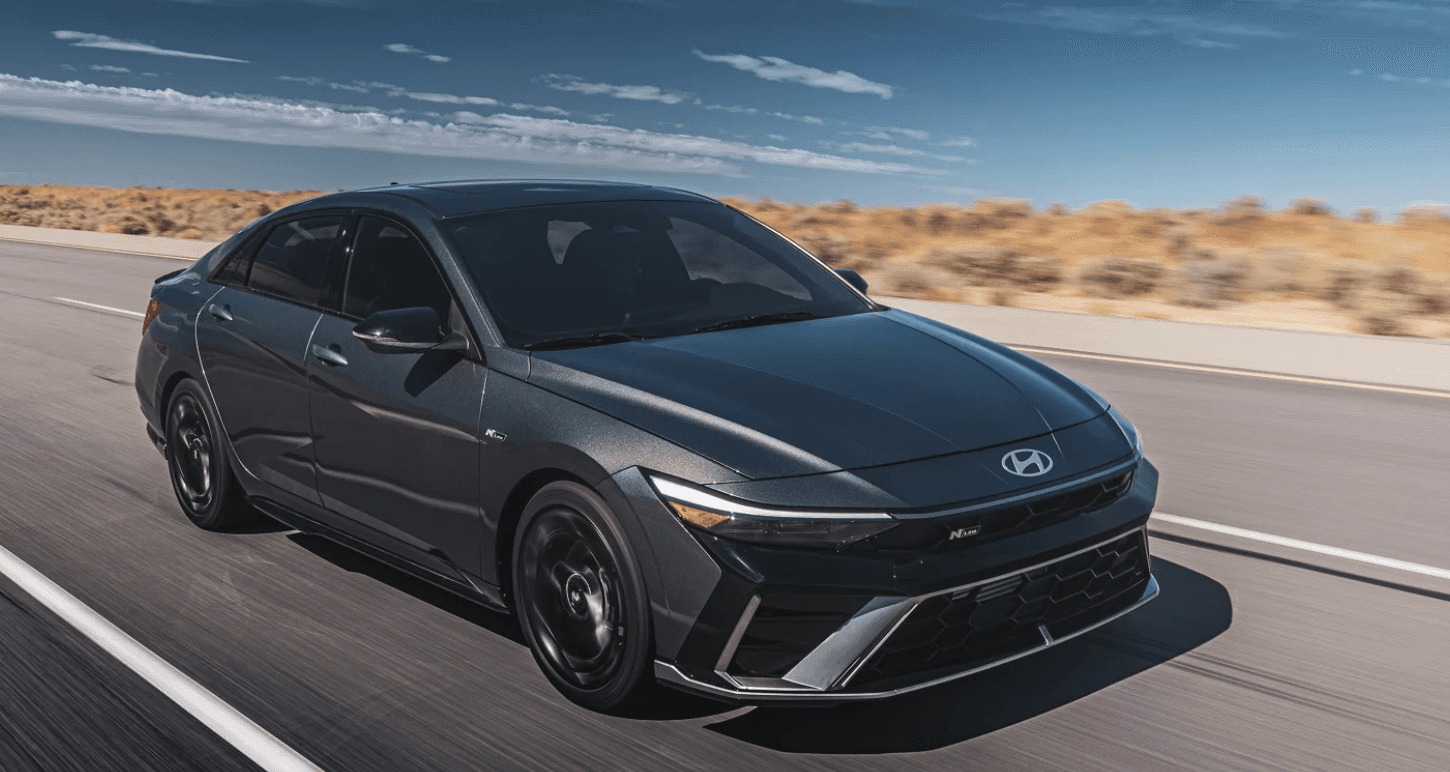
The Hyundai Elantra has made strides in performance and style, but it continues to struggle with underbody heat shield issues across several model years.
Many owners have raised complaints about shields that begin to loosen or vibrate excessively, particularly after the vehicle passes the 60,000-kilometre mark. This has become a source of frustration for drivers who otherwise enjoy the car’s fuel economy and smooth ride.
The core of the problem lies in the fastening method. Elantra heat shields are often secured with small bolts that pass through metal tabs attached to the exhaust system or floor panels.
These bolts are exposed to road debris, moisture, and constant heat cycling. Once they rust or snap, the shield begins to dangle or scrape against other components. For many, this starts as a small metallic noise under the floor before growing into something more serious.
In colder climates where roads are treated with salt, the issue worsens quickly. The shields themselves are made of light aluminum or steel that corrodes without much resistance. The lack of reinforcement on shield edges also means they can bend easily under road impact, making detachment more likely.
Hyundai service centers often see Elantras come in for heat shield reattachment or replacement. Some owners choose to remove the shields entirely once they become a repeated nuisance, although this is not advisable from a safety perspective. Once removed, there is an increased risk of heat reaching the fuel tank or cabin areas.
While the Elantra performs well in daily use, the heat shield problems remain unresolved across several generations. Without serious design changes to materials or mounting mechanisms, this issue is likely to persist. It reflects how attention to detail in smaller components like shields can affect the long-term reliability of the entire vehicle.
3. Chevrolet Malibu
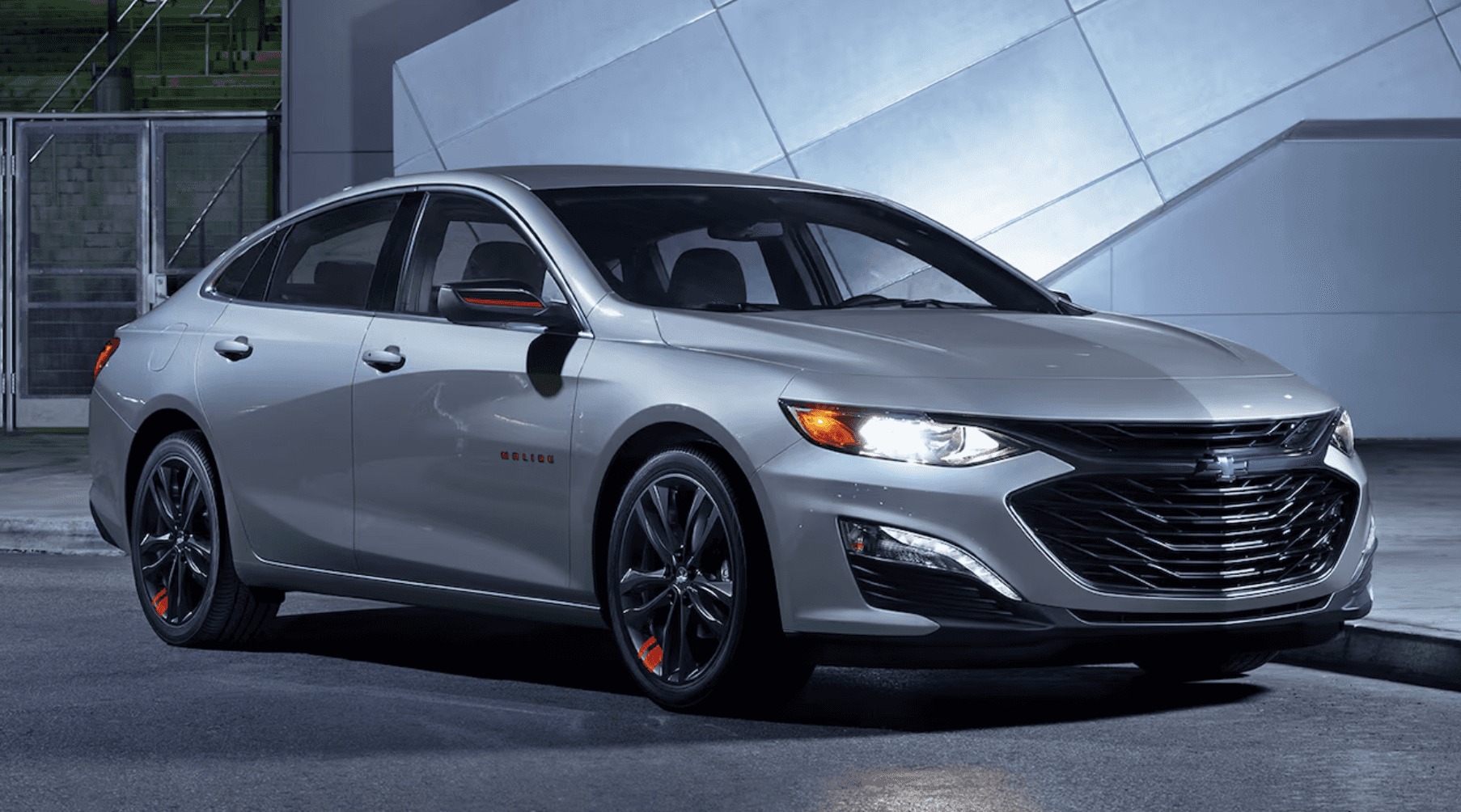
The Chevrolet Malibu has gone through multiple redesigns over the years, but heat shield issues have plagued several versions of this sedan.
Drivers frequently report rattling noises coming from underneath the vehicle, especially at low speeds or during idle. Mechanics often trace the source of the noise to loose or corroded heat shields, particularly those positioned near the exhaust pipe.
The problem tends to surface early in the vehicle’s life, sometimes before the 50,000-kilometre mark. One cause is the use of basic sheet metal shields that are not thick enough to resist deformation from road impact or rust. As they begin to warp from exposure to heat and debris, the mounting brackets loosen or break off completely.
Even if the vehicle is not exposed to extreme climates, the fasteners securing these shields can weaken after a while. Once they start rattling, the noise can grow louder with each drive, reducing cabin comfort and raising concerns about underbody safety.
Some drivers report that their dealerships or local mechanics recommend removing the shield to solve the problem, but this creates additional heat management risks.
Another issue is how closely these shields are positioned to moving parts or plastic components. Once they become loose, they can brush against wires or tubing, potentially leading to damage after a while. It becomes more than a noise complaint when thermal protection is reduced in critical areas.
Although newer Malibu models have seen some improvement in materials, the issue has not been fully addressed. Many owners still face the same problems after only a few years of use, particularly in earlier eighth and ninth-generation models.
This recurring problem impacts long-term satisfaction, especially for buyers seeking low-maintenance transportation.
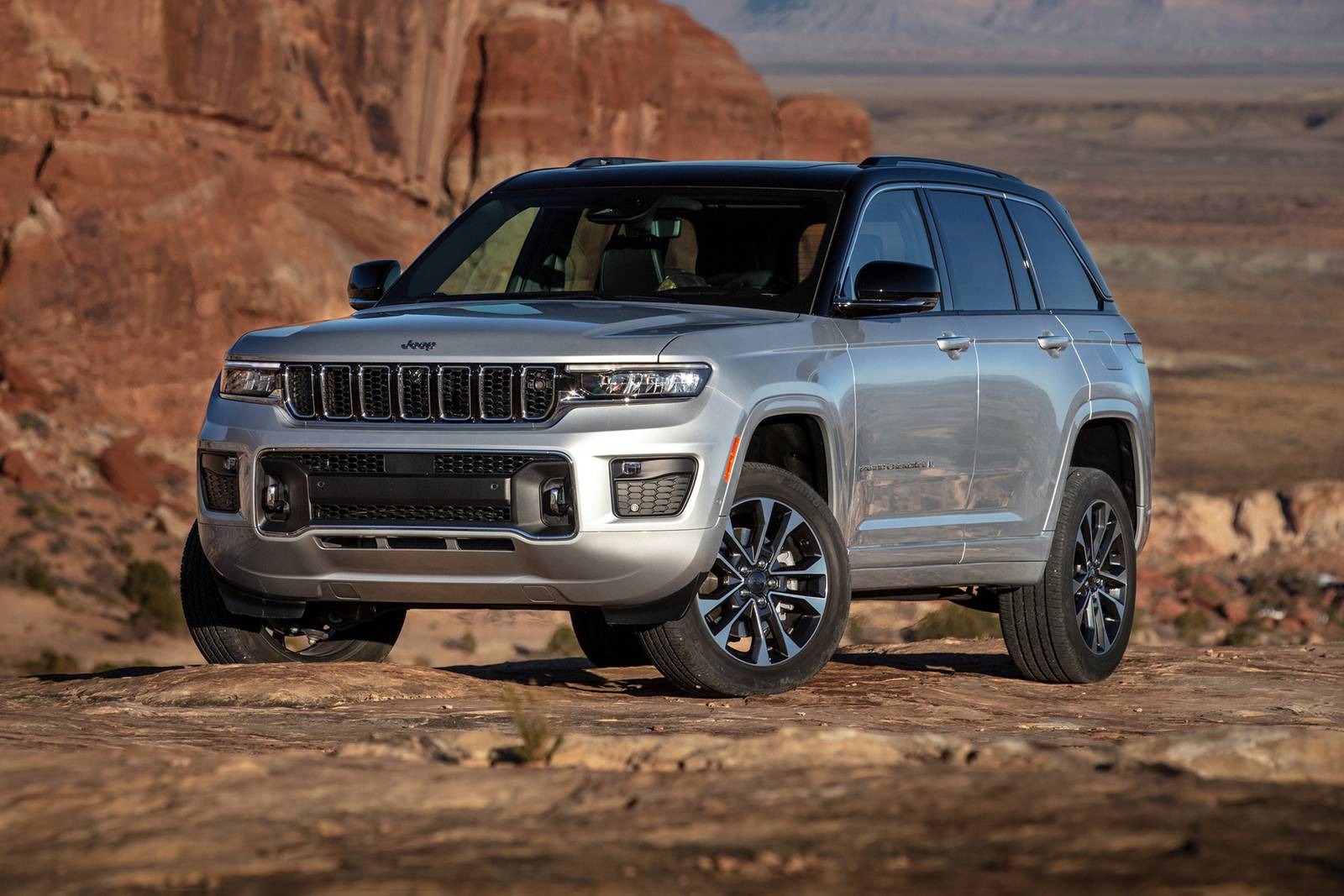
4. Jeep Grand Cherokee
The Jeep Grand Cherokee, known for its off-road capability and strong engine options, unfortunately, does not deliver the same confidence when it comes to heat shield dependability.
Across several production years, many Grand Cherokee owners have complained about underbody shields detaching or making persistent rattling noises, particularly after moderate use on rough terrain or extended highway drives.
One issue comes from the placement and mounting of these shields. The design prioritizes quick assembly and weight distribution but uses smaller fasteners and thinner materials for the shielding panels.
While this may reduce production cost, it compromises long-term durability. Once the vehicle experiences heat stress from towing, mountain driving, or repeated thermal cycles, these fasteners begin to weaken. Eventually, shields lose tension or drop entirely.
Another concern is how these shields are exposed to road salt and water, especially in the Northern United States and Canada. Corrosion begins to affect both the shields and their mounting points.
Once rust sets in, it becomes difficult for the shield to stay firmly attached. Owners often begin noticing a buzzing or rattling sound under the floorboard, which tends to get worse during acceleration or cold starts.
Dealerships frequently receive complaints about this issue, and many service departments resort to either replacing the shields or applying makeshift fasteners to hold them in place.
Neither is a lasting solution unless the root design is changed. Even when replaced, the new parts may face the same exposure to corrosion or heat stress, leading to repeat visits for the same issue.
For a vehicle that is marketed on toughness and long-term reliability, this recurring failure with a basic mechanical component like a heat shield damages its reputation. While many enjoy the Grand Cherokee for its power and off-road readiness, it lags in small mechanical areas that demand stronger attention to engineering.
Also Read: 5 Engines That Stay Clean Inside and 5 That Sludge Up Quickly
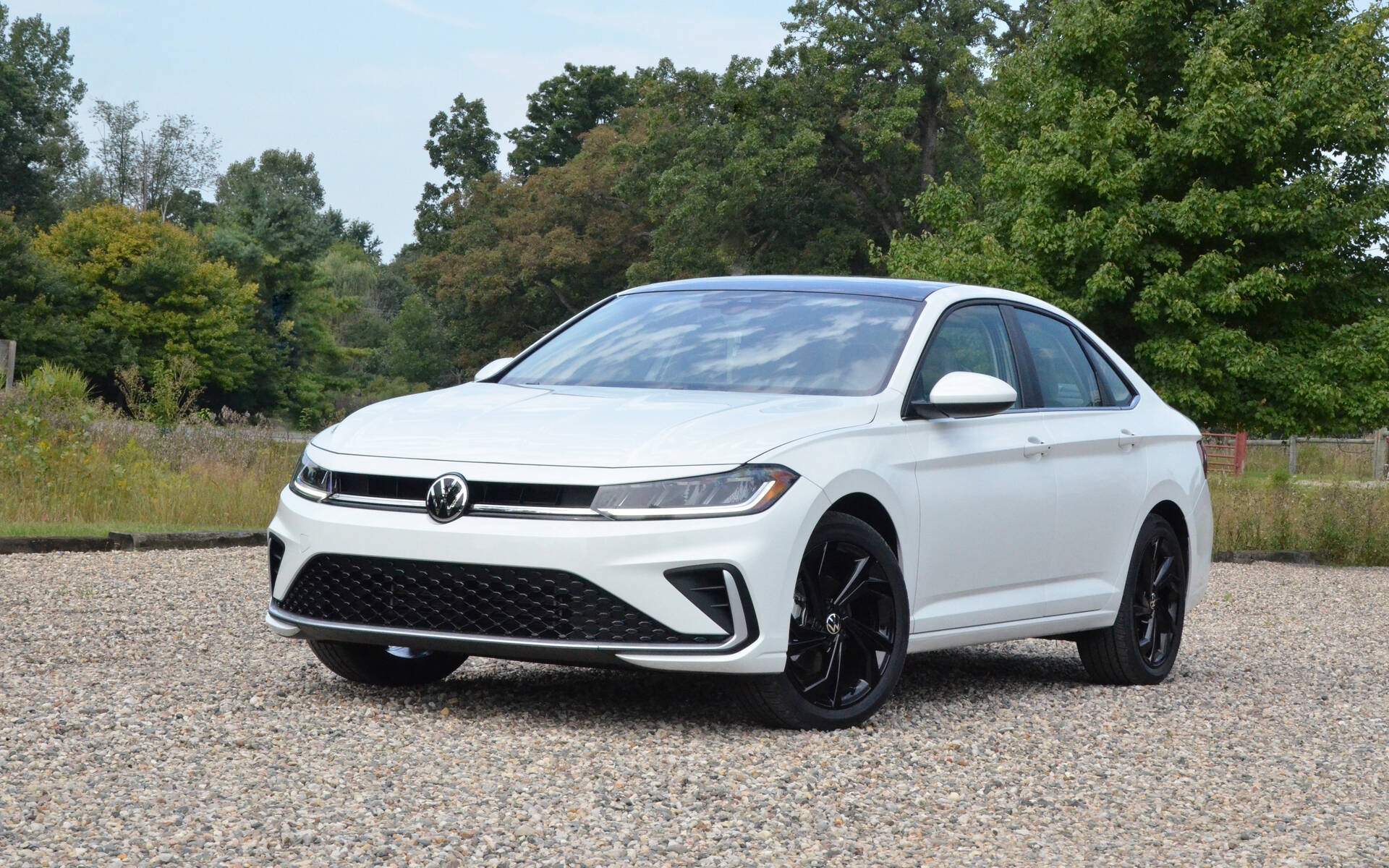
5. Volkswagen Jetta
The Volkswagen Jetta has enjoyed years of popularity for its driving dynamics and fuel efficiency, but it continues to suffer from heat shield issues that affect ownership satisfaction.
Across several model generations, a pattern has emerged where the Jetta’s underbody shields loosen prematurely or become noisy after a while, especially in older vehicles and those operated in coastal or snowy regions.
The construction of these shields often involves a lightweight aluminum design, which is easily corroded or bent. While the material handles temperature reasonably well, the fasteners and placement leave much to be desired.
Many drivers report a sudden appearance of clunking or metallic rattling from under the car after just a few years. A quick inspection typically reveals a heat shield either hanging loose or lying on top of the exhaust pipe.
Technicians often note that the Jetta’s fasteners are poorly shielded from road grime and moisture. Once rust begins to affect them, they snap or lose tension, which results in shields detaching or vibrating with engine motion.
Some Jetta owners resolve this by clamping the shield back with hose brackets or other improvised methods, but these are temporary and do not address the design flaw itself.
Aside from noise, there are thermal consequences. With shields no longer in place or misaligned, other vehicle components such as fuel lines or electrical wiring may begin to suffer from excess heat. This could eventually affect performance or safety, especially during long drives or in hot climates.
Volkswagen has made minor revisions in newer Jetta models, but older vehicles, especially those from the late 2000s and early 2010s, continue to face this issue.
While the Jetta remains a solid performer on the road, its failure to maintain basic thermal shielding speaks to a lack of attention to long-term component durability. For owners planning to keep their vehicle beyond the warranty period, repeated issues with heat shields can be a costly inconvenience.
Drivers seeking long-term reliability should take time to assess not only performance and design but also smaller features like thermal shielding. It might seem like a minor detail at purchase, but over the life of a vehicle, it can affect everything from comfort to repair expenses.
