
When it comes to vehicle maintenance costs, few components draw as much attention as brake pads. For drivers, the frequency with which brake pads require replacement can make a huge difference in ongoing car expenses and peace of mind.
While virtually all makers tout reliability, real-world ownership stories reveal sharp contrasts. Some vehicles are praised by loyal owners for lasting well beyond 100,000 miles before needing a brake pad change, making them a favorite for high-mileage commuters and families aiming to cut long-term costs.
Conversely, certain cars seem to chew through pads in a fraction of that distance, leading to repeated trips to the shop and spiraling costs that catch owners off guard.
This article shines a spotlight on both sides of this experience. First, it brings forward five vehicles that routinely wow owners and mechanics alike by going the distance on their original brake pads.
Here, smart engineering, weight balance, and efficient braking systems combine to extend pad life and cut maintenance headaches. In equal measure, it’s necessary to highlight five vehicles that develop a reputation for rapid pad wear.
In these cases, factors like vehicle weight, performance design, or heavy-duty electronics make replacements a frequent chore. This comparison aims to provide an honest view of what prospective and current car owners might expect with these models.
Also Read: 5 SUVs with Roof Support That Never Sag vs 5 with Drooping Roofs
Cars That Go 100,000 Miles on Original Brake Pads
Brake pad longevity is a badge of honor for certain vehicles and an important consideration for many buyers.
Drivers who rack up highway miles or simply want a low-maintenance ride find brake pad life particularly meaningful, not only for the direct savings but also for the assurance that their vehicle is engineered for long-term durability.
Models with exceptional pad life tend to be those with smart weight distribution, efficient braking systems, and owners who often drive in less congested conditions.
Manufacturers sometimes achieve this through the use of high-quality compound pads, well-matched rotors, and advanced braking technology that gently manages friction during each stop.
This focus is more than just a nod to frugality; it reflects thoughtful engineering and a commitment to customer satisfaction. Not all long-lasting brakes are created equal, however.
For some vehicles, longevity comes from a refined and calibrated balance of weight, tire choice, and even gentle throttle response. For others, it might be a testament to the understated but intricate details found throughout their design.
Highlighting these models isn’t just to celebrate endurance, but also to offer insight to drivers who value minimal downtime and reduced maintenance costs.
Each upcoming vehicle serves as a practical example of what makes it possible to reach or even surpass a 100,000-mile marker between brake pad replacements.
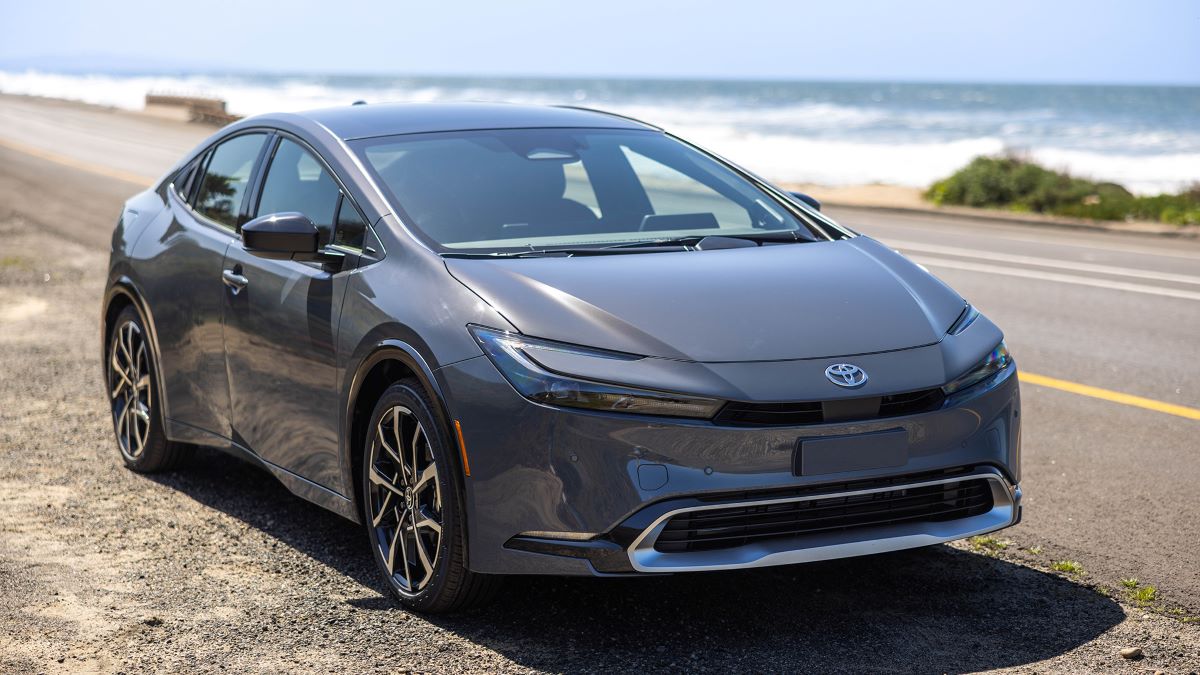
1. Toyota Prius: Why It Stands Out for Brake Pad Longevity
The Toyota Prius is renowned in both the hybrid and conventional car communities for its extraordinary brake pad lifespan.
Its unique blend of regenerative braking a system that captures and reuses kinetic energy during deceleration, contributes immensely to how slowly its brake pads wear out.
In the Prius, much of the slowing down is handled by the electric motor, converting momentum into electricity that recharges the battery. As a result, the physical brakes are called into action far less frequently than in most conventional vehicles.
This trait isn’t simply about advanced technology, though. Prius drivers also tend to be more conservative in their driving habits, often focusing on maximizing fuel efficiency. Such habits naturally lead to less aggressive braking, further extending pad life.
The car’s lightweight design amplifies this effect, meaning less energy and less force are required to bring it to a stop.
Why talk about the Prius in this context? It becomes a top pick for anyone looking to keep running costs low, especially those who prioritize green commuting or rack up high mileages.
Numerous reports from both owners and fleet operators confirm experiences of 100,000 to 150,000 miles before the original brake pads require attention.
That level of durability is rare even among hybrids, reinforcing the Prius’s position as a standout for those interested in cost savings and environmental responsibility.
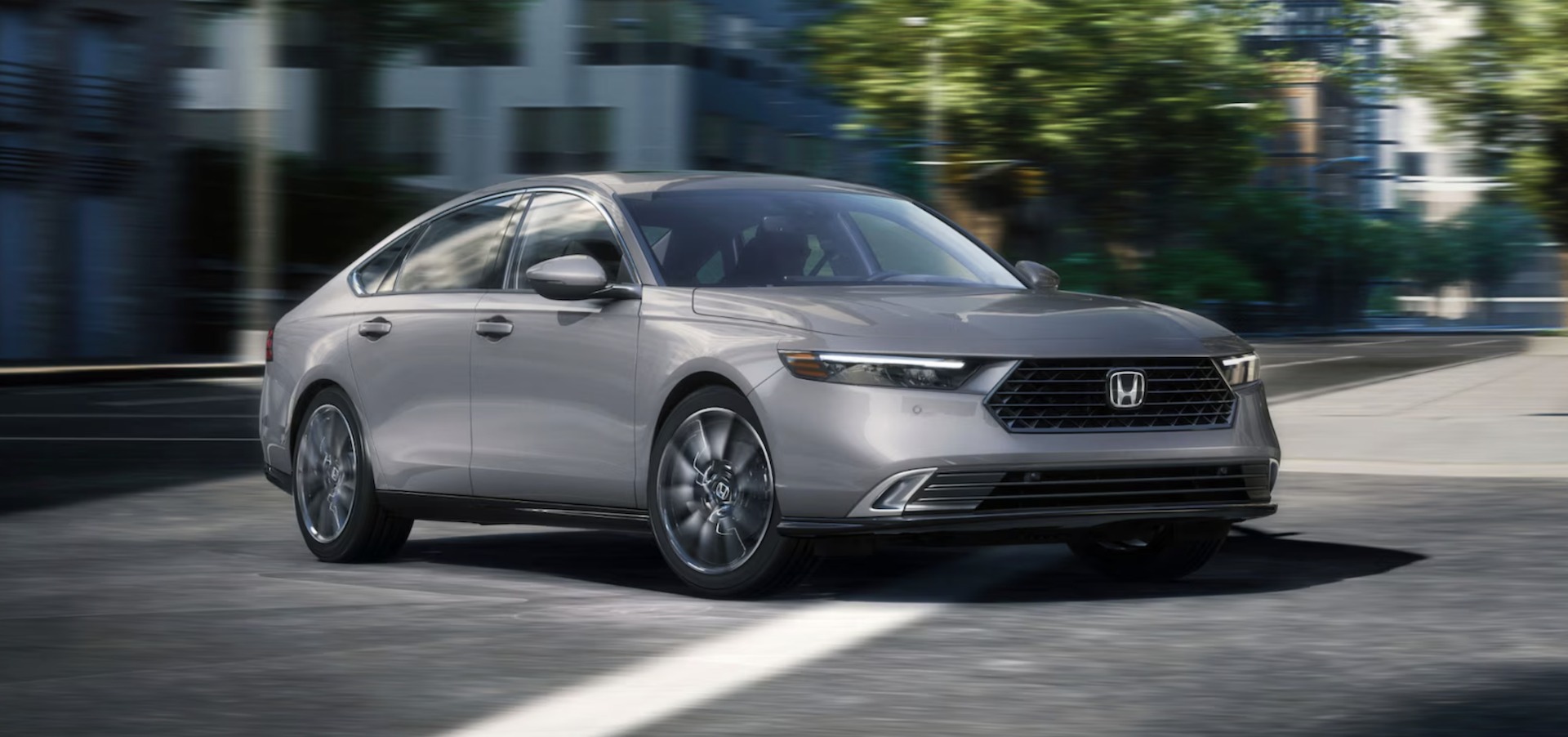
2. Honda Accord: Engineering Meets Reliability
Honda’s Accord keeps making headlines for more than just its resale value and reputation for reliability. It’s also among the most consistent vehicles when it comes to brake pad longevity.
The Accord’s secret lies in a combination of engineering decisions that favor durability: it features a balanced chassis, efficient braking components, and a moderate curb weight that prevents unnecessary stress on the pads.
Another factor that supports its track record is Honda’s keen attention to brake hardware and electronic brake force distribution.
By optimizing how pressure gets distributed to each wheel, the Accord reduces instances of uneven wear and overheating. Additionally, typical Accord drivers are not heavily involved in aggressive driving, which contributes positively to longer pad life.
Highlighting the Accord in this discussion provides a practical option for family sedan shoppers who want to minimize service interruptions.
Reports from long-term owners and independent mechanics alike commonly cite original pads surviving well past the 100,000-mile mark, especially for those who do mostly highway travel.
This blend of dependable performance and wallet-friendly maintenance makes the Accord a recommended choice for a worry-free ownership experience.
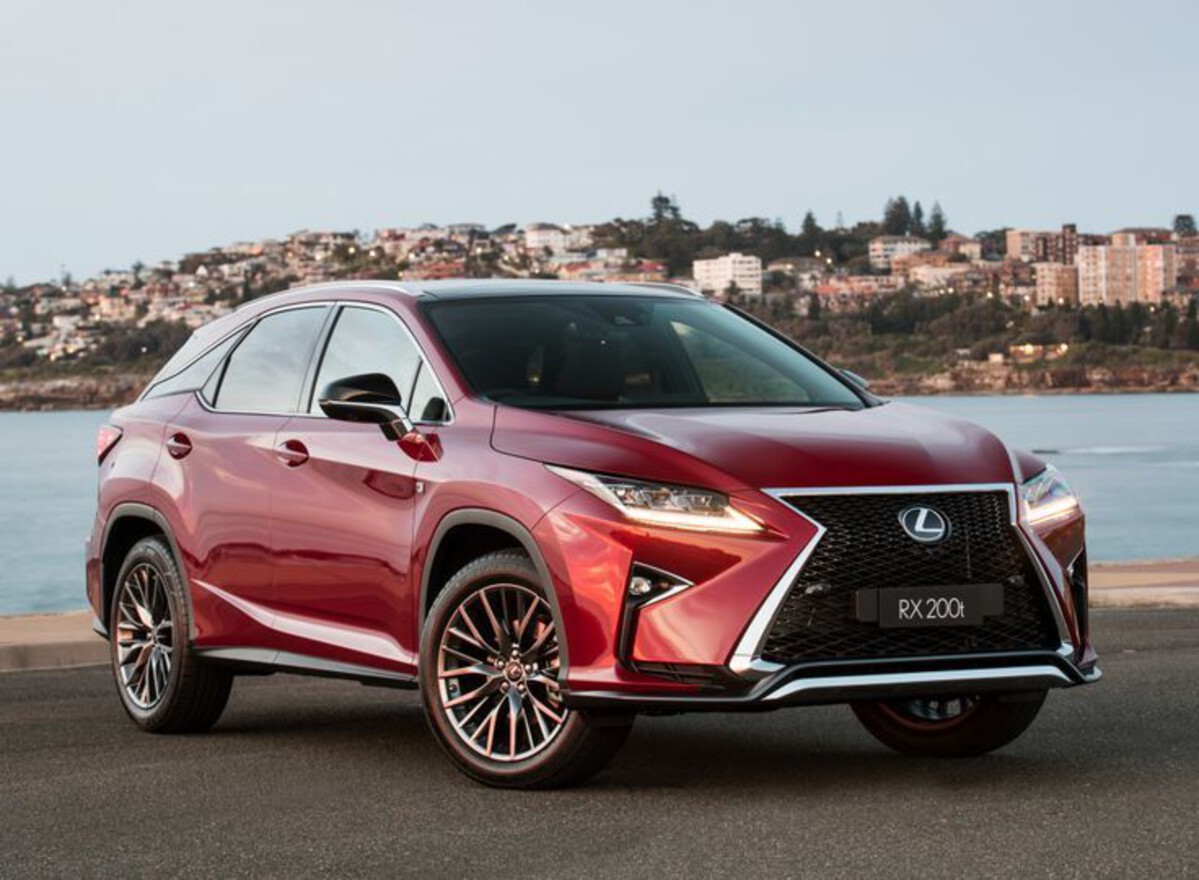
3. Lexus ES: Comfort and Durability United
The Lexus ES, particularly in its recent generations, has been winning nods from luxury sedan fans who notice an unexpected benefit: brake pads that last.
Lexus leverages its parent company Toyota’s experience with braking technology, but takes it further by utilizing advanced materials and sophisticated braking systems that gently manage stopping power.
The design priorities for the ES favor a smooth, predictable driving experience intended to protect not only comfort but also mechanical components.
This means the pads and rotors are subjected to gradual, rather than abrupt, applications of force. For drivers who appreciate quiet luxury and a serene ride, the ES delivers, and the extended brake pad life is the cherry on top.
Discussing the Lexus ES in terms of brake longevity is useful because premium car buyers often worry about higher parts and labor costs.
Finding a luxury sedan where the pads can routinely last 100,000 miles or more offers peace of mind and keeps long-term ownership costs surprisingly manageable.
Well regarded by owners with high annual mileages, the ES’s reputation for comfort is perfectly matched by its mechanical staying power.
4. Toyota Camry: A Benchmark for Low-Maintenance Midsize Sedans
The Toyota Camry’s widespread popularity is not just due to its comfortable ride and sterling reliability record it’s also a champion when it comes to brake pad life.
Combining efficient braking systems with a sensible curb weight, the Camry is engineered to minimize unnecessary pad friction during deceleration, especially when compared to heavier or sportier models.
Long-term owners and mechanics frequently report mileage figures exceeding 100,000 before a first brake service is due.
This is amplified in the hybrid versions, which add the benefit of regenerative braking similar to the Prius. Even in the non-hybrid Camrys, careful engineering and a conservative design philosophy help deliver this impressive pad life.
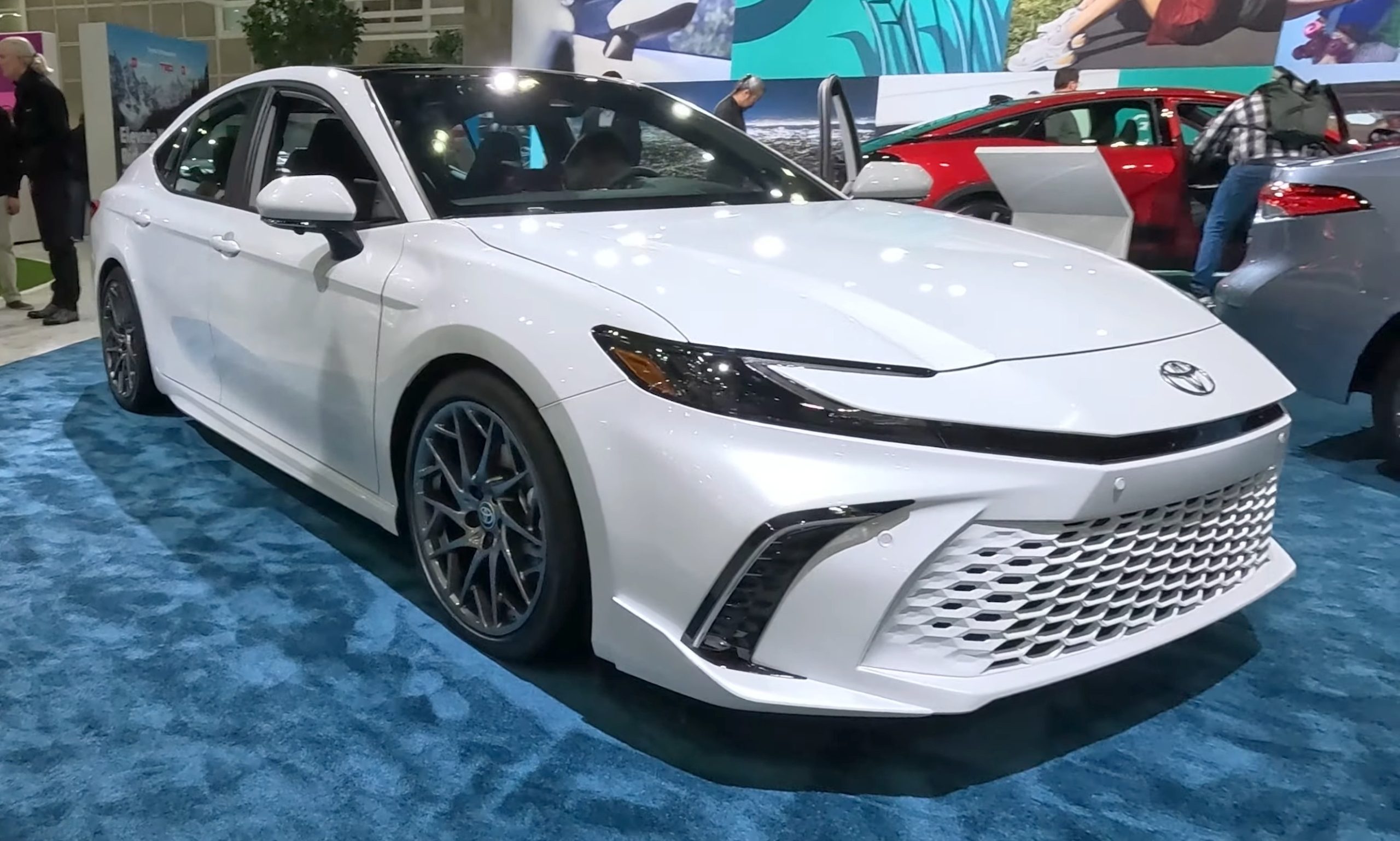
The reason for including the Camry is clear: it offers one of the most reliable low-maintenance experiences for everyday drivers.
For those who depend on consistent, cost-effective performance, it’s a go-to model. The car’s ability to stretch brake maintenance intervals to such lengths lets owners hold on to both time and money, while still enjoying an easy-to-live-with sedan.
5. Hyundai Sonata: Long Life for the Cost-Conscious
The Hyundai Sonata, especially in its recent generations, is another midsize sedan that often gets positive mention for how long its factory brake pads last.
Focused engineering, lighter body construction, and a smooth power delivery all contribute to enhanced brake component longevity. Hyundai’s attention to detail in matching pad material and rotor design ensures that wear and tear is minimized during daily use.
Owners who primarily drive on highways or in suburban environments often find their Sonatas needing less frequent brake attention than sportier or heavier rivals.
Many have shared their experiences of reaching or even surpassing 100,000 miles before the first brake job is on the calendar. The inclusion of the Sonata here is important for shoppers who are budget-conscious but do not want to compromise on reliability or performance.
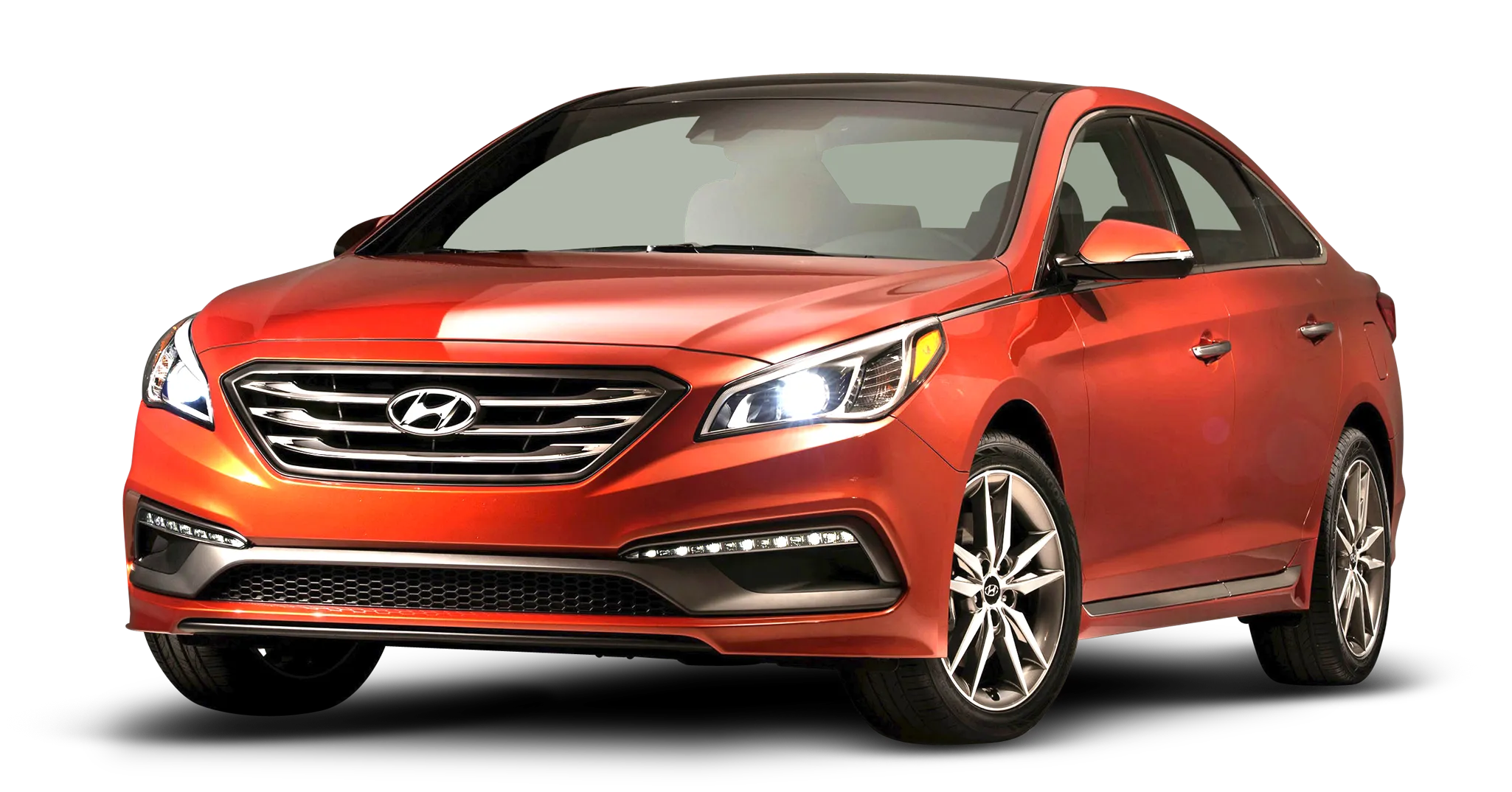
Recognizing vehicles like the Sonata in conversations about brake pad longevity shines a light on smart purchasing decisions for those unafraid to stray from traditional top-tier brands.
The impressive durability seen in the Sonata’s brake components is a testament to Hyundai’s improvement in engineering, making it a wise pick for anyone looking to limit trips to the mechanic.
Cars That Burn Through Pads Quickly
On the flip side of the longevity spectrum are vehicles that tend to use up their brake pads at an alarming rate. For some drivers, frequent pad replacements become a frustrating reality, especially when they expected lower maintenance bills.
In this section, attention is given to vehicles that, due to design choices, vehicle weight, or performance tuning, are known for short brake pad life. Such vehicles might prioritize speed, quick stopping power, or heavy-duty hardware, but the trade-off is often more frequent visits to the shop.
For buyers, understanding which cars are likely to incur higher-than-average brake costs can help inform smarter purchasing choices.
Factoring in brake pad replacement frequency becomes crucial, especially when considering vehicles for ride-sharing, delivery work, or everyday commuting in stop-and-go conditions.
As new braking technologies continue to evolve, some models still lag behind, leading to persistent complaints from owners about their need for constant maintenance.
By focusing on vehicles with an established pattern of rapid pad wear, this section aims to help consumers avoid unpleasant surprises and better manage their automotive budgets.
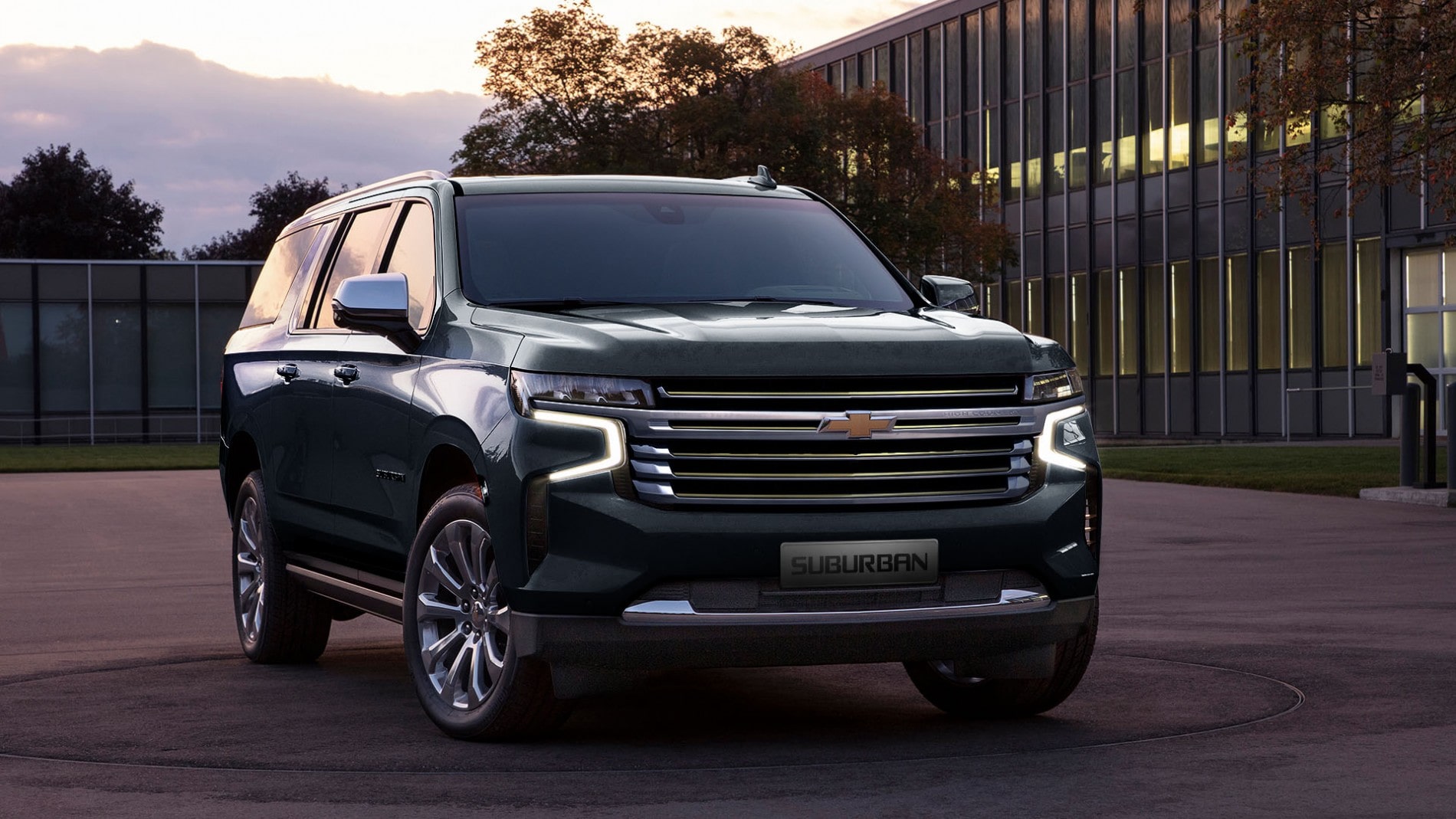
1. Chevrolet Suburban: Heavyweight SUV, Heavy Brake Demands
The Chevrolet Suburban has carved out a place as an enduring favorite among large families, commercial fleets, and anyone needing serious towing capacity and cargo space. However, its considerable size and weight pose continual challenges for its braking system.
The sheer mass of the Suburban requires significant stopping power, translating into constant, high-stress usage for brake pads.
Repeated heavy use, especially under load or in frequent city driving, leads to pads wearing out quickly, sometimes in as little as 30,000 to 40,000 miles.
There’s a clear reason to put the Suburban in the spotlight in discussions about rapid brake pad consumption.
Owners, especially those who use their vehicles for towing or heavy hauling, routinely report that brake pads need changing much more frequently than in lighter SUVs or sedans. The braking demands placed by the vehicle’s weight simply exceed what conventional pads are often designed to handle for extended lifespans.
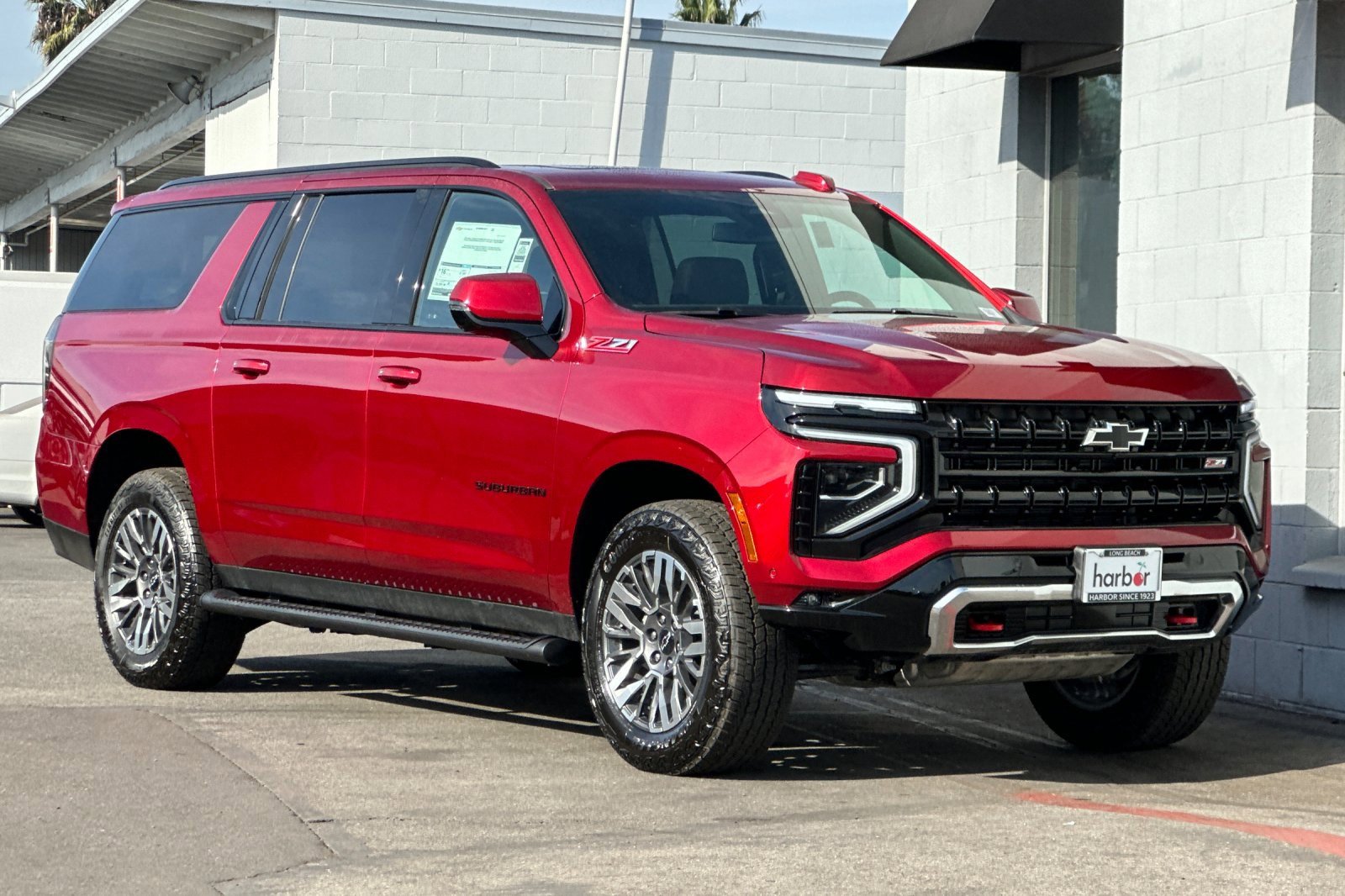
Highlighting the Suburban sheds light on a key point for buyers: while the SUV delivers on utility and capacity, it does so at the expense of frequent, sometimes costly, maintenance.
By understanding this, prospective owners can set more realistic expectations for maintenance budgets and plan accordingly, especially if they anticipate regular use under heavy loads.
2. Ford F-150: A Powerhouse SUV with Brake Pad Challenges
The Ford F-150 is one of the best-selling trucks in the United States. Known for its impressive towing capacity, payload capabilities, and versatile performance, it is a favorite among contractors, outdoor enthusiasts, and families alike.
However, these robust capabilities come with a maintenance consideration worth noting: the Ford F-150 often experiences faster brake pad wear compared to smaller vehicles or sedans.
The primary reason for the F-150’s quicker brake pad usage is its significant curb weight and the typical tasks it undertakes.
Whether hauling heavy loads, towing trailers, or frequently driving in stop-and-go traffic, the truck’s braking system is put under considerable stress.
Although Ford employs advanced braking technology and larger rotors to compensate, the physical demand on the brake pads remains high. This leads to replacements often being necessary within 30,000 to 50,000 miles, depending on driving habits and load.
Additionally, aggressive driving styles, common among truck owners who sometimes push their vehicles’ limits, add to the pad wear rate.
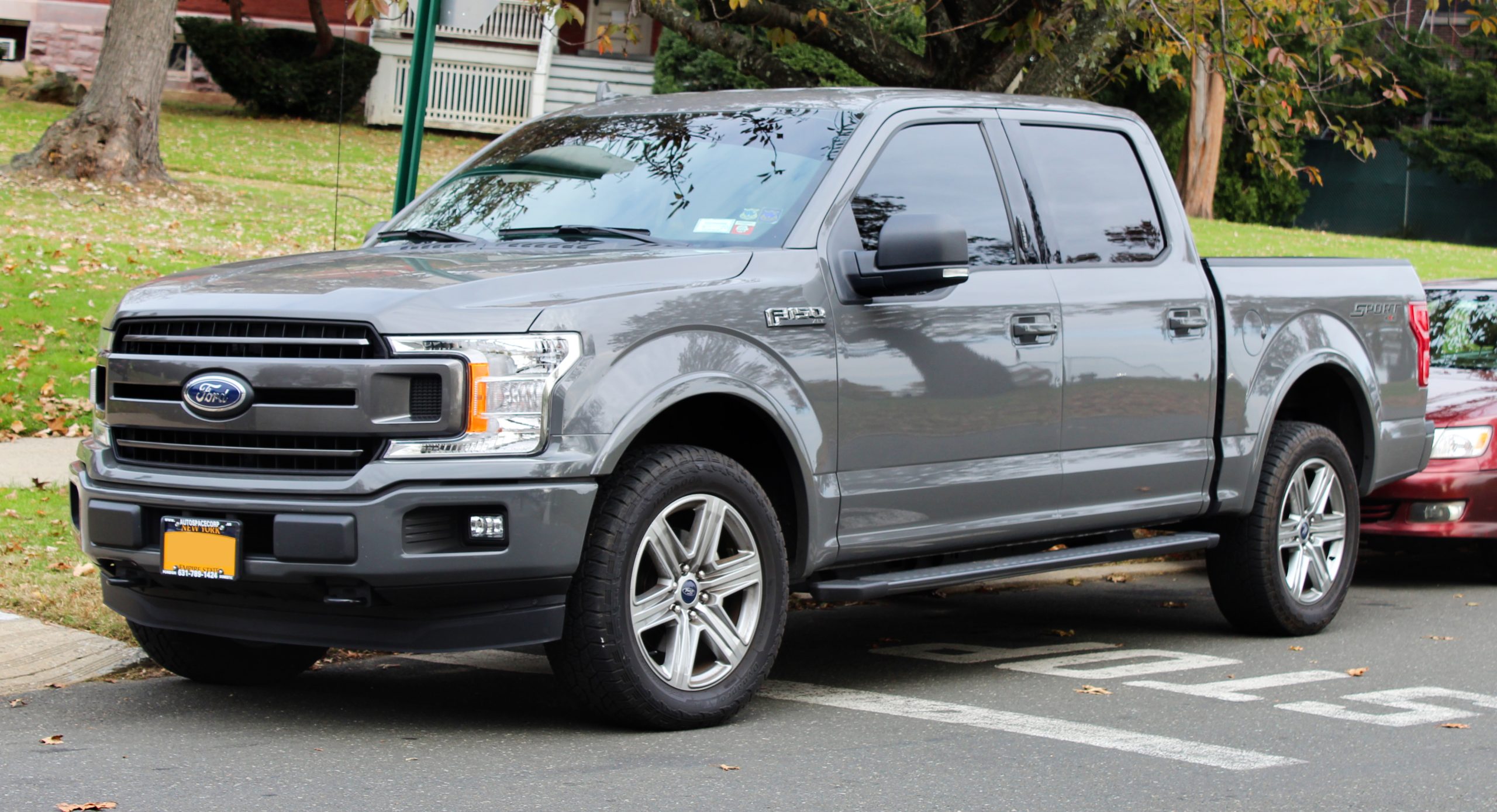
Crew cab and larger model variants tend to see more rapid consumption due to added weight. While the F-150’s performance and durability are undeniable, potential buyers should be prepared for maintenance costs that reflect the vehicle’s heavy-duty nature.
Understanding the F-150’s brake pad challenges underscores the importance of considering intended use and driving environment when choosing a vehicle.
For those requiring a workhorse with serious capabilities, the trade-off in brake pad life might be an acceptable aspect of ownership.
3. BMW X5: Performance Luxury’s Hidden Maintenance Cost
The BMW X5 is often chosen for its dynamic handling, powerful acceleration, and premium features. It strikes a strong balance between luxury and athleticism, which appeals to those desiring an SUV that feels spirited and responsive.
However, these very characteristics contribute to increased brake pad consumption. The X5’s substantial curb weight and performance-tuned powertrain place significant demands on the braking system during spirited driving or frequent city use.
Owners frequently report that original brake pads require replacement as early as 25,000 to 40,000 miles.
High-performance variants, such as the M models, tend to wear through pads even faster due to frequent high-speed stops and the heavier use of brakes in aggressive driving conditions.
Additionally, BMW’s proprietary pad materials, designed to offer immediate, responsive braking, are often softer, contributing to rapid wear. Wet or muddy conditions, which expose brake components to the elements, can further accelerate the rate of pad wear on these vehicles.
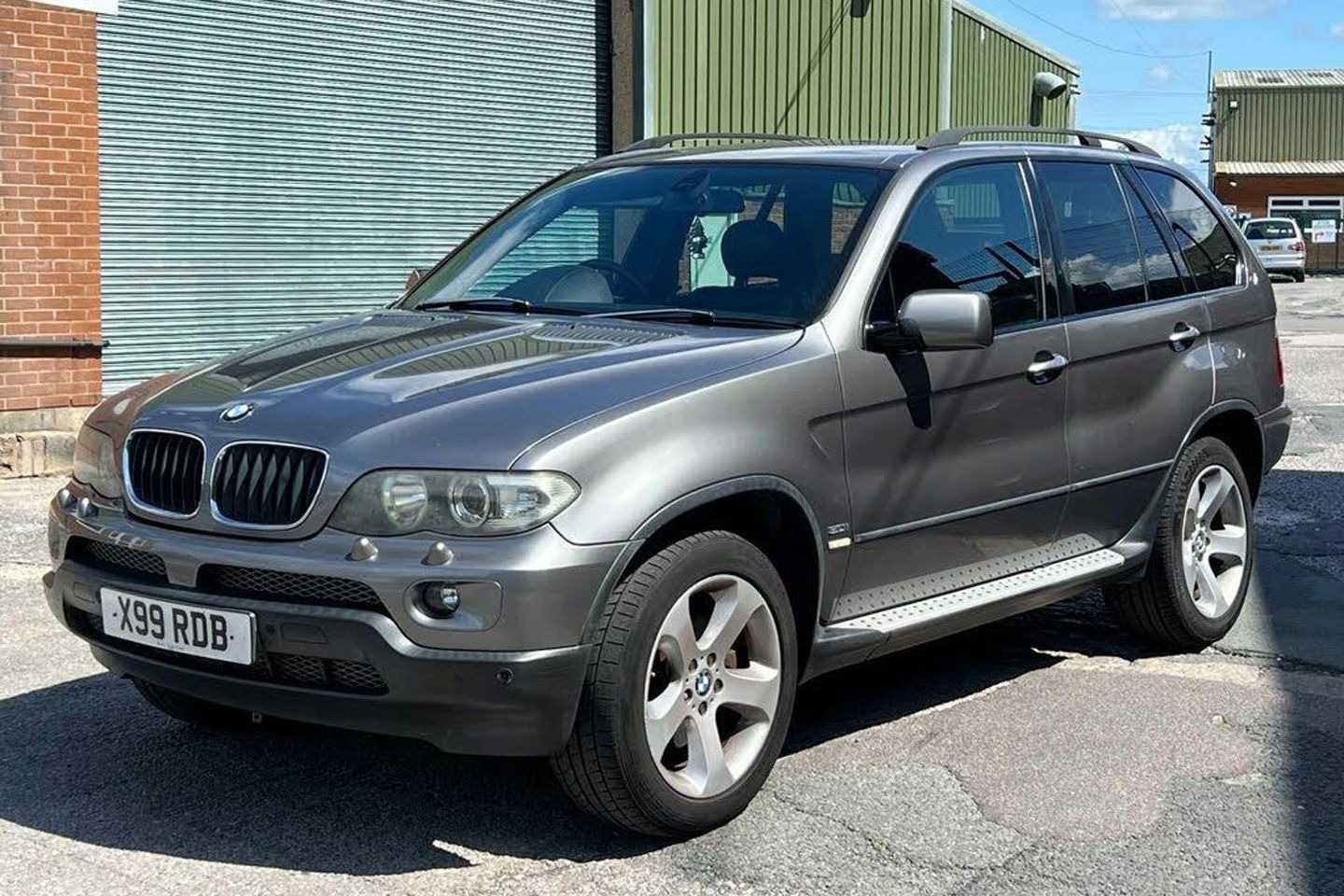
Including the X5 demonstrates how luxury and performance often come with a trade-off in routine maintenance. While drivers benefit from unparalleled control and stopping power, they must also budget for more frequent brake service intervals.
Recognizing this helps potential buyers weigh the overall cost of ownership, particularly when choosing high-performance SUVs that promise excitement but demand vigilance with routine upkeep.
4. Tesla Model S: Regeneration Doesn’t Save Everything
The Tesla Model S has pioneered electric vehicle technology, and many would expect its regenerative braking system to result in longer brake pad life.
While regeneration takes a notable load off the traditional friction brakes during routine driving, the situation changes under spirited driving or when maximum stopping force is needed. The Model S is a heavy vehicle, and its impressive acceleration leads many owners to push its limits frequently.
Reports indicate that, despite the presence of regenerative braking, pads on the Model S, especially on performance variants or when driven aggressivel,y don’t always outlast those on comparable luxury sedans.
Heavy weight combined with large, torque-rich electric motors creates circumstances where the friction brakes must work hard during emergency stops, mountain drives, or when full regenerative braking is unavailable (like when the battery is full).
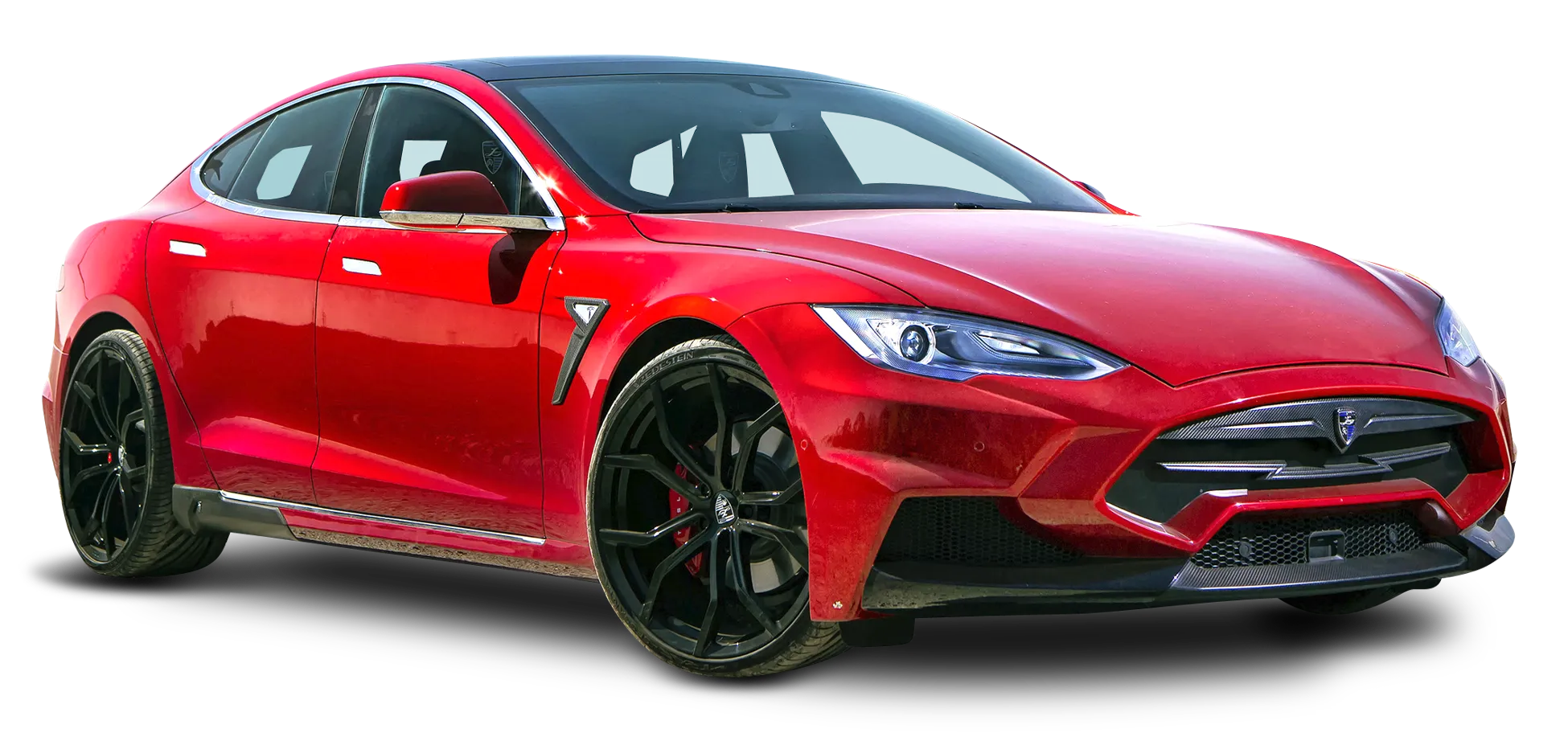
Including the Model S in this list cautions against assuming that all electric vehicles will automatically enjoy ultra-long brake service intervals.
While many owners go longer than typical gasoline cars between replacements, a subset encounters dramatically shorter pad life.
It emphasizes that even cutting-edge technology has physical limitations, and that driving habits and vehicle design still play pivotal roles in determining maintenance needs.
5. Jeep Grand Cherokee: Utility and Off-Road Adventure Mean More Brake Jobs
The Jeep Grand Cherokee appeals to a broad segment of drivers, from daily commuters to off-road adventurers. This versatility, while a major selling point, contributes to the vehicle’s reputation for burning through brake pads rapidly.
Frequent towing, hauling, and trail driving all central to the Grand Cherokee’s use case, require heavy and repeated brake applications, hastening pad wear.
Owners, especially those who utilize the Grand Cherokee for its full range of capabilities, often find themselves replacing pads as early as 25,000 to 40,000 miles.
The SUV’s considerable size and full-time four-wheel-drive systems add extra weight, translating to more energy for the brakes to dissipate with every stop.
The use of larger tires for off-road use can also increase rotational mass, putting further demand on the pads during deceleration.
Calling attention to the Grand Cherokee in this context brings valuable insight to buyers considering vehicles meant for both utility and adventure.
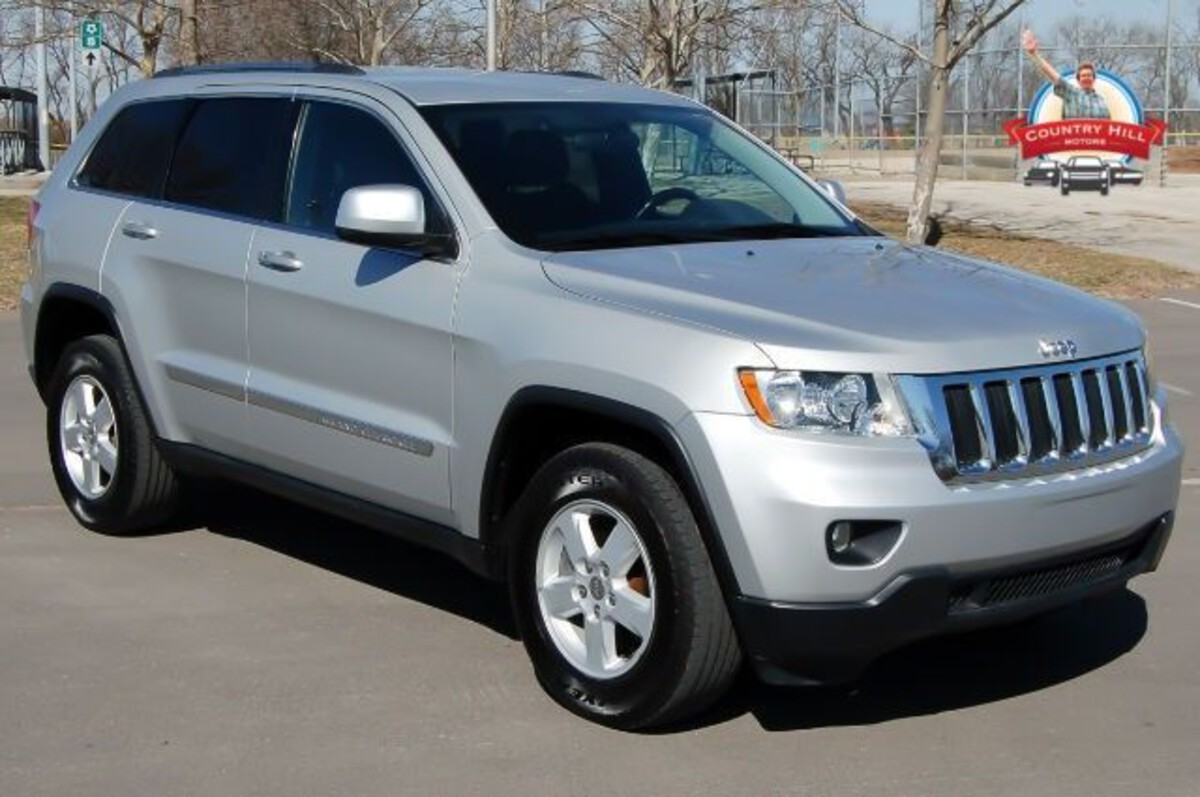
While these SUVs offer unmatched capability and flexibility, understanding the realities of maintenance, particularly brake pad replacement frequency, helps buyers make informed, practical choices in line with their driving needs and budgetary priorities.
This article compares two groups of vehicles based on how long their original brake pads typically last, highlighting both ends of the spectrum to help drivers understand potential maintenance costs.
The first group consists of five cars known for going 100,000 miles or more on their original brake pads.
These vehicles benefit from thoughtful engineering that reduces brake wear, including efficient braking systems, smart weight distribution, and sometimes regenerative braking technology.
For example, the Toyota Prius uses regenerative braking to significantly reduce friction brake use, allowing pads to last well beyond 100,000 miles. Similarly, the Honda Accord’s balanced chassis and even brake pressure distribution contribute to long-lasting pads.
The Lexus ES blends luxury comfort with advanced materials that gently apply stopping power, promoting pad durability. The Toyota Camry’s efficient design, especially in hybrid models with regen braking, helps minimize pad replacement frequency.
The Hyundai Sonata rounds out this group by combining light construction and matched braking components, achieving impressive pad life while remaining budget-friendly.
These vehicles appeal to drivers seeking reduced maintenance and lower ownership costs, especially those who do a lot of highway driving or prioritize reliability.
In contrast, the second group highlights five vehicles known for burning through brake pads quickly, often requiring replacements within 25,000 to 50,000 miles.
The Chevrolet Suburban, a large heavy SUV, demands a lot from its brakes due to its mass and towing use, causing rapid pad wear.
The Ford F-150, widely used for heavy-duty tasks, faces similar issues because of its weight and typical hauling or stop-and-go driving conditions.
The BMW X5 delivers performance and luxury but at the expense of frequent brake servicing, especially in sportier trims where softer brake material and aggressive driving accelerate wear.
Although the Tesla Model S benefits from regenerative braking, its heavy curb weight and spirited driving reduce expected pad longevity, reminding owners that electric vehicles are not exempt from brake maintenance.
Lastly, the Jeep Grand Cherokee’s versatility for off-road use and towing puts significant brake demand on the vehicle, leading to quicker pad changes.
These examples alert prospective buyers to expect higher maintenance costs and to factor brake pad longevity into ownership decisions for heavy, performance-oriented, or utility-focused vehicles.
Overall, the article underscores that brake pad lifespan varies widely depending on vehicle design, intended use, weight, and driving style. Understanding this spectrum helps drivers make well-informed choices aligned with their maintenance preferences and budgets.
Also Read: 5 Cars with Reinforced Control Arms vs 5 with Bent Arms Under Stress
