
Modern automotive engineering stands out for its remarkable progress in tackling heat management. While some vehicles excel thanks to ingenious cooling designs, others are notorious for their inability to handle even moderate temperatures in city traffic.
The ability to maintain optimal engine temperature isn’t merely a measure of engineering pride; it directly affects reliability, performance, and the long-term health of a vehicle.
On one hand, certain cars are almost legendary for their robust, even excessive, approach to cooling, implemented to ensure that their engines remain dependable under a range of challenging conditions such as motorsport or extreme climates.
On the other hand, some car models, despite advancements in technology, have developed reputations for struggling to keep cool when caught in a congested urban setting, causing frustration among drivers and sometimes leading to serious mechanical issues.
This article brings together two contrasting groups: those automobiles renowned for their almost extravagant cooling systems, and those infamous for overheating in traffic.
By examining both ends of the spectrum, readers will get a comprehensive overview of how cooling system design can define a car’s real-world reputation.
Such an examination also serves as a reminder of how vital heat management remains in automotive design. Now, let’s start by looking at five cars with cooling systems that go above and beyond typical industry standards.
Also Read: 5 Cars with Lifetime Parking Sensors vs 5 with Faulty Alert Beepers
5 Cars With Overengineered Cooling Systems
Advances in engine design and aerodynamics have called for ever more sophisticated cooling solutions. For automakers striving for maximum performance or seeking to cement a model’s legacy for durability, the performance of a cooling system can become a key selling point.
In some cars, the engineering dedicated to keeping the powertrain cool almost seems excessive designed not just for average driving but for punishing climates, high-speed runs, and racetrack abuse.
These cars often feature multiple radiators, specialty ducts, electronically controlled fans, and even exotic materials, all dedicated to the single goal of heat management.
What makes a cooling system “overengineered” is not just additional capacity, but a level of design that far exceeds what 99% of owners will ever require in daily life.
Such obsessive attention often reflects a determination to ensure the car is always ready for more, perhaps even at the limit of what the engine itself could deliver.
Ownership of these cars means rarely, if ever, needing to worry about temperature gauges creeping upward on a summer day or during a spirited drive.
The five vehicles featured in this section are selected for their conspicuously advanced or lavishly constructed cooling systems, each representing a different philosophy behind heat management and reflecting the priorities of their creators.
1. Bugatti Veyron
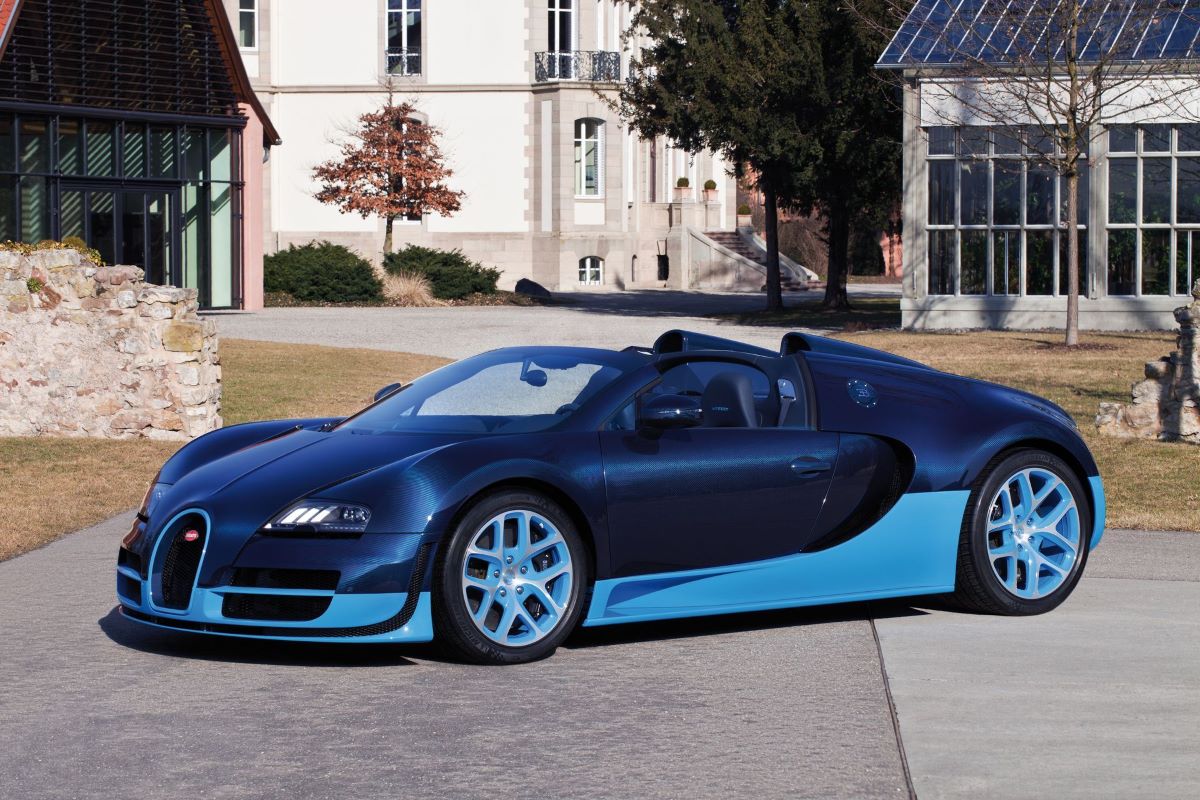
The Bugatti Veyron stands as a monument to extreme engineering, and nowhere is this more evident than its approach to managing the heat generated by its 8.0-liter, quad-turbocharged W16 engine.
Producing well over 1,000 horsepower, the Veyron produces tremendous amounts of heat, necessitating a cooling solution that borders on architectural.
To prevent catastrophic overheating, Bugatti equipped the Veyron with three massive radiators dedicated solely to the engine coolant, two additional radiators for the air-to-liquid intercoolers (key to keeping intake temperatures in check), an oil cooler radiator, and another dedicated to the transmission.
The total surface area of its cooling circuits exceeds what’s found in most race cars. Air scoops and intricate ducting channel airflow with extraordinary precision.
Even the engine’s design allows for improved cooling, using a split-block construction that helps dissipate heat away from areas most susceptible to it.
The result is a car that can sustain extraordinary speeds on the autobahn or race track, with the cooling system barely breaking a sweat.
While the overwhelming majority of owners will never come close to pushing the Veyron to its limits, this system means peace of mind even in the harshest climates or during high-speed runs.
The Veyron’s approach isn’t just about margin; it’s a celebration of technical prowess, ensuring the car’s legend for performance is never tarnished by something as mundane as an overheating warning light.
Discussing the Veyron belongs here because it redefines what’s possible and sets a benchmark for the rest of the auto industry in heat management, proving that real-world usability need not come at the cost of pushing boundaries.
2. Toyota Land Cruiser (J70/J80 Series)
The Toyota Land Cruiser is legendary for reliability, and part of that reputation can be traced directly to its steadfast engineering philosophy, especially in models like the J70 and J80 Series.
Built for the demanding conditions of deserts, jungles, and mountains, the Land Cruiser’s cooling system was designed with redundancy and strength in mind.
These models don’t just get a larger-than-necessary radiator; they are engineered with shrouded fans, high-flow water pumps, oversized coolant reservoirs, heavy-duty hoses, and, in some cases, auxiliary fans designed to kick in when conditions get extreme.
Some markets saw versions with dual radiators or supplementary cooling for the transmission and intercooler, particularly in diesel-powered variants subjected to prolonged idling and high loads.
This robust cooling design enables the Land Cruiser to handle long slogs through deep sand at high ambient temperatures or crawl up steep mountain passes with little fuss.
It’s not unusual to encounter these vehicles in environments where temperatures soar beyond 45°C (113°F), still running with temperature gauges at normal. The effort goes beyond just function and becomes an emblem of Toyota’s attention to detail.

Owners benefit from worry-free operation, even when far from help, which is why the Land Cruiser’s “overengineering” is not an accident but a deliberate guarantee of survival and peace of mind.
Its inclusion here is justified by the model’s decades of success in the harshest places on the globe, where the cooling system’s reliability is a literal matter of life and death.
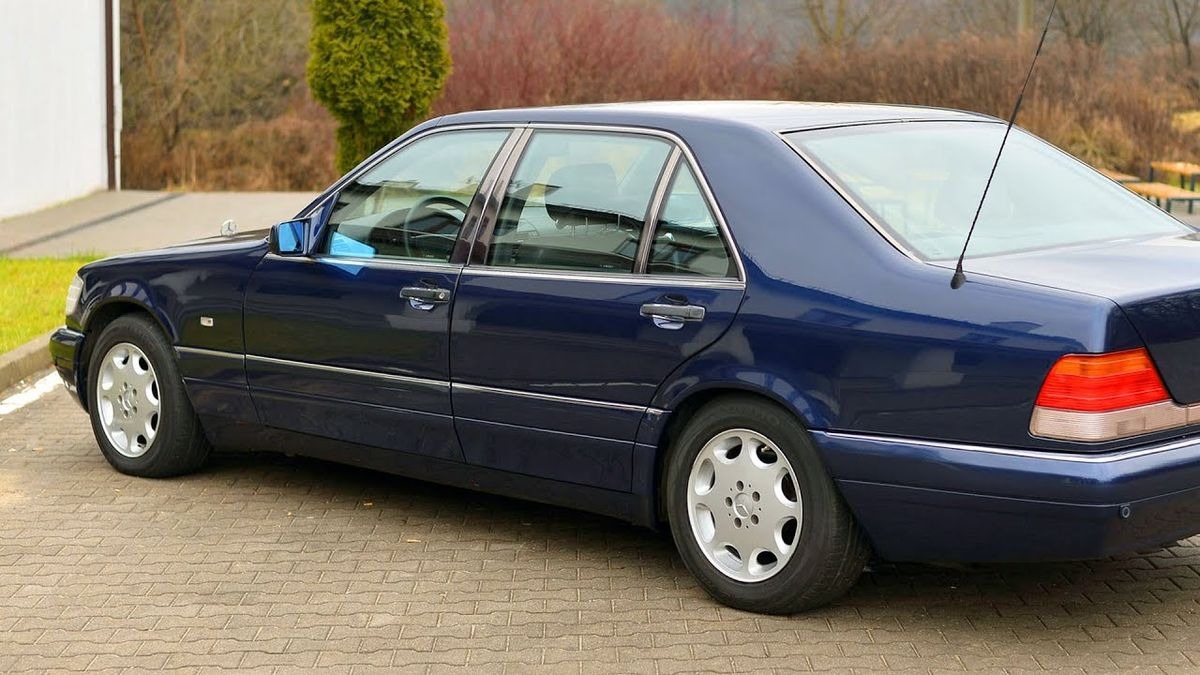
3. Mercedes-Benz S-Class W140
When the Mercedes-Benz S-Class W140 launched in the early 1990s, it was described by its own engineers as “overengineered” in almost every respect. Nowhere was this more visible than its approach to thermal management.
The W140 was available with a range of large displacement engines, including V8s and V12s, and was intended to offer its occupants complete comfort and mechanical serenity, regardless of outside conditions.
The W140 featured a massive, multi-circuit cooling system, inclusive of a dual-stage radiator, multiple electric fans with variable speeds, and auxiliary coolers for the transmission and air conditioning system.
Temperature sensors throughout the vehicle would trigger additional cooling when required, and in some versions, the climate control system was designed to preemptively compensate for expected engine heat build-up in heavy traffic or hot climates.
What makes the W140’s system remarkable is the subtlety of its operation. The result is that occupants rarely observe any engine temperature fluctuation, whether crawling through traffic in Dubai or cruising German autobahns at triple-digit speeds.
For decades, W140s have been known for their ability to maintain composure in the harshest driving conditions.
The decision to include this car is driven by its status as a benchmark for “old school” Mercedes engineering—the cooling system a direct reflection of the model’s legendary pursuit of durability and comfort.
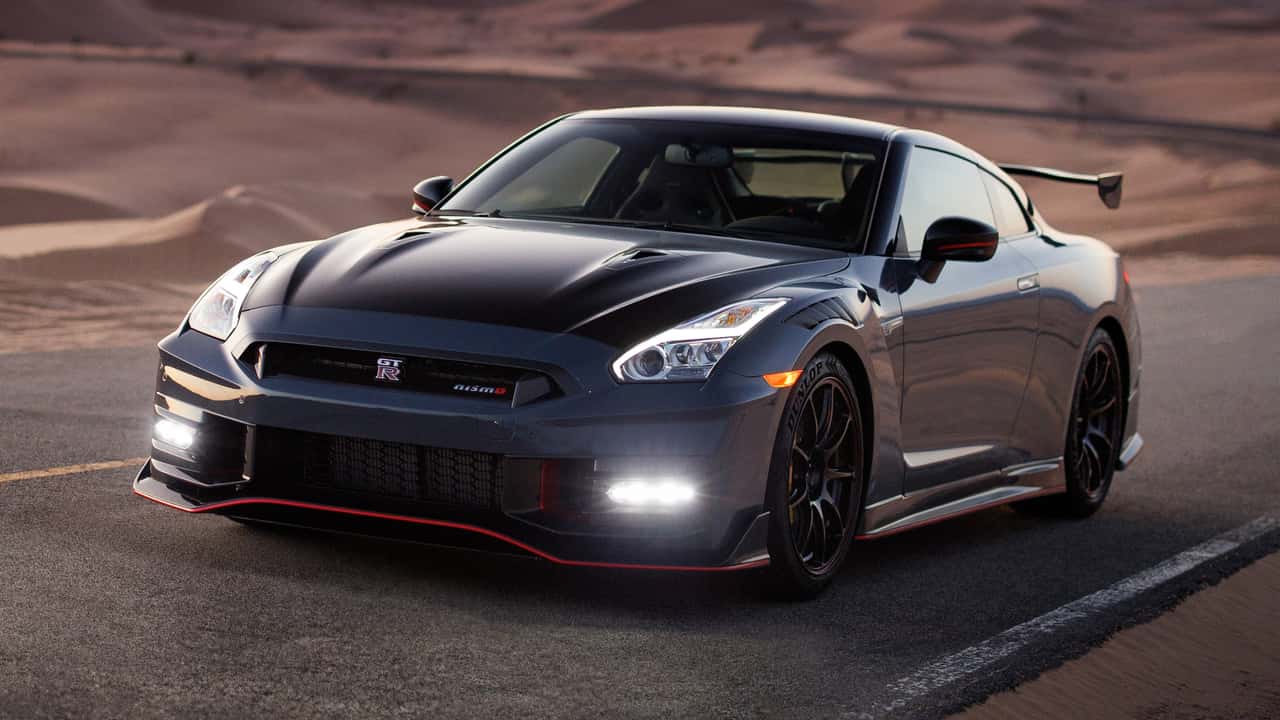
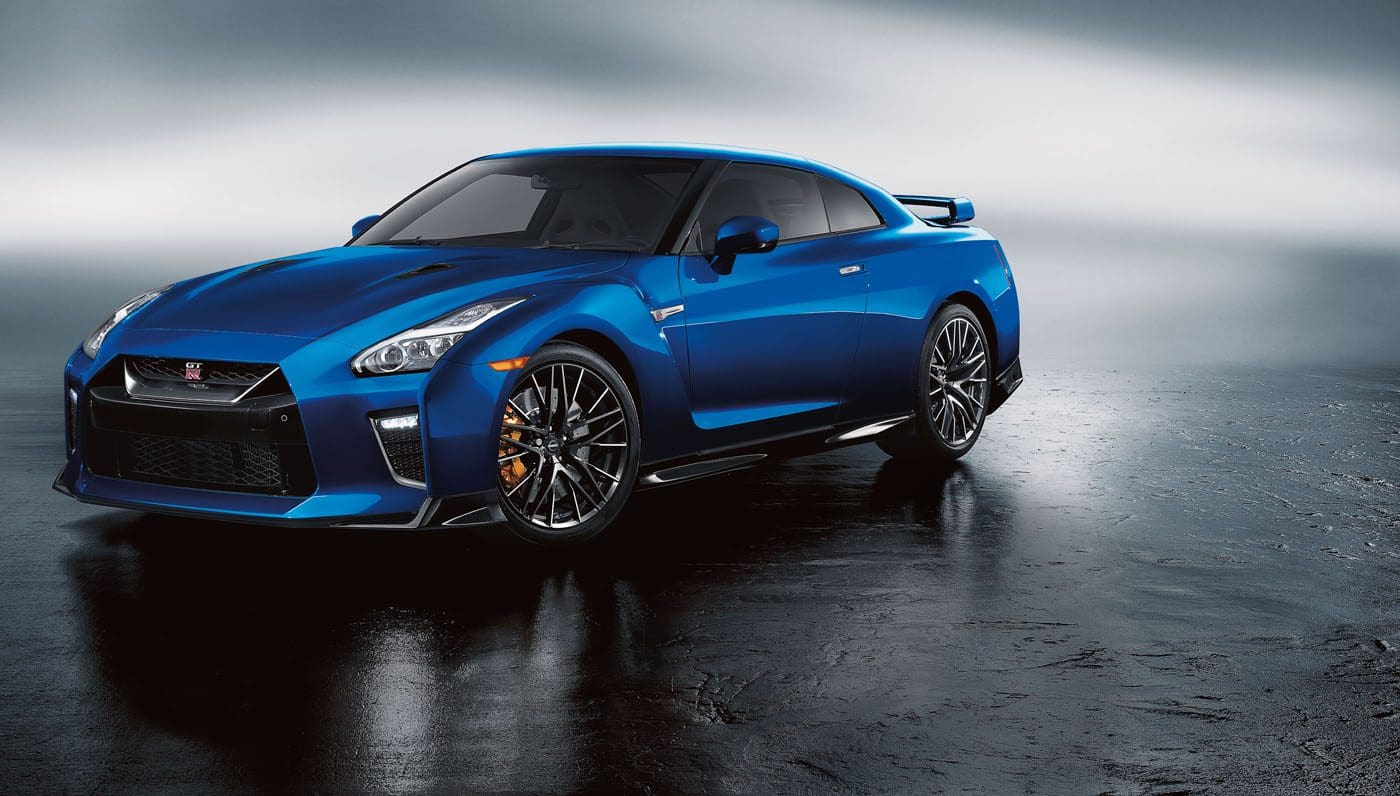
4. Nissan GT-R (R35)
Nissan’s GT-R, known for making supercar performance accessible, employs a cooling system that rivals much more expensive vehicles.
The R35 was developed not just for daily use, but for the extraordinary requirements of repeated hot laps on demanding racetracks as well as standing starts.
At the heart of its cooling system are dual front-mounted radiators, intercooler sprayers, multiple electric fans, and oil coolers designed to keep both engine and transmission temperatures in check under extreme use.
In addition, the GT-R’s all-wheel-drive system features dedicated cooling to ensure stability and performance are not compromised. The factory even recommends a specific high-performance coolant for owners who plan to use the vehicle in motorsport events.
Nissan’s relentless focus on cooling is not mere marketing. Early development revealed that shorter, less robust solutions would limit the car’s lap time consistency and engine life, so the engineering team responded with a system that is effective, reliable, and over-specified for most street drivers.
The inclusion of the GT-R here is justified because it shows how engineering for extreme scenarios pays dividends for all owners, regardless of whether the closest they get to a circuit is the occasional highway on-ramp.
5. Cadillac CTS-V (Second Generation)
The second-generation Cadillac CTS-V represented General Motors’ determination to go head-to-head with Europe’s finest performance sedans.
Under the hood, its supercharged 6.2-liter V8 generated tremendous heat, which could have proved disastrous given the car’s size and luxury accoutrements.
Cadillac addressed this challenge by installing a highly advanced aluminum radiator, dual cooling fans offering staged operation for improved airflow under demanding conditions, and separate coolers for the supercharger, automatic transmission, and differential.
Additional air intakes, strategically placed, help funnel more air across critical components. The cooling circuit is almost modular in nature, allowing for easier maintenance and improved long-term durability.
Independent tests and owners have repeatedly found that the CTS-V’s engine temperatures stay in check, even during repeated high-performance runs or in the kind of traffic conditions that have proven too much for other American V8-powered cars.
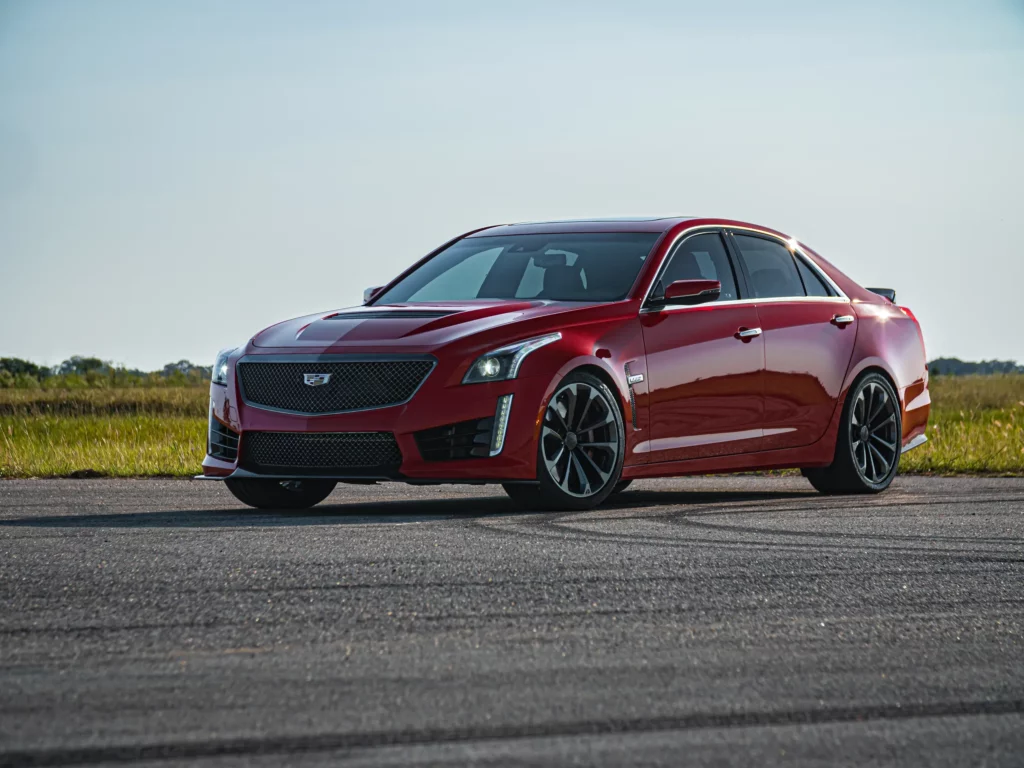
The CTS-V is included here because its cooling system is evidence of the kind of engineering that transforms a muscle car into a credible rival for established European performance sedans.
This level of cooling is more than sufficient for daily commuting but shines during strenuous activity, ensuring impeccable reliability for those who drive with enthusiasm.
5 Cars That Overheat in Traffic
Some vehicles are remembered not for their robust engineering, but for the headaches they inflict on owners caught in everyday situations.
It may come as a surprise, but heat management remains a stumbling block for certain makes and models, resulting in tales of dashboard warning lights, clouds of steam, and anxious glances at temperature gauges on sunny days.
A car’s tendency to overheat in traffic is rarely intentional. Sometimes it is the result of cost-cutting, other times due to design decisions that look good on paper but fail under real-world conditions.
High-strung engines, limited airflow, compact engine bays, or underdimensioned radiators can combine to create situations where a car that performs flawlessly on the open road stumbles once trapped by red lights and congestion.
The following vehicles were chosen for their well-documented reputations for running too hot when stuck in typical urban jams.
For owners, this means a constant need to monitor the temperature gauge, and for some, living with the worry of potential repairs or, worse, a stranded roadside scenario.
Each of these cars illustrates how a relatively small flaw in heat management can undermine the rest of the ownership experience.
As you read about these models, consider how attention to cooling detail can make the difference between peace of mind and persistent anxiety behind the wheel.
1. Mini Cooper S (R53)
When the Mini Cooper S R53 burst onto the market, it won admiration for its zippy personality and retro-modern styling. Yet, beneath its charming exterior lurked a less flattering habit: a tendency to run uncomfortably warm, especially in slow-moving traffic or on hot days.
The culprit behind these woes is multifaceted. The R53 uses a supercharged engine shoehorned into a tightly packed engine bay, offering little room for airflow.
The modestly sized radiator and single, electric fan often struggle to keep temperatures in check, particularly if the air conditioning is running or the car is loaded down.
Poor airflow at low speeds compounds the issue, with the cooling fan sometimes unable to compensate fully. Owners have reported episodes where the temperature needle climbs rapidly while idling in traffic, forcing them to run cabin heaters or even pull over to avoid engine damage.
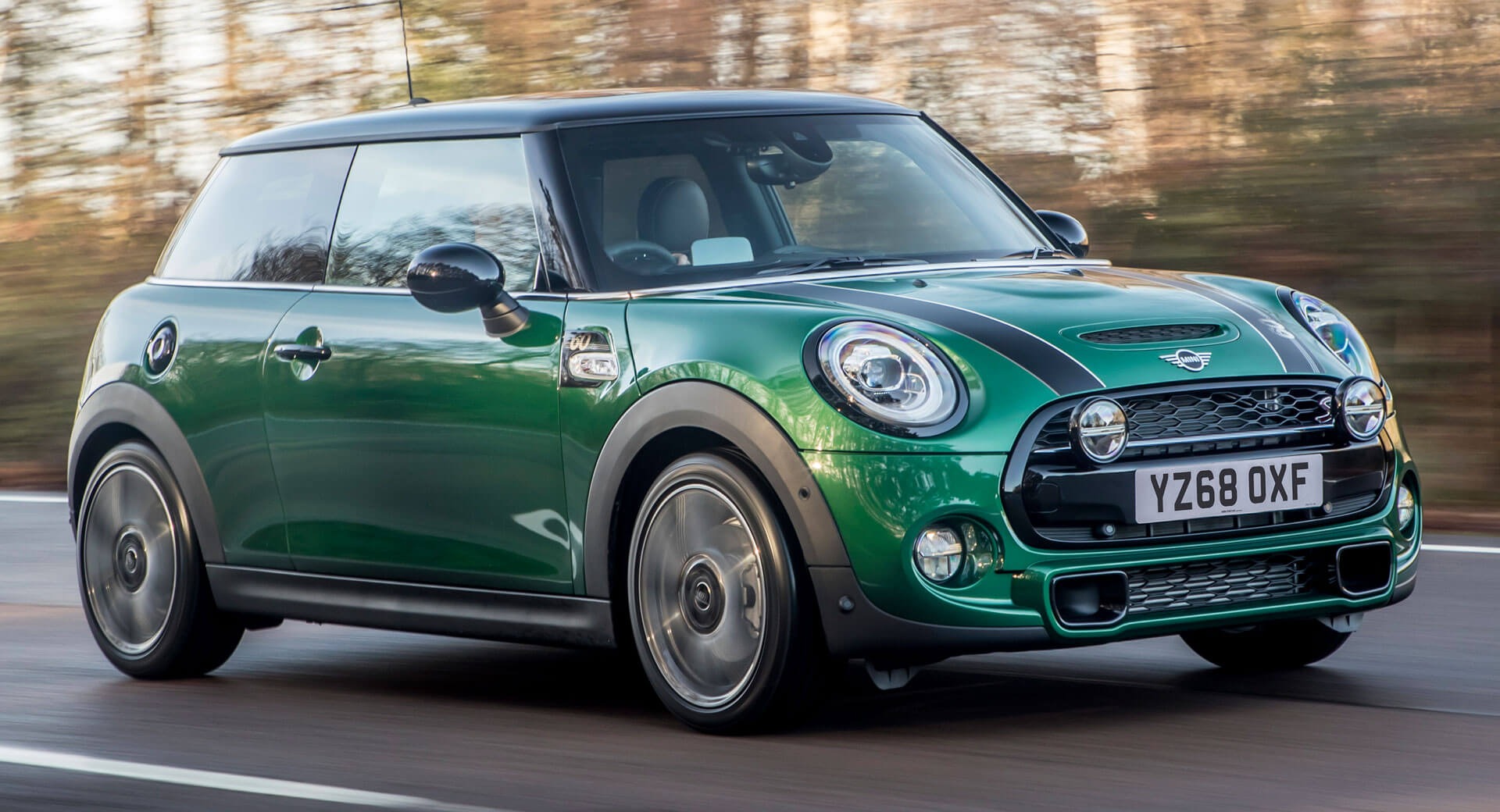
Additionally, the plastic coolant expansion tanks and some hoses are known weak points that can fail under heat and pressure.
Replacing radiators with aftermarket units and upgrading fans is a common solution among enthusiasts, but not one expected of factory design.
Discussing the R53 Mini Cooper S here is vital not only because of its popularity but as a caution about the importance of thorough thermal design, especially for compact, high-performance cars that will spend at least part of their lives in stop-and-go traffic.
2. Mazda RX-8
The Mazda RX-8 excited automotive fans with its rotary engine and unique styling. Unfortunately, that engine presents a particular challenge: rotary engines are famously vulnerable to heat, with a narrow margin between ideal and damaging operating temperatures.
The compact, rear-biased layout of the RX-8 means that airflow over the radiator is limited at low speeds, and the slim dimensions of the radiator itself do little to help matters.
This issue becomes especially pronounced in urban setting, where repeated idling and stop-start driving combine with warm outside temperatures.
Owners frequently report climbing temperature gauges, boiling coolant, and, in extreme cases, complete engine failure due to overheating.
The problems are exacerbated if the factory cooling system is not meticulously maintained. Even a small decrease in efficiency due to aged coolant, clogged radiators, or malfunctioning fans can spell trouble.
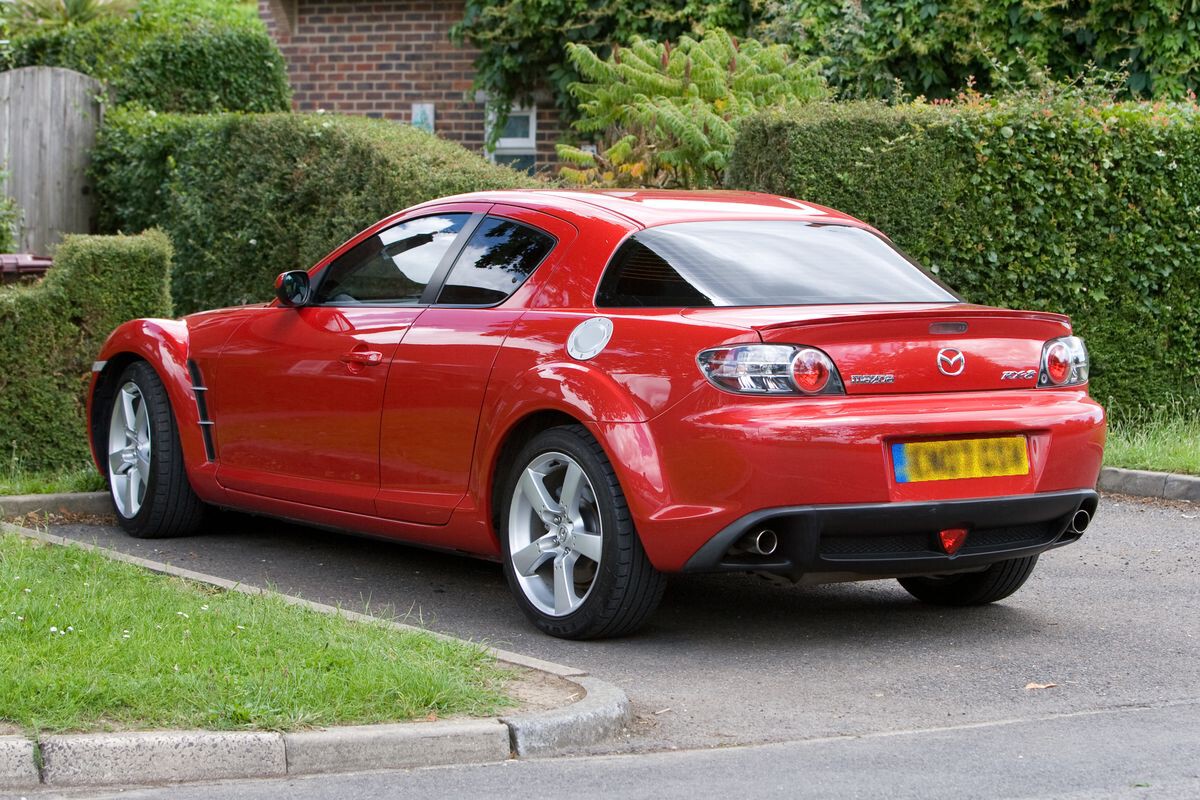
Various aftermarket fixes have become common, such as more robust radiators and additional fans, steps that underline the factory cooling system’s limitations.
Including the RX-8 here speaks to the risks inherent in pushing technical boundaries with specialized engine designs, especially when cooling margins are slim and not every owner is prepared for the added complexity of maintaining them.
3. Jeep Wrangler (TJ, Early JK)
The Jeep Wrangler’s silhouette evokes adventure and rugged reliability, but certain generation models, particularly late TJ and early JK series, developed a history of overheating in traffic.
Here, underhood space is at a premium, and the 4.0-liter inline-six or V6 engine can generate significant amounts of heat when airflow drops below highway speeds.
The radiator’s modest dimensions, combined with a relatively thin core and basic cooling fan designs, can struggle to keep up when ambient temperatures soar and the vehicle finds itself stuck on a city street.
Complicating matters, off-road accessories or modifications, such as winches and big bumpers, may further block airflow.
As temperatures rise, weak points in the cooling circuit, such as plastic radiator end tanks and old coolant hoses, tend to fail more readily, leading to leaks or sudden loss of cooling capacity.

Many owners upgrade their Wranglers with heavy-duty radiators, upgraded fans, and, in extreme situations, supplementary coolant reservoirs.
The reason for highlighting the Wrangler here is to remind that a storied reputation for ruggedness can falter if the original cooling system isn’t up to the combined challenges of urban driving and high environmental heat, especially in vehicles that see both urban and off-road use.
4. BMW 3 Series (E90/E91/E92/E93)
The BMW 3 Series from the E90 generation had plenty to recommend it: sharp handling, a wide range of engines, and a well-appointed interior.
Sadly, numerous reports emerged of these cars struggling with overheating in slow-moving traffic, most notably in warmer climates or with aging cooling system components.
The design of the E90’s cooling system, which relies heavily on electric water pumps and a complex network of plastic hoses and fittings, makes the car vulnerable as these parts age.
Clogged radiators, stuck thermostats, or failing water pumps often manifest their issues first when the car is subjected to extended periods of idling or is forced to run air conditioning during hot days. The tightly-packed engine bay, especially in six-cylinder models, doesn’t help matters, as there’s little airflow at low speed.
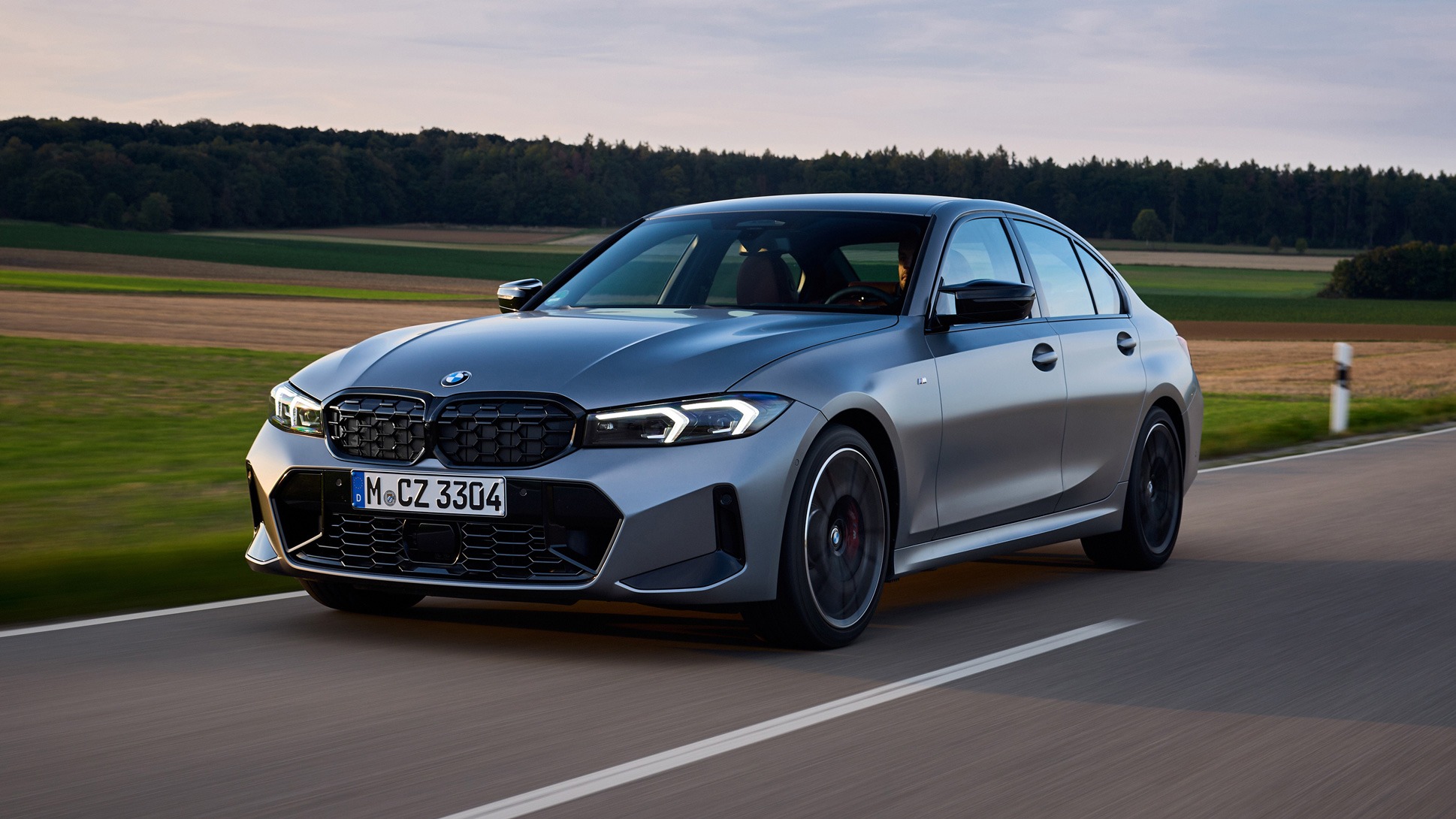
For those who own E90 series BMWs, being aware of the temperature gauge is critical, particularly as miles accumulate. Replacement with more robust aftermarket components has become standard advice among enthusiasts.
Including the E90 in this section is warranted due to the high number of reports and the car’s widespread popularity, which makes its thermal shortcomings felt by many.
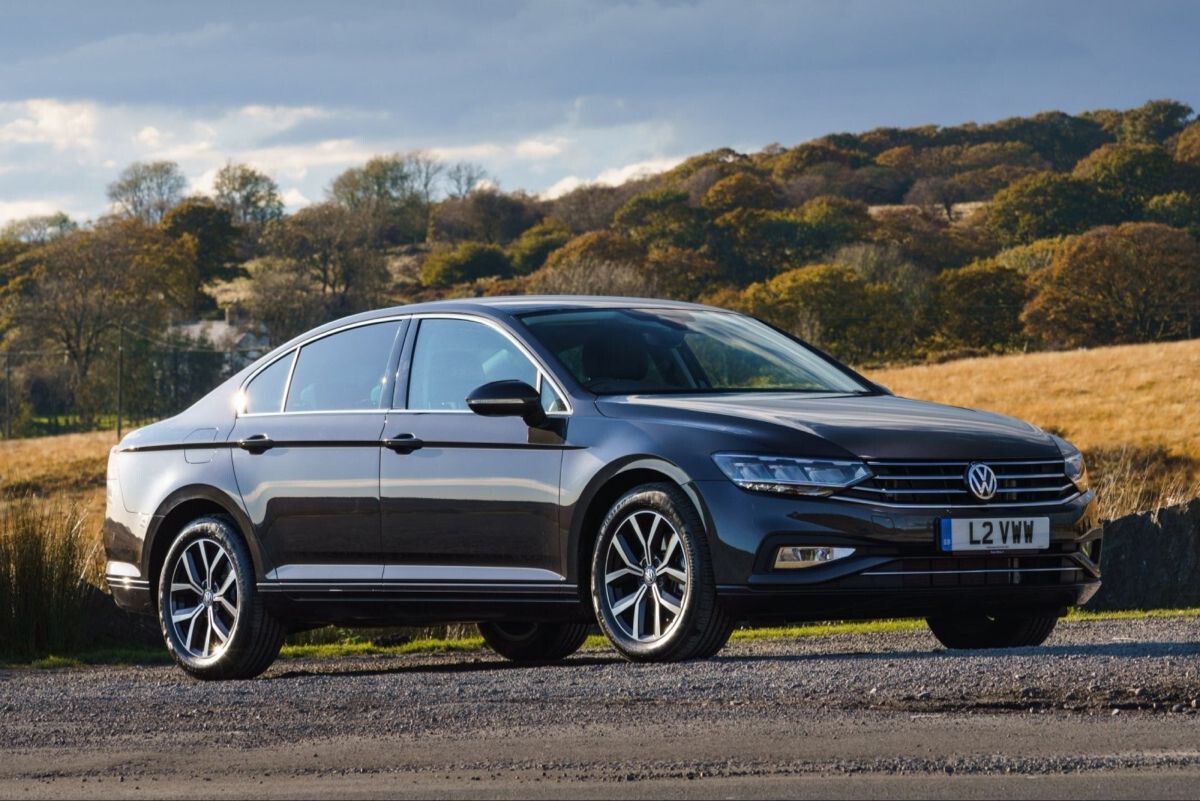
5. Volkswagen Passat (B5/B6)
The Volkswagen Passat B5 and B6 generations were lauded for their solid build and refined ride but have become infamous for their tendency to heat up in city driving, notably in models equipped with turbocharged four-cylinder engines.
These Passats use a relatively small, front-mounted radiator paired with an electric fan that sometimes lacks the output needed to counteract the heat produced during idling in traffic.
The turbocharger adds substantial heat to an already crowded engine compartment, and the coolant and oil circuit are sometimes not up to the job as vehicles age.
Radiator and thermostat problems are common failure points, and the layout of hoses and sensors can make diagnosis and repair cumbersome. Clogging from old coolant or debris only makes matters worse.
Many Passat owners in hot climates report anxiety whenever the needle climbs towards the red. Aftermarket fixes can help, but the frequency of overheating complaints means the issue is endemic, not a rare factory oversight.
Including the Passat highlights how the drive for packaging efficiency and cost-cutting can sometimes have negative impacts on critical systems like cooling, undermining an otherwise highly competent vehicle.
This overview of cars with both exceptional and problematic cooling systems underscores the direct impact of thermal management on a vehicle’s legacy.
Models celebrated for their bulletproof systems alongside those remembered for unwanted breakdowns serve as a reminder that, even with today’s advances, getting cooling right remains an essential part of automotive design.
This article compares two groups of cars based on their cooling systems: five with highly advanced, robust systems designed to prevent overheating even under extreme conditions, and five notorious for overheating in traffic.
Vehicles like the Bugatti Veyron and Toyota Land Cruiser showcase engineering that prioritizes reliability and performance through elaborate cooling solutions.
Conversely, models such as the Mini Cooper S (R53) and Mazda RX-8 illustrate how insufficient cooling design leads to frequent overheating issues, especially in urban stop-and-go situations. The comparison highlights how critical effective heat management is to vehicle durability and driver confidence.
Also Read: 5 Vehicles With Timing Chains That Last vs 5 That Need Belt Changes Every 60K Miles
