
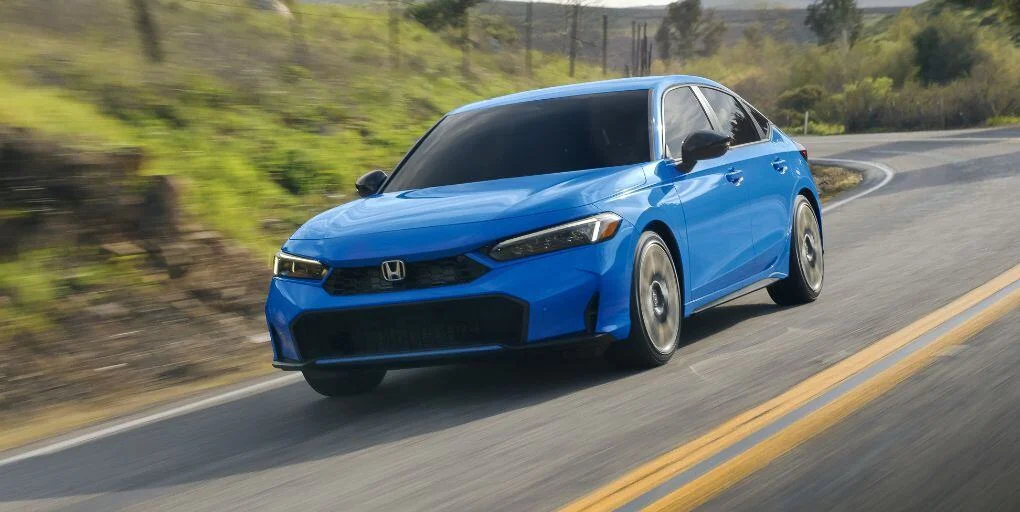
Hybrid cars have become a mainstay in the automotive market, offering impressive fuel economy and reduced emissions compared to purely gasoline-powered vehicles.
The allure of these vehicles extends beyond eco-friendliness; buyers frequently seek models that are dependable, especially as the cost of replacing hybrid batteries can be significant.
Consumers often ask: Which hybrid vehicles will reliably deliver more than 200,000 miles, and which may succumb to costly battery failures before they even reach 100,000 miles?
Understanding the reality behind these questions is crucial for anyone considering a hybrid purchase, as the longevity of the hybrid system directly ties to long-term ownership costs.
While some hybrid models have earned a reputation for reliably clocking high mileages with minimal battery problems, others have been known to struggle with early battery wear resulting in expensive repairs.
This comparison addresses both ends of the spectrum, giving potential owners clear, practical guidance backed by real-world experiences and automotive data.
By providing insight into both long-lasting and problematic hybrid powertrains, readers will be better prepared to make informed choices, protect their investments, and understand the crucial role of battery durability in determining the true value of a hybrid vehicle.
Also Read: 5 Cars with Lifetime Parking Sensors vs 5 with Faulty Alert Beepers
5 Hybrid Powertrains That Last 200,000+ Miles
Hybrid vehicles often stand out for their promise of prolonged reliability, but not all are created equal. Only a handful consistently achieve an impressive lifespan of more than 200,000 miles without significant powertrain or battery problems.
These standout models have built their reputations over years of owner testimonials, mechanic feedback, and industry studies.
Their continued success stems from thoughtful engineering, robust battery management systems, and strong manufacturer support for replacement parts and maintenance.
Whether chosen for commuting, family hauling, or ride-share duties, these hybrids offer assurance of long-term performance while minimizing the risk of costly surprises. Importantly, their batteries and hybrid drivetrains have proven their mettle, often lasting well beyond industry averages.
Highlighting these vehicles is essential not only for guiding would-be buyers but also for recognizing the technological advances responsible for their endurance.
This section will feature five standout hybrid powertrains that have become the gold standard for longevity and value retention.
Focusing on why each model earned such reputations, we’ll look at their engineering journeys, owner satisfaction, and the lessons they offer for the hybrid market.
1. Toyota Prius (All Generations)
When discussing hybrid longevity, the Toyota Prius stands as the undisputed champion of durability.
Since its introduction in the late 1990s, the Prius has led the way in hybrid adoption worldwide, with a massive user base and a track record for clocking high mileage.
Countless Prius taxis and rideshare vehicles have surpassed 200,000 and even 300,000 miles, reporting few, if any, significant drivetrain issues.
The secret lies largely in Toyota’s conservative engineering choices: the hybrid battery is rarely pushed to its charge or discharge extremes, and the regenerative braking system lessens wear on the traditional brakes, reducing maintenance costs.
Owners repeatedly report that routine maintenance, such as oil changes and coolant flushes, is typically all it takes to keep the Prius running smoothly.
Even in earlier generations, battery replacement has been uncommon before 200,000 miles; when battery replacement is needed, costs have decreased due to widely available refurbished and aftermarket options.
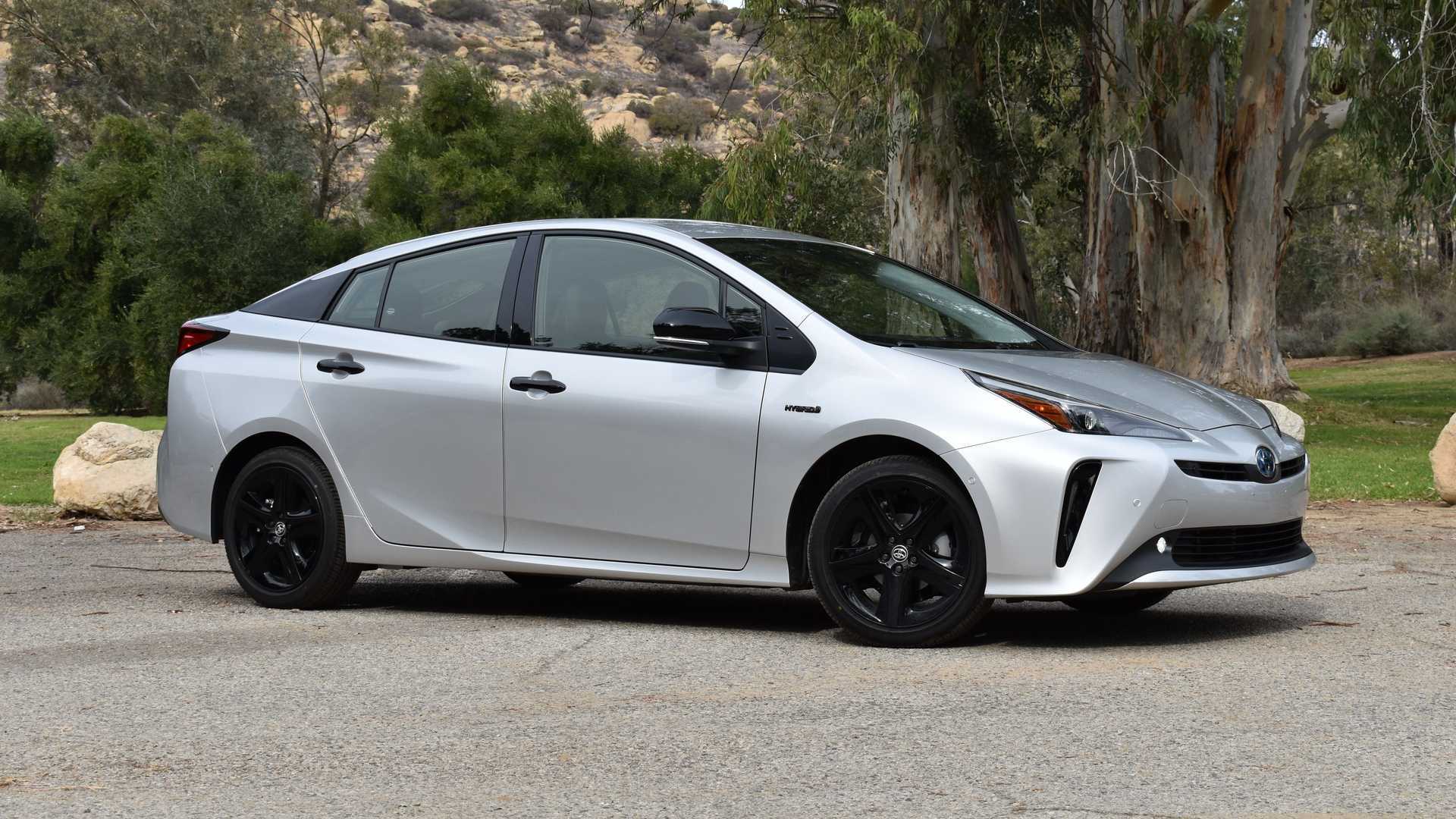
The Prius also benefits from a large network of knowledgeable mechanics, which lowers the cost and risk of long-term ownership.
The Prius’s reputation has set the benchmark for hybrid reliability and proven that, when well-engineered, hybrids can easily stand shoulder-to-shoulder with conventionally powered cars in terms of longevity.
2. Toyota Camry Hybrid
The Toyota Camry Hybrid blends the durability of one of America’s best-selling sedans with Toyota’s proven hybrid technology.
Countless reports confirm that Camry Hybrids produced since the mid-2000s often exceed 200,000 miles with their original batteries and hybrid components still functioning smoothly.
The formula mirrors that of the Prius: under-stressed batteries, robust thermal management, and a hybrid system that works seamlessly with the gasoline engine to reduce overall load.
Multiple fleet and taxi operators favor the Camry Hybrid for its dependability and relatively low operating costs over time. Furthermore, the hybrid components integrate with standard Camry parts that are inexpensive and easy to source.
The widespread popularity of the Camry also means repairs hybrid-specific or otherwise are straightforward for mechanics.
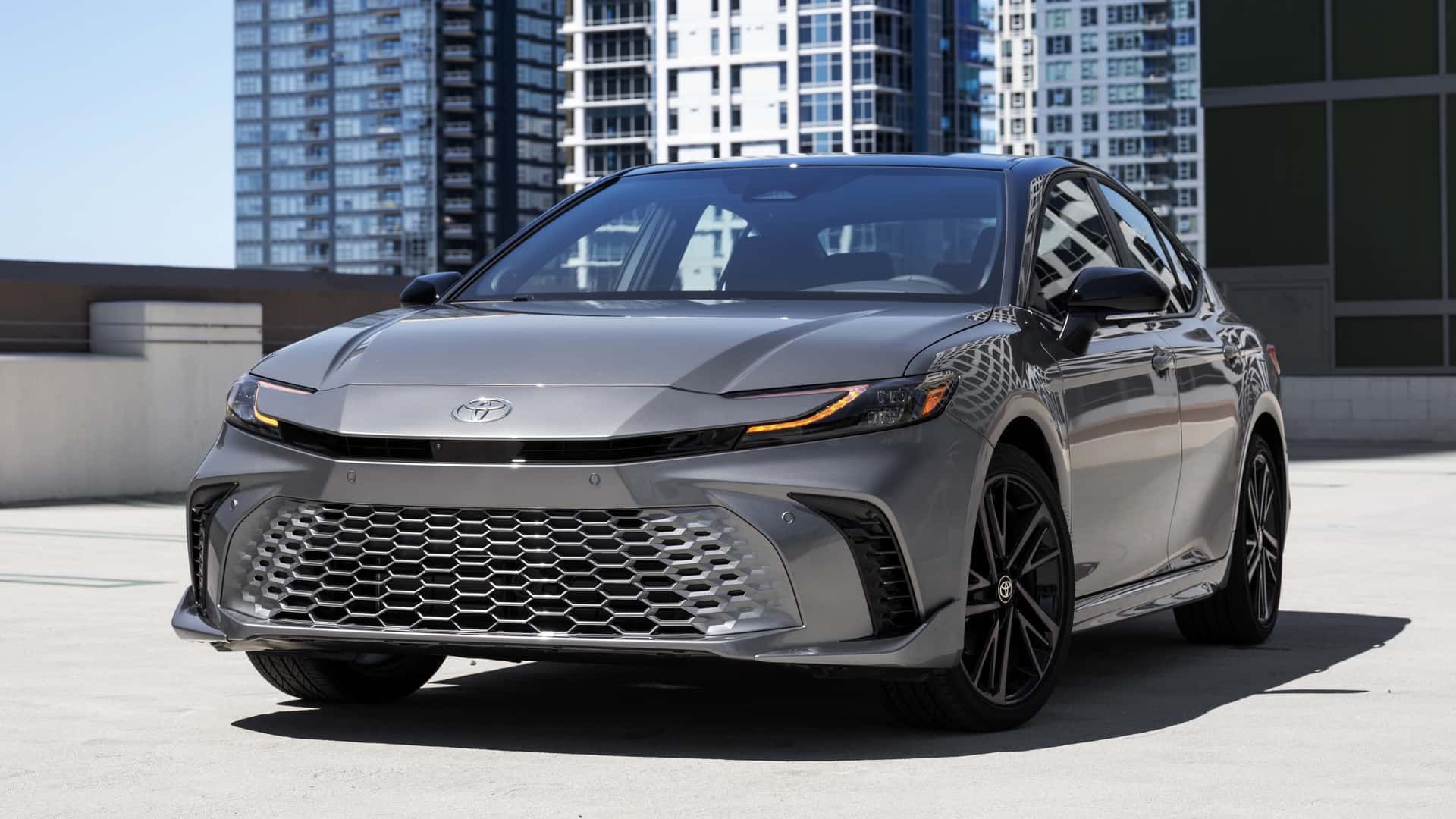
Many owners praise the Camry Hybrid for delivering years of low-drama, comfortable driving, with fewer surprise expenses than many other hybrid alternatives.
Routine service, such as fluid changes and periodic inspections, has been enough to keep high-mileage Camry Hybrids running reliably. The model’s enduring reliability has cemented its status as a top choice for drivers seeking a hybrid that can go the distance.
3. Honda Accord Hybrid (2014 and Newer)
Honda’s Accord Hybrid, particularly from the 2014 model year onward, has emerged as a long-lasting contender among hybrid sedans.
The shift to Honda’s latest two-motor hybrid system marked a turning point, delivering smooth power without over-burdening the battery.
Real-world evidence from owners and automotive service professionals shows Accord Hybrids frequently surpassing 200,000 miles without battery or major hybrid system failures.
Honda welcomed lessons learned from earlier hybrid efforts and applied them to improve battery durability, enhance thermal controls, and simplify maintenance.
The battery’s conservative usage profile, along with infrequent transmission issues, has contributed to the Accord Hybrid’s strong record. The car is also enjoyable to drive, with brisk acceleration and the comfort expected from an Accord.
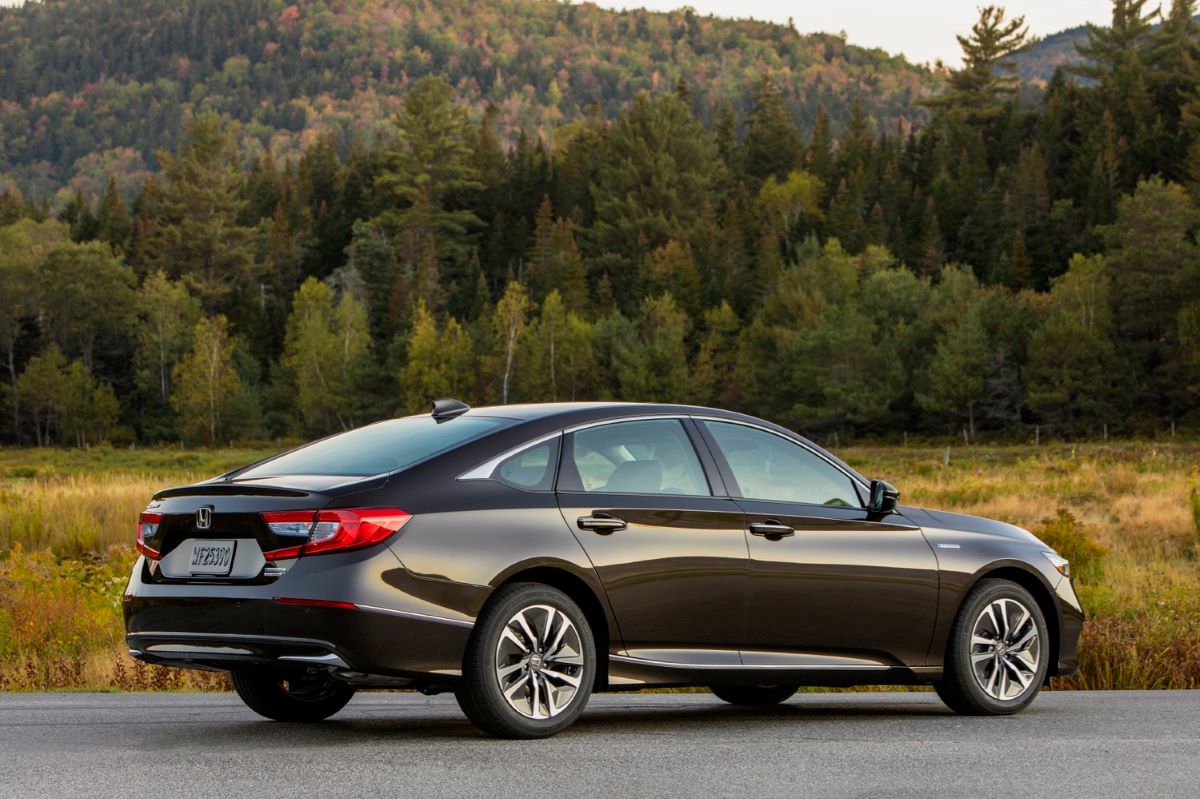
Owners appreciate the easy integration of hybrid and non-hybrid components, which helps minimize long-term repair costs.
As a result, the Accord Hybrid stands out as a hybrid sedan that can reliably handle long commutes, road trips, and years of daily driving without racking up unexpected bills related to the battery.
4. Lexus RX 400h / RX 450h
Luxury crossovers don’t always enjoy reputations for longevity, but the Lexus RX hybrid series breaks this stereotype. The RX 400h and its successor, the RX 450h, offer a blend of Lexus luxury and Toyota hybrid engineering.
Owners and independent mechanic reports highlight many RX hybrids surpassing 200,000 miles while retaining their original hybrid batteries.
Upmarket build quality and premium materials help these vehicles age gracefully, while the hybrid powertrain reduces wear on both the engine and transmission.
The RX hybrids share their battery management smarts and core hybrid hardware with the Prius, leveraging proven components in a more upscale package.
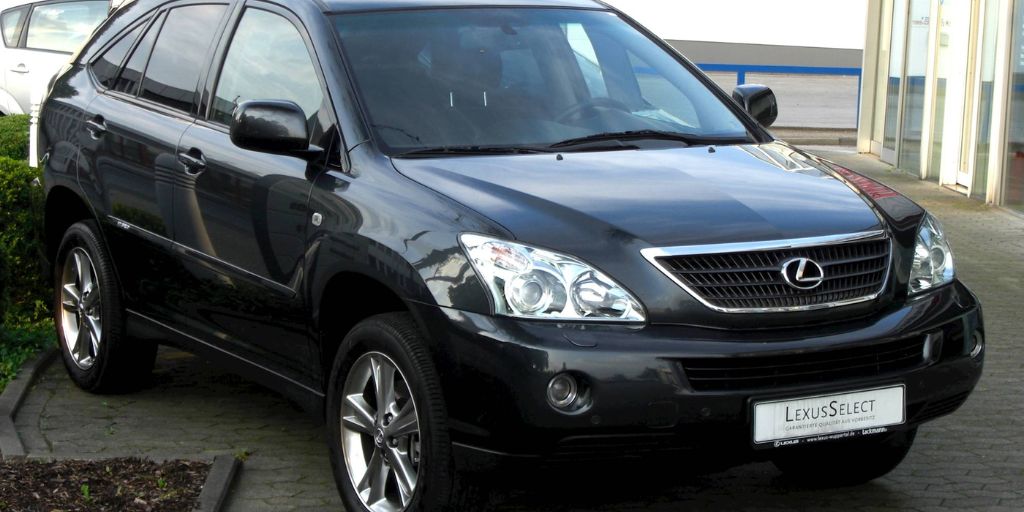
Many RX 400h and RX 450h vehicles remain active with their original batteries after extensive usage, especially when regular maintenance is performed. Lexus also tends to offer excellent support and long warranty coverage for hybrid components.
This combination of reliability, comfort, and value retention makes the RX 400h/RX 450h one of the most recommended choices for anyone seeking a luxury hybrid SUV that will last.
5. Ford Escape Hybrid (2005–2012, 2020 and Newer)
While Japanese brands dominate discussions about hybrid longevity, the Ford Escape Hybrid has forged its own impressive path.
Early-generation Escape Hybrids, particularly those from 2005 to 2012, have consistently surpassed 200,000 miles, with some fleet vehicles exceeding this mark. Later models, reintroduced in 2020, benefit from upgraded battery management and cooling systems.
The Escape Hybrid’s design borrows elements from Toyota’s hybrid technology but incorporates Ford’s unique tuning for North American driving needs. It became a favorite for government fleets and taxi services, which is strong testimony to its resilience.
Owners and operators regularly cite low instances of battery packs failing before high mileages.
Components such as electric motors, inverters, and battery packs have proven tough, and the hybrid Escape generally faces fewer system failures than one might expect from an American hybrid.
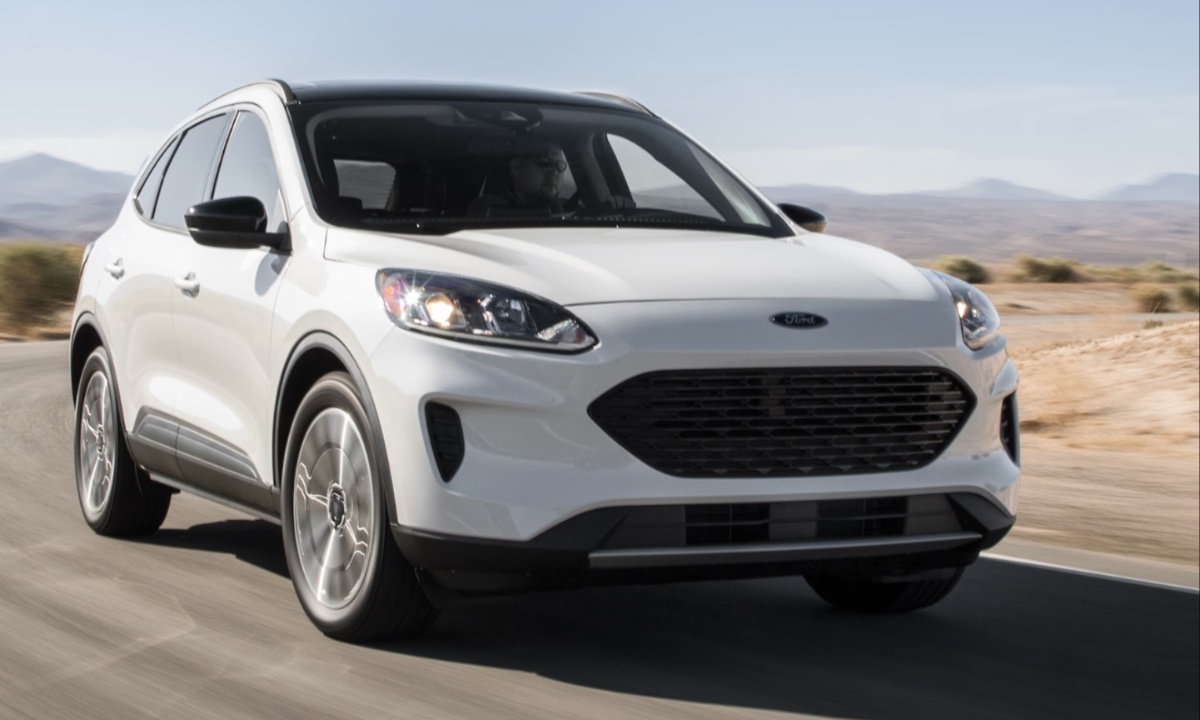
Ease of repairs, widespread parts availability, and straightforward engineering have helped keep these vehicles on the road for longer than many competitors.
The Escape Hybrid proves that with careful engineering and real-world testing, domestic hybrids can also achieve outstanding reliability.
Hybrids That Suffer Battery Failures by 100,000 Miles
While certain hybrid models have consistently demonstrated longevity and reliability, others have developed a reputation for battery problems and early failures.
Early battery malfunctions can transform the ownership experience from cost-saving to cost-prohibitive, as hybrid batteries are among the most expensive components to replace.
The reasons for accelerated battery wear vary widely: inadequate thermal management, design missteps, underwhelming support from manufacturers, or batteries pushed to their limits can all contribute.
Car buyers considering older or less-tested hybrid models are particularly at risk of encountering these issues. Understanding which vehicles are more prone to early battery failure can help steer potential owners away from major repair bills and disappointment.
In this section, we will bring attention to five hybrid powertrains that have drawn frequent criticism for failing to reach 100,000 miles before the battery gives out.
These examples are drawn from mechanic reports, owner testimonials, and detailed automotive surveys, with a focus on identifying the core reasons behind their struggles.
By spotlighting these problematic models, readers can make more informed decisions and prioritize hybrid vehicles with proven durability.
1. Nissan Altima Hybrid (2007–2011)
Nissan’s foray into the hybrid sedan market with the Altima Hybrid seemed promising on paper, especially since it used hybrid technology licensed from Toyota.
However, the Altima Hybrid soon developed a pattern of early battery failures, with numerous examples unable to reach 100,000 miles before encountering problems.
Unlike Toyota’s own hybrids, the Altima’s battery cooling systems were less effective, particularly in hot climates, which contributed significantly to early degradation.
Owners began reporting substantial decreases in fuel economy, warning lights, or a complete inability to operate in hybrid mode.
Finding a replacement battery became an ordeal, as Nissan produced the Altima Hybrid in limited numbers and discontinued it after just a few years.
This lack of long-term parts support and relatively small fleet made repair costs disproportionately high. Many independent mechanics found sourcing a reliable battery either expensive or impossible, further amplifying negative ownership experiences.
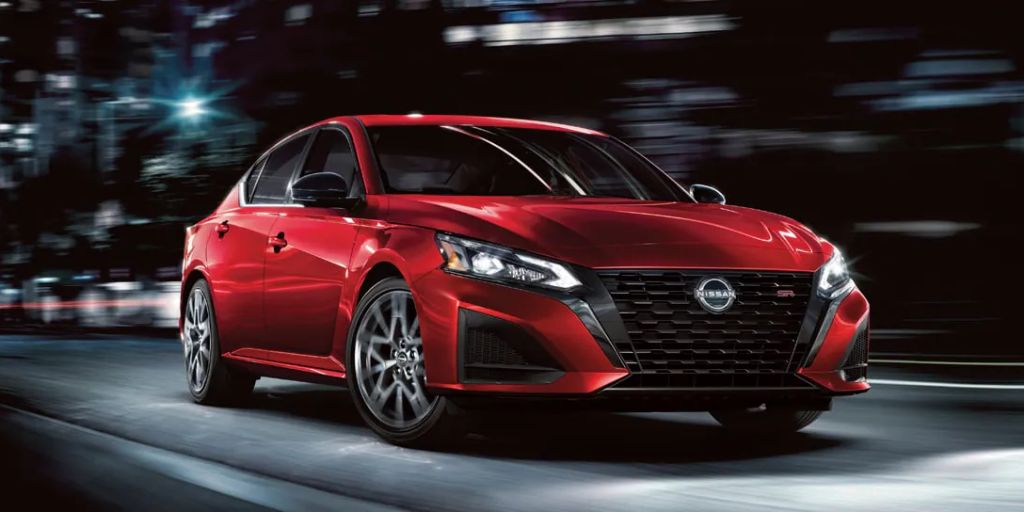
As a result, many Altima Hybrid owners faced the difficult choice of paying for a high-cost battery replacement or scrapping the car well before reaching the mileages commonly achieved by rival hybrids.
The Altima Hybrid serves as an illustration of how key design and support shortcomings can overshadow otherwise capable technology.
2. Honda Civic Hybrid (2006–2008)
Honda has engineered many reliable hybrids, but the Civic Hybrid from the mid-2000s especially those built between 2006 and 2008, quickly ran into problems with premature battery deterioration.
This generation introduced a more aggressive version of Honda’s Integrated Motor Assist (IMA) system, which frequently drew heavy loads on the battery without adequate cooling or redundancy.
Owners reported a steady loss of battery capacity, loss of power, and decreased fuel efficiency, sometimes as early as 60,000 to 80,000 miles.
While Honda responded by extending warranty coverage and offering numerous battery software updates, these solutions did not always prevent failure. Many drivers felt the car’s all-important hybrid feature had been compromised, forcing them to pay for expensive replacements or switch to gas-powered mode.
Independent automotive watchdogs and owner forums have extensively documented these challenges.
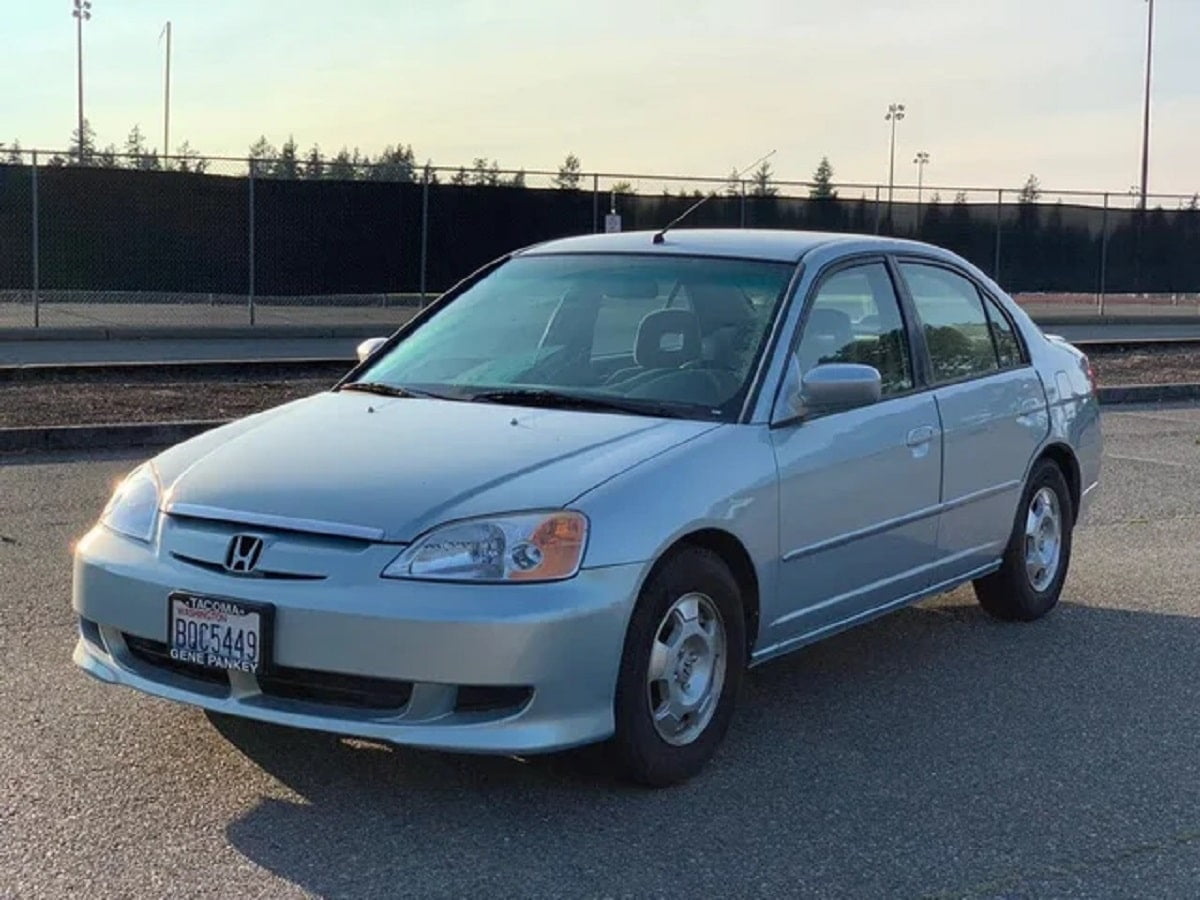
The Civic Hybrid’s experience taught both automakers and buyers that even well-respected brands can miscalculate on battery management, leading to expensive consequences for owners.
Today, these particular examples are often recommended only to buyers who are prepared for the risk or already have plans for a professional battery replacement.
3. Toyota Highlander Hybrid (2006–2010)
While Toyota generally enjoys a sterling reputation for hybrid reliability, the early model Highlander Hybrid experienced more than its share of battery troubles.
This midsize SUV, which launched Toyota’s Hybrid Synergy Drive into the SUV segment, initially faced challenges with cooling its larger, more heavily used battery pack.
Many owners noted substantial drops in performance and the onset of warning lights well before reaching 100,000 miles, especially in warm climates or under heavy load.
Battery failures at 60,000 to 90,000 miles were not uncommon, forcing original owners to consider replacements that could cost thousands.
Over time, Toyota has improved the battery cooling system and revised some of its hybrid management software; however, many early models remain at risk unless these updates have been performed.
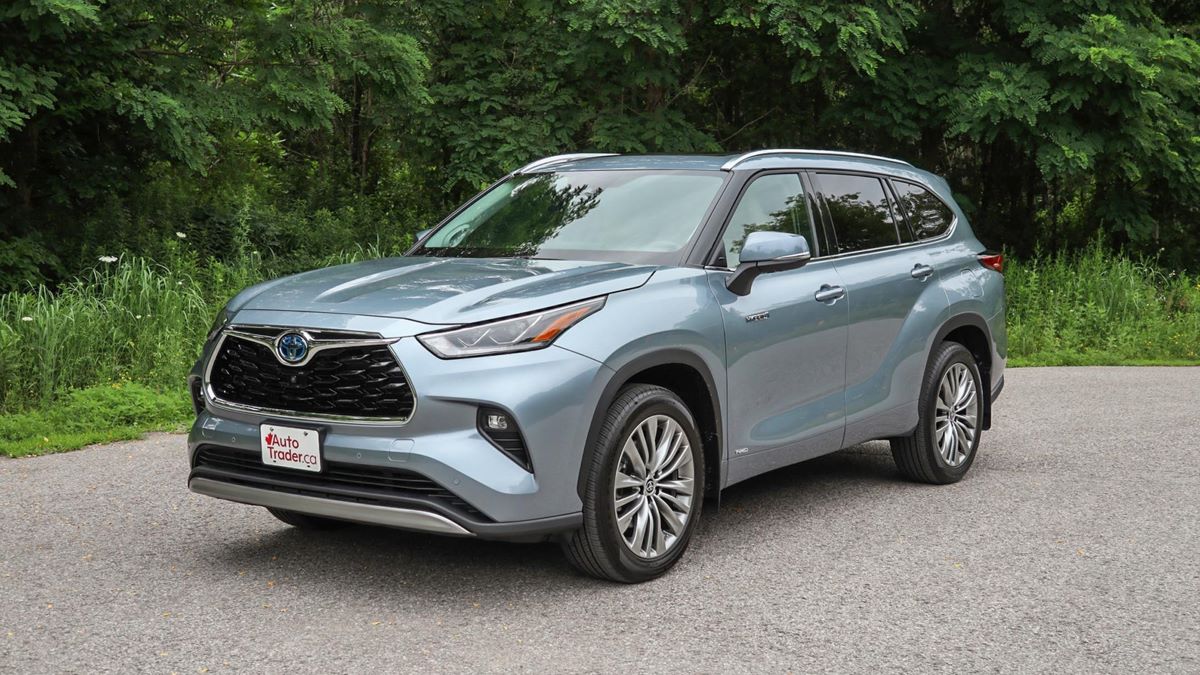
The Highlander Hybrid’s struggles were a wake-up call about the added complexities and risks of scaling hybrid technology from smaller vehicles to larger platforms without adequate stress-testing.
Today, buyers considering a used Highlander Hybrid from this era are frequently advised to verify whether the vehicle has had its original battery replaced or at least undergone all factory recommendations for mitigating battery wear.
4. Chevrolet Tahoe Hybrid (2008–2013)
The Chevrolet Tahoe Hybrid attracted attention as an ambitious attempt to bring full hybrid technology to the full-size SUV segment.
Unfortunately, the hybrid system in the Tahoe proved more susceptible to battery and control module failures than most buyers anticipated.
Reports began surfacing of premature battery degradation, with warning lights and performance dips often preceding failure at or before 100,000 miles.
The complexity of the hybrid system made repairs daunting and costly; the high-voltage battery packs often required dealer-only service, with parts sometimes on back order for extended periods.
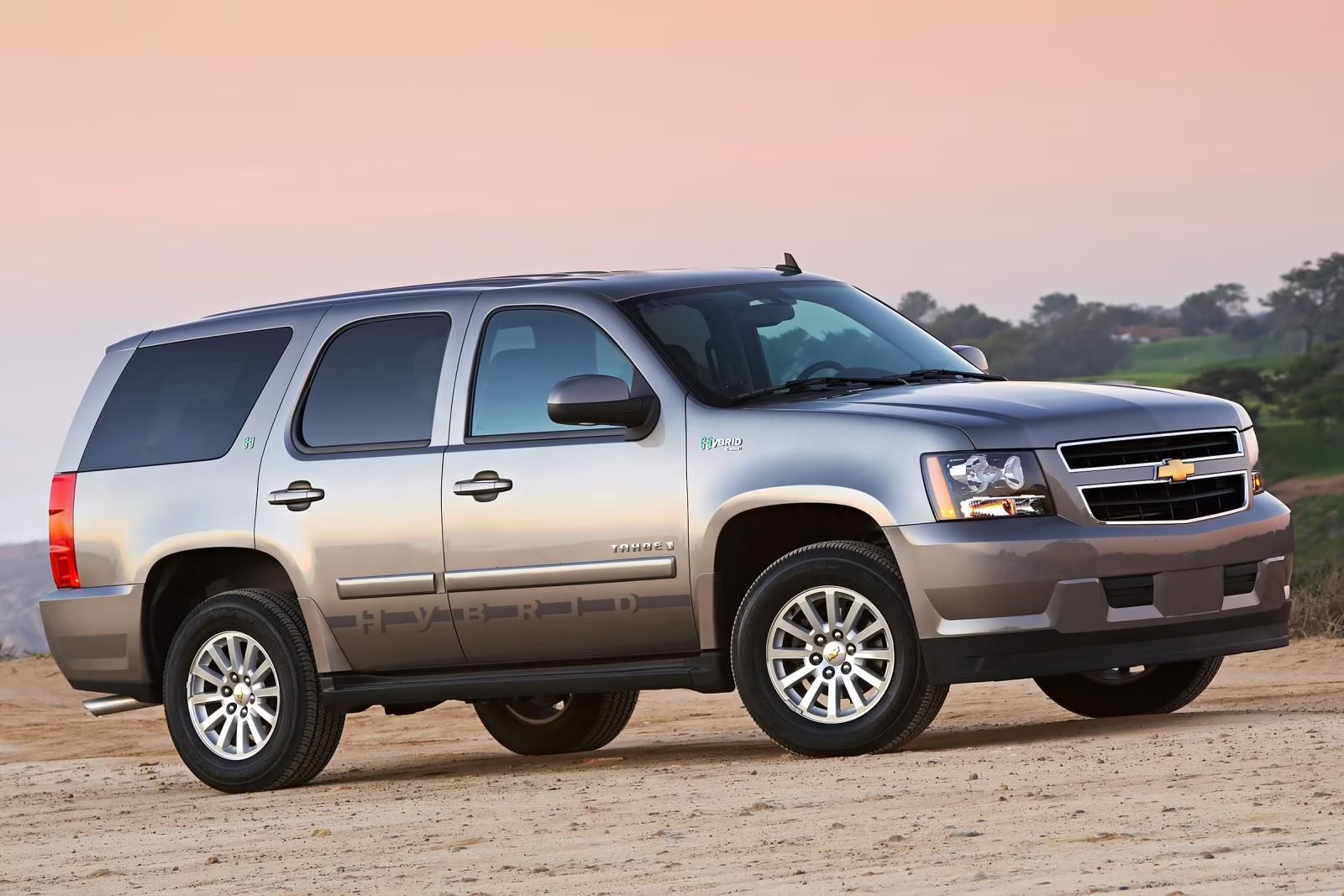
Fleet operators who tried the Tahoe Hybrid at scale found it more expensive to keep running than anticipated. The challenge was compounded by General Motors’ limited commitment to ongoing battery development for this model during its relatively brief production run.
Many used Tahoe Hybrids now command low resale values due to their battery risk and lack of enthusiastic long-term support. Buyers eyeing a used Tahoe Hybrid should weigh the increased likelihood of a five-figure repair bill when considering these vehicles for long-term use.
5. Ford Fusion Hybrid (2010–2012)
Despite later success stories, Ford’s initial Fusion Hybrid models from 2010 to 2012 encountered widespread battery issues that marred the ownership experience.
Many drivers saw significant battery degradation and frequent warning lights before their cars hit the 100,000-mile mark. Root causes varied and included insufficient battery cooling, limited software interventions, and some early issues with individual cell balancing.
As with other hybrids that failed early, the cost to replace the battery far outweighed the value of an aging vehicle, leading to numerous cars being scrapped or sold at a loss.
Ford attempted to address some of these problems with software updates and improved support, but these efforts struggled to undo early damage to the model’s reputation.
The lesson from the early Fusion Hybrid highlights the importance of robust testing and ongoing software and hardware support, especially from domestic automakers striving for credibility in the hybrid segment.
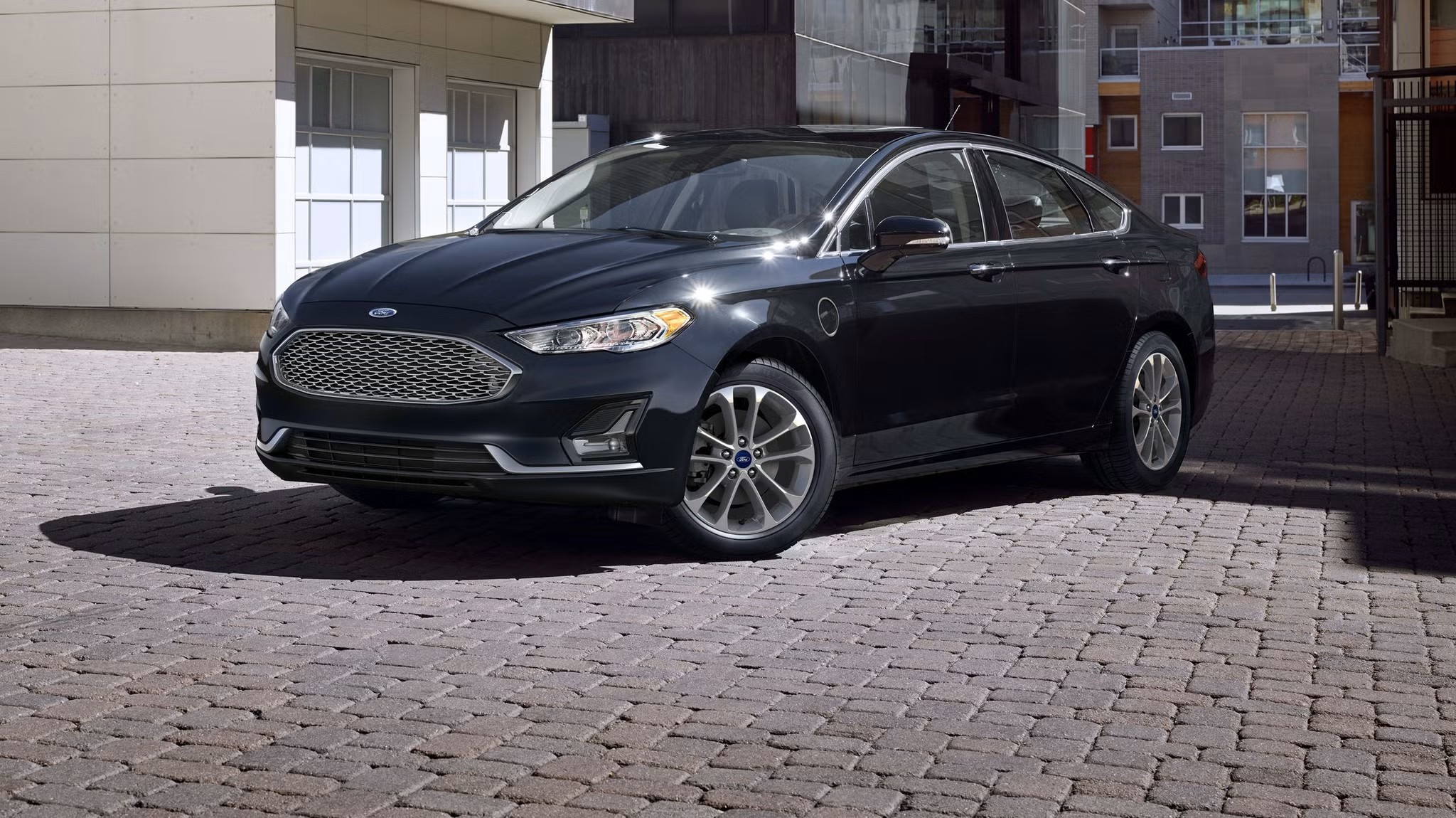
Buyers considering used examples from this period are regularly encouraged to verify service records and consider the probability of a near-future battery replacement when doing their cost-benefit analysis.
Hybrid vehicles have established themselves as a practical alternative to traditional gasoline cars, balancing fuel efficiency with reduced emissions.
However, the longevity and reliability of their hybrid powertrains, especially the critical battery components, vary significantly across models.
While some hybrids surpass 200,000 miles with minimal battery issues, others suffer from battery failures well before reaching 100,000 miles.
Understanding the differences between these models is vital for prospective buyers aiming to avoid costly repairs and maximize their investment.
Five hybrid models stand out for their proven durability beyond 200,000 miles. The Toyota Prius is perhaps the most iconic in this category, gaining a reputation for longevity since its late-1990s debut.
It features a battery that is carefully managed to avoid deep charge cycles, regenerative braking that reduces wear on other components, and wide availability of parts and servicing options.
The Toyota Camry Hybrid similarly benefits from tried-and-tested Toyota hybrid engineering paired with the reliability and parts accessibility of the Camry platform.
The Honda Accord Hybrid, particularly post-2014 models, leveraged advances in battery management and a less stressful hybrid system, earning praise for surpassing 200,000 miles reliably.
In the luxury segment, Lexus RX 400h and RX 450h hybrids combine upscale features with strong Toyota-based hybrid systems, maintaining their batteries well beyond typical lifespans.
American-made Ford Escape Hybrids from early generations and the recent 2020 models also demonstrate significant durability, especially due to improvements in battery cooling and management.
In contrast, several hybrid models face criticism for battery failures under 100,000 miles. The Nissan Altima Hybrid (2007-2011) struggled with ineffective battery cooling, which led to premature degradation, low fuel economy, and high replacement costs complicated by limited parts availability.
The mid-2000s Honda Civic Hybrid models (2006-2008) experienced battery capacity loss due to more aggressive battery use and insufficient cooling, prompting warranty extensions but still leaving many owners facing early replacements.
Early Toyota Highlander Hybrids, though generally reliable as a brand, had early battery cooling problems, especially in warmer climates, causing failures before 100,000 miles.
The Chevrolet Tahoe Hybrid attempted to bring hybrid tech to large SUVs but suffered from complex, costly-to-repair batteries paired with limited manufacturer support, resulting in rapid depreciation.
Early Ford Fusion Hybrids (2010-2012) encountered battery degradation and warning issues early on, damaging the model’s reputation despite later improvements in subsequent generations.
This comparison highlights the key role of engineering, thermal management, battery design, and manufacturer support in hybrid battery longevity.
Models that keep batteries from extreme charge states, maintain effective cooling systems, and offer widespread service options tend to stand the test of time, surpassing 200,000 miles without major battery replacements.
Conversely, hybrids lacking these features or facing limited parts support often experience battery failures much earlier, turning what should be cost-effective ownership into a financial burden.
Prospective hybrid buyers should consider these factors carefully, prioritizing vehicles with established track records for hybrid system reliability and realistic servicing costs.
Reliable hybrids not only reduce long-term expenses but also offer consistent, trouble-free driving experiences. Meanwhile, understanding the risks associated with certain models known for battery failures can help buyers avoid unexpected repair bills and depreciation.
Choosing the right hybrid involves balancing innovation with proven durability, focusing on models that have demonstrated resilience in real-world conditions.
Also Read: 5 Cars With Lifetime Transmission Warranties vs 5 With Frequent Gearbox Failures
