
Choosing a crossover today often comes down to a single, crucial question: How reliable will it be in the long run?
For many buyers, the transmission can make or break their ownership experience, and with Continuously Variable Transmissions (CVTs) becoming more common, this part of the drivetrain gets deserved attention.
Some manufacturers have engineered CVTs that are celebrated for outlasting even the most punishing commutes and family road trips. Others, unfortunately, have gained a reputation for frustrating failures and costly repairs.
With so much at stake, understanding which crossovers boast truly robust CVTs and which ones have left owners disappointed can be the difference between years of worry-free driving and unexpected shop visits.
This article presents a close look at two sides of the CVT story. We first spotlight five crossovers whose CVTs have set benchmarks for durability and consistency, becoming trusted options for drivers who want peace of mind.
Following that, we examine five crossovers known for early CVT failures, sharing real-world experiences of drivers who have faced transmission woes sooner than expected.
By separating fact from anecdote, this guide offers readers clarity and confidence before committing to one of the most significant purchases for their daily lives.
Also Read: 5 Vehicles With Timing Chains That Last vs 5 That Need Belt Changes Every 60K Miles
5 Crossovers With Indestructible CVTs
Reliability is an uncompromising priority for many drivers. Nothing highlights this concern more than the demanding life of a crossover transmission, especially for those who frequen
For years, certain models have stood out for having CVTs that exceed expectations. These transmissions have proven their mettle by consistently delivering smooth, uninterrupted power and enduring hundreds of thousands of miles with few issues.
Unlike the conventional automatic, a well-designed CVT can deftly manage the variable loads a modern crossover encounters, but excellence in engineering and build quality is essential.
Here, attention is paid to crossovers that have established rock-solid credentials for transmission longevity.
Known for earning praise from mechanics, transmission shops, and long-term drivers alike, these models have often been found clocking high mileage on original CVTs.
Their performance isn’t the result of luck, but rather a blend of thoughtful design, rigorous testing, and a manufacturer’s commitment to durability.
Highlighting these standout crossovers isn’t about brand loyalty; it’s about celebrating engineering that has proven itself in daily life.
Industry experts and driver reports converge on these examples not just for surviving but thriving under regular use and less-than-ideal conditions. For anyone looking for a crossover that won’t leave them stranded, a closer look at these models is warranted.
1. Honda CR-V (5th Generation, 2017–2022)
The Honda CR-V has been a benchmark for small crossover quality for decades. Its fifth-generation, launched in 2017 and carrying through to the 2022 model year, introduced a new iteration of Honda’s CVT technology designed to maximize both fuel efficiency and longevity.
Owners and technical reviewers have repeatedly highlighted this generation’s transmission for its dependability, especially compared to earlier CVT-equipped Hondas and competitors at large.
Why focus on the 2017–2022 Honda CR-V? Early apprehension about Honda’s approach to CVTs was understandable, given the mixed history of some early models.
However, Honda’s engineering refinements, improvements in lubrication, reinforced belts, and smarter control modules all contributed to a substantial leap forward.
Service bulletin data and independent mechanic accounts point out that high-mileage CR-Vs from this period rarely suffer from the notorious whine, judder, or outright failure that can plague lesser CVT designs, even with minimal maintenance.
Honda’s commitment to regular updates in software and hardware helped create a transmission that can handle both urban stop-and-go and highway cruising, even when the vehicle is loaded.
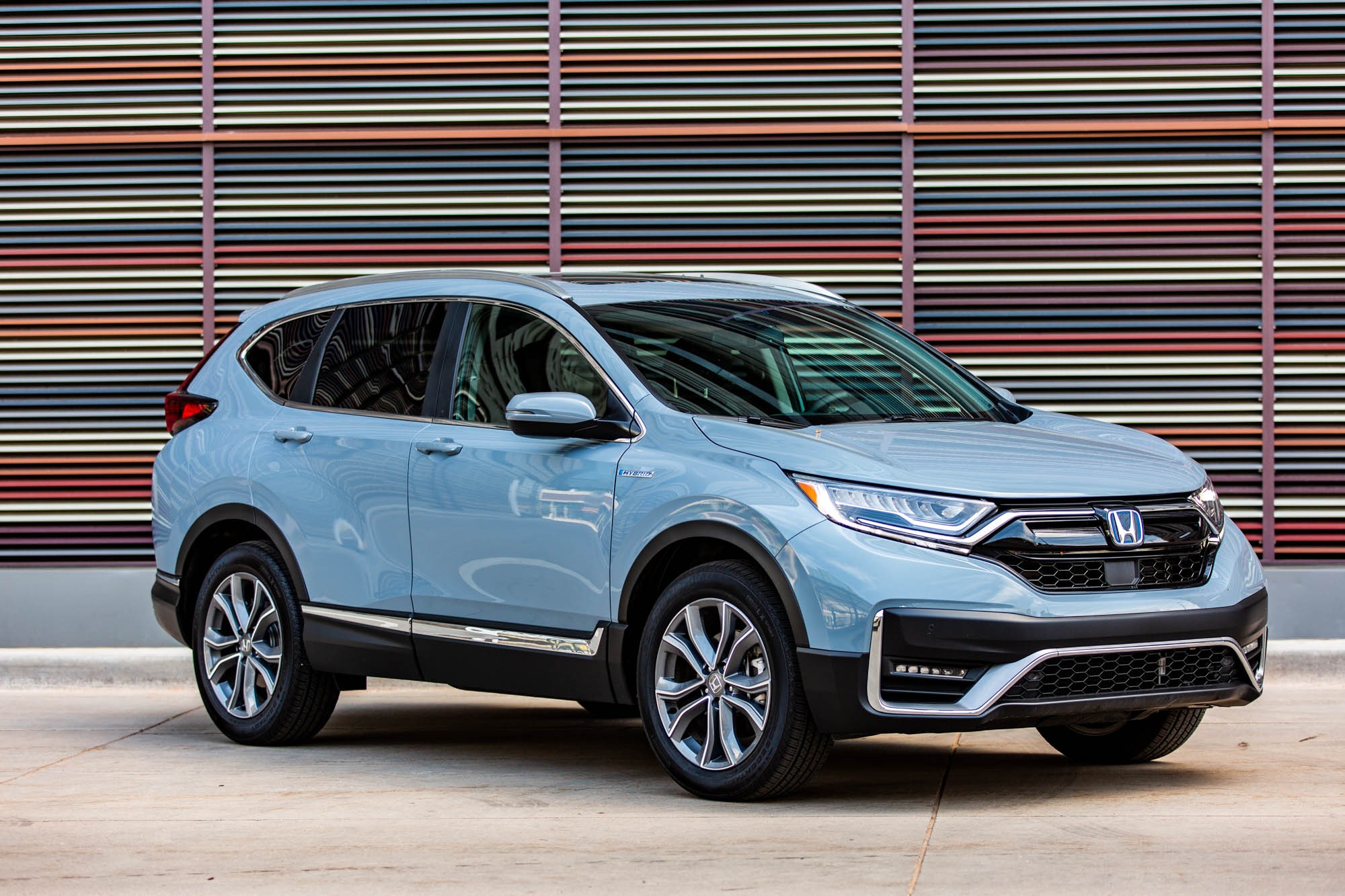
Reports of original transmissions sailing past 150,000 or even 200,000 miles without major service are common.
This generation also introduced more robust parts sourced from Honda’s higher-capacity vehicles, which means that the CVT in the CR-V isn’t just efficient, but well-matched to the demands of American roads and drivers’ expectations.
For those wary of CVT horror stories, the fifth-generation CR-V offers consistent reassurance from both the service bay and family driveways across the country.
2. Subaru Forester (2014–present)
Subaru’s reputation for engineering sturdy vehicles is evident in models like the Forester, especially starting from the 2014 redesign, which featured the Lineartronic CVT.
Subaru approached CVT engineering with a conservative, quality-driven philosophy, prioritizing robust construction and thorough testing for longevity.
The result is a transmission that has become a favorite among those seeking a balance of efficiency, all-wheel-drive capability, and lasting value.
Subaru’s specific reasons for attention in this conversation stem from owner feedback and third-party reliability scores.
The Lineartronic CVT, compared to some other systems, employs strengthened steel belts and an advanced oiling system, which have proven crucial in real-world, cold-climate driving.
Many Foresters subjected to heavy use, whether for family commute, outdoor adventures, or fleet applications, wind up with their original transmissions intact far into six-figure mileage.
Mechanics routinely note that even older models require little more than scheduled fluid changes, and transmission failures are few and far between when routine maintenance is followed.
Moreover, Subaru consistently updates its CVT calibrations through software tweaks, further refining shift logic and torque management.
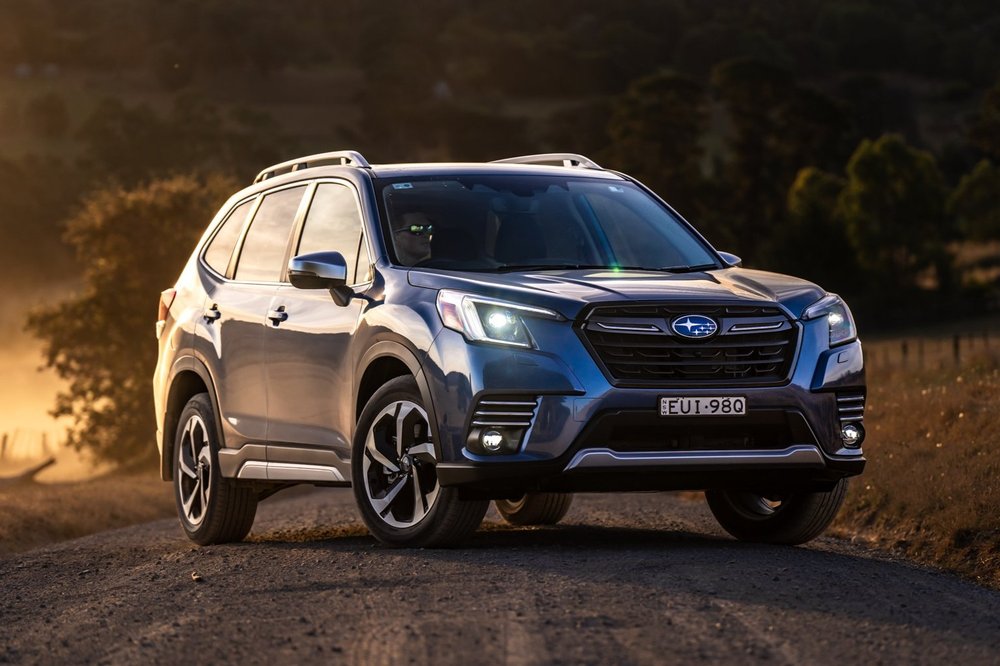
This attention to detail is apparent in both driver satisfaction and industry data, where Foresters have stood out for transmission-related peace of mind.
For drivers leery of transmission replacements, the Forester’s CVT is regarded as nearly bulletproof when maintained, reinforcing Subaru’s reputation for long-haul dependability.
3. Toyota RAV4 Hybrid (2016–present, eCVT)
Toyota’s RAV4 Hybrid, debuting its modern eCVT in 2016, showcases a sophisticated take on variable gearing designed for maximum efficiency and resilience.
Unlike conventional belt-driven CVTs, Toyota uses an electronic CVT (eCVT) in its hybrids, which employs a planetary gearset combined with electric motor inputs, a system renowned for its exceptional durability and smoothness.
The choice to highlight the RAV4 Hybrid traces directly to Toyota’s proven track record with hybrid drivetrains. Drivers routinely observe that these transmissions last well over 200,000 miles with only routine care.
The design is less complex mechanically than most belt-and-pulley CVTs and avoids common points of wear. Mechanics report that outside of battery or inverter issues, the eCVT is rarely a source of trouble.
Toyota’s mastery in this area is underscored by the thousands of taxis and rideshare vehicles using this system, often running trouble-free for years and tens of thousands of miles past warranty.
Toyota’s eCVT also shields itself against shock loads and harsh driving better than some alternatives, thanks to its simplified mechanical path and intelligent control software.
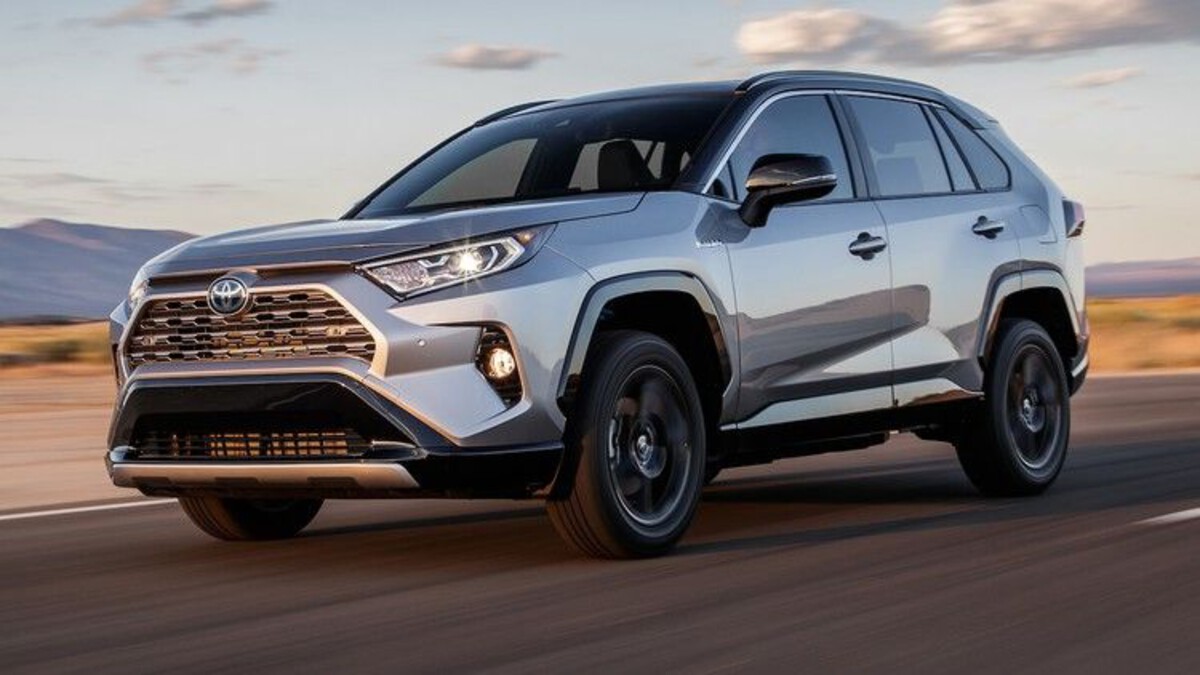
This resilience extends throughout Toyota’s hybrid lineup, but the RAV4 Hybrid gets special mention for its role as a best-seller and its leadership in customer confidence metrics for transmission life.
For prospective crossover buyers, Toyota’s eCVT exemplifies a promise that blends efficiency with a reputation for near-unmatched endurance.
4. Nissan Rogue (2017–2020, with Jatco CVT8)
While Nissan’s name sometimes appears in discussions about problematic CVTs, their workhorse Jatco CVT8, found in the 2017–2020 Rogue, turns out to be a bright spot.
Nissan invested heavily in refining its later-generation CVTs to correct the flaws of earlier versions, targeting improved fluid dynamics, advanced valve body controls, and reinforced internal components. These upgrades have resulted in noticeably higher real-world reliability.
Focusing on the 2017–2020 Rogue is important because this model reflects Nissan’s response to widespread criticism and their subsequent engineering improvements.
Owners and independent repair facilities note that these CVTs, when maintained with correct fluid change intervals, have shed the stigma of premature failure.
It is common for Rogues from this generation to surpass 120,000 miles on original transmissions, with very few reported breakdowns. Nissan’s transparency with service bulletins and updates further demonstrates their commitment to longevity for these units.
The Rogue’s strong sales record means a wide pool of real-world results, supporting claims of improved gearbox resilience.
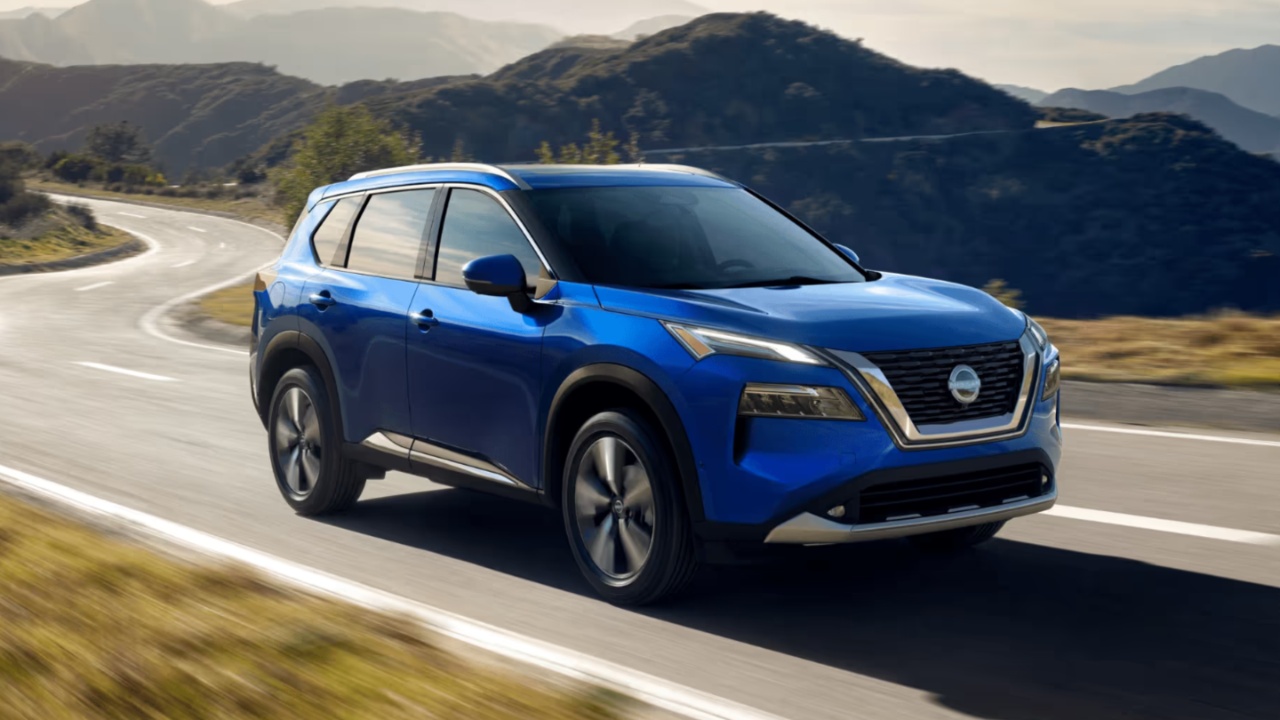
While Nissan’s earlier CVT dramas can’t be forgotten, practicing good maintenance with these later models rewards owners with quiet, efficient, and surprisingly long-lasting service.
For drivers who value substantial cargo space and comfort but want confidence that their transmission won’t be a liability, the 2017–2020 Rogue stands out as the model that proved Nissan could get CVT execution right.
5. Lexus NX 300h (2015–2021, Hybrid eCVT)
Lexus is synonymous with luxury and dependability, and the NX 300h hybrid demonstrated that you don’t have to compromise performance for longevity.
The eCVT in the NX 300h is a marvel of simplicity and efficiency, featuring the same planetary gear technology found in Toyota’s hybrid lineup but with Lexus’s trademark refinement and higher build standards.
Highlighting the NX 300h is justified by its near-spotless record for transmission reliability in owner surveys and warranty claim data.
Unlike conventional CVTs, the eCVT in the Lexus is virtually immune to slipping, shuddering, or catastrophic failure.
Its design eliminates many moving parts that could wear out and uses powerful electric motors orchestrated by meticulous control logic. This results in a transmission that operates nearly maintenance-free for the life of the vehicle.
The hybrid system’s eCVT provides seamless power delivery, which not only benefits comfort and fuel economy but also protects the component from the abuses that can destroy traditional gearboxes.
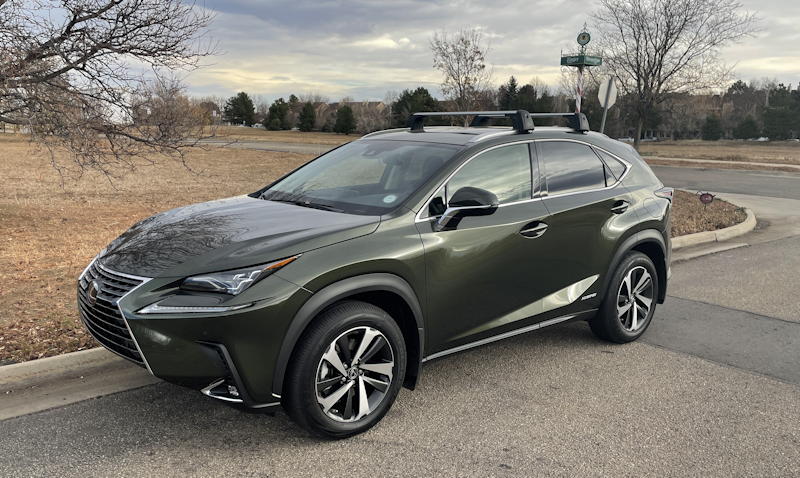
Owners routinely cite their satisfaction with both driving experience and long-term durability, confirming the NX 300h’s status as a top pick for worry-free luxury.
This model serves as a powerful reminder that engineering excellence can genuinely simplify and improve ownership.
5 CVTs Known for Early Death
For every CVT that earns acclaim for trouble-free service, some models have unfortunately cast a shadow over this technology.
Early CVT failures can lead to enormous frustration as drivers confront expensive repairs, unexpected breakdowns, and diminished trust in their vehicle.
These challenges often affect resale value and tarnish what might otherwise be a satisfying ownership experience. Manufacturers have responded with recalls, extended warranties, and technical updates, but not all models have been able to shake off reputations built on unreliability.
When assessing the origin of transmission woes, patterns quickly emerge. Real-world breakdown rates, recall records, and candid mechanic reports all play a role in identifying vehicles that have let their owners down well before industry norms.
Whether due to flawed design, under-engineering, or a simple lack of reliability testing, the result is the same: a transmission prone to slipping, overheating, or outright failure well in advance of other drivetrain components.
This section focuses on five crossovers that have become cautionary tales for prospective buyers. By dissecting their weaknesses and tracking owner experiences, the aim is to provide a balanced perspective on CVT risks.
Shedding light on these models is not meant to reignite past frustrations but to arm readers with knowledge that may help them avoid expensive pitfalls and make wiser purchasing decisions.
1. Nissan Pathfinder (2013–2016, Jatco CVT)
The Nissan Pathfinder from 2013 to 2016, equipped with the Jatco CVT, is frequently cited as an example of CVT disappointment.
This period marked Nissan’s broad expansion of CVT use in its lineup, but with this ambition came unanticipated headaches for thousands of Pathfinder owners.
The most common complaints centered on violent shaking, shuddering under acceleration, and outright failure, sometimes before hitting 60,000 miles.
The prominence of the 2013–2016 Pathfinder in discussions of CVT failure comes down to regular reports from drivers and automotive watchdogs, as well as legal action that led Nissan to extend CVT warranties and offer settlements to affected owners.
The issues weren’t just technical glitches they frequently rendered the vehicle undriveable, leaving families stranded and facing expensive towing and repair bills. Independent repair shops describe the failure rate on these transmissions as abnormally high, often leading to complete rebuilds or replacements.
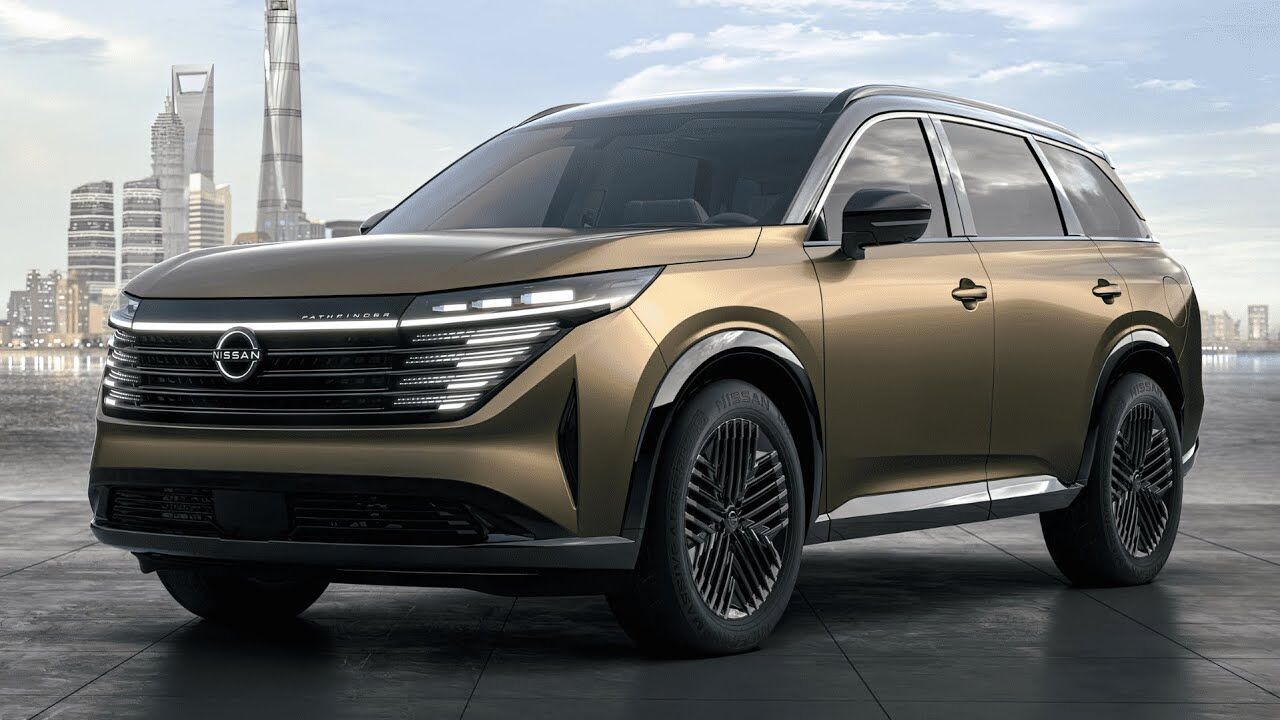
Nissan’s response included revisions to later models and a push for corrections, but the original blemish on these Pathfinders stuck.
Forewarned is forearmed: anyone considering a used Pathfinder from this era should weigh the known risks very carefully.
These years serve as a reminder that new technologies, if not carefully developed and tested under real-world loads, can lead to widespread ownership frustration rather than the smooth, efficient ride buyers expect.
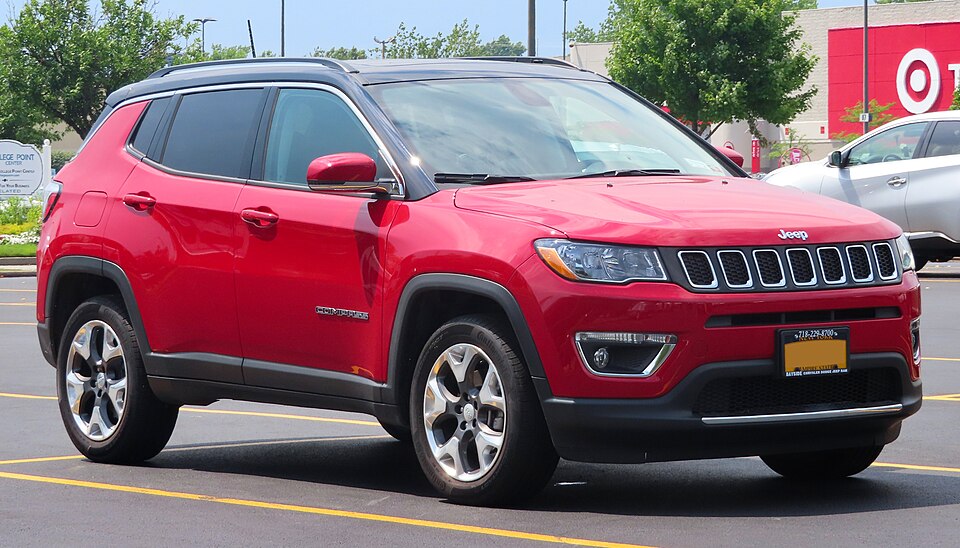
2. Jeep Compass/Patriot (2007–2016, Jatco CVT)
Jeep’s Compass and Patriot models from 2007 through 2016 introduced many American drivers to CVT technology, but the experience was often far from pleasant.
The Jatco-sourced CVT was implemented as a cost-effective way to improve fuel economy, yet it proved to be ill-suited to the power and weight of these crossovers.
Owners frequently complained of unpredictable behavior, noisy operation, and catastrophic failures at mileage as low as 40,000 to 70,000 miles.
What sets these Jeeps apart in the conversation is the sheer volume of reported issues. Online forums, NHTSA complaints, and mechanic anecdotes all point to a design that simply couldn’t tolerate the varied demands of daily driving, let alone the rugged adventures suggested by Jeep’s brand identity.
Common problems included overheating resulting in limp mode, difficulty engaging gears, and severe shuddering under acceleration expensive symptoms that frequently culminated in the need for a complete replacement.
Jeep’s response was cautious: they issued multiple software updates and, eventually, dropped the CVT in favor of traditional automatics in subsequent generations. For owners, however, the damage was done, both to their wallets and to Jeep’s CVT reputation.
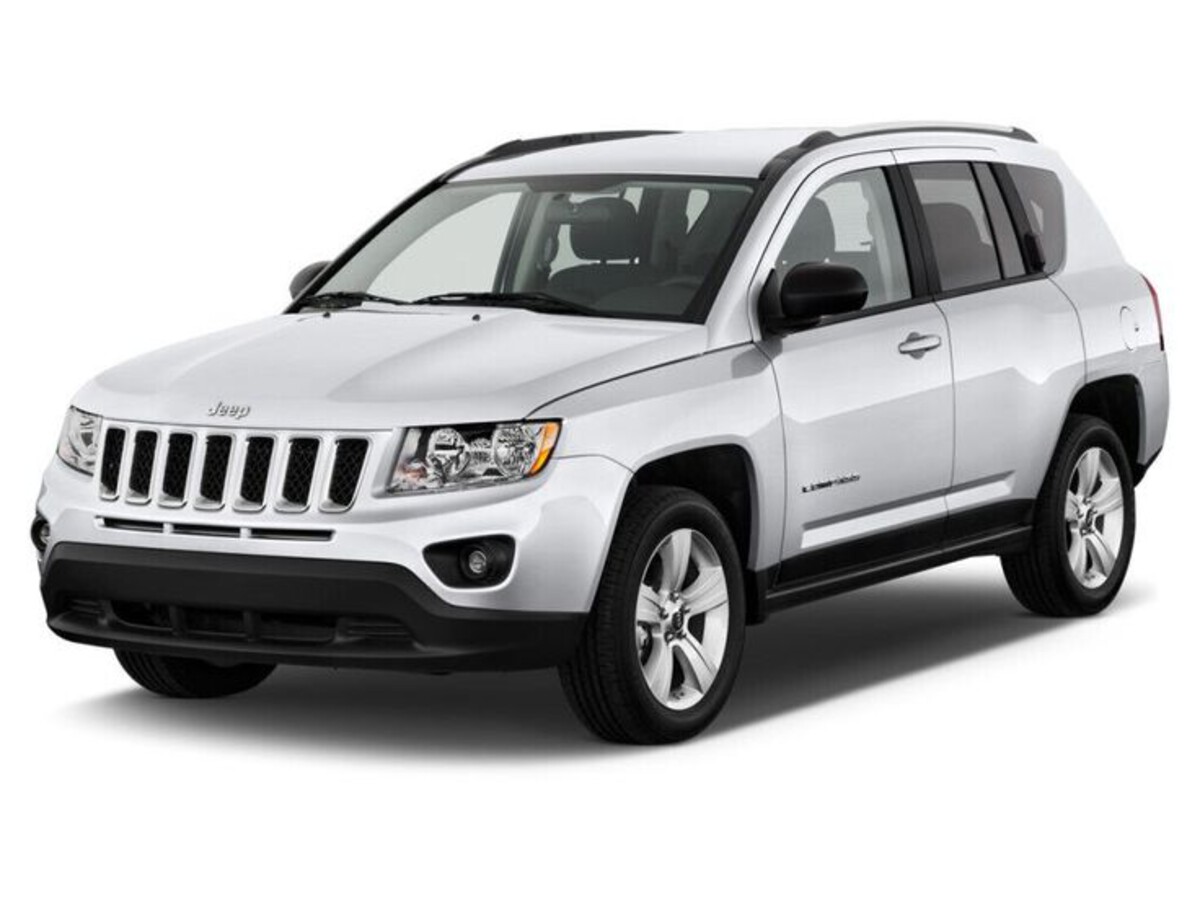
These years for the Compass and Patriot are by now infamous, offering a cautionary lesson to anyone considering similar technology: not every CVT is built to handle the unique pressures of an SUV, and sometimes a promising idea just doesn’t work in practice.
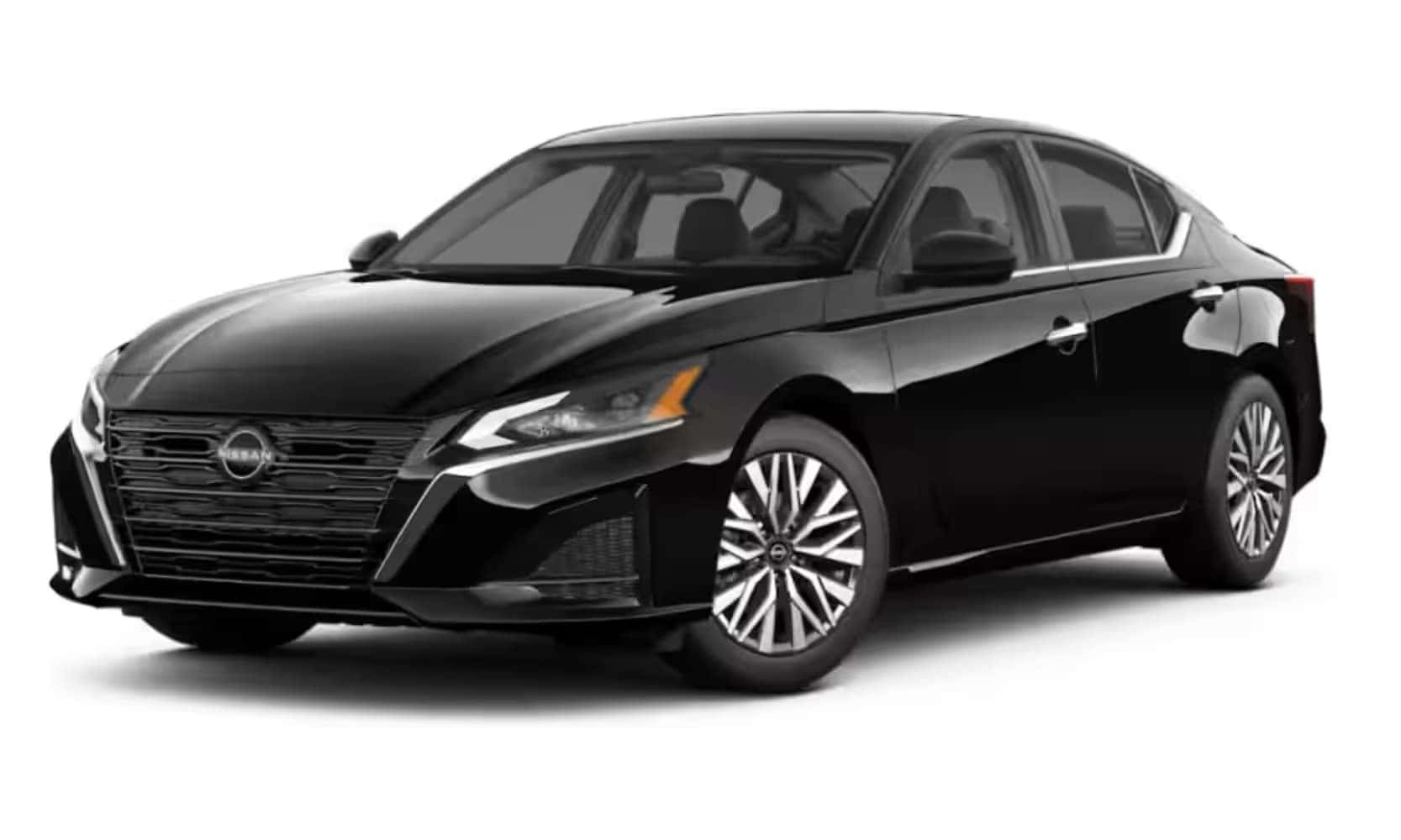
3. Nissan Altima (2013-2018, Jatco CVT)
The Nissan Altima, while not strictly a crossover, shares its CVT platform and architecture with many Nissan crossovers, making its experience a relevant warning sign. The 2013–2018 Altima saw countless transmission failures well before the typical service life.
Owners have documented problems such as delayed engagement, slipping, and outright loss of power, sometimes just outside of the manufacturer’s standard warranty window.
Elevating the Altima’s warning status is the consistent frequency and severity of its CVT failures.
Many drivers were caught off guard by repair costs that ranged from several thousand dollars for repairs or full replacements, and Nissan’s response was at first slow, relying on extended warranties rather than comprehensive recalls.
Auto industry analysts and mechanics alike frequently point to design flaws in the transmission’s cooling and lubrication systems, which meant internal components wore prematurely. The result: otherwise sound vehicles frequently sidelined by transmission problems.
This case carries added weight because many crossovers, such as the Rogue and Murano, use related Jatco CVT designs and have exhibited similar failure patterns in certain years.
For the Altima, this era endures as a red flag for anyone weighing the risk/reward of Nissan’s CVT technology in similar vehicles. It stands as a potent reminder that reputation and reliability need to walk hand in hand when major purchases are considered.
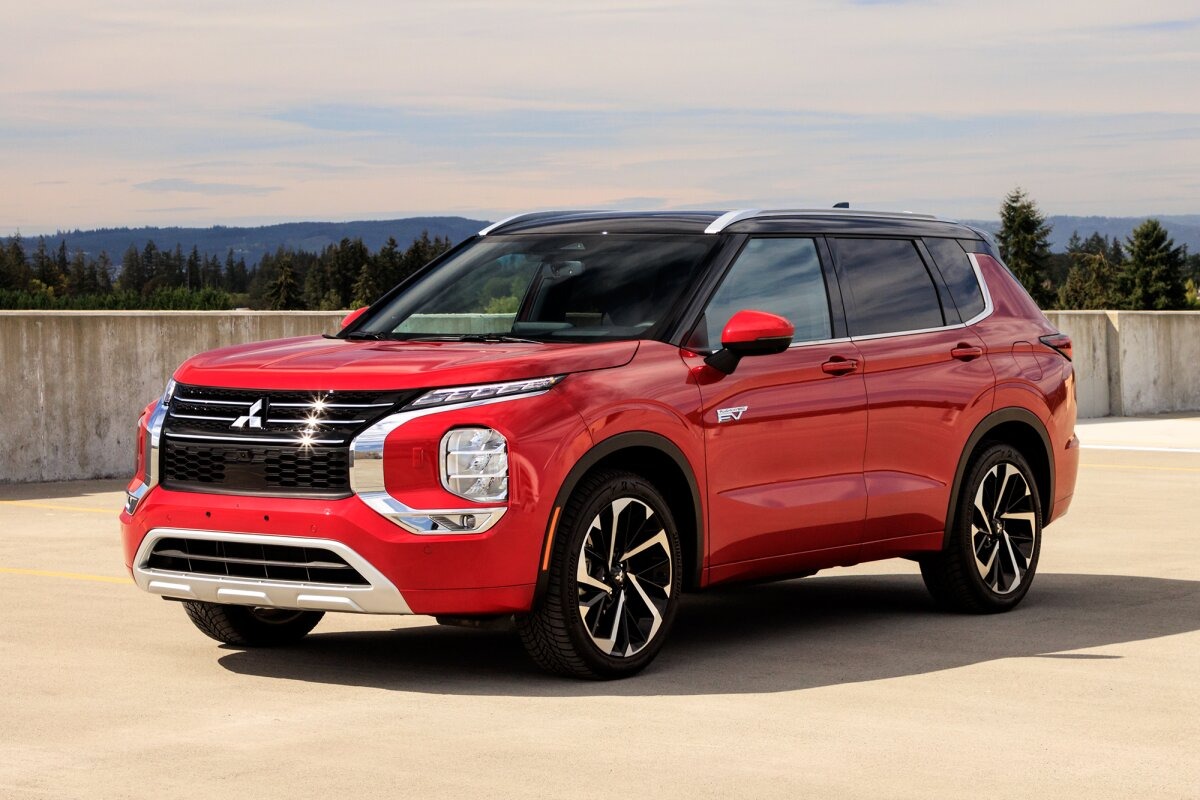
4. Mitsubishi Outlander (2014–2016, CVT)
Mitsubishi’s Outlander aimed to appeal to families needing affordability and space, but the 2014–2016 models were marred by an unreliable CVT.
Reports soon surfaced of hesitation during acceleration, jerky performance, and unexpected drops in power issues that often signaled an impending major transmission failure. For many, these symptoms manifested between 60,000 and 100,000 miles, substantially earlier than typical industry expectations.
Bringing attention to this period for the Outlander is important because Mitsubishi responded with extended warranties and technical service bulletins, but could not erase the damage caused to consumer trust.
Owner forums, mechanic reports, and automotive publications all highlight the same experience: a vehicle that performs adequately until, suddenly, it doesn’t. Internal transmission components, especially the steel belt and pulley system, were particularly vulnerable to wear when subjected to family use or city driving.
Failures often required complete transmission replacement, a cost that often matched or exceeded the value of the vehicle.
These issues are especially disappointing considering Mitsubishi’s reputation for solid engineering in other models and years.
The experience of Outlander owners during this period serves as a warning to evaluate the actual, real-world longevity of a CVT, not just manufacturer claims, before investing heavily.
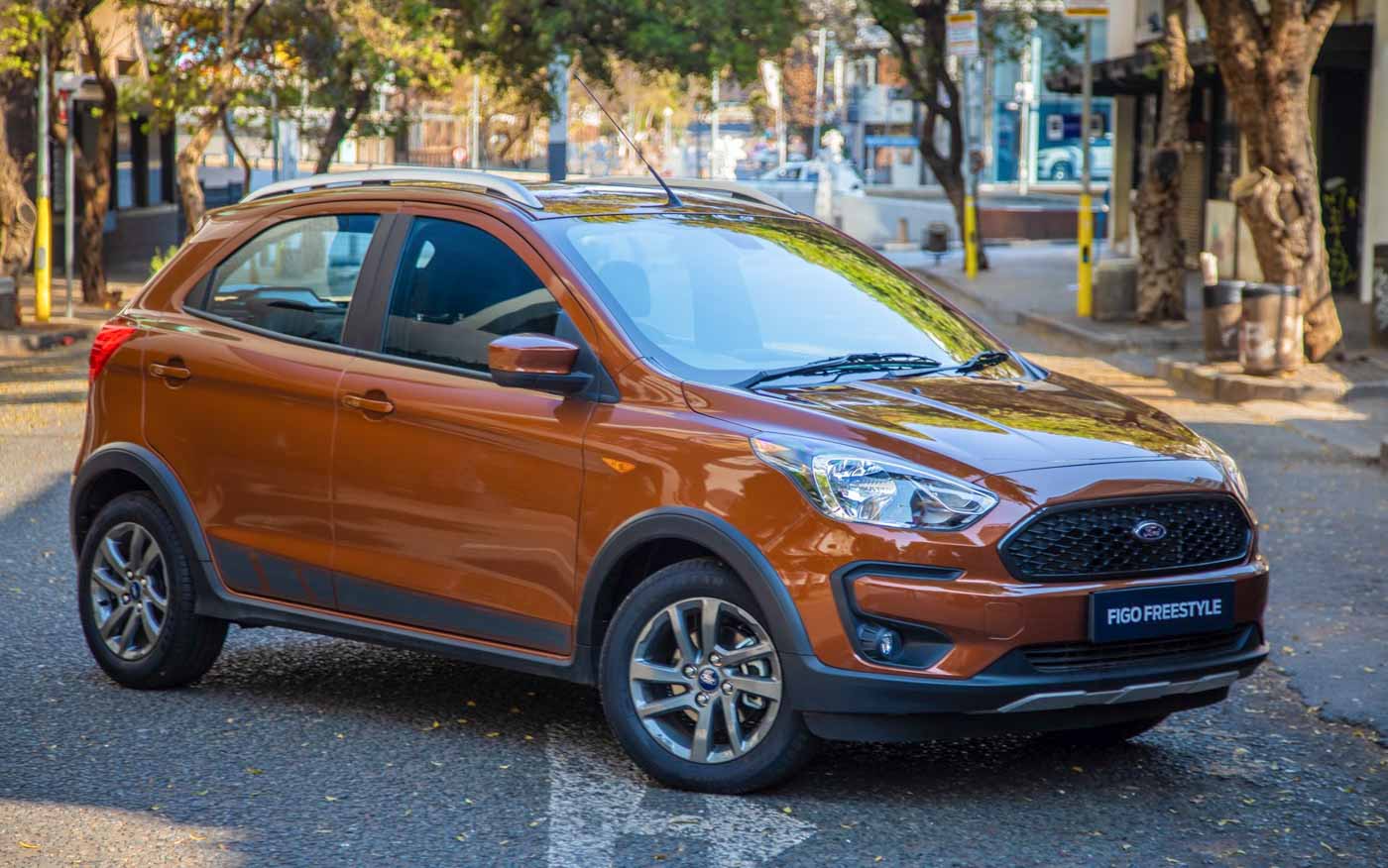
5. Ford Freestyle / Five Hundred (2005–2007, ZF-Batavia CFT30)
Ford’s early embrace of CVT technology in the Freestyle and Five Hundred models was an ambitious attempt to blend fuel efficiency and smooth power delivery in larger vehicles. However, the ZF-Batavia-built CFT30 CVT proved to be outmatched by the vehicles’ size and torque demands.
The result was a pattern of early and expensive failures: slipping drive, hesitation, and eventual inability to move the car from a stop plagued many owners before reaching the 100,000-mile benchmark.
The importance of these vehicles in the context of CVT history lies in how quickly they highlighted the limitations of early CVT designs in larger, heavier platforms.
Ford discontinued the system and switched to more conventional automatics in later models, implicitly acknowledging the challenges. Owners were left facing significant repair bills, and the reputation impact steered many buyers away from CVTs for years to come.
Mechanics and transmission specialists regularly cite the fluidity of the CFT30 unit as a weak point it could be extremely sensitive to neglect or contamination, leading to expensive failures.
The problems in these Fords justly serve as a warning: advanced transmission technology, if not properly engineered and tested for real-world abuse, risks undermining the very efficiency and smoothness it advertises.
This article has covered both sides of the CVT story in crossovers, those with proven resilience and those with reputations undermined by premature failure.
Armed with these insights, you can make choices that prioritise value, convenience, and peace of mind in your next vehicle purchase.
This article examines the reliability of Continuously Variable Transmissions (CVTs) in crossovers by highlighting two contrasting groups.
The first group features five crossovers known for having durable, long-lasting CVTs, including models like the Honda CR-V (2017–2022), Subaru Forester (2014–present), Toyota RAV4 Hybrid (2016–present), Nissan Rogue (2017–2020), and Lexus NX 300h (2015–2021).
These vehicles have earned praise due to advanced design, robust engineering, and consistent maintenance, allowing them to deliver smooth performance well beyond 100,000 miles.
The second part focuses on five crossovers notorious for early CVT failures, such as the Nissan Pathfinder (2013–2016), Jeep Compass/Patriot (2007–2016), Nissan Altima (2013–2018), Mitsubishi Outlander (2014–2016), and Ford Freestyle/Five Hundred (2005–2007).
These models suffered from design flaws and reliability issues, leading to premature breakdowns, costly repairs, and owner dissatisfaction.
By comparing these examples, the article aims to offer readers a clearer understanding of CVT reliability, empowering them to make smarter crossover buying decisions based on real-world transmission performance.
Also Read: 5 Cars With Lifetime Transmission Warranties vs 5 With Frequent Gearbox Failures
