
Modern luxury sedans stand as statements of both comfort and reliability, offering cutting-edge technology alongside graceful performance.
Among the many features that set top-tier models apart, air suspension systems play a vital role in delivering that signature smooth ride, adjusting seamlessly for road conditions and passenger preferences. Yet, not all air suspensions are built or installed equally.
Some maintain their integrity over hundreds of thousands of kilometers, while others can become a source of frustration far earlier than anticipated, often leaving owners with steep repair bills.
For buyers investing in luxury vehicles, understanding the true durability of these systems becomes paramount.
This is especially important as air suspension technology has become not just a hallmark of high-end sedans, but a factor that can significantly impact satisfaction and long-term ownership costs.
This article offers a careful look at two sides of this story: first, it highlights five luxury sedans famed for their robust, dependable air suspension systems, celebrated for lasting well beyond typical expectations.
Each has earned a reputation among drivers and service experts for both comfort and endurance.
Next, the focus shifts toward five models that have built a reputation for air suspension failures, sometimes as early as the 80,000-mile mark, catching owners off guard with repair expenses and headaches.
By examining both the standouts and the underperformers, readers gain a clearer picture of what to anticipate and prioritize when considering a luxury sedan purchase, ensuring not just a premium driving experience but peace of mind for years to come.
Also Read: 5 Vehicles That Hold Original Paint Perfectly and 5 That Chip By Year 1
5 Luxury Sedans with Bulletproof Air Suspensions
Luxury sedans are often measured by their ability to make every journey serene, insulated from the imperfections of the road.
A key contributor to this effortless comfort is air suspension, designed to automatically level and cushion the vehicle, regardless of load or terrain. While this technology is now common in high-end sedans, not every system can withstand the test of time.
Chronic failures in some models have led to skepticism, but there are standout vehicles that have proven reliable over the years.
The models featured here are not selected solely for their sensory appeal or technological bravado, but for documented longevity and consistently positive feedback from owners, mechanics, and auto reviewers.
Air suspension should offer not just luxury but genuine dependability. These five sedans rise to that challenge, frequently surpassing the 100,000-mile mark without suffering major suspension issues.
Owners speak highly of their comfort and stability, but more importantly, independent inspections and long-term maintenance records show these systems resist leaks, compressor failures, and sensor hassles far better than the industry average.
The focus is on models that pair innovation and reliability, where engineering choices, whether in build quality, part selection, or rigorous component testing, result in substantial real-world benefits.
Readers looking to invest in a luxury sedan will discover examples with track records that inspire trust, helping ensure that the air-smooth ride is not short-lived but a lasting hallmark of ownership.
1. Mercedes-Benz S-Class (W222 and Newer)
Mercedes-Benz has long set the pace for luxury innovation, and the S-Class is often the benchmark for comfort and technology. Among its most valued features is the AIRMATIC air suspension system.
Years of engineering refinements have created a system that manages to provide both unmatched ride quality and a reputation for durability, particularly in the W222 model and its successors.
Mercedes prioritized reliability by upgrading critical components and using high-quality seals and compressors. The system uses adaptive damping to sense road conditions and adjust accordingly, giving the ideal blend of cushioned ride and responsive handling.
Where earlier generations sometimes saw issues around the 60,000-mile mark, the W222 saw notable improvements in compressor life and air strut durability.
Independent maintenance reports and owner forums give high marks to the longevity of these systems, with many vehicles surpassing the 120,000-mile threshold without significant air suspension repairs.
Why focus on this model? The upgraded AIRMATIC system in these S-Class sedans stands as one of the most trouble-free air suspension setups in the industry.
Repair frequency is well below the class average, and Mercedes has made replacement parts widely available, limiting both downtime and cost if a repair is needed.
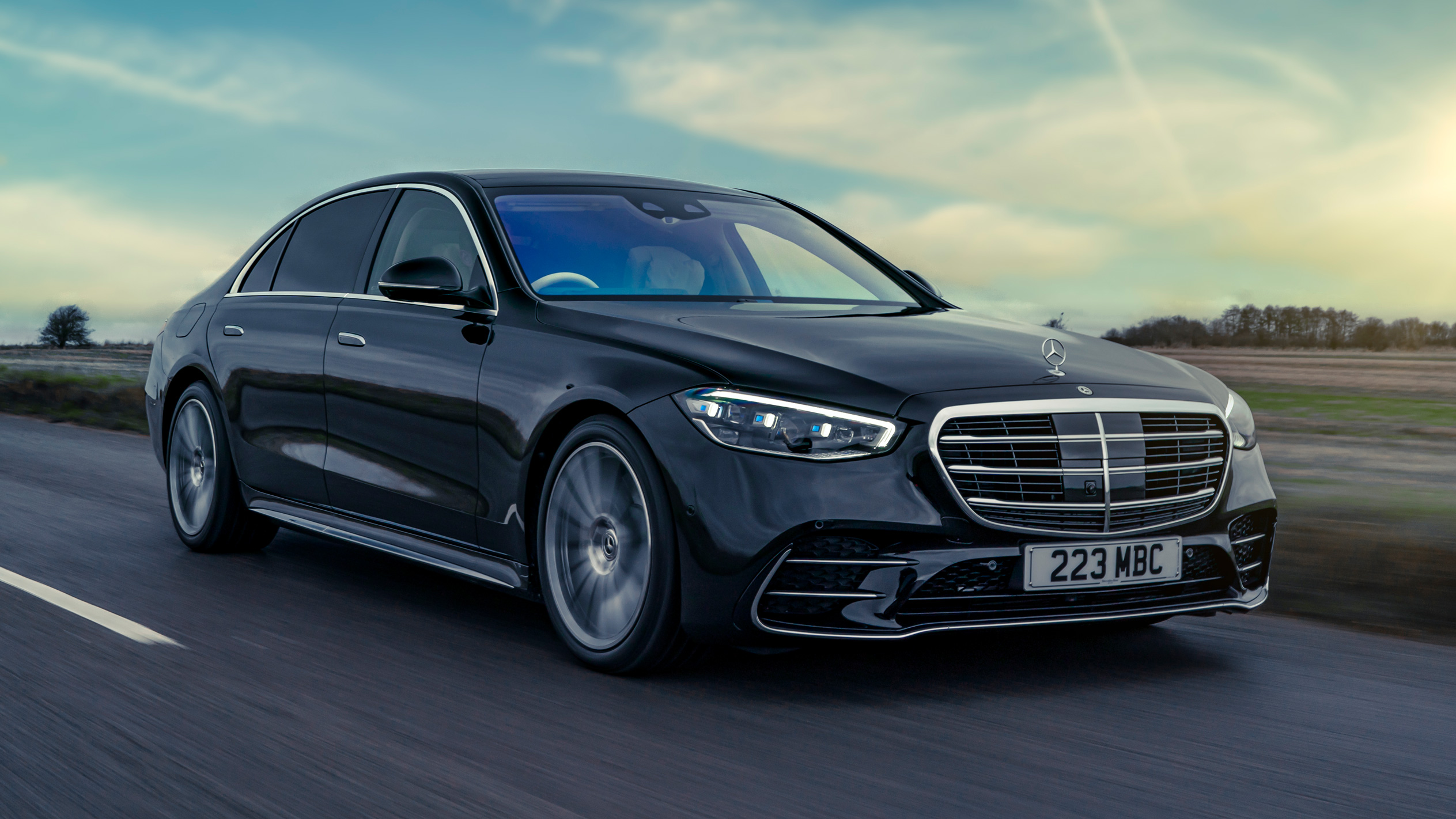
Business professionals and chauffeurs frequently choose the W222 for its effortless glide, and enthusiast websites consistently rank its air suspension among the best for reliability.
This combination of comfort and long-term viability establishes the S-Class as a leader in its field, making it a model of interest for buyers seeking luxury with minimal compromise.
2. Lexus LS 460/500
Lexus built its reputation on quietly overachieving, and the LS sedan is a prime demonstration of that philosophy. The LS 460 and its latest sibling, the LS 500, have become known for their “set-and-forget” air grid systems that offer years of worry-free service.
Lexus air suspensions are designed not only for plushness but also for lasting simplicity; they incorporate desiccants to minimize internal moisture one of the common causes of leaks and compressor issues in other brands.
Service records and owner surveys reveal the LS’s air suspension system can frequently reach 150,000 miles before notable issues present themselves.
The system is less complex than some German rivals, with fewer moving parts and a priority on robust construction over excessive features. Critics sometimes say it lacks the very softest ride of its competitors, but in real-world conditions, this approach pays dividends in reliability.
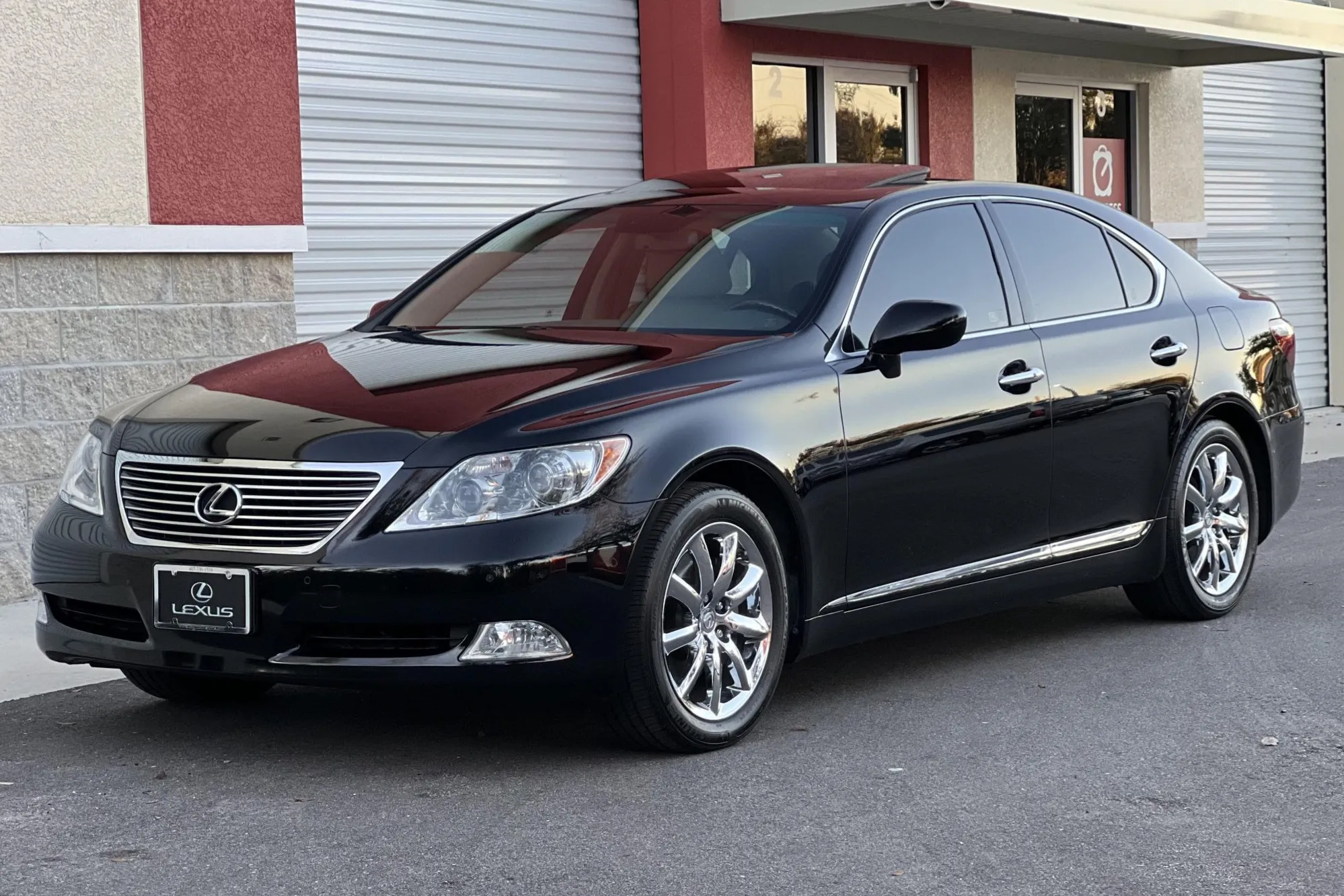
Why include the LS here? Many luxury buyers are wary of electronics-intensive vehicles, but the Lexus LS 460/500’s air suspension is dependably understated and durable.
Toyota’s rigorous quality control and restrained design choices yield a rare combination: a true luxury ride that stays out of the repair shop far longer than most.
For those aiming to minimize long-term running costs without forgoing premium comfort, this sedan delivers an outstanding record.
3. Audi A8 (D4 Chassis and Up)
Audi’s A8 is a showcase for understated elegance and advanced engineering, and its air suspension system earns high praise for both refinement and staying power.
Introduced on the D4 platform and refined further in newer models, Audi’s system leverages advanced materials, improved sensors, and sealed connections to keep out contaminants.
European maintenance data and reports from specialty shops confirm that the D4 and newer A8 can often go well beyond 100,000 miles before facing significant air suspension repairs—a stark improvement from earlier iterations.
Audi worked closely with premium suspension suppliers to enhance reliability, addressing previous pain points such as seal degradation and compressor overheating. The system’s adaptability caters to those who desire customizable handling without sacrificing longevity.

Why pick the Audi A8? Repair statistics, especially from long-distance executive drivers, show this sedan’s air suspension to be robust when serviced regularly.
Audi’s approach prioritising smart component integration over raw complexity, pays off in systems that offer consistently excellent comfort while dodging the premature failures that plague less-developed setups. Owners find peace of mind knowing that quality engineering stands behind the silky ride.
4. BMW 7 Series (G11/G12 Chassis)
The BMW 7 Series has always reflected the brand’s commitment to both luxury and performance.
The G11/G12 generation introduced improvements to its adaptive two-axle air suspension, adding not only dynamic handling but increased durability through component upgrades.
BMW targeted common trouble spots, reinforcing air bags and optimizing moisture control within the system.
The result is a suspension setup that faces fewer air leaks and compressor issues than previous generations or even some competitors.
Euro auto mechanics note that, as long as non-OEM aftermarket parts are avoided, the G11/G12 air suspension commonly lasts over 100,000 miles before needing any major work.
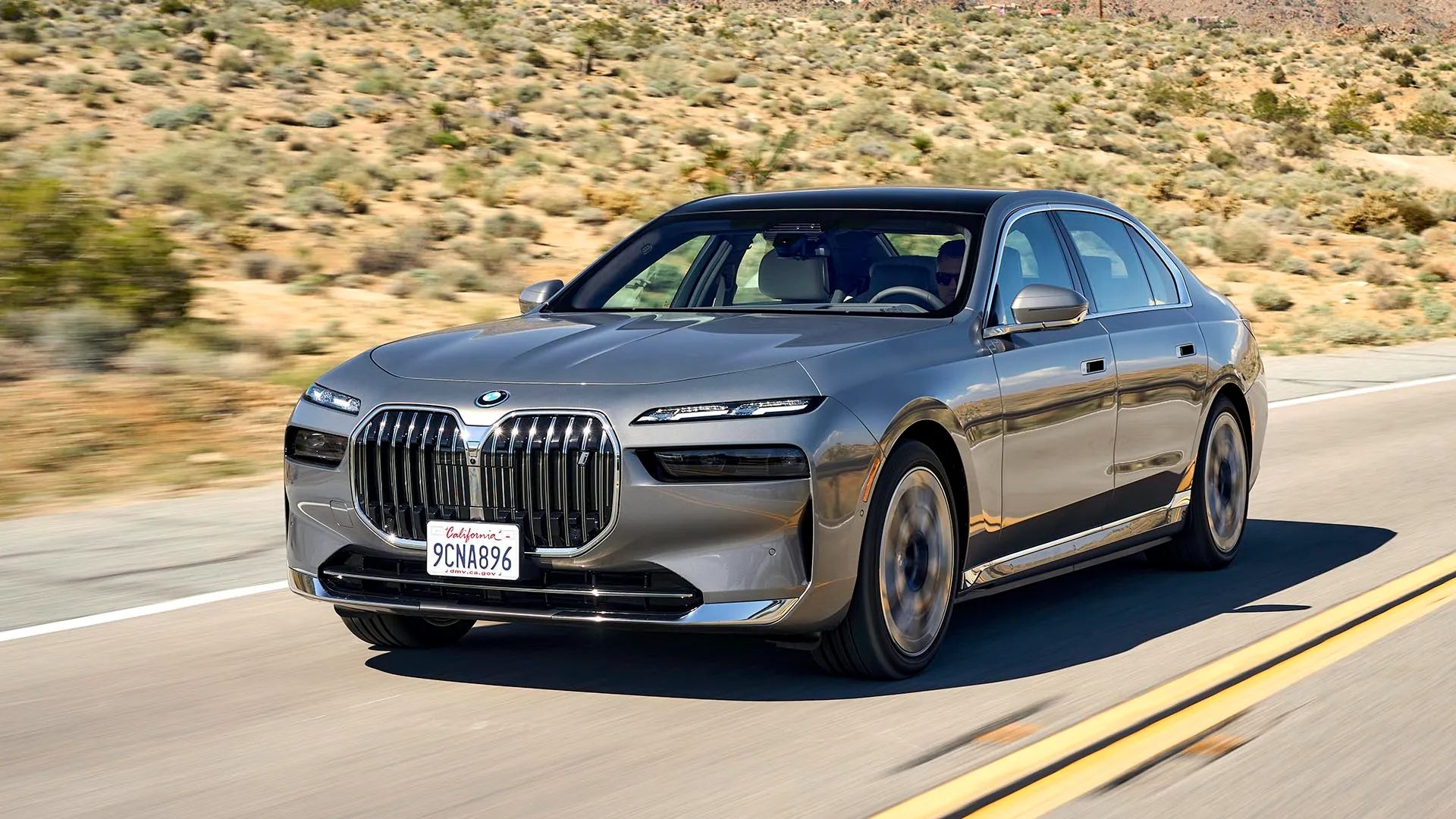
Why highlight this model? The 7 Series shows how continuous engineering focus in this case, on sealing, packaging, and compressor programming, can yield a system that owners trust. While not entirely maintenance-free, its real-world reliability is widely recognized.
For those enjoying spirited driving or chauffeured serenity, the BMW 7 Series offers both, underpinned by a reputation for air suspension systems that last.
5. Genesis G90
Genesis surprised the automotive establishment with the G90, quickly climbing into the ranks of true luxury sedans thanks to a bundle of premium features and build quality.
A major part of its success is attributed to the resilience of its air suspension, which draws on proven technologies and strict quality standards.
The G90 uses an electronically controlled, multi-chamber air spring system developed with reliability in mind. Owners and independent reviewers point out the relative lack of issues such as air leaks or sensor faults, even as the miles pile on.
Service intervals tend to be longer, and when maintenance is needed, the cost and complexity are more manageable compared to brands with heavily integrated or proprietary components.
Why include the Genesis G90? It’s an emerging contender among established European names. Industry feedback and owner reports converge on the conclusion that Genesis’s commitment to quality extends to every aspect of its suspension.
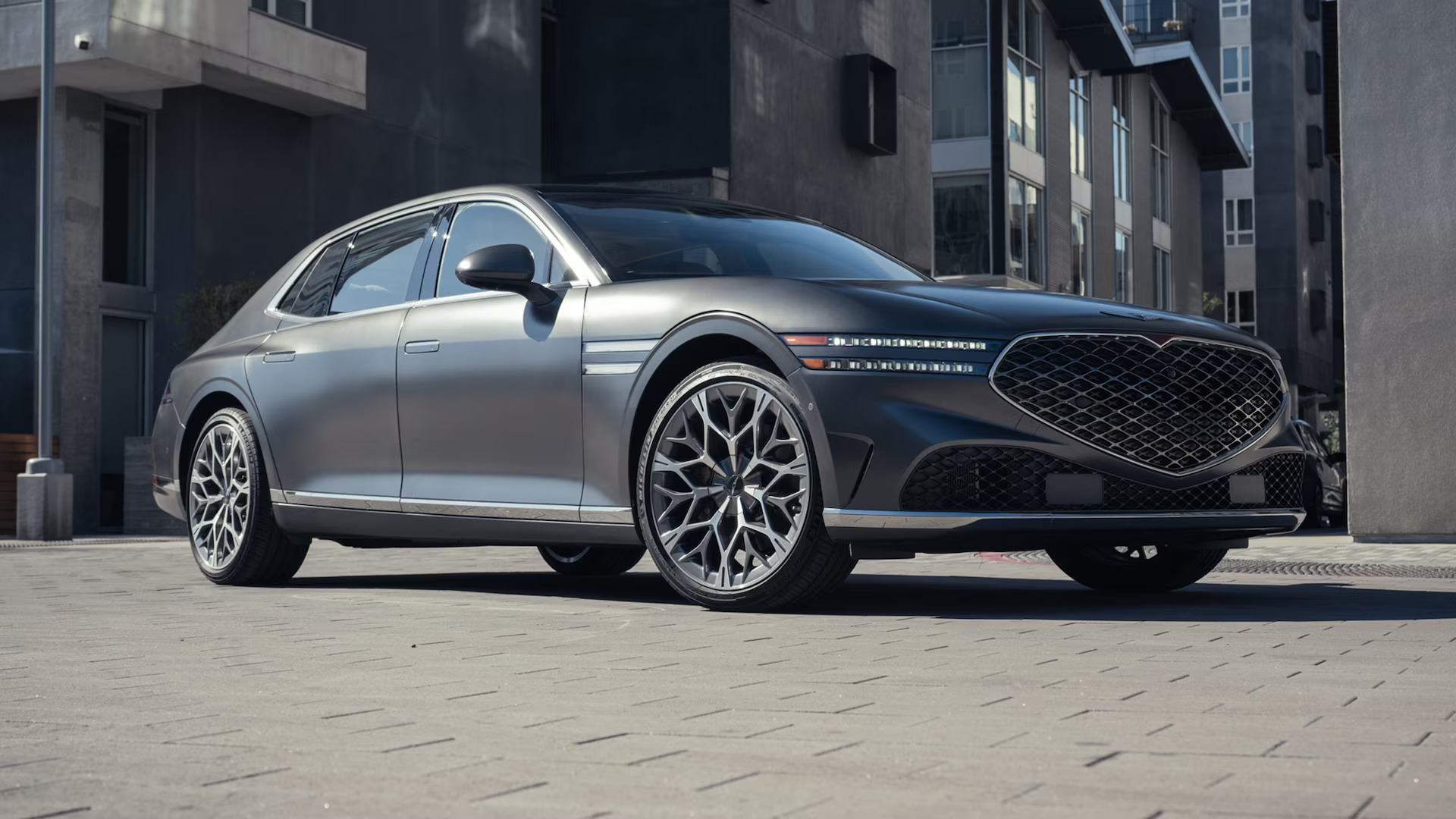
The G90 delivers luxury motoring with the confidence that comes from thoroughly tested and resilient engineering. For buyers who want indulgence without apprehension, the air suspension system here stands as a quiet hero.
5 Luxury Sedans Whose Air Suspensions Often Fail by 80,000 Miles
Even with the promise of cutting-edge engineering and iconic badges, some luxury sedans fail to deliver lasting satisfaction when assessed through the lens of air suspension reliability.
Expensive repairs, warning lights, and uneven ride quality can surface frustratingly early, especially for buyers expecting that a prestigious nameplate guarantees durability.
For vehicles in this class, air suspension is supposed to add value and comfort, but for some, it becomes their most notorious weakness, leading to thousands in unexpected costs right after the warranty lapses.
This section highlights five well-known luxury sedans repeatedly cited for air suspension failures by 80,000 miles. The focus is not on isolated incidents but on patterns documented in service bulletins, owner complaints, and data from independent mechanics.
Each car featured has become synonymous with premature suspension woes, regardless of brand reputation or purchase price.
These examples serve as a cautionary reminder that special features require careful long-term scrutiny, and that what glitters is not always gold. By understanding where these designs have stumbled, prospective buyers can make better-informed choices and possibly avoid a costly mistake.
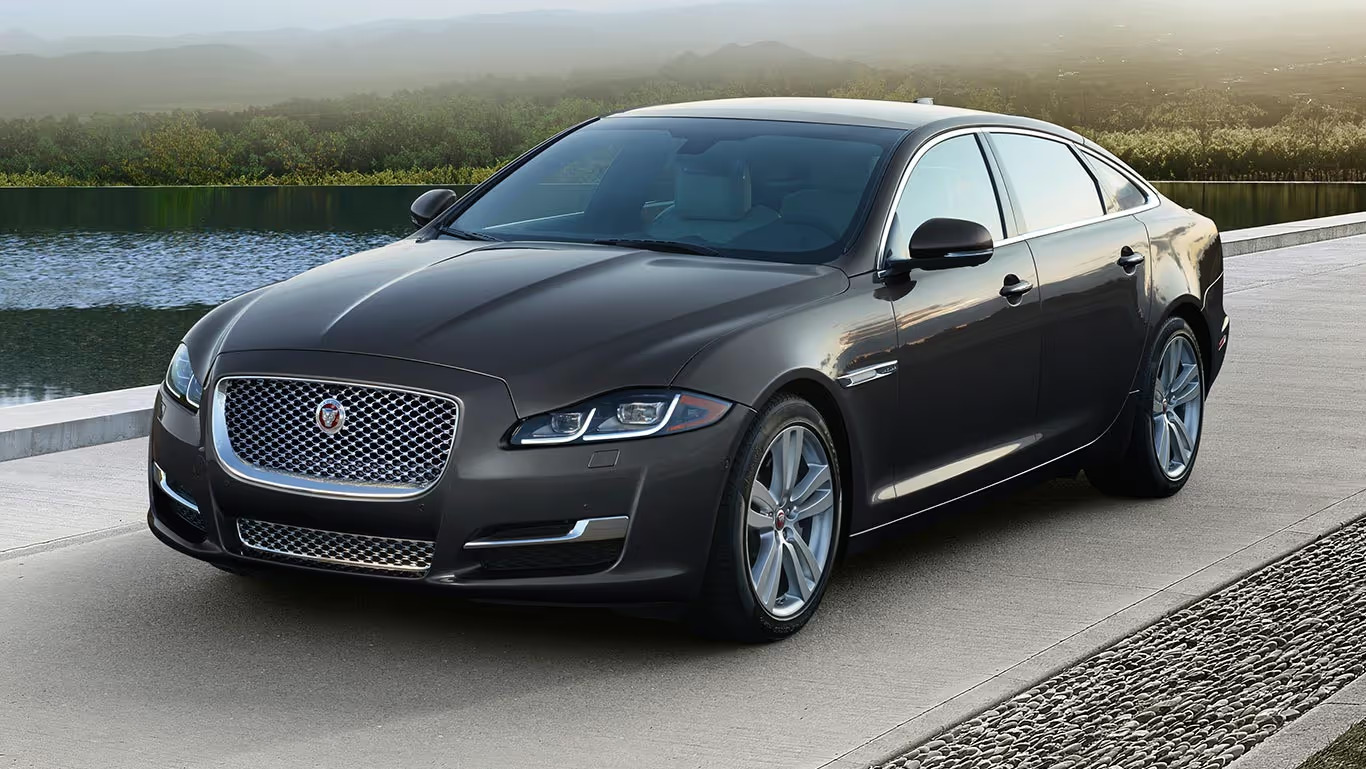
1. Jaguar XJ (X351 Generation)
The Jaguar XJ, particularly the X351 generation, is often noted for its elegant styling and dynamic performance, but its air suspension system has faced consistent reliability challenges.
The electronically controlled, multi-link air suspension was designed to enhance ride comfort and handling, but many owners report problems emerging before the 80,000-mile mark. Common issues include air spring leaks, compressor failures, and faulty ride height sensors.
These failures tend to result in an uneven ride, warning lights on the dashboard, and costly repairs that can run into several thousand dollars.
Jaguar’s air suspension components for this model were found to be susceptible to moisture intrusion and premature wear, leading to air leaks and compressor overwork.
Some repair shops have noted that once the system starts failing, it often triggers a cascade of related malfunctions instead of isolated faults.
This model’s air suspension troubles have been well-documented in forums and service records, affecting a notable portion of vehicles rather than isolated cases.
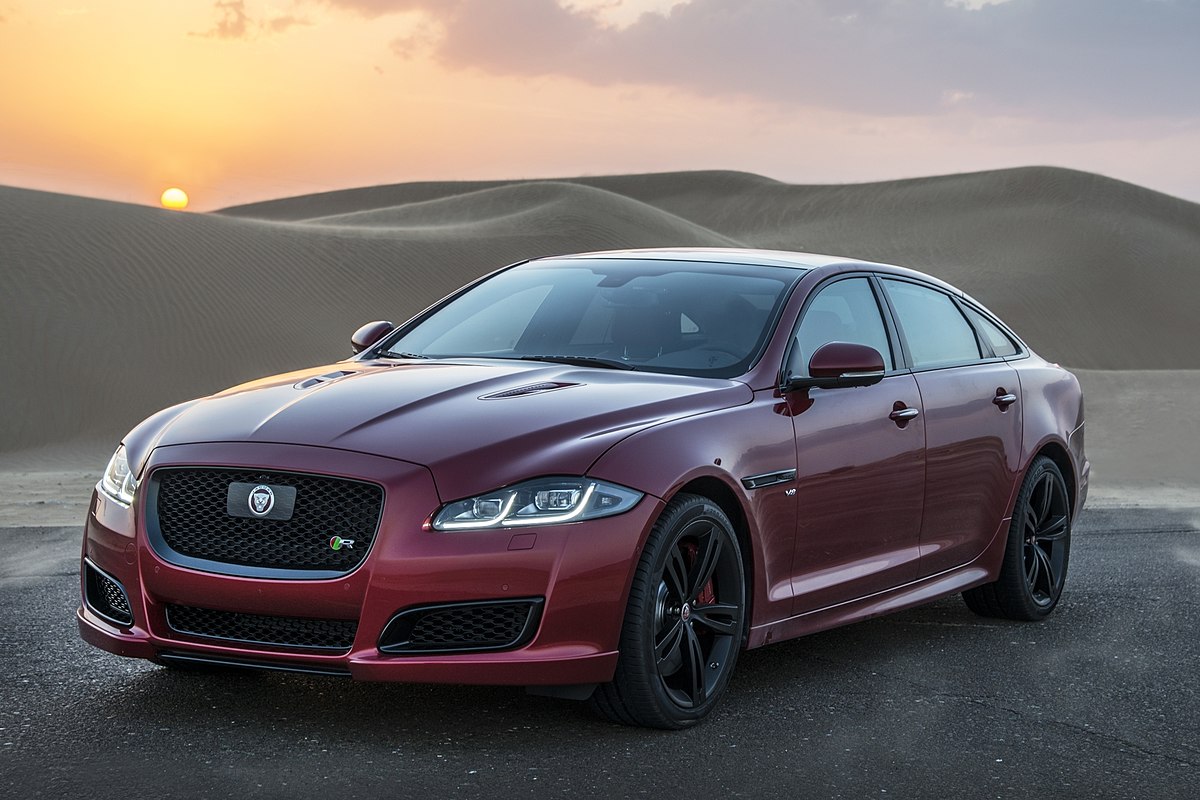
Considering Jaguar’s brand reputation for luxury and performance, the contrast with air suspension reliability creates a frustrating ownership experience.
Highlighting the XJ serves to caution prospective luxury buyers that striking aesthetics and dynamic capabilities do not always align with suspension system durability.
2. Lincoln Continental (2017–2020)
The Lincoln Continental’s revival came with high expectations for flagship comfort and state-of-the-art features, including its air suspension system.
However, despite the advanced design intent, many buyers experience suspension failures by 80,000 miles or earlier.
The Continental uses an active air suspension aiming to blend a smooth ride with handling agility, but complaints often cite air spring leaks and frequent compressor cycling.
These failures degrade the vehicle’s poised ride, causing sagging at one corner or triggering service suspension warnings.
The complexity of Lincoln’s air suspension calibration can lead to diagnostic difficulties and extended repair times. Replacement parts are relatively expensive, and the labor involved often results in high service bills.
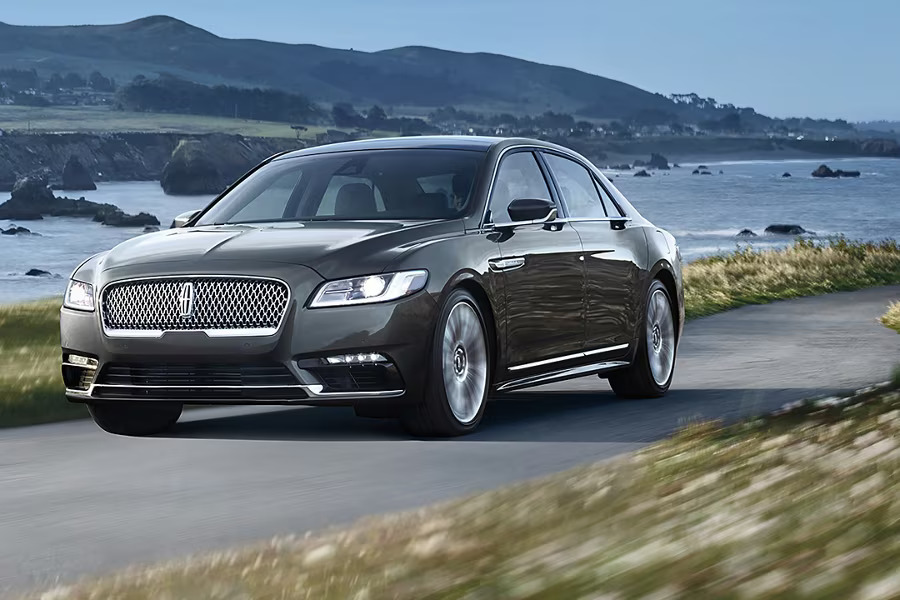
The Continental’s case illustrates how sophisticated systems might suffer from insufficient component durability or calibration issues under real-world conditions.
This example underscores the importance of assessing not just feature sets but the proven stay-power of those features. For buyers prioritizing air suspension reliability, the Lincoln Continental signals caution regarding long-term usability beyond initial impressions.
3. Audi A6 (C7 Generation)
The Audi A6 of the C7 generation introduced improvements over prior models but still has recorded air suspension issues around the 80,000-mile threshold.
The system features air springs and adaptive dampers meant to optimize comfort and driving dynamics, but owner reports and technical bulletins reveal vulnerability to airbag leaks and compressor malfunctions.
Failures typically manifest as ride height imbalance, choppy suspension response, and persistent warning messages. Audi’s complex sensor arrays and valves in the C7 A6 can also contribute to system confusion once leaks or compressor wear begin.
Repair costs can be substantial, as multiple components often require replacement to restore full functionality.

Examining the C7 A6 provides insight into how even well-regarded luxury sedans can struggle with air suspension longevity.
It raises awareness that high-end brands are not immune to engineering or quality control challenges affecting these particular suspension systems. This case is a reminder that buyers should weigh real-world durability data alongside brand prestige.
4. Cadillac CT6 (First Generation)
General Motors’ flagship sedan, the Cadillac CT6, promised a blend of advanced technology and ride refinement through its air suspension.
Despite initial praise, the first-generation CT6 has shown a pattern of air suspension issues emerging before 80,000 miles, especially concerning air bag leaks and compressor stress.
Owner complaints and service data highlight how moisture and temperature fluctuations affect seal integrity, driving premature system failures. Uneven seating height and frequent compressor running add to repair pressures.
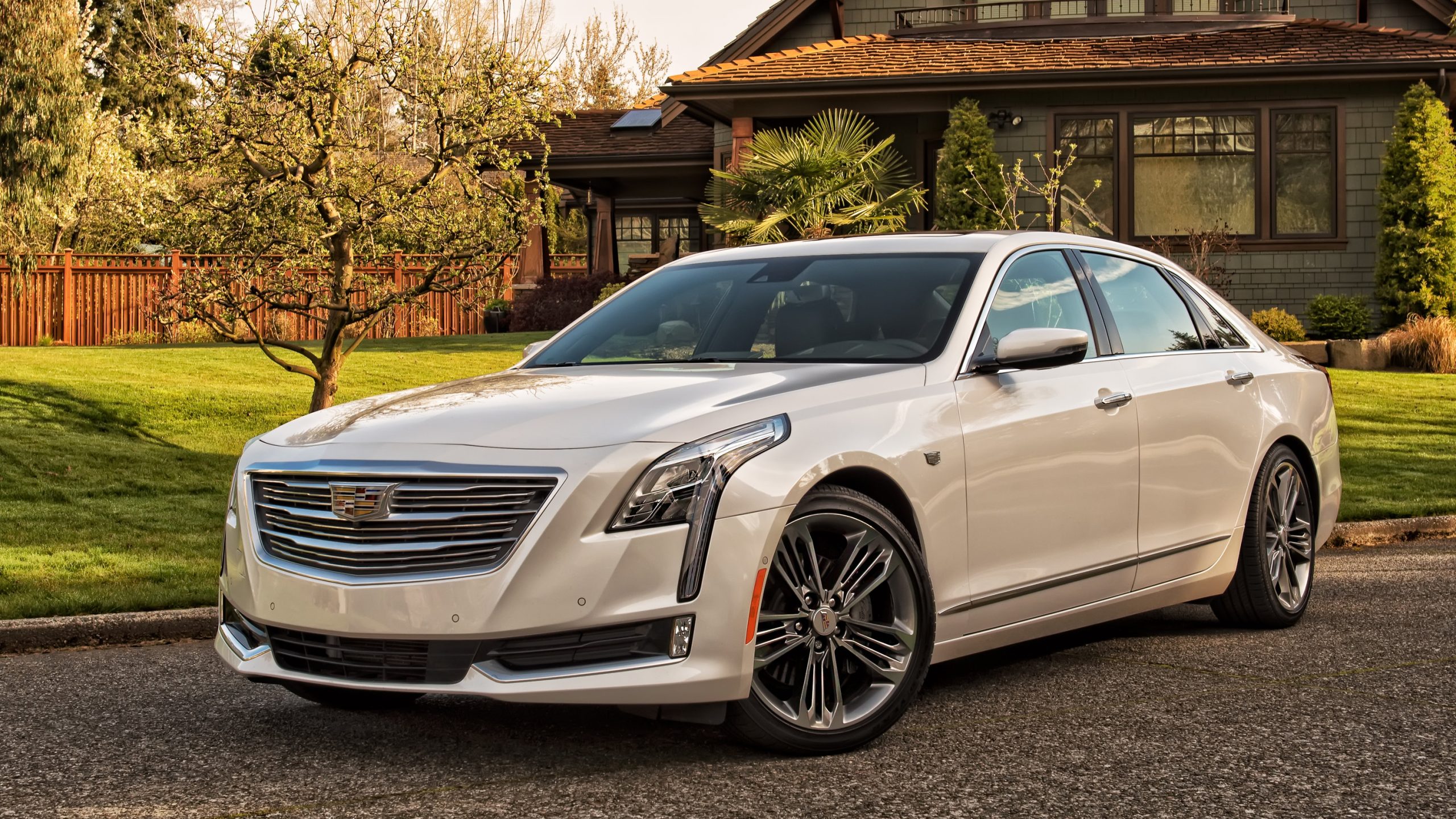
Given the complexity of the CT6’s suspension, repairs tend to be costly, sometimes involving multiple parts replacements rather than simple fixes.
Cadillac’s air suspension challenges with the CT6 demonstrate how innovative features may underperform without extensive real-world durability testing.
For buyers focusing on longevity and low maintenance costs, this example signals the value of considering established systems with proven endurance records.
5. Tesla Model S (Early Models)
Tesla Model S, especially early production runs, incorporated an air suspension system designed to balance ride comfort with aerodynamic efficiency and performance.
Yet, numerous reports suggest these early systems frequently encounter failures approaching or under 80,000 miles. Common problems include leaking air struts, compressor failures, and sensor faults.
Tesla’s air suspension system relies heavily on electronic controls and complex pneumatic components that require precise calibration and premium part quality.
Early Model S suspensions showed weaknesses particularly around air spring durability and compressor overheating, leading to costly and technically demanding repairs. The distributed ownership base has vocalized these issues on various forums, reflecting a consistent pattern rather than sporadic incidents.
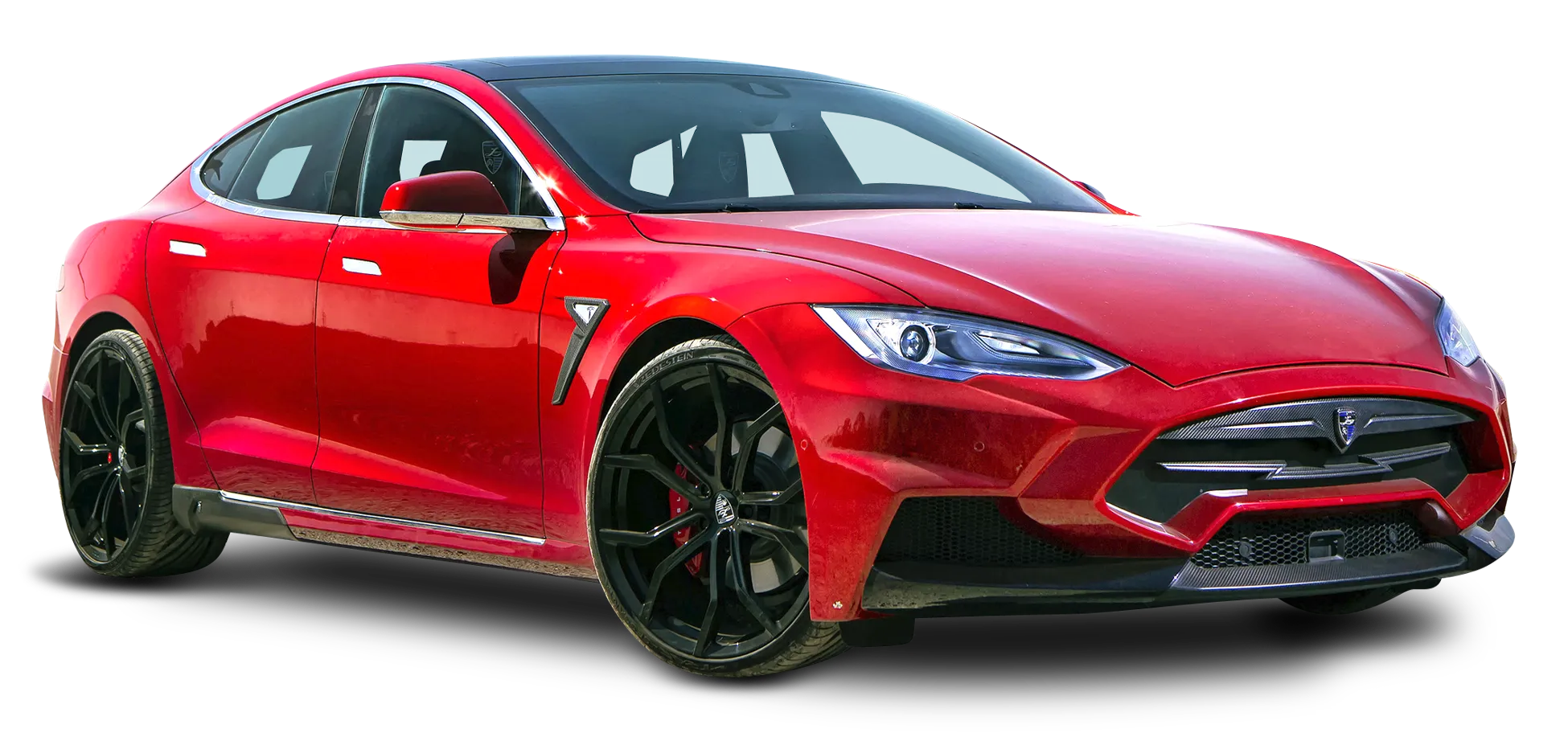
The Model S example illustrates how cutting-edge vehicles in the electric luxury segment are not exempt from mechanical vulnerabilities.
It serves as a caution for buyers to review detailed service histories and user experiences before assuming advanced technology equates to higher reliability.
These vehicles underline the variety of challenges luxury sedans face regarding air suspension durability. While the feature promises enhanced comfort and driving dynamics, premature failures can drastically alter ownership experience and costs.
The experiences with these five models suggest careful consideration of maintenance records and user reviews is crucial when selecting a luxury sedan with air suspension.
Luxury sedans often pride themselves on offering a smooth, refined driving experience, and one of the essential technologies contributing to this is the air suspension system. However, not all air suspensions in these high-end vehicles show the same level of reliability.
This summary compares two groups of sedans: those with exceptionally reliable, “bulletproof” air suspension systems that commonly surpass 100,000 miles without issues, and those whose air suspensions frequently fail by around 80,000 miles, resulting in costly repairs and compromises in comfort.
Among the sedans with robust and dependable air suspensions, the Mercedes-Benz S-Class (W222 and newer) stands out for its refined AIRMATIC system.
This platform benefits from years of engineering improvements that enhanced component durability, including stronger compressors and better seals, helping many S-Class vehicles achieve 120,000 miles with minimal suspension troubles.
The Lexus LS 460/500 similarly emphasizes simplicity and quality control, using fewer complex parts and moisture-resistant design elements to push reliability beyond 150,000 miles in many cases, earning praise for its lasting comfort and low maintenance costs.
The Audi A8 (D4 chassis and later) employs advanced materials and smart sensor integration that keep its air suspension performing well over the long term, with many owners reporting lifespans beyond 100,000 miles, particularly when upkeep is consistent.
BMW’s 7 Series (G11/G12 generation) advances durability by reinforcing air bags and improving moisture management, delivering a dynamic ride without the premature system failures seen in earlier versions.
Lastly, the Genesis G90 impresses as an emerging contender with a resilient multi-chamber air spring system, providing owners with long-term comfort and fewer repairs than many established competitors.
In contrast, several luxury sedans face recurring air suspension failures before reaching 80,000 miles. The Jaguar XJ (X351 generation) is known for air spring leaks and compressor issues caused by moisture damage, which can lead to uneven ride height and extensive repairs.
The revived Lincoln Continental (2017–2020) also struggles with air spring leaks and frequent compressor cycling, resulting in service suspension warnings and higher-than-expected maintenance costs.
Audi’s A6 (C7 generation) and Cadillac’s first-generation CT6 highlight challenges even in prominent brands.
The A6 suffers from airbag leaks and sensor complications, while the CT6’s system struggles with seal deterioration due to environmental factors, both causing expensive repairs and passenger discomfort.
Early Tesla Model S vehicles incorporated highly electronic, pneumatic air suspensions that showed weaknesses, such as air strut leaks and compressor overheating, leading to reliability concerns despite the car’s technological innovation.
This contrast illustrates that while air suspension technology is a hallmark of luxury driving, its execution and resilience vary greatly across models. Luxury buyers benefit most by considering vehicles with proven long-term records of air suspension durability.
Such insight can save significant future costs and maintain the intended smoothness and stability that an effective air suspension should provide.
Understanding these differences helps buyers balance desired features with realistic expectations, ultimately ensuring a luxury sedan experience defined by both comfort and confidence.
Also Read: 5 Trucks with Lifetime Suspension Bushings vs 5 with Cracked Components
