

When it comes to choosing a reliable work van, longevity often stands at the top of the priority list for tradespeople, delivery drivers, and business owners alike.
These vehicles are more than just modes of transportation they are the lifeblood of many operations, handling everything from heavy payloads to long-distance hauls.
On the flip side, some vans, while popular or initially cost-effective, unfortunately develop a reputation for bowing out far earlier than expected, prompting costly replacements or repairs.
Understanding which vans have stood the test of time and which have not can save both money and frustration over the lifespan of your business fleet.
This article looks closely at the factors that set certain work vans apart, allowing some to confidently reach the celebrated 400,000-mile milestone.
It also examines those that tend to struggle past the 150,000-mile mark before mechanical woes render them impractical.
Each section will address what contributes to a van’s exceptional durability or premature retirement, guiding prospective buyers and current owners toward smarter vehicle investments.
The aim is not just to highlight makes and models, but to explain why these vehicles excel or falter, factoring in real-world use, maintenance needs, and overall build quality.
By understanding these nuances, readers can make better-informed decisions that impact their bottom line for years to come.
Also Read: 5 Pickups With Factory Sealed Transmissions That Never Fail and 5 That do
5 Work Vans That Reach 400,000 Miles
High-mileage legends hold a special place in the hearts of those who rely daily on work vans for their jobs.
When a van surpasses 400,000 miles on the odometer, it speaks not just of mechanical prowess but of thoughtful engineering, practical design, and a reputation forged across thousands of challenging work hours.
For small business owners and fleet managers, such durability is not an abstract dream it’s a proven cost saver, offering ongoing returns on investment and rock-steady service in demanding conditions.
The five vans highlighted here have gained a reputation based on extensive real-world data, owner testimonials, and maintenance histories.
Each has been selected for its ability not only to keep running well beyond conventional expectations but to do so without incurring an outsized maintenance burden.
In sharing the story of each model’s longevity, attention will be paid to design choices that set these vans apart, such as drivetrain configurations, component access, and parts availability.
Understanding the reasons for their resilience will help readers appreciate what matters most when selecting a vehicle expected to last through years of service calls, deliveries, and weekend hauls.
This examination provides practical value, drawing attention to vehicles that have earned respect on roads and job sites everywhere.
1. Ford Transit
The Ford Transit has built an exceptional following among tradespeople and delivery services due to its robust engineering and straightforward maintenance requirements. Its modular design allows for easy repairs and part replacements, which contributes to the van’s remarkable staying power.
The Transit’s powertrains both gasoline and diesel options, have been refined over the years for longevity, often surpassing expectations with regular maintenance.
It’s common to find Transits still running strong beyond 400,000 miles, thanks to durable transmissions and well-engineered engines that resist common failure points.
Fleet operators consistently report that with timely oil changes, transmission flushes, and attention to brake systems, the Transit can operate as reliably on its 300,000th mile as it did in the first year.
The van’s chassis options range from standard to extended wheelbases, allowing owners to tailor their purchase for either lighter or heavier loads, thus reducing undue stress on the vehicle over time.
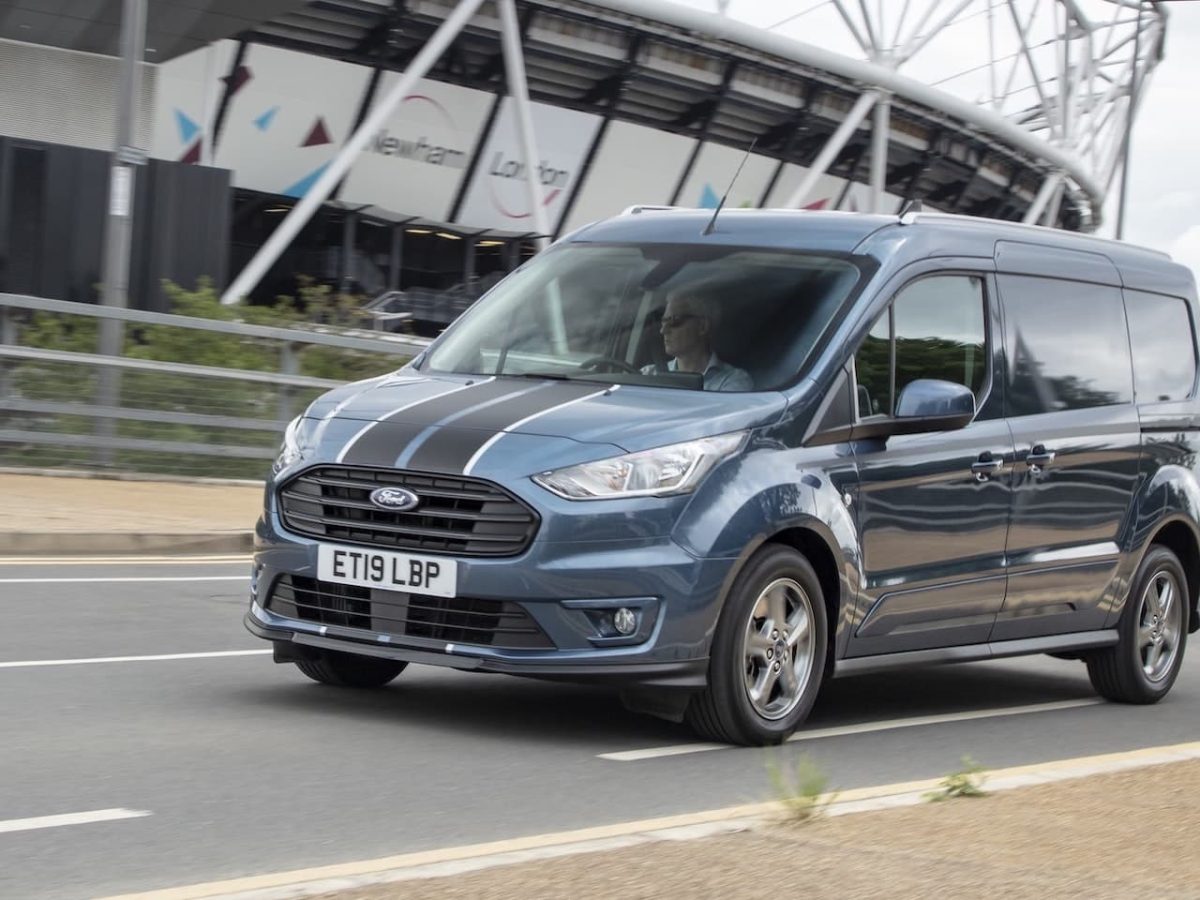
Access to parts is excellent, and repairs are rarely prohibitively complex or expensive, reducing downtime and keeping maintenance manageable.
Writing about the Transit’s longevity underscores the importance of model choice for those seeking a long-term business asset.
Real-world evidence ranging from contractor anecdotes to fleet maintenance logs demonstrates that this vehicle delivers exceptional value across varied industries.
Its continued popularity is not mere happenstance but the result of careful engineering, user feedback integration, and a commitment to producing a vehicle that can truly endure.
2. Mercedes-Benz Sprinter
The Mercedes-Benz Sprinter has become synonymous with reliability for many businesses requiring a van that can handle both city streets and long highway drives.
Its reputation for surpassing 400,000 miles comes from a combination of refined diesel engines, robust suspension components, and superior build quality.
Sprinter vans are particularly noted for their comfort during extended use, offering car-like handling and thoughtfully designed interiors that reduce driver fatigue on long routes.
The engineering focus behind the Sprinter lies in its proven powertrains, especially the turbo-diesel options. Properly maintained, these engines often outlast competitors, with users reporting high-mileage examples still operating efficiently.
The van’s frame and body structure are engineered to resist rust and corrosion, a crucial factor in a vehicle’s ability to serve reliably across decades and through harsh climates.
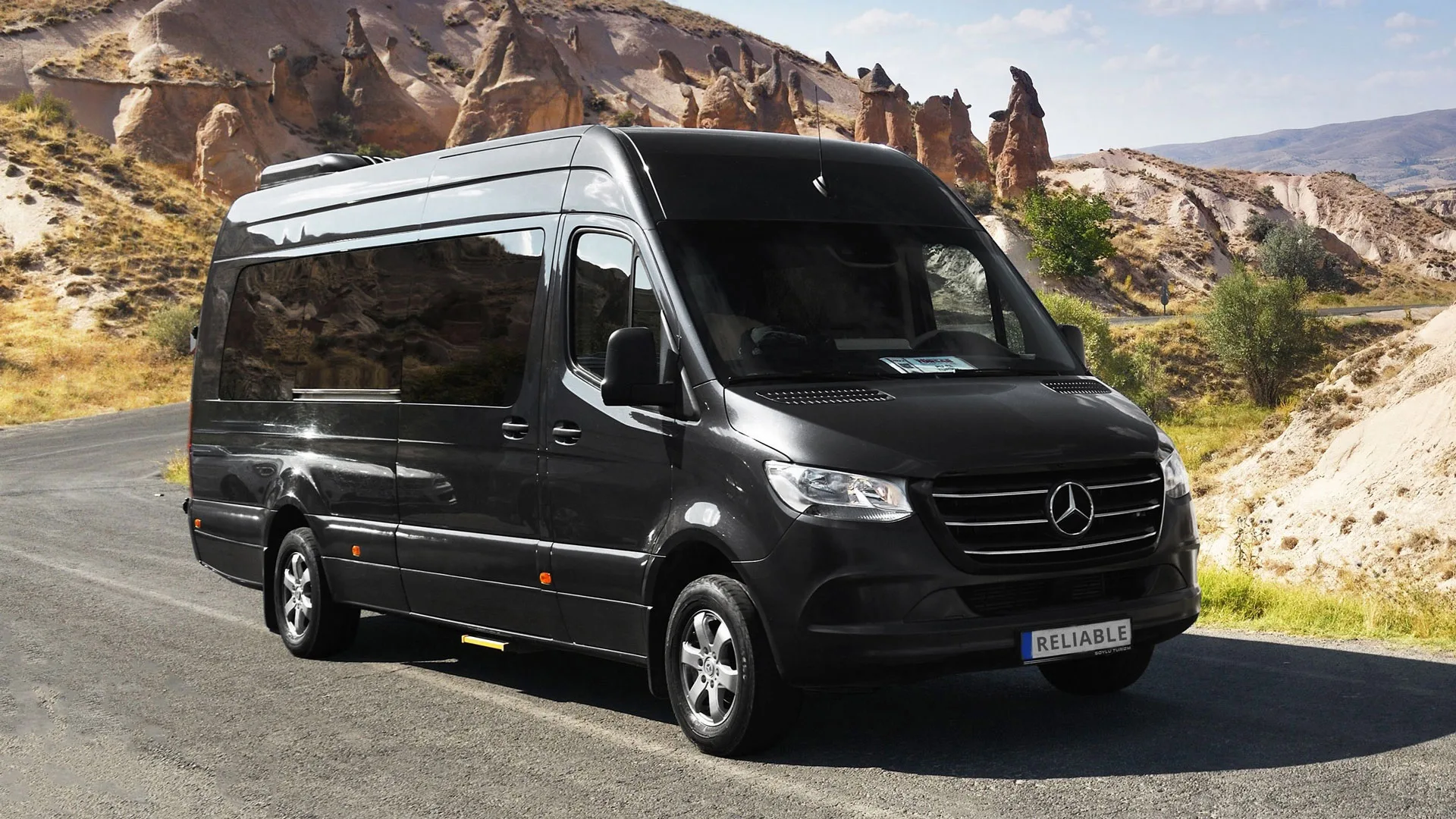
Writing about the Sprinter emphasizes the necessity of looking beyond mere purchase price and considering long-term total cost of ownership.
While initial investments and periodic service can be higher than some rivals, the Sprinter often compensates with reduced frequency of major failures and consistent performance deep into six-figure mileages.
For fleet operators and small business owners who track every dollar spent per mile, the Sprinter’s reliability profile and strong aftersales support deliver meaningful financial benefits.
3. Chevrolet Express
The Chevrolet Express has cemented itself as a dependable cornerstone for American businesses that need work vans with true staying power.
Known for its straightforward engineering and resistance to complicated electronic failures, the Express frequently crosses the 400,000-mile barrier thanks to its proven lineup of V6 and V8 engines and a rugged body-on-frame design.
One of the critical elements that supports the Express’s reputation is the abundance of interchangeable parts and the simplicity of its component layout.
Mechanics appreciate that most tasks, from engine work to transmission service, can be completed quickly and cost-effectively.
Combined with a supply chain rich in both OEM and aftermarket replacement parts, owners encounter minimal downtime and lower-than-average running costs over a decade or more of service.
Focusing on the Chevrolet Express for this article illustrates the business advantage of selecting a van that is widely understood by service professionals across North America.
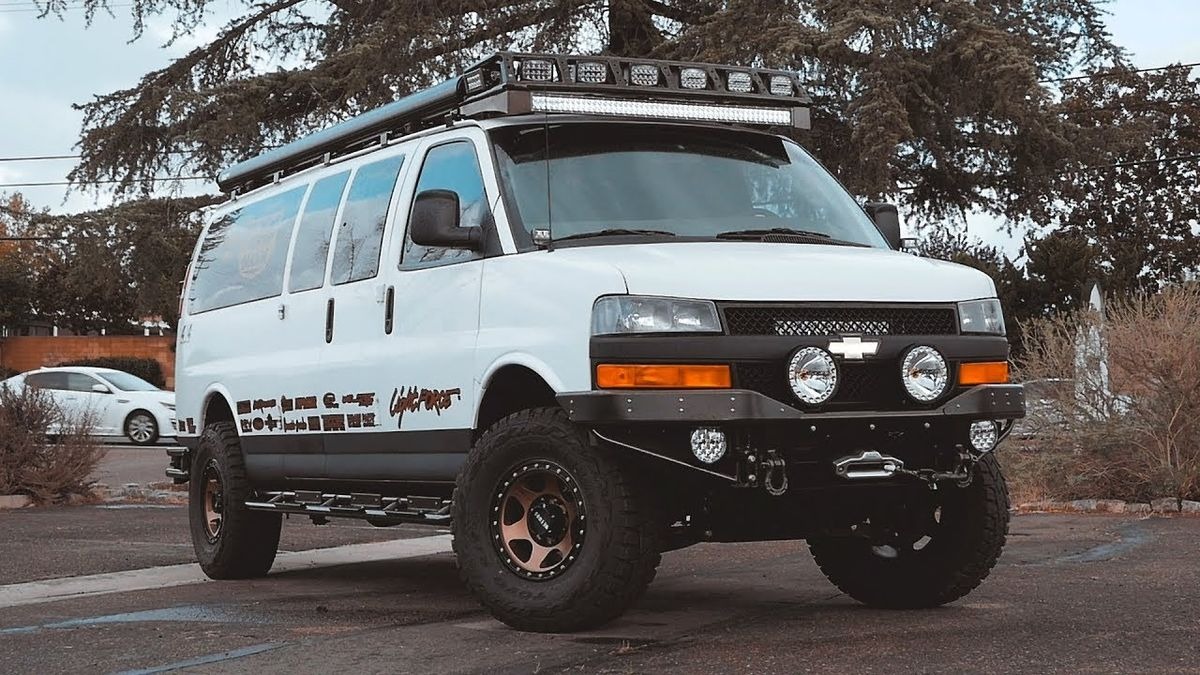
Its ability to thrive in fleet use think shuttle companies, contractors, and delivery services demonstrates that conservative, proven design choices often pay the greatest dividends over the long haul.
Readers weighing the pros and cons of advanced vs. traditional engineering will find in the Express a strong endorsement for reliability through mechanical simplicity.
4. Toyota Hiace
Globally, the Toyota Hiace exemplifies what happens when meticulous engineering meets a culture that values durability above all else.
Marketed in various configurations across Asia, Africa, Europe, and Australia, the Hiace has made a habit of exceeding 400,000 miles in environments ranging from tropical cities to remote bush country. The van’s secret lies in its reliable, low-stressed engines and sturdy manual or automatic transmissions.
Owners routinely cite the Hiace’s easy access to critical mechanical components and its resistance to major faults.
Routine maintenance like regular oil changes, filter replacements, and cooling system checks rewards owners with a van that shrugs off years of daily wear and tear.
In markets where harsh road conditions are the norm, the Hiace’s reinforced suspension and corrosion-resistant body panels help retain operational integrity when competitors might quietly retire.
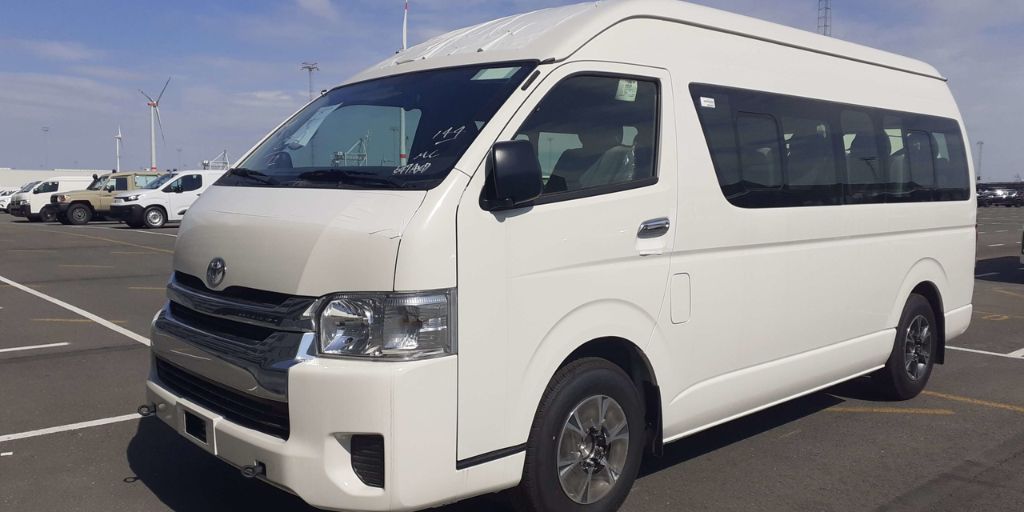
Including the Hiace in this discussion highlights the advantages of global workhorse platforms that are purpose-built for reliability under extreme conditions.
Its story demonstrates that choosing a van is not just about specs or price, but about proven track records in real-world scenarios. The Hiace appeals to buyers who want to maximize service life with minimal mechanical surprises.
5. Ram ProMaster
The Ram ProMaster has carved out a niche among tradespeople and fleet operators who prioritize interior space, front-wheel-drive traction, and straightforward servicing.
Introduced to the North American market after years of success under the Fiat Ducato badge in Europe, the ProMaster has quickly earned recognition for high-mileage dependability, especially when maintained according to manufacturer guidelines.
Key to the ProMaster’s durability is its transverse, front-mounted engine paired with front-wheel drive. This configuration not only offers a lower load floor and more usable cargo space but also simplifies drivetrain repairs.
Its engines particularly the well-regarded Pentastar V6 and, in some years, diesel options, are engineered for longevity, and replacement parts remain readily available throughout the van’s lifetime.
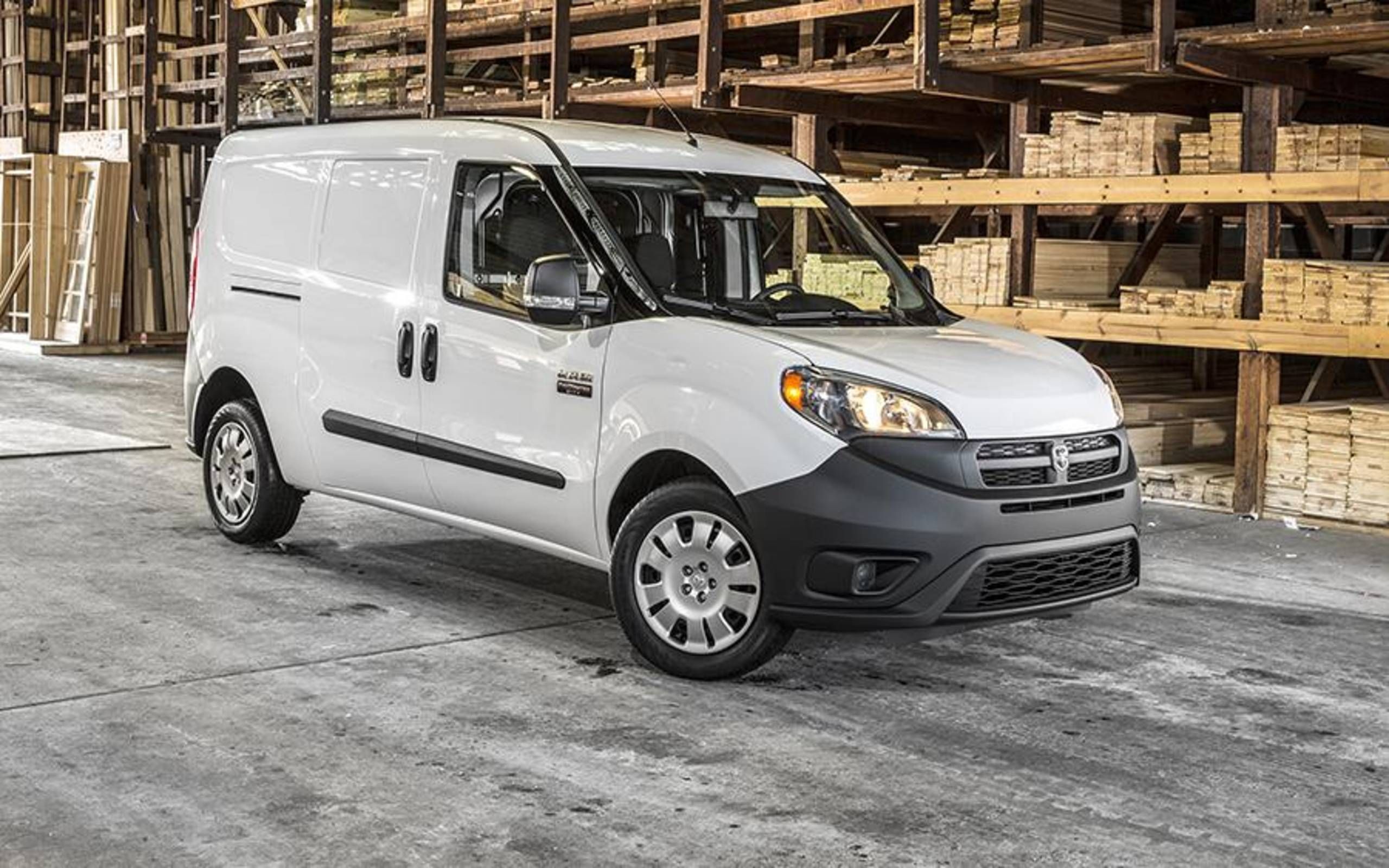
Why focus on the ProMaster? It is a stellar example of how design innovations tailored for commercial needs can lengthen useful service life. Fleet statistics and owner feedback support its reputation for reaching and even exceeding the 400,000-mile benchmark.
For those weighing the pros and cons between rear- and front-wheel-drive platforms, the ProMaster’s performance among high-mileage vehicles provides actionable insight into choosing a van that supports business growth through dependable operation.
5 Work Vans That Retire at 150,000 Miles
While some work vans have become famous for their ability to endure mile after mile without complaint, others are known for giving out far earlier than buyers expected.
Running a business often requires minimizing unexpected costs, so a van that starts developing expensive issues before 150,000 miles can quickly become more trouble than it’s worth.
Problems such as chronic transmission failure, rust, costly electronic glitches, or a reputation for poor resale value undermine the appeal of these models.
This section outlines five vans that, despite popularity or low initial purchase costs, have built a reputation for premature retirement.
By examining not just the makes and models, but also the common issues and contributing factors, readers can better understand the pitfalls to avoid when adding to a work fleet.
The details provided are based on consumer reports, mechanic feedback, and fleet maintenance records, all pointing to patterns that should inform future purchases.
This analysis serves as a caution, emphasizing the importance of thorough research and highlighting how true value in a work van comes not just from what you pay up front but from what you save, and avoid spending over the years of reliable service.
1. Nissan NV200
The Nissan NV200 promises compact size, good fuel efficiency, and lower upfront costs, but it often disappoints when it comes to longevity for intensive commercial use.
Owners and mechanics frequently cite persistent issues with the Continuously Variable Transmission (CVT), which can start showing symptoms like shuddering or outright failure well before the 150,000-mile mark. While the van’s small footprint is ideal for city deliveries, the powertrain struggles under heavier demands.
A notable factor leading to early retirement is the cost of major repairs compared to the van’s resale value. When transmissions fail and replacement costs approach half or more of the van’s current worth, many owners opt to retire the vehicle rather than repair it.
Other concerns include premature rust in high-salt environments and suspension components wearing faster than expected, particularly given the loads some users demand.
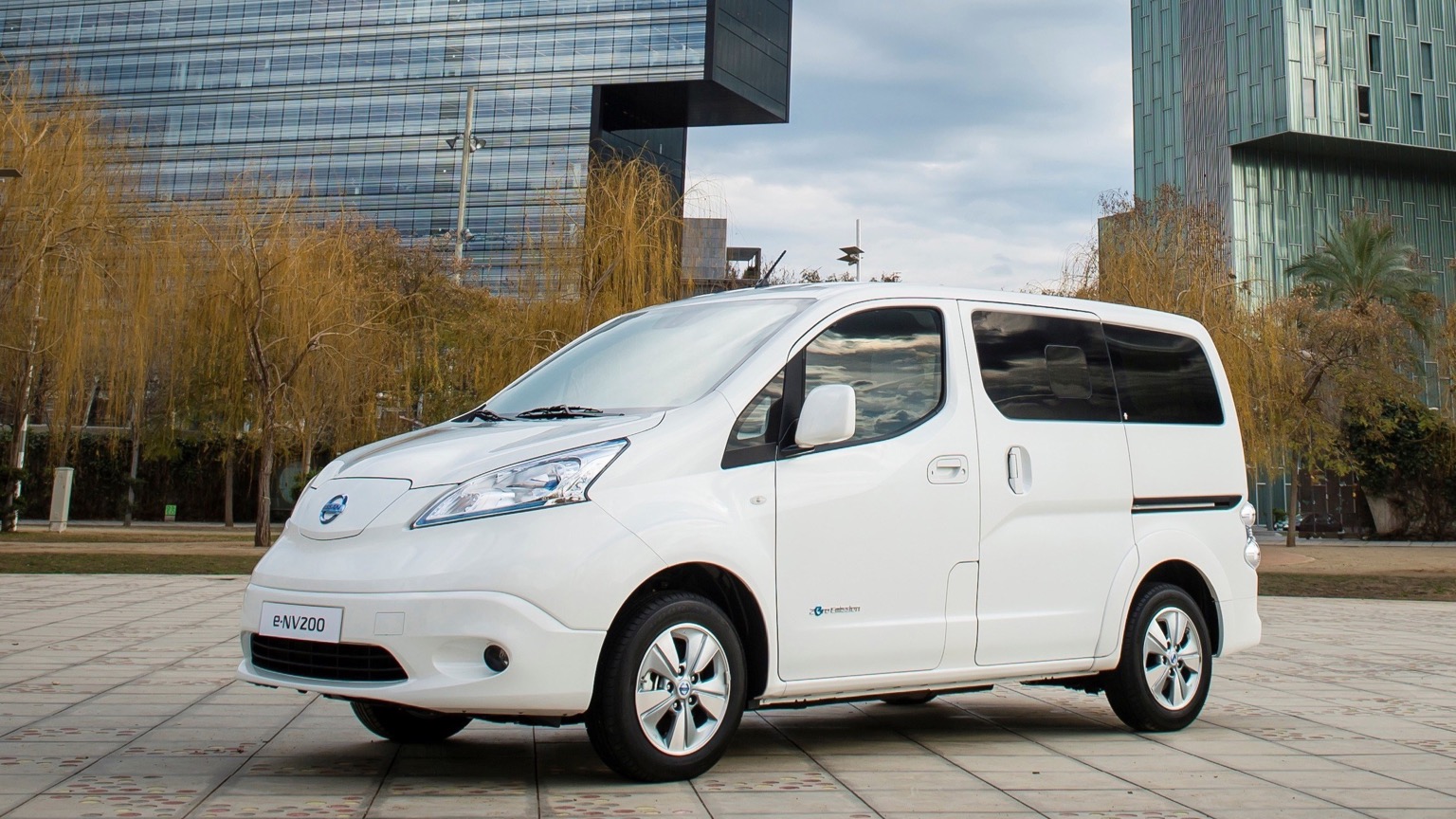
Writing about the NV200’s limitations provides a valuable reminder that buying “just enough” van for current needs without considering long-term durability can backfire.
Its performance shines for occasional city tasks, but those with rigorous daily routes and maximum loads typically find better value in alternatives known for lasting well past 150,000 miles.
The lessons from the NV200 highlight the high-stakes balancing act between purchase price and operational lifespan in the commercial van market.
2. Ford Transit Connect
The Ford Transit Connect appeals to small business owners and urban operators due to its size, fuel efficiency, and agility on tight streets.
While popular for its practicality, the first several generations of the Transit Connect often struggle with long-term dependability during intense commercial use.
Key concerns center around transmission issues, especially in models equipped with older four-speed automatics and dual-clutch units, as well as persistent electrical problems.
Owners frequently report escalating repair costs as these vans approach the 120,000 to 150,000-mile milestone, with the most expensive being failure of the transmission or major electronic control modules.
Parts availability is good, but the cost-to-benefit ratio falters when core systems begin failing close together. Maintenance logs from fleet operators reveal a pattern of higher-than-average downtime due to these recurring issues.
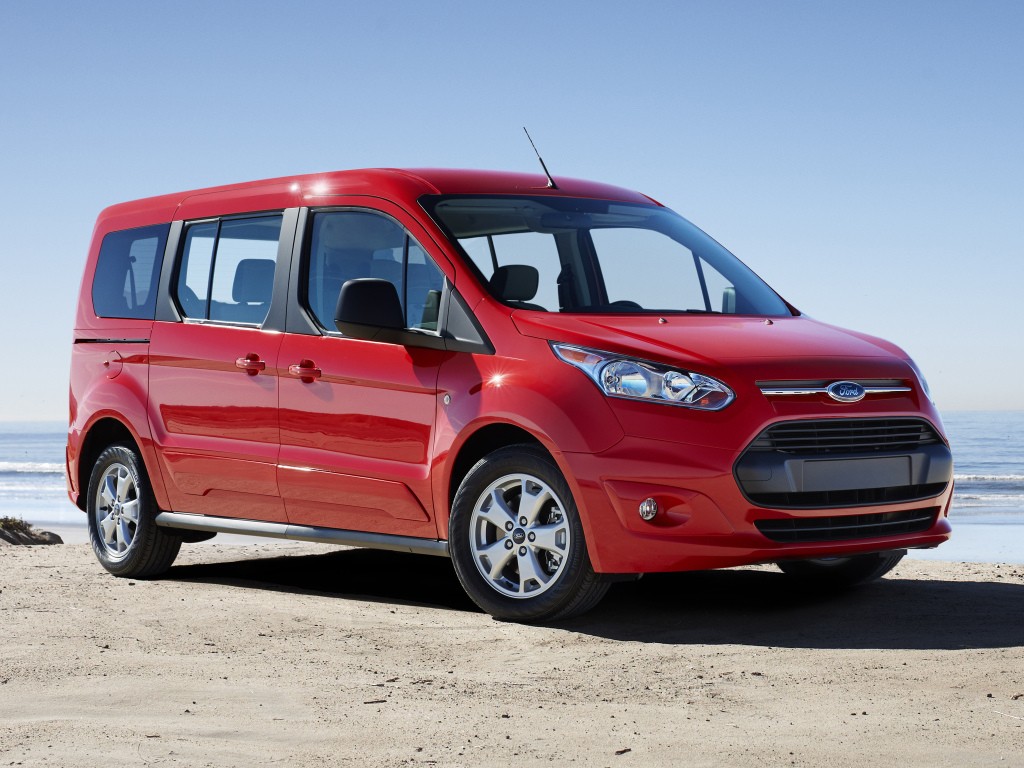
Choosing to spotlight the Transit Connect demonstrates that even a widely used and generally respected van can fall short of expectations if not rigorously maintained or if subjected to workloads outside its engineering parameters.
Its story provides an instructive warning on the importance of matching anticipated use to vehicle limitations and not being lulled by lower upfront prices or manufacturer marketing.
3. Ram C/V Tradesman
Chrysler’s Ram C/V Tradesman was based on the Dodge Grand Caravan minivan and marketed toward budget-conscious contractors and mobile businesses.
While its minivan roots provide interior flexibility and competitive pricing, the C/V Tradesman often struggles to provide long-term durability.
Common complaints involve engine oil leaks, excessive transmission wear, and electrical gremlins that appear before 150,000 miles, particularly in vans that see heavy daily use.
The van’s basic drivetrain, while adequate for light or moderate work, can be quickly overwhelmed by repeated heavy loads or lengthy service routes.
Structural complaints such as body flex and interior wear further reveal the platform’s limitations for commercial purposes compared to purpose-built cargo vans.
Many owners find that investment in repairs quickly outpaces the value of keeping the van on the road once high-mileage challenges emerge.

Examining the fate of the Ram C/V Tradesman highlights the risks involved in repurposing platforms not originally designed for commercial duty.
Its short service life illustrates why durability engineered from the ground up is preferable to retrofitting passenger vehicles for heavy work. Reviewing its history aids buyers in recognizing the difference between truly commercial platforms and those simply dressed for the part.
4. Chevrolet City Express
The Chevrolet City Express, a product of GM’s partnership with Nissan, shares many components and design weaknesses with the Nissan NV200.
While sharing the NV200’s appeal in dense urban deliveries, the City Express quickly gained a reputation for early mechanical troubles, limiting its attractiveness for businesses needing long-term reliability.
The most frequently cited problems involve premature transmission issues and a lack of sufficient power for demanding applications, creating a double challenge of operational hiccups and frustrated drivers.
The City Express’s cabin and cargo area, although thoughtfully arranged, exhibit signs of wear early on, especially in vehicles subjected to rigorous schedules. Suspension components and brakes require replacement at shorter intervals compared to competitors.
When van reliability is critical, these costs accumulate rapidly, making it difficult for business owners to justify keeping City Express models in service beyond 150,000 miles.
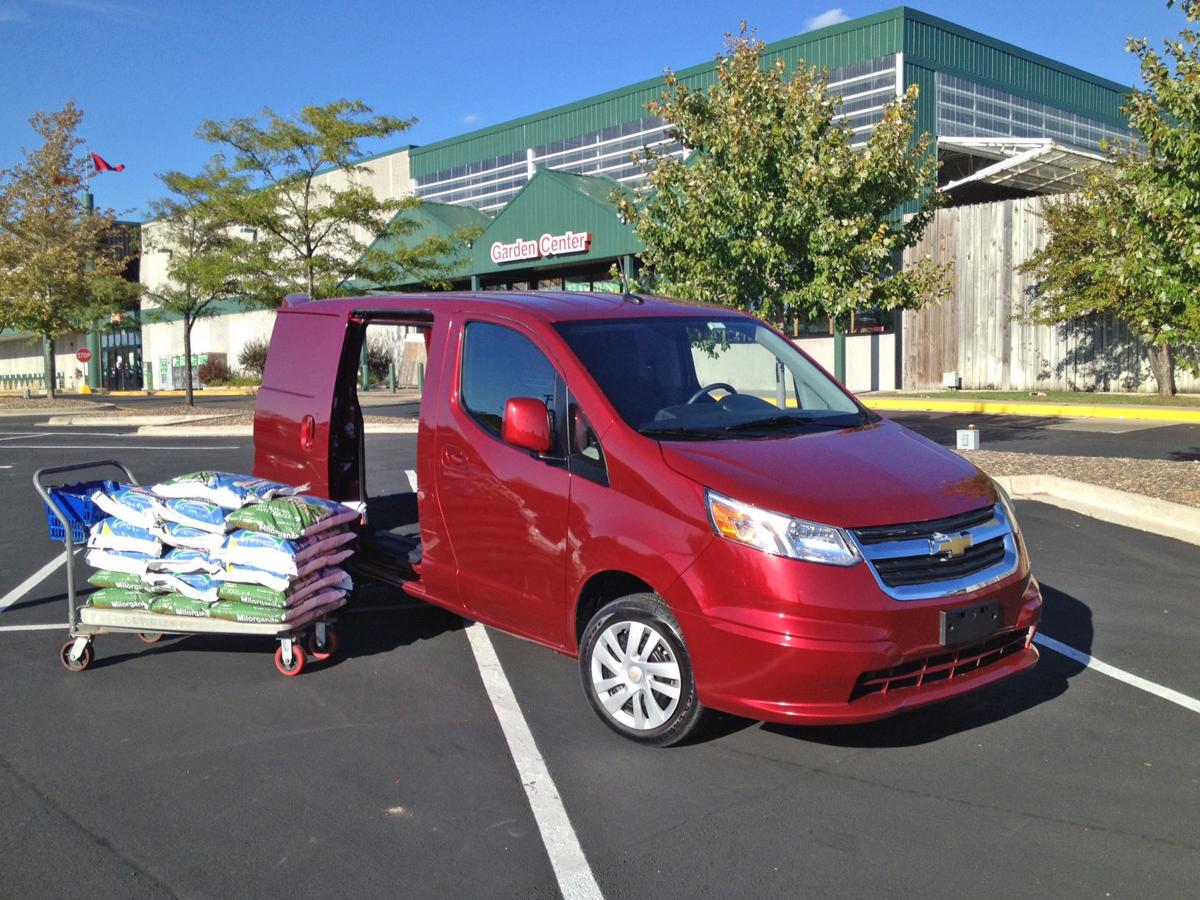
By highlighting the City Express, this article demonstrates how “badge engineering” and quick market entries can sometimes result in products that simply do not measure up to the high benchmarks set by legacy models.
It underscores the importance of trusting long-term fleet experience and robust dependability data over marketing claims or initial appearances.
5. Fiat Doblo Cargo
Widely marketed in Europe, the Fiat Doblo Cargo is another compact commercial van that fares well in specific niches but tends to have a short operational lifespan under demanding use.
Owners and fleet operators often report persistent clutch issues in manual models and troublesome dualogic transmissions. Engine components such as the turbocharger and diesel particulate filter are also known to fail much sooner than those in high-mileage rivals.
Problems with premature rust and electrical systems, combined with a cabin less resistant to daily knocks, further limit the Doblo Cargo’s commercial appeal.
Many businesses replace these vans soon after the odometers reach around 150,000 miles as repair costs quickly outstrip remaining value. Feedback from commercial mechanics reveals extensive downtime and more frequent part replacements than major competitors.
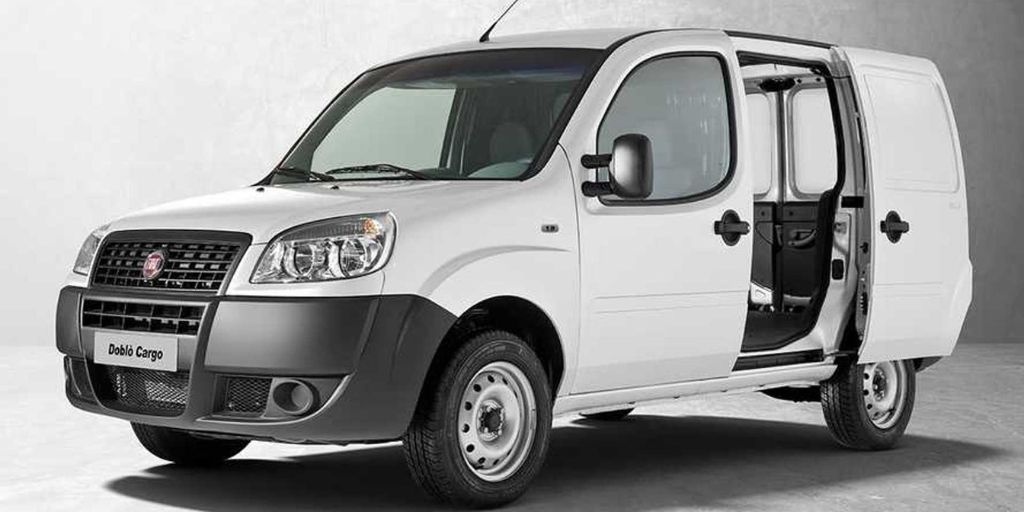
Discussing the Fiat Doblo Cargo in this context is an important reminder that not all small vans can withstand life as a daily workhorse.
The limitations stem not only from engineering but from the realities of parts sourcing, support networks, and after-sales care in various regions.
By focusing on these pitfalls, the article helps readers better assess how real-world reliability data can sometimes paint a less flattering picture than a vehicle’s clever marketing or initial driving feel might suggest.
This article examines the durability and longevity of work vans, focusing on two distinct categories: those that reliably reach 400,000 miles and those that commonly retire around 150,000 miles.
For business owners, fleet managers, and tradespeople, understanding these differences is critical to making smart vehicle investments that reduce downtime and costly repairs.
The first category highlights five work vans known for their ability to surpass 400,000 miles with proper maintenance.
These models Ford Transit, Mercedes-Benz Sprinter, Chevrolet Express, Toyota Hiace, and Ram ProMaster, share design traits that contribute to their durability.
These include robust engines, straightforward mechanical layouts, effective corrosion resistance, and widespread parts availability.
For example, the Ford Transit’s modular design and well-engineered powertrains make repair and upkeep more manageable, allowing it to stay on the road longer.
The Mercedes Sprinter offers advanced diesel engines and rust-resistant construction that help it thrive in various environments.
The Chevrolet Express benefits from a traditional body-on-frame build and simple mechanics recognized by service professionals across North America.
The Toyota Hiace’s global reputation underscores its engineering tailored for harsh conditions and easy maintenance. Lastly, the Ram ProMaster’s front-wheel-drive setup provides better traction and easier servicing, contributing to its long service life.
Conversely, the article examines five vans with a history of retiring closer to 150,000 miles: Nissan NV200, Ford Transit Connect, Ram C/V Tradesman, Chevrolet City Express, and Fiat Doblo Cargo.
Though these vehicles may attract buyers with lower purchase prices or compact dimensions ideal for urban use, they often suffer from costly transmissions, persistent electrical problems, and premature wear of suspension and structural components.
For instance, the Nissan NV200’s Continuously Variable Transmission often fails early under heavy commercial use, pushing owners to retire the vehicle rather than repair it.
The Ford Transit Connect has similar challenges with transmissions and electronics, while the Ram C/V Tradesman’s passenger-vehicle roots lead to durability issues.
The Chevrolet City Express, sharing many weaknesses with the Nissan NV200, struggles with power and maintenance costs, and the Fiat Doblo Cargo faces recurring clutch and electronic failures alongside rust problems.
Overall, the analysis underscores the importance of looking beyond initial price tags and marketing claims when selecting a work van.
Focusing on real-world use, maintenance demands, and mechanical simplicity can lead to longer vehicle service lives and lower total ownership costs.
This guidance is valuable for anyone seeking to invest in a reliable work van that supports business growth through consistent performance.
Also Read: 5 Pickups With Factory Sealed Transmissions That Never Fail and 5 That do
