
Adventure seekers and off-road enthusiasts frequently seek vehicles that can endure the toughest environments while minimizing costly repairs and maintenance.
When taking a vehicle off the beaten track, one persistent adversary is salt, whether from coastal journeys, winter road treatments, or salty trails that hasten corrosion.
Salt’s presence can lead to damaging rust and severely impact the longevity of an SUV’s vital components. Not all SUVs are created equal in this respect some offer robust protection by way of meticulously sealed undercarriages, while others are more susceptible to salt-induced corrosion due to design shortcomings or cost-saving decisions.
This article offers a comprehensive look at both sides of this significant issue in the off-road segment.
On one hand, there are SUVs engineered with extensive sealing, strategic coatings, and protective measures designed to withstand heavy exposure to corrosive elements, ensuring years of reliability.
On the other, some popular models disappoint owners by allowing rust and deterioration to develop sometimes alarmingly quickly, after repeated trips through salty environments.
By evaluating these vehicles, readers will gain practical insights that could spare them frustration, repair bills, and compromised performance.
Whether you’re picking out your next adventure companion or seeking to safeguard your current SUV, knowledge about undercarriage protection is indispensable.
Also Read: 5 Obscure Diesel Trucks That Last and 5 Mainstream Trucks With Engine Problems
5 Off-Road SUVs with Sealed Undercarriages
For enthusiasts who relish adventure, an off-road SUV isn’t just a vehicle; it’s a partner that joins you in confronting nature’s harshest conditions.
However, not every SUV is up to the challenge when it comes to resisting salt’s relentless assault. Manufacturers who recognize the importance of rust mitigation fit their off-road-focused SUVs with undercarriages engineered to keep moisture, debris, and salt at bay.
These models typically feature heavy-duty underbody coatings, well-designed wheel well liners, and critical component protection, helping ensure reliability even after frequent jaunts on salted roads or near the ocean.
Highlighting five exceptional SUVs with reputation for durable, sealed undercarriages helps consumers who want to invest in vehicles primed for the long haul.
Each model discussed in this section is featured because real-world owner reports, automotive tear-downs, and rigorous tests have proven their ability to stave off corrosion. They represent thoughtful engineering, not just marketing hype.
By detailing why each model excels in this specific area, the section offers informed recommendations rather than superficial praise, allowing buyers to make choices confidently in the face of concealed threats like rust. For adventurers who demand lasting toughness, these are prime examples of what to look for.
1. Toyota Land Cruiser
Few names in the world of off-road vehicles inspire confidence quite like the Toyota Land Cruiser. Known for its legendary reliability, the Land Cruiser’s reputation is built on decades of overlanding, expedition work, and grueling real-world conditions.
One of the underappreciated reasons for its long service life is Toyota’s commitment to corrosion resistance, especially in the latest generations designed for both luxury and utility.
The Land Cruiser is engineered with a comprehensive undercarriage sealing system. You’ll find high-quality underbody coatings specific to regions where salt exposure is common, thick plastic wheel arch liners, and careful attention paid to the placement and protection of lines and wiring.
Toyota’s engineers have integrated frame drain holes, yet these are shaped and shielded to reduce salt and debris buildup. Even the body mounts are equipped with moisture barriers, limiting water wicking through mounting points.
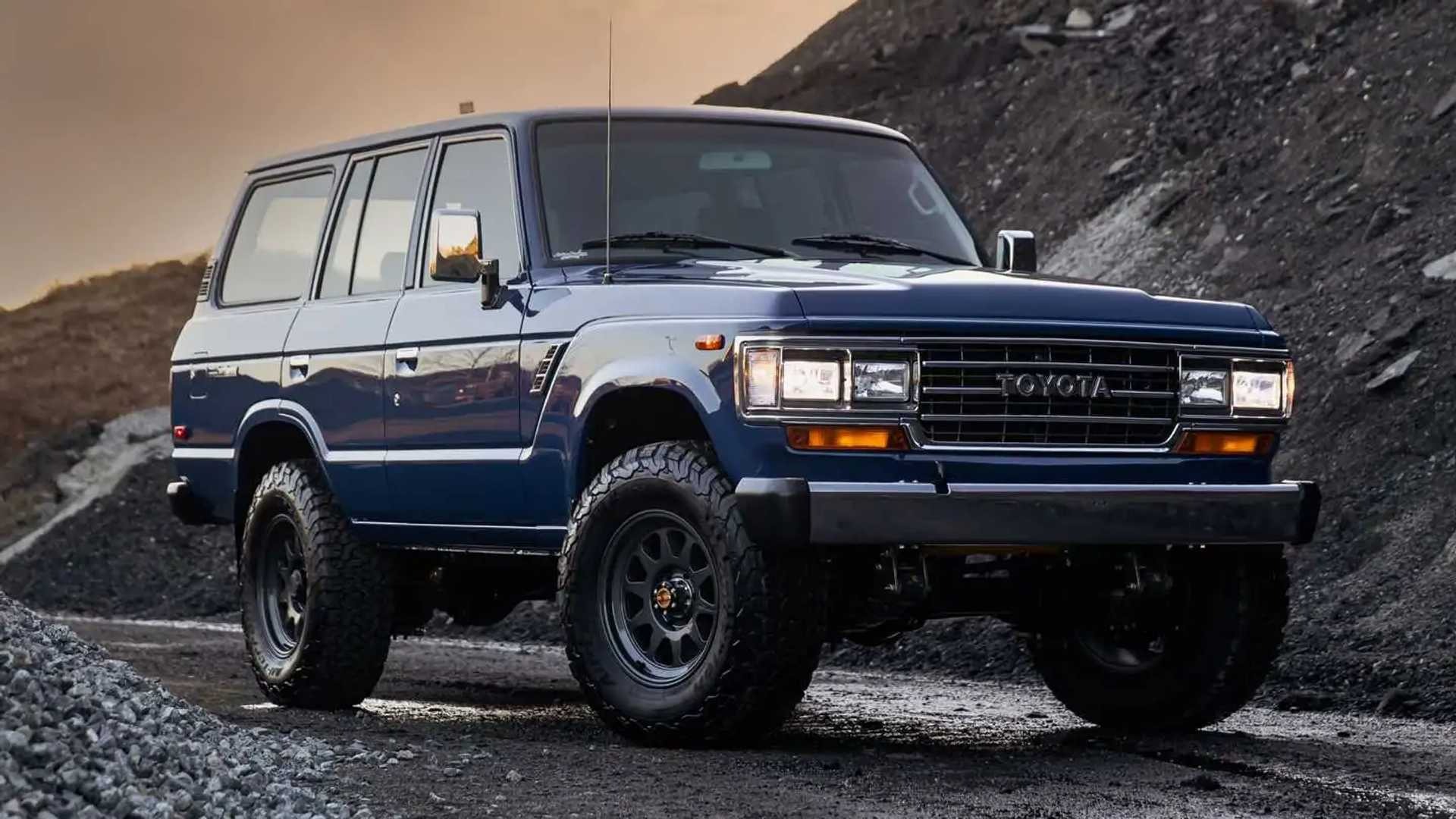
It’s not just the design, but also Toyota’s application of strict quality controls that makes the Land Cruiser a resilient choice against salt. Owners frequently report minimal corrosion even after years of use in coastal or cold, icy climates environments notorious for vehicle rust.
The resale value of the Land Cruiser further underscores its durability, with many examples running reliably with high mileage and original underbodies intact.
This is why the Toyota Land Cruiser stands out as an exemplary model when seeking a truly sealed, rust-resistant off-road SUV: its legacy is as much about smart engineering as it is about adventure.
2. Jeep Wrangler (JL Series)
The Jeep Wrangler is synonymous with off-road fun and open-air versatility. With the release of the JL series, Jeep responded to a longstanding criticism from loyal fans and critics the tendency for older Wranglers to suffer from rust and undercarriage deterioration in salty conditions.
Engineers made significant strides in the JL, starting with a galvanized frame, one of the most effective measures in preventing corrosion across the critical members that support the vehicle’s structure.
Every JL Wrangler features comprehensive use of underbody sealing and plastic wheel well liners. The company added additional protection to brake lines and fuel lines that run along the frame, using composite covers or high-durability coatings.
Attention was also focused on the doors and hinges, traditional weak points on previous Wranglers, with better gaskets and improved water evacuation pathways.
While no vehicle is completely impervious, real-world reviews, dealer feedback, and owner experiences highlight a marked improvement in rust resistance over previous Wrangler generations.
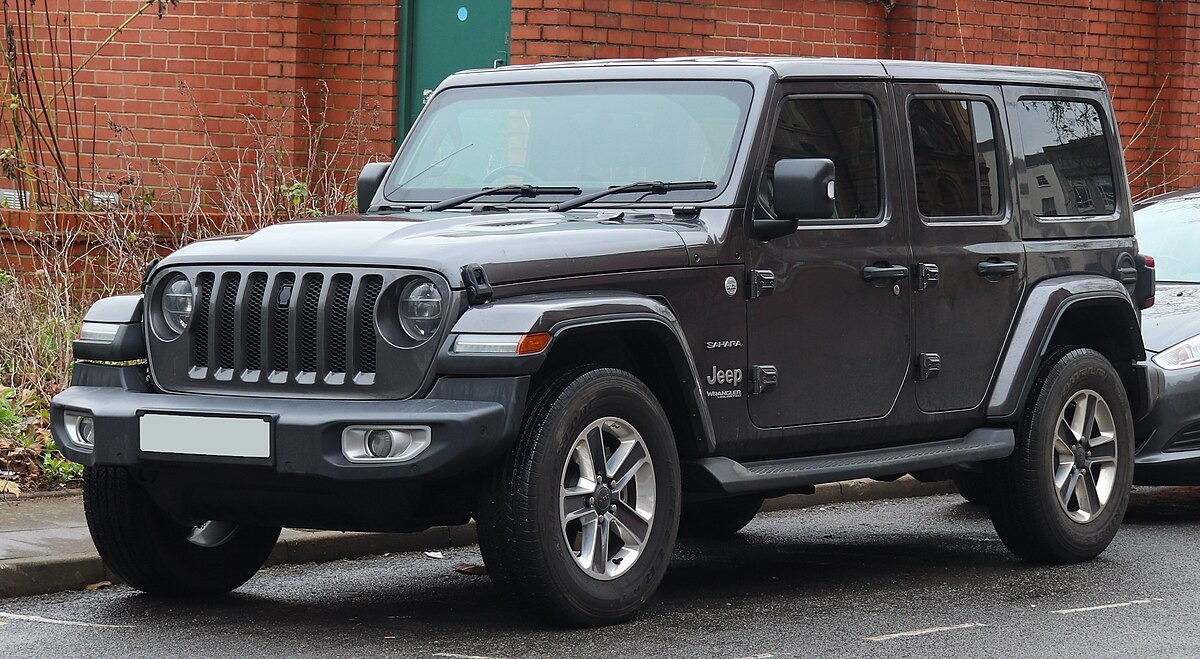
This is especially significant for off-roaders in regions with aggressive winter road treatment. Jeep’s upgrades allow for confident off-road excursions in harsh terrain and through salty environments without the looming concern of rapid underbody corrosion.
The JL’s enhancements make it a smart pick for those seeking both classic Jeep character and practical protection.
3. Toyota 4Runner
The Toyota 4Runner is another superstar in the world of adventure vehicles beloved by outdoor enthusiasts and families alike. Built on a sturdy, body-on-frame chassis, the 4Runner borrows much from its big sibling, the Land Cruiser.
Toyota has ensured that the 4Runner continues its legacy of dependability by thoughtfully addressing the threat posed by salt corrosion.
The 4Runner showcases undercarriage protection by using a thick corrosion-resistant coating universally applied at the factory. Its exposed suspension and drivetrain components receive additional shielding in regions where salt is heavily used on roads.
Many models are fitted with comprehensive splash guards and inner fender liners that prevent road debris and harmful compounds from lodging in moisture-prone areas near weld seams. Toyota also routes electrical wiring through sealed channels wherever feasible, reducing one of the most common early-failure points in corrosive climates.
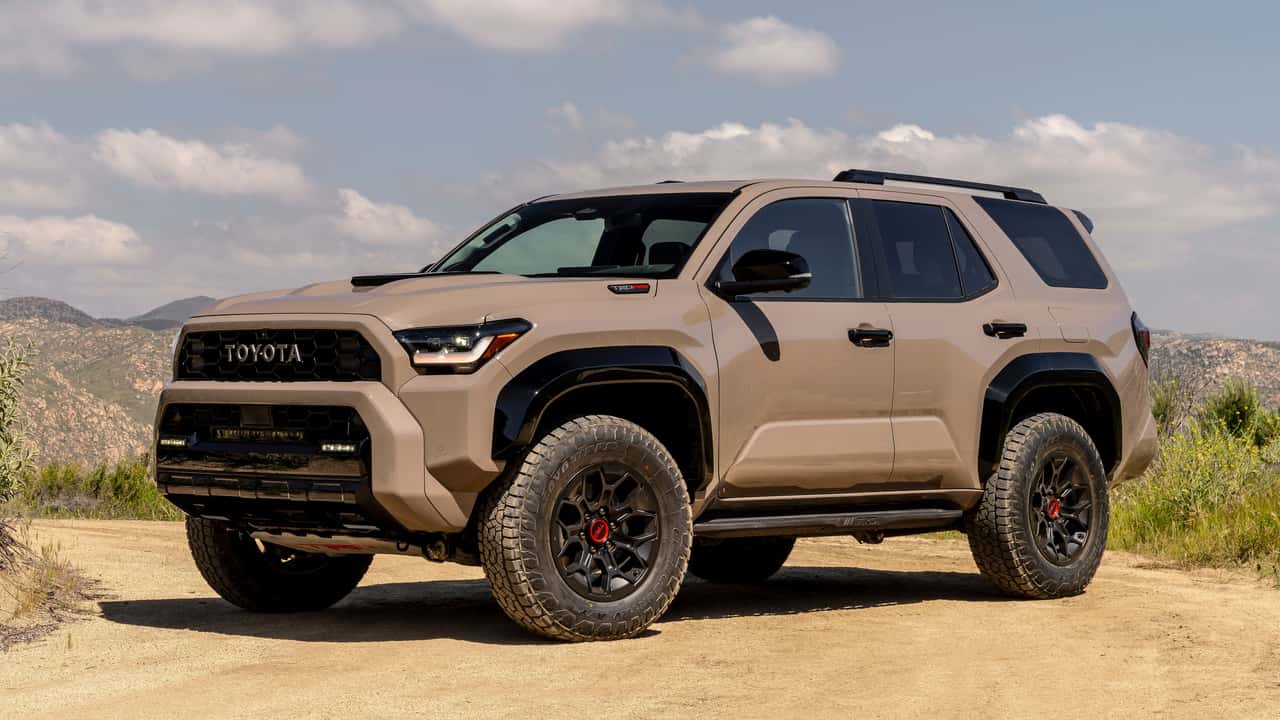
Owners repeatedly praise the 4Runner for going years with minimal rust a significant feat given typical off-road exposures. Maintenance shops and dealership techs frequently note the integrity of the underbody even on higher-mileage or older vehicles.
These consistent results are a testament to Toyota’s persistent focus on durability. By making rust resistance a priority, the 4Runner becomes a standout for drivers who need their SUV to function for a decade or more with as little trouble from salt as possible.
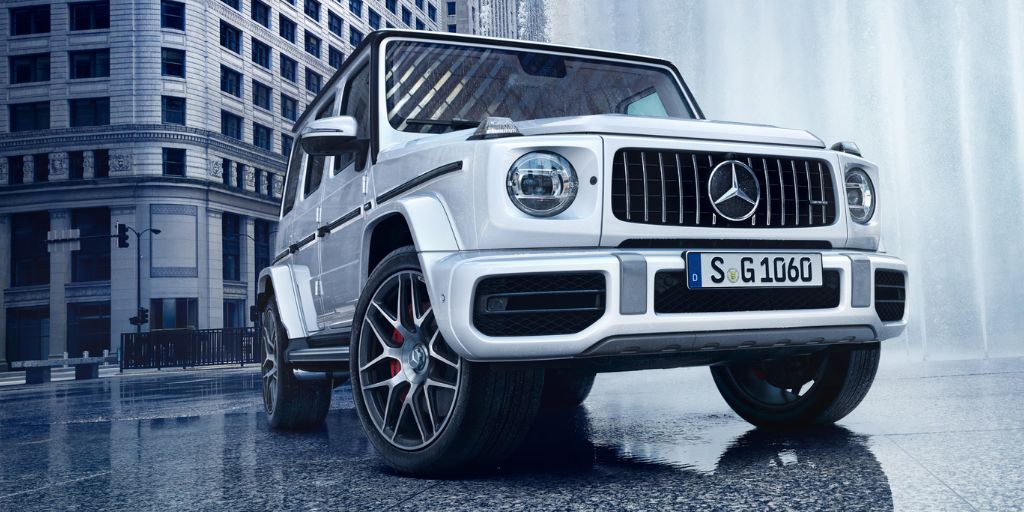
4. Mercedes-Benz G-Class (G-Wagen)
The Mercedes-Benz G-Class, often called the G-Wagen, epitomizes off-road luxury and rugged performance.
Originally developed for military use, its underpinnings have always prioritized durability, even though modern iterations brim with luxury features. One area where Mercedes has invested significant resources is in undercarriage protection.
The G-Class features a thorough underbody sealing process, including multi-layer corrosion-resistant coatings and specialized anti-chip paint application at the Mercedes factory in Graz, Austria.
The vehicle uses extensive plastic shielding along the undercarriage and wheel wells, protecting crucial components from salt, rocks, and debris. Aluminum and high-strength steel are used strategically, not only for structural integrity but for improved anti-corrosion characteristics.
Reports from owners living in coastal regions and snowy climates indicate that the G-Wagen holds up impressively to challenging environments. High resale values for older G-Classes also reflect the effectiveness of Mercedes’ protective measures.
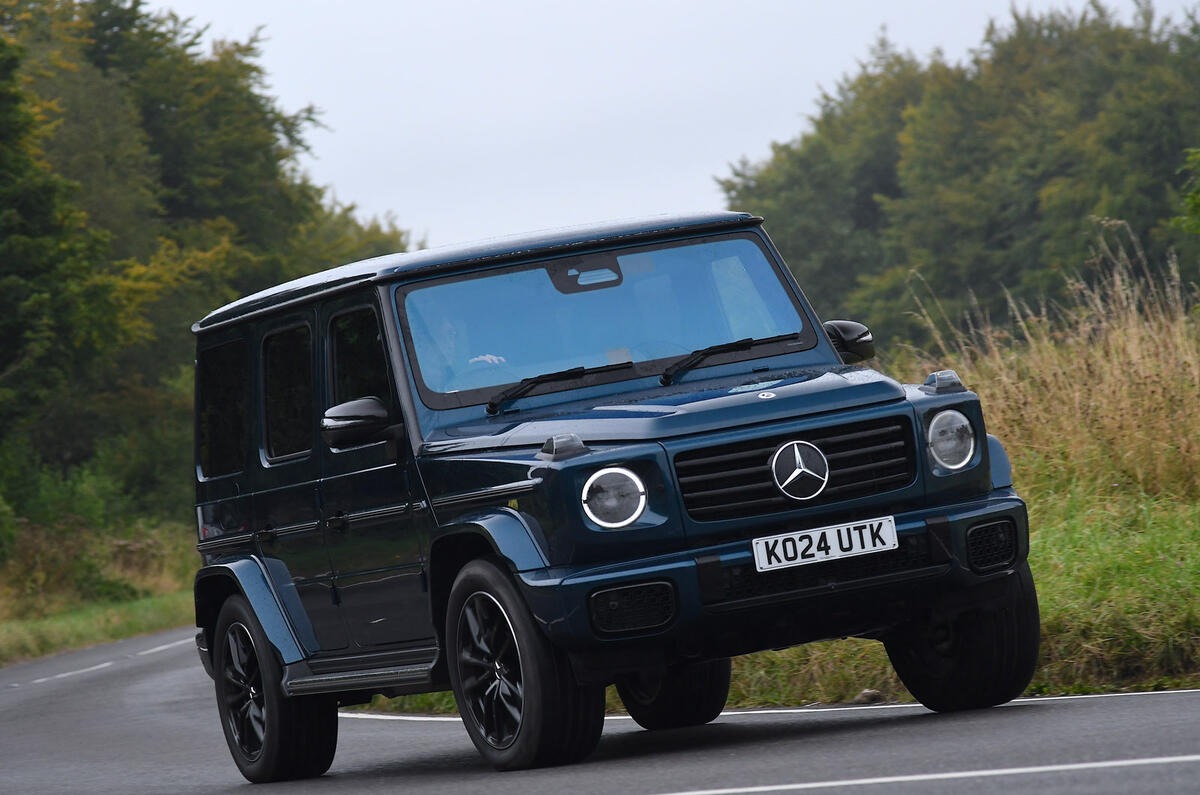
For adventure-seekers who want both style and substance, the G-Class combines formidable rust-prevention with the ability to tackle truly wild terrain. This makes it a valid choice for those unwilling to compromise on corrosion protection in luxury off-roaders.
5. Ford Bronco (2021+)
Ford’s modern Bronco quickly captured the public’s imagination upon revival. The Bronco’s off-road credentials were a given, but Ford’s team seemed prepared for real-world criticism of durability when testing prototypes in adverse, salt-rich environments. The outcomes of this development process are evident in the finished product.
The Bronco stands out with its thick underbody coatings applied across crossmembers, floors, and skid plates. Advanced plastics and composites are extensively used for shielding sensitive electronic components and brake lines.
Ford even paid special attention to the wheel wells, adding textured liners to help slough off caked-on salt. Bolted-on body panels echo the original Bronco’s modular aesthetic, yet seals are modern: multi-rubber gaskets, water barriers, and drainage pathways minimize points of salt and moisture intrusion.
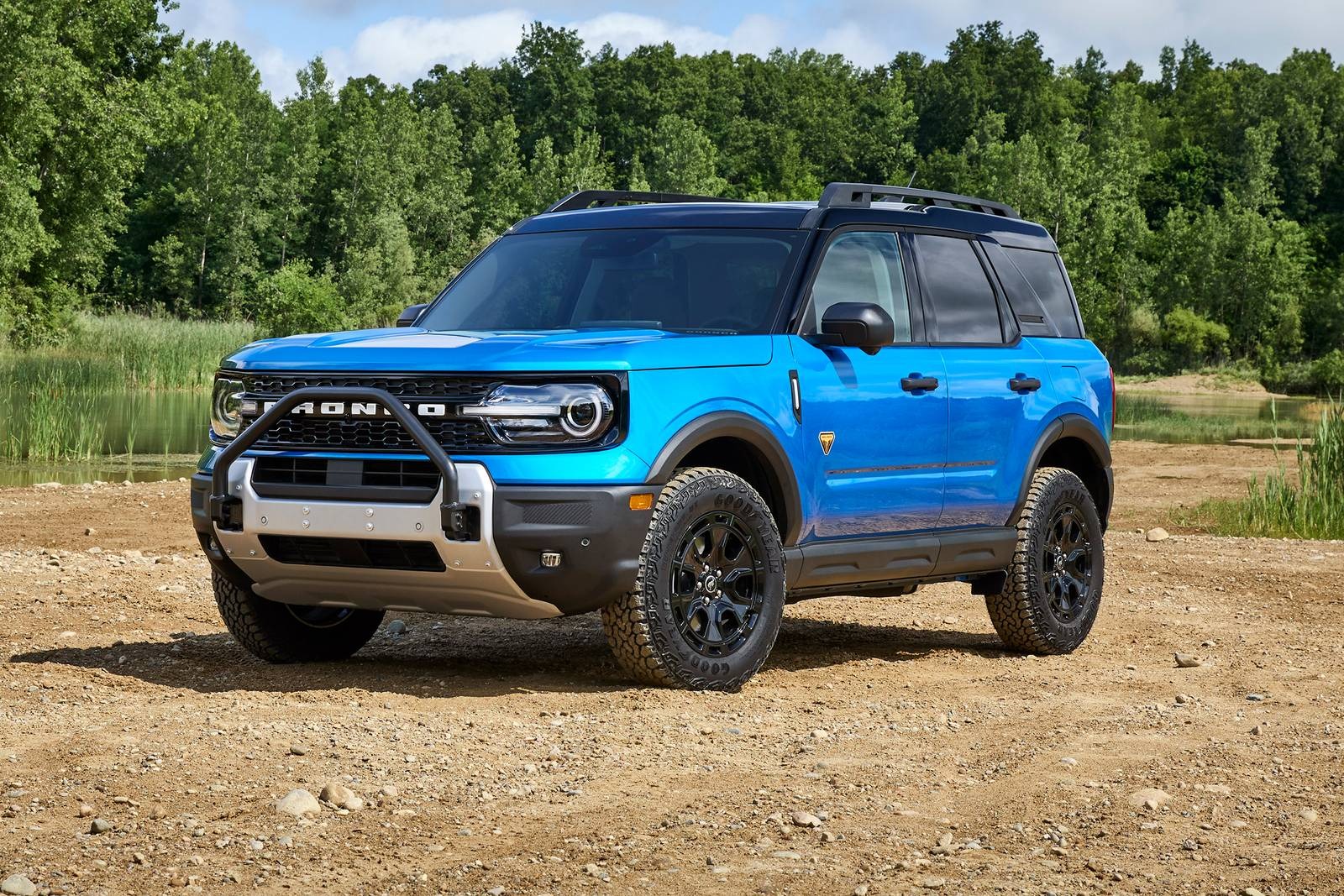
Ford engineers have shared details about their corrosion resistance tests, which simulate years of salt spray within months. Early Bronco owners in wintry climates report minimal undercarriage rust compared to rivals in similar conditions.
Ford’s efforts position the new Bronco as a practical, rust-resistant platform for North American adventurers, showing that a nostalgic revival need not come at the cost of durability.
5 Off-Road SUVs That Struggle with Salt Exposure
With more vehicles being pushed into adventurous tasks, the trade-offs manufacturers make in undercarriage design and corrosion protection become much more apparent. Some SUVs despite their performance credentials and robust drivetrains, are prone to expensive rust issues and underbody deterioration when exposed to salt.
This can be due to cost-cutting, poor underbody sealing, lack of effective coatings, or design choices that fail to adequately shield sensitive areas from corrosive environments.
Highlighting vehicles that are known to struggle in this area is not about shaming brands, but about equipping prospective owners with knowledge.
Drivers who venture off the pavement into saline soils, winter-deiced roads, or surfside parking lots need to be aware of potential pitfalls.
Addressing these issues head-on allows owners to take preventive actions or to reconsider the suitability of a prospective purchase.
Each of the five SUVs detailed below has built up a reputation backed by owner reports and mechanic logs for being vulnerable to salt.
By sharing the reasons these vehicles are included, this section aims to inform and protect drivers who care about the lasting value of their adventure vehicles.
1. Jeep Grand Cherokee (Pre-2022 Models)
The Jeep Grand Cherokee has long been a popular choice for those looking for a blend of daily comfort and genuine off-road ability. Its reputation in terms of ride quality, strong engine options, and advanced four-wheel-drive systems is undisputed.
However, owners of older Grand Cherokee models, particularly those manufactured before the 2022 redesign, have repeatedly voiced concerns about premature rust and corrosion, especially when driving in areas where roads are regularly treated with salt.
Many Grand Cherokees built during the 2000s and 2010s possess weaker underbody coatings compared to segment leaders. Inadequate wheel arch liners and insufficient shields for fuel and brake lines expose critical areas to splashback from salty slush and mud.
Early surface rust on the frame rails and suspension arms is a recurring story in owner forums, and issues can quickly progress to more severe corrosion if not addressed.
Technicians mention that key areas, such as the rear subframe and rocker panels are especially susceptible, with some models even showing rust-through in less than a decade if driven in harsh climates.
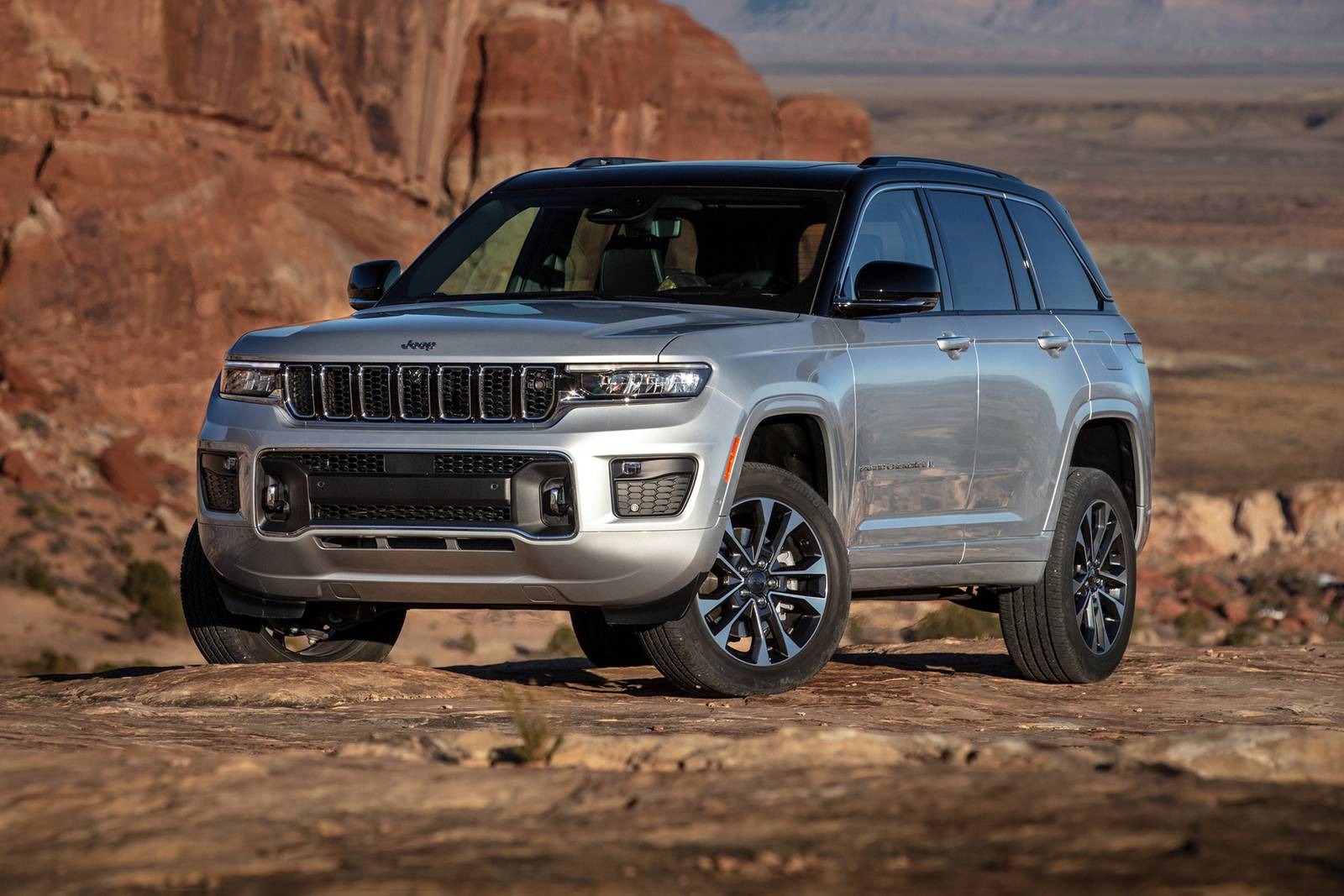
These vulnerabilities often stem from cost-saving measures and a lack of targeted protection for salt-prone environments during initial assembly.
While more recent Grand Cherokees have begun to address these concerns, buyers of used or older models need to be vigilant.
Rust is a hidden expense that can undermine the otherwise strong reputation of this capable SUV, making it a prime example of why undercarriage protection should be a top priority.
2. Nissan Xterra
The Nissan Xterra is beloved among fans who appreciate straightforward, functional design and solid off-road performance. Its appeal is especially strong among budget-conscious adventurers.
Unfortunately, the Xterra’s affordability came at the expense of robust undercarriage protection, resulting in considerable vulnerability to salt-induced corrosion.
Xterra owners frequently report that wheel wells, frame rails, and suspension brackets are insufficiently protected. Many early- and mid-2000s models in northern climates exhibit significant rust after relatively few winters.
Inspections often reveal that the lack of plastic liners and only minimal underbody coatings mean salty silt has easy access to metal surfaces, accelerating the onset of rust.
This problem is well-documented across automotive forums and used vehicle inspection sheets. Some owners note structural rust that requires frame repair, which is costly and complicated. Nissan didn’t significantly update the design to mitigate these issues throughout the Xterra’s production run.
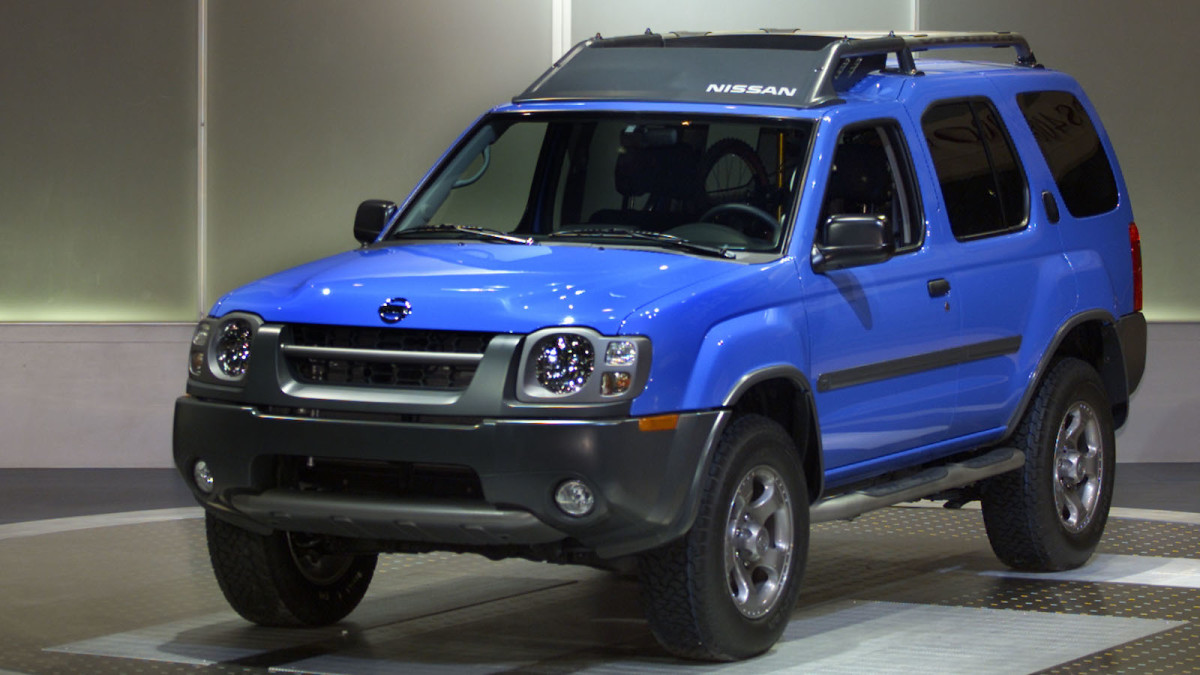
The SUV excels while the paint is shiny and new, but long-term ownership in salt-prone regions involves either substantial DIY rust prevention or repeated trips to body shops.
The Xterra stands as proof that a rugged, go-anywhere SUV can falter badly when protection against corrosion isn’t prioritized at the design stage.
3. Ford Explorer (2011–2019)
Ford’s Explorer is a best-seller, and with its powerful engine lineup, modern styling, and off-road packages, it continues to be a mainstay of American roads.
However, many Ford Explorer models produced between 2011 and 2019 have shown a troubling susceptibility to salt-related undercarriage rust, particularly in snowy regions that use heavy road salt throughout winter.
Mechanics and body shop technicians regularly comment on rear subframe rust, early deterioration of brake line mounting points, and pitting along underbody seams.
The culprit is often identified as insufficient application of quality undercarriage coatings, combined with limited protection across weld seams and suspension mounts.
Several recalls related to corrosion in this generation highlight the seriousness of the issue, with some cases of substantial rust requiring expensive repairs or even frame replacement.
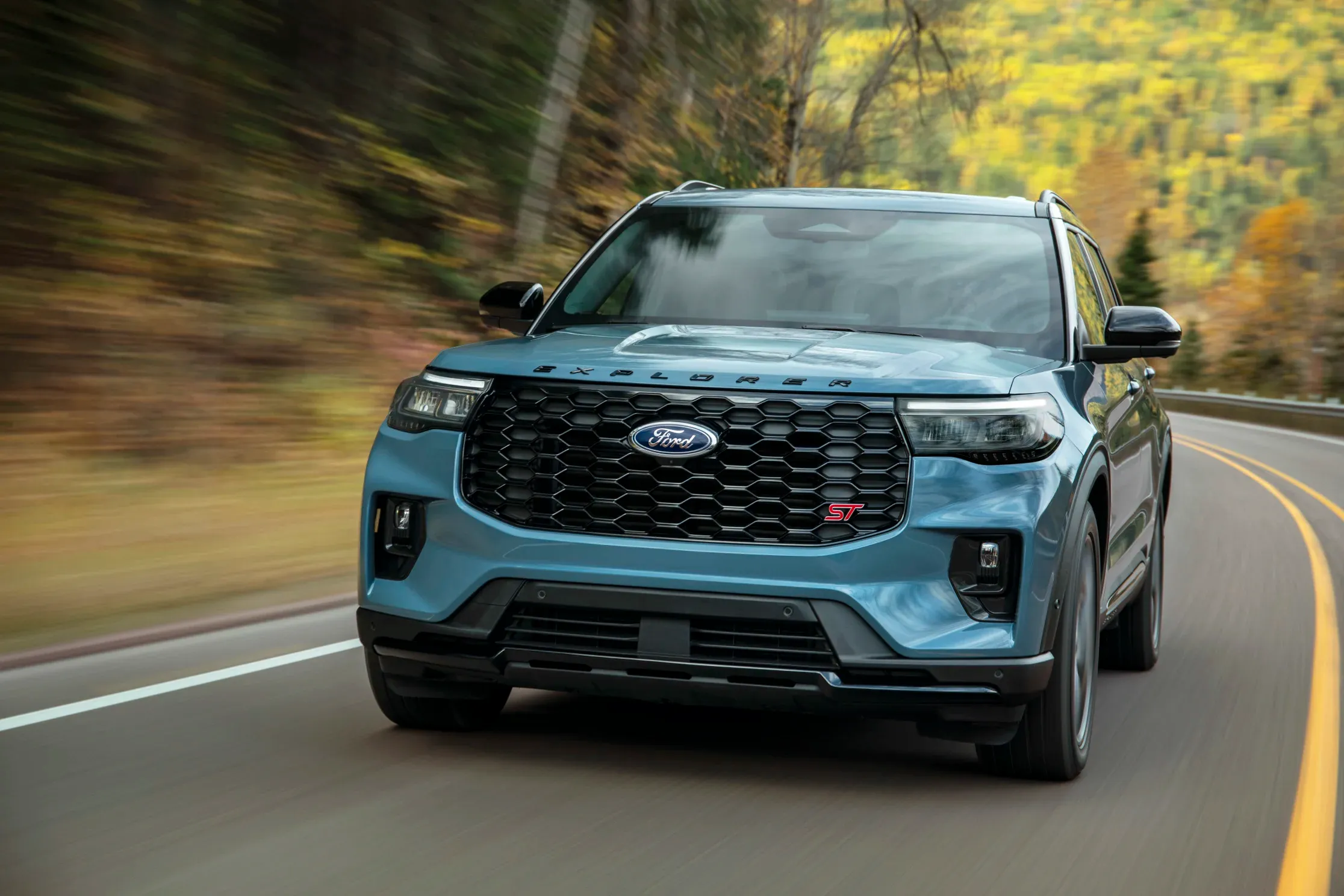
For owners in climates with minimal winter road salt, the problem is less severe, but in the Midwest or Northeast, these Explorers can depreciate quickly because of visible and structural rust.
The Explorer’s struggles in this area offer a cautionary tale about how design and assembly shortcuts can have lasting consequences. Reliable performance and eye-catching styling mean little if the vehicle’s underside isn’t built to endure environmental stress over time.
4. Chevrolet Tahoe/GMC Yukon (Pre-2015 Models)
The Chevrolet Tahoe and its close sibling, the GMC Yukon, represent the quintessential American full-size SUV, valued for towing, spaciousness, and a strong V8 presence.
Early generations up to about 2014 are still prized in the used market, but there is a significant drawback: a pronounced tendency to develop rust on the frame, underbody, and brake lines after exposure to salt.
Vehicle inspections routinely note missing or inadequate underbody shields and patchy application of rust-resistant coatings. Particularly notorious are the brake and fuel lines, sometimes routed in areas where salty spray has easy access, causing premature leaks.
Older Tahoes and Yukons also lack the durable wheel arch liners now common on more rust-resistant vehicles. Front suspension mounts, door sills, and the lower tailgate area are also perennial trouble spots.
GM responded to mounting complaints by making undercarriage improvements in 2015 and newer models, but pre-update vehicles demand constant attention from owners in wintry or coastal regions.
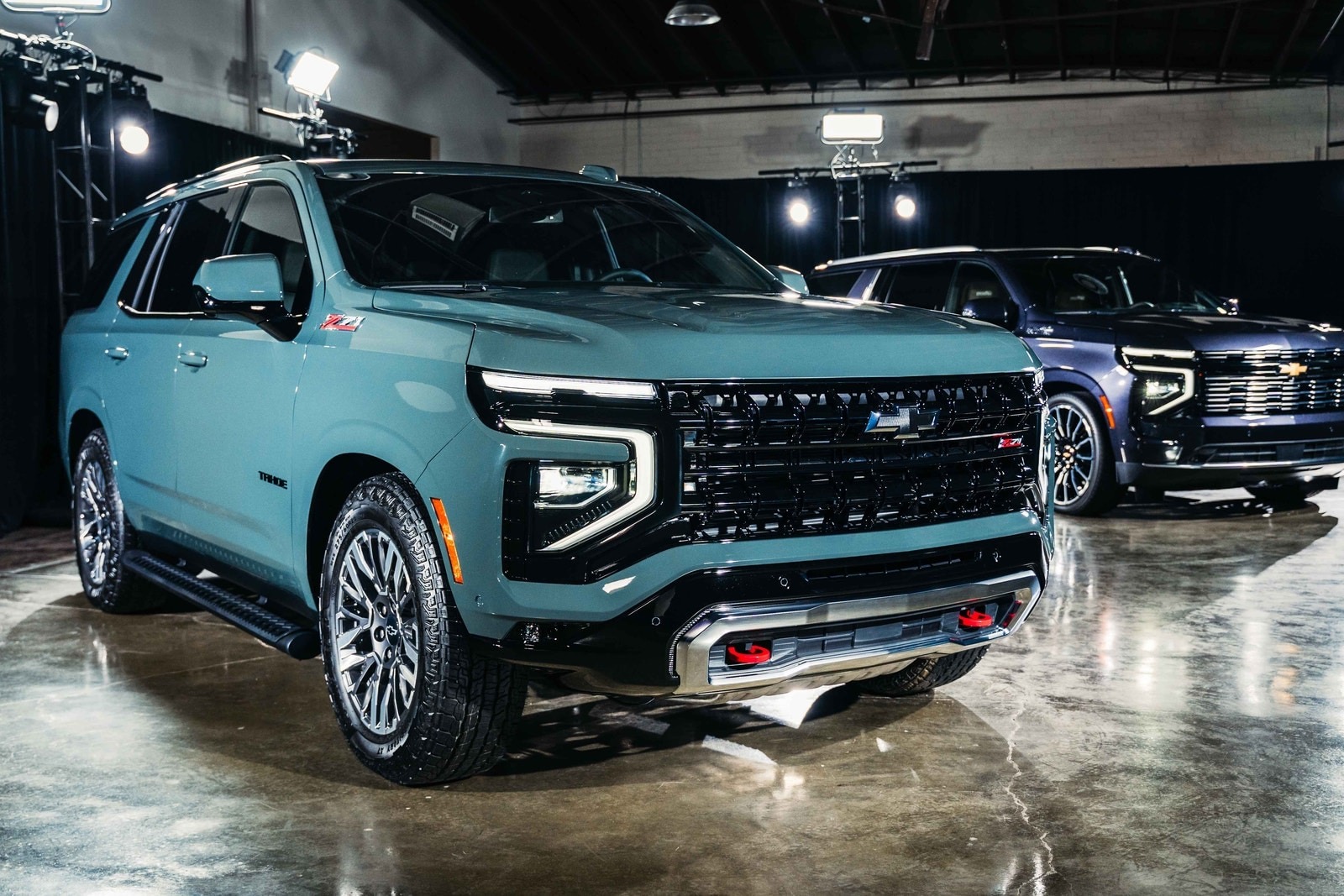
The corrosion vulnerability of these popular SUVs is a frequent point of discussion on automotive forums and among fleet buyers.
While their mechanical toughness is often praised, the undercarriage’s endurance has too frequently been undermined by corrosion, justifying a spot on this list.
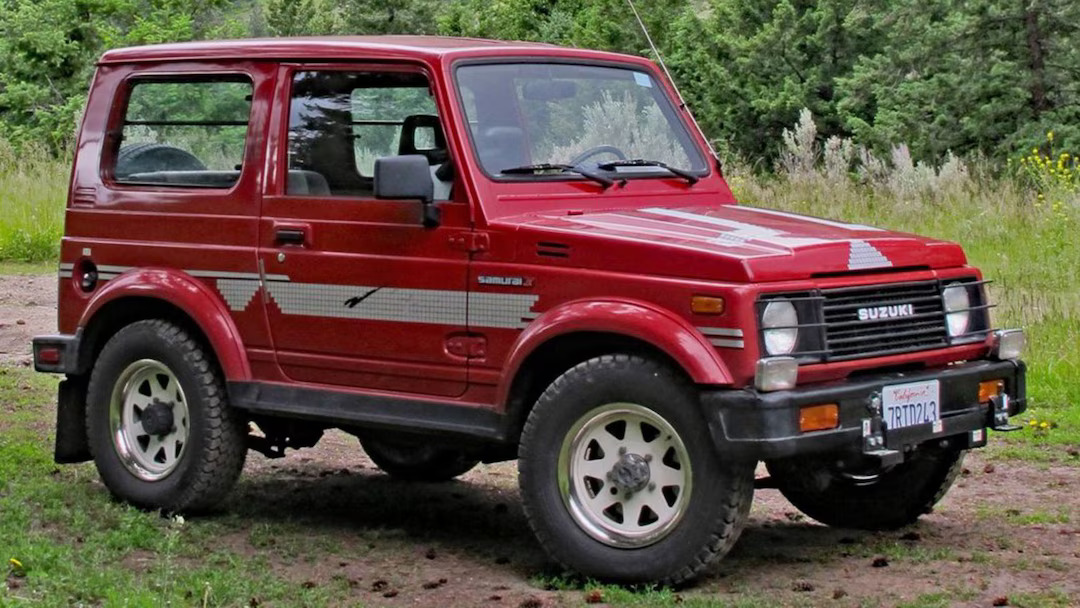
5. Suzuki Samurai
Fondly remembered for its lightweight, agile off-road character, the Suzuki Samurai was an icon among compact 4x4s. Its relatively simple construction and affordability made it a favorite for rookie off-roaders and professionals alike.
Yet, this stripped-down approach made the Samurai acutely vulnerable to rust, especially in salt-laden conditions.
Suzuki’s cost-conscious manufacturing meant that only the lightest coatings were ever applied, and no substantial shielding or coverage protected the frame or suspension from salt spray.
The Samurai’s box-section frame trapped moisture, and incomplete weld coverage allowed salt to find its way into critical joints.
Owners in regions like the Northeast or Pacific Northwest often found frame rust emerging within just a few years. Even today, surviving Samurais often show extensive frame repairs or full frame replacements a testament to the model’s Achilles’ heel.
This vulnerability has created a dedicated secondary market for rust-free examples from drier climates. Forums and restoration specialists often caution would-be Samurai owners that even the cleanest imported example should be thoroughly inspected.
The Suzuki Samurai’s corrosion issues are a direct result of its minimalist engineering and budget ethos, offering a humbling lesson on the necessity of robust undercarriage design for serious off-road work.
Choosing an off-road SUV goes beyond performance and style; durability against harsh environmental factors, particularly salt exposure, is a critical consideration. Salt, whether from coastal driving, winter-deiced roads, or certain off-road trail,s can cause severe undercarriage rust, undermining an SUV’s longevity and resale value.
The article examines both ends of the spectrum: five SUVs renowned for sealed, well-protected undercarriages, and five that have a reputation for succumbing to salt, leading to rust issues.
On the durable side, models like the Toyota Land Cruiser, Jeep Wrangler JL, Toyota 4Runner, Mercedes-Benz G-Class, and the latest Ford Bronco stand out.
These vehicles feature comprehensive underbody coatings, effective wheel well liners, and carefully protected wiring and brake lines.
Toyota’s Land Cruiser and 4Runner, in particular, have a legacy of reliability, thanks in large part to multi-layer corrosion resistance and thoughtful design aimed at minimizing moisture and salt intrusion.
The Jeep Wrangler’s latest generation addressed past corrosion issues, while Mercedes’ G-Wagen and Ford’s Bronco utilize modern sealing and shielding techniques, keeping salt at bay even in harsh climates.
In contrast, SUVs like the Jeep Grand Cherokee (pre-2022), Nissan Xterra, Ford Explorer (2011-2019), Chevrolet Tahoe/GMC Yukon (pre-2015), and Suzuki Samurai often disappoint in salt-exposed regions.
Many older Grand Cherokees and Explorers suffer from insufficient underbody shielding and spotty rust-proofing, which leads to early frame and component corrosion.
The Nissan Xterra’s basic design lacked undercarriage protection, while early Chevy Tahoe and GMC Yukon models had poorly routed brake lines and missing liners, resulting in frequent rust-related repairs.
The Suzuki Samurai, an off-road favorite, is especially notorious for premature frame rust, which is often found even on seemingly clean used examples.
In summary, robust undercarriage protection can mean the difference between a decade of worry-free adventures and costly, performance-sapping rust problems.
Buyers seeking long-term reliability, especially those in regions with high salt use, should prioritise engineering, factory protection measures, and owner-reported outcomes.
For those eyeing older or more budget-friendly SUVs, awareness and proactive maintenance are key to lessening the costly, hidden risks posed by saline environments.
This comparison provides insight to help off-road enthusiasts make smarter, more durable choices as they plan their next adventure.
Also Read: 5 Rare AWD Hybrids That Endure vs 5 PHEVs That Lose Batteries Fast
