

When buying a car, two questions often concern buyers: will my car suffer from oil leaks by the time it hits 100,000 miles, and can I trust the engine’s oil seals to last as long as the vehicle itself?
Both are crucial, especially as vehicles age and the cost of repairs adds up. Cars that maintain a solid, leak-free engine across their lifespan typically require less maintenance, offer lower repair costs, and promise peace of mind for owners.
On the other hand, vehicles with a record of oil leaks a problem sometimes presenting itself before the odometer reaches six digits, can become headaches and lead to repeated trips to the mechanic, not to mention the stress of finding oil stains in the driveway.
Finding a car with reliable engine seals can spare you a lot of hassle down the road, while knowing which models are more susceptible to leaks can keep you from making a costly mistake.
In this article, both sides of this automotive coin are discussed: first, a close look at five cars recognized for having resilient, often nearly “lifetime” engine seals, then, an understanding of vehicles reported to develop oil leaks by the time they reach 100,000 miles.
This balanced approach supports car buyers and owners in making choices based on reliability, cost, and long-term satisfaction. Reliability and upkeep, after all, impact not only your wallet but your confidence in the car you drive every day.
Also Read: 5 Cars With Ergonomic Dash Layouts vs 5 With Poor Ergonomics
5 Cars With Lifetime Engine Seals
Choosing a car with engine seals that stand the test of time represents more than just a maintenance benefit; it’s a reflection of smart engineering and manufacturing discipline.
Such reliability comes from the use of higher-quality materials, better assembly processes, and precise manufacturing standards.
Modern cars with durable engine seals demonstrate advances in automotive technology, as synthetic rubber blends, advanced gaskets, and meticulous tolerances continue to raise the bar for reliability.
For many car owners, avoiding oil leaks means enjoying an ownership experience unburdened by messy repairs, surprise expenses, or worries over long-term dependability.
This segment begins with five vehicles praised for minimal engine seal failures and oil tightness, even as mileage climbs.
Highlighting why each one earned its spot is essential: their reputation, engineering practices, and real-world performance have made them favorites for drivers aiming for decades of dependable use.
These choices have consistently been recommended by automotive experts, mechanics, and long-term owners, all sharing a common thread: long-lasting, trouble-free seals and low risk of oil leaks.
By understanding the reasons behind their proven track records, readers gain insight into what makes these cars stand out and why they’re often recommended for those who value dependability and cost-effective ownership.
1. Toyota Camry
Among mainstream sedans, the Toyota Camry is often praised for its reliability and low long-term maintenance requirements.
The Camry’s reputation for enduring engine health is built, in part, on the manufacturer’s investment in quality gaskets, seals, and precise factory workmanship.
Major online owner forums, mechanic testimonials, and independent reliability ratings consistently rate the Camry’s engines as among the most oil-tight of the last 30 years.
Whether powered by a four-cylinder or a V6, Toyota’s selection of high-grade synthetic rubber for main seals and valve cover gaskets prevents premature drying, shrinking, or cracking, which are the primary causes of oil leaks in high-mileage vehicles.
Many Camrys on the road today have surpassed 200,000 miles without ever developing a significant oil leak, a testament to both thoughtful engineering and conservative engine tuning that doesn’t overtax gaskets or seals.
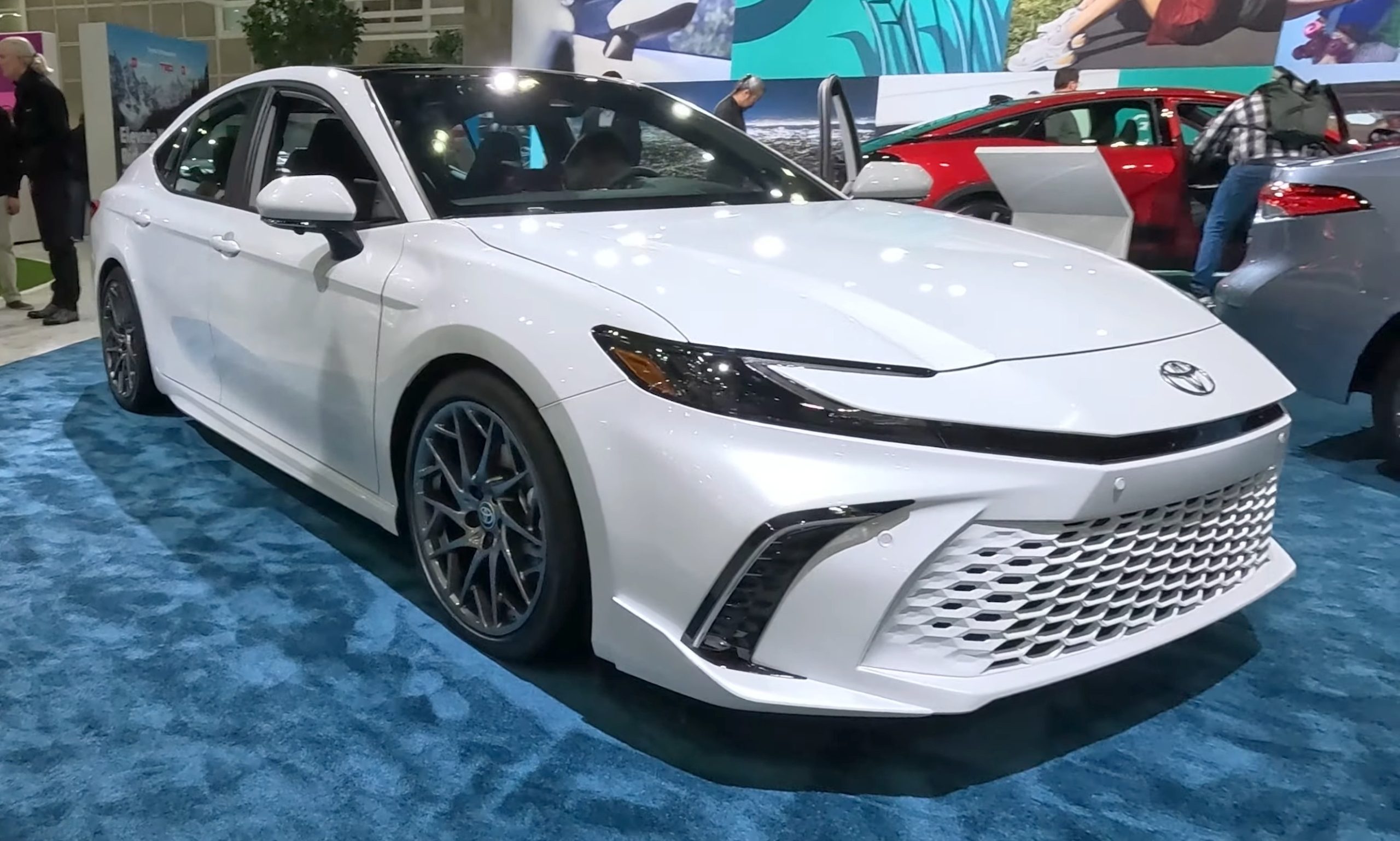
Why highlight the Camry here? Its widespread popularity allows for significant real-world data collection, reinforcing the notion that a carefully built mass-market car can achieve near-“lifetime” reliability on critical engine components.
Toyota’s proactive quality control and focus on ease of repair also mean that, in the rare instance repairs are needed, costs are comparably modest and resolved quickly. For buyers wanting a car that holds up against common aging problems, the Camry sets a valuable benchmark.
2. Honda Accord
Honda Accord models have made their mark in the reliability sector due to well-designed components and extensive field testing.
Honda’s manufacturing processes for engines, especially the K-series and Earth Dreams families, put a priority on reducing potential leak points.
Honda uses specialized rubber blends designed for longevity in both hot and cold climates and verifies installation angles for seals and gaskets with automated vision systems at the factory.
These practices have paid dividends: even Accords with high mileage often remain free of the seepage or splatter seen on competitors, providing owners with reassurance over time.
The Accord earns its spot on this list because it represents the kind of car built around consistency.
The engines, whether four or six-cylinder, rarely suffer from chronic oil loss through seals, and when thoroughly maintained (regular oil changes and inspections), they often surpass 200,000 miles without incident.
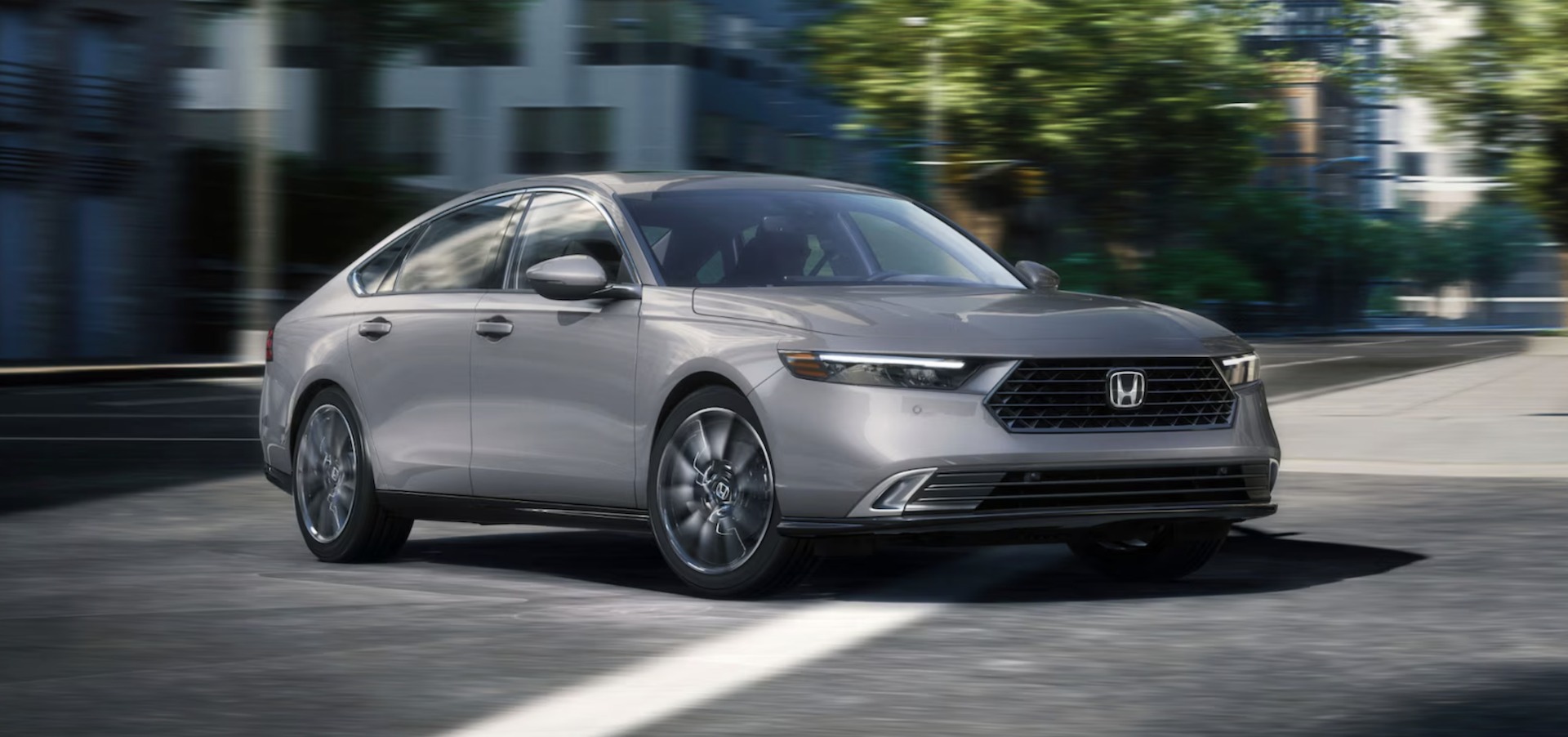
Owners further appreciate that, in the unlikely event a gasket or oil seal does require attention, access is straightforward and repair is relatively inexpensive.
The Accord’s exemplary record is born out in long-term reliability studies, mechanics’ anecdotes, and resale values a rarely-glorified engineering achievement with real benefits for drivers.
3. Lexus LS
Luxury sedans can sometimes be maintenance headaches due to added complexity, but the Lexus LS stands apart. Lexus, Toyota’s luxury arm, insists on even stricter quality standards, using advanced PTFE (polytetrafluoroethylene) seal designs and multi-layer steel head gaskets in the LS lineup.
Many Lexus LS engines have been documented reaching well beyond 300,000 miles with no significant engine oil leaks, reflecting the careful selection of robust seal materials and the use of precision torque settings during assembly.
The brand’s focus on “no-compromise” quality extends into the smallest parts, including crankshaft and camshaft seals.
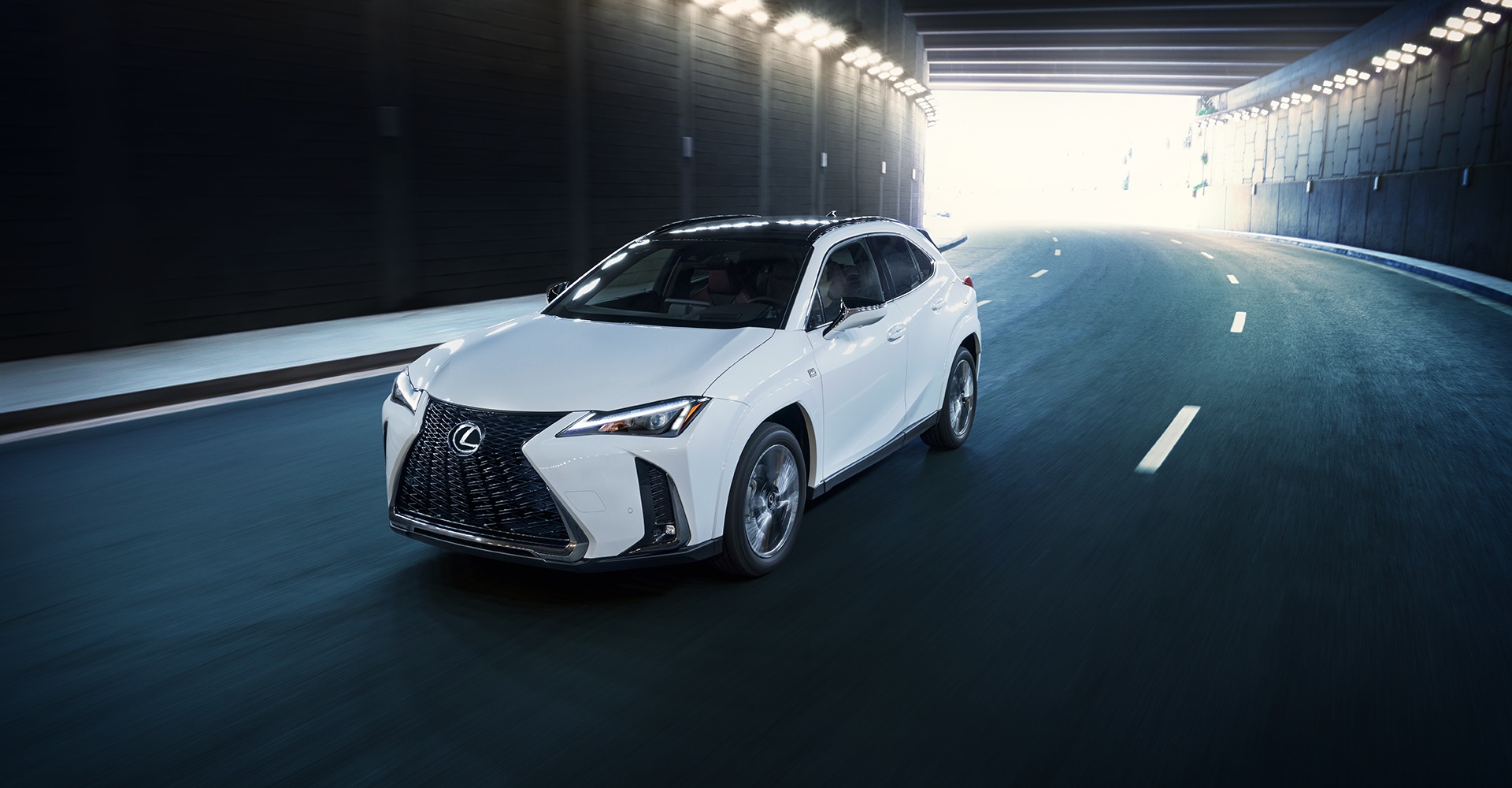
Including the LS here makes sense for those seeking both luxury and a bulletproof record for engine oil retention.
Apart from materials and design, Lexus invests heavily in assembly line inspections, using digital torque wrenches, endoscope imaging, and even leak simulations before vehicles leave the factory.
The result is an engine that holds its oil, maintains resale value, and lets owners enjoy comfort and performance without worrying about a little black spot on the driveway.
4. Mazda MX-5 Miata
Sports cars often face higher rates of oil leaks because of hot engine bays and aggressive driving, yet the MX-5 Miata is different. From its first generation to the latest, Mazda has emphasized simplicity and durability.
The Miata’s inline-four engines feature straightforward gasket designs and premium synthetic rubber seals, minimizing the risk of future oil leaks.
Mazda engineers also limit the number of potential leak points by integrating fewer parts where possible, streamlining the design for both performance and longevity.
Why is the Miata included on this list? Despite its reputation as a platform for spirited driving, it manages to uphold remarkable durability standards.
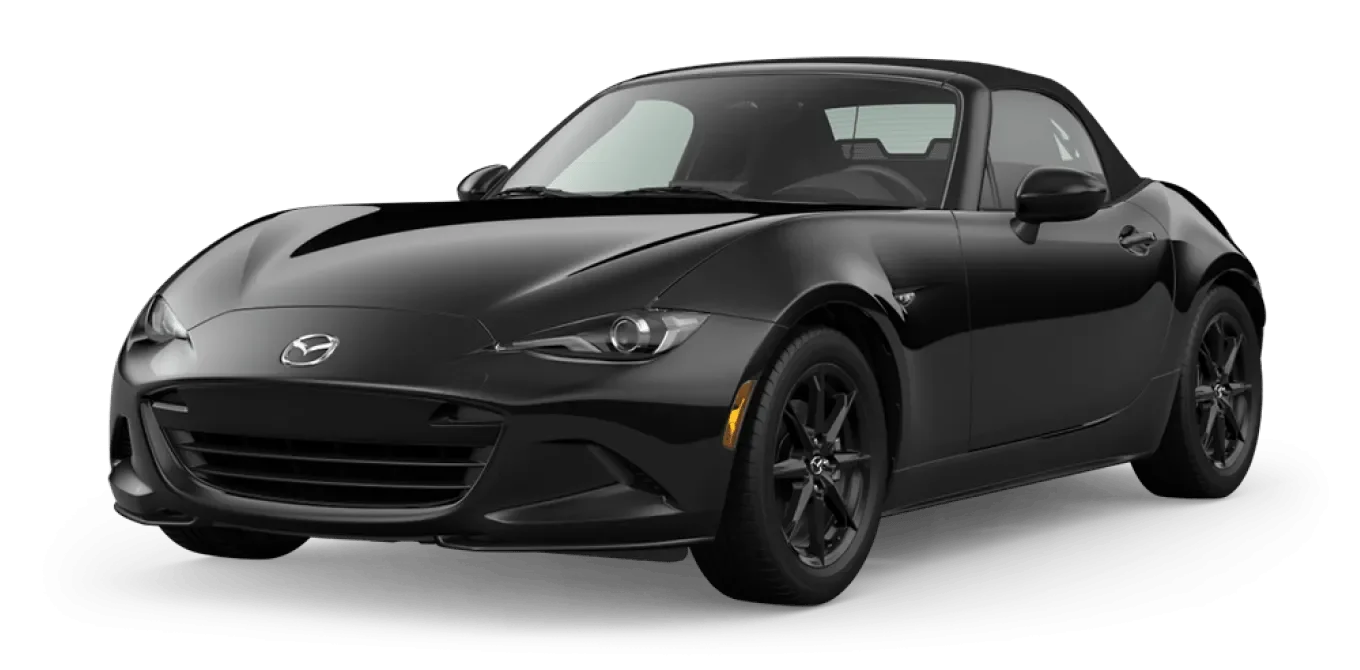
Reviews from both enthusiasts and longtime owners repeatedly note the absence of major oil leaks, even on cars raced heavily or used as weekend fun machines.
For sports car buyers looking for years of reliable use, the Miata is a standout, proving that enjoyable driving does not have to come with the worry of chronic leaks or frequent repairs.
5. Subaru Outback (Recent Models)
While older Subaru engines were once criticized for head gasket and oil seal issues, recent iterations of the Outback, built with the FB and FA engine series, have shown substantial improvement.
Subaru’s redesign efforts focused on incorporating improved gasket material, stronger machinery tolerances, and enhanced extrusion-molded oil seals.
They also addressed earlier flaws by redesigning the engine block’s mating surfaces to better accommodate thermal expansion and contraction, a common cause of oil seepage.
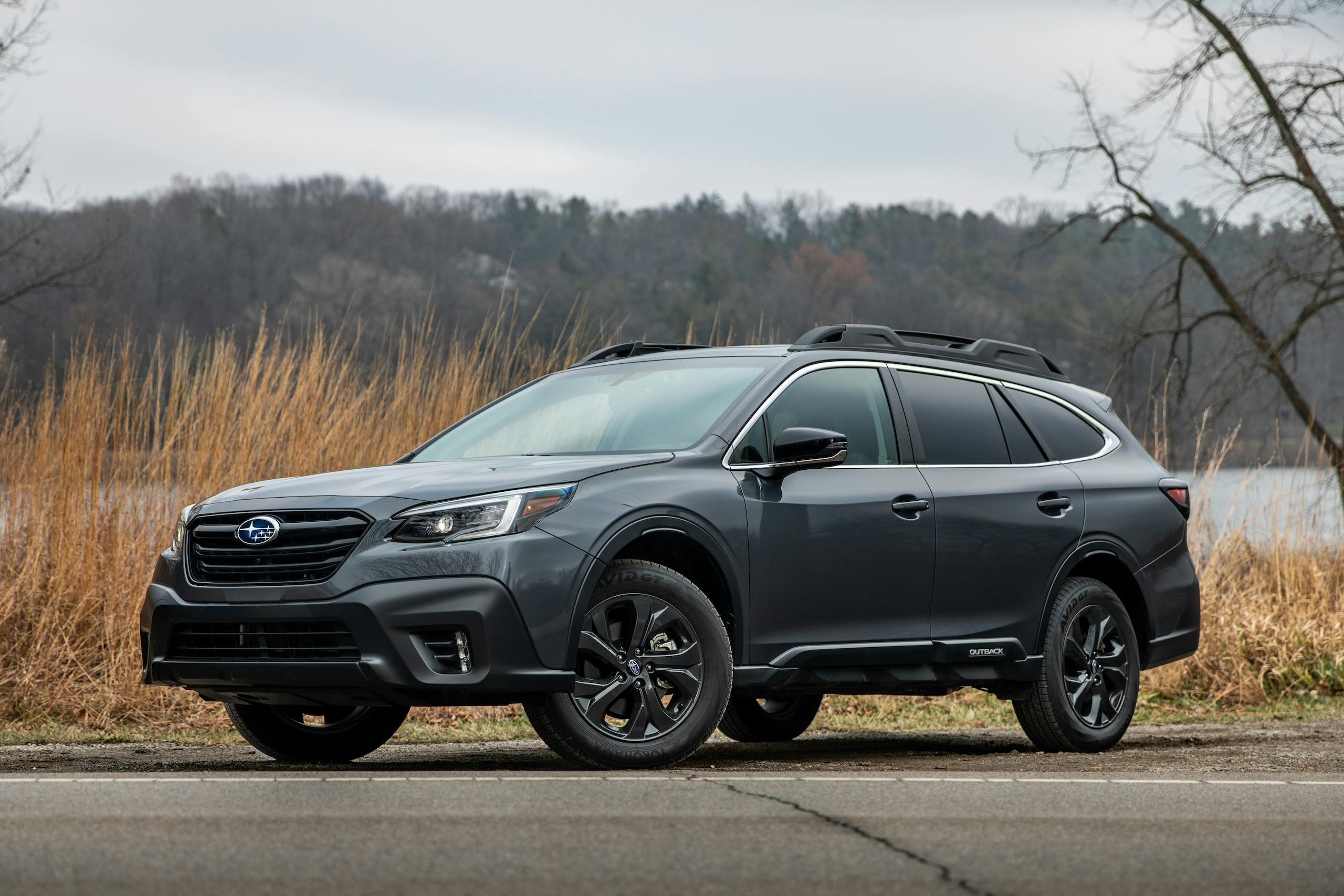
The Outback’s inclusion recognizes Subaru’s commitment to learning from past mistakes and delivering substantial improvements. The newer Outbacks have consistently fared well in reliability studies and owner satisfaction reports.
With proper upkeep, these models are now anticipated to reach high mileage without developing the leaks that once plagued the brand. For families and adventurers interested in longevity without leaky engine headaches, Subaru’s turnaround is a story worth acknowledging.
5 Cars That Leak Oil by 100,000 Miles
No one enjoys seeing the telltale dark stains of engine oil in a parking spot; it is often the most frustrating sign of an aging vehicle, setting off a chain of repairs, checks, and further maintenance. Some cars, regardless of how meticulously they are maintained, are simply more prone to oil leaks as they rack up mileage.
These issues are sometimes rooted in the cost-saving measures of certain manufacturers, the use of inferior gasket materials, or designs that fail to account for engine heat expansion, which can accelerate seal degradation.
For drivers, understanding which car models have become known for premature oil leaks is vital. It isn’t just about potential repair costs; persistent oil leaks can result in oil starvation, engine damage, environmental harm, and worries about reliability none of which any car owner wants to encounter.
Highlighting these cars gives prospective buyers a chance to watch out for warning signs or reconsider certain models, especially if long-term ownership and lower maintenance outlays are priorities.
The following cars have gained a less-desirable reputation for leaking oil well before reaching the 100,000-mile milestone, reminding us that design details and manufacturing quality have lasting impacts.
1. BMW 3 Series (E90 and F30)
The BMW 3 Series has maintained its status as a favorite among driving enthusiasts, but some model years particularly the E90 (produced 2006–2011) and F30 (2012–2019) are infamous for developing oil leaks soon after the odometer reaches the 80,000 to 100,000-mile range.
The most common points of failure are the valve cover gasket, oil filter housing gasket, and, on some models, the main rear crankshaft seal.
BMW sometimes relied on rubber gaskets that don’t always stand up to the persistent heat cycling of their turbocharged engines, eventually leading to slow leaks that worsen as the miles accumulate.
Why focus on these models? These leaks aren’t just minor annoyances but can create ongoing costs and, on turbocharged versions, even lead to catastrophic engine failures if ignored.
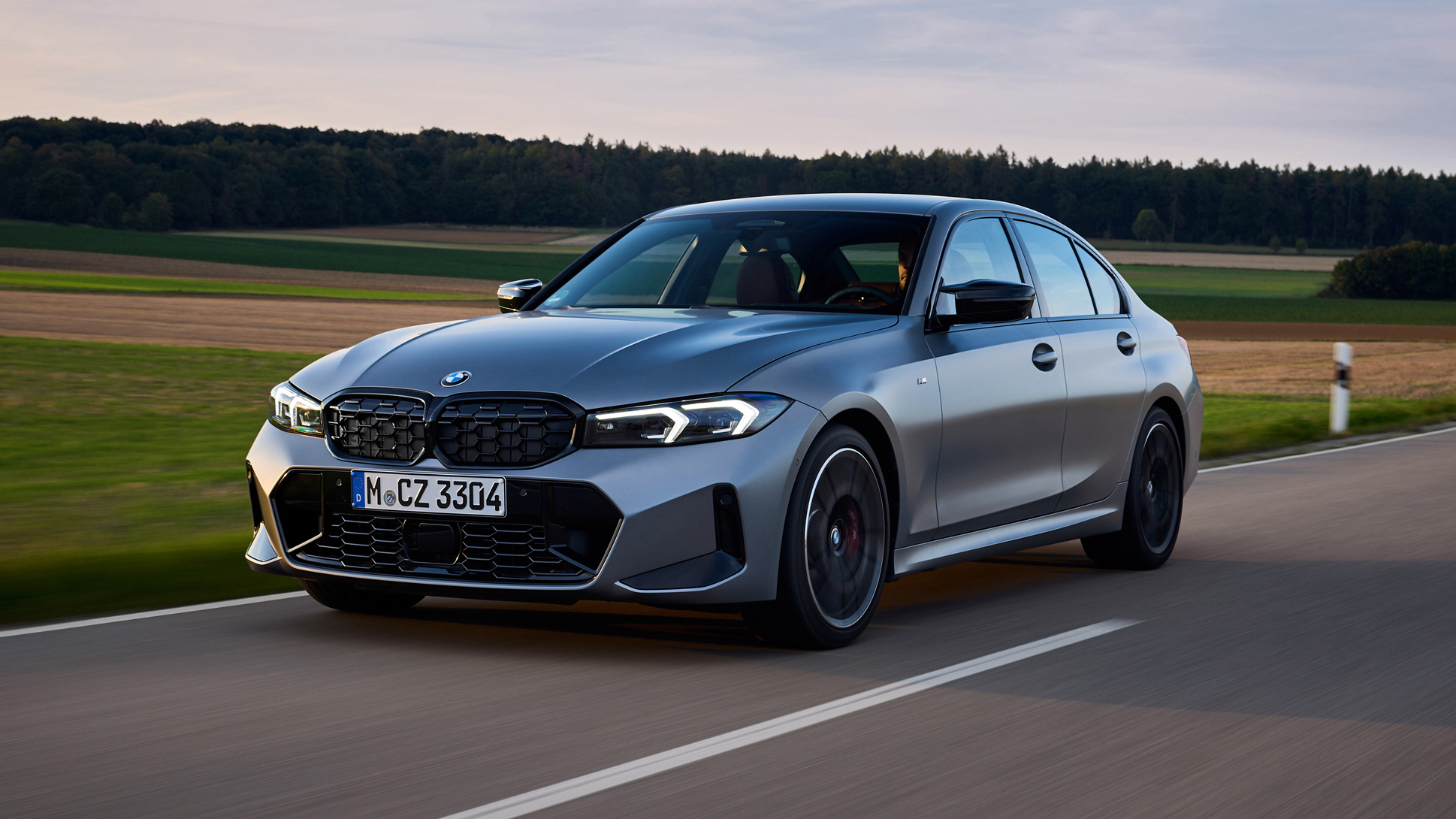
Many mechanics specifically warn buyers about these issues, and the abundance of repair guides and forum posts dedicated to “BMW oil leak fixes” points to the widespread nature of the problem.
For those interested in purchasing a used 3 Series from these generations, it’s best to factor in the likelihood of gasket replacements and potential labor costs in their budgeting decisions.
2. Mini Cooper (R56, R55, R57)
Mini Coopers from the second-generation R56, R55, and R57 lines, produced roughly between 2007 and 2013, have an unfortunate reputation when it comes to engine oil leaks before 100,000 miles.
The principal problems can be traced to the turbocharged 1.6-liter “Prince” engine, which suffers from valve cover gasket leaks, turbo oil line seal issues, and sometimes even oil pan gasket failures. The compact engine bay accentuates heat-related stresses, accelerating the wear of seals.
Highlighting these Minis is relevant because they are otherwise rewarding to drive, with lively handling and a distinctive personality but their mechanical reliability suffers from subpar sealing solutions.
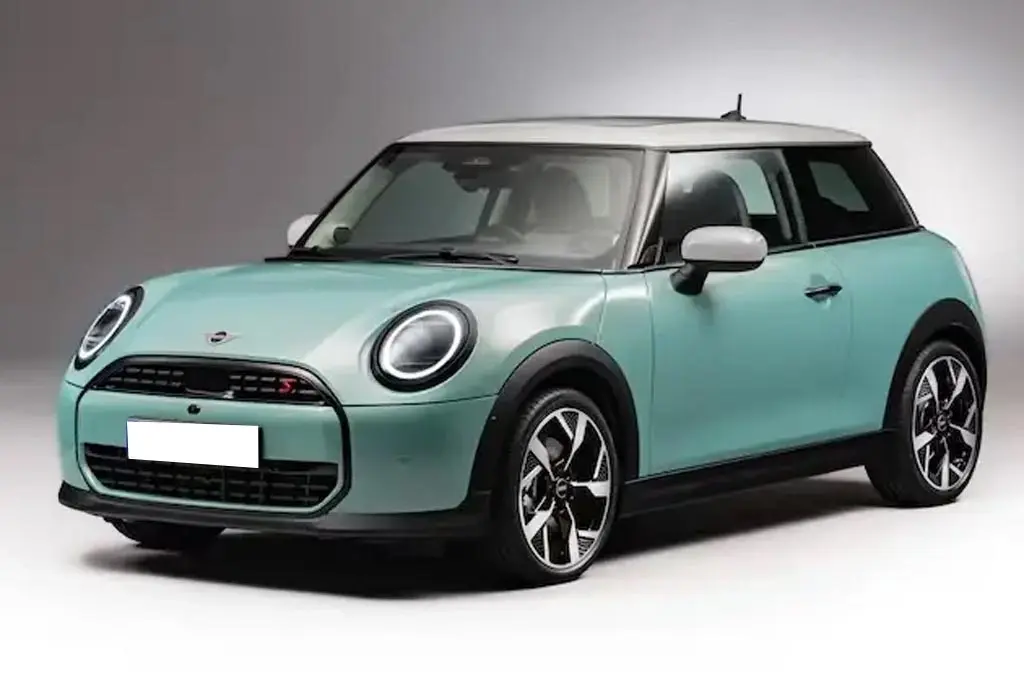
Owners and mechanics alike frequently comment on repeated gasket failures, often requiring significant labor to repair due to the compact and cramped designs.
Prospective Mini lovers should be wary of these common issues or seek later models where improvements were implemented. Knowing what to expect can guide purchasing decisions and prevent unwanted surprises after crossing the 80,000-mile mark.
3. Land Rover Discovery 3 (LR3)
Luxury off-road vehicles like the Land Rover Discovery 3 (also known as LR3 in North America) are beloved for their capabilities but plagued by engine oil leaks before 100,000 miles, often due to the use of lower-quality seal materials and a complex engine layout.
The 4.4-liter V8 and the 2.7-liter diesel both experience breakdowns of the camshaft cover gaskets and crankshaft seals. Dropping oil can be challenging to diagnose due to underbody covers, allowing leaks to go unnoticed until oil levels become dangerously low.

Discussing the Discovery 3 is important because many second-hand buyers are enticed by its luxury and off-road image but then surprised by recurring oil stains and mounting repair bills.
Mechanics who specialize in British vehicles often rate this Land Rover low on reliability charts specifically because of these leaks. For buyers considering older Land Rovers or for those in need of a robust SUV, knowing these costly realities can prompt a more informed search.
4. Audi A4 (B7, B8)
The Audi A4 represents economic luxury, but some versions especially the B7 (2004–2008) and B8 (2009–2016), have gained notoriety for engine oil leaks that start to develop as mileage approaches 90,000.
The 2.0-liter turbocharged four-cylinder engine faces issues with the rear main seal, valve cover, and timing cover gaskets. Oil leaks can cause cascading issues, such as soaking of timing belts or engine mounts, amplifying repair costs.
The original seal materials seem to harden and shrink over time, particularly in cars with infrequent oil changes or extended intervals between services.
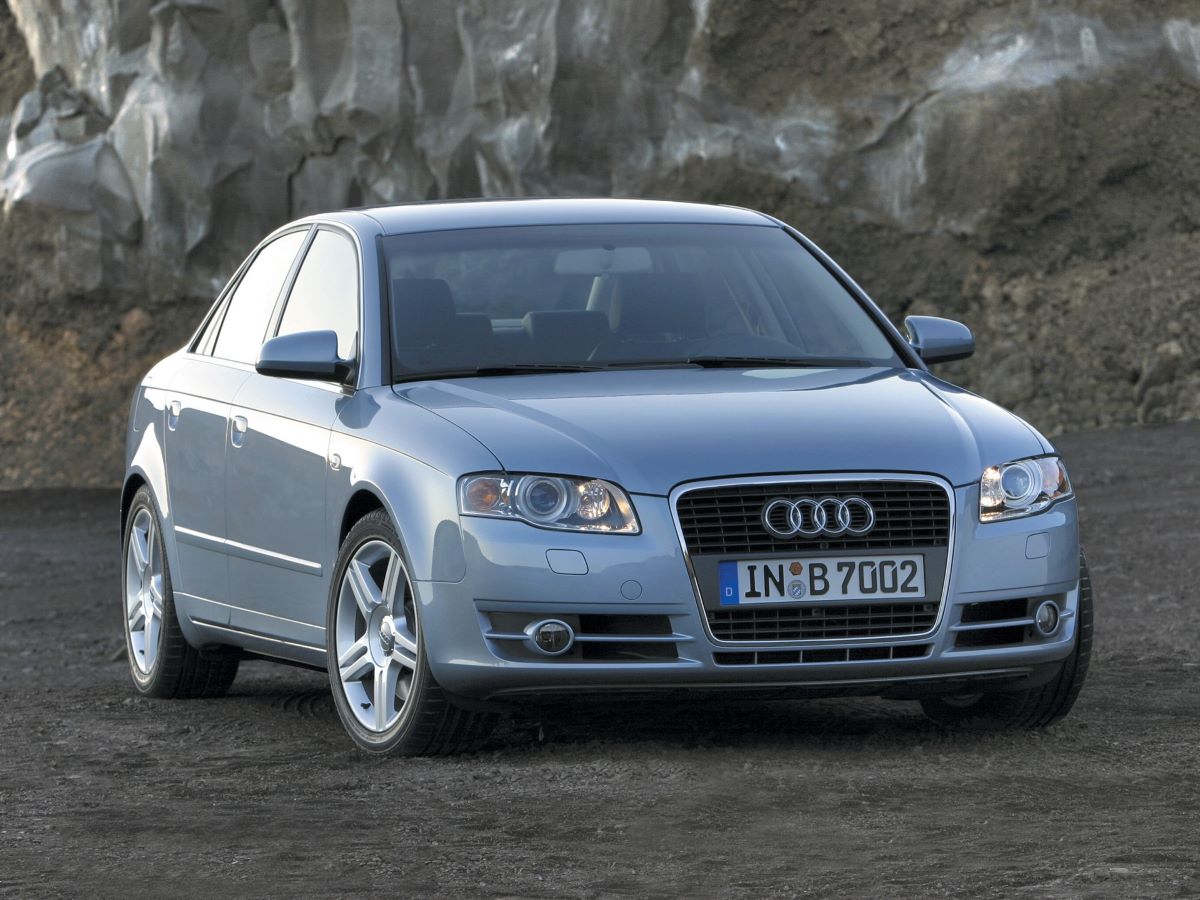
This model is mentioned here because these leaks often surprise owners who expect a high level of German engineering. Repairing leaks in Audis can be expensive, due to labor-intensive engine layouts and costly replacement parts.
For buyers seeking an Audi A4 on the used market, it’s recommended to inspect for leaks and ask for documented repairs or proof of proactive gasket replacements in the car’s history.
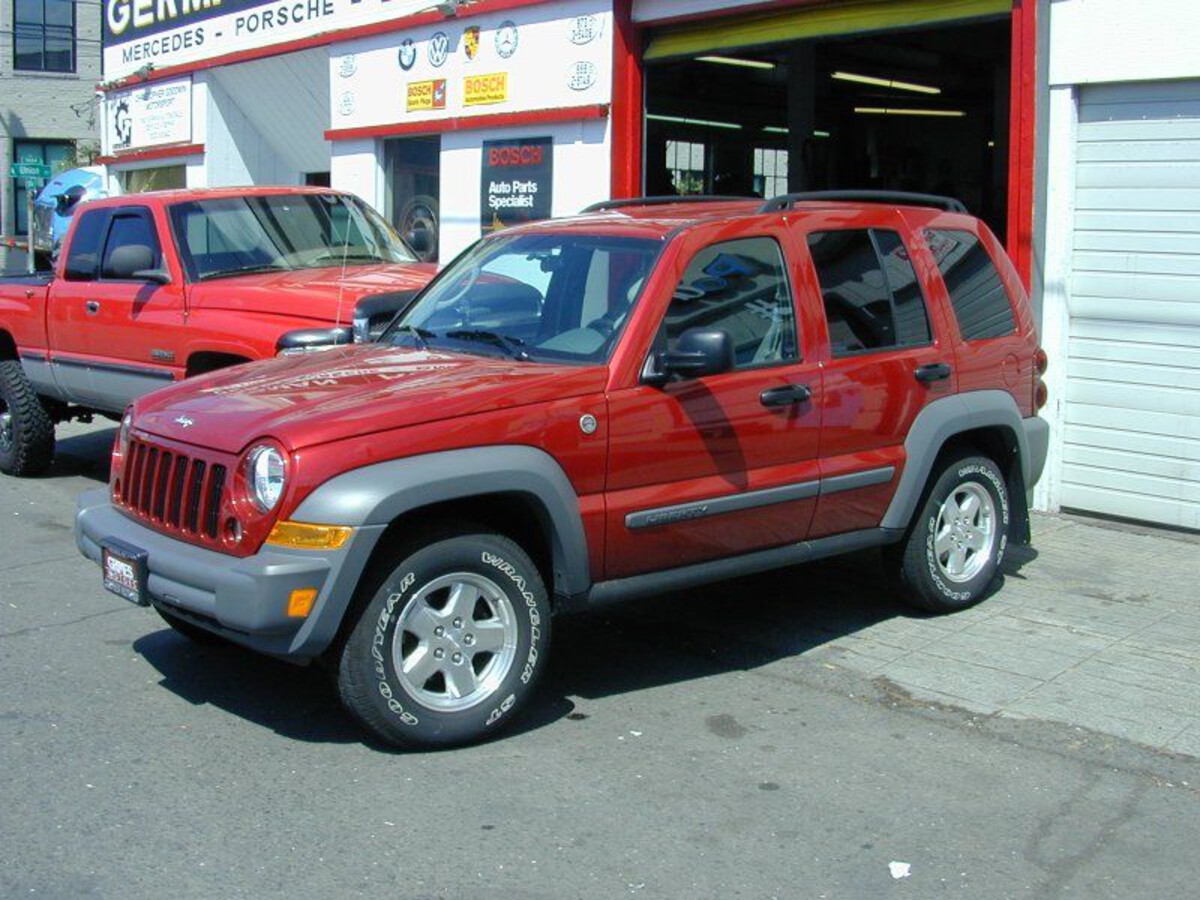
5. Jeep Liberty (KJ, KK)
Jeep Liberty, especially the KJ (2002–2007) and KK (2008–2012) generations, has been known for developing oil leaks as it nears the 100,000-mile mark. The main culprits are the valve cover gaskets and the oil pan gasket.
Jeeps are often marketed toward adventurous drivers, but these models sometimes fail to match their rugged image when it comes to long-term sealing of the engine.
Aging seals are susceptible to failure due to thermal stress, and the V6 engine design can make repairs both time-consuming and costly if leaks progress undetected.
Why address the Liberty here? Many owners keep these vehicles for off-road use or family hauling into high-mileage territory, only to encounter oil leaks at inconvenient times.
The Jeep Liberty highlights how marketing and image can sometimes overshadow real-world maintenance challenges.
For drivers who value reliability and want fewer headaches as the miles add up, recognizing this pattern can help in making a maintenance plan or rethinking choices altogether.
Engine oil leaks are one of the most persistent headaches for car owners, both financially and in terms of inconvenience.
While some brands and models have earned respect for their robust engineering and durable engine seals that rarely fail, others unfortunately become known for their propensity to leave oil stains long before hitting high mileage.
Understanding which cars excel in this area, and which stumble, can save buyers thousands of dollars and untold frustration in the long run.
The article first addresses cars recognized for their “lifetime” engine seals vehicles that, year after year, impress mechanics and owners with their ability to stay leak-free.
Foremost among these is the Toyota Camry, whose globally-recognized reputation for reliability is rooted in the carmaker’s investment in high-quality synthetic gaskets and reliable assembly protocols.
The Camry’s continued reliability, even well beyond 200,000 miles, is largely due to thoughtful design choices that minimize failure points and ensure lasting performance.
Similarly, the Honda Accord remains a favorite among drivers and automotive experts for much the same reason. Honda pays careful attention to seal material quality and installation precision, using automated systems to validate factory work.
The result is a sedan that, with basic upkeep, resists oil leaks much better than most rivals, giving owners peace of mind as their vehicles accumulate age and mileage.
The Lexus LS elevates expectations even further by combining high-end luxury features with engineering that stands up over time. Lexus employs advanced multi-layer gaskets and sophisticated inspection processes to ensure that their flagship sedans keep their oil where it belongs.
Many LS owners report minimal to no oil leaks, even after hundreds of thousands of miles, making this vehicle a standout for those who prize both comfort and durability.
On the sportier side, the Mazda MX-5 Miata demonstrates how simplicity and quality engineering intersect to benefit longevity.
By choosing straightforward mechanical designs and limiting the number of gasket interfaces, Mazda created a sports car that resists the typical oil leak issues seen in competitors. Even after years of spirited driving, the Miata rarely suffers the chronic oil issues that complicate high-performance ownership.
The Subaru Outback, particularly in its later generations, offers another story worth noting. After addressing previous flaws in head gasket and oil seal design, newer Outbacks have shown substantial improvements.
Subaru’s willingness to reevaluate materials and engine block design for better thermal management paid off; owners can now expect reliable oil seals and a solid reputation for keeping their driveways stain-free.
Contrasting these positive examples are cars notorious for developing engine oil leaks by 100,000 miles a milestone many expect their vehicles to surpass trouble-free. The BMW 3 Series, specifically the E90 and F30 generations, is a prime example.
Despite its strong appeal among enthusiasts, these BMWs suffer from frequent gasket failures, often attributed to the heat cycles endured by their turbocharged engines. Repairs are common and can add significantly to ownership costs.
Mini Coopers from the R56, R55, and R57 generations also struggle in this regard, with numerous complaints about oil leaks from various gaskets and seals.
Their compact, turbocharged engines, and challenging layouts only make matters worse frequent repairs become the norm unless improvements were made in later production years.
The Land Rover Discovery 3/LR3, a favorite among off-roaders, grapples with poor sealing and complex engine designs that mask developing leaks.
Diagnosing and repairing these issues can be particularly costly and frustrating, making it a cautionary tale for those considering second-hand luxury SUVs with complex mechanicals.
Audi’s A4 from the B7 and B8 generations faces similar difficulties. Oil leaks can crop up from multiple points and often go unnoticed until significant repair bills are incurred.
Despite Audi’s sophisticated engineering, the choice of gasket materials and service intervals have proven problematic as these cars age.
Finally, the Jeep Liberty (KJ, KK) rounds out the list with its V6 engine’s tendency to leak from valve cover and oil pan gaskets, a problem exacerbated by the challenging environments many Jeeps live through and the thermal stresses of daily use.
In sum, paying attention to the long-term reliability of a vehicle’s engine seals can make a significant difference in cost, convenience, and peace of mind.
Some models excel at keeping oil inside and headaches out, while others are best approached with caution and preparation for future repairs.
Also Read: 5 Obscure Asian Cars That Outlast Competitors vs 5 Trending Models With Flaws
