
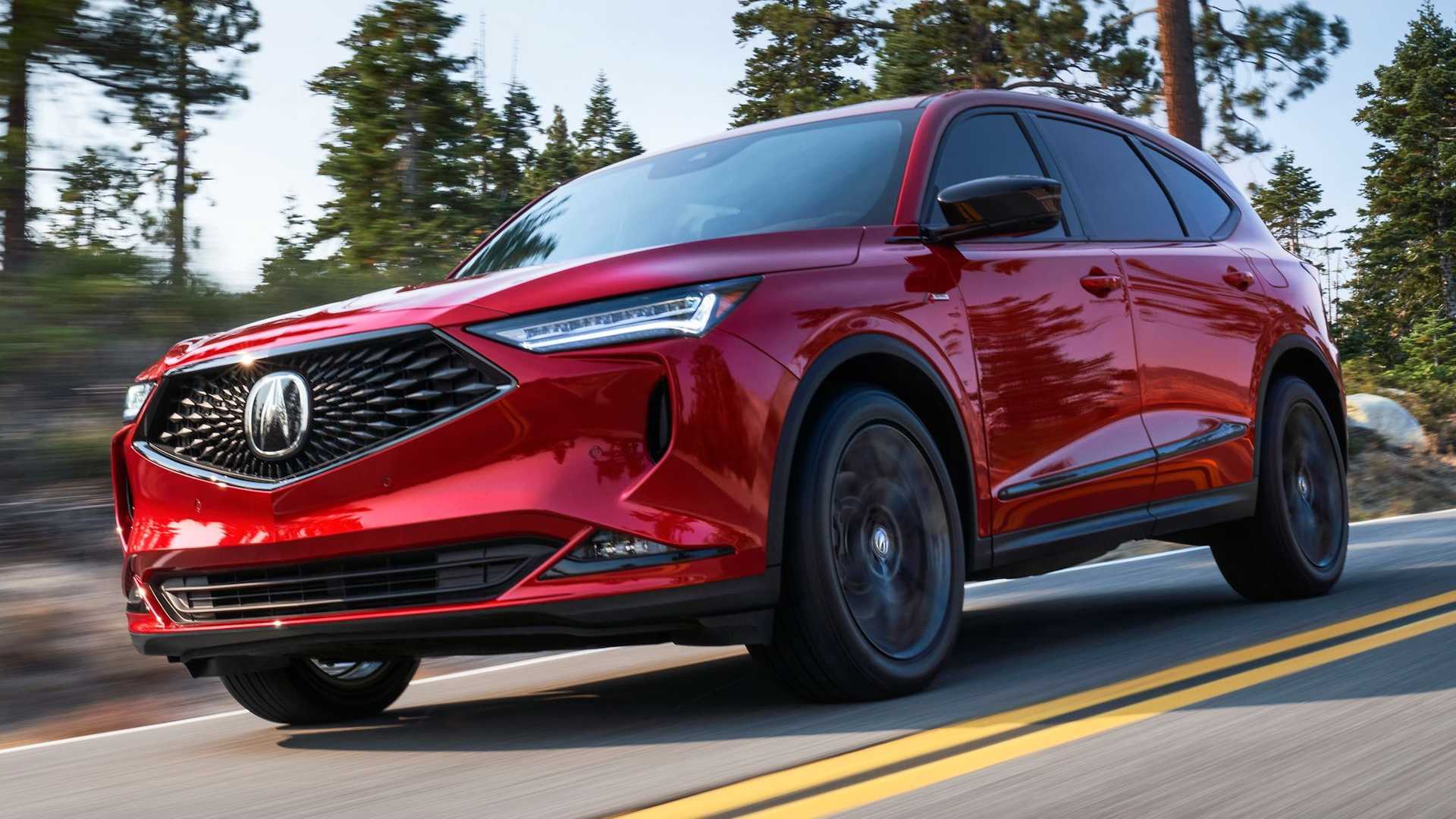
SUVs offer versatility, power, and adaptability for varied driving conditions, making them popular choices for families, adventurers, and commuters alike.
One critical mechanical component that defines SUV capability is the transfer case, which manages power distribution between the front and rear wheels, enabling efficient four-wheel and all-wheel drive performance.
Behind the solid exteriors and advanced features, not all transfer cases are designed the same. Sealed transfer cases have gained attention for their minimal maintenance requirements and longer service intervals, promoted as a convenience feature by some manufacturers.
On the other hand, certain SUVs have garnered a reputation for early transfer case failures, causing owners frustration and unexpected repair costs.
Examining vehicles with these two contrasting approaches sheds light on both advances in drivetrain engineering and areas where reliability concerns persist.
Vehicles with sealed transfer cases often appeal to buyers looking for reduced maintenance, while those notorious for premature transfer case issues offer cautionary tales that underscore the importance of robust engineering and routine upkeep.
By looking closely at five popular SUVs categorized by their use of sealed transfer cases, and contrasting them with five models known for transfer case failures, we can better understand the practical implications each design has on reliability and ownership experiences.
This discussion aims to offer insight for prospective buyers and auto enthusiasts considering long-term dependability in their next SUV purchase.
Also Read: 5 Vehicles That Hold Original Paint Perfectly and 5 That Chip By Year 1
SUVs with Sealed Transfer Cases
Modern automotive engineering continuously strives to simplify vehicle upkeep while delivering reliability and durability.
Sealed transfer cases represent a significant shift toward this goal. Unlike traditional transfer cases that require periodic inspection and fluid replacements, sealed variants are typically constructed to operate for extended periods or the purported life of the vehicle, without intervention.
This design decision is framed by carmakers as improving owner convenience, reducing routine service costs, and lowering the risk of neglect-related issues over time.
Choosing models equipped with sealed transfer cases isn’t just a matter of following trends; it also reflects consumer demand for vehicles that handle power distribution automatically.
Owners no longer need to remember service intervals for another drivetrain component, which is especially attractive to those who do not enjoy or have the time for intensive vehicle maintenance.
However, it is worthwhile to examine specific SUV models that use this technology, understand why manufacturers implement it, and explore how it impacts real-world ownership.
By analyzing five notable SUVs equipped with sealed transfer cases, we not only illustrate technical philosophies but also their effects on actual customer experiences.
These vehicles represent manufacturers’ confidence in component longevity and often signal overall robust design.
Detailing these models provides insight for those prioritizing a hassle-free driving experience and seeking assurance that their vehicle’s complex systems are built for the long haul.
1. Toyota Land Cruiser
The Toyota Land Cruiser has enjoyed legendary status as a reliable SUV capable of tackling punishing terrains across the globe.
A hallmark of its recent generations is the move toward sealed transfer cases. Toyota engineers chose this route to ensure drivers could travel great distances and years between maintenance stops, reinforcing the Land Cruiser’s reputation for durability.
The sealed case design minimizes the risk of user error, as forgetting to change fluids can have dire consequences in exposed, traditional units.
Highlighting the Land Cruiser in this section stems from Toyota’s comprehensive approach to reliability. Decades of engineering feedback from demanding markets, including those in Australia, the Middle East, and Africa, contributed to the evolution of its drivetrain.
The robust, sealed transfer case distinguishes the vehicle from those requiring regular fluid changes and inspections. It streamlines upkeep for both adventurous off-roaders and families seeking peace of mind throughout extended ownership.
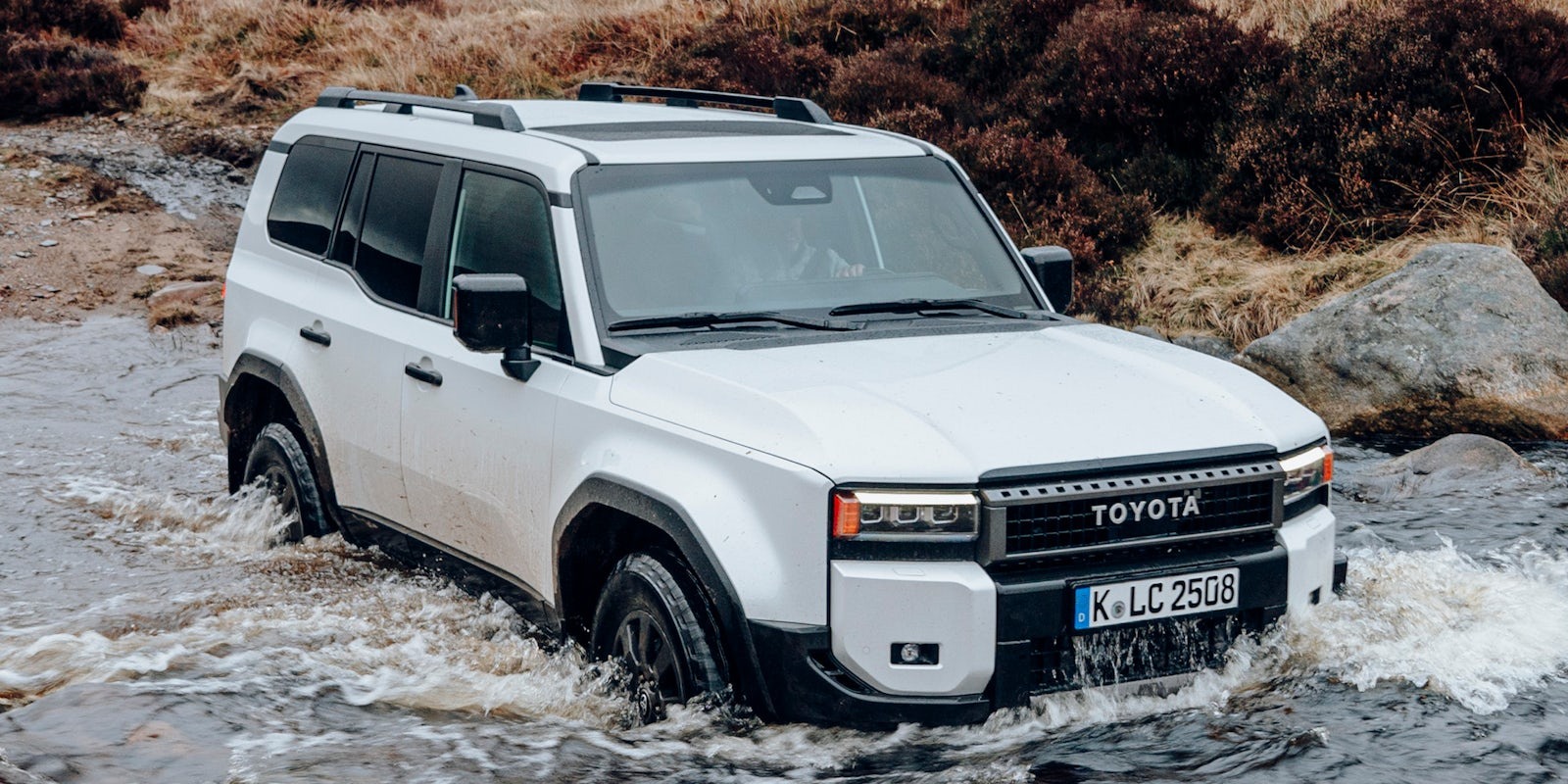
The Land Cruiser’s sealed transfer case also highlights the manufacturer’s intent to offer a nearly maintenance-free experience an essential factor for owners in remote areas.
This confidence in engineering means customers rely on fewer interventions from mechanics, which reduces long-term maintenance costs. Toyota’s approach shows belief in long-lasting component integrity, and the Land Cruiser stands as a testament to the real-world practicality of sealed drivetrains.
2. Lexus GX
The Lexus GX shares engineering DNA with the Toyota Land Cruiser, particularly in the robust design principles that define its four-wheel-drive system.
This SUV leverages a sealed transfer case, intended by Lexus to mirror the brand’s philosophy of seamless luxury and minimal required owner attention. Drivers who invest in Lexus expect both refinement and low-maintenance reliability, making a sealed unit an appealing feature.
The reason for focusing on the Lexus GX lies in its blend of ruggedness and sophistication. While the GX is marketed as a premium vehicle, it often finds itself traversing mountain roads, towing trailers, and tackling inclement weather.
The sealed transfer case supports these tasks by eliminating regular fluid service intervals, letting owners enjoy capability without ongoing maintenance hassles. Lexus’s decision reflects a keen awareness of its customers’ expectations: effortless ownership without compromising performance.
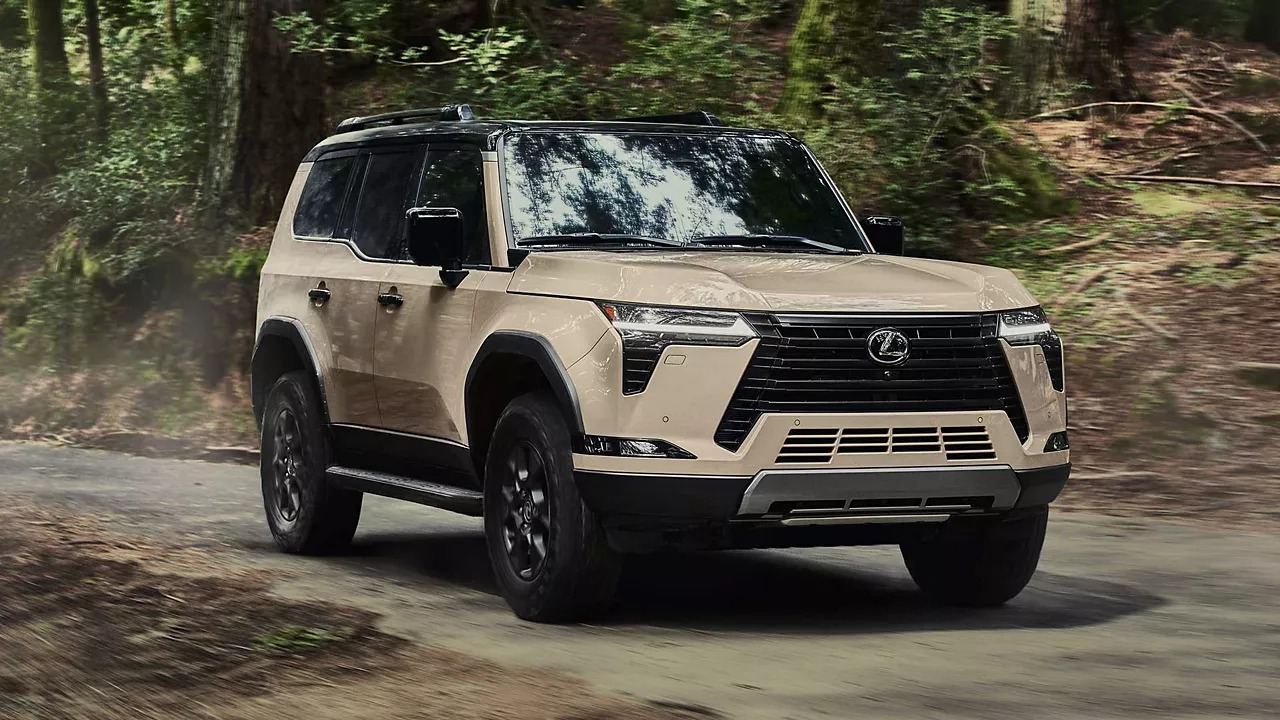
Profiling the GX also draws attention to how luxury brands adapt practical technologies to suit their audiences. By choosing a sealed transfer case, Lexus demonstrates commitment to convenience and long-term dependability attributes that build lasting brand loyalty.
For those weighing the merits of a luxury SUV, the GX’s underlying mechanical simplicity paired with sophisticated design is a compelling blend.
3. Honda Pilot
The Honda Pilot is a versatile family-oriented SUV known for blending comfort with technical sophistication. The latest iterations have adopted sealed transfer cases to simplify the servicing process and reduce lifetime ownership costs.
Honda’s approach is to provide a dependable, user-friendly SUV that does not require extensive mechanical knowledge or frequent shop visits.
Focusing on the Pilot in this context is especially relevant for buyers who prioritize minimal ongoing vehicle maintenance. Many Pilot owners choose the vehicle for transporting families, running urban errands, and occasional trips off the beaten path.
Honda’s inclusion of a sealed transfer case means these buyers can count on their SUV without concern for regular drivetrain fluid changes or dealing with transfer case leaks.
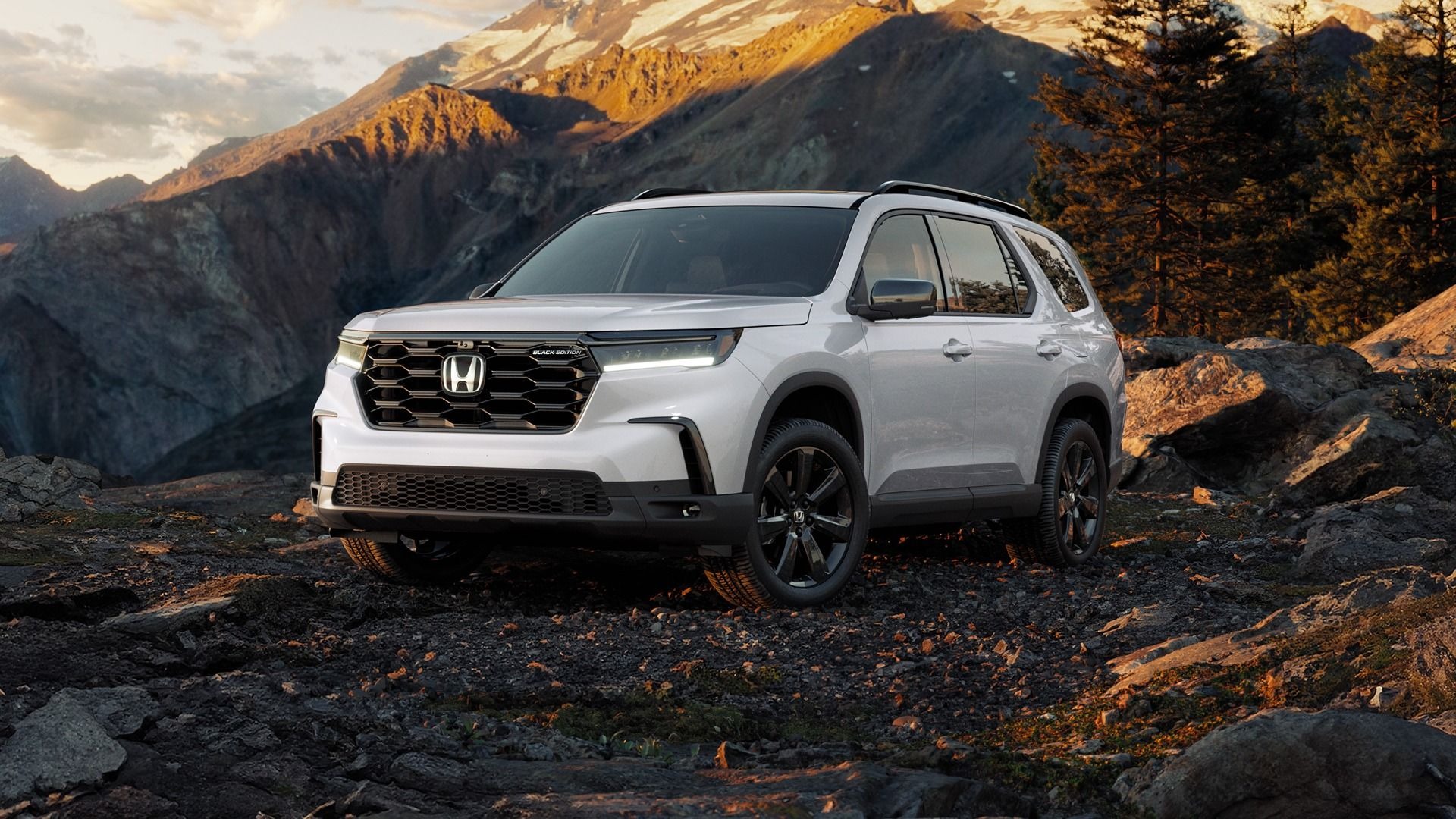
The selection of the Pilot for this discussion stems from Honda’s broader engineering ethos: deliver solid performance and reliability with minimal ownership complexity.
A sealed transfer case further supports this, removing one more maintenance variable from the equation. The Pilot demonstrates that everyday practicality, especially for families, is compatible with advanced drivetrain technology, making it a standout in the large crossover segment.
4. Acura MDX
The Acura MDX, as the luxury counterpart to the Honda Pilot, shares a philosophy of linking advanced drivetrain systems with simple ownership.
Its sealed transfer case typifies Acura’s approach of infusing technology with convenience, aiming for buyers who seek technological sophistication without a corresponding uptick in maintenance requirements.
The MDX features advanced torque-vectoring all-wheel drive, managed by a sealed transfer case that requires little owner intervention throughout the car’s life.
Profiling the MDX here makes sense because it bridges the gap between practical family haulers and luxury vehicles. Owners can enjoy advanced handling and responsive traction on different road surfaces without worrying about routine transfer case servicing.
Choosing the MDX for this section underlines how premium brands emphasize ownership satisfaction. Acura’s sealed system supports long-term durability, catering to buyers who desire reliability and convenience in tandem.
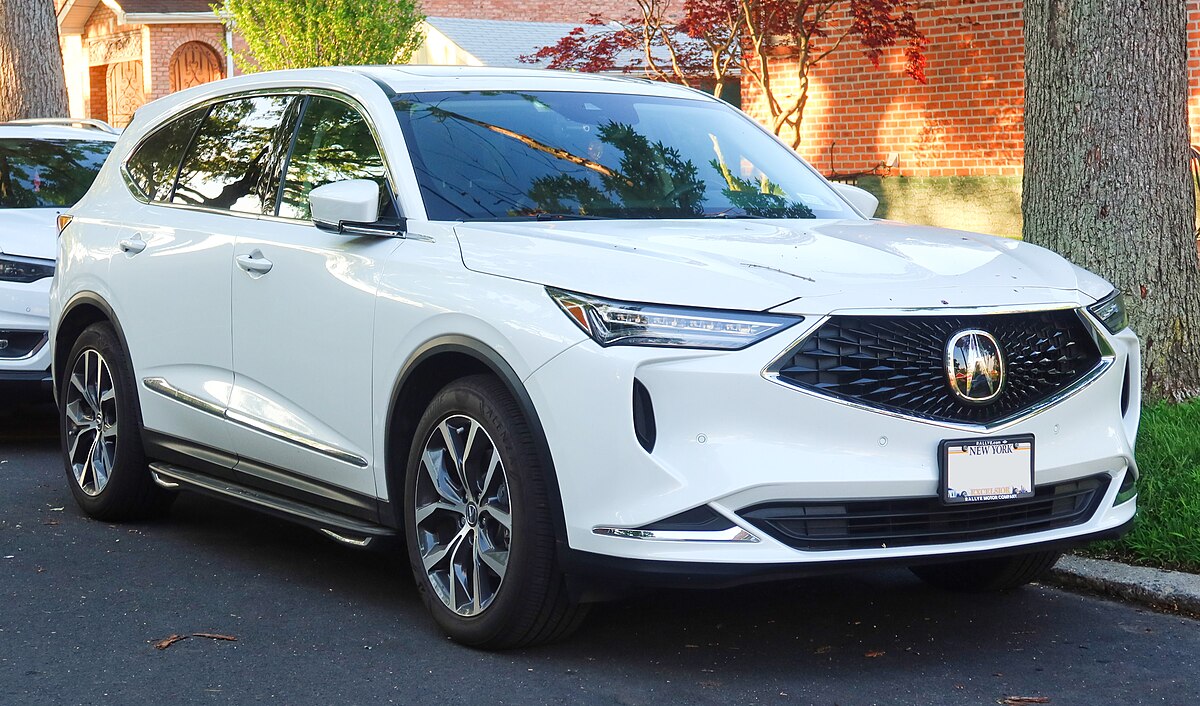
As the MDX continues to appeal to families, professionals, and adventure enthusiasts, its transfer case design is key to its reputation for hassle-free operation and broad appeal in the mid-size luxury SUV market.
5. Subaru Outback/Ascent
Both the Subaru Outback and its larger sibling, the Ascent, feature sealed transfer cases as part of their symmetrical all-wheel-drive configurations.
Subaru has carved out a strong reputation for vehicles that handle inclement weather and rough roads, which is largely due to the durability and simplicity of their power distribution systems.
Highlighting the Outback and Ascent in this section underscores Subaru’s commitment to engineer vehicles with dependability at the forefront. These SUVs often serve families, outdoor enthusiasts, and residents of areas with challenging weather.
The sealed transfer case ensures fewer maintenance worries, letting owners focus on their adventures or daily routines rather than on the complexities of powertrain care.
Including these models demonstrates that even as vehicle technology advances, manufacturers can achieve reliable all-wheel drive without complicated maintenance.
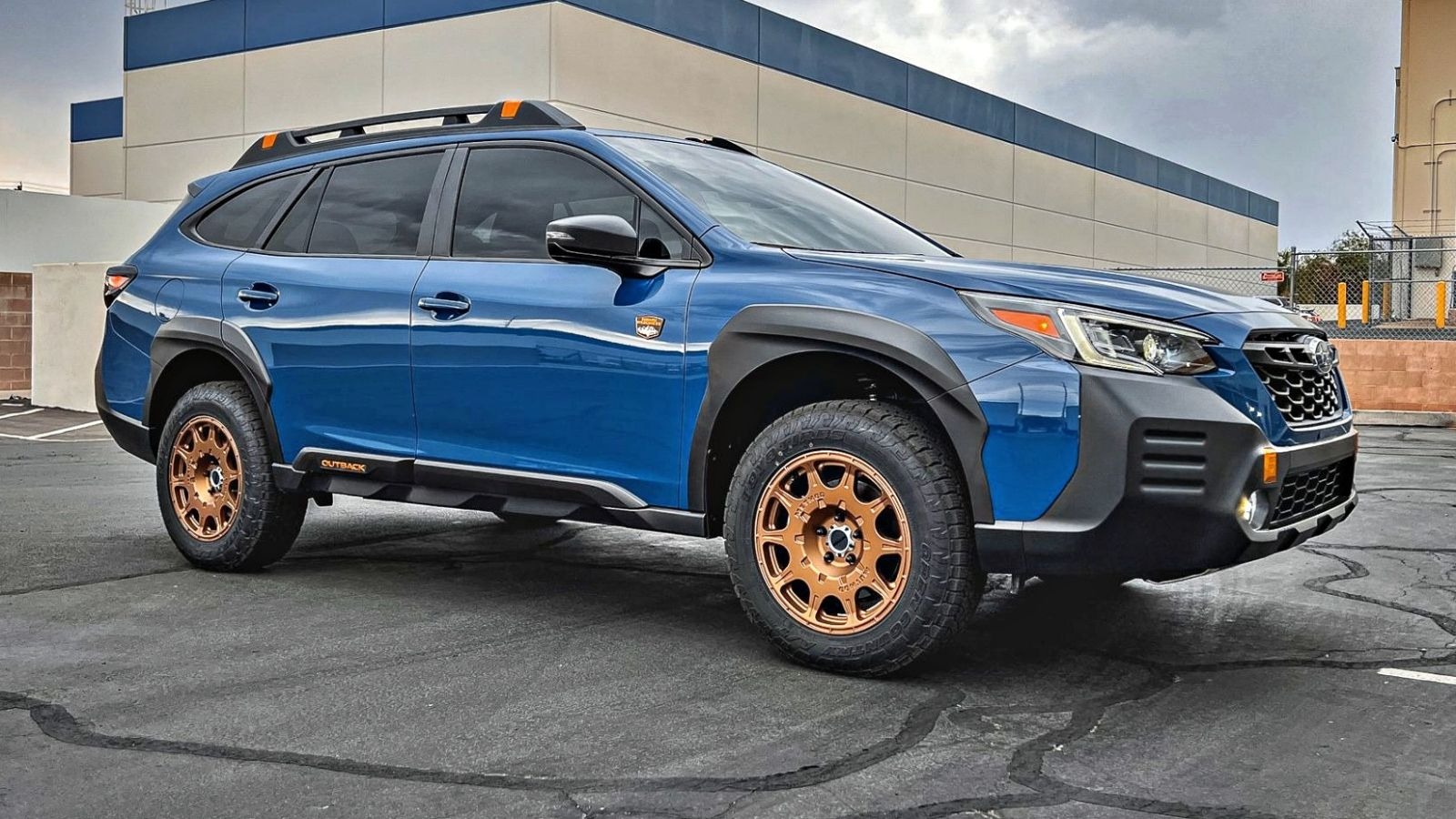
Subaru’s strategy appeals directly to buyers who value peace of mind and want an SUV that stands up to years of regular use with minimal service interruptions.
Their sealed transfer case systems provide a practical advantage and round out our selection of vehicles designed for longevity and consistent performance.
SUVs with Early Transfer Case Failures
While some vehicles offer the comfort of sealed transfer cases designed for the long haul, others have developed reputations for transfer case failures soon after purchase.
These premature issues can arise due to design flaws, poor material selection, or inadequate cooling and lubrication.
Owners often face hefty repair bills, loss of confidence in the vehicle, and inconvenient downtime. Examining SUVs with a history of early transfer case problems reveals important lessons about the necessity for thorough engineering and rigorous quality testing.
It’s important to discuss these models not with the intent to criticize owners’ choices, but rather to show the critical nature of drivetrain reliability.
These case studies highlight recurring problems that could have been avoided through robust component design, regular service intervals, or better communication from manufacturers.
By understanding which vehicles have encountered these issues and the underlying causes, prospective buyers are better equipped to make decisions and avoid unforeseen costs down the road.
The following five SUVs have encountered noteworthy rates of early transfer case failures, as reported by owners and consumer advocacy organizations.
Discussing them in detail illustrates how certain mechanical weaknesses can turn a promising SUV into a source of dissatisfaction, emphasizing why drivetrain integrity should never be overlooked during the purchase process.
1. Jeep Grand Cherokee (early 2010s)
The Jeep Grand Cherokee, particularly those models sold in the early 2010s, has seen higher-than-average reports of transfer case failures at relatively low mileage. This has been documented in various owner forums and reported to car reliability organizations.
Jeep introduced advanced four-wheel-drive systems in these models, but initial runs suffered from premature wear of internal gears and seals, sometimes due to material deficiencies or insufficient fluid capacity to manage heat during demanding conditions.
Addressing the Grand Cherokee serves an important purpose in highlighting how even legendary off-road brands can experience mechanical setbacks.
Jeep’s experimentations with intricate drivetrain designs were partly responsible for these issues, as more complex systems inadvertently introduced new failure points and increased the chance of manufacturing defects.
For owners who invested in a vehicle with offroad capability and ruggedness in mind, unexpected transfer case problems led to frustration, high repair costs, and anxiety over vehicle dependability.
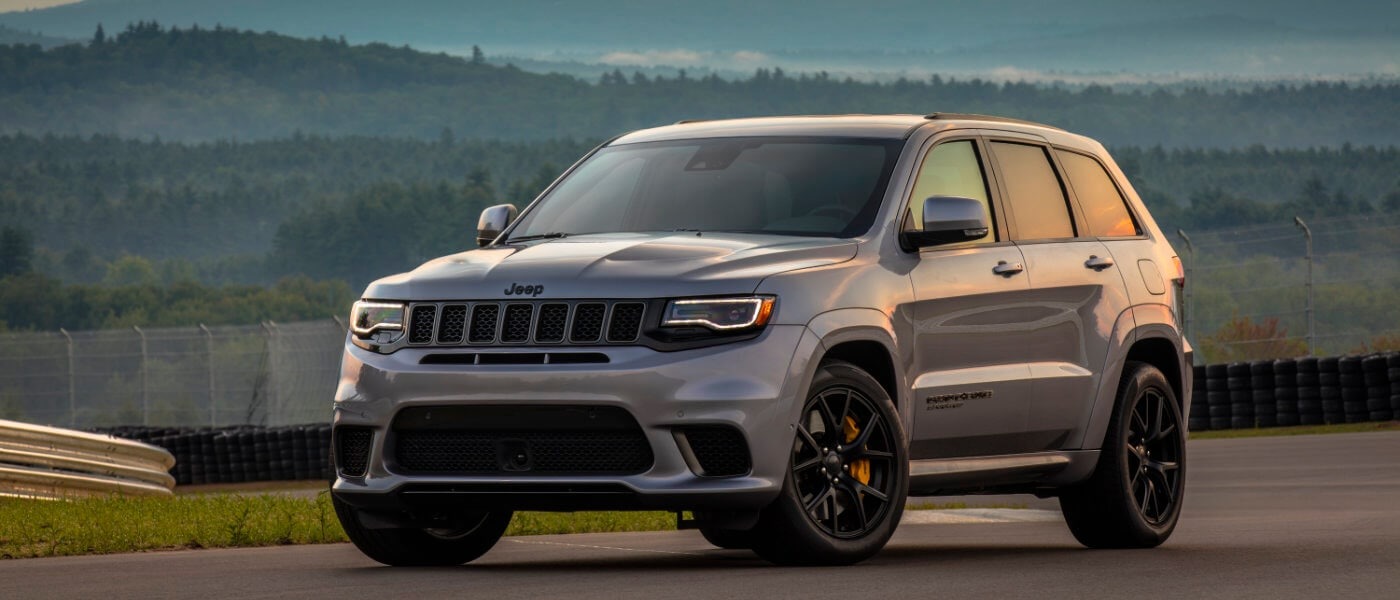
Bringing focus to this model is not intended to undermine the overall reputation of Jeep, but to mark the importance of diligent engineering and ongoing product development.
The lessons learned from these early failures have informed future model improvements, reinforcing the need for robust quality control and open communication with customers facing significant mechanical trouble.
2. Ford Explorer (2011-2015 Models)
The Ford Explorer from model years 2011 to 2015 is another example of an SUV that faced considerable transfer case challenges early in its lifecycle.
These models featured an advanced six-speed automatic transmission coupled with a transfer case designed for shifting power between front and rear axles.
Owners quickly reported symptoms such as unusual noises, sluggish shifts into four-wheel drive, and outright failure of the transfer case components well before typical wear intervals.
The cause of these problems often traces back to the durability of internal transfer case parts, including bearings and seals that failed under normal driving conditions, as well as issues related to inadequate lubrication or overheating.
This situation was exacerbated by aggressive driving in off-road or tow-heavy environments, which increased strain on the drivetrain.
Ford’s engineering and warranty response eventually included service bulletins and repairs aimed at reinforcing the transfer case’s reliability, but the early difficulties smeared the Explorer’s otherwise strong market presence.
Including the Ford Explorer in this discussion matters because it illustrates how mainstream family SUVs, commonly used in diverse environments, can suffer from drivetrain weaknesses that are not immediately apparent.
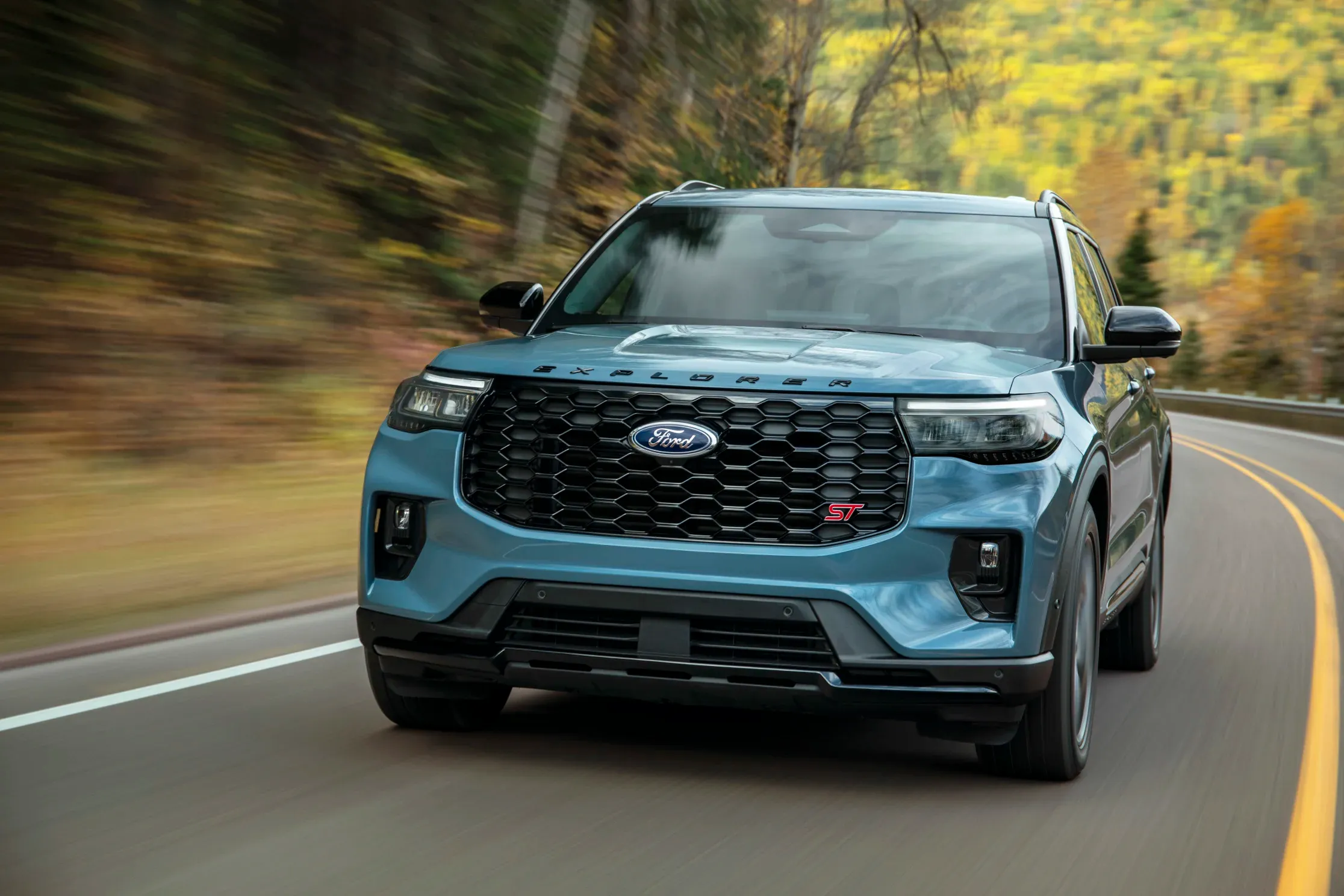
The transfer case is a vital component in a four-wheel-drive system, and failure impacts vehicle safety and mobility.
Highlighting the Explorer’s transfer case woes equips potential buyers to watch for symptoms and encourages manufacturers to strive for enhanced testing and quality control in drivetrain assemblies.
3. Chevrolet Tahoe (Mid-2000s)
The Chevrolet Tahoe, particularly units from the mid-2000s, experienced pronounced transfer case failures that troubled many owners.
The problem often presented as difficulty engaging four-wheel drive or strange noises emanating from the drivetrain, frequently related to worn gears or failing clutches inside the transfer case.
The failures typically occurred at relatively moderate mileages, which was unexpected given the Tahoe’s general reputation as a rugged SUV.
This transfer case problem was linked to certain design compromises where the transfer case could not cope reliably with high torque loads combined with heavy-duty usage scenarios such as towing or off-road driving.
Repair costs were significant as the entire transfer case or major internals often needed replacement. The Tahoe’s issues underscore the importance of durable component materials and thermal management in drivetrain design.
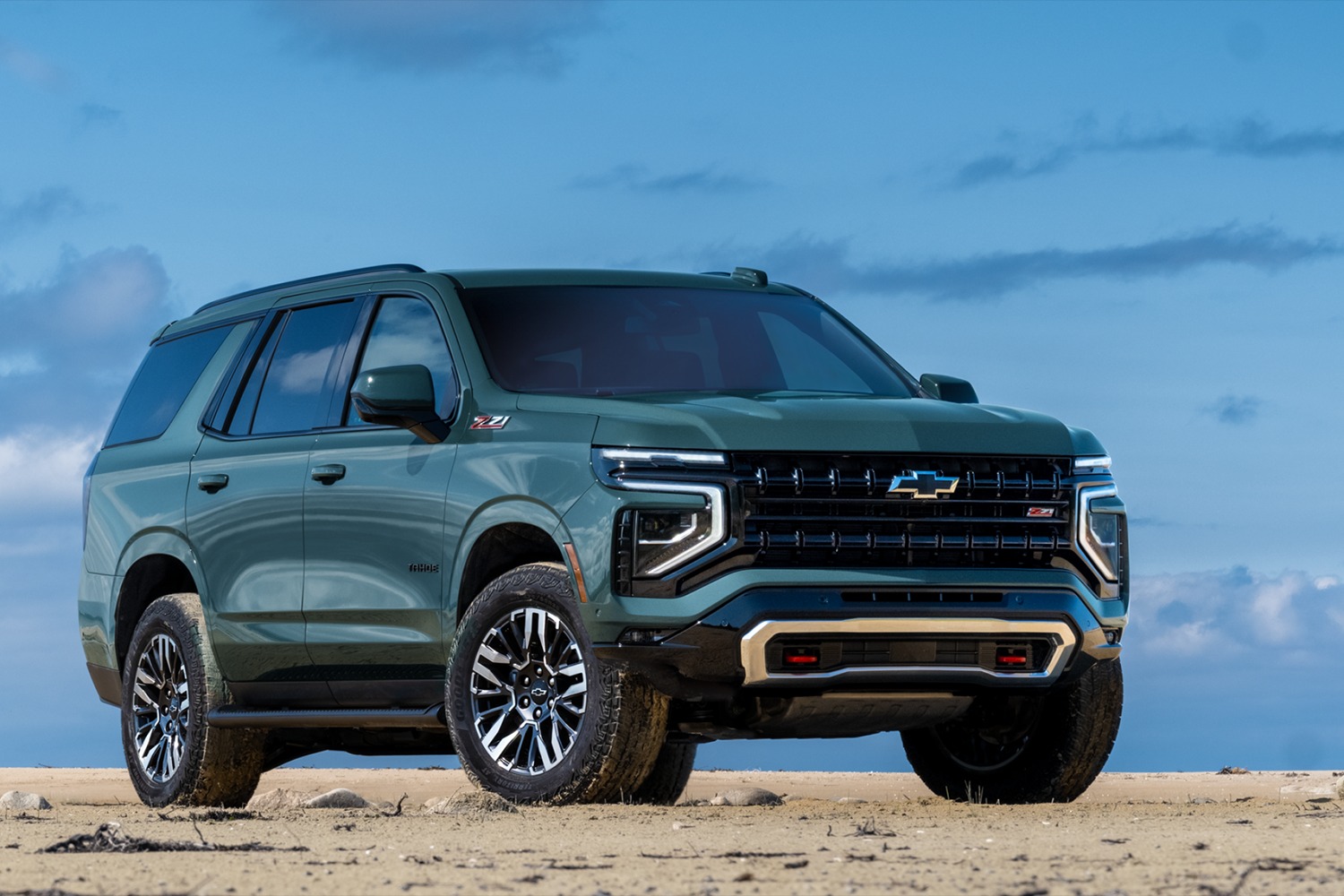
Writing about the Tahoe’s transfer case failures highlights how renowned full-size SUVs are not immune to drivetrain difficulties.
It raises awareness for those considering used or older models that transfer case health should be part of any comprehensive vehicle inspection. For Chevrolet, these experiences informed upgrades in successive models to enhance transfer case longevity and owner satisfaction.
4. Nissan Pathfinder (2005-2012)
Nissan Pathfinders from the mid-2000s to early 2010s exhibited a pattern of transfer case troubles, characterized by leakage, failure to shift into four-wheel drive, and internal gear damage.
These symptoms frequently arose due to seal degradation and internal wear, often accelerated by contamination or fluid breakdown.
The transfer case design for these models demanded regular fluid changes, but many owners were unaware or neglected this, leading to increased rates of failure.
Discussing the Pathfinder’s transfer case issues serves as a reminder that proper maintenance is critical, particularly if the vehicle faces demanding conditions.
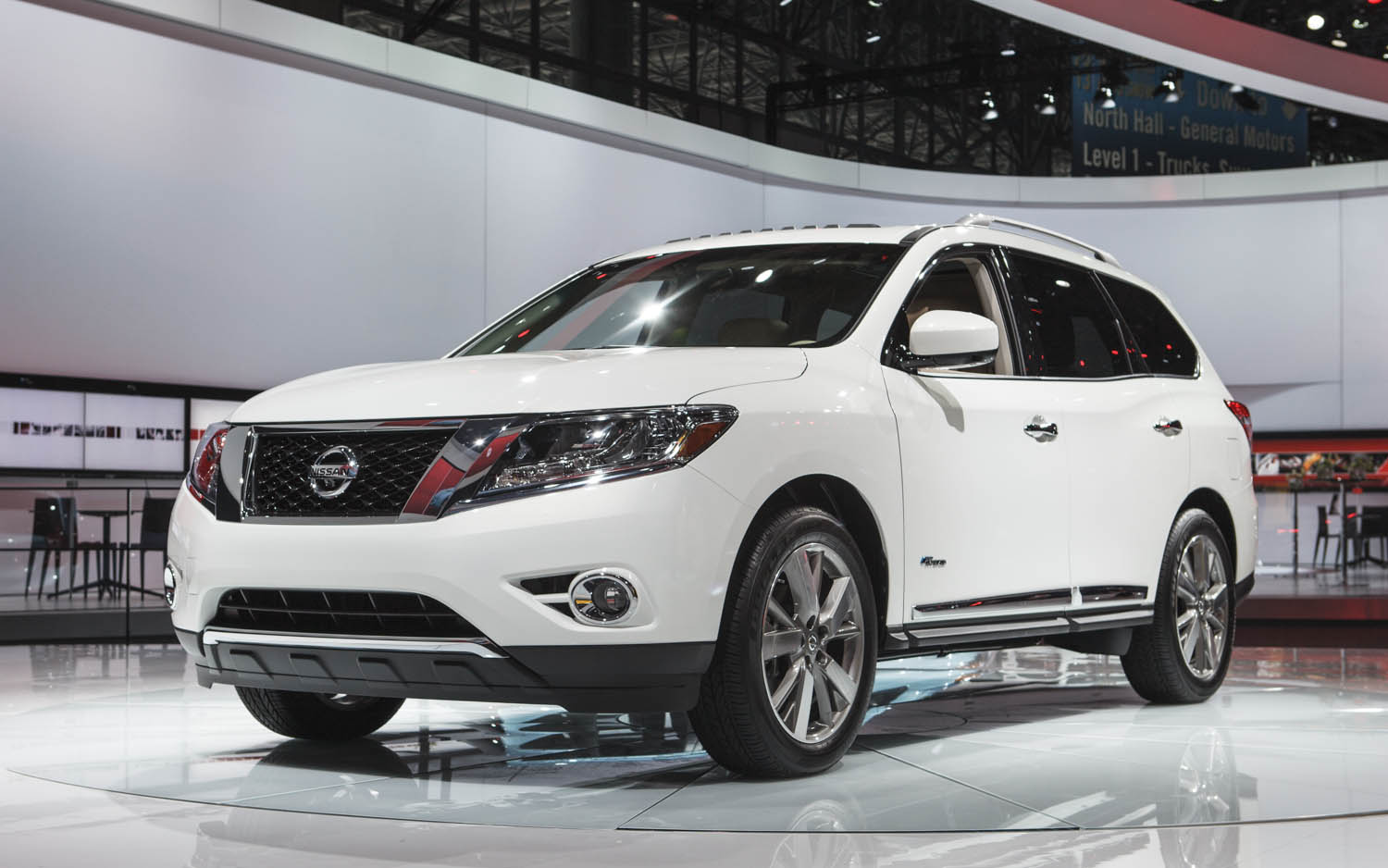
Nissan’s design during this period lacked the sealed, maintenance-free approach found in newer models, making the transfer case more susceptible to premature failure if not serviced correctly.
This example is important for illustrating how manufacturer instructions and owner diligence interact to influence drivetrain longevity.
Buyers should consider maintenance history carefully when evaluating these Pathfinders and be mindful that the transfer case may require more attention than some other models. Nissan’s later models have improved in addressing these concerns.
5. Dodge Durango (2014-2017)
The Dodge Durango from model years 2014 to 2017 also became known for early transfer case problems. Owners reported issues shifting into four-wheel or all-wheel drive and noises that indicated internal component failure.
These difficulties were often related to defective bearings and seals inside the transfer case, which resulted in fluid leaks and contamination that degraded performance.
The Durango’s transfer case was designed to handle varied driving conditions, including towing, but weaknesses in component durability became apparent with typical usage.
The problem impacted the vehicle’s reliability scores and appeared in consumer reports and automotive forums as a frequent complaint.
Focusing on the Durango highlights the challenges manufacturers face in balancing performance capabilities with transfer case durability.
It serves as a cautionary tale for consumers to research specific model years carefully and consider extended warranties or inspections when purchasing. For Dodge, it emphasized the need to reinforce drivetrain components to maintain competitive reputation and customer confidence.
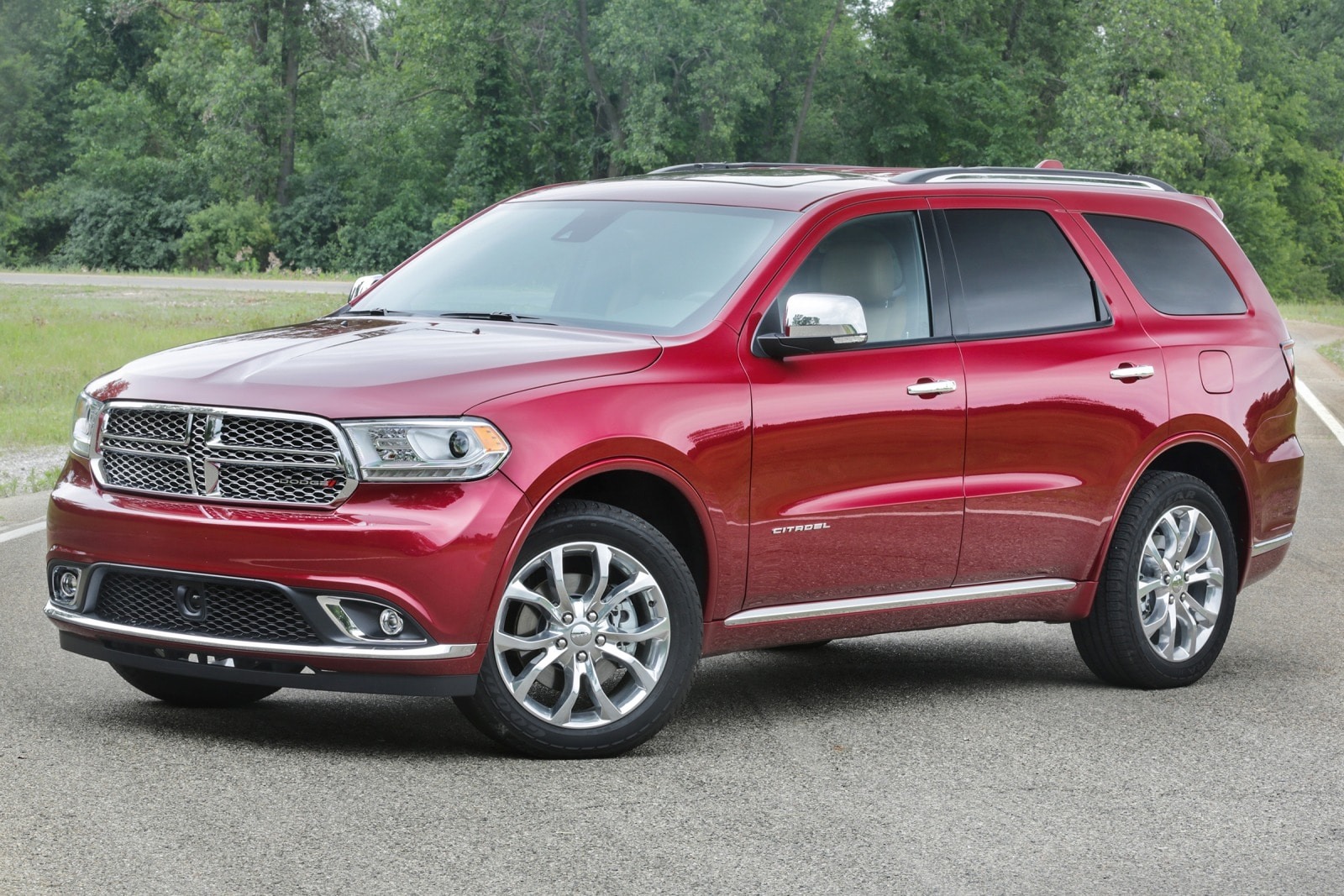
These five SUVs exemplify the realities and risks associated with early transfer case failures. Each one reveals how design decisions, material selection, and maintenance requirements coalesce to impact owner satisfaction and vehicle dependability.
Reviewing these models side by side with those equipped with sealed transfer cases offers a fuller picture of what prospective SUV buyers should weigh when prioritizing long-term reliability.
Sealed transfer cases represent a design focus on minimal maintenance and long-term durability.
These systems are constructed to operate for extended periods without fluid changes, reducing the burden on owners and decreasing the risk of neglect-related damage. Five SUVs exemplifying this approach are the Toyota Land Cruiser, Lexus GX, Honda Pilot, Acura MDX, and Subaru Outback/Ascent.
Each model showcases the benefits of sealed transfer cases, such as enhanced reliability and convenience.
For instance, the Toyota Land Cruiser’s sealed transfer case complements its reputation for toughness and remote-area dependability, while luxury brands like Lexus and Acura integrate sealed systems to match customer expectations for low maintenance without compromising performance.
The Honda Pilot and Subaru models demonstrate that sealed transfer cases are not limited to luxury or rugged terrains but also align with everyday utility and family needs.
In contrast, certain SUVs have been reported to face early transfer case failures, leading to costly repairs and inconvenient breakdowns.
The article highlights five notable models: the Jeep Grand Cherokee (early 2010s), Ford Explorer (2011–2015), Chevrolet Tahoe (mid-2000s), Nissan Pathfinder (2005–2012), and Dodge Durango (2014–2017).
These vehicles suffered from issues such as premature gear wear, seal failure, fluid leaks, and insufficient thermal management.
Causes varied from design flaws and material weaknesses to insufficient maintenance by owners. These problems underscore the importance of quality engineering and routine upkeep to avoid drivetrain failures that impact reliability and ownership satisfaction.
Together, these two perspectives provide a comprehensive understanding of the practical implications of transfer case design in SUVs.
Prospective buyers can use this information to weigh the trade-offs between low-maintenance sealed systems and older or problematic models requiring more careful attention, ultimately guiding more informed purchasing decisions.
Also Read: 5 Cars With Original Exhaust Systems Still Working and 5 That Rust Out Fast
