
When it comes to the reliability and longevity of an engine, few components are as critical yet as overlooked as the water pump.
Responsible for circulating coolant through the engine to maintain optimal temperatures, a robust and leak-free water pump is essential for avoiding catastrophic overheating or costly repairs.
Manufacturers have experimented with sealing technologies over the years, leading some vehicles to gain reputations for nearly maintenance-free water pump designs that last the “lifetime” of the car.
These vehicles stand out not because they remain untouched, but because drivers rarely face unexpected leaks or failures, even as odometers creep past 100,000 miles.
However, not all vehicles are fortunate to offer this level of durability. For every car with an exemplary water pump, there is another notorious for premature coolant leaks that can leave owners wrestling with repairs much sooner than anticipated.
Chronic issues in some models range from subpar gasket materials to poorly engineered placements of the water pump within the engine, making them prone to developing leaks at or before 100,000 miles.
Comparing examples of both extremes serves as a practical guide for anyone prioritizing engine longevity or shopping with reliability in mind.
Understanding the approaches that separate “lifetime” water pump vehicles from those likely to spring a leak can help drivers make informed decisions about maintenance and future purchases.
Also Read: 5 Vehicles That Hold Original Paint Perfectly and 5 That Chip By Year 1
Cars with Lifetime Water Pump Seals
When enthusiasts and mechanics refer to vehicles as “bulletproof,” the water pump often plays a role, even if it is rarely celebrated in brochures or advertising campaigns.
Some cars have engineered their water pump systems with such precision that leaks become an exception, not the rule.
Manufacturers who have prioritized robust seals, high-quality bearings, and carefully selected materials give owners peace of mind, alleviating concerns about coolant loss or the threat of sudden engine overheating.
The significance of these water pump designs extends beyond the simple convenience of fewer repairs.
For drivers who rack up high mileage or rely on their cars in demanding environments, knowing that the cooling system’s heartbeat is strong provides immense confidence. Whether for daily commutes, road trips, or work duties, a reliable water pump can remove a layer of uncertainty and expense.
Highlighting five specific cars celebrated for their long-lasting water pump seals shows both the engineering thought behind these successes and the direct benefits enjoyed by owners.
This focus not only serves enthusiasts and potential buyers but also celebrates understated automotive achievements that deliver lasting value.
Each vehicle selected in this section has garnered attention, either through industry reputation or consistent owner experience, for a water pump that truly sets and forgets itself under the hood.
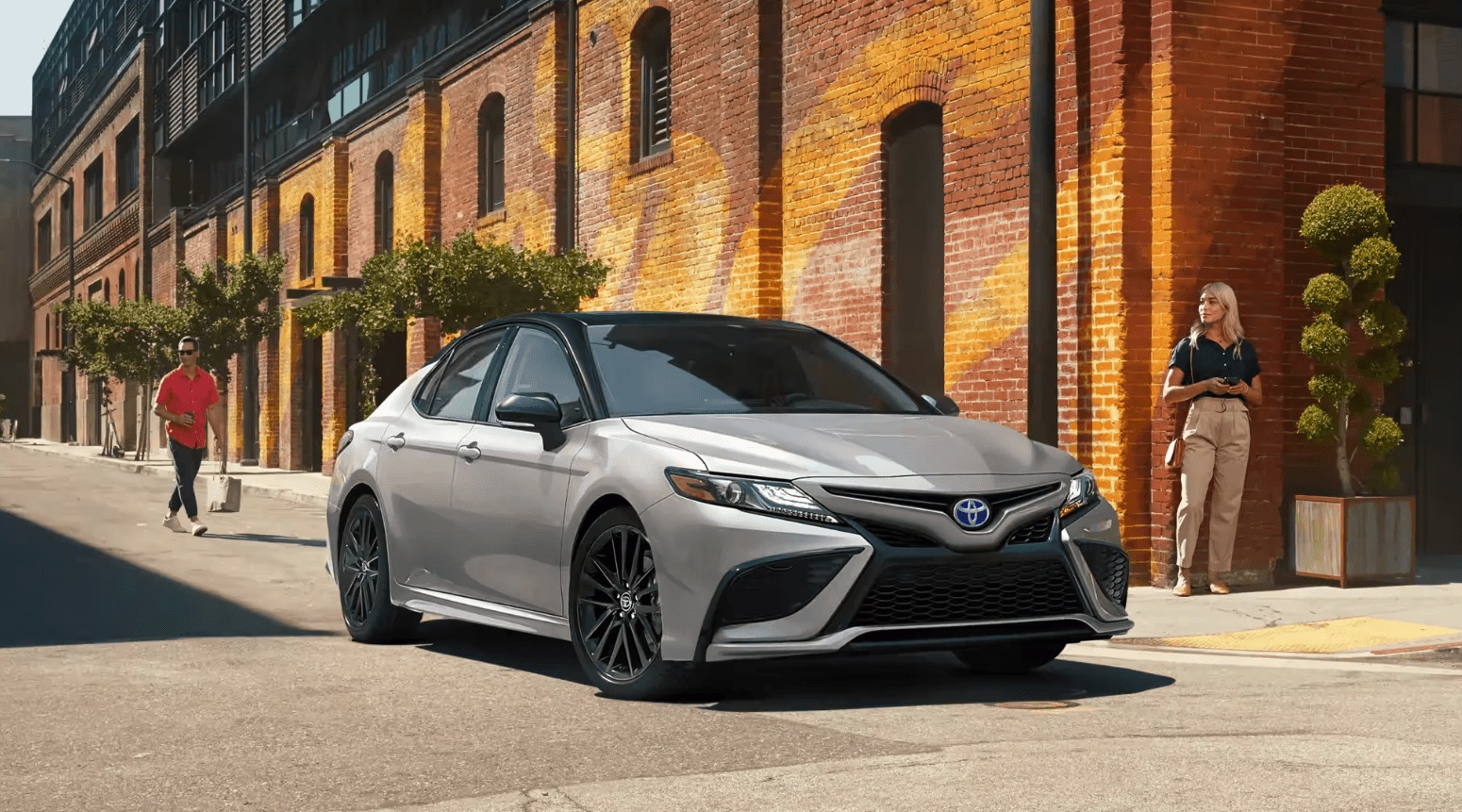
1. Toyota Camry (2012–2017, 2.5L Inline-4)
The Toyota Camry from 2012 to 2017, especially models equipped with the 2.5L inline-four “AR” engine, stands as a model of mechanical reliability. Owners and technicians consistently report that the water pump in these vehicles rarely fails prematurely.
The engineering focus behind this durability comes down to Toyota’s meticulous approach to mechanical sealing and use of high-quality gaskets.
The aluminum block paired with a cast pump housing forms a solid union, and the design ensures seals are well-protected from temperature spikes and vibrations, which commonly hasten leaks in lesser systems.
The Camry’s reputation for longevity is not only a testament to the brand but also to its attention to essential components like the water pump. Vehicles exceeding 150,000 miles without water pump issues are commonplace.
This reliability is especially valuable since replacing a water pump often involves significant labor and can risk damage to related components. With this Camry, maintenance schedules seldom require water pump replacements before other major services, like timing chains or spark plugs.
The reason for featuring the Camry here is twofold. First, it represents a high-volume, moderately priced sedan that has earned widespread praise for durability, meaning the experience is relevant to millions of owners and prospective buyers.
Second, it demonstrates that “lifetime” sealing is achievable in mass-market vehicles and not limited to luxury or niche models. Its enduring appeal and track record for minimal water pump maintenance make it a clear standout for those prioritizing low operating costs and hassle-free ownership.
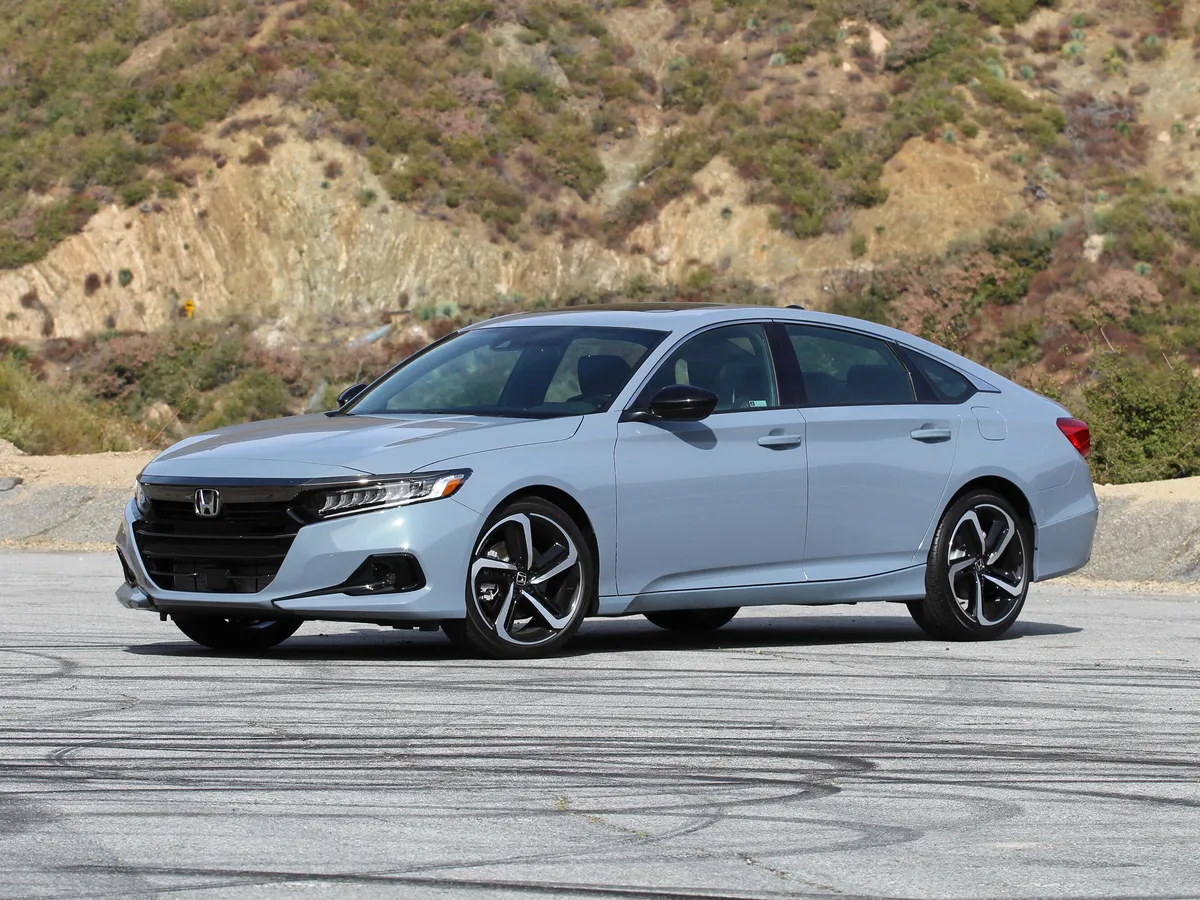
2. Honda Accord (2013–2017, 2.4L Earth Dreams)
The 2013–2017 Honda Accord with its 2.4L Earth Dreams engine is celebrated for a water pump that almost never demands attention.
Honda engineers addressed prior concerns from older models regarding water pump leaks by adopting a reinforced design in this generation.
The pump features upgraded internal seals and updated bearing assemblies, which are resistant to the heat cycling and pressure inconsistencies typical in prolonged urban driving.
Honda also carefully designed the mounting location for the pump, making it less susceptible to engine vibration and minimizing the risk of early wear.
The use of organic acid technology (OAT) coolant further reduces corrosive breakdown, ensuring the water pump’s moving parts remain lubricated and protected.
As a result, owner forums and mechanic reviews frequently describe instances of Accords exceeding 200,000 miles on the original water pump a rarity in the segment.
Choosing the Accord for this list highlights the impact that design refinements can have on long-term reliability, especially for high-traffic models.
The Accord has consistently appealed to commuters, families, and used-car shoppers looking for hassle-free motoring. Its stellar water pump durability minimizes maintenance costs and unexpected downtime, making it a touchstone for what drivers can expect from careful engineering.
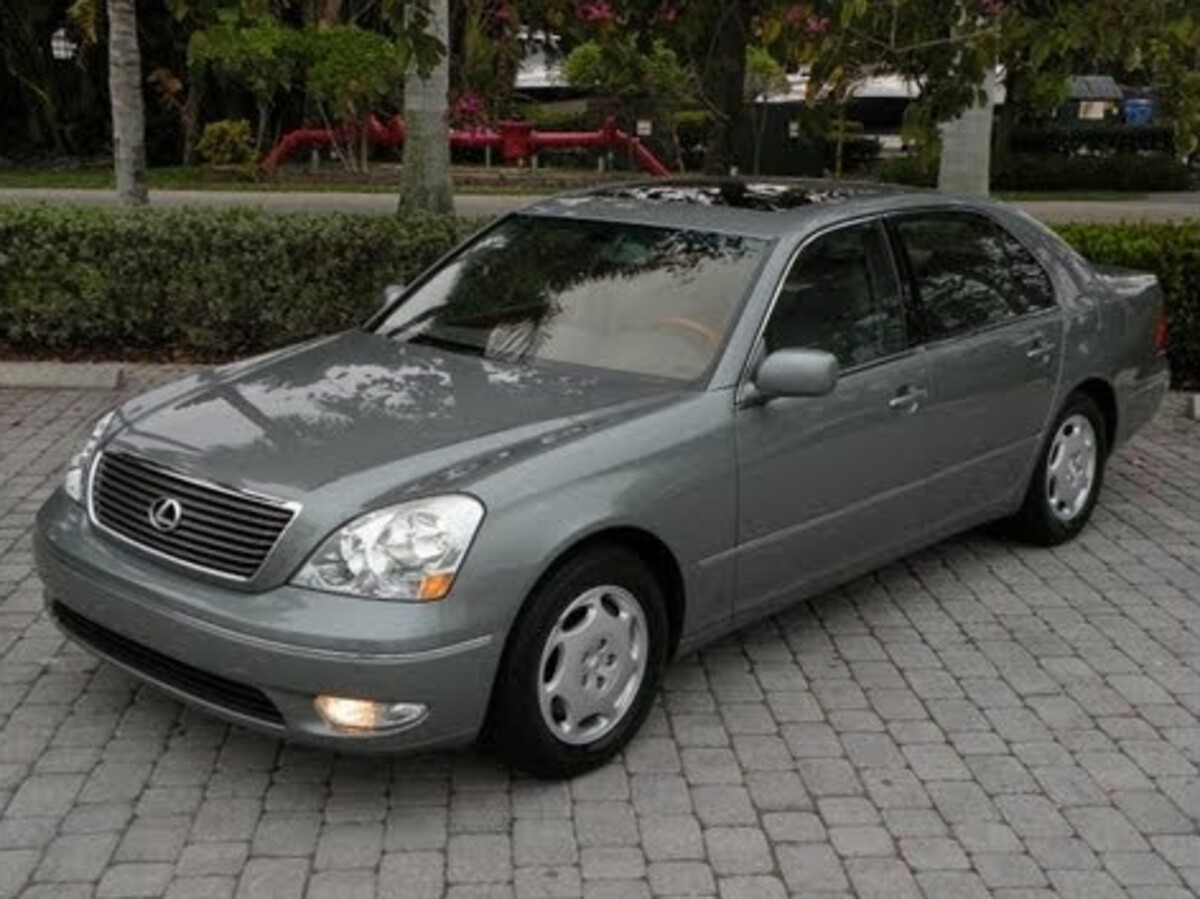
3. Lexus LS 430 (2001–2006)
The Lexus LS 430, produced from 2001 to 2006, showcases how luxury engineering can influence long-term component reliability. Renowned for its serene ride and bulletproof V8, the LS 430 also features a water pump system that’s regularly praised by long-term owners and independent mechanics.
The pump’s construction uses high-grade materials resistant to both chemical degradation and physical wear. Special attention was given to the shaft seal a notorious failure point on lower-quality pumps that prevents coolant from escaping the housing, even as the car accumulates hundreds of thousands of miles.
One contributing factor to this longevity is the relatively mild operating temperature of the LS 430’s 3UZ-FE engine, combined with Lexus’s strict service interval recommendations and premium coolant formula.
Because the LS 430 targets an audience expecting silent, worry-free performance, its designers focused on avoiding the hassle of unscheduled repairs, especially for crucial components.
Highlighting the LS 430 underlines how premium aspirations can shape every technical detail, down to a seemingly invisible component like the water pump.
Owners enjoy not just luxury, but the security of knowing their engine’s cooling system is robust, avoiding failures that could sideline one of the most refined driving experiences available. This example sets a benchmark for how high expectations can yield genuinely superior engineering outcomes.
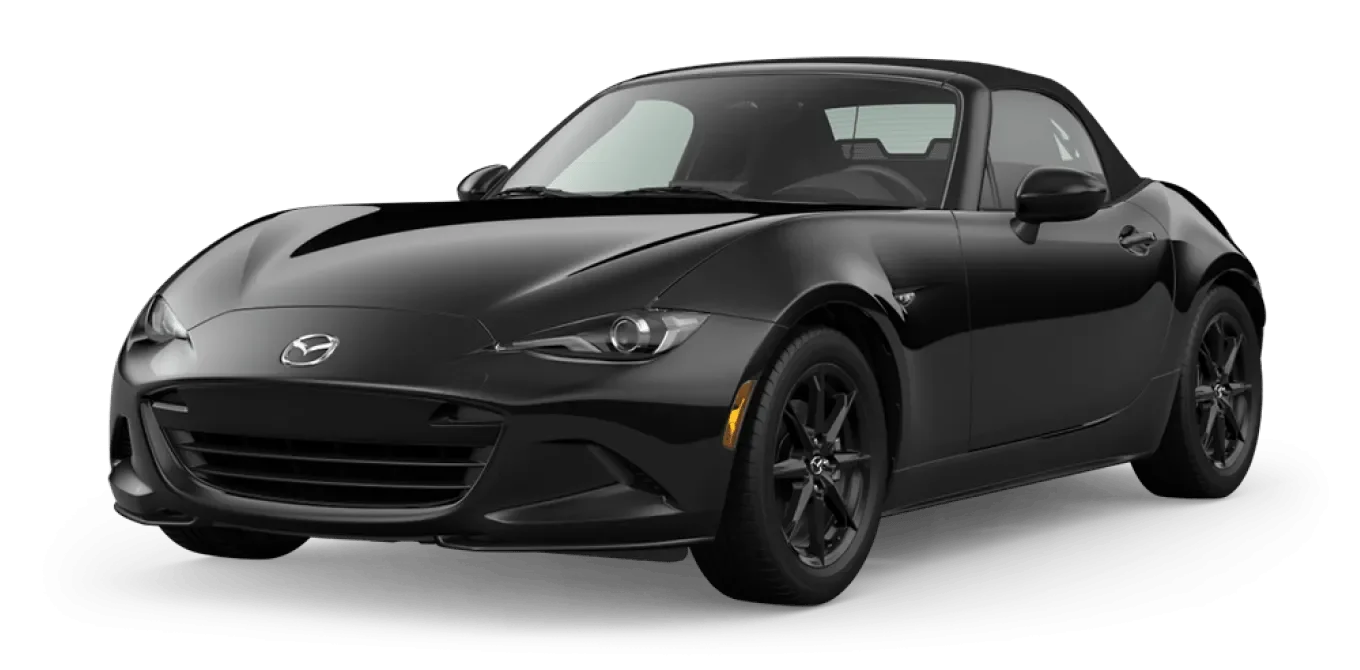
4. Mazda MX-5 Miata (2016–2022, ND Generation)
Mazda’s MX-5 Miata from the ND generation (2016–2022) exemplifies how a manufacturer famed for performance balance can also deliver exceptional mechanical reliability.
Many Miata owners, who drive their cars hard on both road and track, report original water pumps lasting far beyond 100,000 miles, often with no signs of leaks or bearing noise.
Mazda achieved this by using a low-mass water pump assembly with a tightly sealed bearing system and by designing the coolant flow to minimize pressure spikes at the pump’s face common causes for seal fatigue.
Despite its compact size and sporty intent, Mazda prioritized durability because Miata owners frequently push their engines to their limits.
The ND generation uses advanced manufacturing methods to ensure that fit and finish prevent coolant seepage, while O-ring improvements and the use of long-life coolant further reduce risks of seal breakdown.
This car is featured due to its unique standing as a lightweight sports car that delivers joy without major repair worries.
The Miata’s reputation means many owners plan to keep their cars for the long haul, entering high-mileage territory where poor component design would otherwise be exposed.
The ND Miata’s sustained water pump reliability offers evidence that smart engineering can coexist with fun, making it especially noteworthy.
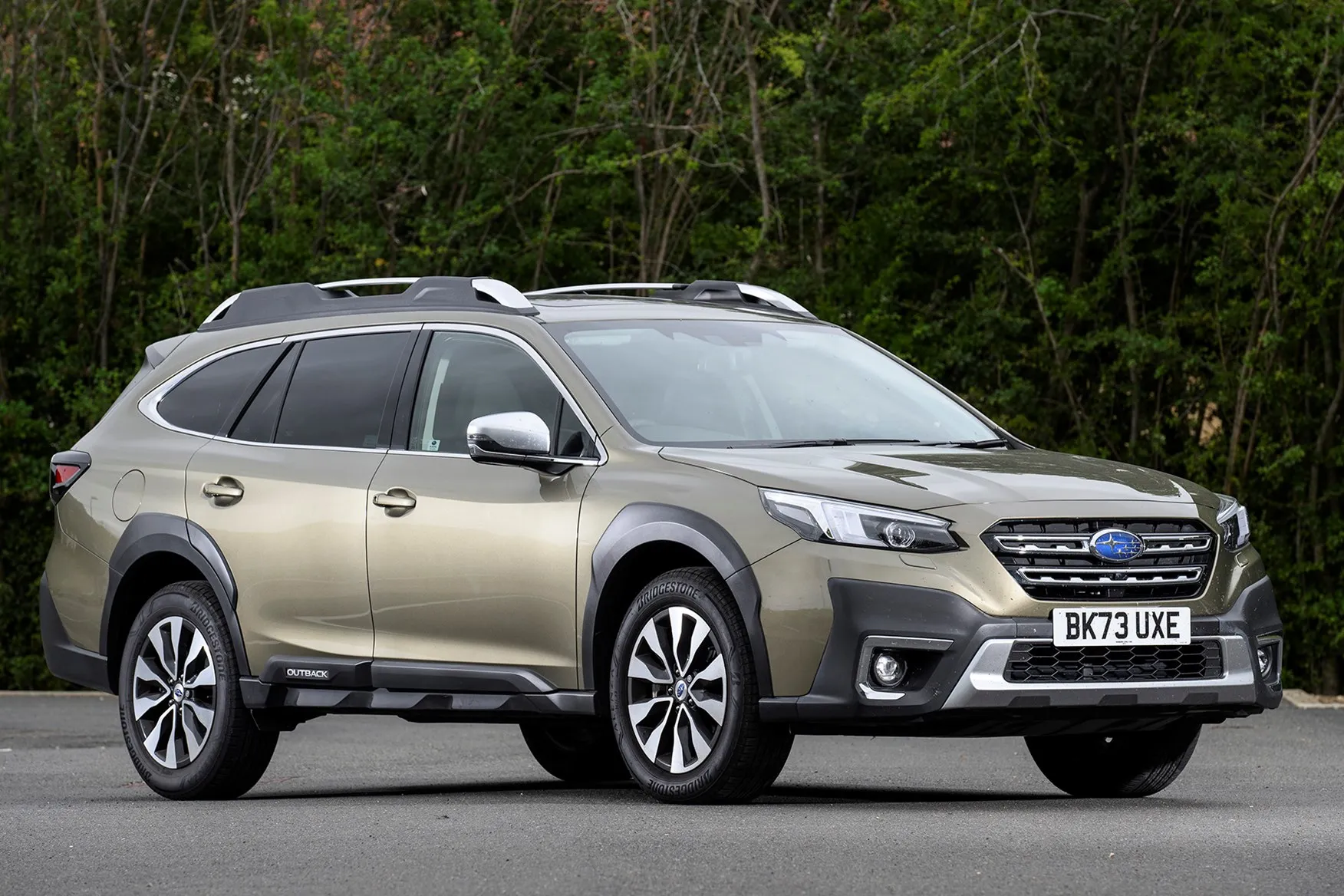
5. Subaru Outback (2015–2020, 2.5L FB25 Engine)
The Subaru Outback fitted with the 2.5L FB25 engine from 2015 to 2020 demonstrates how redesign can quash historical complaints regarding coolant leaks. Earlier generations had struggles with external head gasket and water pump leakage.
With the FB25 series, Subaru overhauled materials and sealing strategies, introducing multi-layered seals and relocating the pump slightly to prevent exposure to detrimental thermal cycling.
Reports from both dealer maintenance records and independent mechanics indicate these Outbacks routinely surpass 100,000 miles before needing any attention to the water pump.
Subaru’s commitment to a more effective seal was partly inspired by customer feedback, which guided their shift to a stronger, more chemically resistant gasket formulation.
For families and adventurers who depend on their vehicle in remote areas, this enhancement is more than a technicality it builds confidence for travel far from service centers.
Choosing the Outback here showcases how a manufacturer can address legacy problems with targeted design evolution.
Instead of accepting earlier weaknesses as inevitable, Subaru’s revised approach offers a fresh standard for what drivers can expect, especially in vehicles intended for heavy daily use or long-haul adventures.
Cars Known to Leak Coolant by 100,000 Miles
Cooling system issues remain a constant source of frustration for drivers, thanks to the costly and time-consuming nature of repairs.
For some vehicles, water pump failures and the resulting coolant leaks are not isolated cases but common experiences, often occurring before the odometer discovers its sixth digit.
The risk isn’t merely inconvenience; a leaking coolant system threatens the entire engine’s longevity and, if neglected, can lead to sudden overheating and repair bills that eclipse the car’s value.
Certain makes and models have earned unenviable reputations for this precise issue water pumps prone to failure by 100,000 miles, regardless of driving habits or regular service.
Complications usually arise from poorly selected gasket materials, insufficiently robust designs, or unfortunate positioning that subjects the pump to excessive heat and vibration.
Recognizing these at-risk vehicles offers valuable guidance for current owners and used-car buyers, helping them prepare for or avoid unwanted expenses.
The following five vehicles have consistently surfaced in reliability studies, mechanic testimonies, and owner reports for their tendency to spring coolant leaks prematurely.
By spotlighting them, this section aims to inform and caution while emphasizing the mechanical realities that set these cars apart from more trouble-free options.
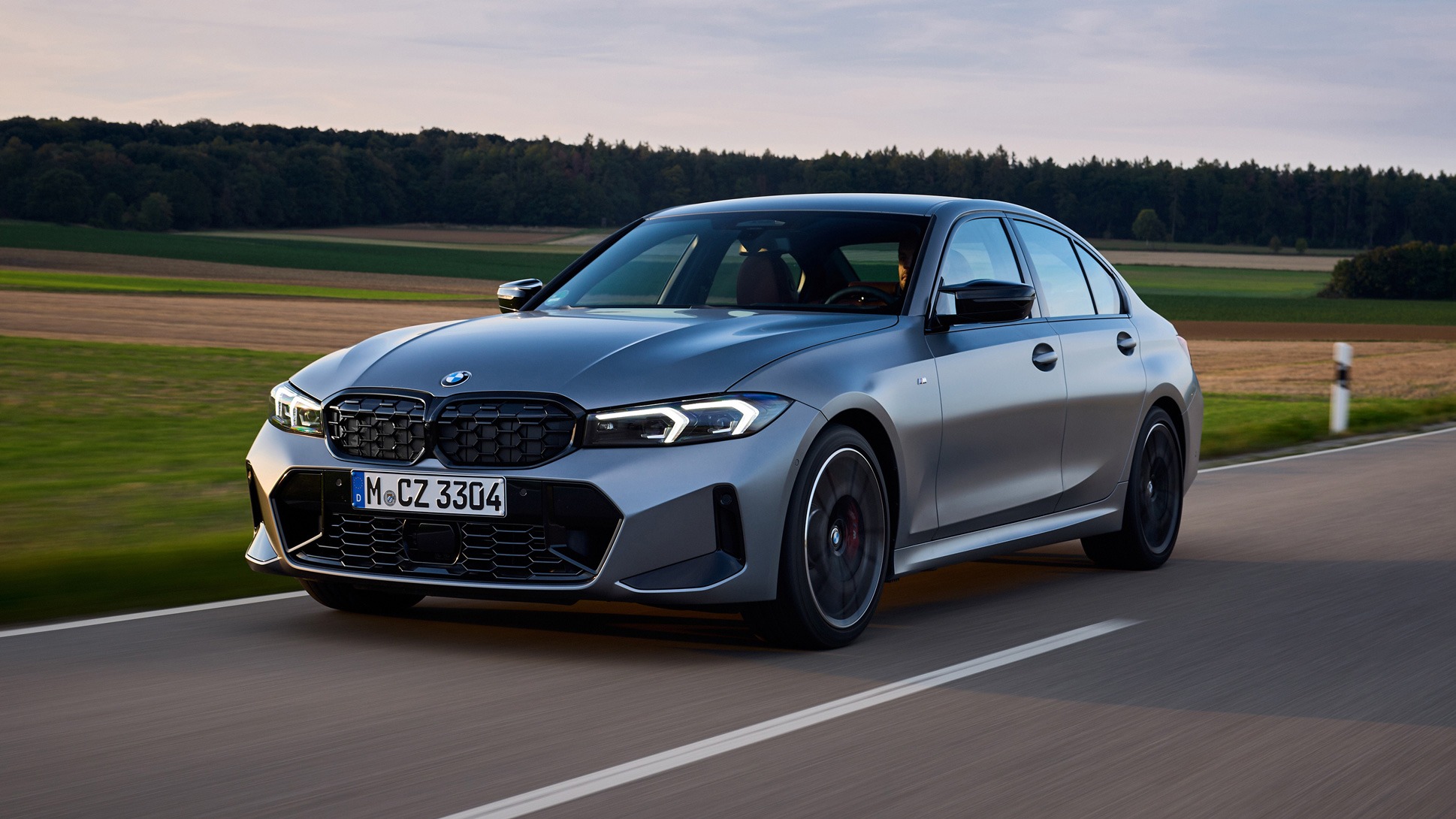
1. BMW 3 Series (E90/E92, 2006–2013)
Owners of the BMW 3 Series from the E90/E92 generation (model years 2006 to 2013) frequently encounter water pump failures earlier than expected.
This generation marked BMW’s shift from traditional mechanical water pumps to electric units, intended to improve efficiency and engine response.
However, the electric water pumps in the inline-six engines (N52, N54) are susceptible to internal bearing and electronics degradation, typically resulting in failures between 60,000 and 100,000 miles.
The issue is compounded by the pump’s complex integration with the car’s electronics. When the water pump ceases operation or begins to leak, immediate overheating can occur, sometimes without significant warning.
Replacement costs are elevated due to the necessity of original parts and specialized labor. Further complicating matters, the positioning of the water pump within the engine bay makes it vulnerable to thermal cycling, increasing susceptibility to gasket and seal deterioration.
BMW fans may accept heavy scheduled maintenance as a cost of ownership, but the frequency and expense of water pump-related repairs on these models is a major point of contention.
The reason for featuring the E90/E92 here is its high visibility among used-car shoppers and enthusiasts, for whom the specter of water pump failure is a well-known and often-discussed pitfall. It stands as a cautionary example, reminding buyers and current owners to budget for this inevitability.
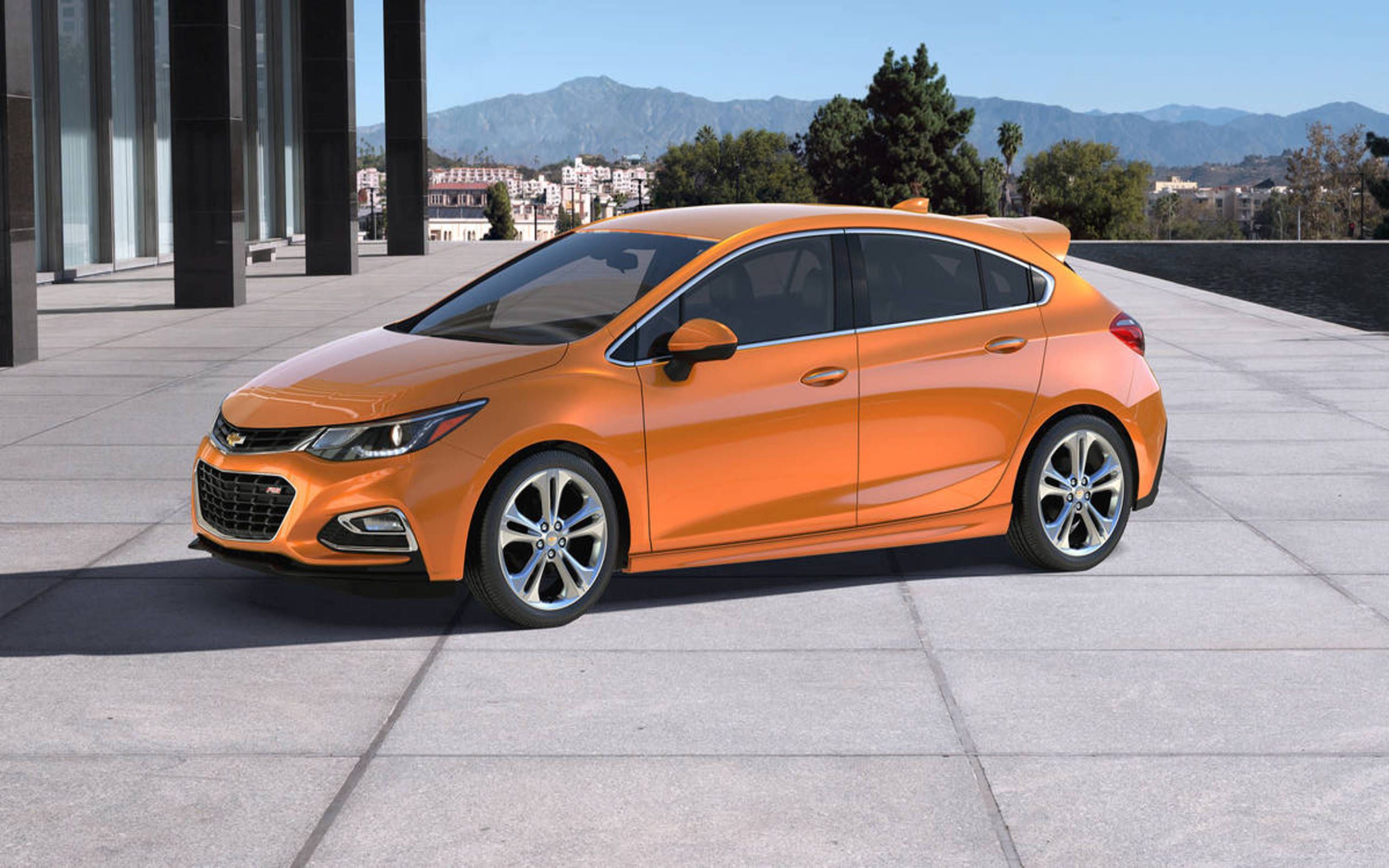
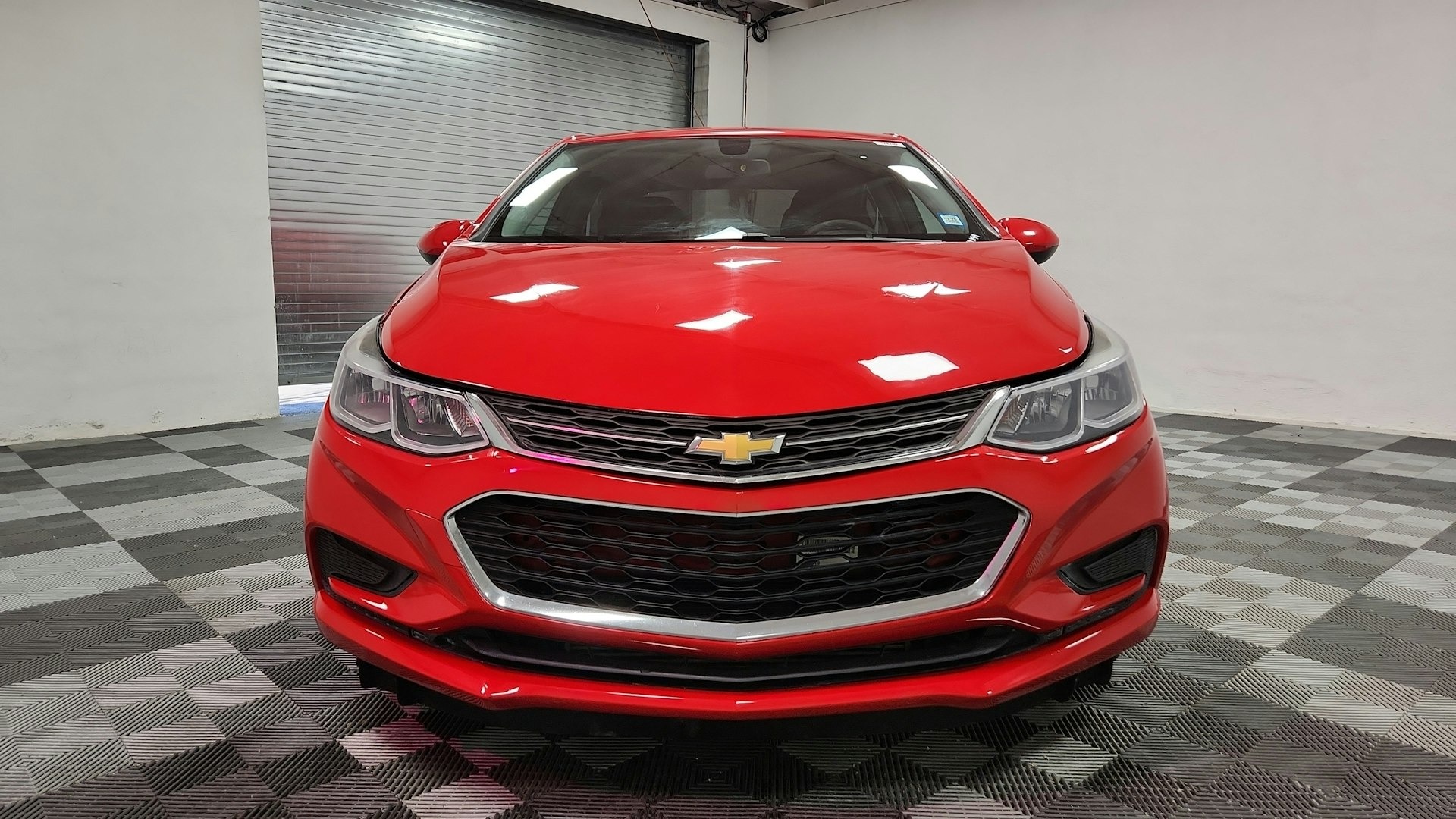
2. Chevrolet Cruze (2011–2015, 1.4L Turbo)
The Chevrolet Cruze, specifically the 2011–2015 model years equipped with the 1.4L turbocharged engine, has gained a frustrating association with frequent coolant leaks.
The compact sedan employs a water pump with a plastic impeller and seals that are particularly vulnerable to both heat and pressure fluctuations a flaw enhanced by the engine’s turbocharged operation.
Real-world results bear out what many drivers dread: failed water pump seals often result in coolant leaks well before the 100,000-mile mark, sometimes as early as 60,000 miles.
Dealer records and technical service bulletins reference an ongoing pattern of premature pump replacements, spurred by complaints ranging from slow drips to sudden, catastrophic coolant loss.
The difficulty is aggravated by tight engine packaging that makes inspection and replacement time-consuming and costly. In some cases, faulty pump design has led to revised parts, but even replacement pumps have reportedly failed sooner than expected.
This example is included based on persistent reputation among owners and fleet operators, who often require affordable, dependable transportation.
Despite its many positives, the Cruze’s early water pump leaks create ongoing maintenance headaches, underlining the importance of robust quality control when engineering critical engine components, especially on high-stress, turbocharged platforms.
3. Dodge Journey (2009–2018, 3.6L Pentastar V6)
The Dodge Journey, especially those equipped with the 3.6L Pentastar V6 from 2009 to 2018, has seen water pump leaks and failures reported with surprising regularity.
The pump’s gasket material and mounting location have been sources of trouble, frequently leading to leaks by or before the 100,000-mile threshold. In some cases, coolant finds its way into areas that complicate diagnosis and repair, increasing both labor and potential for ancillary component damage.
Beyond the pump’s design flaws, a related problem is the engine’s tendency to run hot in heavy traffic or during prolonged idling, raising the internal pressure and challenging the integrity of weaker seals.
For average owners, early leaks lead to repeat shop visits and higher maintenance budgets, especially since the Pentastar V6 shares components with other FCA models, making cross-platform issues more visible.
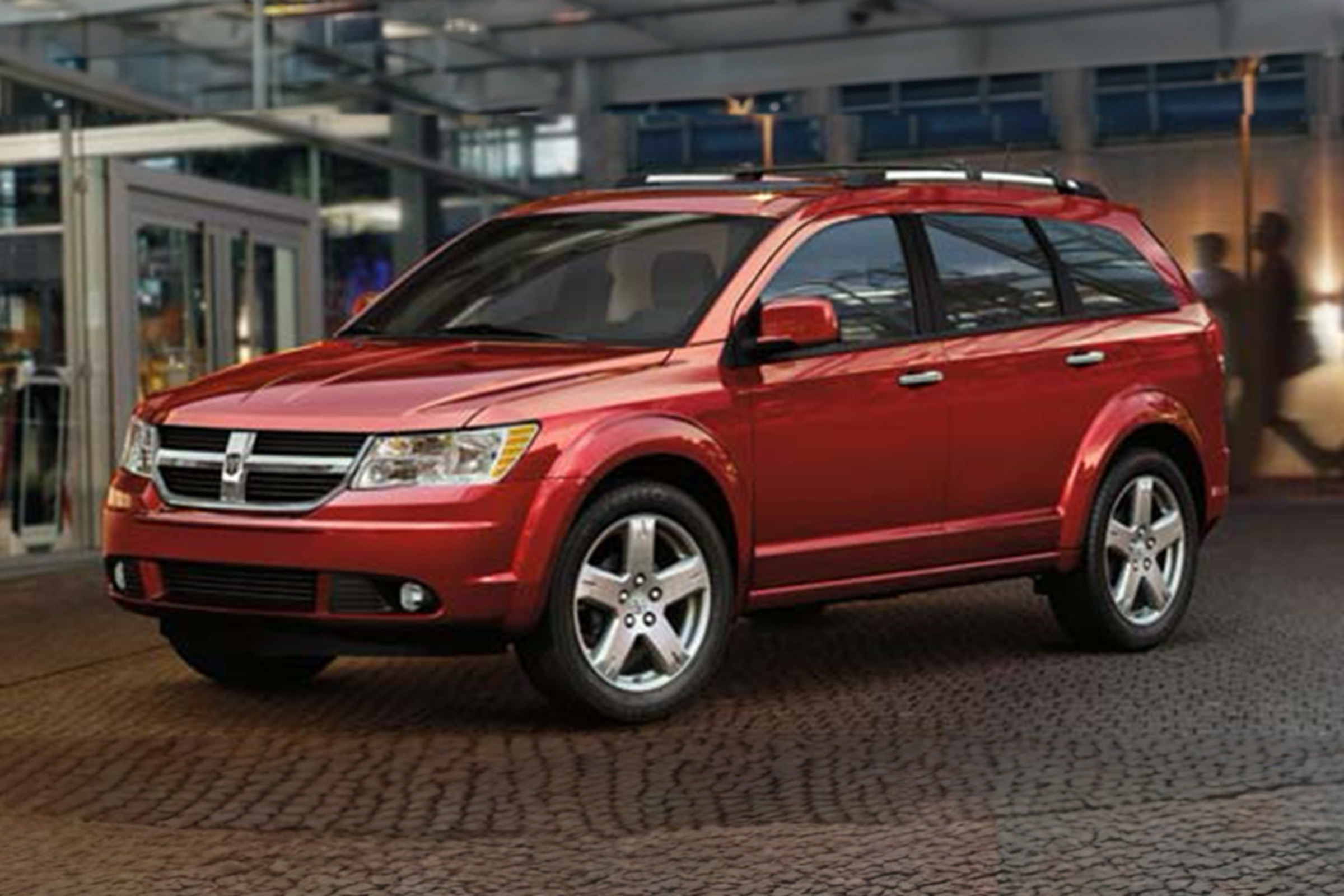
Highlighting the Journey in this section allows drivers shopping used, or maintaining a family workhorse, to factor potential water pump expenses into their calculations.
The notoriety it has developed points to the need for regular cooling system checks and swift response to coolant loss. This avoids compounding problems that could easily transform minor leaks into full-blown engine failures.
4. Ford Escape (2013–2019, 1.6L EcoBoost)
Ford’s 1.6L EcoBoost engine, fitted in the Escape from 2013 to 2019, presents its own persistent pattern of water pump troubles.
The compact crossover’s pump location, buried deep within the belt drive system and abutting the engine block, contributes to premature seal and bearing degradation, as heat and vibration steadily take their toll.
Reports indicate that coolant leaks can surface well before reaching 100,000 miles, causing major inconvenience for owners relying on their Escape as a family vehicle or daily commuter.
Beyond the location and material weaknesses, some 1.6L EcoBoost units faced broader manufacturing quality issues, prompting technical service bulletins and recalls related to water pump failure.
Fluctuating heat cycles from turbocharging operations place further stress on the sealing surfaces. Resultant leaks often lead to gradual engine overheating or, in worst cases, rapid loss of coolant and potential engine failure.
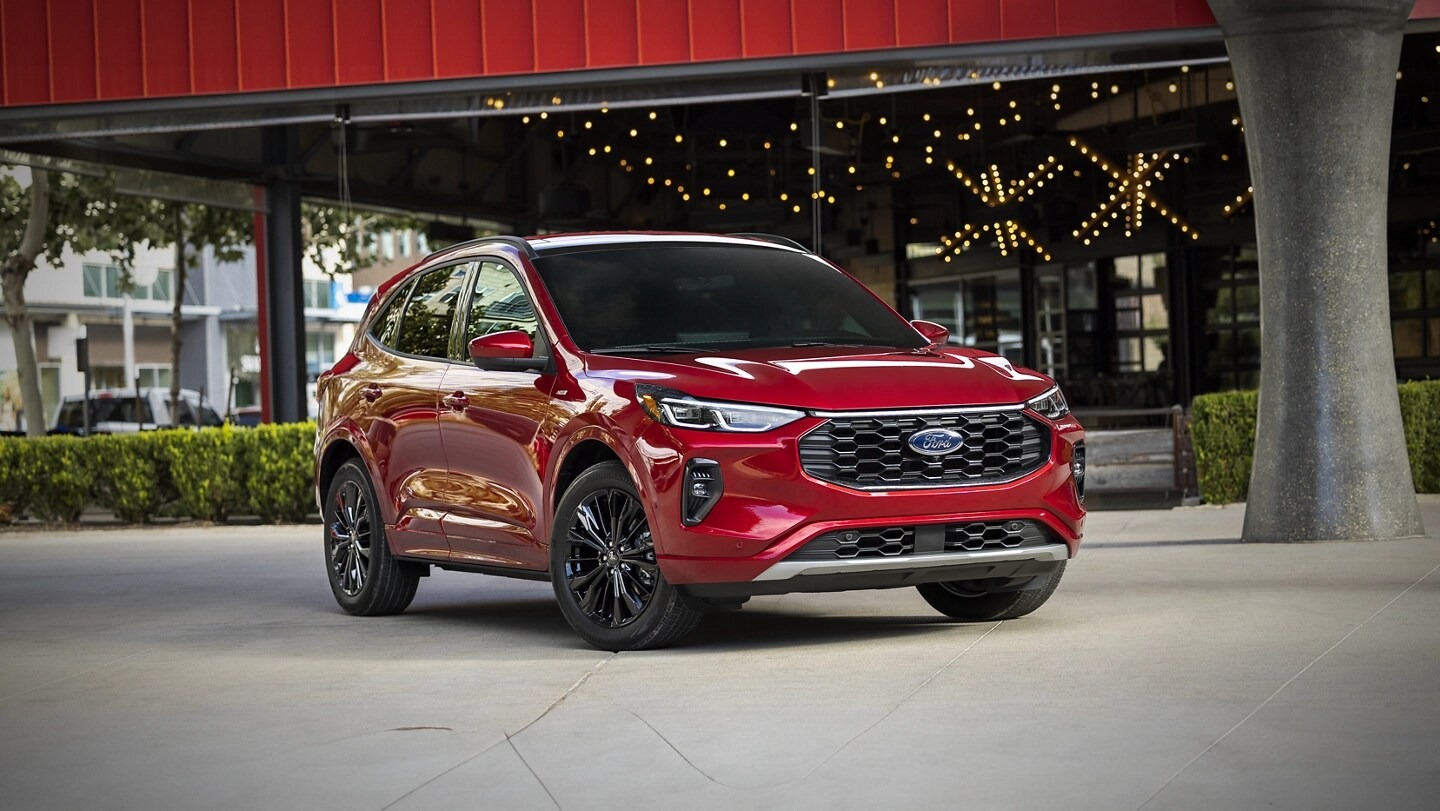
By featuring the Escape here, the focus is on a broadly popular and influential vehicle that should combine ruggedness and dependability.
The visibility of this weakness makes it an important caution for prospective buyers, especially those seeking a crossover suited for high-mileage use or less frequent maintenance.
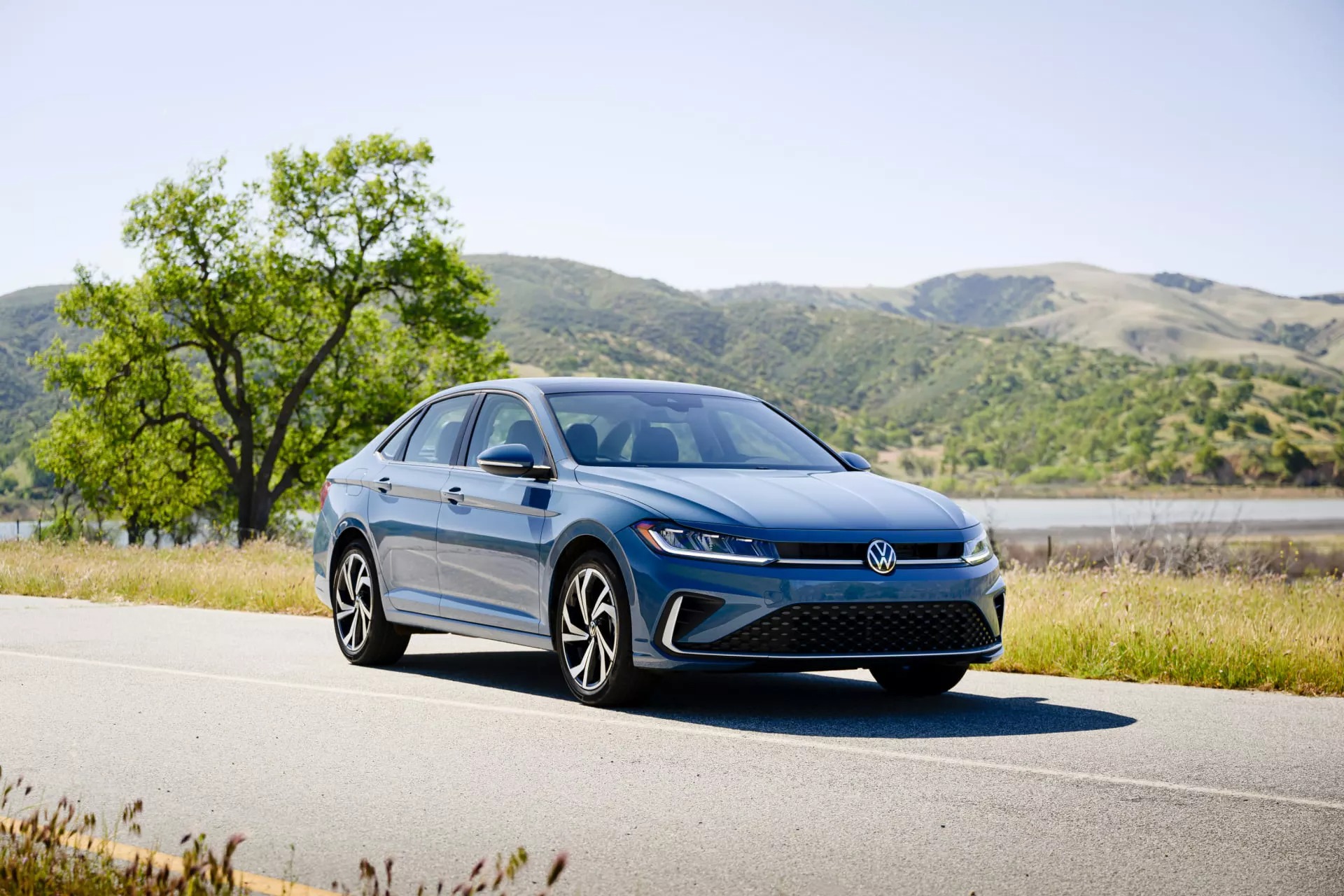
5. Volkswagen Jetta (2009–2014, 2.0L TSI)
The 2009–2014 Volkswagen Jetta equipped with the 2.0L TSI engine remains a noteworthy case for recurring water pump and coolant leak problems.
Volkswagen employed a hybrid pump design that combines plastic and metal components, but the plastic portions, particularly where seals are involved, are prone to warping or outright cracking after repeated heat cycles. This flaw leads to leaks that can develop rapidly and often demand entire assembly replacement.
Adding to the challenge, the complexity of the TSI’s turbocharged plumbing places additional strain on cooling system components and generates higher temperatures that accelerate seal wear.
Mechanics routinely call out the frequency of water pump failures as a known issue, spurring both warranty claims and owner-led repairs long before typical “lifetime” expectations are met.
This Jetta serves as a key warning for buyers considering European compacts, especially those enticed by sporty features or fuel efficiency.
The risk of early cooling system repairs, paired with higher labor costs and the need for specialized parts, can erode the value proposition, stressing the role that design decisions and materials choices play in long-term satisfaction.
This comprehensive comparison focuses on water pump reliability as a predictor of expected maintenance and unexpected expenses.
For vehicle owners, weighing these examples informs decisions that extend from buying to maintaining cars, ensuring a more confident approach to one of the most important aspects of engine health.
This article compares vehicles with notably durable water pump seals against those prone to coolant leaks by around 100,000 miles, focusing on reliability and maintenance implications.
Water pumps play a vital role in engine cooling by circulating coolant; their failure can lead to overheating and costly repairs.
Some cars are equipped with water pumps designed to last the vehicle’s lifetime, providing owners with peace of mind and reduced maintenance costs.
These often benefit from high-quality materials, robust gaskets, and thoughtful engineering to minimize exposure to heat, vibration, and wear.
Five models praised for their water pump durability include the Toyota Camry (2012–2017), known for reliable seals and sturdy construction; the Honda Accord (2013–2017) with improved pump designs and mounting; the Lexus LS 430 (2001–2006), which combines luxury and longevity.
The Mazda MX-5 Miata (2016–2022), where sporty engineering meets durability; and the Subaru Outback (2015–2020), which corrected previous leakage problems through redesigned seals and materials. Each demonstrates how attention to component design enhances engine longevity and lowers ownership hassles.
On the other hand, some vehicles frequently experience coolant leaks and water pump failures before 100,000 miles.
These include the BMW 3 Series (E90/E92), with electric pumps that often fail early; the Chevrolet Cruze (2011–2015), affected by plastic impeller and seal issues; the Dodge Journey (2009–2018), with gasket and positioning challenges.
The Ford Escape (2013–2019), suffers from heat and vibration damage, and the Volkswagen Jetta (2009–2014), plagued by plastic component warping in turbocharged engines. Identifying these helps owners anticipate potential repairs and guides buyers seeking reliable options.
Understanding these differences assists drivers in making informed choices about vehicle maintenance and purchase, recognising the importance of water pump design on overall engine health and cost of ownership.
Also Read: 5 Pickups With Factory Sealed Transmissions That Never Fail and 5 That do
